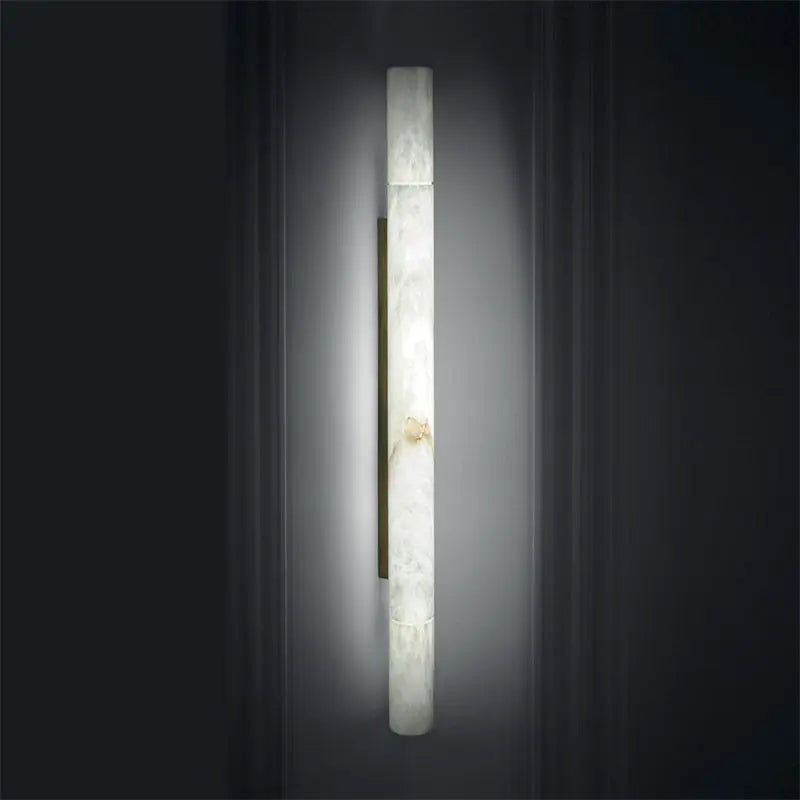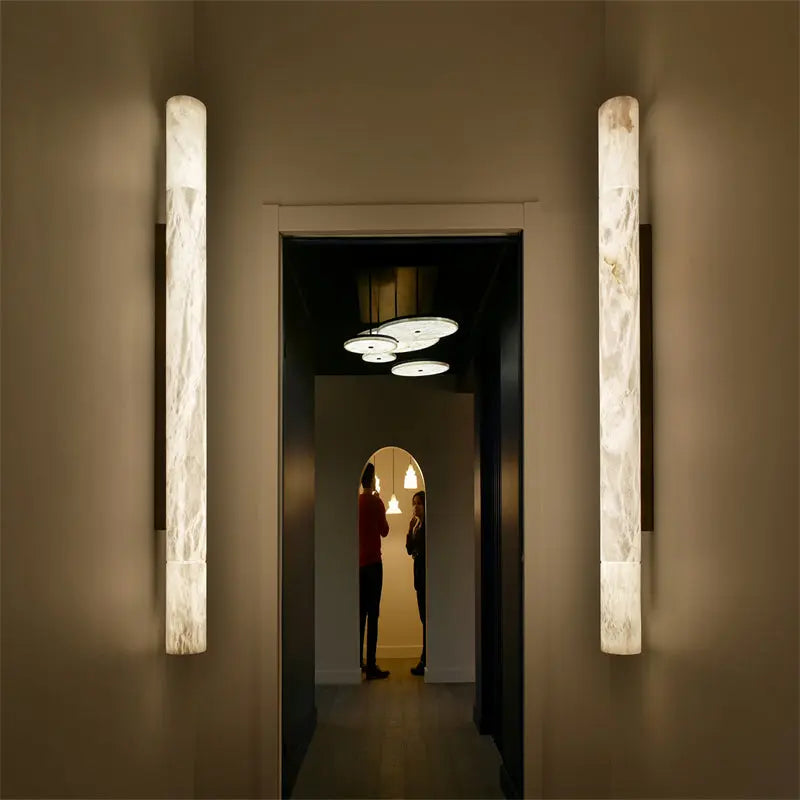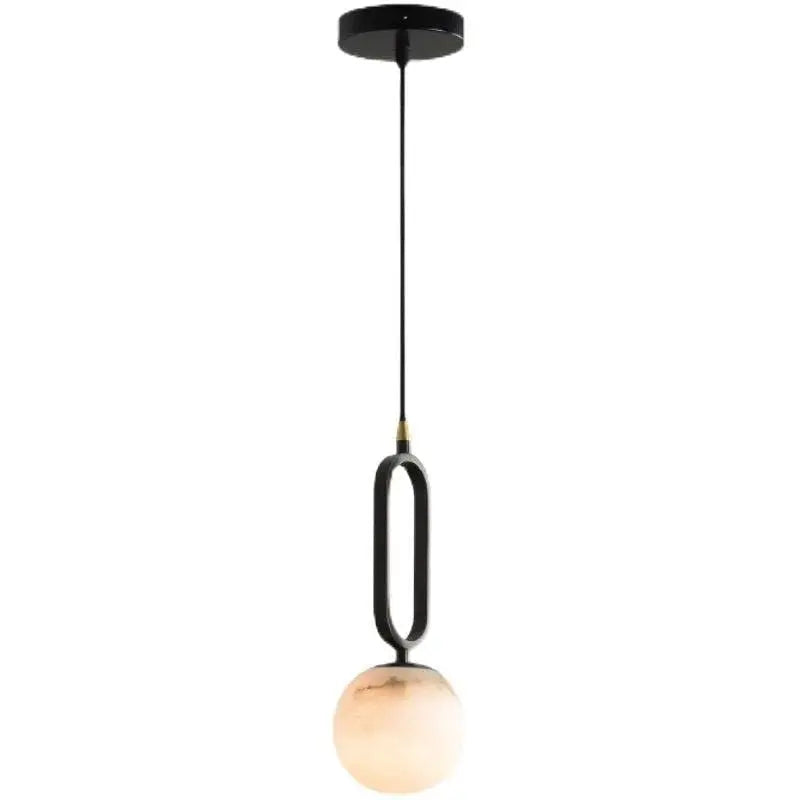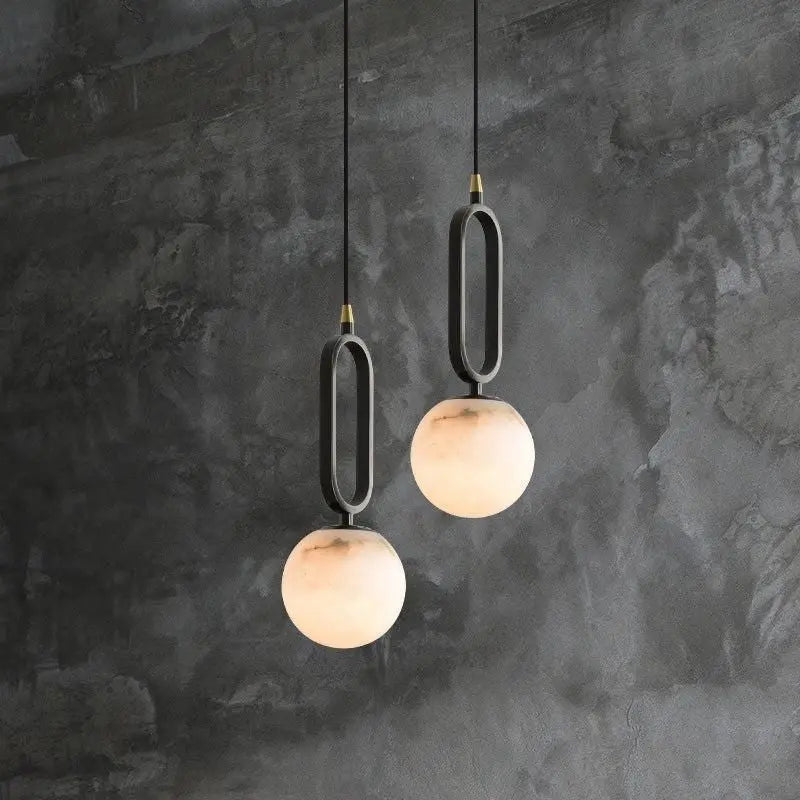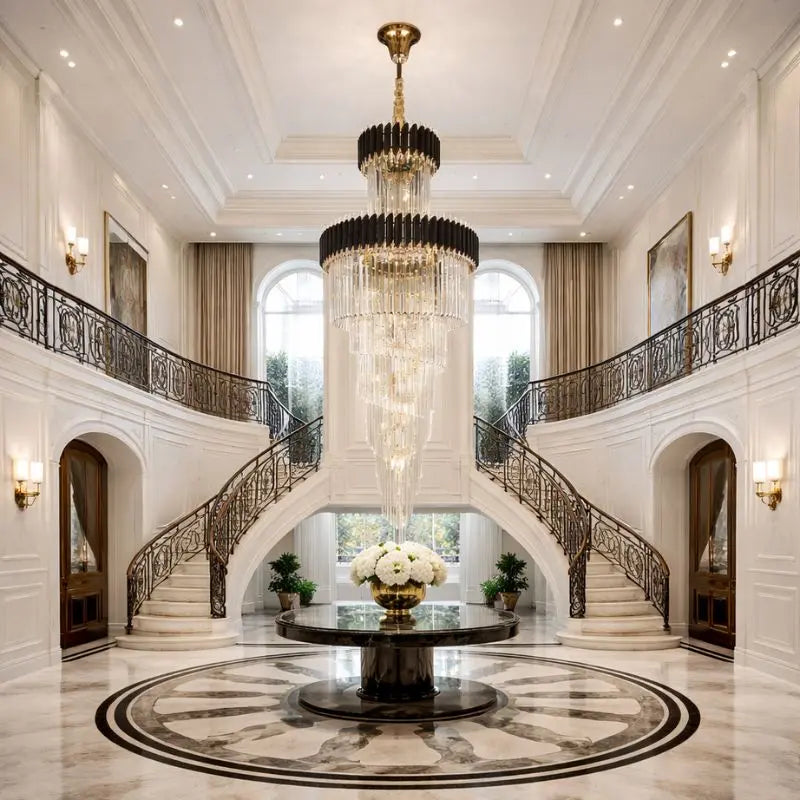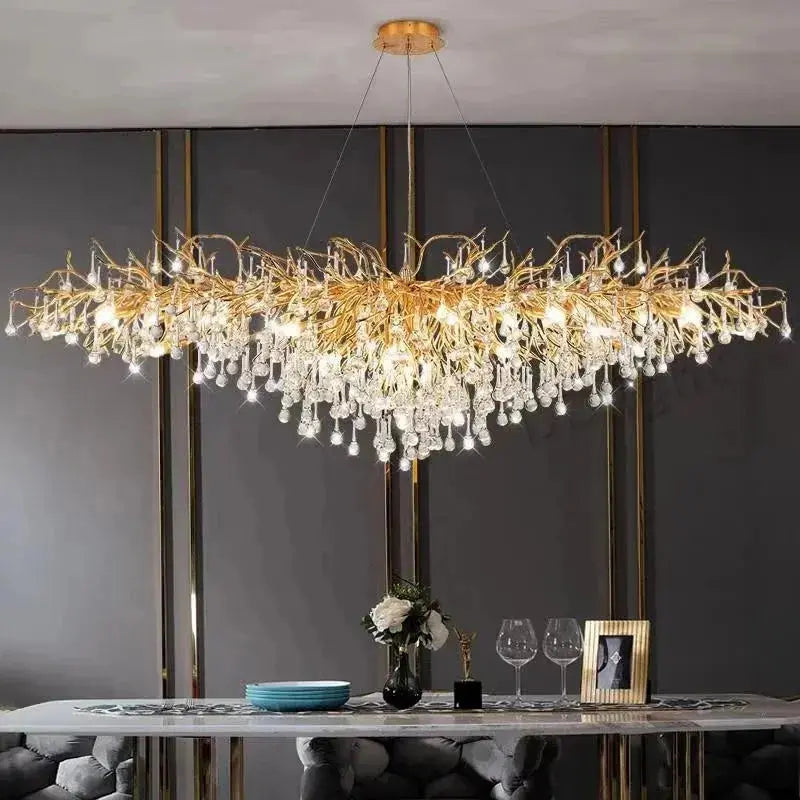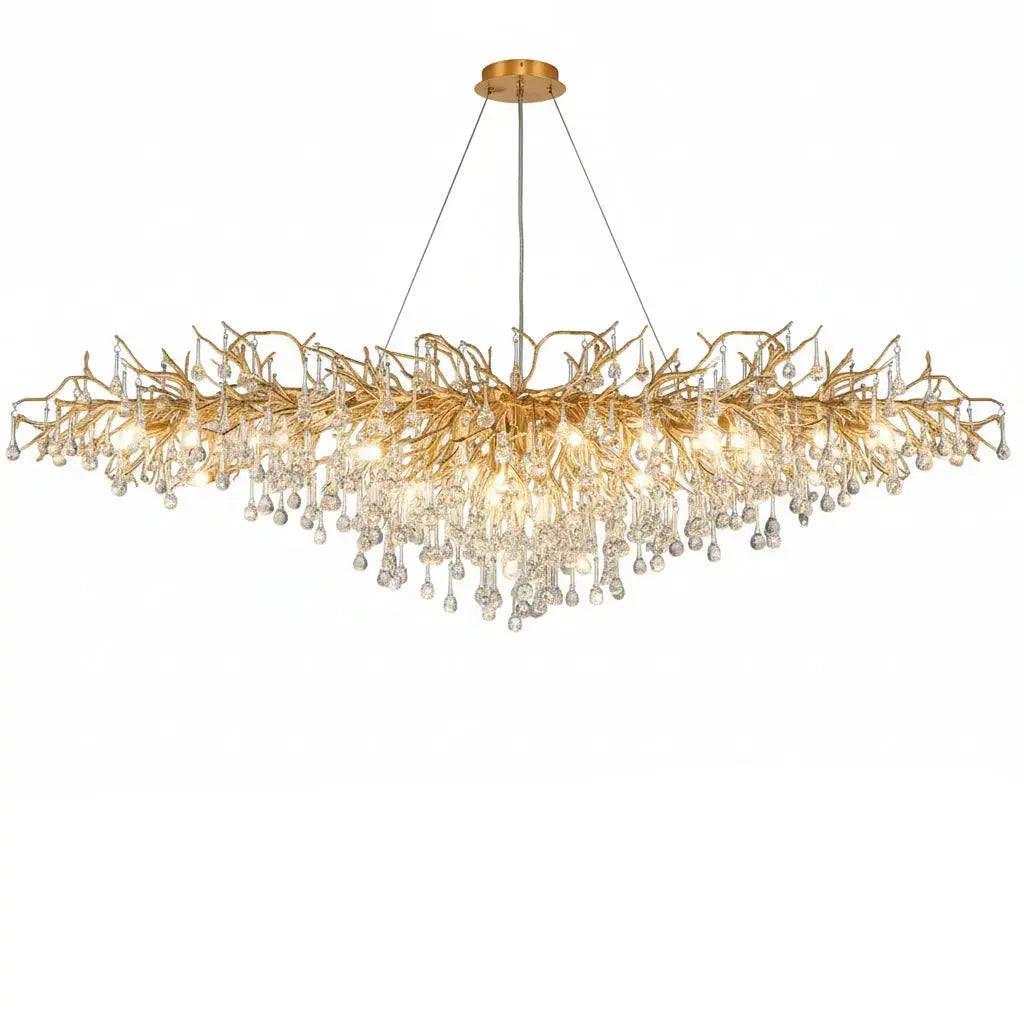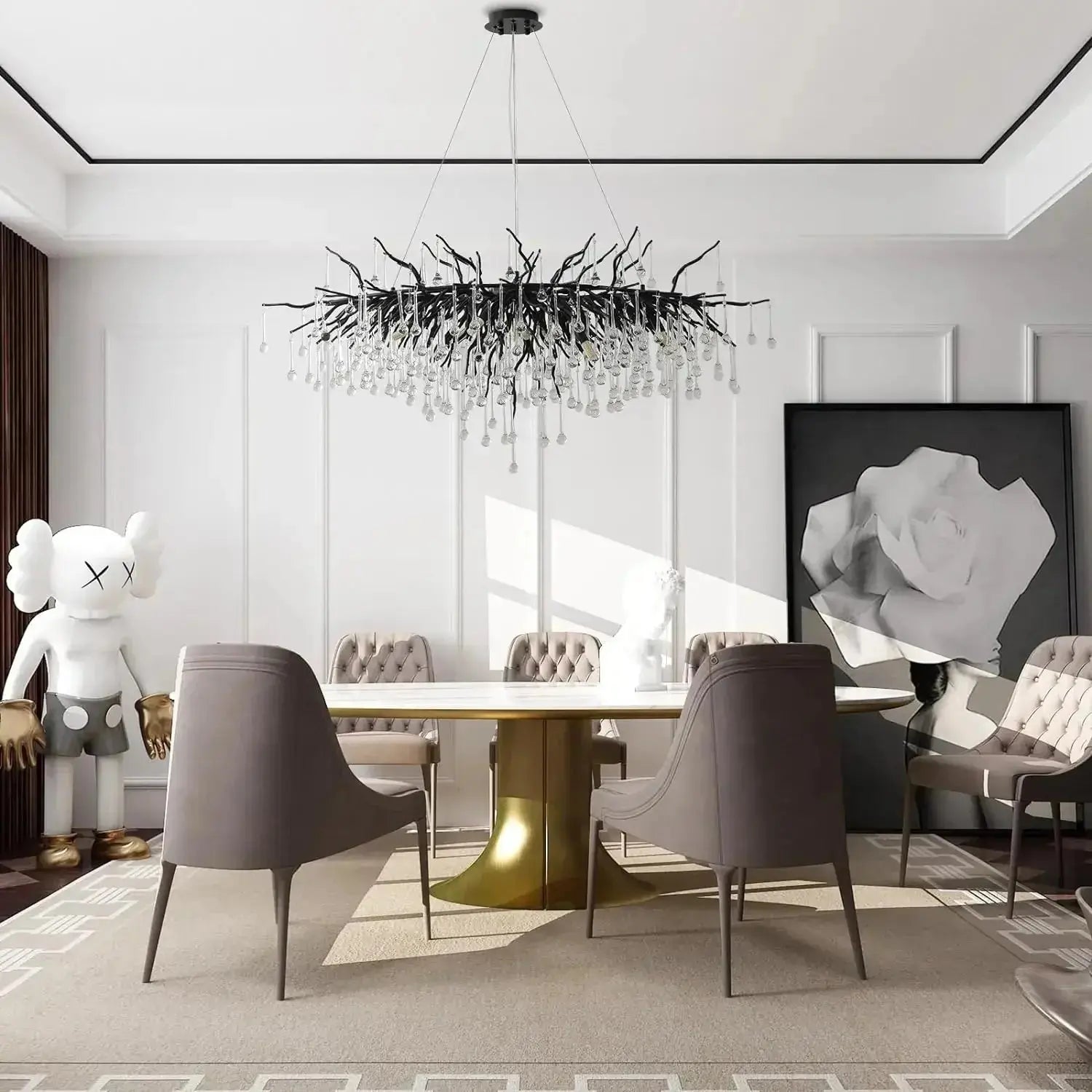

A brass pendant above a kitchen island can make even a restrained scheme feel considered. Pair it with a tap, cabinet hardware and a few carefully chosen details in the same warm metal, and the room gains a quiet sense of luxury rather than a collection of separate purchases. The best brass fixtures for kitchens do more than follow a trend: they bring warmth to hard-working surfaces, flatter natural materials and create a polished focal point where family life unfolds.
What Makes the Best Brass Fixtures for Kitchens?
The most successful brass kitchens are not necessarily the ones with the most brass. They use the finish with intention. A beautifully proportioned pendant light, a practical mixer tap and discreet handles can create a cohesive thread without turning the kitchen into a showroom display.
Start by deciding where brass should have its greatest visual impact. Lighting is often the natural hero, particularly over an island, breakfast bar or dining table. Unlike a small handle, a pendant is seen at eye level and after dark, when its finish catches the light and adds depth to the room. Taps and hardware then support the scheme, bringing the same warmth closer to the cabinetry and worktop.
Quality matters as much as colour. Look for fixtures with a convincing finish, well-resolved proportions and materials suited to a busy kitchen. Solid brass and carefully plated metal both have a place, but their ageing process, price and care requirements differ. The right choice depends on whether you want a finish that develops character or one that stays consistent for years.
Choose a Brass Finish Before Choosing a Fixture
“Brass” covers a remarkably broad family of finishes. Bright polished brass brings a formal, reflective presence, while brushed brass feels softer and more contemporary. Antique brass tends to have deeper brown or bronze undertones, lending a kitchen an established, tailored character. Satin brass sits between these looks, offering a gentle sheen that works beautifully with both traditional shaker cabinetry and modern flat-front designs.
The undertone is particularly important. Some brass leans yellow and sunny; some feels muted, honeyed or almost bronze. Hold samples beside your cabinet door, worktop and splashback where possible. A warm aged brass can make creamy paint colours and oak cabinetry feel inviting, whereas a pale brushed brass may sit more comfortably beside cool white quartz, veined marble or soft grey joinery.
Lacquered or living brass?
Lacquered brass is protected with a clear coating intended to preserve its original tone. It is the reassuring choice for homeowners who prefer an even appearance and straightforward cleaning. It also suits kitchens where a tap or handle will be touched frequently by several people each day.
Unlacquered, or living, brass is designed to change. Water, air and handling gradually create a patina, often darker around edges and contact points. This finish can be exquisite in a period home, a rustic kitchen or a layered interior that values individuality. It is less suitable if marks and tonal variation will feel like flaws rather than part of the design.
Do not assume every brass element must age in exactly the same way. A living-brass tap paired with lacquered pendant lights may eventually vary in tone. That can look charmingly collected, but only if the contrast is deliberate.
Make Brass Lighting the Kitchen’s Focal Point
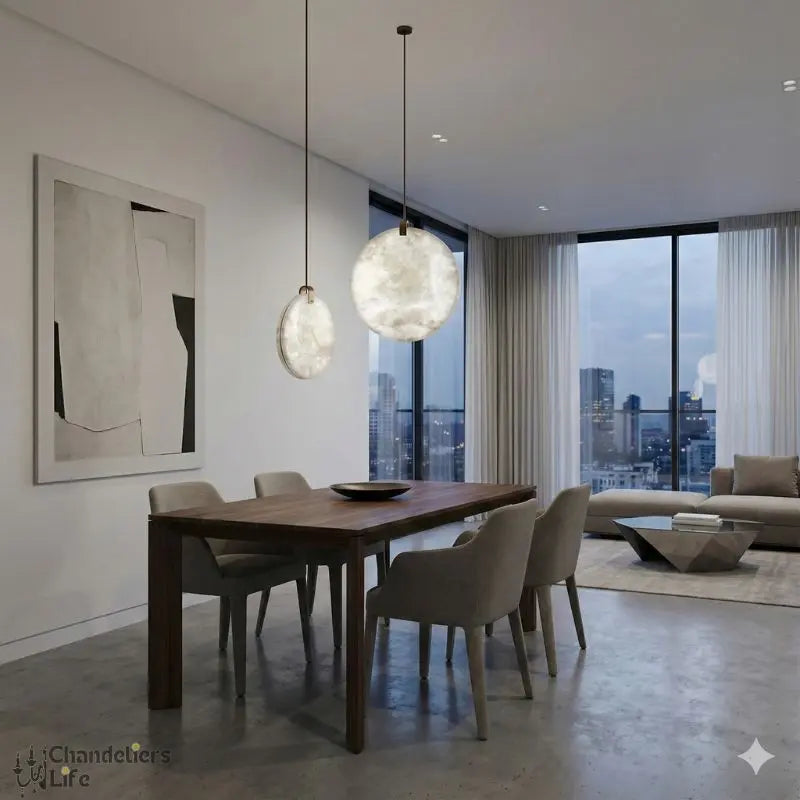
For a kitchen with an island, pendants are usually the most transformative brass fixture. Their job is practical as well as decorative: they should illuminate food preparation and conversation without creating glare, blocking sightlines or overwhelming the room.
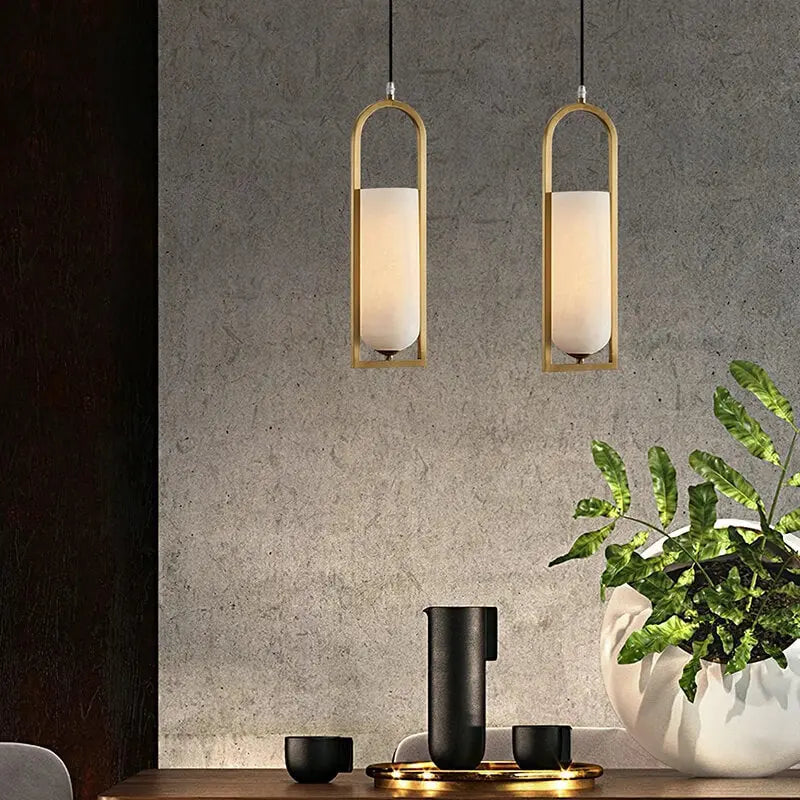
A pair of substantial pendants often works well over a medium island, while three smaller fixtures can give a long island an elegant rhythm. One generous statement pendant is ideal where the island is compact or where a nearby dining area already has visual drama. The key is to judge the whole elevation, not just the empty worktop below. Tall ceilings can support a more sculptural silhouette; lower ceilings usually benefit from a shallower shade or semi-flush ceiling light.
Get scale and hanging height right
As a starting point, leave approximately 75 to 90 centimetres between the island worktop and the bottom of a pendant. This generally provides focused illumination while keeping the fixture clear of faces and views across the kitchen. Exceptionally tall household members, vaulted ceilings and oversized shades may call for adjustment.
Scale deserves equal attention. Delicate mini pendants can disappear over a broad stone island, while oversized metal shades may make a compact galley kitchen feel crowded. Before ordering, mark the proposed width and drop with painter’s tape or a cardboard template. It is a simple step that can prevent a costly proportion mistake.
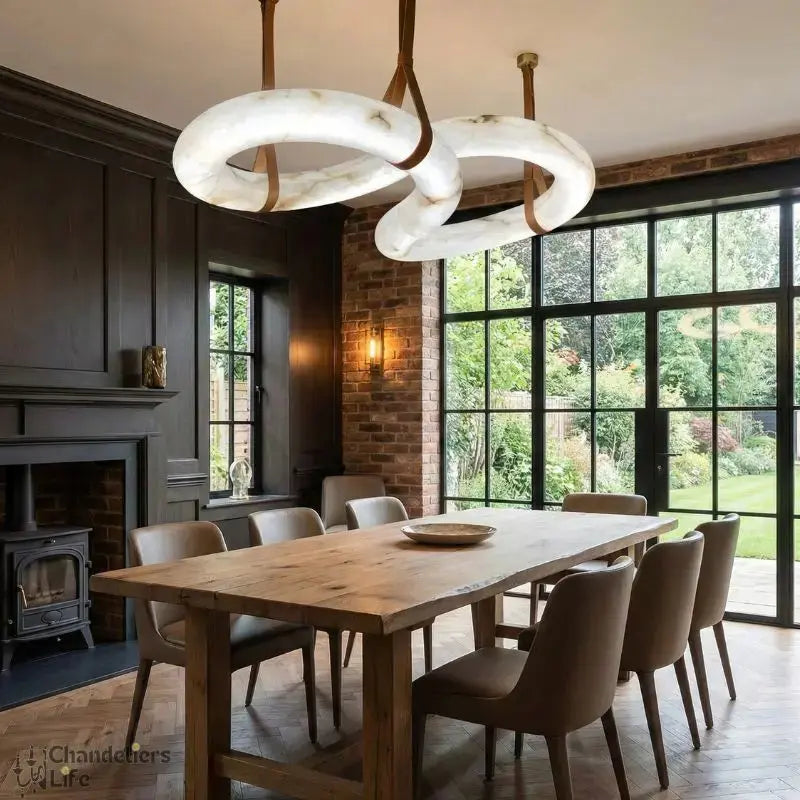
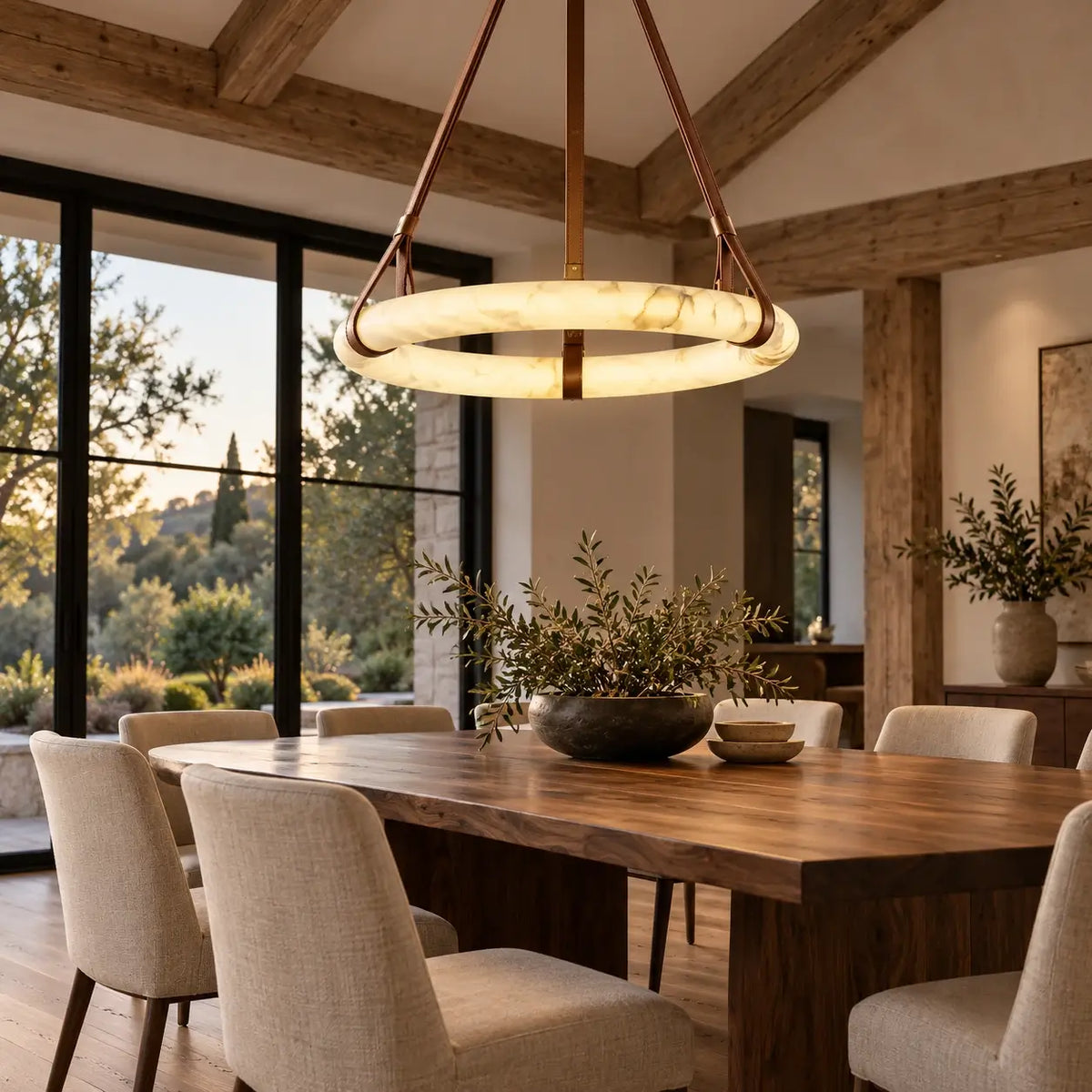
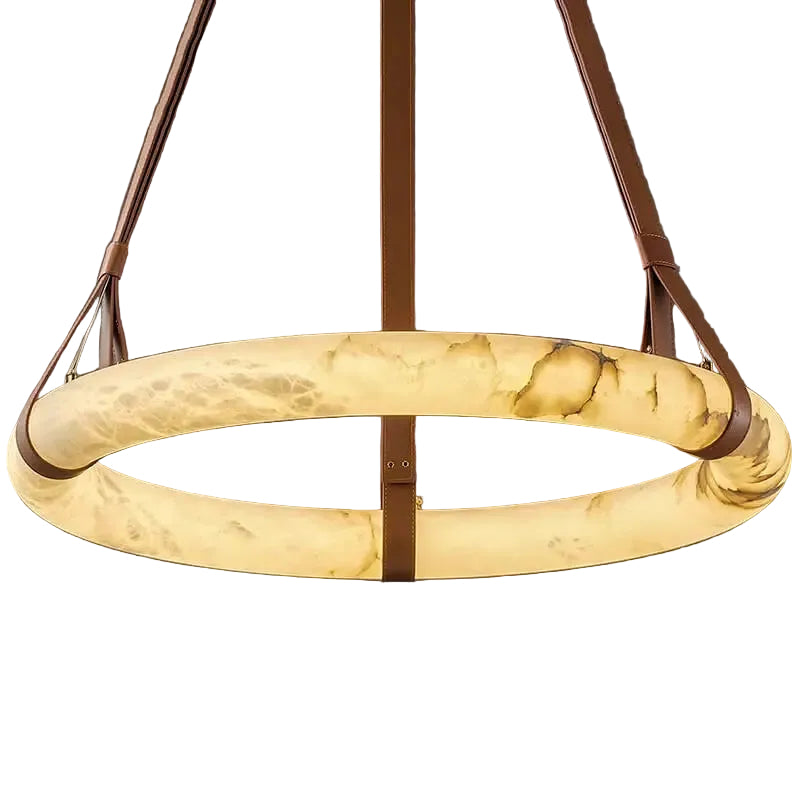
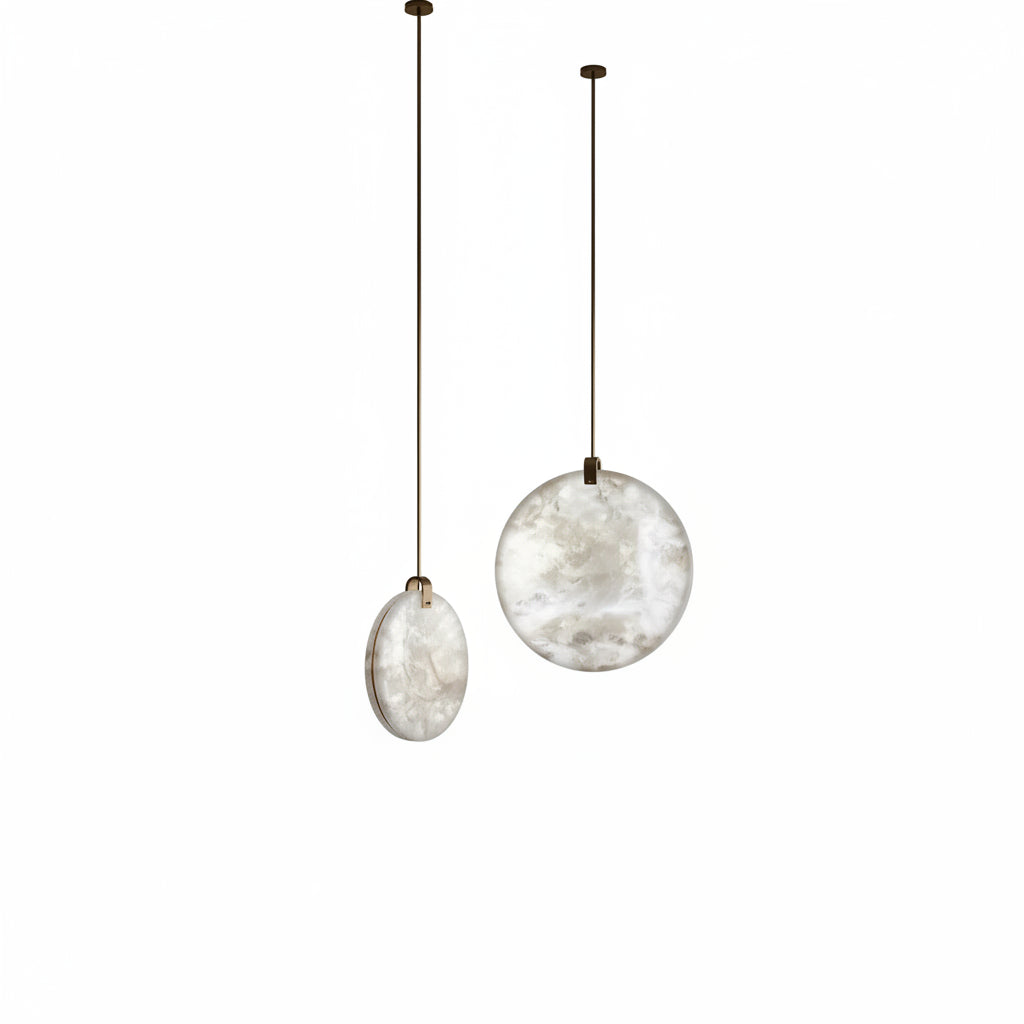
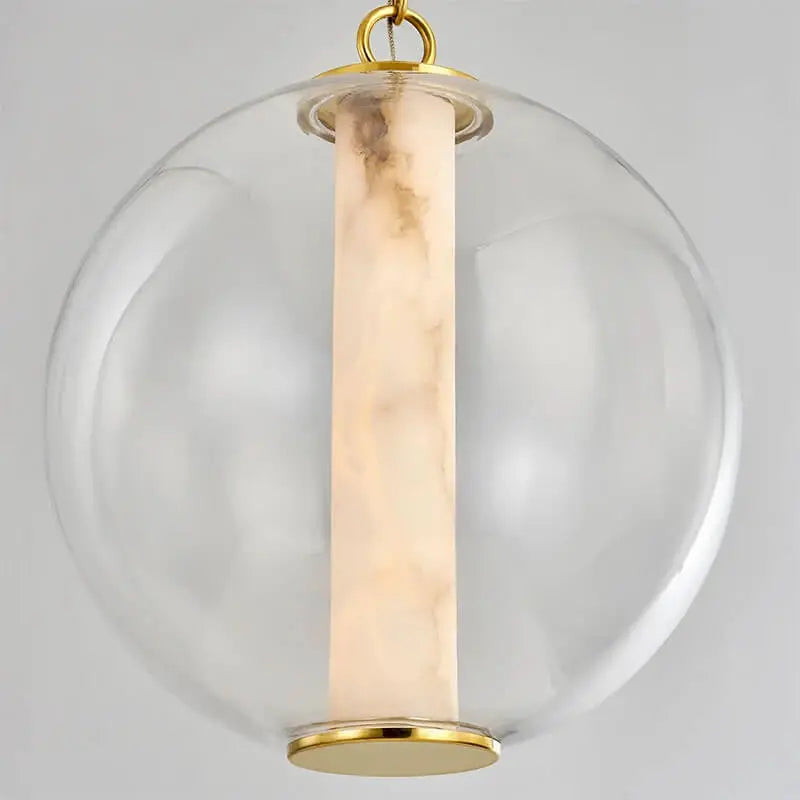
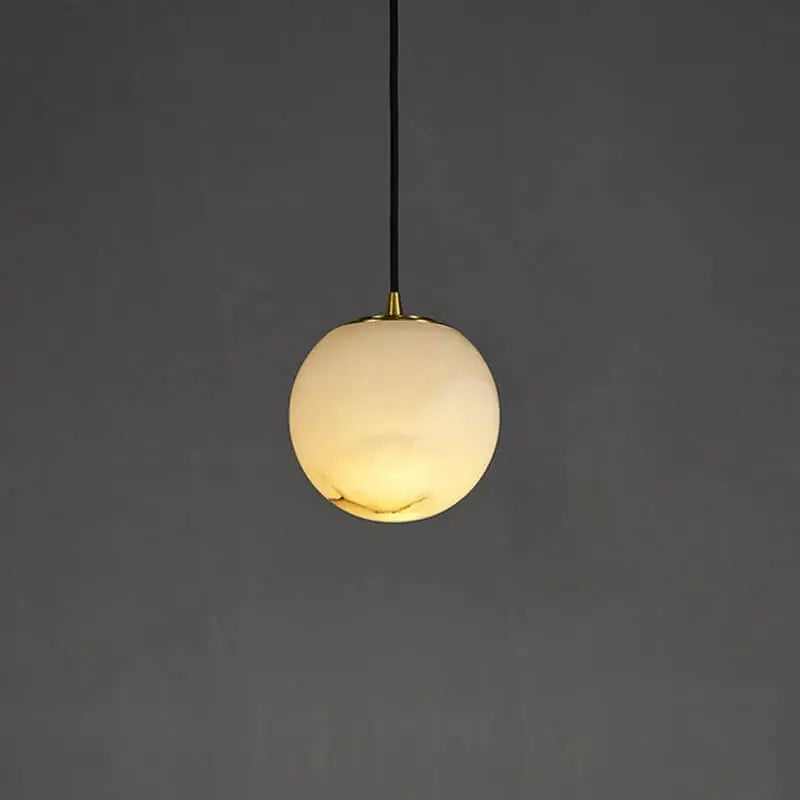
Brass pairs especially well with opal glass, alabaster-inspired shades and linen-textured diffusers. These materials soften the metal’s gleam and make the light more flattering after sunset. Clear glass offers a crisper, more architectural look, though it may reveal the bulb and create greater glare. Choose warm-white bulbs, typically around 2700K, to preserve the welcoming depth that brass does so well.
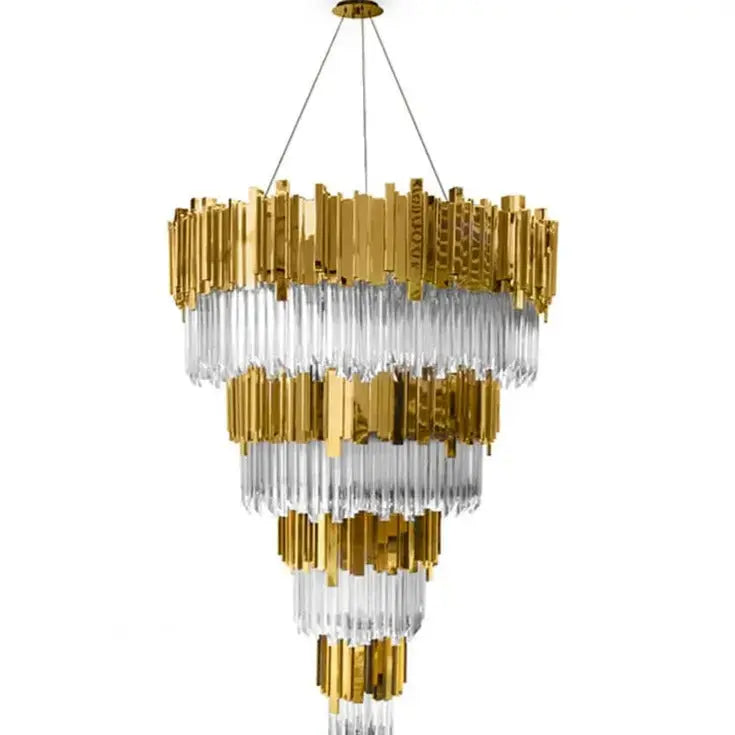
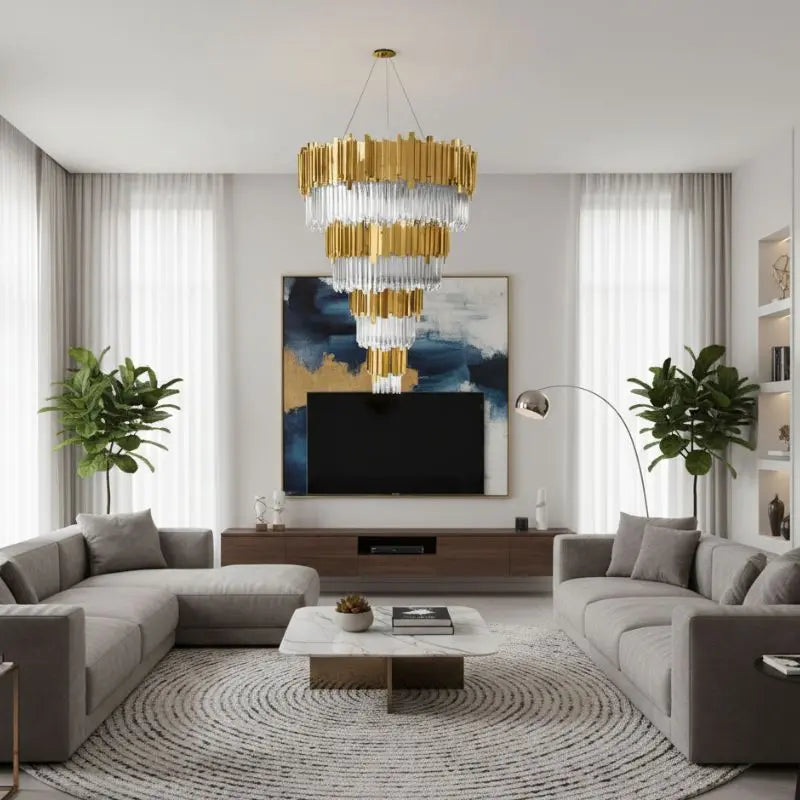
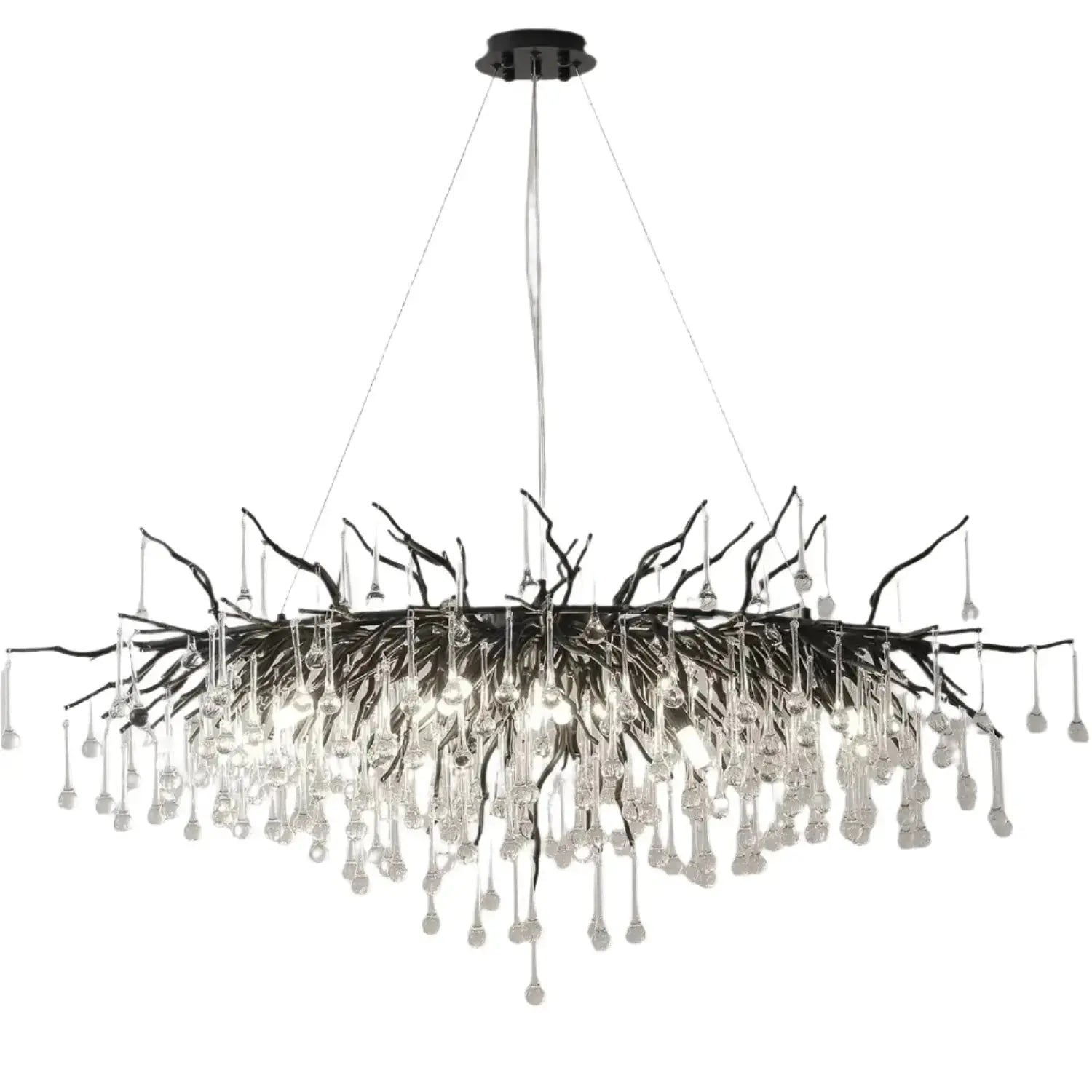
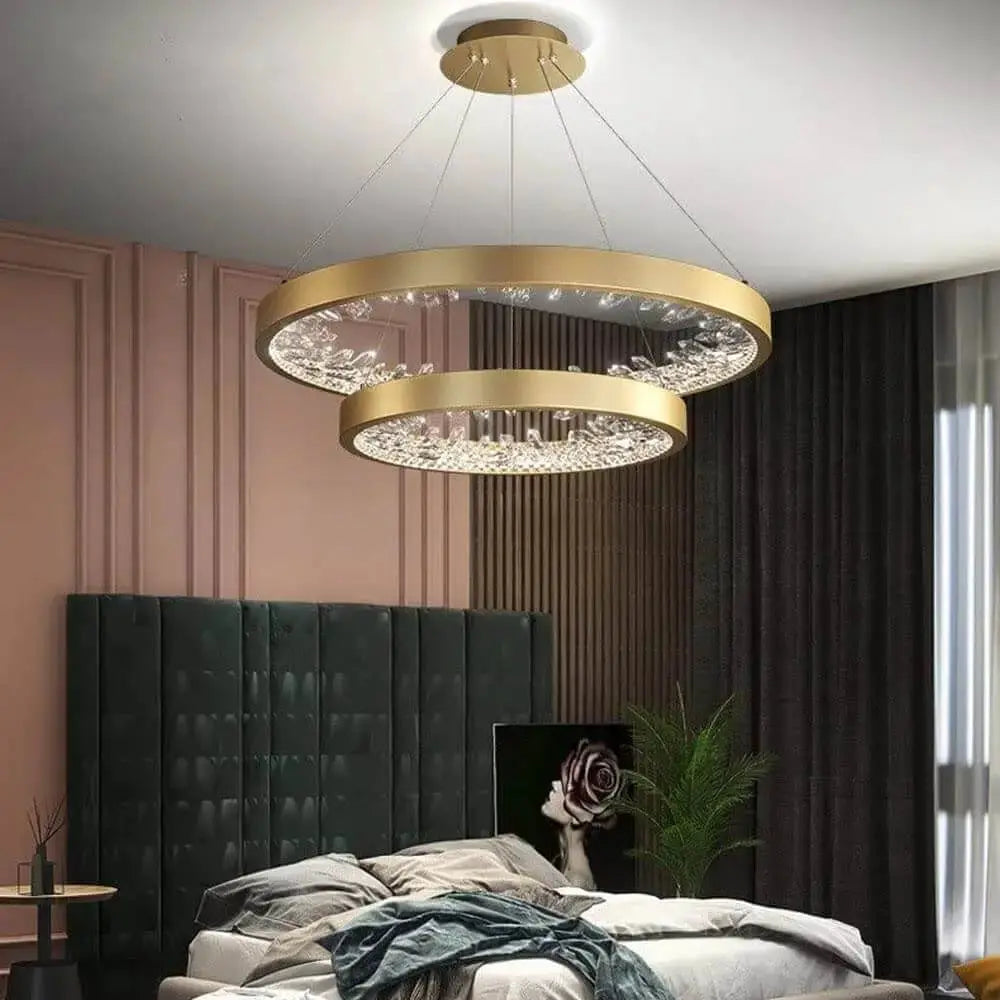
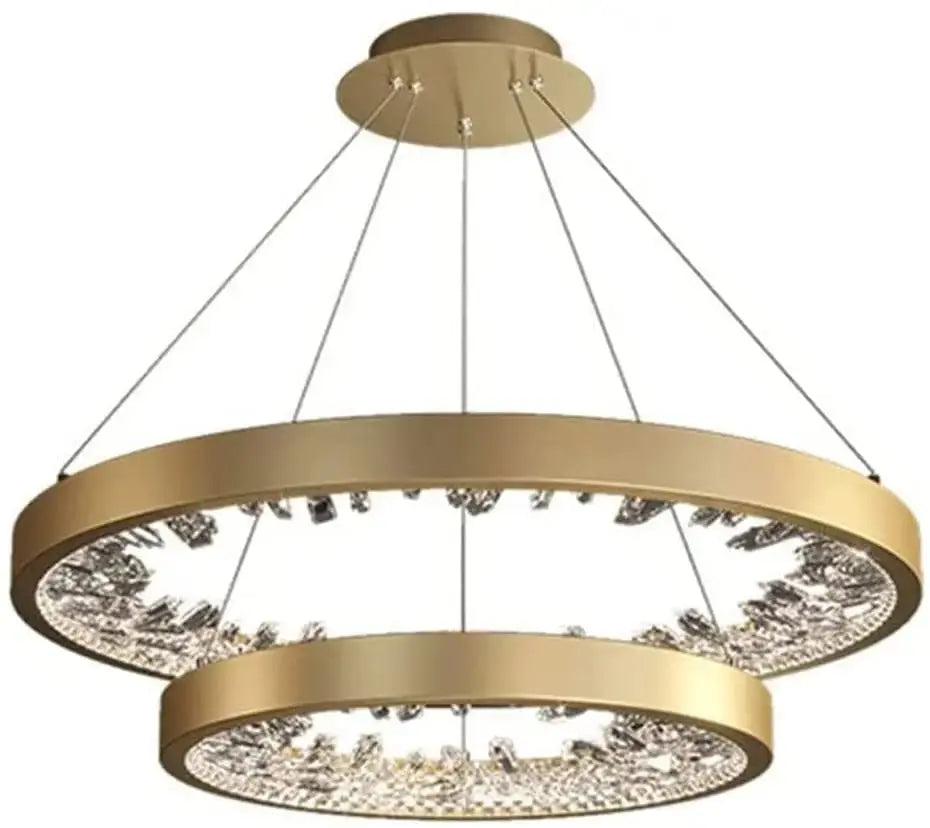
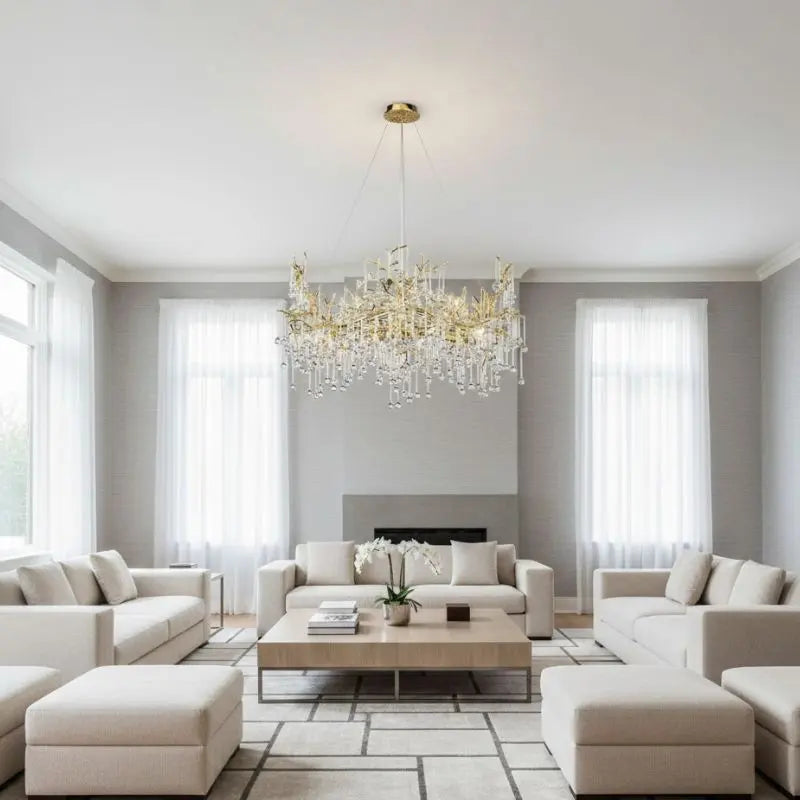
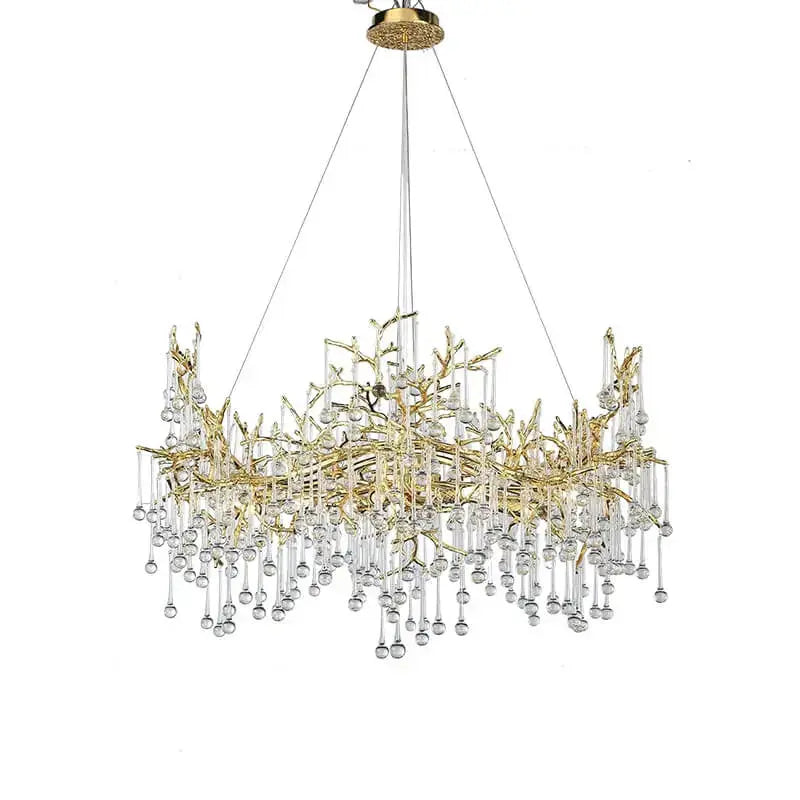
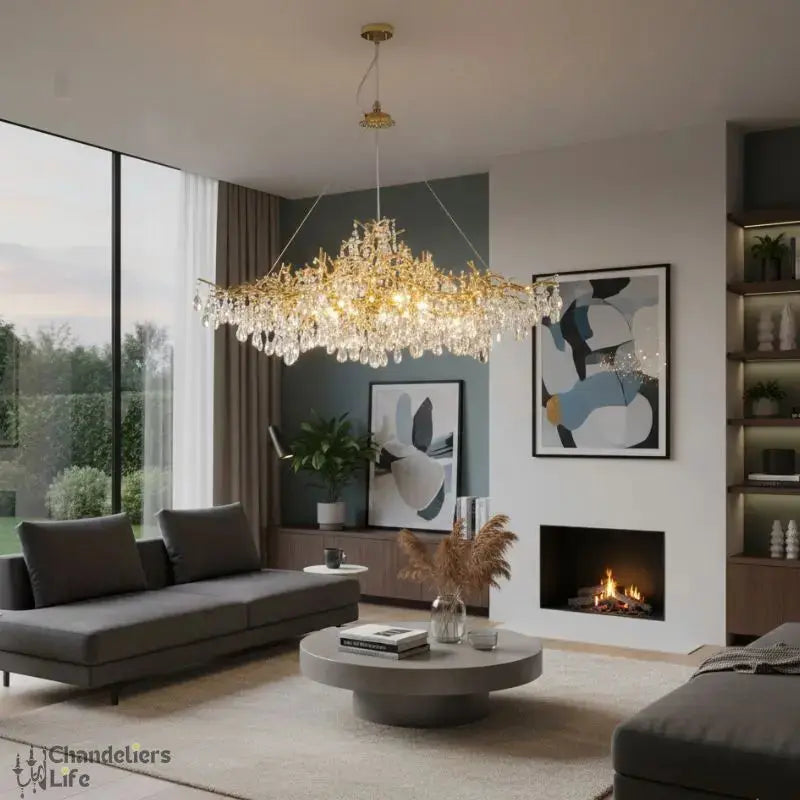
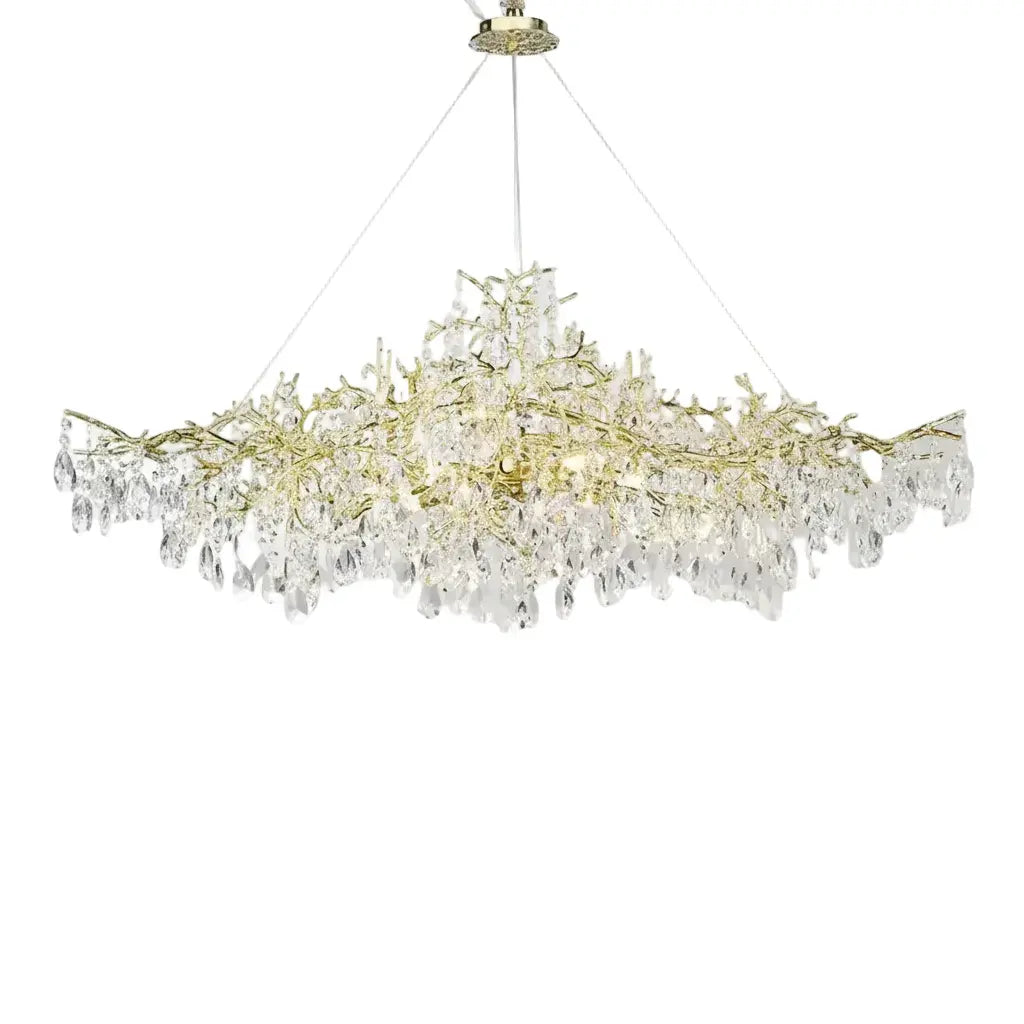
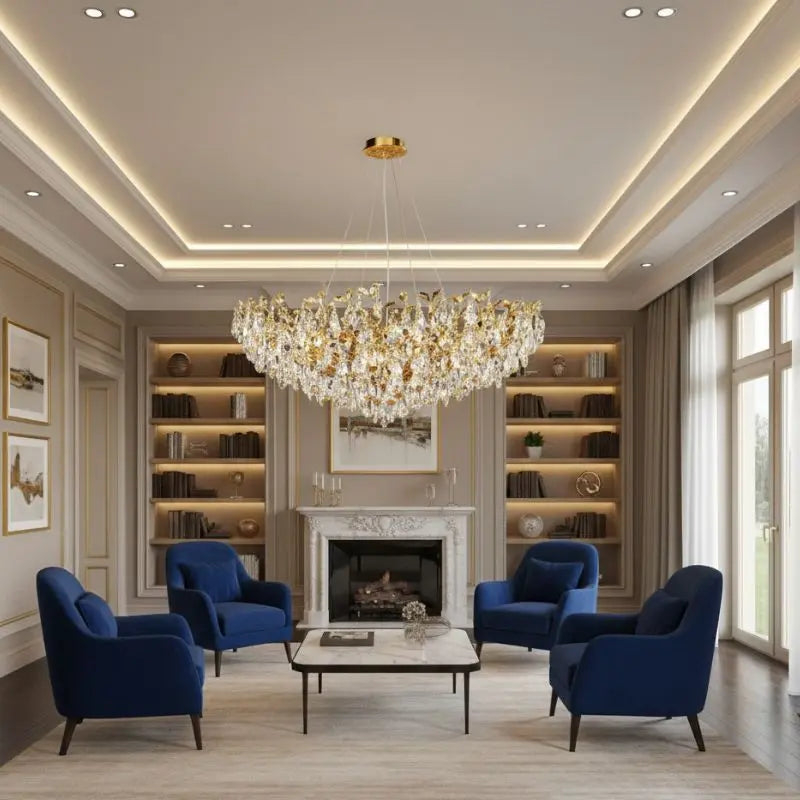
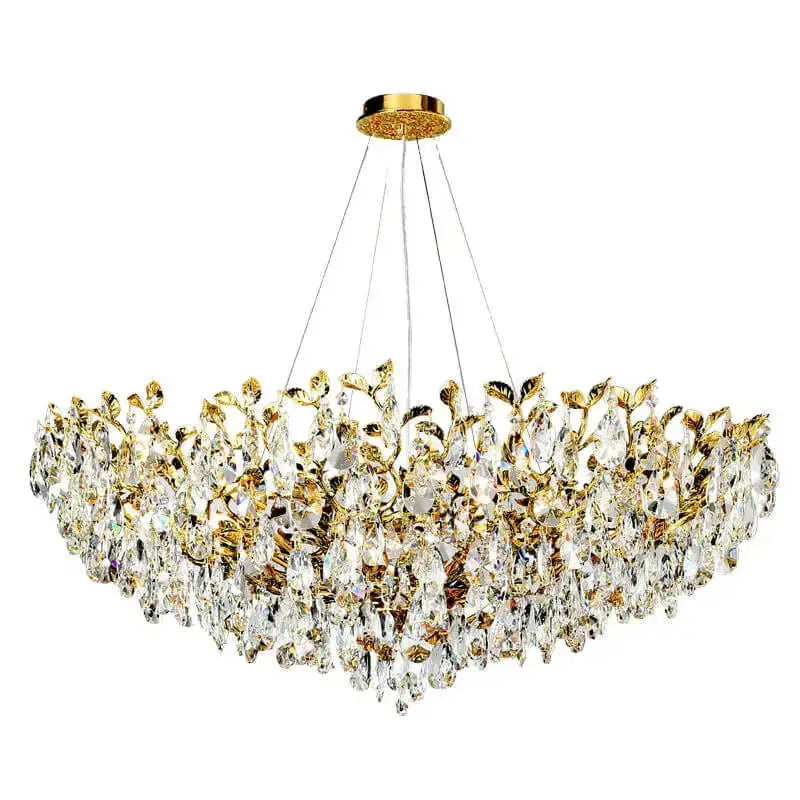
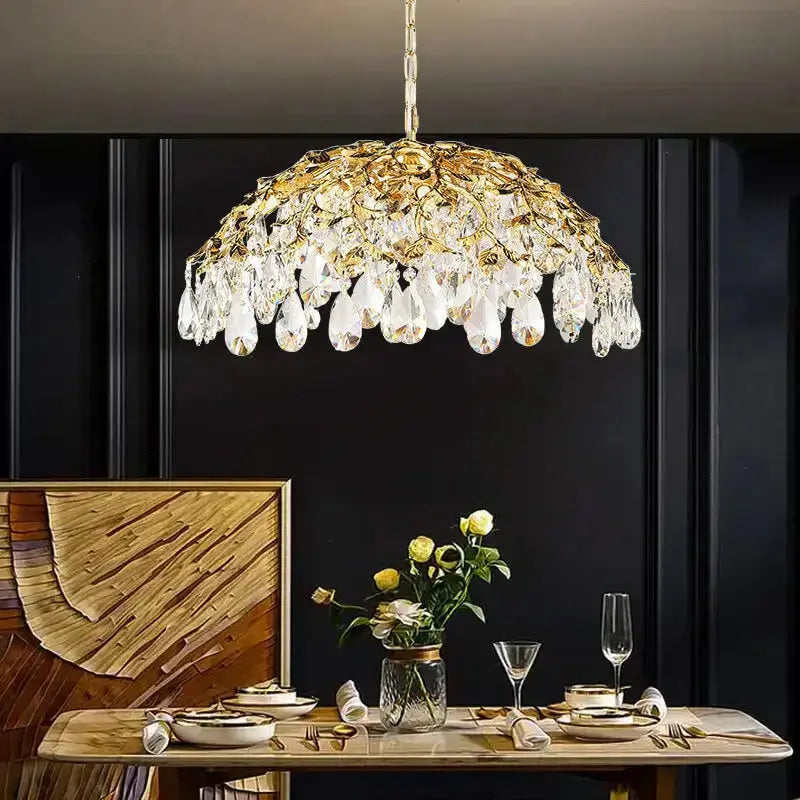
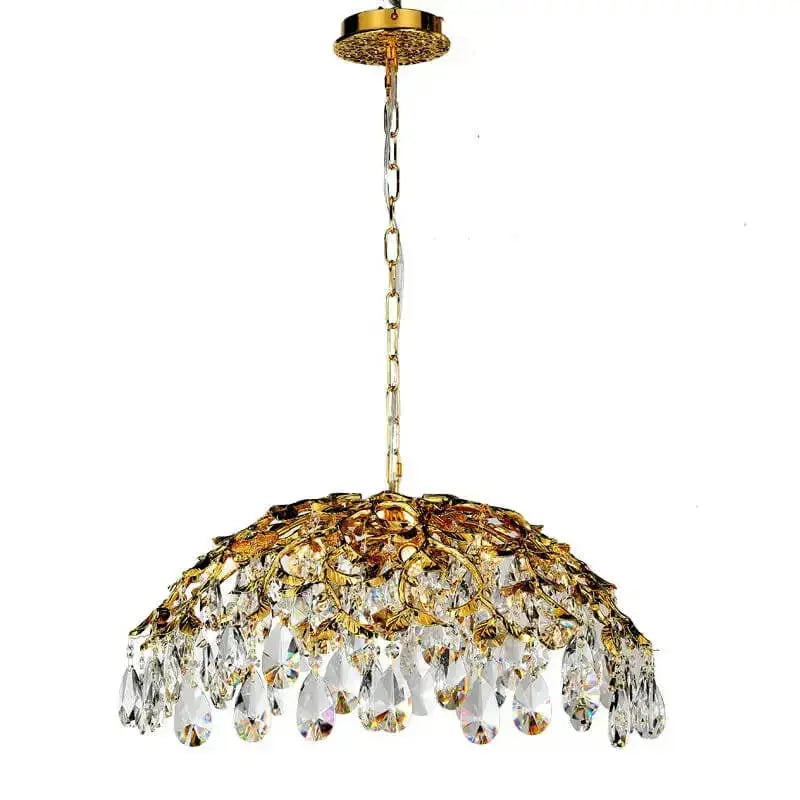
For a statement-led finish, ChandeliersLife designs make it easier to treat kitchen lighting as a decorative centrepiece rather than an afterthought.
Coordinate Taps, Handles and Smaller Details
A brass tap is often the most used metal fixture in the kitchen, so appearance must be balanced with maintenance. Brushed finishes are forgiving of water spots and fingerprints, making them particularly practical around a Belfast sink or a busy family basin. Polished brass has more sparkle, but it will show marks sooner and may require more regular care.
Cabinet handles and knobs offer a lower-commitment way to introduce the finish. They can echo brass lighting without matching it precisely. In fact, an exact match is not always the most sophisticated option. Brushed brass handles with aged-brass pendants can look more layered than a perfectly uniform set, provided both finishes share a similar warm undertone.
Keep the number of metal finishes controlled. Brass can sit beautifully with black, chrome, nickel or stainless steel appliances, but choose a clear hierarchy. Let brass lead in the decorative pieces, then allow stainless steel to remain functional in appliances and a cooker hood. Adding black tapware, brass handles, chrome appliances and copper accessories all at once can make an otherwise refined kitchen feel unsettled.
Plan Light in Layers, Not Pendants Alone
Pendants create atmosphere and visual definition, but they should not carry the whole lighting scheme. A well-lit kitchen needs ambient light for the room, task lighting for work zones and decorative light for personality.
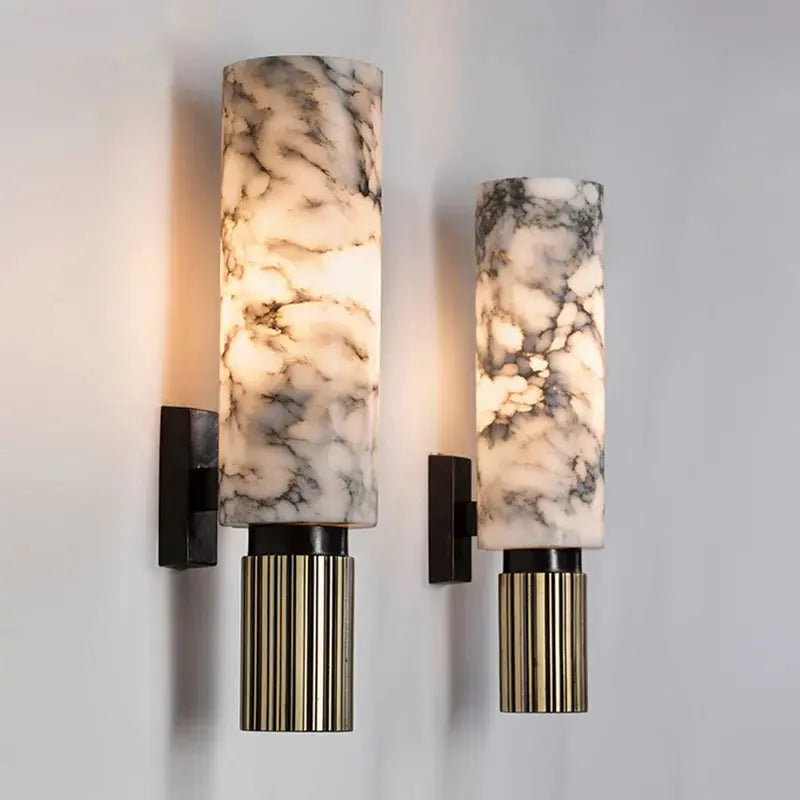
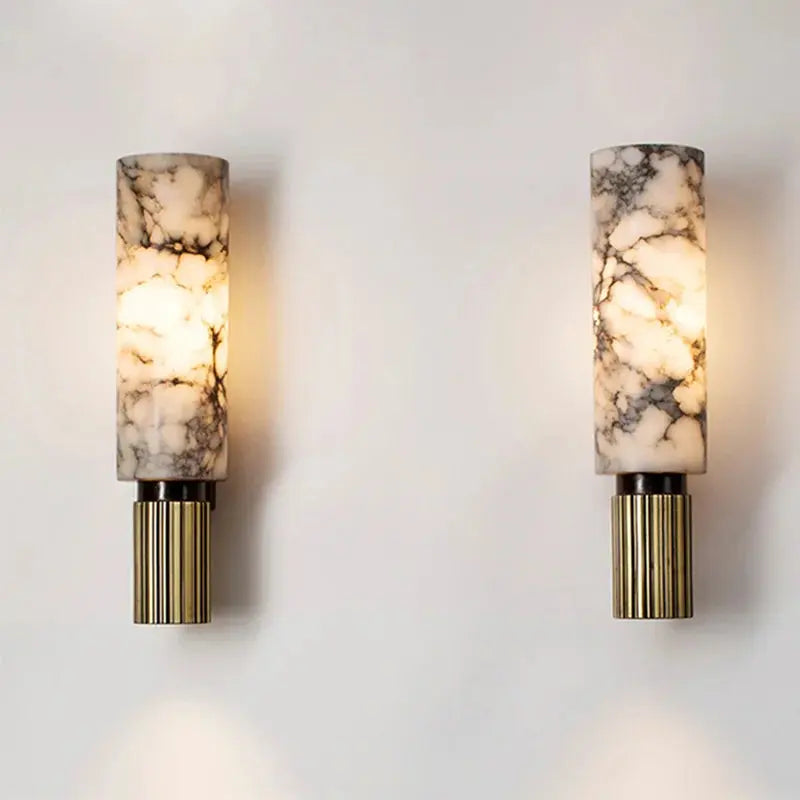
Recessed ceiling lights or a discreet central fixture can provide reliable general illumination. Under-cabinet lighting is invaluable for chopping, reading recipes and preparing food without casting shadows from your body. Brass wall lights can add a tailored finishing touch near open shelving, a banquette or a kitchen-dining transition, although they should be positioned away from steam and splashes unless their rating is suitable.
Dimmers are worth specifying wherever possible. Bright, clear light is useful during weekday preparation; a gentler level makes the island feel like an inviting place to linger when cooking is finished. The brass itself will look richer under a warm, dimmed glow.
Pair Brass with Materials That Give It Presence
Brass is exceptionally versatile because it introduces warmth without demanding a heavily traditional room. Against white cabinetry and pale marble, it adds a quiet note of glamour. With dark green, inky blue or charcoal joinery, it creates a more dramatic, tailored contrast. Oak, walnut and rattan bring out its honeyed character, while plaster walls and handmade tiles make it feel tactile and relaxed.
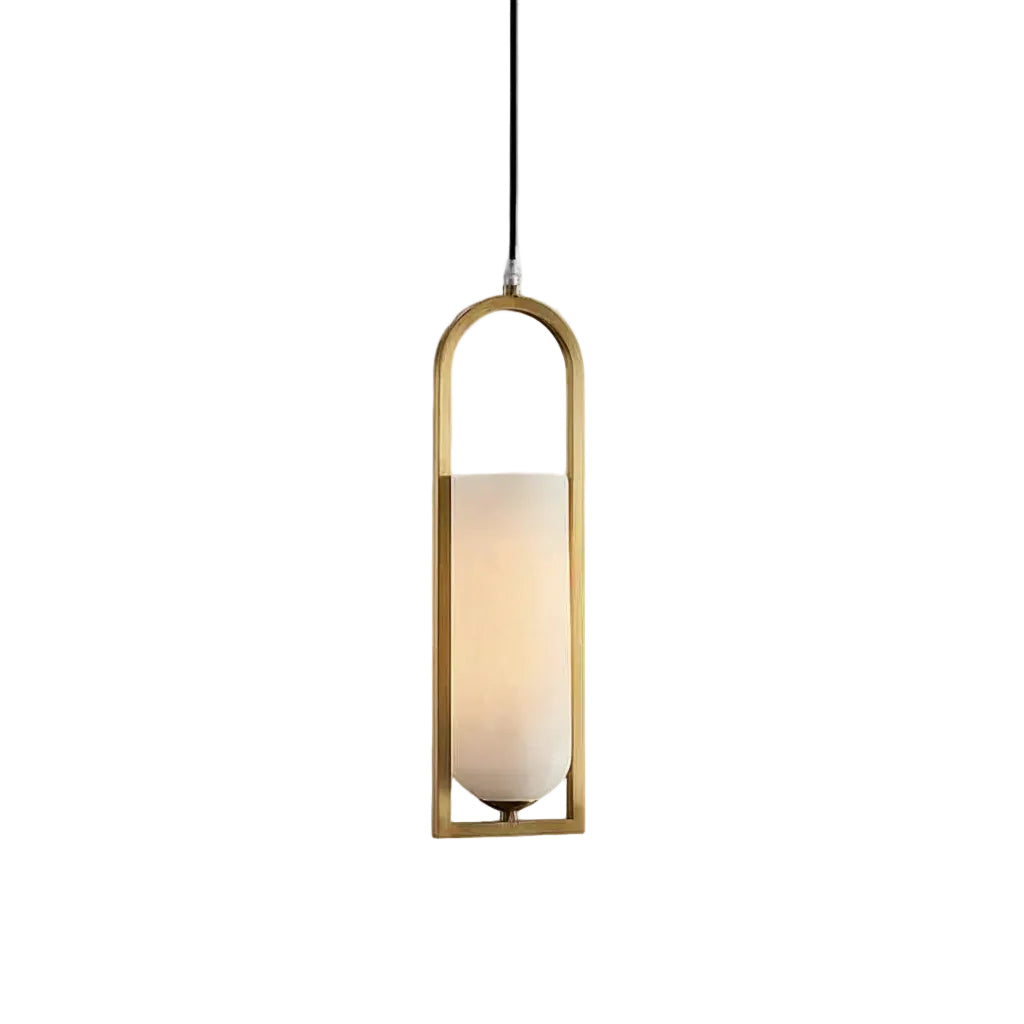
In a modern kitchen, choose clean-lined cylindrical pendants, slim handles and a softly brushed finish. In a classic space, lantern forms, fluted glass and aged brass can reference heritage without becoming overly ornate. For a transitional scheme, combine simple shaker doors with a sculptural pendant and subtly detailed hardware.
Try not to use brass merely as a surface accent. Its finest effect comes from repetition at different heights: a pendant overhead, a tap at the worktop and hardware across the cabinetry. This draws the eye through the room and makes the composition feel deliberate.
Protect the Finish in a Hard-Working Room
Kitchen steam, grease and limescale ask more of metal finishes than a hallway or bedroom ever will. Clean brass fixtures with a soft microfibre cloth and mild soapy water, then dry them thoroughly. Avoid abrasive pads, harsh chemical sprays and metal polishes unless the manufacturer specifically recommends them. These can dull plated finishes or strip lacquer from protected brass.
For taps, dry splashes promptly if your water is hard. For pendant lights, switch off the power and allow bulbs to cool before dusting. A little regular care is far easier than trying to restore a neglected finish later.
The right brass fixtures should make a kitchen feel more personal each time you enter it. Choose the finish you are happy to live with, give your lighting the scale it deserves, and let a few beautifully chosen details carry the warmth through the space.