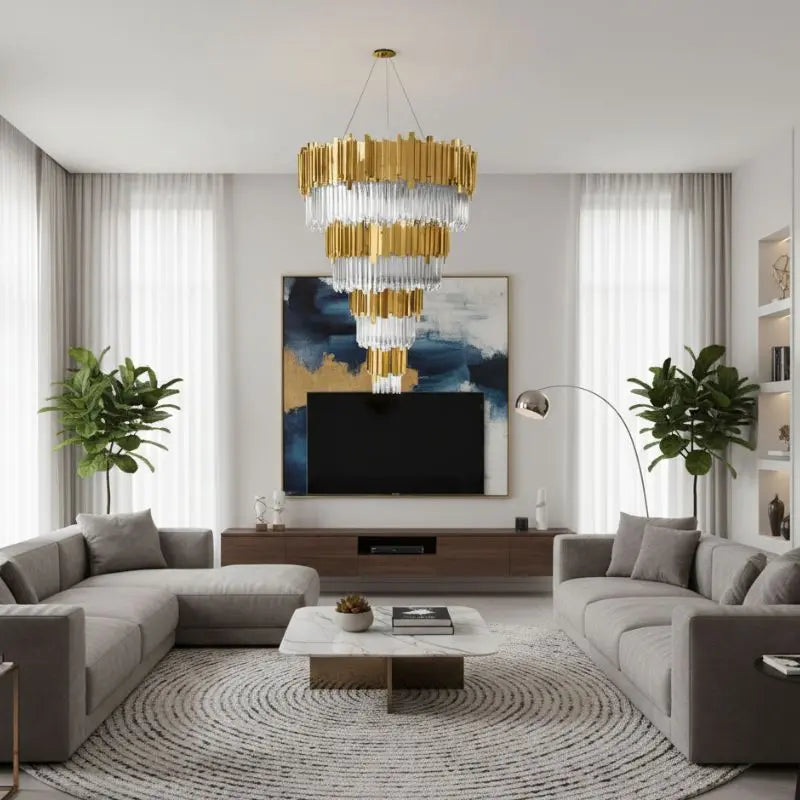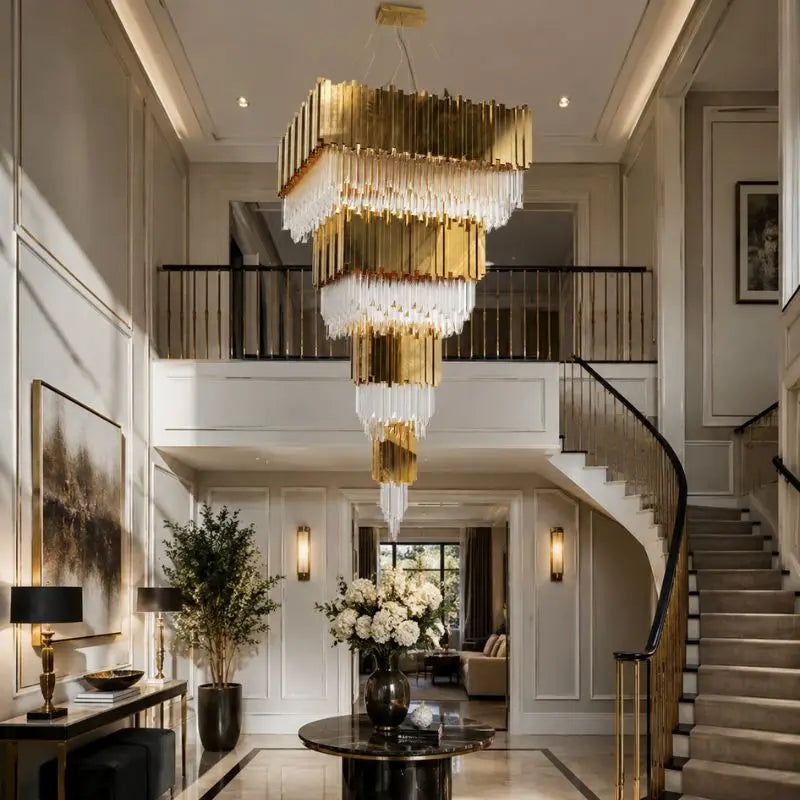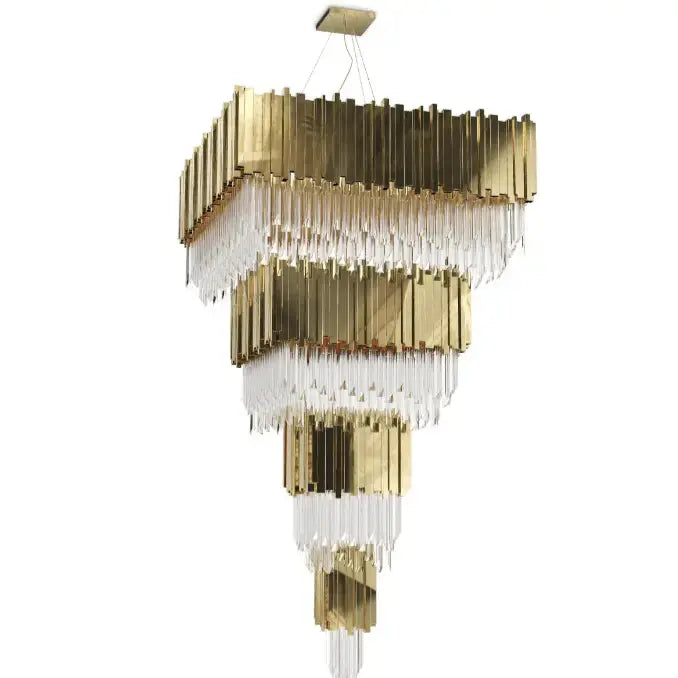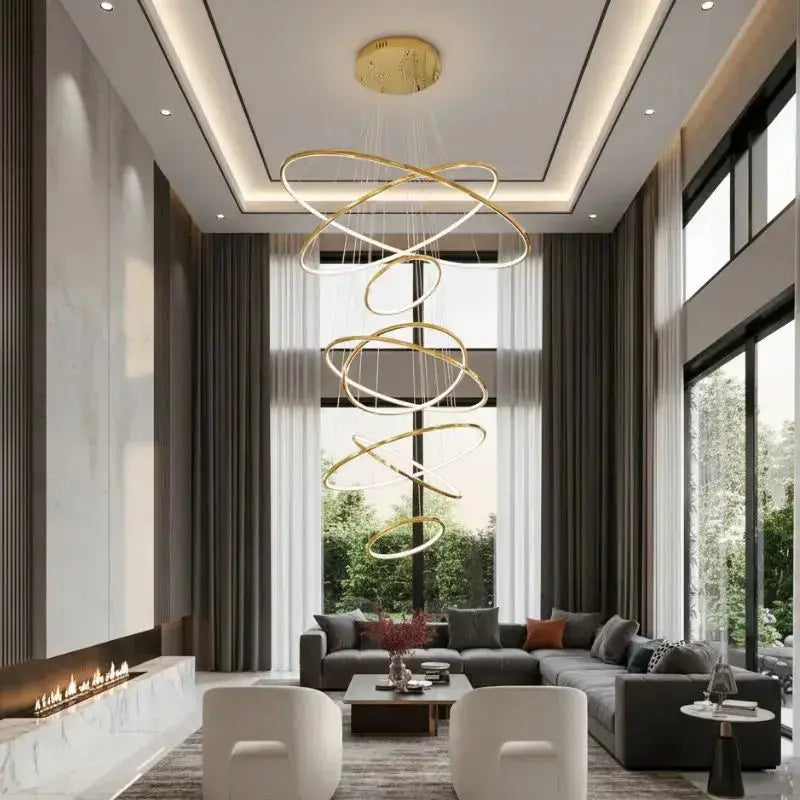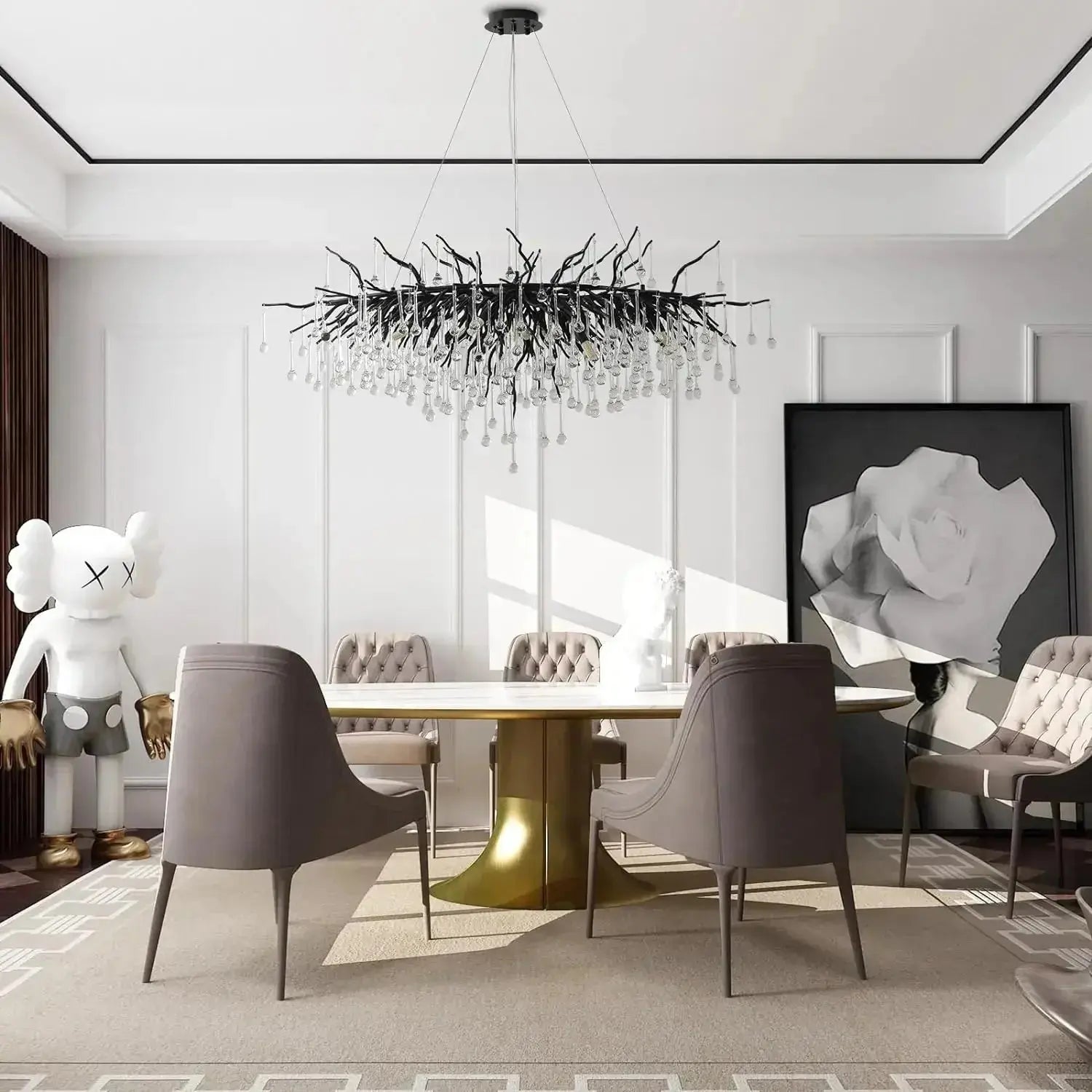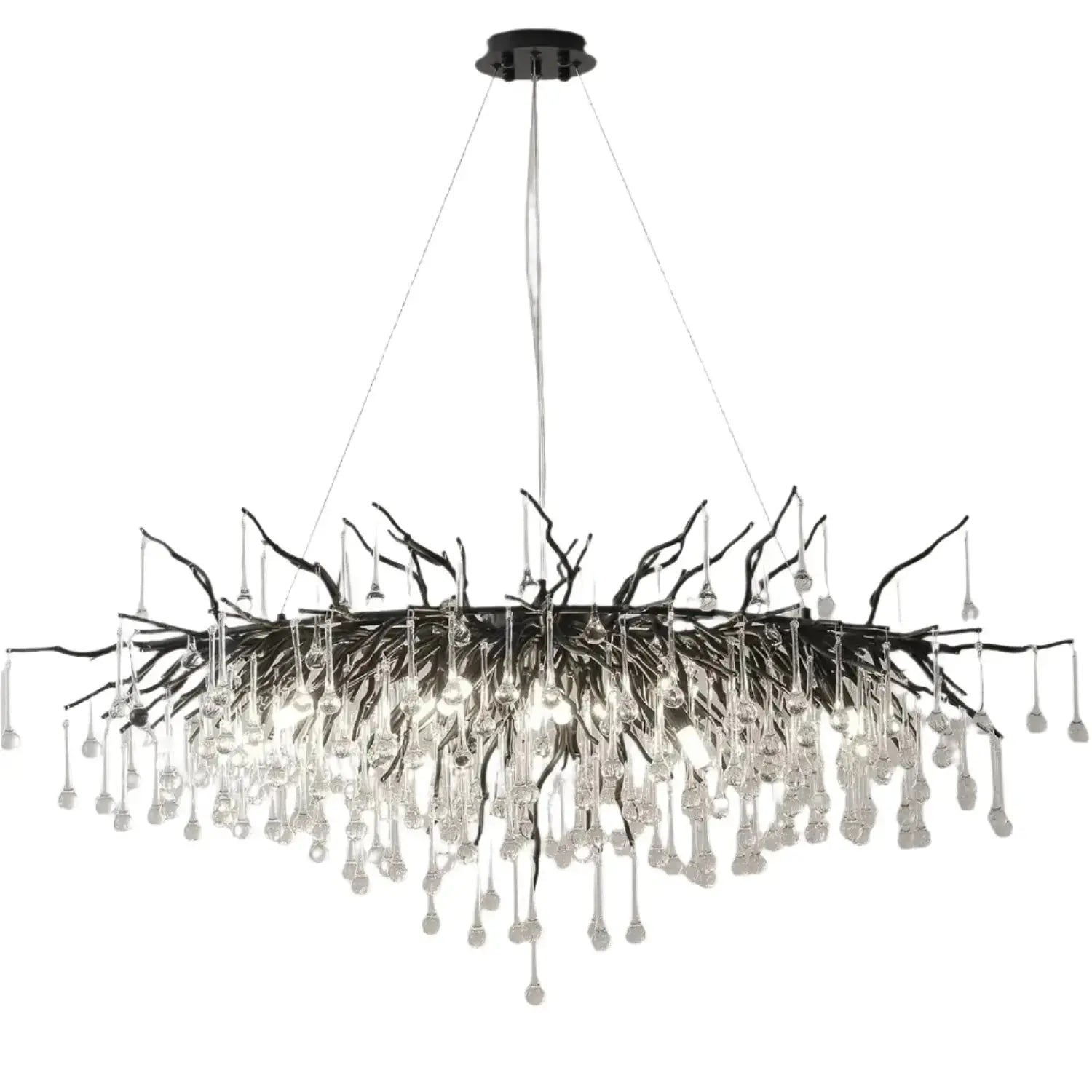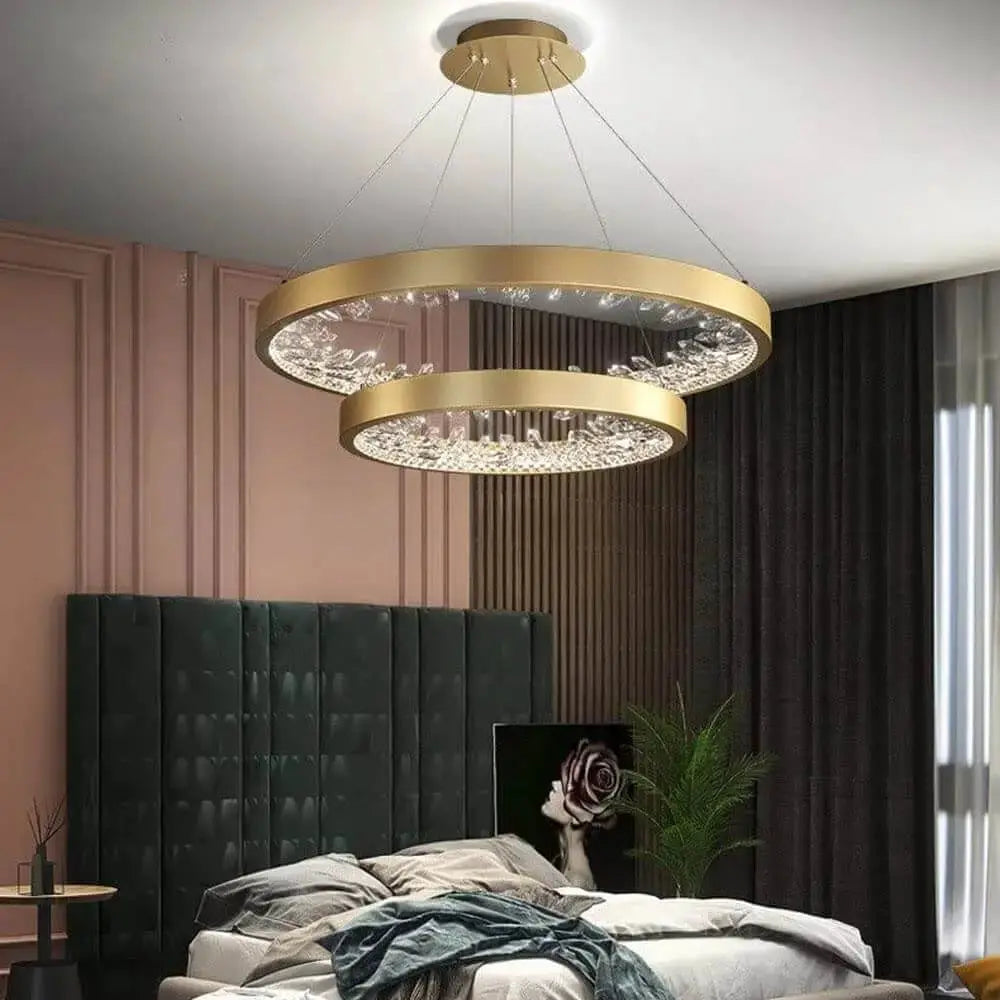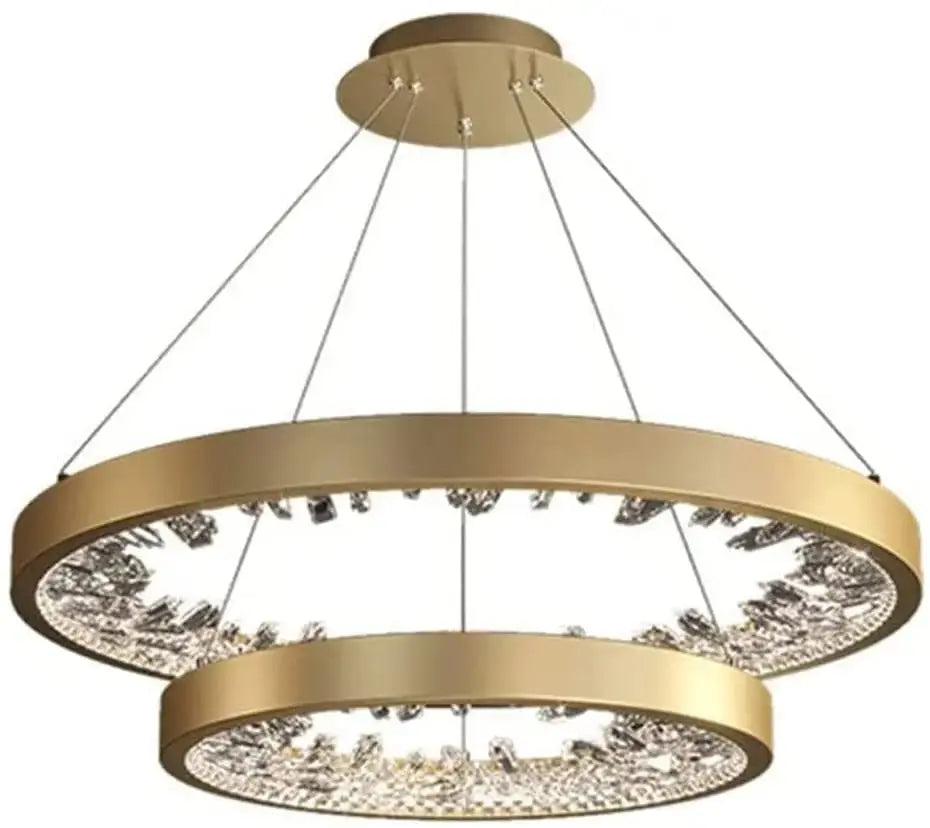
The moment the front door opens, lighting decides whether an entryway feels merely functional or quietly extraordinary. This guide to entryway lighting is designed to help you create that considered first impression: one that welcomes guests, flatters the architecture and makes everyday arrivals feel more polished.
An entrance is often a compact space with an outsized role. It has to illuminate keys, coats and steps safely, but it should also introduce the personality of the home. The most successful schemes balance practical clarity with decorative presence, allowing a beautiful fixture to become the opening statement of the interior.
Start with the entryway’s proportions
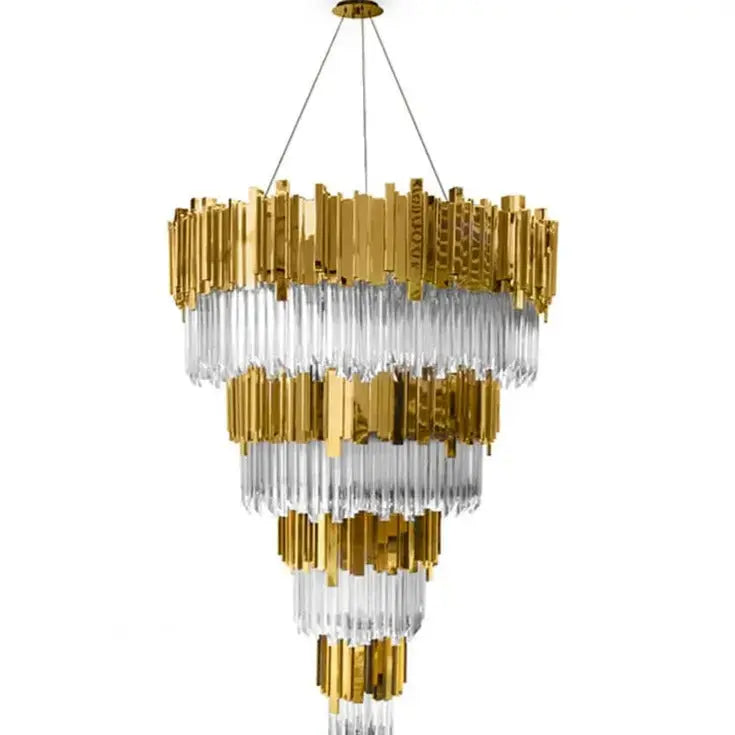
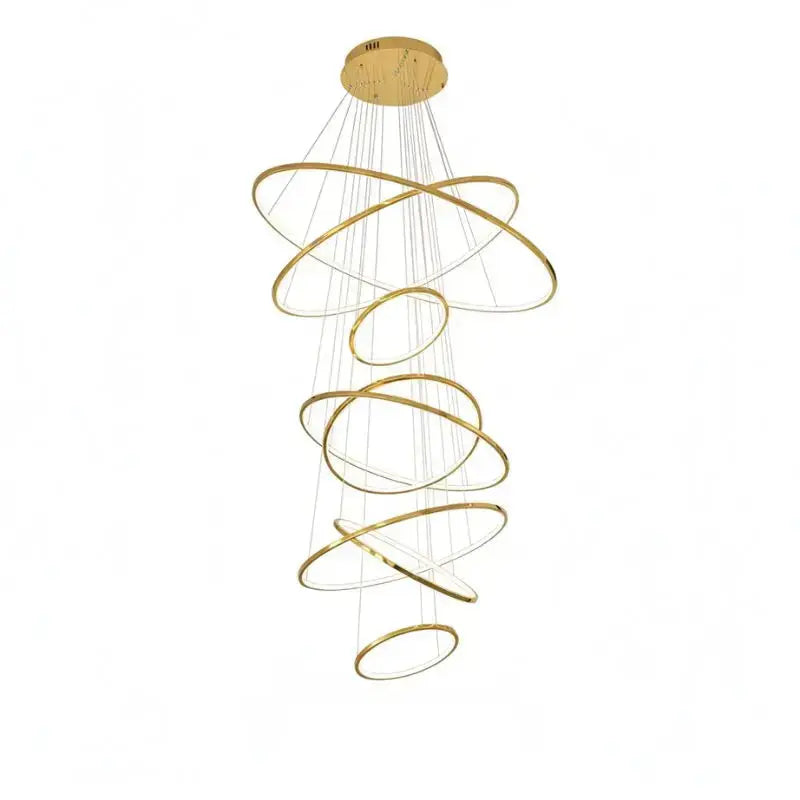
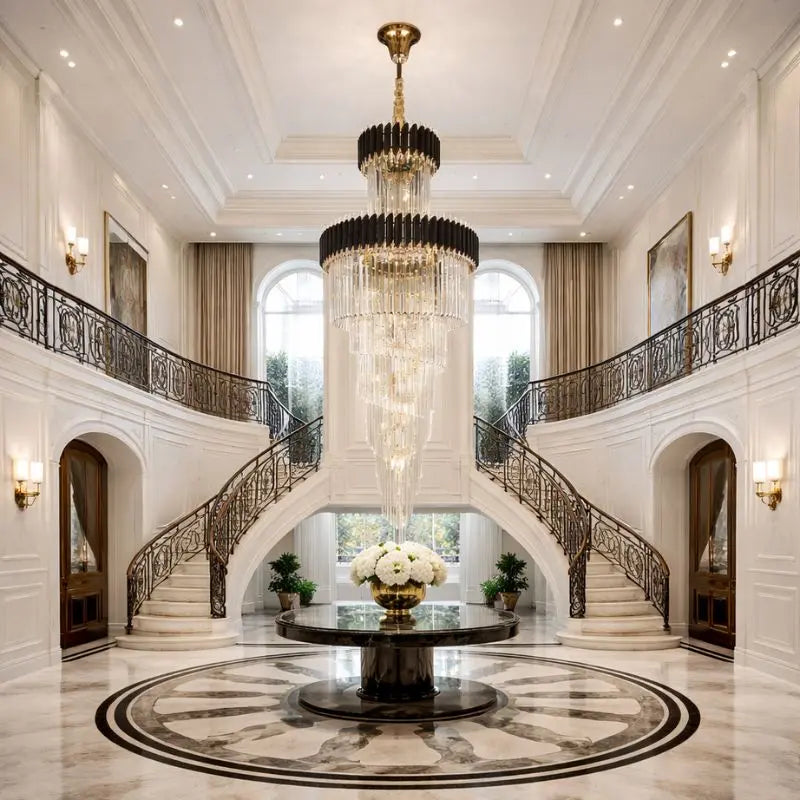
Before falling in love with a chandelier or pendant, look at the room as a whole. Ceiling height, floor area, door swing, staircase position and sightlines from adjoining rooms all influence what will look balanced. A modest hallway can be transformed by a sculptural flush ceiling light or a compact semi-flush design, while a double-height foyer has the visual space for a cascading chandelier or a tall, tiered pendant.
Scale is the difference between a fixture that looks intentional and one that disappears or overwhelms. As a useful starting point, add the length and width of the entryway in feet, then use that number in inches as an approximate diameter for a central ceiling fixture. A hall measuring 8 by 10 feet, for example, may suit a fitting around 18 inches wide. Treat this as a guide, not a rule. Ornate crystal silhouettes occupy more visual space than slim contemporary forms, even at the same diameter.
In rooms with a standard-height ceiling, keep a comfortable clearance beneath the fitting. A flush or semi-flush ceiling light is usually the more graceful choice where a pendant would sit too low. For a tall entrance, hang a chandelier so it feels connected to the room rather than stranded near the ceiling. If it is positioned above a stairwell, ensure it remains safely clear of the route below and appears balanced from both upper and lower floors.
Choose a focal point that reflects the home
Your entry light should offer a preview of the rooms beyond. That does not mean every fixture must match, but there should be a recognisable thread in material, finish or mood.
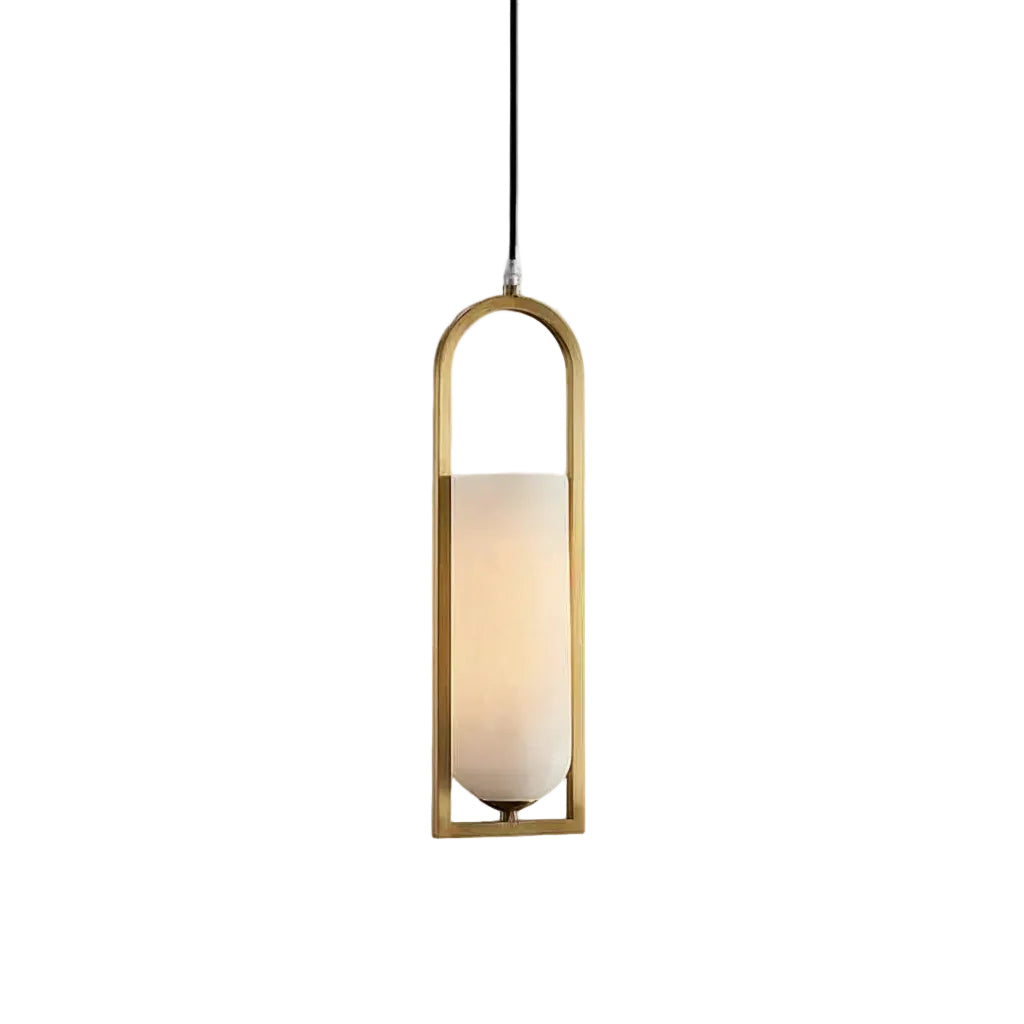
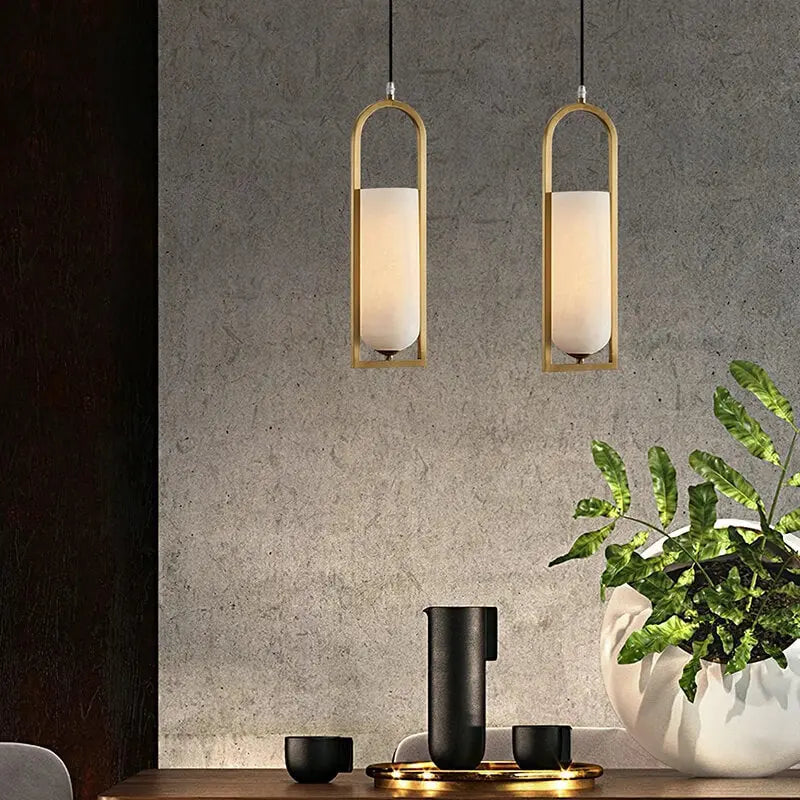
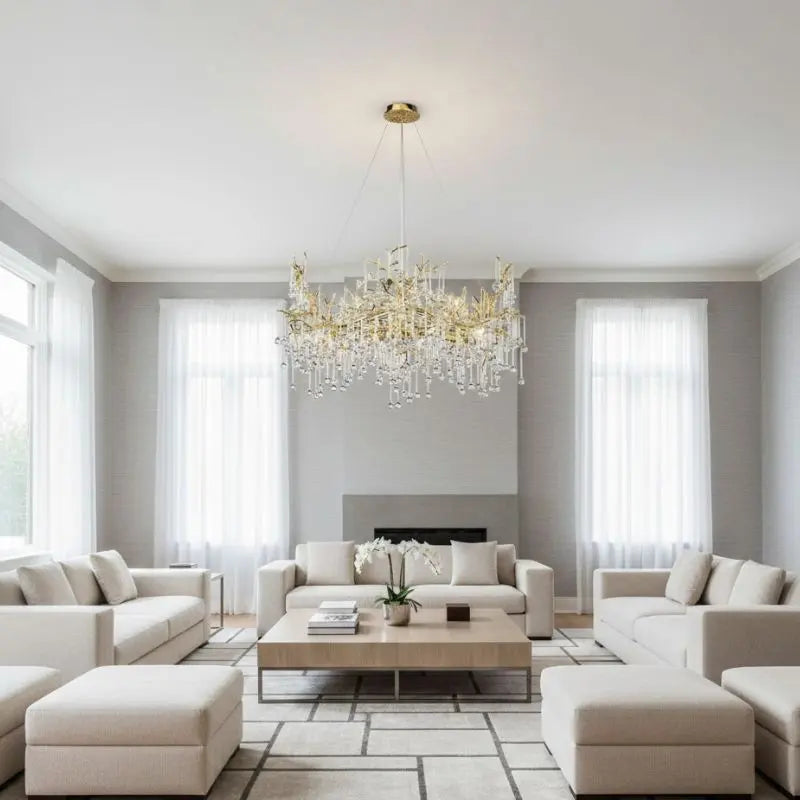
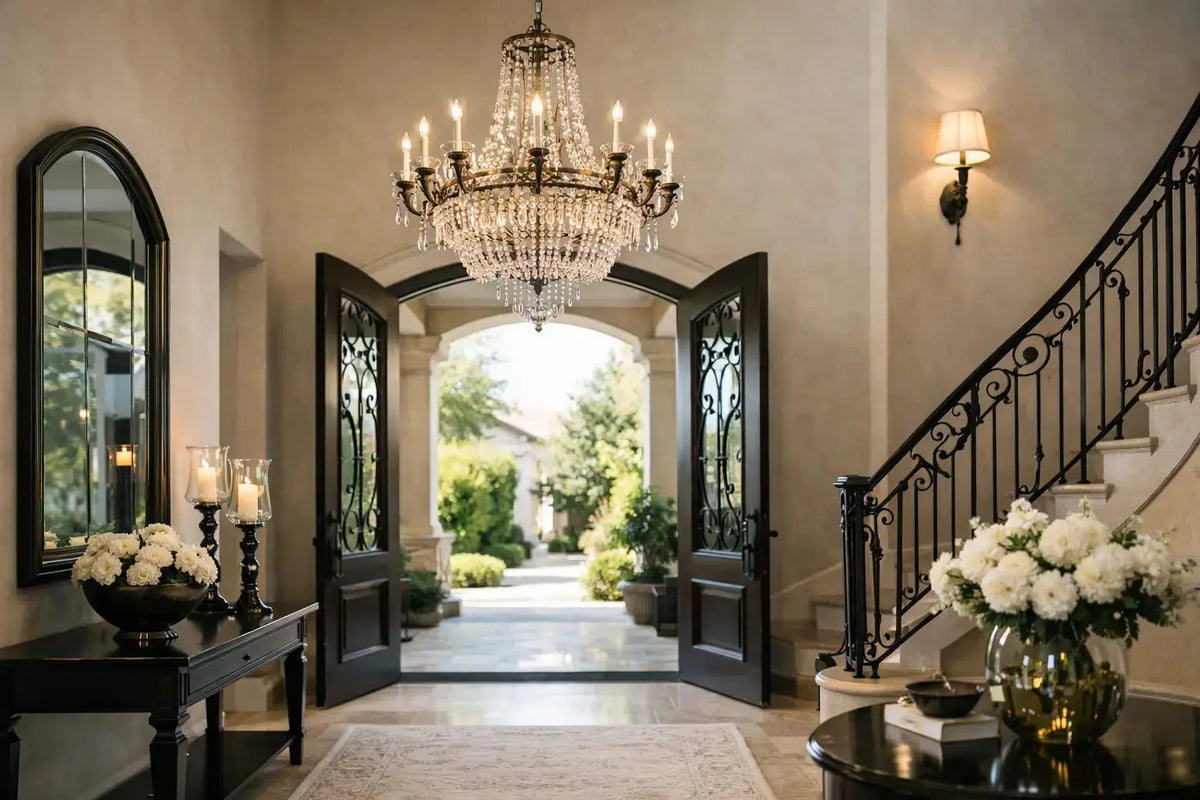
For homes with classic architecture, crystal chandeliers, lantern-style pendants and warm brass details bring a sense of timeless elegance. A traditional foyer can carry generous scale and intricate metalwork particularly well, especially when the fitting is visible through a glazed door or from a landing above.
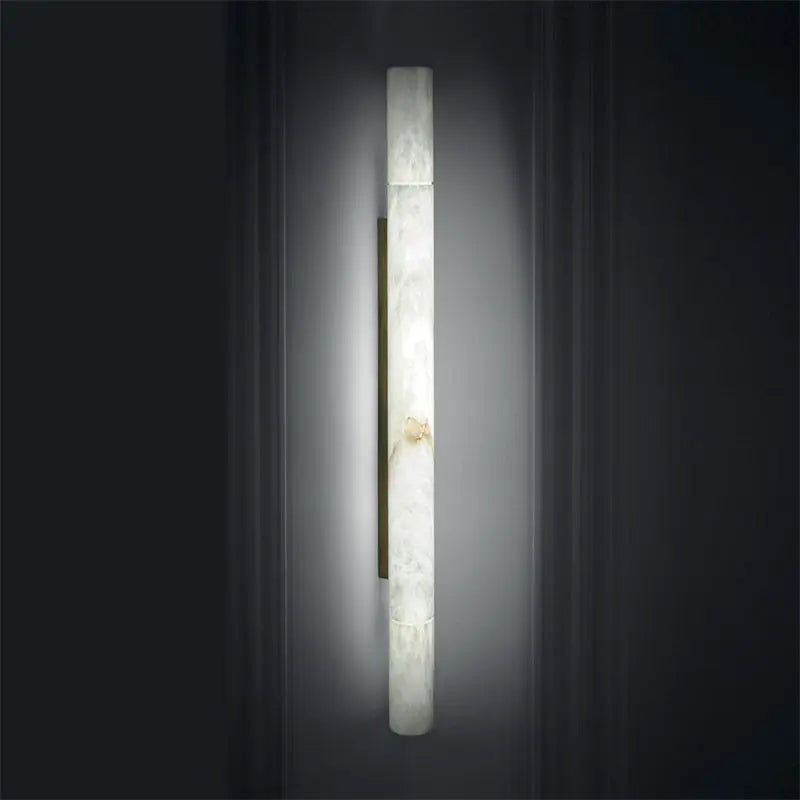
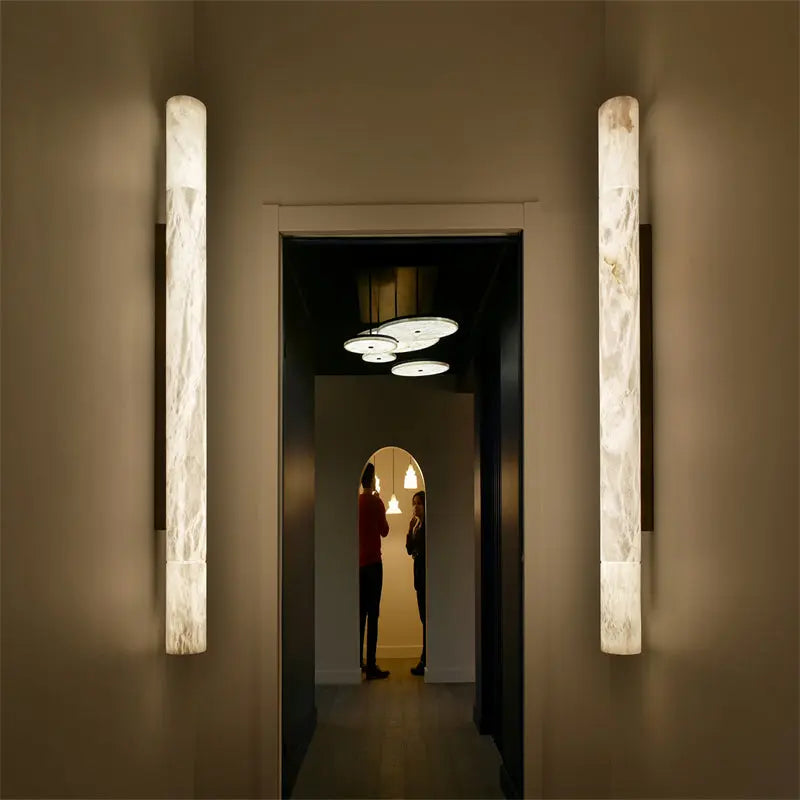
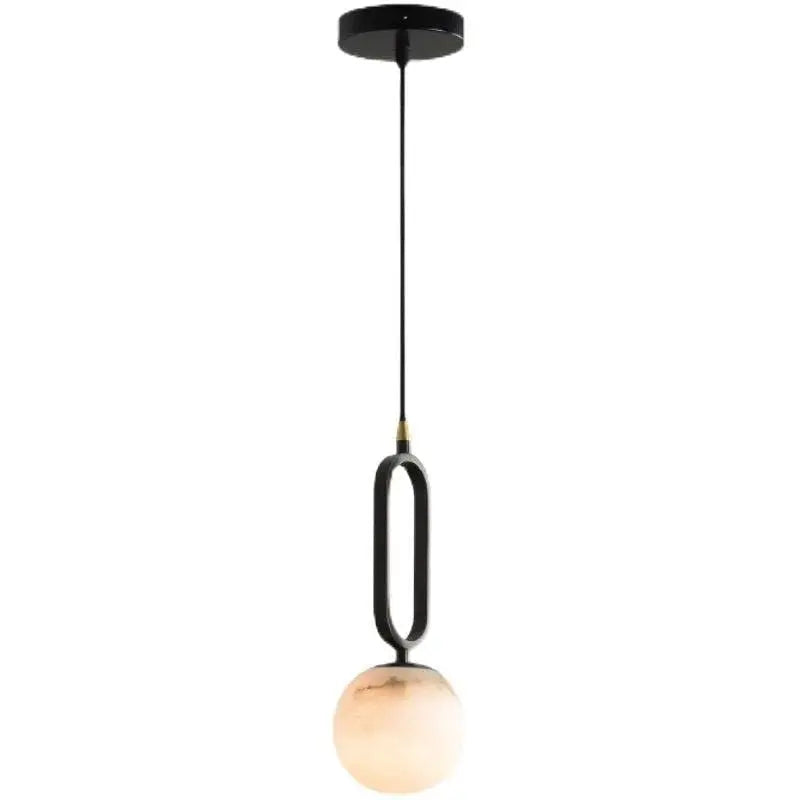
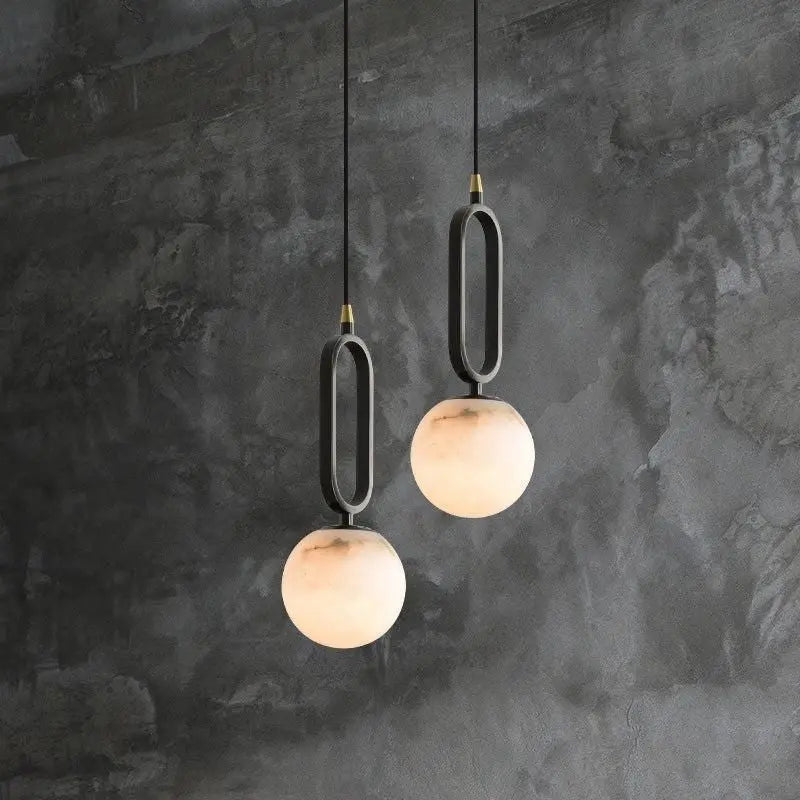
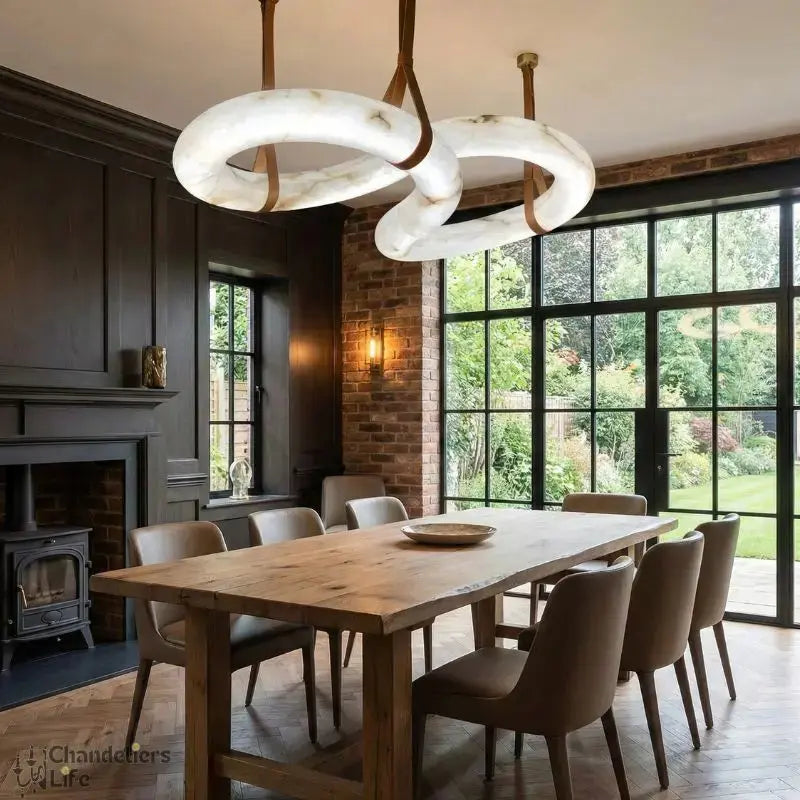
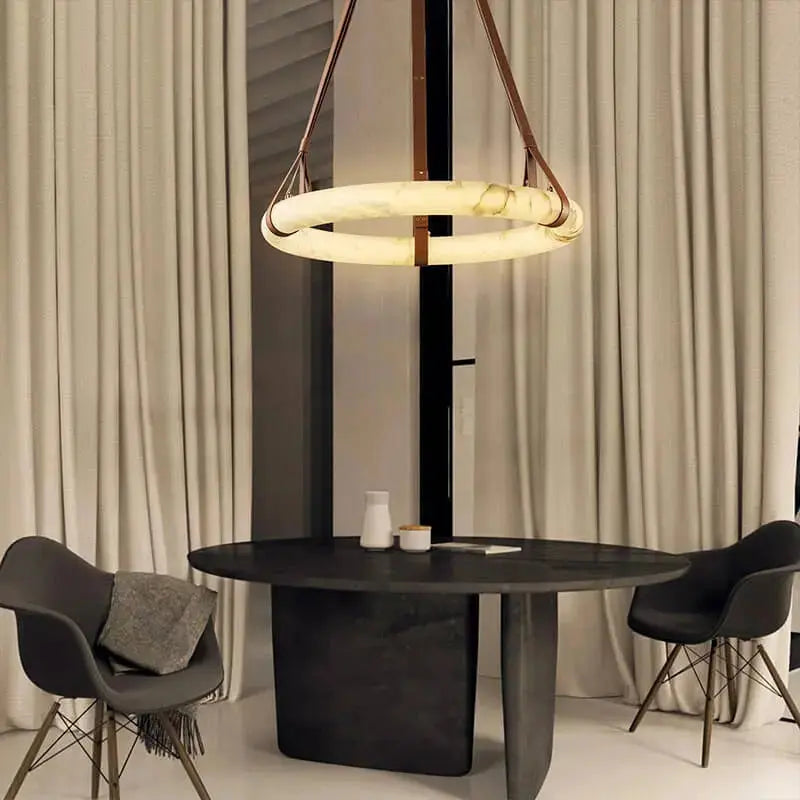
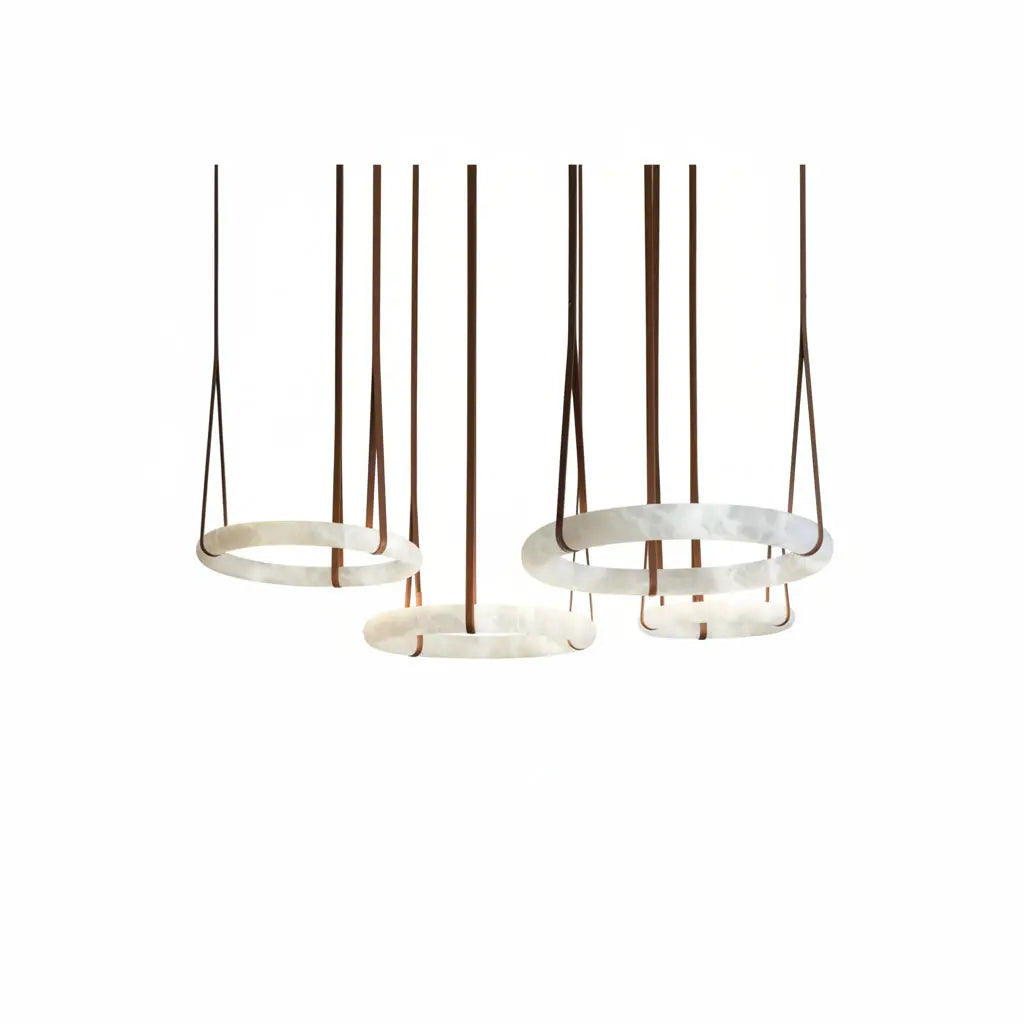
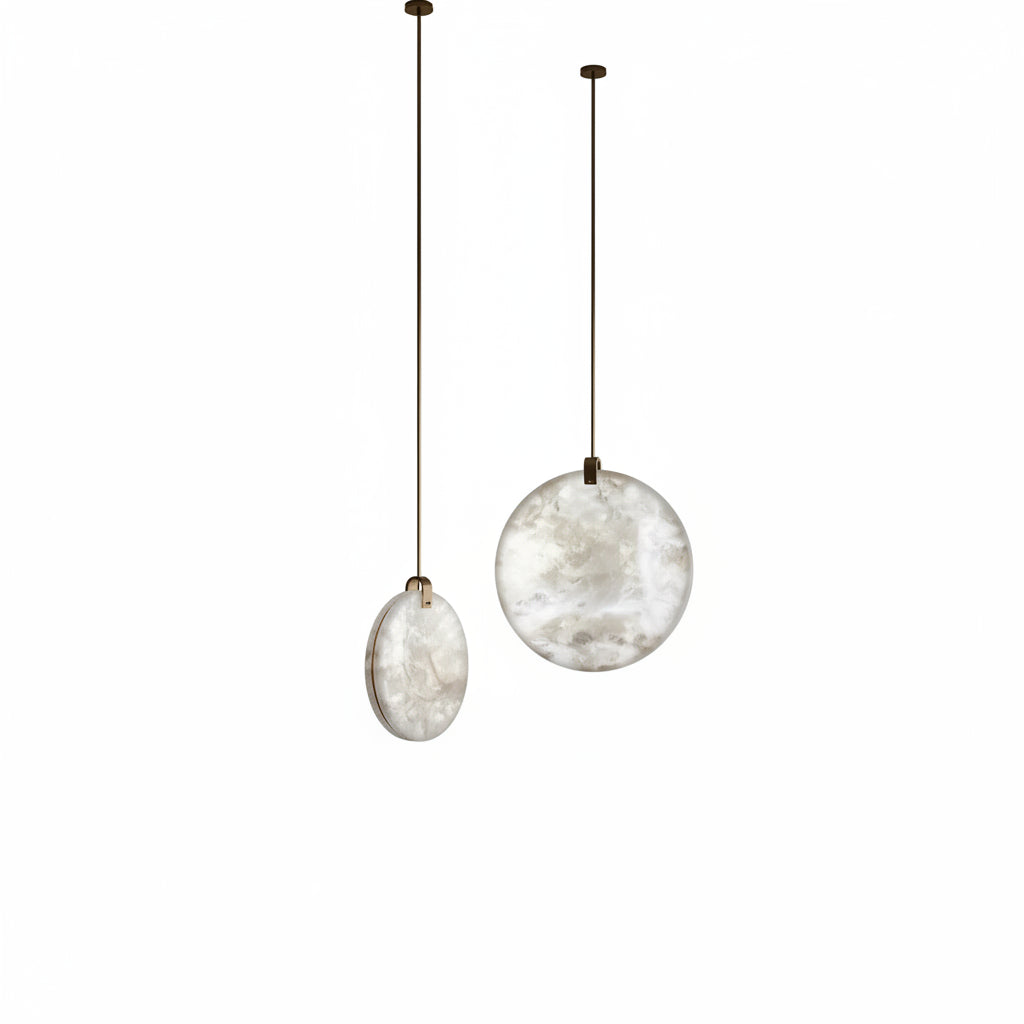
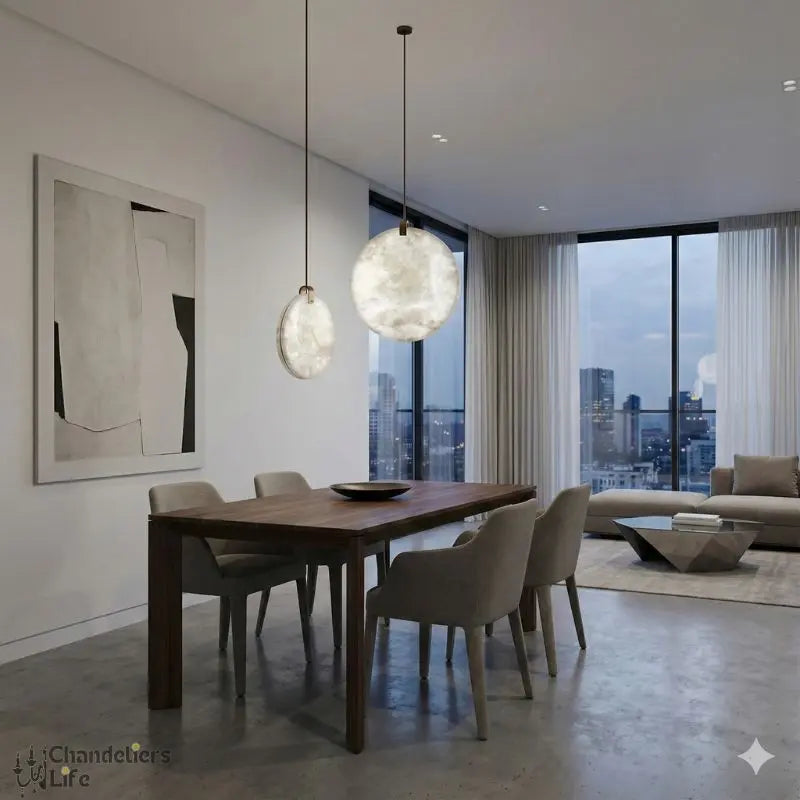
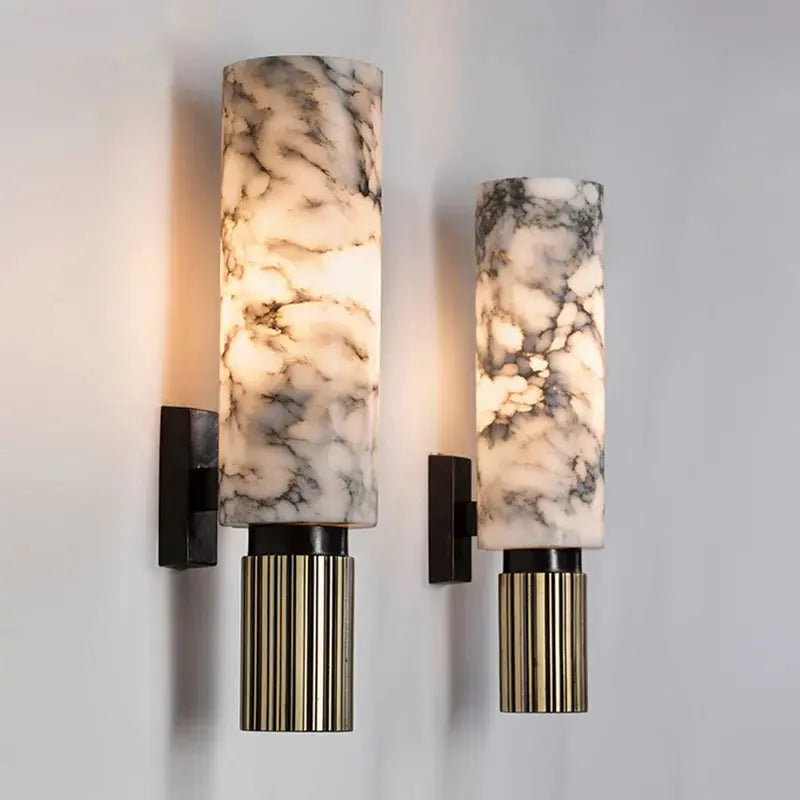
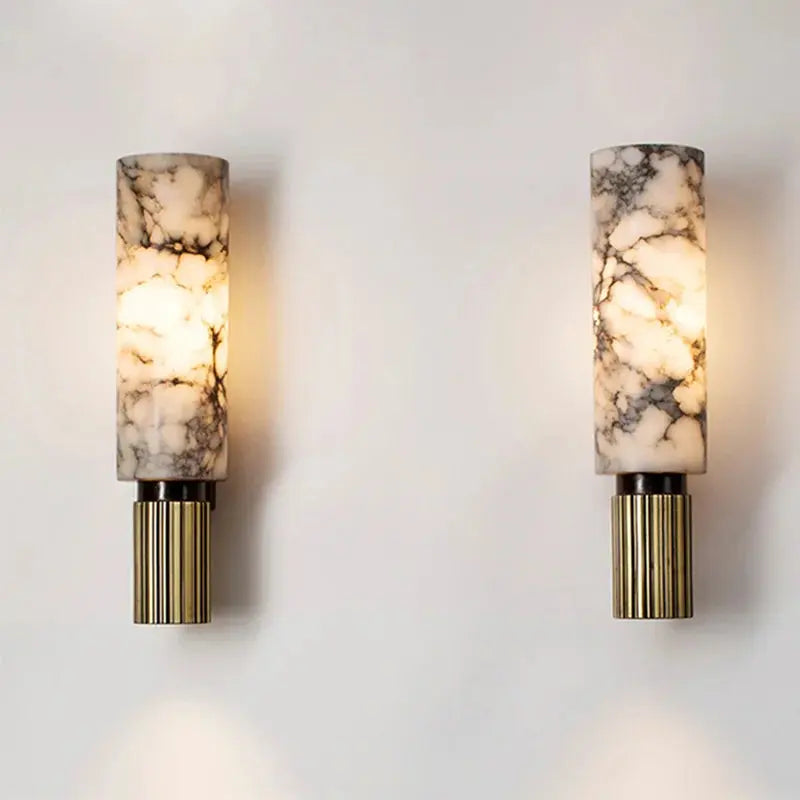
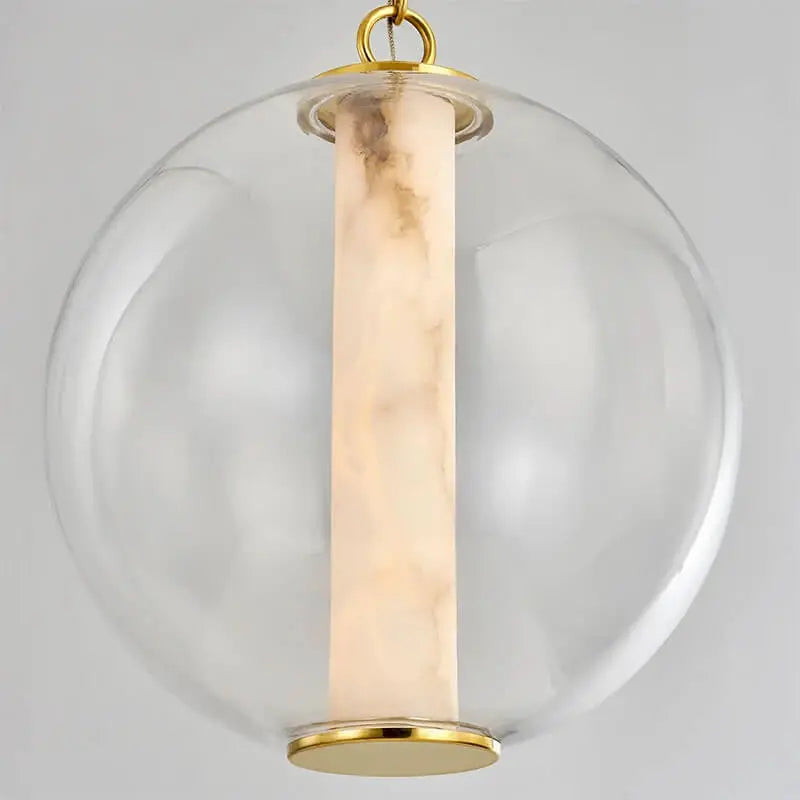
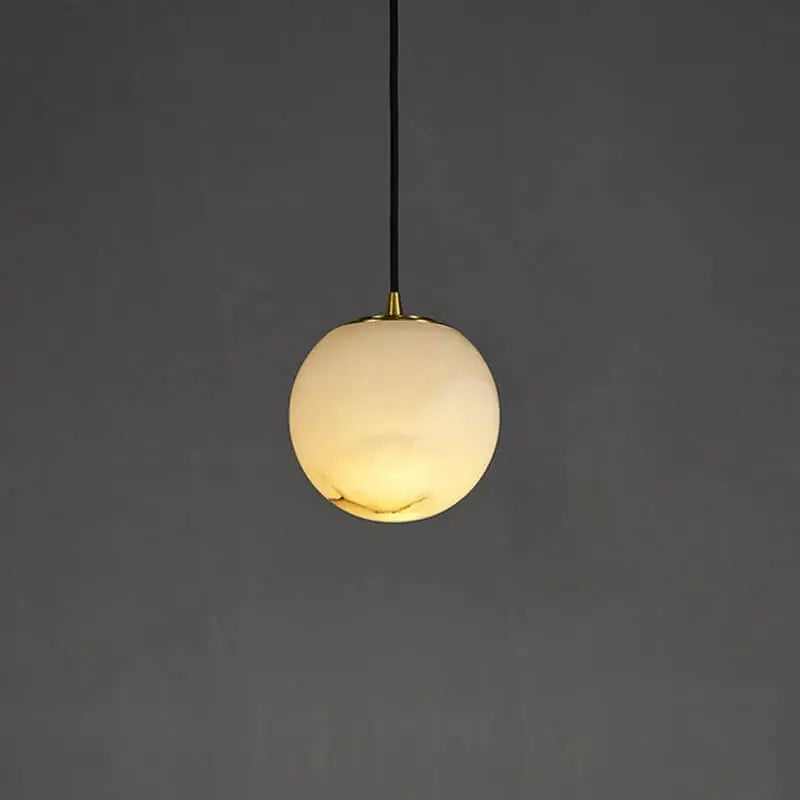
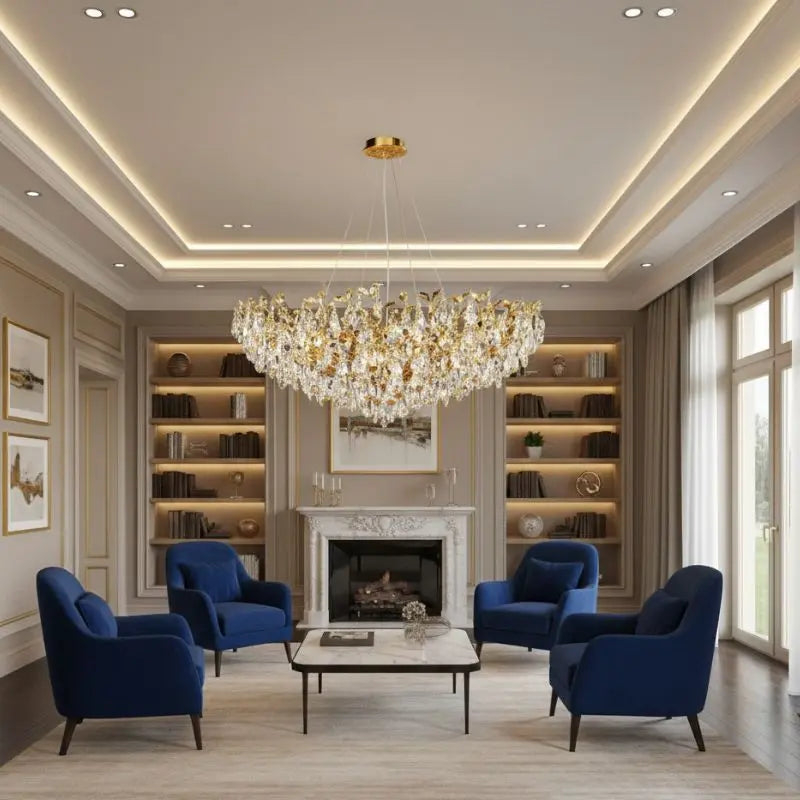
For a more contemporary interior, look towards linear forms, airy globes, alabaster shades or sculptural metalwork. These pieces provide a refined focal point without adding visual clutter. Marble-inspired details and softly veined alabaster are especially effective where the entryway needs warmth but the overall design remains pared back.
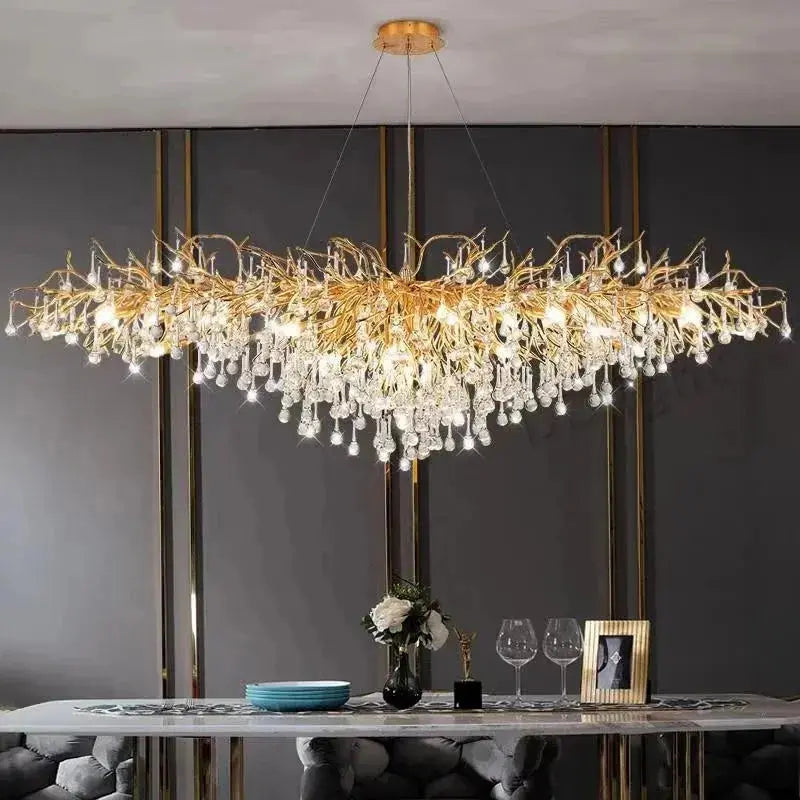
There is also a case for contrast. A modern chandelier in a period hallway can feel highly curated when its finish relates to existing features, such as black-framed doors, stair balustrades or aged brass hardware. Conversely, a classic lantern can lend welcome character to a newly built home. The key is to repeat at least one element elsewhere so the choice feels deliberate.
Layer light rather than relying on one fitting
A ceiling fixture creates ambience, but it rarely solves every lighting need on its own. Layering adds depth and makes the entryway more useful throughout the day. Begin with overhead illumination, then consider wall lights beside a mirror, console or doorway. Their lower glow softens shadows and brings a more intimate, hotel-like quality to the space.
A table lamp on a console is another elegant layer, particularly in a wider hall. It creates a gentle evening welcome when the main light feels too bright and gives the furniture arrangement more presence. In a compact entry, wall sconces can achieve the same effect without taking up valuable surface space.
If the hall opens onto a staircase, consider the transition too. The lighting should lead the eye naturally upward rather than ending abruptly at the first landing. A statement stairwell chandelier can be spectacular, but simpler wall lights or well-placed ceiling fittings may be the better solution where the stairwell is narrow. Drama should never compromise comfort or safe movement.
Get the light quality right
Luxury lighting is not only about the fixture itself. The warmth, direction and control of the light are just as influential. For most residential entryways, warm white bulbs around 2700K create a welcoming glow that suits timber, stone, brass and skin tones. A cooler lamp can make white walls appear crisp, but it may also leave an otherwise elegant hall feeling stark.
Dimmable lighting is one of the most worthwhile choices you can make. Brighter light is helpful when looking for a bag or greeting visitors, while a lower setting is more flattering for evenings and entertaining. Make sure the bulbs, fitting and dimmer switch are compatible before installation, as this avoids flickering or limited dimming range.
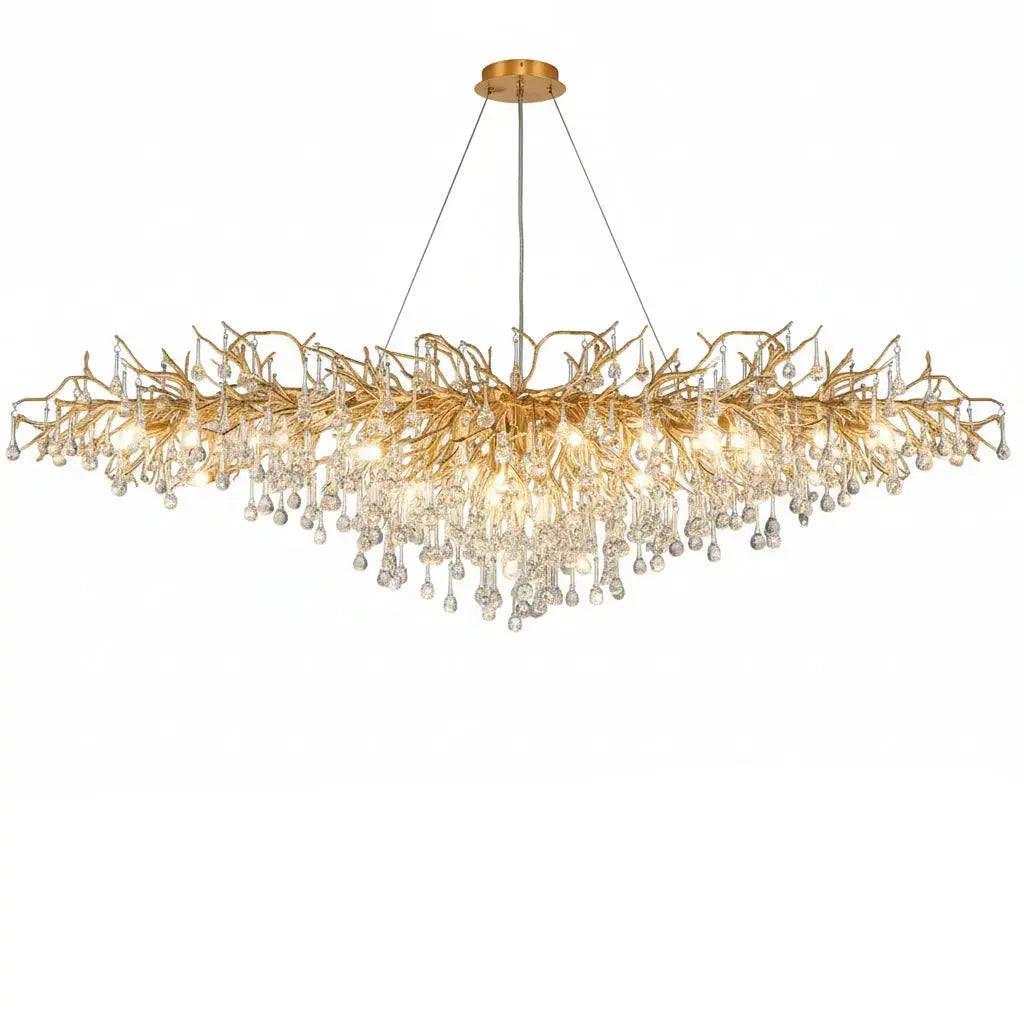
Pay attention to the bulbs you can see. Clear filament-style bulbs complement lanterns and exposed-bulb fittings, whereas frosted bulbs provide a softer look in open glass shades. With crystal chandeliers, the sparkle comes from light interacting with the faceted elements, so choose lamps that deliver enough brilliance without excessive glare.
Make the entrance work after dark
An interior scheme feels more complete when it is considered alongside the exterior approach. The view through the front door, sidelights or glazing can make indoor and outdoor lighting feel like one continuous composition. A decorative outdoor wall light or pendant at a covered porch can echo the finish or silhouette of the foyer fixture without becoming overly matched.
Outdoor fittings need to be chosen for their location, not simply their appearance. They should have the appropriate IP rating for exposure to rain and moisture, and installation should be carried out in line with local electrical requirements. Within the entryway, a well-lit threshold also helps prevent the interior from looking gloomy when guests arrive after sunset.
For daily convenience, combine switches thoughtfully. You may want the exterior light and foyer ceiling light controlled separately, while wall lights and a console lamp can be grouped for a softer evening setting. Motion sensors are practical outside, but they are not always the most elegant choice for the main interior lighting, where a dimmer gives greater control.
A practical guide to entryway lighting placement
A few placement decisions will protect the finished look. Centre a statement fitting according to the visual centre of the room, which is not always the same as the physical centre. A doorway, staircase or console arrangement may shift the composition. When wall lights frame a mirror or artwork, place them at a height that illuminates faces and surfaces gently rather than casting harsh downward shadows.
Keep these four details in mind before committing to a fixture:
- Measure ceiling height, fitting height and clearance beneath the light before ordering.
- Check that the ceiling junction box and support can safely carry the fixture’s weight, particularly for substantial chandeliers.
- Consider maintenance, including how easily bulbs can be changed and crystal elements cleaned.
- View samples or product imagery in relation to nearby finishes, from door furniture to stair rails and flooring.
Let a small hall feel intentionally designed
Limited square footage does not rule out decorative lighting. In fact, a compact entryway is often the ideal place to choose one beautiful, high-impact piece. A semi-flush crystal fixture can reflect light across pale walls, while a small alabaster ceiling light offers a diffused glow with a tailored, premium finish. Pair it with a slim mirror and discreet wall light, and the space can feel considered rather than constrained.
Avoid overcrowding a small hall with multiple competing finishes or oversized shades. If the ceiling fixture is richly detailed, choose quieter wall lights. If the walls already feature bold artwork or patterned wallpaper, a clean-lined pendant may provide the right visual pause. The aim is not to fill every surface, but to create a confident focal point.
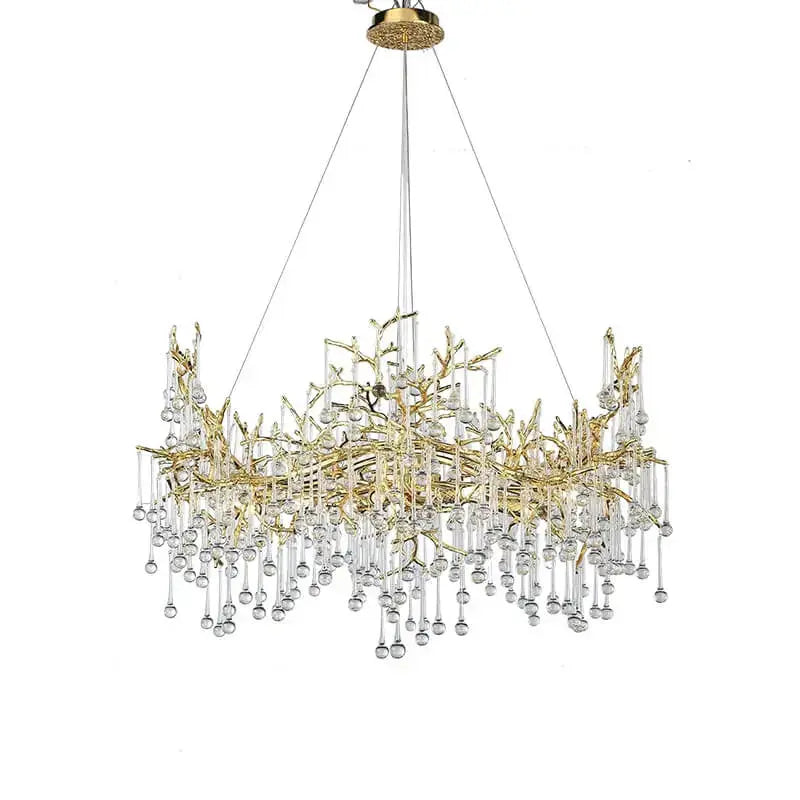
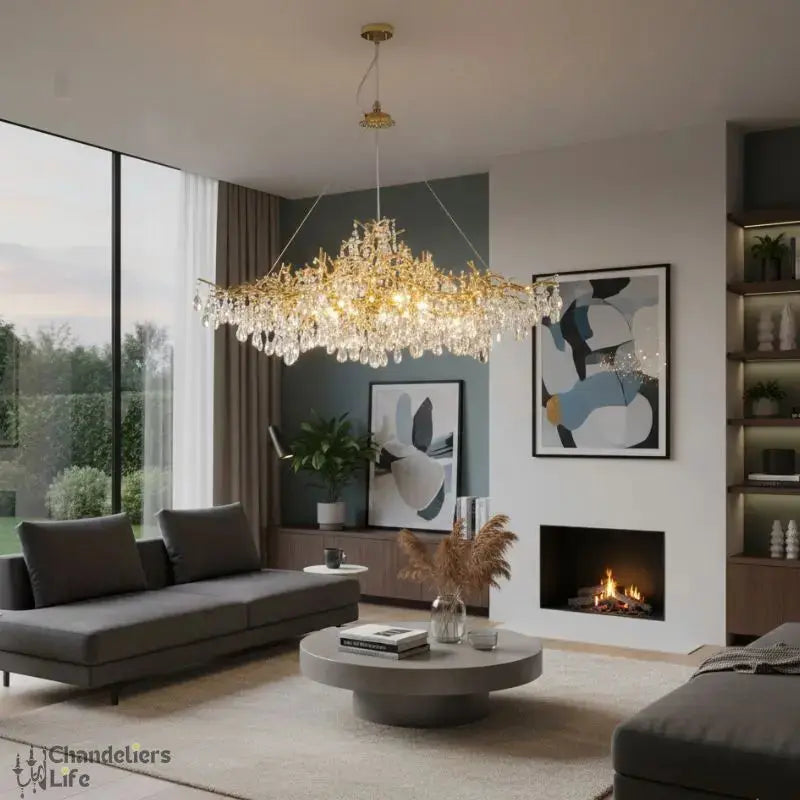
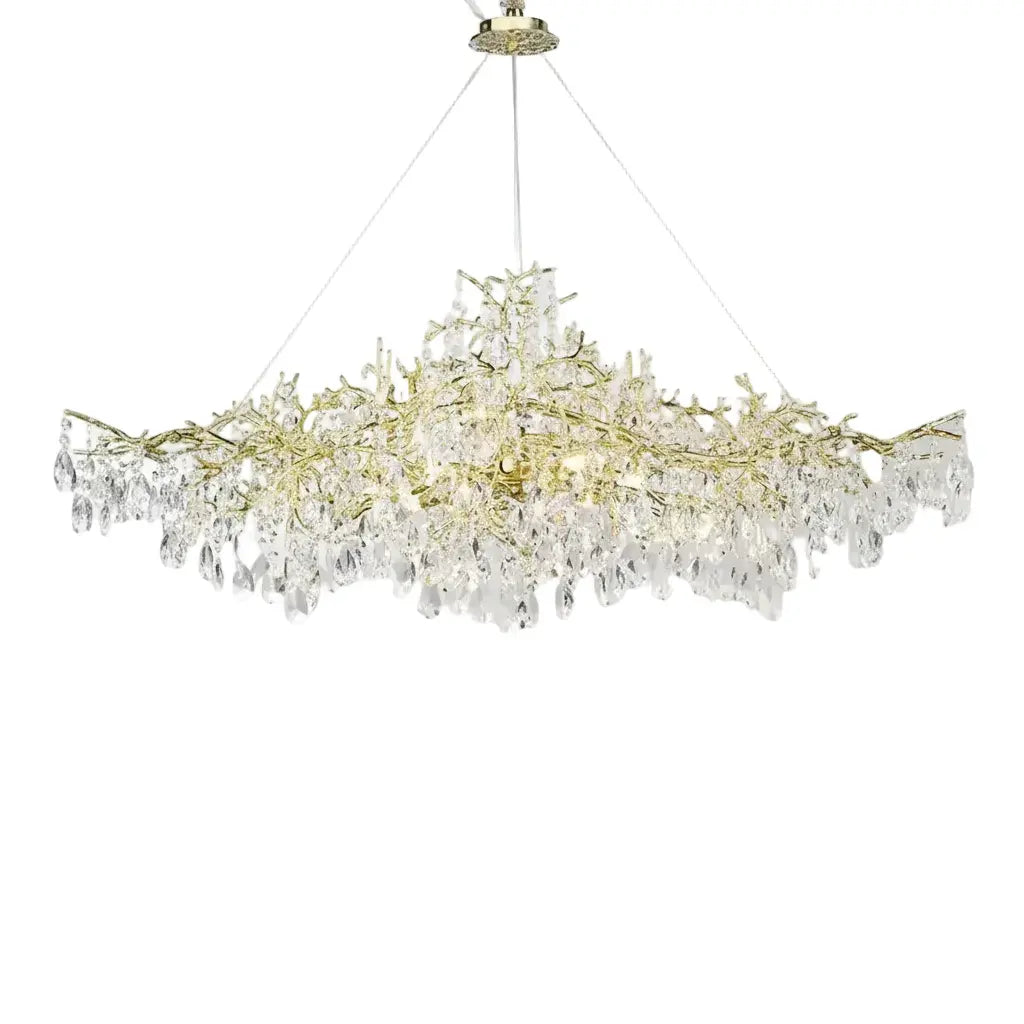
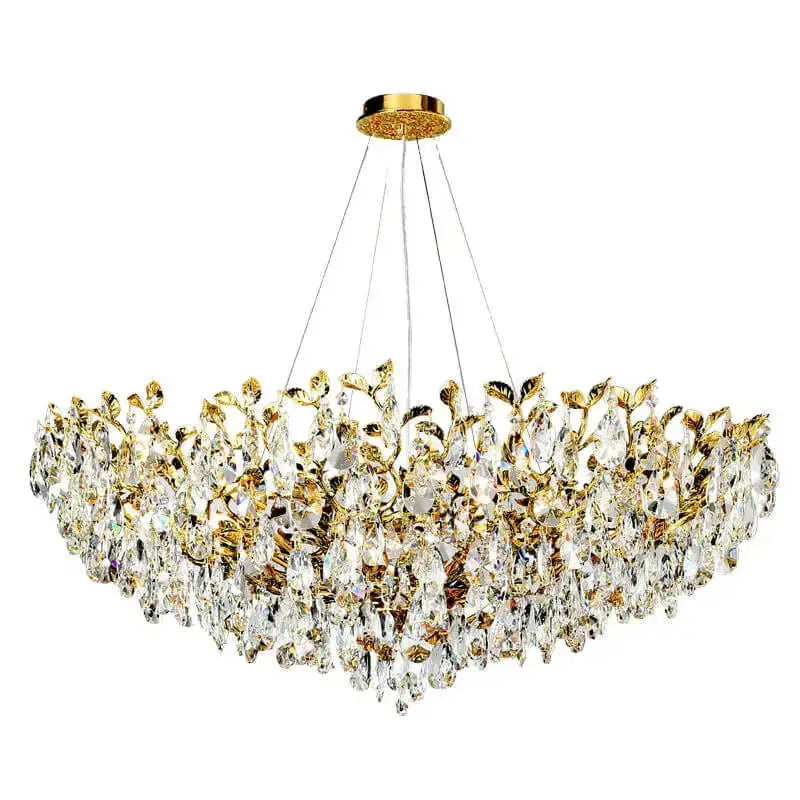
For a grand foyer, the opportunity is different. This is where vertical scale, cascading forms and architectural chandeliers can earn their place. A dramatic fixture viewed from a staircase or through a tall window becomes part of the home’s identity. ChandeliersLife collections are designed with this kind of decorative impact in mind, from luminous crystal statements to contemporary silhouettes with enduring appeal.
The best entryway lighting makes you pause for a second before moving on. Choose a fixture that suits the proportions, add layers that support real life, and give yourself the pleasure of coming home to a space that feels beautifully lit from the first step inside.