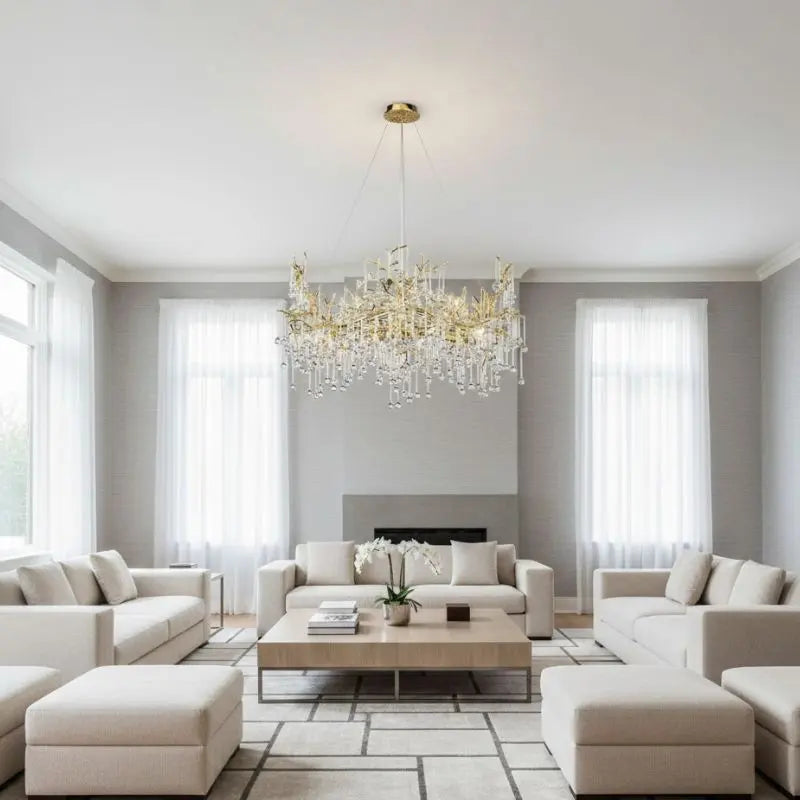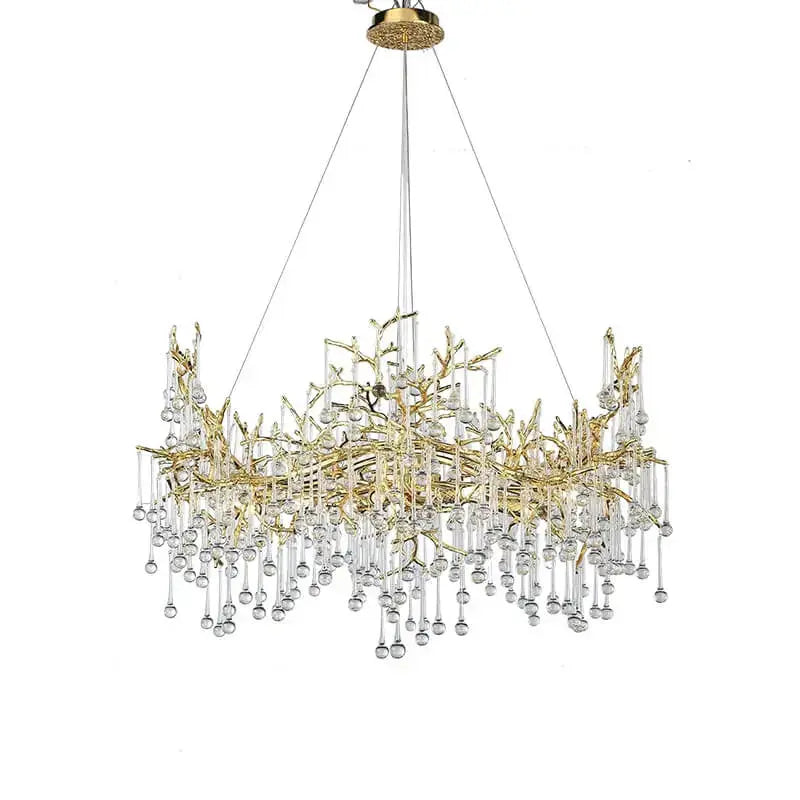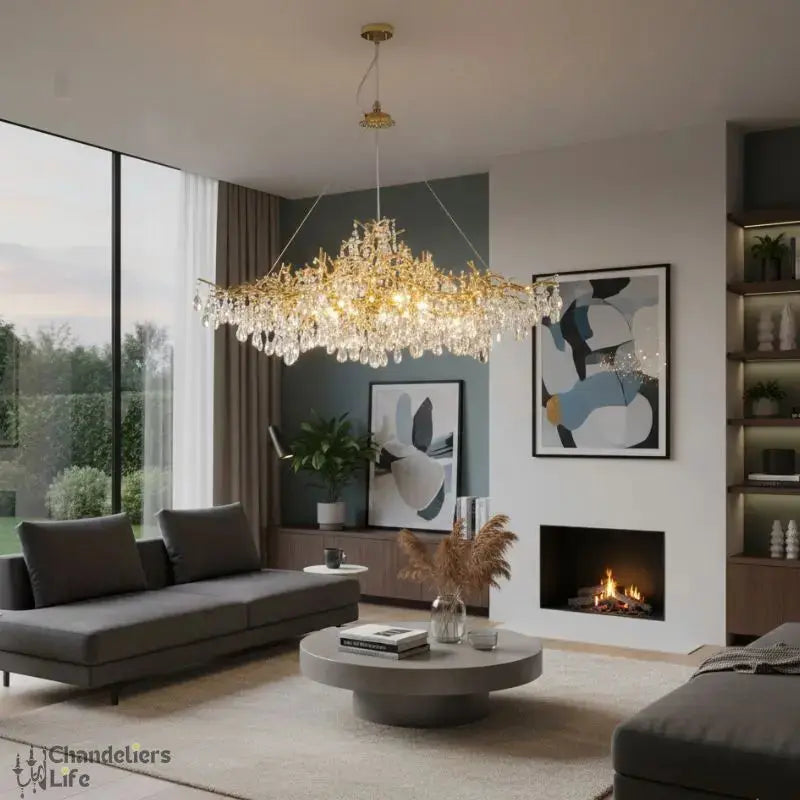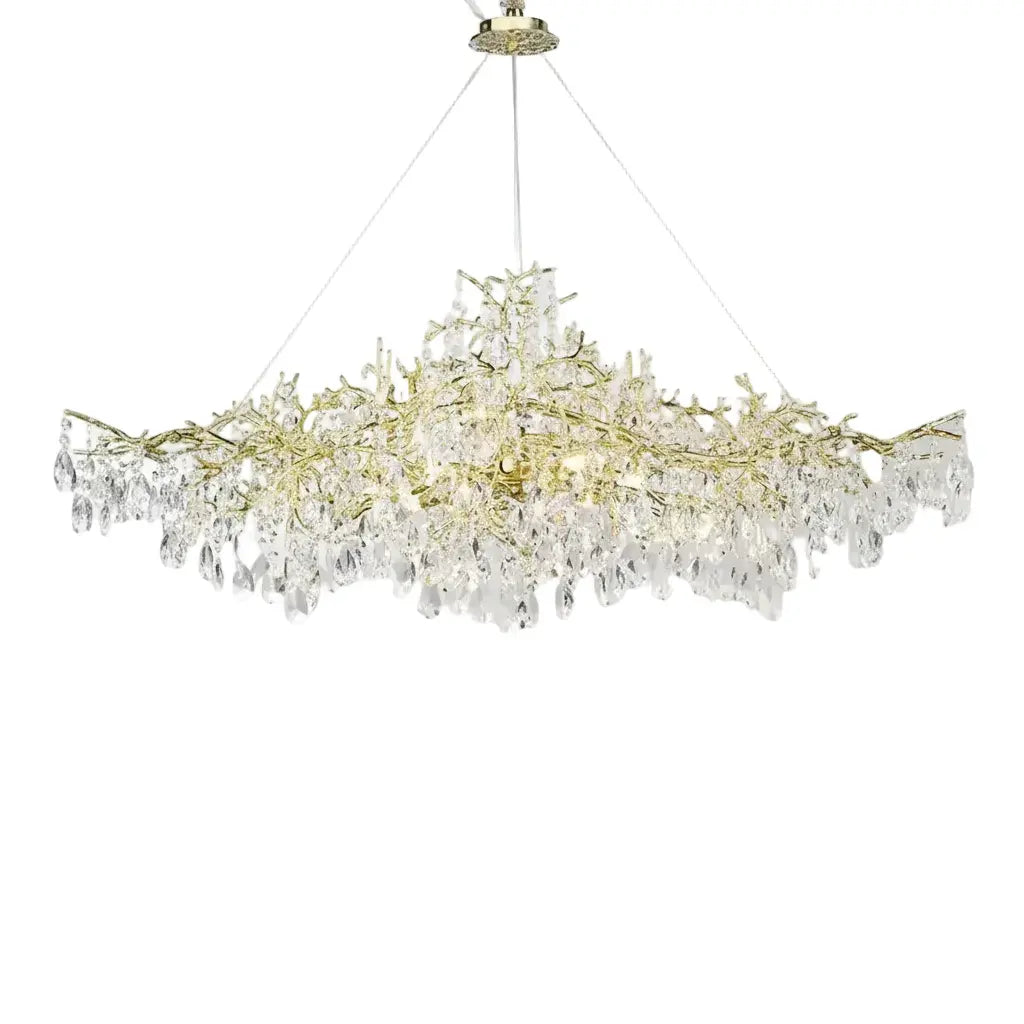
A room can have beautiful furniture, thoughtful finishes and a carefully chosen palette, yet still feel unfinished once the sun goes down. Designer lighting is often the missing layer: the detail that gives a dining table presence, makes a staircase feel ceremonial, or turns a quiet bedroom into a retreat. More than a practical purchase, it is an opportunity to shape how a home feels at every hour.
For design-conscious homeowners, the most memorable fixtures do not simply brighten a space. They create atmosphere, establish scale and give the eye somewhere exquisite to rest. The right piece can be sculptural and dramatic, but it must also belong to the room around it.
Why designer lighting has such visual impact
Lighting sits higher in the room than almost any other decorative element. That placement gives it unusual influence. A chandelier over a dining table becomes part of every gathering; a pendant above an island is seen from adjoining living areas; a foyer fixture is the first design statement made to guests.
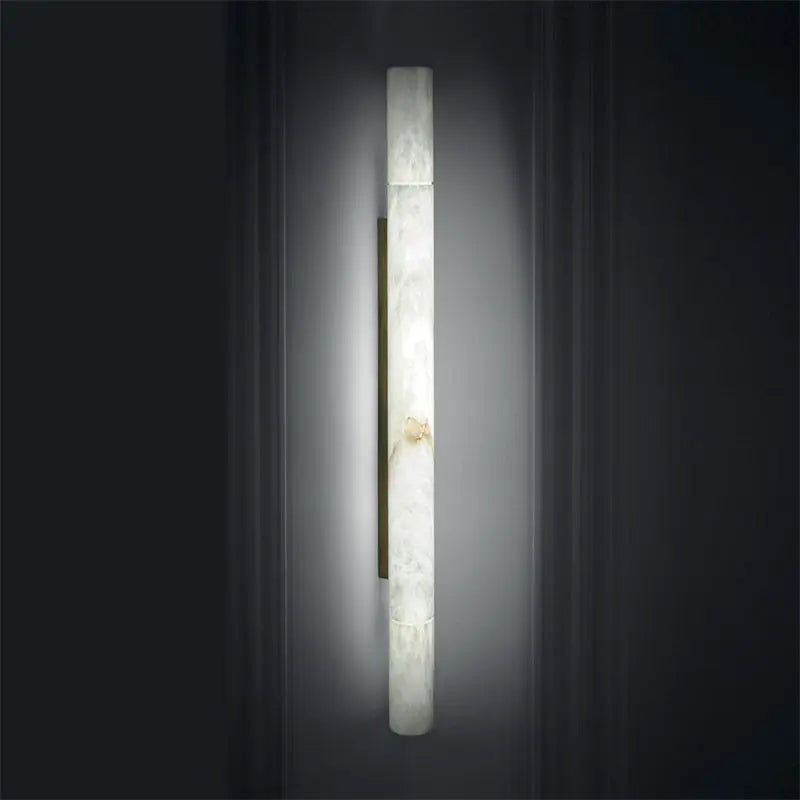
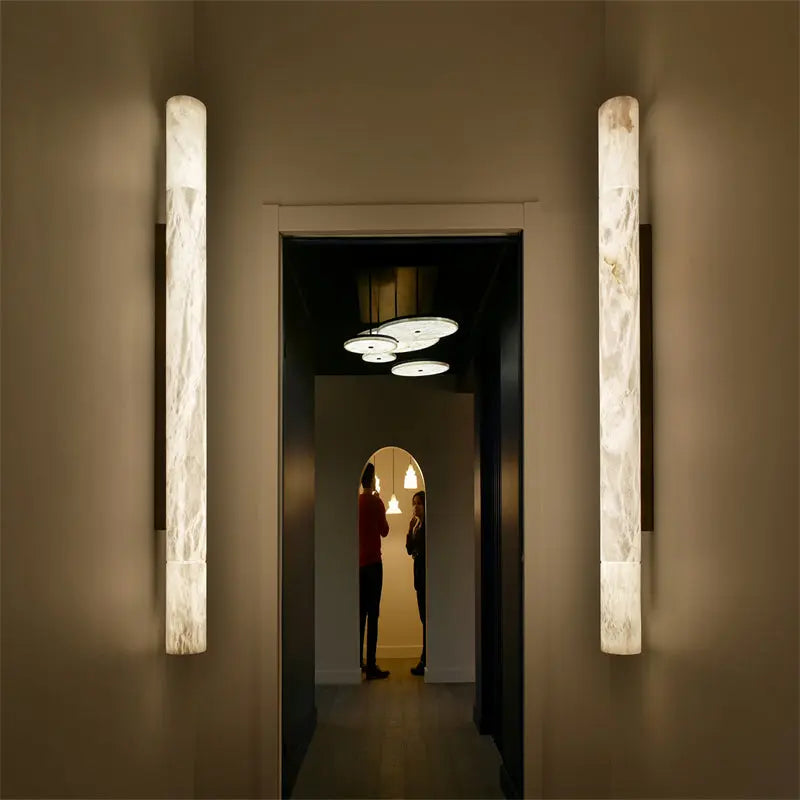
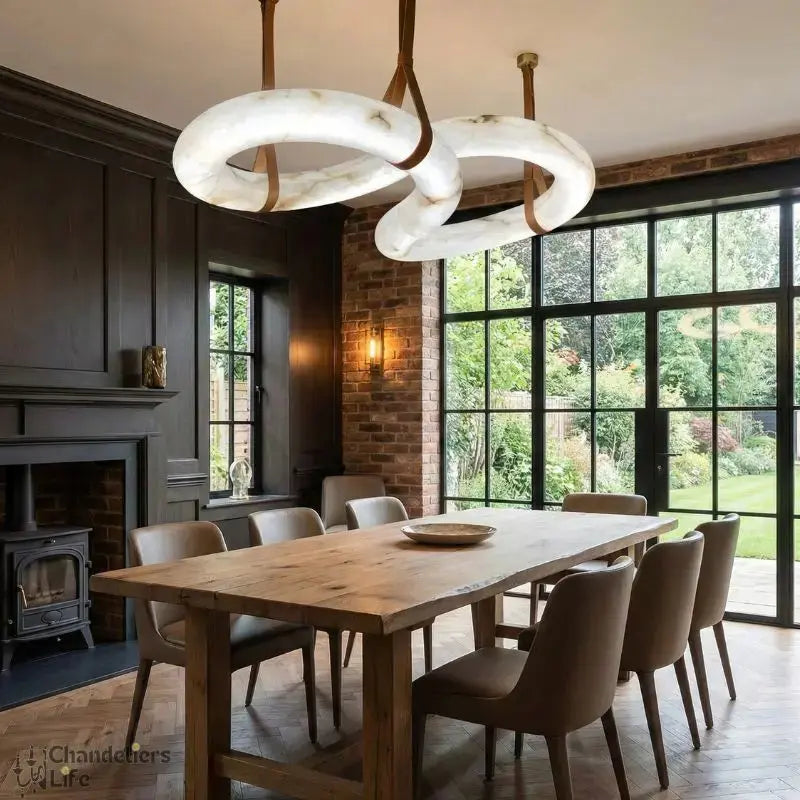
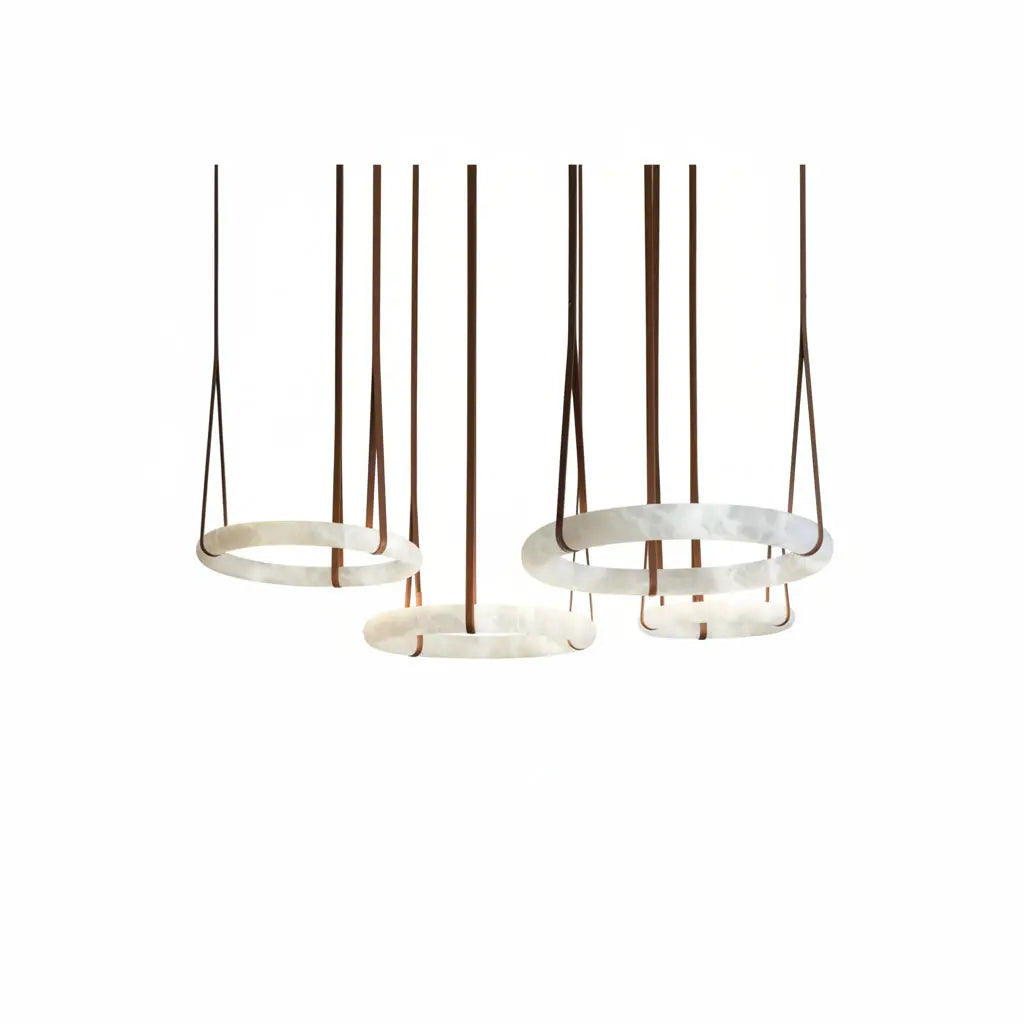
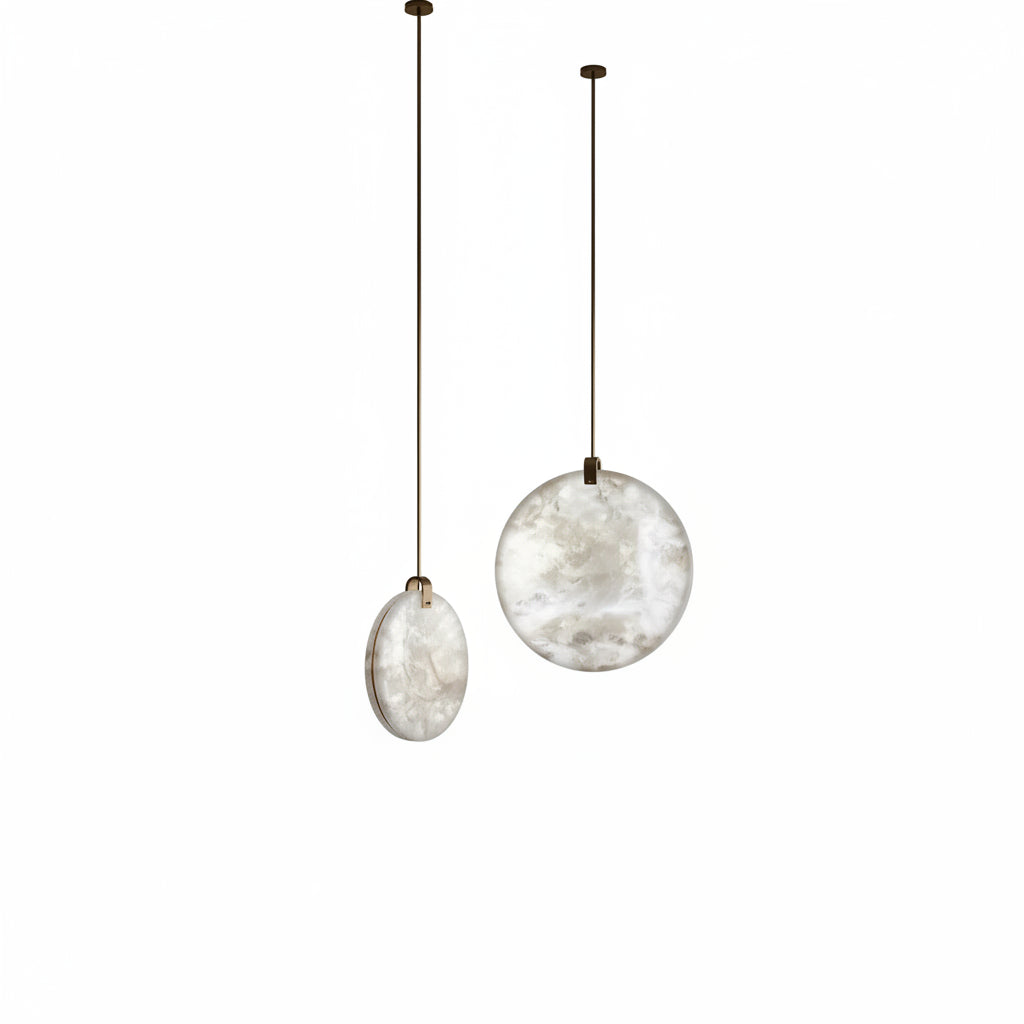
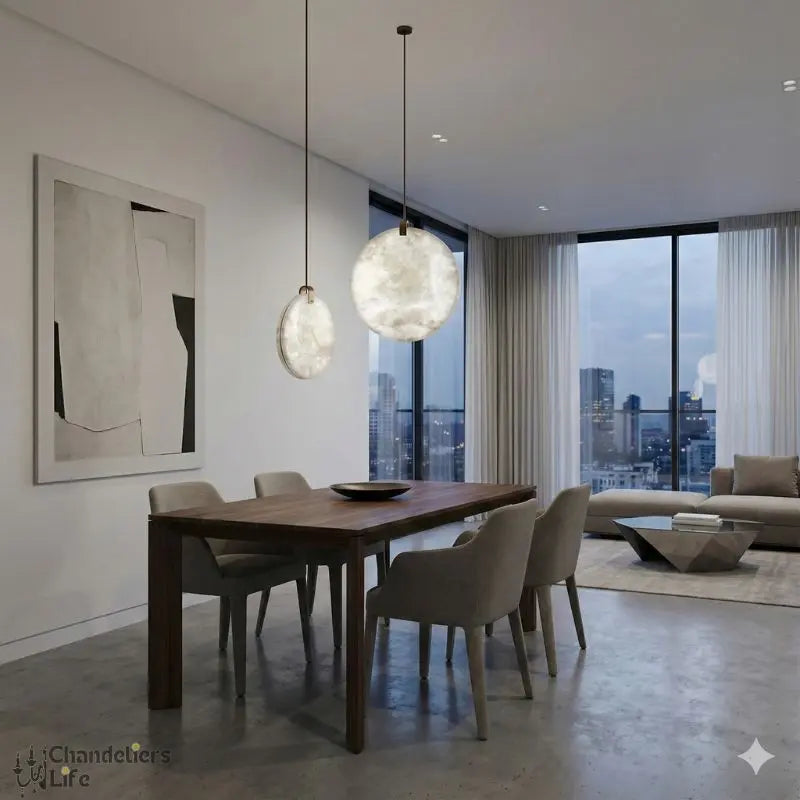
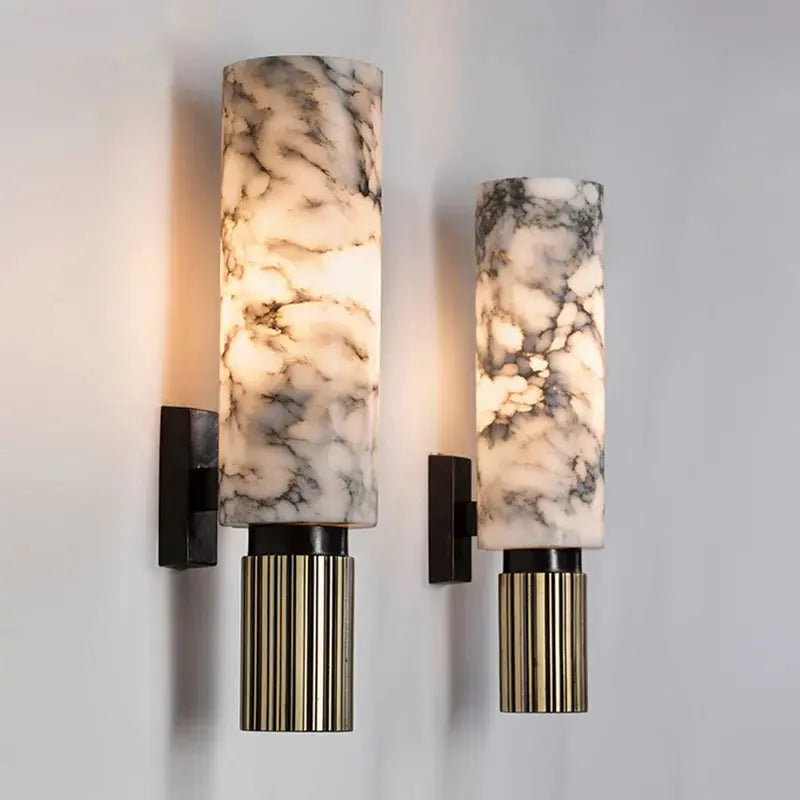
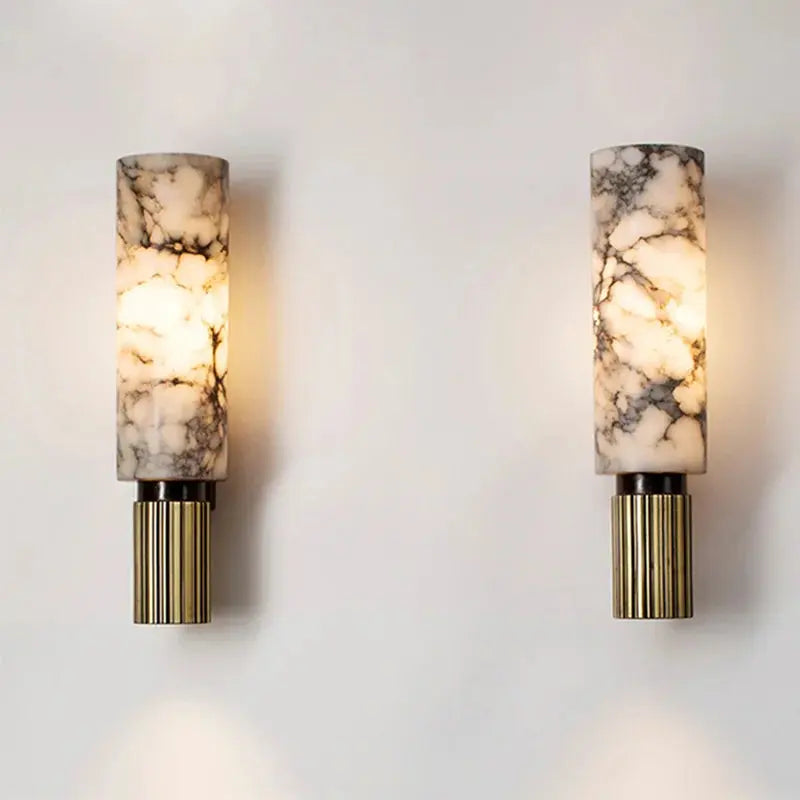
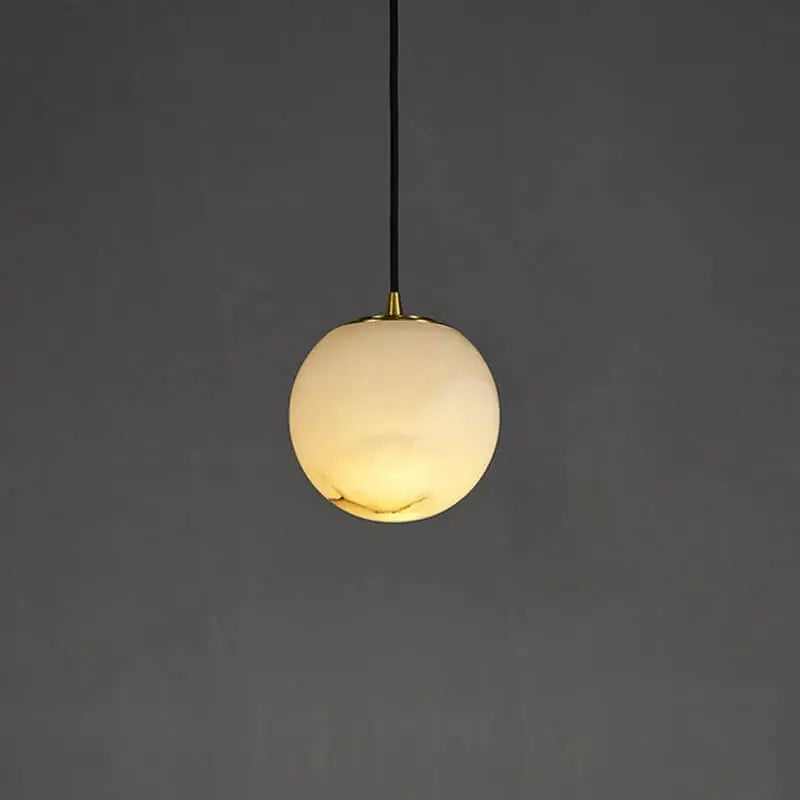
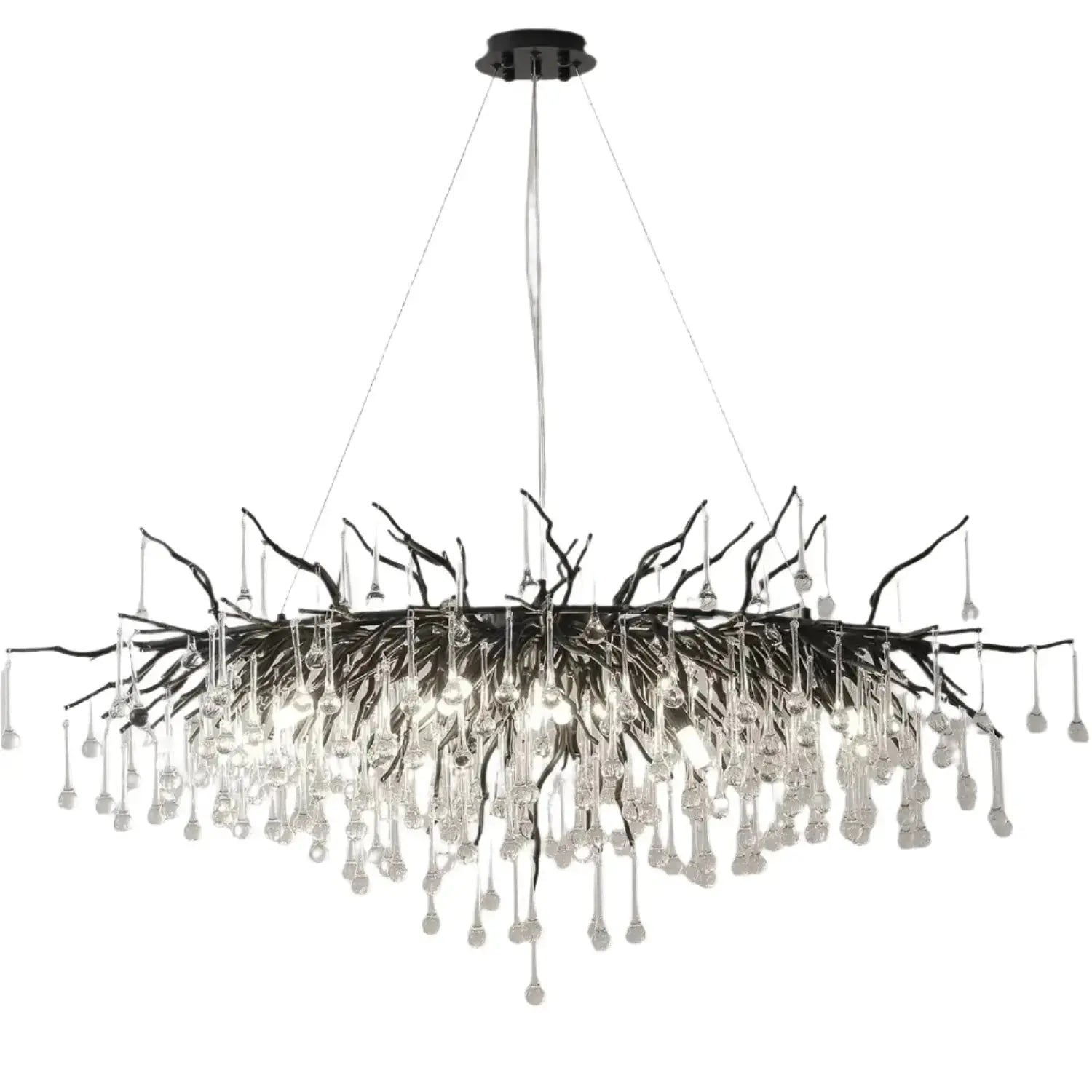
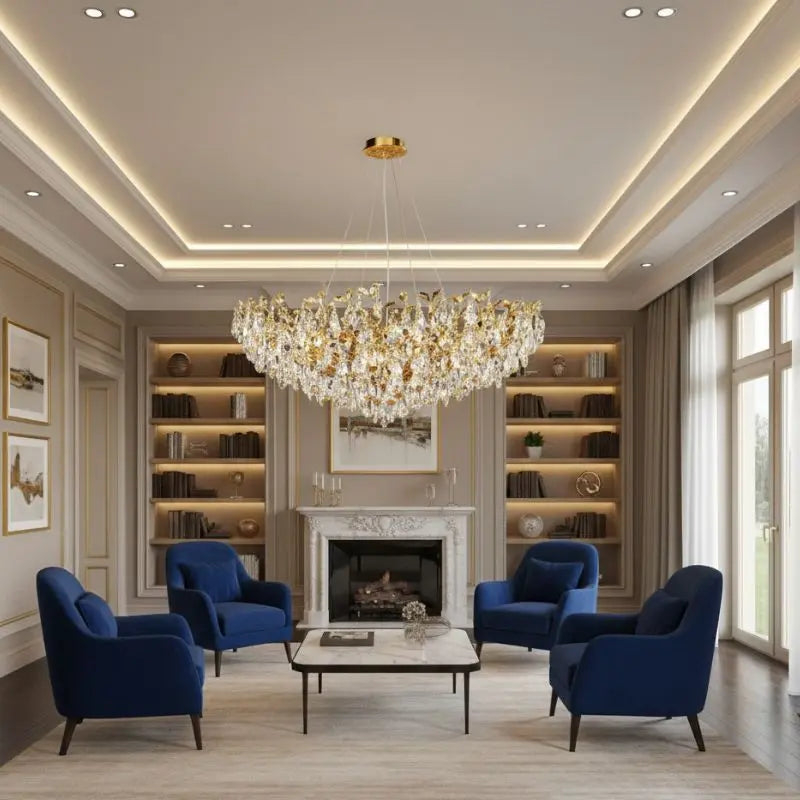
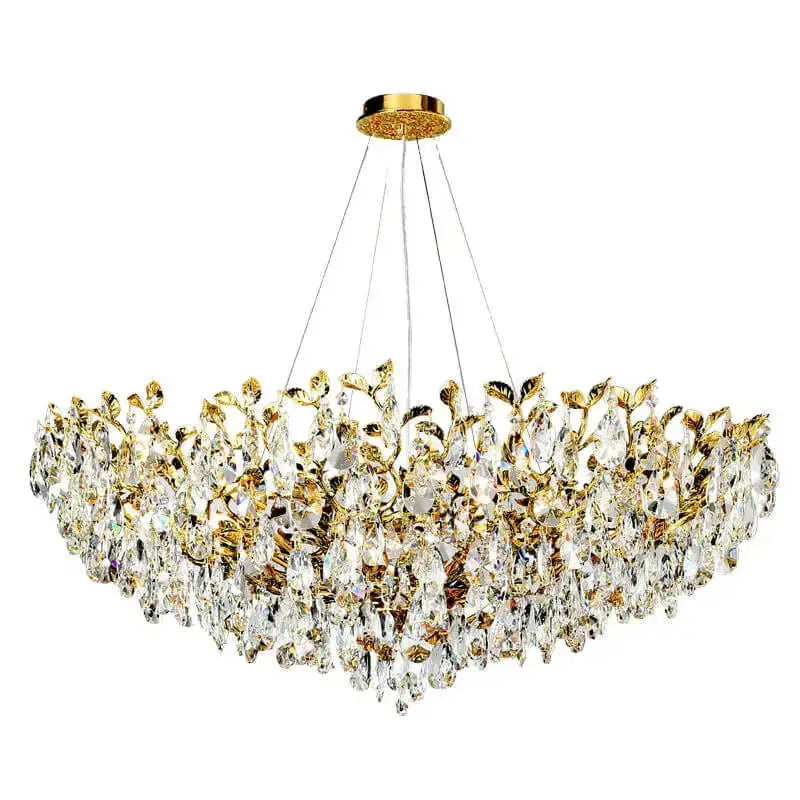
Designer pieces also bring materiality into a space in ways that ordinary fittings rarely do. Crystal catches and scatters light with celebratory sparkle. Alabaster introduces a soft, milky glow that feels quietly luxurious. Metal finishes can either sharpen a contemporary scheme or add warmth to a more traditional interior. Even when switched off, a well-chosen fixture contributes form, texture and visual balance.
This does not mean every room needs a grand chandelier. In fact, a home feels more considered when its lighting has rhythm. One striking focal point may be balanced by restrained wall lights, a low-glare table lamp and a floor lamp that softens a reading corner. The result is layered, polished and comfortable rather than over-styled.
Start with the room, not the fixture
It is tempting to fall in love with a statement chandelier first. A beautiful design can certainly inspire a scheme, but room proportions should lead the final decision. Consider ceiling height, the furniture beneath the fitting, sightlines from nearby rooms and the amount of natural light already available.
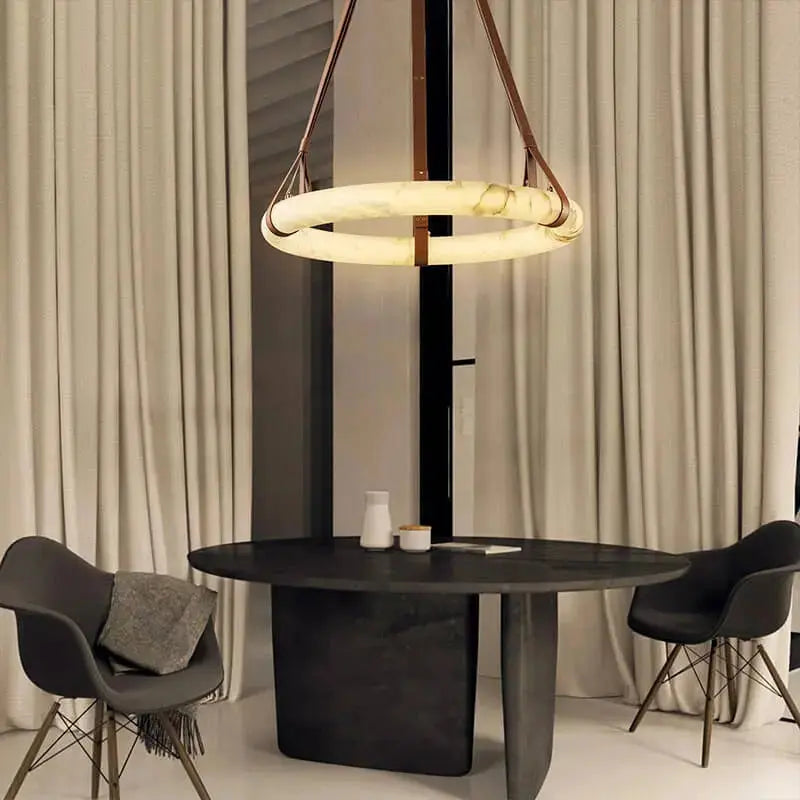
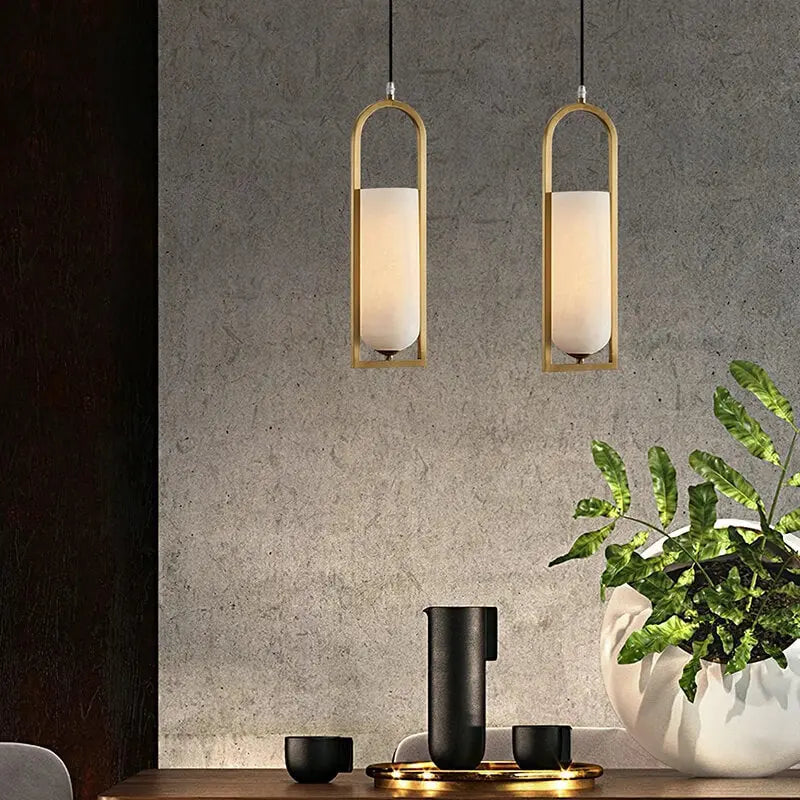
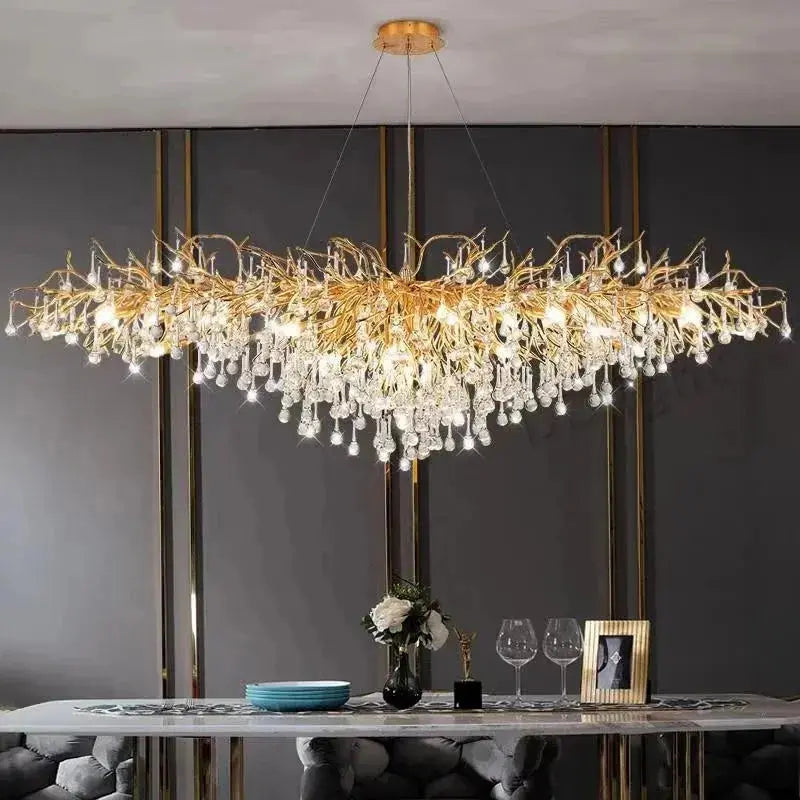
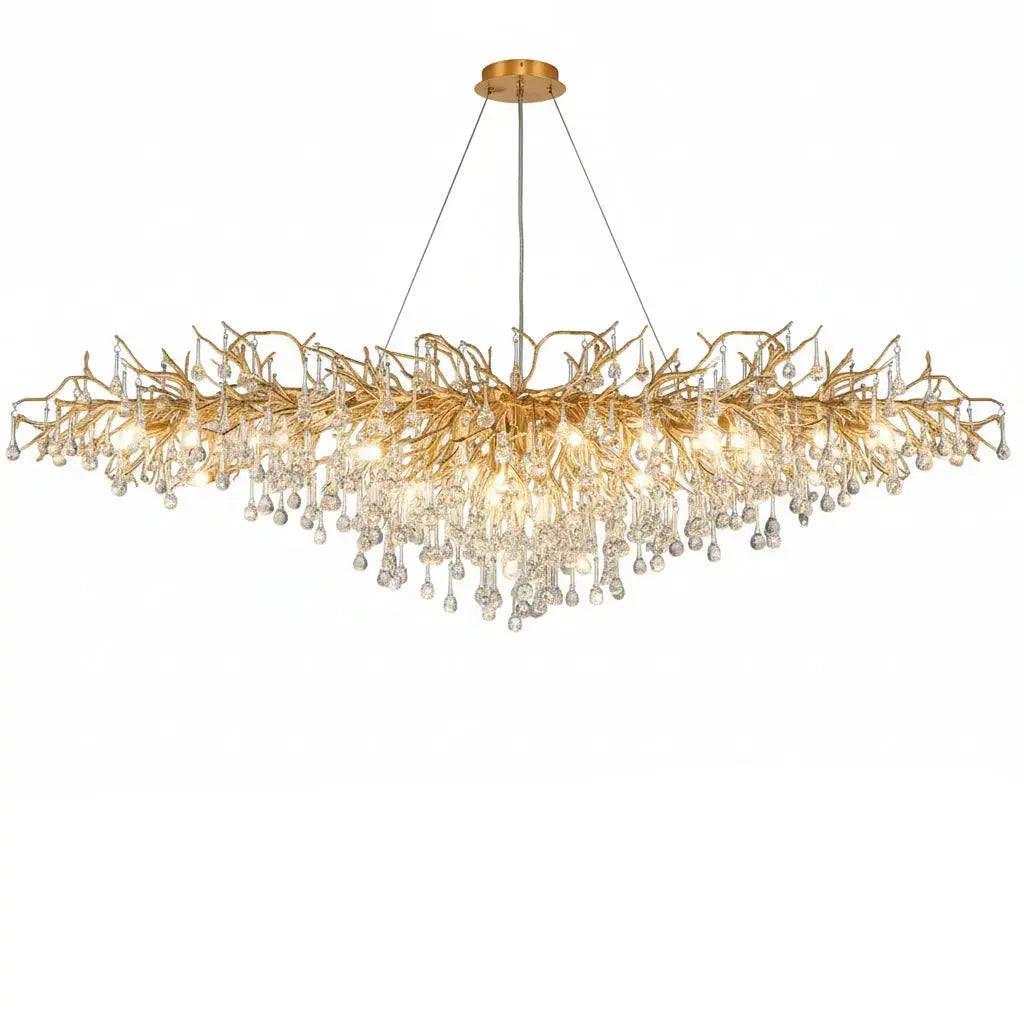
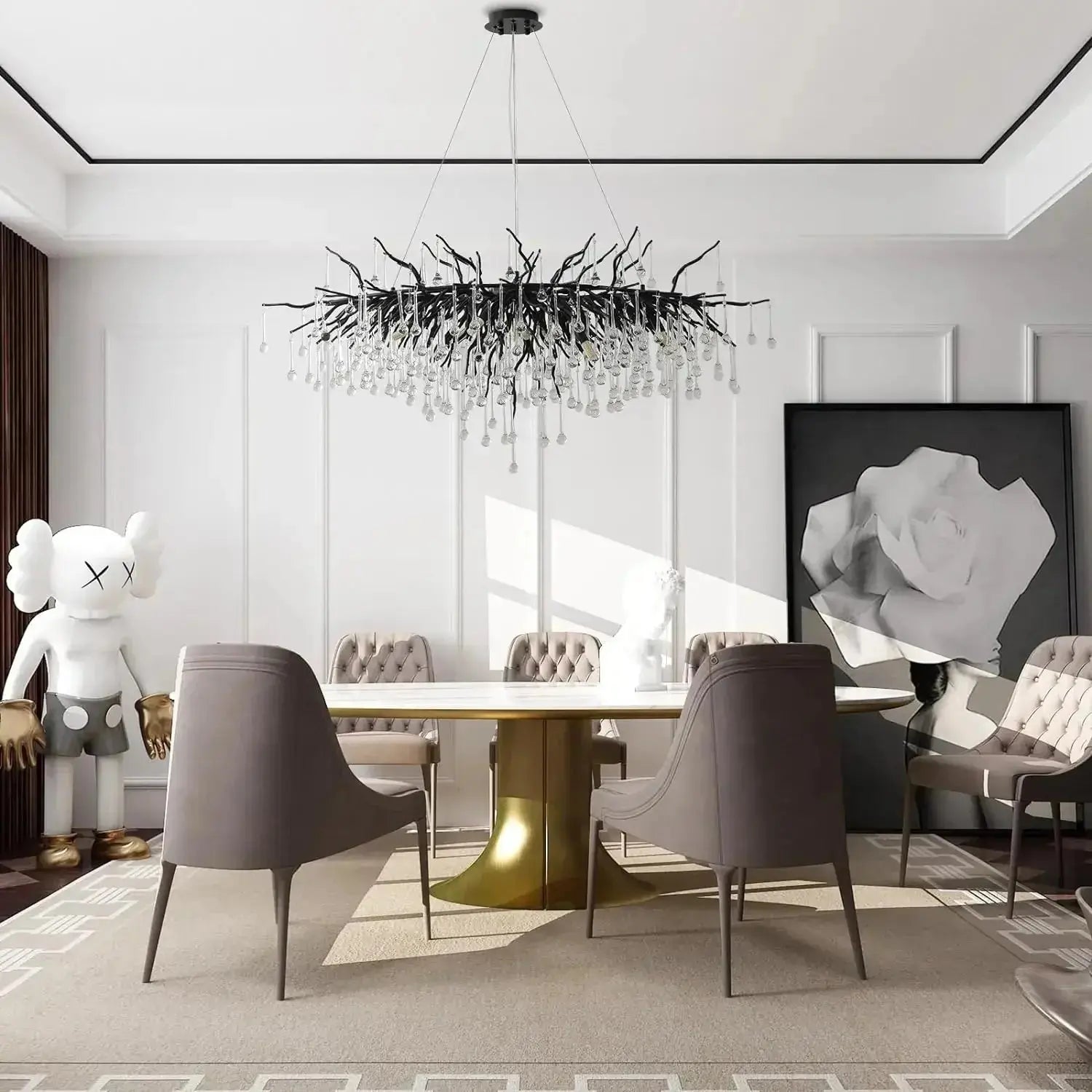
In a dining room, the table provides the clearest guide. A linear chandelier or a composition of pendants should feel centred over the table, rather than merely centred in the ceiling. It needs enough visual width to hold its own above the furniture without stretching beyond the table edges. For round tables, a single sculptural pendant or compact chandelier often creates the most harmonious silhouette.
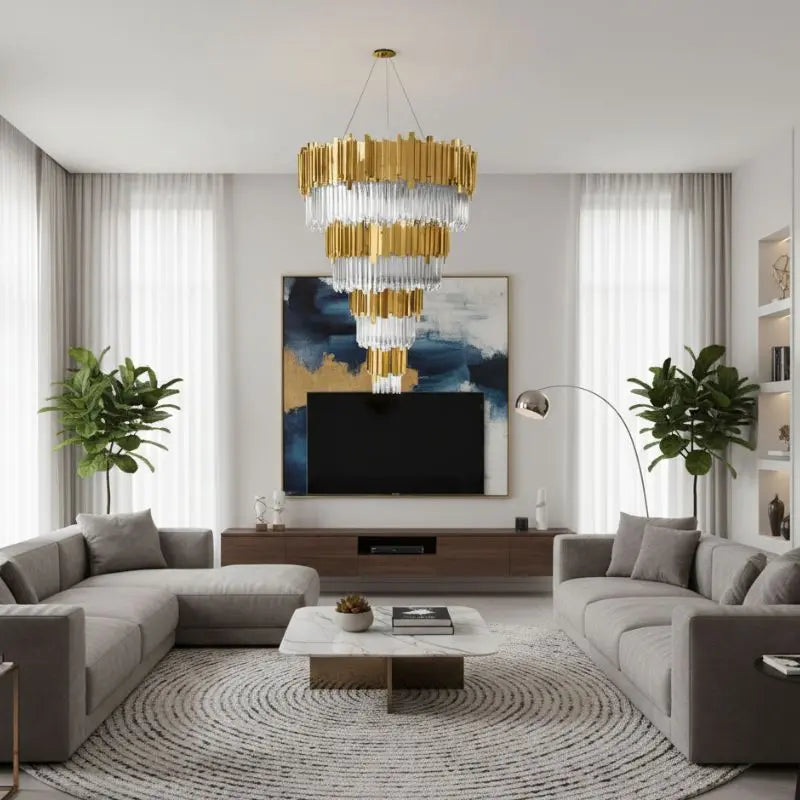
Living rooms allow more freedom because the fixture is not always tied to one piece of furniture. A central chandelier can give a generous room a sense of occasion, while an elegant semi-flush ceiling fitting is often better for lower ceilings. Add table and floor lamps at different heights to prevent the space feeling flat. The aim is not maximum brightness from one source, but a flattering distribution of light.
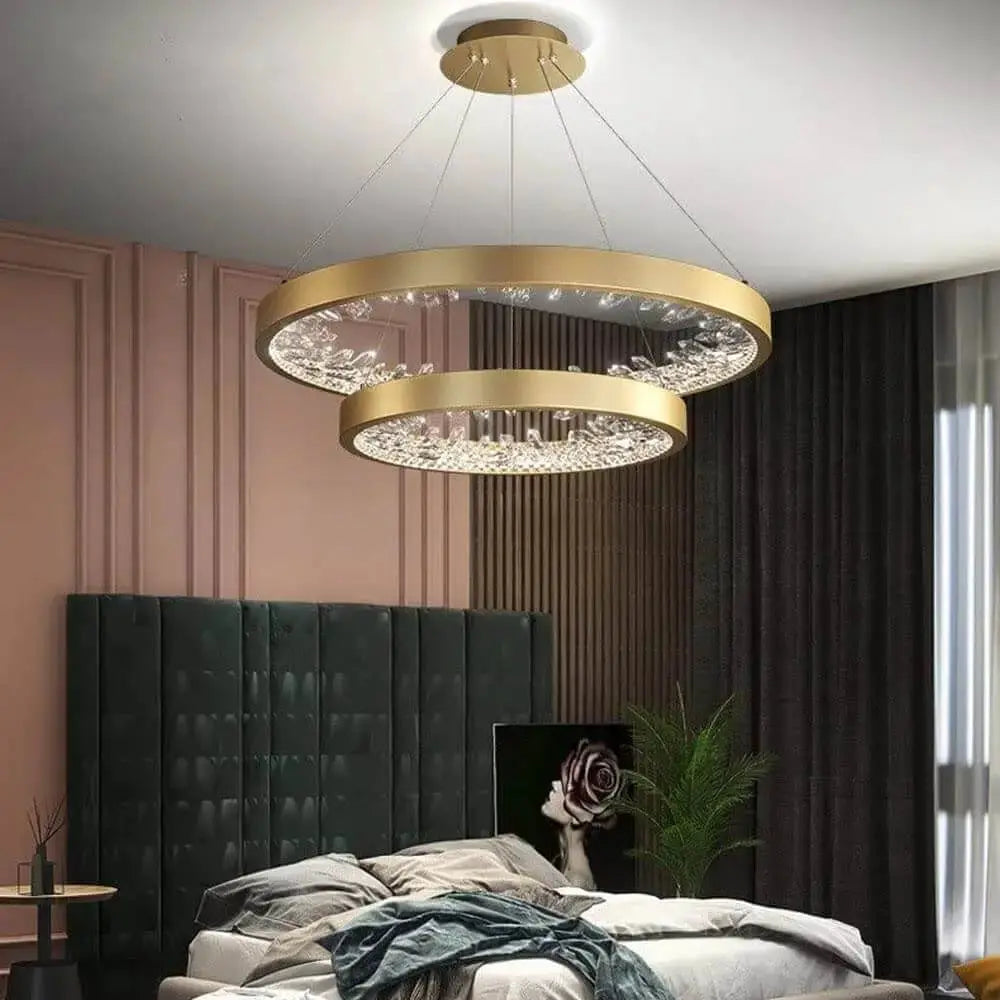
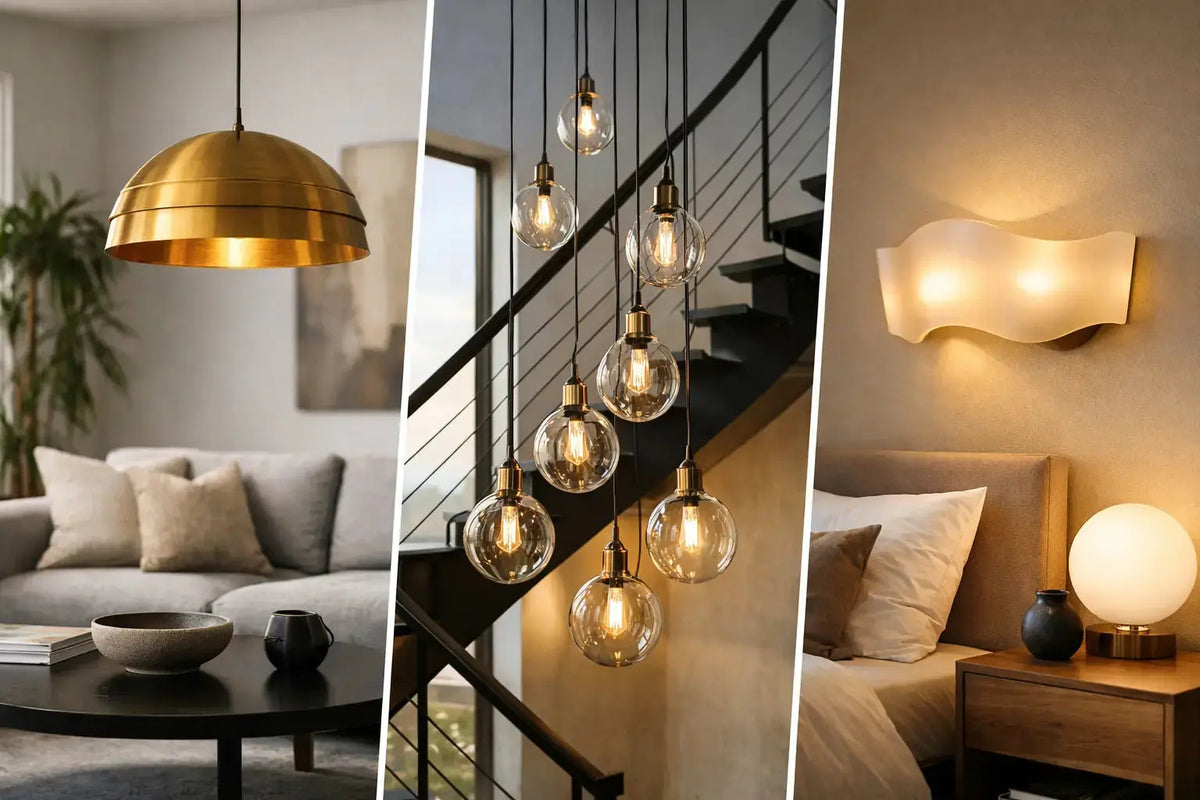
Bedrooms benefit from a gentler approach. A decorative ceiling light can supply personality, but bedside wall lights or lamps make the room genuinely liveable. They create an intimate pool of light for reading and reduce the need to rely on an overhead fitting late at night. Choose shades, diffusers and materials that temper the glow rather than exposing a harsh bulb.
Foyers and staircases deserve a focal point
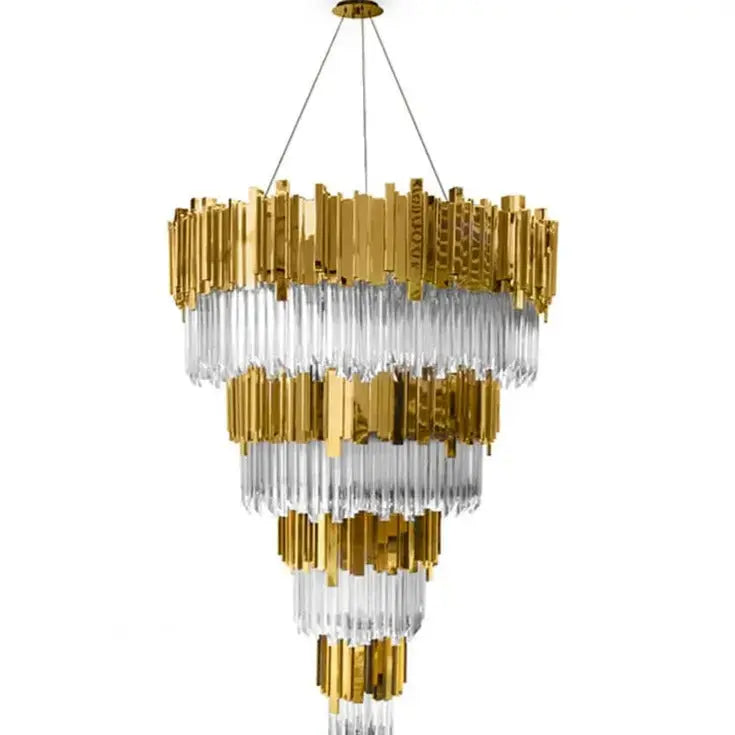
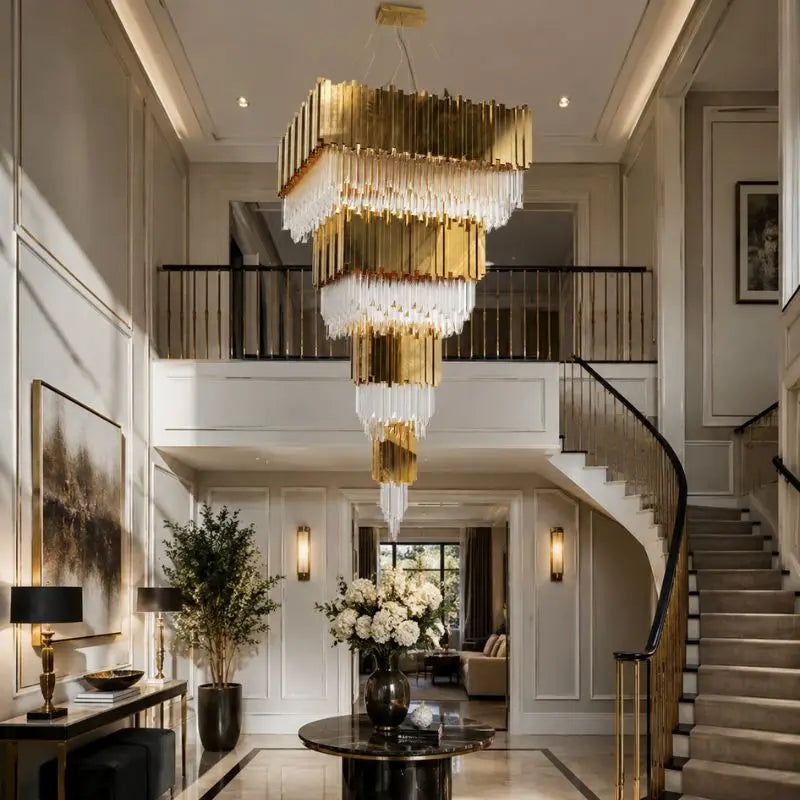
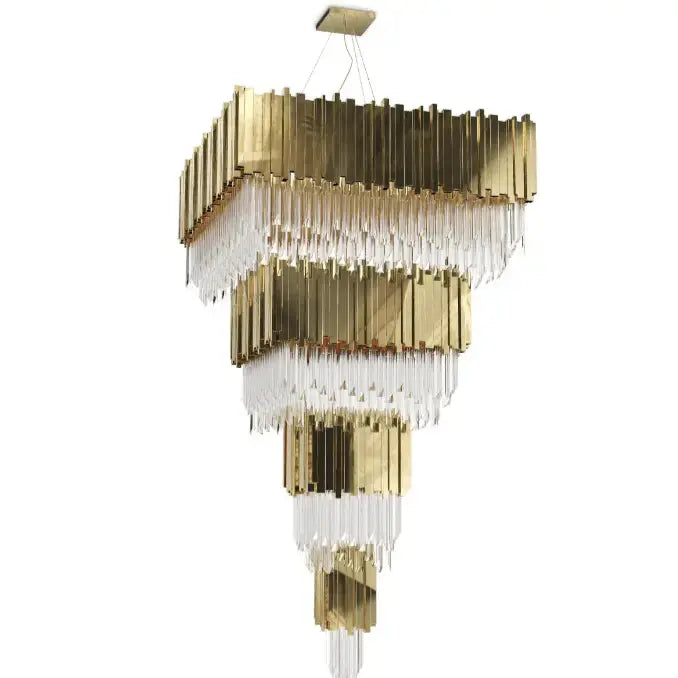
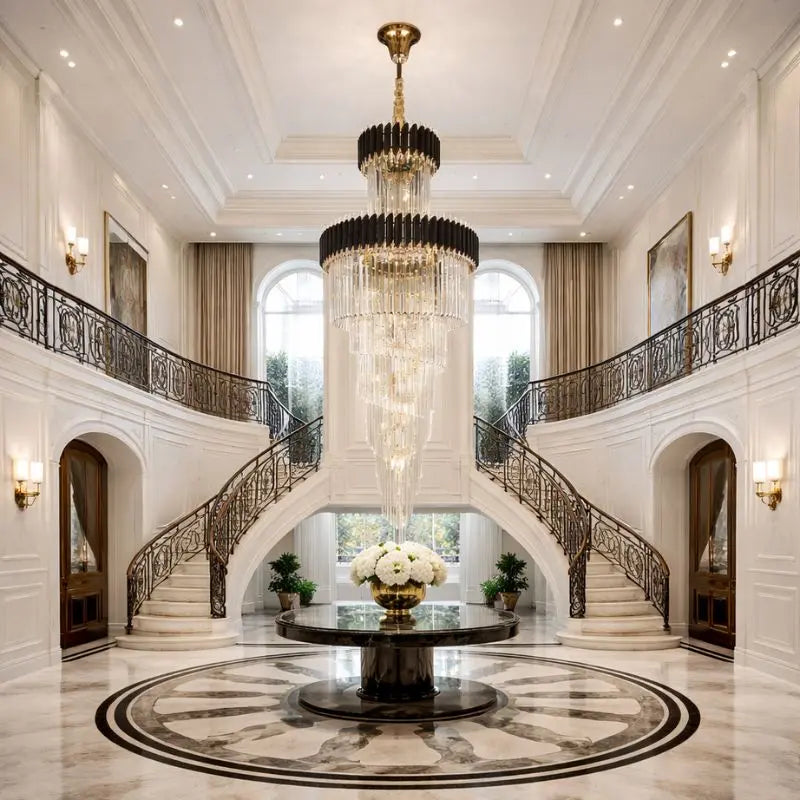
A foyer is one of the few places where a statement fixture can be deliberately theatrical. Tall entrances call for designs with vertical movement: cascading crystal, tiered forms or elongated pendants that draw the eye upwards. The fixture should be visible from key approaches, but it must leave comfortable clearance beneath it.
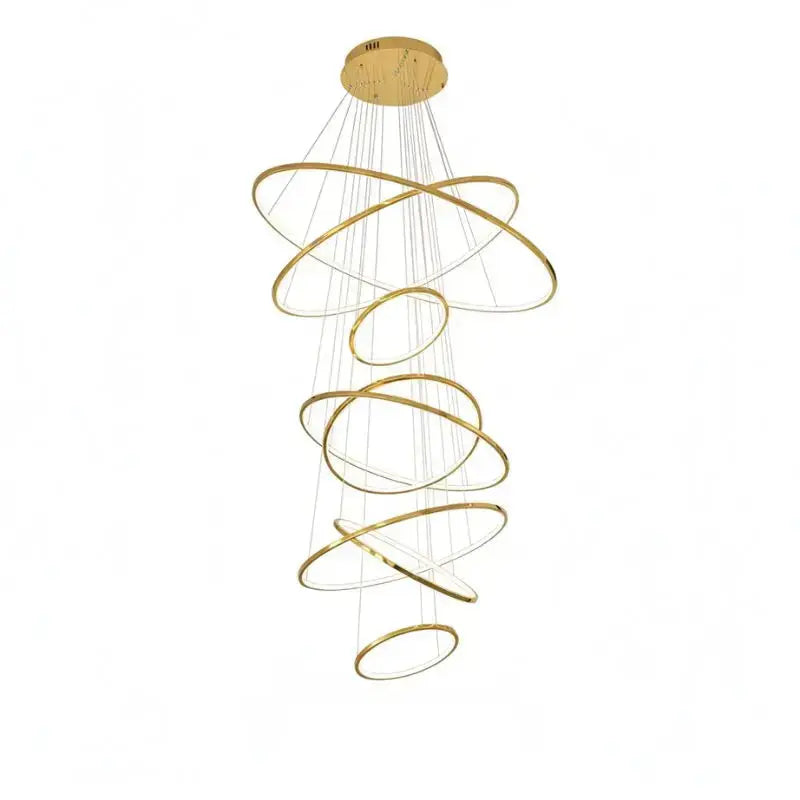
Staircase lighting asks for the same attention to proportion. A cascading pendant arrangement can follow the descent of the stairs and make full use of a double-height void. In a more compact hall, an airy lantern or refined flush mount may deliver elegance without crowding the space. Measure carefully before choosing, especially where the fitting will be viewed from multiple levels.
Choosing a designer lighting style that lasts
The strongest interiors rarely follow one trend too closely. Instead, they pair a clear design direction with details that will remain appealing as furnishings evolve. When selecting a fixture, ask whether its shape and finish complement the architecture of the home as well as the current décor.
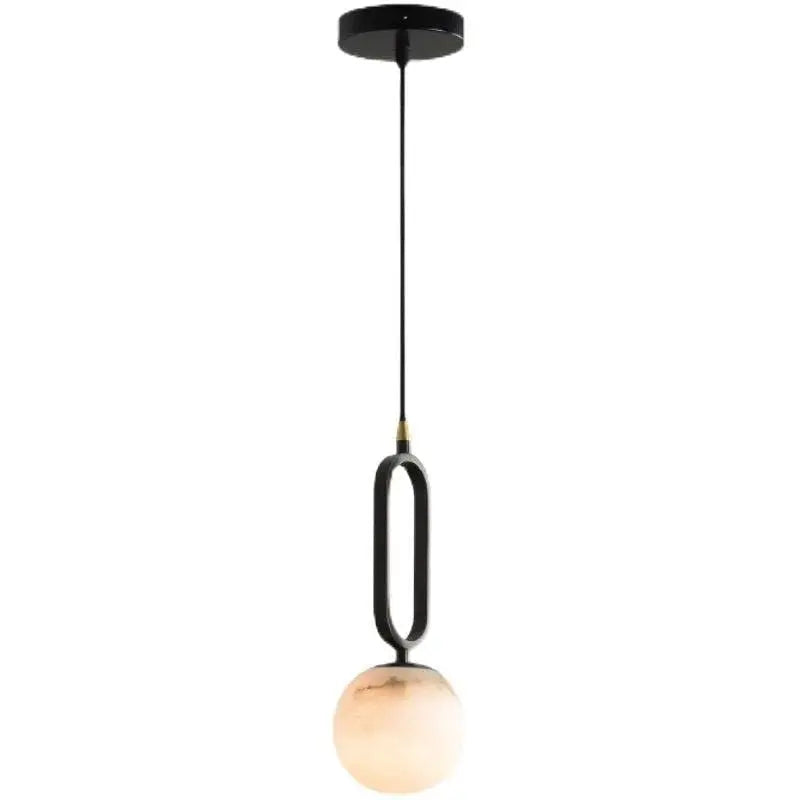
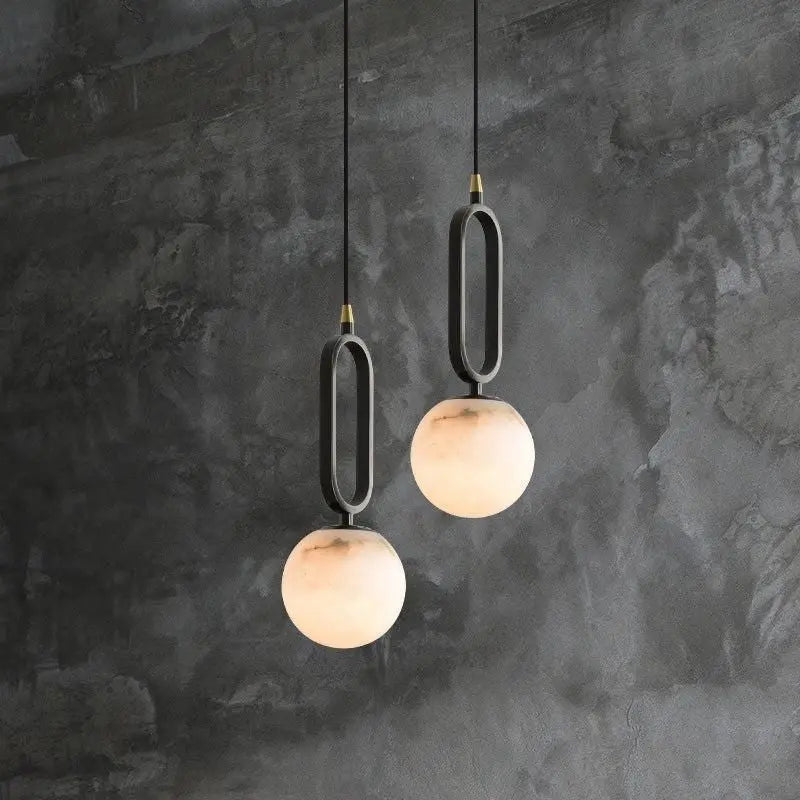
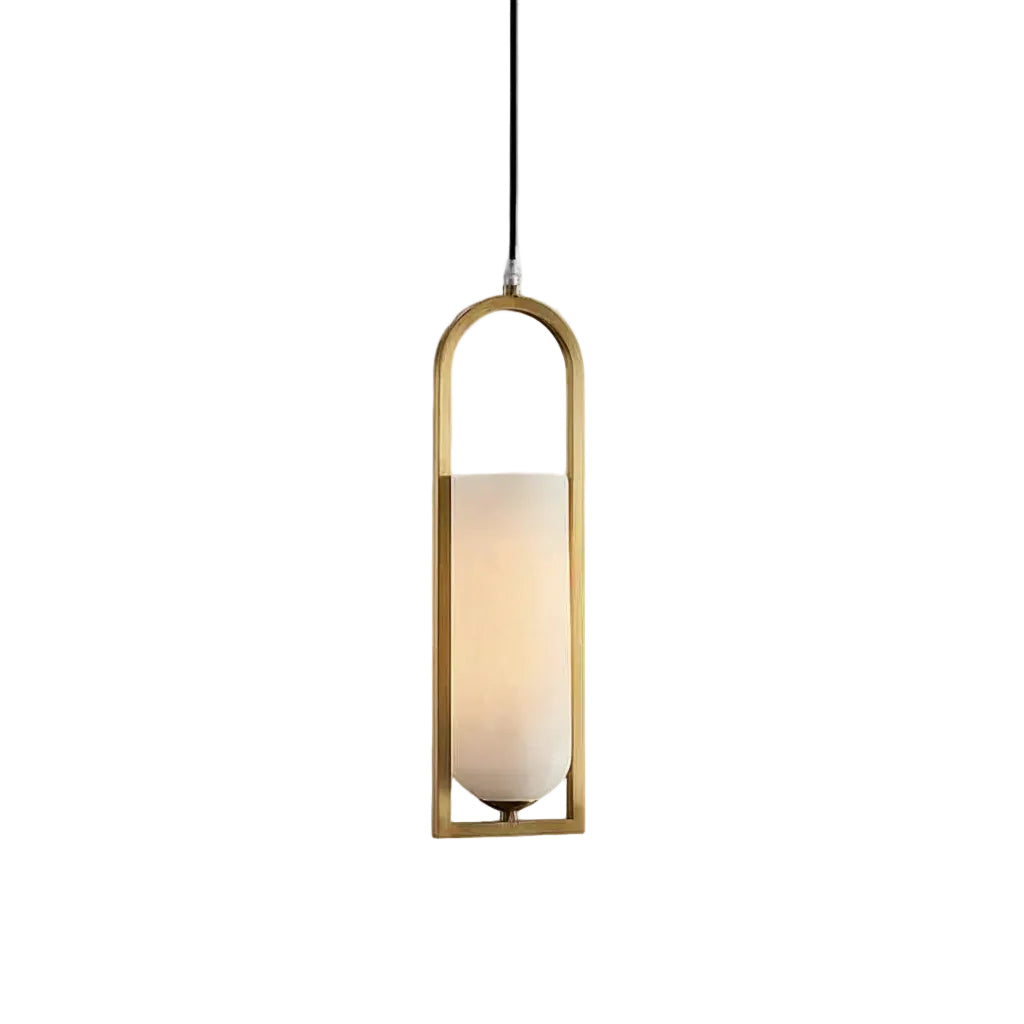
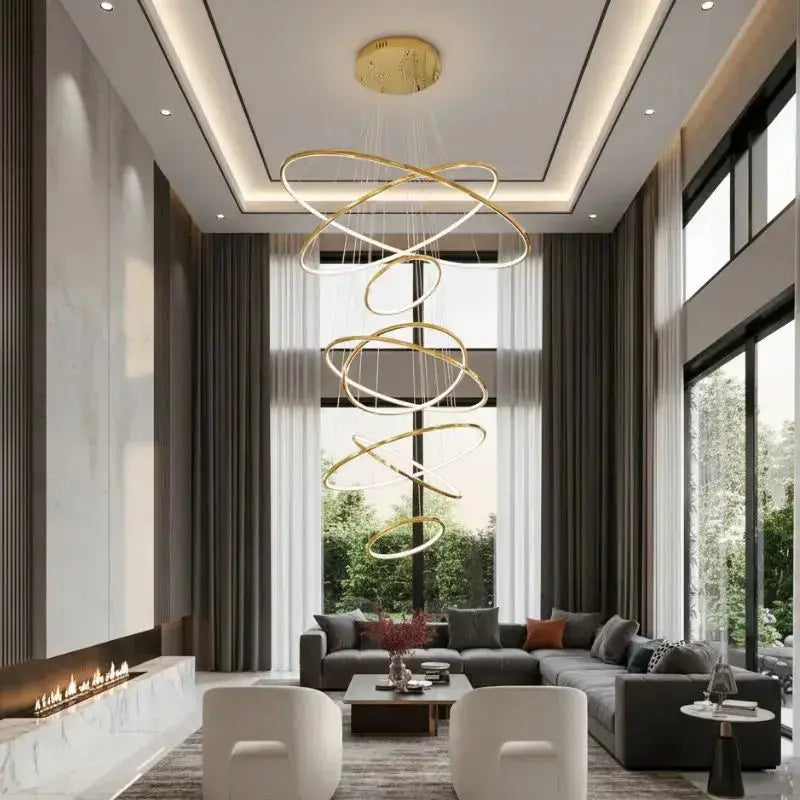
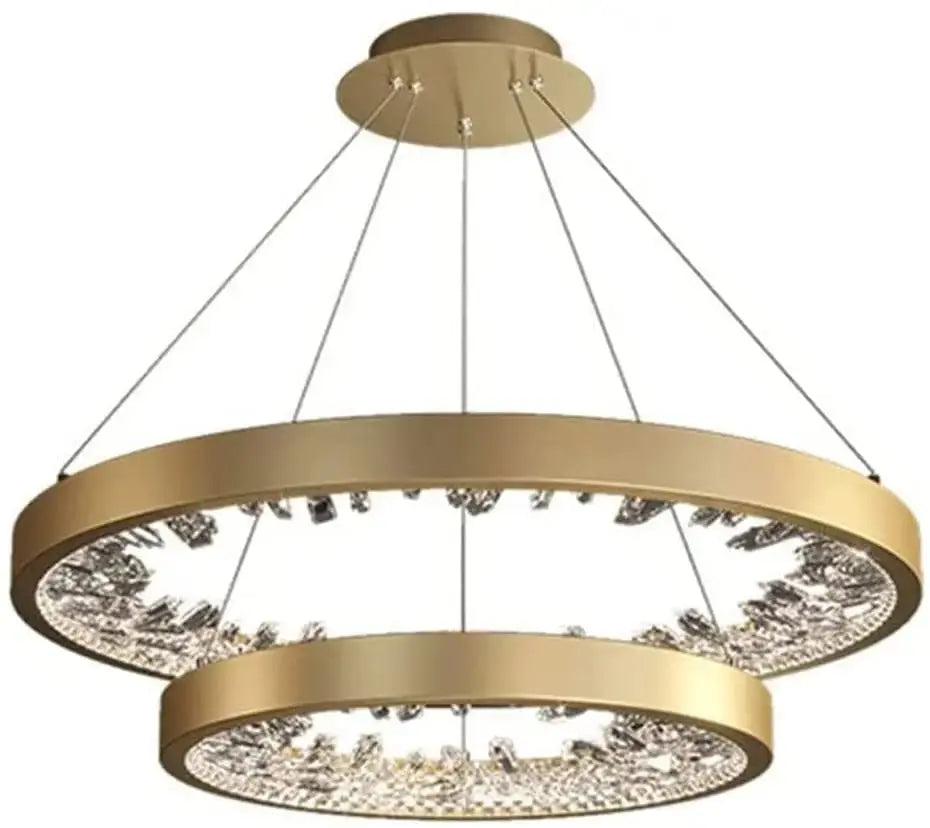
Modern luxury lighting often relies on clean geometry, restrained metalwork and sculptural glass or alabaster. These designs suit contemporary kitchens, open-plan living spaces and minimal interiors where every object is expected to earn its place. Their simplicity does not make them plain. A slender brass frame, a cluster of hand-finished glass globes or a veined stone shade can create richness without visual clutter.
Traditional and transitional chandeliers offer a different kind of permanence. Crystal arms, candle-style forms and antique-inspired metal finishes bring depth to period properties and classic dining rooms, but they can also create a compelling contrast in otherwise modern settings. The trade-off is scale and ornament. A highly detailed fixture needs enough space around it to be appreciated, while a simpler profile can work in more varied surroundings.
For homes that sit between these directions, look for balance. A contemporary chandelier with warm brass detailing, or a classic silhouette rendered in pared-back glass, can bridge old and new beautifully. The most successful choice is usually one that echoes a finish, curve or material found elsewhere in the room, without matching every element exactly.
Layer light for comfort as well as drama
A statement fitting should set the mood, but it should not be asked to do every job. Thoughtful designer lighting uses several sources to support the way a room is actually used. Ambient light fills the room, task light helps with reading, cooking or grooming, and accent light brings attention to artwork, shelving or architectural details.
In a kitchen, pendants over an island can define the social heart of the space, while recessed or ceiling fixtures provide practical working light. In a lounge, a chandelier offers a sense of occasion, but a floor lamp beside a chair and a pair of table lamps create the warmth people notice when they settle in. In bathrooms and dressing areas, wall lights placed thoughtfully around a mirror are often more flattering than an overhead source alone.
Dimmers are a worthwhile consideration in nearly every main room. They allow a crystal chandelier to feel bright and celebratory for entertaining, then soft and inviting for a quieter evening. Bulb temperature matters too. Warm white light tends to flatter timber, textiles and skin tones, while cooler light may suit utility spaces but can make a luxurious interior feel less welcoming.
Materials that create a luxury finish
Material is where decorative lighting becomes especially expressive. Crystal remains a natural choice for homeowners seeking sparkle and grandeur. It works beautifully in foyers, dining rooms and formal living spaces, where its reflective quality can make an interior feel brighter and more expansive. Its trade-off is maintenance: detailed crystal pieces benefit from occasional careful cleaning to retain their clarity.
Alabaster is more subdued, but no less special. Its natural variation means each shade has an individual character, and its gentle translucence gives off a calm, flattering radiance. It is particularly effective above dining tables, in bedrooms and in rooms where luxury should feel serene rather than showy.
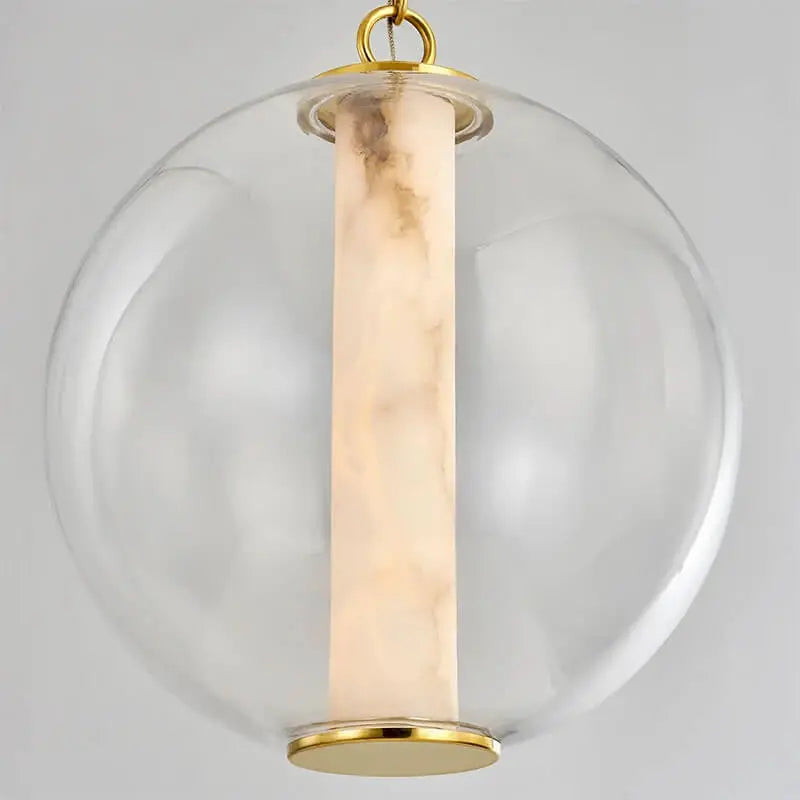
Glass offers exceptional versatility. Clear glass keeps a room light and open; smoked glass lends a more tailored, atmospheric mood; opal glass diffuses illumination for a softer finish. Marble-inspired details and richly finished metals add further depth, allowing a fixture to feel substantial even in a restrained silhouette.
Do not overlook exterior lighting
Exterior living spaces deserve the same design consideration as interiors. A well-proportioned outdoor wall light can frame a front door, make a terrace feel more welcoming and provide reassurance when arriving home after dark. Choose fittings designed for exterior conditions, and think about how their finish will sit against brick, render, timber or stone.
For an entrance, matching wall lights on either side of the door create symmetry and a refined first impression. Along a garden path or patio, softer pools of illumination are usually more inviting than a single intense source. The goal is clear visibility and architectural charm, not glare.
A memorable home is not defined by one expensive object. It is built through choices that make everyday moments feel considered: the glow above a shared meal, the sparkle in an entrance hall, the quiet pool of light beside a favourite chair. Choose the fixture that gives your room that feeling, then let it set the tone long after the first switch is pressed.