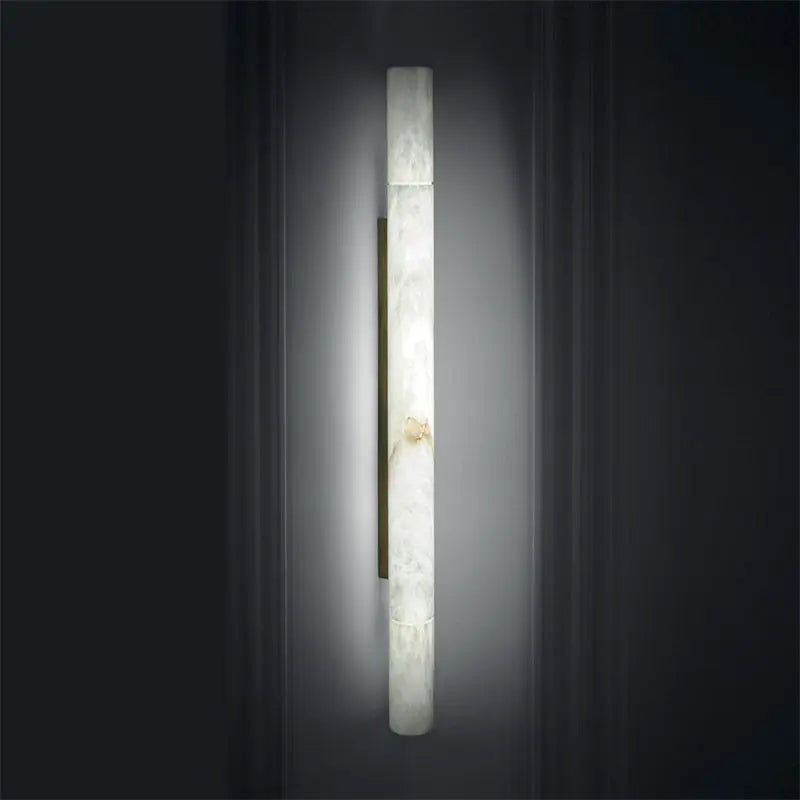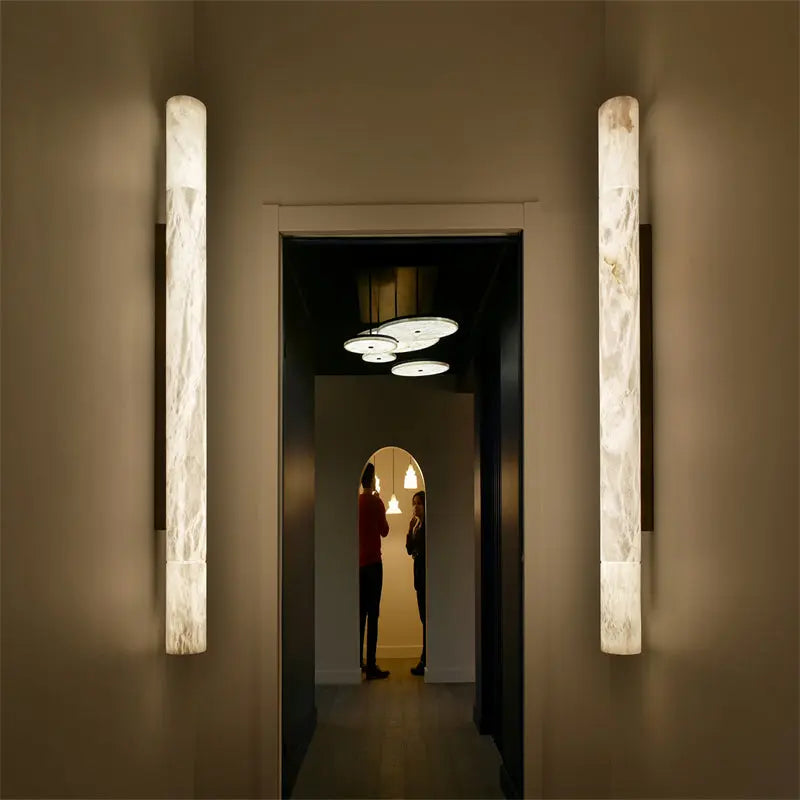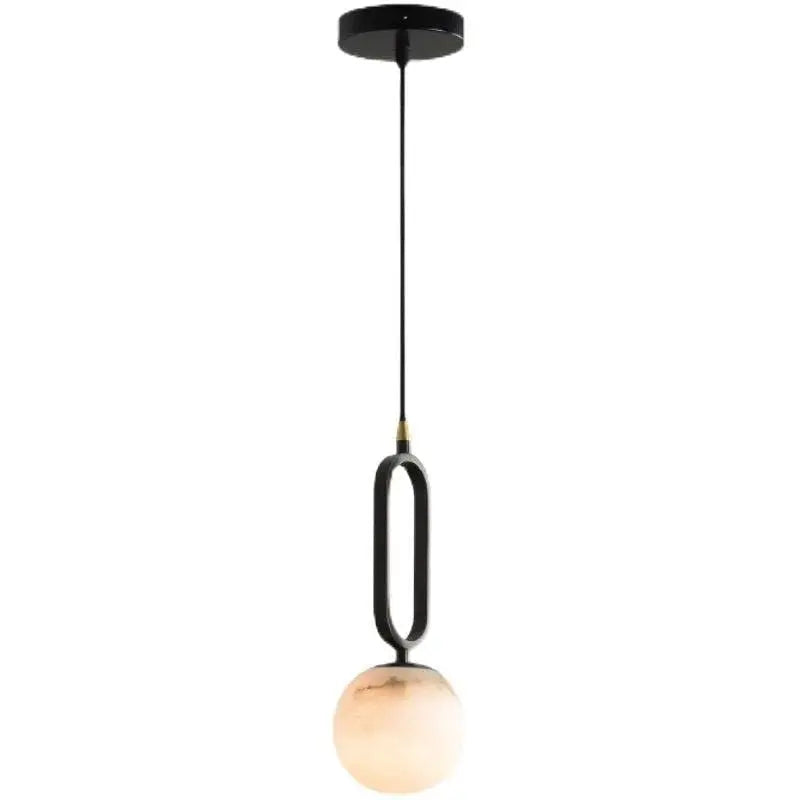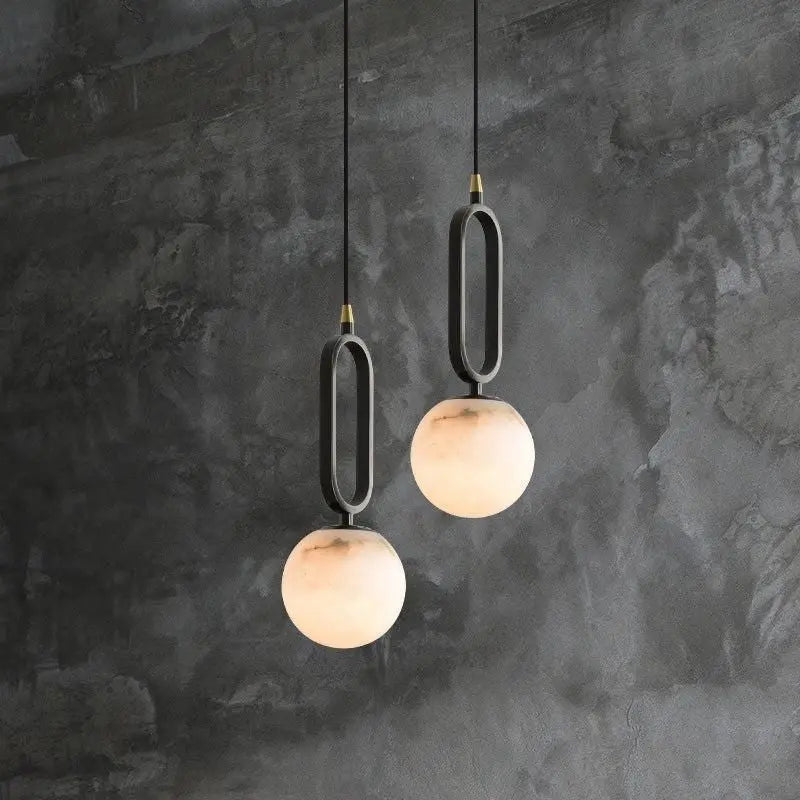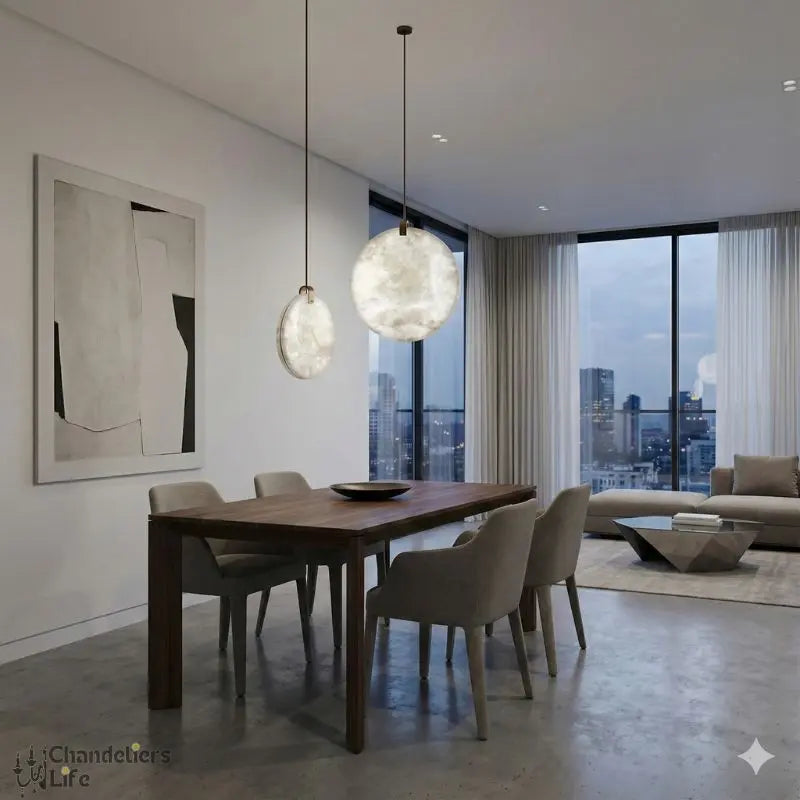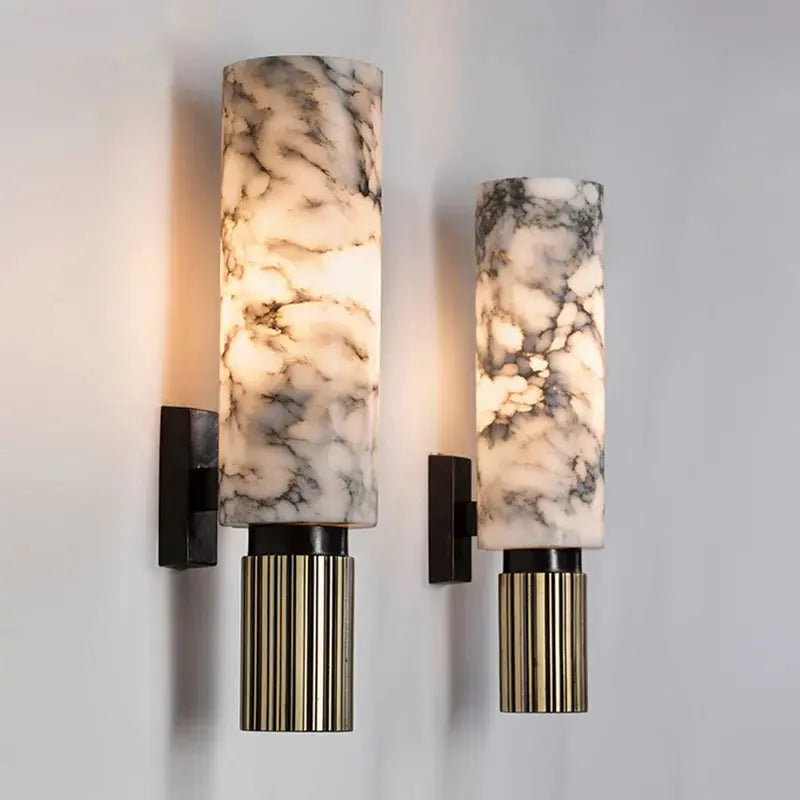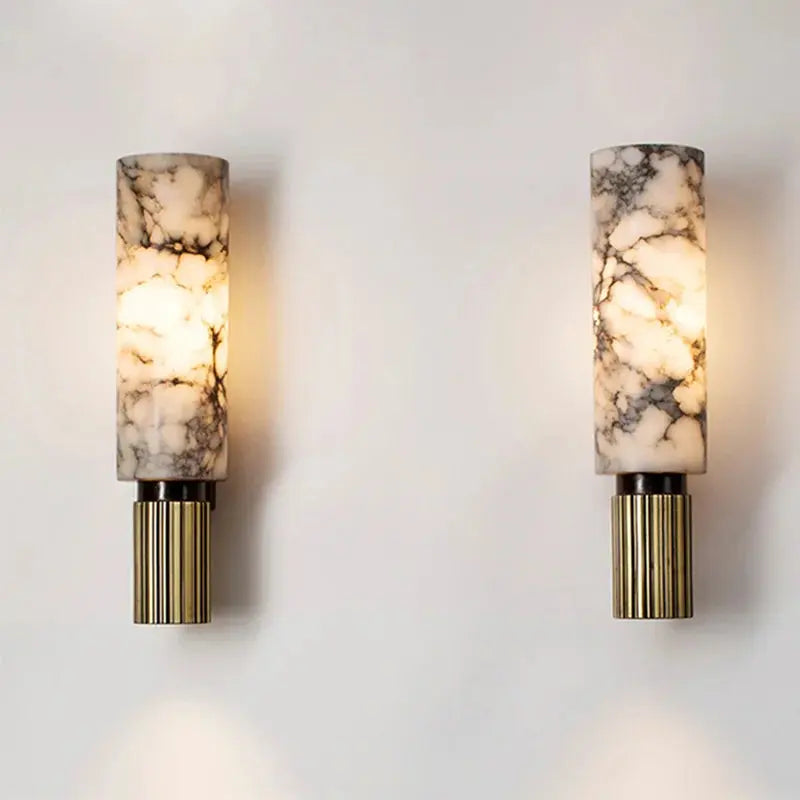
A wall sconce can make a bedside feel like a boutique hotel suite, turn an unremarkable hallway into a considered gallery, or give a reading chair its own intimate pool of light. Yet before choosing the finish, shade or silhouette, there is one decision that shapes the whole project: plug in versus hardwired sconces. Both can deliver a polished, design-led look, but they suit very different rooms, budgets and renovation plans.
For homeowners drawn to decorative lighting with lasting presence, hardwired sconces often offer the most tailored result. Plug-in designs, however, bring freedom that is especially valuable in rented homes, period properties and spaces where opening a wall is simply not on the agenda. The right choice is less about which option is superior and more about how you want the room to live.
Plug in versus hardwired sconces: the essential difference
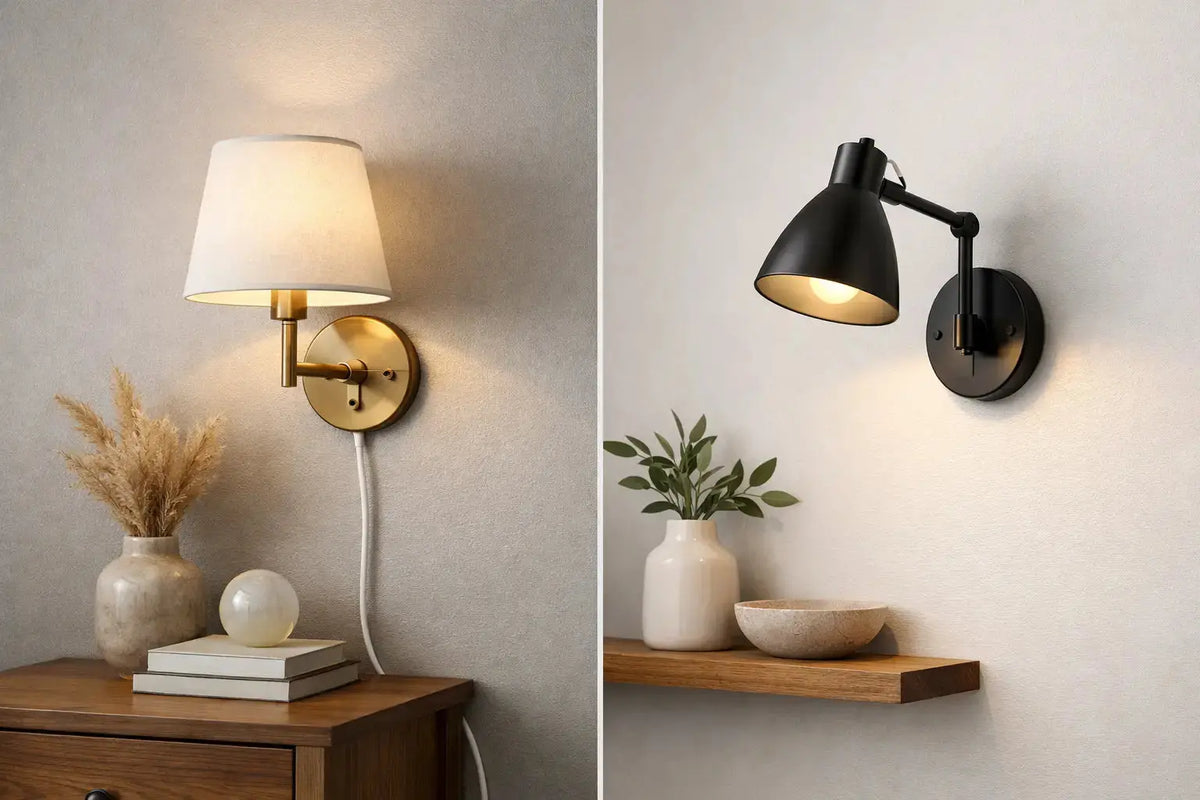
A plug-in sconce is supplied with a visible flex and plug. It mounts to the wall and draws power from a nearby socket, usually with an in-line switch or a switch on the fitting itself. Installation is comparatively straightforward, although secure wall mounting still matters, particularly for heavier metal, glass or crystal pieces.
A hardwired sconce connects directly to the home’s electrical wiring behind the wall. Its cabling is concealed, and it is commonly controlled by a wall switch. This creates the clean, integrated appearance associated with professionally planned interiors, but it also requires appropriate electrical work by a qualified electrician.
The visual distinction is immediate. Hardwiring leaves nothing but the fixture on show, allowing a sculptural arm, fluted glass shade or warm brass backplate to take centre stage. A plug-in fitting has a more relaxed, adaptable character. Its flex becomes part of the composition, whether neatly routed downwards, covered with a cord sleeve or given a deliberately decorative finish.
Choose hardwired sconces for a built-in finish
Hardwired wall lights are the natural choice when you are renovating, building, or making a long-term commitment to a room. Their greatest advantage is permanence. Because the wiring disappears into the wall, the lighting feels intentional rather than added later. That difference can be particularly striking in a principal bedroom, a formal dining room, an entrance hall or either side of a fireplace.
They also offer superior control. Pairing sconces with a wall switch means no reaching behind a bedside table to find a small switch. In many schemes, they can be placed on a dimmer for a more layered atmosphere, provided both the bulbs and fittings are dimmable and compatible with the chosen control system. This is ideal for spaces that need to move from bright everyday use to evening ambience.
Placement is another reason to choose hardwired lighting. A pair of wall lights can be centred precisely over bedside tables, aligned with architectural details, or repeated along a corridor at consistent intervals. The resulting symmetry gives a room the composed, high-end character often seen in professionally designed homes.
There are practical considerations. Electrical installation adds cost, and plastering or redecorating may be required once cables have been run. In the UK, electrical work must be carried out safely and in line with applicable regulations, so this is not a shortcut project. If you are altering circuits or working in a bathroom, seek advice from a qualified electrician before choosing the fitting or finalising its position.
Hardwired sconces are best selected early in a project. Once the bed, headboard, artwork, cabinetry and furniture layout are known, your electrician can position them at the right height and switch location. Choosing the fixture after the wiring is complete can lead to awkward backplate placement or a shade that sits too close to an adjoining surface.
Where hardwired lighting shines
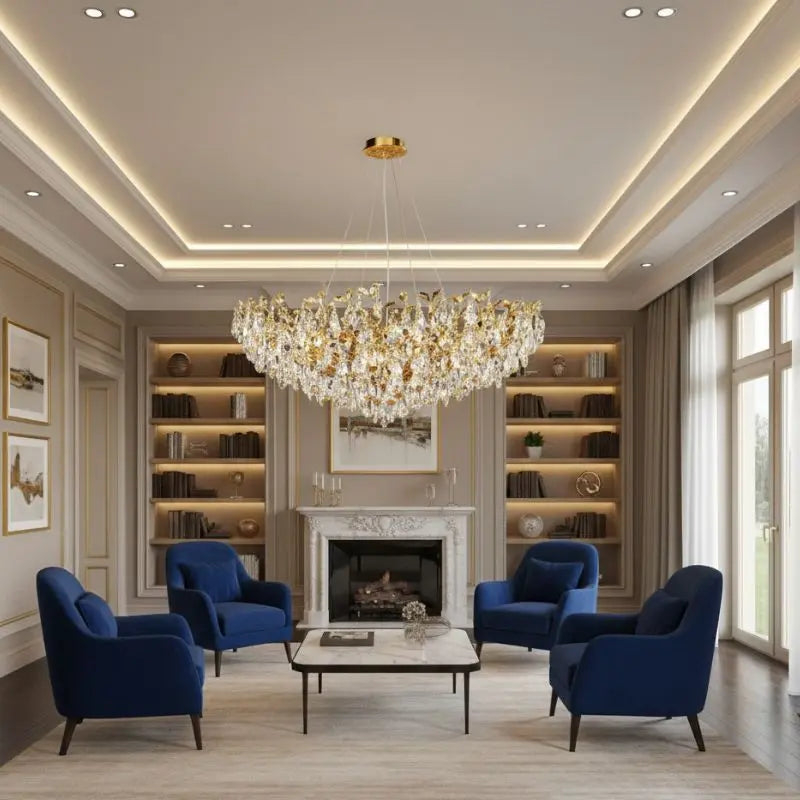
In bedrooms, hardwired sconces free the bedside surface from table lamps and their cords, leaving more space for books, flowers and a beautifully proportioned bedside table. In hallways and staircases, they introduce a gentle rhythm while offering safer, more even navigation after dark. In living rooms, they complement a statement chandelier or pendant by adding lower-level glow that makes the entire scheme feel more dimensional.
They are also a refined choice for exterior living spaces, but outdoor wall lights need the correct IP rating for their exposure to weather. This is a specification to resolve before falling in love with a particular design.
When plug-in sconces are the smarter choice
Plug-in sconces are often underestimated. They are not merely a temporary substitute for wired lighting. A well-chosen plug-in design can feel stylish, generous and highly intentional, especially in a relaxed bedroom, reading corner or guest room.
Their defining benefit is flexibility. You can install one without commissioning electrical work, then move it if the furniture arrangement changes. That makes plug-in sconces particularly attractive for renters, for anyone furnishing a new home gradually, or for homeowners who enjoy refreshing their interiors without committing to building work.
They are also excellent for solving an immediate lighting problem. Perhaps a sofa corner feels flat, a desk is poorly lit, or a guest bedroom has no room for bedside lamps. A plug-in sconce adds focused light without occupying a table or demanding a full renovation. Choose a design with a swivel arm or adjustable shade for reading, and you gain useful task lighting as well as atmosphere.
The key is managing the cord elegantly. Position the fitting close enough to a socket that the flex is not stretched across a walkway. Route it vertically and keep it tidy with appropriate cord clips or a cover designed for the purpose. Avoid trapping a cable behind furniture where it could be damaged, and do not run it under rugs. A visible cord should look considered, not accidental.
Plug-in fittings may be controlled at the fixture, through an in-line switch or via a switched socket. That is perfectly workable, but less convenient than a wall switch when the light is used every night. Consider your habits honestly: a beautiful sconce is only useful if switching it on and off feels effortless.
Best rooms for plug-in wall lights
A plug-in sconce is an elegant answer beside a favourite armchair, where it can cast warm light over a book without the footprint of a floor lamp. It also works well in a child’s room, a guest room or a study where the layout may evolve. In a rented flat, it can bring the visual softness of built-in lighting while remaining removable when you leave.
For a pair beside a bed, plug-in sconces can look especially smart when matched to a headboard, positioned evenly and paired with coordinated sockets. If the flex feels too prominent for the room’s desired level of formality, that is usually the sign that hardwiring will better serve the scheme.
Style, scale and light quality still matter
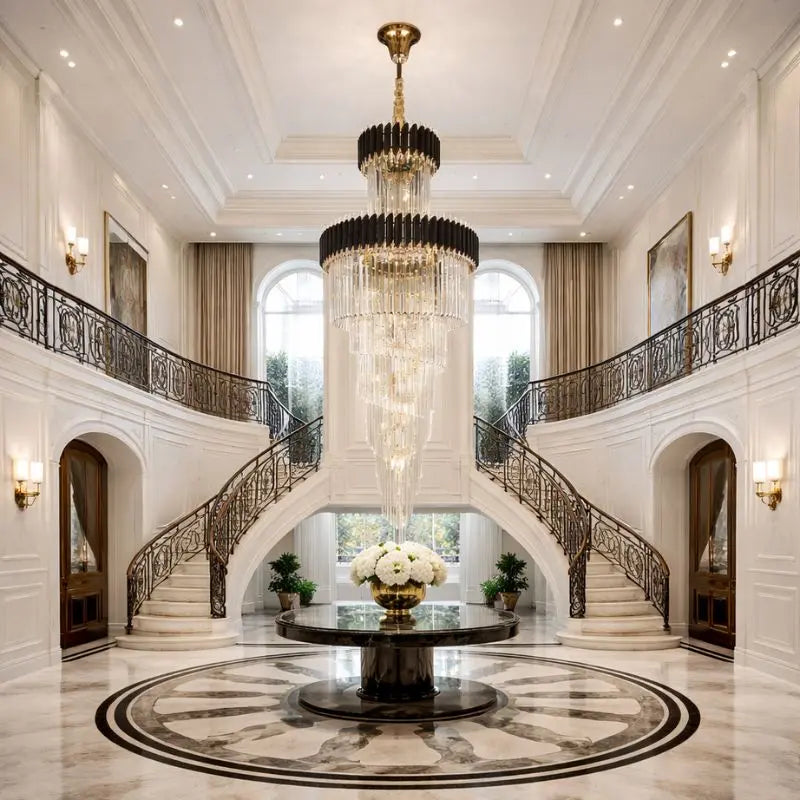
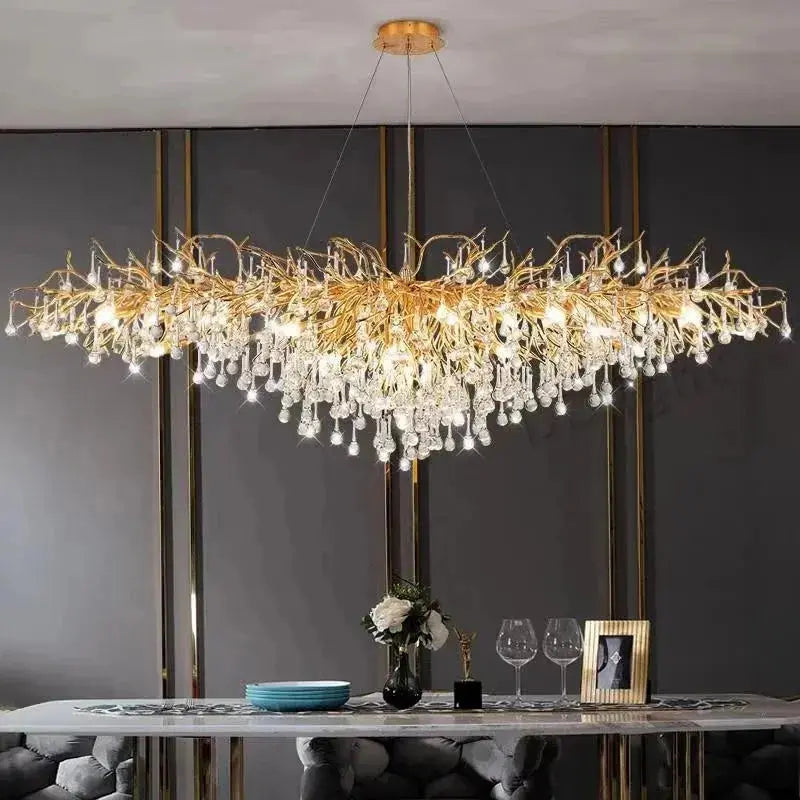
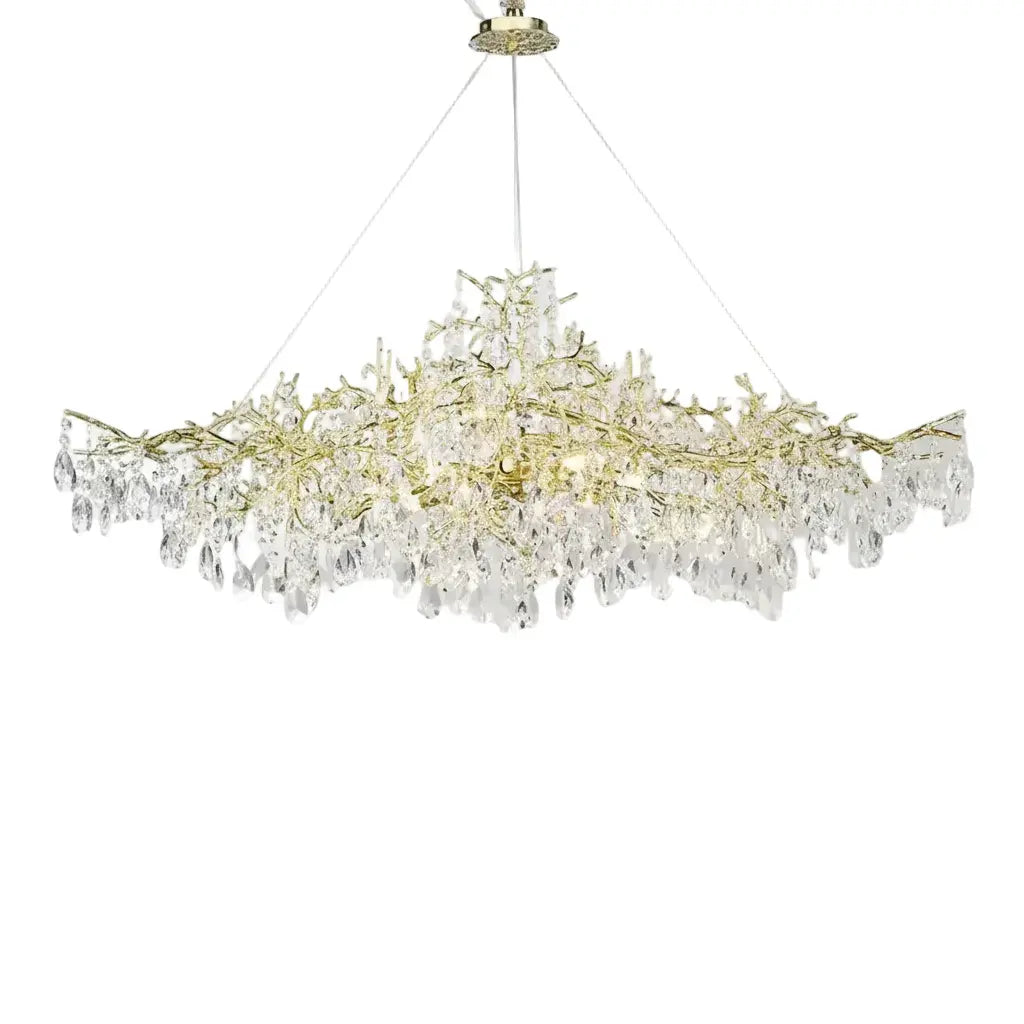
Whether a sconce is plugged in or hardwired, it should belong to the wider lighting story. Wall lights rarely do their best work alone. They support the room’s central fixture, whether that is a crystal chandelier above a dining table, a pendant in the foyer or a sculptural ceiling light in the bedroom.
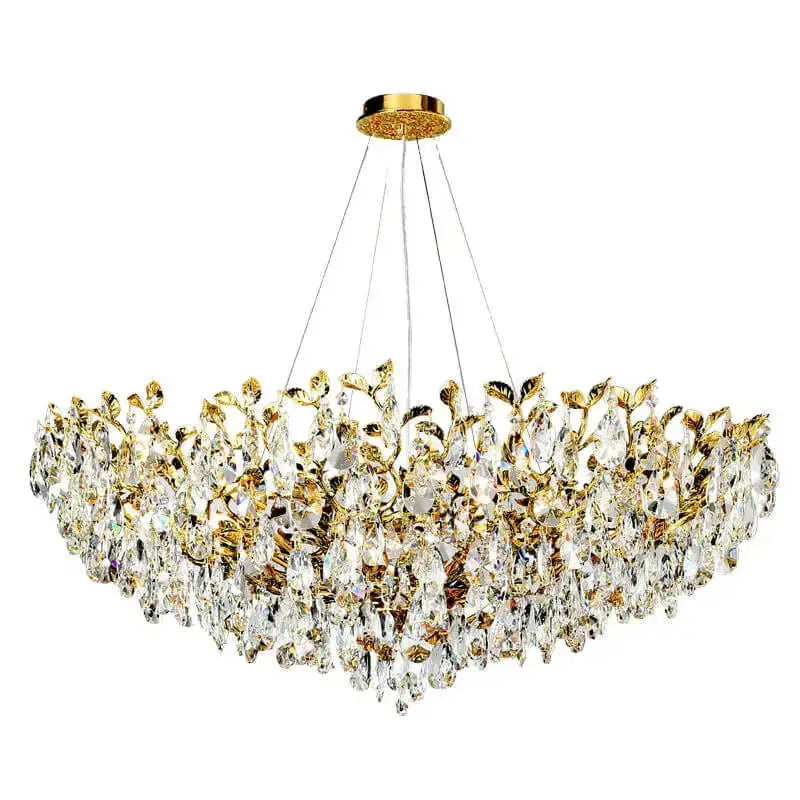
Consider the material language of the room. Aged brass brings depth to warm neutrals and timber furniture. Black metal can sharpen a contemporary scheme, while alabaster-style or frosted glass shades create a soft, luxurious diffusion. For a more decorative moment, a crystal wall light can echo the drama of a chandelier without overwhelming the space.
Scale deserves just as much attention. Petite bedside sconces can be exquisite, but they may disappear against a tall upholstered headboard or expansive wall. Conversely, an oversized fixture can crowd a narrow hallway. Before ordering, mark the fitting’s height and projection on the wall with painter’s tape. Check that cabinet doors, headboards and artwork will not compete with it.
Then choose the bulb and shade with purpose. An opaque shade sends a more directional glow, which is useful for reading but may leave the wall darker. Opal glass gives softer general illumination. Warm white bulbs are generally the more flattering choice for bedrooms and living areas, while a higher output may be needed for practical circulation spaces. If you want the option to soften the mood, select dimmable components from the outset.
A decision that should follow your plans, not a trend
Choose hardwired sconces when the room is part of a renovation, you want crisp symmetry and concealed wiring, and you value wall-switch control. Choose plug-in sconces when flexibility, speed and minimal disruption matter most. Neither route asks you to compromise on beauty.
The most memorable interiors balance architectural lighting with personal ease. A pair of elegant wall lights can frame a bed, enrich a quiet corner or bring a hallway to life, but the best choice is the one that works naturally with your walls, furniture and routines. At ChandeliersLife, that is the standard worth designing towards: lighting that looks exceptional and feels right every time you reach for the switch.