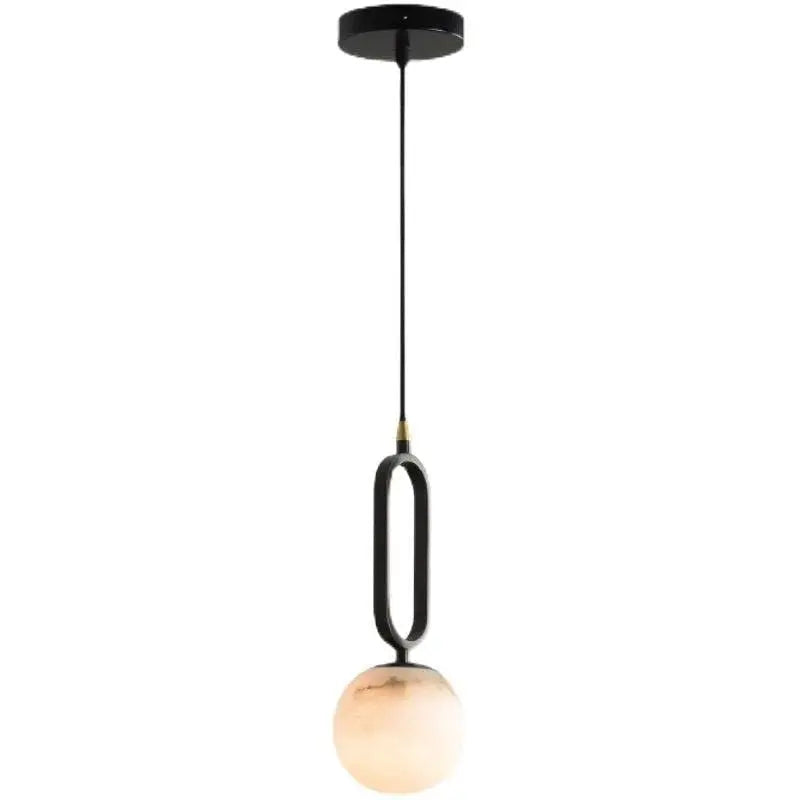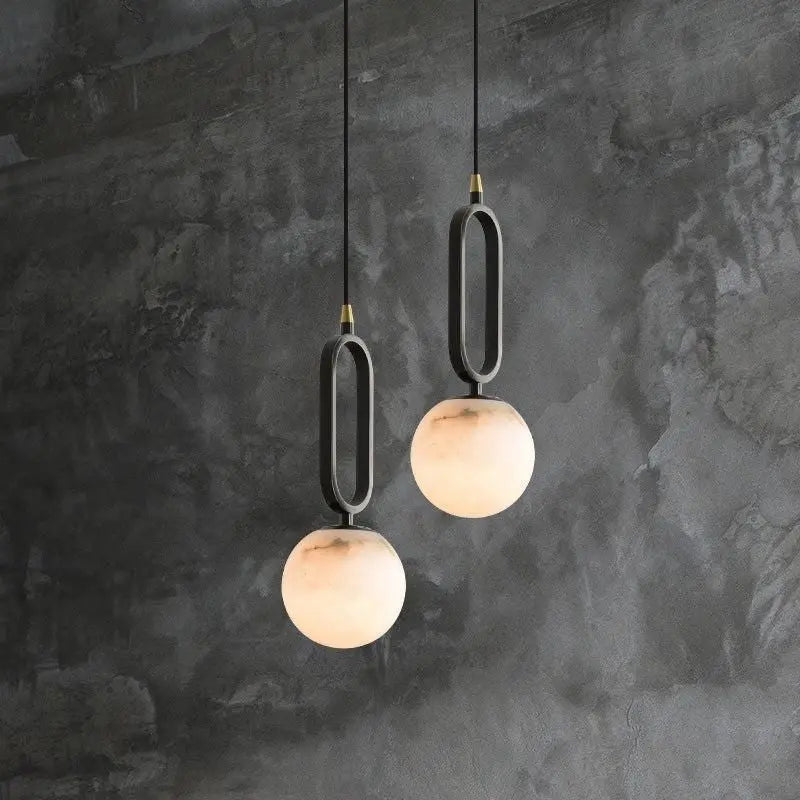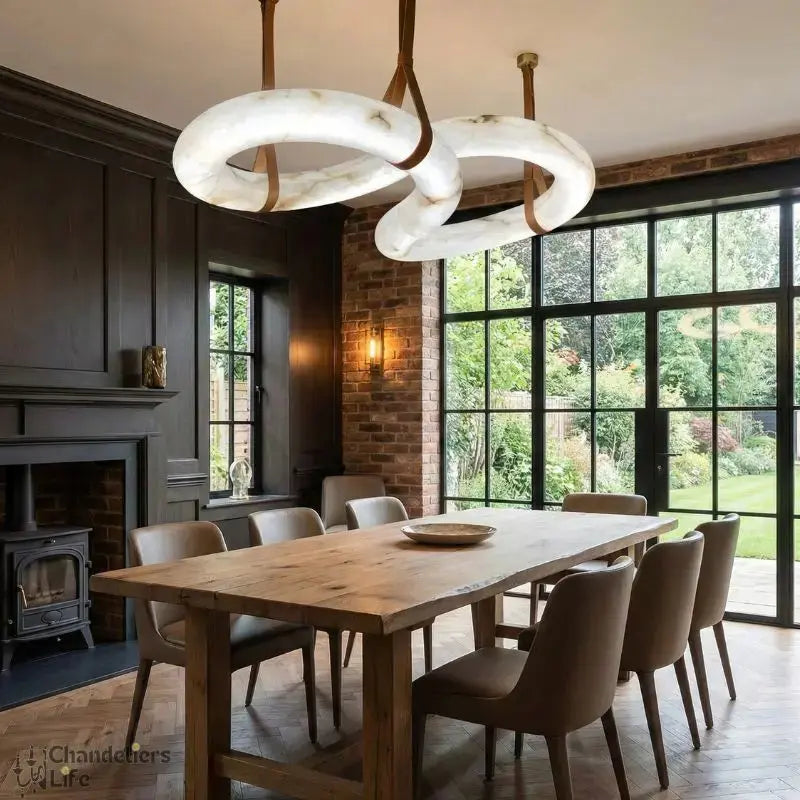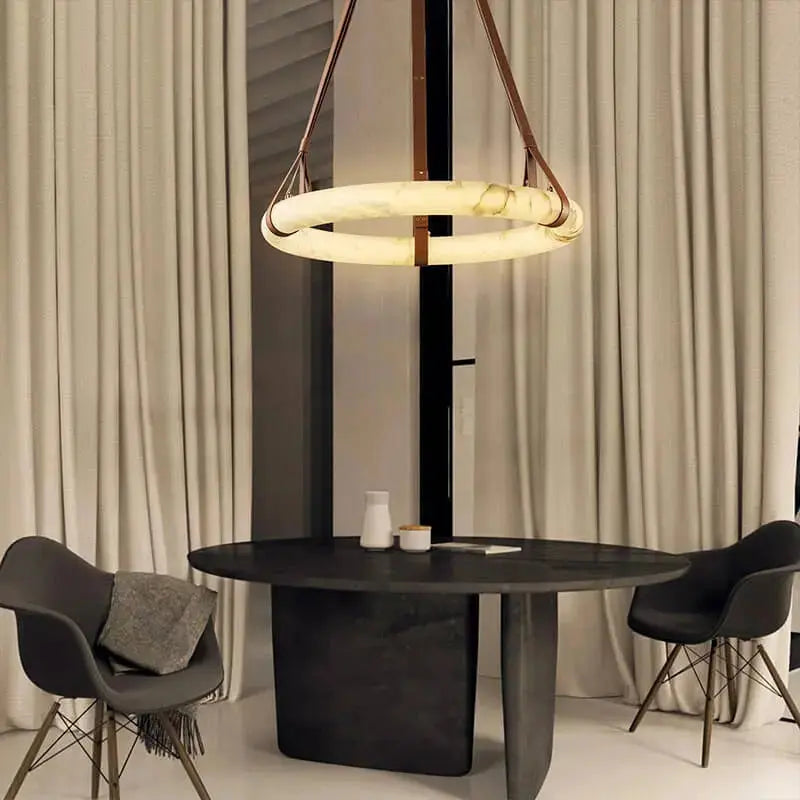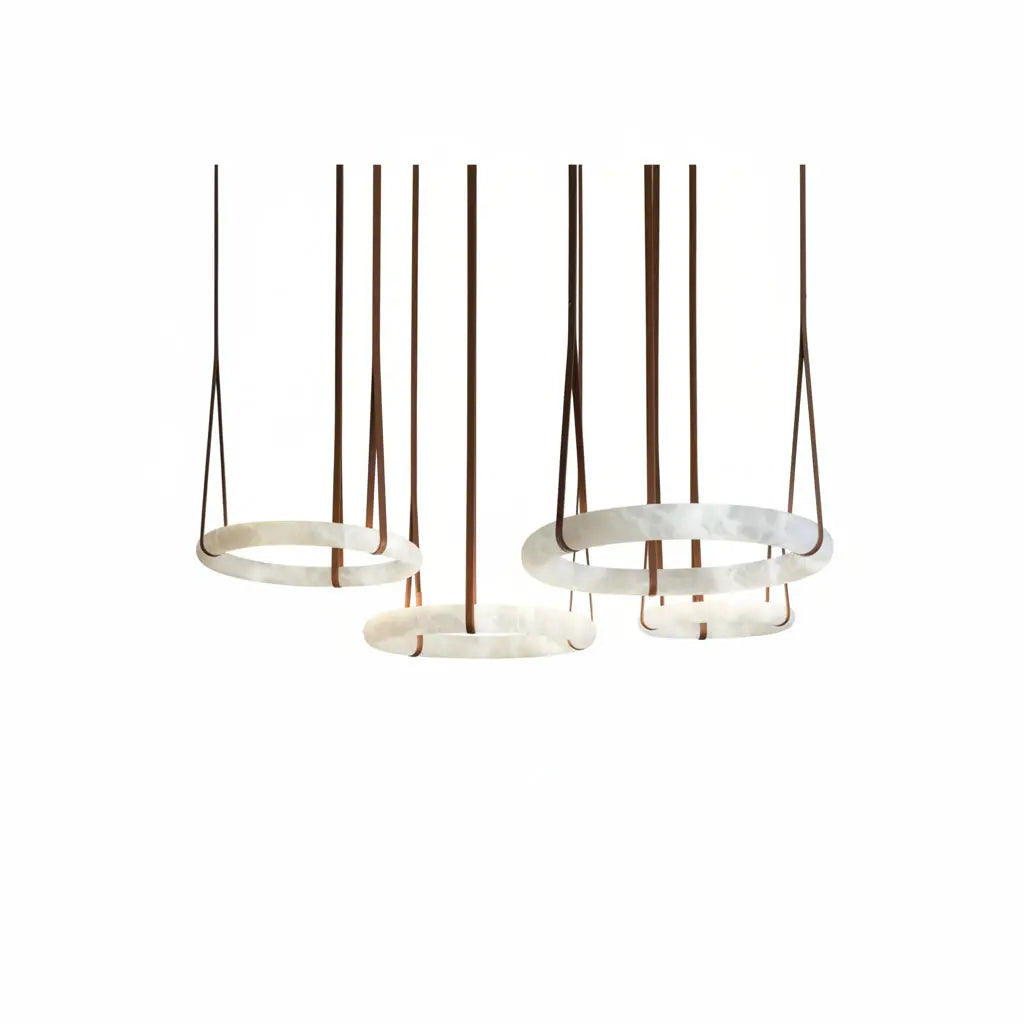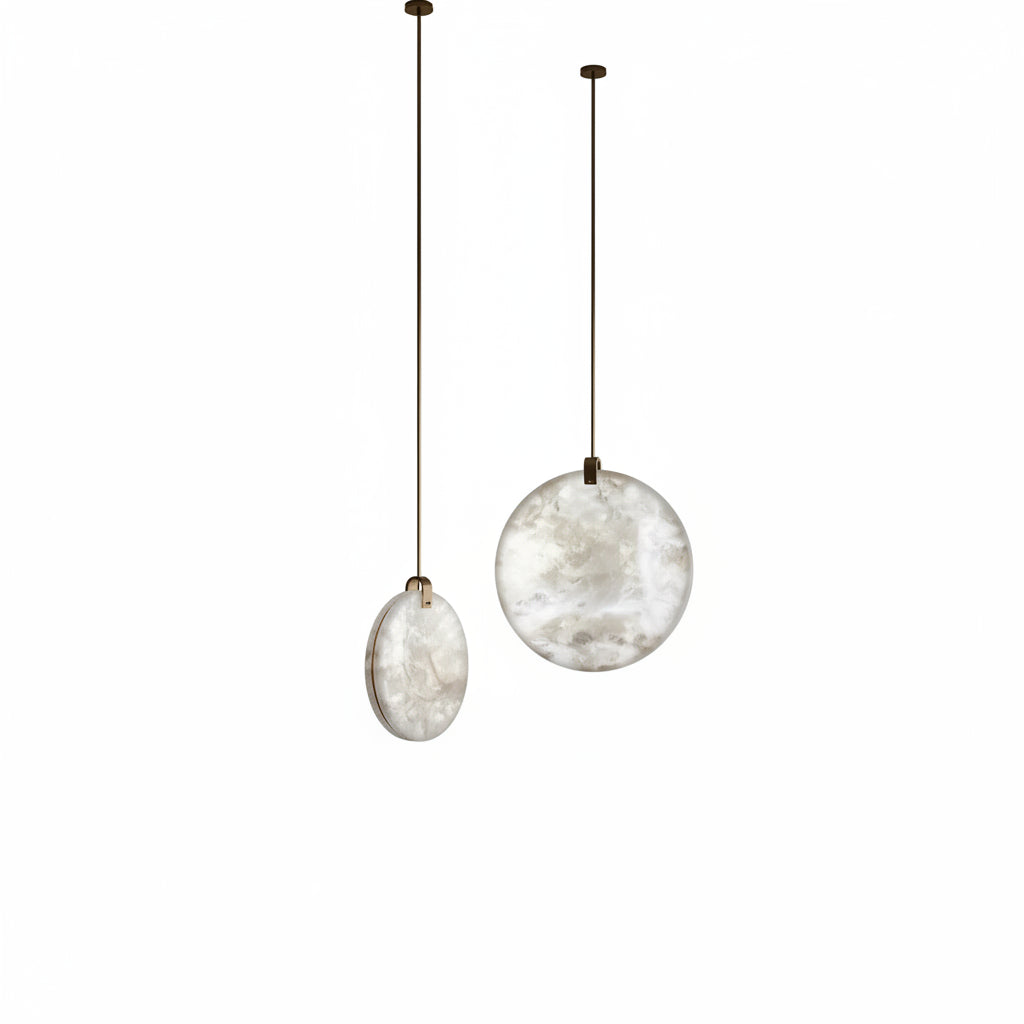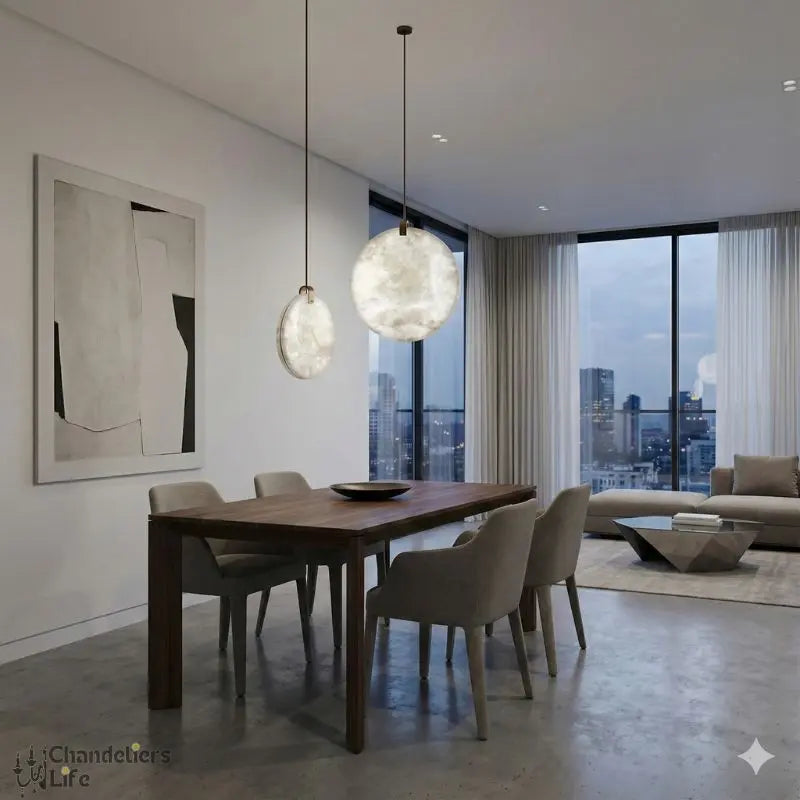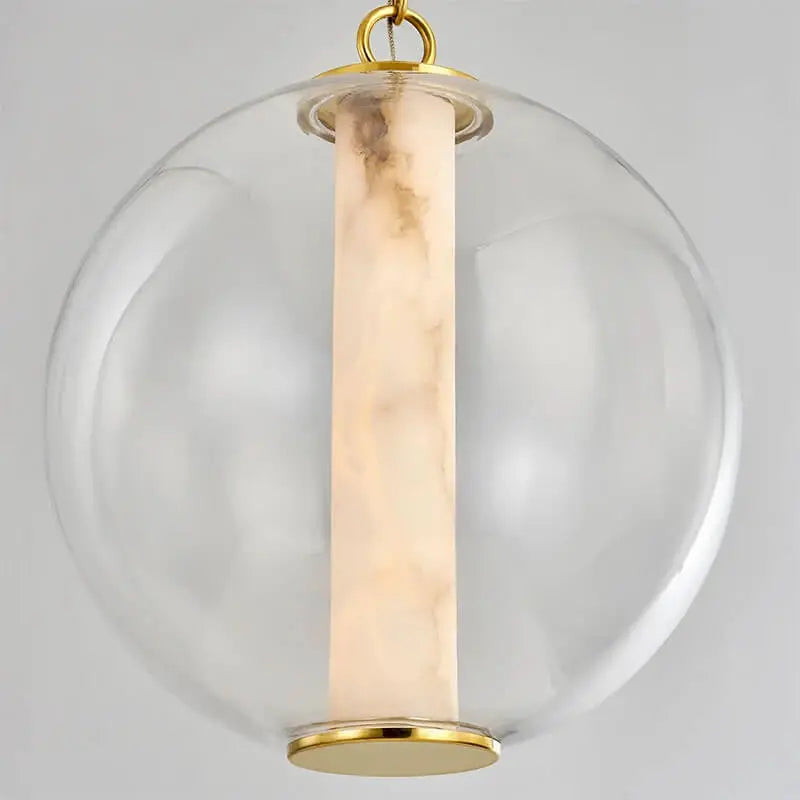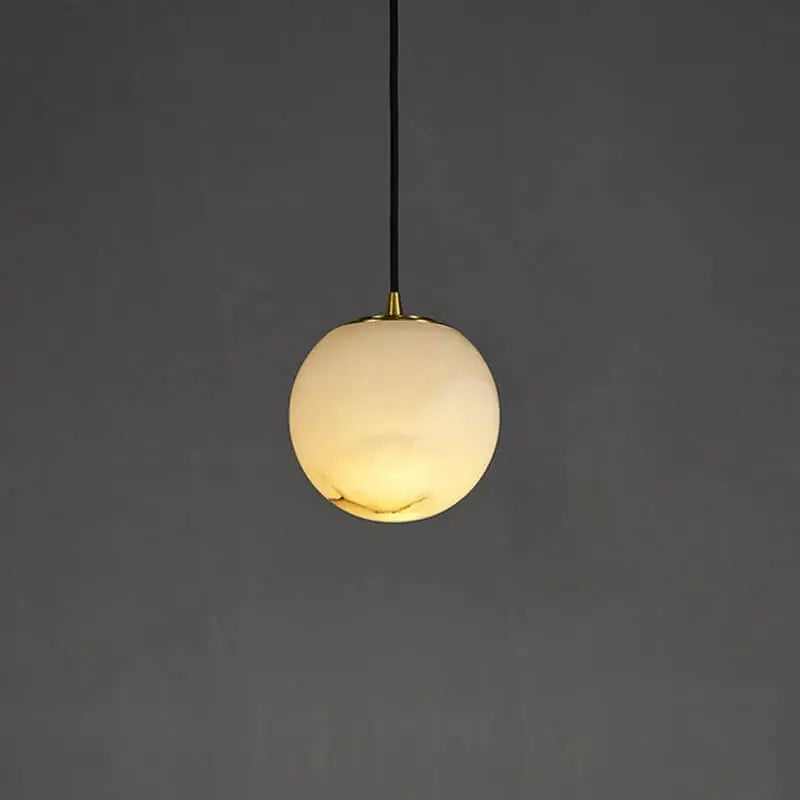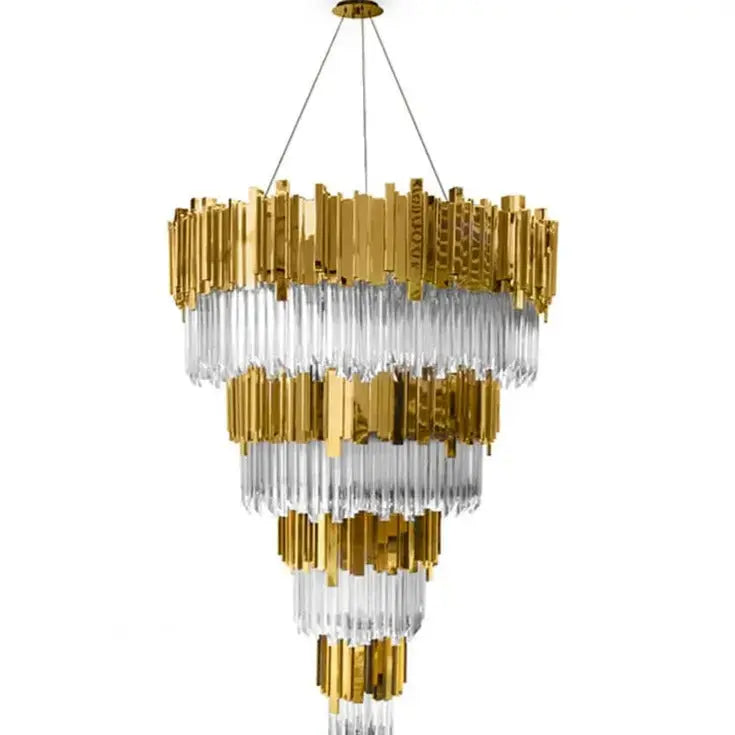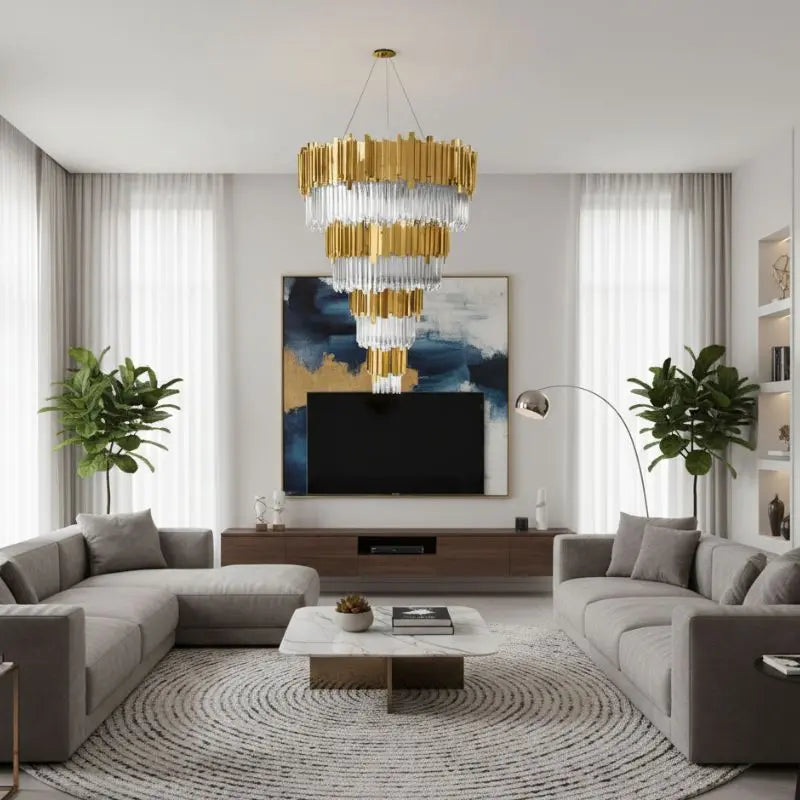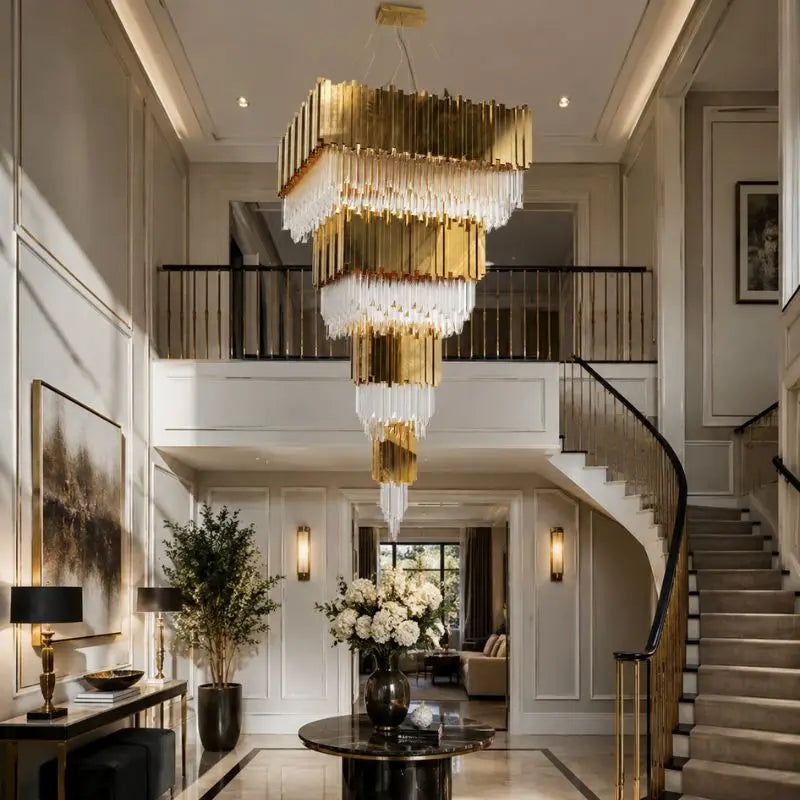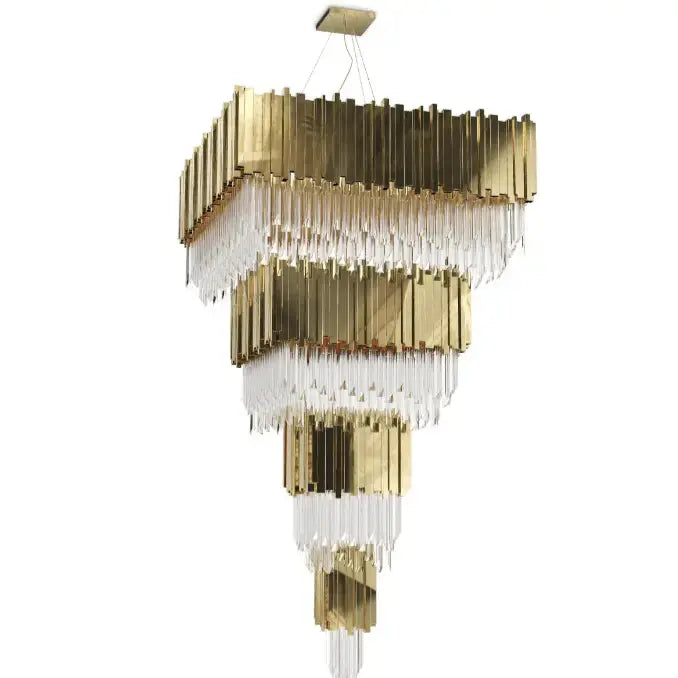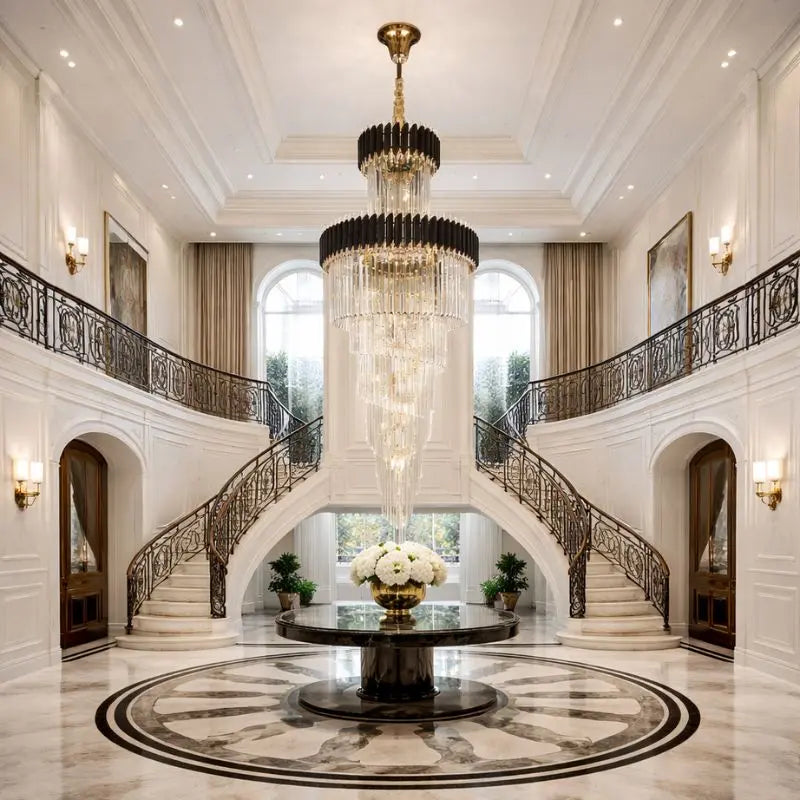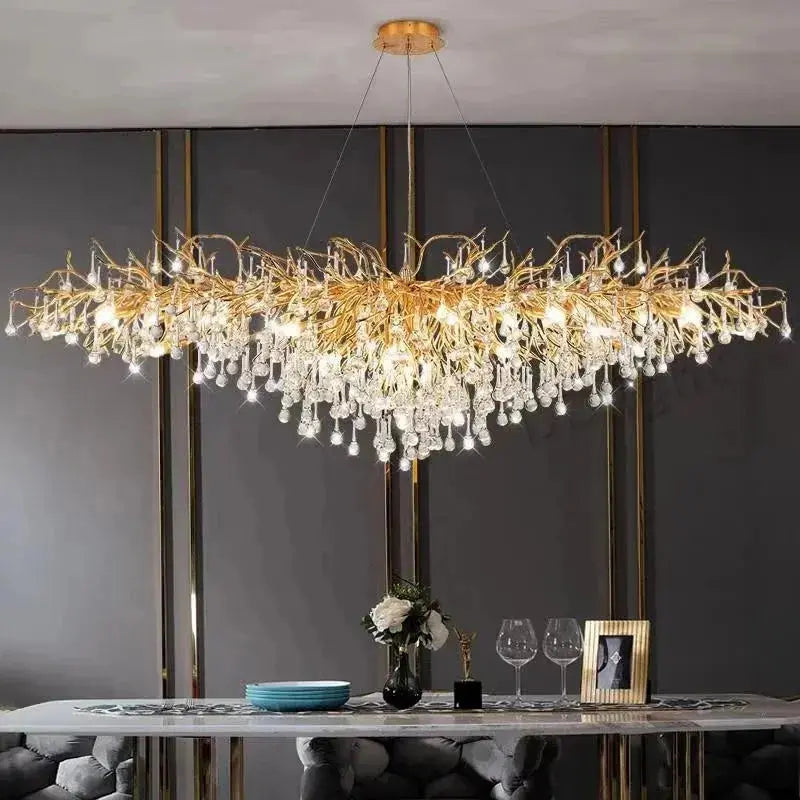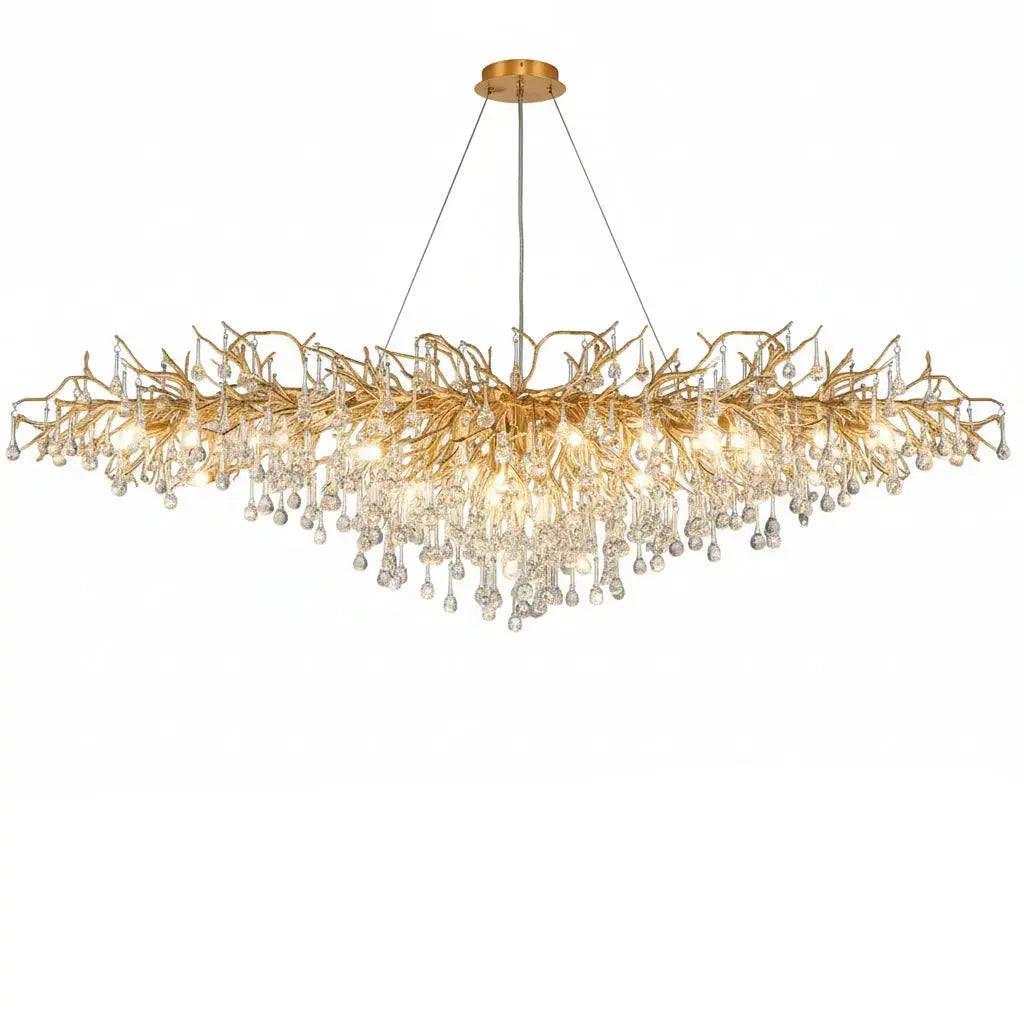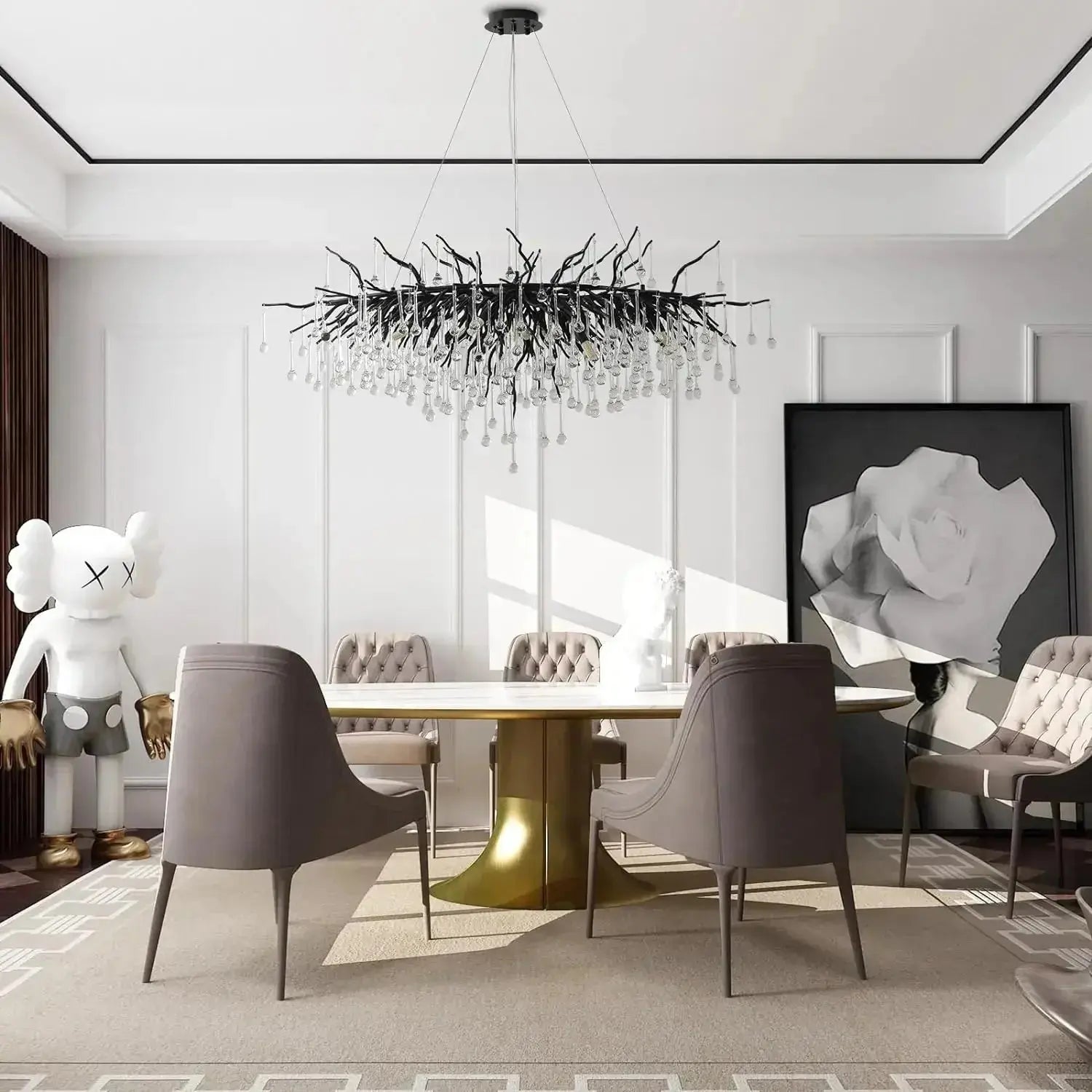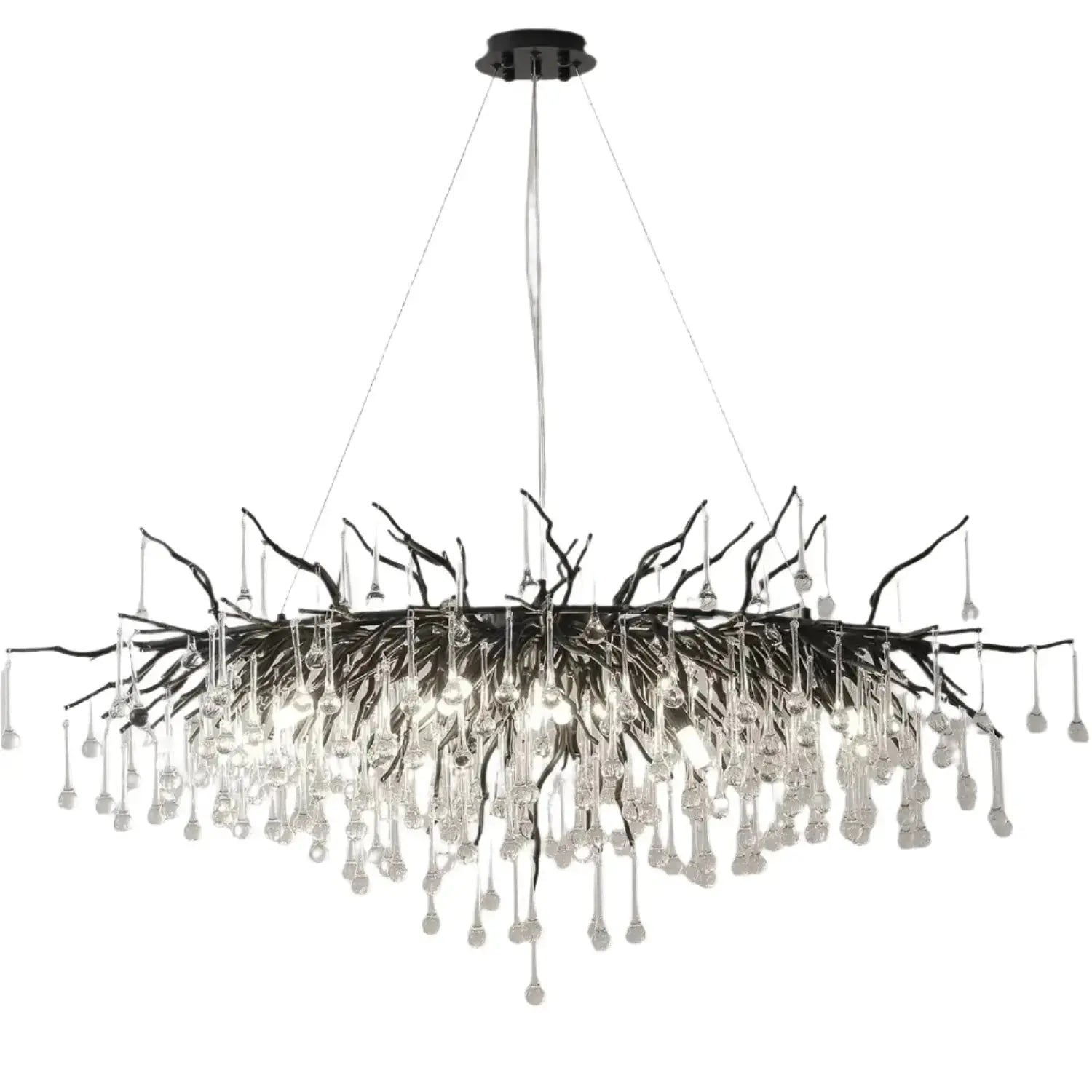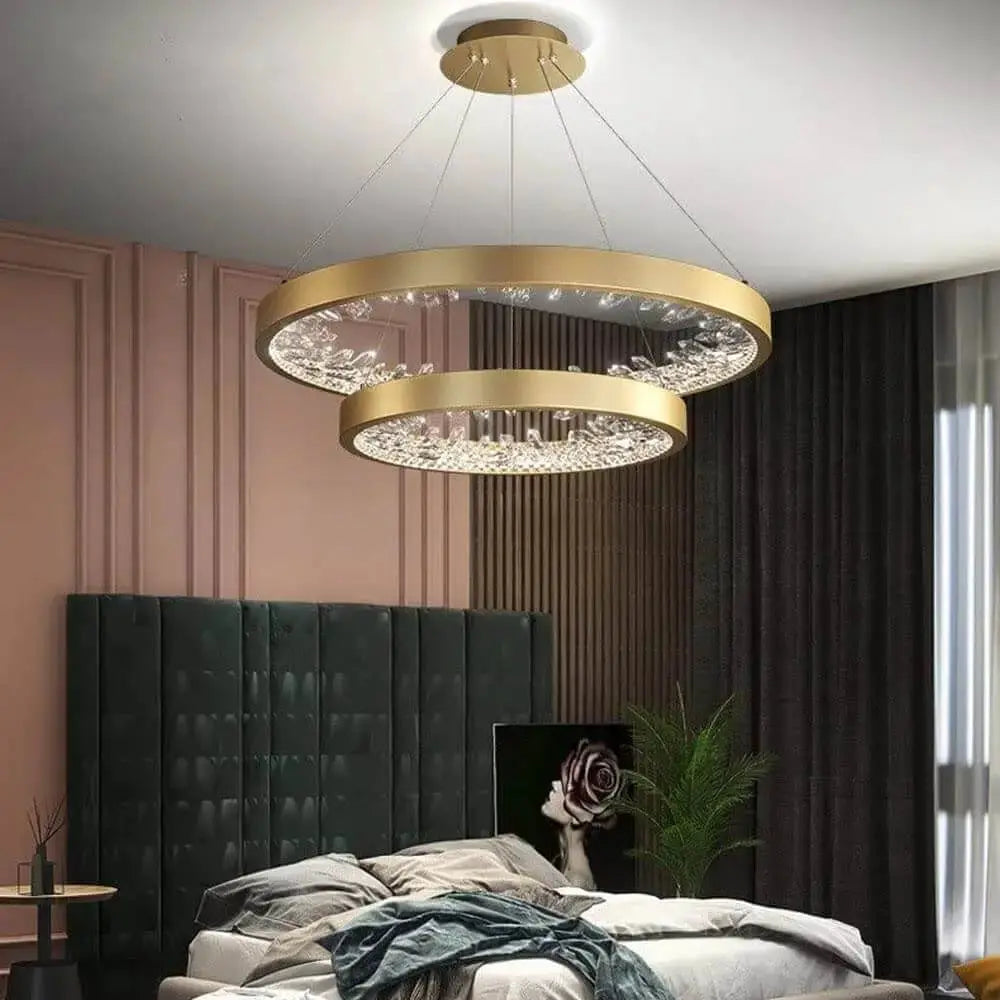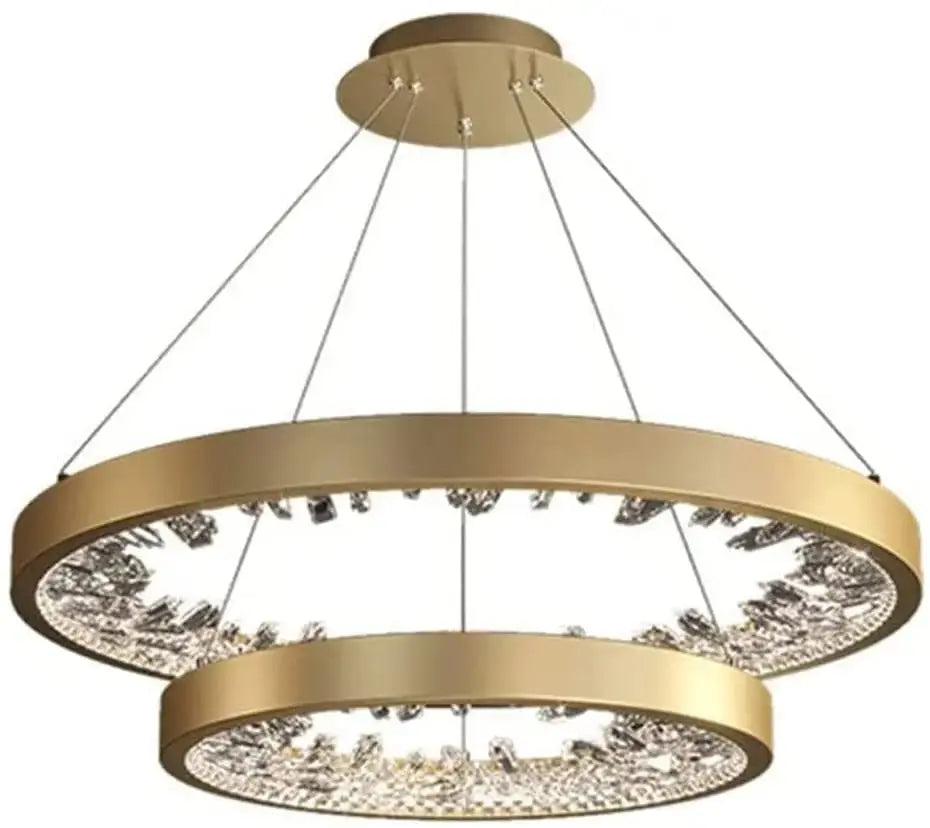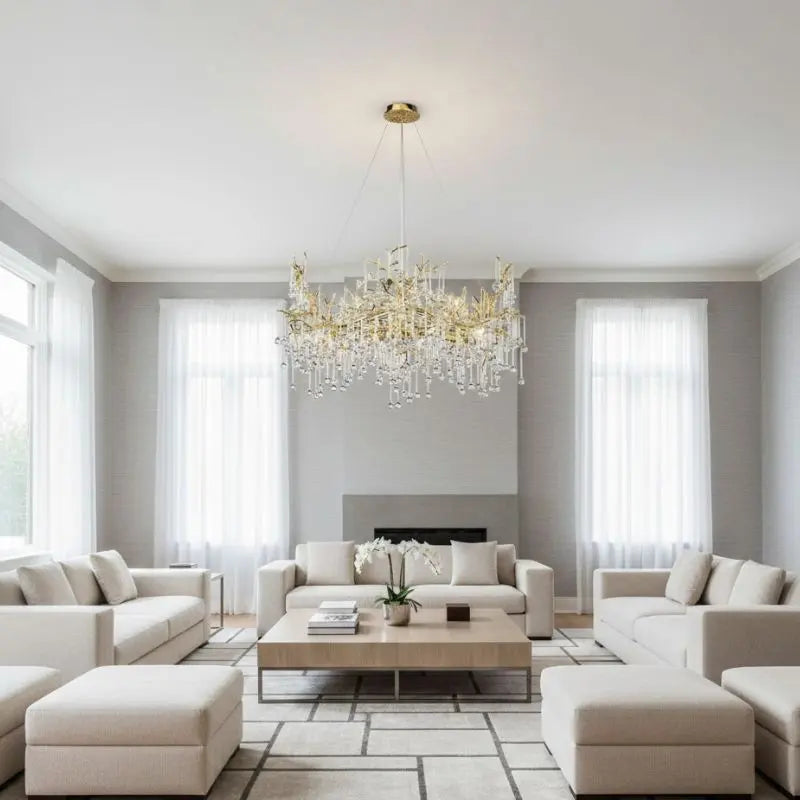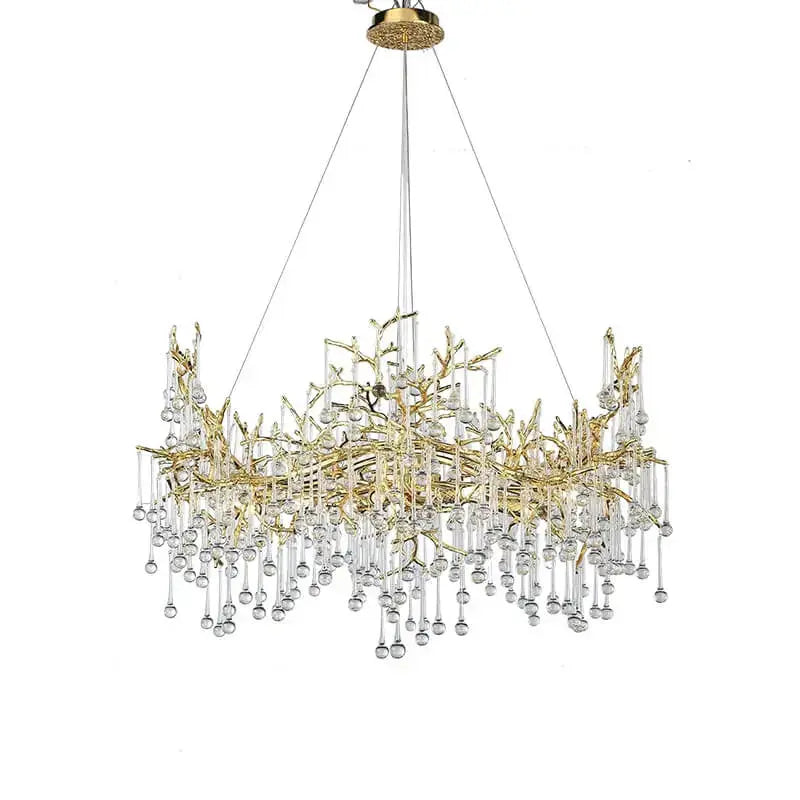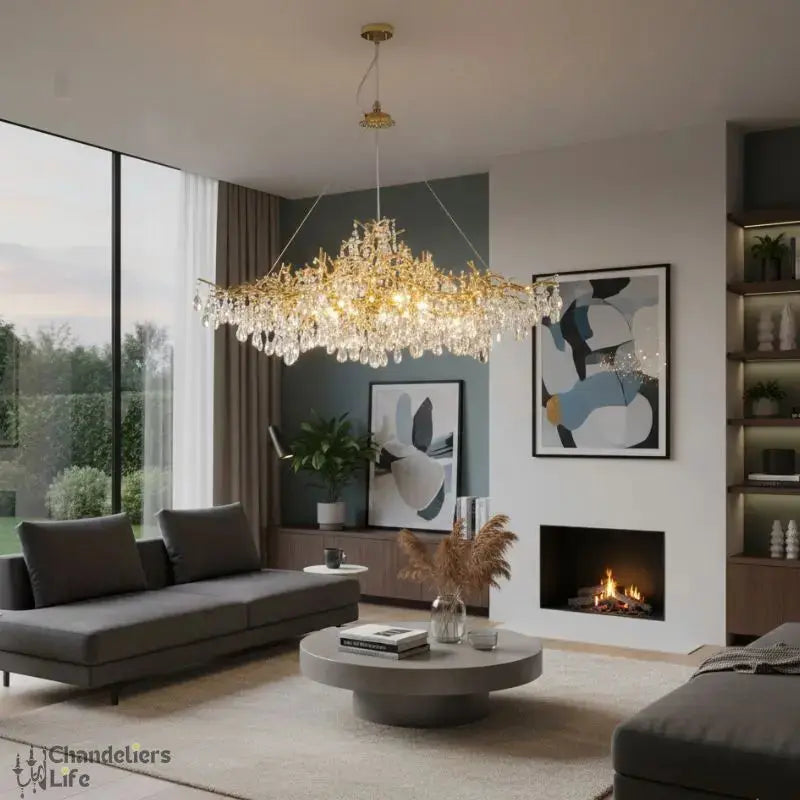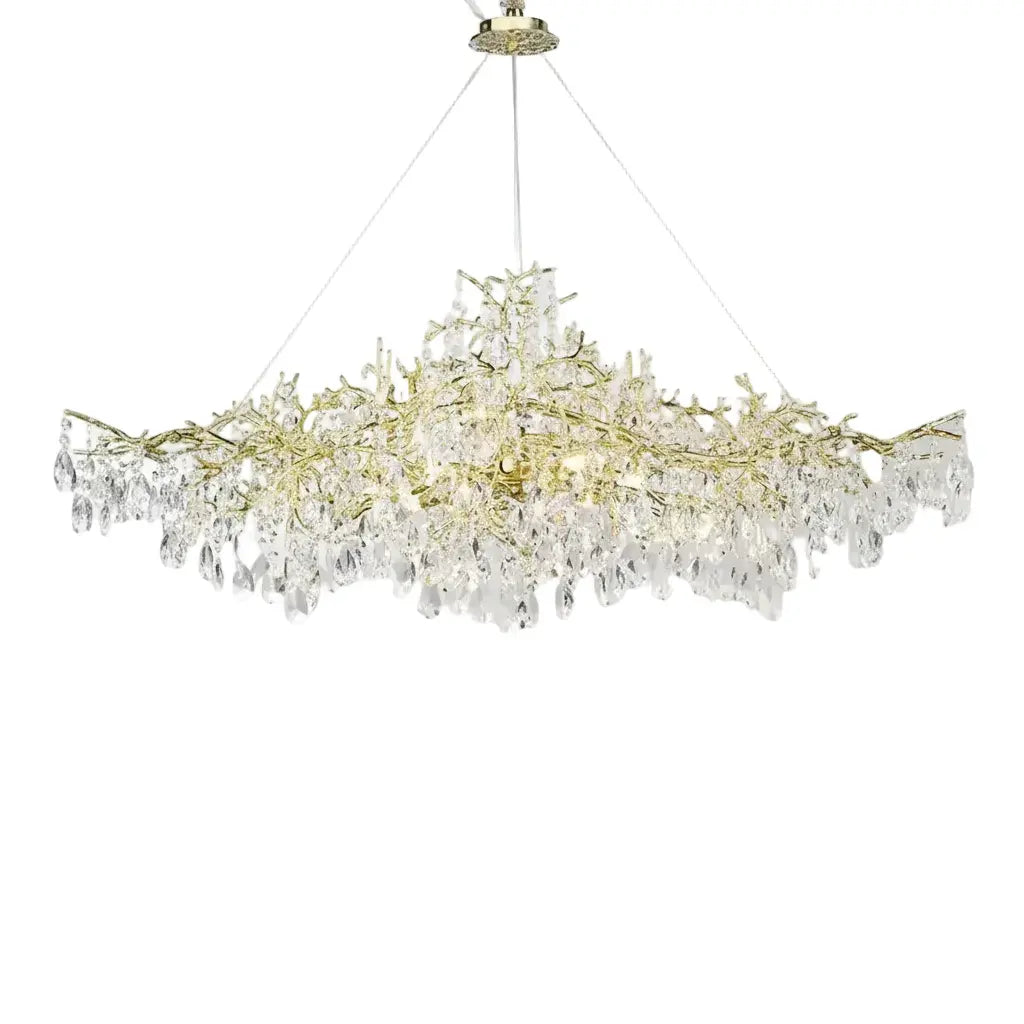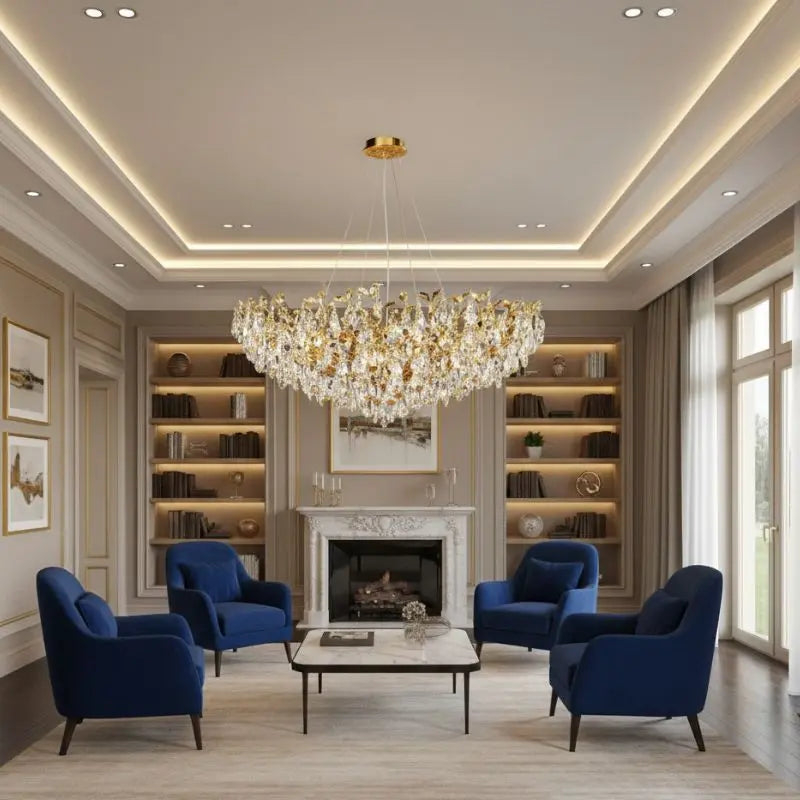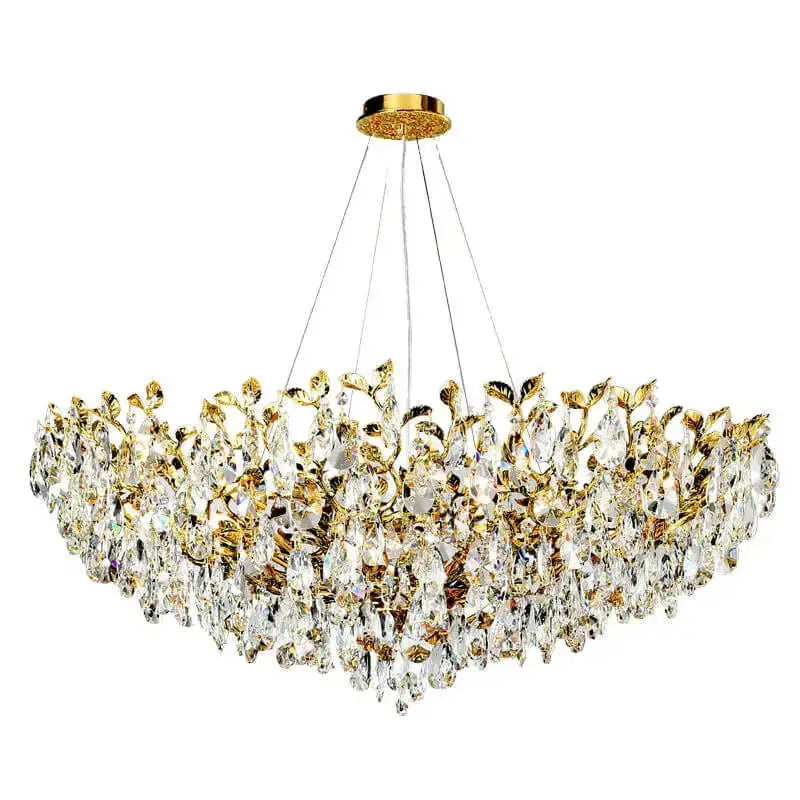
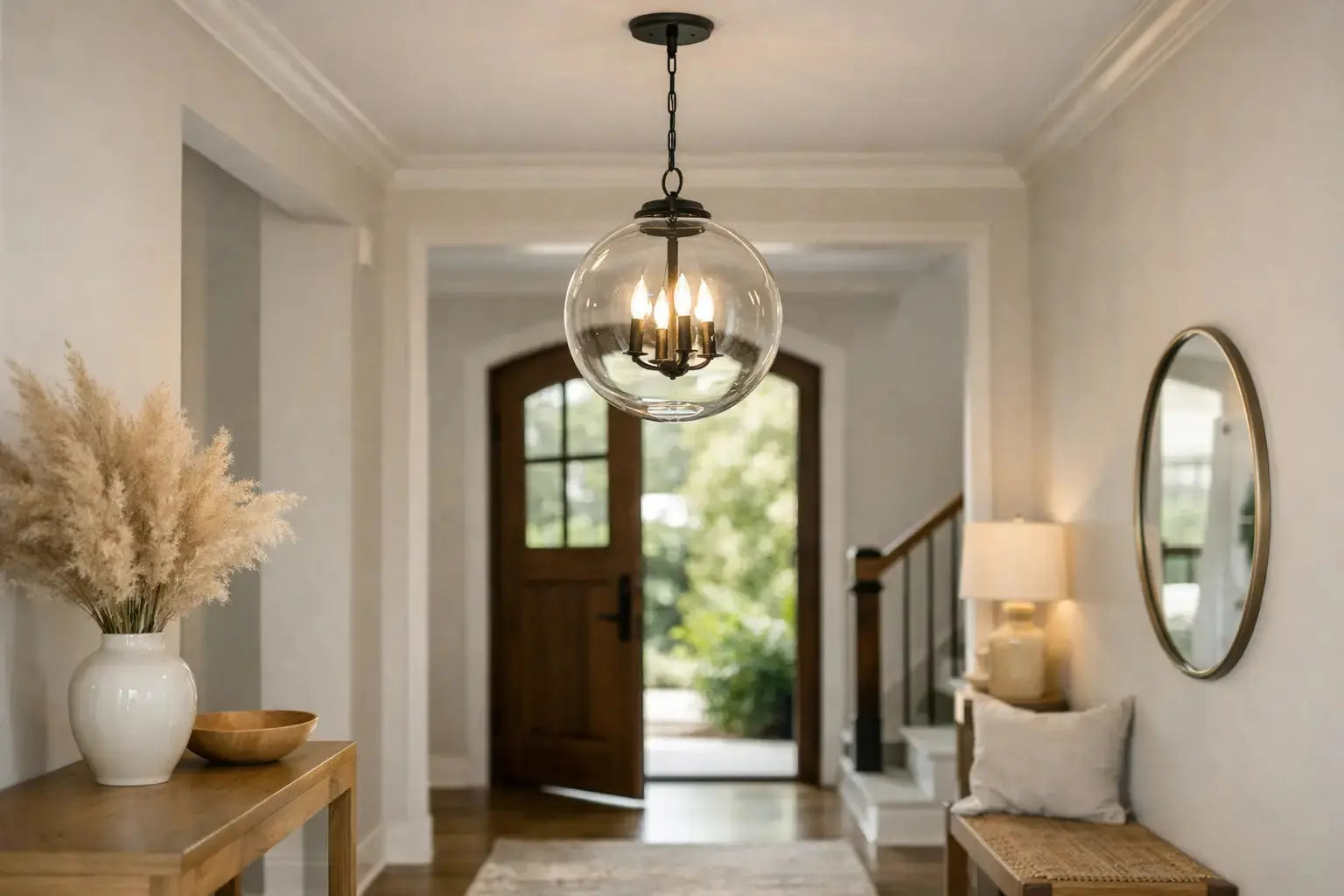
A front door opens, the eye lifts, and the first light fixture sets an expectation for every room beyond it. The right entryway pendant lighting does more than brighten a practical passage: it gives the home a point of view. A sculptural glass globe can make a pared-back hall feel polished; a cascade of crystals can lend a stairwell the drama of a boutique hotel; an alabaster pendant brings a soft, quiet luxury to a more contemporary scheme.
The most successful choice balances that visual impact with proportion, ceiling height and the way people actually move through the space. A pendant should feel intentional from the threshold, never like an afterthought hanging too low above a busy route.
Start with the architecture, not the trend
Before choosing a finish or silhouette, look at what the entryway asks of the fixture. Is it a compact hall with a single door and low ceiling, a double-height foyer, or an open-plan entrance that flows into the sitting room? These spaces need very different kinds of presence.
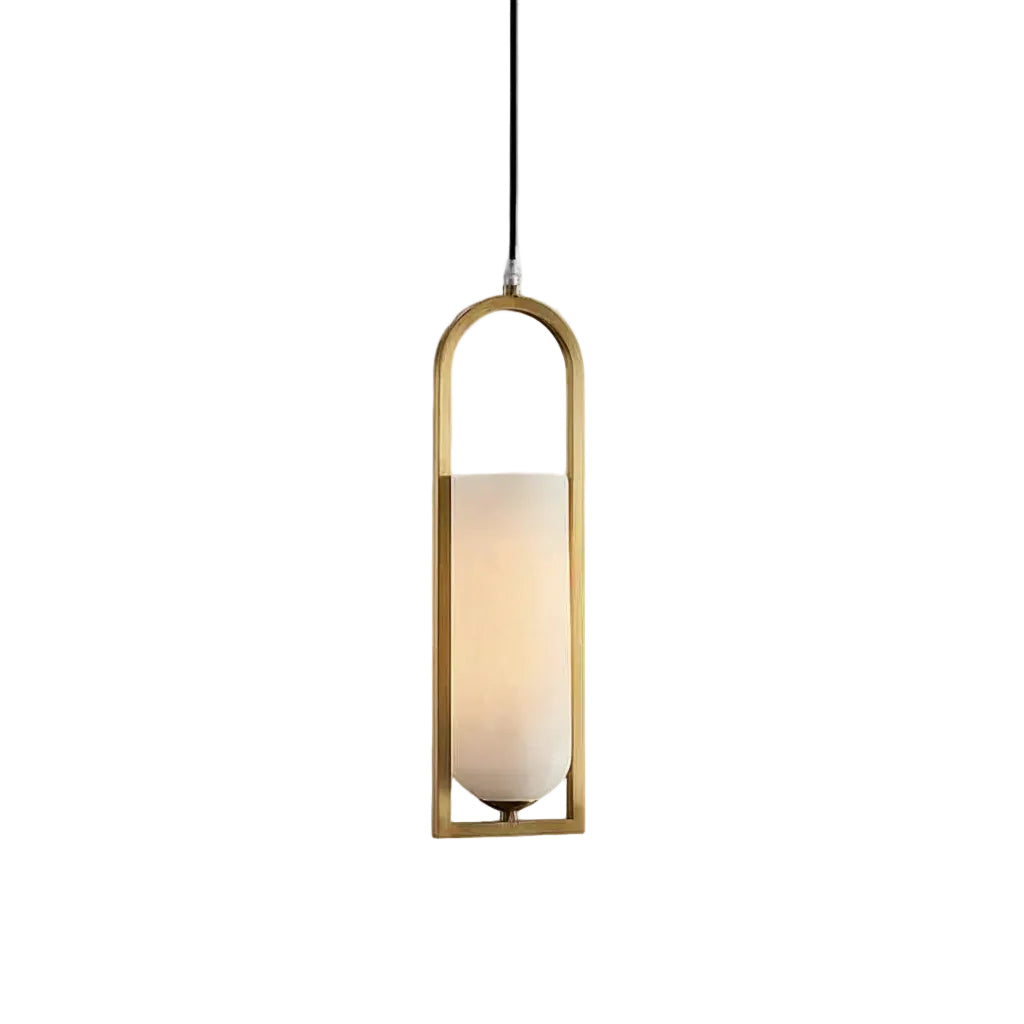
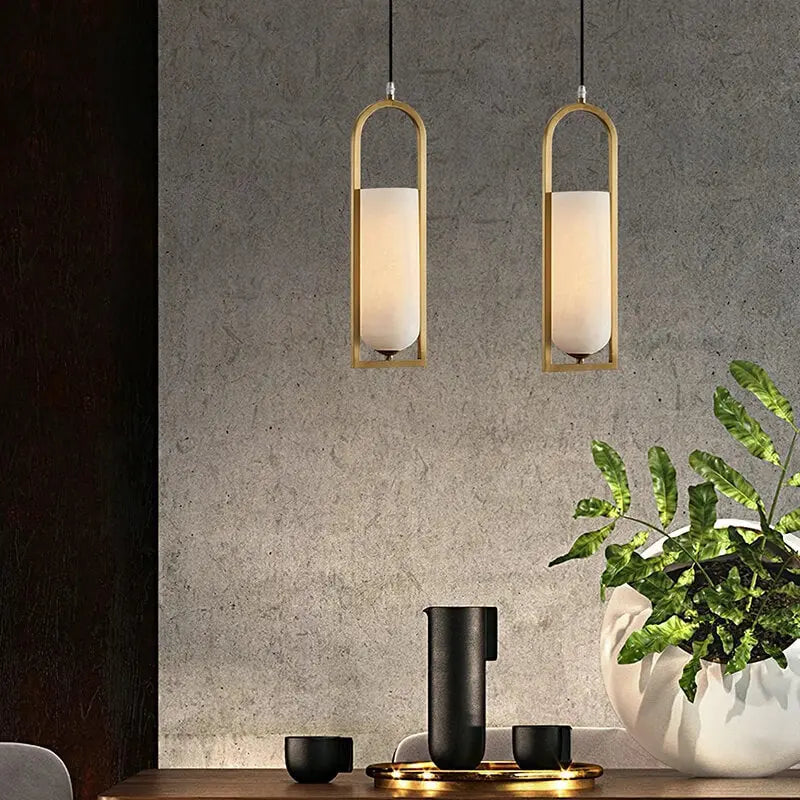
A small entry can still carry a statement pendant, but the design should remain visually light. Clear glass, slender metalwork and open lantern forms preserve sightlines while adding character. A large foyer, by contrast, can support a wider or more layered fixture that holds its own against a staircase, tall door surround or architectural panelling.
Style matters, but it should support the wider interior rather than compete with it. Brushed brass and warm alabaster suit timeless, refined homes. Blackened metal, smoked glass and geometric forms create a more contemporary edge. Crystal pendants introduce sparkle and movement, particularly where natural light enters through sidelights or a fanlight. The goal is not to match every finish perfectly. It is to establish a considered conversation between the entryway and the rooms that follow.
How to size entryway pendant lighting
Scale is the detail most likely to make a beautiful pendant feel either underwhelming or intrusive. In a hallway, measure the length and width of the space in feet, add the numbers together, and use the result in inches as a useful starting diameter. For example, a hall measuring 8 by 10 feet can often take a pendant around 18 inches wide.
This is a guide rather than a rule. A fixture with a broad, opaque shade reads larger than one of the same diameter in transparent glass. Likewise, an elongated pendant may suit a narrow entrance better than a round design because it follows the proportions of the room.
Ceiling height decides the drop. In a standard-height hallway, leave enough clearance for comfortable movement, particularly near the front door or where coats, bags and umbrellas pass beneath. The bottom of the pendant should generally sit at least 2.1 metres above the floor in a circulation area. If the pendant hangs above a console table, it can sit lower because the furniture naturally defines the zone, but it should not block the view of a mirror or artwork.
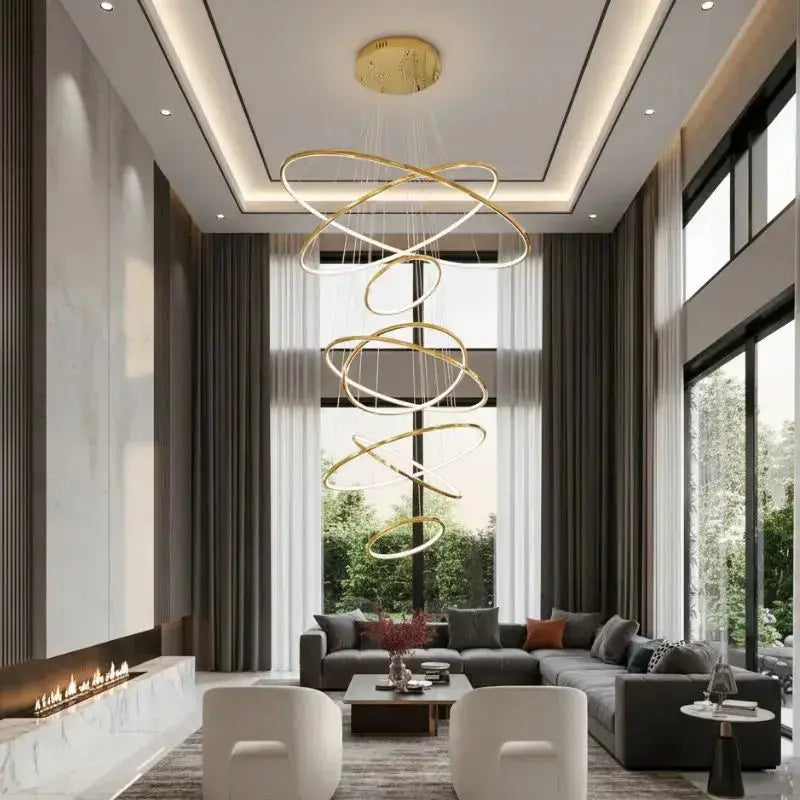
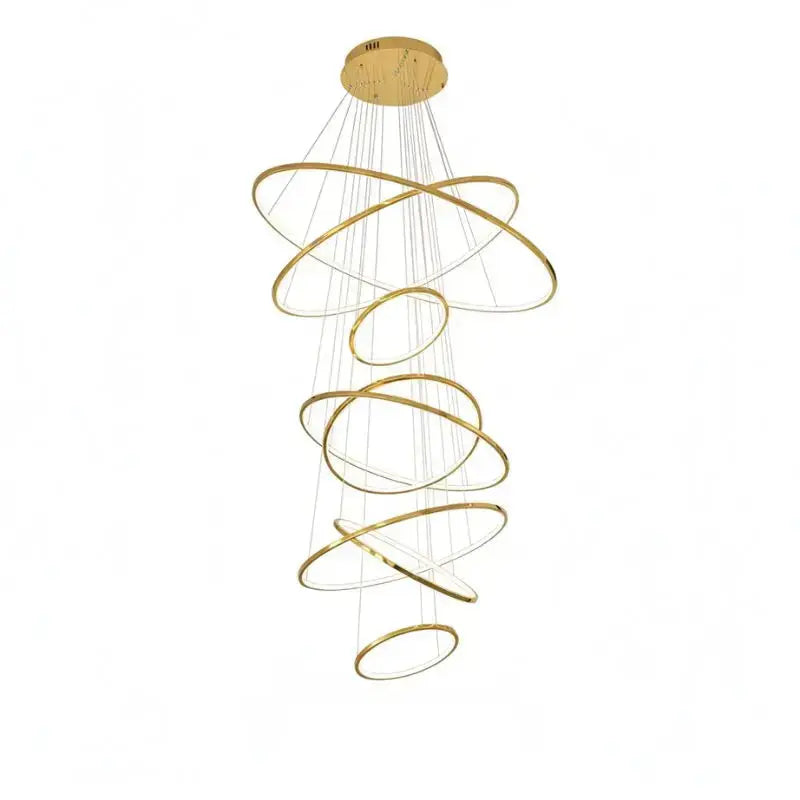
For a double-height foyer, visual balance is more nuanced. A pendant hung too close to the ceiling can disappear into the volume, while one suspended too low may divide the space awkwardly. Let it occupy the upper-to-middle portion of the room and consider its relationship to the first landing if there is a staircase. Multi-tiered or cascading designs often work beautifully here, as their vertical rhythm fills the void without looking heavy.
Choose light that feels welcoming after dark
An entryway needs enough illumination for keys, steps and greetings, yet harsh brightness rarely feels luxurious. Aim for a warm white bulb, usually around 2700K, to give skin tones, timber and painted walls a flattering glow. Where the pendant is the main source of light, select a fixture with enough lamps or output to illuminate the whole entrance rather than creating a pool of light beneath it and shadows at the edges.
Dimmability is one of the most worthwhile upgrades. At full brightness, the entrance can be practical for arrivals, deliveries and busy family mornings. Lowered in the evening, the same pendant becomes atmospheric, allowing its material and silhouette to take centre stage. Check that the bulb, fitting and dimmer are compatible before installation.
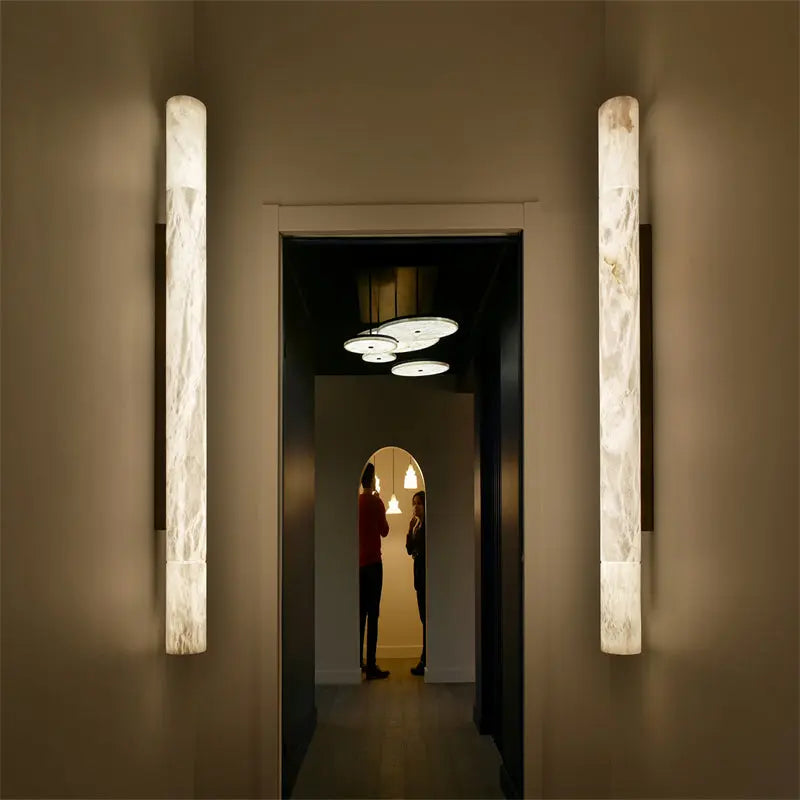
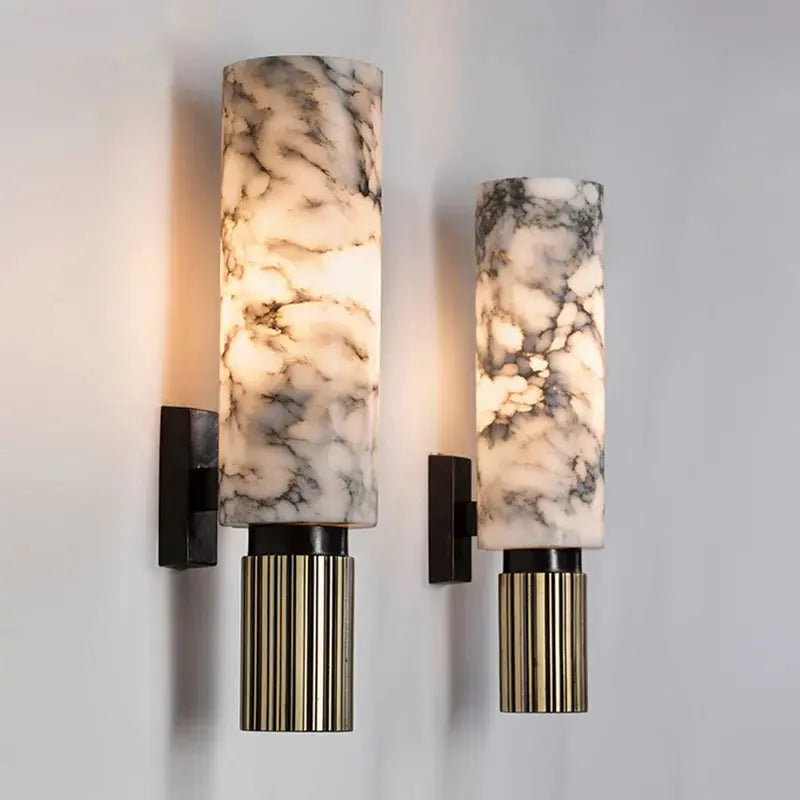
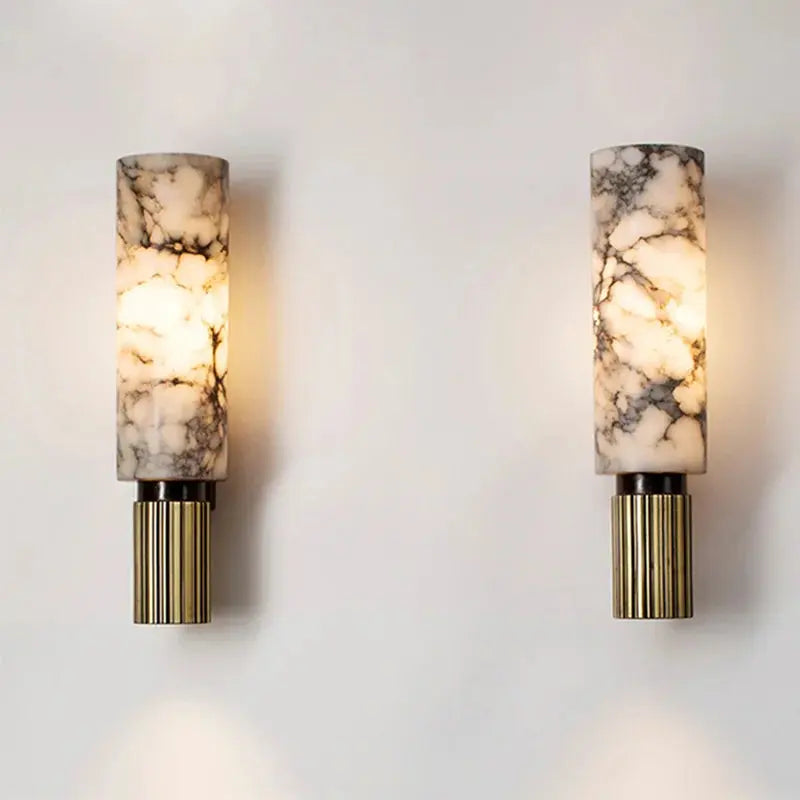
A pendant does not always need to do every lighting job alone. In a long hall or a dramatic foyer, wall lights can soften vertical surfaces and reduce shadows. A table lamp on a console adds a welcoming layer at eye level. This combination feels especially considered when the pendant is decorative - perhaps crystal, sculptural glass or alabaster - rather than designed solely for broad ambient output.
Match the pendant to the entryway’s focal point
Every entrance has a natural anchor. It may be a staircase, a console and mirror, a piece of art, a tiled floor or the front door itself. Position the pendant to honour that anchor.
In a centred square foyer, this is straightforward: place the fitting in the centre of the room. In a long hallway, centring it over the overall space can leave it feeling disconnected from the furniture below. It may look better aligned with the console table or the clear walking path. If the hall is particularly long, two smaller pendants can create a more deliberate rhythm than one oversized fixture. Keep their scale restrained and their spacing generous so the ceiling does not feel crowded.
For entrance halls open to a stairwell, consider the view from both levels. A pendant that looks exquisite from the ground floor should also offer a pleasing silhouette when viewed from the landing. This is where a fixture with detail on all sides, rather than a shade designed to be seen only from below, earns its place.
Materials that create lasting impact
Material changes not only the style of the pendant but also the quality of light it casts. Clear crystal and faceted glass reflect light in lively, elegant patterns, making them particularly effective in foyers with neutral walls or polished stone flooring. They offer glamour, though they need occasional dusting to maintain their brilliance.
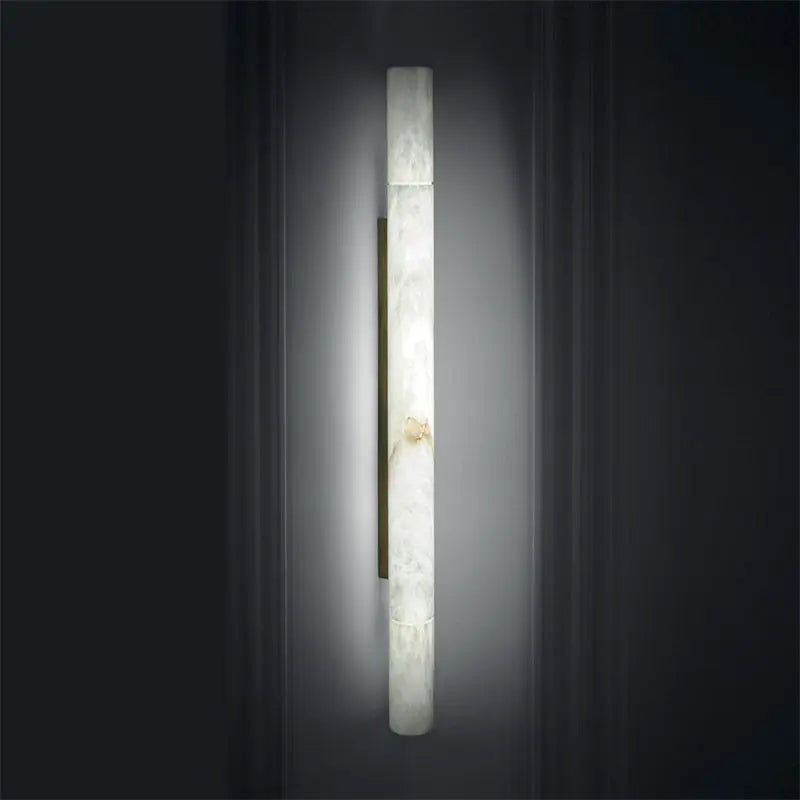
Alabaster is more understated. Its natural veining means each piece has a distinctive character, and its softly diffused illumination suits homes seeking a calm, elevated welcome. It is an excellent choice when the entryway connects to a modern living space with tactile finishes such as timber, plaster, linen or travertine.
Metal pendants bring definition. Antique brass feels warm and established, while brushed nickel offers a quieter, more transitional finish. Matte black can sharpen a light-filled modern hall, especially when repeated in door hardware, stair balusters or picture frames. For an eclectic home, a mixed-material pendant combining metal, glass and stone can bridge traditional architecture with contemporary furnishings.
Common mistakes worth avoiding
The most frequent error is choosing a pendant solely from a product image without checking its real dimensions. A fitting can look grand against a studio backdrop but feel oversized once it meets a low ceiling and narrow walls. Tape the proposed diameter onto the ceiling, or use a cardboard template, to understand its footprint before ordering.
Another is treating the entryway as separate from the rest of the home. The fixture does not need to duplicate the dining room chandelier, but it should share something with nearby lighting - a finish, level of formality, curve, material or era. This creates continuity without making every room look identical.
Finally, do not overlook maintenance and installation. Heavily detailed crystal designs deserve the care that keeps them luminous, while oversized or weighty pendants may require suitable ceiling support. A qualified electrician can confirm the mounting, wiring and drop length, particularly in older properties or high-ceilinged spaces.
Make the welcome feel personal
The finest entryway pendant lighting has a sense of occasion, but it also belongs to the people who live beneath it. Pair a luminous fixture with a favourite framed artwork, a well-proportioned mirror, fresh seasonal branches or a console that reflects your home’s character. The light becomes more than a decorative object: it frames the small rituals of coming home.
Choose the piece that still catches your attention after you have considered the measurements, practicalities and finishes. That moment of delight is often the clearest sign that an entryway will feel welcoming for years to come.