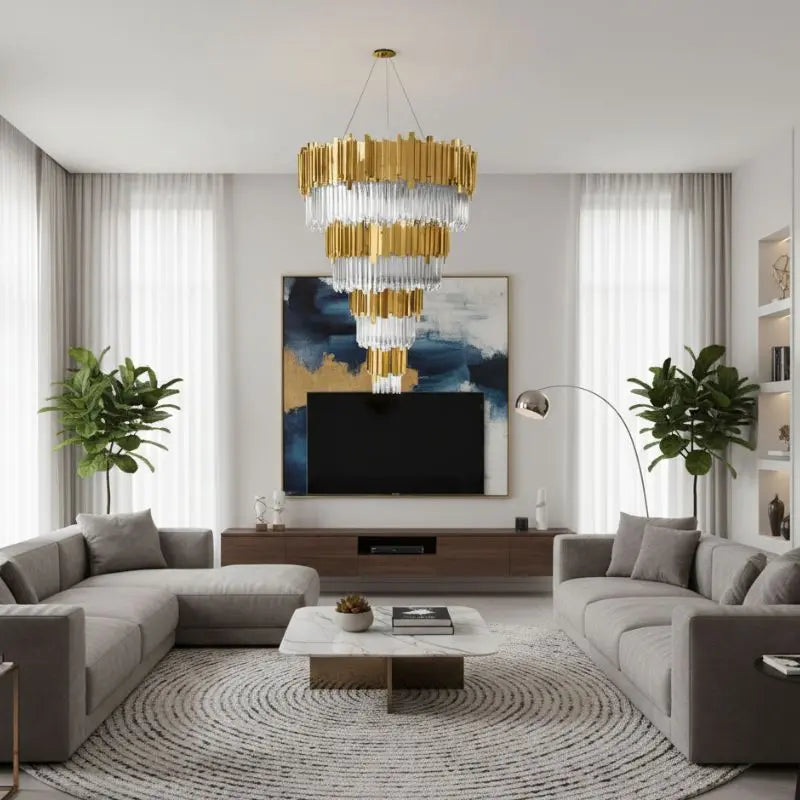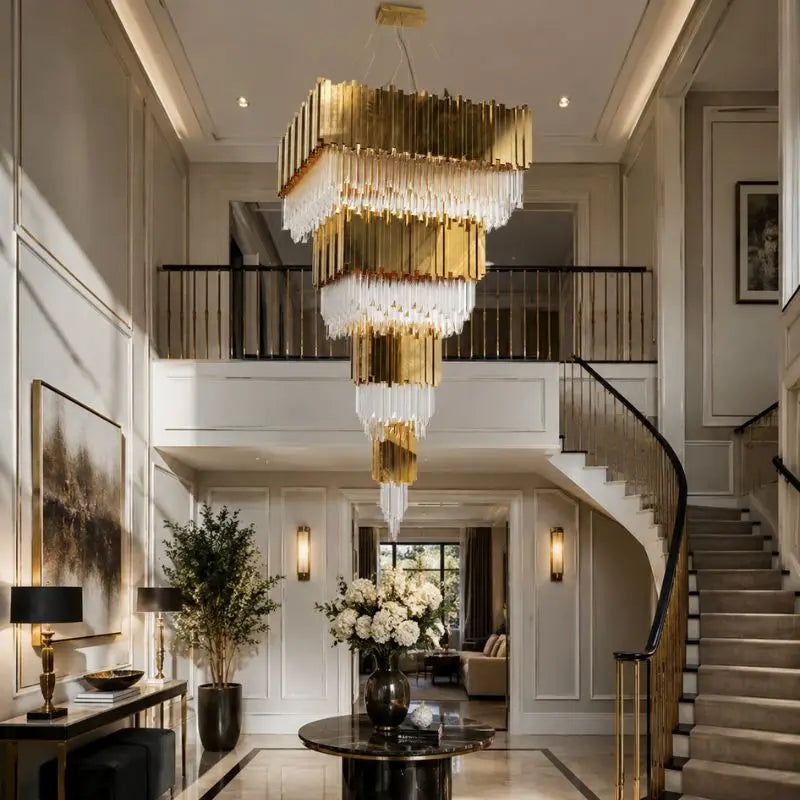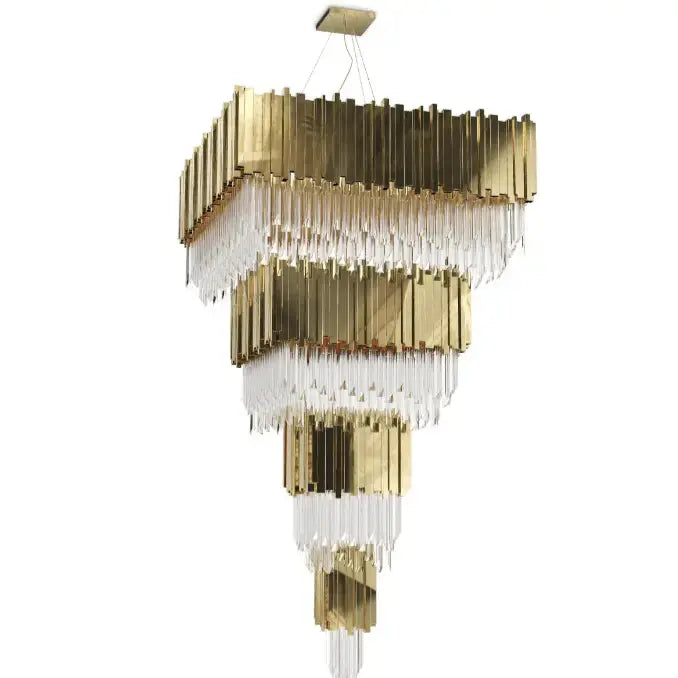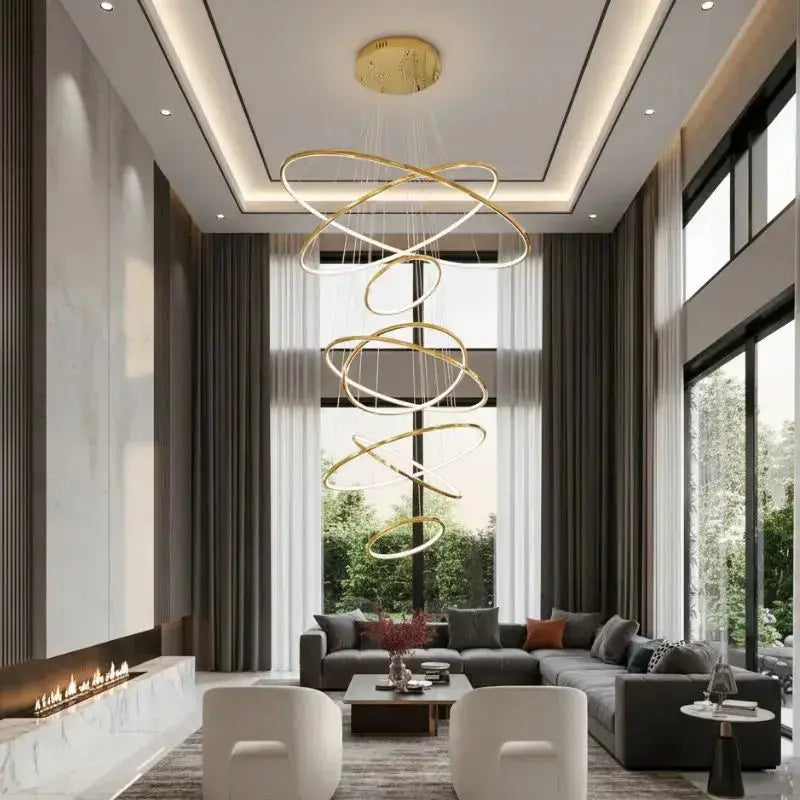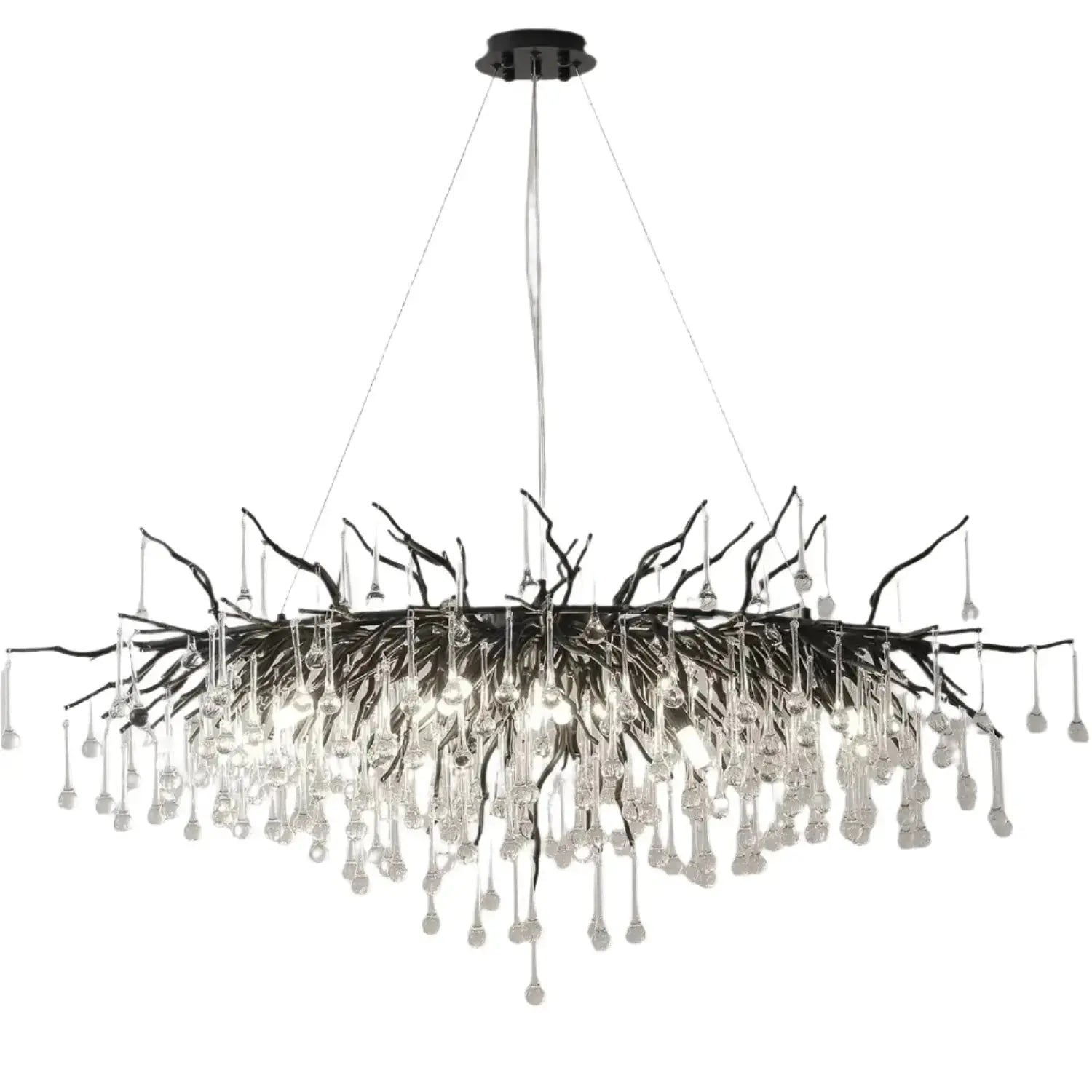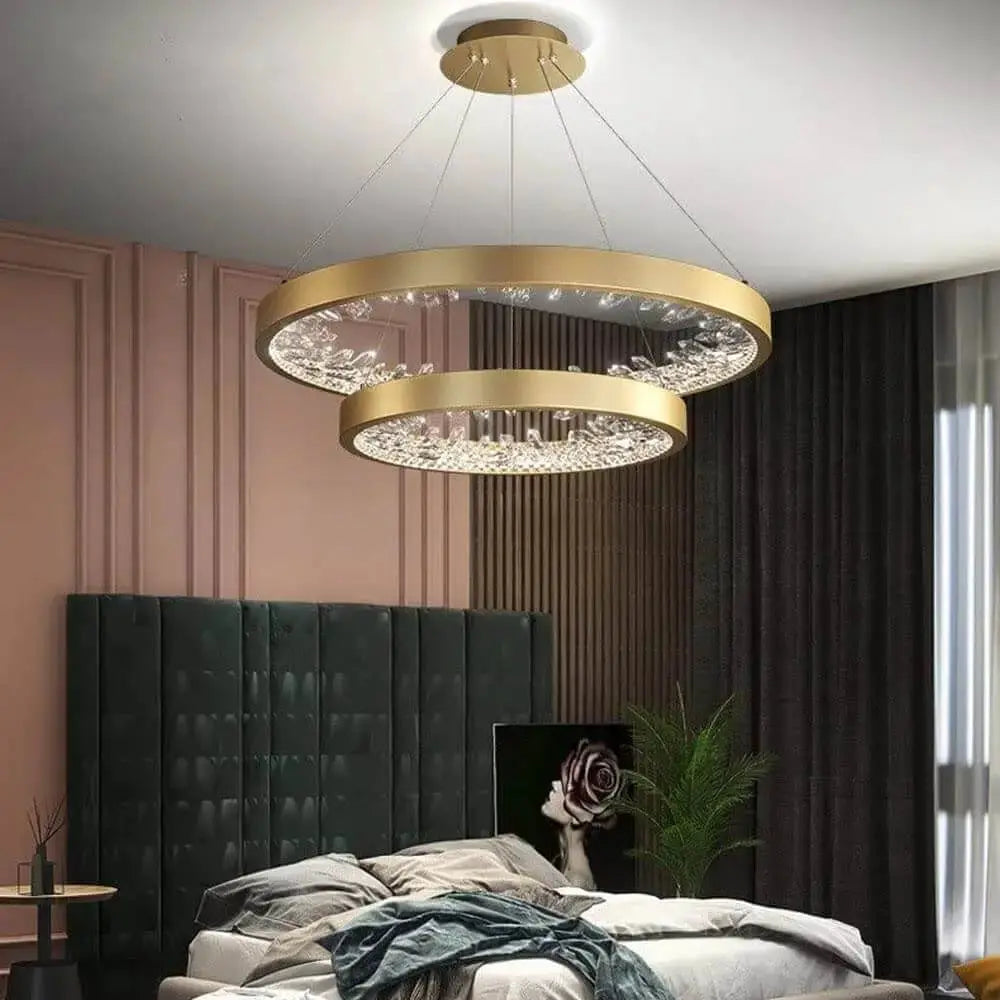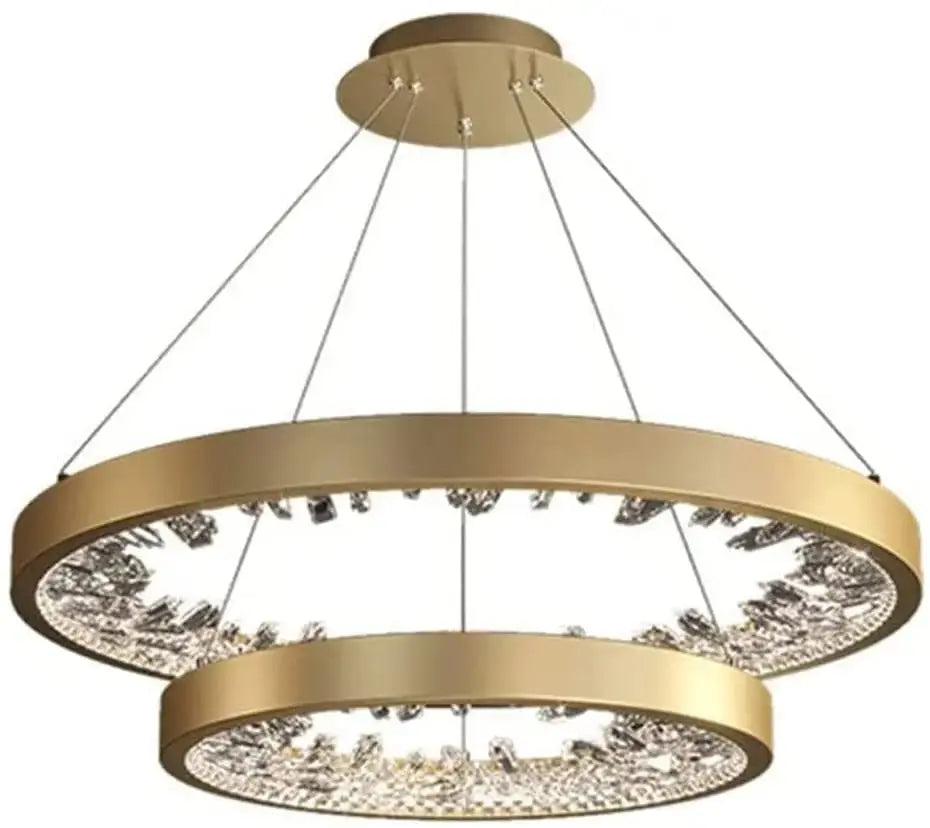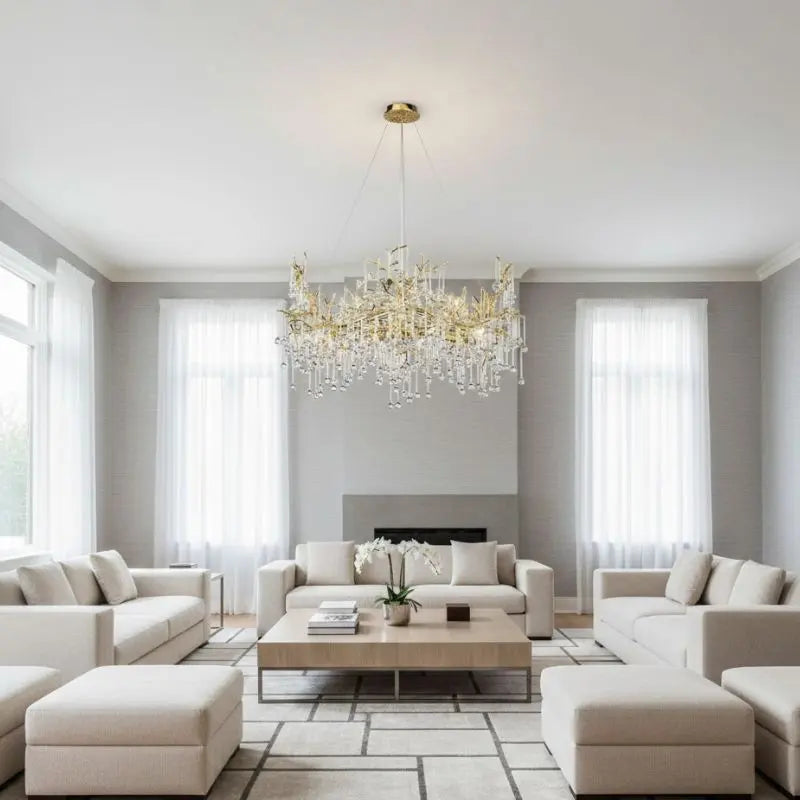
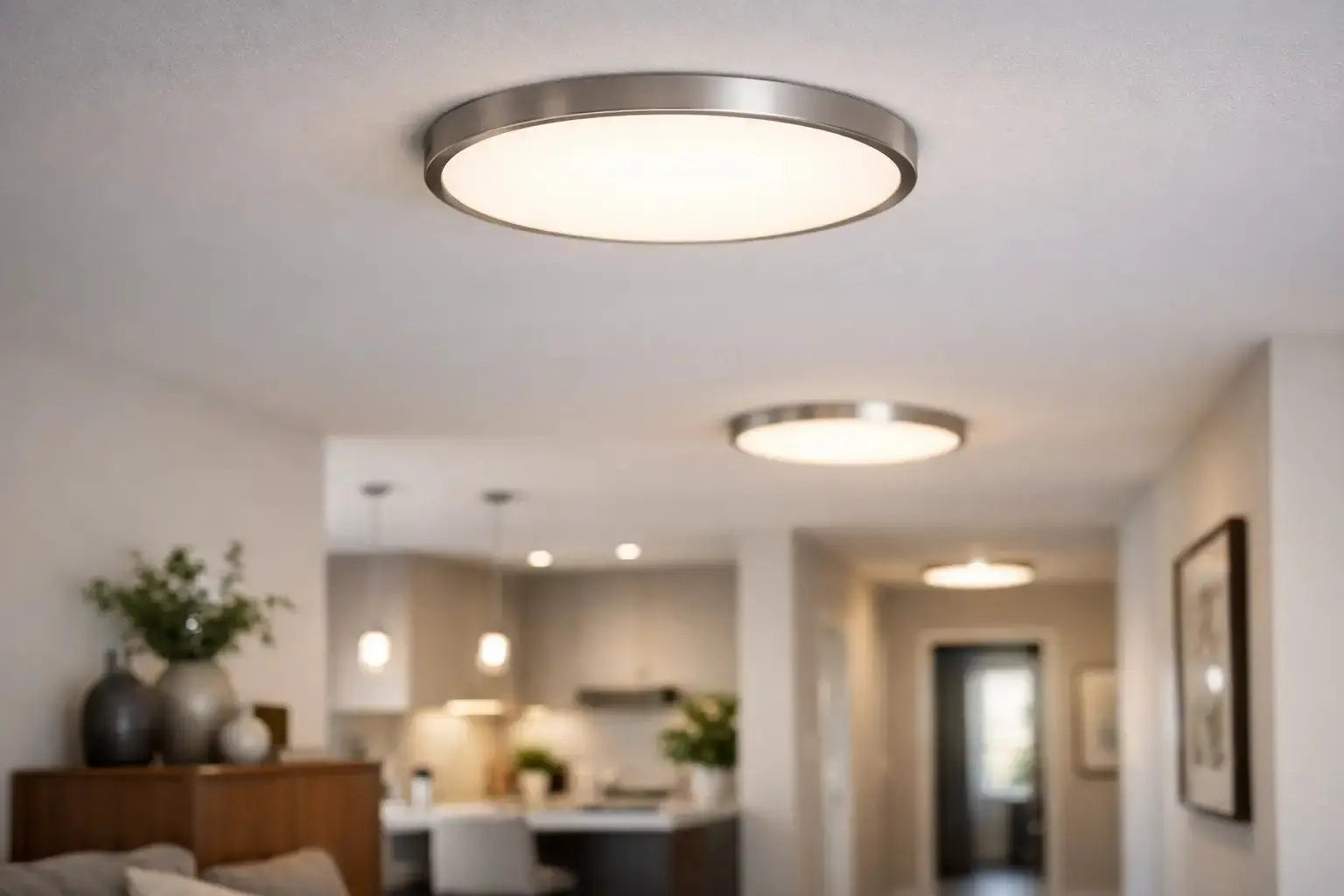
A low ceiling should never force a room to settle for uninspired lighting. The right flush ceiling lights for low ceilings can make an entrance hall feel considered, give a bedroom a calm hotel-like finish, or bring a layer of luxury to a living room without sacrificing valuable headroom. The key is choosing a fixture that works with the room’s proportions rather than merely fitting beneath them.
Flush fittings sit close to the ceiling, while semi-flush designs hang slightly lower on a short stem. Both offer a refined alternative to a pendant or chandelier where ceiling height is limited, but their success depends on scale, light quality and the visual weight of the design.
Why ceiling clearance changes the choice
In rooms with lower ceilings, a hanging fixture can interrupt sightlines and make the space feel compressed. This is especially noticeable in hallways, bedrooms, kitchens and newer-build homes, where ceiling heights may leave little room for a decorative drop. A flush mount keeps illumination high and circulation easy, preserving an open, composed feel.
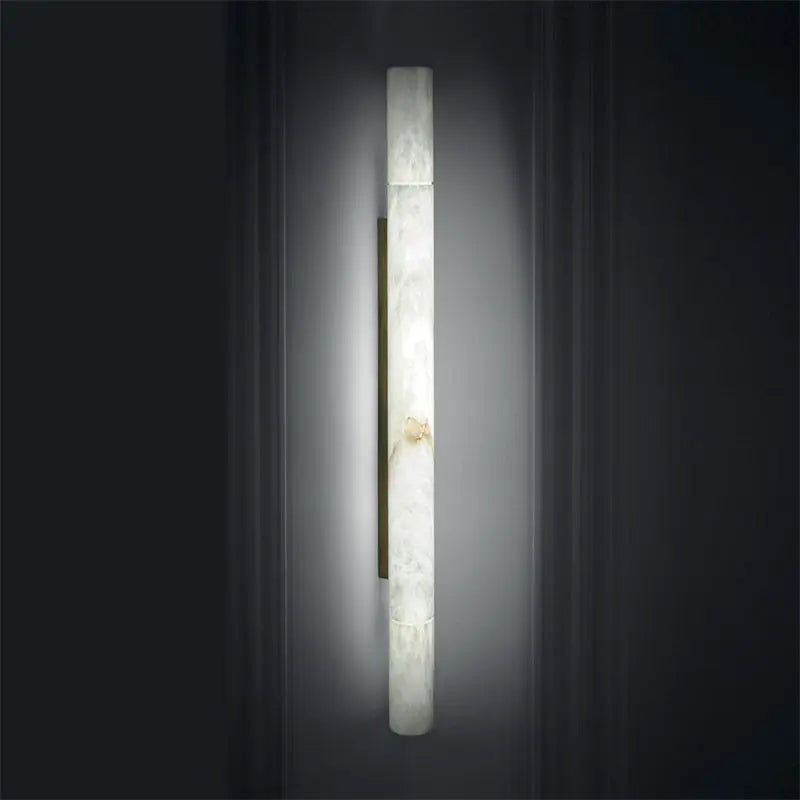
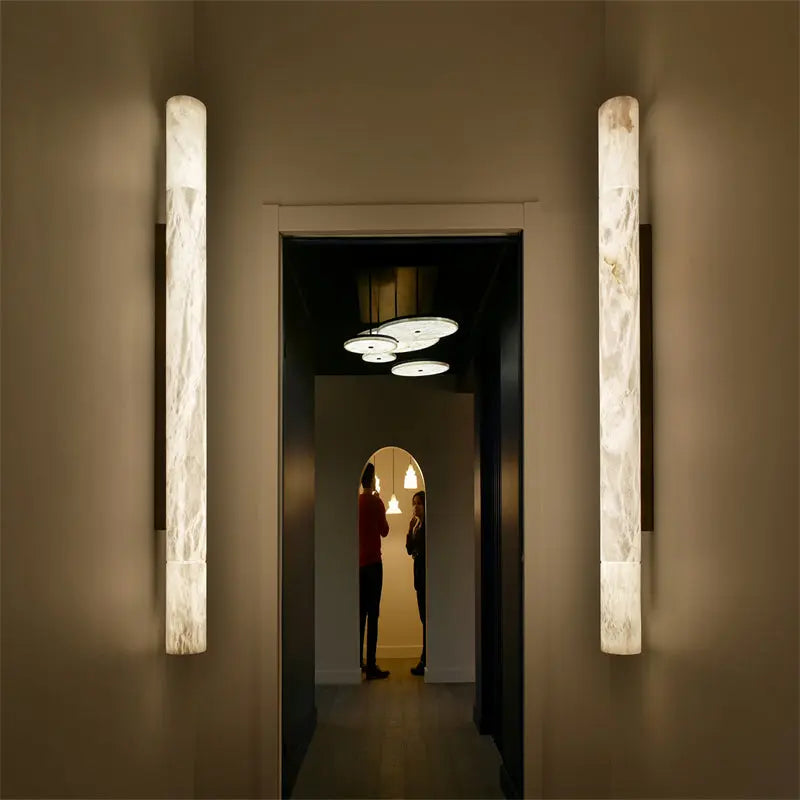
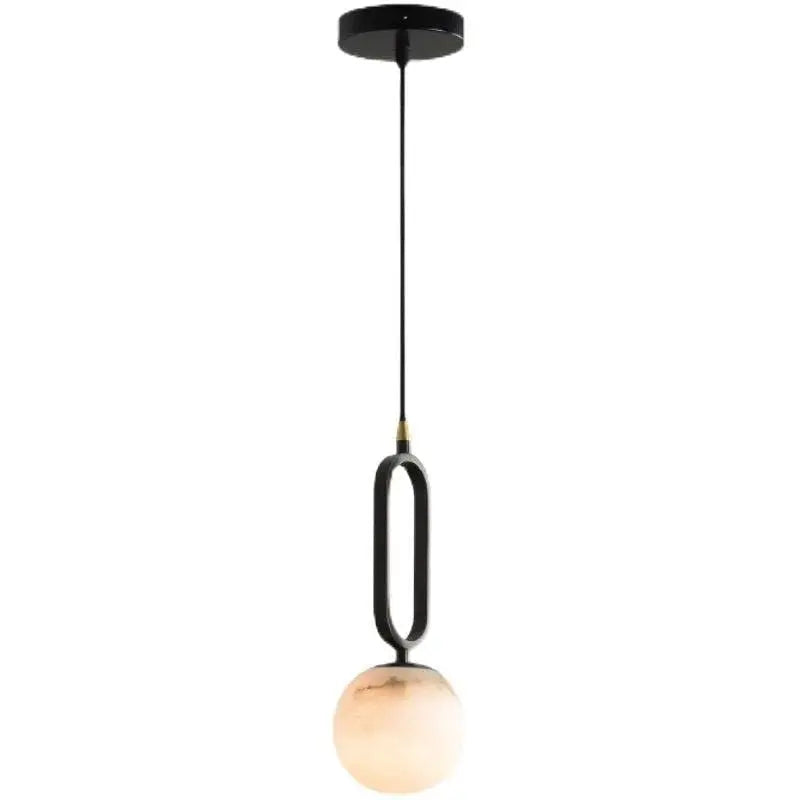
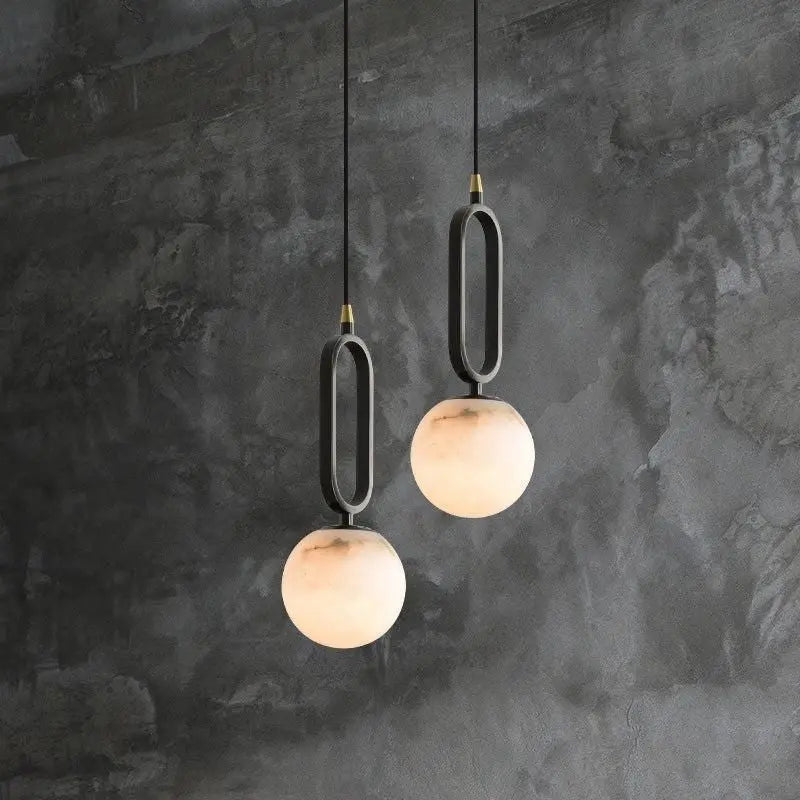
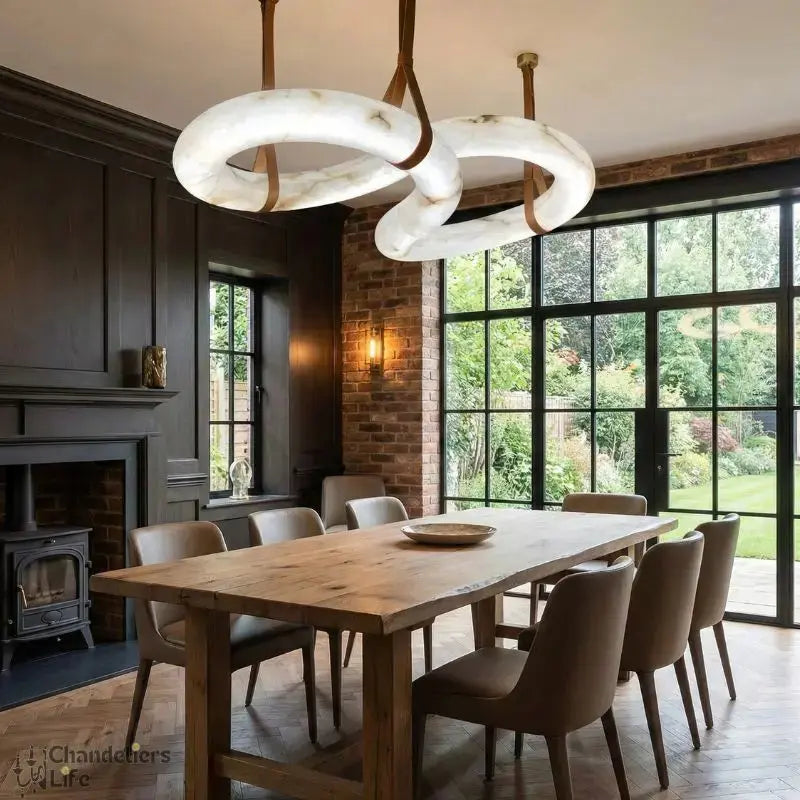
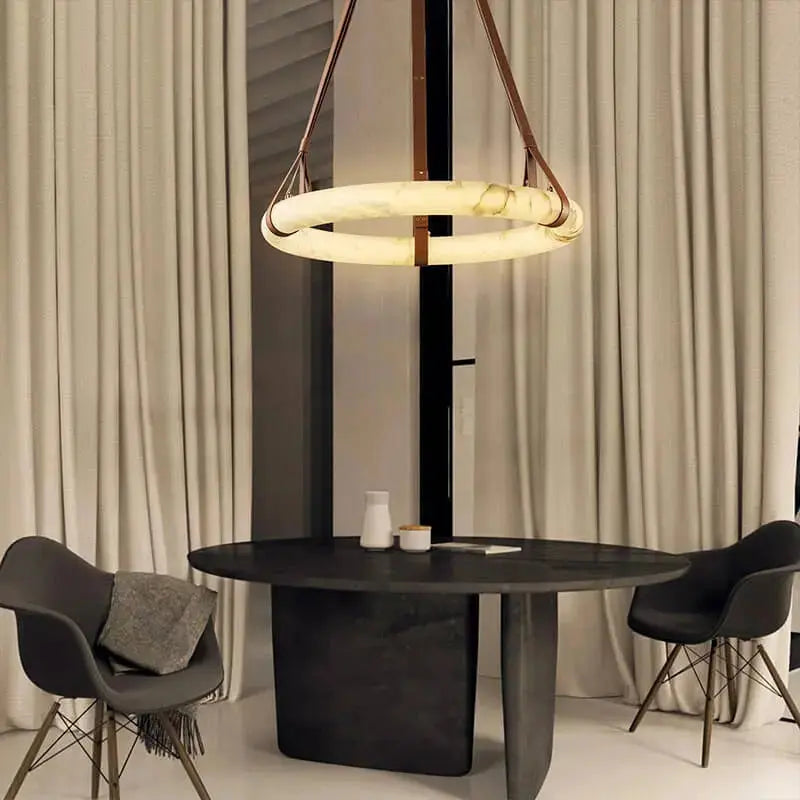
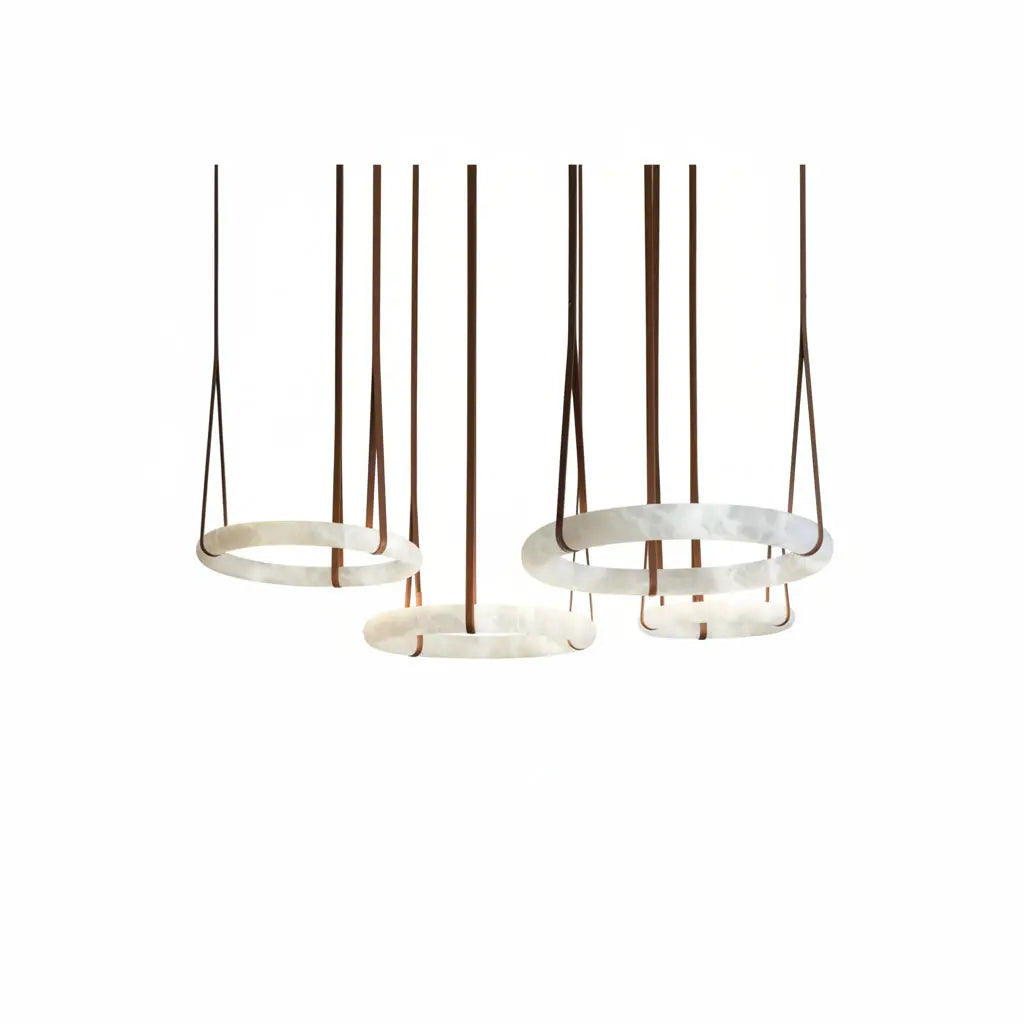
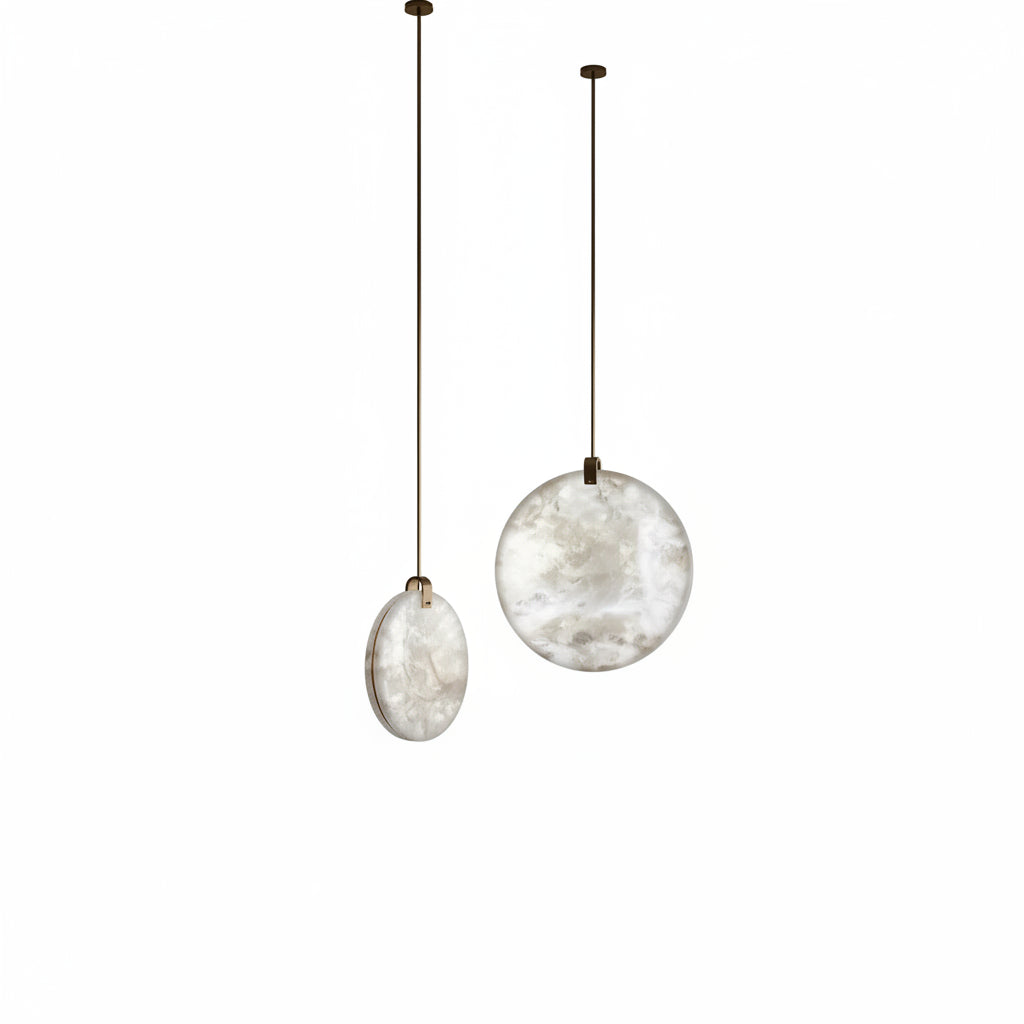
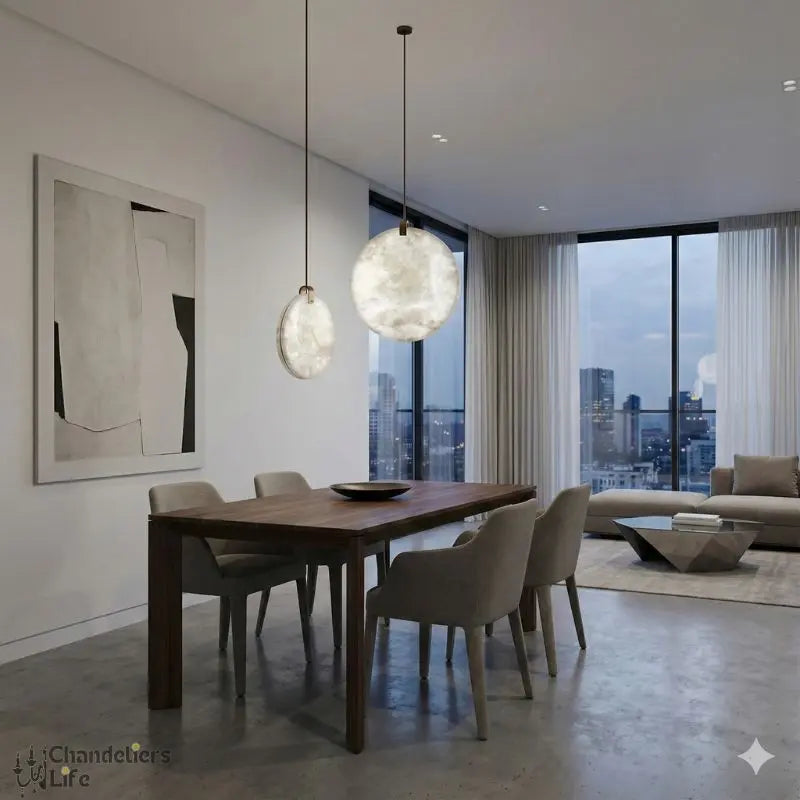
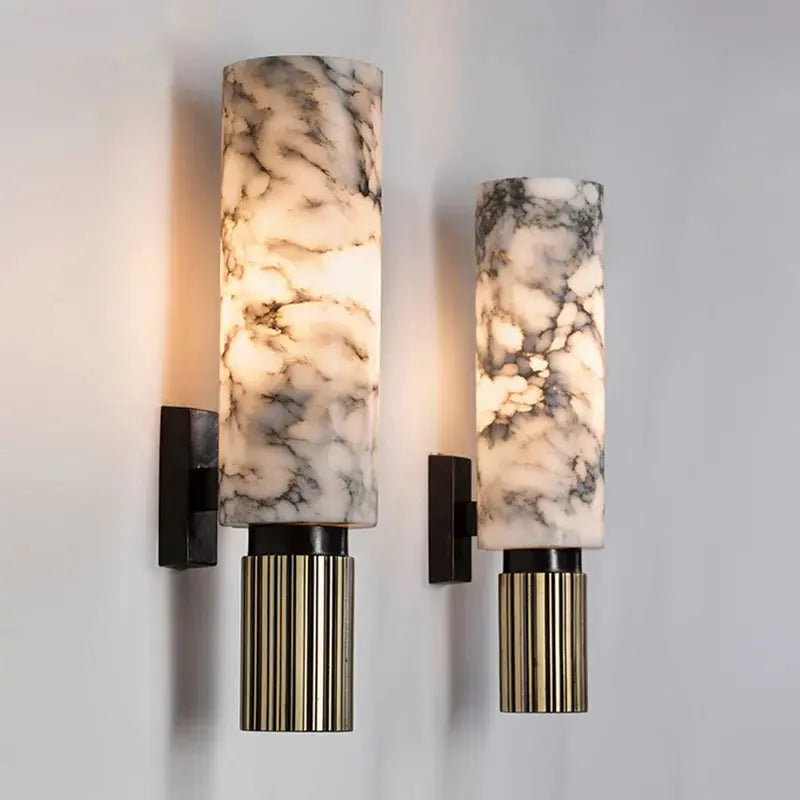
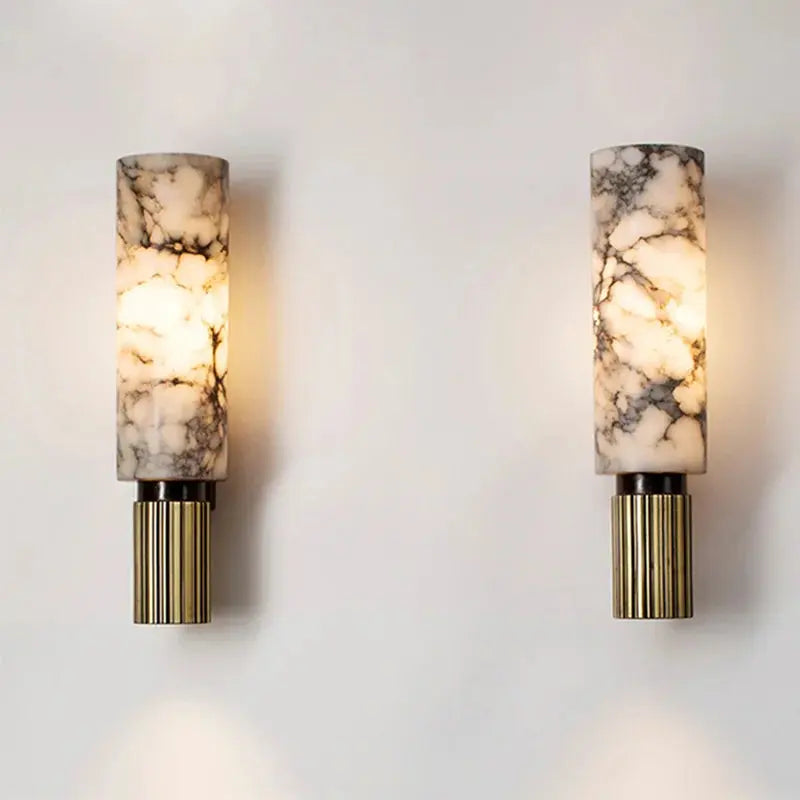
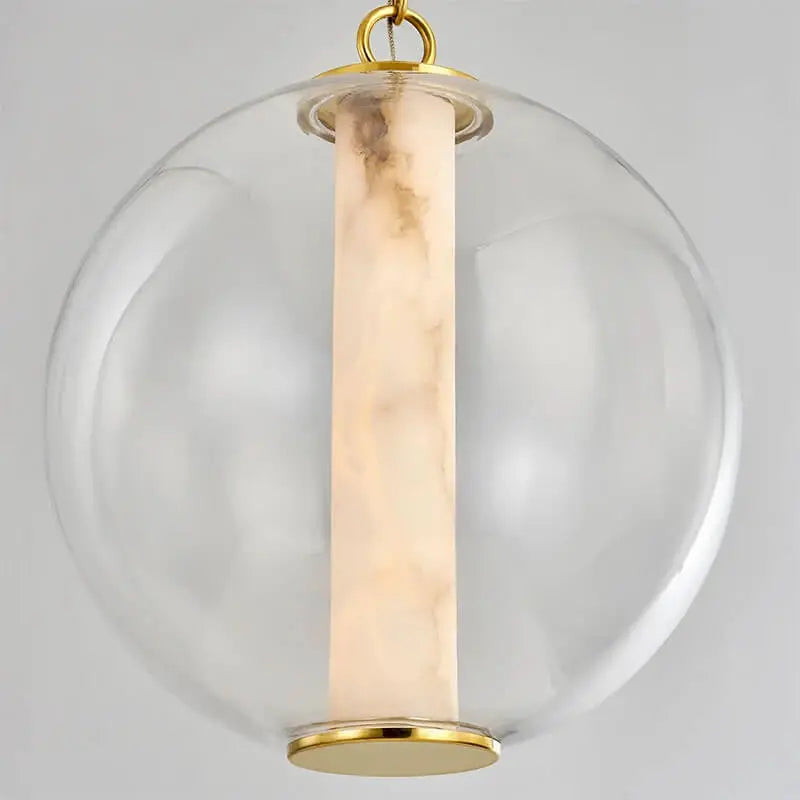
That does not mean low-profile lighting has to look plain. A sculptural metal frame, ribbed glass shade, crystal detailing or an alabaster-inspired diffuser can introduce the same sense of occasion as a larger statement light. Instead of drawing attention through length, the fixture creates impact through material, form and the way it casts light across the ceiling.
The practical advantage is equally valuable. Flush lights are less likely to be knocked when changing bedding, carrying furniture through a corridor or moving around a compact room. In spaces where every centimetre matters, that restraint feels intentional rather than limiting.
How to choose flush ceiling lights for low ceilings
Start by considering the room from the doorway. A ceiling light is usually seen against the widest area of ceiling, so its diameter matters as much as its projection. A fitting that is too small can disappear and leave the room feeling underlit; one that is overly broad or visually heavy can dominate the ceiling plane.
For a compact cloakroom, landing or narrow hallway, a neat, close-fitting design creates a clean finish. In a larger bedroom or living space, a wider flush fixture with layered glass, an architectural frame or a decorative silhouette will hold its own. Where the room is open plan, use the fitting to define a zone - for example, a polished flush light above a seating area and more focused lighting elsewhere.
Measure projection, not just diameter
The most useful measurement for a low room is the fixture’s projection: how far it extends down from the ceiling. Always check this against the ceiling height, the position of doors and any tall furniture beneath it. In a room where people walk directly under the fitting, a genuinely flush or very shallow semi-flush design is usually the safer choice.
A semi-flush fitting can still be beautifully proportioned in a moderately low room, particularly over a dining table, bed or coffee table where people do not pass immediately beneath it. The trade-off is decorative presence versus clearance. If there is any doubt, choose the shallower option and bring drama through finish or texture instead.
Match the fixture to the room’s visual scale
A low ceiling already sits close to eye level, which means ornate details appear more prominent. Crystal can look exquisite, but a dense, deep crystal basket may feel too weighty in a small room. Consider a slimmer crystal flush mount, where faceted elements catch the light without creating a crowded effect.
Modern interiors often suit circular LED designs, understated black or brass frames, and milk-glass diffusers. For a more timeless scheme, antique brass, clear glass and soft scalloped forms add warmth without becoming formal. In a period-inspired home, a flush fitting with gentle symmetry can complement original cornicing while allowing those architectural details to remain visible.
Select the right light quality
A beautiful ceiling fitting must also make the room pleasant to use. For relaxed spaces such as bedrooms and sitting rooms, warm white light generally creates the most inviting atmosphere. Kitchens, utility rooms and dressing areas often benefit from brighter, cleaner light that makes tasks easier and finishes appear true to colour.
Think about the shade as carefully as the bulb. An opaque metal shade directs light downwards, which can create a striking pool of illumination but may leave upper walls darker. Frosted or opal glass softens glare and spreads light more evenly, making it an excellent choice for low ceilings because it helps the ceiling itself feel lighter. Clear glass offers brilliance and sparkle, though the bulbs will remain visible, so select decorative bulbs where appropriate.
Integrated LED fittings offer a particularly slim profile and a crisp contemporary appearance. They can be an elegant answer when every bit of clearance counts. However, check the colour temperature, dimming compatibility and whether the LED component can be serviced or replaced. A fixture using replaceable bulbs offers more flexibility over time and lets you adjust the ambience with ease.
Dimming is worth considering in almost every main living space. One ceiling light can then provide practical brightness for everyday activity and a gentler glow for evenings. It is a small specification detail with a major effect on how luxurious the room feels.
Use layers to avoid a flat-looking room
A flush ceiling light is often the foundation of a lighting plan, not the entire plan. Relying on one central fitting alone can make a room feel flat, particularly if the light source is covered by a diffuser. Pair it with wall lights, a table lamp beside a sofa, or bedside lamps to create depth and give the room a more tailored finish.
In a low-ceilinged living room, a decorative flush mount can provide ambient light while wall lights highlight texture, artwork or joinery. In a bedroom, a refined central fitting paired with reading lights frees bedside-table space and adds a considered boutique-hotel character. Hallways benefit from several smaller flush lights spaced evenly, rather than one oversized piece attempting to illuminate the entire length.
Layering also allows a more decorative ceiling fixture to be selected without demanding that it perform every task. You can choose an exquisite alabaster-inspired or crystal-accented design for atmosphere, then use secondary lighting for focused tasks.
Room-by-room considerations
The best fitting changes with the setting. In a kitchen, choose a design that is easy to wipe clean and provides generous illumination across worktops. A shallow glass or metal ceiling light works well, while under-cabinet lighting can take care of prep areas.
For bathrooms, safety ratings are essential. The fitting must be suitable for its location in relation to the bath, shower and basin, and installation should be handled by a qualified electrician. A moisture-appropriate flush light with an opal diffuser is a polished, practical choice for a low bathroom ceiling.
In bedrooms, visual comfort takes priority. Avoid exposed high-output bulbs directly above the bed, as glare can be unpleasant when lying down. A fabric-effect diffuser, frosted glass or softly reflective finish creates a gentler result. If the room has a dressing area, supplement the main ceiling light with carefully positioned mirror lighting to prevent shadows.
For entryways and corridors, look for fixtures that create a warm first impression without obstructing movement. A compact crystal flush light, a graceful brass-and-glass design or a modern geometric fitting can make even a modest hallway feel more elevated. Several coordinated fixtures are often more effective than one large central piece in a long passage.
Details that make a low room feel higher
The ceiling light is only one part of the composition. Keeping the ceiling a light tone, using curtains hung close to the ceiling line, and avoiding unnecessarily bulky furnishings all help the room feel more generous. A flush fitting with a reflective finish or translucent shade can reinforce that airy effect by bouncing light upwards.
Be mindful of contrast. A very dark, oversized ceiling fixture can be a confident design statement, but it will visually pull the ceiling down in a compact space. This can work in a dramatic snug or moody bedroom, yet a pale glass, polished metal or softly toned fitting is often more forgiving in rooms where spaciousness is the goal.
Before ordering, confirm the ceiling junction, mounting requirements and bulb access. Some decorative fittings need a little extra room for installation or future maintenance. A qualified electrician can advise on secure fixing, dimmer compatibility and whether the existing wiring supports your chosen fitting.
The most successful low-ceiling lighting does not apologise for the room’s proportions. Choose a flush fixture with presence, pair it with thoughtful layers of light, and let the finish, glow and craftsmanship give the space its own quiet sense of luxury.