
Figuring out the best way to hang lights can be a bit of a puzzle, right? Whether you're decking out your house for the holidays or just trying to add some ambiance to your backyard, the right hook for lights makes all the difference. We've looked at a bunch of options, from fancy gadgets to simple nails, to help you get your lights up without a headache. Let's get your space looking bright and festive!
Key Takeaways
- The Ultimate Christmas Light Hanging Hook is a specialized tool for easy light installation, attaching to poles for ground-level use.
- Screw hooks and Q-hanger screw hooks are common options for attaching lights to various surfaces like pergolas or fences.
- Galvanized finish nails and stainless steel screw eyes offer simple, direct attachment methods, often used for more permanent setups.
- Vinyl-coated screw-in hooks provide a protected grip, while shock cord offers a flexible, temporary solution.
- String light hanging kits and metal poles with forks are designed specifically for creating freestanding light structures or spanning larger areas.
1. Ultimate Christmas Light Hanging Hook
When it comes to hanging Christmas lights, especially on taller homes or tricky rooflines, you want a tool that makes the job easier and safer. That's where the Ultimate Christmas Light Hanging Hook comes in. This isn't just any hook; it's designed to let you hang lights from the ground, saving you from climbing ladders.
It's made from aluminum, so it's pretty light to handle, but still tough enough for the job. The neatest part is how it attaches to a standard broom handle or painting pole. This means you can extend your reach way up high without actually having to go up there yourself. Pretty smart, right?
Here's what makes it stand out:
- Easy Up, Easy Down: It helps you hang lights and take them down without all the usual hassle.
- Secure Grip: It has special bits that grab onto the light wires. When you twist the hook 180 degrees, it holds the wire tight. No more worrying about lights slipping off.
- Pole Attachment: It fits onto common broom handles or painting poles, giving you that extra reach.
- Bright Color: It's easy to spot, so you won't lose it in the grass or snow.
This hook is good for different kinds of lights, like mini-lights and those with E17 or E12 sockets. It's a tool that professionals use, and now you can get that same ease for your own home.
Using a tool like this can really change how you feel about decorating for the holidays. Instead of dreading the ladder work, you can focus on making your house look festive from the safety of the ground. It's a simple change that makes a big difference in effort and safety.
2. Screw Hooks
Screw hooks are a pretty common sight when you're looking for ways to hang things, and for good reason. They're simple, effective, and you can find them pretty much anywhere. Basically, you just twist them into a surface – wood is best, but some can work in drywall with anchors – and they give you a loop to hang stuff from.
When it comes to lights, especially those outdoor string lights, screw hooks can be a real lifesaver. You can screw them into the eaves of your house, into fence posts, or even into the beams of a pergola. The key is to pick the right size and type for the job.
Here's a quick rundown of what to think about:
- Material: Most are metal. Look for ones that are coated or galvanized if you're using them outside, so they don't rust up too quickly. Nobody wants rusty hooks dripping down their lights.
- Size: You don't want hooks that are too small or too big. Too small and they might not hold the weight, especially if you've got heavier lights or a lot of them. Too big and they might look out of place or be overkill.
- Coating: Some come with a vinyl or plastic coating. This can be nice because it protects the hook itself from the elements and can also prevent scratching whatever you're hanging.
- Safety Buckle: Some screw hooks have a little buckle or clip on them. This is a neat feature because it helps keep the light string from accidentally slipping off the hook, which is pretty handy, especially if it's windy.
Using screw hooks is a pretty straightforward process. You just need a bit of elbow grease to get them started. Sometimes, if the surface is really hard, you might need to drill a small pilot hole first to make it easier. It's not usually complicated, but it's good to have a plan.
Remember that the surface you're screwing into matters a lot. A solid piece of wood will hold a screw hook much better than a flimsy piece of plastic or thin drywall. Always check the weight rating if one is available, though for most decorative string lights, it's not usually a huge concern.
3. Shepherd's Hooks
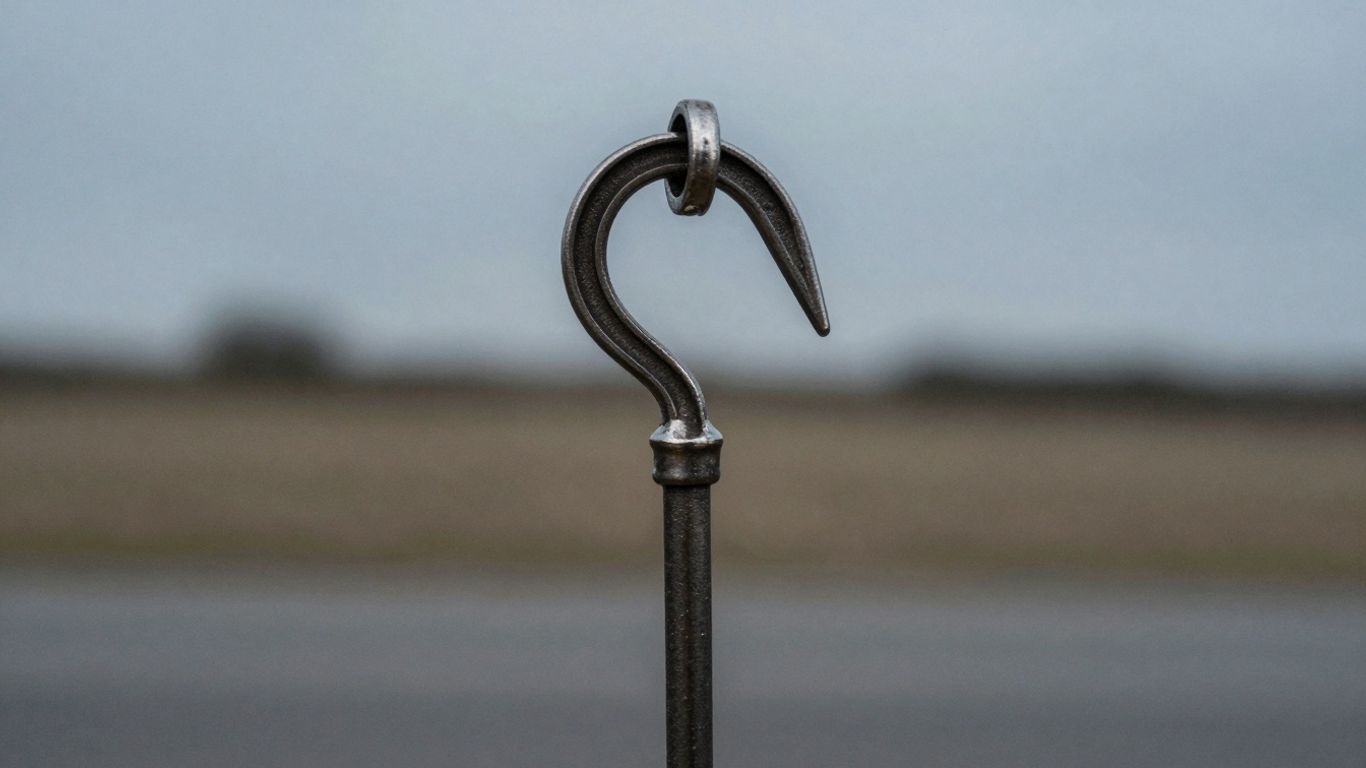
Shepherd's hooks are a really simple and versatile option for hanging lights, especially if you want to light up a pathway or add some ambiance to your garden without a lot of fuss. They're basically those tall, curved metal poles that you just push into the ground.
They're great because you can move them around easily. Need to reposition your lights for a party? No problem. Want to use them for something else later, like hanging a bird feeder or a plant? You can do that too.
Here's why they're a good choice:
- Easy Setup: Just push the pointed end into the ground. No tools needed.
- Portability: You can move them wherever you want, whenever you want.
- Multi-Use: Beyond lights, they're perfect for garden decor.
- Aesthetics: They add a nice, classic look to outdoor spaces.
They work particularly well for lining walkways or driveways, giving a gentle glow. You can also group a few together to create a focal point. Just make sure the ground is soft enough to push them in easily; if it's really hard, you might need to moisten it a bit first or use a small mallet.
While they're not the sturdiest option for heavy-duty lighting or very windy areas, for typical string lights, they do a pretty good job. Just be mindful of the weight you're hanging from them.
4. Q-Hanger Screw Hooks
Q-hanger screw hooks are a pretty neat option for hanging lights, especially if you're dealing with outdoor string lights or even some heavier holiday decorations. They're basically screw hooks with a little extra something – a buckle or a safety catch. This extra bit is designed to keep the wire or whatever you're hanging from slipping off, which is a big plus. You don't want your lights coming down unexpectedly, right?
These are usually made of metal, often with a coating like black paint to help them blend in with darker wires or structures. The screw-in part means you can attach them to wood, like fence posts, pergolas, or even the eaves of your house. Just give them a twist, and they're in.
Here's a quick rundown of why they're a good choice:
- Security: The buckle design really helps keep things in place. No more worrying about lights falling.
- Versatility: Good for string lights, garden tools, or anything you need to hang securely.
- Ease of Installation: They screw in easily, usually without needing any special tools.
- Discreet Appearance: The dark coating helps them disappear against your decor.
The main advantage is that added security feature, making them a more reliable choice than a standard screw hook for anything that needs to stay put.
One thing to keep in mind is that while they're great for wood, you'll need a different solution for surfaces like brick or concrete. Also, check the weight rating if you're planning on hanging something particularly heavy. They're generally good for typical light strings, but it's always better to be safe than sorry.
5. Galvanized Finish Nails
Alright, let's talk about galvanized finish nails for hanging lights. These are pretty straightforward, honestly. You've probably seen them around – they're those thin, small nails that don't have a big head on them. The 'galvanized' part just means they've got a protective coating, usually zinc, to stop them from rusting. This is a big deal if you're hanging lights outside, because, you know, weather.
Using galvanized finish nails is a budget-friendly way to secure your light strings, especially for temporary setups. They're easy to find at any hardware store and don't require any special tools beyond a hammer. You just tap them into wood – like fence posts, deck railings, or even the side of your house if you're careful – and loop your light wire over the nail head.
Here's a quick rundown:
- Pros: Cheap, readily available, simple to use, minimal damage to surfaces if removed carefully.
- Cons: Can bend easily if you hit something hard, might not hold up long-term in harsh weather, can be tricky to remove without leaving small holes or marks.
- Best for: Short-term decorations, areas where you don't mind small marks, securing lights along a wooden fence or railing.
When you're hammering them in, try not to go too deep, especially if you plan on taking the lights down later. You want enough of the nail sticking out to catch the light wire, but not so much that it looks messy or is a hazard. A gentle tap is usually all it takes. If you're worried about damaging the surface, you can always put a thin piece of wood or cardboard behind the nail as you hammer it in, though that's a bit extra.
Just remember, these aren't meant for heavy-duty jobs. They're best for lighter string lights, like the kind you'd use for holidays or a backyard party. For anything heavier or more permanent, you'll want to look at other options.
6. Stainless Steel Screw Eyes
Stainless steel screw eyes are a pretty solid choice for hanging lights, especially if you want something that won't rust easily. They're basically little metal loops with a screw thread on one end. You just twist them into wood, like a fence post or a deck railing, and you've got a place to hook your lights.
They're great because they're durable and can handle being outside year-round. Unlike some other options, they don't tend to corrode, which means they'll look good and hold up for a long time. This is a big deal when you're dealing with weather.
Here's a quick rundown of why they're a good pick:
- Rust Resistance: Stainless steel is naturally resistant to rust and corrosion. This is key for outdoor use.
- Strength: They can hold a decent amount of weight, so they're suitable for most types of string lights.
- Ease of Use: If you have a wooden surface, screwing them in is pretty straightforward. Just make sure you pre-drill a small pilot hole if the wood is hard, so you don't split it.
- Versatility: You can use them for more than just lights – think hanging plants, wind chimes, or other garden decor.
When you're picking them out, pay attention to the size. You'll want a screw eye that's long enough to get a good grip in the material you're screwing it into, but not so big that it looks out of place. Also, consider the thickness of the loop – make sure it's wide enough to easily pass your light string clips or S-hooks through.
Using screw eyes is a good way to create a more permanent lighting setup. They offer a clean look and are less likely to fail compared to temporary solutions, especially if you install them properly into solid wood.
For example, if you're stringing lights across a patio or along a fence line, you'd typically space them out every few feet. The exact spacing depends on the weight of your lights and how much sag you want. A common approach is to place them about 6 to 10 feet apart for standard string lights.
7. Vinyl-Coated Screw-In Hooks
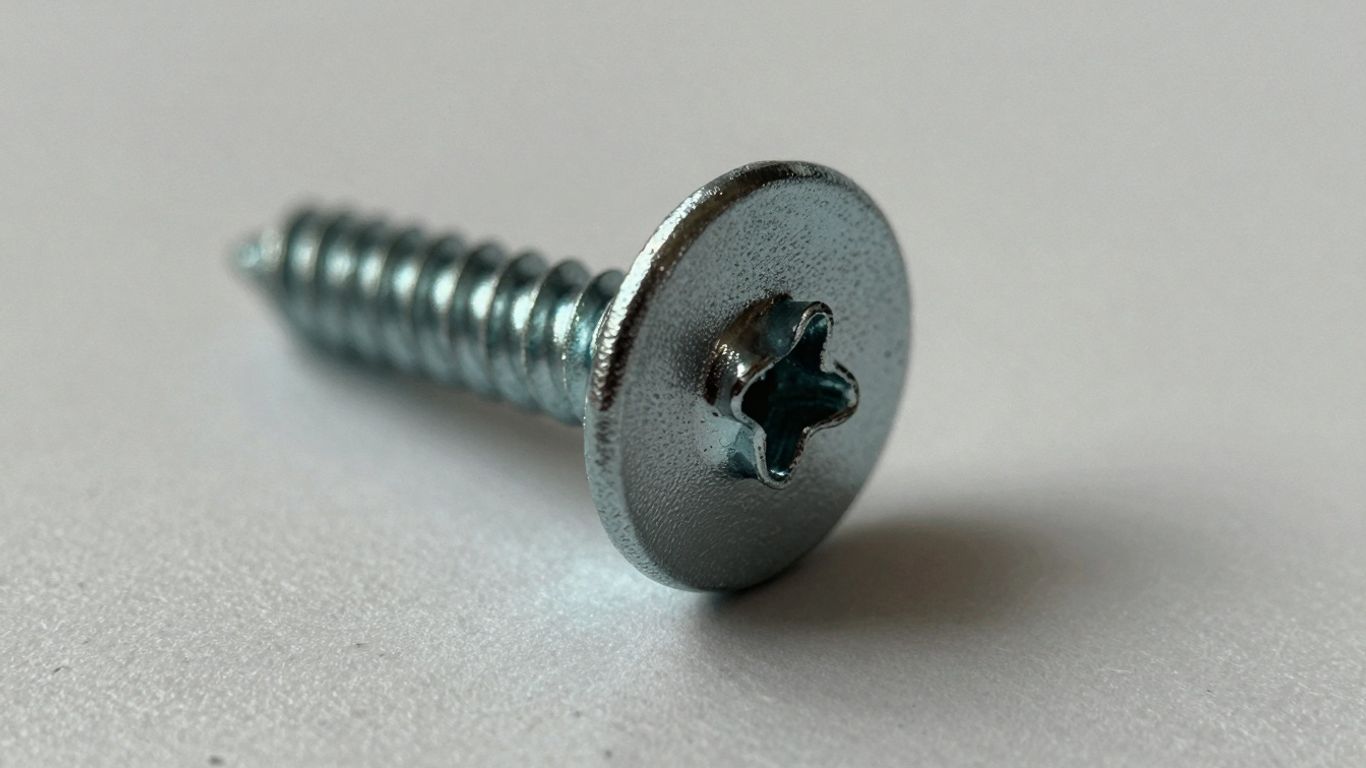
When you're looking for a simple and effective way to hang your holiday lights, especially on surfaces like wood or fences, vinyl-coated screw-in hooks are a solid choice. These little guys are pretty straightforward. You just twist them into place, and they're ready to hold your light strings.
The vinyl coating is a nice touch because it helps protect your lights from getting scratched or damaged, and it also adds a bit of extra grip. Plus, it often makes them a bit more resistant to rust and the weather, which is always a good thing when you're hanging lights outside.
They're great for a variety of uses:
- Pergolas and Arbors: Easily attach them to the beams or supports to create a beautiful canopy of lights.
- Fences: Screw them into fence posts to outline your yard or create a festive border.
- Walls and Eaves: For more permanent installations, they can be screwed directly into wood siding or trim.
One of the best things about these hooks is how easy they are to install. No special tools are usually needed, just a bit of elbow grease to get them started. They come in various sizes, so you can pick the right one depending on how heavy your lights are and how much support you need.
While they're generally quite sturdy, it's always a good idea to check the weight limit if you're hanging heavier strings of lights. For very long runs or particularly heavy lights, you might want to space them closer together or consider a different type of hanger.
These hooks are often sold in multi-packs, making them an economical option for covering a large area. You can find them in different colors too, though black is pretty common and tends to blend in well with most light strings.
8. Shock Cord
Shock cord, also known as bungee cord, is a surprisingly versatile option for hanging lights, especially for temporary setups or when you need a bit of give. It's basically an elastic rope, usually made with a rubber core and a woven outer sheath.
The main advantage of shock cord is its flexibility and ability to absorb movement. This can be really helpful if your lights are in an area that gets windy, as it prevents the cord from snapping taut and potentially damaging itself or its anchor points. It's also great for creating a slightly saggy, relaxed look, which can be nice for outdoor patios or backyard gatherings.
Here's a quick rundown of why you might consider it:
- Flexibility: It stretches, so it can accommodate uneven surfaces or slight shifts.
- Shock Absorption: Reduces stress on the lights and attachment points.
- Ease of Use: You can often just tie it off or use simple hooks.
- Temporary Setups: Great for parties or seasonal decorations.
When using shock cord, you'll want to make sure you get a thickness that can handle the weight of your lights. For most standard string lights, a 1/8" or 1/4" cord should do the trick. You can buy it by the foot or in longer spools. Just remember that over time, the elastic can weaken, especially if exposed to harsh sun, so it might not be the best choice for permanent installations that need to last for years without maintenance.
While not as rigid as some other methods, shock cord offers a unique blend of ease and adaptability. It's a good go-to when you need a quick, forgiving way to get your lights up without a lot of fuss.
9. String Light Hanging Kit
Sometimes, you just want a simple, all-in-one solution for hanging your string lights, and that's where a string light hanging kit comes in handy. These kits are designed to make the process as straightforward as possible, often including everything you need to get those lights up and looking great.
What's usually in a kit?
- Support Cables: These are often strong wires or ropes that you can string between two points, like trees, posts, or even the sides of your house. The lights then hang from this main cable.
- Fasteners: You'll typically find carabiners, clips, or specialized hooks that attach your string lights to the support cable. Some kits even include zip ties or bungee cords for extra security.
- Tensioning Devices: To keep your support cable taut and prevent sagging, kits often come with turnbuckles or other tensioning mechanisms.
- Mounting Hardware: Depending on the kit, you might get eye screws, brackets, or other hardware to secure the ends of your support cable.
Using a string light hanging kit can save you a lot of guesswork and trips to the hardware store. It's a good option if you're not sure about the best way to span a larger area or if you want a clean, organized look for your lights.
When choosing a kit, pay attention to the weight capacity of the support cable and the type of fasteners included. Make sure it's suitable for the length of your lights and the environment where you'll be hanging them. A well-chosen kit means less fuss and more enjoyment of your illuminated space.
10. Metal Poles with Fork
If you're looking to create a freestanding lighting display, especially over an outdoor dining area or pathway, metal poles with a forked base are a solid choice. These are designed to be pushed directly into the ground, offering a stable anchor for your string lights without needing to drill into any structures.
They're particularly useful when you want precise placement of lights, like directly over a table, and don't have trees or walls readily available.
Some models come with additional hardware, like removable claw bases or external retaining rings, which can allow for attachment to decks or patios if ground insertion isn't an option. This versatility makes them a good pick for renters or those who prefer not to permanently alter their outdoor space.
- Stability: The forked base digs into the ground, providing a sturdy support.
- Placement Control: Allows you to position lights exactly where you want them.
- Versatility: Can often be used in the ground or attached to other surfaces.
- Ease of Use: Generally simple to install and remove.
While some metal poles are quite tall, consider the height needed for your specific lights and space. You don't want them to be too low, creating a tripping hazard, or too high, making the lights look distant.
Wrapping It Up
So, there you have it. Picking the right hook for your lights might seem like a small detail, but it really makes a difference. Whether you're going for a simple setup with mini-lights or tackling a big holiday display, having the right tool makes the job way easier. We looked at a few different options, from those handy pole attachments for reaching high spots to simple hooks for fences and decks. Remember to think about what you're hanging, where you're hanging it, and how much effort you want to put in. Getting this right means less hassle and more time enjoying your beautifully lit space. Happy hanging!
Frequently Asked Questions
What's the easiest way to hang Christmas lights without a ladder?
The 'Ultimate Christmas Light Hanging Hook' is a great tool for this. It attaches to a pole, letting you hang lights from the ground. It even has special parts to help grip wires and pull strings, making the job much simpler and safer.
Can I use regular hooks to hang outdoor string lights?
Yes, you can use various hooks like screw hooks, Q-hangers, or screw eyes. For a more temporary setup, especially on fences, galvanized finish nails can work. Just make sure they are strong enough for the lights and the weather.
What's the difference between screw hooks and Q-hanger screw hooks?
Screw hooks are pretty basic, good for general hanging. Q-hanger screw hooks often have a buckle or a more enclosed design, which helps keep the light strings from slipping out, especially if there's wind.
Are shepherd's hooks good for hanging lights?
Shepherd's hooks are excellent for pathways or areas where you need freestanding supports. They're easy to move around and don't require drilling into structures, making them a flexible option for temporary or seasonal lighting.
What is shock cord used for when hanging lights?
Shock cord, like bungee cords, can be used to add some give and support to your light strings, especially over longer distances or in windy areas. It helps prevent the wires from getting too tight and potentially breaking.
What are the best hooks for hanging lights on a house?
For a more permanent or semi-permanent setup on a house, vinyl-coated screw-in hooks or stainless steel screw eyes are good choices. They offer durability and are designed to be screwed into surfaces like wood or siding.