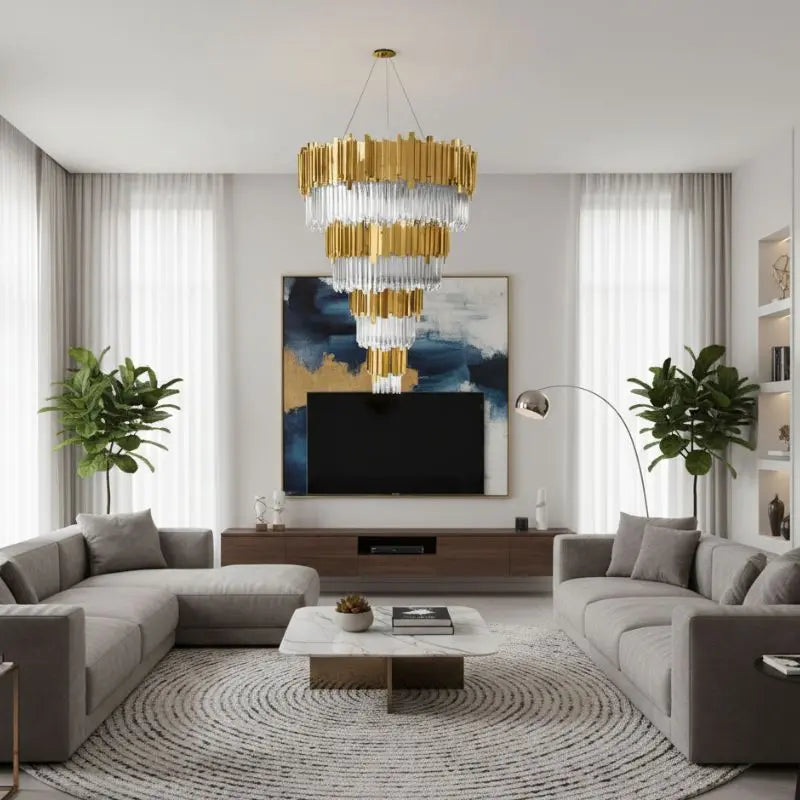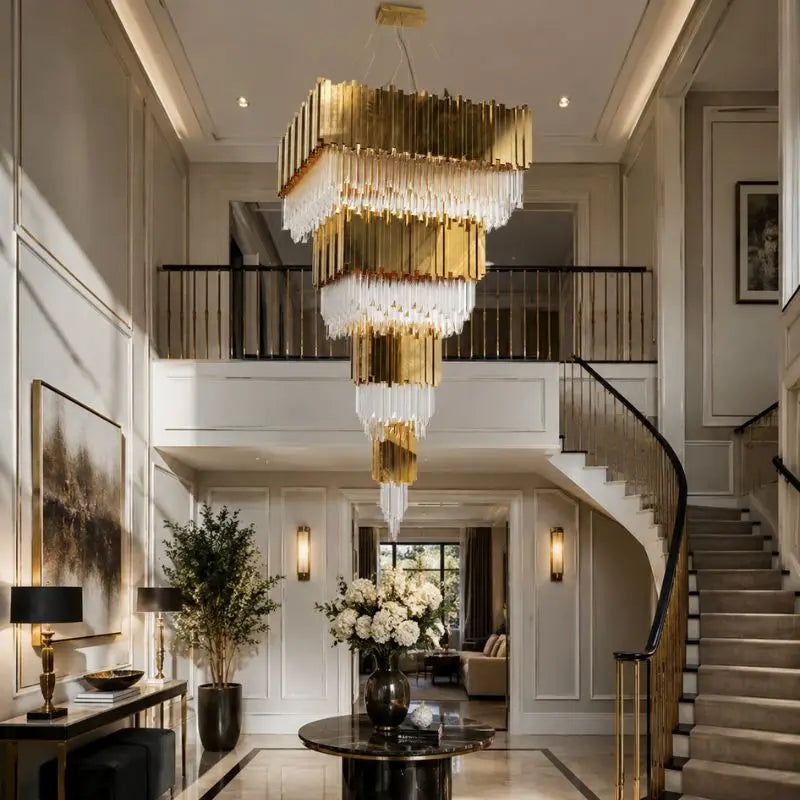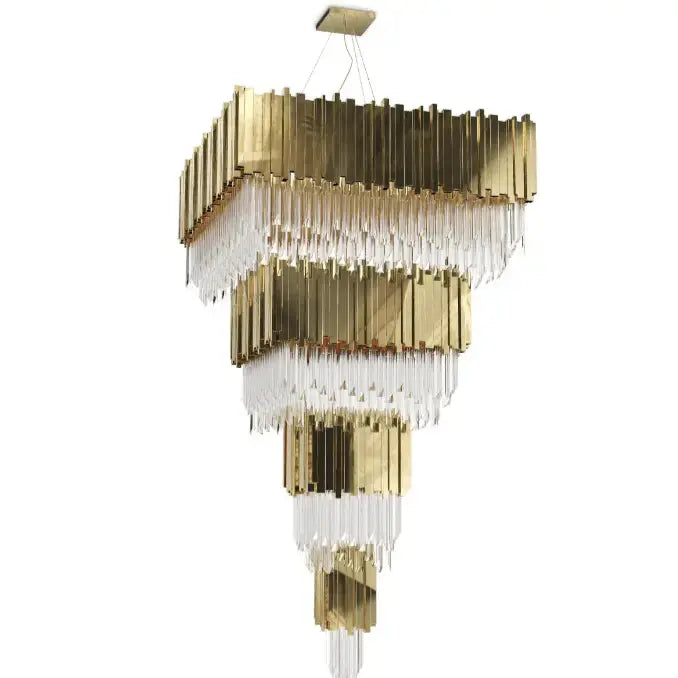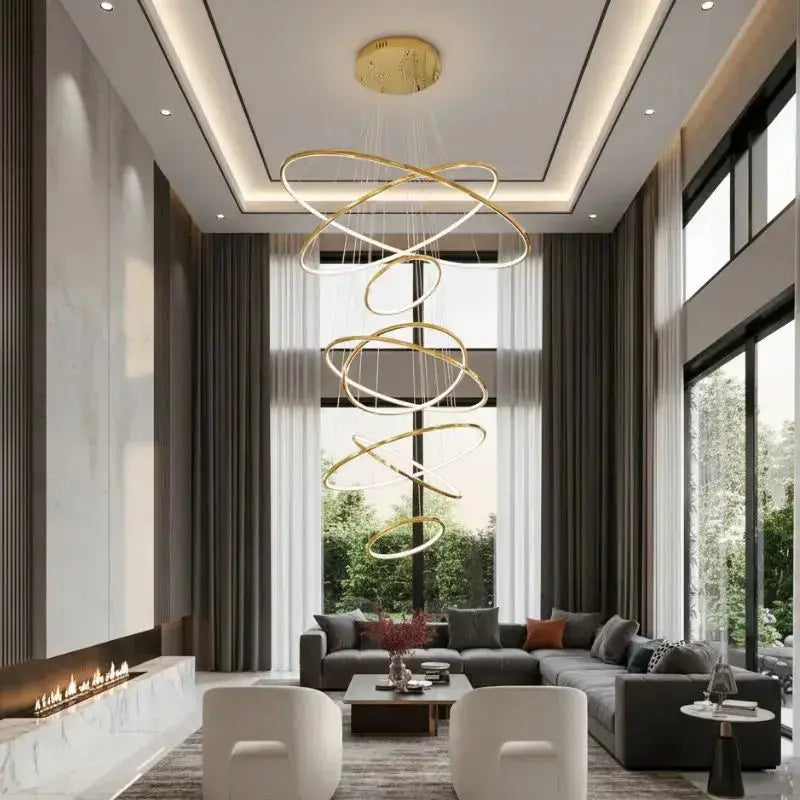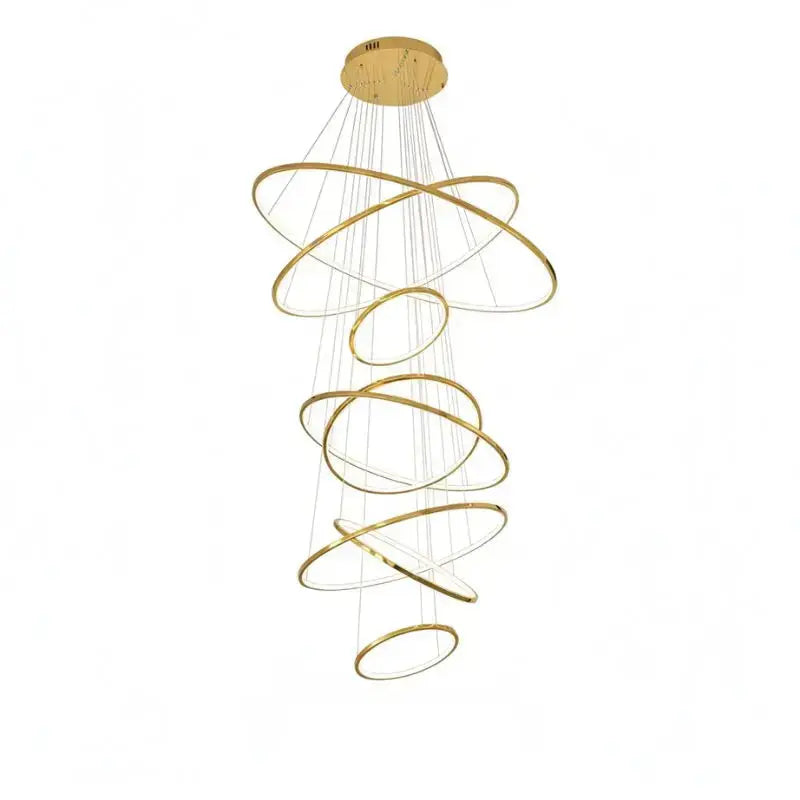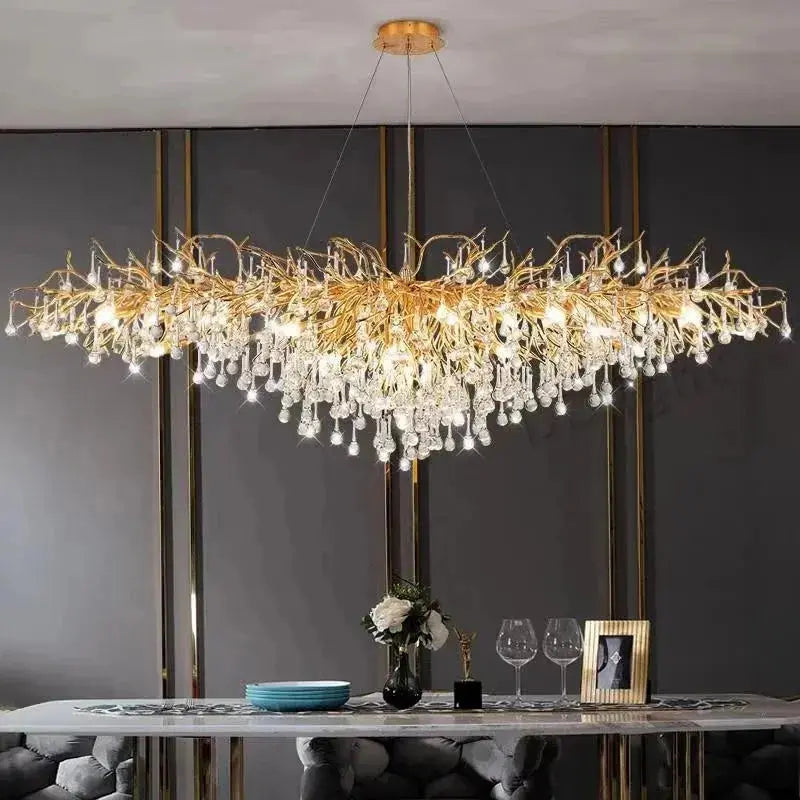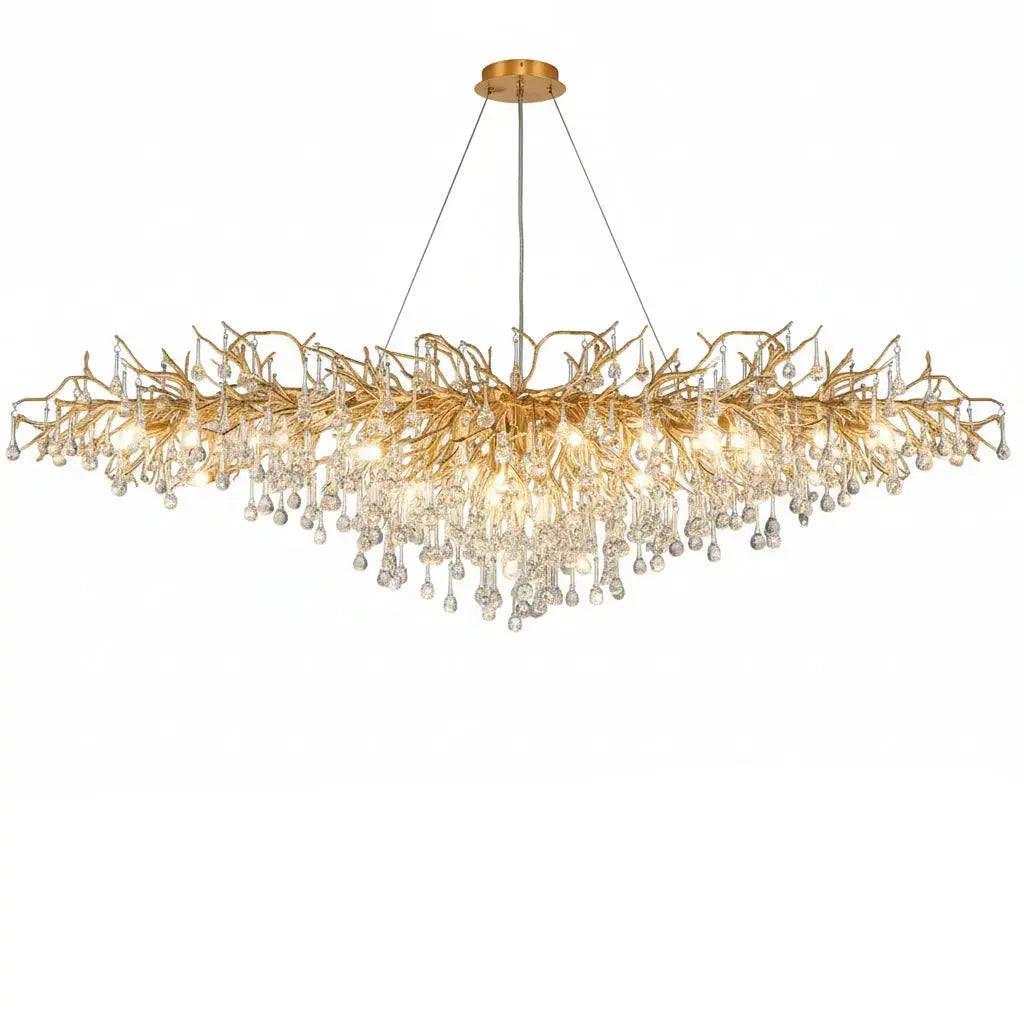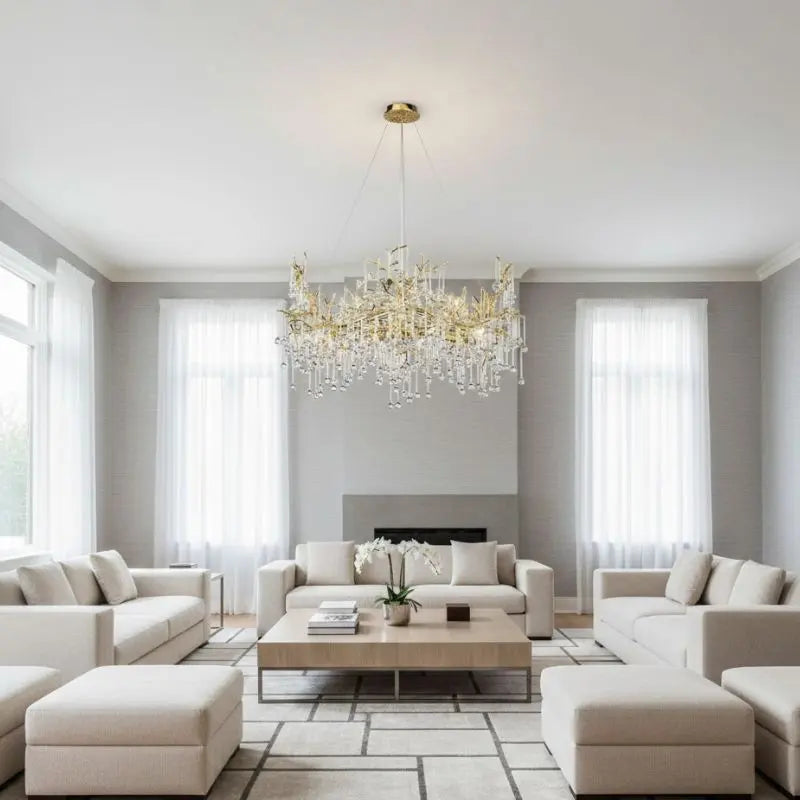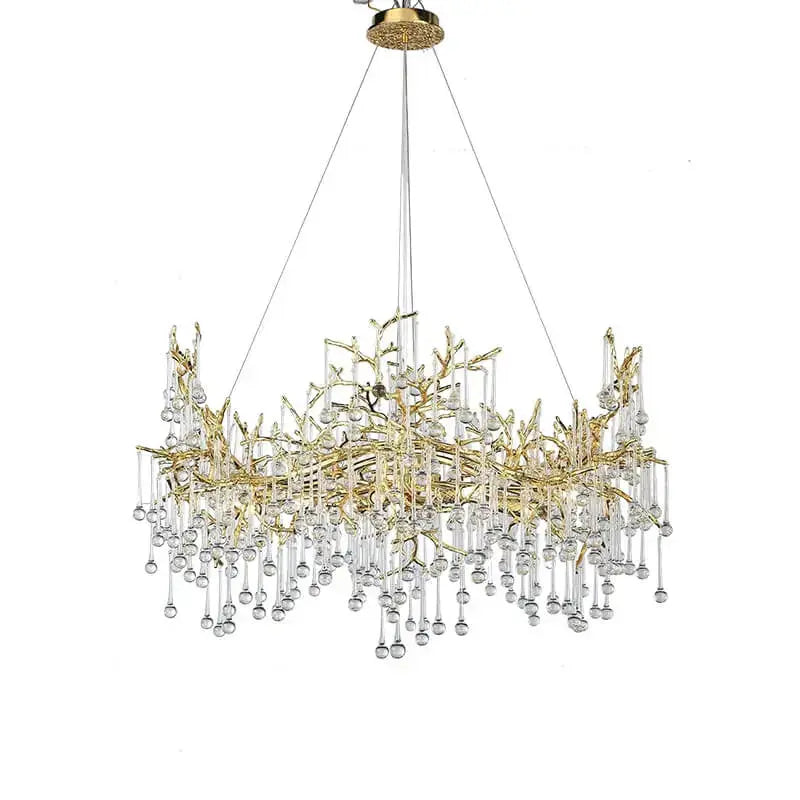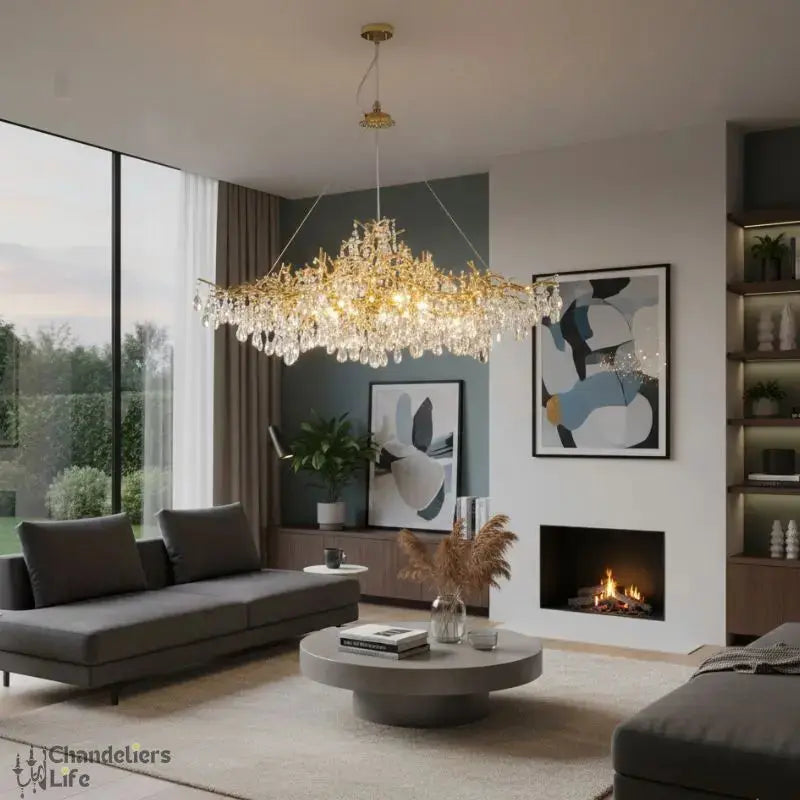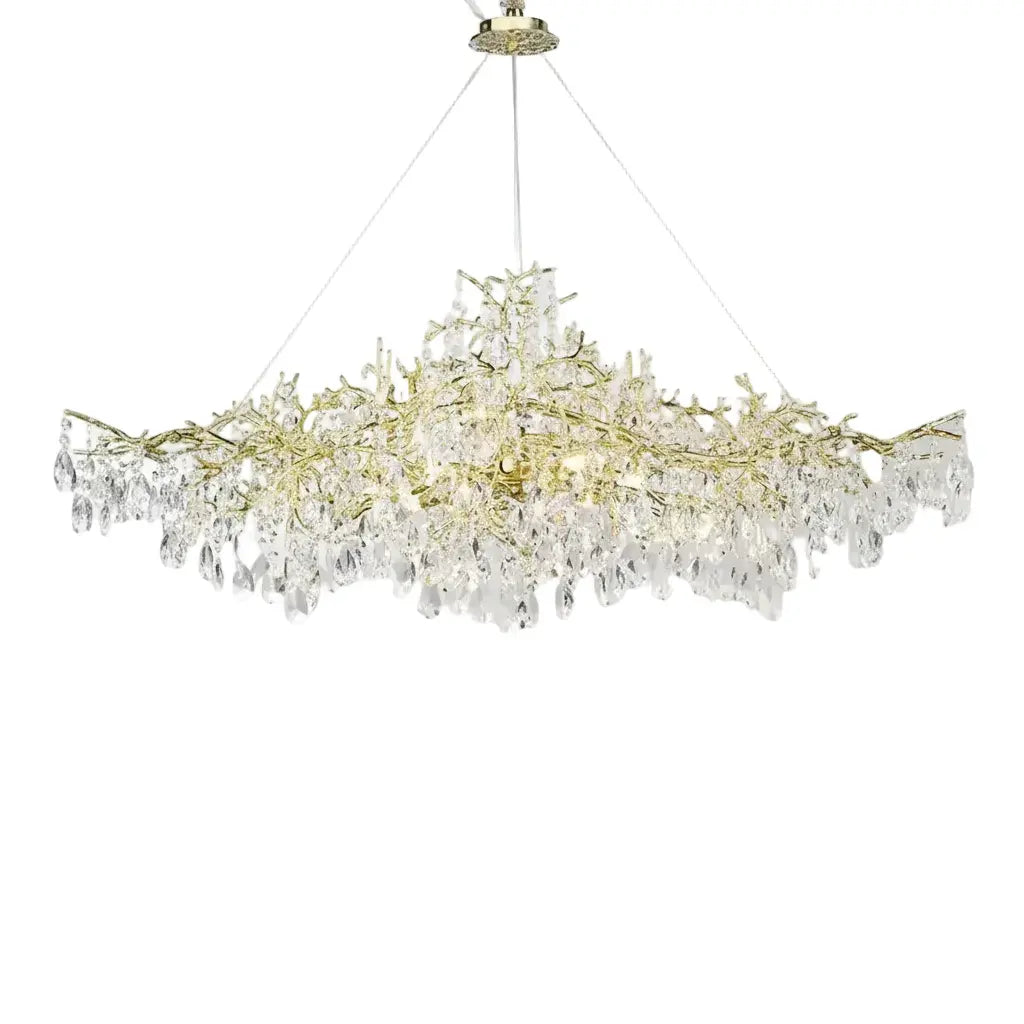
A spectacular chandelier can transform a room before a single piece of furniture is changed, but it cannot always create the calm, flattering glow needed beside a bed or along a hallway. When comparing wall lights vs ceiling lights, the best choice is rarely one or the other. Each serves a distinct purpose, and the most considered interiors use both to bring depth, practicality and a sense of luxury to everyday living.
Ceiling lighting establishes the room’s visual centre and provides broad illumination. Wall lighting softens its edges, highlights architectural details and makes a space feel more intimate after dark. The right balance depends on the room, its ceiling height, natural light and the mood you want to create.
Wall Lights vs Ceiling Lights: The Essential Difference
Ceiling lights are mounted overhead, making them the natural source of ambient light. This is the overall illumination that allows you to move comfortably through a room, welcome guests and enjoy the space without relying on a single lamp. Chandeliers, pendants, flush mounts and semi-flush fittings all fall into this category, though their decorative impact can be dramatically different.
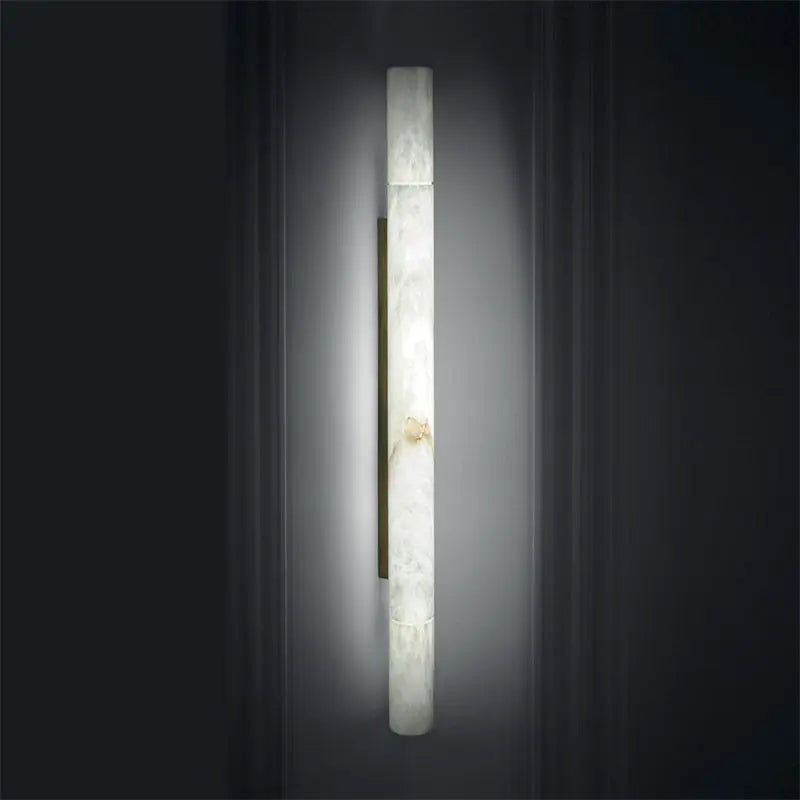
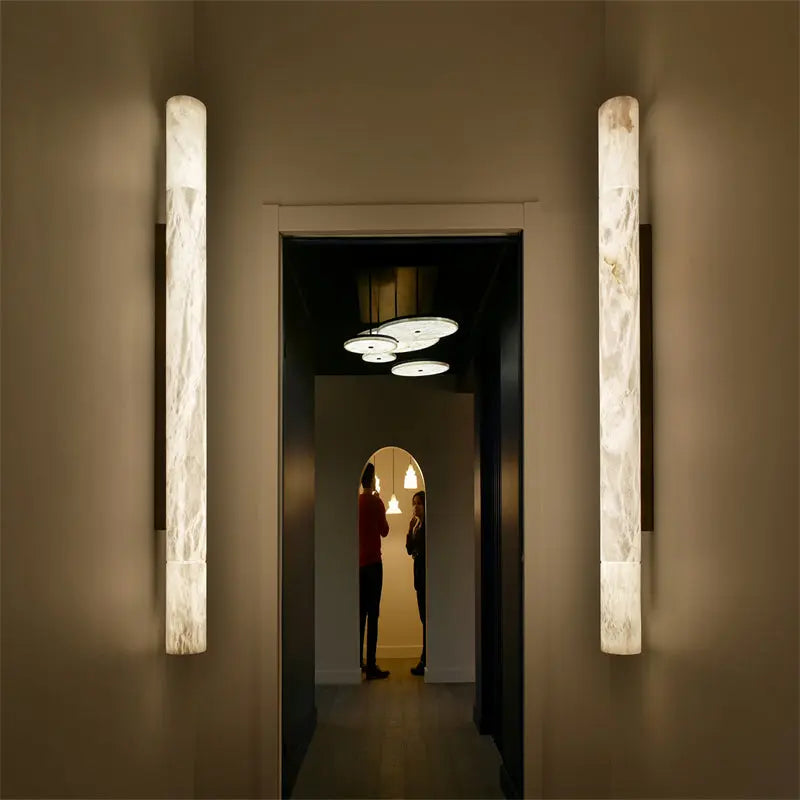
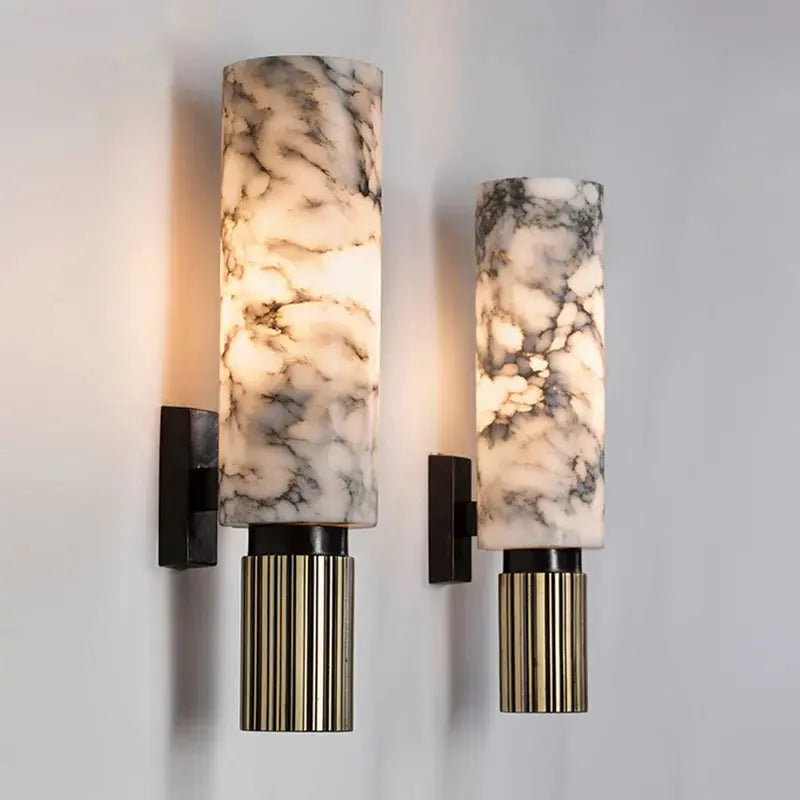
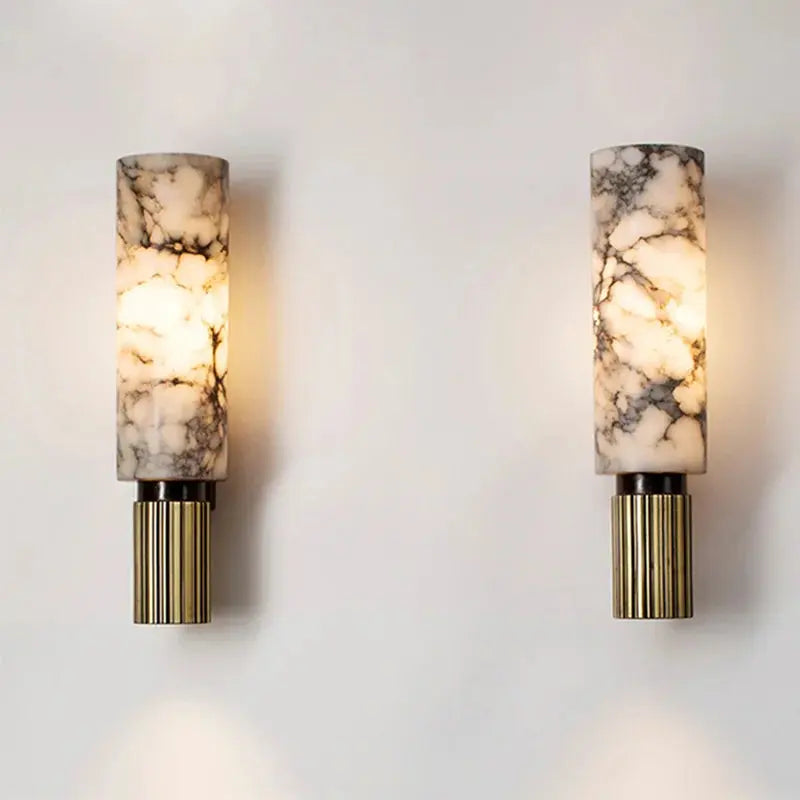
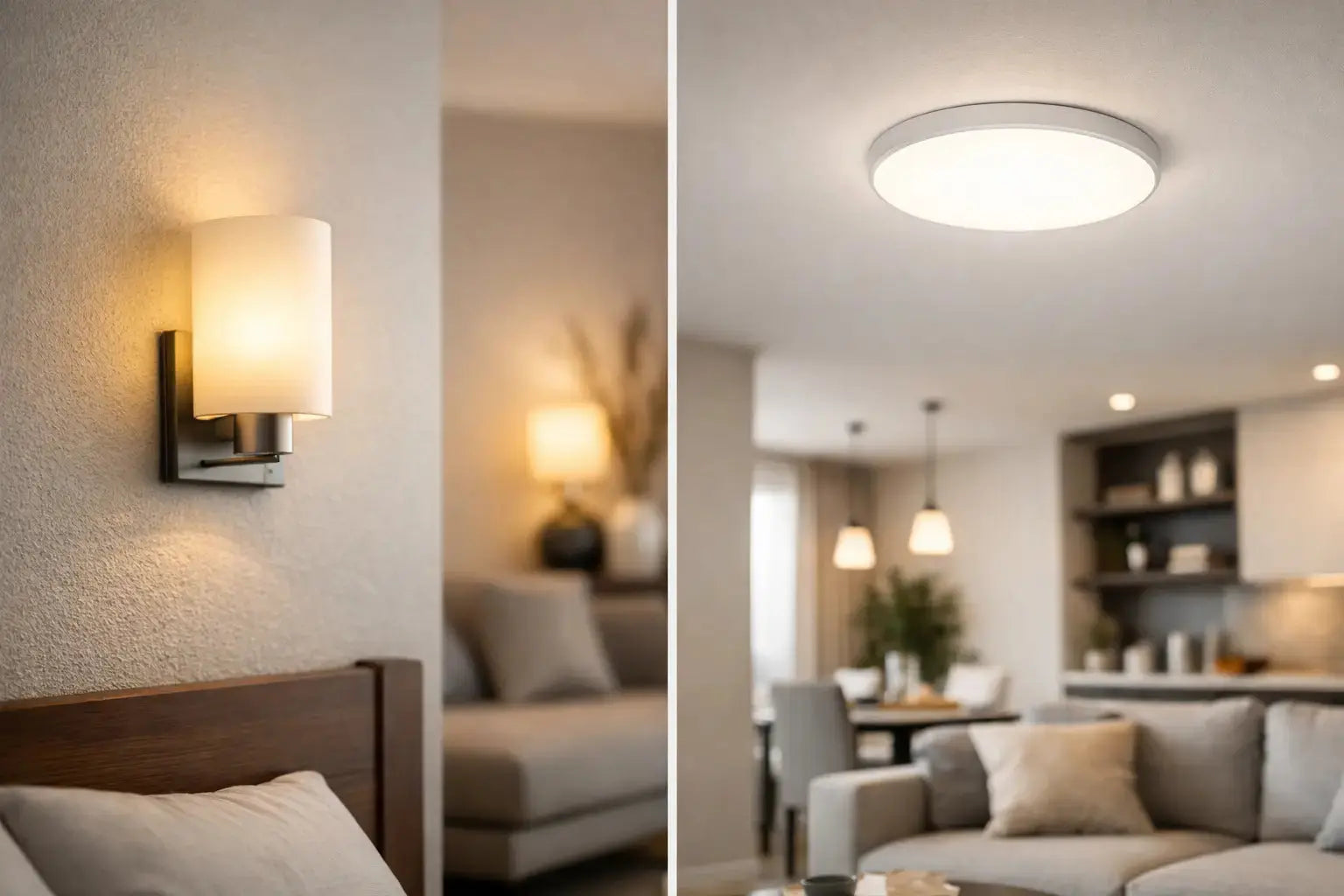
Wall lights are fixed vertically and cast light across or down a wall. They are often more directional and more atmospheric than ceiling fixtures. A pair of exquisite sconces can frame a mirror, draw attention to artwork or turn an ordinary landing into a beautifully considered transition between rooms.
The practical distinction is simple: ceiling fixtures light the room from above, while wall lights add light where the eye naturally rests. The design distinction is even more compelling. A ceiling light tends to command attention; a wall light builds ambience and rhythm.
When Ceiling Lights Are the Better Choice
A ceiling fixture is usually the starting point for rooms that need reliable, all-purpose brightness. Kitchens, utility rooms, entrance halls and family living spaces benefit from a strong overhead source, especially where natural daylight is limited.
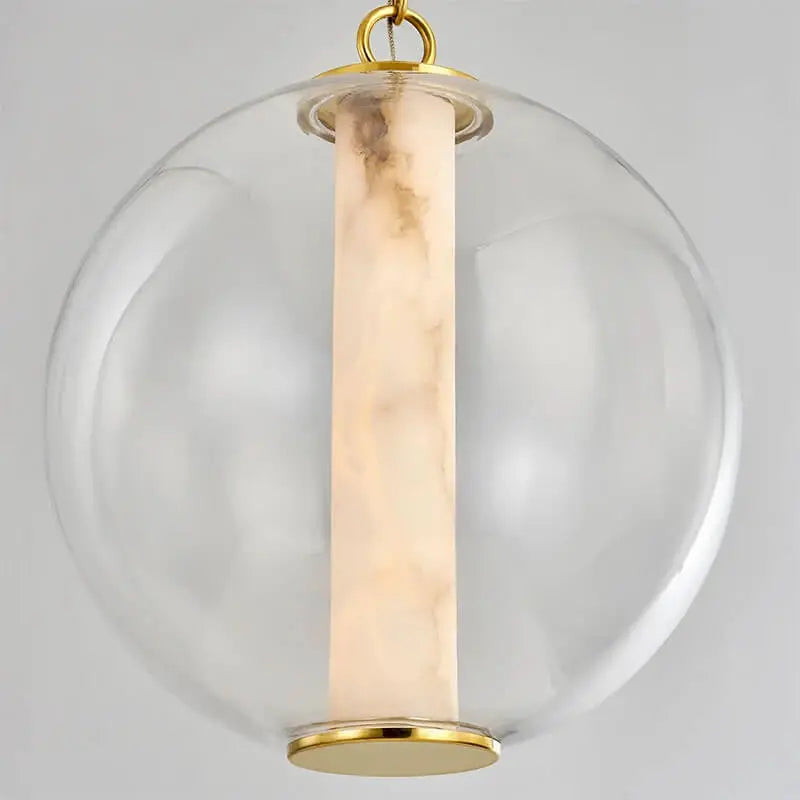
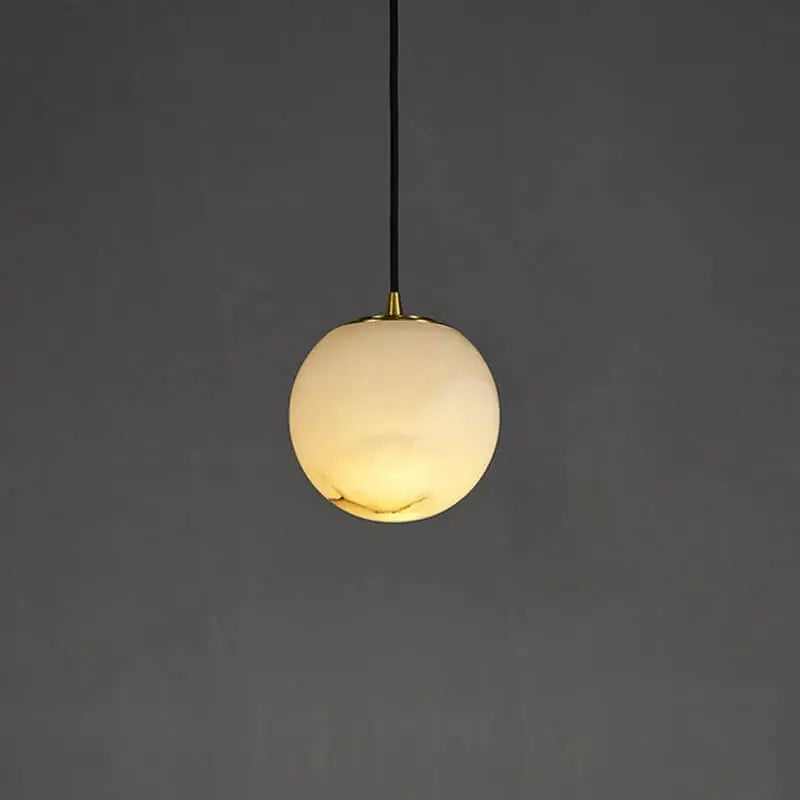
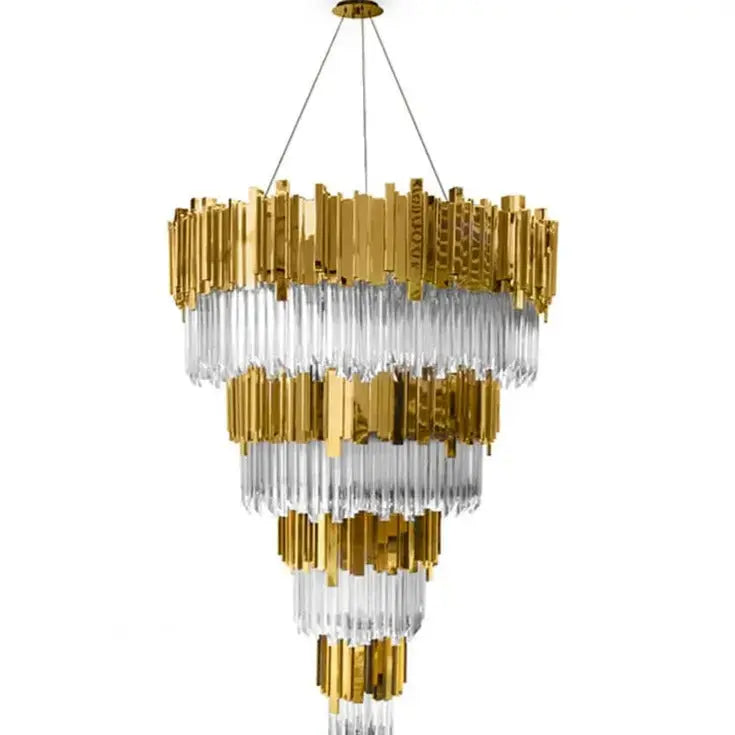
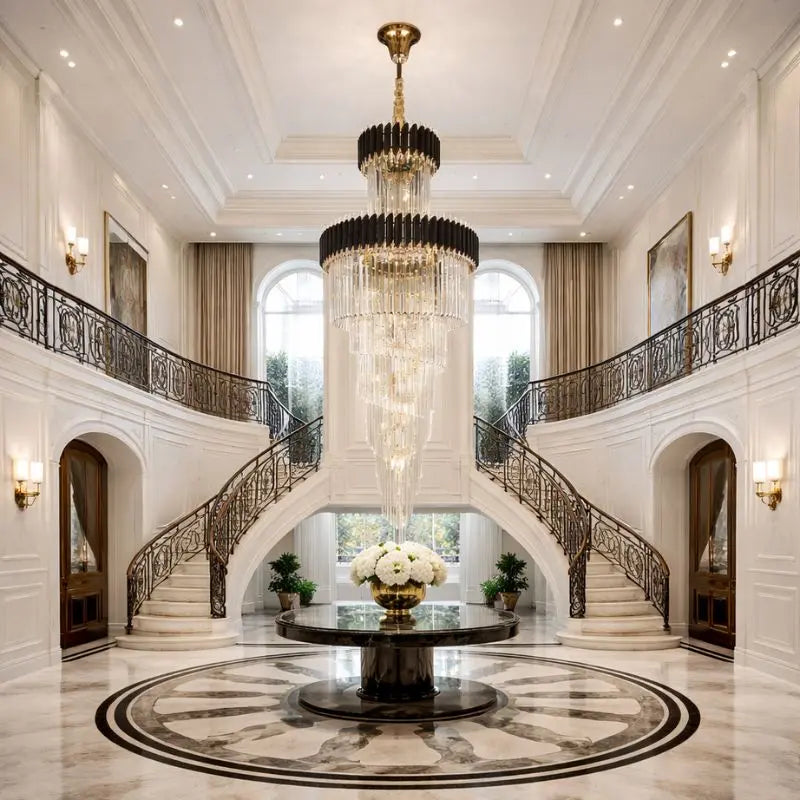
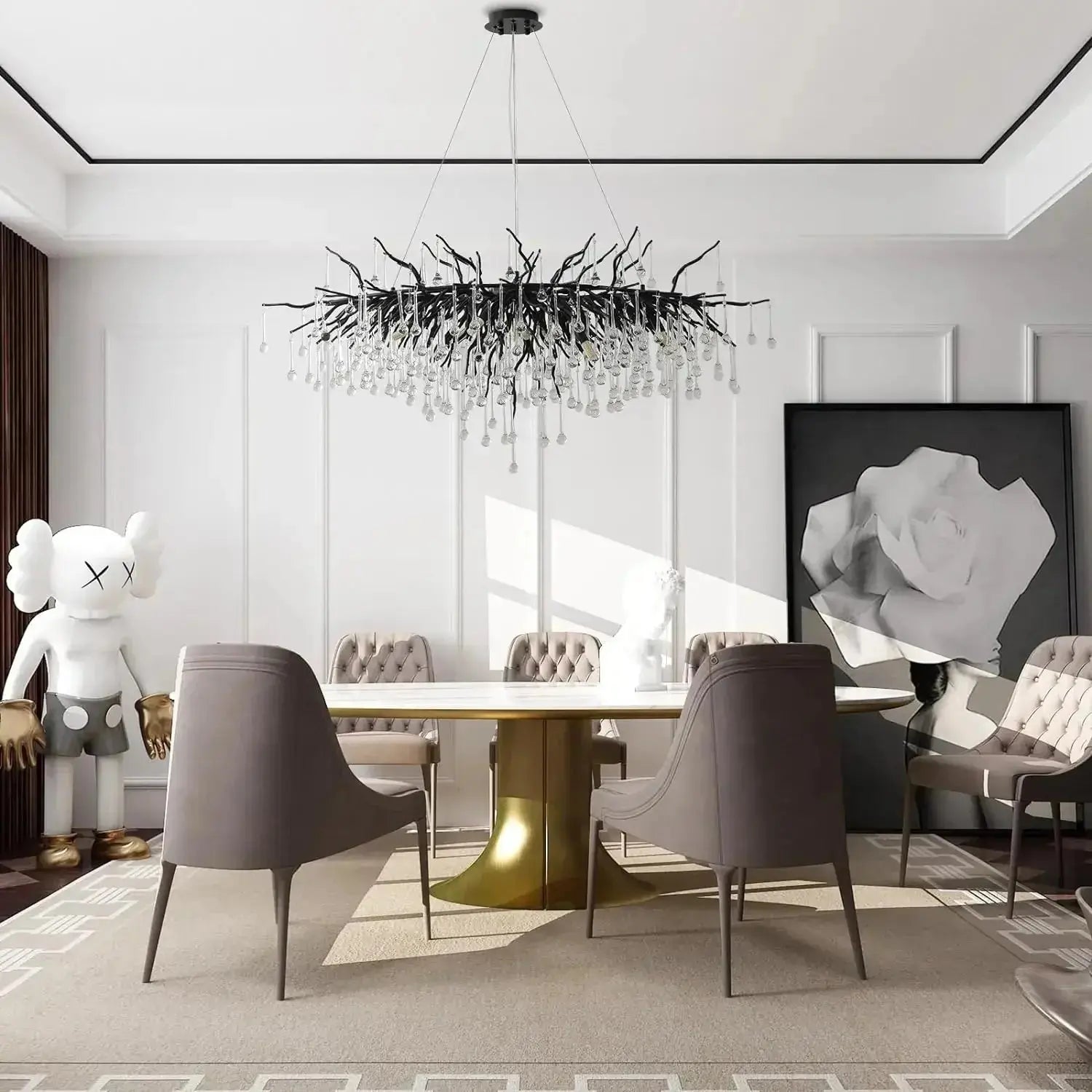
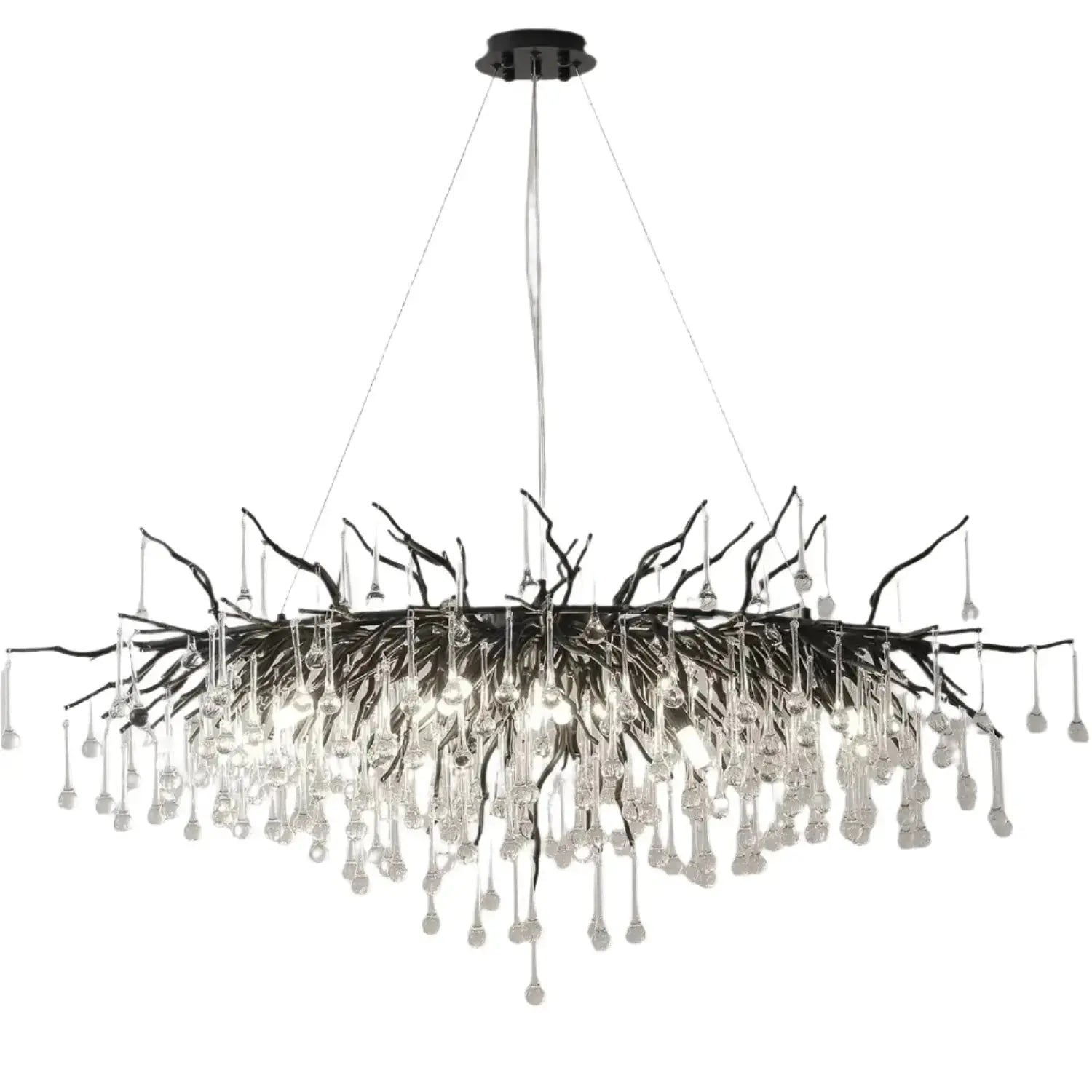
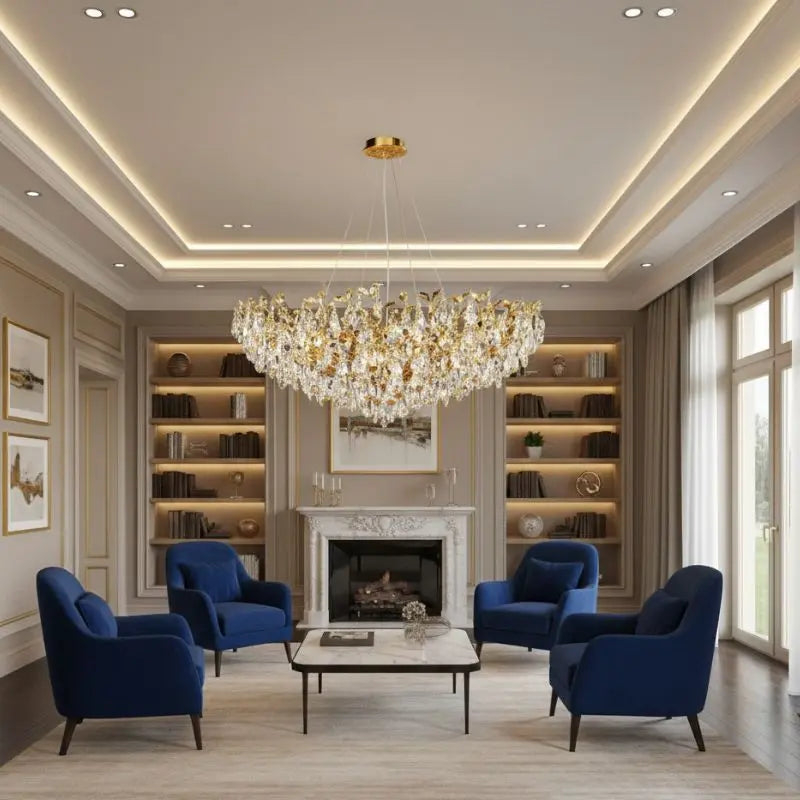
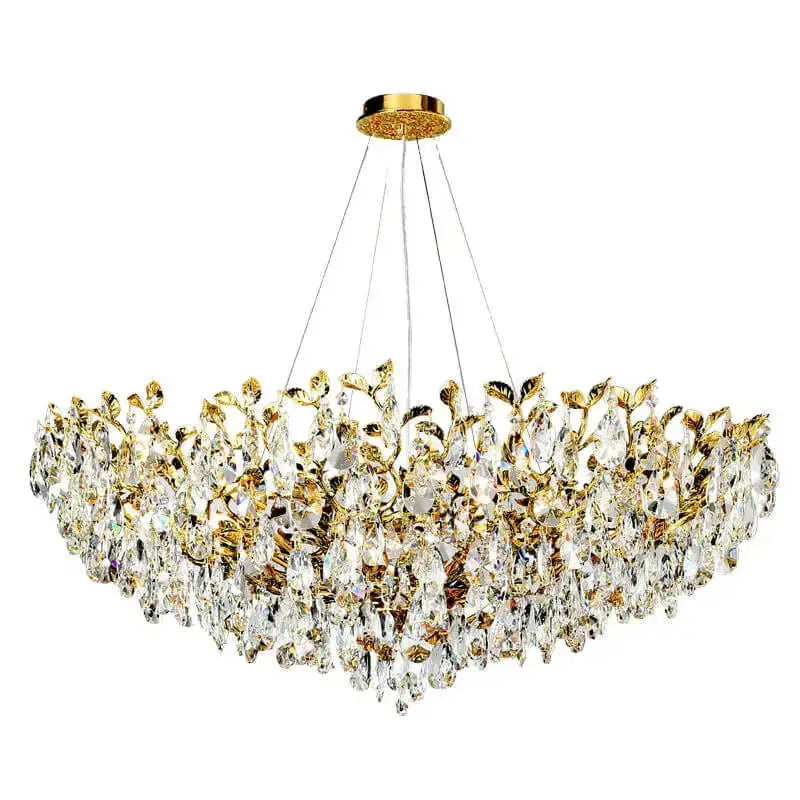
In a foyer or double-height staircase, a chandelier does more than illuminate. It gives the architecture a focal point and creates a memorable first impression. Crystal designs bring reflected sparkle to traditional interiors, while sculptural modern pendants offer a more restrained but equally luxurious presence. Here, the fixture should feel proportionate to the volume of the room rather than merely bright enough.
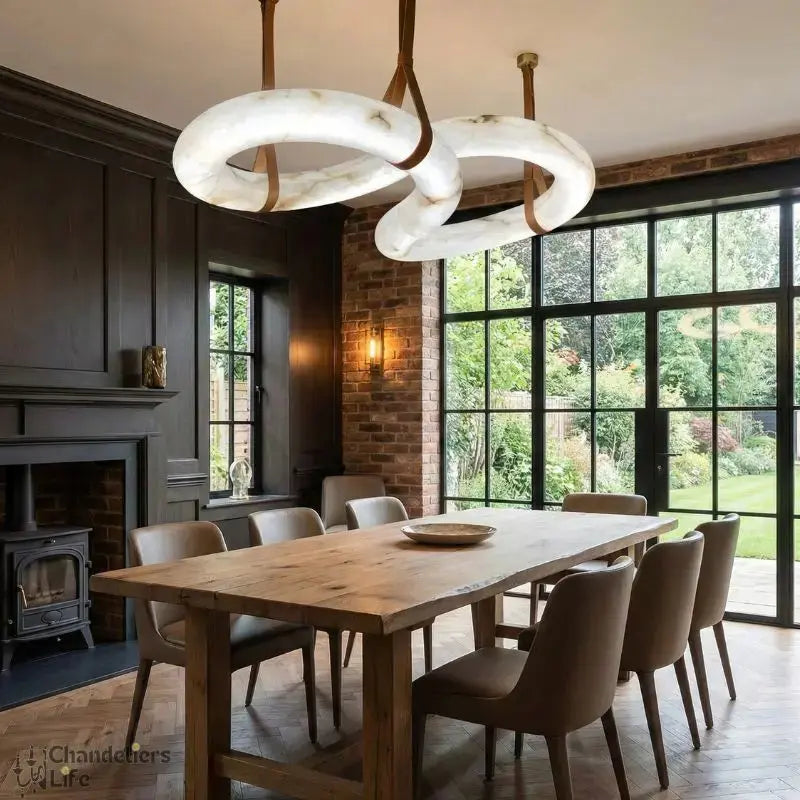
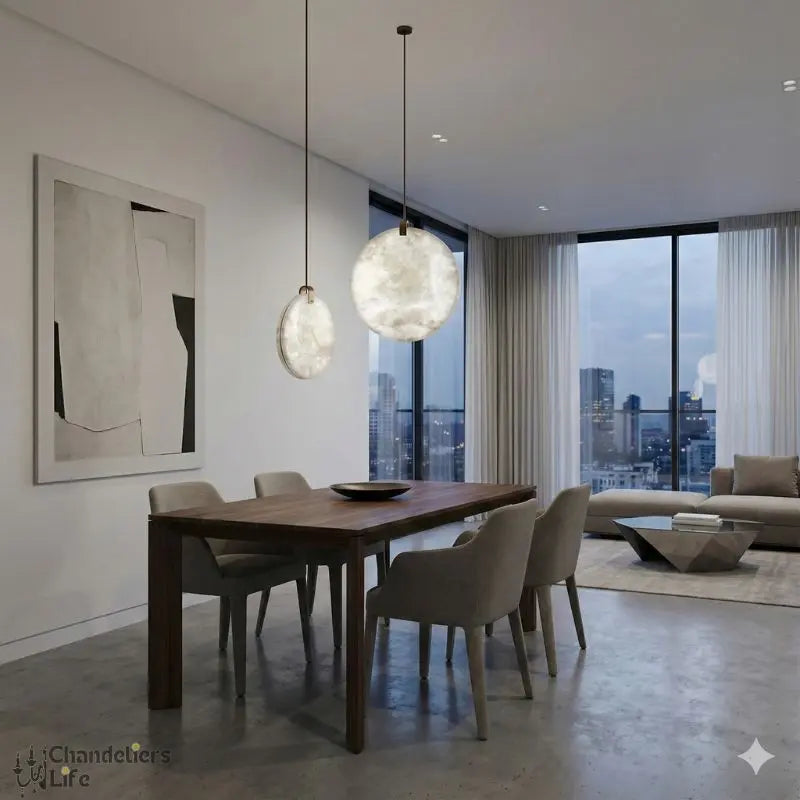
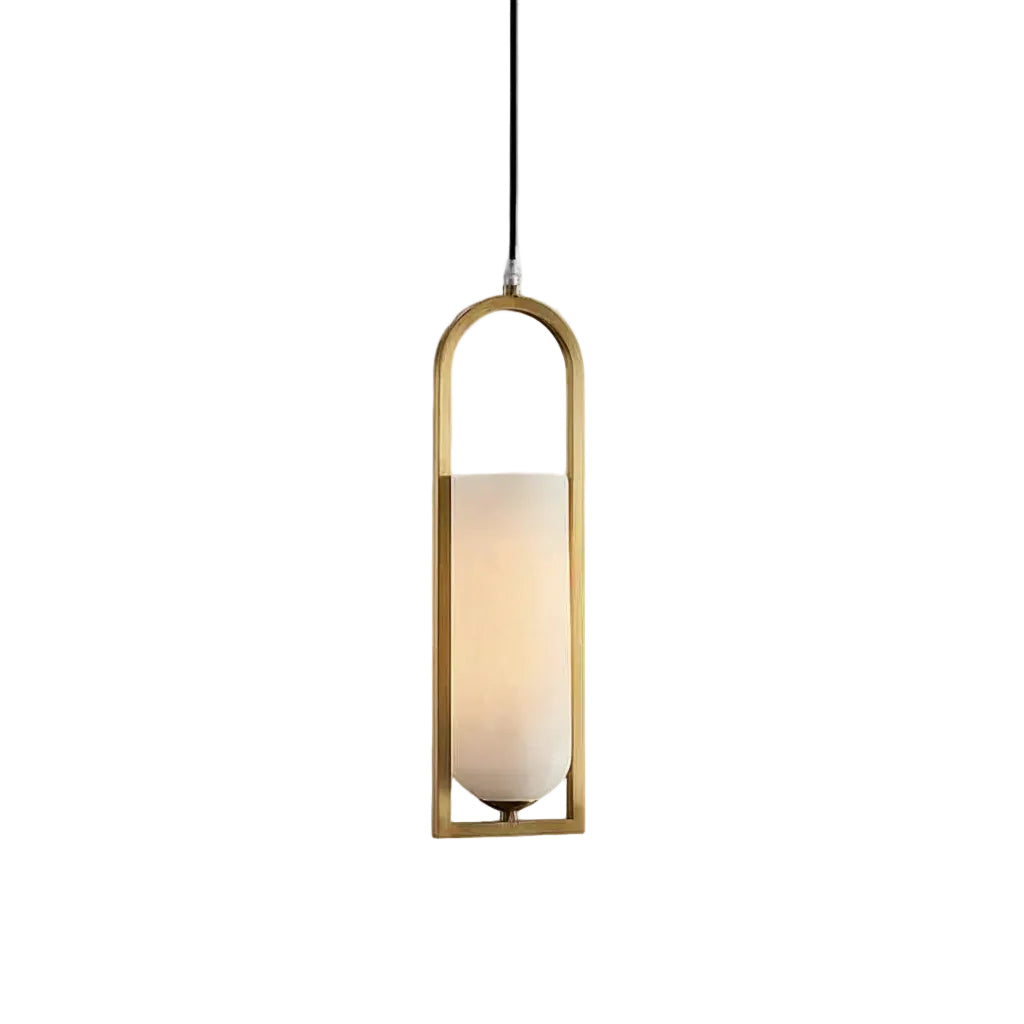
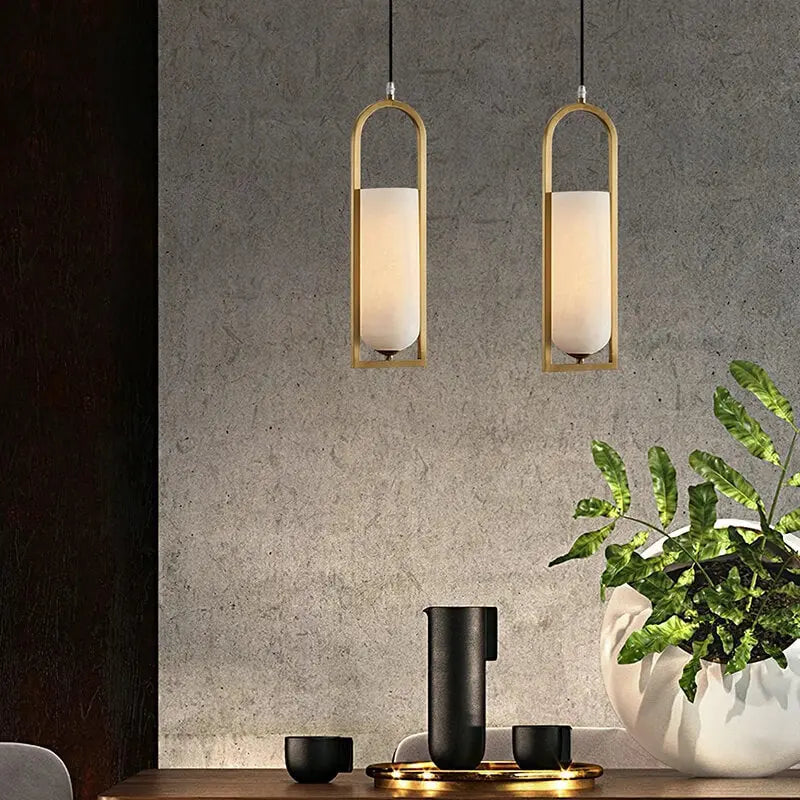
Dining rooms are another natural setting for ceiling lights. A pendant or chandelier centred over the table defines the dining zone and lends a sense of occasion to every meal. Position it so it feels connected to the table, not lost in the room. In most settings, the bottom of the fixture should sit comfortably above seated eye level, leaving clear sightlines across the table.
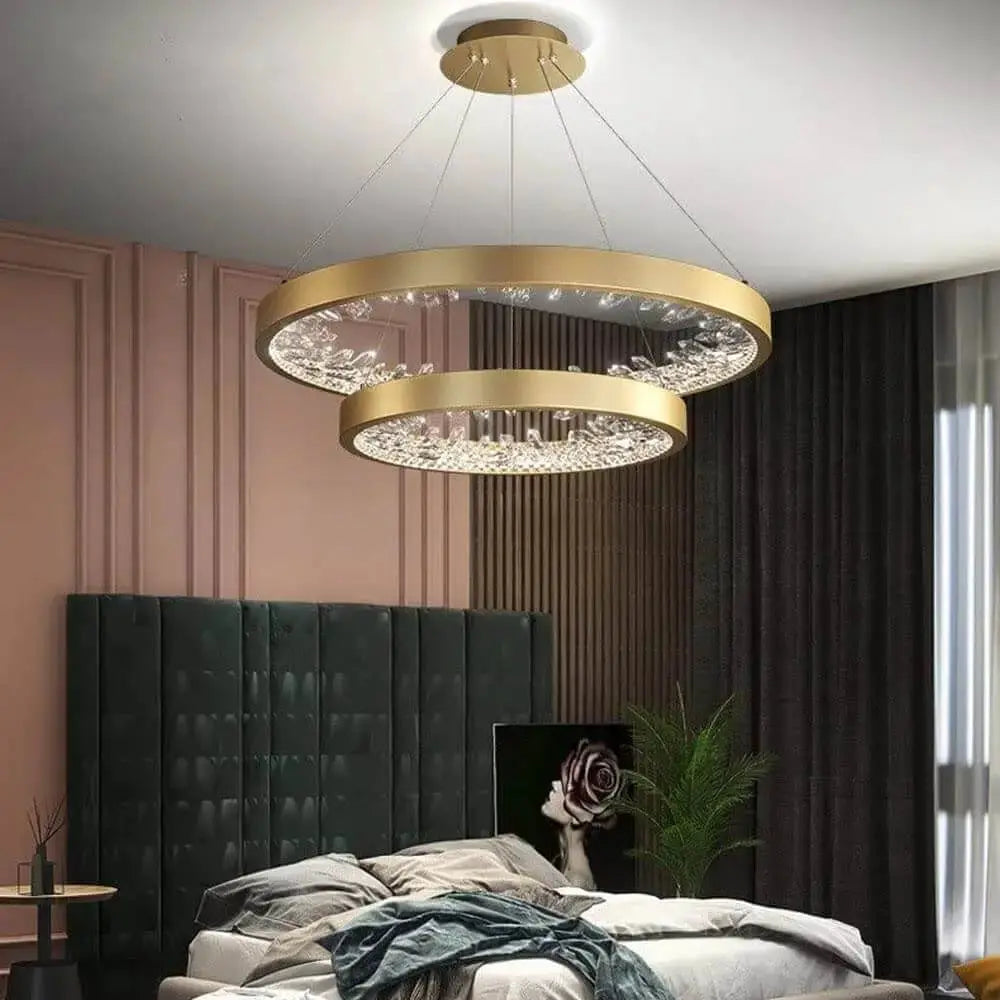
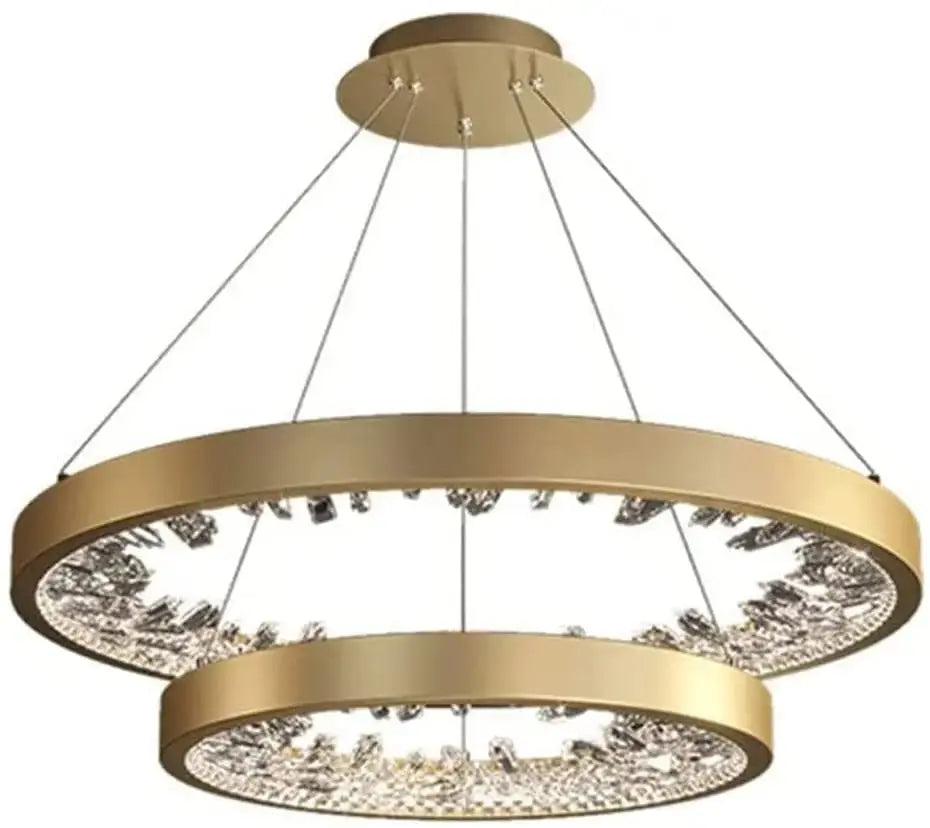
Ceiling lighting also makes sense in rooms with limited wall space. A compact bedroom with fitted wardrobes, artwork or large windows may not have enough clear surface for sconces. In that case, a decorative flush mount or semi-flush ceiling light can provide character without competing with the room’s layout.
There is a trade-off. Overhead light alone can feel flat or overly harsh, particularly if the fixture uses exposed bulbs or a bright, cool-toned lamp. A statement fitting can be beautiful during the day yet leave shadowy corners at night if it is the sole source of light.
Best uses for ceiling fixtures
Choose ceiling lights when you need broad coverage, a strong central feature or clear task visibility. They are especially effective in foyers, dining rooms, kitchens, stairwells, bathrooms and rooms with high ceilings.
For lower ceilings, avoid oversized hanging fixtures that interrupt movement or make the room feel compressed. Flush and semi-flush designs deliver decorative presence while preserving valuable headroom.
When Wall Lights Make More Sense
Wall lights excel where comfort and atmosphere matter as much as visibility. They bring illumination closer to people, furnishings and architectural features, which makes the room feel warmer and more layered.
In bedrooms, replacing table lamps with bedside wall lights frees up space on nightstands and creates a tailored, hotel-inspired finish. Adjustable reading sconces are practical for nightly reading, while shaded wall lights provide a gentler glow that is kinder at bedtime. Installing each fitting at a considered height is essential: the light should support reading without shining directly into the eyes of someone lying down.
In hallways and landings, wall lights prevent the long, tunnel-like effect that can come from relying on a single central fitting. Repeating matching sconces along a wall creates visual cadence and makes the route through the home feel intentional. This is particularly effective in period properties, where decorative moulding, panelling and textured wallpaper deserve to be seen after sunset.
A pair of wall lights beside a mirror is often the most flattering solution for a bathroom or dressing area. Overhead lighting can cast shadows beneath the eyes and chin. Light placed at face level distributes illumination more evenly, making daily grooming easier while giving the room a polished, boutique feel.
Wall lights are also valuable in living rooms, where the goal is often relaxation rather than maximum brightness. Place them beside a fireplace, either side of a console or near a reading chair to create pools of warm light. They allow you to lower the intensity of the ceiling fixture without leaving the room dark.
Best uses for wall lights
Wall lights suit bedrooms, corridors, staircases, bathrooms, living rooms and dining spaces with architectural features worth highlighting. They are also ideal for exterior entrances, terraces and garden-facing walls, where they improve visibility while adding a welcoming evening glow.
Their limitation is coverage. Even a beautiful collection of sconces cannot always replace a central light source in a large room. They work best as part of a lighting scheme, not as an afterthought added to compensate for an underpowered ceiling fitting.
The Most Luxurious Answer: Layer Both
For most living spaces, the question of wall lights vs ceiling lights has a third answer: use both, then give each fixture a clear role. Layered lighting is what makes an interior feel expensive, considered and adaptable from morning to night.
Start with ambient light from the ceiling. Add wall lights for softer mid-level illumination, then introduce table or floor lamps for reading, conversation and quiet evenings. The result is far more flexible than a single switch controlling one powerful overhead fixture.
A living room might feature a sculptural chandelier as its centrepiece, a pair of wall lights framing the fireplace and a floor lamp beside an armchair. In a dining room, a statement pendant can illuminate the table while dimmable sconces create a gentle glow around the perimeter. In a bedroom, a decorative ceiling fitting offers overall light while bedside wall sconces make the space feel restful and refined.
Dimmers are the detail that makes this approach truly practical. They allow a ceiling chandelier to be bright enough for hosting or cleaning, then softened for dinner and late-night conversation. Wall lights on a separate circuit offer even greater control, letting you shape the atmosphere without sacrificing function.
How to Choose the Right Fixture Style
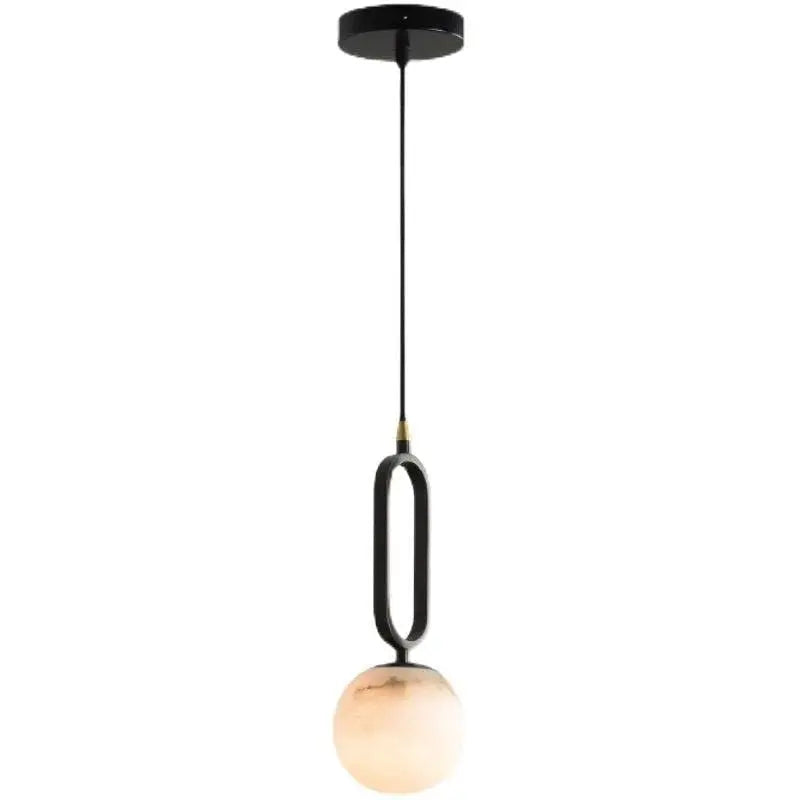
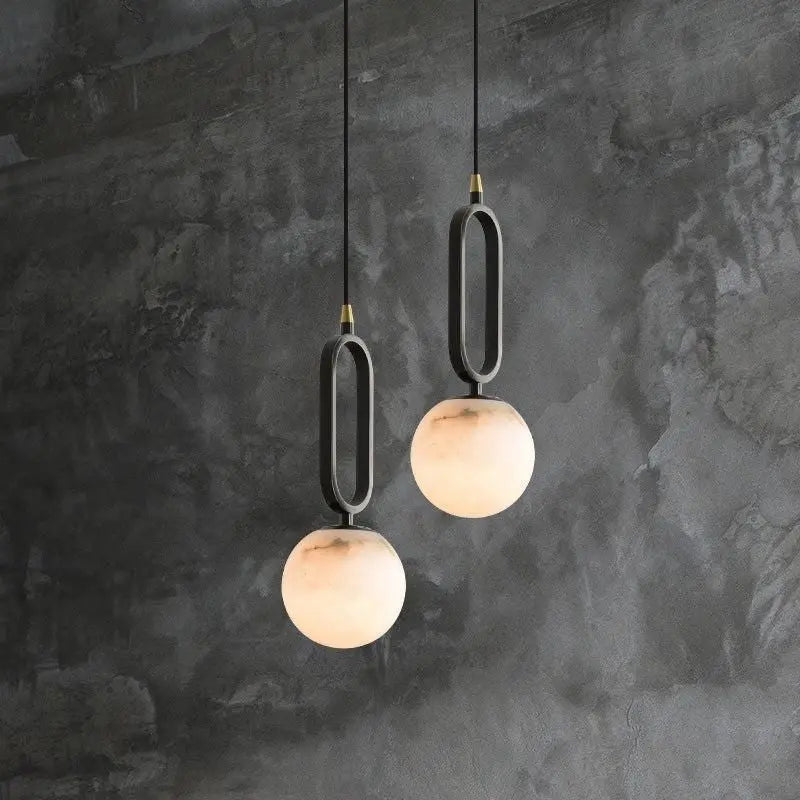
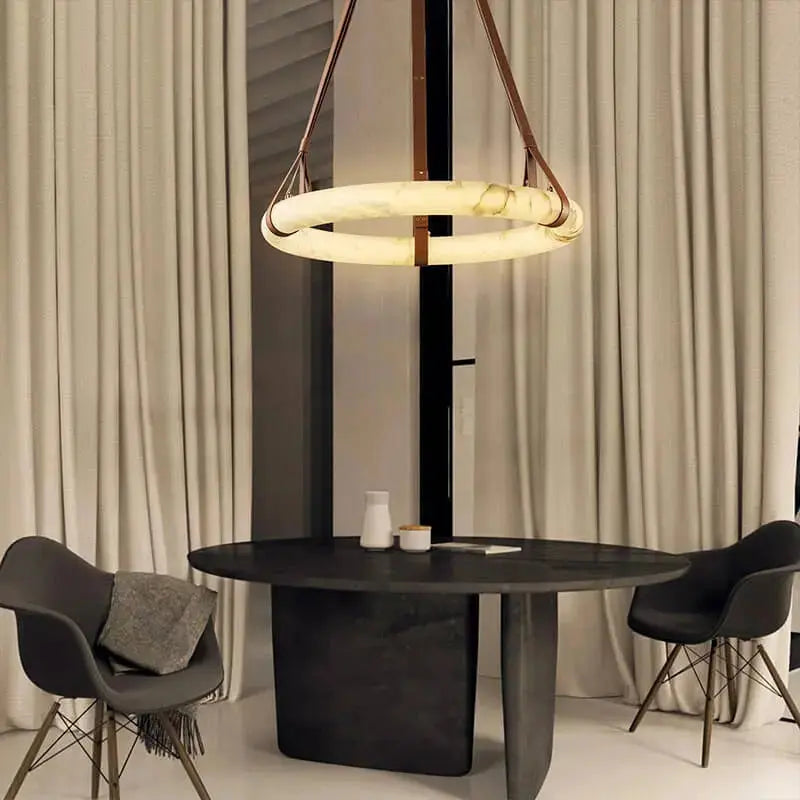
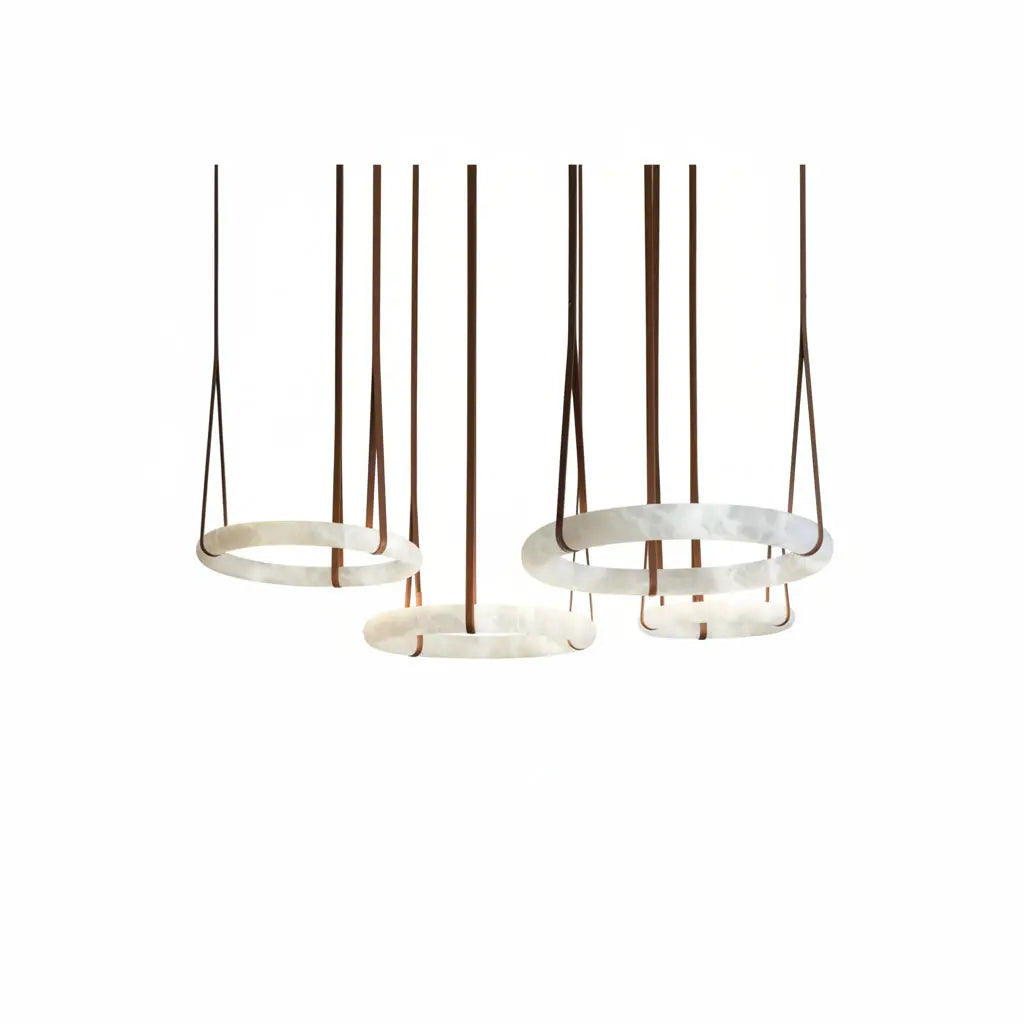
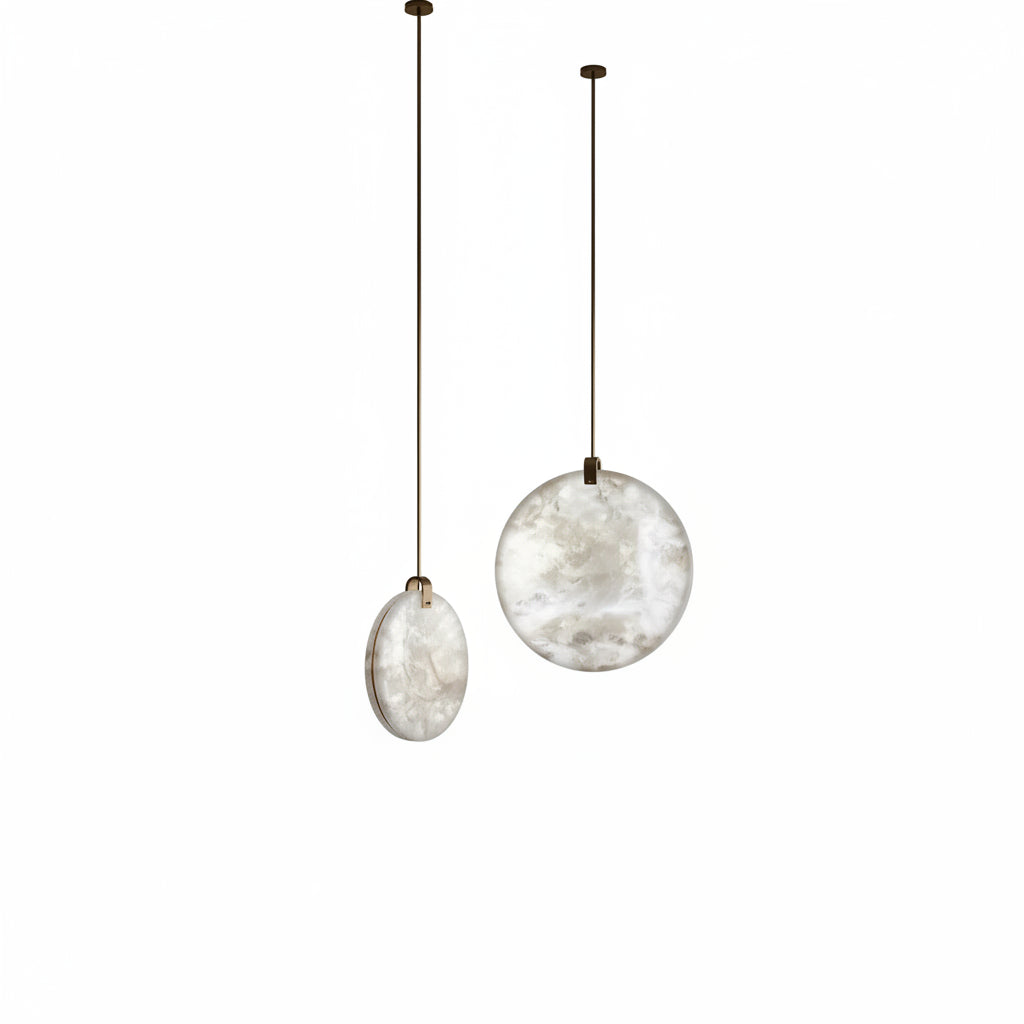
The style of your fittings should feel connected, but they do not need to match exactly. A modern alabaster pendant can sit beautifully with restrained metal wall lights in the same finish. A traditional crystal chandelier can be paired with simpler sconces so the room retains elegance without becoming overly ornate.
Consider scale before style. A grand chandelier needs air around it to shine, whereas a petite wall light can become lost on an expansive wall. In large rooms, select sconces with sufficient projection and presence. In narrow hallways, choose streamlined designs that provide light without intruding into the walking route.
Finish and shade material influence the effect as well. Clear crystal and polished metal reflect light for a more glamorous, luminous finish. Fabric, alabaster and frosted glass diffuse brightness, creating a softer and more tranquil character. Neither is universally better. It depends on whether the room should feel dramatic, serene or a little of both.
For exterior spaces, choose fittings designed for outdoor exposure and place them where they improve arrival, security and comfort. Wall lights either side of a front door lend symmetry and curb appeal, while carefully positioned fixtures along a terrace make alfresco dining feel like an extension of the home.
Plan for Placement Before You Fall for a Design
The most beautiful fixture still needs to work with the room. Before choosing wall lights, check where existing wiring sits and whether you are willing to add new electrical points during a renovation. Think about door swings, tall furniture, mirrors and artwork, all of which can affect placement.
For ceiling fixtures, measure ceiling height and the room’s key furniture arrangement. A chandelier should relate to the dining table, entrance or seating area beneath it. It does not always need to sit in the mathematical centre of the room, particularly in open-plan interiors where individual zones need their own identity.
Also consider the bulb temperature. Warm white light is generally the more inviting choice for living rooms, bedrooms and dining areas, where it enhances timber, textiles and rich finishes. Brighter, cleaner light can be useful in kitchens, bathrooms and practical spaces. Whichever tone you choose, keeping it consistent within sightlines creates a more harmonious result.
A home feels most inviting when every layer of light has a reason to be there. Let the ceiling fixture make the statement, let wall lights create the atmosphere, and choose designs that make you look forward to switching them on each evening.