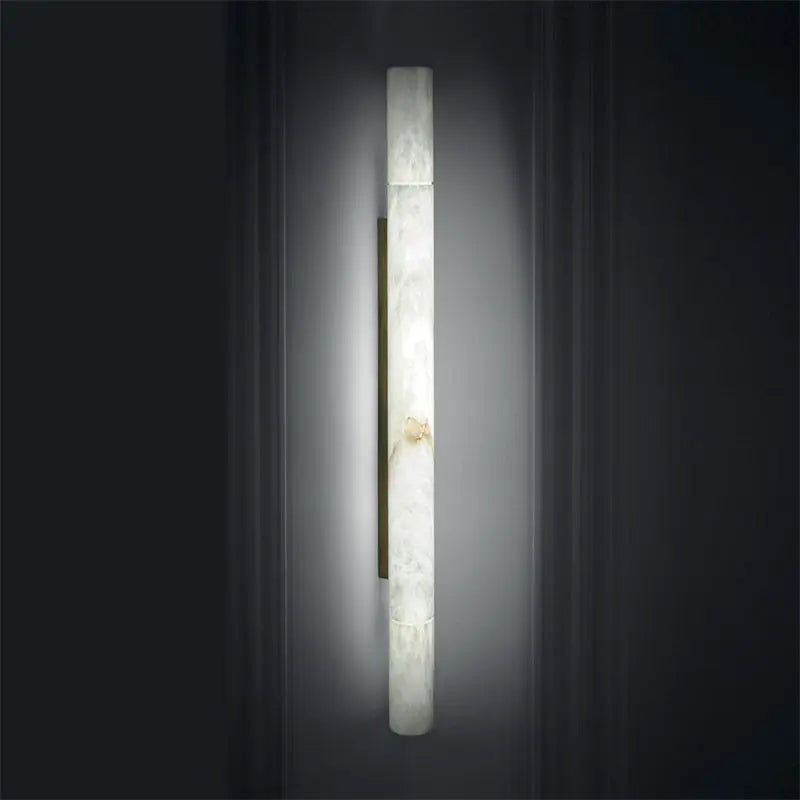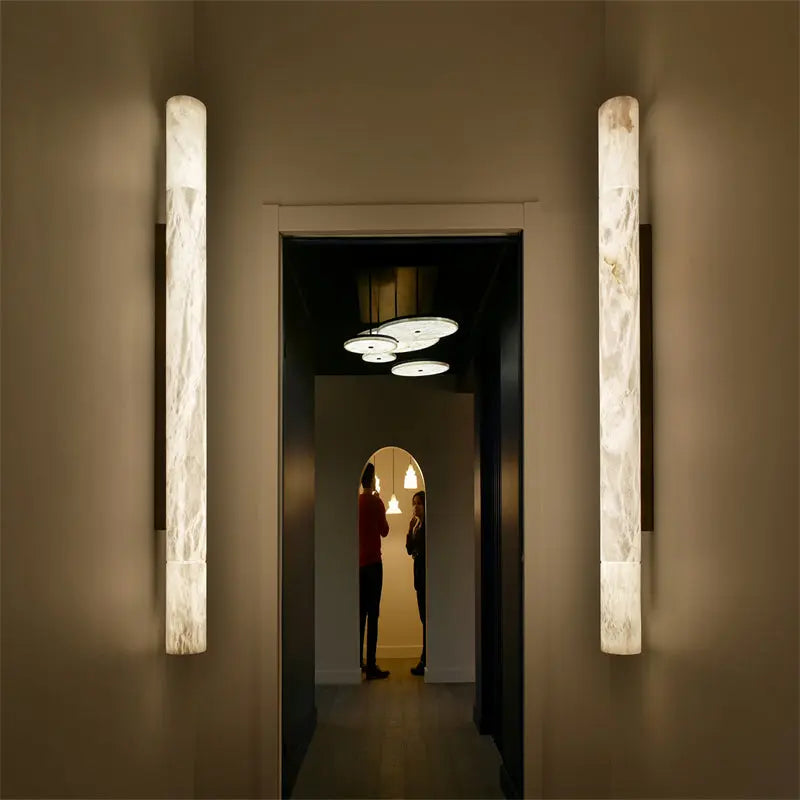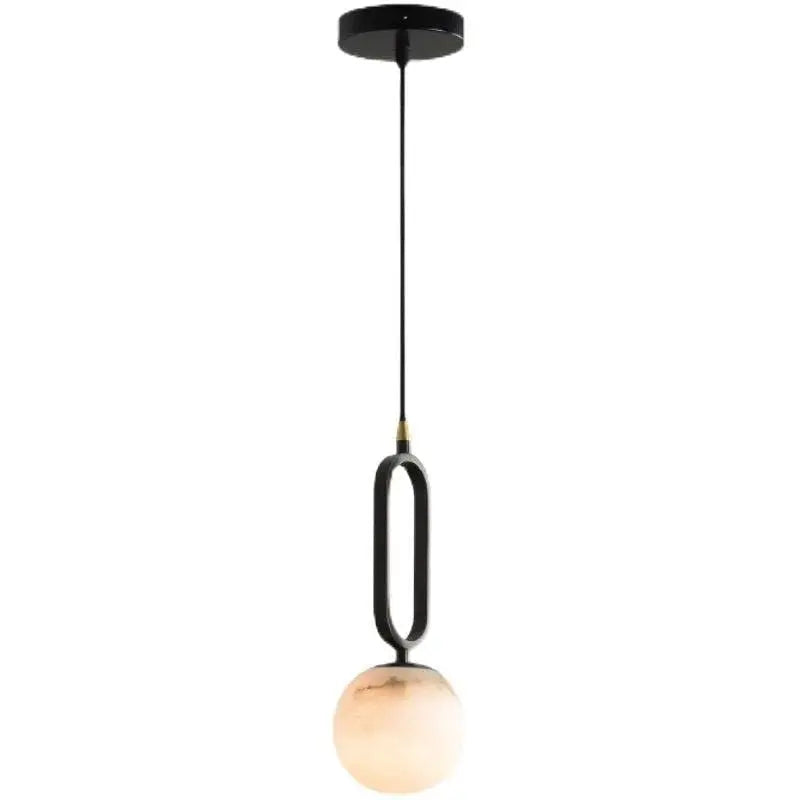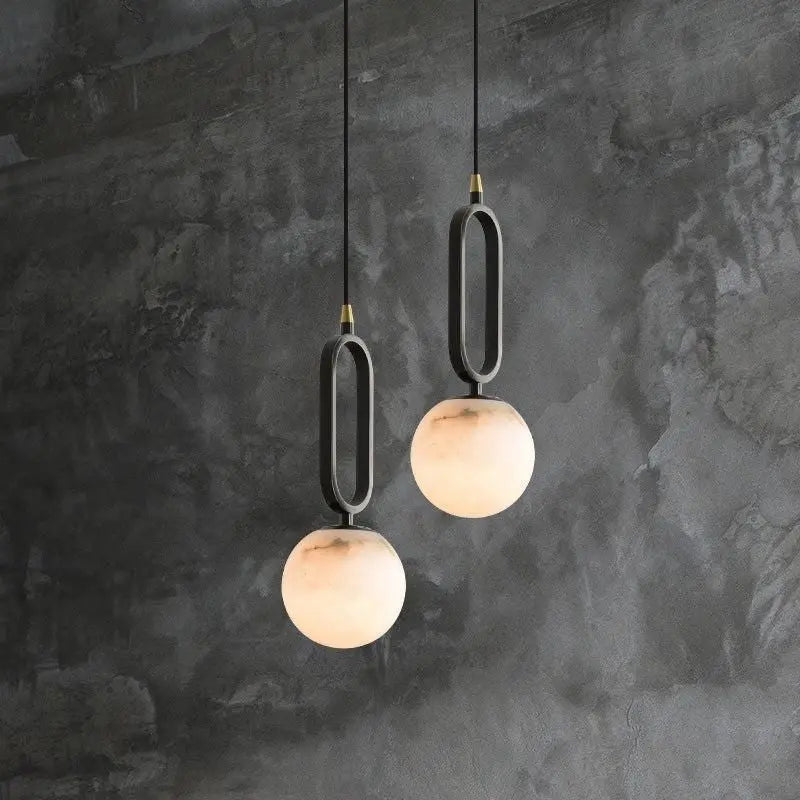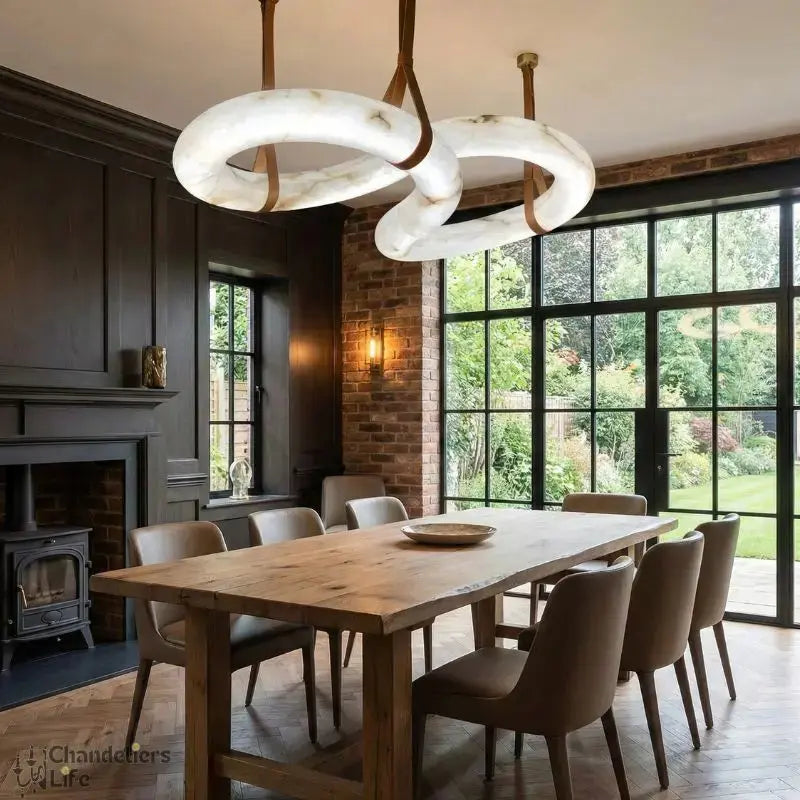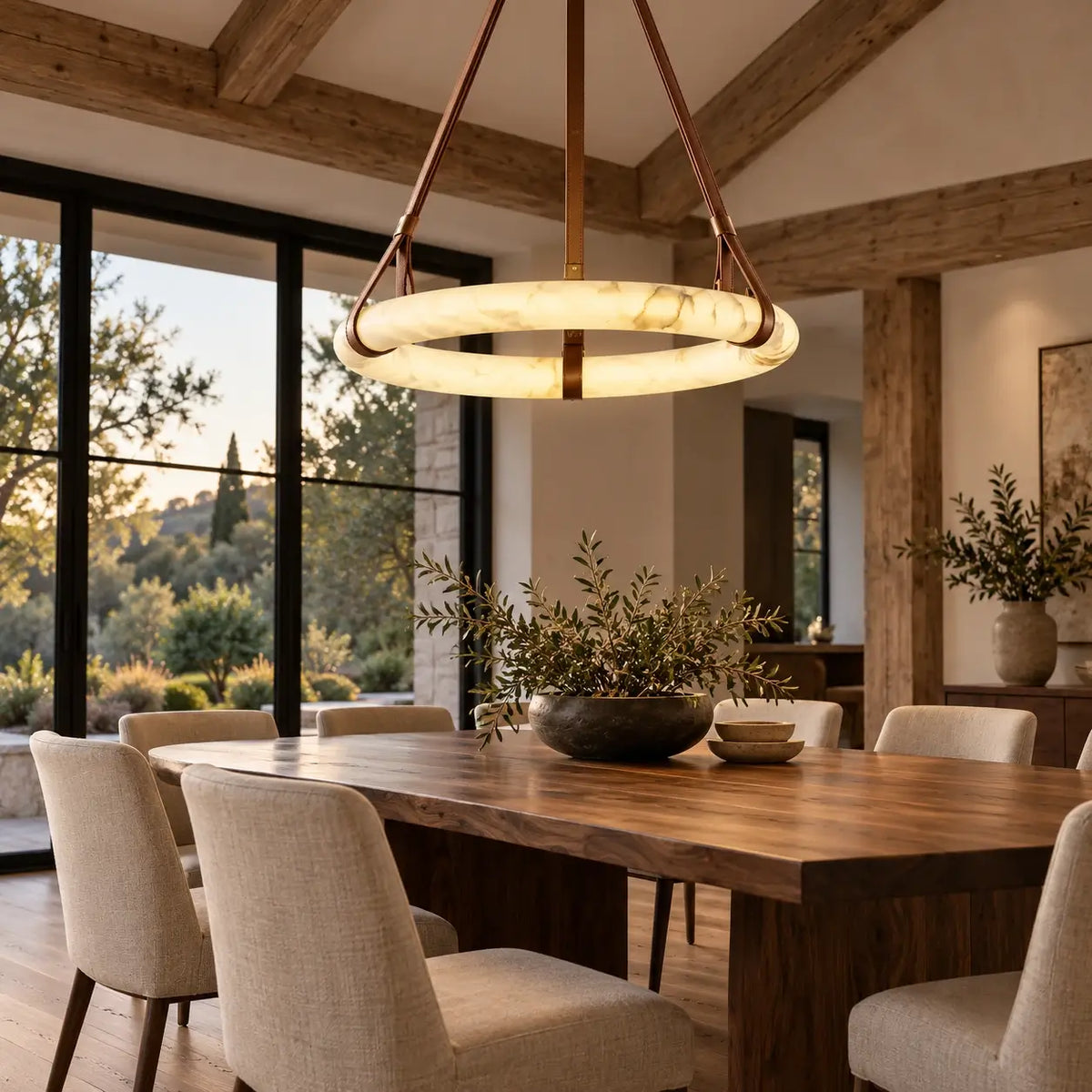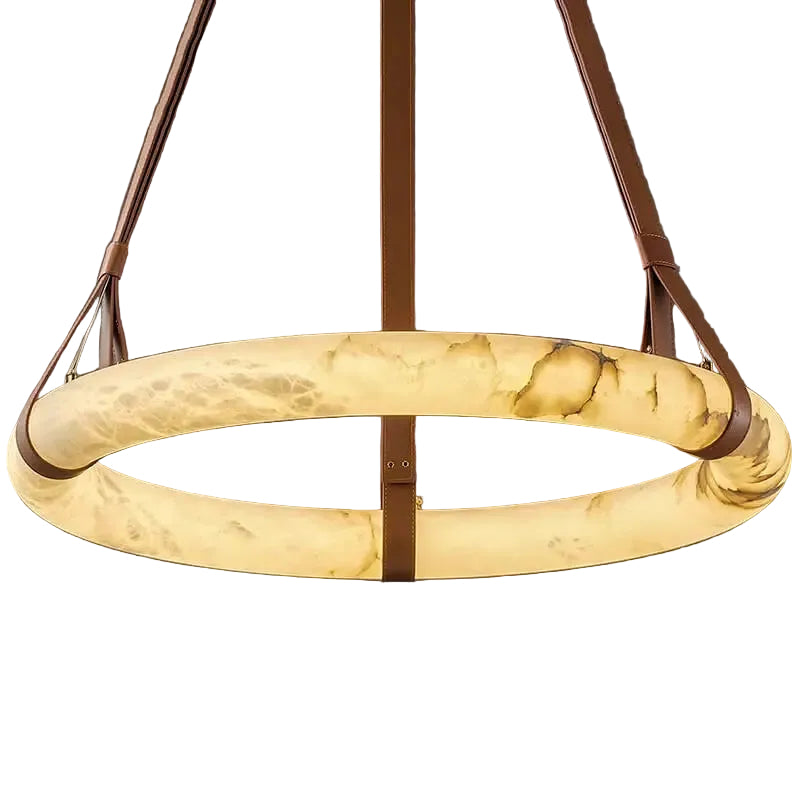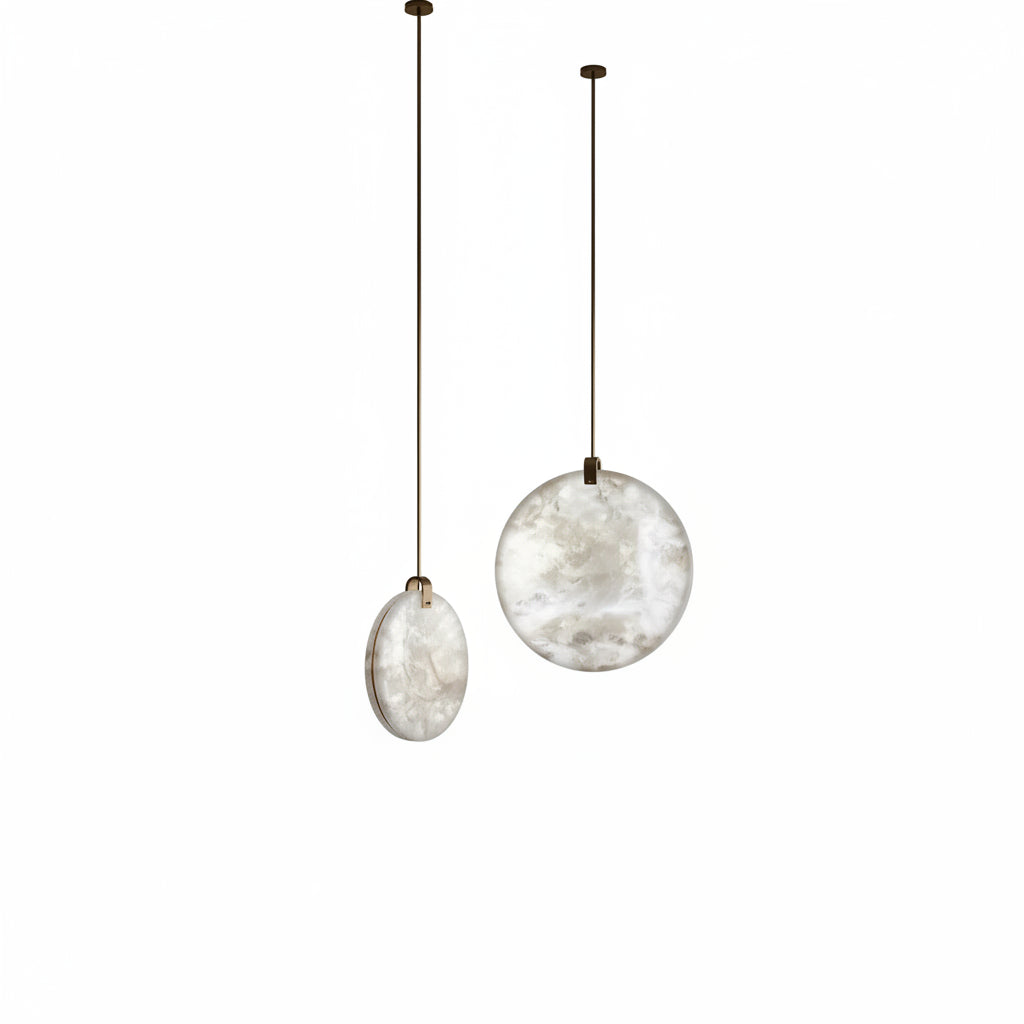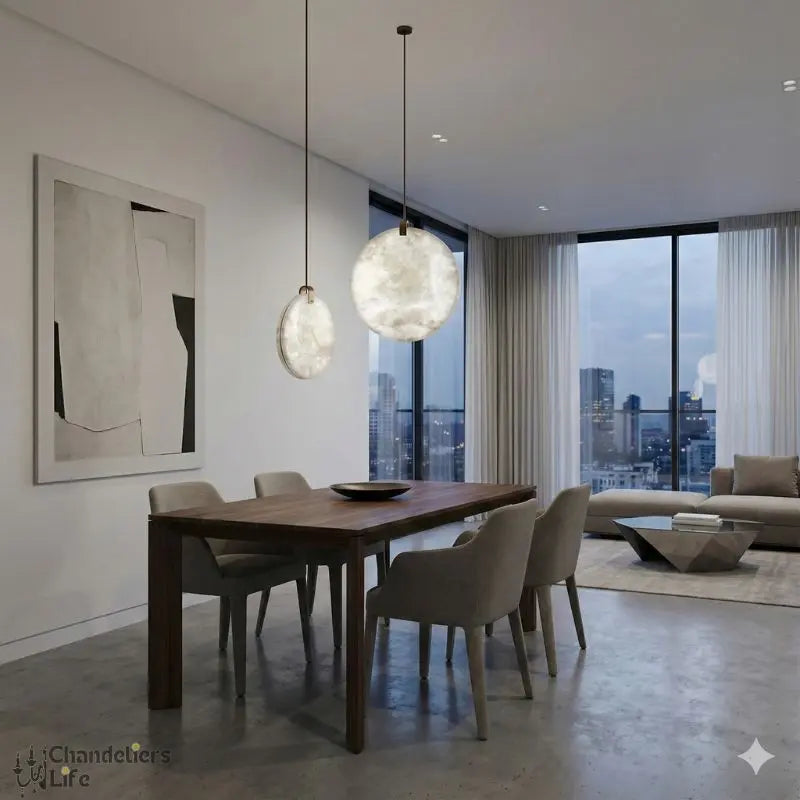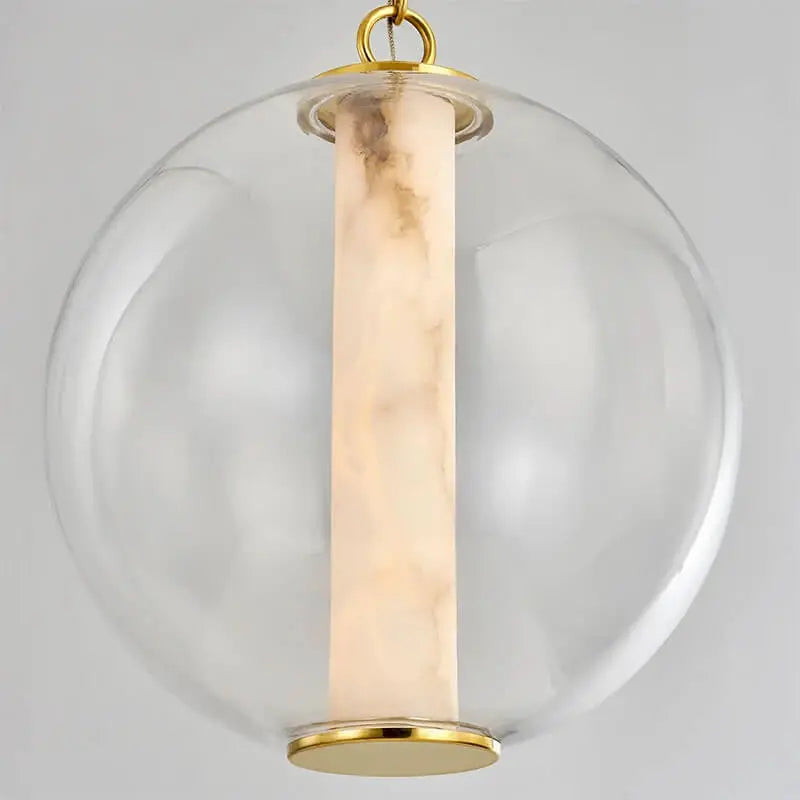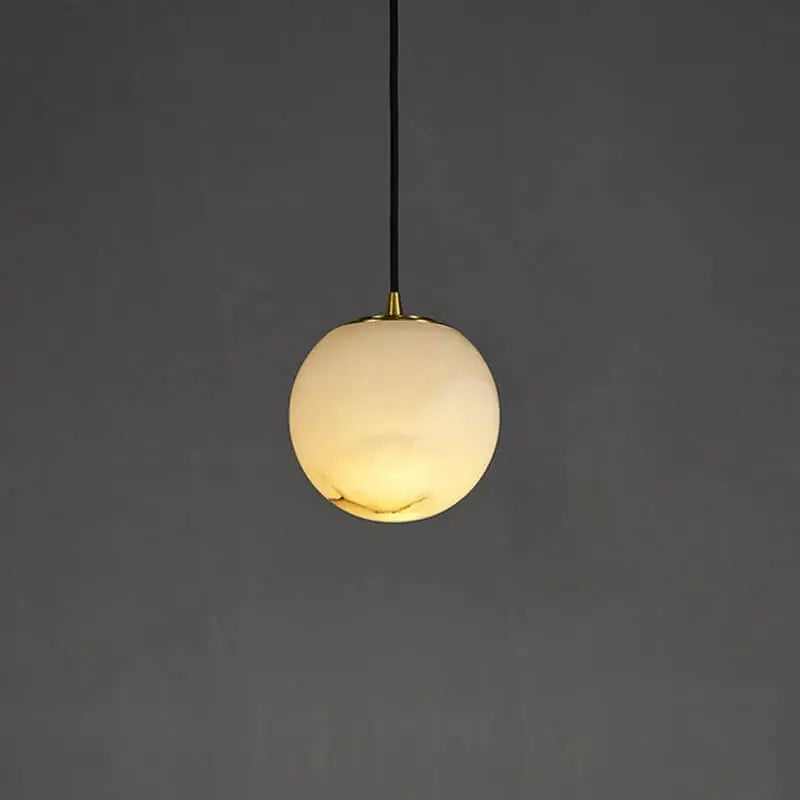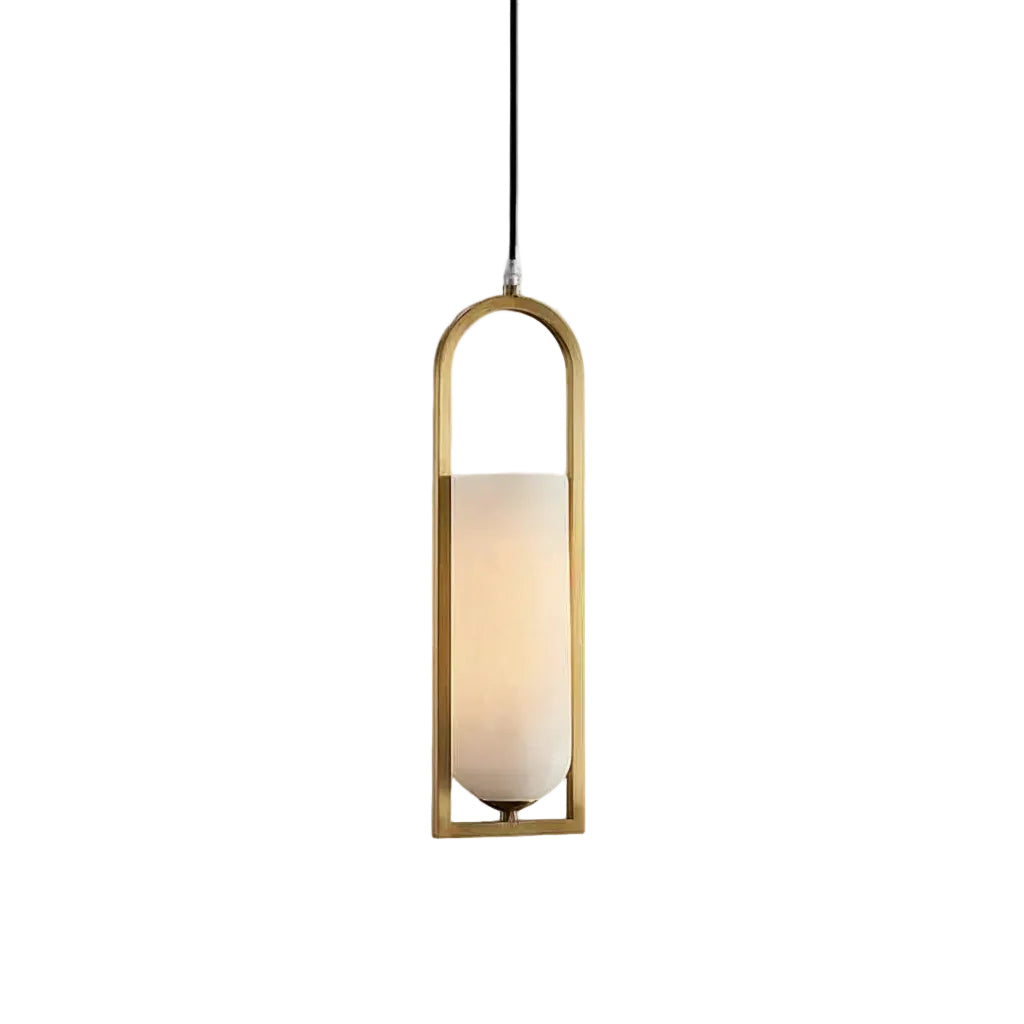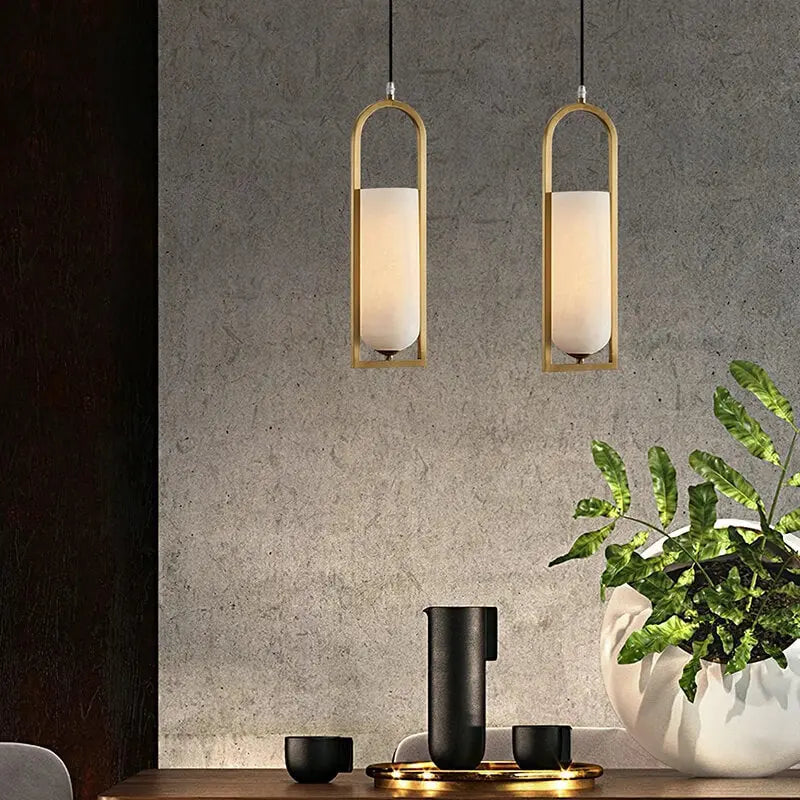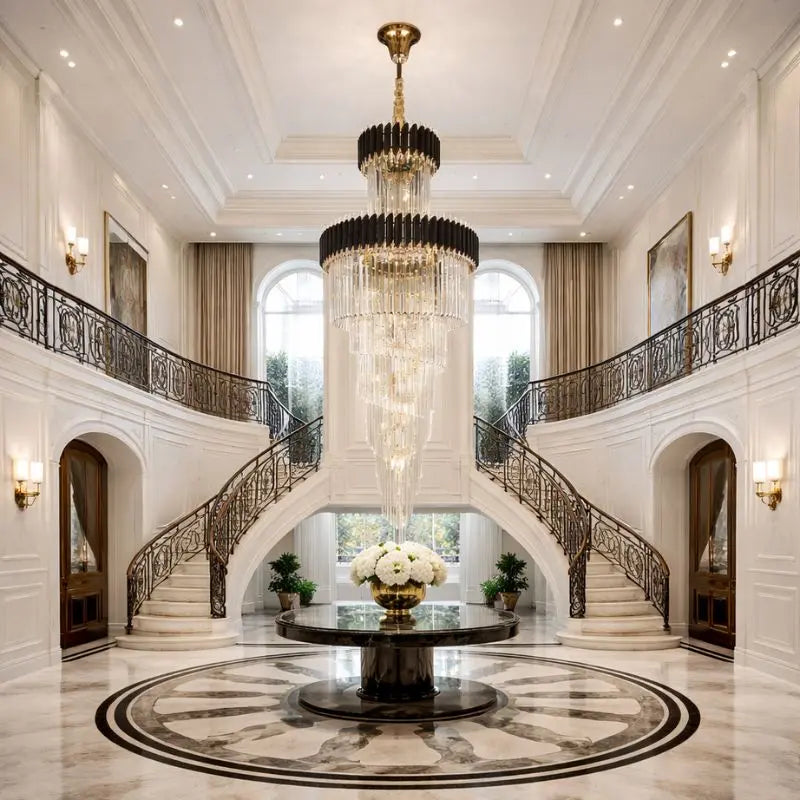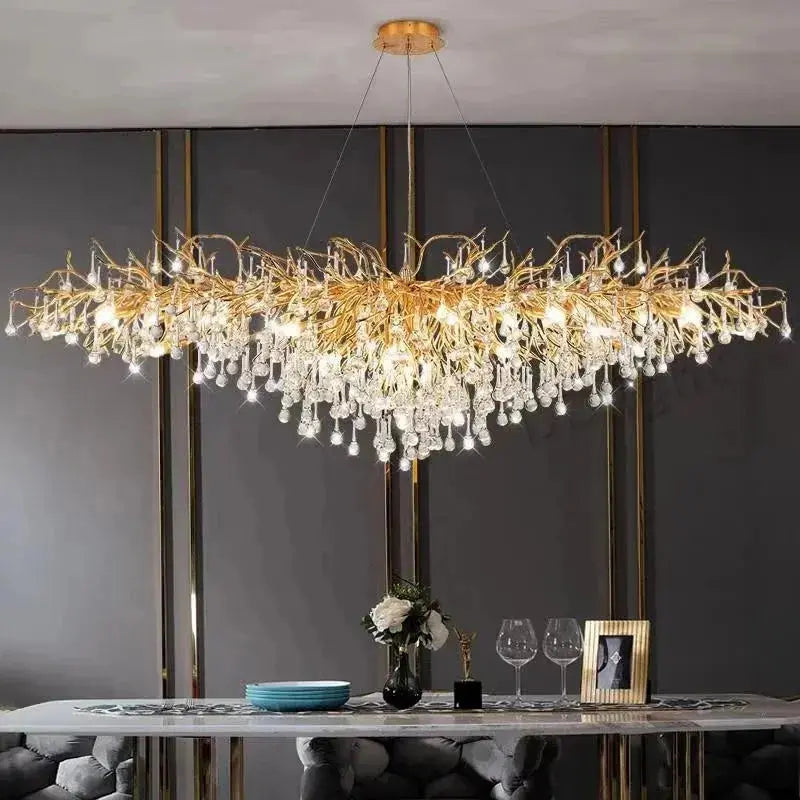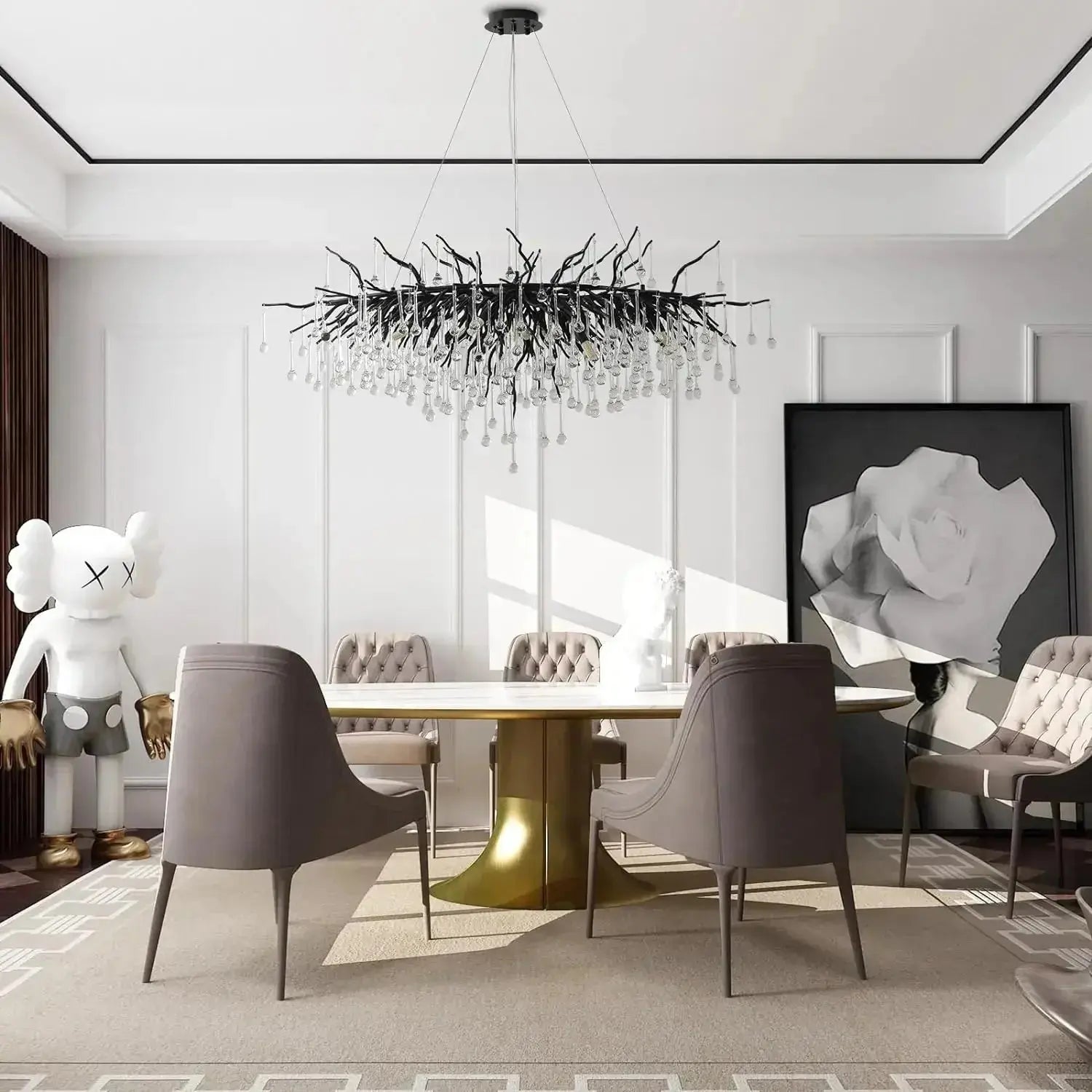
A hallway can have beautiful flooring, considered artwork and a striking ceiling light, yet still feel flat after dark. Wall sconces solve that problem in a way few fittings can: they bring light down to eye level, lend depth to blank walls and make the journey through a home feel intentional. Chosen well, they are not merely supporting lights. They are small-scale decorative statements with a powerful effect on atmosphere.
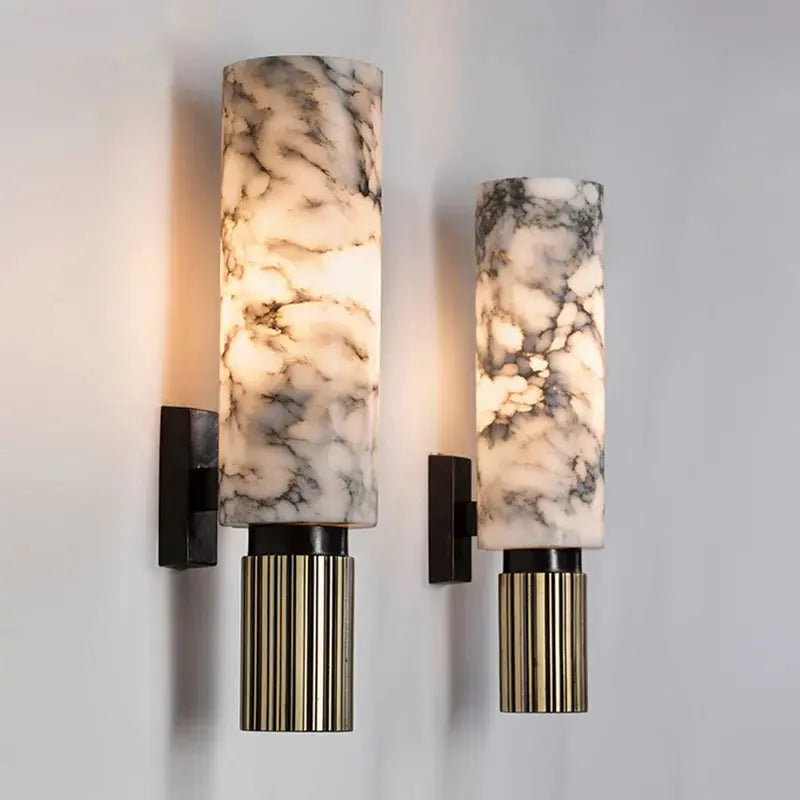
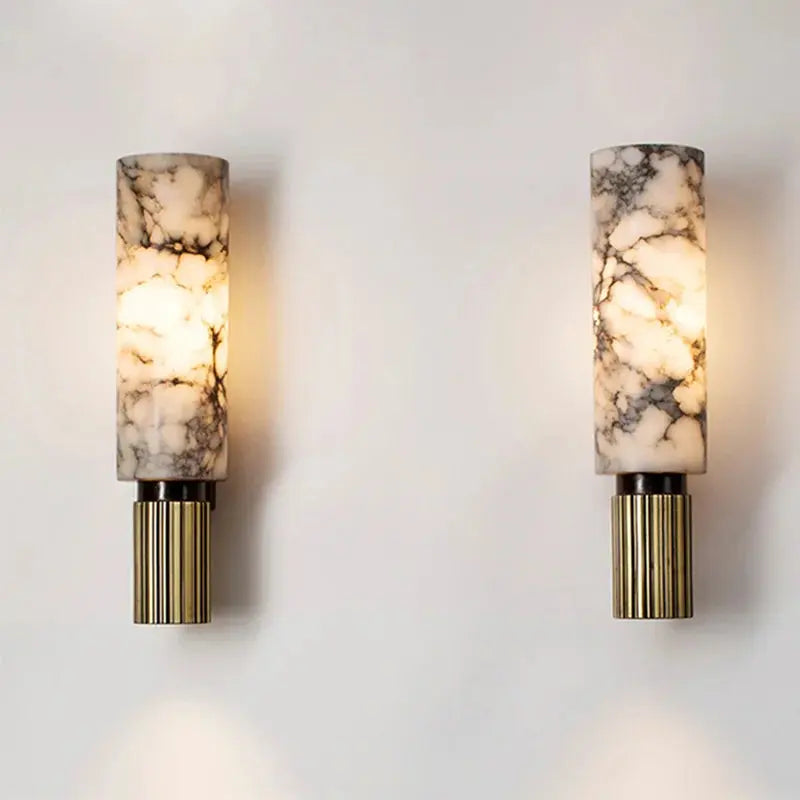
For a refined interior, the best choice balances proportion, purpose and finish. A sculptural alabaster sconce may give a quiet bedroom a soft, luxurious glow, while a pair of polished brass designs can frame a fireplace with more presence. The right answer depends on what the room needs from its lighting, not simply which fitting looks most impressive in isolation.
Begin with the purpose of the light
Before narrowing down a style, decide what the sconces must do. In a living room, their role is often atmospheric: they soften the contrast between a central chandelier and dark corners, making the room feel warmer in the evening. In a corridor, they create guidance and rhythm. Either side of a bathroom mirror, they provide more flattering illumination for everyday routines than an overhead fitting alone.
This distinction matters because decorative impact and practical output do not always arrive in the same fixture. A deeply shaded design may cast a beautiful pool of light up and down the wall, but offer little useful illumination for reading. A slim, directional fitting can be ideal beside a bed, although it may not create the glow desired for a formal dining room.
Think in layers. Ceiling lighting establishes overall brightness, wall lights add mid-level warmth, and table or floor lamps bring intimacy. Wall sconces work best when they have a clear place within that composition rather than being expected to light an entire room unaided.
Choosing wall sconces by room
Hallways, staircases and entrances
Long hallways benefit from repetition. Matching sconces positioned at even intervals create a composed, gallery-like effect while removing gloomy stretches between ceiling fittings. Select a projection that respects the width of the passageway. A grand, ornate arm may look exquisite in a wide entrance hall but become an obstacle in a narrow corridor.
On a staircase, wall lighting can make architectural details feel more considered and improve visibility after dusk. A series of compact fixtures following the rise of the stairs has a tailored look, especially when paired with a statement chandelier in the stairwell. Keep the finish consistent with nearby hardware or the main ceiling fitting for a more cohesive result.
Living rooms and dining spaces
Here, sconces are often about ambience and symmetry. Place a pair either side of a fireplace, large mirror or artwork to give the wall a sense of ceremony. Crystal detailing introduces sparkle and traditional glamour; alabaster brings a diffused, naturally veined elegance; black metal and clear glass feel sharper and more contemporary.
Do not assume that symmetry is compulsory. In an open-plan room, a single sconce can highlight a reading chair, a textured wall or a piece of art. The key is to make the placement appear purposeful. One fitting stranded on a large wall usually looks accidental, while one aligned with furniture or architectural features feels deliberate.
Bedrooms
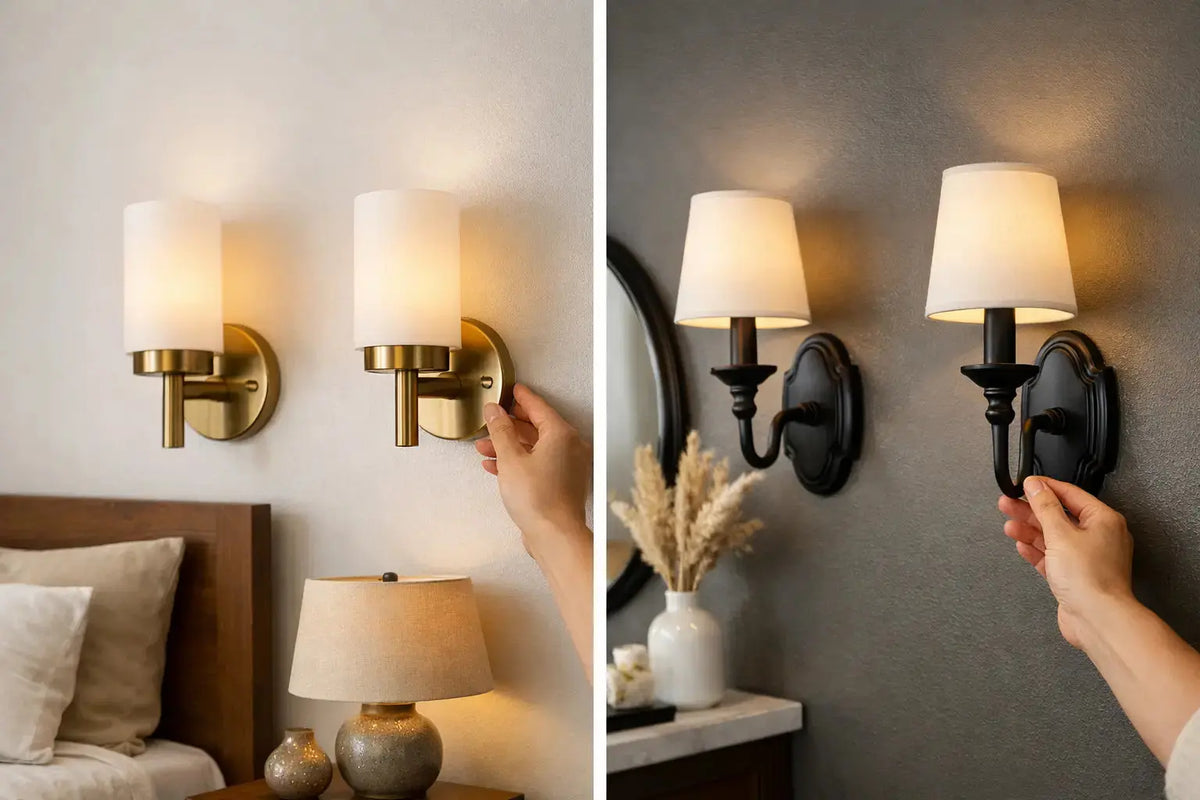
Bedside wall sconces release valuable space on bedside tables and create the polished feeling of a boutique hotel suite. They are particularly useful in compact rooms, where table lamps can make a small surface feel crowded. For reading, choose adjustable arms or shades that direct light downwards and use separate switches so each person can control their own side.
A softer, diffused fitting suits a bedroom intended primarily for rest. Consider warm bulbs and a dimmer, especially if the sconces will be used as the room's evening lighting. Exposed bulbs can look dramatic, but their glare is not always restful from a pillow-height viewpoint.
Bathrooms and dressing areas
The most flattering bathroom light comes from the sides of the face, not directly overhead. Sconces installed on either side of a mirror help reduce harsh shadows around the eyes and chin. Frosted glass, opal shades and enclosed alabaster styles are especially effective for creating a gentle, even glow.
Safety comes first in this setting. Select fittings with a suitable ingress-protection rating for their proposed location, and ask a qualified electrician to advise on positioning around baths, showers and basins. A beautiful fitting is only a good choice if it is appropriate for the zone in which it will be installed.
Get height and spacing right
Scale can make an ordinary wall look carefully designed, while poor positioning can undermine even an exquisite fixture. As a useful starting point, install most decorative sconces around 150 to 170 cm from the finished floor to the centre of the fitting. This generally places the light near eye level, although ceiling height, furniture and the fixture's form should guide the final decision.
For a pair flanking a mirror, fireplace or artwork, begin by finding the visual centre of the feature. The sconces should sit far enough away that they frame it rather than crowd it. Around 15 to 25 cm from the edge is often a sensible starting range, but a broad shade or prominent arm may require more breathing room.
In a hallway, spacing is best judged by sight as well as measurement. Stand at each end of the space and check that the fittings create an even visual cadence. If there are doors, niches or framed pictures, align the sconces with these features where possible. Architectural order is what makes repeated lighting look luxurious rather than merely functional.
Match the scale to the wall, not just the fixture
A wall sconce can look modest in a product image and substantial once installed. Check three measurements before committing: height, width and projection. Projection is especially relevant beside beds, along stairs and in walkways, where a fitting should not intrude into the usable room.
Tall walls can carry vertically elongated fittings, tiered crystal designs or pieces with a confident backplate. Lower ceilings and smaller rooms usually suit compact silhouettes with clean lines. If a room already has a dramatic chandelier, the wall lights need not compete. A quieter sconce in a related metal finish can support the central statement beautifully.
There is also a trade-off between visual weight and illumination. Large fabric shades create softness and presence, yet can conceal a significant portion of the light. Minimal glass designs tend to feel lighter and brighter, though they may reveal the bulb more directly. Consider how the fitting will appear switched off as well as lit. During daylight hours, it remains part of the room's decorative scheme.
Choose finishes and materials with intention
The finish is where wall lighting can connect a room's smallest details to its largest gestures. Warm brass complements cream plaster, timber, antique mirrors and traditional marble. Polished chrome and nickel bring a cooler, tailored quality to bathrooms and modern interiors. Matte black creates crisp definition against pale walls and suits both industrial and contemporary schemes.
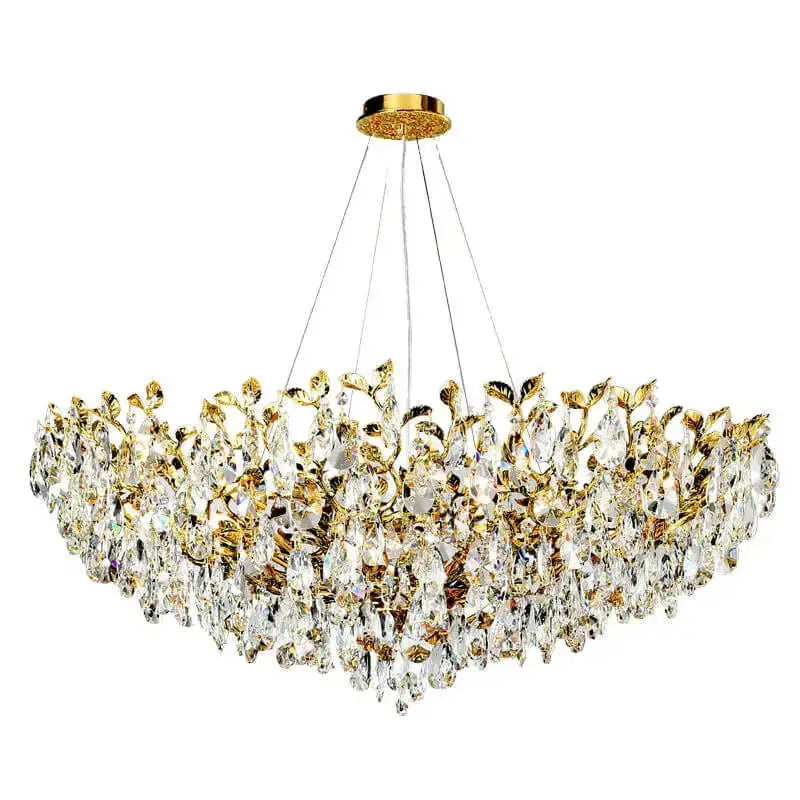
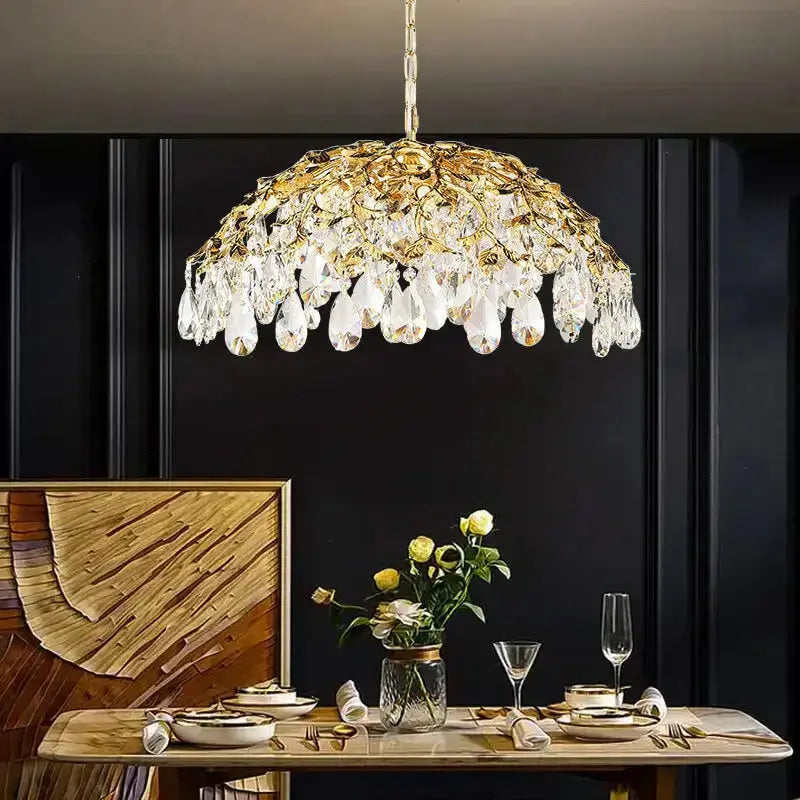
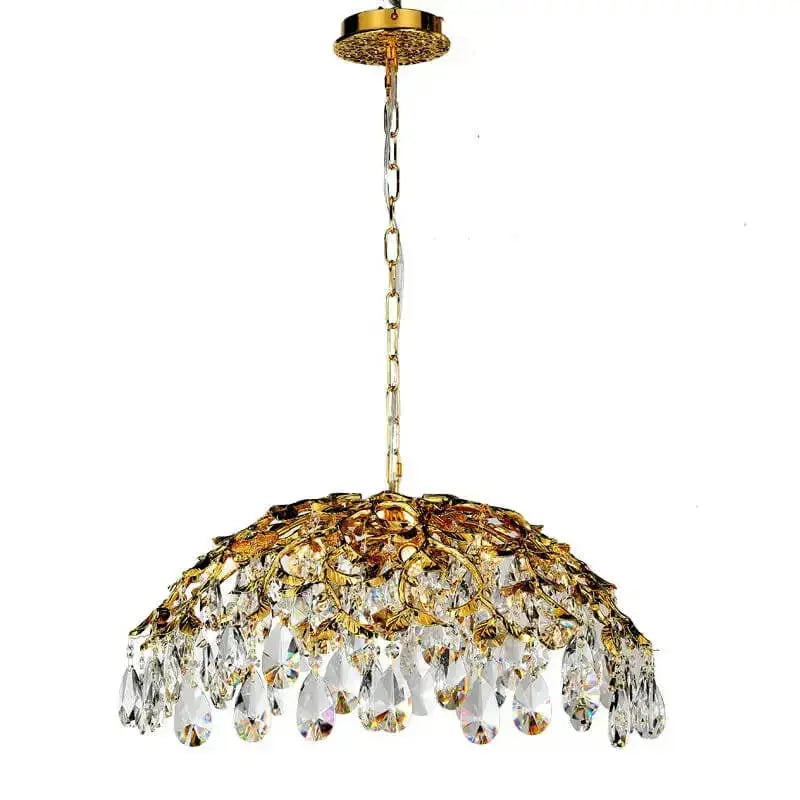
Material changes the character of the light itself. Crystal reflects and refracts illumination, lending sparkle to formal foyers and dining spaces. Alabaster softens it, producing a warm, clouded radiance that feels especially at home in bedrooms and elegant lounges. Clear glass feels open and architectural, while linen or fabric shades give a room a more familiar, relaxed finish.
Perfect matching is not the only route to a successful room. Metals can be mixed, provided they are repeated with confidence. For example, antique brass sconces can sit beautifully with black iron furniture when each finish appears elsewhere in the space. What tends not to work is a lone, unrelated metal introduced without any visual connection.
Plan for bulbs, controls and installation
The fitting's beauty is only half the purchase. Warm-white bulbs generally create the most inviting residential atmosphere, particularly in bedrooms, living rooms and dining rooms. For task-focused bathroom lighting, a slightly brighter, more neutral tone can be preferable, provided it still feels comfortable against skin tones.
Dimmers are one of the most worthwhile additions to wall lighting. They allow a formal dinner, quiet film night and everyday circulation to happen under the same fittings without the room feeling over-lit. Check that both the bulbs and the sconce are dimmer-compatible, as compatibility varies.
Hardwired sconces give the cleanest, most permanent result, with no trailing cords to distract from the design. They do, however, require planning before decorating is complete. If wiring is not feasible, plug-in options can offer flexibility, particularly in rented homes, though cable management becomes part of the visual decision. Always use a qualified electrician for fixed electrical work and confirm local requirements before installation.
A pair of thoughtfully placed wall sconces can make a home feel more settled, more flattering and more individual after sunset. Choose the design that suits the way you live, then give it the wall space and light control it deserves. That is how a useful fitting becomes a lasting part of the room's character.