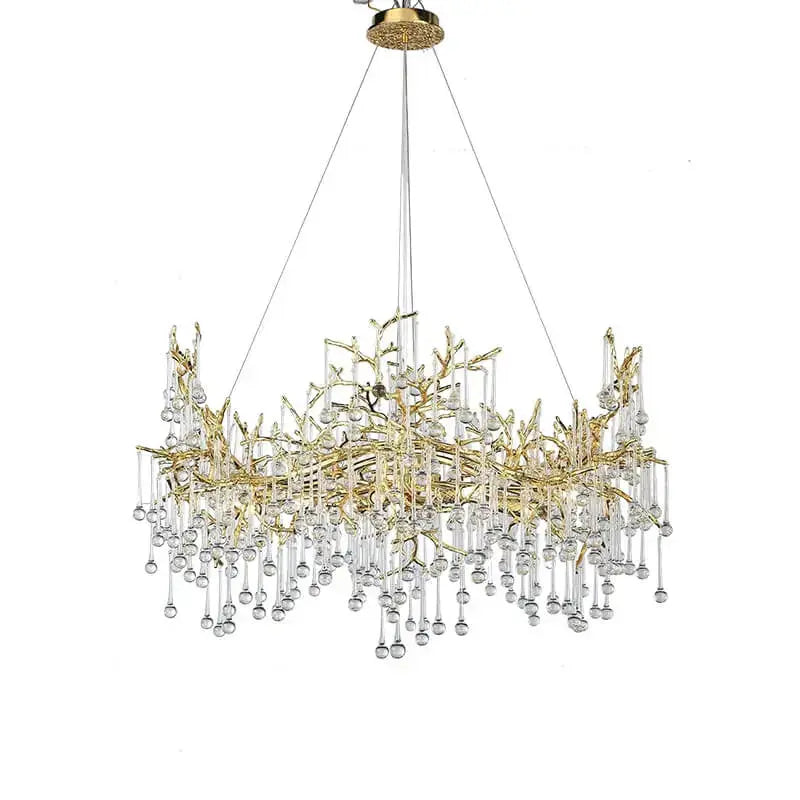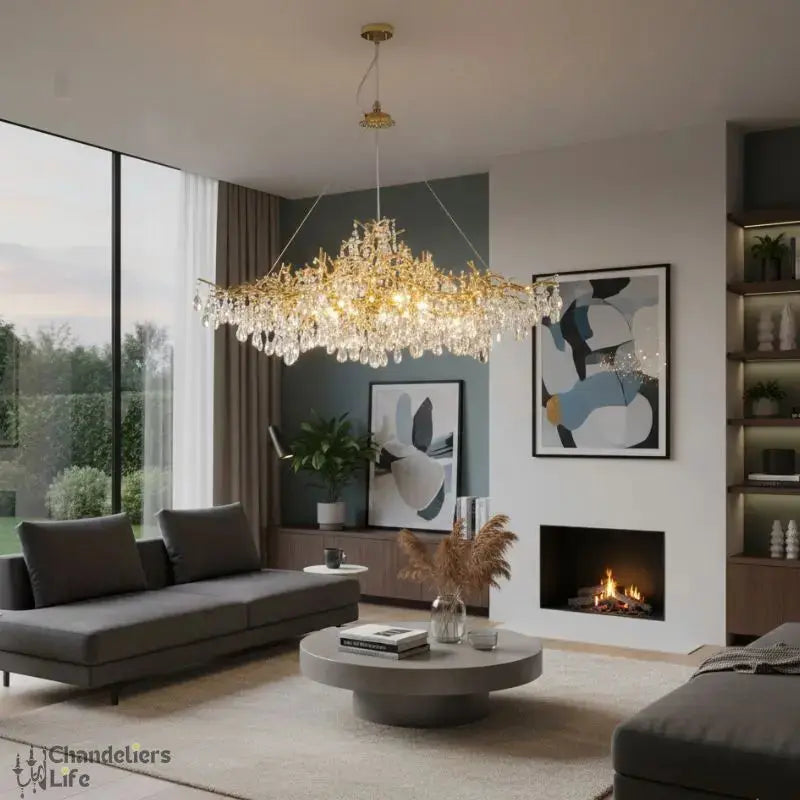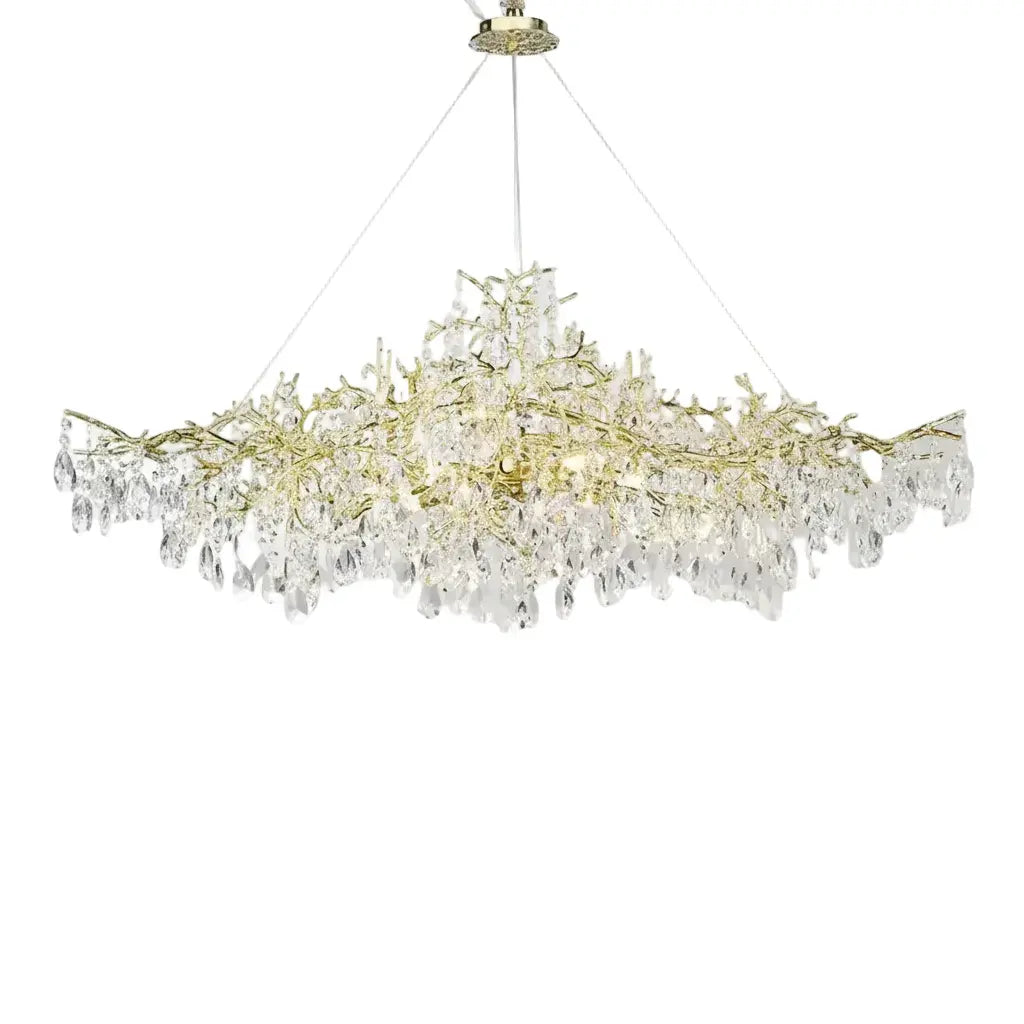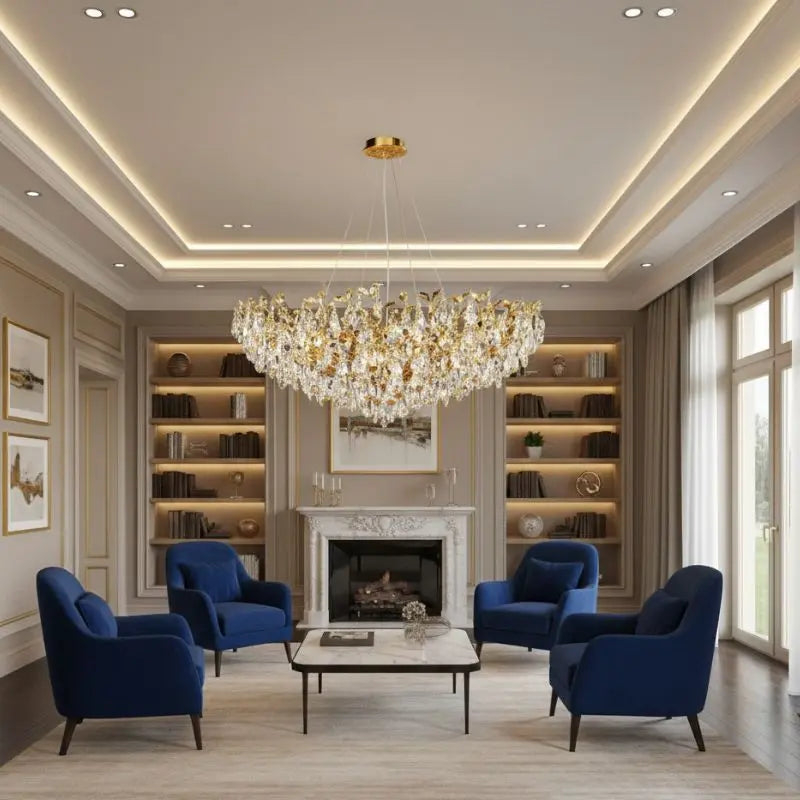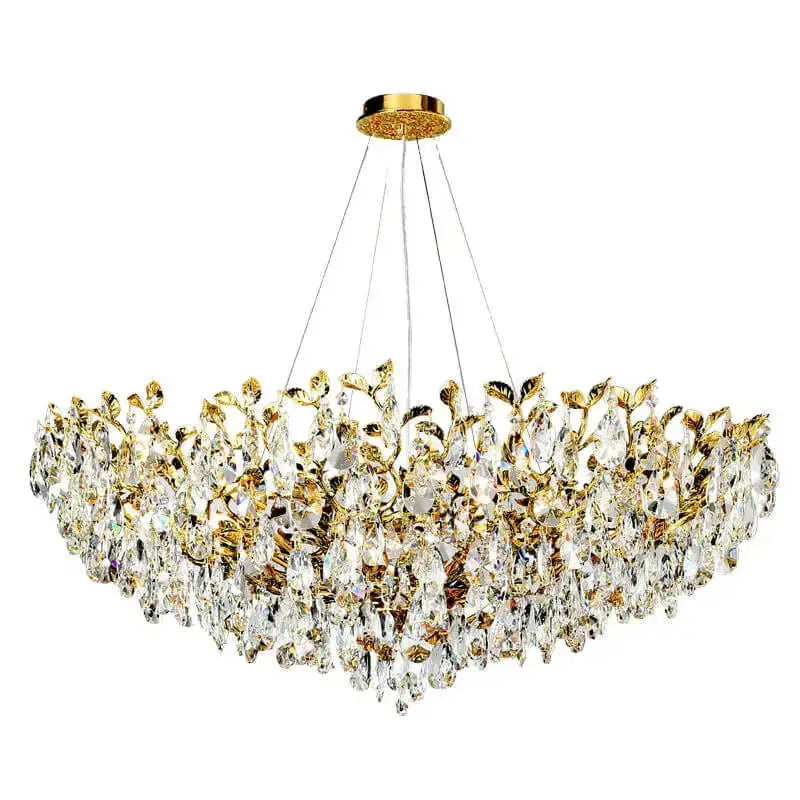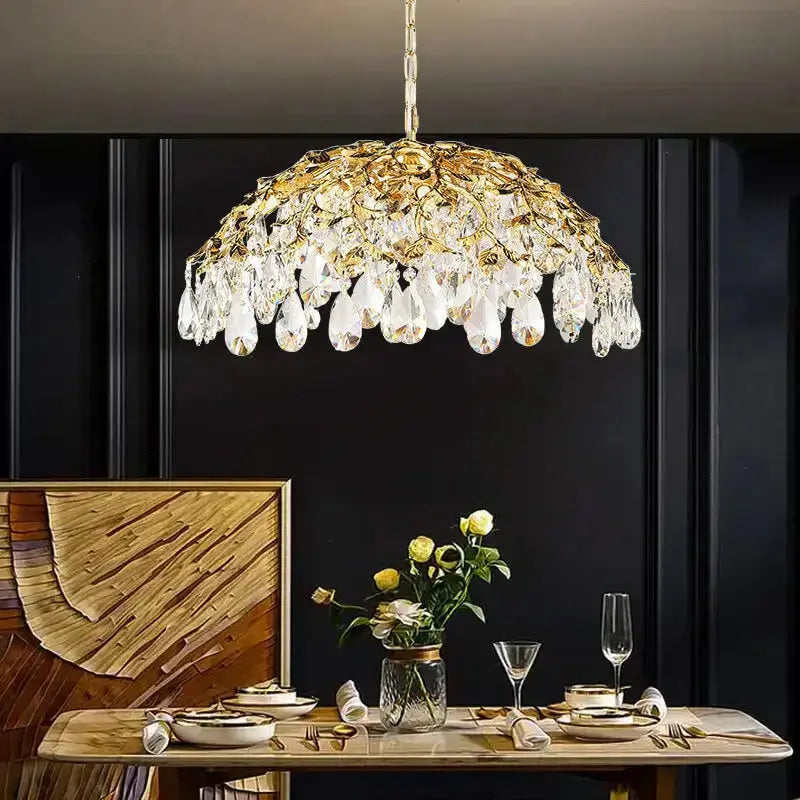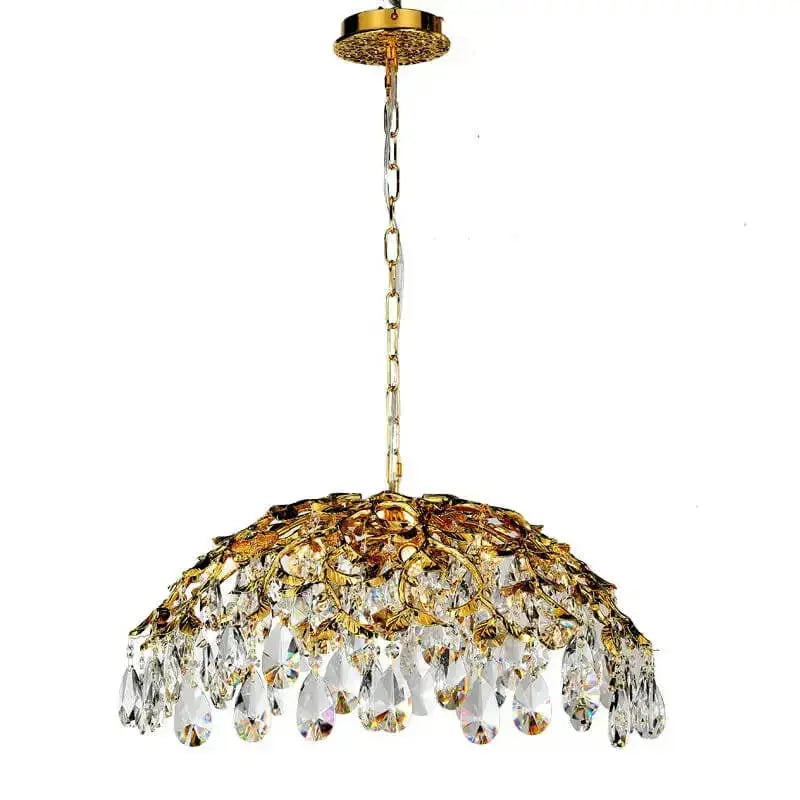
A chandelier is often the first design decision a room makes for you. Before guests notice the dining table, stair runner or carefully chosen artwork, they notice the light above it. Choosing a modern or traditional chandelier is therefore less about following a trend and more about deciding what character you want the room to hold: crisp and architectural, richly decorative, or somewhere beautifully in between.
The right fixture should feel intentional at every hour. In daylight, it contributes shape, material and proportion. After dark, it creates atmosphere, draws the eye upwards and gives the room its sense of occasion.
Modern or traditional chandelier: start with the room
Look at the architectural language already present. Traditional chandeliers tend to flourish alongside period features: ceiling roses, panelled walls, ornate cornices, dark timber, velvet upholstery and antique-inspired finishes. A crystal silhouette with curved arms can make a dining room feel gracious rather than overly formal when it echoes details elsewhere in the space.
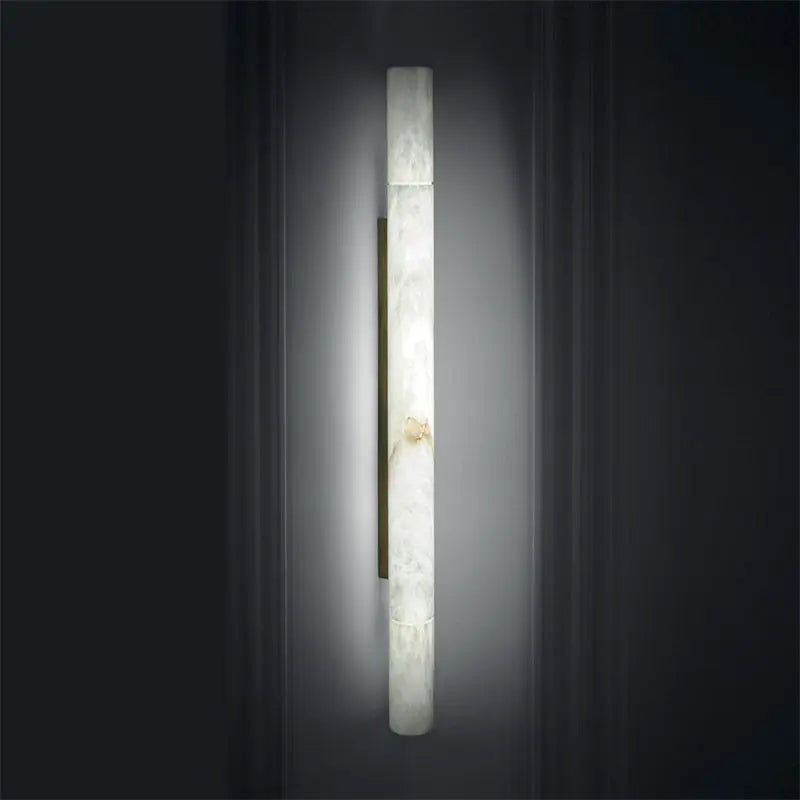
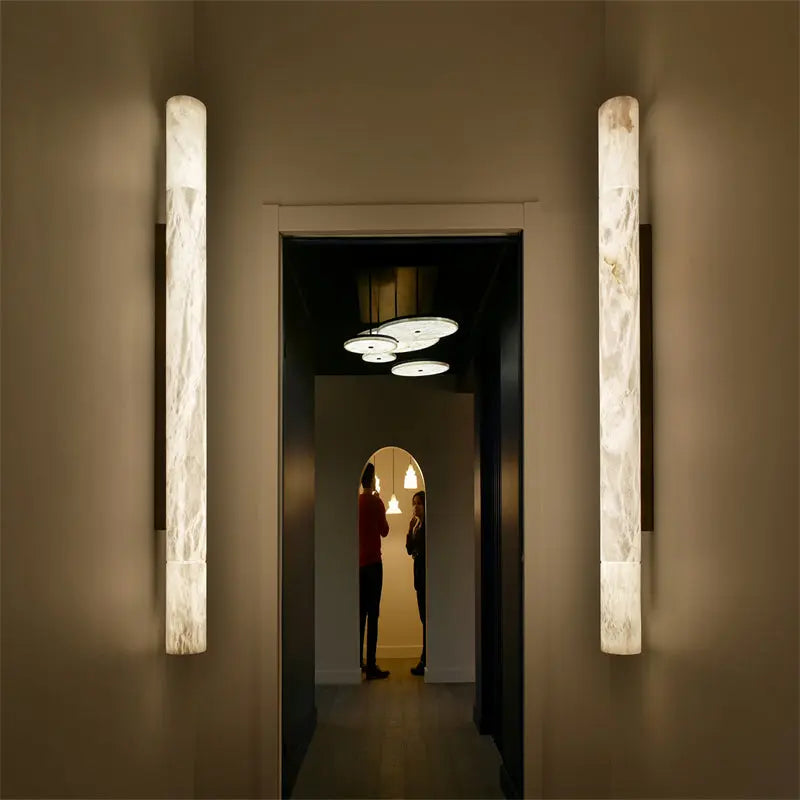
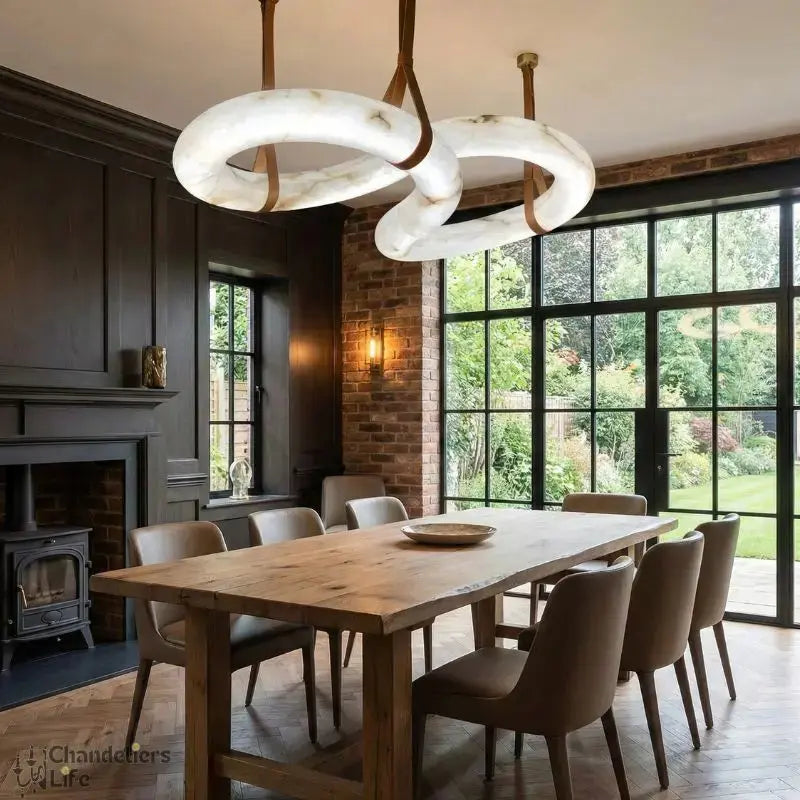
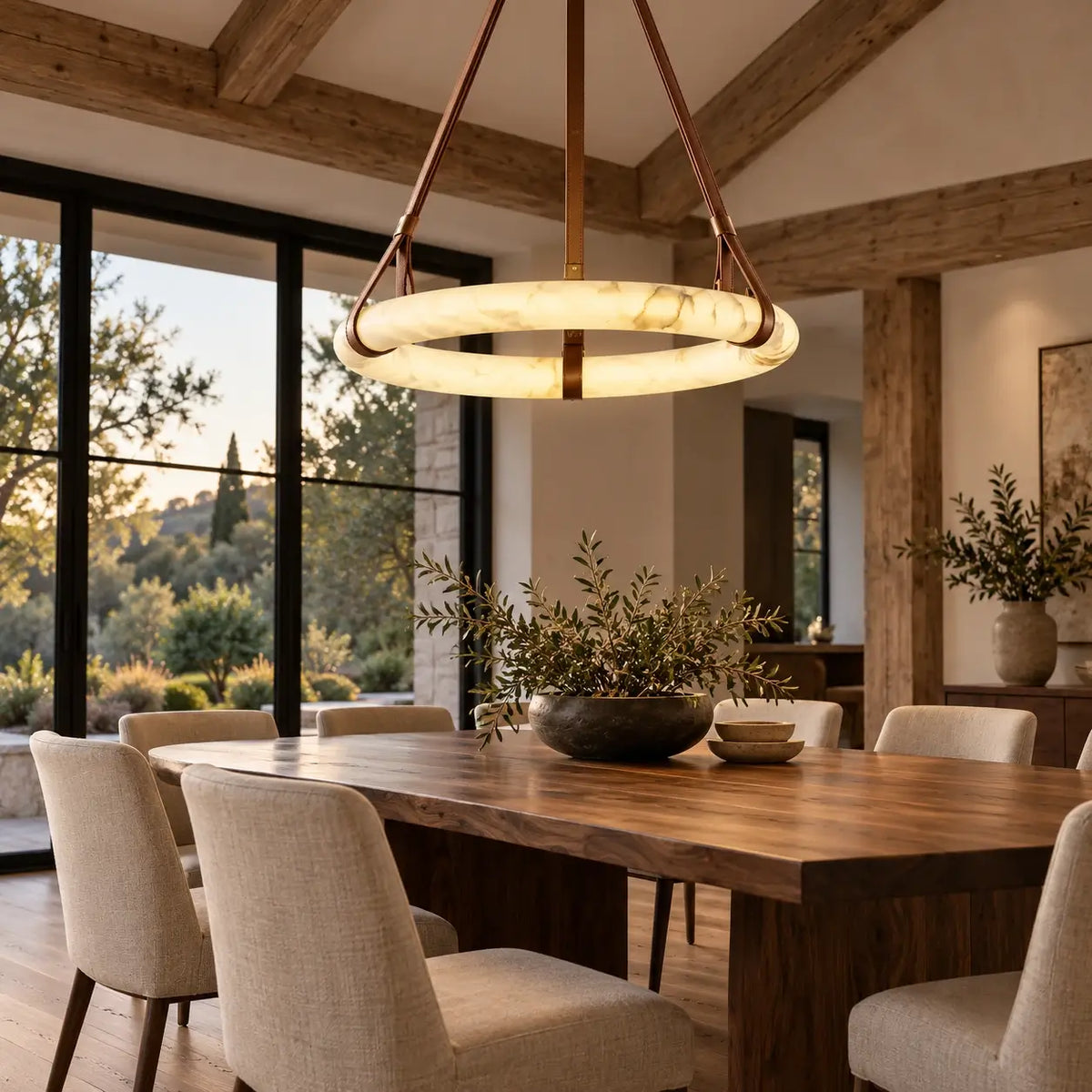
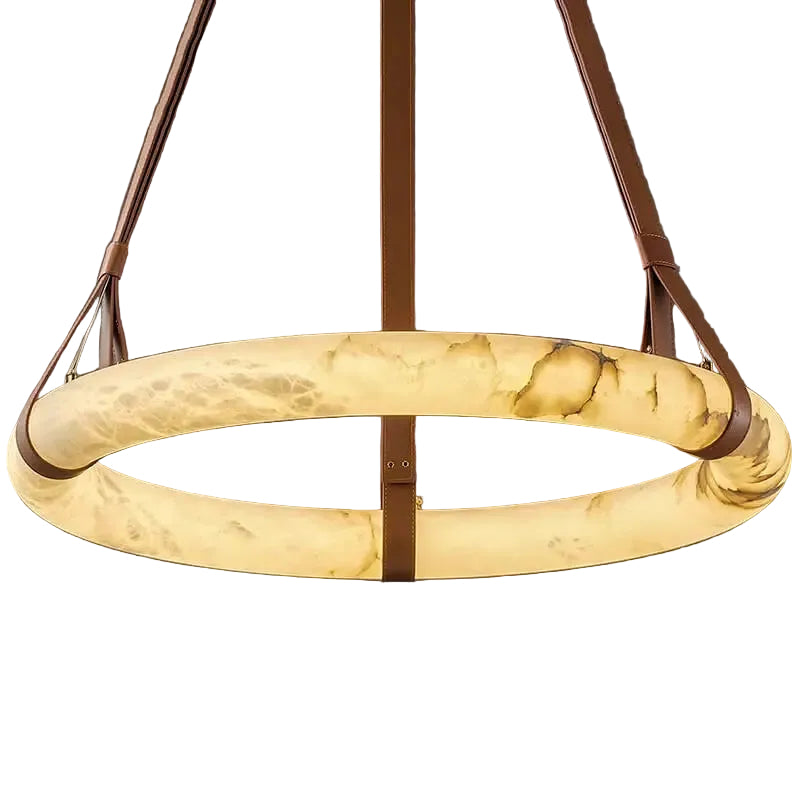
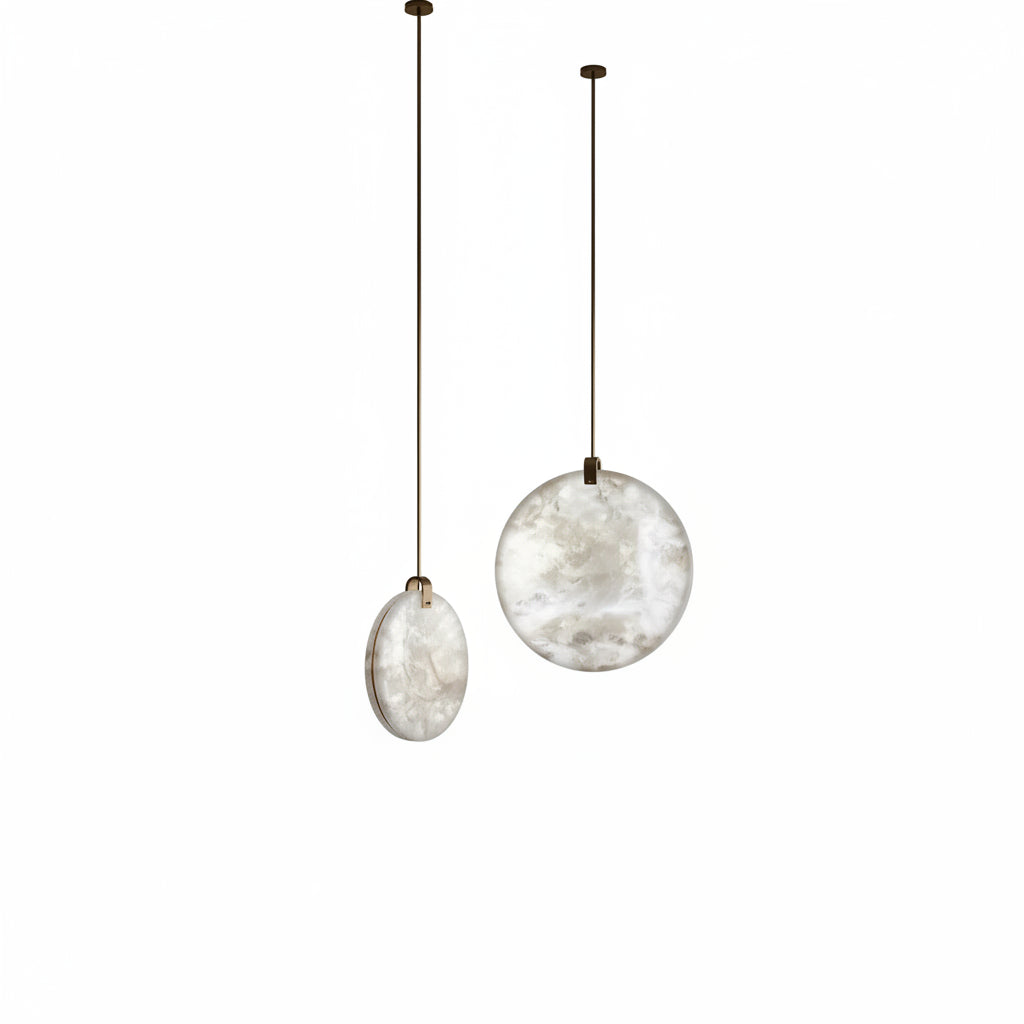
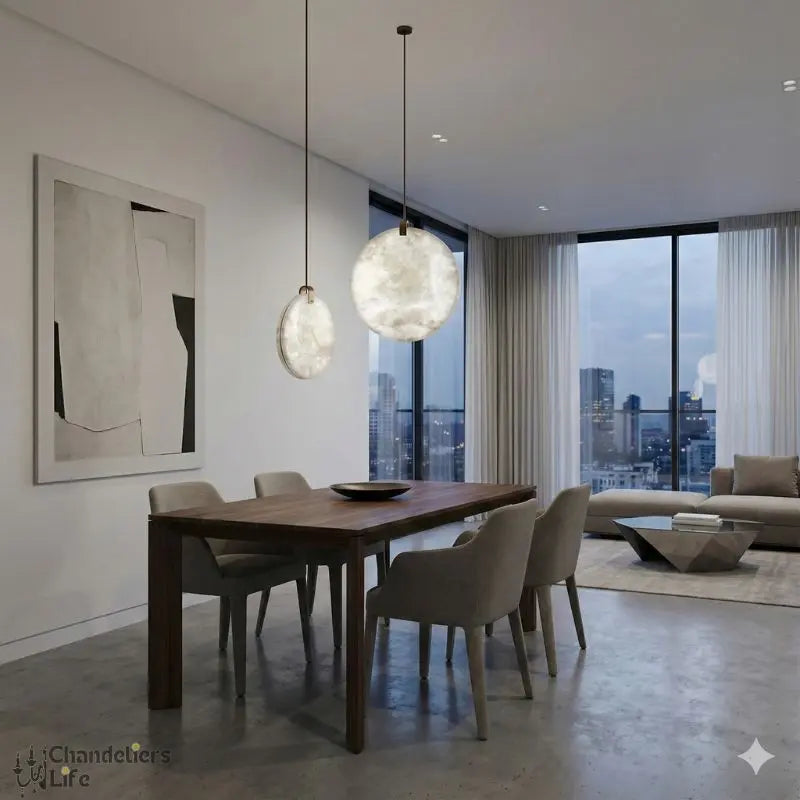
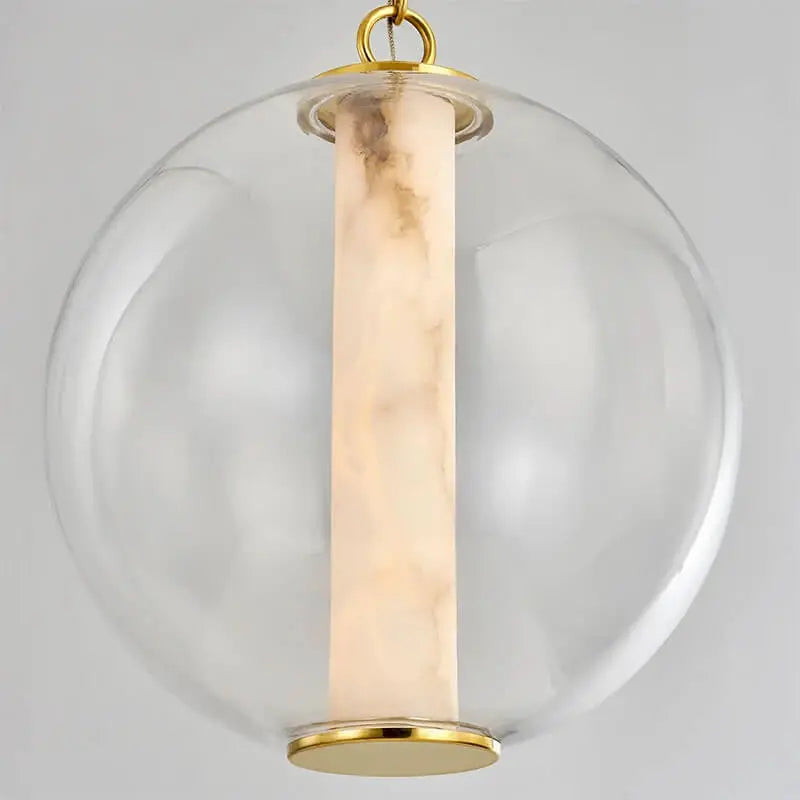
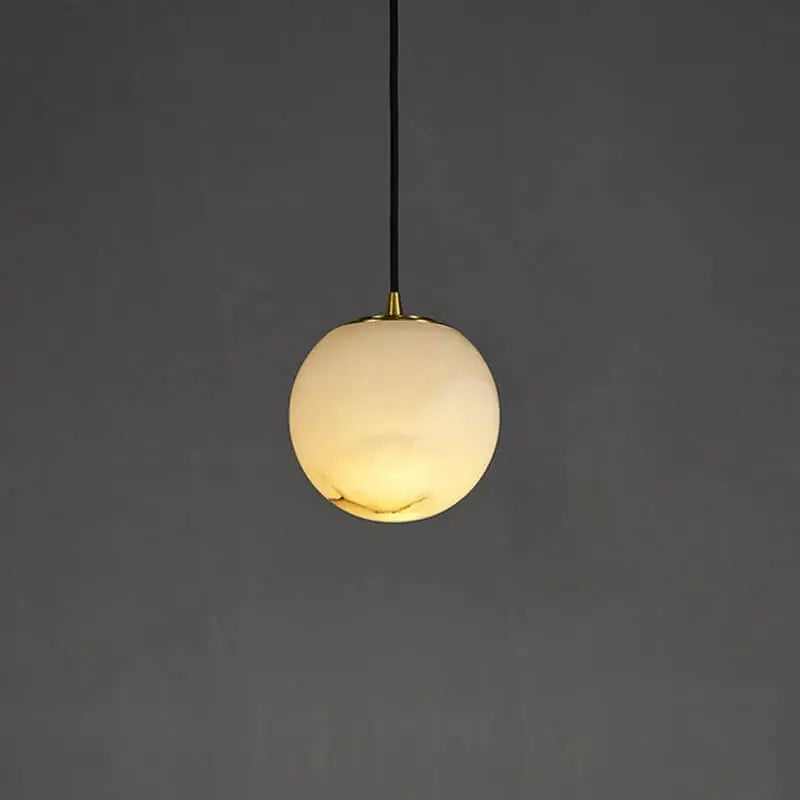
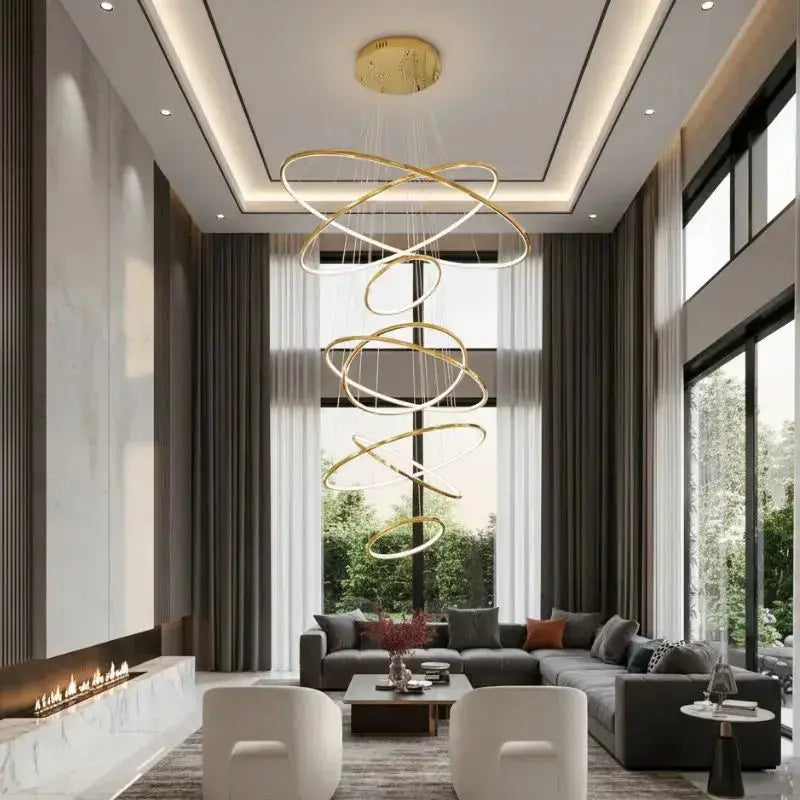
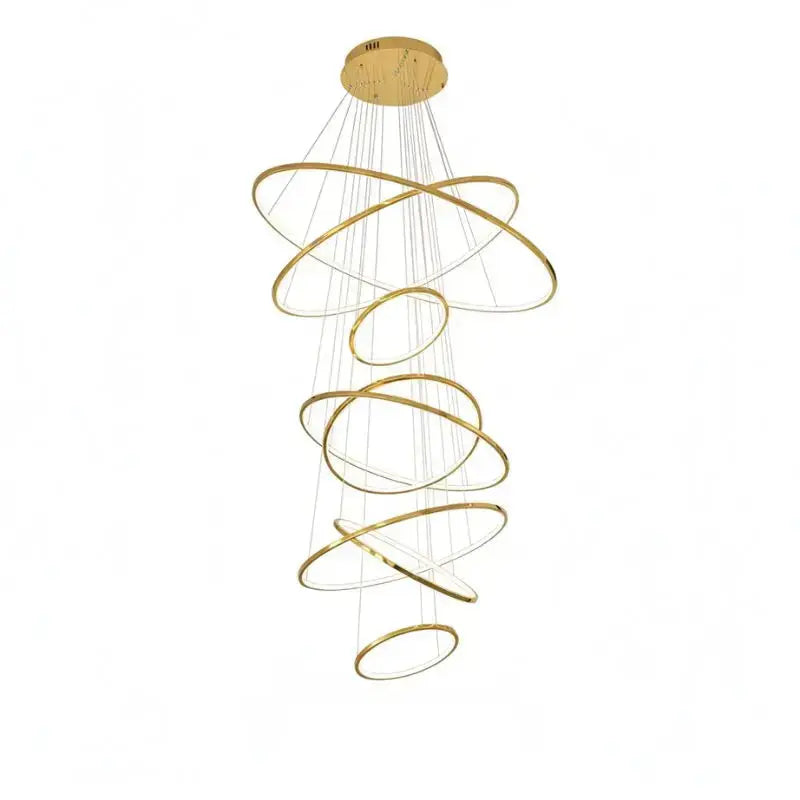
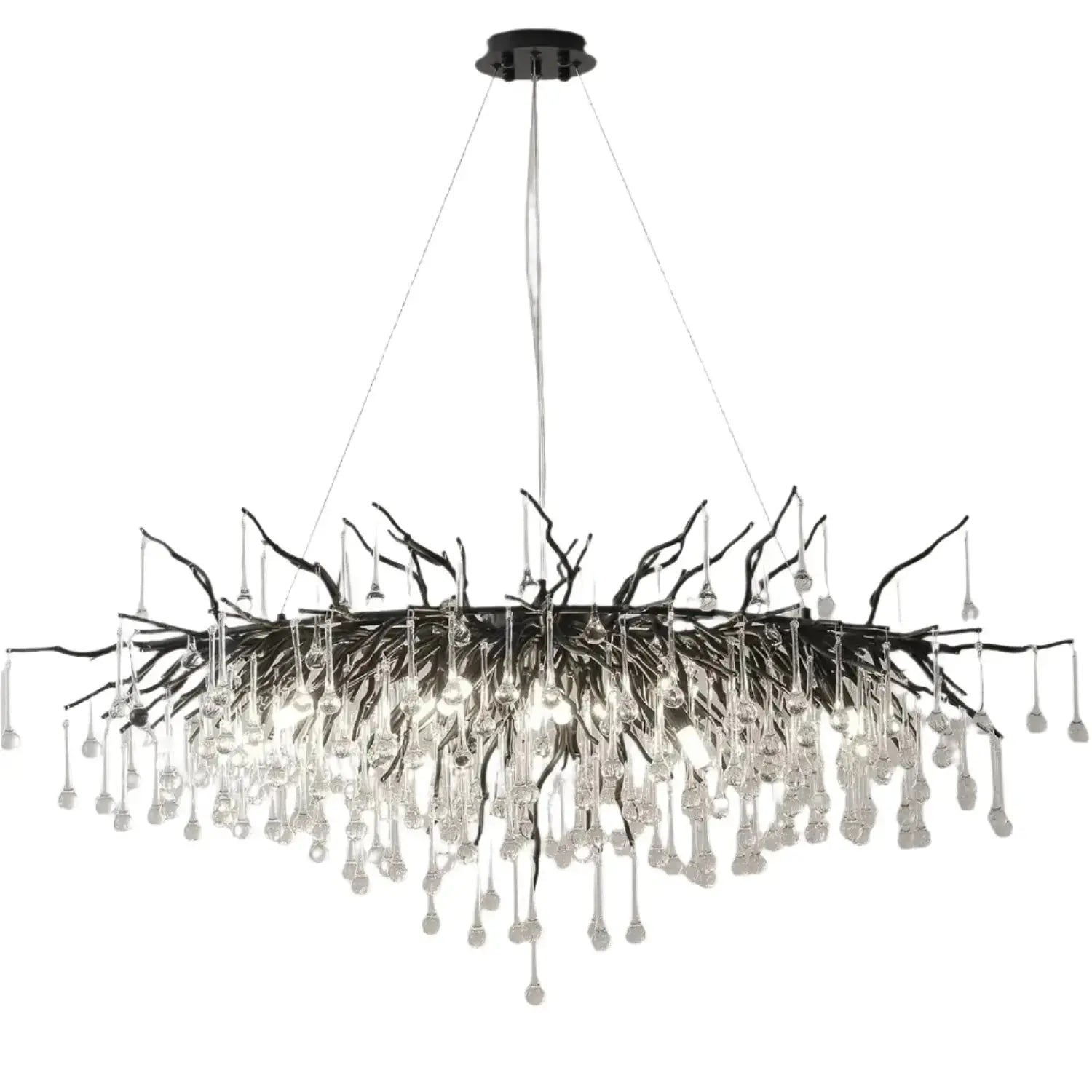
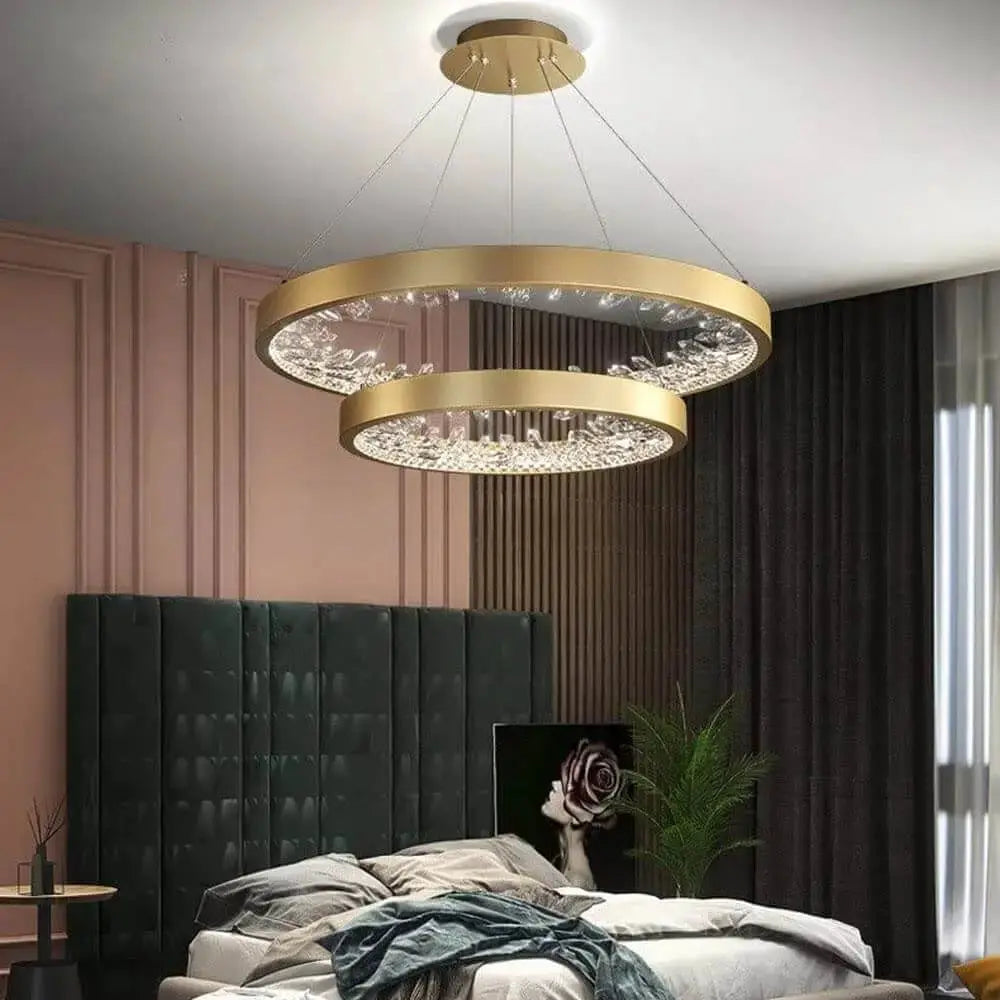
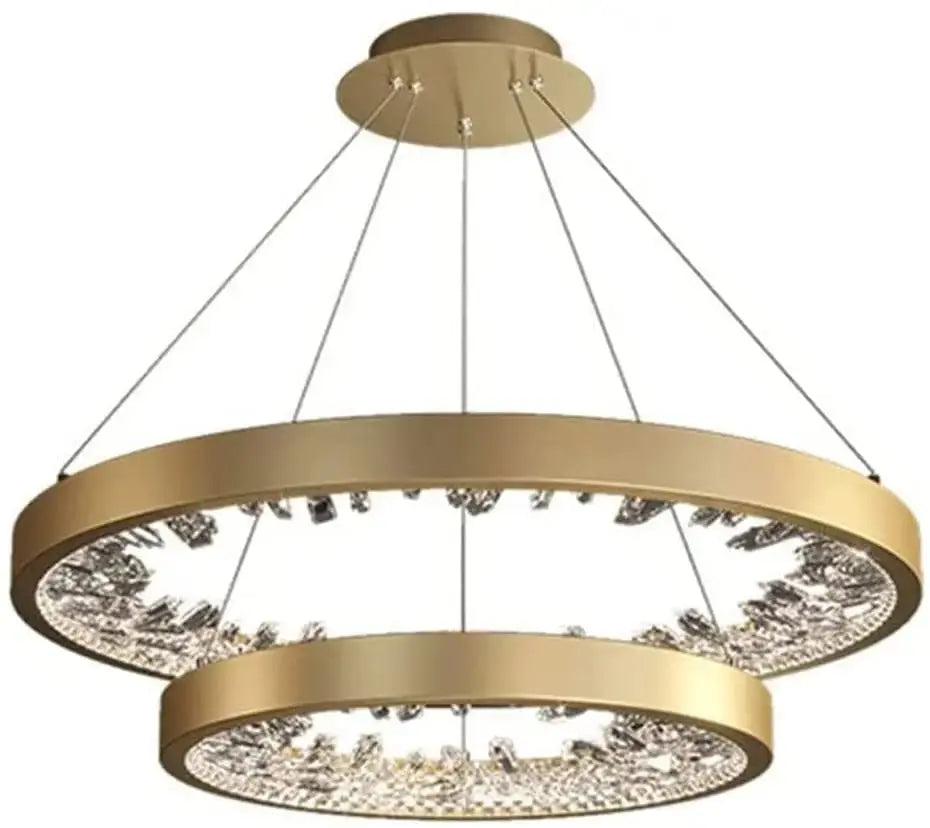
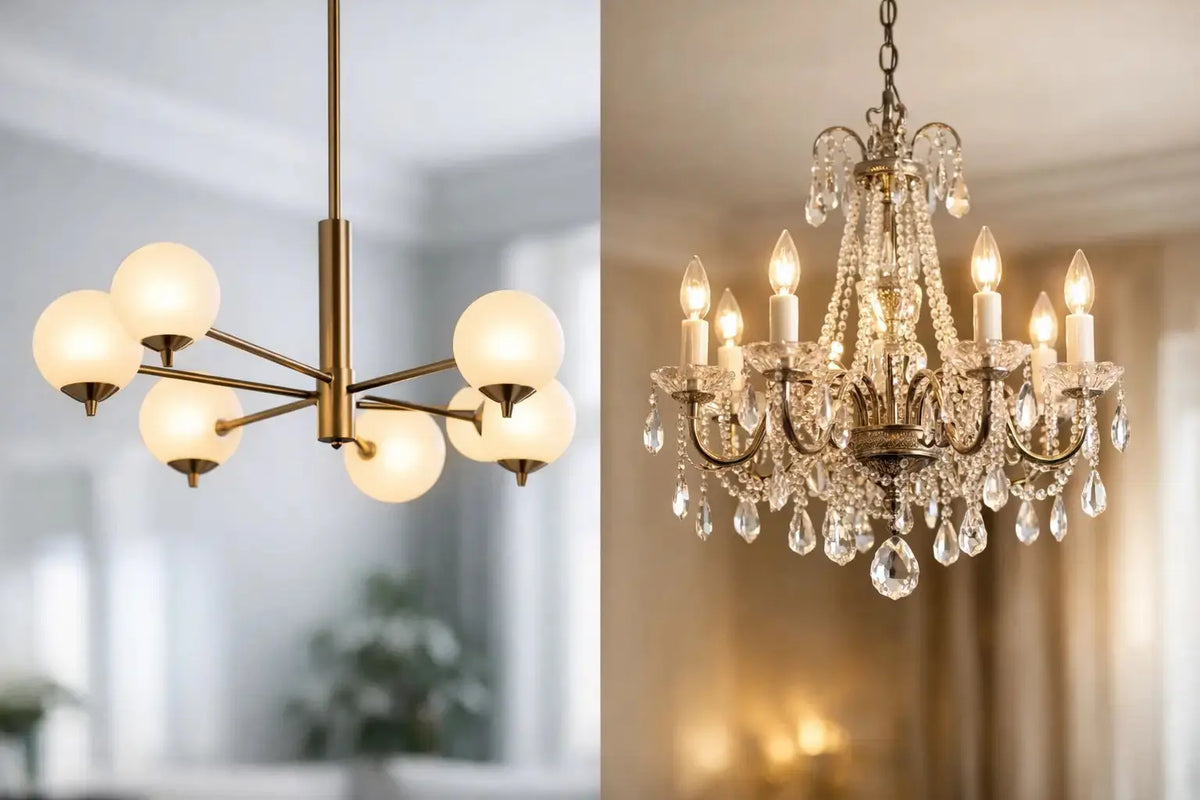
Modern chandeliers are often defined by cleaner geometry. Think sculptural rings, linear bars, clustered globes, slender branches or softly glowing alabaster forms. They suit contemporary extensions, open-plan kitchens and homes where uncluttered lines and restrained palettes set the tone. Their simplicity does not mean they disappear. A generous modern fixture can be every bit as dramatic as a classic crystal chandelier, simply with a quieter kind of confidence.
That said, architecture should guide the choice, not dictate it. A striking contemporary chandelier in a Victorian hallway can create a compelling contrast, especially when its finish relates to original ironwork or door furniture. Likewise, a traditional crystal piece above a sleek dining table introduces warmth and glamour to a minimal scheme. The most memorable rooms rarely feel like they were assembled from one catalogue page.
What makes a chandelier feel modern or traditional?
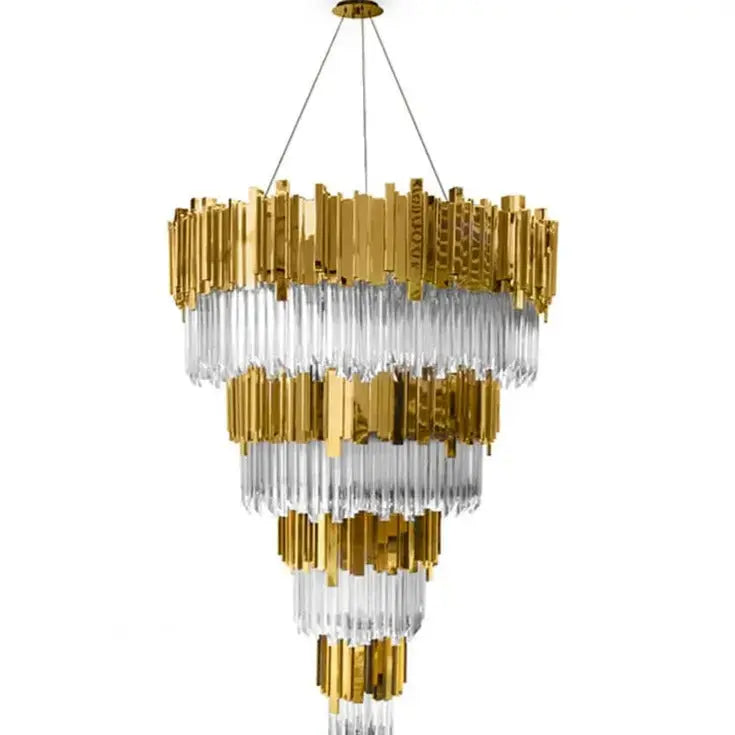
A traditional design usually relies on familiar decorative cues: candle-style bulbs, tiered frames, faceted crystal drops, scrolling arms, aged brass, bronze or polished metal finishes. These pieces refract light and bring movement to a room. They are particularly effective in foyers, formal dining rooms and stairwells, where a little ceremony is welcome.
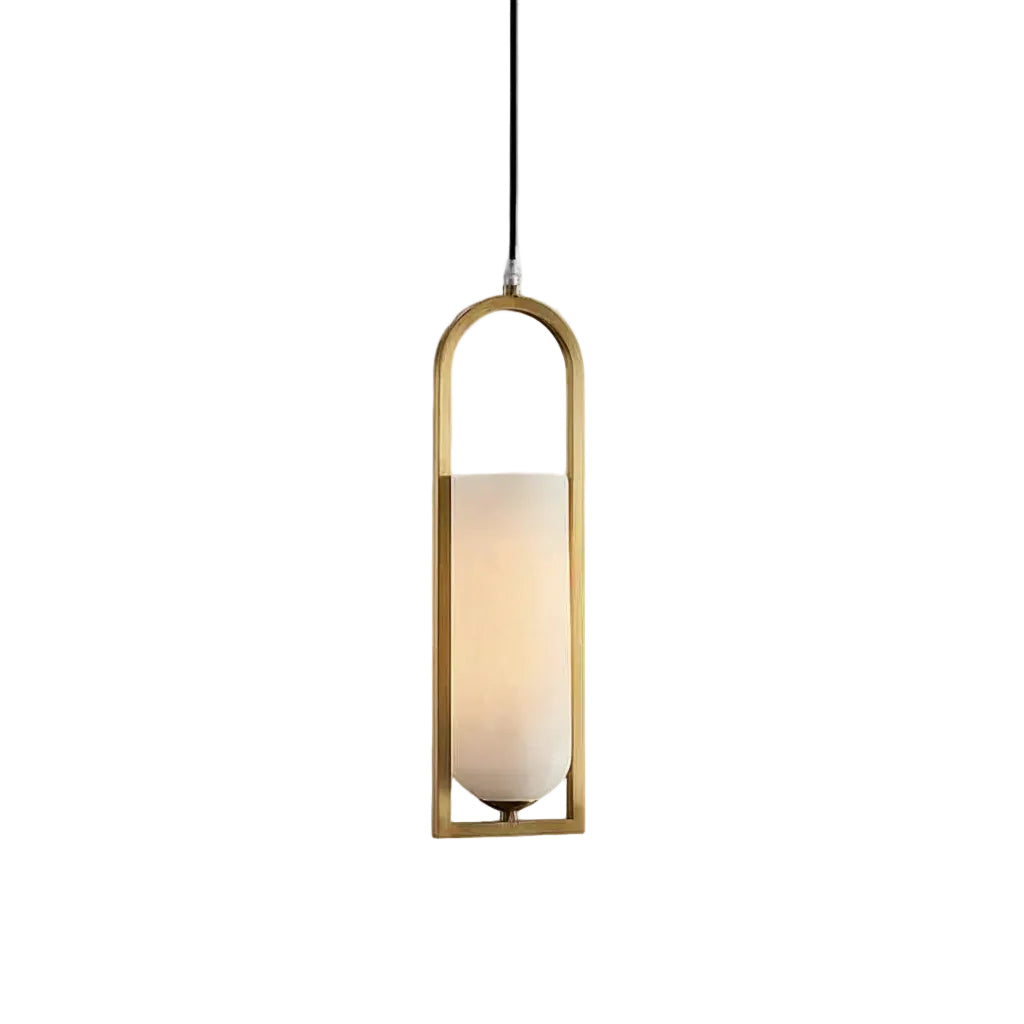
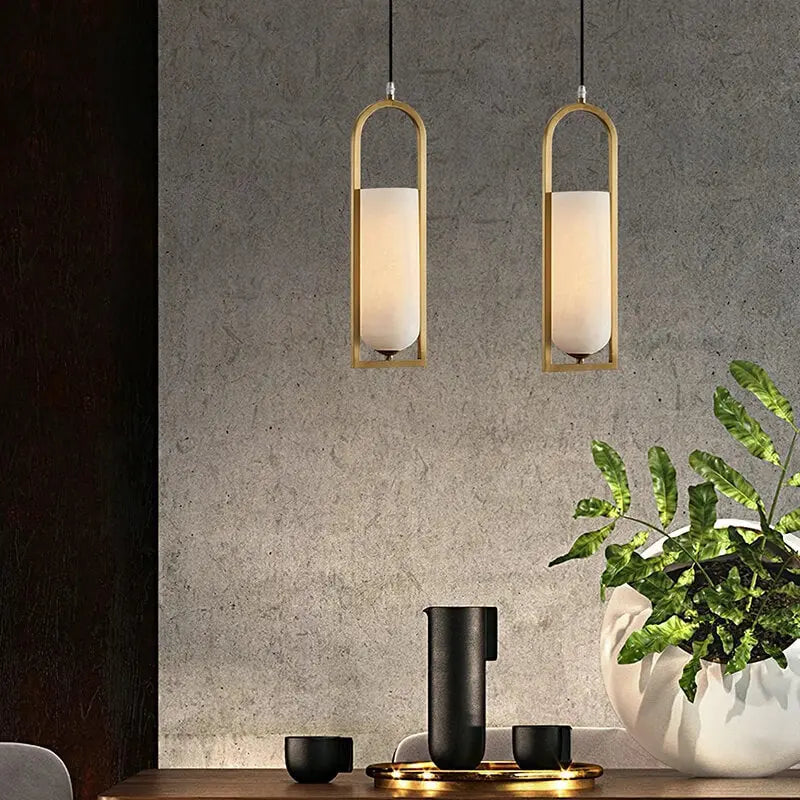
A modern chandelier puts more emphasis on silhouette, negative space and material contrast. Clear glass globes, matt black metal, brushed gold, LED light bands and natural stone details all create a more current expression. In a kitchen, a linear chandelier can give an island a tailored focal point while keeping sightlines open. In a bedroom, a cloud-like cluster of glass pendants feels luxurious without becoming too elaborate.
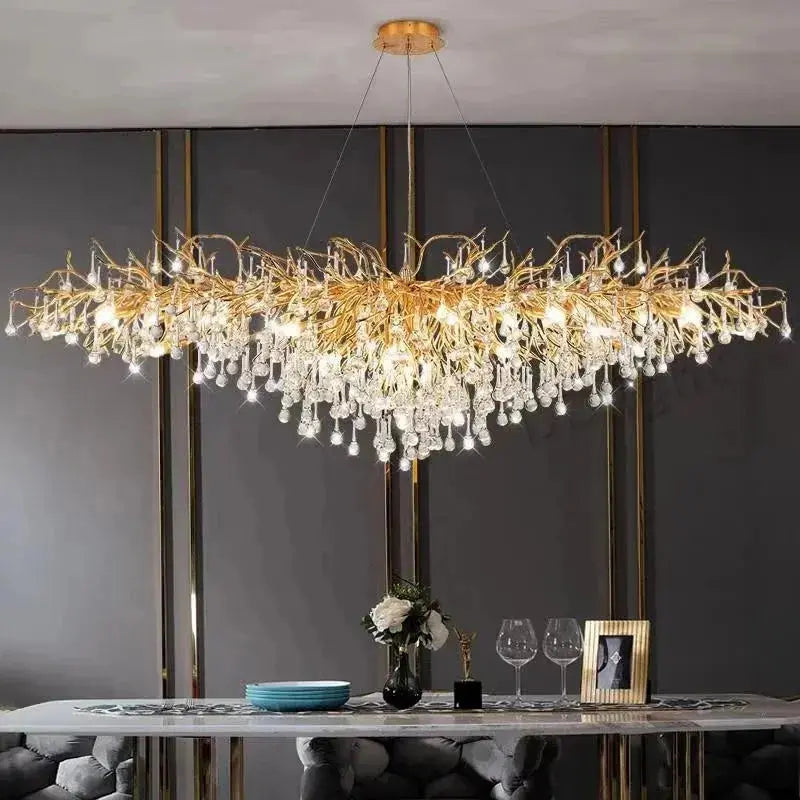
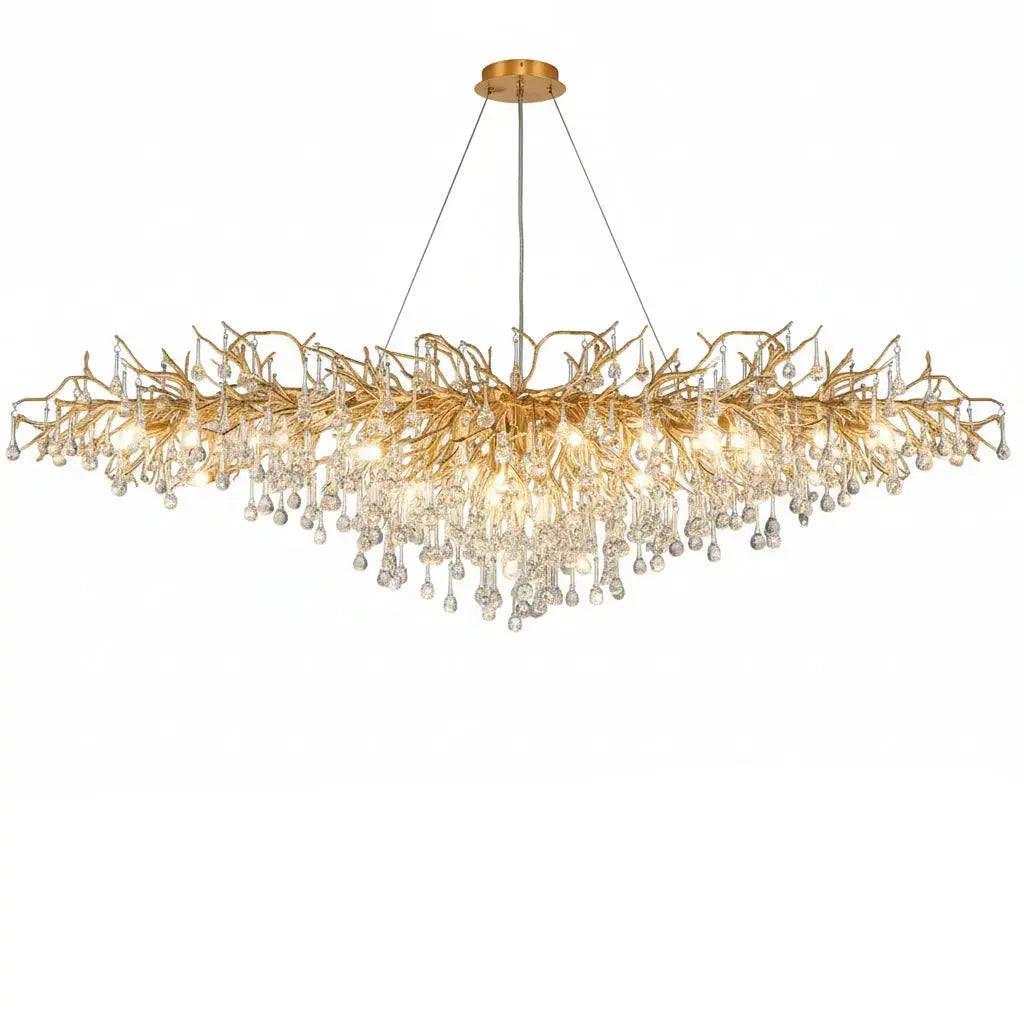
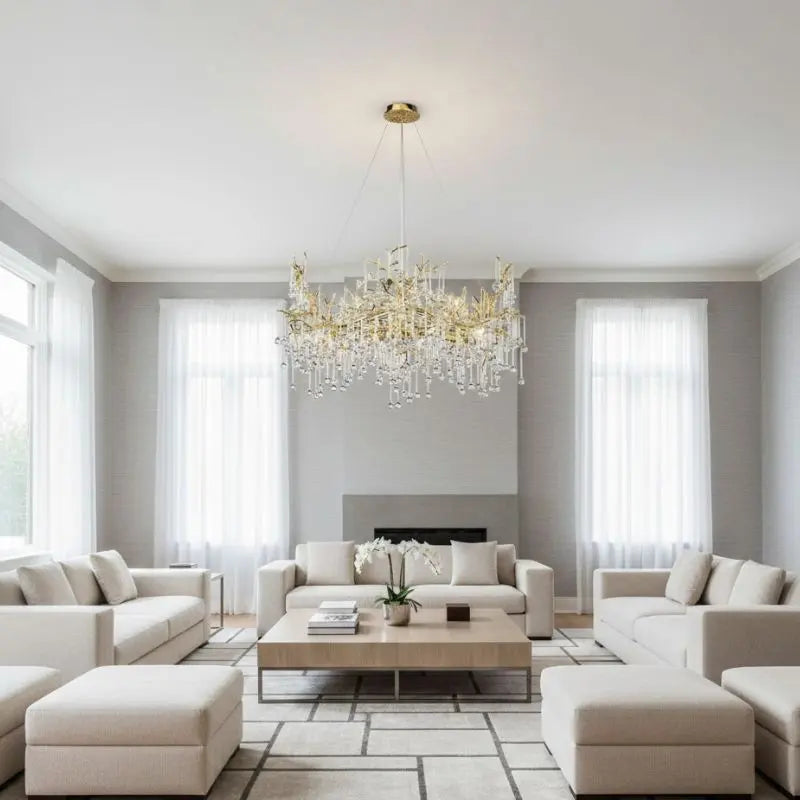
The dividing line is not always sharp. Transitional chandeliers combine elements from both directions: a classic branched frame with simplified arms, for example, or crystal arranged in a bold geometric form. This is an excellent route for homeowners who appreciate timeless elegance but do not want their lighting to feel tied to a single era.
Materials change the mood
Material is one of the quickest ways to steer the decision. Crystal brings sparkle, depth and a celebratory feel. It earns its place in grand entryways and dining settings, but a refined crystal design can also elevate a bedroom or dressing area.
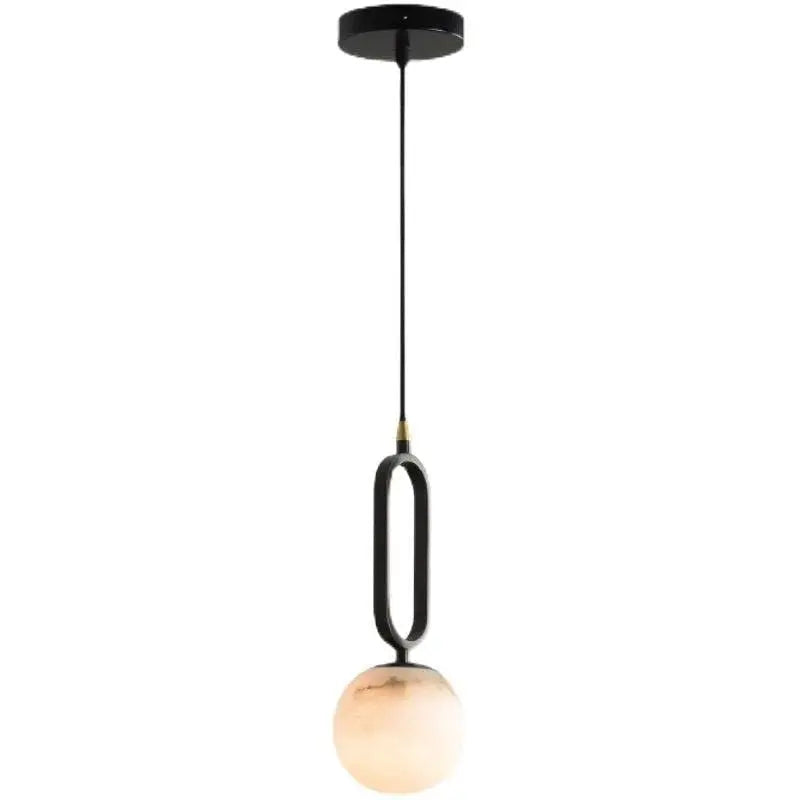
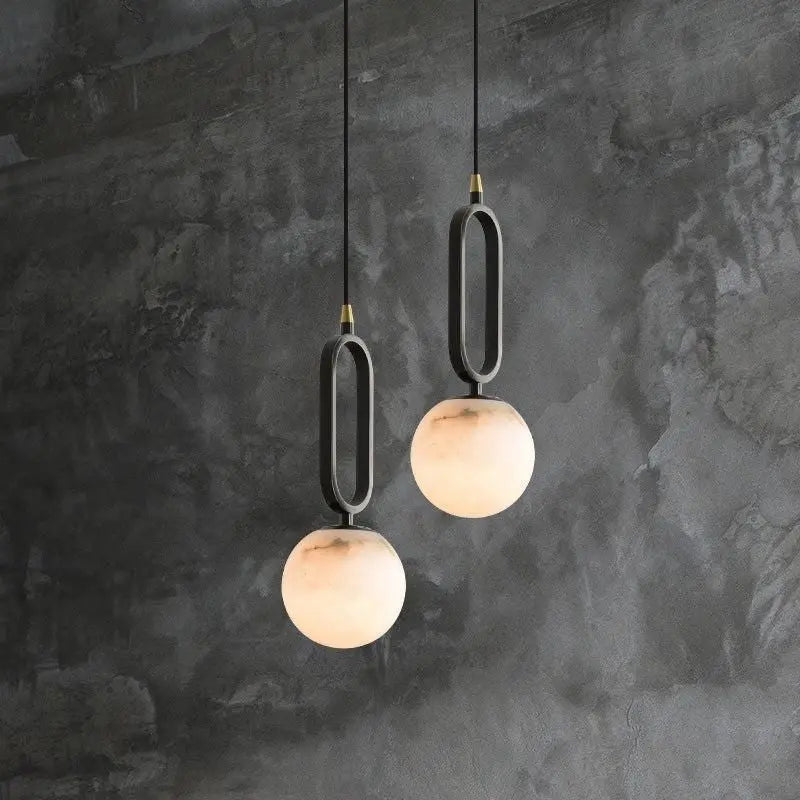
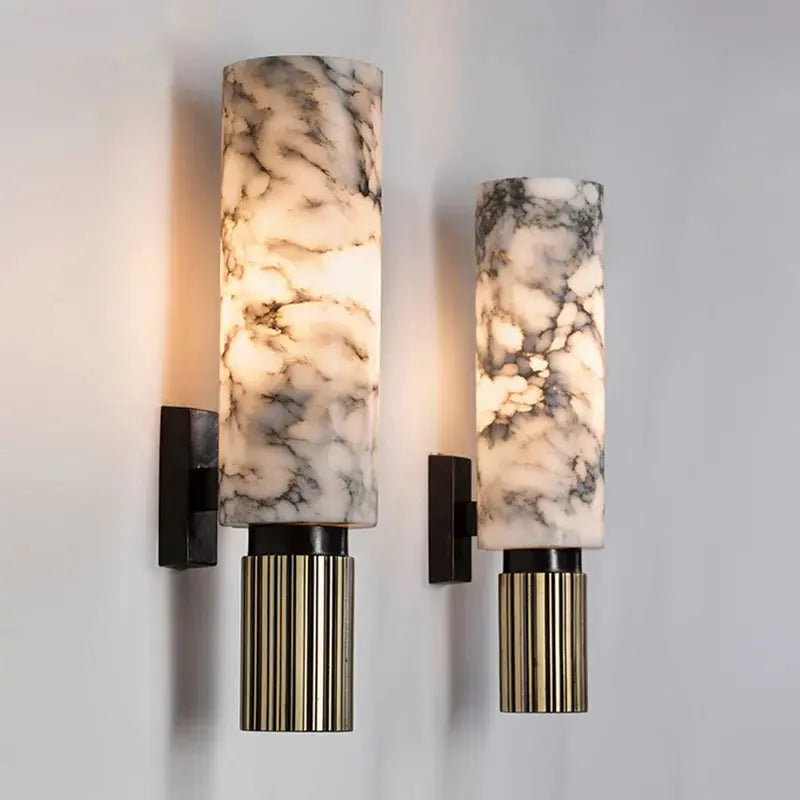
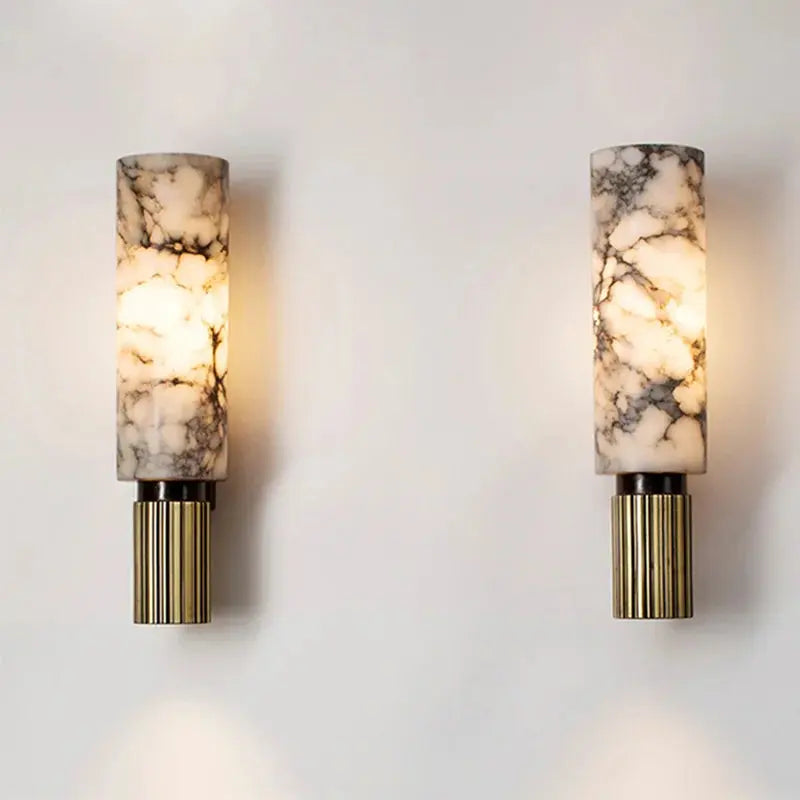
Alabaster offers a softer, more diffused luxury. Its natural veining makes every fixture feel considered, while its gentle glow flatters both contemporary and classic interiors. Metal finishes matter too: antique brass and bronze lean traditional, while black, chrome and satin nickel can read more modern. Brushed gold works comfortably across both styles, depending on the shape of the fitting.
Scale matters more than style labels
Even an exquisite chandelier loses impact if it is undersized or crowds the room. Start with the room’s proportions, then consider where people sit, walk and look. In a dining room, the chandelier should relate to the table rather than simply float in the middle of the ceiling. A fixture around half to two-thirds of the table’s width is often a pleasing visual starting point, provided it still leaves clear space around the edges.
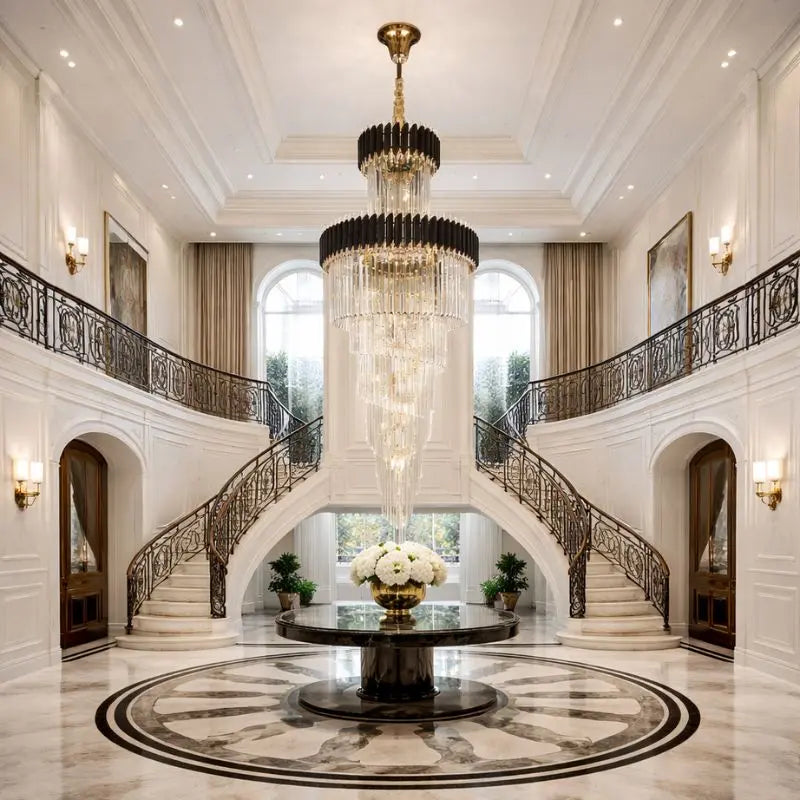
Hang a dining chandelier high enough that it does not interrupt conversation or obscure faces, usually around 75 to 90 centimetres above the tabletop. For tall foyers and staircases, use the vertical space with confidence. A cascading design or multi-tiered chandelier can turn an otherwise empty volume into a defining feature.
In lower-ceilinged rooms, modern flush or semi-flush chandeliers often make more sense than a deep, ornate fitting. You can still achieve presence through a wide silhouette, textured glass or a sculptural arrangement of lights. Luxury is not measured by how low a fixture hangs.
Consider the view from adjoining spaces
Open-plan homes need chandeliers that work from more than one angle. A dining fixture may also be visible from the kitchen, sitting room and garden doors, so choose a design with a finished, balanced profile. Linear forms can establish order across long rooms, while rounded clusters soften spaces dominated by straight cabinetry and wide glazing.
For a staircase or double-height entrance, consider what the chandelier looks like from below, from the landing and through the front door. This is where a dramatic fixture becomes part of the home’s identity rather than merely a source of illumination.
Match light quality to how you live
A chandelier should provide more than visual theatre. In dining rooms and reception spaces, warm dimmable light allows the mood to shift from weekday supper to a long evening with friends. In kitchens, decorative overhead light is most effective when supported by practical task lighting at worktops and under cabinets. Do not expect one statement chandelier to do every job in a hardworking room.
Traditional candle-style designs can look especially convincing with warm-toned bulbs, while integrated LED modern pieces often offer an exceptionally even, refined glow. Check colour temperature, dimming compatibility and the quantity of light required before falling in love with a silhouette. The best choice balances beautiful illumination with the real routines of the household.
When contrast is the most luxurious choice
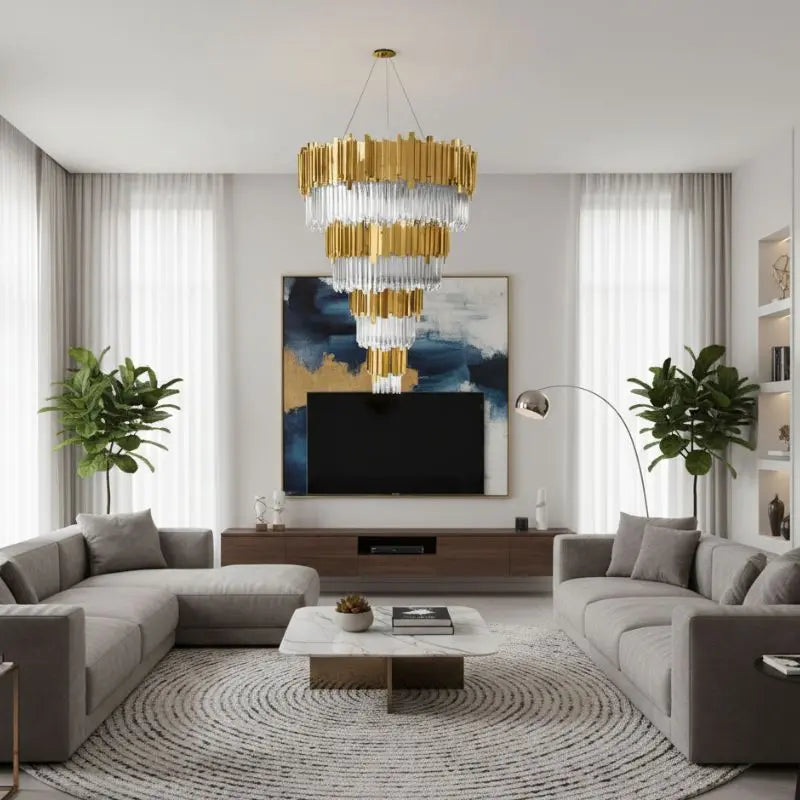
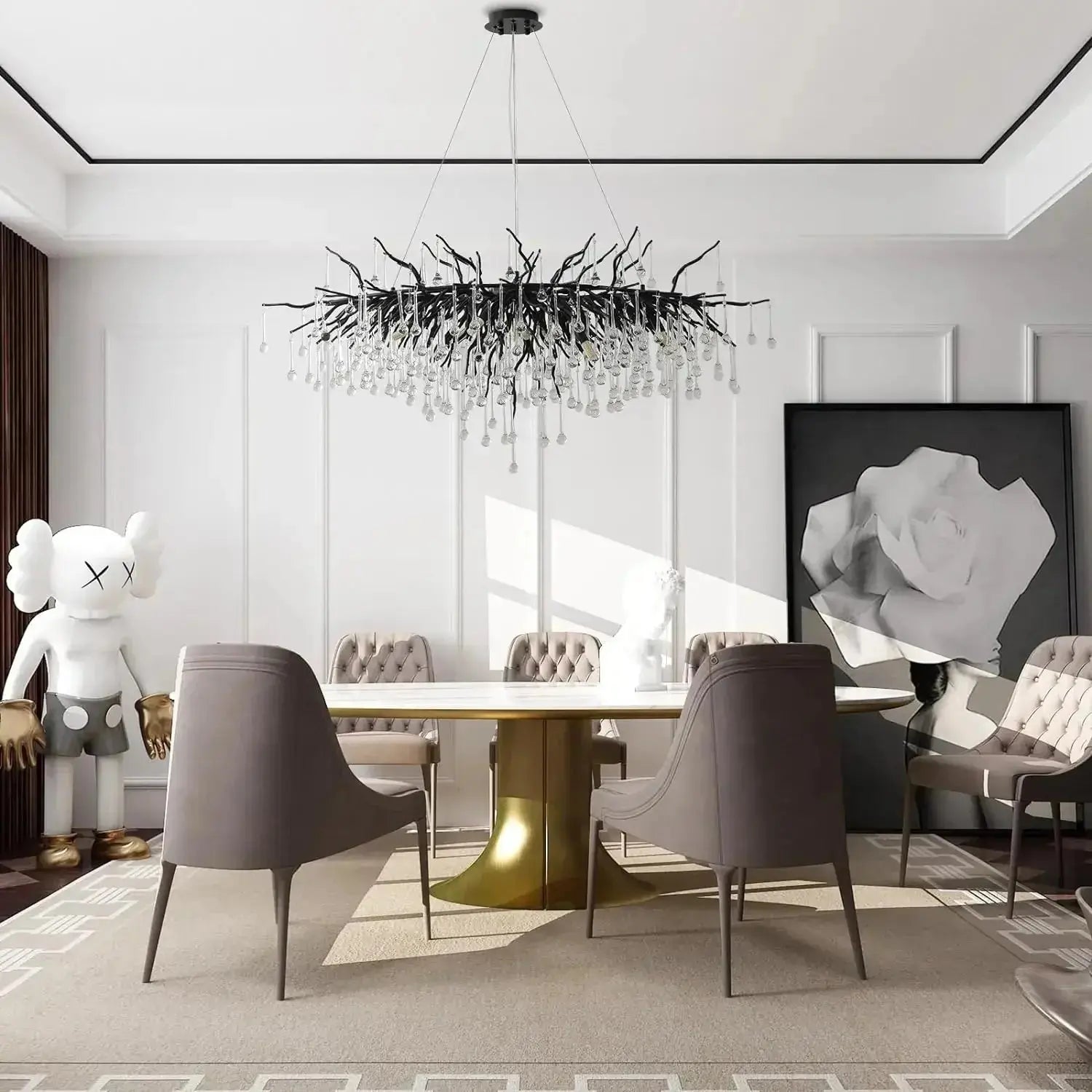
There is no rule saying a modern interior requires a modern chandelier. Contrast can bring depth to a scheme that might otherwise feel predictable. Above a pale marble table and contemporary chairs, a traditional crystal chandelier adds a sense of collected grandeur. In a heritage room with patterned wallpaper and carved furniture, a sculptural ring chandelier can create breathing room and make original features feel newly relevant.
The key is repetition. If you introduce a contrasting fixture, repeat one of its qualities elsewhere: a black metal chandelier might connect with slim picture frames, while a brass and crystal design can pick up the warmth of cabinet handles or a gilded mirror. One considered link is usually enough to make the room feel composed.
Avoid choosing a chandelier solely because it is fashionable. Large statement lighting naturally becomes a visual commitment, and a design that reflects your home’s proportions and your own taste will offer far more lasting satisfaction than a passing trend.
A confident choice for every room
Choose traditional if you want ornament, sparkle and a sense of established elegance. Choose modern if you are drawn to clean lines, sculptural form and an edited finish. Choose transitional if your home contains a little of both, or if you want a fixture that will remain at ease as furnishings evolve.
Before placing the final choice, stand in the room at night and imagine the light switched on. Picture its reflection in glass, the shadow it casts across the ceiling, and the way it will greet you when you come home. The chandelier that makes that everyday moment feel more special is the one worth bringing into your space.