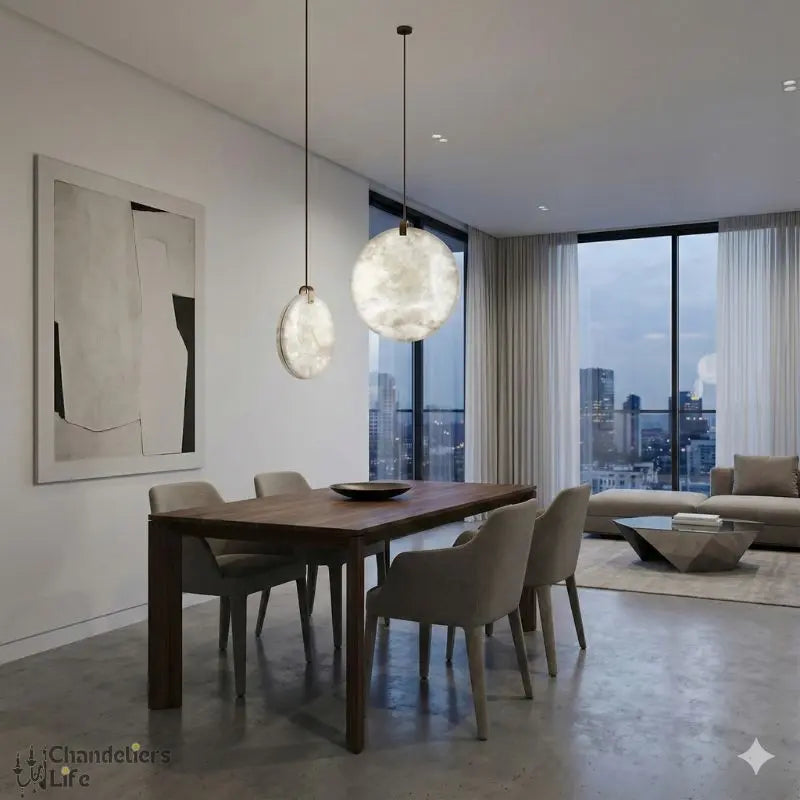
A room can have beautiful joinery, considered furniture and a carefully chosen palette, yet still feel unfinished when the lighting is merely functional. The most compelling decorative lighting trends for 2026 treat every fixture as part illumination, part architecture and part art. For homeowners creating a more elevated interior, that shift offers permission to choose pieces with genuine presence.
The direction is not towards excess for its own sake. It is about atmosphere, proportion and materials that reward a closer look. A chandelier can give a double-height foyer its sense of occasion; a quiet alabaster pendant can soften a kitchen island; a sculptural wall light can make a corridor feel intentionally designed rather than overlooked.
Decorative lighting trends: a move towards sculptural warmth
For several years, clean-lined minimalism favoured fixtures that almost disappeared into the ceiling. That approach still works in highly architectural spaces, but decorative lighting is becoming more expressive. The strongest designs have a sculptural silhouette, a tactile surface or an unexpected scale, while maintaining a warm and liveable feel.
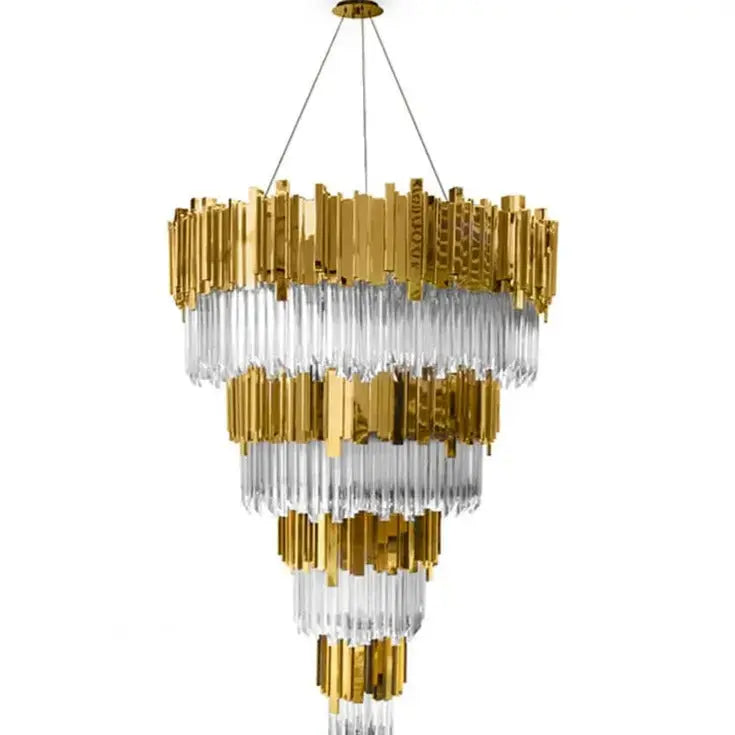
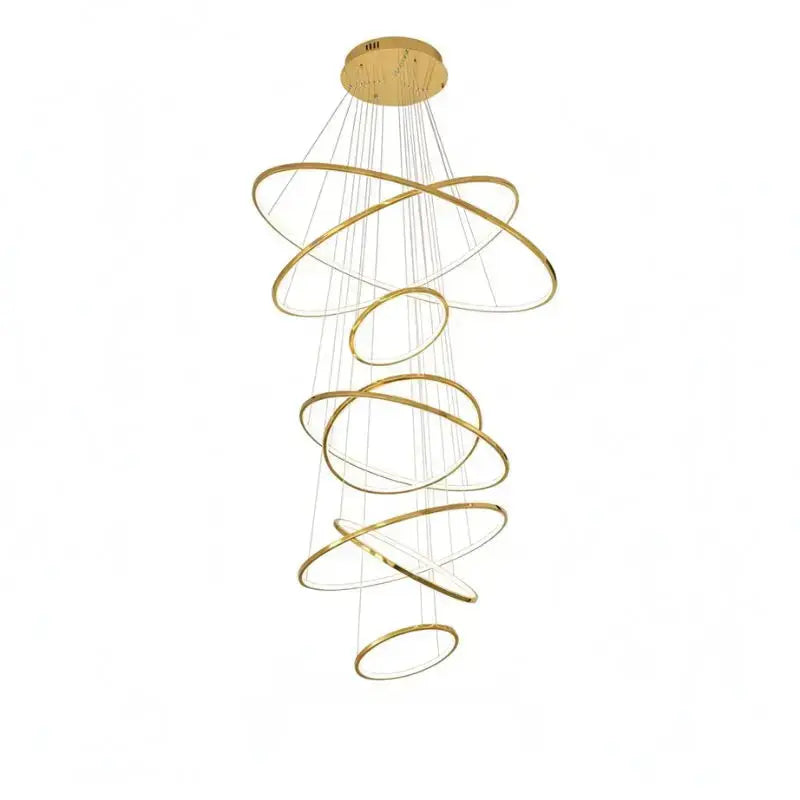
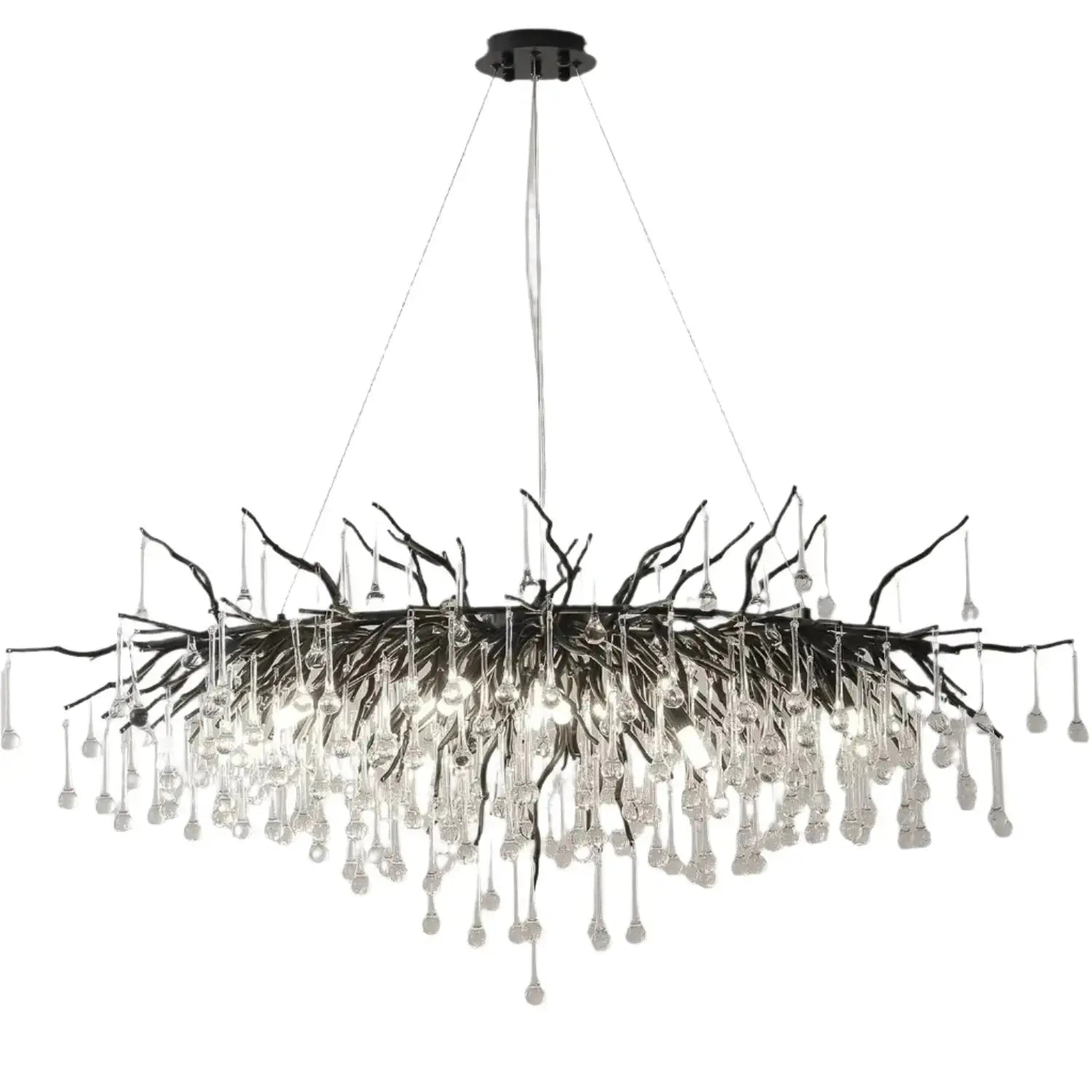
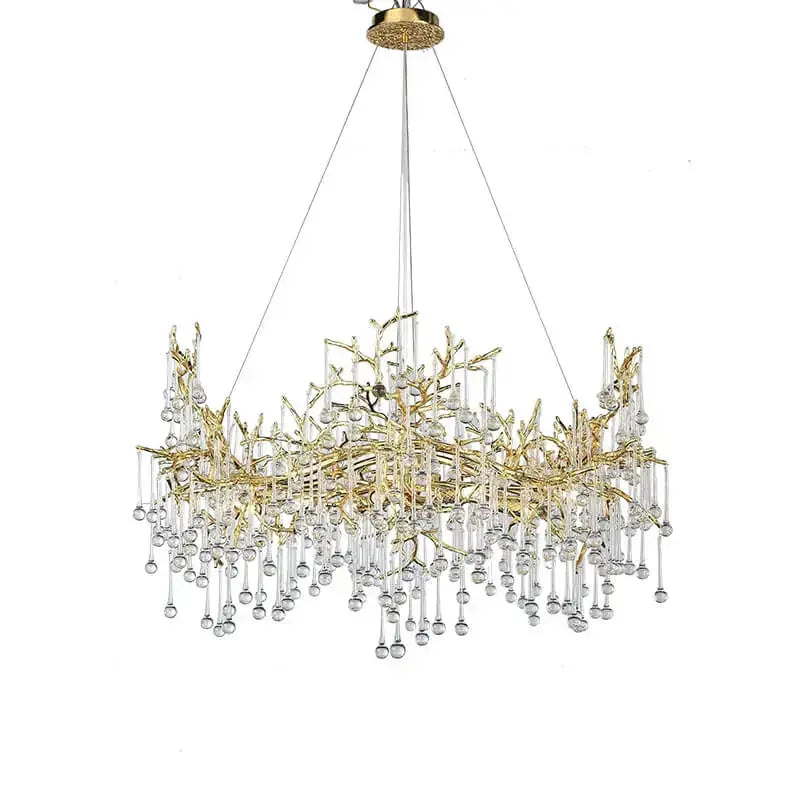
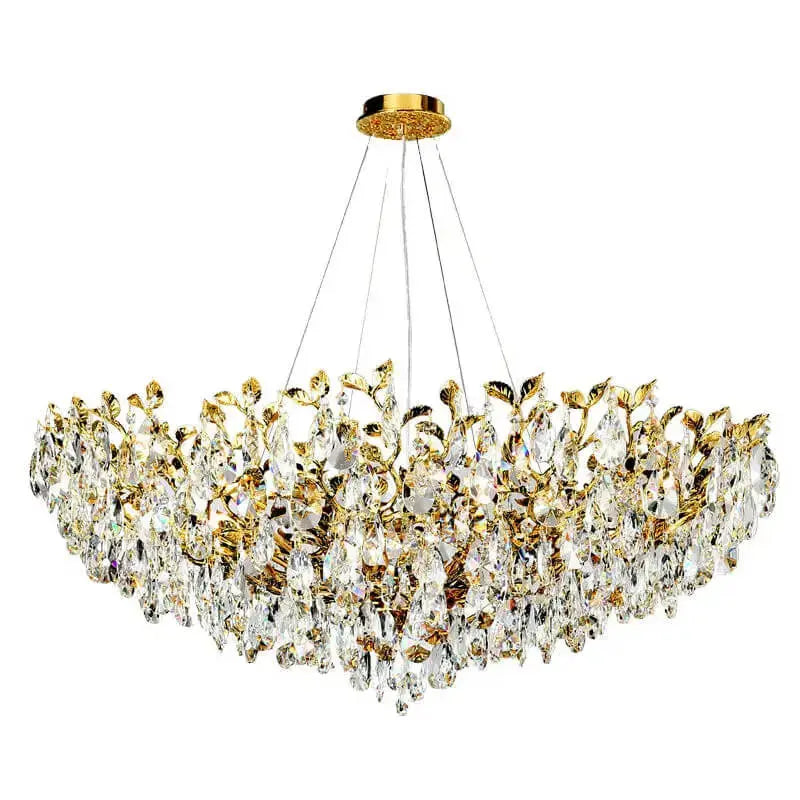
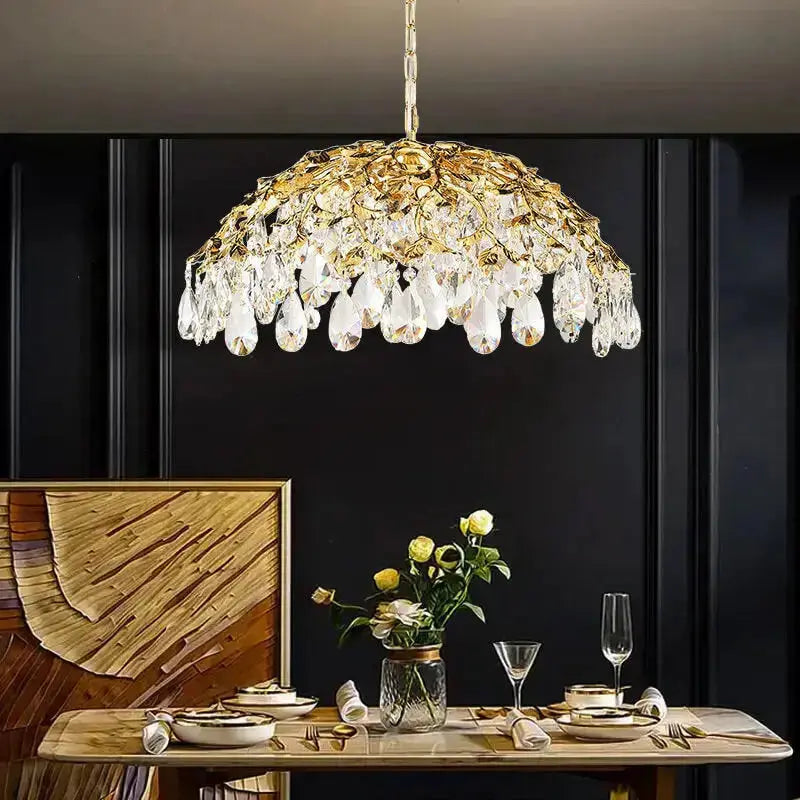
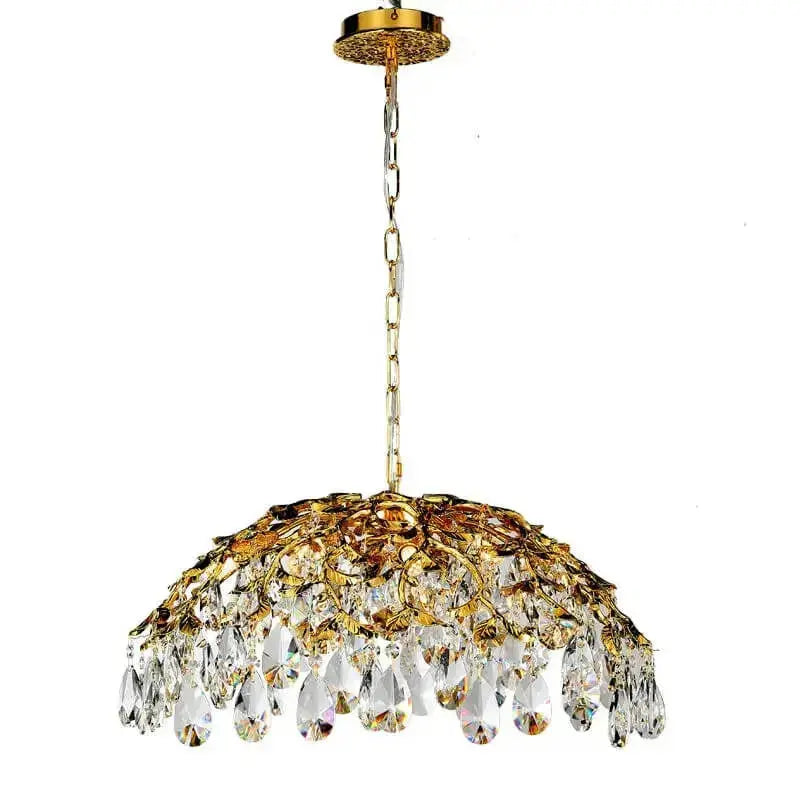
Think handblown-style glass globes arranged like jewellery, cascading crystal forms that catch the light without looking overly formal, and curved metal arms that feel more like a drawn line than a traditional fitting. The aim is softness with structure. Rather than filling a room with visual noise, one exceptional fixture can create a focal point that anchors the whole scheme.
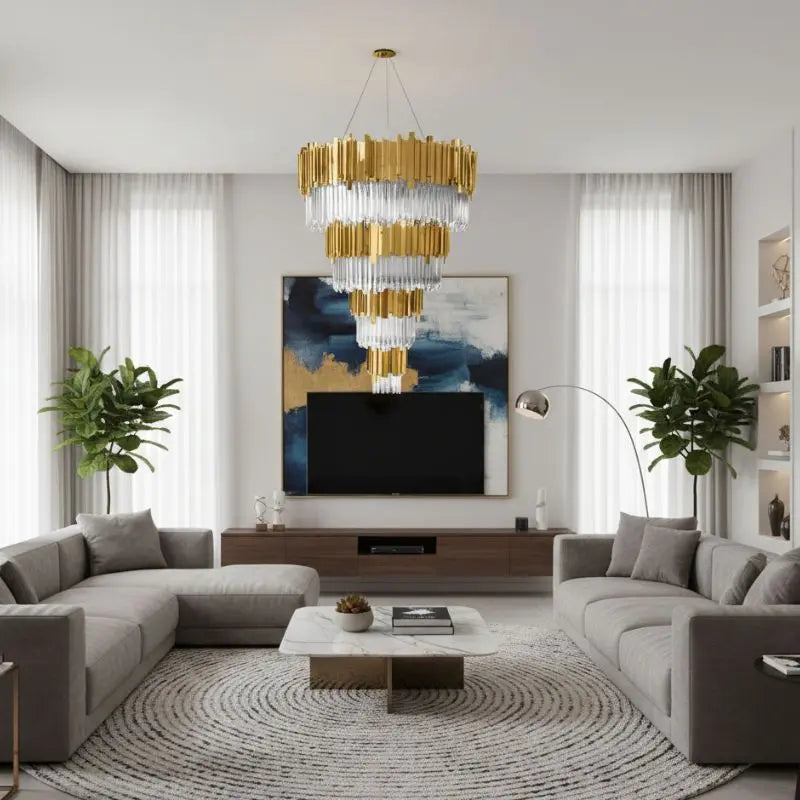
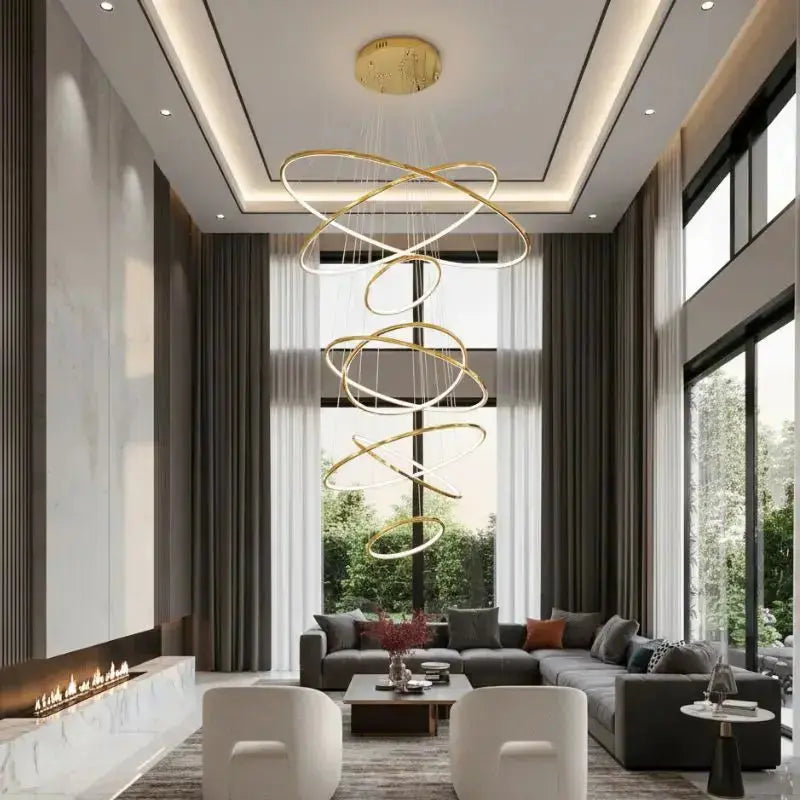
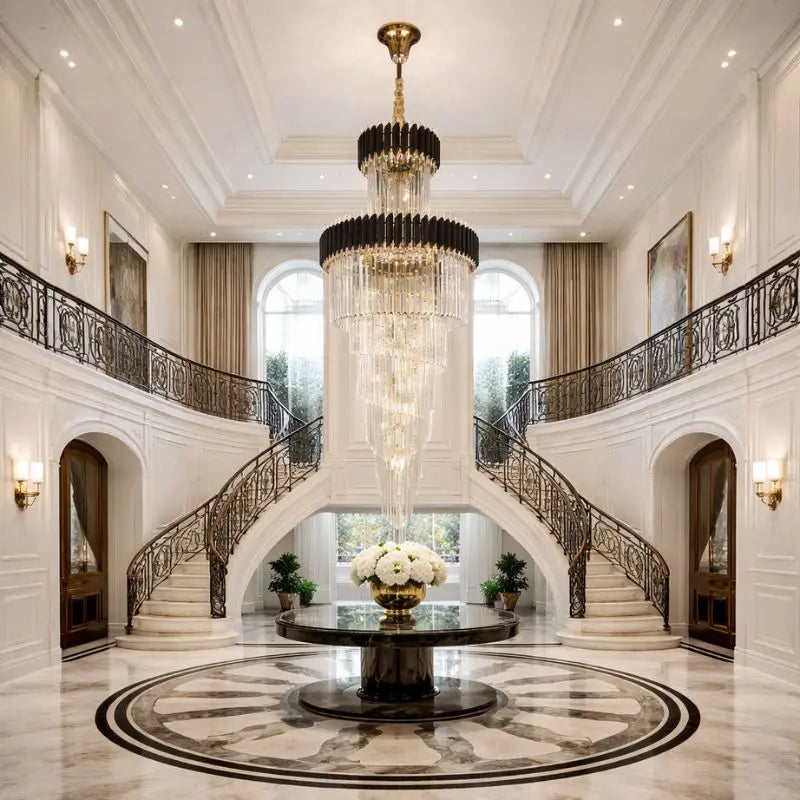
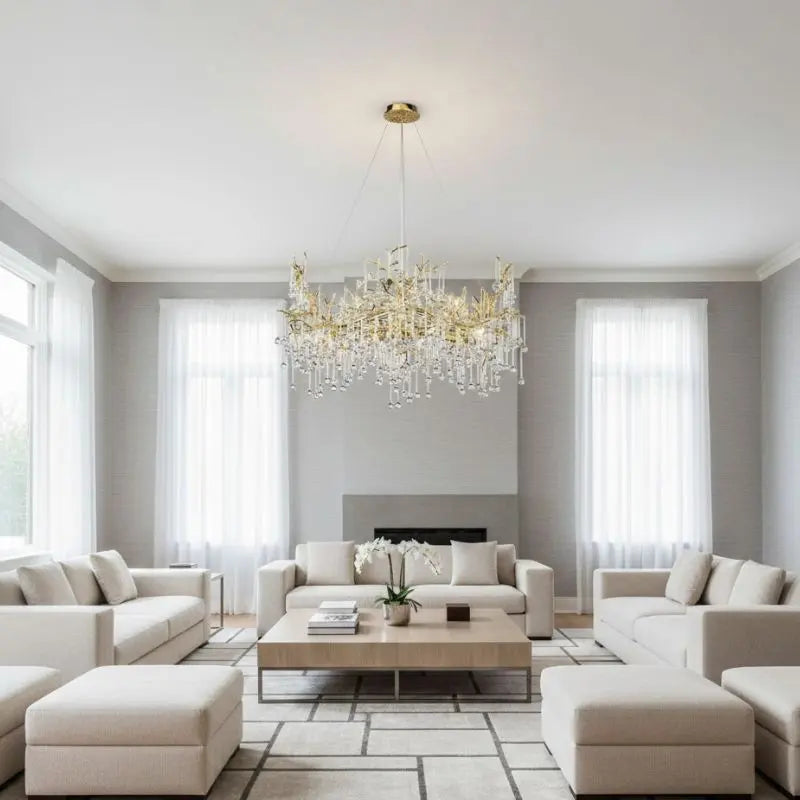
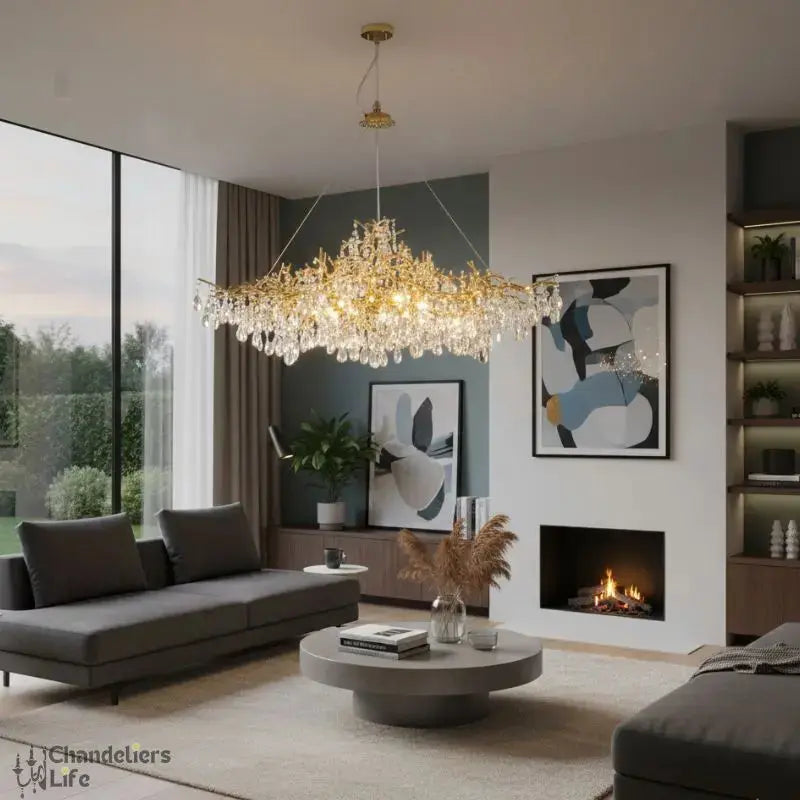
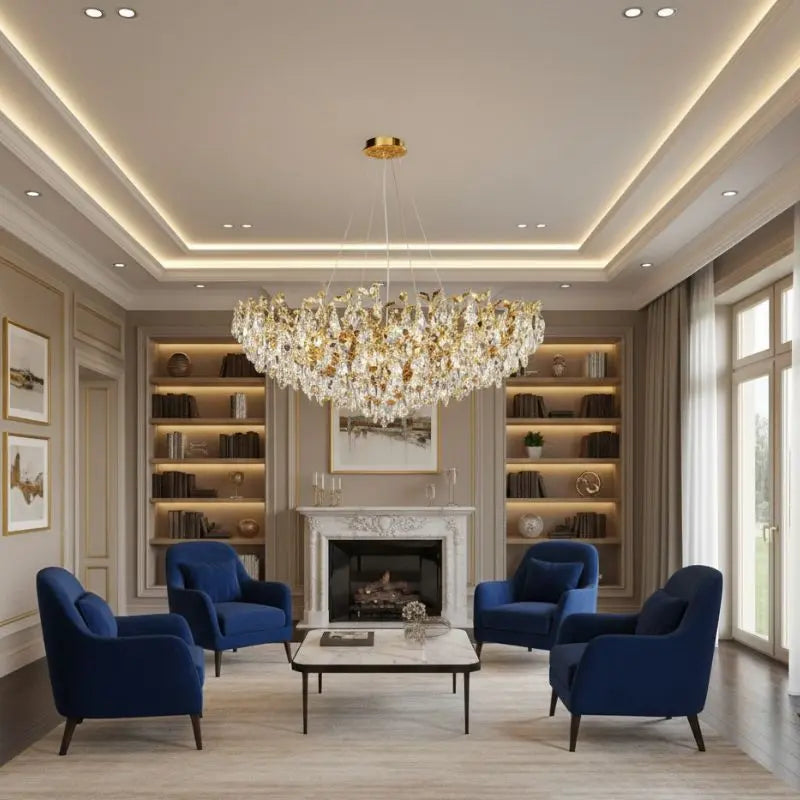
This is especially effective where the ceiling offers room to breathe. A grand entryway, stairwell or dining room can support a statement chandelier that would overwhelm a compact bedroom. Scale matters as much as style. A generous fitting should frame the room and its furniture, not compete with them.
Organic silhouettes replace rigid symmetry
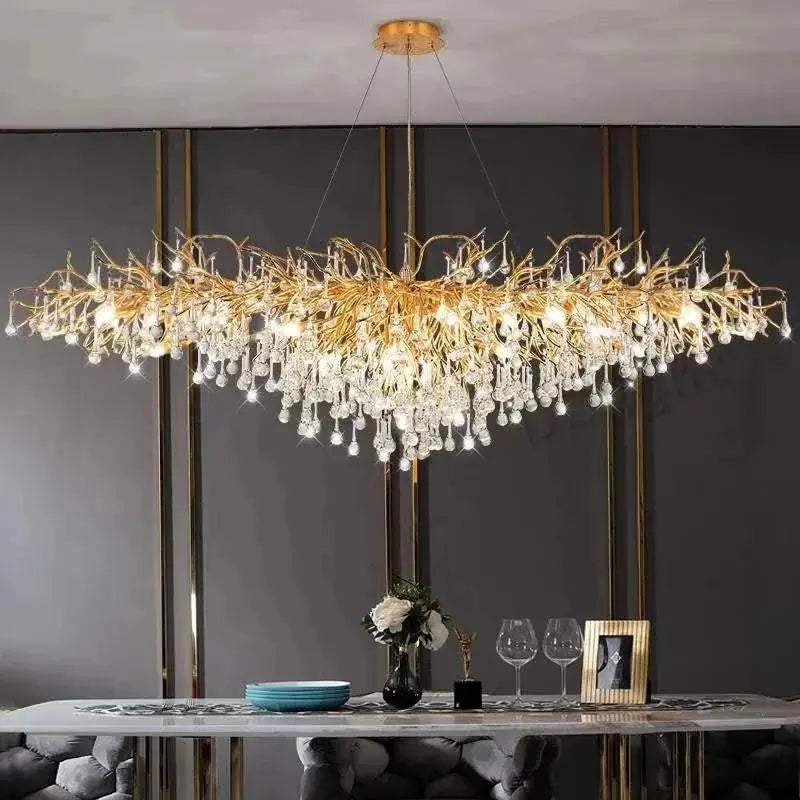
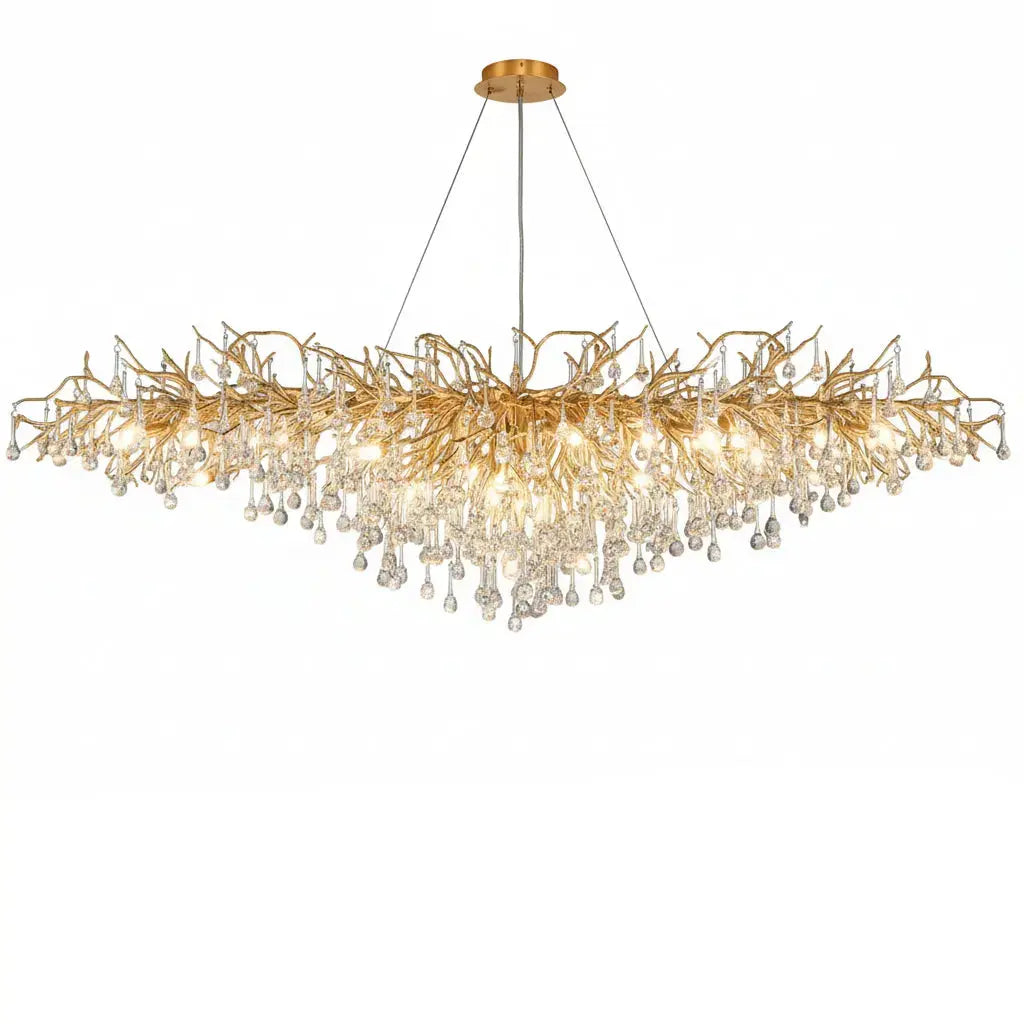
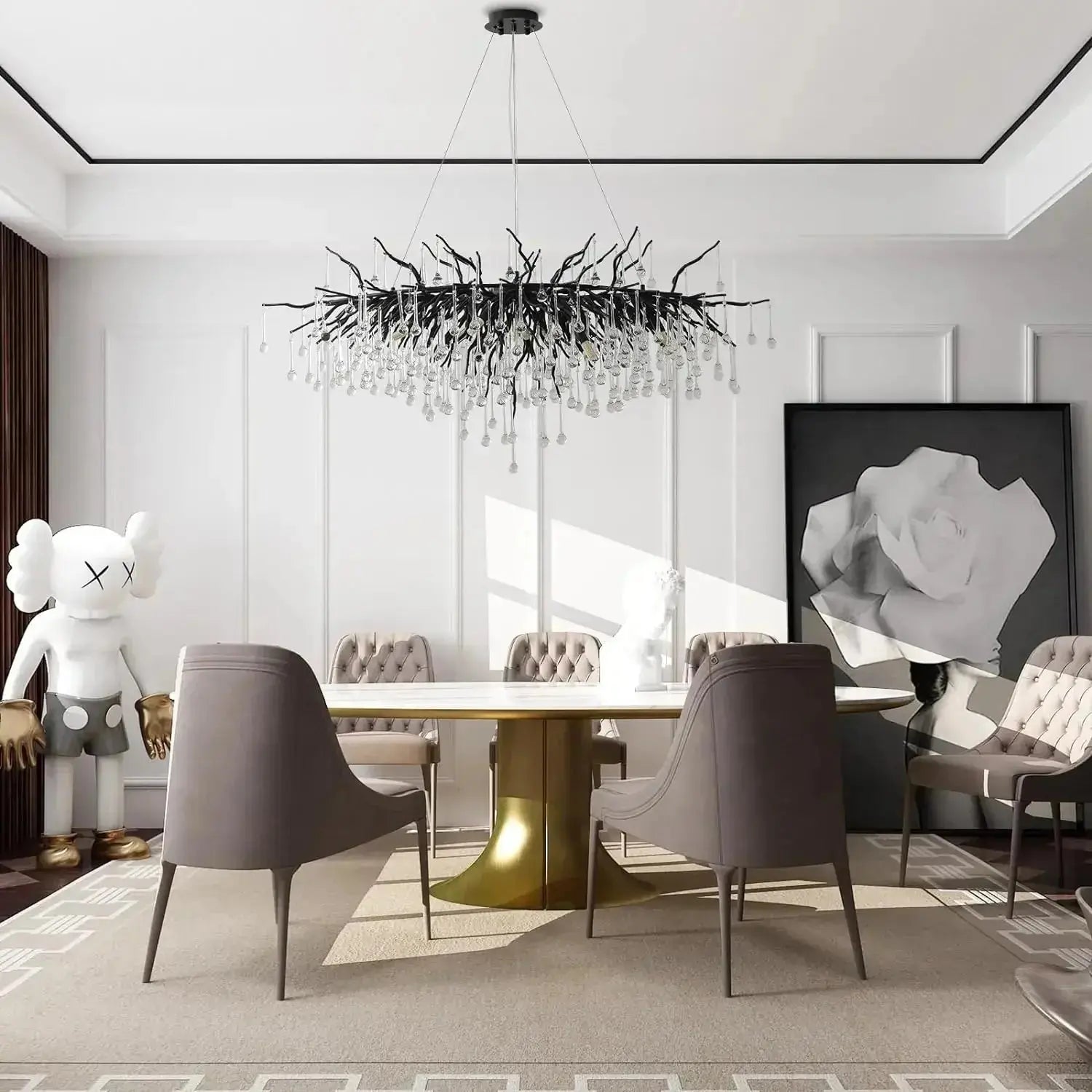
Perfect symmetry will always have a place in classic interiors, particularly above a formal dining table. Yet more homeowners are drawn to asymmetrical branches, pebble-like shades, flowing tiers and clustered pendants with subtly varied heights. These forms introduce movement, which is why they feel so at home alongside curved sofas, rounded dining chairs and natural stone surfaces.
Organic lighting need not mean rustic. In a refined setting, choose clear glass, smoky glass, warm brass or softly veined alabaster. The silhouette may be relaxed, but the finish should feel deliberate. A dramatic, irregular chandelier in a restrained material palette can look remarkably polished.
Alabaster and stone-inspired materials take centre stage
Material-led lighting is one of the most enduring trends because it changes how a room feels even before a lamp is switched on. Alabaster, marble-inspired surfaces and textured glass bring visual depth in daylight, then reveal their character when illuminated after dark.
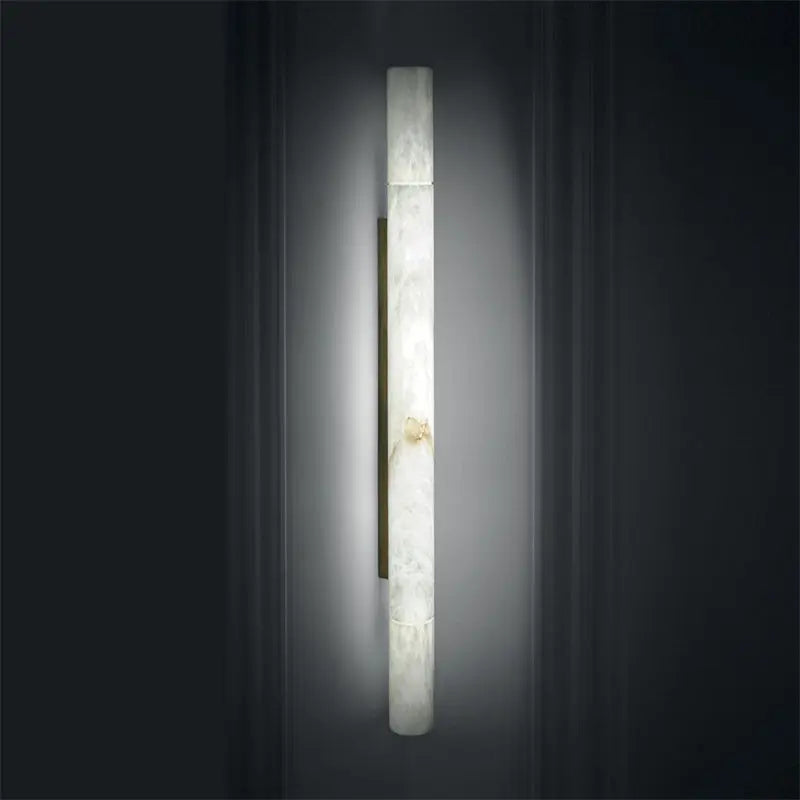
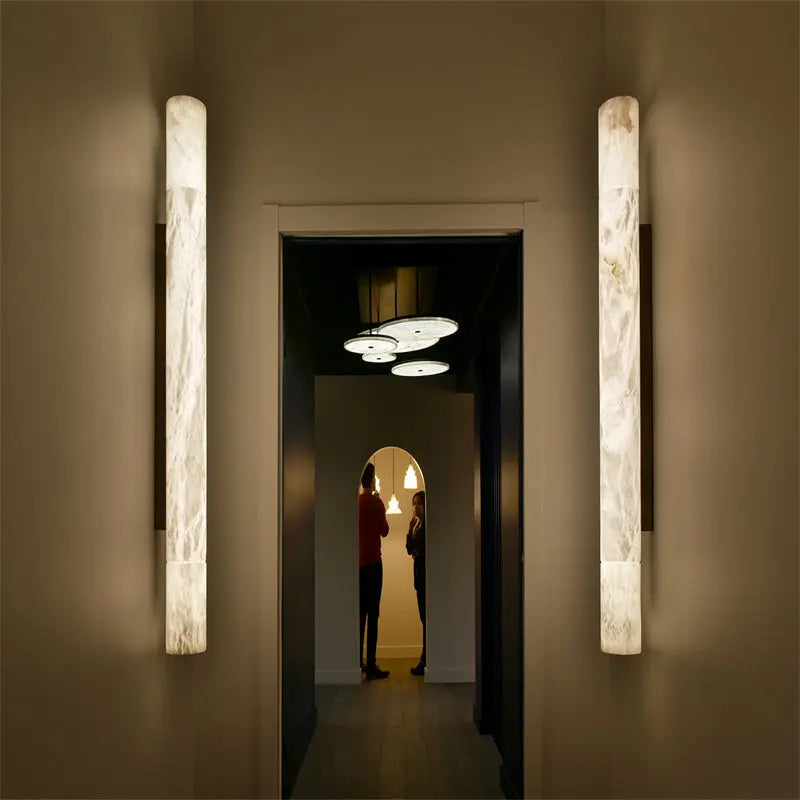
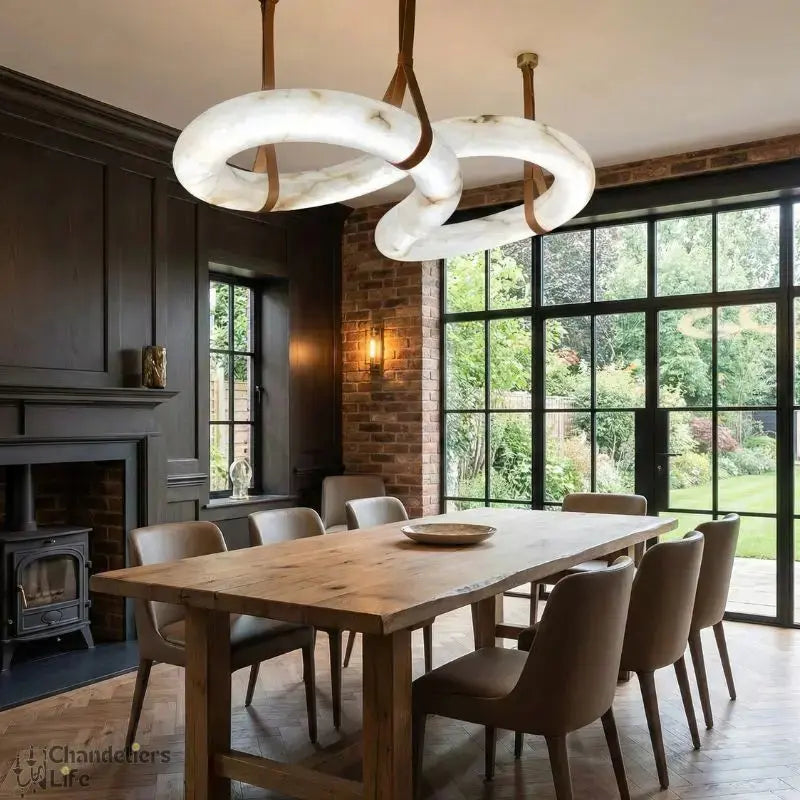
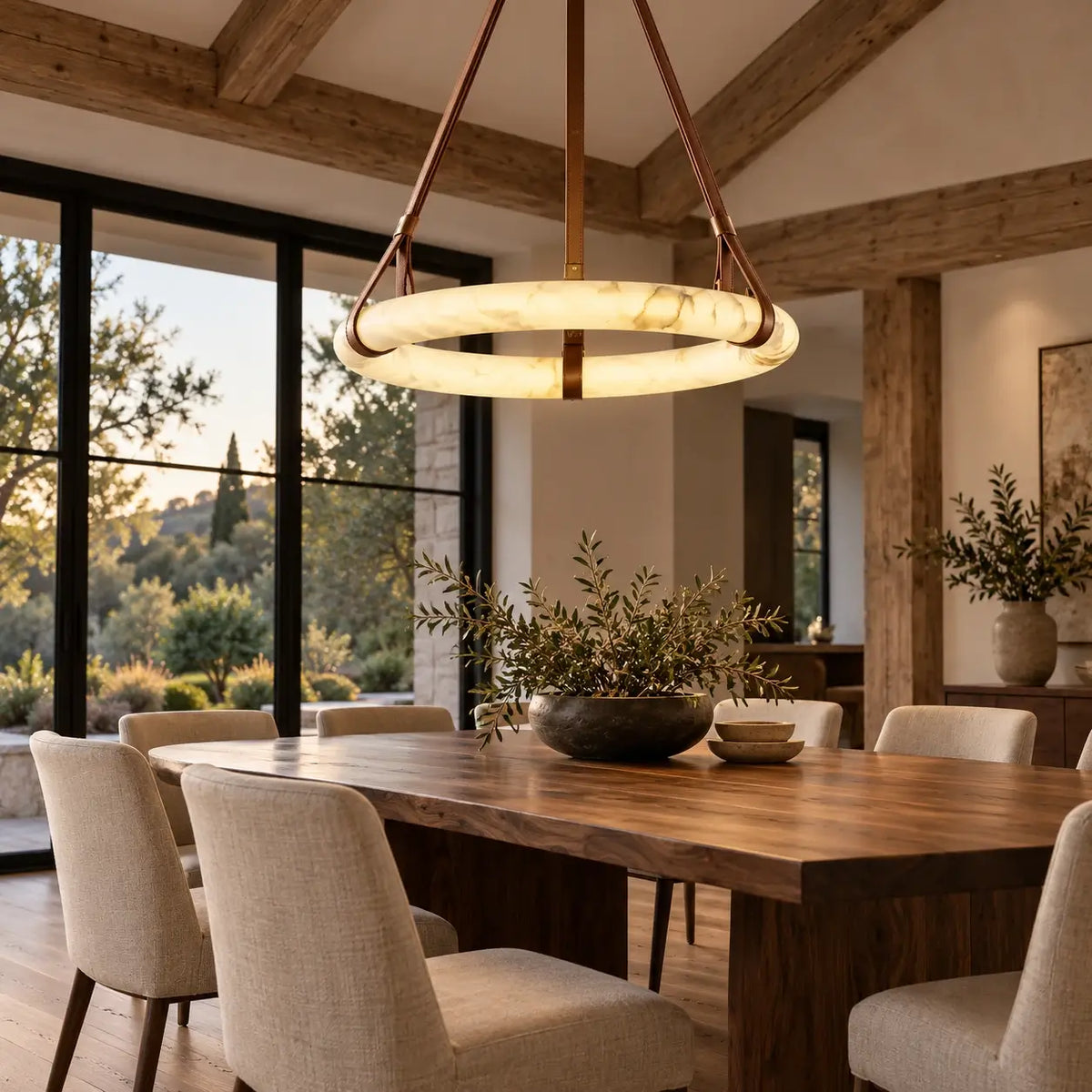
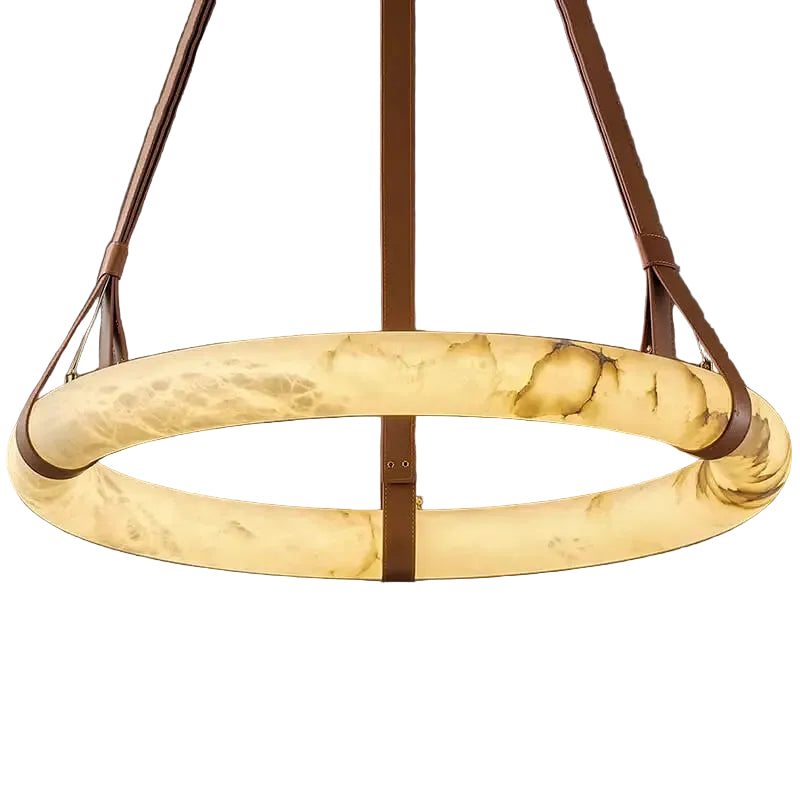
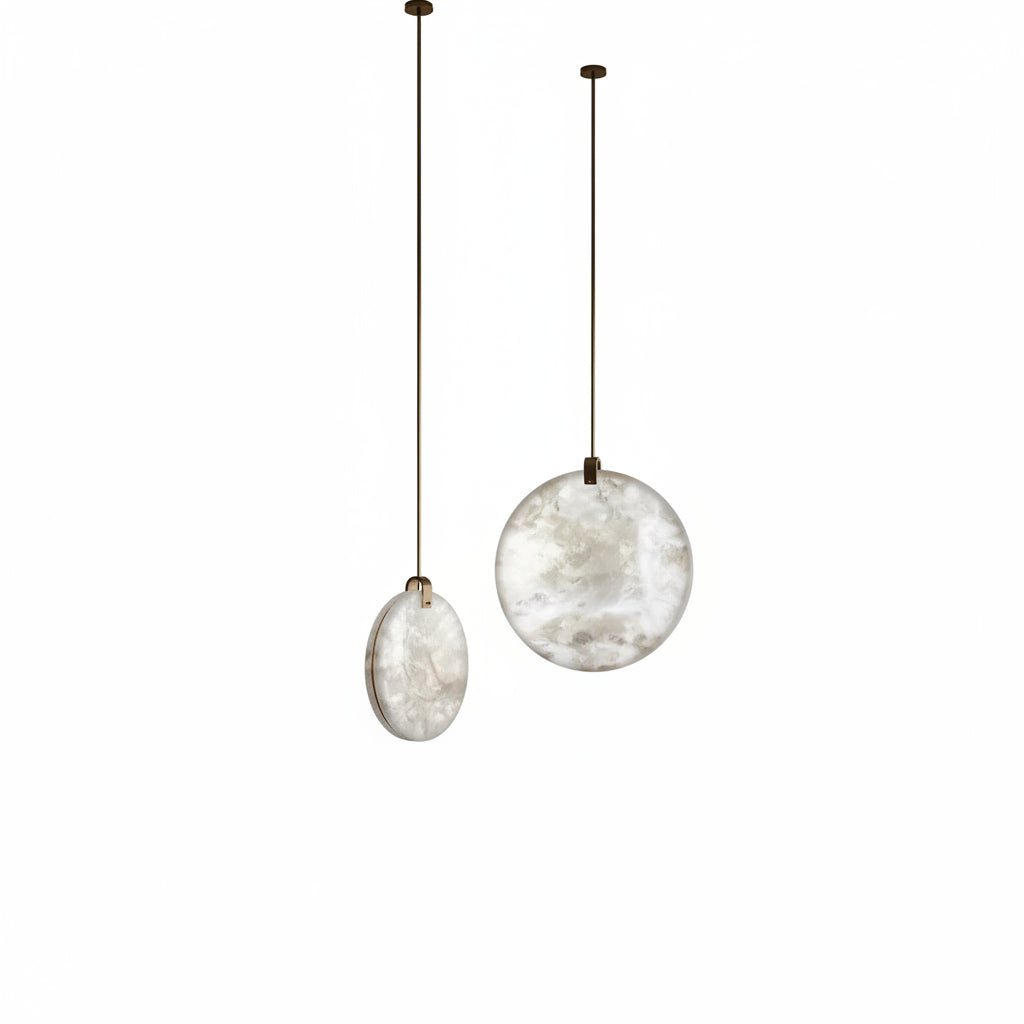
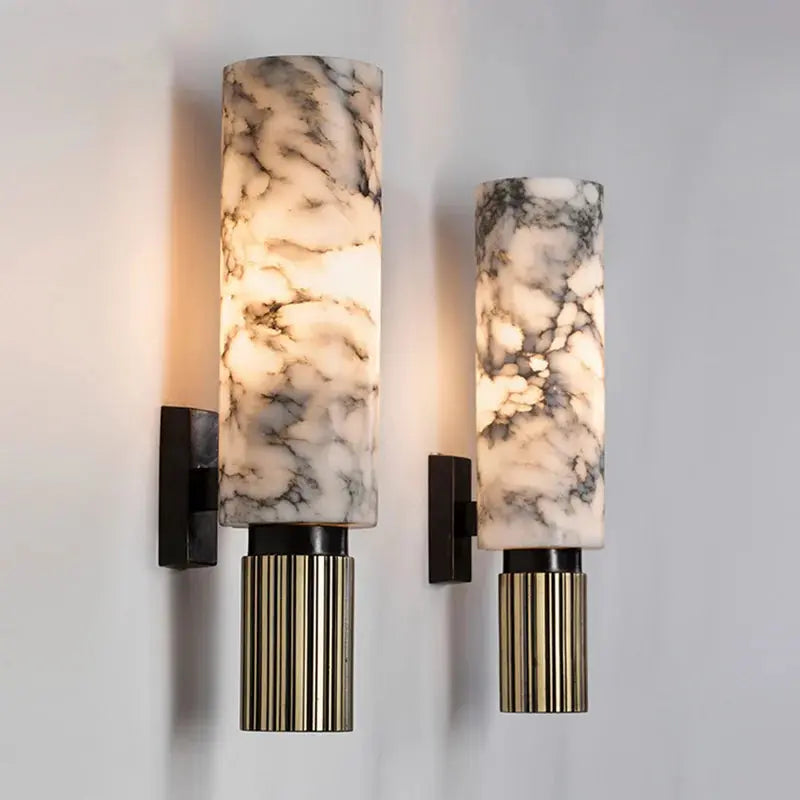
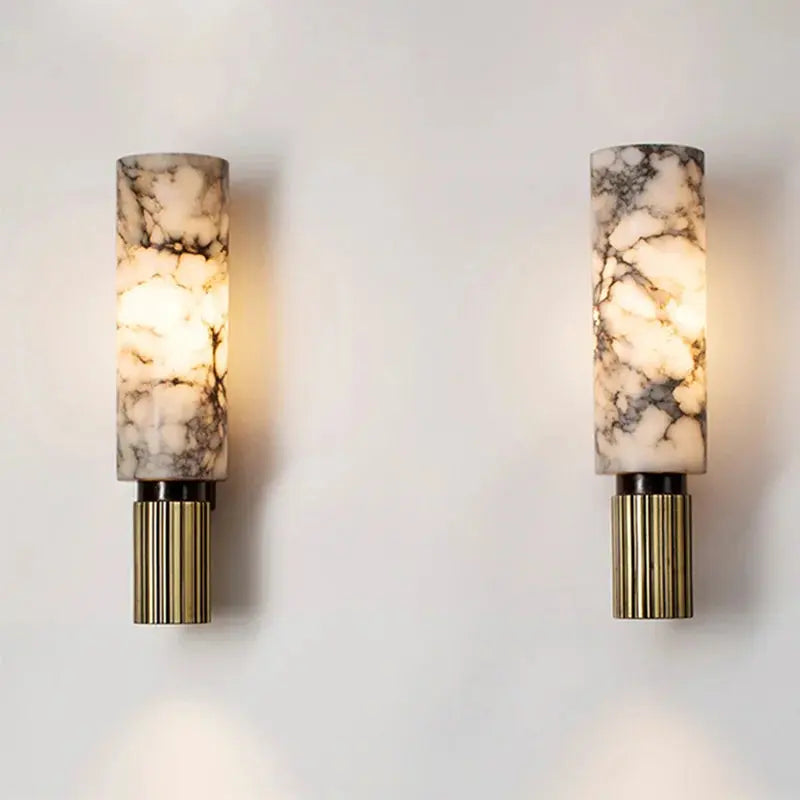
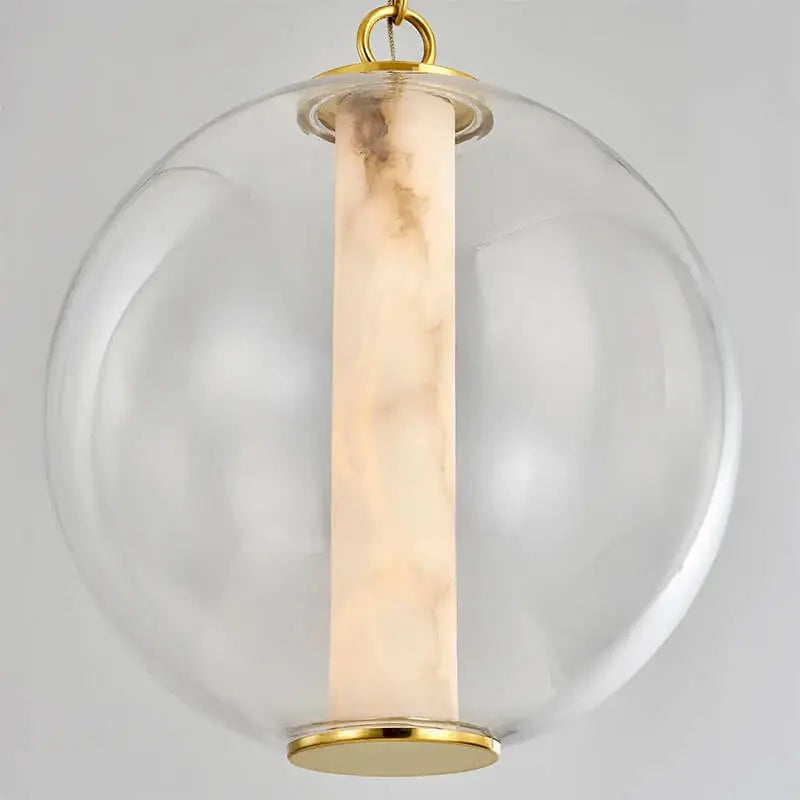
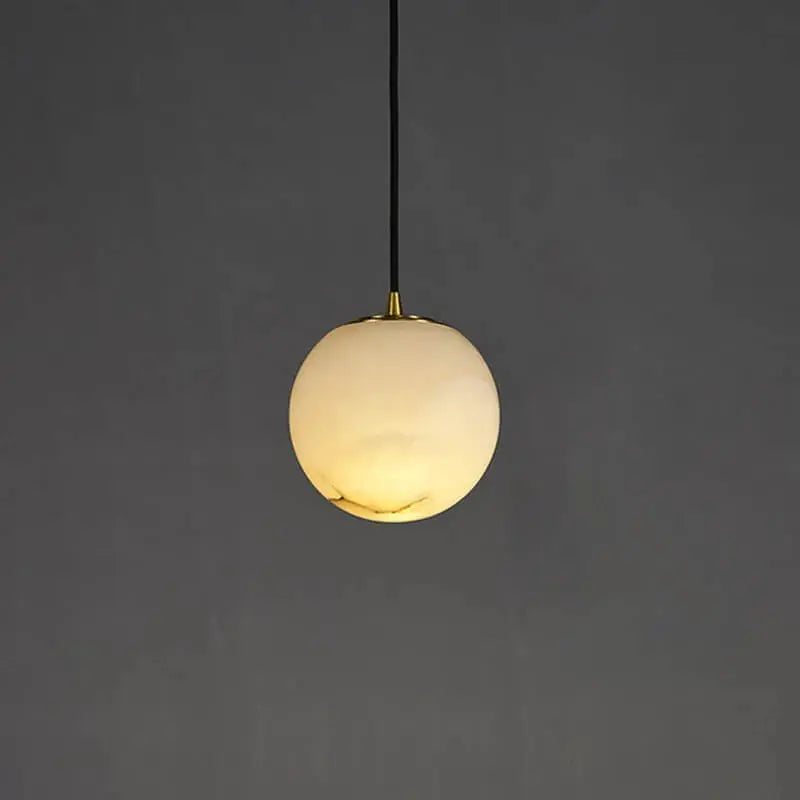
Alabaster is particularly appealing for its gentle translucency. Its natural veining means that no two shades look identical, lending a tailored quality to a bedroom pendant, dining-room chandelier or wall sconce. It also produces a softer, more flattering glow than a bare glass source, making it an excellent choice in spaces designed for lingering.
There is a practical consideration. Stone and stone-inspired fixtures often carry more visual and physical weight than slim metal designs, so their mounting and placement deserve care. They suit rooms where permanence is part of the appeal, rather than a temporary decorative layer. When selected in the right scale, however, their presence is quietly luxurious rather than heavy.
Crystal becomes lighter and more contemporary
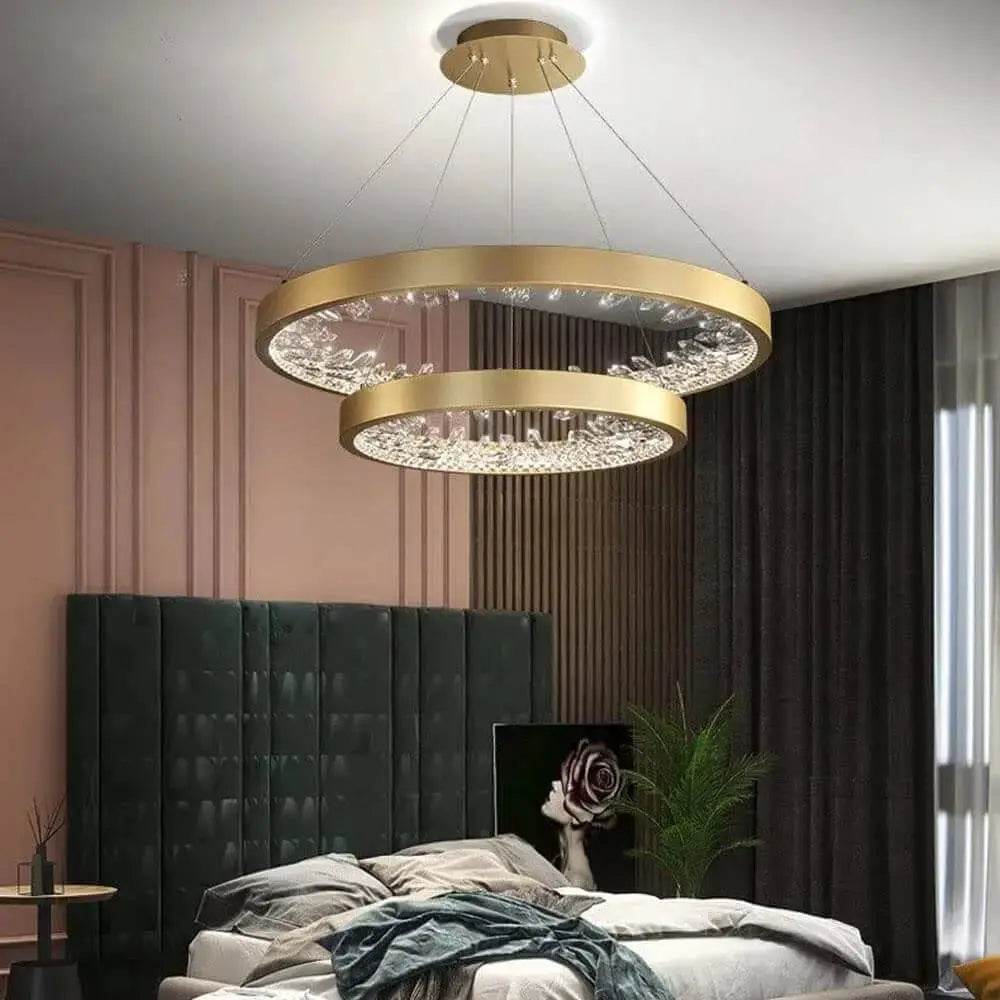
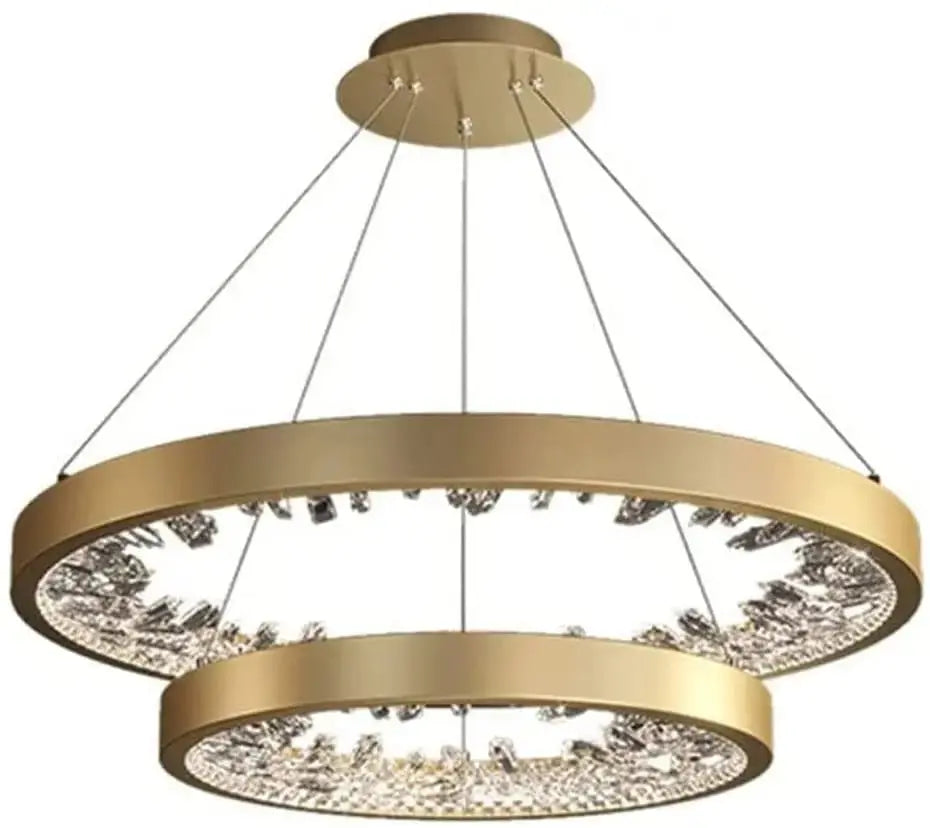
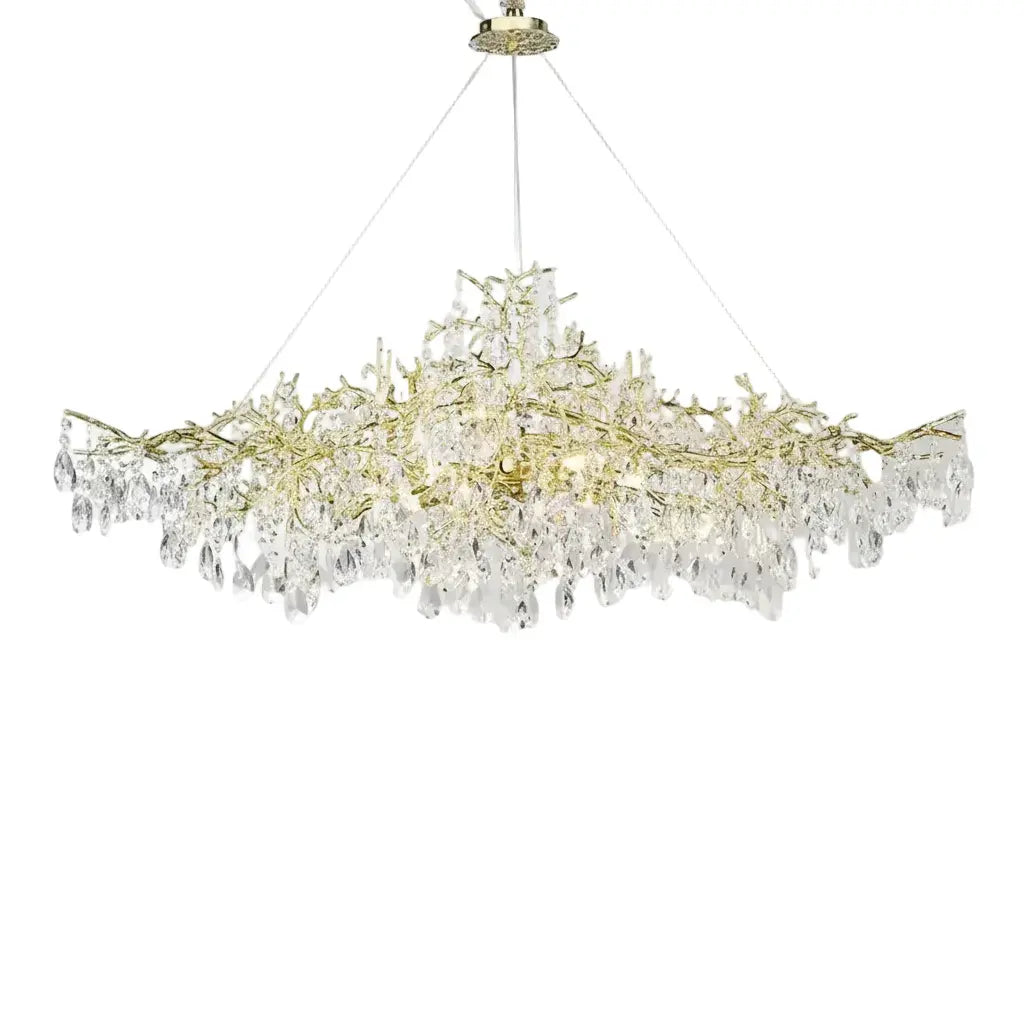
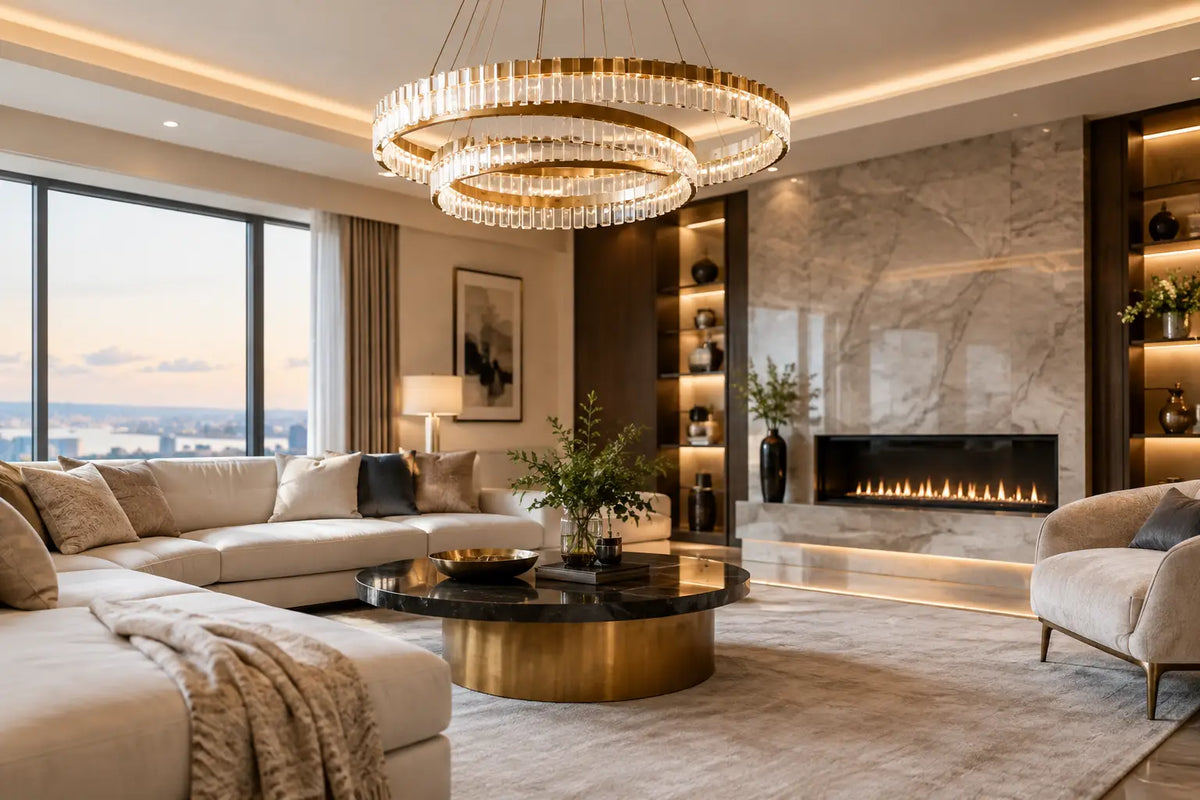
Crystal chandeliers remain a hallmark of timeless elegance, but their styling is evolving. The newer look is less about densely ornamented tradition and more about clarity, shape and reflected light. Long crystal rods, delicate droplets and linear arrangements feel fresh in homes with contemporary architecture, while still delivering the sparkle that makes a room memorable.
A crystal fixture does not require a classically decorated setting. Placed over a streamlined dining table or in a neutral foyer, it creates a beautiful tension between modern restraint and glamour. The key is to balance its brilliance with calmer surrounding surfaces: linen, timber, plaster, boucle and matte painted walls all allow crystal to take the lead.
For a more intimate interpretation, consider crystal wall lights or a compact semi-flush ceiling fitting. They offer the same luminous detail where a large chandelier is impractical, such as a dressing area, guest bedroom or low-ceilinged hallway.
Layered lighting is now part of the decoration
A single central fixture rarely gives a room the depth it deserves. One of the most useful decorative lighting trends is the deliberate layering of ambient, task and accent light. This is not only a technical lighting principle. It is what makes a luxury interior feel adaptable from breakfast through to a late evening with guests.
In a living room, a statement ceiling fixture establishes ambience, while table lamps create pools of warmth beside seating and wall lights bring definition to artwork or architectural details. In a dining room, a chandelier supplies ceremony, but a nearby console lamp can make the space feel welcoming before the table is set.
Layering also lets homeowners choose more decorative pieces without depending on one fixture to do every job. A sculptural pendant can be selected for beauty, while discreet supplementary lighting handles practical tasks. This approach is particularly valuable in kitchens, where island pendants should look exquisite but must not cast awkward shadows across a worktop.
Choose lamps with dimmable capability where possible, and use warmer light temperatures in lounges, bedrooms and dining spaces. Cooler, brighter light can be helpful for detailed work, but it rarely creates the relaxed, flattering atmosphere associated with decorative luxury.
Statement pendants redefine kitchen islands
Kitchen lighting is becoming less utilitarian and more connected to the rest of the home. As open-plan spaces take on the role of entertaining rooms, the island pendant has become a key decorative decision.
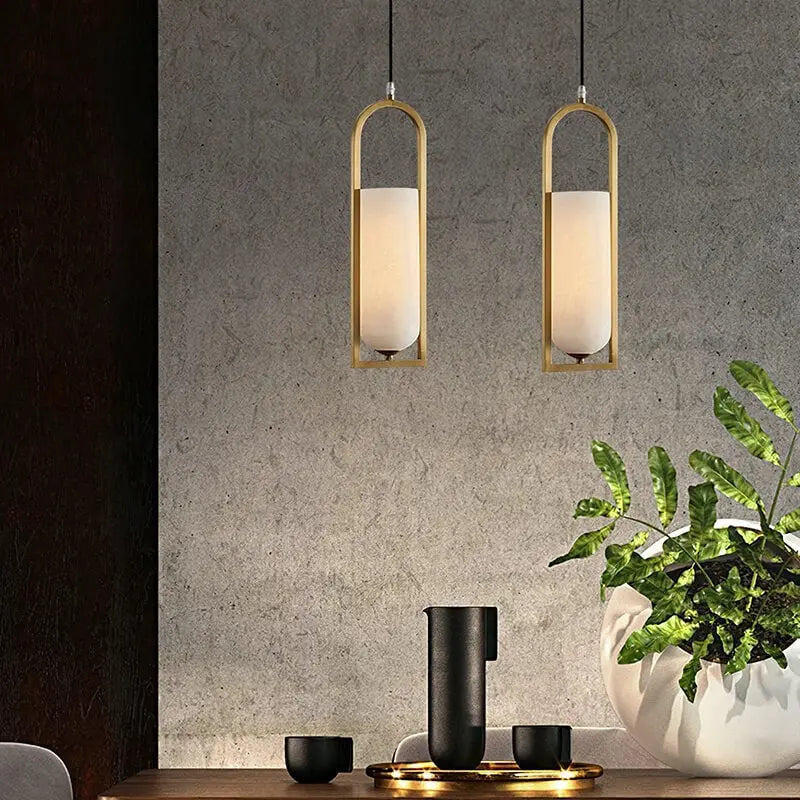
A pair of substantial pendants can give a long island rhythm and symmetry. Three smaller pendants may suit a wider worktop, provided they do not make the ceiling feel busy. For a more tailored result, a single elongated linear fixture can echo the island below and keep sightlines open into the dining or living area.
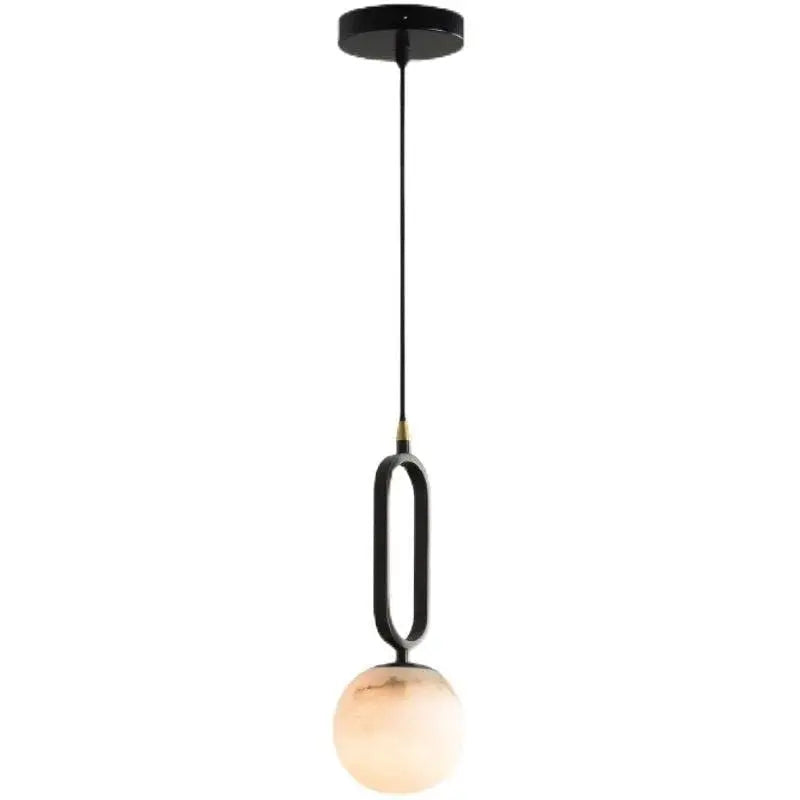
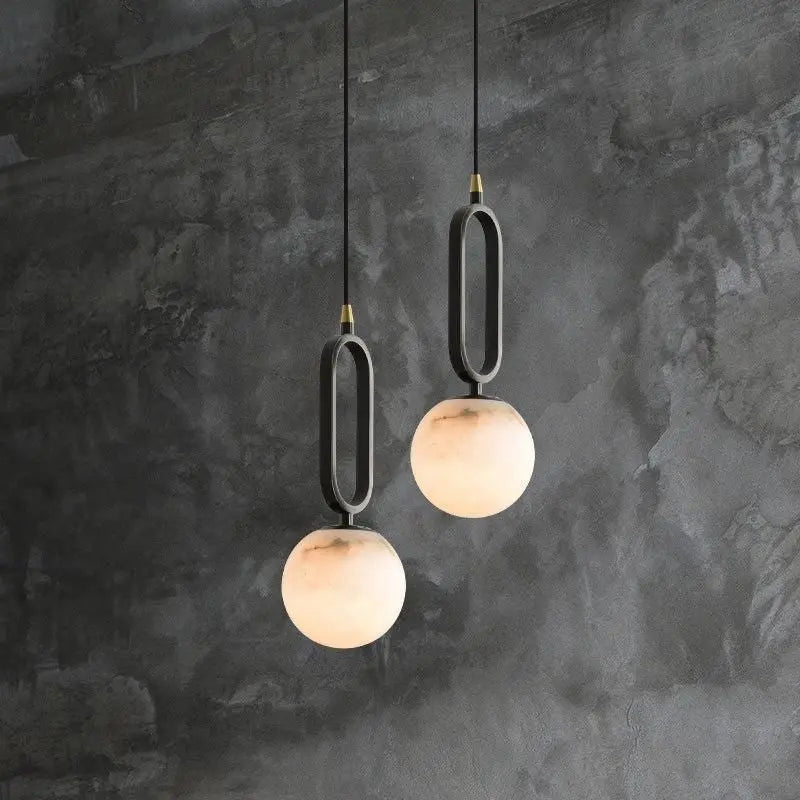
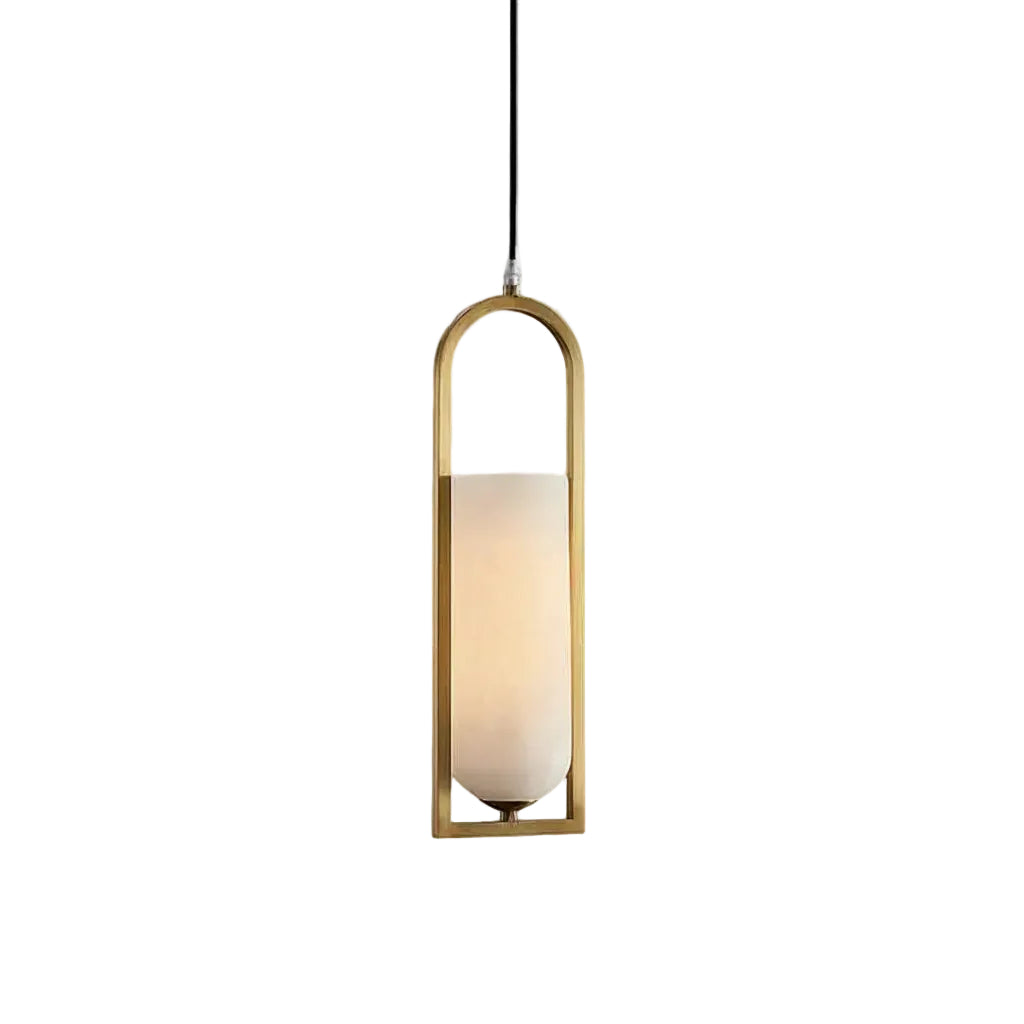
Glass, alabaster and metal each create a different mood. Clear glass keeps a room visually light, though it can reveal the bulb and needs thoughtful selection. Alabaster adds warmth and softness. Dark bronze or black metal introduces definition in pale kitchens, while brushed brass brings a more glamorous note. The right answer depends on the cabinetry, worktop and the amount of daylight the room receives.
Mixed metals, used with restraint
Matching every metal finish in a home is no longer necessary. A brass chandelier can live comfortably with black door furniture or chrome taps, provided the mix appears intentional. Repeating each finish at least once helps create cohesion: perhaps aged brass on a pendant and picture light, with black on cabinet pulls and furniture legs.
Avoid introducing too many competing finishes in one compact room. Two is often enough, with a third only when it is subtle. Decorative lighting should enrich the composition, not turn it into a catalogue of samples.
Exterior lighting becomes part of the welcome
Outdoor spaces are increasingly treated as furnished rooms, and lighting is following suit. Wall lanterns, architectural sconces and covered-terrace pendants can extend the same design language from inside to out. This continuity is especially effective around a front entrance, where a well-proportioned exterior fixture sets the tone before the door is opened.
The balance here is beauty and durability. Outdoor fittings must be selected for their exposure to rain, wind and coastal air where relevant. Finish, placement and appropriate protection all matter. A decorative lantern may look exquisite, but it must also provide safe, useful illumination around steps, pathways and entrances.
For terraces and garden dining areas, layered light is again the answer. A central fitting under cover can create focus, while wall lights establish a softer perimeter. The result feels far more inviting than a single harsh security light.
Choosing a trend that will still feel personal
The most successful interiors do not chase every new look. They use trends as a lens for making more confident choices. A statement chandelier is worth investing in when it reflects the architecture of the room and the way you want to live there. A smaller decorative lamp may be the better choice when you want flexibility or are still refining a space.
Start with the room's natural focal point, then consider ceiling height, furniture scale and the atmosphere you want after sunset. ChandeliersLife brings together sculptural, crystal, alabaster and contemporary designs for precisely these moments of decision, with the reassurance of secure payments, attentive support and free shipping.
Choose the fixture that makes you look up when you enter the room. That small instinct is often the one that turns a well-decorated space into a home with lasting presence.