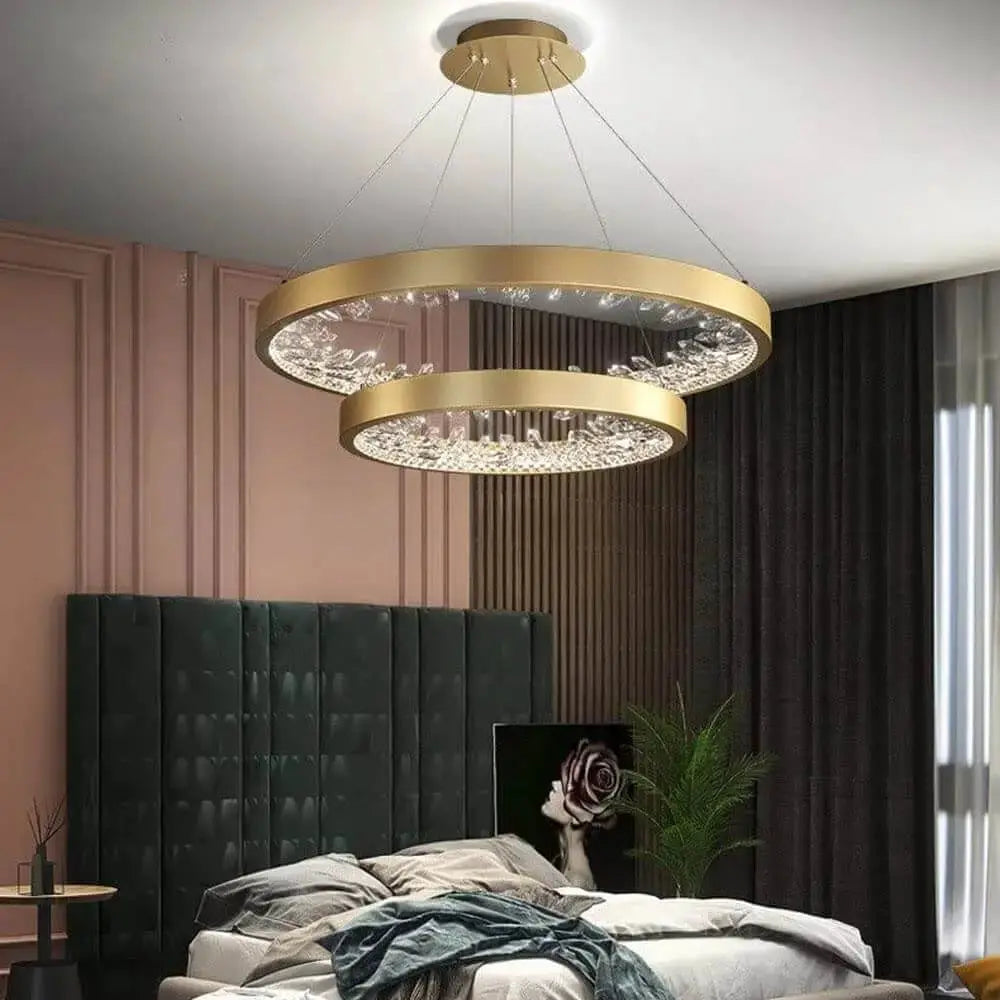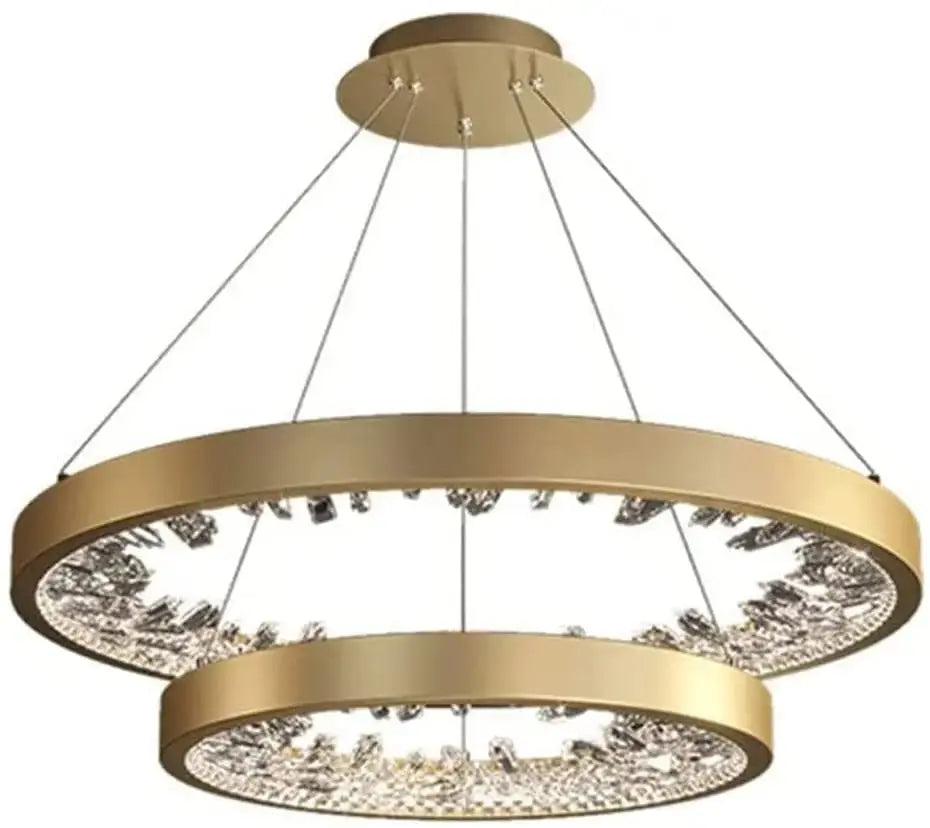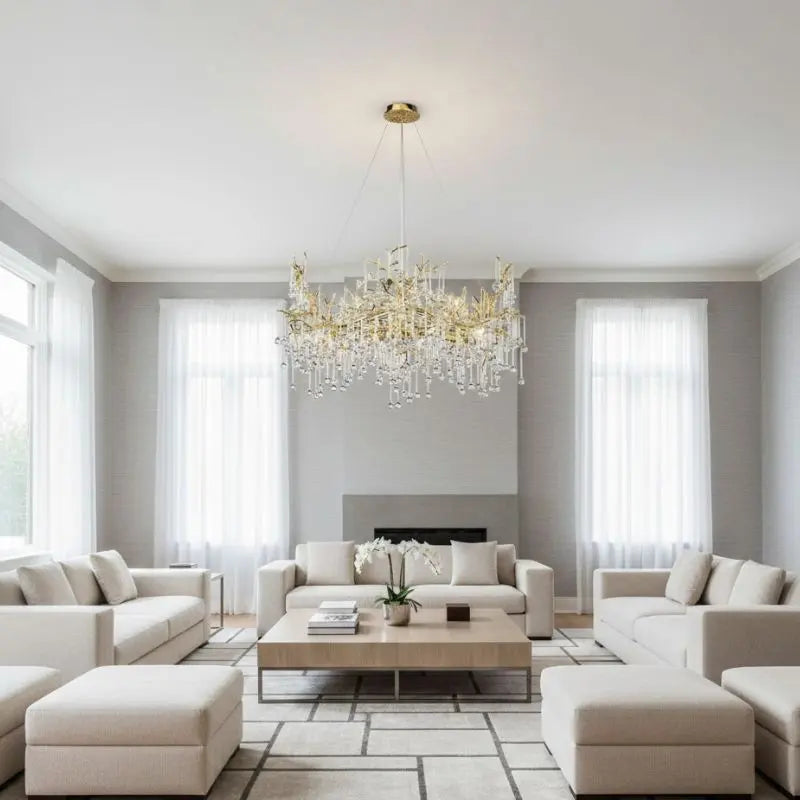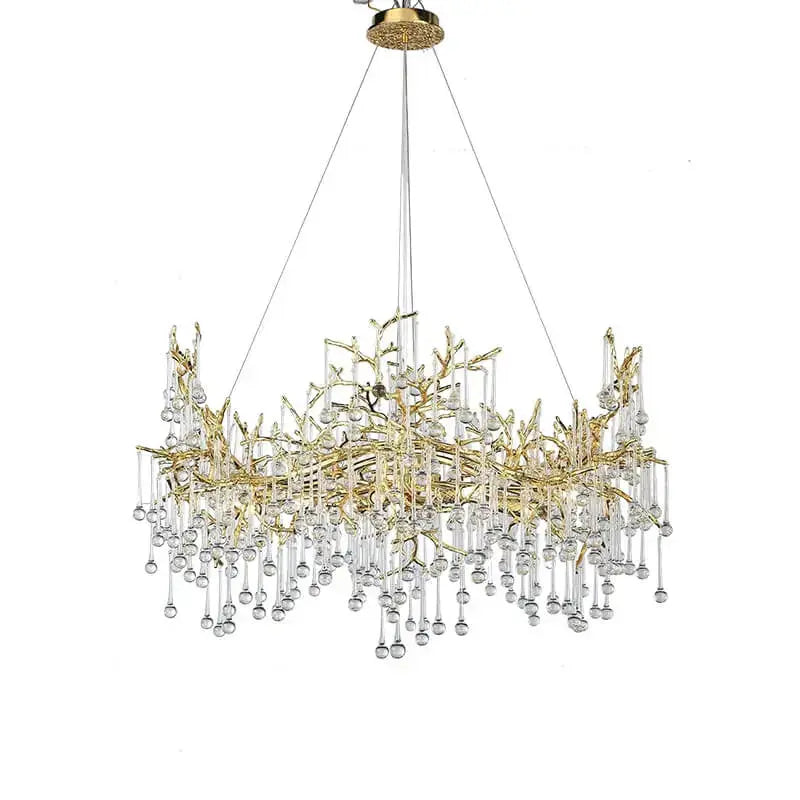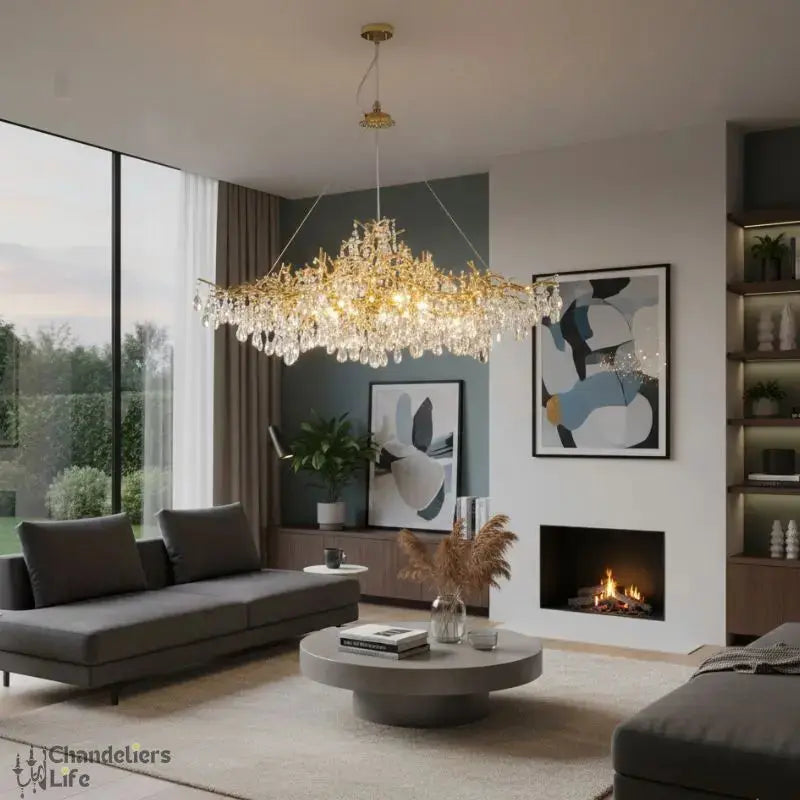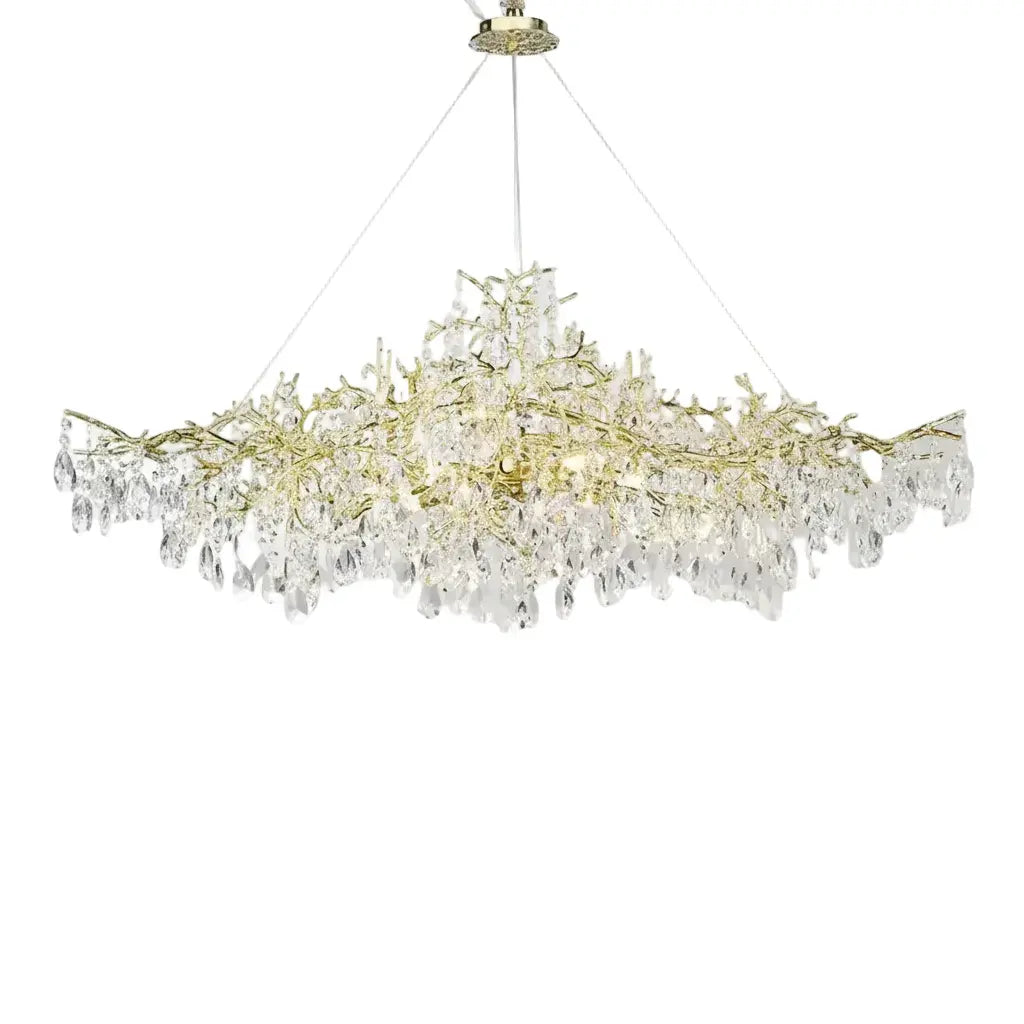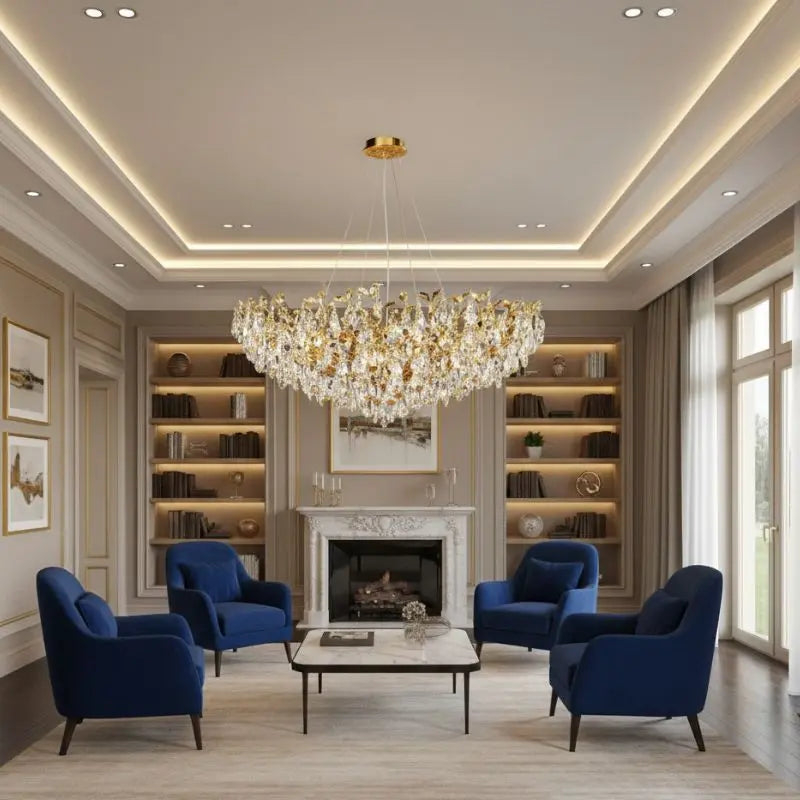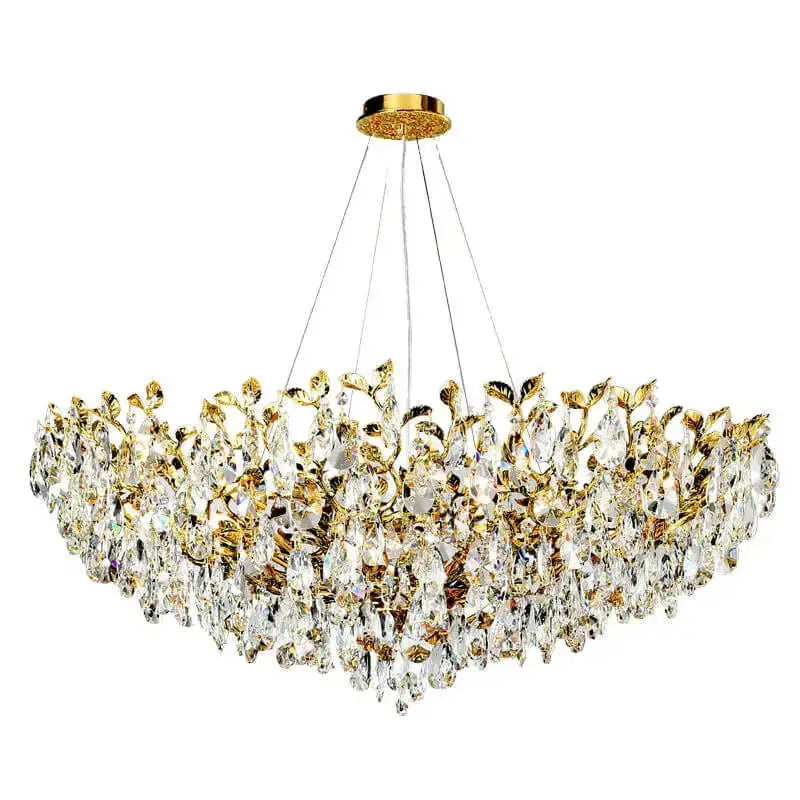
A spectacular fixture can change the entire reading of a room before a single piece of furniture is moved. In a tall entrance hall, a cascading chandelier gives the architecture purpose. Above a dining table, a sculptural pendant turns everyday meals into an occasion. This guide to statement lighting explains how to choose a piece with genuine presence, while ensuring it brings the right light, scale and atmosphere to your home.
What makes lighting a statement?
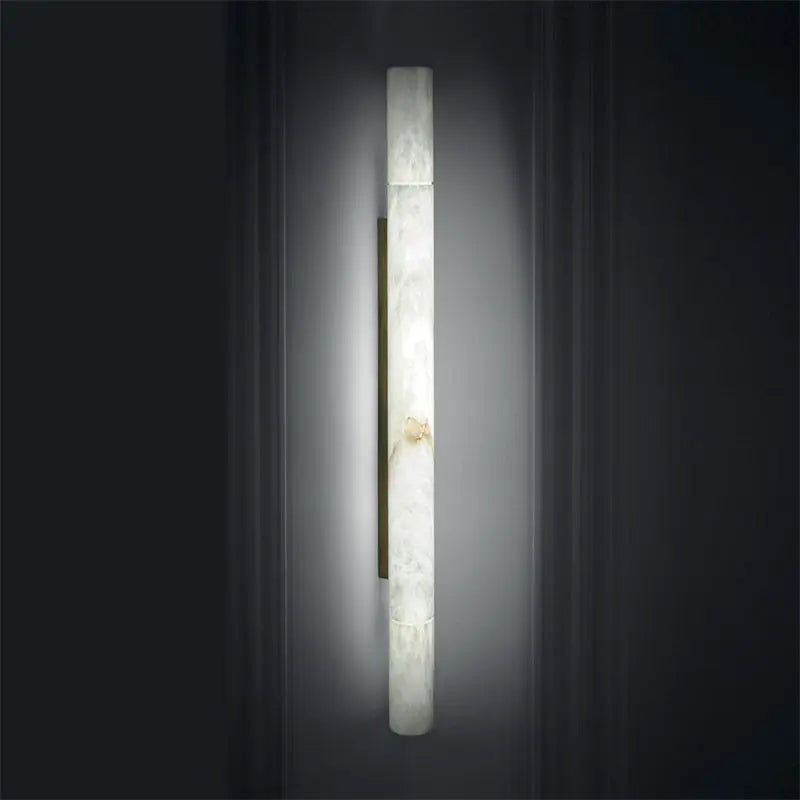
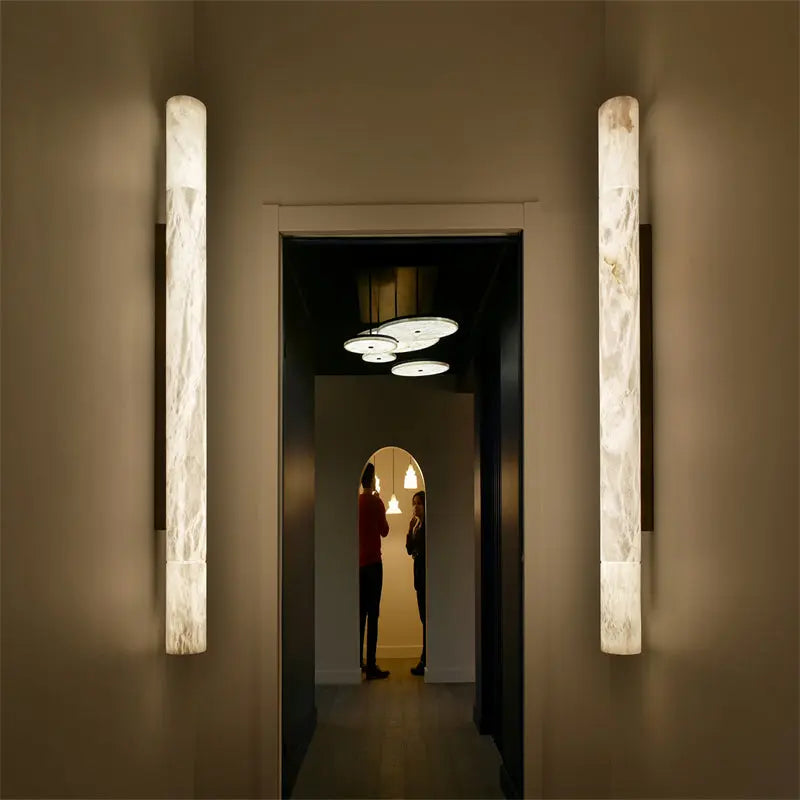
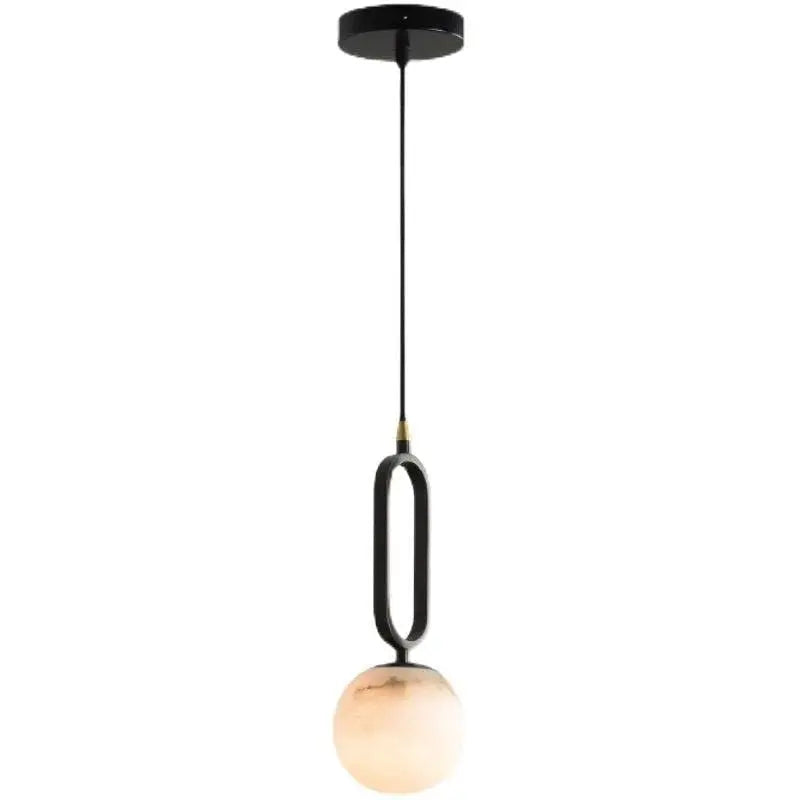
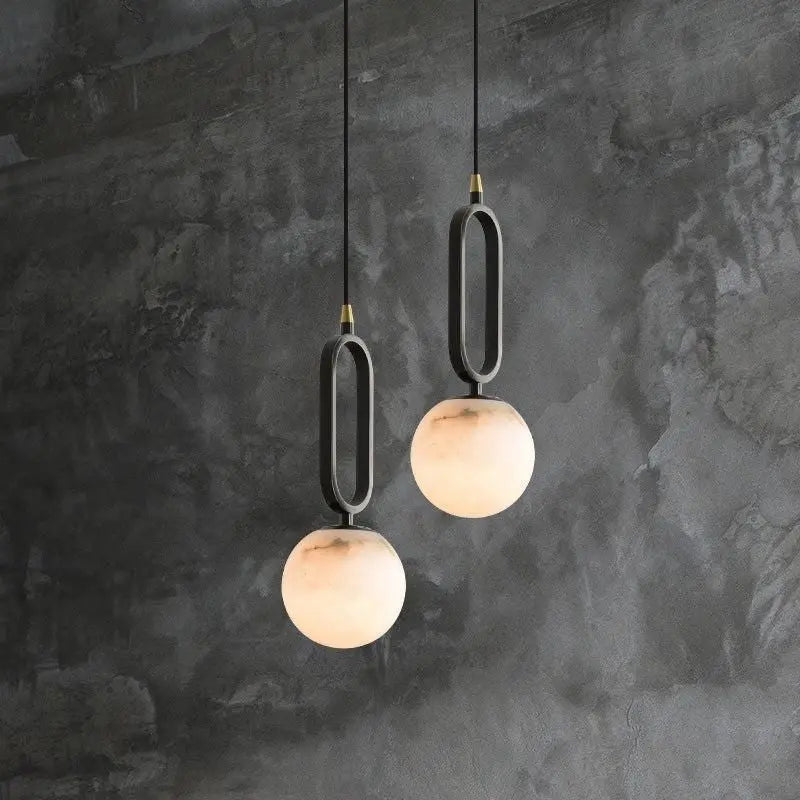
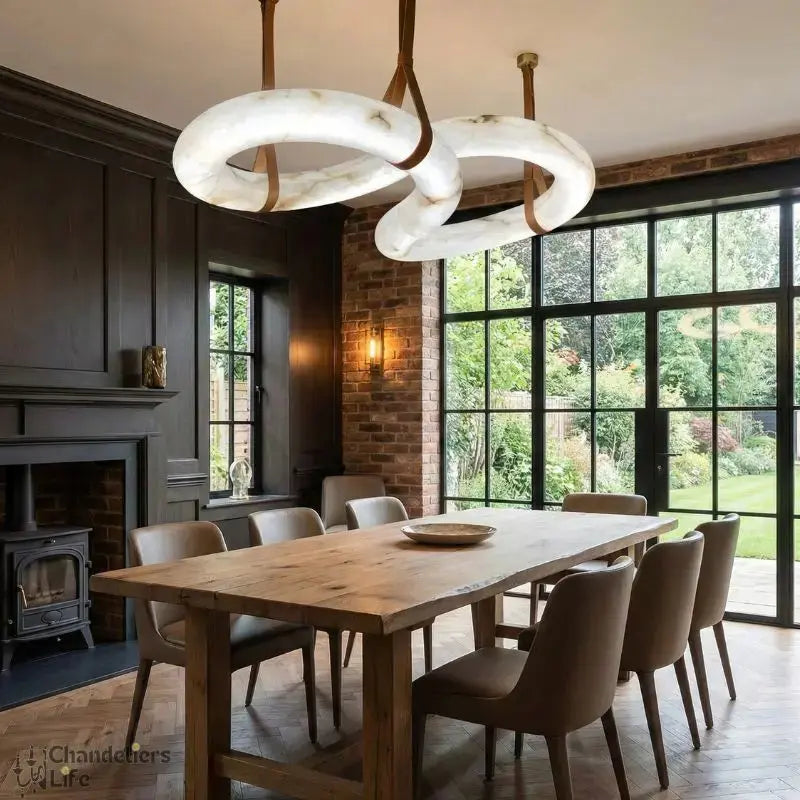
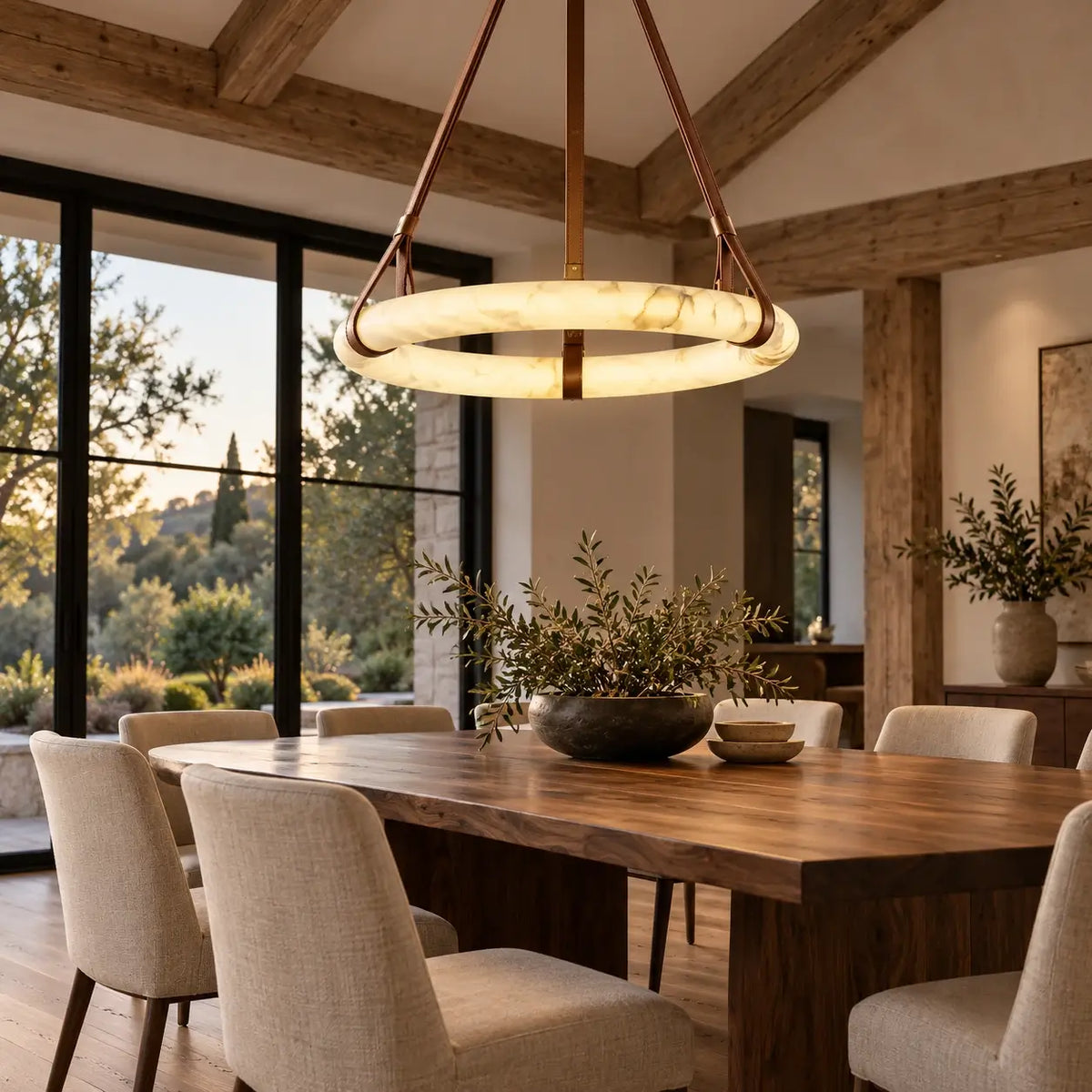
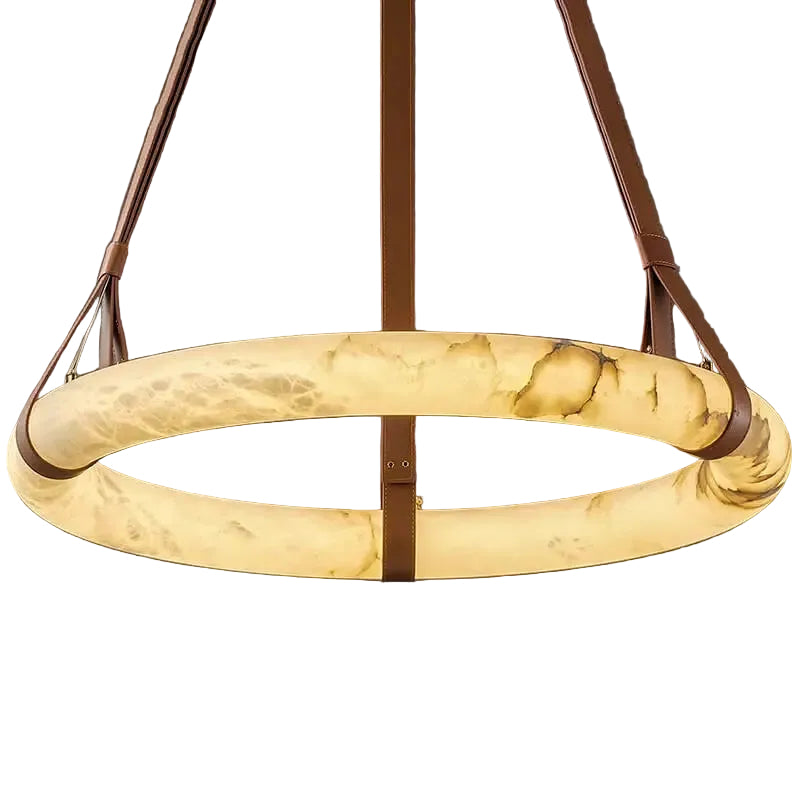
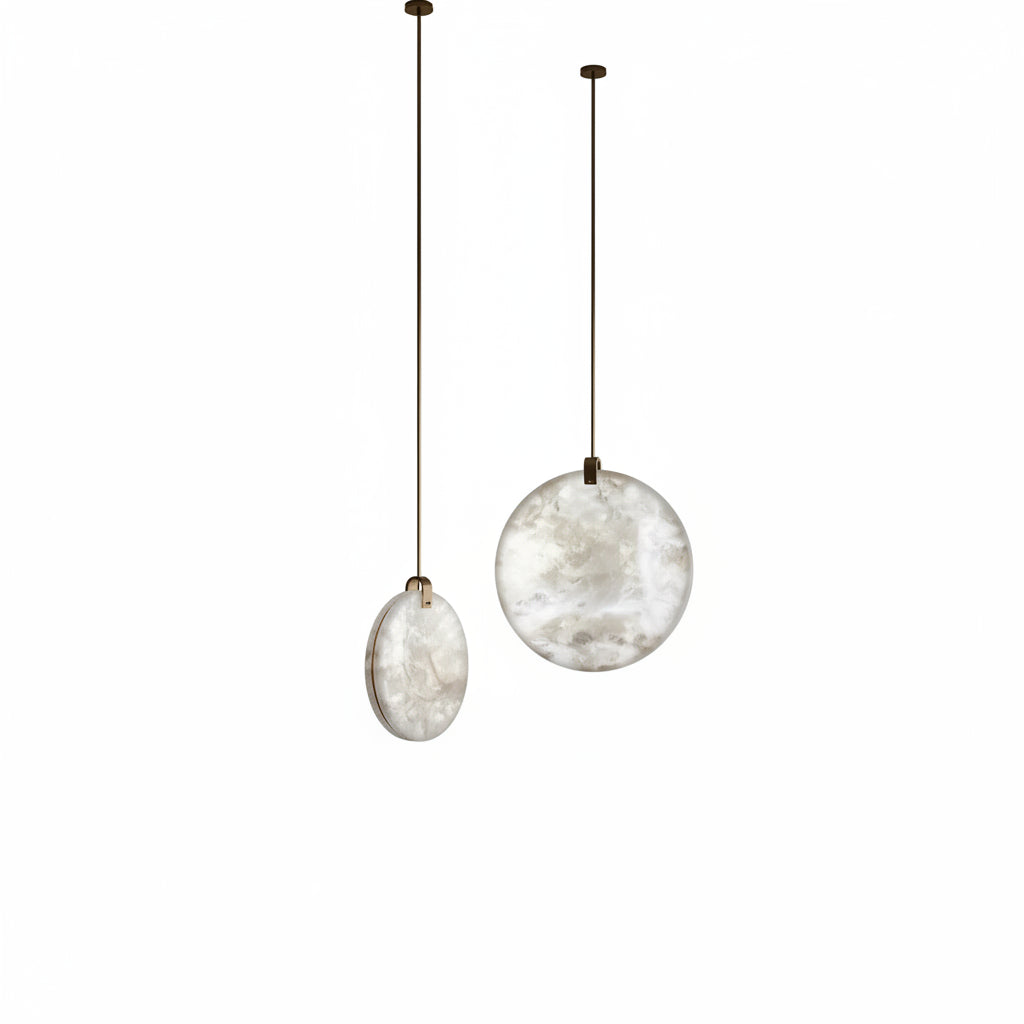
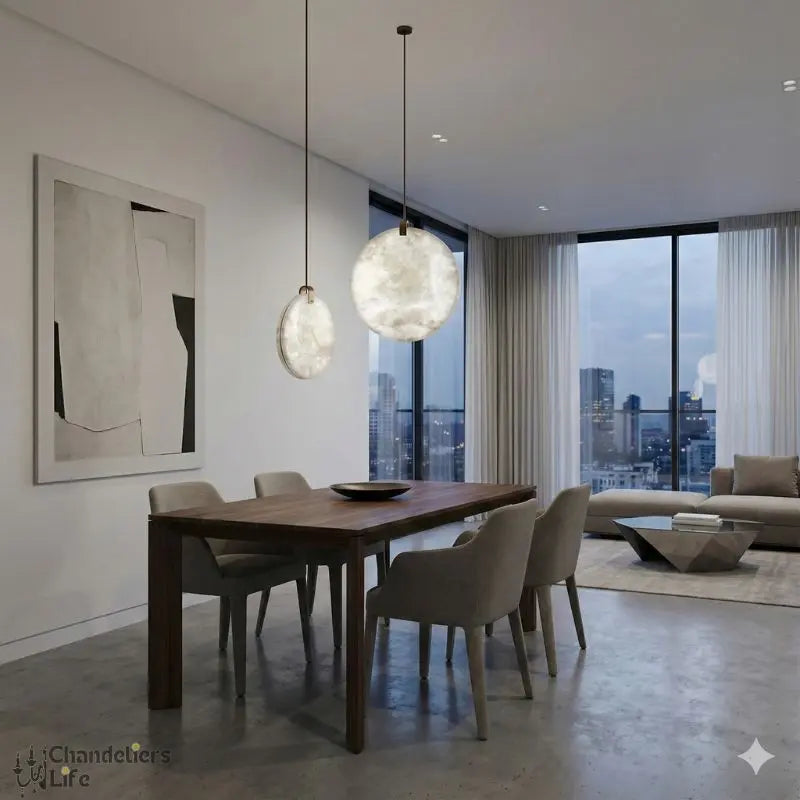
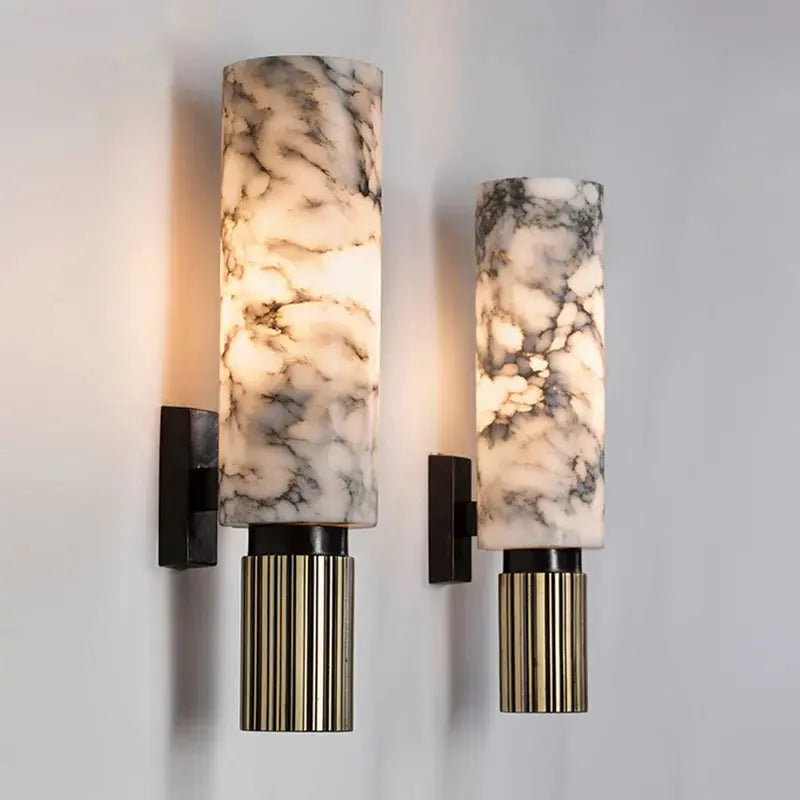
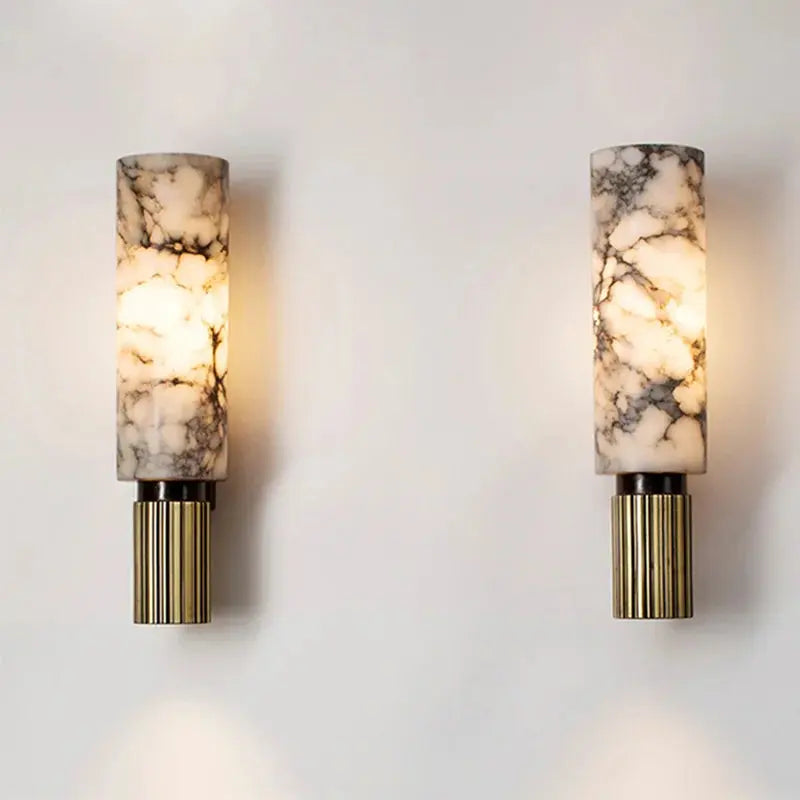
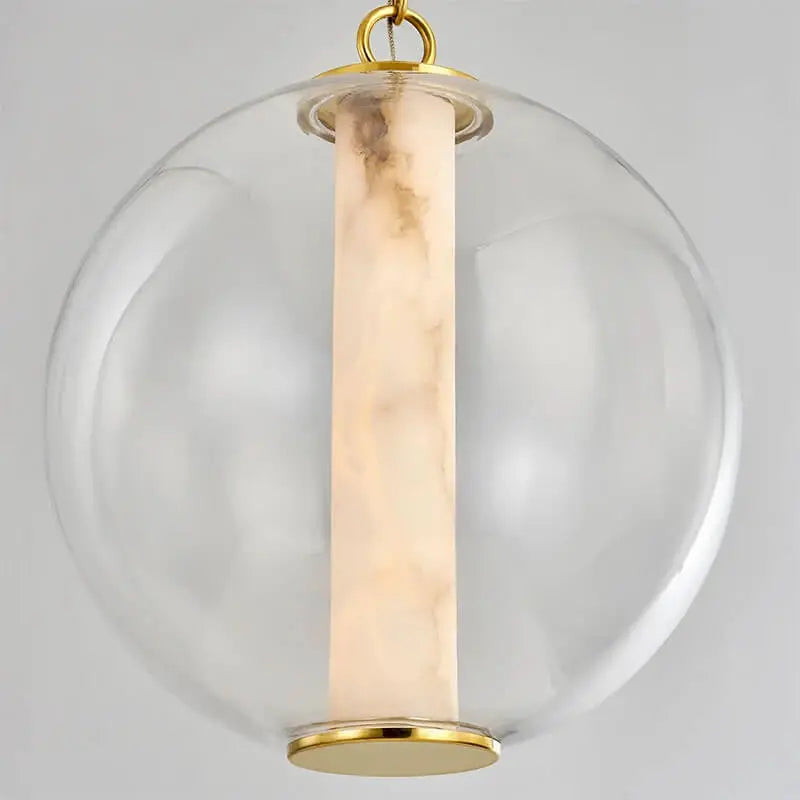
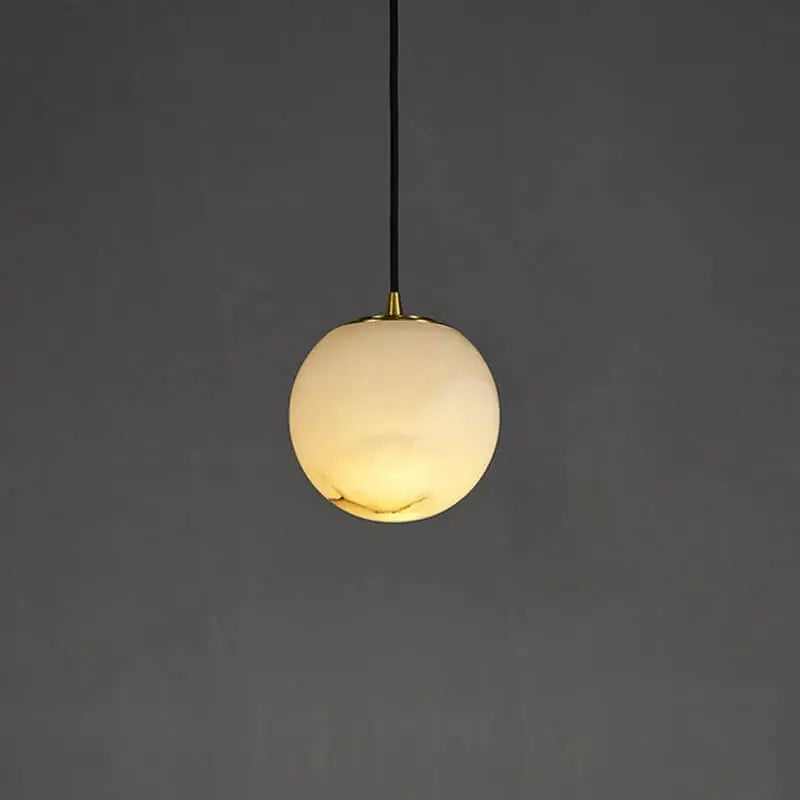
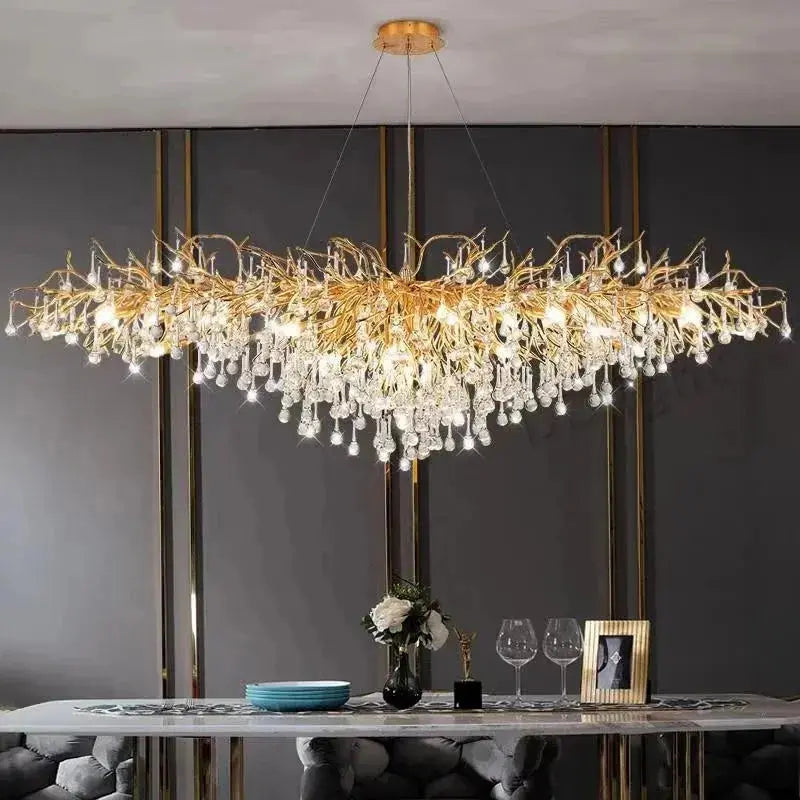
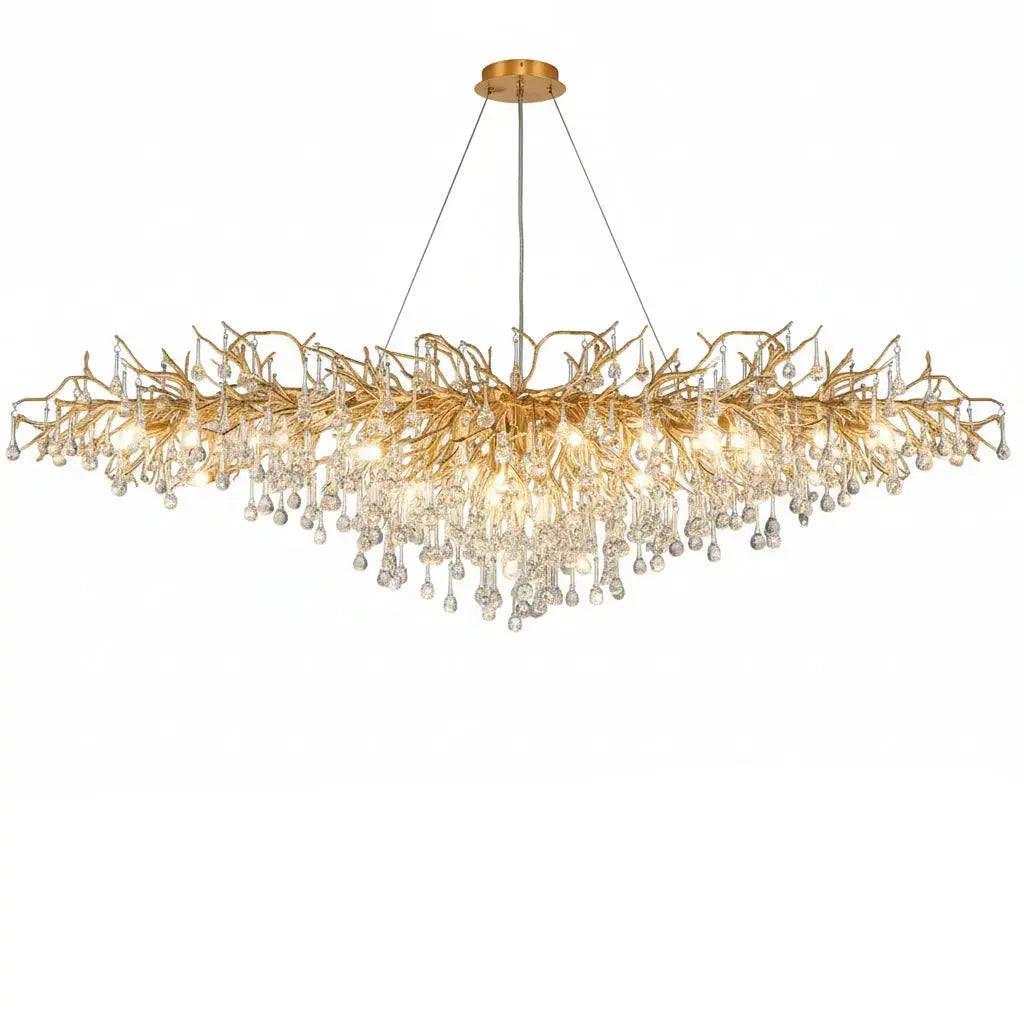
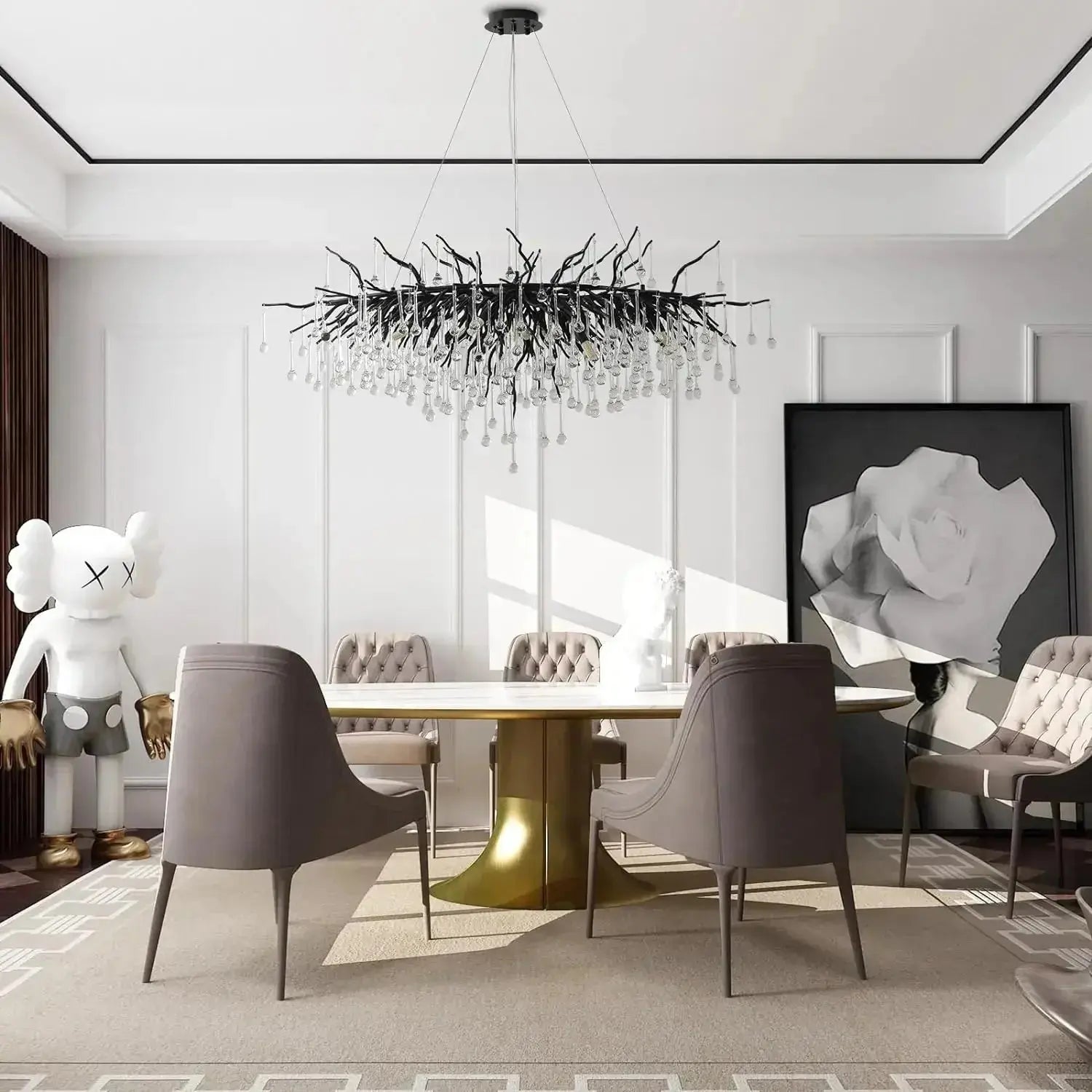
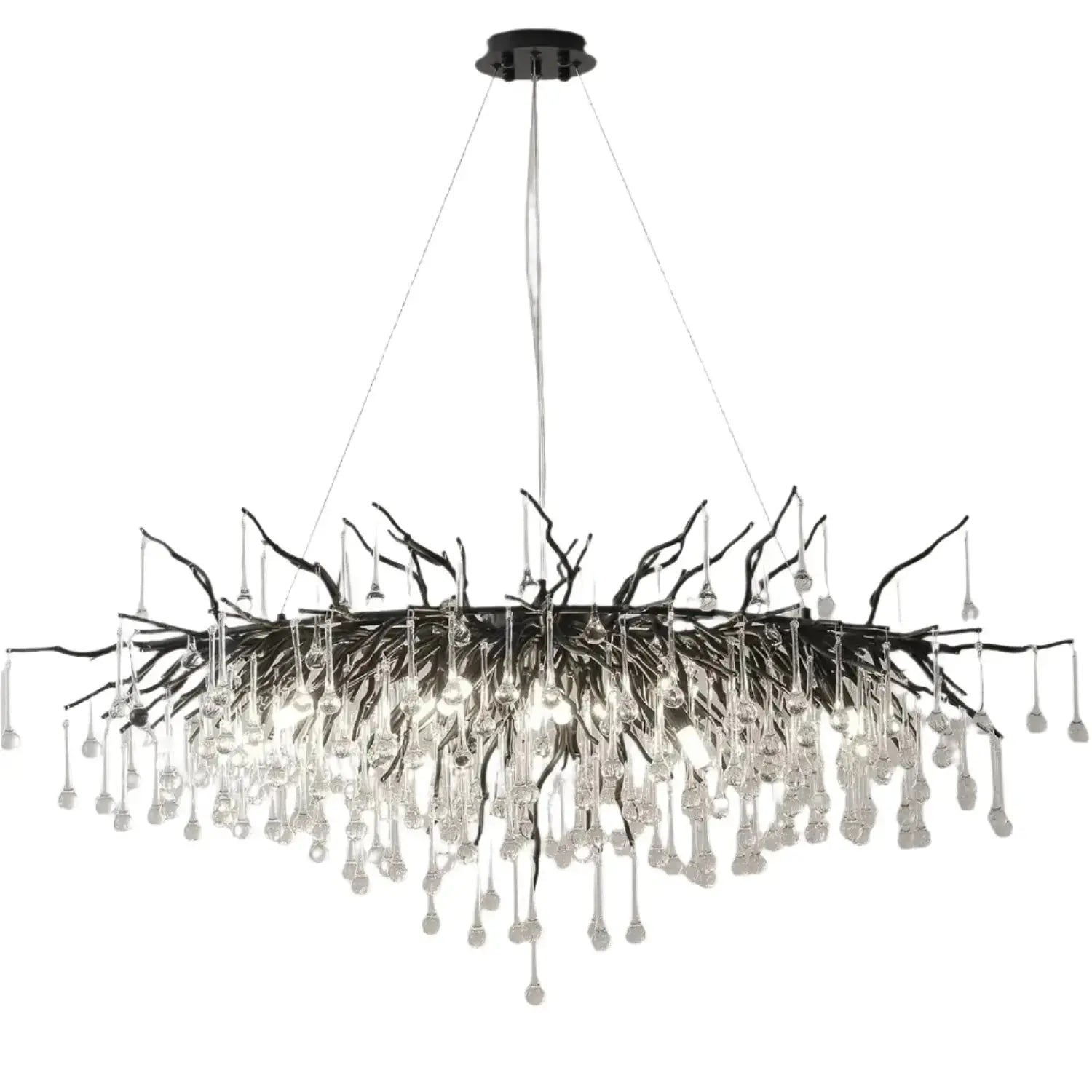
Statement lighting is not simply the largest fitting in the room. It is the fixture that captures attention, anchors the scheme and gives the space a clear point of view. That may be a dramatic crystal chandelier, an alabaster pendant with a soft natural glow, a branching modern ceiling light or a pair of generous wall sconces framing a fireplace.
The most successful pieces combine visual character with purpose. A dazzling fixture that leaves a dining table in shadow will disappoint, just as a highly practical ceiling light can feel underwhelming in a grand foyer. Look for a balance between decorative form and useful illumination.
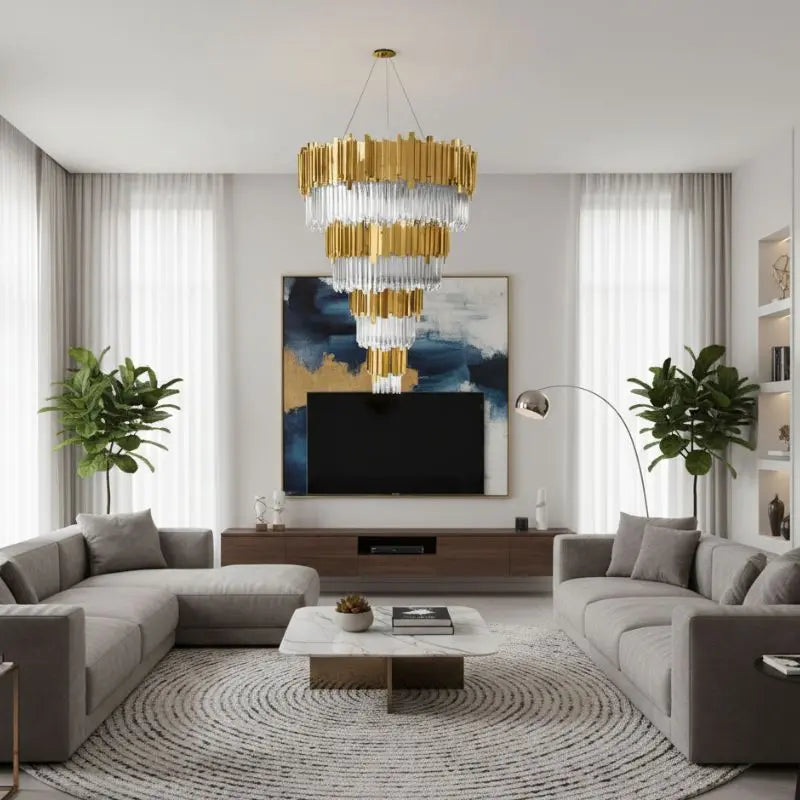
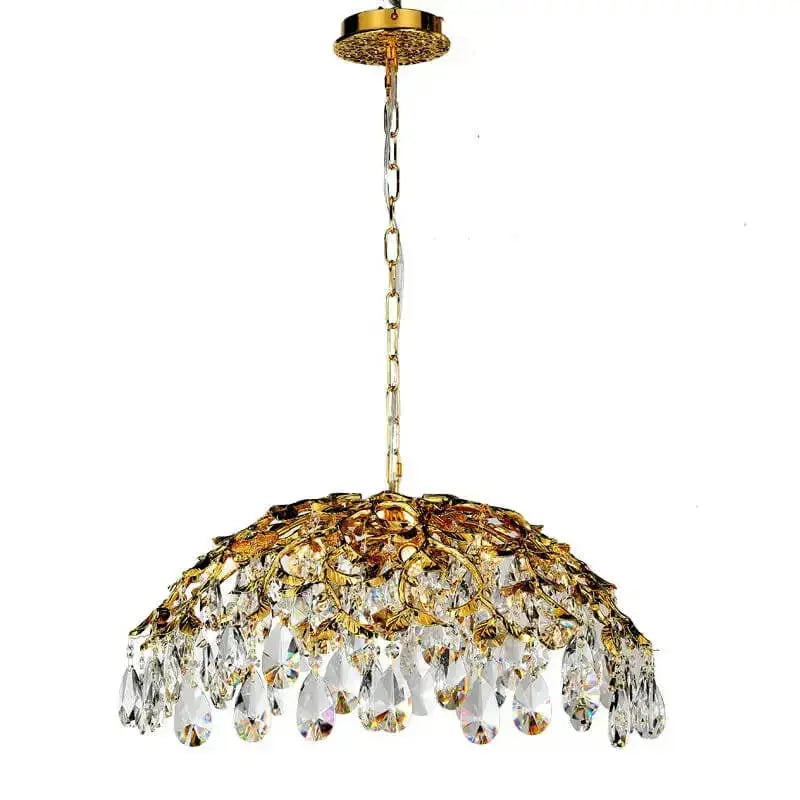
Scale, material and silhouette are the three elements that create impact. Crystal introduces reflection and timeless elegance; marble-inspired and alabaster designs lend quiet luxury; metal brings crisp definition, whether the finish is warm brass, black or polished chrome. The silhouette should complement the room's existing lines rather than compete with every detail in it.
A guide to statement lighting by room
Every room asks something different of its lighting. Begin with how the space is used, then choose the fixture that gives that function a more considered, luxurious expression.
Foyers and staircases
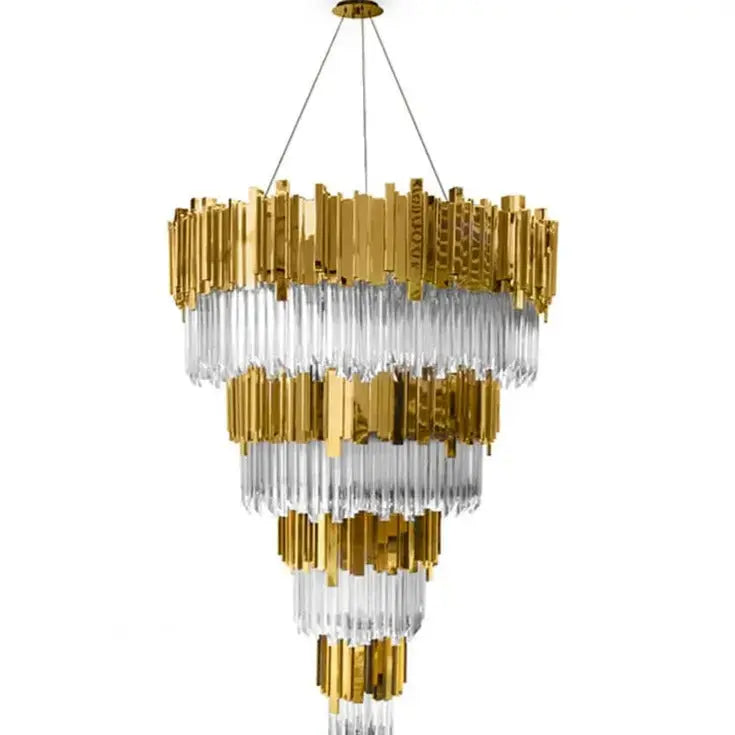
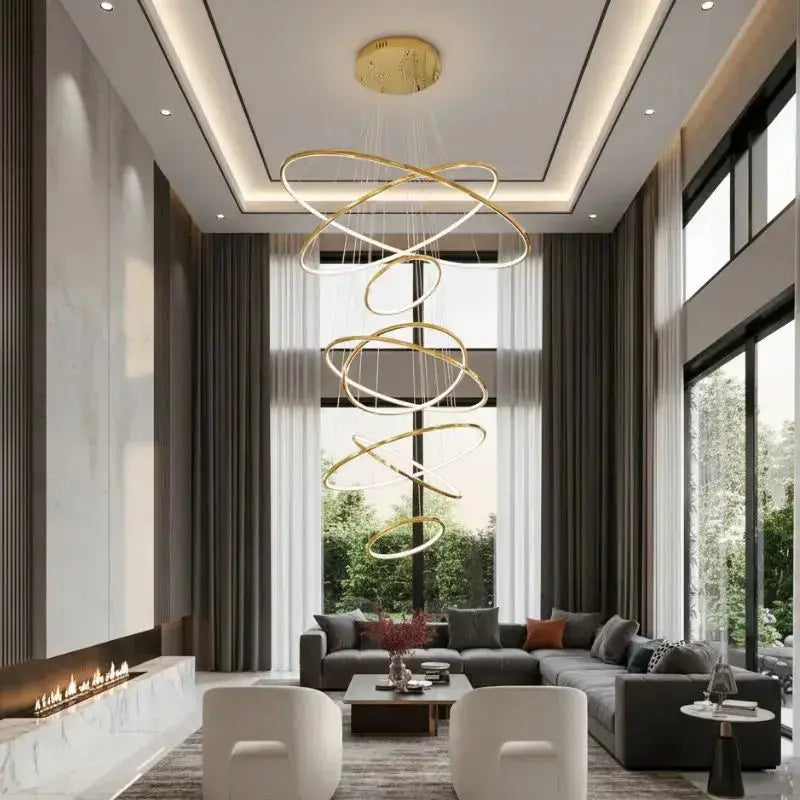
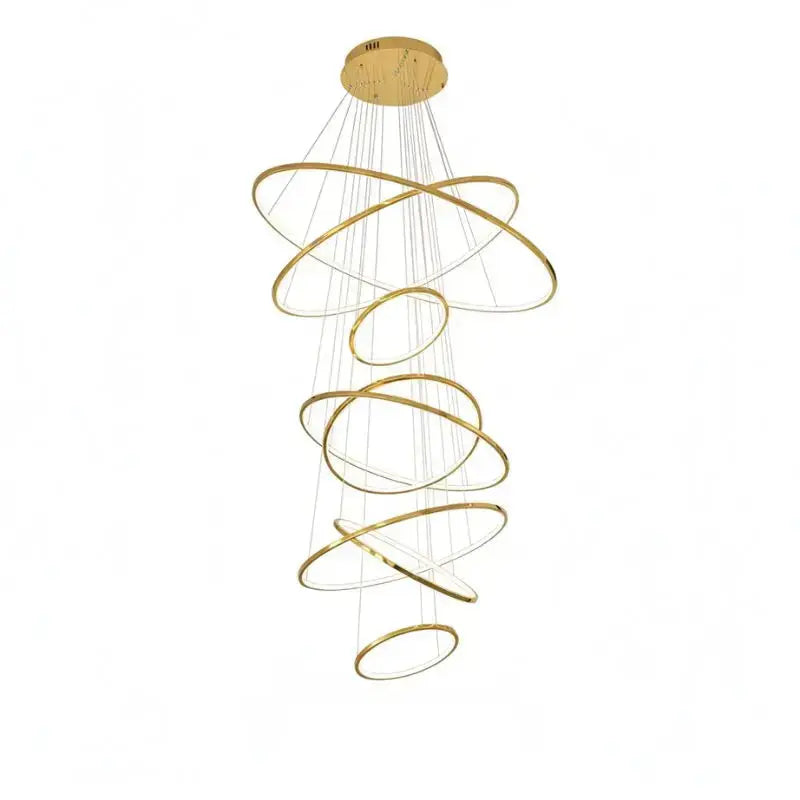
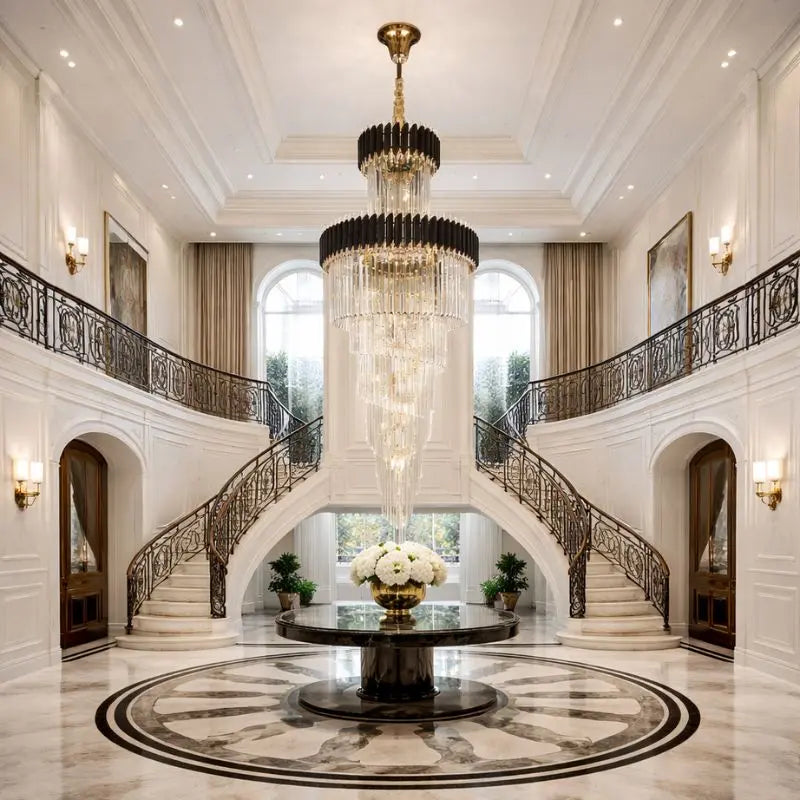
An entrance is a natural home for dramatic lighting because it is where first impressions begin. In a double-height foyer, choose a chandelier or cascading pendant that fills the vertical space without hanging so low that it interrupts movement. A staircase often benefits from a multi-drop design that follows the rise of the stairs, drawing the eye upwards and making an architectural feature of the void.
Consider the view from both levels. A fixture that looks exquisite from below should also present a beautiful profile when seen from a landing. Crystal and glass work especially well here, catching daylight as well as evening illumination.
Dining rooms
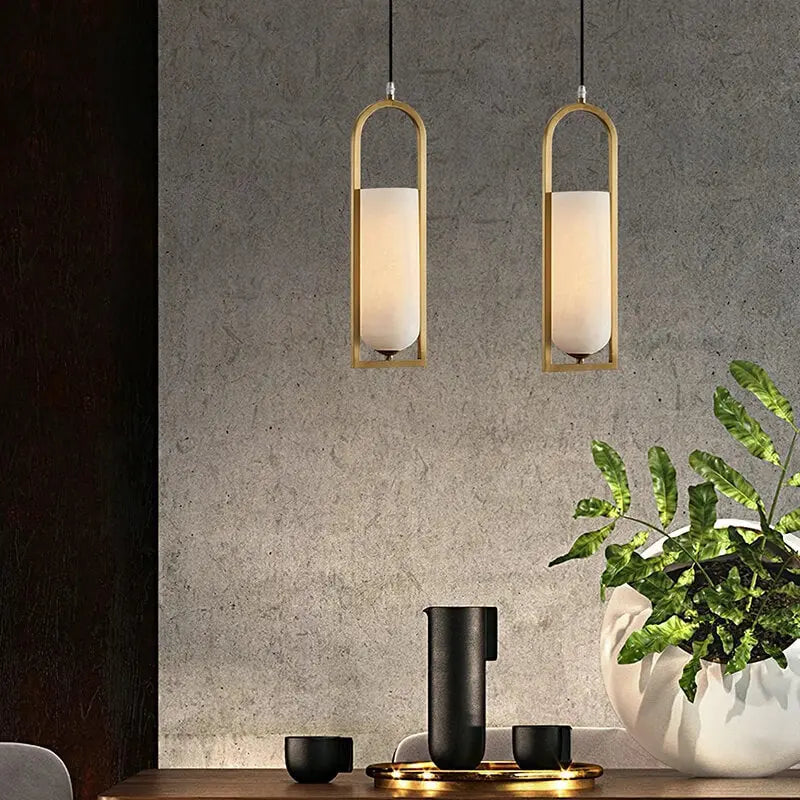
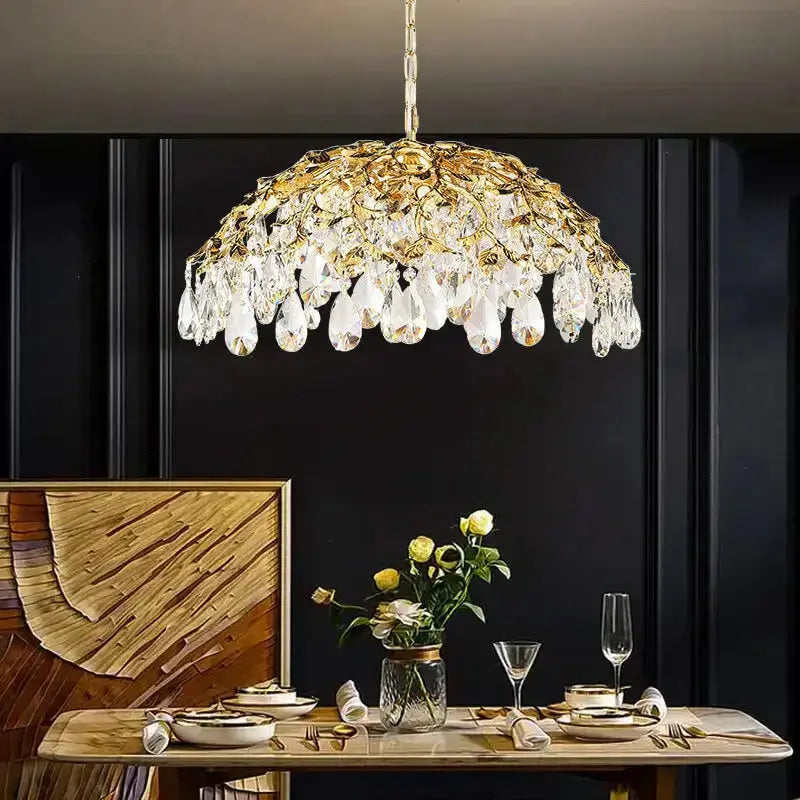
The dining table is one of the easiest places to make a confident decorative choice. A statement chandelier or linear pendant creates intimacy over the table and gives the room a polished focal point, even when the rest of the scheme is restrained.
As a starting point, centre the fitting over the table rather than the room itself. It should feel related to the tabletop, not lost above it. For standard ceilings, hanging the bottom of the fixture roughly 75 to 90 centimetres above the table usually preserves clear sightlines while providing a sense of occasion. Adjustable suspension is valuable, particularly if your ceiling height or table size may change.
Living rooms
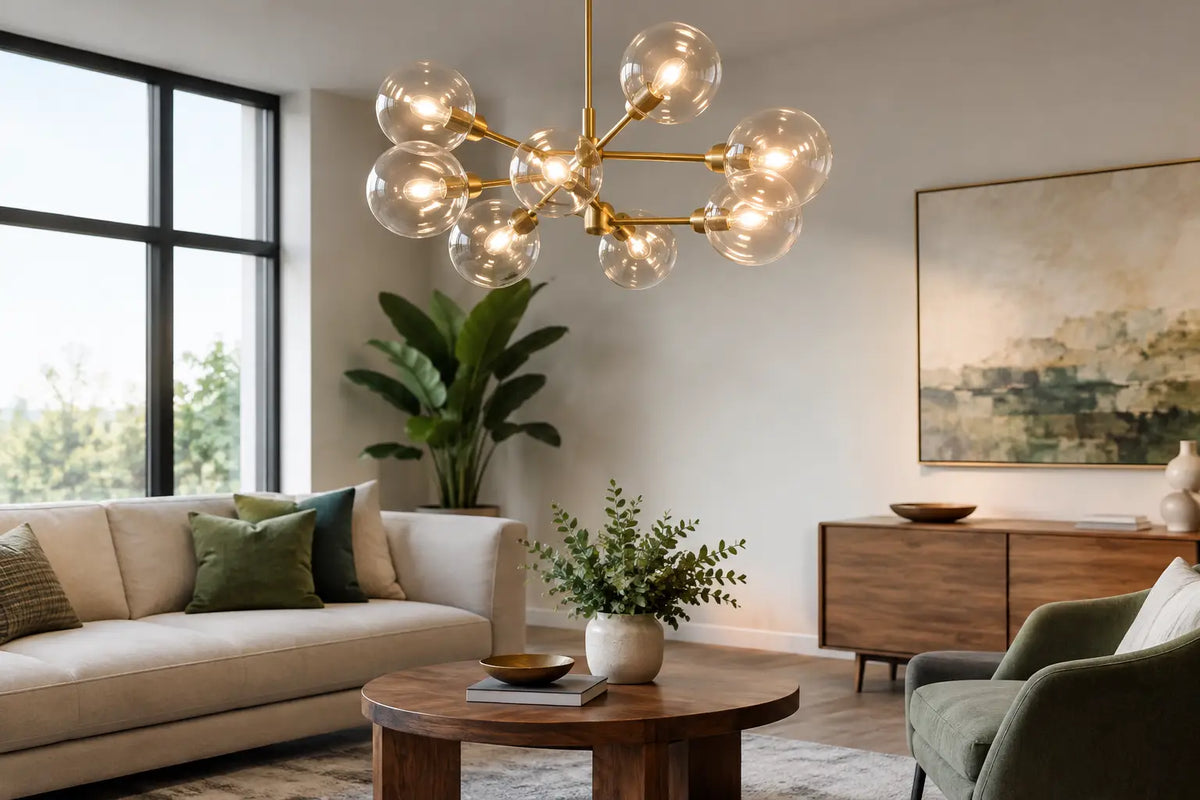
Living rooms need layers rather than one dominant source of light. A sculptural ceiling fixture can set the tone, but it should be supported by table lamps, floor lamps and wall lights that soften corners and create a relaxed evening mood.
Here, a statement piece does not need to be overly bright. Its role may be primarily decorative, particularly in a room used for reading, entertaining and watching television. Choose lamps with dimmable bulbs or compatible controls so the atmosphere can shift easily from sociable and bright to calm and intimate.
Kitchens and islands
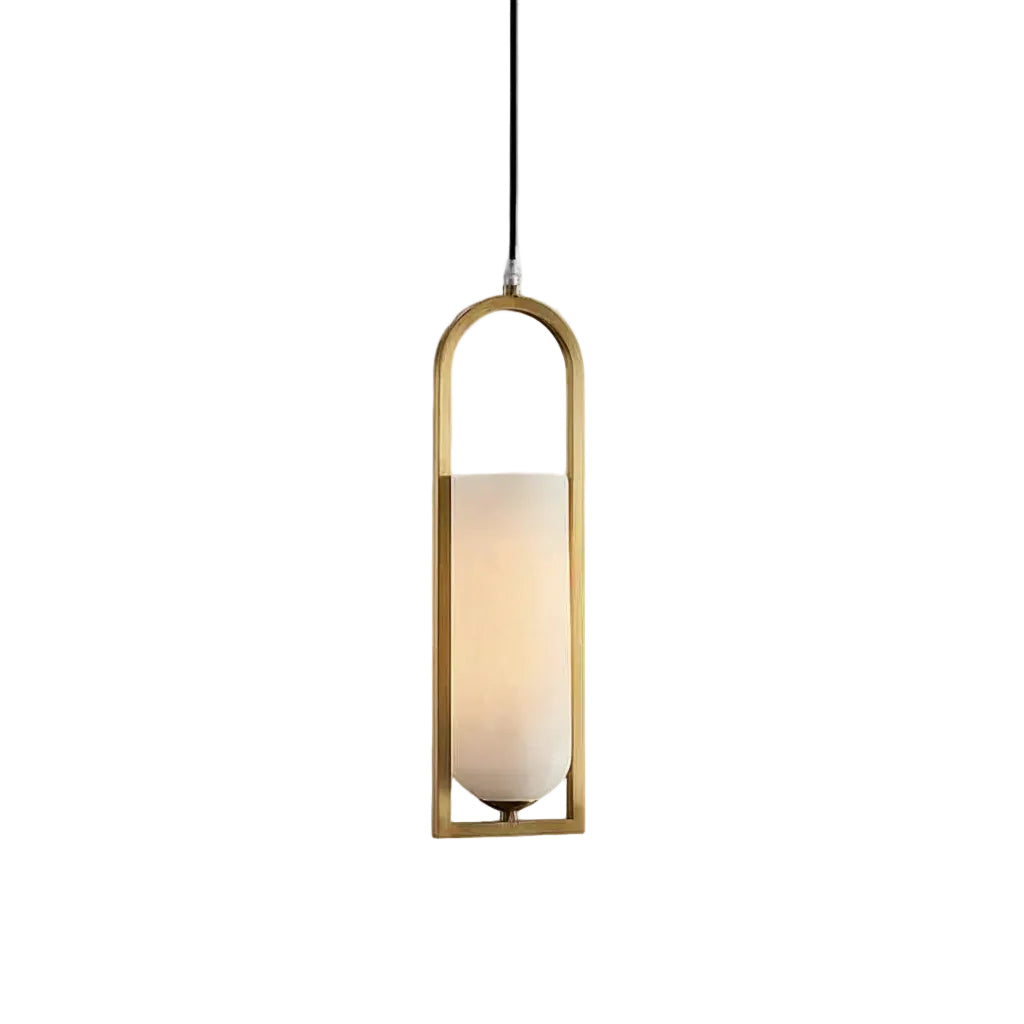
Kitchen islands suit a row of pendants, a long linear fixture or a pair of oversized forms. Repetition creates a tailored look, but the fittings should not become a visual barrier across the room. Clear glass, slender metalwork and open-frame designs preserve sightlines in open-plan kitchens, while opaque shades offer more directed task lighting.
Measure carefully before choosing multiple pendants. Their combined width should feel generous without stretching beyond the island's visual boundaries. If you favour a bold chandelier-like piece, make sure there is still effective worktop lighting elsewhere in the kitchen.
Bedrooms and bathrooms
A bedroom statement light should feel serene rather than theatrical for its own sake. Softly diffused alabaster, fabric-inspired shades and elegant glass forms bring a calm, elevated finish. Bedside wall lights are especially useful when ceiling lighting is decorative but not intended for focused reading.
Bathrooms require a more careful approach. Choose fittings designed for the appropriate bathroom zone, particularly near showers and baths, and ask a qualified electrician to advise on safe placement. The result can still be highly decorative: a refined ceiling fixture or beautifully proportioned wall lights can make a bathroom feel closer to a boutique hotel suite.
Get the proportions right before you fall in love
A statement fixture should command attention, not overwhelm the people beneath it. Before browsing finishes and materials, measure the room's length, width and ceiling height. These dimensions reveal whether your space needs a broad, low-profile design, a tall cascading piece or a more compact fixture with rich detail.
For a quick guide, add the room's length and width in feet, then use that figure in inches as an approximate chandelier diameter. A room measuring 12 by 14 feet, for example, can often carry a fixture around 26 inches wide. This is a useful starting point rather than an absolute rule. A minimal room with high ceilings may welcome a larger piece, while an ornate room may need more restraint.
Ceiling height matters just as much. Flush and semi-flush ceiling lights are often the wiser choice in lower rooms, where a hanging chandelier would feel compressed. In loftier spaces, do not be afraid of vertical scale. A small fitting suspended high above can disappear, even if it is expensive and beautifully made.
When selecting a fixture over furniture, relate it to the furniture beneath. A dining fitting should be narrower than the table, while a living room chandelier should sit comfortably within the seating area. This visual relationship makes the room feel intentional.
Choose a style that has staying power
Statement lighting can be expressive, but it should still belong to the home. The safest route is not necessarily the quietest one. It is choosing a fixture that echoes at least one element already present in the space: a metal finish, curved furniture profile, natural stone surface or architectural line.
Traditional interiors often suit tiered crystal chandeliers, lantern forms and warm brass detailing. Contemporary spaces can carry geometric compositions, asymmetrical branches and sleek black finishes with confidence. Transitional rooms offer the broadest freedom, pairing classic materials such as glass and brass with simplified, modern silhouettes.
Material also changes the mood. Crystal offers sparkle and formal glamour, particularly in foyers and dining rooms. Alabaster produces a creamy, diffused light that feels luxurious without being showy. Smoked glass adds depth and drama, while woven or natural textures bring softness to relaxed living spaces and covered outdoor areas.
Do not feel compelled to match every metal finish exactly. A considered mix can look more layered than a room where every detail is identical. The key is repetition: if a chandelier introduces antique brass, repeat that warmth in a mirror frame, cabinet hardware or a lamp base so it feels deliberate.
Plan the light, not only the fixture
The difference between a beautiful room and a beautifully lit room is layering. Ambient lighting provides general visibility, task lighting supports activities such as cooking or reading, and accent lighting adds depth to art, alcoves and architectural details. A statement fitting commonly leads the ambient layer, but it rarely needs to do every job alone.
Dimming is one of the most valuable additions to decorative lighting. It lets crystal sparkle gently at supper, lets a living room settle into a softer glow and prevents an impressive fixture from becoming harsh after dark. Check that bulbs, dimmer controls and fittings are compatible before installation.
Bulb temperature deserves attention too. Warm white light tends to flatter living spaces, bedrooms and dining rooms, enhancing brass, timber and rich textiles. Cooler light can be practical in task-heavy areas, but excessive coolness may make a luxury finish feel clinical. If you are unsure, warm, dimmable illumination is usually the more welcoming choice for decorative residential spaces.
Make a confident final selection
Before ordering, review the fitting's dimensions, drop length, bulb requirements, mounting needs and weight. Large chandeliers, particularly crystal designs, may require suitable ceiling support. If you are replacing an existing light point, a qualified electrician can confirm what is practical before your chosen piece arrives.
It is also worth considering maintenance. Intricate crystal creates incomparable light play but takes longer to clean than a simple glass globe. Matte black metal is striking and versatile, though it may show dust more readily in bright rooms. These are not reasons to avoid a design you love; they are part of choosing a piece that will remain a pleasure to live with.
At ChandeliersLife, the most memorable choices are often the ones that pair a clear practical fit with a little boldness. Choose the fixture that makes you pause when you enter the room, then give it the scale, support and layered glow it deserves.