A bedroom pendant should feel considered from the moment you switch it on - soft enough for winding down, beautiful enough to hold its own in daylight. The best pendant lights for bedrooms do more than replace a bedside lamp or ceiling fitting. They release space on a nightstand, frame the bed with symmetry, and bring the room the finished, layered character associated with a well-designed boutique hotel.
The right choice depends on where the light will sit and what role it needs to play. A petite glass globe can make a compact bedroom feel lighter and more spacious, while an alabaster shade or sculptural cluster can turn a generous primary suite into something far more memorable. Before choosing a finish, begin with proportion, height and the quality of light you want at the end of the day.
1. Opal glass globe pendants for timeless softness
An opal glass globe is among the most versatile bedroom choices. Its milky surface diffuses the bulb, reducing glare and creating an even, flattering glow that suits reading, dressing and slower evening routines. The form is clean enough for contemporary interiors, yet it carries a quiet mid-century elegance that works beautifully alongside timber, linen and antique brass.
Choose a single small globe at each side of the bed when you want bedside lighting to feel airy rather than decorative. In a room with a higher ceiling, a larger globe with a refined metal collar gives the arrangement more presence. Brass brings warmth to cream, taupe and deep green schemes; black metal adds sharper contrast to pale plaster and light oak.
The trade-off is character. Opal glass is wonderfully adaptable, but it may not provide the dramatic focal point desired in a maximalist or highly luxurious bedroom. Pair it with an expressive headboard, textured wall covering or a statement ceiling fixture if the room needs greater visual impact.
2. Alabaster pendants for a serene luxury bedroom
Few materials create atmosphere like alabaster. Its natural veining means each shade carries subtle variation, while its softly translucent quality creates a warm, ambient radiance rather than a stark point of light. For bedrooms built around calm, layered neutrals, an alabaster pendant is an exquisite choice.
A narrow cylindrical alabaster pendant works especially well as a bedside pair, where it introduces vertical elegance without obstructing the view across the bed. A rounded alabaster form feels softer and more sculptural, particularly beside upholstered beds and curved furniture. Look for aged brass or warm gold detailing to complement the stone’s gentle ivory tones.
Because real alabaster has visual weight, scale is essential. Oversized pieces can feel magnificent in a spacious room with tall ceilings, but may overwhelm a modest bedroom. Consider a slimmer silhouette where ceiling height is limited, and use a warm, dimmable LED bulb to preserve the material’s inviting glow.
3. Ribbed and fluted glass pendants for subtle detail
Ribbed glass pendant lights bring texture without making a bedroom feel busy. The vertical channels catch light delicately and offer a more tailored finish than a smooth globe, making them ideal for interiors that blend modern simplicity with classic detailing. They are especially effective when used in pairs over bedside tables.
Clear fluted glass gives a room a crisp, jewellery-like sparkle, but the bulb remains visible. This can be beautiful with a decorative filament bulb, though it is less forgiving if the fitting is placed directly in a reader’s line of sight. Smoked, amber or frosted fluted glass offers a softer alternative, adding mood while concealing the light source more successfully.
For a coordinated look, repeat the pendant’s metal finish in bedside hardware, curtain poles or a mirror frame. The result is polished without looking overly matched.
4. Fabric shade pendants for hotel-style warmth
A fabric pendant shade makes a bedroom immediately more intimate. Linen, cotton and pleated textiles soften both the light and the room’s acoustics, which is valuable in bedrooms with timber floors, large windows or minimal furnishings. This is a quietly luxurious option for those who prefer comfort over shine.
A drum shade is timeless and balanced, while a tapered or pleated shade introduces a more traditional, collected feel. Cream and natural linen are easy to live with, but deeper shades in olive, tobacco or charcoal can create a cocooning effect in a larger, moodier room.
Fabric pendants are generally better suited to ambient lighting than focused task lighting. If you enjoy reading in bed, make sure the bedside pendants are paired with directional wall lights, adjustable reading lamps, or bulbs bright enough for practical use. A dimmer is particularly worthwhile here, allowing the same fitting to shift from useful illumination to a low, restful glow.
5. Slim cylinder pendants for a tailored modern look
For bedrooms where bedside tables are small or where visual clutter is the enemy, slim cylinder pendants are an elegant solution. Their clean vertical profile leaves the bedside surface open for a book, water glass and personal objects, while drawing the eye upwards to make the room feel taller.
Matte black cylinders bring a confident architectural note to monochrome, industrial or contemporary schemes. Brushed brass, champagne gold and bronze soften the look and suit warmer palettes. Some designs cast light downwards in a focused pool, which is excellent for reading but can leave the surrounding room darker than expected.
This style works best when installed deliberately. Position each pendant so it aligns with the centre of the bedside table, not simply the edge of the mattress. The visual symmetry is as valuable as the light itself.
6. Woven pendants for relaxed, natural texture
Rattan, wicker and woven fibre pendants introduce a relaxed, sun-warmed character that suits coastal, organic modern and bohemian bedrooms. Their open weave often projects delicate shadows on nearby walls and ceilings, adding texture after dark without relying on busy pattern or bold colour.
These pendants are most successful in bedrooms with enough space around the bed for the silhouette to breathe. A woven shade can appear visually larger than its actual diameter, so a compact room may benefit from a smaller, tighter weave. Natural materials also look their best with warm bulbs and layered bedding in linen, cotton and wool.
Consider the shade’s density before buying. An open weave provides decorative ambience but can create visible glare from an exposed bulb. A lined shade or a frosted bulb gives a more restful finish.
7. Sculptural cluster pendants for a statement ceiling
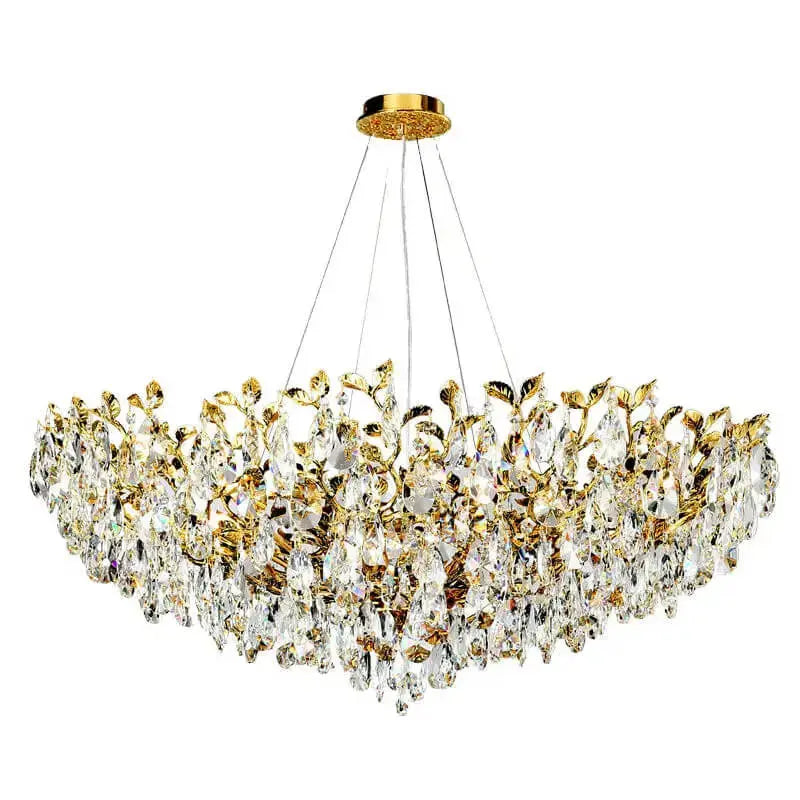
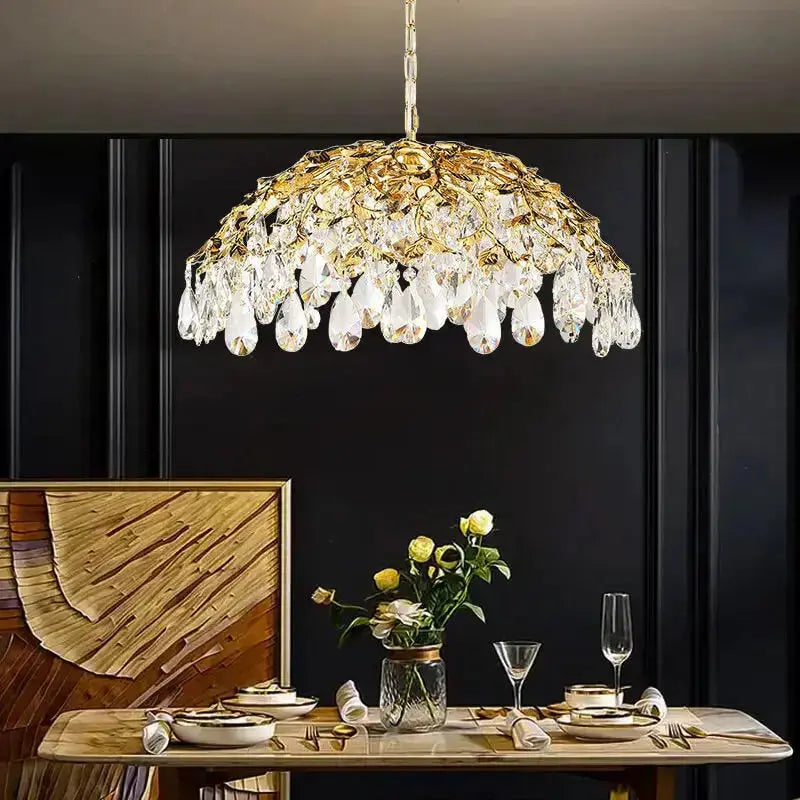
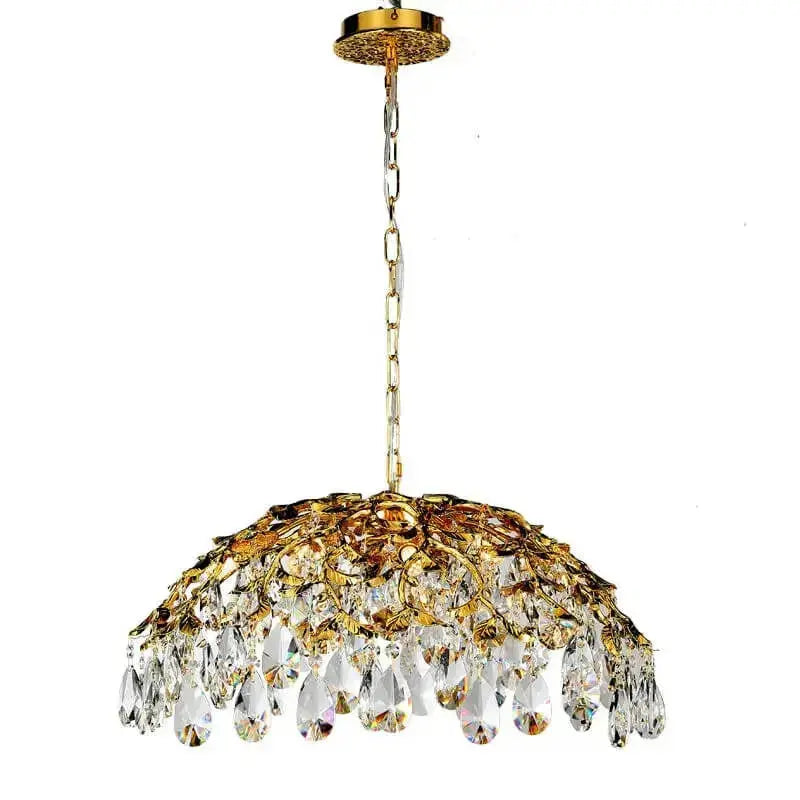
In a bedroom with a vaulted ceiling, a large sitting area or a generous void above the bed, a sculptural cluster pendant can become the room’s defining feature. Cascading glass drops, grouped globes and irregular modern forms create visual drama that a standard flush fitting cannot match.
This is one of the best pendant lights for bedrooms when the goal is to make the ceiling part of the design story. A cluster should have room to be admired from different angles, so it is often more effective over a chaise, window seat or central floor area than directly above the pillow. Avoid a low-hanging installation over the bed, where it can feel intrusive rather than luxurious.
Keep the bedside lighting simpler when introducing a dramatic cluster. Small wall sconces or minimal pendants maintain balance and ensure the room feels curated, not crowded.
How high should bedroom pendant lights hang?
For pendants suspended beside a bed, the bottom of the shade commonly sits around 30 to 50 centimetres above the bedside table. This usually places the light at a comfortable height for reading and prevents it from blocking conversation or sightlines. The exact height changes with the size of the pendant, mattress height and ceiling proportion.
Above a bedside table, leave enough clearance to avoid knocking the fitting when reaching for a book or opening drawers. If pendants hang over a walkway or at the foot of the bed, maintain comfortable head clearance. A qualified electrician can advise on safe placement, wiring and whether your chosen location needs a dedicated switched circuit.
Choose the bulb as carefully as the pendant
Even an exceptional pendant can feel disappointing with the wrong bulb. For a bedroom, warm white light around 2,700K generally creates the most inviting atmosphere. Dimmable LED bulbs are an intelligent choice for their efficiency and the control they offer, especially when a single pendant must support both reading and relaxation.
Look at the shade before choosing brightness. Frosted glass and fabric absorb or diffuse light, so they may need a slightly brighter bulb than clear glass or an open-bottom cylinder. If your pendant is primarily decorative, lower output prevents the light from becoming harsh.
The most memorable bedroom lighting does not chase attention at every turn. Choose a pendant that feels proportionate, casts the kind of light you want to live with, and echoes one material already present in the room. That single decision can make the entire space feel more personal, more composed and far more restful.