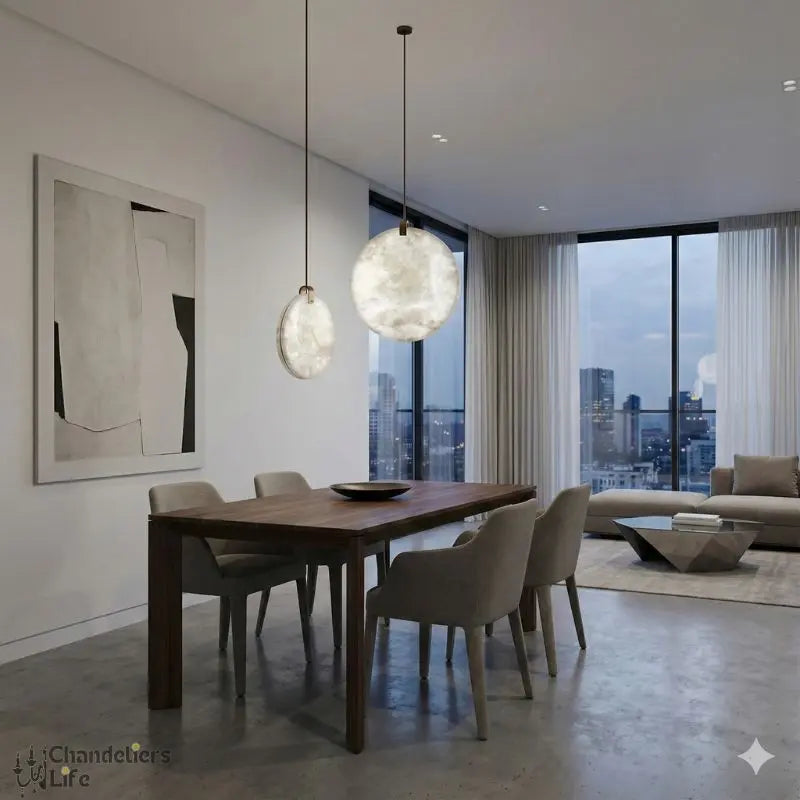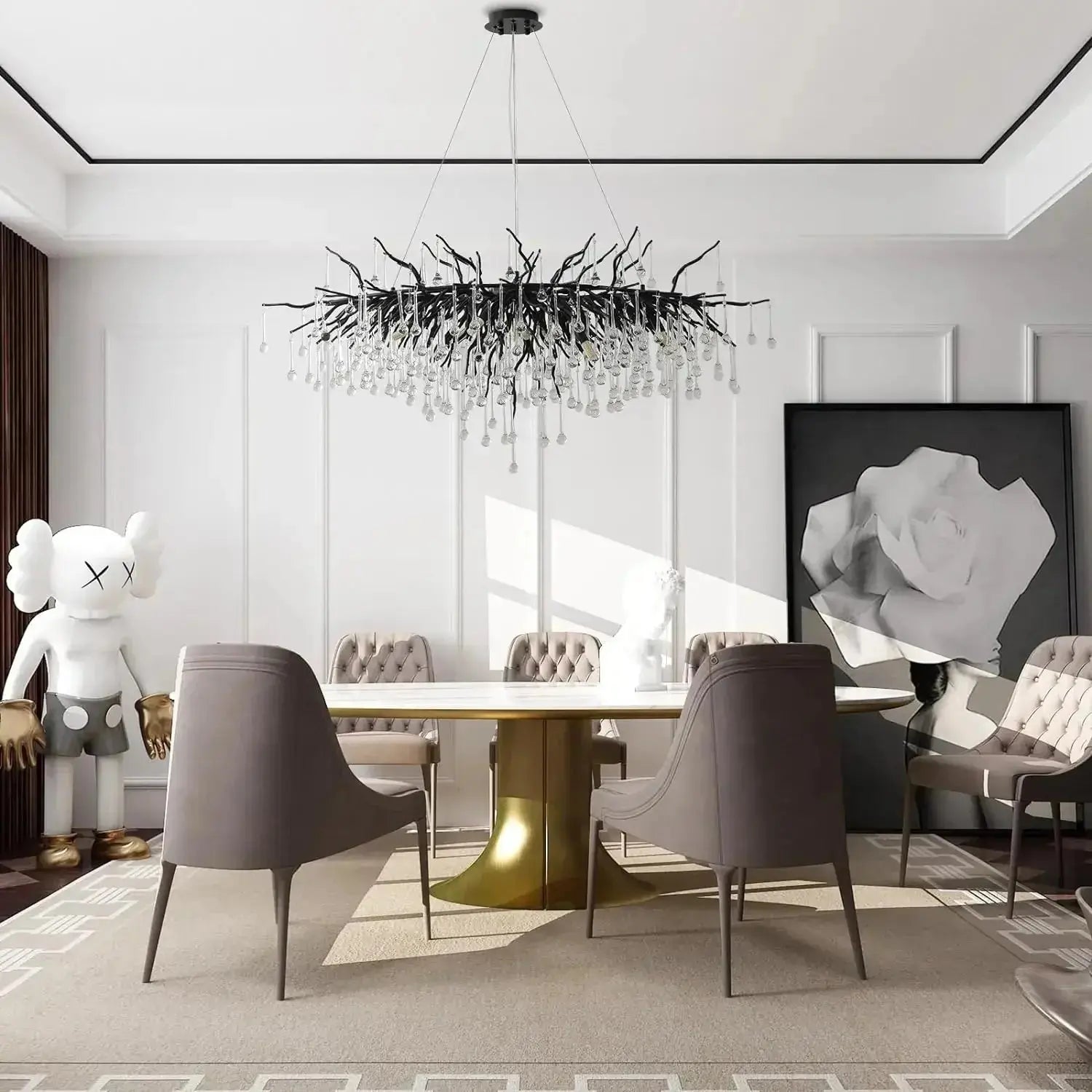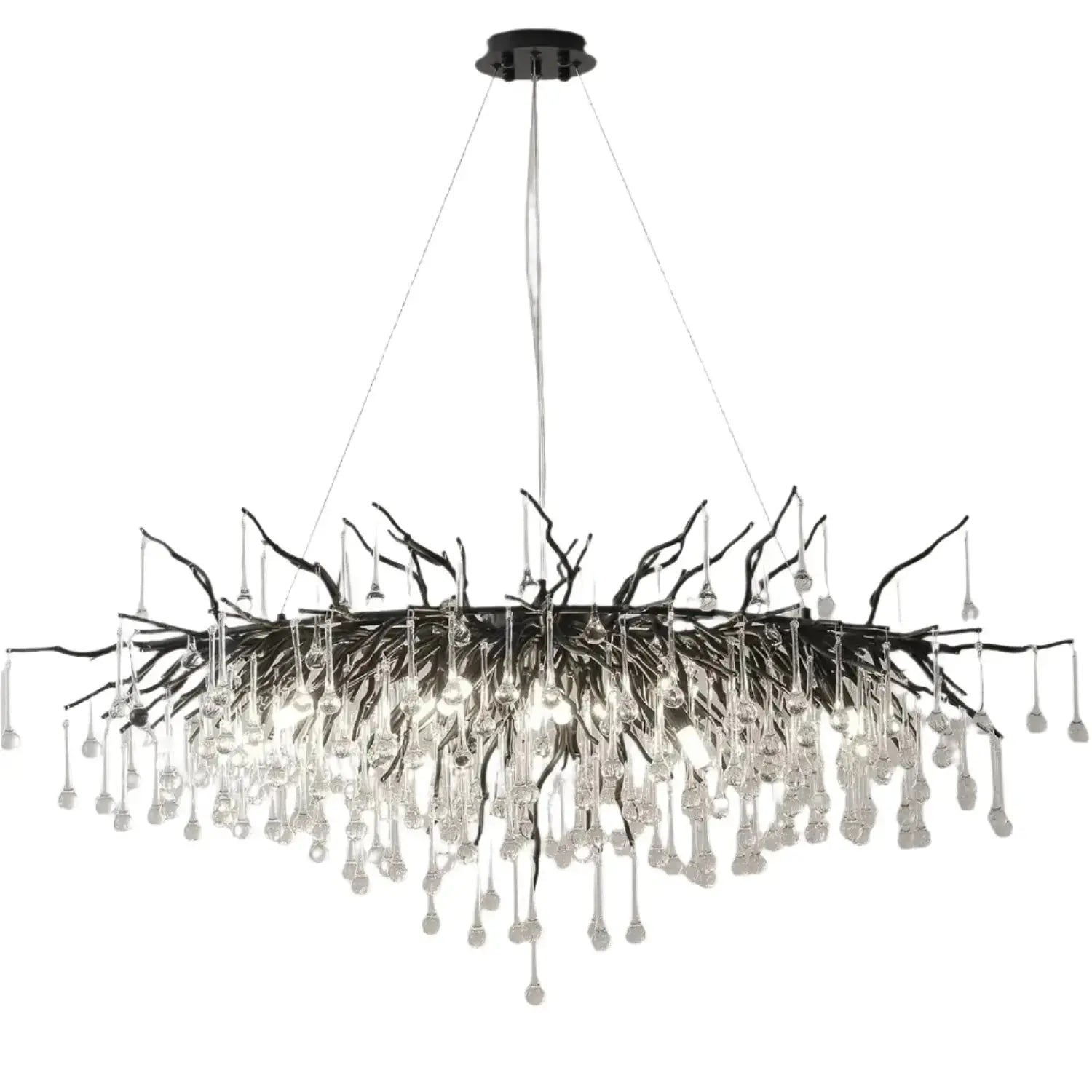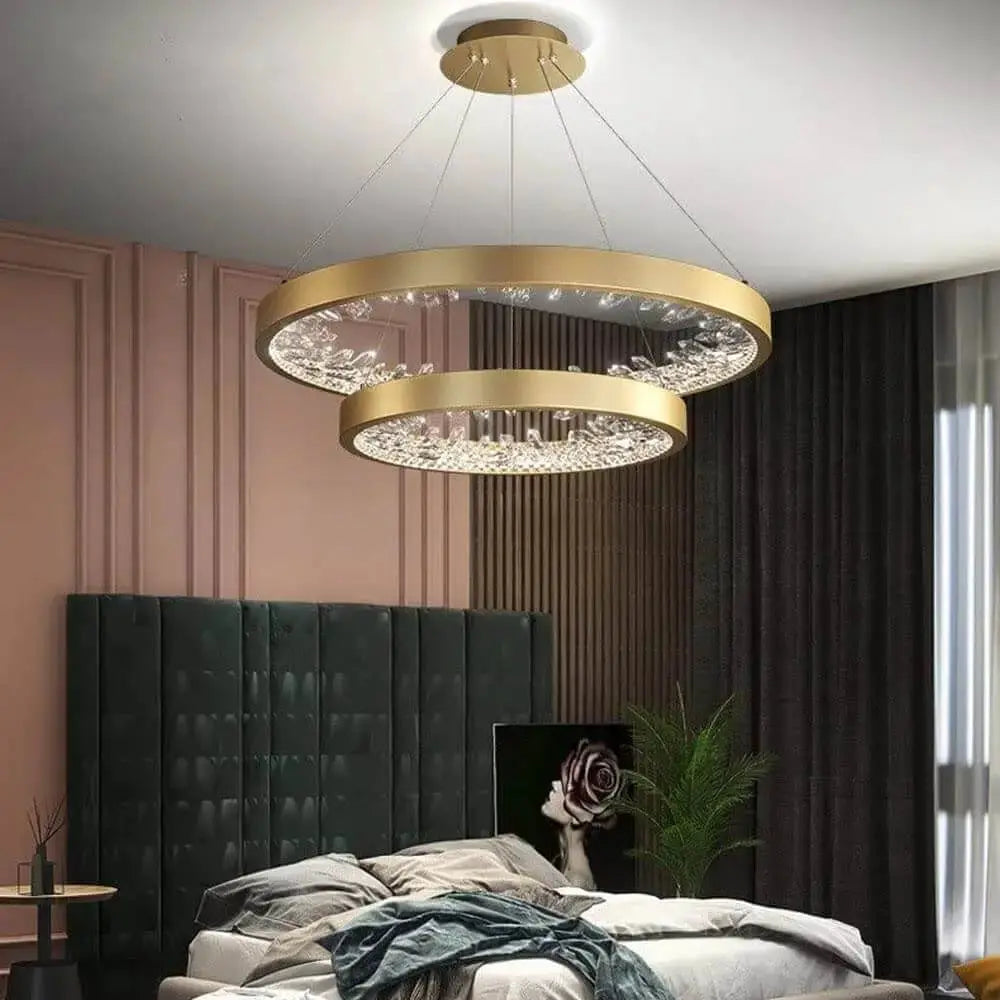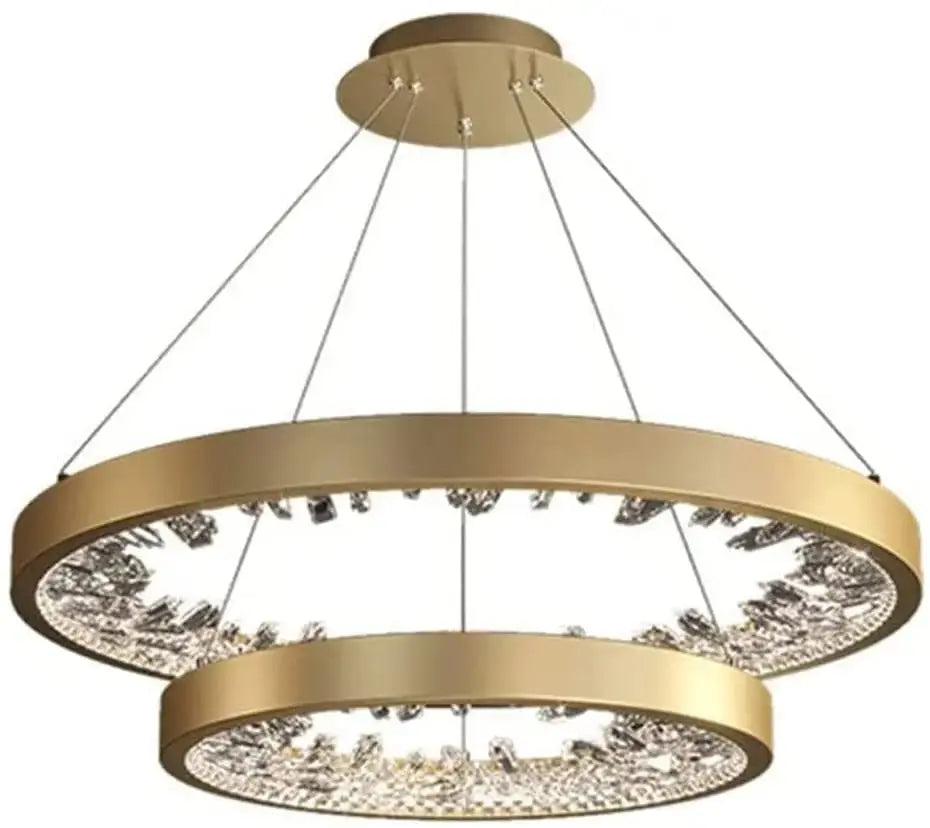

The modern design aesthetic is all about clean living and smart spaces. It's a style that's really taken off because it feels both fresh and practical. Think less clutter, more function, and a general sense of calm. If you're looking to update your place or just curious about what makes a space 'modern,' we'll break down the core ideas and what inspires them.
Key Takeaways
- Embrace minimalism by decluttering and focusing on items that serve a purpose.
- Neutral color palettes, like whites, grays, and beiges, form the base of the modern design aesthetic.
- Natural materials such as wood, stone, and glass add warmth and texture to clean lines.
- Open floor plans and geometric shapes are hallmarks of modern spaces, maximizing light and flow.
- Inspirations from Mid-Century Modern and Scandinavian design heavily influence the modern look, emphasizing simplicity and function.
Foundational Principles of the Modern Design Aesthetic
The modern design aesthetic is all about creating spaces that feel clean, intentional, and functional. It's less about filling a room and more about making thoughtful choices that contribute to a calm and organized atmosphere. Think of it as a curated approach where every element has a purpose and adds to the overall harmony of the space. This style really took off in the early to mid-20th century, and its core ideas are still super relevant today for anyone looking to create a stylish yet practical home.
Embracing Minimalism and Decluttering
At its heart, modern design champions minimalism. This isn't just about having a few things; it's about intentionality. The goal is to strip away the unnecessary, leaving only what is functional and beautiful. Clutter can really weigh a space down, making it feel chaotic and less inviting. By focusing on decluttering, you allow the remaining items to truly shine. This often means opting for furniture with clean lines, utilizing smart storage solutions like built-in cabinets, and being selective about decorative pieces. The idea is that each item should serve a purpose, whether it's practical or purely aesthetic, and contribute positively to the room's overall feel. It's about creating a sense of calm and order, making your home a sanctuary from the outside world. This approach can make even smaller spaces feel more expansive and breathable.
The Role of Neutral Color Palettes
When you think of modern design, you probably picture a lot of whites, grays, beiges, and blacks. That's because neutral color palettes are a cornerstone of this aesthetic. These colors create a sophisticated and serene backdrop, allowing other elements in the room to take center stage. They have a way of making a space feel larger and more open, which is a big plus. Plus, neutrals are incredibly versatile. They provide a perfect canvas for showcasing art, interesting textures, or even a carefully chosen accent color. If you do decide to introduce color, it's usually done in small doses, perhaps through throw pillows, a piece of art, or a single accent chair, to maintain that balanced, uncluttered look. It's about creating a cohesive and tranquil environment that feels both grounded and airy.
Prioritizing Functionality and Simplicity
Modern design isn't just about looks; it's deeply rooted in practicality. Functionality is key. Every piece of furniture, every fixture, every decorative item should ideally serve a purpose. This principle extends to the layout of the space, favoring open floor plans that allow for easy movement and a sense of connection. Simplicity is the guiding star here. You won't find overly ornate details or fussy embellishments. Instead, the focus is on clean lines, straightforward forms, and materials that speak for themselves. This emphasis on function and simplicity results in spaces that are not only aesthetically pleasing but also easy to live in and maintain. It’s about creating a home that works for you, not the other way around. This focus on practicality is a big reason why modern design remains so popular; it just makes sense for everyday living.
The beauty of modern design lies in its ability to blend form and function so effortlessly. It's about creating spaces that are visually appealing without sacrificing usability. This thoughtful approach ensures that your home is not just a place to look at, but a place to truly live in, comfortably and with ease.
Key Materials Shaping Modern Design
Modern design really leans into materials that feel honest and have a bit of character. It's not about flashy or overly ornate stuff; it's more about how things feel and look in their natural state, or with just a bit of refinement. This approach helps create spaces that feel grounded and sophisticated at the same time.
The Warmth of Natural Wood and Stone
Wood and stone are absolute staples in modern interiors. Think about the clean lines of a walnut dining table or the subtle texture of a slate accent wall. These materials bring an organic, earthy vibe that really balances out the sometimes starker elements of modern design. They add a sense of history and permanence, making a space feel more lived-in and welcoming. It’s about using these elements in ways that highlight their natural beauty, whether it's a smooth, polished finish or a more rough-hewn texture. You can see this in everything from flooring to cabinetry, and even in smaller decorative pieces.
Incorporating Metal, Chrome, and Glass
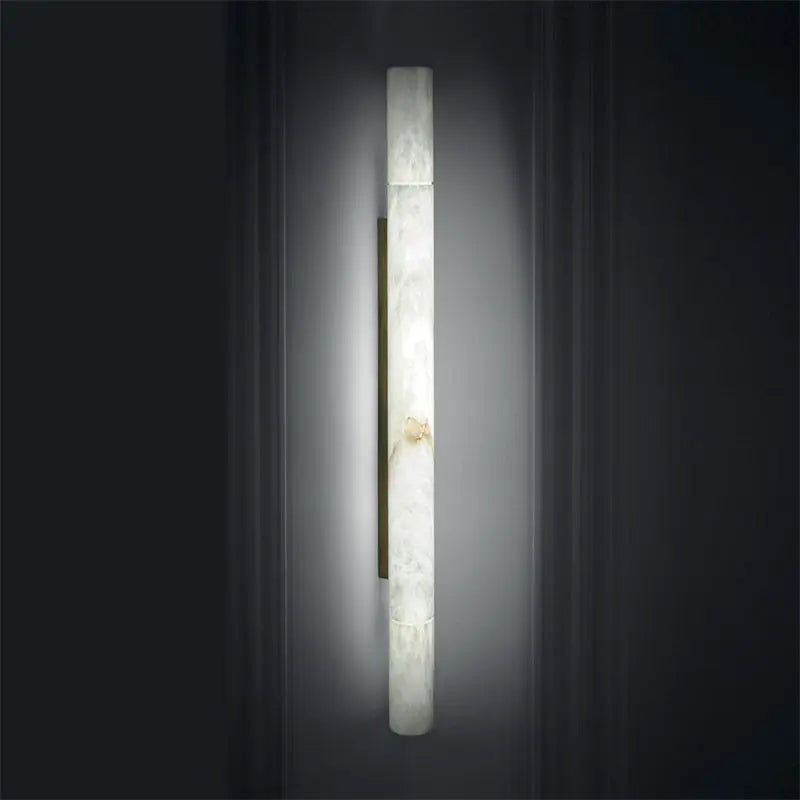
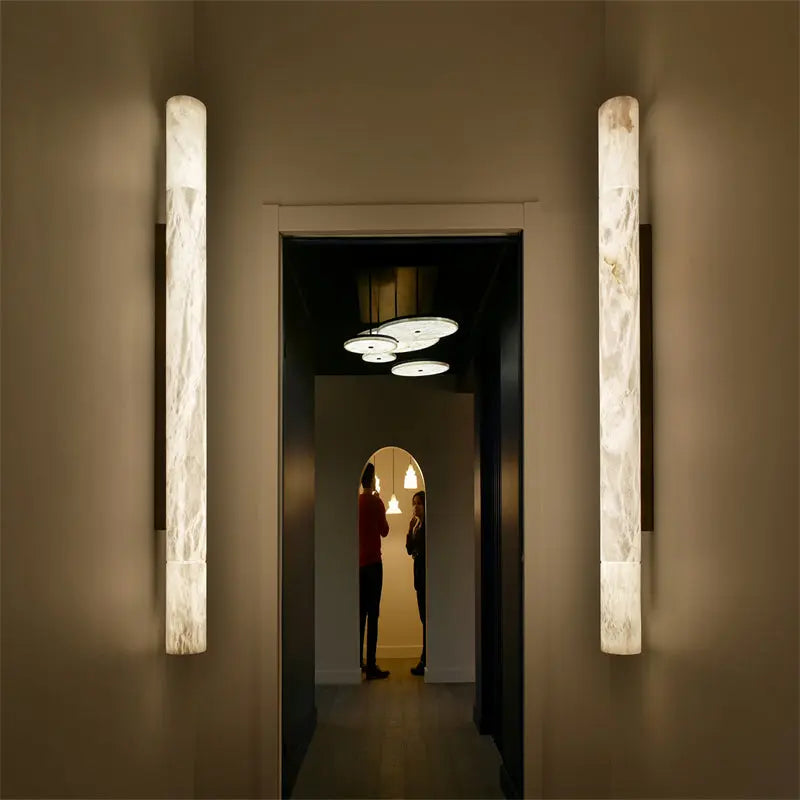
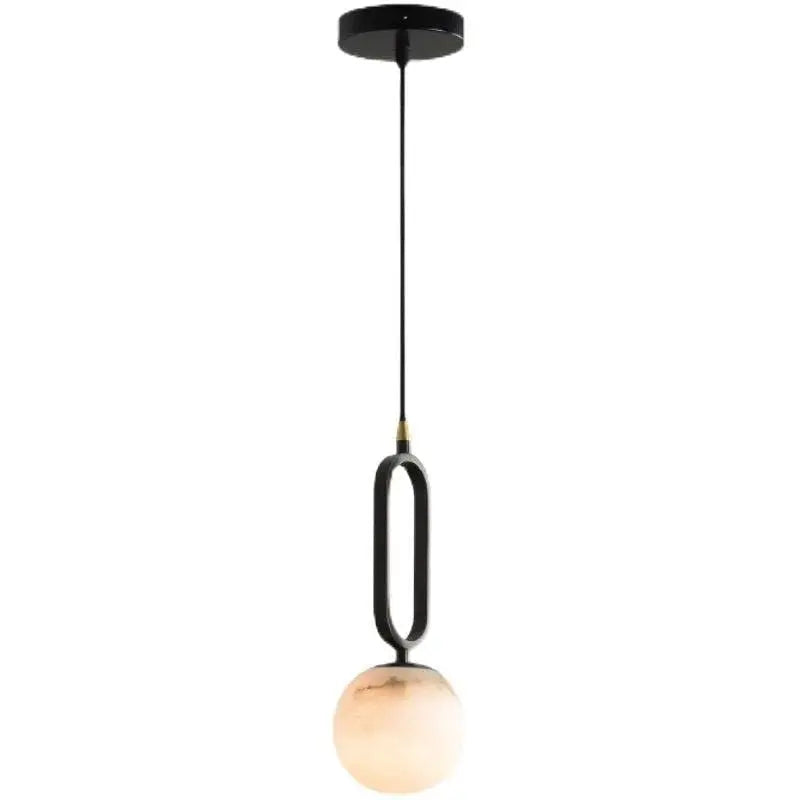
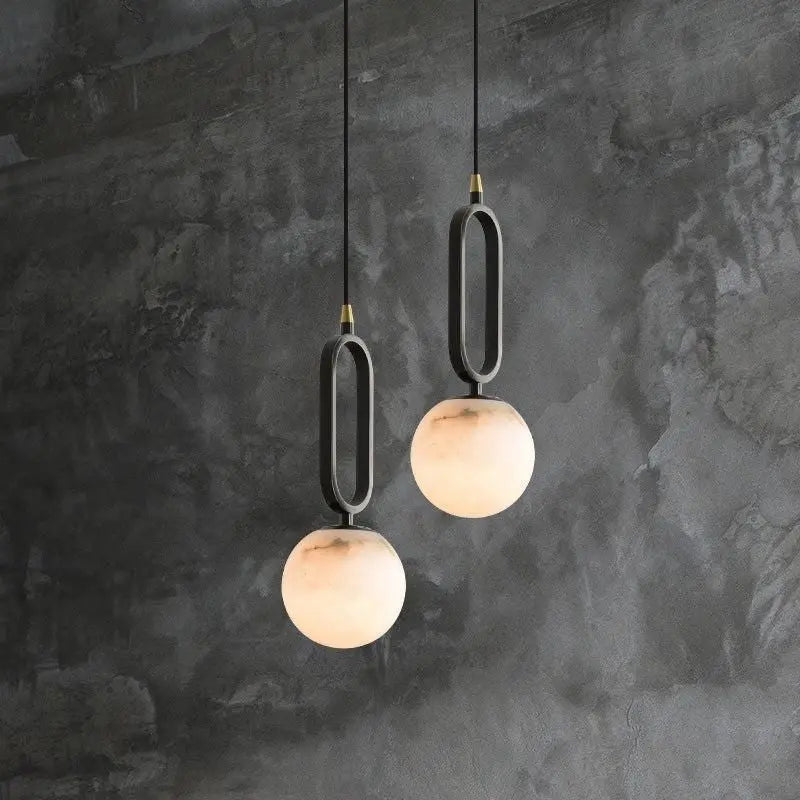
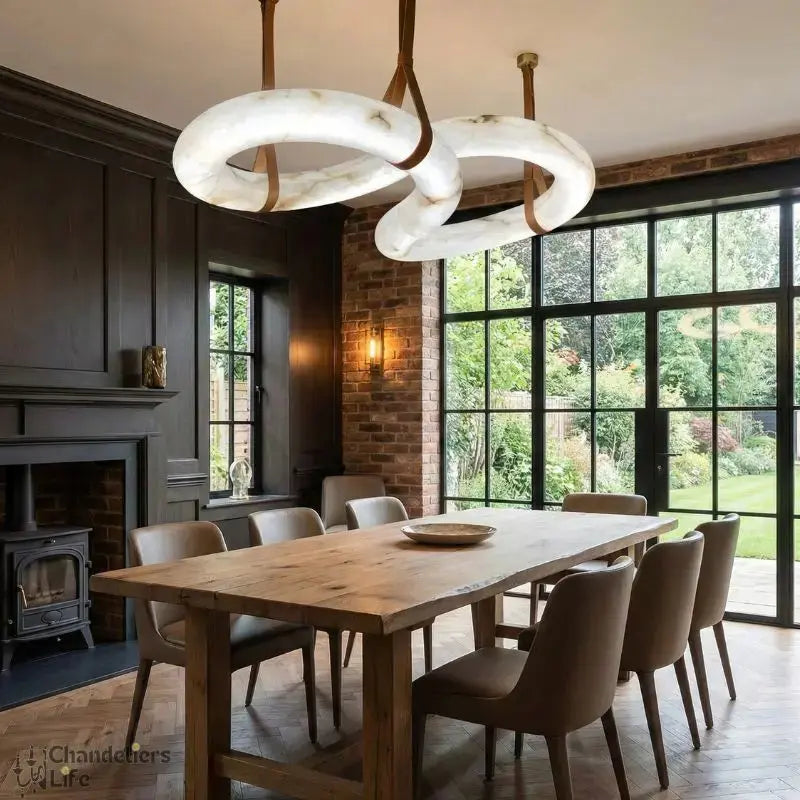
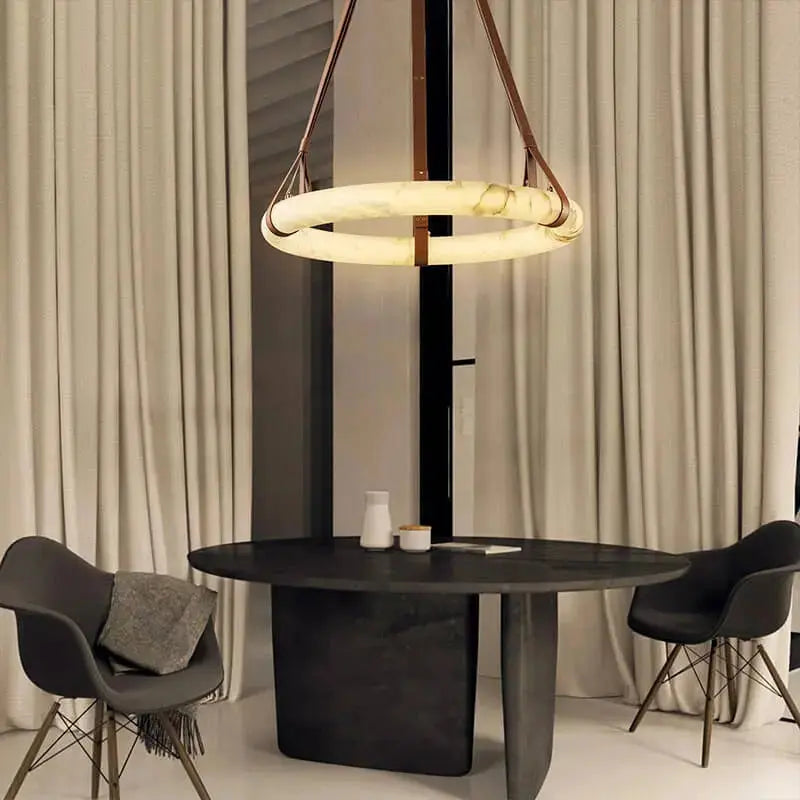
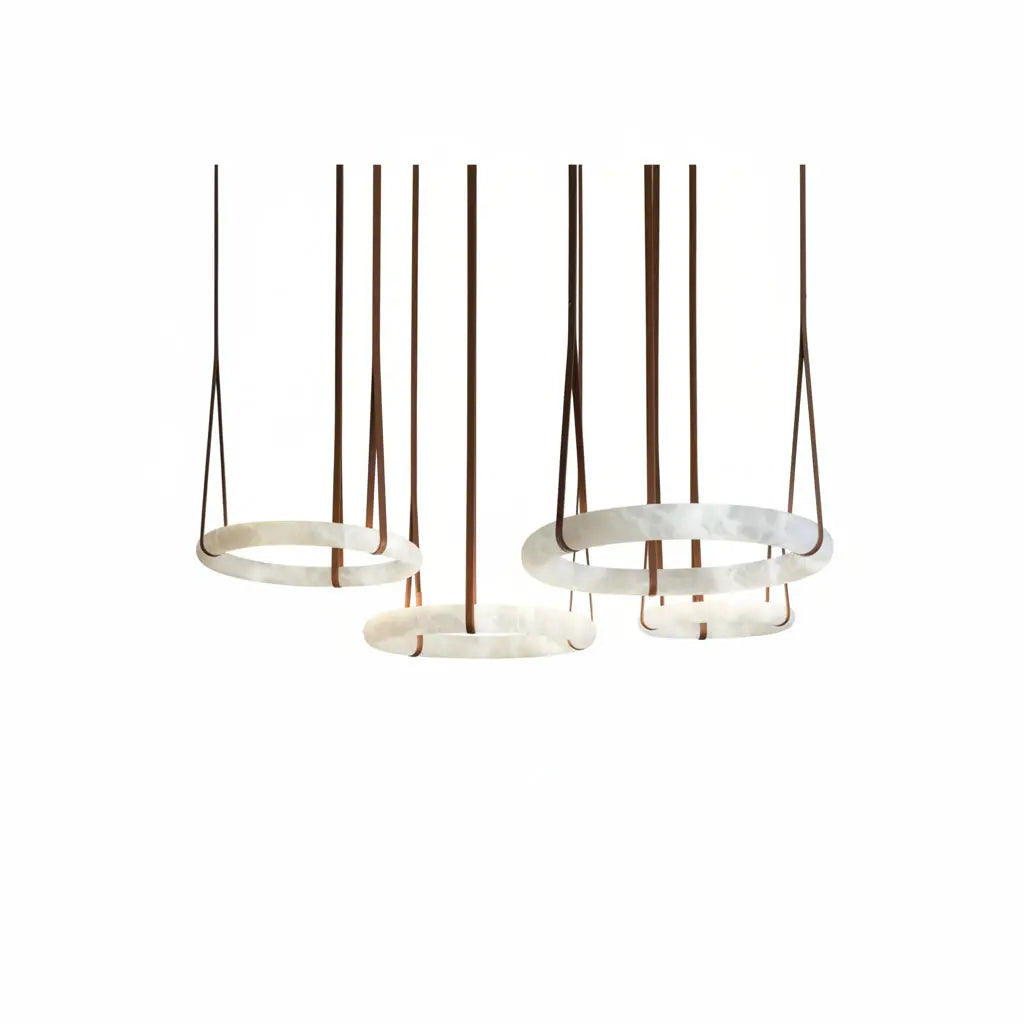
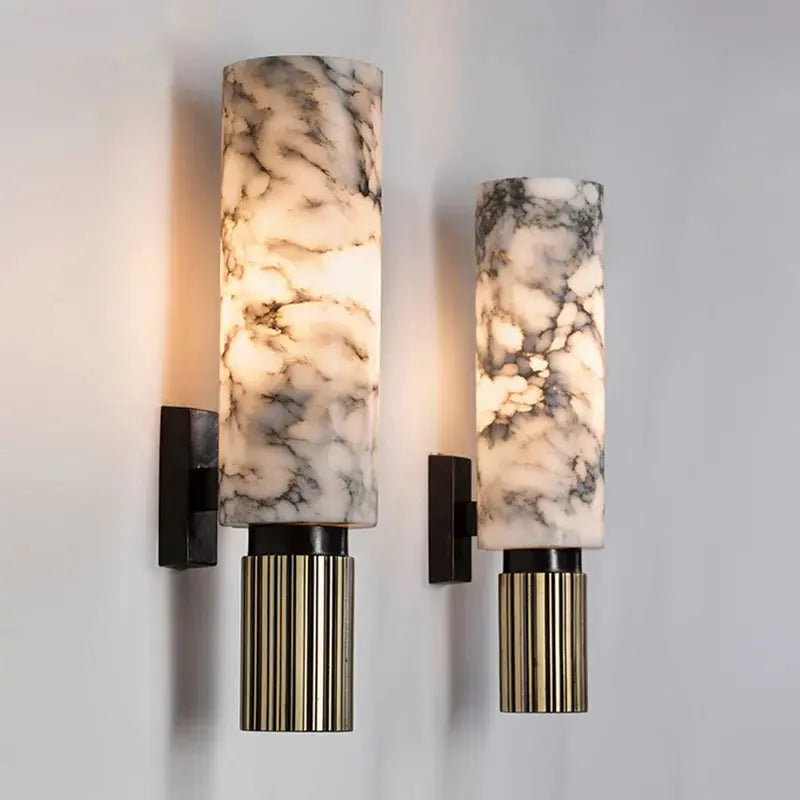
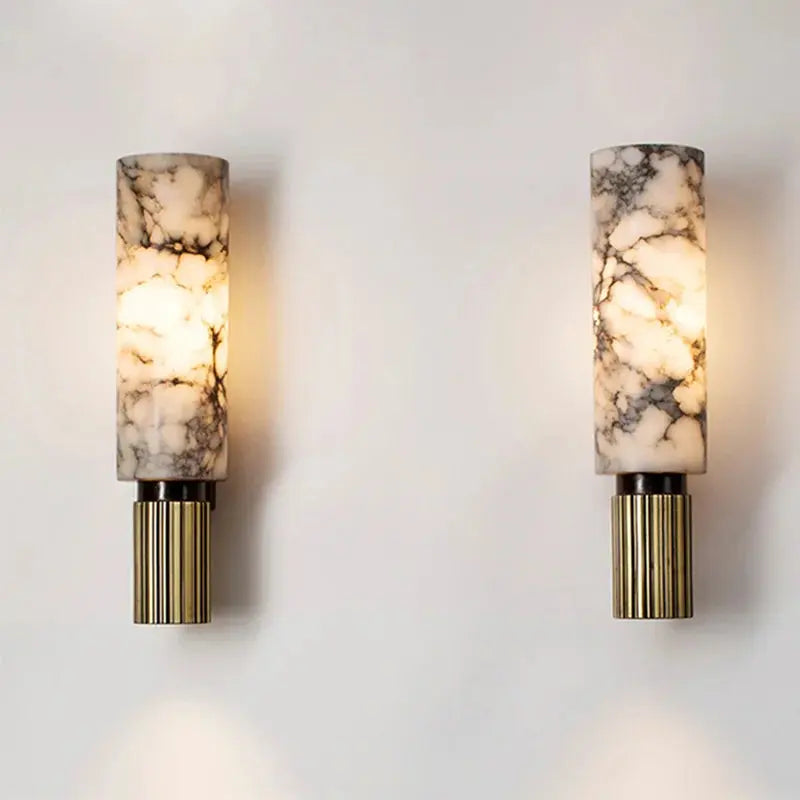
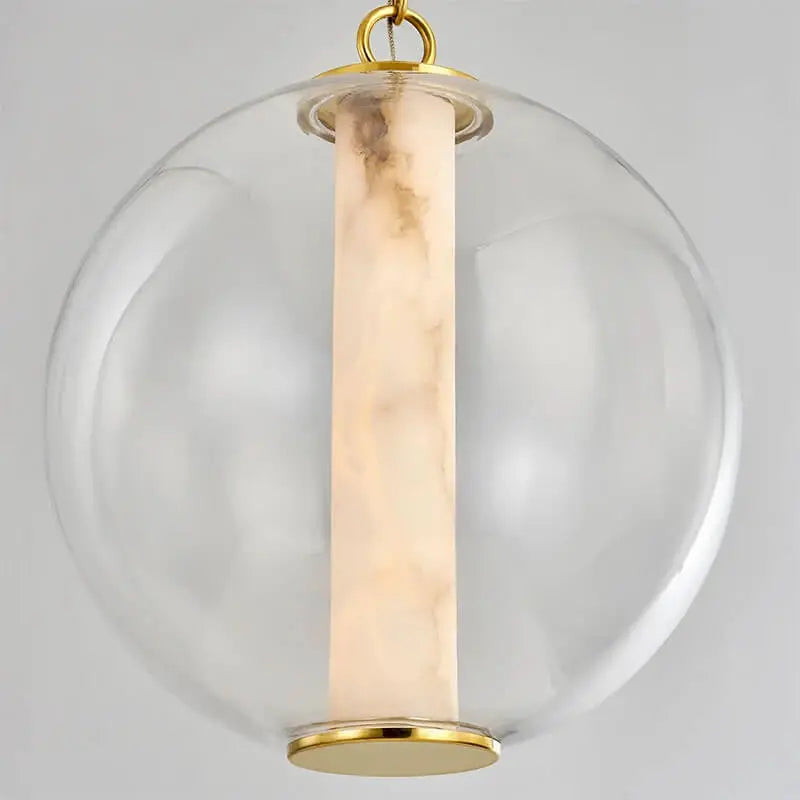
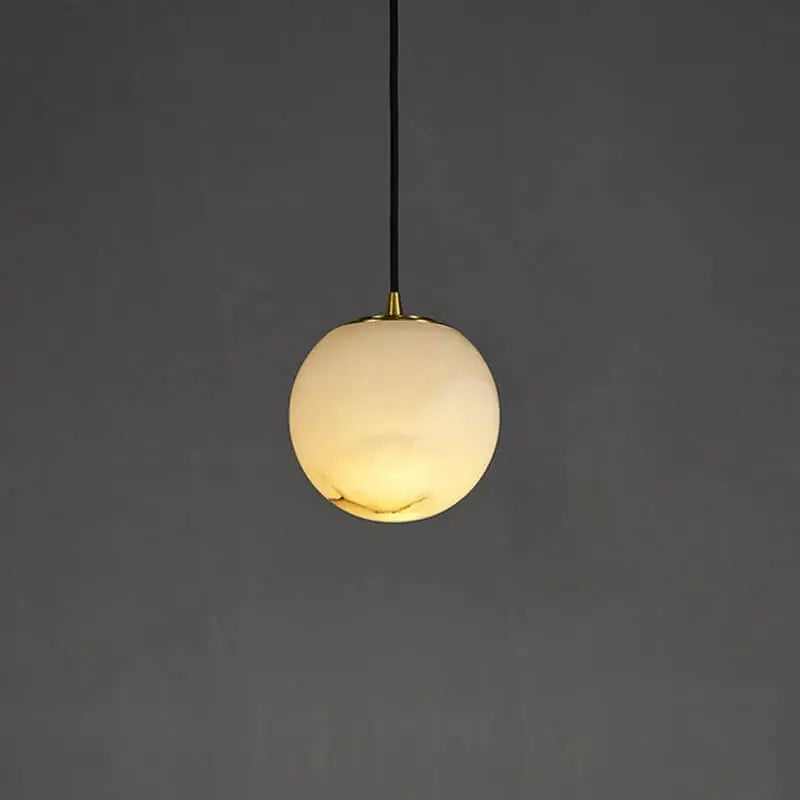
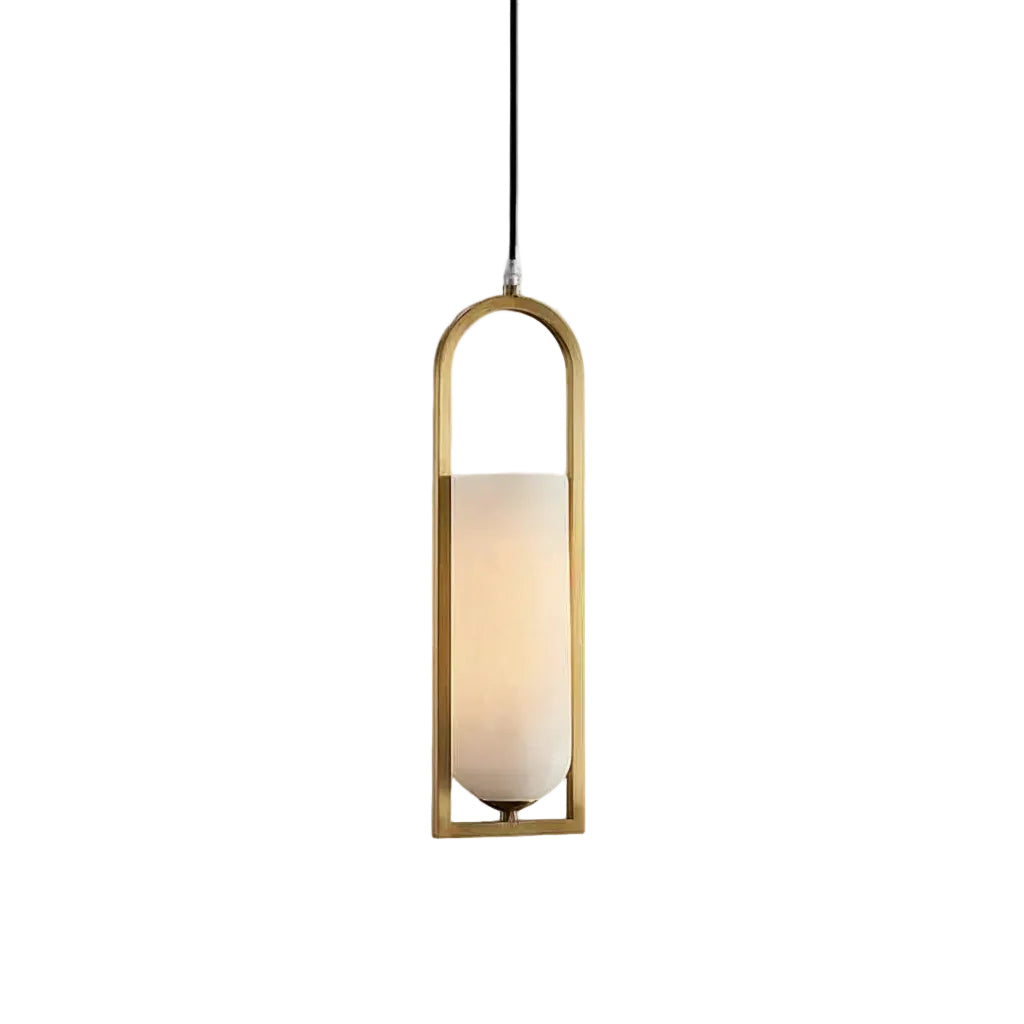
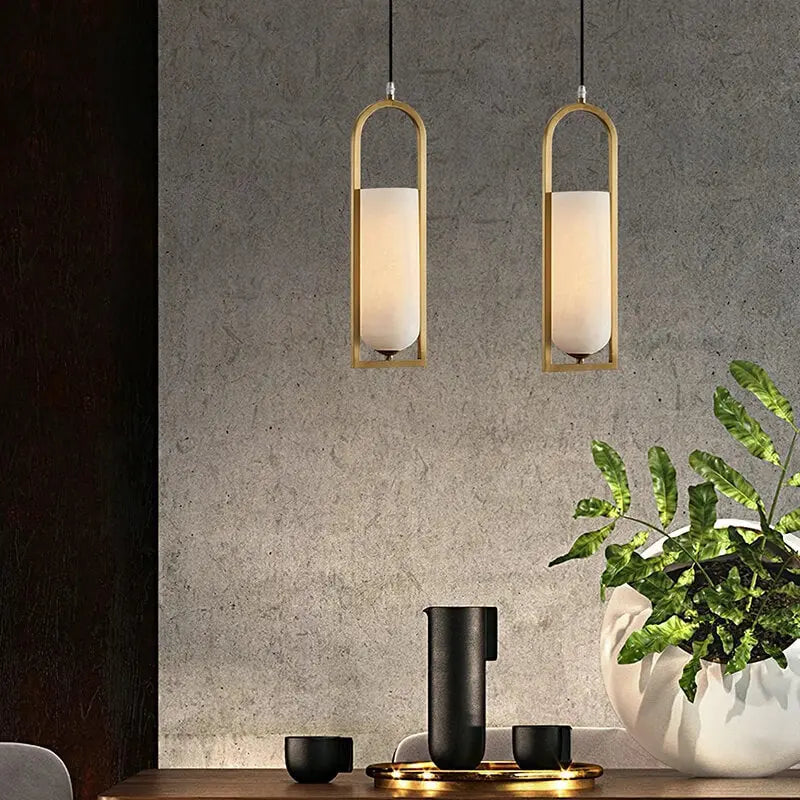
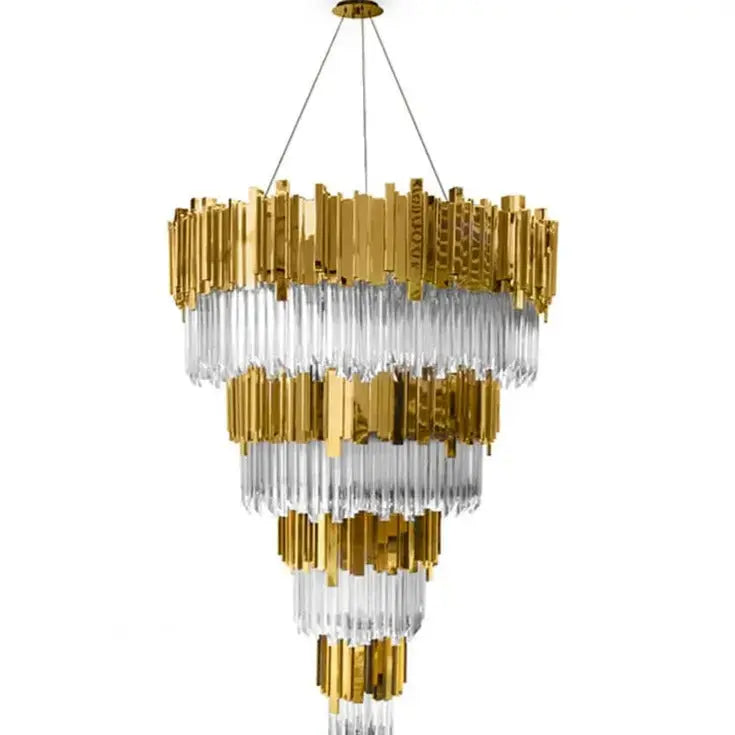
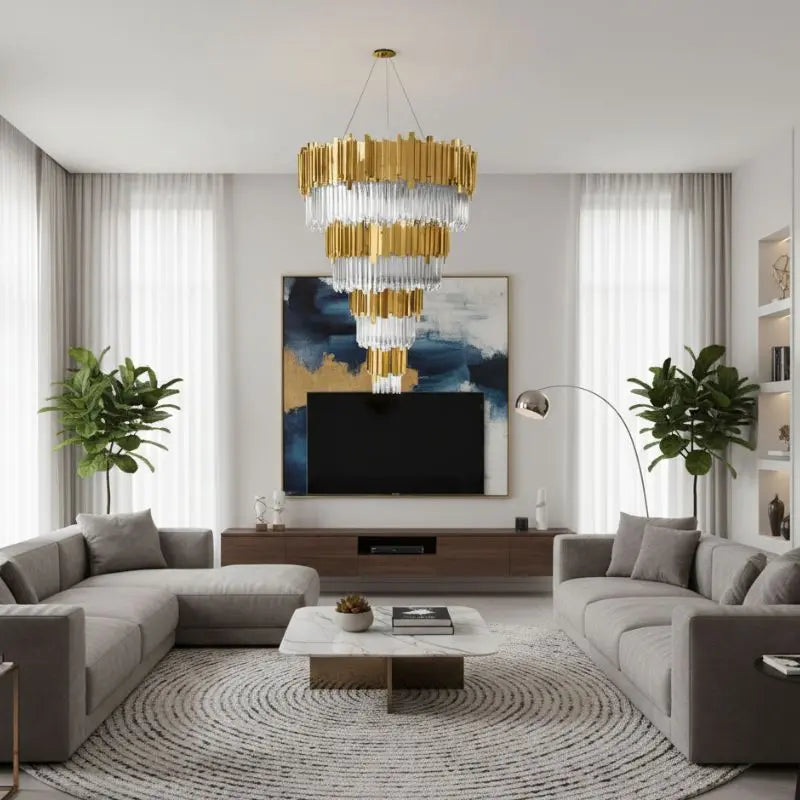
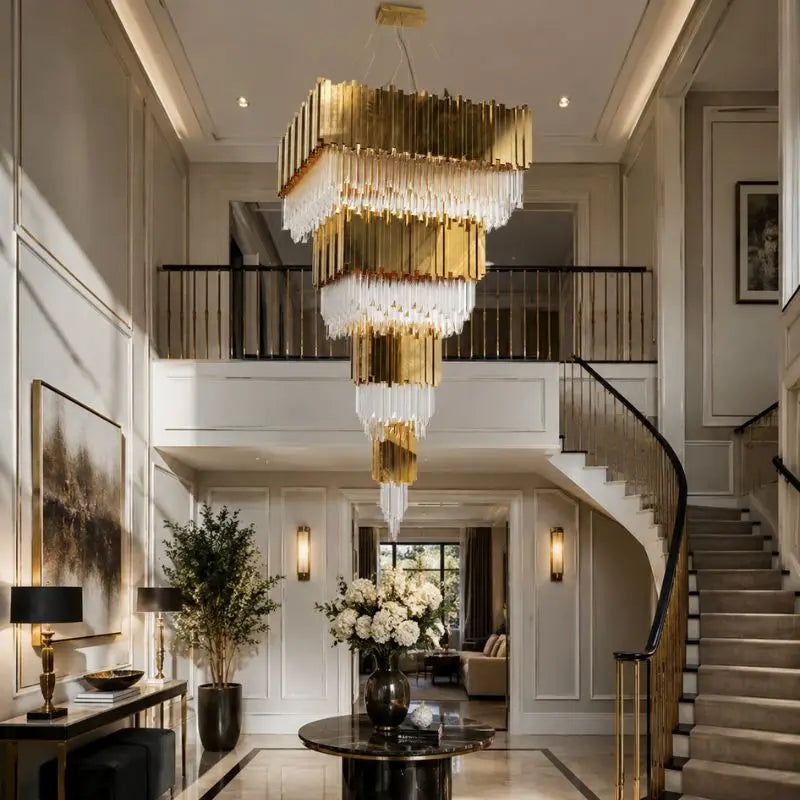
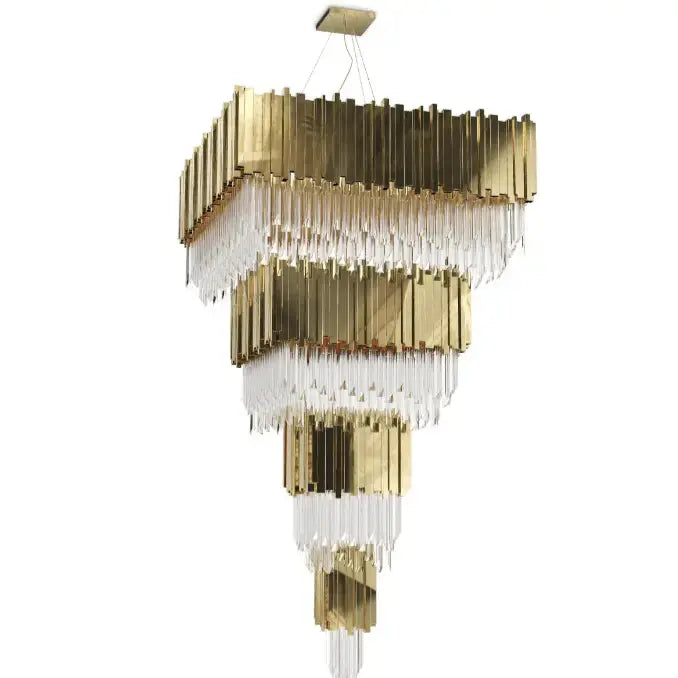
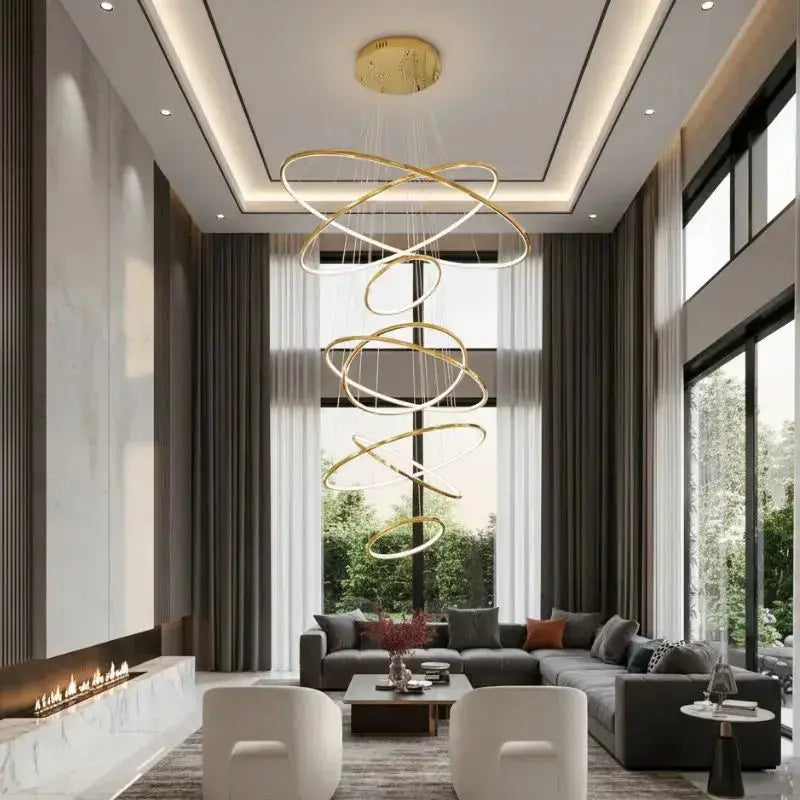
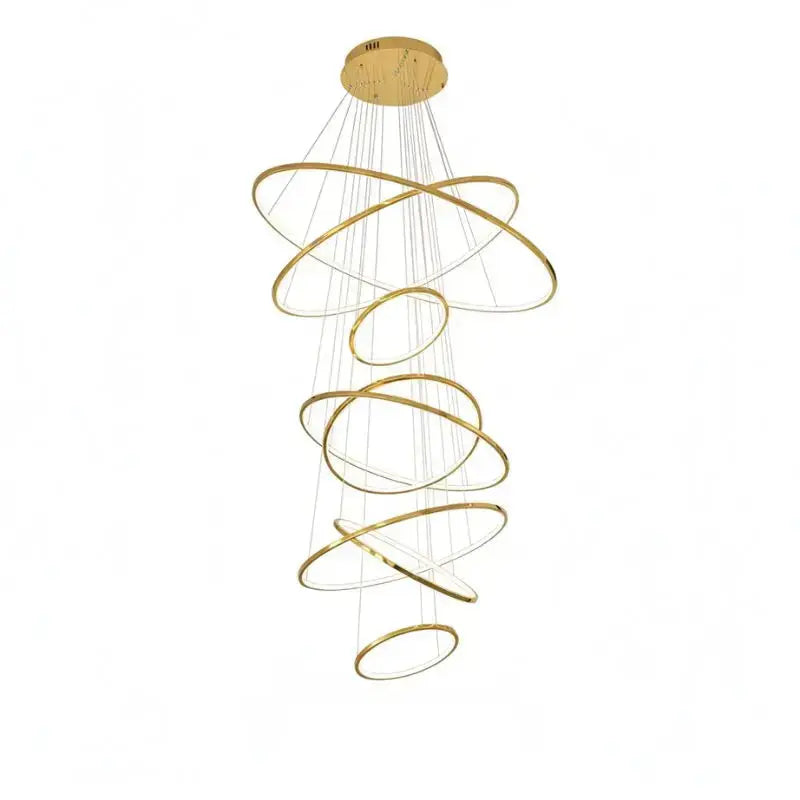
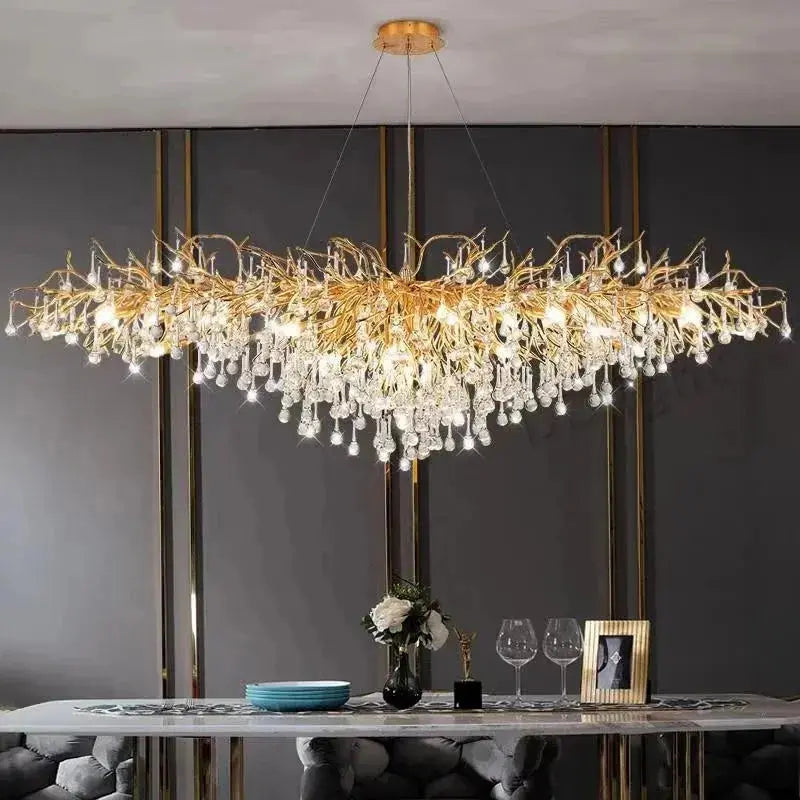
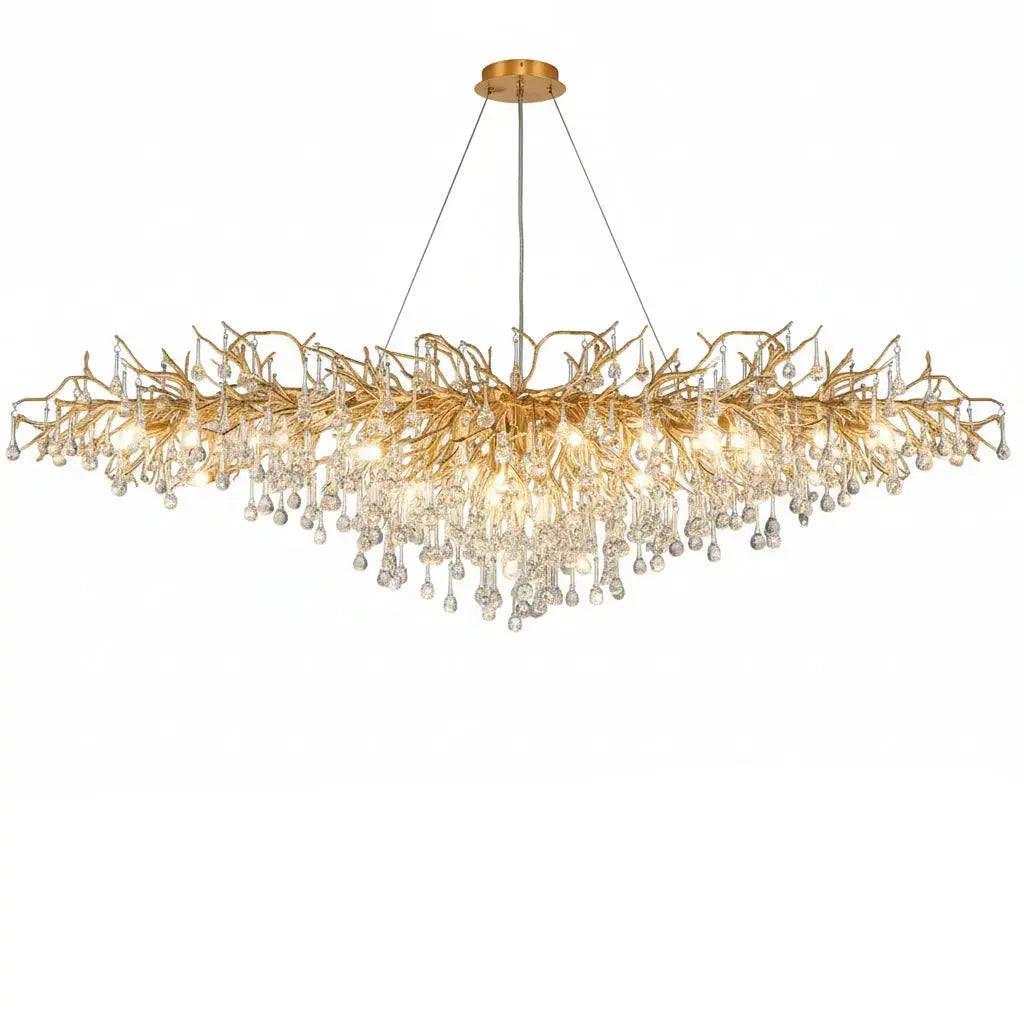
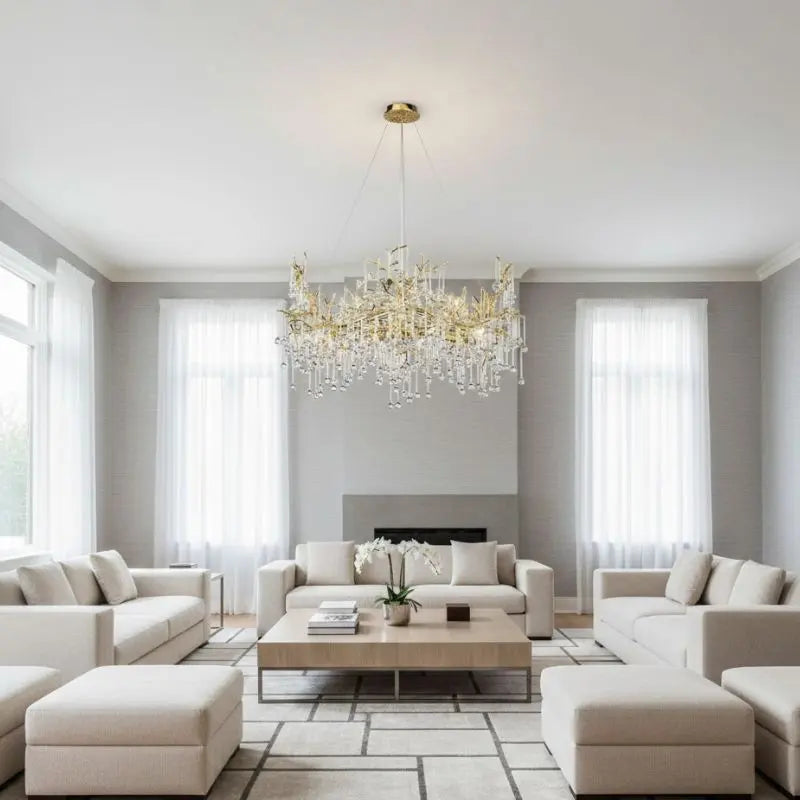
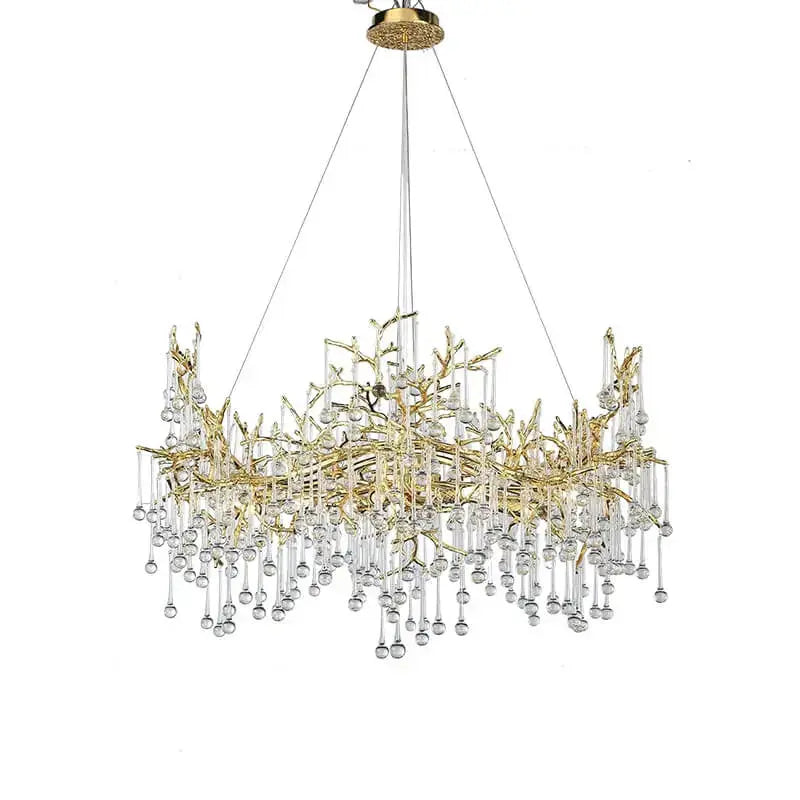
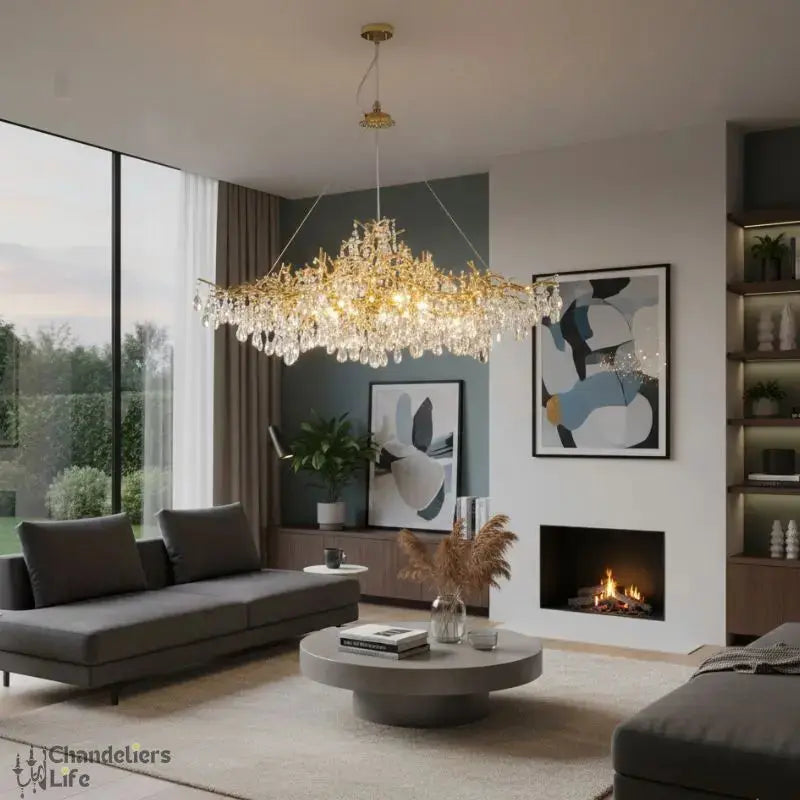
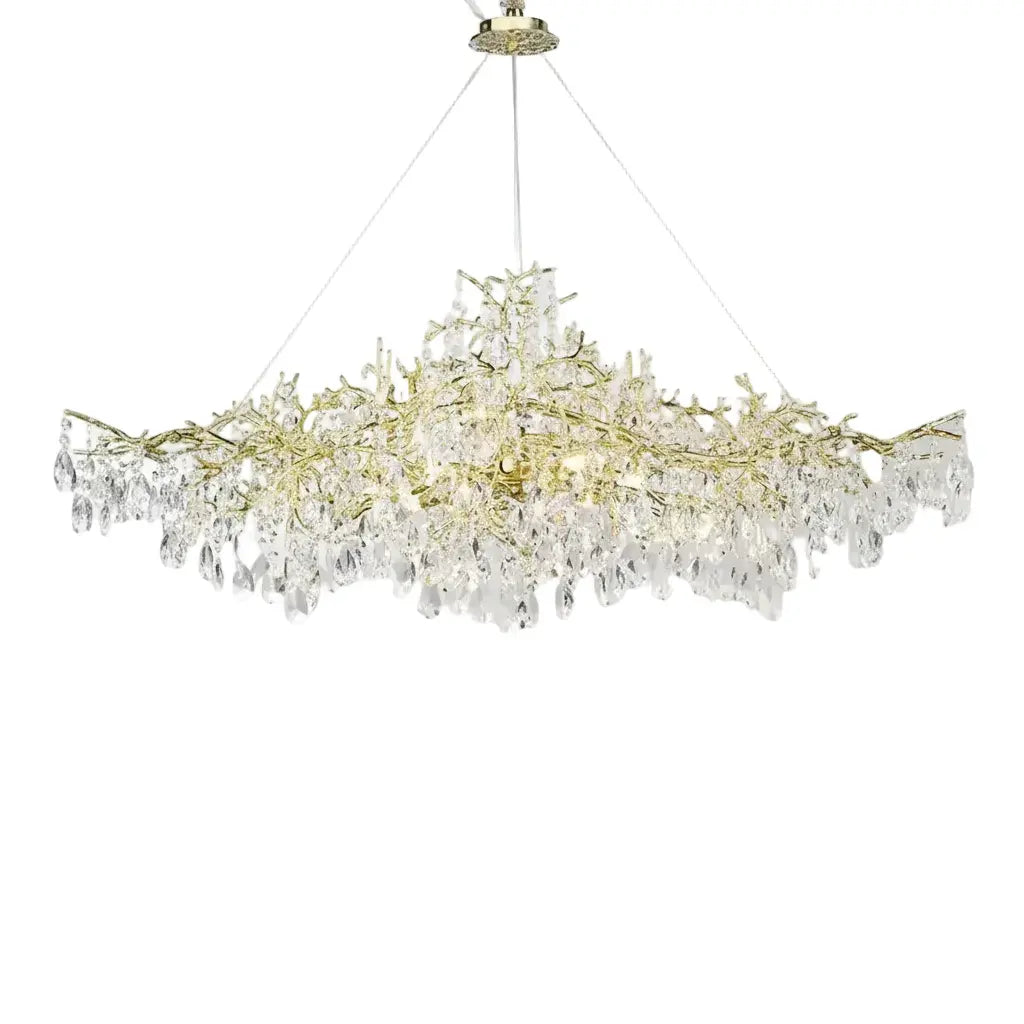
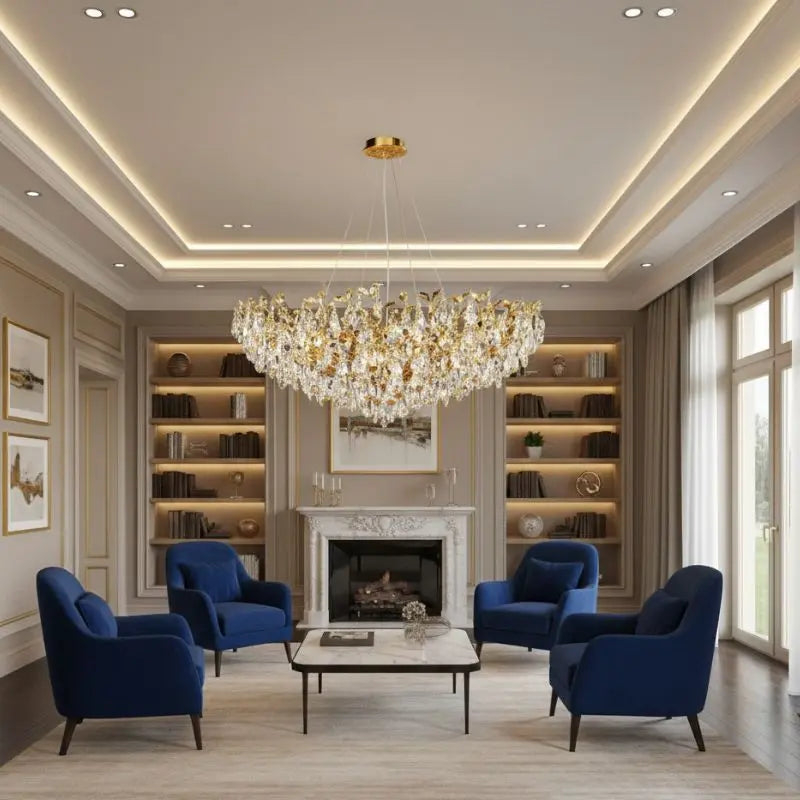
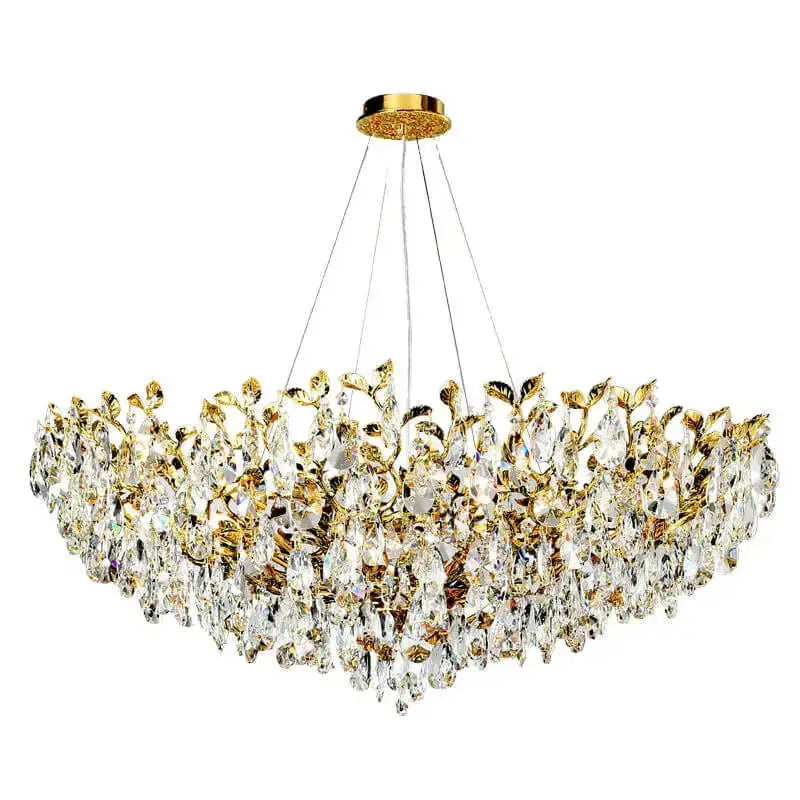
On the flip side, you've got metals, chrome, and glass. These materials bring in a sleek, sometimes industrial feel. Chrome fixtures, a glass-top coffee table, or even a metal-framed mirror can add a touch of polish and reflect light, making a space feel brighter and more open. It’s a great way to introduce a bit of shine without going overboard. These materials often work well in contrast with wood and stone, creating a dynamic interplay of textures and finishes. Think about a minimalist chandelier with clean metal lines; it can really be a statement piece [50bc].
The Appeal of Polished Concrete
Polished concrete floors are a big deal in modern design. They offer a super smooth, durable surface that has a really clean, almost industrial look. It’s a material that’s both practical and stylish. You can find it in a range of finishes, from a matte look to a high gloss. It’s also a great neutral base that lets other design elements really stand out. Plus, it’s surprisingly versatile; it can feel cool and minimalist or warm and inviting depending on how it's styled. It’s a material that’s built to last and has a certain understated coolness about it.
The selection of materials in modern design is all about finding a balance between natural warmth and sleek sophistication. It’s about choosing elements that are not only visually appealing but also durable and functional, contributing to a space that feels both timeless and contemporary.
Here’s a quick look at how these materials often appear:
- Wood: Used for flooring, furniture, cabinetry, and accent walls. Finishes range from light and airy to dark and rich.
- Stone: Popular for countertops, backsplashes, fireplace surrounds, and flooring. Think marble, granite, or slate.
- Metal: Common in lighting fixtures, furniture frames, hardware, and decorative accents. Chrome, brushed nickel, and matte black are popular choices.
- Glass: Used for tabletops, shower enclosures, shelving, and decorative objects. It adds lightness and reflectivity.
- Concrete: Primarily used for flooring, but also seen in countertops and accent walls. Its raw, industrial aesthetic is a key feature.
Architectural Elements of Modern Spaces
Modern design really changed how we think about buildings and rooms. It's all about making spaces feel open, bright, and easy to move around in. Forget those tiny, boxed-in rooms of the past; modern architecture is all about connection and flow.
Celebrating Open Floor Plans
One of the biggest shifts in modern design is the move towards open floor plans. This means knocking down walls between areas like the kitchen, dining room, and living room. It creates a sense of spaciousness and makes it super easy to entertain guests or just keep an eye on the kids while you're cooking. This layout also helps natural light travel further into the home, making everything feel brighter and more welcoming. It’s a practical approach that really suits how many of us live today.
The Impact of Geometric Shapes and Clean Lines
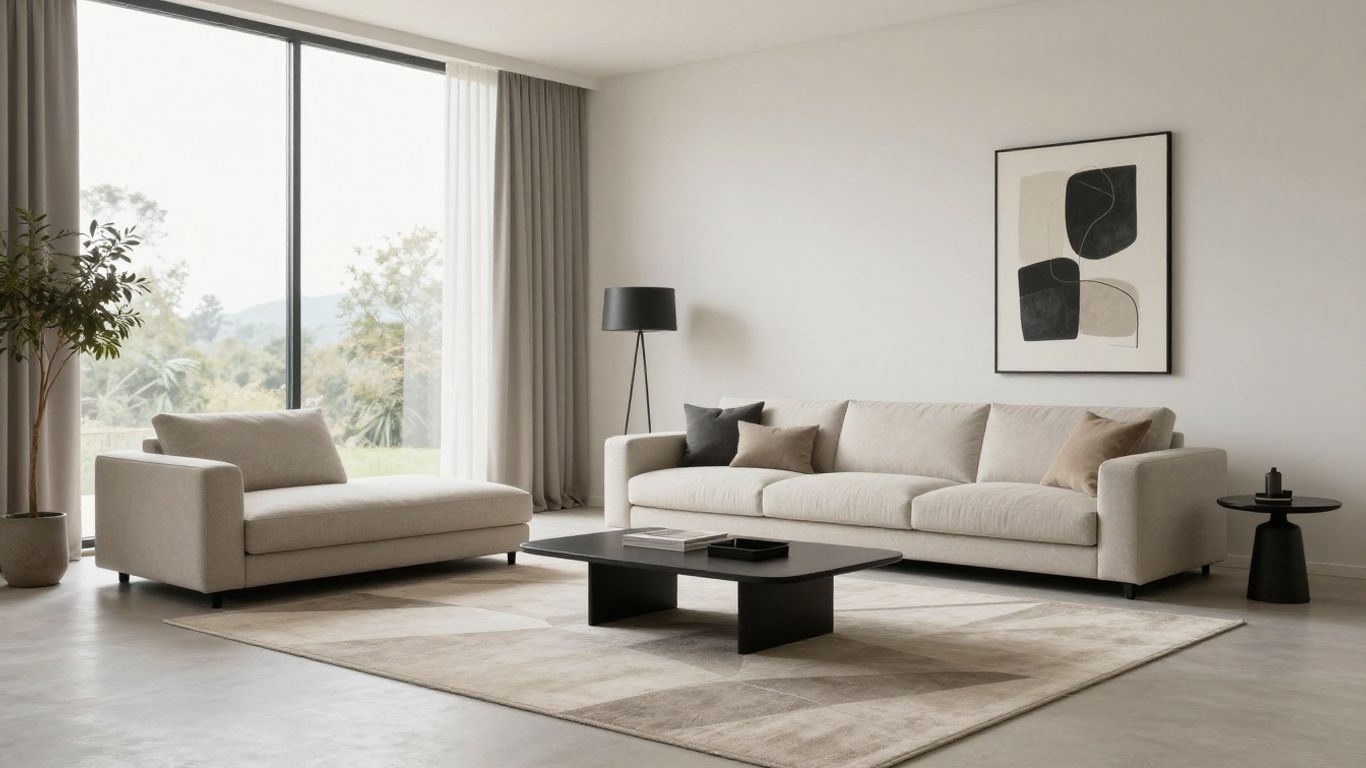
Modern spaces often feature strong geometric shapes and really clean, straight lines. Think about furniture with sharp edges, rectangular windows, and simple, uncluttered forms. This isn't just about looks; it's about creating a sense of order and intentionality. Even something as simple as a rectangular coffee table or a square rug can contribute to this aesthetic. It gives the space a structured yet sophisticated feel.
Maximizing Natural Light and Open Layouts
Getting as much natural light into a home as possible is a huge part of the modern design philosophy. This often means using larger windows, skylights, and glass doors. Combined with those open floor plans we talked about, this makes rooms feel airy and expansive. It connects the indoors with the outdoors, too, which is a nice bonus.
The interplay between open layouts and abundant natural light is key. It’s not just about making a space look good; it’s about how it feels to live in it – bright, connected, and uncluttered.
Here’s a quick look at how these elements work together:
- Openness: Fewer walls mean more freedom to move and arrange furniture.
- Light: Large windows and open spaces let sunlight flood in.
- Simplicity: Clean lines and geometric forms keep the focus on the space itself.
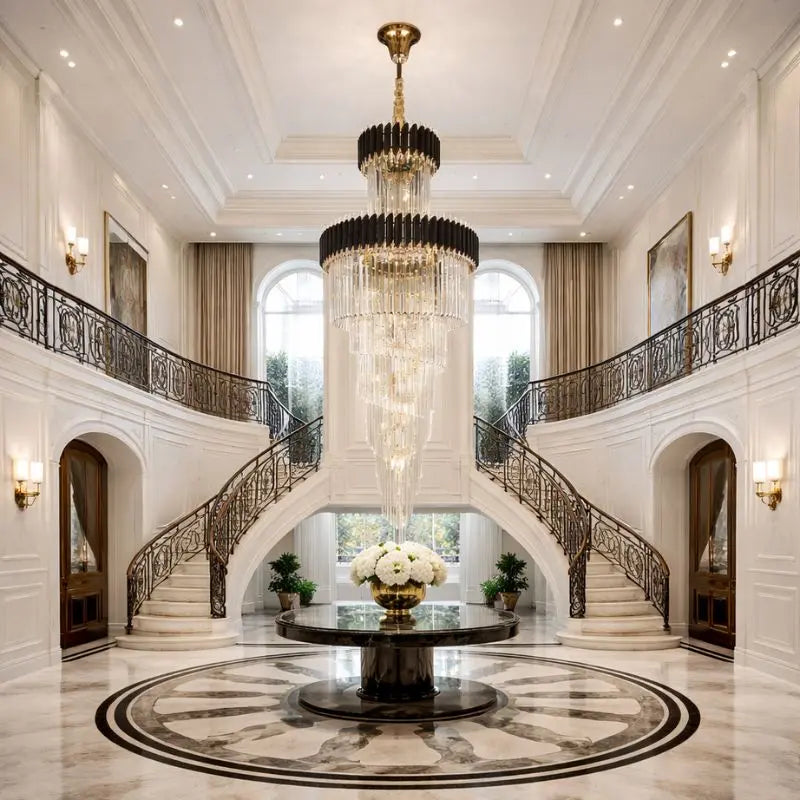
When you're thinking about adding a statement piece like a modern chandelier, consider how its shape and placement will complement these architectural features. It should enhance the feeling of openness and clean design, not detract from it.
Inspirations and Influences on Modern Design
Modern design didn't just appear out of nowhere; it's a blend of ideas from different eras and movements. Understanding these roots helps us appreciate why modern spaces look and feel the way they do. It’s like knowing the backstory of your favorite song – it just makes it better.
Mid-Century Modern Sensibilities
Think of the period after World War II, roughly from the mid-1940s to the late 1960s. This is when Mid-Century Modern really took off. It’s known for its clean lines, organic shapes, and a focus on functionality. Furniture from this era often features tapered legs and a mix of natural and man-made materials. The goal was to create practical, beautiful spaces that felt connected to the outdoors. You'll see this influence in streamlined furniture and a general sense of uncluttered living. It’s less about ornamentation and more about form following function, a principle that still guides a lot of contemporary design today. It’s a style that feels both retro and totally current.
Scandinavian Design's Functional Elegance
Scandinavian design, hailing from countries like Denmark, Sweden, and Norway, is all about simplicity, minimalism, and a deep connection to nature. It emphasizes light, airy spaces, often using pale wood tones and a neutral color palette. Functionality is key here, but it's always paired with a cozy, inviting feel, often referred to as 'hygge'. Think simple, well-made furniture that’s built to last and easy to live with. It’s about creating a calm, comfortable environment that’s both practical and beautiful. This approach really champions the idea that less is more, but in a way that feels warm and welcoming, not stark. It’s a style that makes you want to curl up with a good book. You can find great examples of this functional elegance in Scandinavian furniture.
Post-Modernism's Bold Statements
Post-Modernism came along as a reaction to the strict rules of Modernism. It’s a bit more playful and experimental. While Modernism often favored simplicity and uniformity, Post-Modernism embraced complexity, contradiction, and even a bit of irony. You might see bolder colors, unusual shapes, and a mix of historical references. It’s less about a single, unified aesthetic and more about challenging conventions and exploring new possibilities. Think of it as modern design with a rebellious streak. It’s not afraid to be different and often incorporates elements that might seem unexpected, creating spaces that are visually interesting and thought-provoking. It’s a style that definitely makes a statement and isn't afraid to break the mold.
Bringing the Modern Design Aesthetic Home
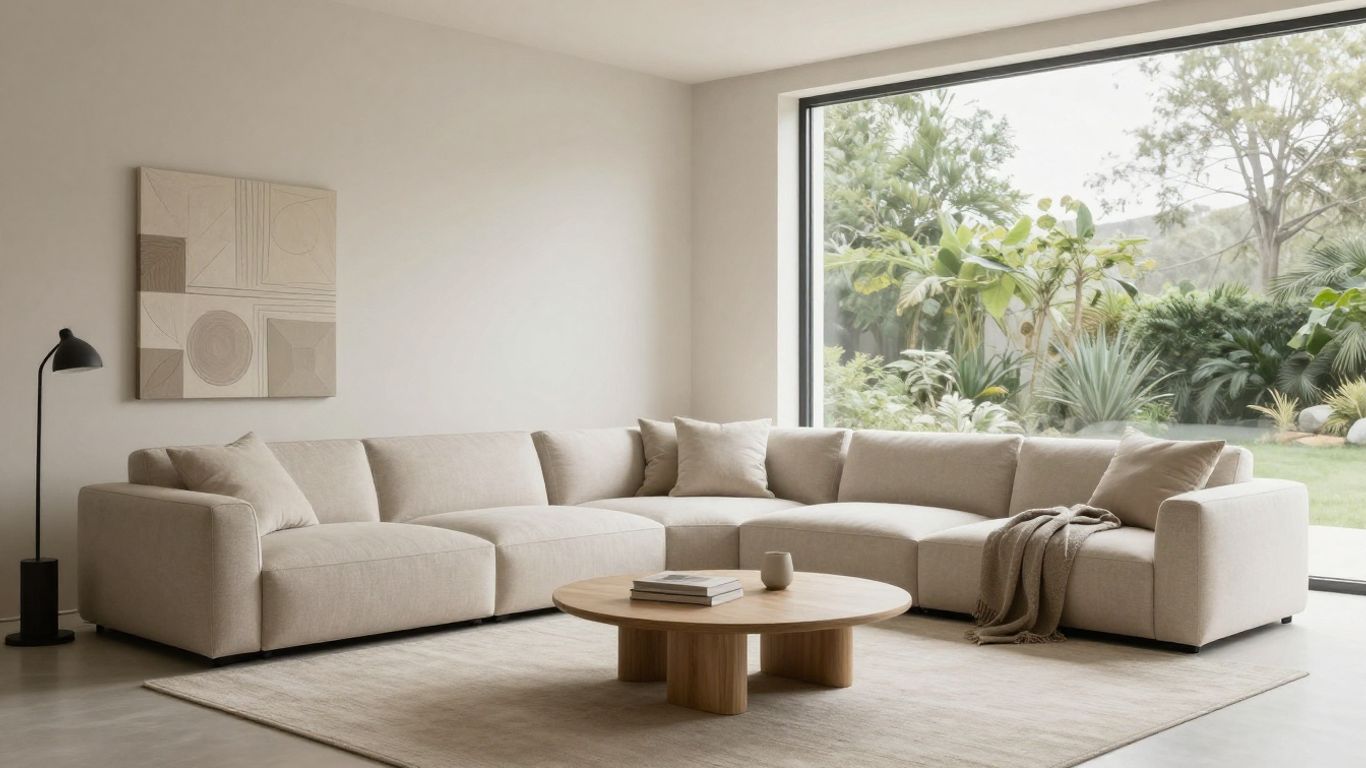
So, you're ready to bring that sleek, modern vibe into your own place? It's totally doable, and honestly, it's more about smart choices than a complete overhaul. The key is to focus on a few core ideas that make modern design so appealing.
Curating Minimalist Decor
This is where you really get to play with "less is more." Think about decluttering first. Go through your stuff and ask yourself if you really need it or if it brings you joy. The goal is to have a space that feels calm and intentional, not cluttered. Instead of lots of small decorative items, opt for a few well-chosen pieces. Maybe a striking piece of art or a single, interesting sculpture. Built-in storage is your best friend here, helping to keep things tidy and out of sight. It's about creating a serene environment where every item has a purpose or a place.
Strategic Use of Accent Colors
While modern design often leans on neutral palettes, that doesn't mean it has to be boring. Neutrals like whites, grays, and beiges create a fantastic backdrop. Then, you can introduce pops of color strategically. Think about a vibrant throw pillow on a neutral sofa, a colorful vase on a minimalist shelf, or even a single piece of furniture in a bold hue. This approach keeps the overall feel clean but adds personality and visual interest. It’s like adding a splash of spice to a well-cooked meal – it makes everything more exciting without overpowering the main dish.
Balancing Materials for Depth and Texture
Modern design isn't just about clean lines; it's also about how different materials feel and look together. Don't be afraid to mix things up. Combine the warmth of natural wood furniture with the coolness of metal accents. A polished concrete floor can be softened with a textured rug. Even incorporating elements like glass or stone can add layers to your space. This interplay of materials prevents the modern aesthetic from feeling sterile and gives it a rich, tactile quality. It’s about creating a space that is visually appealing and also inviting to touch and experience. For inspiration on mixing patterns and textures, you might look at eclectic design principles.
The trick to making a modern space feel like home, rather than a showroom, is to ensure it reflects your personality. It's about creating a functional, beautiful environment that you genuinely enjoy spending time in. This means choosing pieces you love and arranging them in a way that feels right for you.
Wrapping It Up: The Enduring Appeal of Modern Design
So, we've looked at what makes modern design tick – think clean lines, simple shapes, and spaces that feel open and airy. It’s not just about looking good, though; it’s about making a home or a workspace that’s actually practical and easy to live in. Whether you’re drawn to the minimalist vibe, the warmth of natural materials, or the calm of neutral colors, these ideas can really help shape a space. It’s interesting how these elements, pulled from different eras and styles, come together to create something that feels both fresh and timeless. The best part? You don’t have to pick just one style. Mixing and matching, as we’ve seen, can lead to something truly unique and personal. Ultimately, modern design is about creating a comfortable, functional, and beautiful environment that works for you.
Frequently Asked Questions
What is the main idea behind modern design?
The main idea is to keep things simple and useful. Modern design focuses on having less stuff and making sure everything you have has a purpose. It's about creating spaces that are clean and uncluttered, so you can relax and enjoy them without too much distraction.
What colors are usually used in modern design?
Modern design often uses neutral colors like white, gray, beige, and black. These colors create a calm and sophisticated feel. They also act as a great background for any art or colorful items you want to show off.
What kind of materials are popular in modern design?
Natural materials like wood and stone are very popular because they add warmth and texture. People also like using metal, glass, and polished concrete. These materials help create a look that is both natural and a bit industrial.
What does 'open floor plan' mean in modern design?
An open floor plan means there aren't many walls separating rooms like the living room, dining room, and kitchen. This makes the space feel bigger, brighter, and more connected. It's great for spending time with family or having friends over.
How can I add modern style to my own home?
You can start by decluttering and keeping only what you need. Choose furniture with clean lines and simple shapes. Use a neutral color scheme and add a few pops of color with things like pillows or artwork. Don't forget to let in lots of natural light!
Is modern design the same as contemporary design?
Not exactly! Modern design refers to a specific style that became popular in the early to mid-20th century. Contemporary design, on the other hand, means 'of the moment' and changes with current trends. While they can overlap, modern design has a more defined set of characteristics.