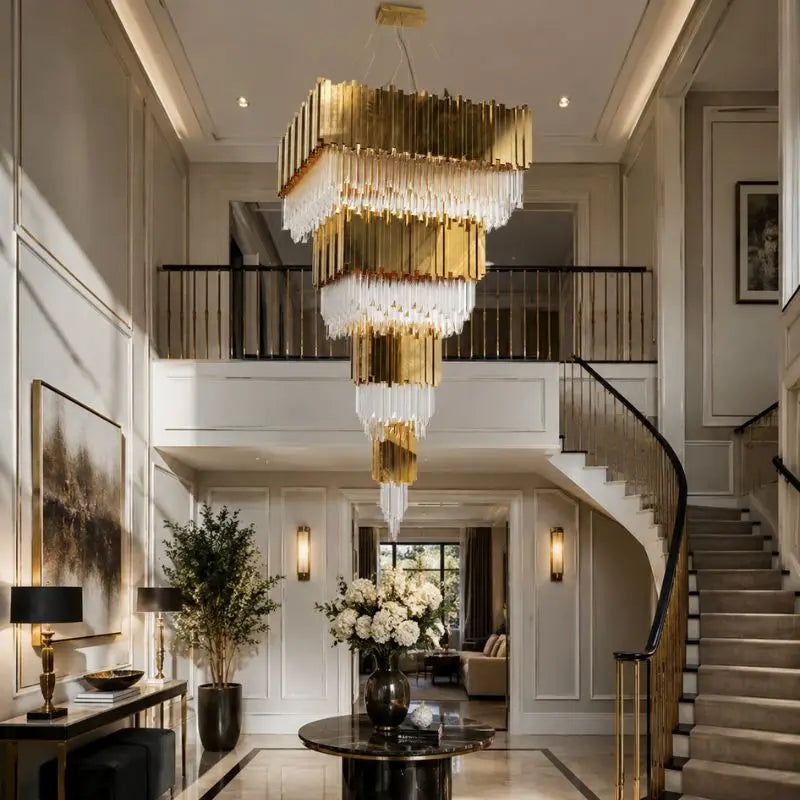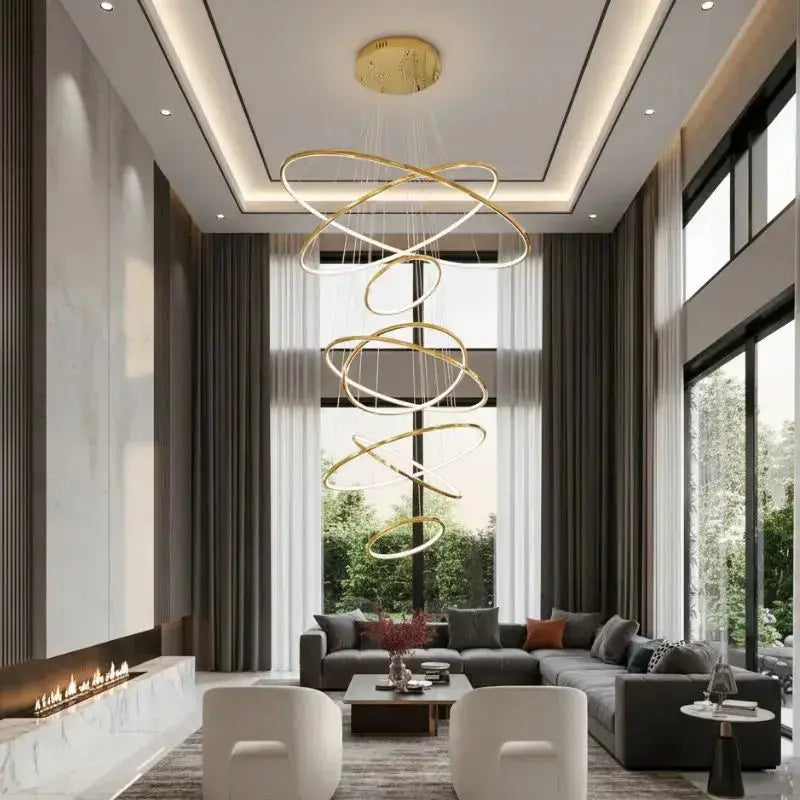

It feels like every day there's someone new pushing the limits in interior design. We're seeing fresh ideas pop up everywhere, from how spaces are put together to the colors people are choosing. This article looks at some of the people and ideas making waves in modern interior design right now. We'll check out how they mix old and new, use color, and create rooms that just feel right. It's all about finding inspiration from these modern interior designers and seeing what makes their work stand out.
Key Takeaways
- Modern interior designers are blending historical elements with current trends to create unique spaces.
- Color and light play a big role in how designers shape the feel of a room, moving beyond old ideas.
- Eclectic styles are being used to challenge traditional design norms and create personal spaces.
- Understanding client personalities and preferences is key to choosing the right color palettes.
- Designing with intention means creating spaces that feel personal, joyful, and grounded, balancing bold choices with subtle touches.
Pioneers Shaping Modern Interior Design
Organic Architecture and Natural Harmony
Think about the buildings that just feel right, the ones that seem to grow right out of the landscape. That's the idea behind organic architecture. It's all about making buildings and interiors work with nature, not against it. Frank Lloyd Wright was a big name in this. He believed that structures should look like they belong where they are, using materials found nearby and letting the shape of the land guide the design. It’s not just about looking pretty; it’s about creating spaces that feel calm and connected to the outdoors. This means big windows to let in light, using wood and stone, and shapes that flow rather than being boxy.
- Embrace natural materials: Wood, stone, and other earthy elements connect the space to its surroundings.
- Maximize natural light: Large windows and thoughtful layouts reduce the need for artificial lighting.
- Integrate with the landscape: Buildings should complement, not dominate, the natural environment.
The goal is to create a sense of peace and belonging, where the inside and outside feel like one continuous space.
Reimagining Spaces with Color and Light
Before, rooms were often dark and formal. Elsie de Wolfe changed that. She thought homes should be cheerful and comfortable, not stuffy. She brought in bright colors, like pastels, and used light to make spaces feel bigger and more inviting. It was a big shift from the heavy, dark styles that were popular before. She showed that color and light aren't just decorative; they can completely change how a space feels and how people use it. It’s about making rooms feel alive and happy.
- Use of light colors: Light blues, greens, and yellows can make a room feel airy and open.
- Strategic lighting: Layering light sources (overhead, task, accent) creates depth and mood.
- Bold accents: Pops of color can add personality without overwhelming the space.
Challenging Boundaries with Eclectic Styles
Some designers don't like to stick to just one look. They mix and match different styles, periods, and textures to create something totally unique. Kelly Wearstler is known for this. She takes risks, combining vintage finds with modern pieces, or mixing bold patterns with sleek furniture. It’s about creating a space that tells a story and feels personal, even if it’s a bit unexpected. This approach shows that design rules are meant to be bent, and that a well-curated mix can be incredibly stylish and interesting. It’s about personality and a bit of daring.
The Future of Interior Design: Visionaries at Work
Brooklyn's Blend of History and Modernity
Brooklyn-based GRT Architects is a prime example of how designers are looking to the past to shape the future. Founded by Tal Schori and Rustam-Marc Mehta, this firm started in 2014 and has built a reputation for blending historical elements with contemporary design. They don't just design buildings; they also work with artists and galleries, and even get into product design. It's like they take old ideas and give them a fresh coat of paint, making them feel new again.
Their process is pretty thoughtful. They believe in reading, thinking, and really getting to know a project before they even sketch anything. This means their work often feels both modern and respectful of where it came from. They're not just about making things look good; they're also involved in their community and sharing what they know, which is pretty cool.
Miami's Dynamic Duo: Creativity and Efficiency
While the article doesn't explicitly name a "dynamic duo" from Miami, it does touch on how designers in places like Miami approach color and client needs. For instance, designer Travis London asks clients questions like, "If you were getting dressed, what is the color you go to when you feel most empowered?" This kind of thinking helps him figure out the right colors for different rooms, making sure the space feels right for the people living there. It's about understanding the client's personality and translating that into the design. This approach aims to be both creative and practical, ensuring the final space is functional and reflects the homeowner's identity.
London's Inclusive Approach to Innovation
This section explores how designers are making spaces that work for everyone. It's about creating environments that feel welcoming and are designed with different people in mind. This means thinking about how spaces are used and who uses them, aiming to add value and joy through thoughtful design choices. The focus is on innovation that considers the needs of all users, moving towards a more open and accessible design landscape.
The goal is to create places that aren't just visually appealing but also deeply functional and emotionally supportive for the people who inhabit them. It's about making sure everyone feels a sense of belonging and comfort.
Crafting Cohesive Color Palettes
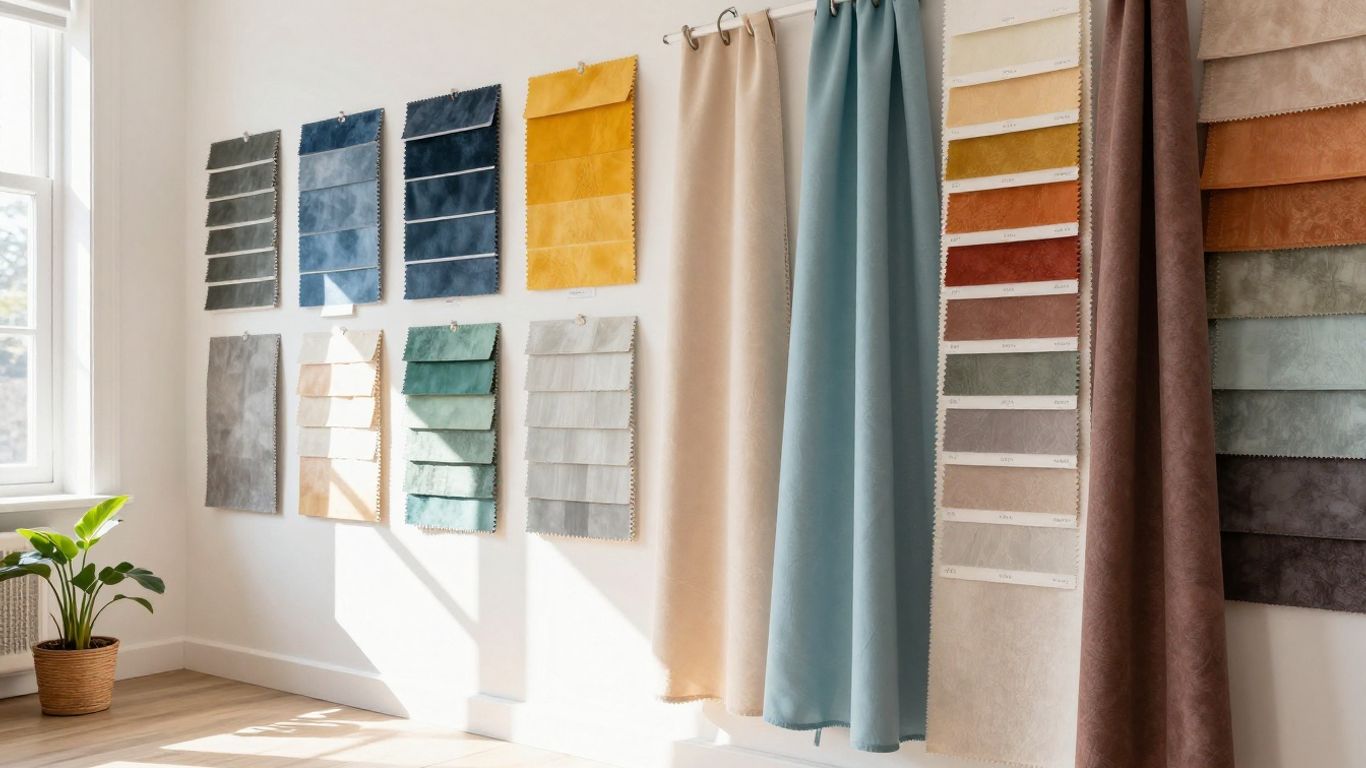
Picking the right colors for a room can feel like a big deal, right? It's not just about slapping some paint on the walls; it's about creating a whole mood. Designers know this, and while it might look easy when you see a finished space, there's a lot of thought behind it. Getting colors to work together so everything feels just right is a skill.
Understanding Client Preferences for Color
So, how do designers figure out what colors to use? A lot of it starts with the person who will actually live in the space. Sometimes people know exactly what they want, but often, they need a little help figuring it out. A good question to ask is what color makes someone feel their best, or most confident. It’s about connecting color to personal feelings. For example, what color do you wear when you want to feel a bit more fun, or maybe more relaxed? This helps designers get a feel for a client's personal style and what they're drawn to. Even if a client has a favorite color, like blue, designers might suggest adding a small touch of another color to make things more interesting.
Navigating Timelessness Versus Trendiness
Trends come and go, and most designers try not to get too caught up in what's popular right now. They aim for a look that feels good for a long time, something that doesn't look dated a few years down the line. Think about those homes you see that just feel right, no matter when they were decorated. A big part of this is using colors that aren't too extreme. Instead of a pure, bright color, designers often go for shades that are a mix of two tones – like a blue with a bit of green in it, or a grey with a warm undertone. These kinds of colors change nicely with the light and can work with different things in the room. Earthy tones, soft greens, and muted blues are also great choices because they've been around forever and still look good. Even bolder colors can work if they're used carefully.
The goal is to create a look that feels like it belongs to the people living there, not just a copy of what's popular. It's about making choices that will age well.
Lessons Learned from Color Application
Even experienced designers make mistakes sometimes. One designer shared a story about picking a green paint for her own bathroom, only to find it looked totally different on the wall than on the swatch. It’s a good reminder that you really need to test colors in the actual space. Watch how the color looks at different times of day, with different lighting. Another lesson is learning to see the subtle differences in color. Mixing paints to match a specific shade taught one designer how colors interact and how a tiny change can make a big difference. Sometimes, a color a client asks for might not work out as planned. Instead of a bright, sugary pink for a child's room, a designer might suggest a more subtle option, like a grasscloth wallpaper with a hint of purple, keeping the walls neutral so the room can grow with the child. It’s all about finding that balance and making sure the color choices feel right for the space and the people in it. A good rule of thumb for balancing colors is the 60-30-10 rule, which helps create a visually pleasing arrangement.
Here are some common color application tips:
- Test, Test, Test: Always paint swatches on your walls and observe them in different lights throughout the day.
- Consider Undertones: Be aware of the subtle secondary colors within a main hue, as they can significantly impact the final look.
- Think About Flow: Use color to connect different spaces in your home, creating a sense of continuity.
- Personalize: Let client preferences guide the palette, but don't be afraid to gently push boundaries for a better outcome.
The Essence of Intentional Design
Creating Spaces That Feel Like Home
Designing a home isn't just about picking out furniture and paint colors. It's about making a place that truly feels like yours. Think about how you want to feel when you walk through the door after a long day. Do you want calm? Energy? Comfort? The best designs tap into that feeling. It’s about making choices that reflect who you are and how you live, not just what's popular right now. When a space feels right, it’s because every element, from the big furniture pieces to the smallest decorative items, was chosen with purpose.
The Role of Joyful and Grounding Colors
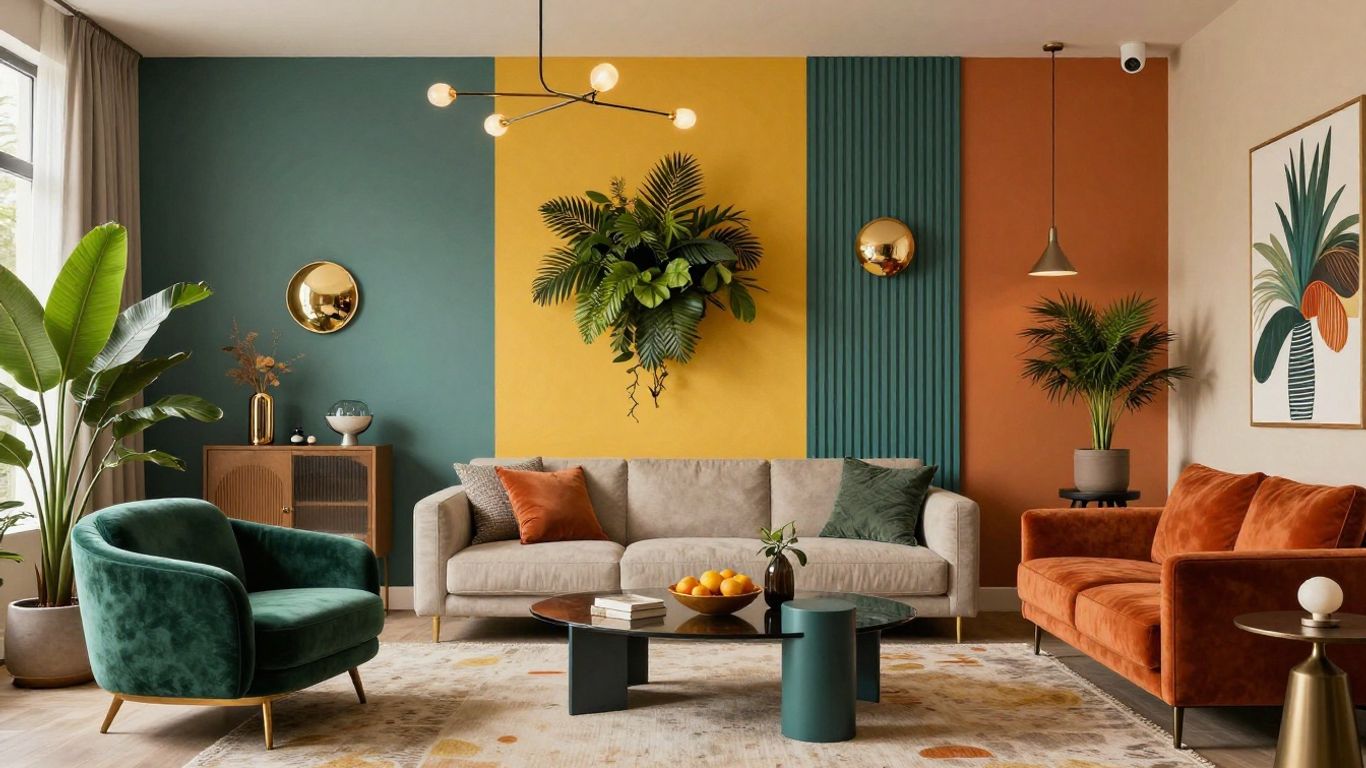
Color plays a huge part in how a room makes you feel. Some colors just make you happy, like a bright, sunny yellow or a lively coral. These can be great for spaces where you want to feel energized, like a kitchen or a home office. Then there are colors that feel calming and safe, like soft blues, earthy greens, or warm grays. These are perfect for bedrooms or living rooms where you want to relax and unwind. It’s not about picking just one type of color, but about using them thoughtfully to create the mood you want.
- Joyful colors: Think warm tones, bright accents, and shades that remind you of happy memories.
- Grounding colors: Consider natural hues, muted tones, and colors found in nature that bring a sense of peace.
- Balance: Mix joyful and grounding colors to create a space that feels both lively and peaceful.
Balancing Boldness with Subtle Touches
Sometimes, you might want a room to have a real wow factor. That’s where bold colors or striking patterns come in. But you don't want it to be overwhelming. The trick is to balance that boldness with more subtle elements. Maybe you have a vibrant accent wall, but the rest of the room has neutral furniture and soft textures. Or perhaps you use a bold pattern on throw pillows against a more subdued sofa. It’s about creating a focal point without making the whole room feel too busy. This mix keeps things interesting but also comfortable.
The goal is to create a space that feels lived-in and personal, not like a showroom. It’s about the little details that tell your story and make a house feel like a home.
| Element | Approach |
|---|---|
| Color | Use a mix of joyful and grounding tones. |
| Patterns | Balance bold prints with simpler designs. |
| Textures | Layer different materials for depth. |
| Furniture | Choose pieces that are both stylish and comfortable. |
| Decor | Select items that have personal meaning. |
Innovators Redefining Living and Working Spaces
Designing for Human Experience and Interaction
These days, interior designers are really thinking about how people actually use spaces, not just how they look. It’s about creating places where you feel good, whether you're working, relaxing, or hanging out with friends. Think about a home office that actually helps you focus, or a living room that makes you want to invite people over. It’s less about just putting furniture in a room and more about crafting an environment that supports what you do.
- Focus on flow: How do people move through the space? Is it easy and natural?
- Consider acoustics: Does the room feel calm, or is it echoey and distracting?
- Think about natural light: How can you make the most of windows and sunlight?
- Incorporate flexible furniture: Pieces that can be moved or changed to suit different needs.
The goal is to make spaces that feel intuitive and comfortable, almost like they were made just for you. It’s about creating a feeling, not just a look.
Adding Value and Joy Through Design
Good design isn't just about making things pretty; it's about making them better. This means adding elements that bring real value to your life and a sense of happiness. For example, a well-organized kitchen might not seem exciting, but it makes cooking so much easier and more enjoyable. Or a cozy reading nook can become your favorite spot in the house. It’s about those thoughtful touches that make a big difference in your day-to-day.
| Feature | Benefit |
|---|---|
| Smart storage | Reduces clutter, saves time |
| Comfortable seating | Encourages relaxation, social interaction |
| Personal art | Adds character, sparks conversation |
| Good lighting | Improves mood, reduces eye strain |
Embracing Inclusivity in Design Practices
What’s really cool is how designers are now making sure their spaces work for everyone. This means thinking about different ages, abilities, and backgrounds. It’s about creating places that feel welcoming and accessible to all. For instance, a kitchen might have countertops at different heights, or a living area might have seating options that suit various needs. This commitment to inclusivity means more people can truly feel at home and comfortable in the spaces being created. It’s a shift towards designing with empathy and a broader perspective, making sure no one is left out.
Looking Ahead
So, we've taken a peek at some seriously talented people shaping how our homes and workspaces look and feel. It's pretty clear these designers aren't just picking out furniture; they're thinking about how spaces make us feel, how we move through them, and what they mean to us. From blending old with new to really getting to know what makes a client tick, their approaches are as varied as the styles they create. It’s exciting to see where this all goes next, and I’m definitely looking forward to seeing what these creative minds come up with in the future. It’s a good reminder that design is always changing, and there’s always something new to discover.
Frequently Asked Questions
Who are some famous interior designers from the past?
Some really important designers from history include Frank Lloyd Wright, who was known for making buildings fit into nature. Elsie de Wolfe was like the first big interior designer in America and changed how people used color and light in their homes. Kelly Wearstler is a more modern designer famous for her bold and unique style.
What makes a design company 'visionary'?
A visionary design company is one that thinks about the future and tries new things. They don't just make things look pretty; they think about how people will use the space and how it can be better for everyone. They often blend old ideas with new ones and are open to different perspectives.
How do designers pick colors for a room?
Designers start by getting to know the person who will live there. They ask questions about what makes the person feel good or powerful. They also think about the room itself and what kind of mood it should have. Sometimes they use a client's favorite color as a starting point, but they also help clients try new colors.
Why is it important to test paint colors before using them?
It's super important to test paint colors because the color you see on a small chip can look very different on a whole wall. Light changes throughout the day, and that affects how the color looks. Testing helps make sure you get the exact shade you want and avoid colors that might look 'sickly sweet' or just not right for the room.
What does 'intentional design' mean?
Intentional design means creating spaces with a purpose, where everything has a reason for being there. It's about making sure the room feels right for the people who use it and that it's not just decorated randomly. It's about making a space feel like home, but also a little bit exciting or surprising.
How do designers make spaces feel like 'home'?
Designers make spaces feel like home by really understanding the people who will live there. They think about what brings people joy and comfort. They also make sure the colors and furniture create a feeling of belonging and personal connection, making the space feel cozy and true to the owner's personality.