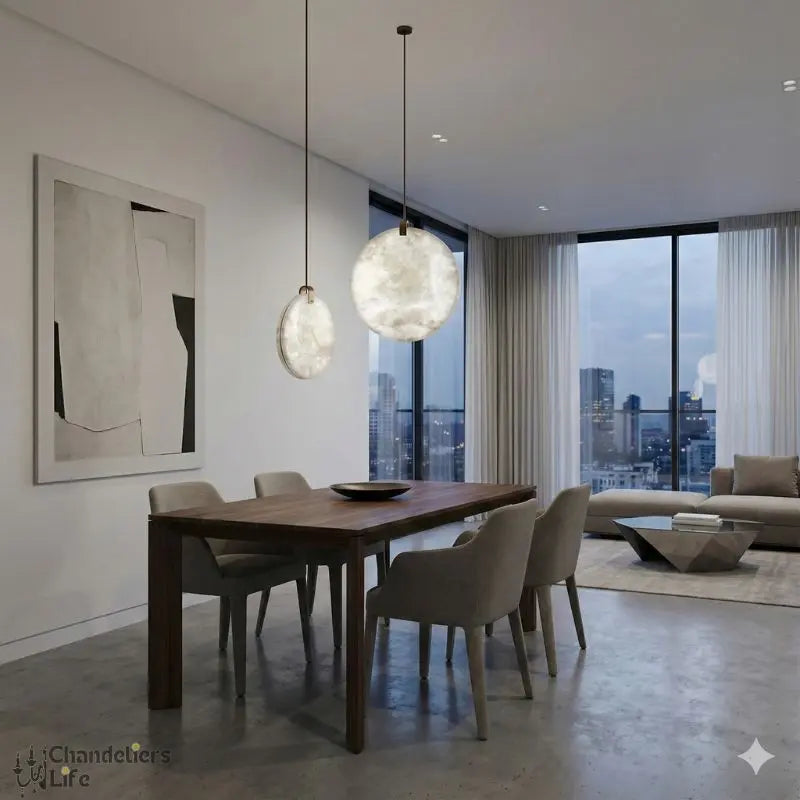

Thinking about a new project? Whether you're renovating your current place or starting from scratch, getting the right interior architecture ideas can make all the difference. It's not just about making things look pretty; it's about creating spaces that work for you, feel good, and maybe even surprise you a little. We've gathered some thoughts on how to approach your next design challenge, looking at everything from flowing shapes to how light hits a room.
Key Takeaways
- Consider using curves and smooth lines instead of sharp angles to create a more natural and inviting feel in your spaces. This approach can make rooms feel more dynamic and visually pleasing.
- Think about bringing art and cultural elements into your home's design. This can turn your living areas into personal galleries, reflecting your interests and adding unique character.
- Maximize natural light and views. Large windows and smart design can connect your indoor space with the outdoors, making rooms feel bigger and more peaceful.
- Don't be afraid to mix different styles. Combining old and new, or various design elements, can create a look that's uniquely yours and tells a personal story.
- Design spaces that can change with your needs. Flexible layouts and multi-functional furniture allow your home to adapt to different activities, from working from home to entertaining guests.
Embracing Fluidity and Curves in Interior Architecture
The Curve of Time: Redefining Space with Smooth Transitions
Forget sharp corners and rigid lines for a moment. Modern interior design is really leaning into curves and softer shapes, and it's making spaces feel so much more welcoming. Think about doorways that gently arch instead of being a plain rectangle, or walls that have a subtle bend to them. It's not just about furniture anymore, though rounded sofas and circular coffee tables are definitely part of it. This approach to design is about making a room feel more organic, almost like it grew that way. It breaks up the usual boxiness of a space and adds a visual softness that's really pleasing to the eye. It’s a way to make a home feel less like a collection of rooms and more like a continuous, flowing environment.
Fluid Lines Over Rigid Angles: A Design Philosophy
There's a whole philosophy behind choosing curves over straight lines. It’s about moving away from the strict, sometimes cold, feel that sharp angles can create. Instead, designers are opting for lines that feel more natural and free-flowing. This isn't just about looks; it's about how a space makes you feel. Smooth, continuous lines can guide your eye through a room in a more relaxed way, creating a sense of calm and ease. It’s a bit like listening to music with a steady rhythm versus a jarring beat – one feels more comfortable and natural. This design choice helps create an atmosphere that’s both visually interesting and genuinely comfortable to be in.
Creating Intuitive Visual Enjoyment Through Form
When you introduce curves and fluid shapes into a home, you're essentially making it easier for people to enjoy looking at it. Our eyes naturally follow these softer forms. It’s like how a winding path through a garden is more interesting than a straight road. This approach can make a space feel more dynamic and engaging without being overwhelming. It’s about creating a visual experience that feels intuitive and pleasant. Think about how a perfectly rounded archway draws your attention or how a curved island in the kitchen invites interaction. These elements add a layer of subtle beauty that makes a home feel more thoughtfully designed and enjoyable on a daily basis.
Integrating Art and Culture into Living Spaces
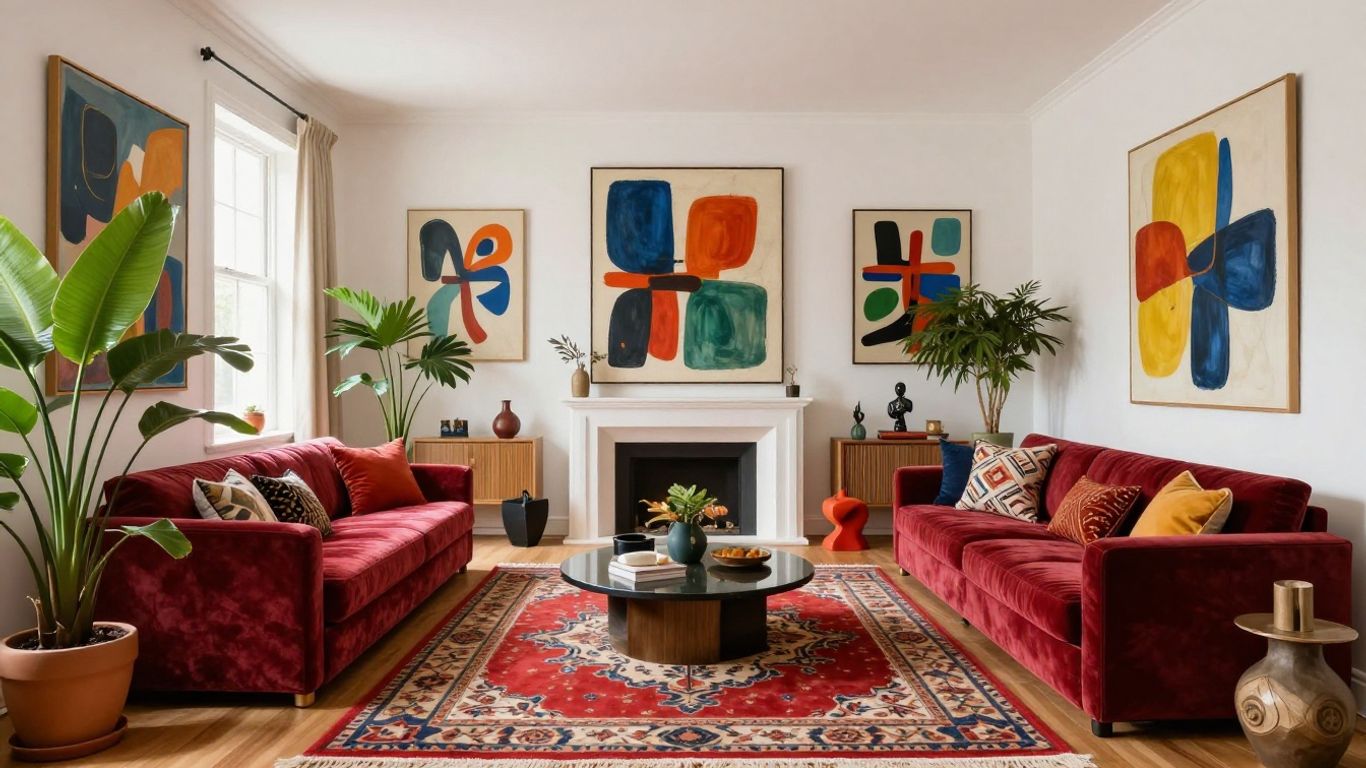
Think of your home not just as a place to live, but as a canvas. It's a space where your personal story, your passions, and your appreciation for creativity can truly shine. Integrating art and culture isn't about filling every wall with paintings; it's about weaving elements that speak to you into the very fabric of your home.
Casa Galeria D’Art: An Art Gallery House Concept
Imagine a home that feels like a personal gallery, where art isn't just displayed but becomes part of the living experience. This concept blurs the lines between a residence and an exhibition space. It's about creating an environment where art is accessible, integrated, and celebrated daily. This approach can involve designing specific areas for showcasing collections, using architectural features to highlight pieces, or even incorporating art into functional elements like custom-designed furniture or lighting.
Showcasing Artistic Expression Within a Residential Setting
This is where your home becomes a reflection of your unique taste and experiences. It’s about more than just hanging a few pictures. Consider how different art forms can interact with your living space. This might mean:
- Curating a collection: Whether it's paintings, sculptures, photography, or even textiles, select pieces that resonate with you.
- Strategic placement: Think about how light falls on a piece, or how a sculpture can define a corner.
- Mixing mediums: Combine different art forms to create visual interest and depth.
- Incorporating cultural artifacts: Items collected from travels or family heirlooms can add a rich layer of personal history.
The goal is to create a home that tells your story, a space that feels curated by you, for you, and is a constant source of inspiration and comfort.
Seamless Integration of Sculptures and Living Areas
Sculpture offers a three-dimensional element that can dramatically change the feel of a room. Instead of placing a sculpture on a pedestal in a corner, think about how it can interact with the space. Could a large-scale piece serve as a focal point in an open-plan living area? Can a series of smaller sculptures create a narrative along a hallway? Consider:
- Scale and proportion: Ensure the sculpture fits the space without overwhelming it.
- Material interplay: How does the sculpture's material (bronze, wood, glass) contrast or complement your furniture and finishes?
- Lighting: Use accent lighting to draw attention to the artwork and highlight its form.
By thoughtfully integrating art and cultural elements, your home transforms from a mere structure into a vibrant, personal sanctuary that truly speaks to who you are.
Maximizing Natural Light and Views
How a space feels can change completely depending on the amount of natural light and the views you get from inside. Bright, sunlit interiors make rooms feel bigger and more welcoming, while framing great views turns a plain living room into your favorite spot. Here’s how to get the most out of what your home’s architecture can offer.
Tranquility: Harnessing Mountain Vistas for Serene Atmospheres
If you’re lucky enough to have a home that looks out over mountains, making the view a focal point isn’t just about showing off—it actually changes the room’s mood. Try using wide glass doors or floor-to-ceiling windows. Push your main seating toward those windows, keep window dressings sheer or minimal, and bring in soft, calming colors that mirror the outside. Sometimes, it helps to keep the decor simple so nothing distracts you from the sunset, clouds, or hills beyond.
- Opt for large panes of glass or sliding doors
- Use sheer curtains to soften but not block the view
- Position furniture to face the windows, not the TV
There are few things more relaxing than sipping coffee and watching fog roll off the hills in the morning—if you give your view priority, the atmosphere of the room shifts with the light outside.
The Importance of Natural Light in Apartment Interior Design
Apartments often don’t offer much space, but smart design tricks can still bring in tons of daylight. It’s all about picking the right windows, playing with wall colors, and keeping things uncluttered. Even a small apartment feels open with enough light, and natural light improves your mood (plus, it saves on electricity).
| Tip | Why It Matters |
|---|---|
| Use mirrors strategically | Reflects light deeper into the space |
| Choose light wall colors | Amplifies natural brightness |
| Pick low-profile furniture | Keeps window lines open for more light entry |
You can get more out of your apartment’s layout by letting sunlight do most of the work for you. Adding a few large mirrors works especially well on walls opposite windows, bouncing the light all around.
Creating Ample Light and Stunning Views
In homes or apartments with any outdoors access, the trick is to merge inside and outside visually. Floor-to-ceiling glass panels connect living spaces with patios or gardens, making everything look bigger. If possible, open up unnecessary walls—an open layout draws the sunlight from one end of your home to the other. For example, many modern designers recommend combining kitchen, dining, and living areas into one open space. Not only does this let the light spread evenly, but you also get to enjoy changing outdoor views all day long. See essential insights from modern interior designers on how strategic layouts and large windows can make a space feel both inviting and efficient.
- Knock down walls to create larger, open-plan areas
- Install oversized or corner windows
- Use glass doors for easy access and sightlines to outdoors
Sometimes, the best moments are when the sun pours through and makes you forget about turning on a lamp at all. The payoff is a space that never feels boxed in, no matter how small the footprint.
Crafting Harmonious Blends of Diverse Design Elements
Old&New: Merging Styles for Unique Harmony
Sometimes, the most interesting spaces come from mixing things up. It’s about taking elements from different eras or styles and making them work together. Think of pairing a sleek, modern sofa with a vintage Persian rug, or placing a minimalist lamp on an antique wooden side table. The key is to find common ground, maybe through color, material, or shape, to tie these disparate pieces together. This approach creates a look that feels personal and lived-in, not like it was pulled straight from a catalog. It’s about telling a story with your space.
A Charismatic Blend of Diverse Design Elements
Creating a space that feels both unique and inviting often means embracing a mix of styles. This isn't about throwing random things together; it's a thoughtful curation. You might bring in natural materials like warm woods and textured stone to add a sense of organic softness. These elements connect the interior to the outside world and add a layer of sophistication. Choosing the right mix is a key part of the design-build process, making sure every finish works well with the others.
Here’s how to approach blending different elements:
- Establish a Guiding Palette: Pick 3-4 core colors to keep things from looking too busy. Use these shades to guide your choices in patterns and textiles.
- Layer Textures: Don't be afraid to mix materials. Think about pairing a smooth concrete floor with a plush rug, or sleek cabinets with a rough wooden table. This contrast makes a room interesting.
- Showcase Personal Items: Use shelves and gallery walls to display things you love. Mix old finds with new pieces, and add plants to bring in life and organic shapes.
The magic of eclectic design isn't random; it's intentional. Success comes from balancing busy patterns with solid-colored anchors and skillfully mixing different styles and eras.
Reflecting Multifaceted Personalities Through Design
Your home should feel like you, and if you have many interests, your space can reflect that. This means not sticking to just one look. Maybe you love the clean lines of modern design but also have a soft spot for bohemian textiles. You can absolutely have both. It’s about finding pieces that speak to different parts of your personality and finding ways to make them coexist harmoniously. This thoughtful combination results in a home that is not only visually appealing but also deeply personal and functional for your lifestyle.
Designing Adaptable and Functional Living Environments
Our homes are doing more than ever before. They're offices, gyms, and entertainment hubs, all rolled into one. This means spaces need to be flexible. Modern architecture is stepping up with smart solutions to make rooms work harder.
Adaptable, Flexible Living Spaces for Modern Lifestyles
Think about how you use your home throughout the day. A living room might be a quiet reading nook in the morning, an office during work hours, and a place for family games in the evening. Designing for this kind of change is key. It’s about creating rooms that can shift their purpose without a fuss. This approach means your home can keep up with your life, feeling organized and calm, not cluttered.
- Pocket doors that slide away to reveal or hide spaces.
- Built-in cabinetry that can conceal a workspace.
- Movable partitions to define zones without permanent walls.
The goal is to create a home that adapts to your changing needs, ensuring every room is as functional as it is beautiful.
Multi-functional Spaces: Offices, Gyms, and Entertainment Centers
We're seeing a lot of clever ideas for making single rooms serve multiple functions. For example, a dining table might double as a craft station or a home office desk. Built-in furniture is a big help here, offering storage and utility in one package. The idea is to maximize what you can do within a given footprint. It’s about making every square foot count, so your home supports all your activities.
Clever Solutions for Reconfigurable Rooms
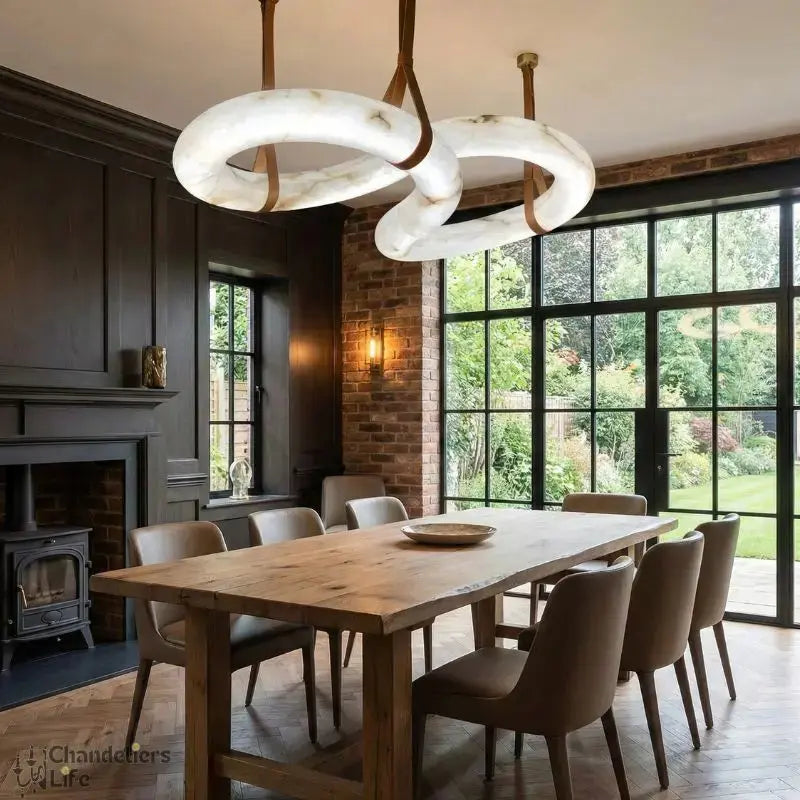
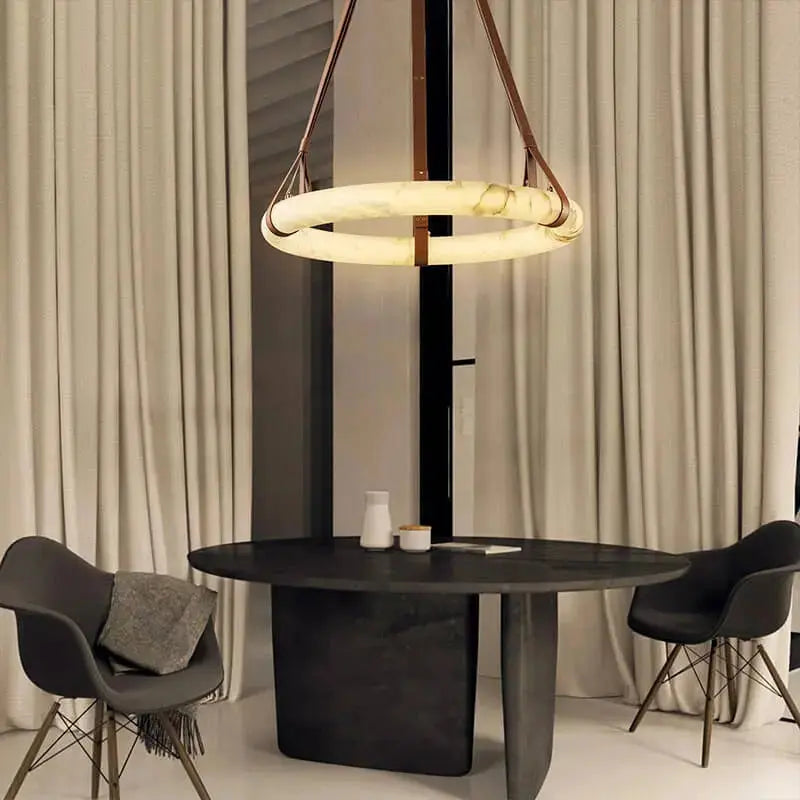
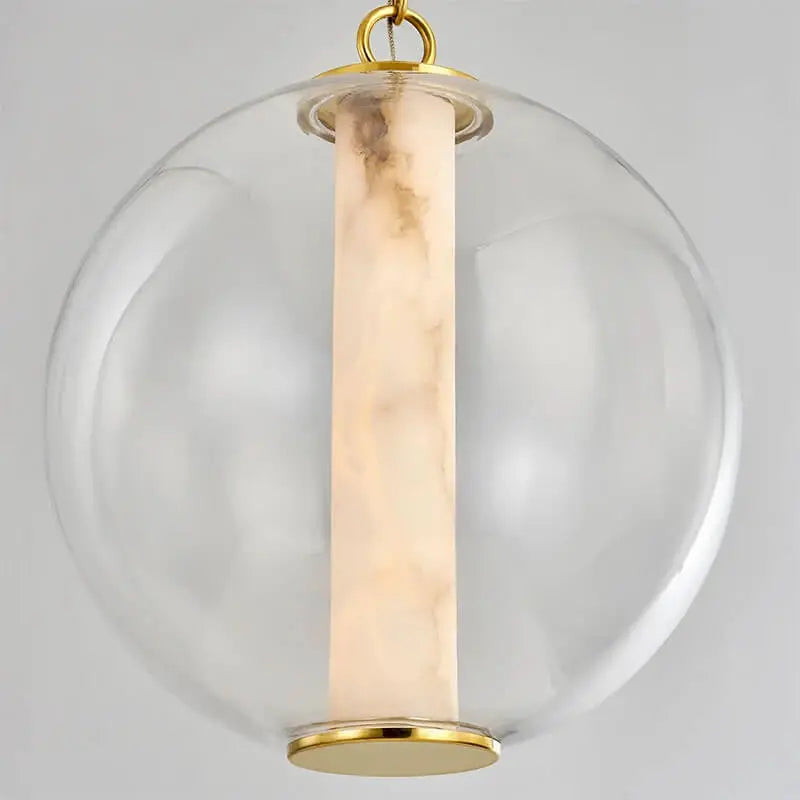
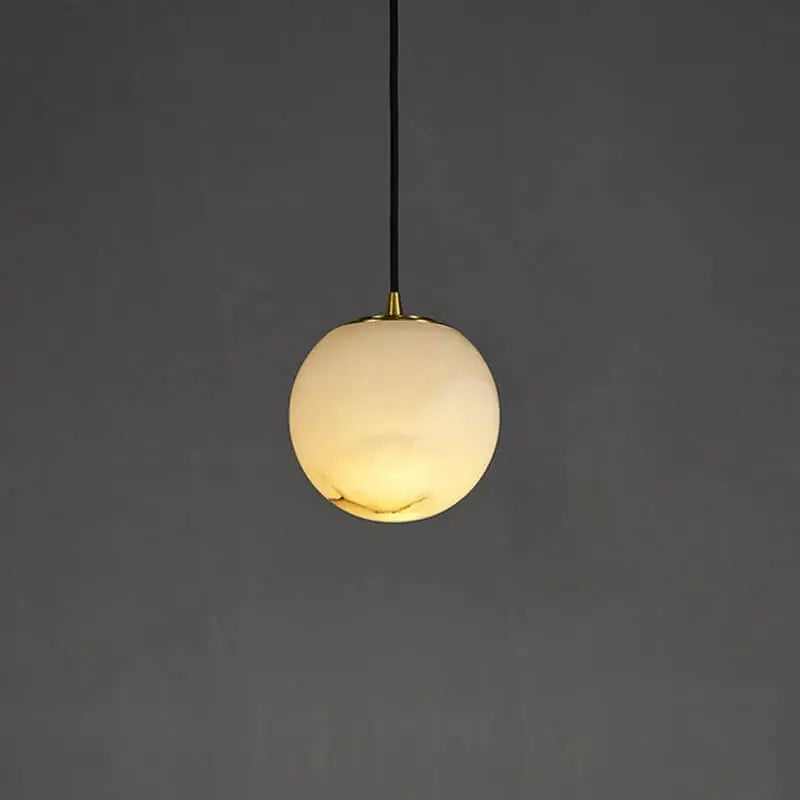
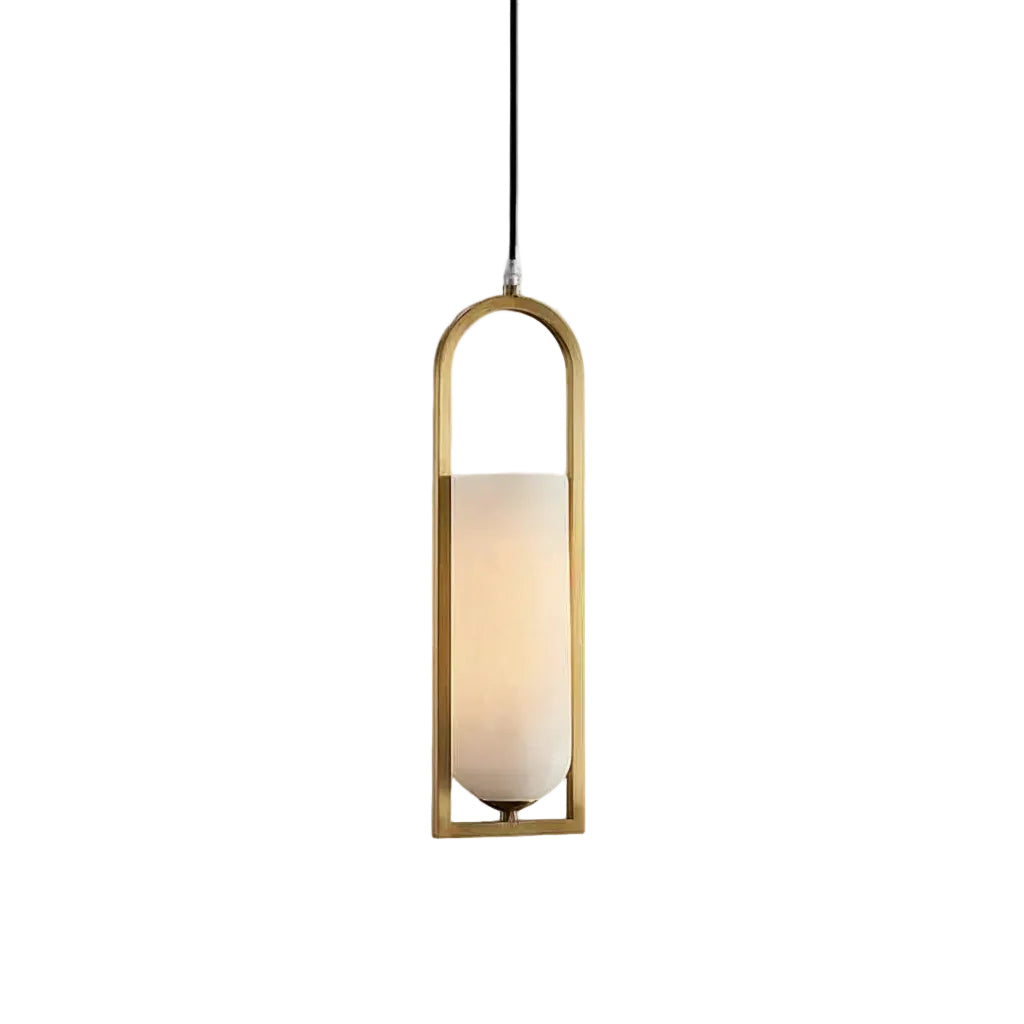
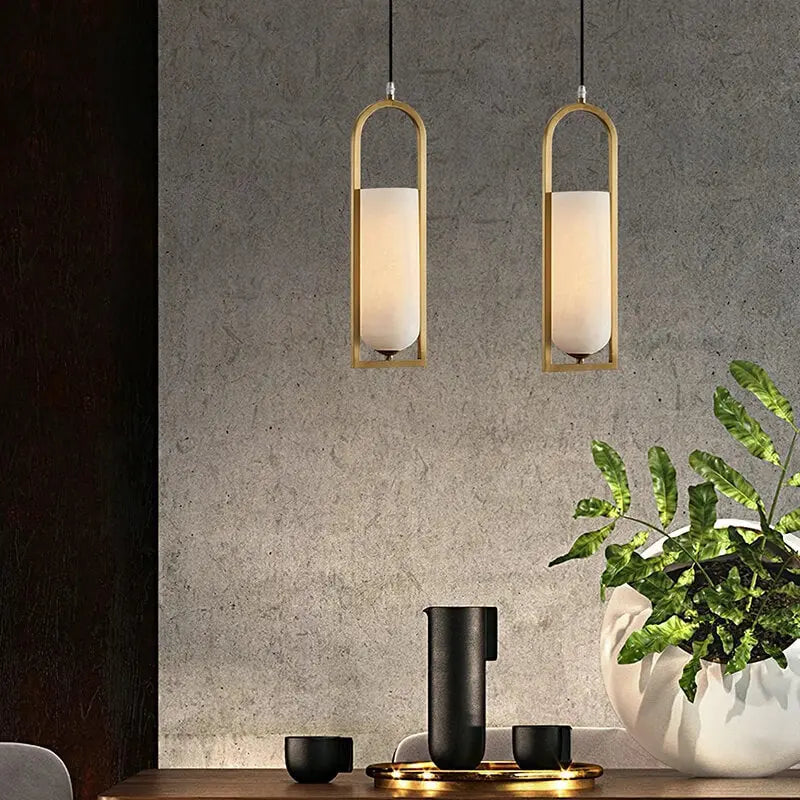
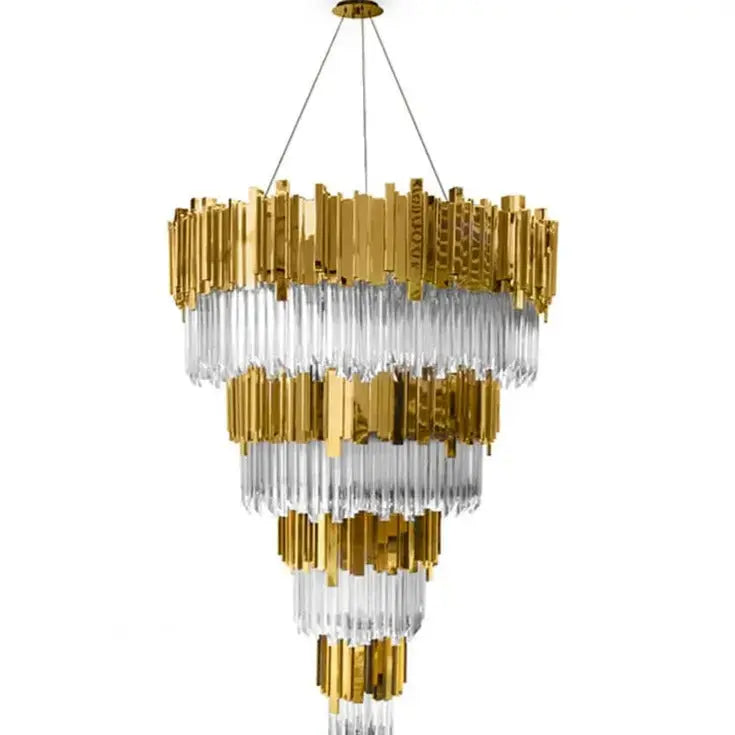
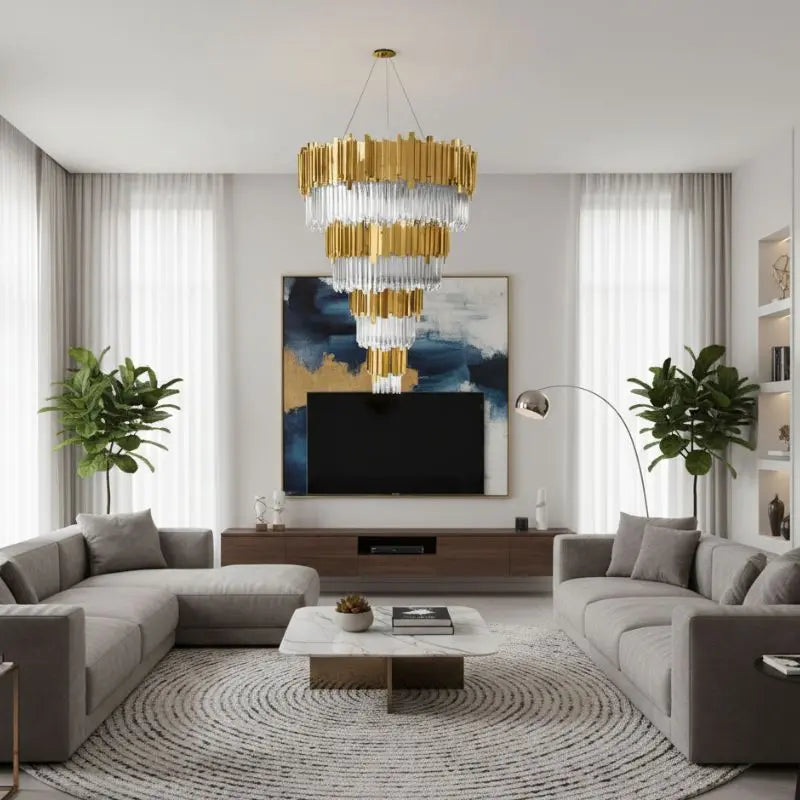
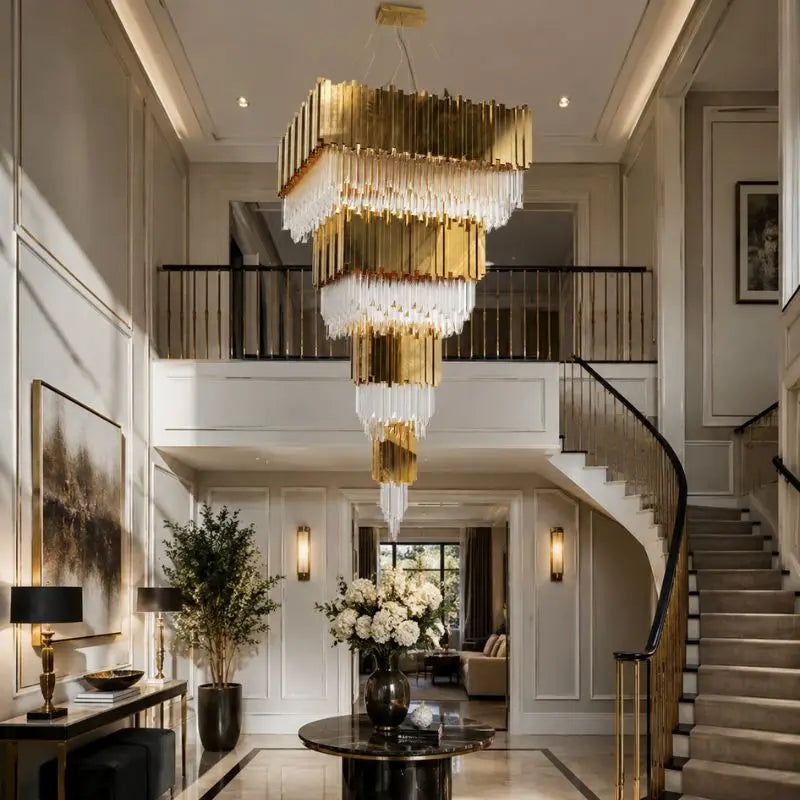
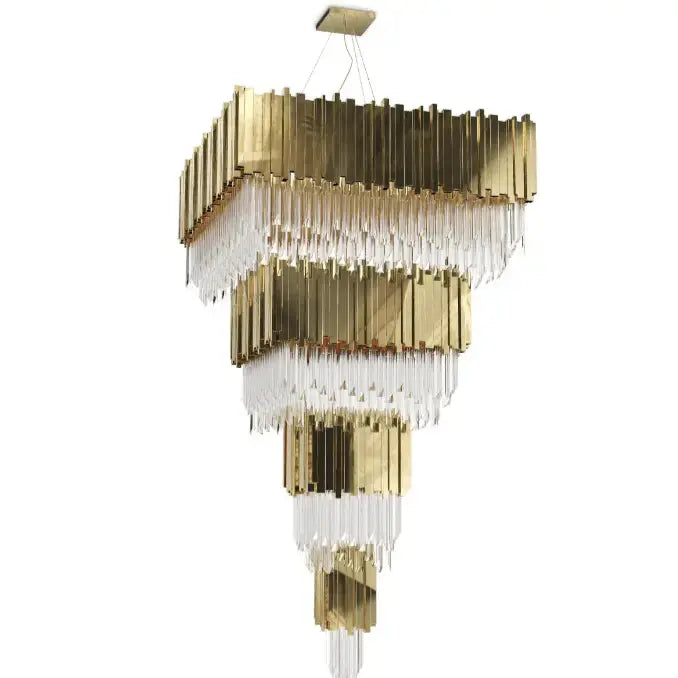
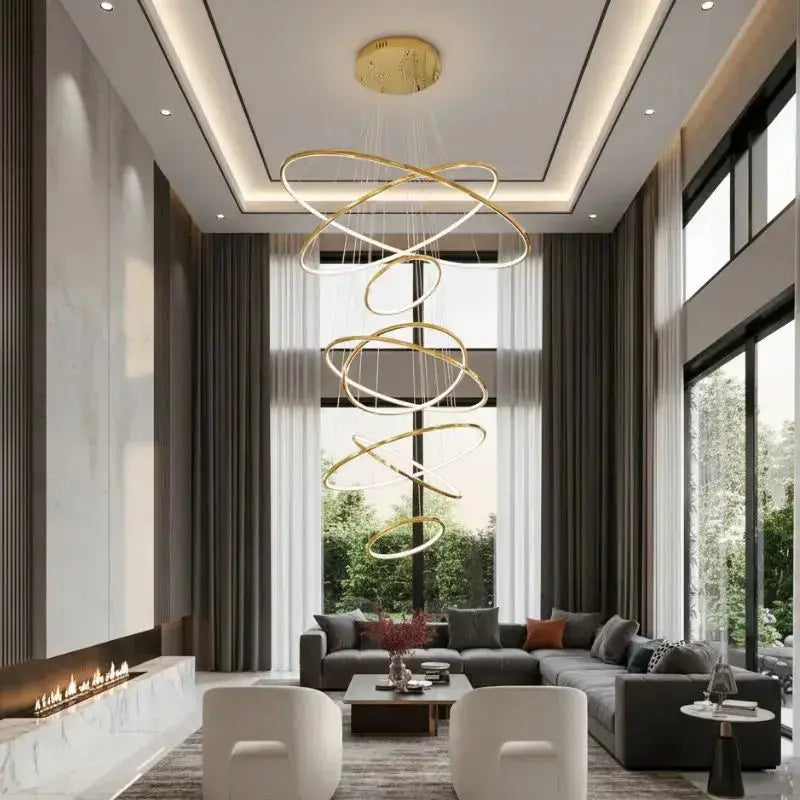
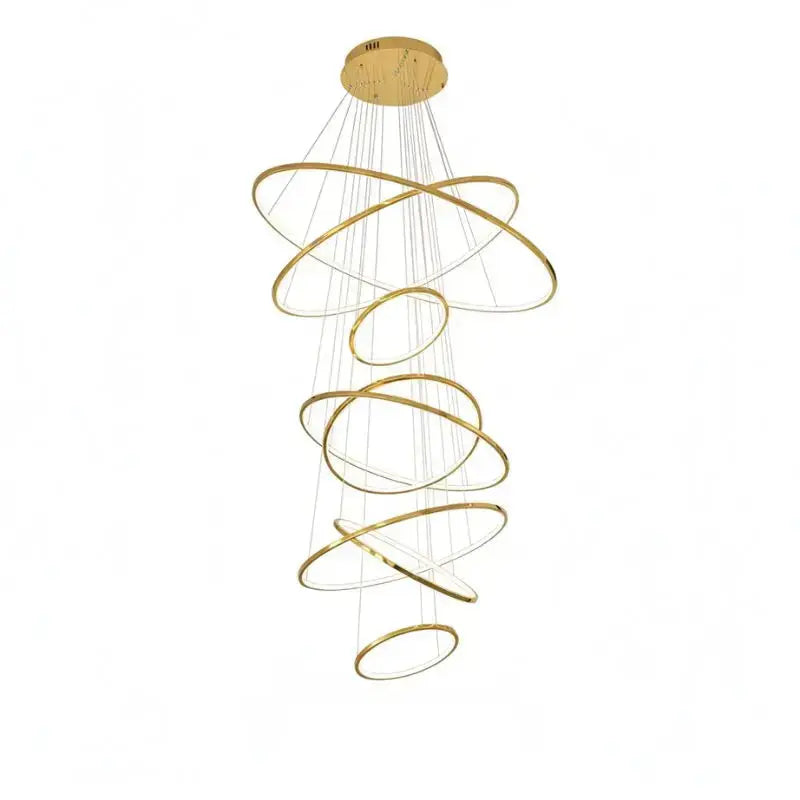
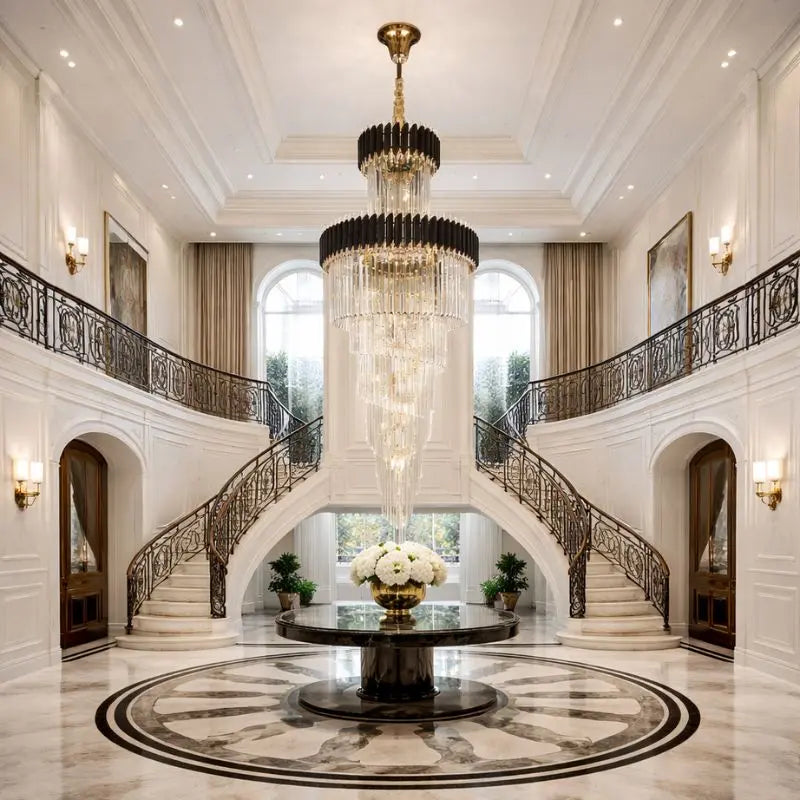
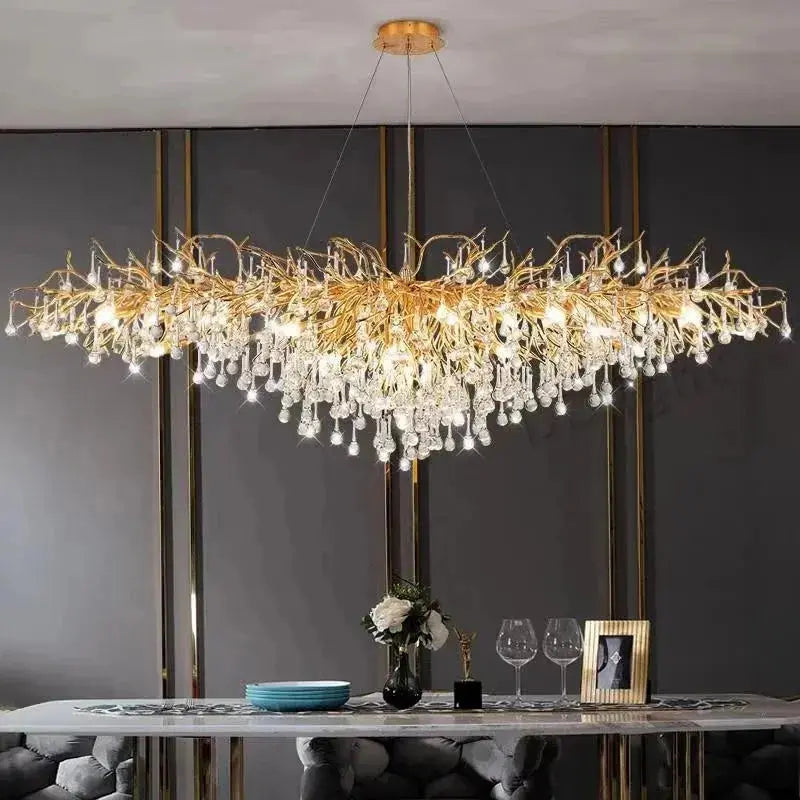
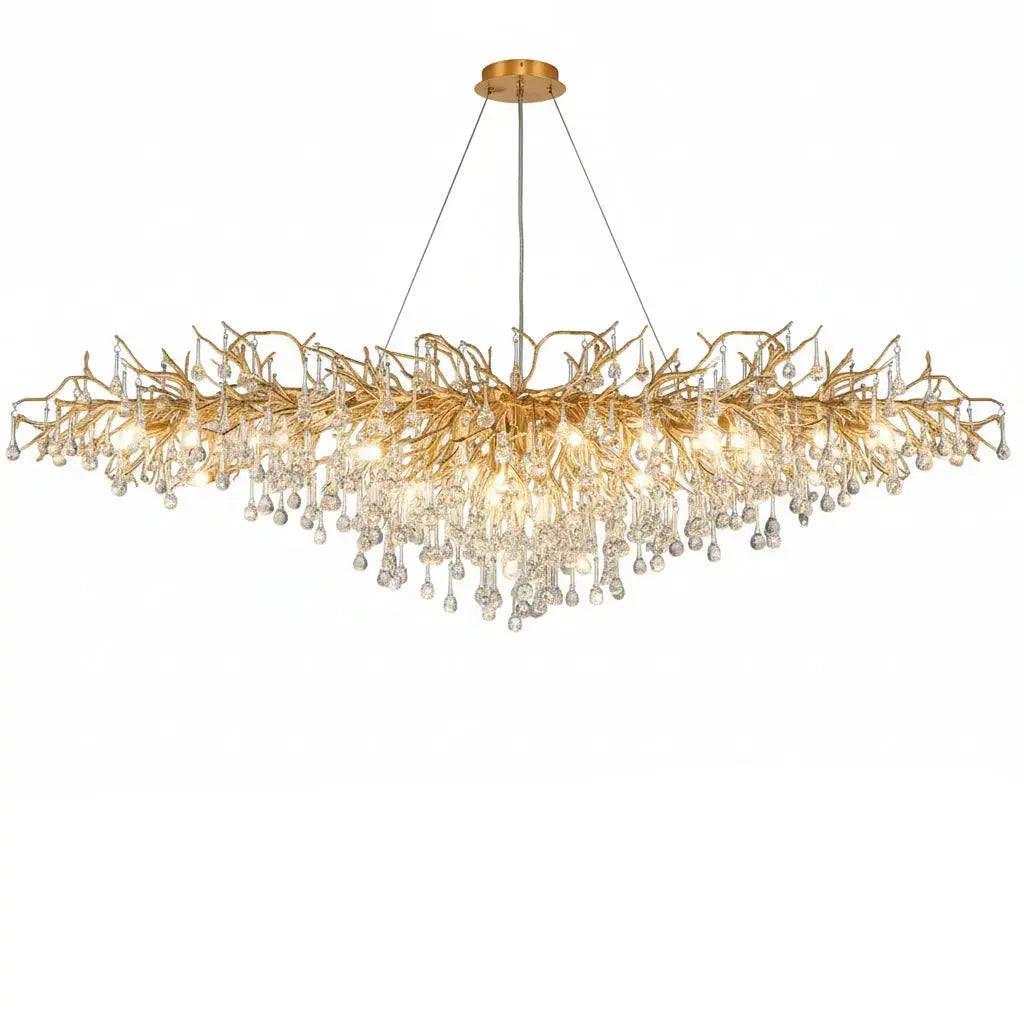
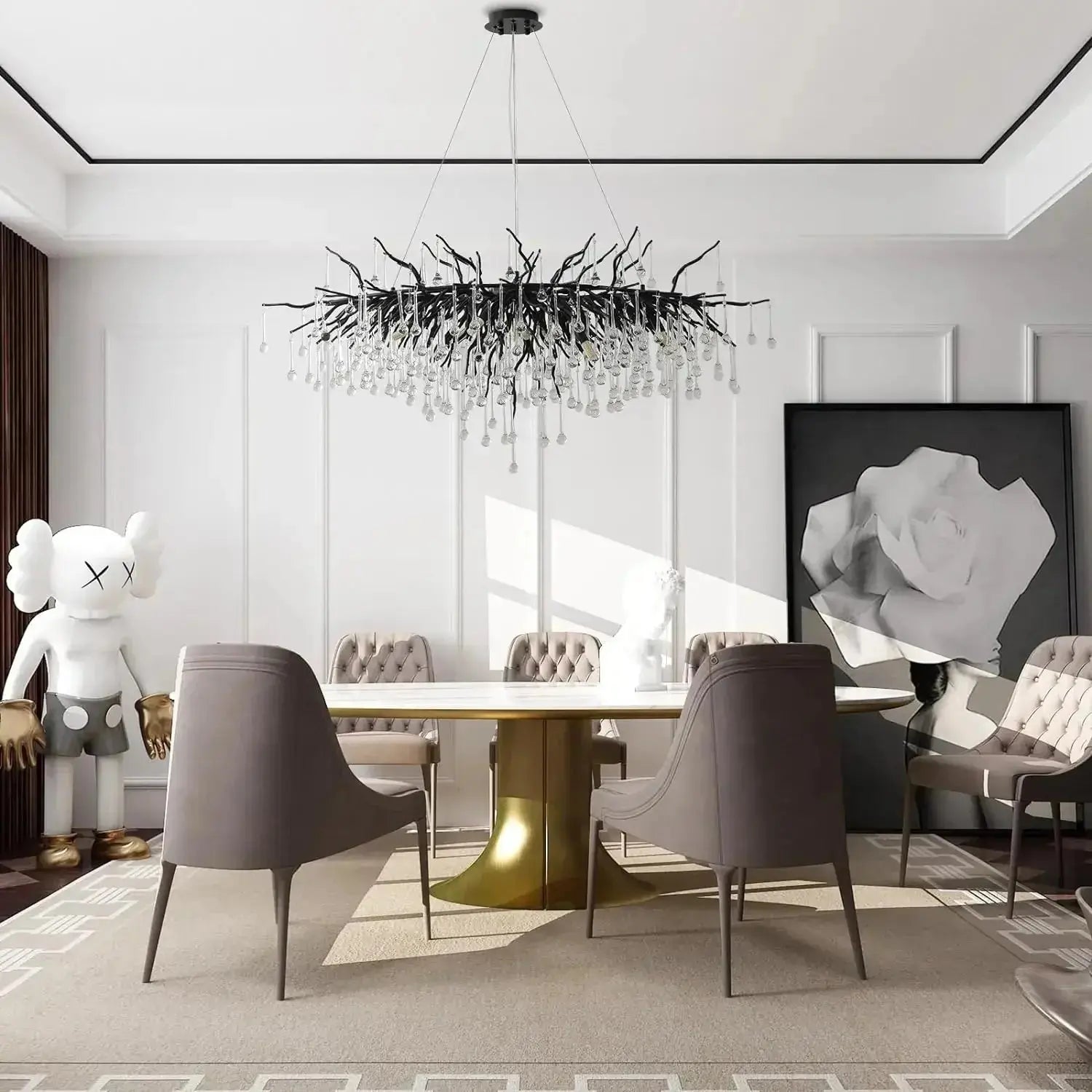
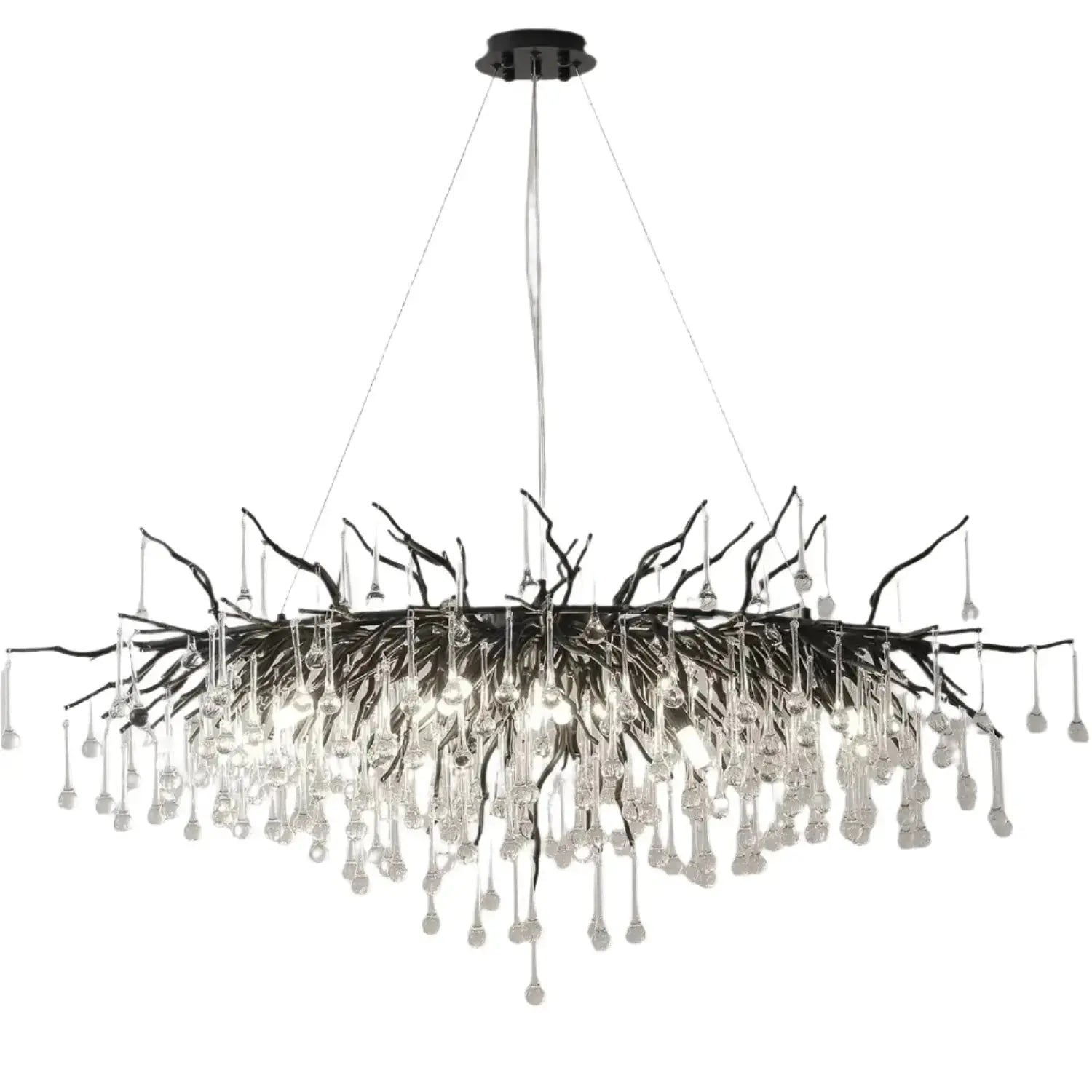
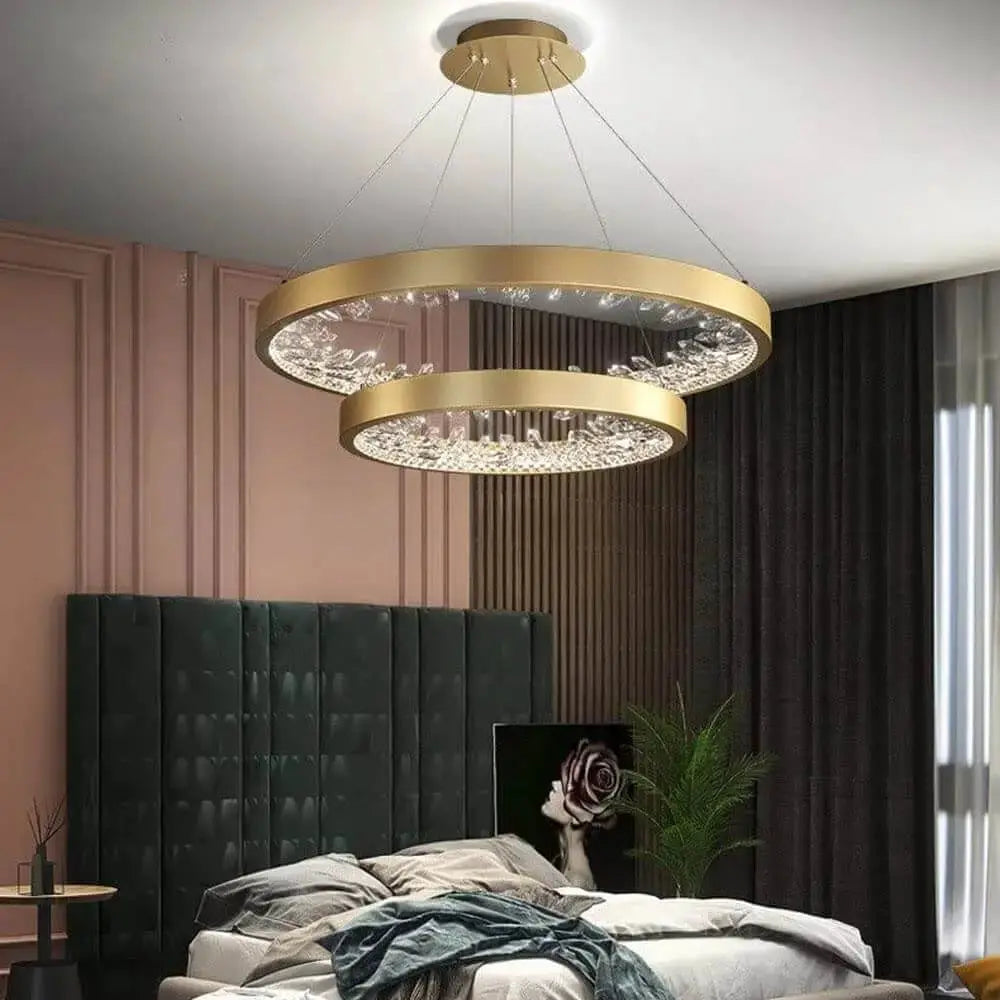
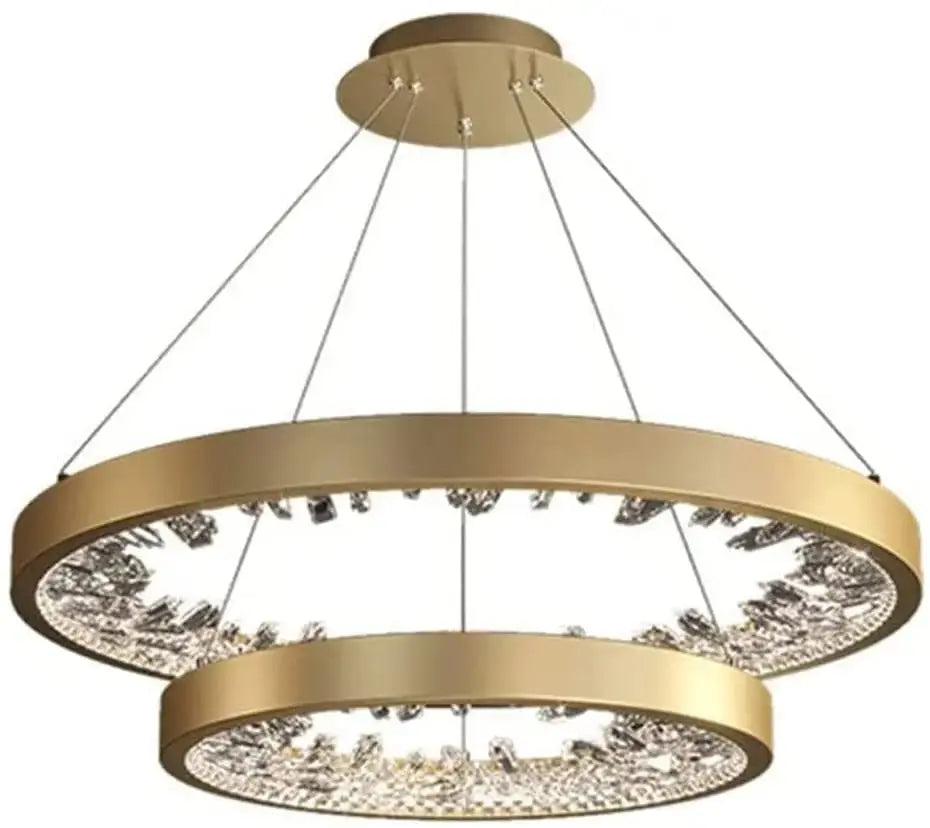
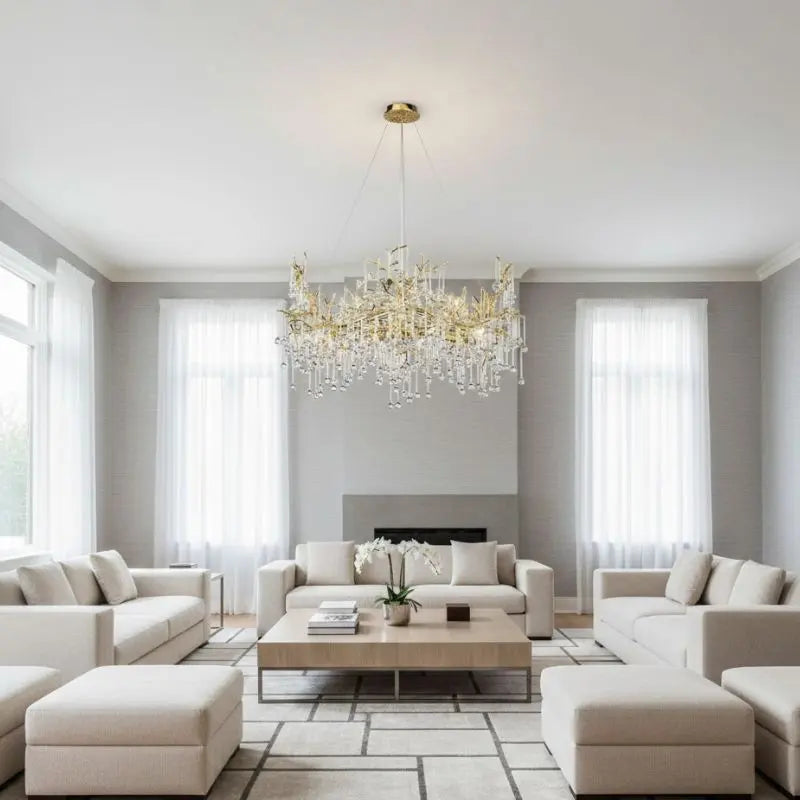
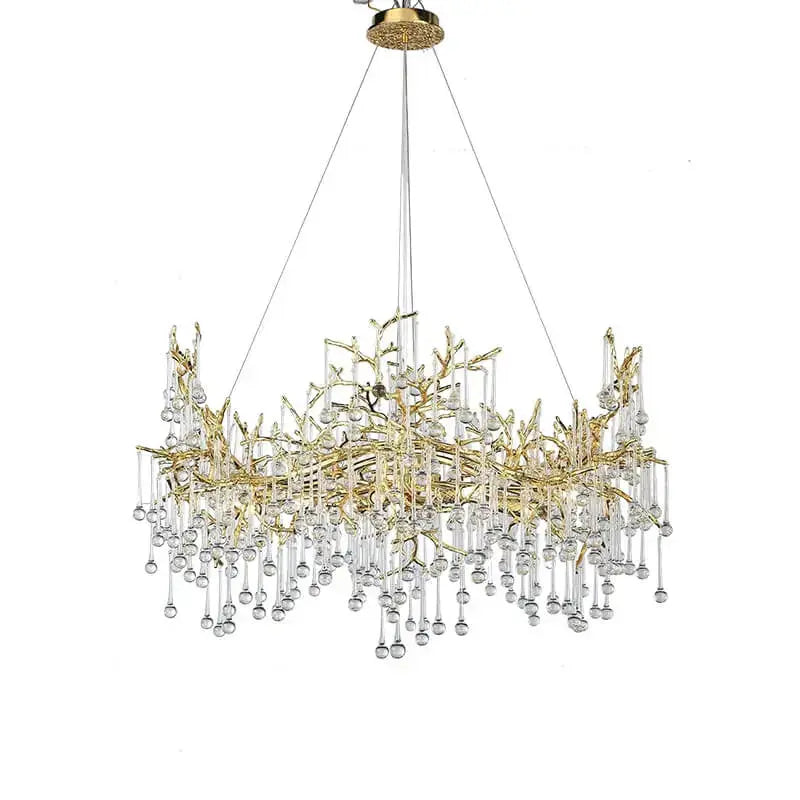
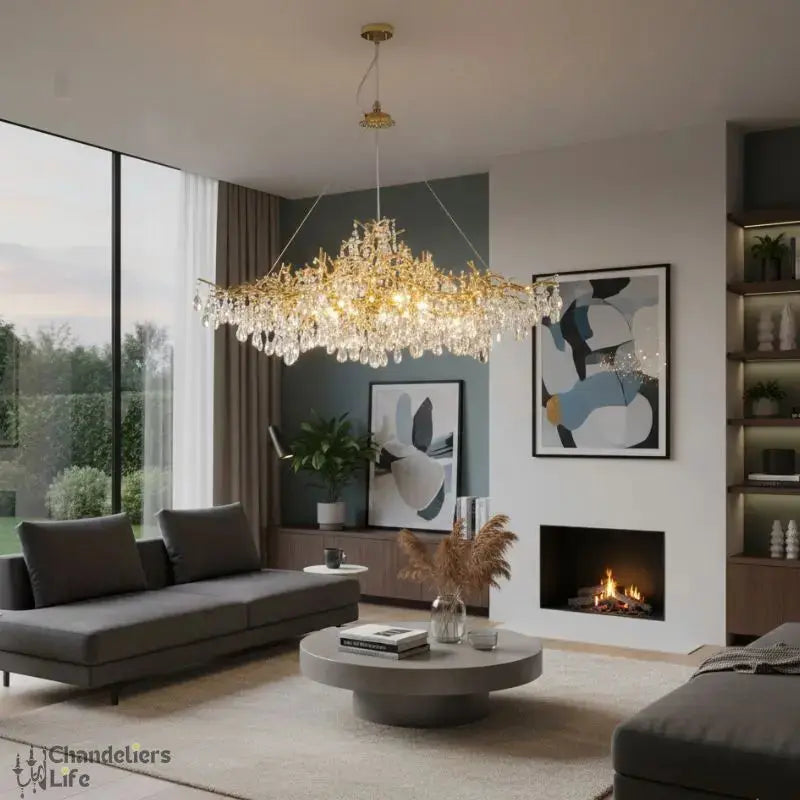
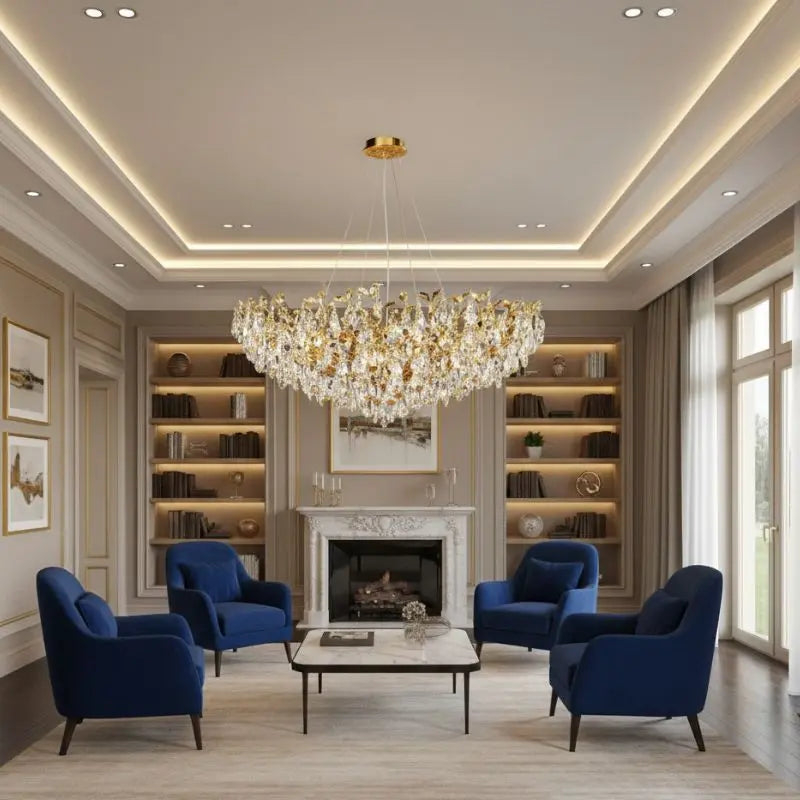
Creating spaces that can change is all about smart design choices. Instead of fixed walls, consider using furniture placement or screens to divide areas. This allows you to open things up for a party or close them off for focused work. It’s a way to get more out of your existing layout. This kind of flexibility means your home can evolve with you, always feeling fresh and useful. It’s a practical way to approach interior architecture, making sure your space truly works for you. If you're looking for inspiration on how lighting can transform a room, consider exploring different chandelier styles to add a focal point and ambiance.
The Power of Color and Texture in Interior Architecture
Selecting Color Palettes to Influence Mood and Emotion
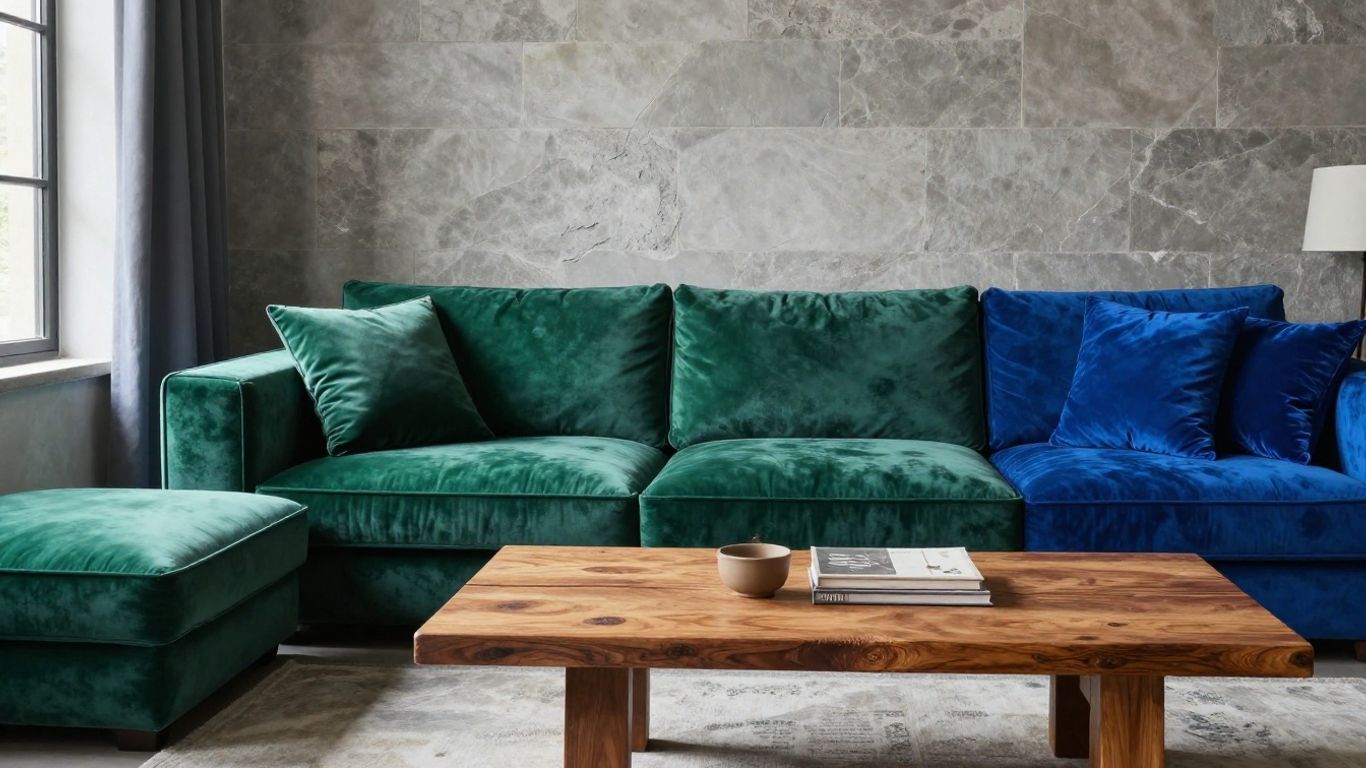
Color is more than just decoration; it's a psychological tool that can really shift how a space feels. Think about it – a bright, sunny yellow can make a room feel energetic and cheerful, while deep blues and greens tend to bring a sense of calm and relaxation. When you're picking out colors for your home, it's worth considering how they'll affect your mood throughout the day. It’s not just about what looks good, but how it makes you feel. For instance, a home office might benefit from cooler tones to help with focus, while a living room could use warmer shades to encourage conversation and comfort. It’s a balancing act, really, trying to create an atmosphere that suits the room's purpose.
Combining Various Textures for Visual Interest
Texture is what adds depth and makes a room feel inviting, not flat. Imagine a space with only smooth surfaces – it can feel a bit sterile, right? Mixing different textures is key. You can pair a rough, natural stone wall with a soft, plush rug, or a sleek metal table with a chunky knit throw. This contrast creates visual interest and makes the space more engaging to the senses. It’s about creating a tactile experience as well as a visual one. Think about the grain of wood, the weave of fabric, the coolness of glass, or the warmth of leather. These elements, when combined thoughtfully, give a room character and make it feel more lived-in and sophisticated. It’s a simple way to add a lot of personality without overwhelming the design.
The Impact of Color on Space Perception
Color has a surprising effect on how we perceive the size and shape of a room. Lighter colors, like whites, creams, and soft grays, tend to make a space feel larger and more open because they reflect light. This is why they're often used in smaller apartments or rooms with limited natural light. On the other hand, darker, richer colors can make a large room feel cozier and more intimate. They absorb light, which can create a sense of enclosure. When planning your color scheme, consider the dimensions of your space and the atmosphere you want to achieve. It’s a practical aspect of design that can significantly alter the feel of your home. For more on creating calm spaces, you might find inspiration in modern design principles.
The interplay of color and texture is what truly brings an interior to life. It's about creating a sensory experience that goes beyond just the visual. By carefully selecting materials and hues, you can craft environments that are not only beautiful but also deeply comfortable and reflective of personal style.
Creating Cohesive and Intentional Interior Architecture
When we talk about interior architecture, it’s not just about making a place look good. It’s about making it work for you, day in and day out. The whole idea is to build spaces that feel right, where everything has a purpose and contributes to a calm, organized vibe. It’s like curating your life, but with walls and furniture.
Form Follows Function: The Guiding Mantra of Modern Design
This is probably the most important idea in modern design. It means that before you even think about how something looks, you should consider what it needs to do. A chair might look amazing, but if it’s not comfortable to sit in, it’s not a good design. Same goes for a kitchen layout that’s pretty but makes cooking a hassle. Every single thing in your home, from the biggest structural element to the smallest decorative piece, should have a clear job. This is what gives modern interiors that clean, uncluttered feel. When everything has a purpose, there’s no wasted space or visual noise. It makes life easier and more pleasant. You can see this principle in action throughout our portfolio of work.
Intentionality Over Emptiness: Every Piece Has a Purpose
Modern design often gets labeled as minimalist, but that doesn't mean it has to feel cold or empty. The phrase "less is more" is really about being selective. Instead of filling a room with lots of little trinkets, the focus is on picking a few really good items, interesting materials, and maybe one or two carefully chosen accents that make a statement. Think clean lines, nice wood tones, and textures from fabrics like linen or wool. This approach lets each item in the room stand out and be appreciated. It also makes the space feel bigger and calmer, allowing the architecture itself to be a main feature. By sticking to the basics, you give your home room to breathe. This thoughtful simplicity is a big part of our design-build process, where we help you figure out what's truly important for your space.
Clean Lines and Functional Furniture
The most obvious thing about modern design is its love for clean, sharp lines. You’ll see strong horizontal and vertical lines everywhere – in windows, stairs, furniture, and shelves. This creates a sense of order and visual balance. Instead of fancy details, the focus is on simple, plain shapes. This "less is more" idea also applies to the shapes of things in the room. Furniture and decor often use basic geometric forms like squares, circles, and rectangles. The beauty comes from the shape itself, not from extra decoration. This idea, where form serves function, makes sure that every piece is not only stylish but also useful for everyday life. We often find that clients are drawn to modern interiors because they offer a sense of calm and order in a busy world. It’s a style that stays fresh because its main ideas are so clear and work so well.
- Prioritize quality over quantity: Choose fewer, well-made items that will last.
- Embrace natural materials: Wood, stone, and natural fibers add warmth and texture.
- Maximize natural light: Large windows and thoughtful lighting are key to an open feel.
- Integrate smart storage: Built-in cabinets and multi-functional furniture keep clutter hidden.
Blurring the Lines Between Indoors and Outdoors
Indoor and outdoor spaces can feel worlds apart, but these days, people want a home that feels open and connected to nature. It's not just about tossing in some plants or putting a chair near a window. Successful integration of the indoors and outdoors changes the way you actually live in your space, bringing calm and flexibility to everyday life. Here’s how to rethink your rooms and patios so they work together, giving you more usable space and a constant connection with fresh air.
Seamless Transitions to Outdoor Living
- Install large sliding or folding glass doors that connect living rooms directly to patios or decks
- Use matching or continuous flooring (like polished concrete or tile) extending from inside out
- Let materials such as stone, wood, or bamboo carry through both zones for unity
A design philosophy that focuses on smart spaces helps tie everything together. You can see how functional and stylish this can be by looking at clean living and smart spaces in modern design.
Even a small balcony can become an extension of your living area by treating it like another room—add lighting, some versatile furniture, and a few well-chosen outdoor fabrics.
Bringing Natural Elements Indoors
Bringing nature inside doesn’t mean creating a jungle in your living room. Instead, focus on elements that evoke the outdoors without clutter:
- Replace solid walls with glass to frame views of trees, gardens, or the sky
- Choose furniture and accessories with natural materials—think wool, cotton, jute, or reclaimed wood
- Use textures and colors that feel organic and blend with outside scenery
The modern approach isn’t just about looks; it actually helps you feel better in your day-to-day home life. Being around natural shapes, daylight, and organic materials supports relaxation and happiness.
Expanding Usable Living Space Through Architectural Approach
Transforming the division between inside and out doesn’t just look good—it gives you more room to enjoy without actually building an addition.
- Plan for outdoor living spaces that line up with major indoor rooms (living or dining areas)
- Design roof overhangs or pergolas to create shade and make patios actually usable all year
- Incorporate features like outdoor kitchens, fire pits, or even just weatherproof seating
To really pull this off, keep your design intentional, so each piece feels like it belongs. For more inspiration on shaping intentional, flexible interiors, learn how leading designers are redefining spaces for a modern lifestyle.
Table: Top Ways to Blend Indoor and Outdoor Living
| Feature | Benefit |
|---|---|
| Large Glass Doors | Maximum light and unobstructed views |
| Continuous Flooring | Smooth traffic flow and visual unity |
| Outdoor Lighting & Heating | Year-round comfort and usability |
| Natural Materials & Textures | Visual link between environments |
| Built-in Seating or Planters | Seamless transition, extra function |
Creating this flow isn’t hard, but it does mean thinking about the boundaries of your home differently. Build on what you already have, and let nature be part of your everyday routine.
Wrapping It Up
So, we've looked at a bunch of cool ways to make interior spaces really shine. It’s clear that good design isn't just about making things look pretty; it’s about how a space makes you feel and how well it works for your life. Whether you’re drawn to clean, simple lines or something a bit more layered, the main idea is to think about how you actually use your home. By mixing practical planning with a bit of creative flair, you can totally transform your place into something that feels both inspiring and totally you. Don't be afraid to play around with colors, textures, and how light hits the room – these things make a huge difference. Ultimately, the best projects are the ones that feel personal and make everyday living a little bit better.
Frequently Asked Questions
What does it mean to make rooms feel 'fluid'?
Making rooms feel fluid means using gentle curves and smooth connections instead of sharp corners. Imagine a river flowing – it's all about soft, natural shapes that guide your eyes and make the space feel open and easy to move through, like in the 'Curve of Time' project.
How can I put art into my home design?
You can treat your home like a gallery! This means finding spots to show off art, like sculptures or paintings, so they become part of the room, not just something you hang on the wall. The 'Casa Galeria D’Art' shows how living spaces can also be art spaces.
Why is natural light so important in apartment design?
Natural light makes a space feel bigger, brighter, and more alive. It connects you to the outside world and can make you feel more relaxed. Projects like 'Tranquility' show how using big windows to bring in mountain views can create a really peaceful feeling.
What's the best way to mix old and new styles?
Mixing old and new is about finding a cool balance. You can combine old furniture or patterns with modern designs. It's like telling a story about different times and styles all in one room, making it feel unique and personal, just like the 'Old&New' project did.
How can I make my rooms useful for different things?
You can design rooms that change their purpose. Think about furniture that can be moved or hidden, like a desk that folds into a wall, or rooms that can be used as an office during the day and a living room at night. This is all about making your home work for you, as seen in 'Adaptable, Flexible Living Spaces'.
How do colors and textures change a room?
Colors can change how you feel – bright colors can make you feel energetic, while soft colors can be calming. Textures, like rough wood or smooth fabric, add interest and make a room feel more real and cozy. Mixing them well makes a space feel more exciting and complete.