
The year 2026 is shaping up to be a big one for how we build and design spaces. Architects and builders are really digging into new tech and focusing on making buildings better for people and the planet. It's all about being smarter with resources, creating places that feel good to be in, and using tools that make the whole process smoother. Let's check out some of the cool ideas that are making waves in modern building design.
Key Takeaways
- Net Zero Buildings are becoming the norm, pushing for energy efficiency and renewable power to cut down on long-term costs and environmental impact.
- Biophilic design is all about bringing nature indoors, using natural light and materials to make spaces that are good for our well-being.
- Smart tech and AI are speeding up the design process, helping architects explore more ideas and clients make quicker decisions.
- Prefabrication and modular building are gaining traction for their speed, cost savings, and consistent quality.
- Adaptive reuse is a big trend, giving old buildings new life while preserving history and cutting down on carbon emissions.
Embracing Sustainable Modern Building Design
It feels like everywhere you look these days, people are talking about sustainability in building. And honestly, it's about time. We're seeing a big shift towards designs that not only look good but also do good for the planet and for us. It’s not just a buzzword anymore; it’s becoming the way we build.
Net Zero Buildings: A New Standard
So, what's the deal with net-zero buildings? Basically, these are structures designed to produce as much energy as they consume over the course of a year. Think of it like a building that's its own power plant, but a really efficient one. This is becoming the new normal, partly because of groups like the American Institute of Architects pushing for it and also because local rules are getting stricter. Architects are really focusing on making buildings super energy-efficient from the get-go, using things like solar panels and better insulation. It’s a smart move because it cuts down on those annoying energy bills over time and, you know, helps the environment. Plus, these buildings tend to be more resilient, which is always a good thing.
Biophilic Design for Enhanced Well-being
This one is all about bringing the outside in. Biophilic design is essentially about connecting buildings with nature. It means incorporating natural elements like plants, natural light, and even water features into the design. The idea is that this connection makes us feel better, reduces stress, and generally improves our mood and productivity. We're seeing more natural materials used, like wood and stone, and layouts that maximize natural light and ventilation. It’s like creating a little oasis, even in the middle of a busy city. It just makes sense that our living and working spaces should feel good to be in, right?
Biodiversity and Landscape Integration
This goes hand-in-hand with biophilic design, but it's more about the bigger picture – how the building interacts with its surroundings. It’s not just about planting a few trees; it’s about thinking about how the site itself can support local wildlife and ecosystems. This means making smart choices about water flow, the types of plants we use, and even how we light the area at night so it doesn’t mess with nocturnal critters. When designers consider this from the start, buildings can actually help repair damaged landscapes and create healthier environments for everyone, not just the people inside. It’s about building in harmony with nature, not just on top of it.
The push for sustainable building practices is no longer a niche interest but a mainstream expectation. Architects and developers are increasingly aware that responsible design benefits not only the environment but also the long-term economic viability and occupant health of a project.
Leveraging Advanced Technologies in Design
It feels like every day there's some new gadget or software promising to change how we build. For 2026, it's not just about having the latest tech; it's about using it smartly to make buildings better, faster, and more connected. Architects are really digging into these tools to speed things up and get more creative.
Artificial Intelligence for Design Acceleration
Artificial intelligence (AI) is a big topic right now. It's not about replacing architects, but more about giving them a super-powered assistant. Think of it like this: AI can help explore tons of design options really quickly based on the rules and goals you set. This means architects can spend less time on repetitive tasks and more time on the actual creative thinking. It helps test more ideas early on, so clients can see more possibilities and make decisions faster. It's all about making the design process more efficient and letting creativity flow.
Digital Scanning and Reality Capture
Remember when getting exact measurements of an existing site meant endless trips back and forth with tape measures? Well, that's changing. Using things like 360° cameras and LiDAR scanners, we can now get super detailed 3D data of any space. This cuts down on errors and saves a ton of time. It’s also great for keeping an eye on how construction is progressing and making sure everything is where it should be. This kind of detailed information helps everyone stay on the same page.
Virtual and Augmented Reality for Client Engagement
This is where things get really cool for clients. Virtual reality (VR) lets people actually
Smart and Adaptive Living Spaces
Smart Design for Aging in Place
More and more, people are thinking about how their homes can support them as they get older. It's not just about adding grab bars, though that's part of it. We're seeing a move towards making entire homes more accessible and easier to live in for longer. Think about single-level layouts, wider doorways so wheelchairs or walkers can get through easily, and kitchens where you can reach things without stretching or bending too much. It’s about making smart choices now that make a big difference down the road, keeping people safe and comfortable in their own homes.
The focus is shifting from just making a house look good to making it work better for the people living in it, especially as their needs change over time.
Multigenerational Living Solutions
Living with multiple generations under one roof is becoming more common, and home design is adapting. This means creating spaces that allow for both togetherness and personal independence. Accessory Dwelling Units (ADUs), like small apartments over a garage, are popular for giving older parents or young adult children their own private space. Connected outdoor areas and clearly defined private versus shared zones also help families live together comfortably. The goal is a home that can flex as family needs evolve.
Flexible and Reconfigurable Environments
Today's homes need to be able to change as our lives do. This trend is all about building flexibility right into the design. We're talking about modular systems that can be easily rearranged, layouts that can be adapted for different uses, and materials that can be reused or recycled. The idea is that your home shouldn't be static; it should be able to scale, transform, and reconfigure itself to meet whatever comes next. This makes spaces feel more dynamic and less like a finished product, and more like a work in progress that can keep up with you.
The Rise of Prefabrication and Efficiency
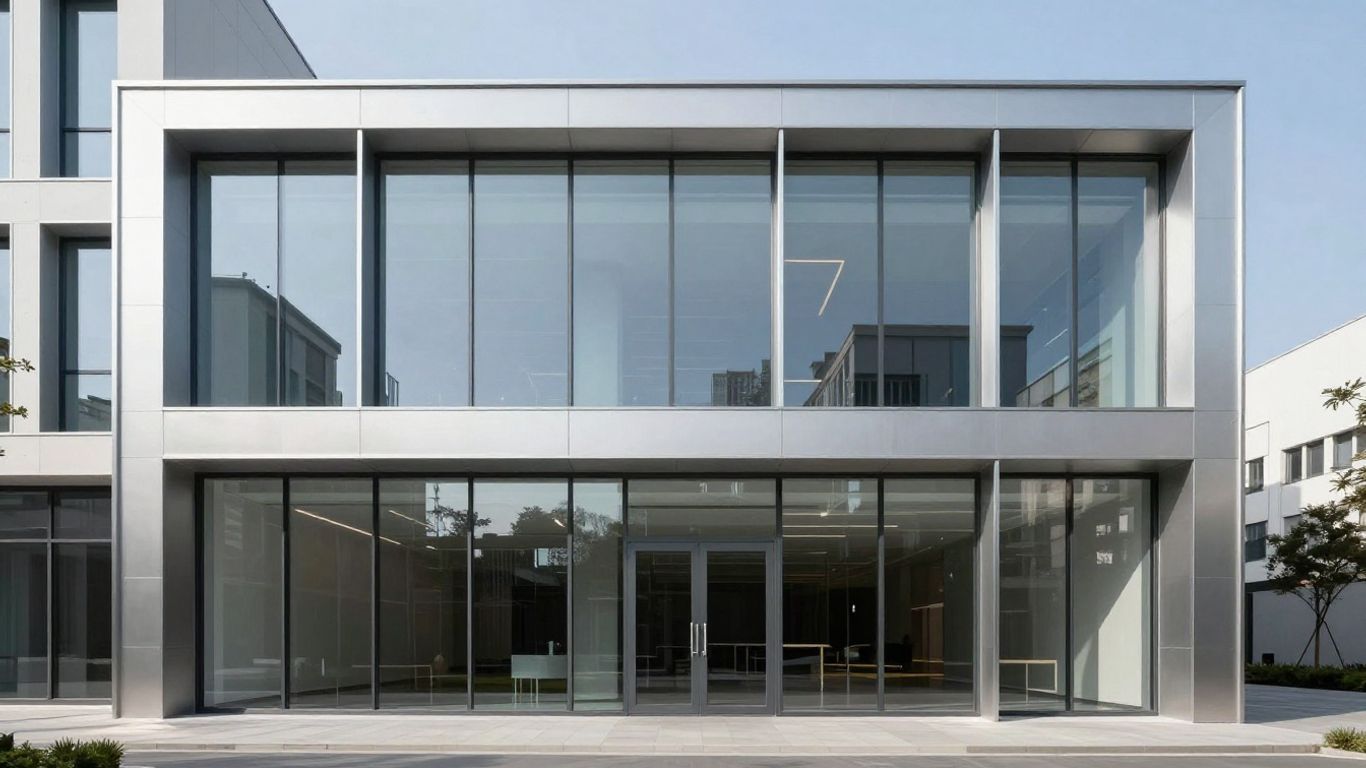
In today's fast-paced construction world, getting buildings up quickly and predictably is a big deal. That's where prefabrication and modular construction really shine. Instead of building everything on-site, which can be messy and weather-dependent, we're seeing more and more components and even whole sections of buildings made in controlled factory settings. This approach is changing the game for how we build.
Modular and Prefabricated Construction Benefits
So, what's the big deal with making parts of buildings off-site? For starters, it means better quality control. Factories have consistent conditions, so workers can focus on precision without worrying about rain or wind. This leads to fewer mistakes and a more solid final product. Plus, building in a factory means less waste. Materials are used more efficiently, and what's left over can often be recycled or reused right there. It's a much greener way to go about things.
Here are some key advantages:
- Improved Quality: Factory settings allow for tighter controls and skilled labor focused on specific tasks.
- Reduced Waste: Optimized material usage and recycling opportunities in a controlled environment.
- Faster Project Timelines: Parallel processing of site preparation and module fabrication speeds up overall delivery.
- Predictable Costs: Less exposure to on-site delays and material price fluctuations.
Streamlined Schedules and Cost Predictability
One of the most attractive aspects of prefabrication is how it helps keep projects on schedule and within budget. Because so much of the work happens off-site, it can happen at the same time as site preparation. This means you're not waiting for one step to finish before the next can even start. Think about it: while the foundation is being dug and poured, the walls and rooms for the building are already being assembled in a factory. This overlap can shave weeks, or even months, off a project's total duration. And when you have a more predictable schedule, it's much easier to predict costs too. Fewer surprises mean fewer budget overruns, which is always good news for everyone involved.
The ability to manufacture building components in a controlled factory environment significantly reduces the impact of external factors like weather, leading to more reliable project timelines and cost estimations. This predictability is a major driver for adopting these modern construction methods.
Quality Control in Off-Site Manufacturing
Quality control is a huge part of why prefabrication is gaining traction. In a factory, you have a consistent environment. This means the temperature, humidity, and lighting are all optimized for building. Workers are often specialized in their tasks, leading to a higher level of skill and attention to detail. Think of it like an assembly line for cars – each part is made to exact specifications. This level of precision is hard to achieve consistently on a busy, open construction site. The result is a building that's not only put together faster but is also built to a higher standard, with fewer defects and a longer lifespan.
Adaptive Reuse and Building Longevity
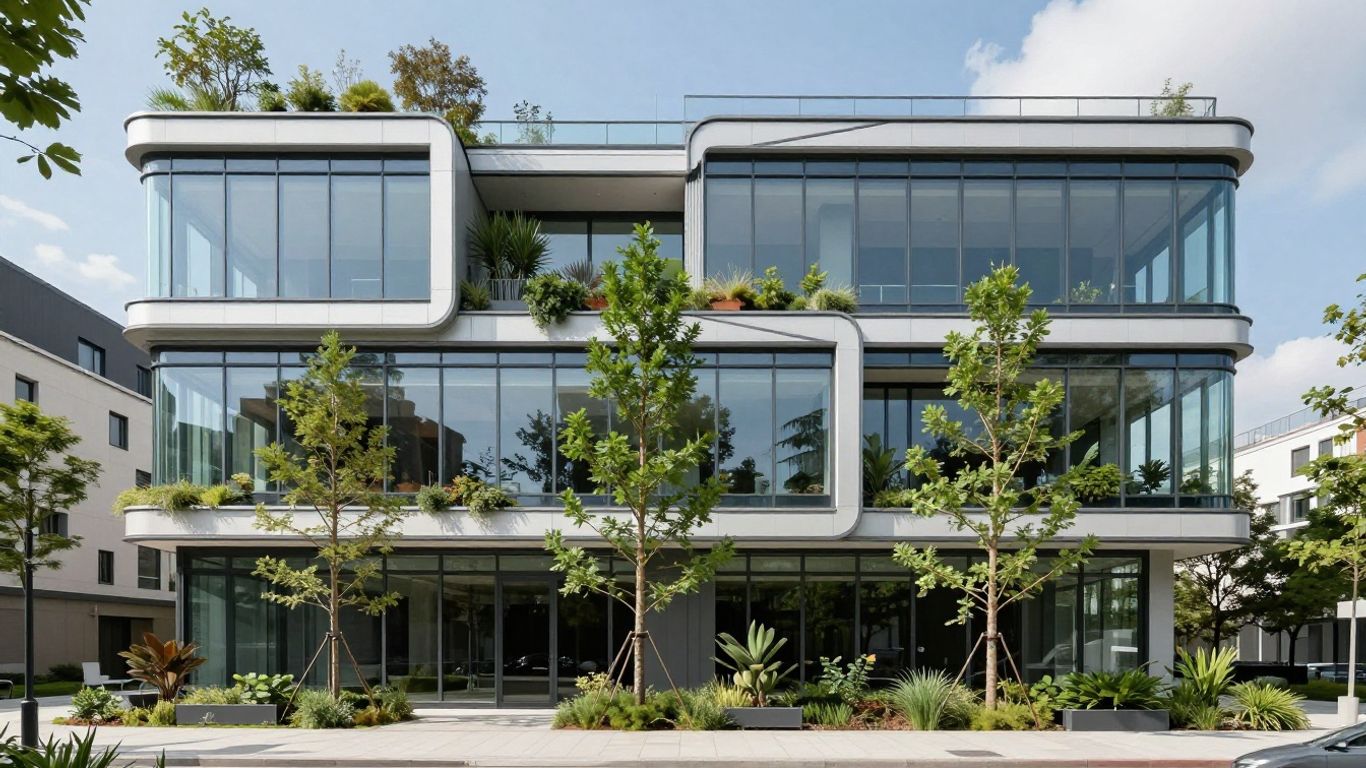
Transforming Existing Structures
It feels like everywhere you look these days, there's a push to give old buildings new life. Instead of tearing down and starting fresh, which honestly uses a ton of resources, we're seeing more and more projects that take existing structures and update them for modern use. Think old warehouses becoming cool lofts or historic theaters getting a facelift to host new kinds of performances. It's a really smart way to build because you're already working with a foundation and a lot of the original character. Plus, it often saves a good chunk of money compared to building from scratch. The trick is figuring out how to make these older spaces work for today's needs without losing what made them special in the first place.
Preserving Character and History
When we talk about adaptive reuse, a big part of the appeal is keeping the soul of the original building. It’s not just about slapping some new paint on an old wall; it’s about understanding the history and the architectural details that give a place its unique vibe. This might mean exposing old brickwork, keeping original timber beams, or restoring ornate moldings. These elements tell a story and add a warmth and depth that you just can't replicate in a brand-new build. It's about blending the past with the present in a way that feels authentic and adds a layer of richness to the space. People seem to really connect with that sense of history.
Reducing Embodied Carbon Through Reuse
This is a huge one, especially with everyone talking about sustainability. When you build something new, there's a lot of 'embodied carbon' involved – that's the carbon emitted during the manufacturing of materials, transportation, and the construction process itself. By reusing an existing building, you're skipping a massive chunk of that carbon footprint. It's like giving the planet a bit of a break. We're seeing tools now that can actually help estimate how much carbon is saved by choosing to reuse a building instead of demolishing it. It’s a pretty compelling argument for adaptive reuse, showing that it’s not just a good idea aesthetically, but also a really responsible choice environmentally.
The focus is shifting towards making spaces that can adapt over time. This means thinking about flexible layouts and materials that can be reused or recycled later on. It's about designing for the long haul, not just for today's needs. Building longevity is becoming just as important as building sustainably.
Material Innovation in Modern Building Design
Natural Materials for Sustainability and Aesthetics
There's a noticeable shift back to using natural materials in building projects, and honestly, it makes a lot of sense. Think timber, rammed earth, and stone. These aren't just about looking good, though they certainly do add a certain warmth and character that manufactured materials often lack. Choosing natural options often means a lighter environmental footprint, which is a big deal these days. It’s about creating spaces that feel more connected to the earth, offering a tactile experience that’s both grounding and beautiful. Plus, many of these materials are renewable or have a lower embodied carbon footprint compared to traditional concrete and steel. It’s a win-win for both the planet and the people who inhabit these buildings.
Warm Earthy Interiors and Tactile Textures
When we talk about interiors, the trend is leaning towards spaces that feel cozy and inviting. This means embracing earthy color palettes – think soft browns, muted greens, and warm terracotta tones. It’s not just about the colors, though. Texture plays a huge role. We're seeing a lot more natural wood finishes, exposed stone, and even plaster walls that have a subtle, handmade feel. These elements add depth and interest, making a space feel more lived-in and comfortable. It’s about creating a sensory experience, where touching a rough-hewn wooden beam or a smooth, cool stone surface adds to the overall atmosphere. This approach to interior design really focuses on creating a sense of calm and well-being.
Feel-Good Style Driven by Emotion
Ultimately, modern building design in 2026 is increasingly about how a space makes you feel. It's less about following strict trends and more about creating environments that support emotional well-being. This translates into designs that are not only visually appealing but also comforting and inspiring. Natural light, connection to the outdoors, and the use of materials that evoke a sense of peace and security are all part of this. It’s about designing spaces that feel like a sanctuary, a place where people can truly relax and recharge. This emotional connection to our surroundings is becoming a primary driver in architectural choices, moving beyond pure functionality to consider the human experience at its core. It’s a thoughtful approach that prioritizes comfort and personal connection, making buildings feel more like homes and less like just structures. This focus on occupant well-being is a key element in modern hotel design and residential projects alike.
Building Information Modeling (BIM) Integration
Enhanced Collaboration Through BIM
Building Information Modeling, or BIM, is really changing how we design and build things. It’s not just about making 3D models anymore; it’s about creating a shared digital space where everyone on the project can work together. Think of it like a central hub for all the project’s information. This means architects, engineers, contractors, and even clients can all see the same up-to-date model. This makes talking about ideas and spotting potential problems way easier and much earlier in the process. It’s a big shift from the old days of passing around flat drawings.
BIM is shifting basic documentation to a highly collaborative platform. You can now plug your ideas directly into digital models shared by the entire team. This means faster collaboration, more accurate visualizations, and proactive problem-solving before construction even starts.
- Open Standards: Using formats like IFC allows different software programs to talk to each other, so no one is stuck with incompatible files.
- Real-time Updates: Changes made by one person are visible to everyone else instantly.
- Reduced Misunderstandings: A shared visual model cuts down on confusion and errors.
Optimizing Accuracy and Visualization
BIM takes accuracy to a whole new level. Because the models are so detailed, they include not just the geometry of the building but also information about materials, costs, and even how things will perform. This level of detail helps catch clashes between different building systems – like where a pipe might run right through a beam – before construction even begins. This saves a ton of time and money down the road. Plus, the 3D visualization is incredible. It’s so much easier for clients to understand what a building will look like and how it will function when they can see it in a realistic 3D model, rather than just flat blueprints.
BIM's Return on Investment
So, is all this technology worth it? For many firms, the answer is a resounding yes. Studies show that a good chunk of architecture, engineering, and construction (AEC) professionals are already using BIM, and most of them say it’s giving them a great return on their investment. This comes from fewer mistakes on site, better project planning, and more efficient workflows overall. It might seem like a big upfront cost to get started with BIM software and training, but the long-term savings and improvements in project delivery usually make it a smart business move.
- Reduced Rework: Catching errors early means less costly fixes during construction.
- Improved Scheduling: Better planning leads to more predictable timelines.
- Cost Predictability: Detailed models help in more accurate budgeting.
- Client Satisfaction: Clearer visualizations lead to happier clients who understand the project better.
Wrapping It Up
So, as we wrap up our look at what's hot in building design for 2026, it's pretty clear things are moving fast. We're seeing a big push towards buildings that are good for the planet, like those net-zero spots, and using tech like AI and VR to make designing and building smoother. Plus, bringing nature inside with biophilic design and making spaces work for everyone, no matter their age, are huge. It's all about creating places that are not just functional but also feel good and last a long time. It's an exciting time to see how these ideas come to life in the buildings around us.
Frequently Asked Questions
What does 'Net Zero Buildings' mean for new homes?
Net zero buildings are designed to create as much energy as they use. This means they are super energy-efficient and often use things like solar panels to make their own power. It's a big step towards helping the planet and can save money on energy bills over time.
How does 'Biophilic Design' make buildings better?
Biophilic design is all about bringing nature into buildings. Think lots of plants, natural light, and materials that feel like they came from the earth. This helps people feel more relaxed and happier, kind of like being outdoors.
What's the deal with 'AI' in building design?
AI, or Artificial Intelligence, is like a super-smart assistant for architects. It can help them come up with many design ideas really fast, check building rules, and even create cool pictures of what the building will look like. This helps architects focus more on being creative.
How does 'Digital Scanning' help build things?
Digital scanning uses special cameras to create a 3D copy of an existing space. This is super helpful because it means builders don't have to measure things over and over, which makes fewer mistakes and saves a lot of time. It's like having a perfect digital blueprint.
What are the benefits of 'Prefabrication' in building?
Prefabrication means making parts of a building, or even whole rooms, in a factory before bringing them to the building site. This makes building faster, often cheaper, and usually means the parts are made with really good quality because it's all done in a controlled place.
Why is 'Adaptive Reuse' important for buildings?
Adaptive reuse is when old buildings are changed to be used for something new. Instead of tearing them down, people fix them up. This saves resources, keeps the history of a place alive, and is much better for the environment because you're not using new materials to build from scratch.