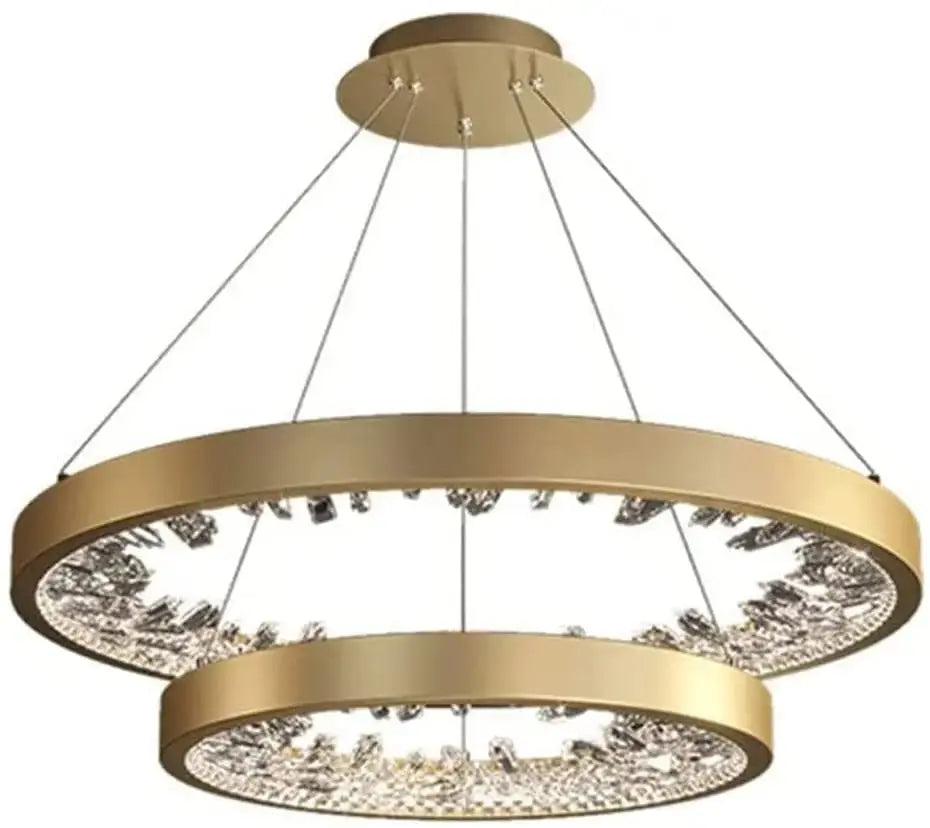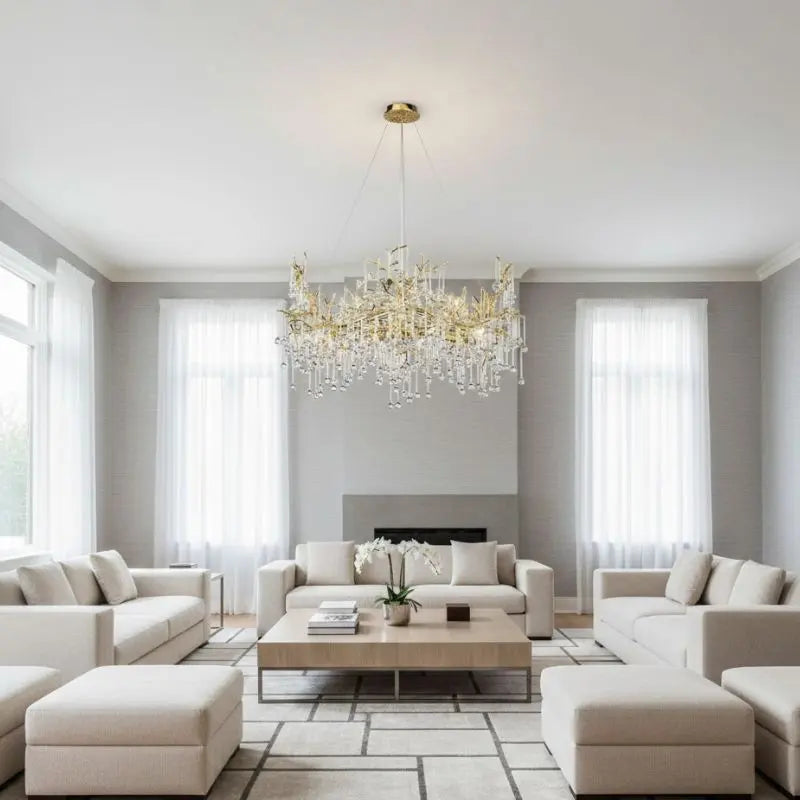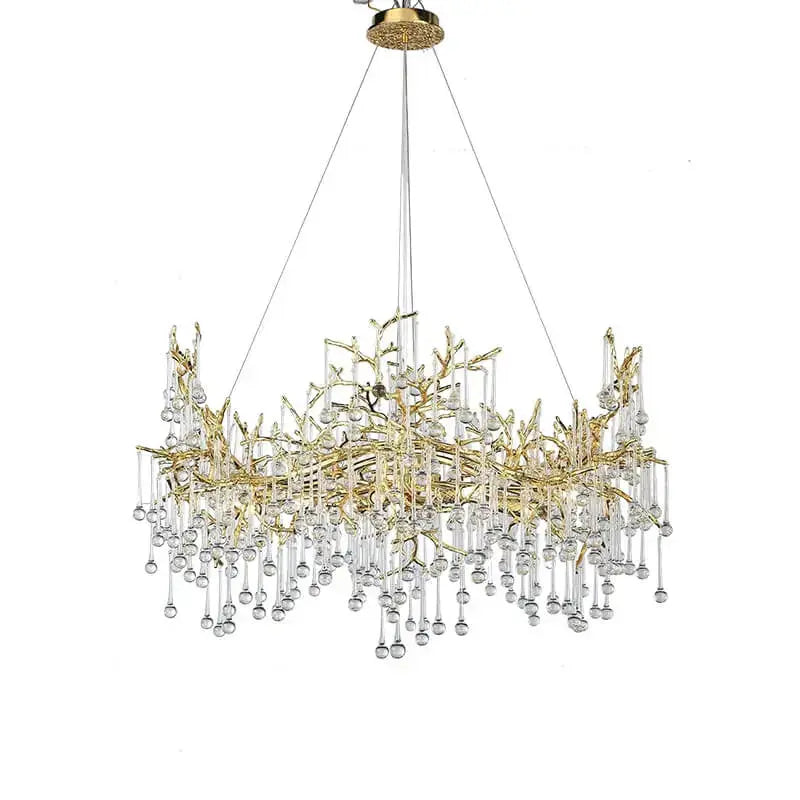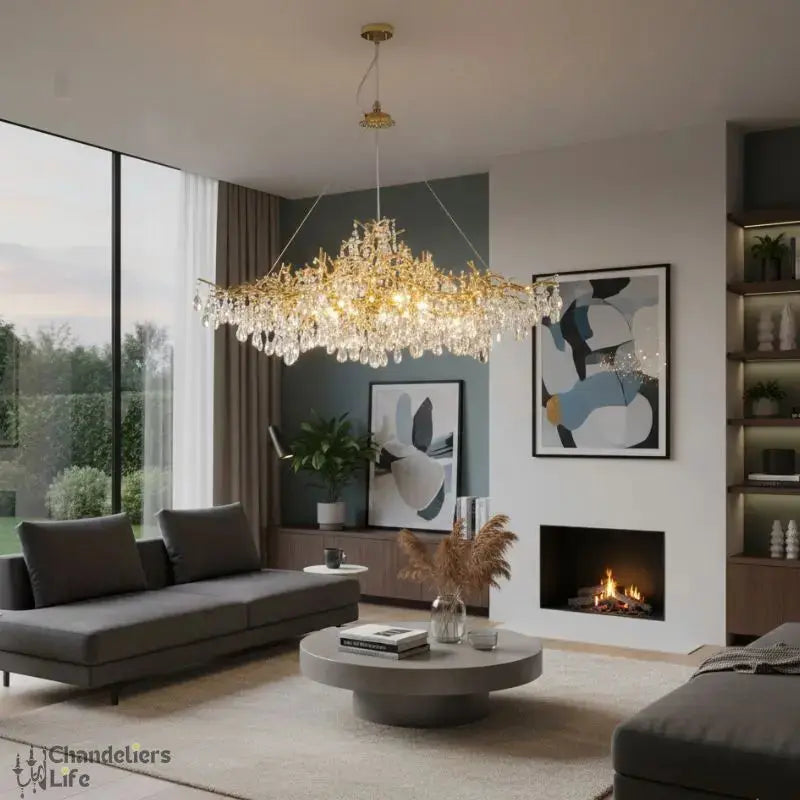

Lighting a room with low ceilings can be a real challenge. You want it to feel open and bright, but every inch of headroom counts. Sometimes, the wrong light fixture just makes the room feel even smaller, or worse, you bump your head every time you walk by. There’s a lot of advice out there about what works best, but not every tip fits every space. In this article, I’ll walk through different light fixtures for low ceilings, what to watch out for, and some tricks that might make your rooms feel bigger and brighter—without turning your ceiling into a cluttered mess.
Key Takeaways
- Flush mount and recessed lights are usually the safest bets for low ceilings, but they can look plain if you’re not careful.
- Layering different types of light—like wall sconces, accent lights, and floor lamps—helps keep the room bright without crowding the ceiling.
- Compact pendants and smaller chandeliers can work, just make sure they’re hung in spots where people won’t bump into them.
- Always measure your ceiling height before buying a fixture, and double-check how much it hangs down to avoid surprises.
- Don’t forget about color temperature and dimmers—cooler light can make a room feel bigger, and dimmers let you control the mood.
Choosing the Right Light Fixtures for Low Ceilings
Lighting a room with a low ceiling can feel like a puzzle. You want enough light, but you definitely don't want to feel like you're going to bump your head on the fixture every time you walk by. It's all about finding that sweet spot between illumination and headroom. The wrong choice can make a space feel even smaller, but the right one can actually make it feel a bit more open. It’s not just about picking something that fits; it’s about picking something that works for the space.
Understanding the Challenges of Low Ceilings
Low ceilings present a unique challenge: they can make a room feel cramped and less airy. Traditional hanging fixtures, like standard pendants or bulky chandeliers, often eat up precious vertical space, making the room feel even more confined. The goal is to bring light into the room without drawing attention to the ceiling height itself. This means we need to be smart about the types of fixtures we select and how we place them. The biggest hurdle is balancing adequate lighting with the need to maintain a sense of openness.
Key Considerations for Low-Ceiling Lighting
When you're dealing with lower ceilings, a few things really matter. First off, the fixture's profile is huge. You want things that sit close to the ceiling or are designed to direct light upwards. Think about the overall size too; a massive fixture in a small room is just asking for trouble. And don't forget about the light spread – you want even illumination, not just a spotlight in the middle of the room. Here’s a quick rundown:
- Profile: How close does it sit to the ceiling? Lower is generally better.
- Size: Does the fixture's diameter or length overwhelm the room?
- Light Direction: Does it cast light down, up, or all around?
- Style: Does it blend with your decor or stick out like a sore thumb?
Planning your lighting layout before you buy anything is a smart move. Sketching out your room and marking where you'll need light for reading, working, or just walking around can prevent costly mistakes and ensure you don't end up with dark corners.
The Role of Fixture Type in Maximizing Space
The type of light fixture you choose plays a massive role in how spacious a room feels. Some fixtures are designed specifically to hug the ceiling, like flush mount lights, which offer a clean look and don't take up any headroom. Others, like recessed lighting, practically disappear into the ceiling, providing light without any visual bulk. Even track lighting, which can be mounted close to the ceiling, offers flexibility without sacrificing that all-important vertical space. The trick is to select fixtures that either blend in or cleverly direct light in a way that opens up the room visually.
| Fixture Type | Height Off Ceiling | Best Rooms |
|---|---|---|
| Flush Mount | 0-6 inches | Bedrooms, halls |
| Semi-Flush Mount | 6-12 inches | Living, entry |
| Recessed | 0 inches | Any |
| Track/Linear | 2-6 inches | Kitchen, office |
Sleek and Space-Saving Fixture Options
When you've got low ceilings, the last thing you want is a light fixture that makes the room feel even smaller or, worse, becomes a head-bumping hazard. The good news is, there are plenty of stylish ways to light up your space without sacrificing precious headroom. It’s all about choosing the right type of fixture that works with, not against, your room's architecture.
Flush Mount Ceiling Lights: The Go-To Solution
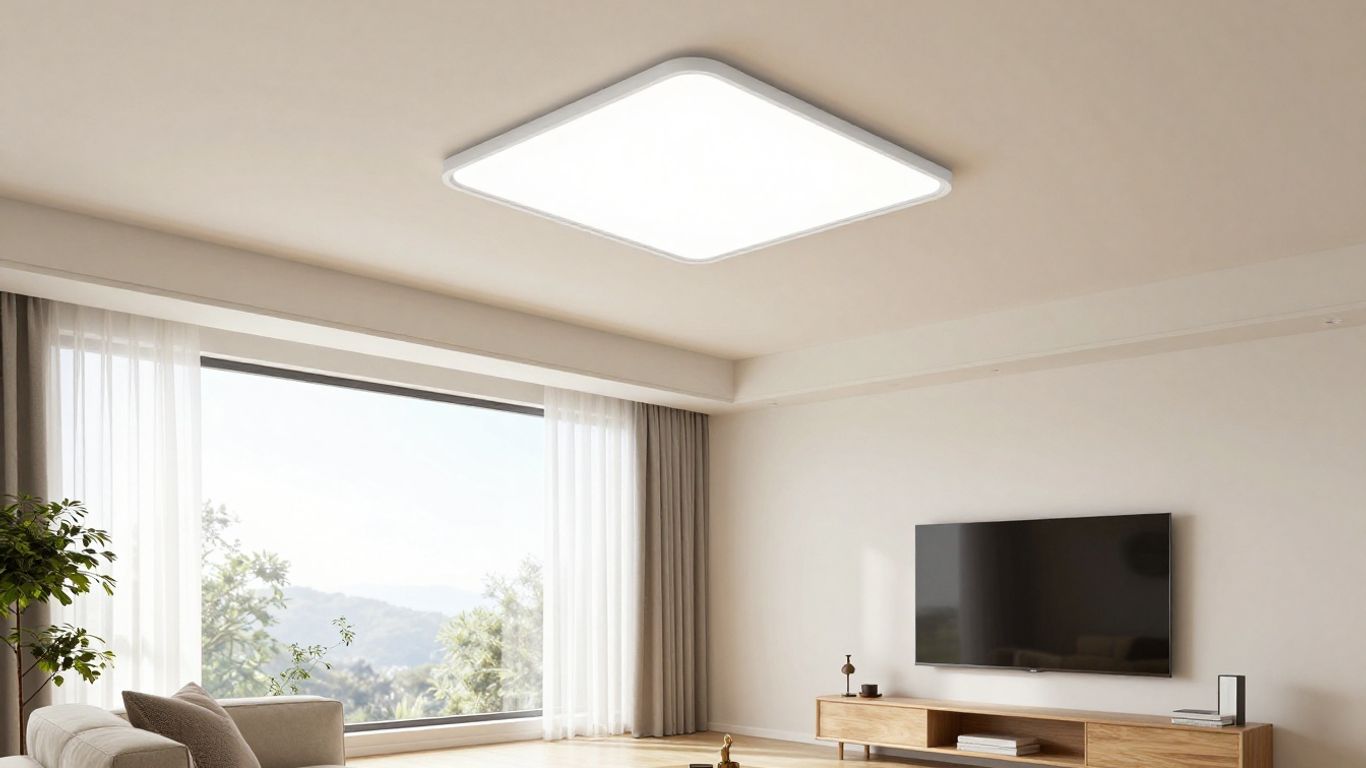
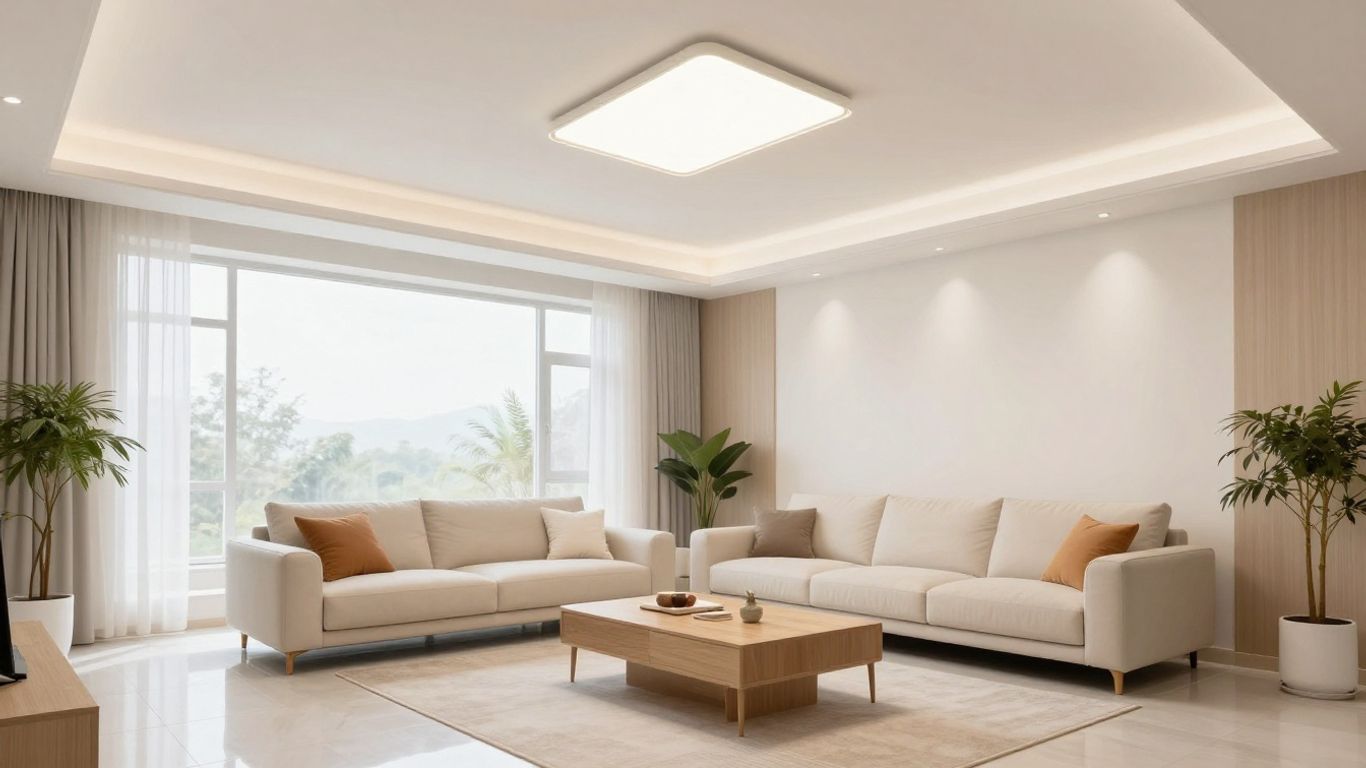
These are probably the most common recommendation for rooms with limited ceiling height, and for good reason. Flush mount lights sit directly against the ceiling, meaning they don't hang down at all. This maximizes your vertical space, making the room feel more open. They're great for general ambient lighting and work well in hallways, bedrooms, or kitchens. Look for designs with a wide, shallow profile and perhaps a frosted glass cover to diffuse the light evenly. While some might find them a bit basic, a well-chosen flush mount can be quite elegant and unobtrusive.
- Pros: Maximizes headroom, provides even light distribution, generally budget-friendly.
- Cons: Can sometimes lack visual interest, might not be suitable for very large rooms needing multiple light sources.
Recessed Lighting: An Unobtrusive Choice
Recessed lights, often called can lights, are installed directly into the ceiling itself. They are completely flush, offering a clean, minimalist look that doesn't take up any visual or physical space. This makes them fantastic for creating a sleek, modern feel. You can use them to provide general illumination throughout a room or strategically place them to highlight specific areas. Planning the layout is key here, though, to avoid dark spots. They're a popular choice for kitchens and living areas where a streamlined look is desired.
Recessed lighting is like the ninja of home illumination – it's there, doing its job, but you barely notice it. This is exactly what you want when you're trying to make a room feel bigger.
Track Lighting: Flexible Illumination
Track lighting offers a different kind of flexibility. Instead of a single fixture, you have a track mounted to the ceiling with several adjustable lights attached. This means you can direct the light exactly where you need it, whether it's over a workspace, a reading nook, or a piece of art. They can be mounted a few inches from the ceiling, so they don't hang too low. While sometimes seen as more utilitarian, modern track lighting designs can be quite stylish and are a great option for kitchens or home offices where task lighting is important. You can find low ceiling lamp options that incorporate track systems for added versatility. The ability to reposition the lights makes them a practical choice for rooms that serve multiple functions.
Adding Style Without Sacrificing Headroom
Okay, so we've talked about the basics, but what about making your low-ceilinged space actually look good? It's totally possible to have a stylish room without feeling like you're going to bump your head every time you stand up. You just need to be a little clever about your choices.
Semi-Flush Mounts: A Stylish Compromise
These are kind of the middle ground between a flush mount and something that hangs way down. Semi-flush fixtures sit a few inches off the ceiling, giving you a bit more visual interest than a plain flush mount, but without taking up a ton of space. Think of them as a stylish compromise. They can add a nice decorative touch, maybe with a cool shade or some interesting hardware, without making the room feel cramped. Just keep an eye on the total drop – anything over about 12 inches might start to feel a bit much in a room with a really low ceiling.
- Look for designs with a low profile. Slimmer shades and minimal decorative elements work best.
- Consider the scale. A huge semi-flush mount will overwhelm a small room, no matter the ceiling height.
- Placement matters. Centering it is usually safe, but sometimes off-center can create a more dynamic look.
Wall Sconces: Layering Light Effectively
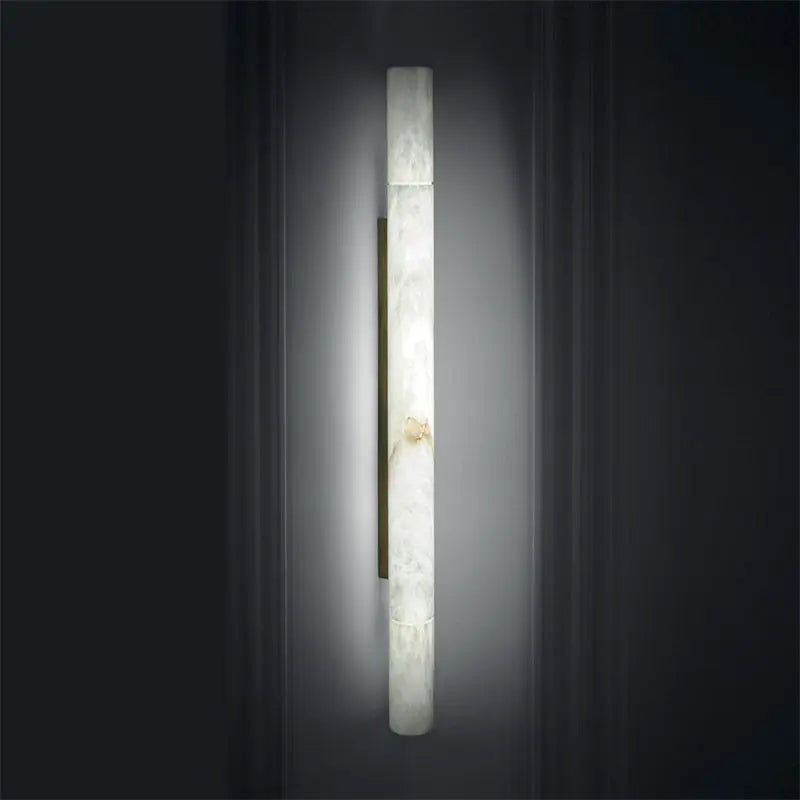
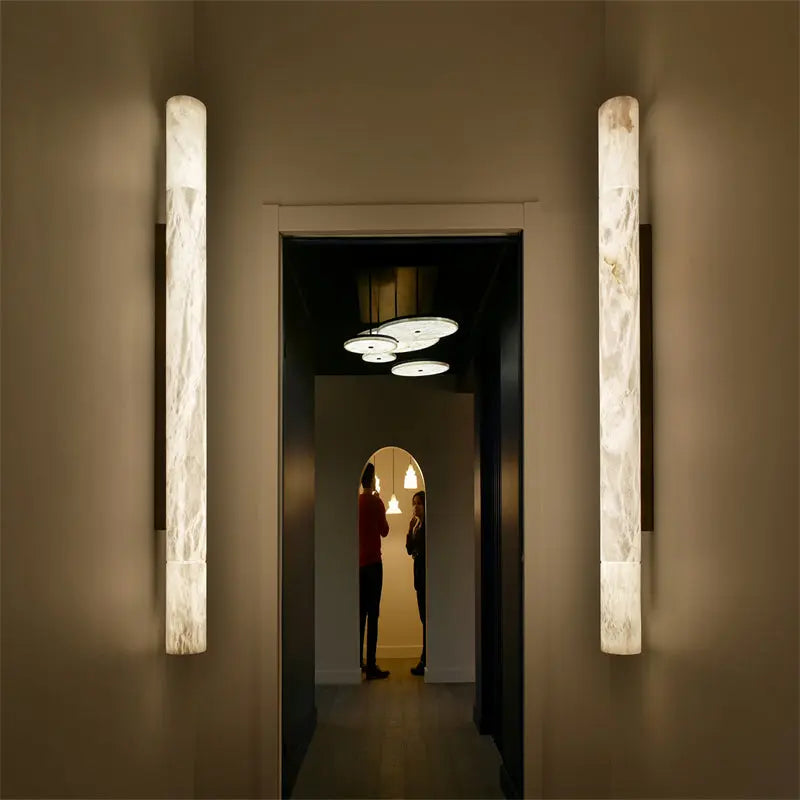
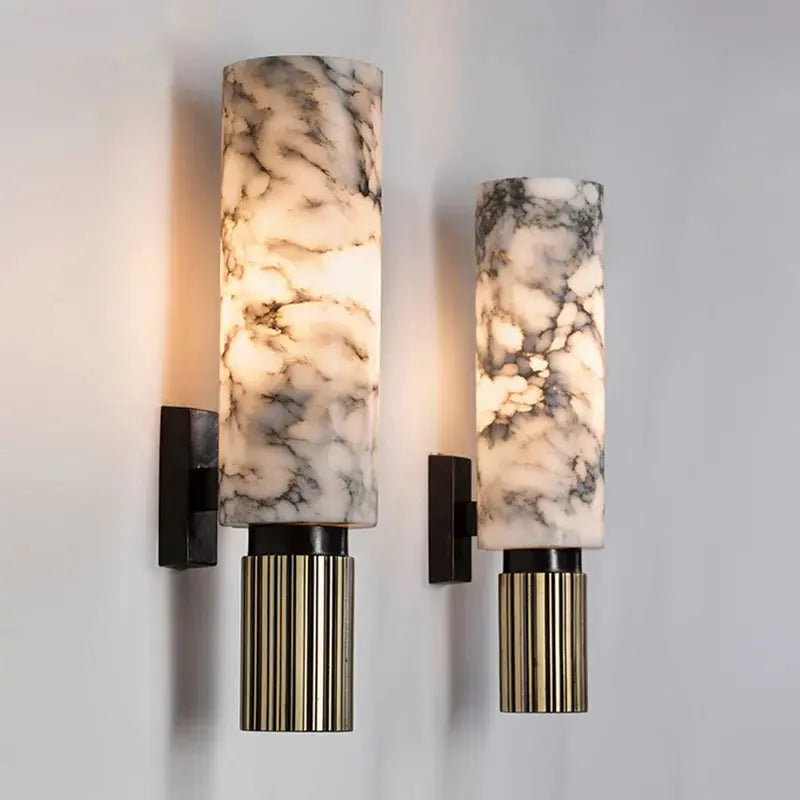
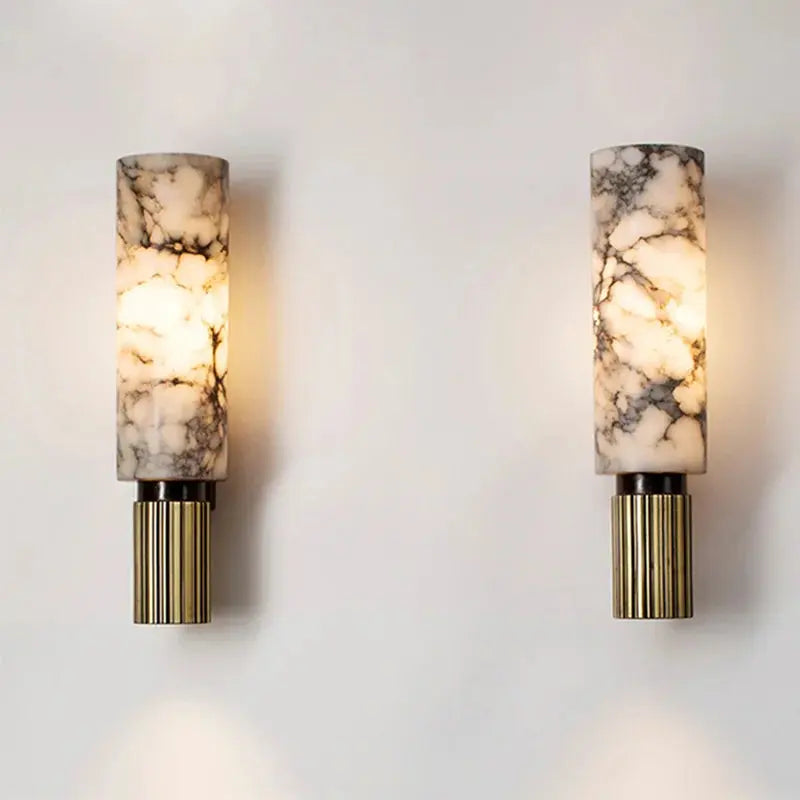
Wall sconces are fantastic because they completely bypass the ceiling issue. They add light at eye level, which can make a room feel more open and inviting. Plus, they're great for highlighting artwork or creating a cozy reading nook. You can use them to add ambient light or even task lighting in specific areas. They're a super effective way to layer your lighting without eating into your headroom. Wiring can sometimes be a bit of a project, especially if you don't have existing fixtures, but the payoff in style and light distribution is often worth it. You can find some really neat designs that add a lot of personality to a room.
Accent Lighting: Highlighting Features
Accent lighting is all about drawing attention to specific things you love in your room – maybe a cool piece of art, a textured wall, or some built-in shelves. You can use small, discreet fixtures, like tiny spotlights or LED strips tucked away, to cast light exactly where you want it. This not only makes your room more interesting but also helps to create a sense of depth. By drawing the eye to features, you can subtly make the ceiling feel less dominant. It's a smart way to add personality and visual interest without adding bulk to your lighting plan. Think about using these to highlight vertical elements, which can help make the room feel taller than it is. For example, small uplights placed at the base of a bookshelf can draw the eye upwards. Adding accent lights can really change the feel of a space.
Using accent lighting strategically can make a big difference. It's not just about brightness; it's about directing attention and creating visual interest. This can trick the eye into perceiving more height and depth in a room, making it feel more spacious and less confined by its low ceiling.
Strategic Use of Pendants and Chandeliers
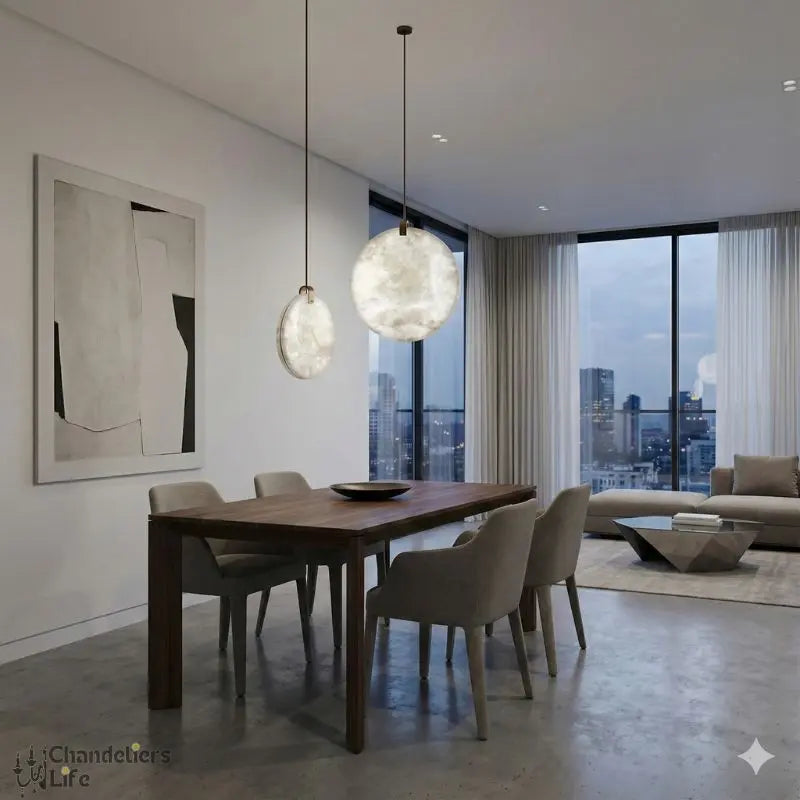
Pendants and chandeliers might seem like they're off the table when you've got low ceilings, but that's not always the case. You just have to be smart about it. The key is to pick fixtures that are compact and don't hang too low. Think of them as adding a bit of sparkle or focused light without taking up precious headroom.
Compact Pendants for Focused Light
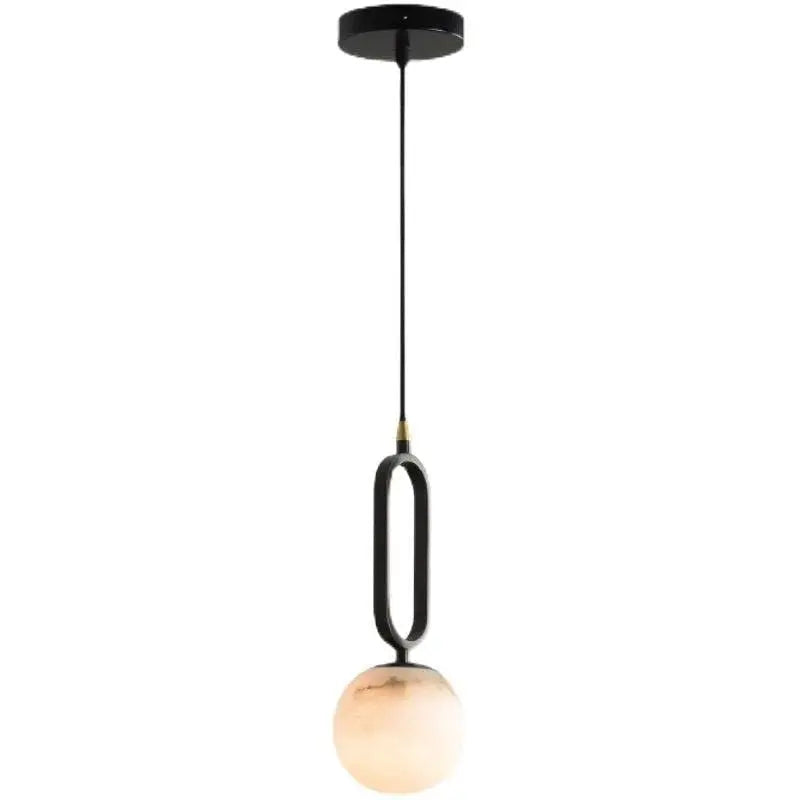
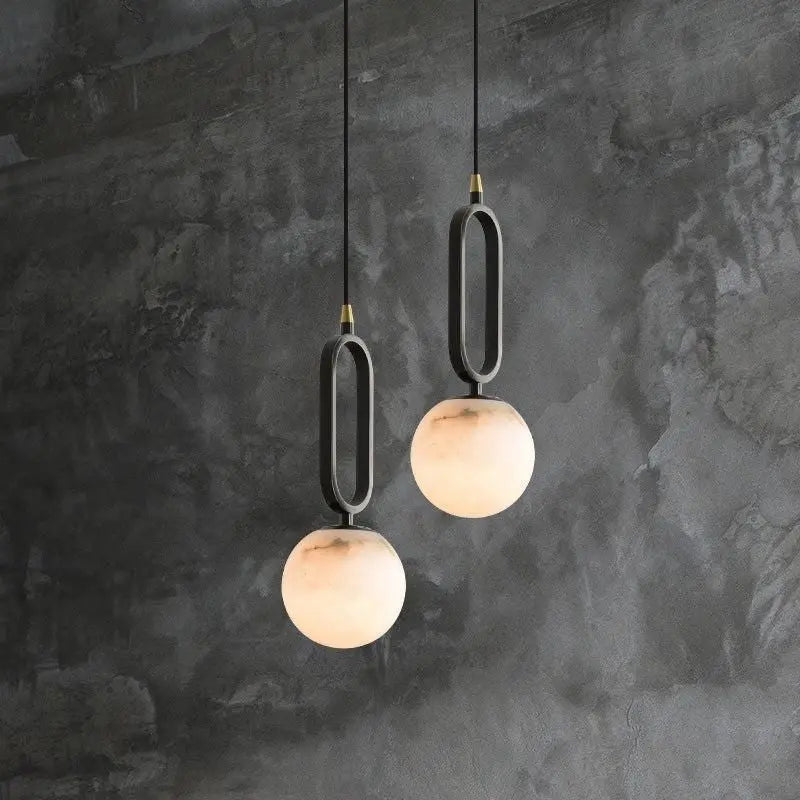
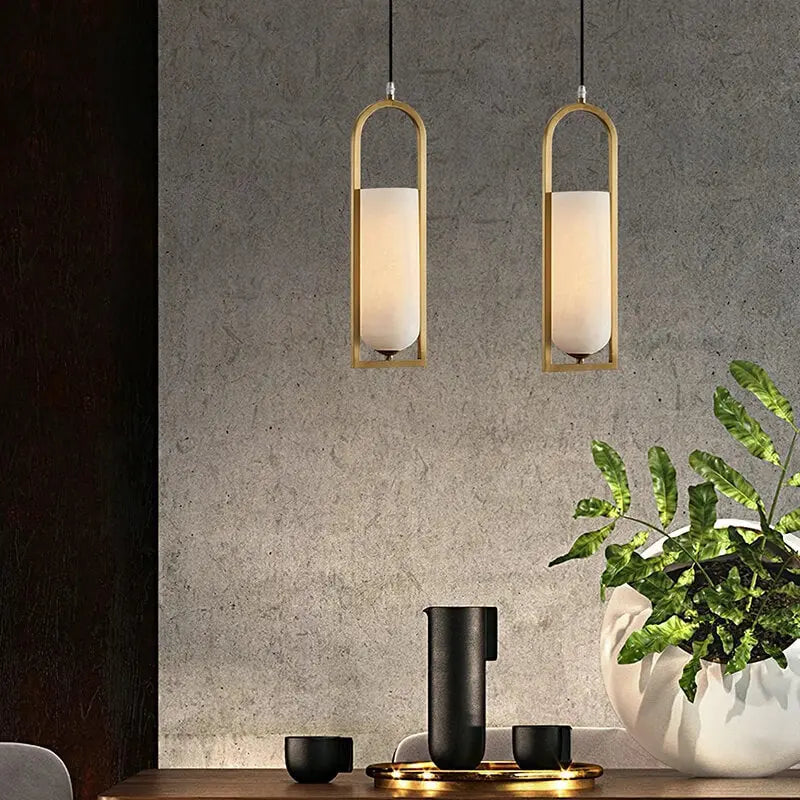
When you're looking at pendant lights for a room with a lower ceiling, the goal is to keep things streamlined. You don't want anything too bulky or with a long chain that hangs way down. Instead, opt for pendants with clean lines and a shorter drop. These are great for hanging over specific spots, like a kitchen island, a small dining nook, or even a bedside table. They provide targeted light right where you need it, and because they're focused, they don't feel like they're overwhelming the space. It's all about creating little pockets of light that are useful and stylish.
Petite Chandeliers for Sparkle
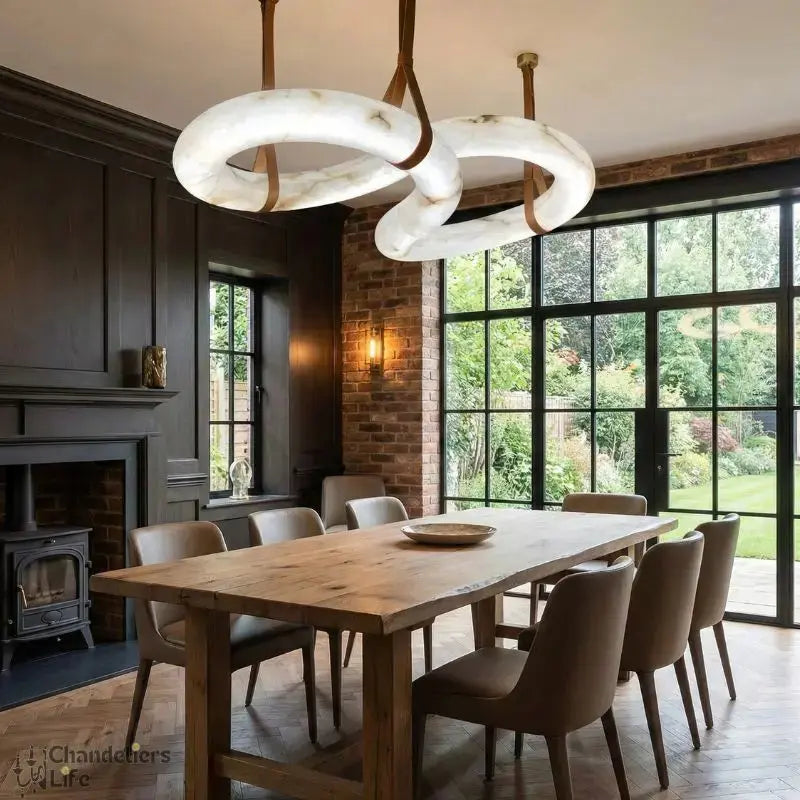
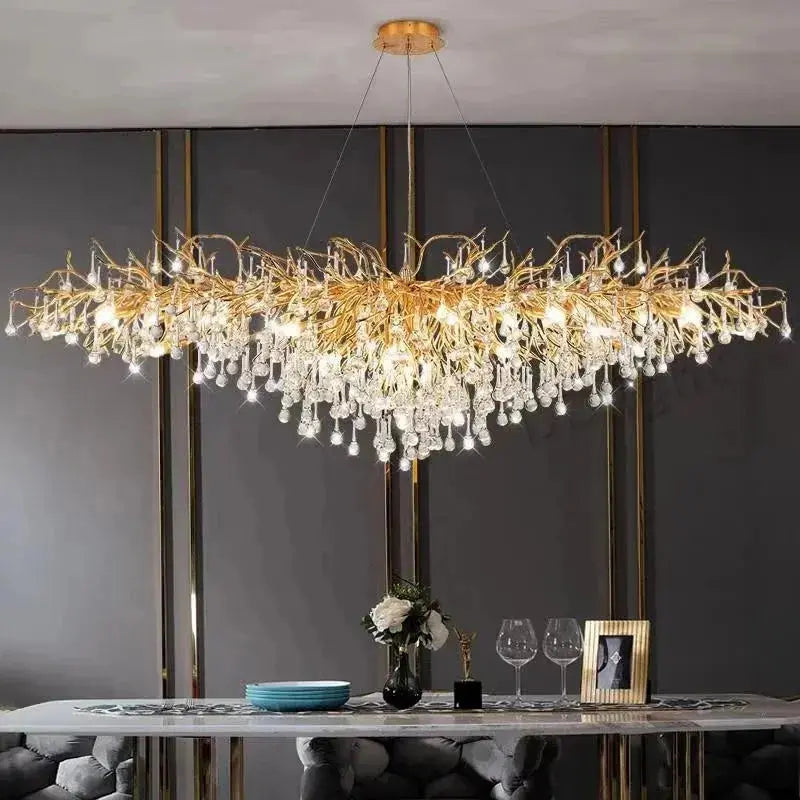
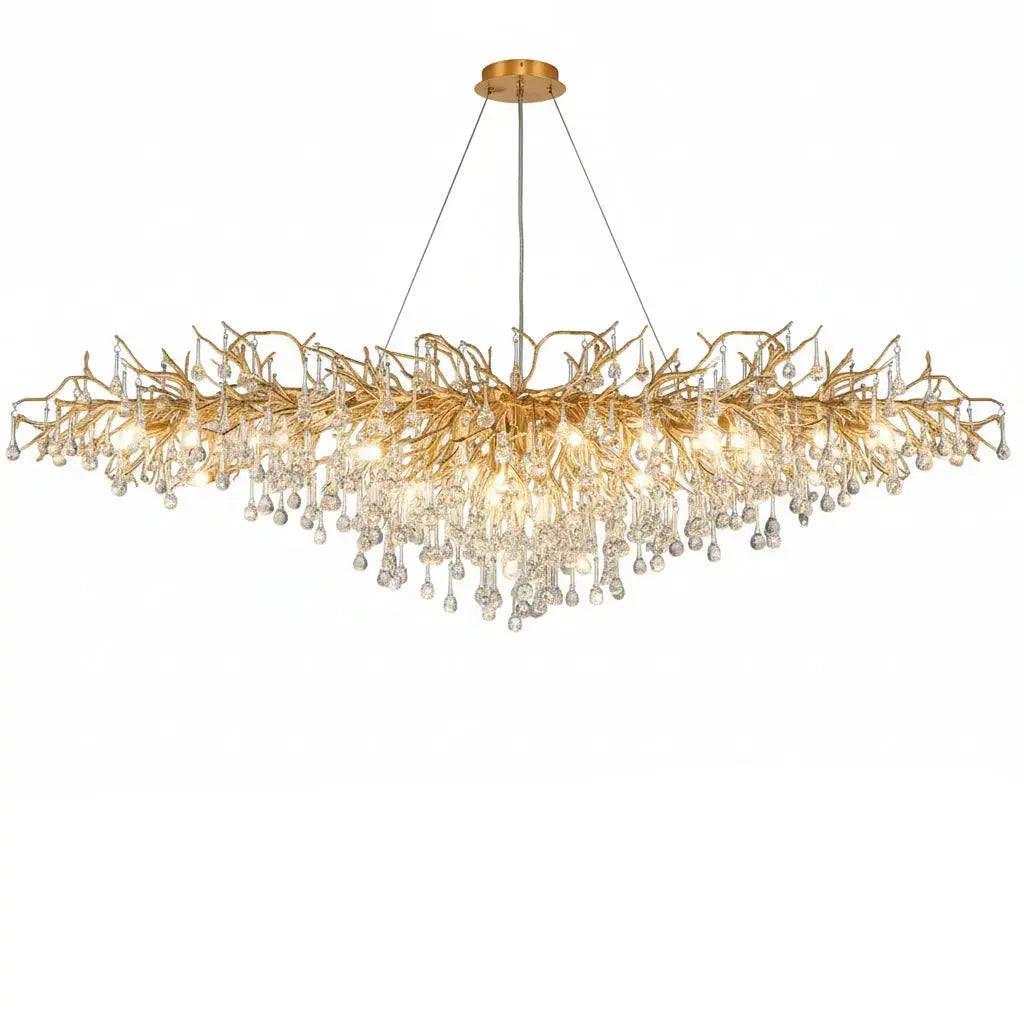
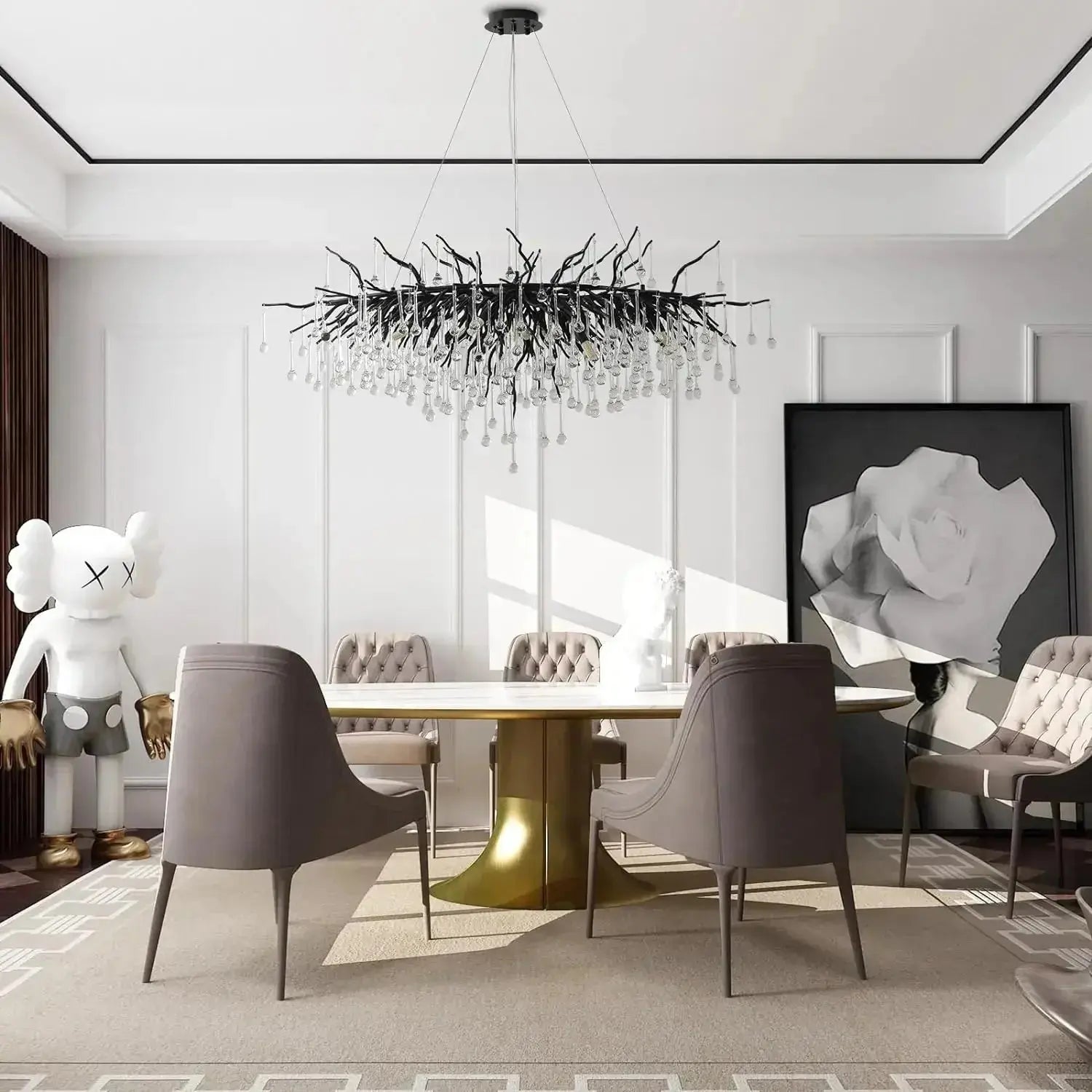
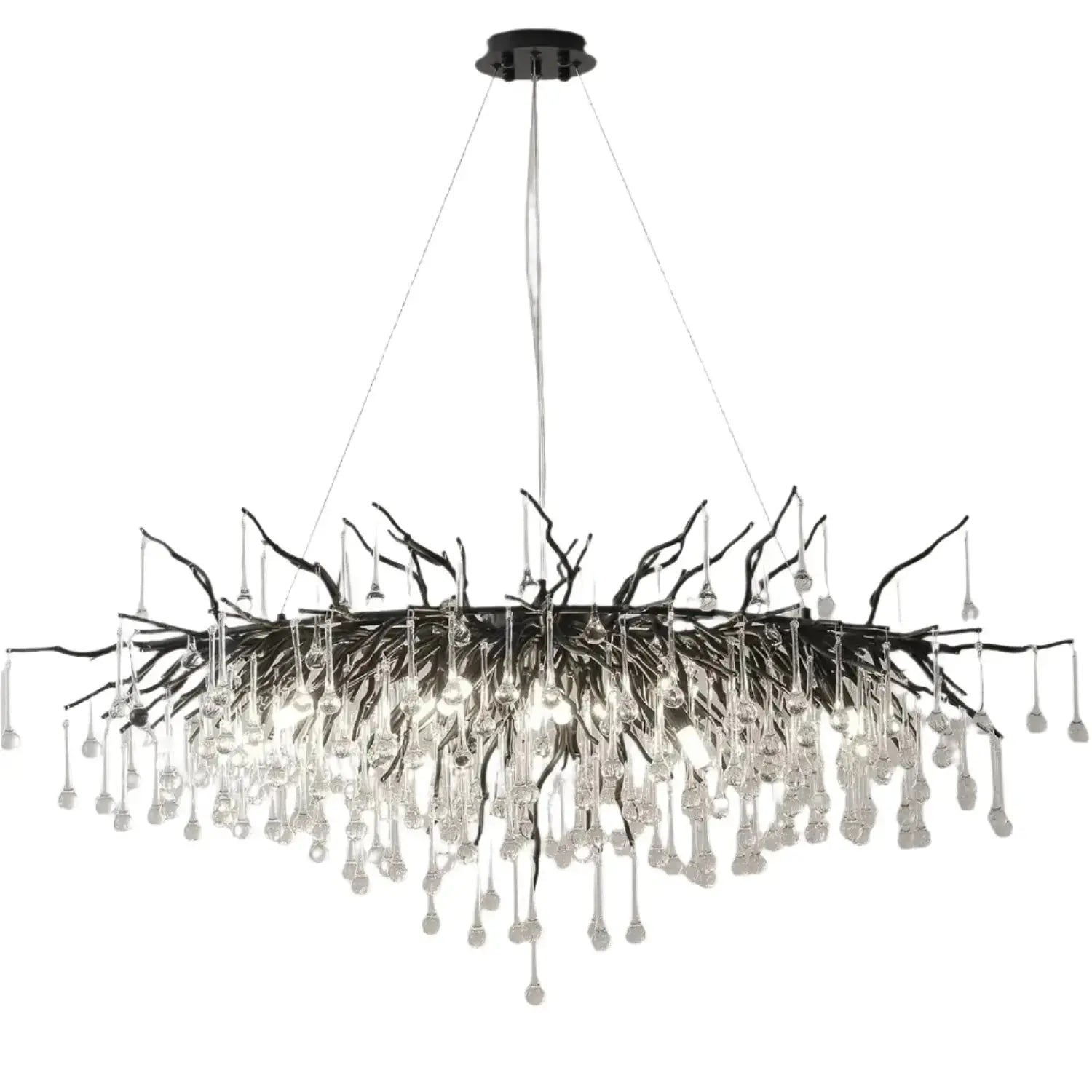
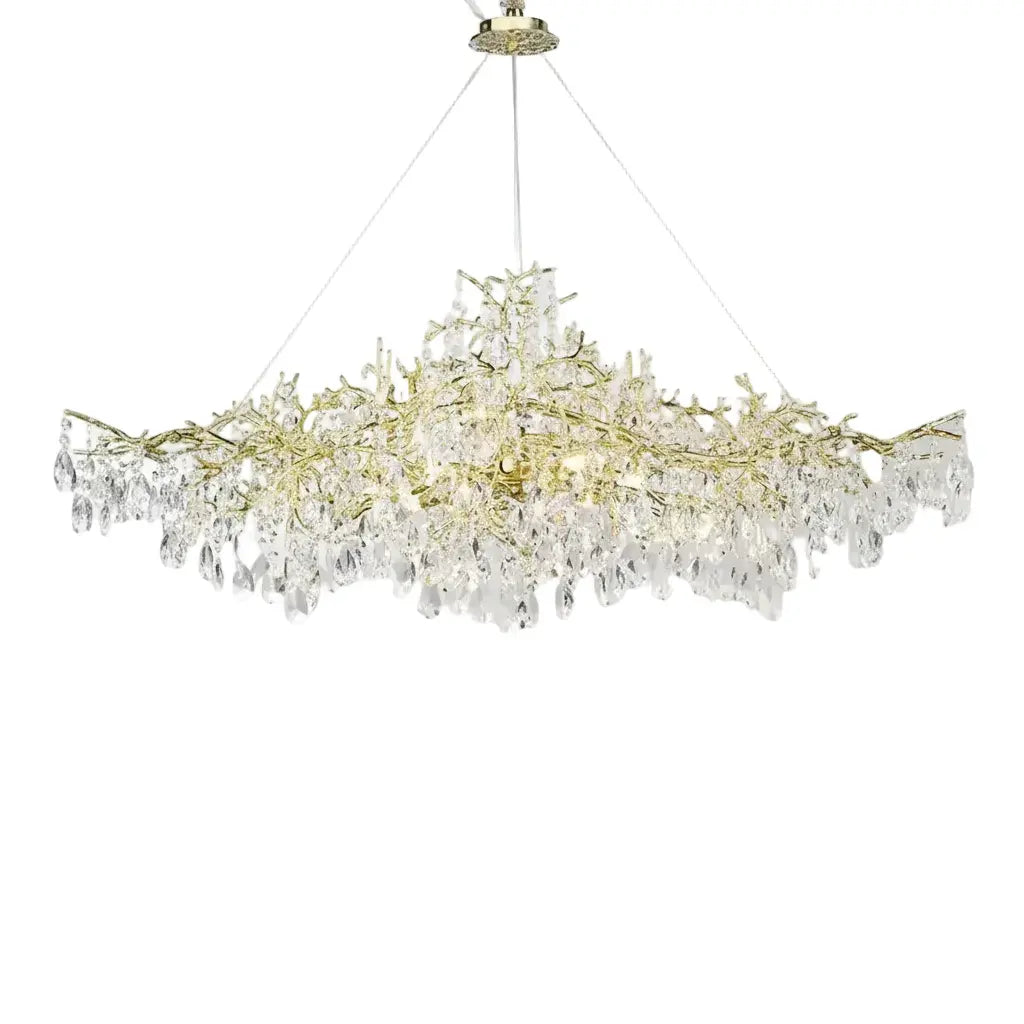
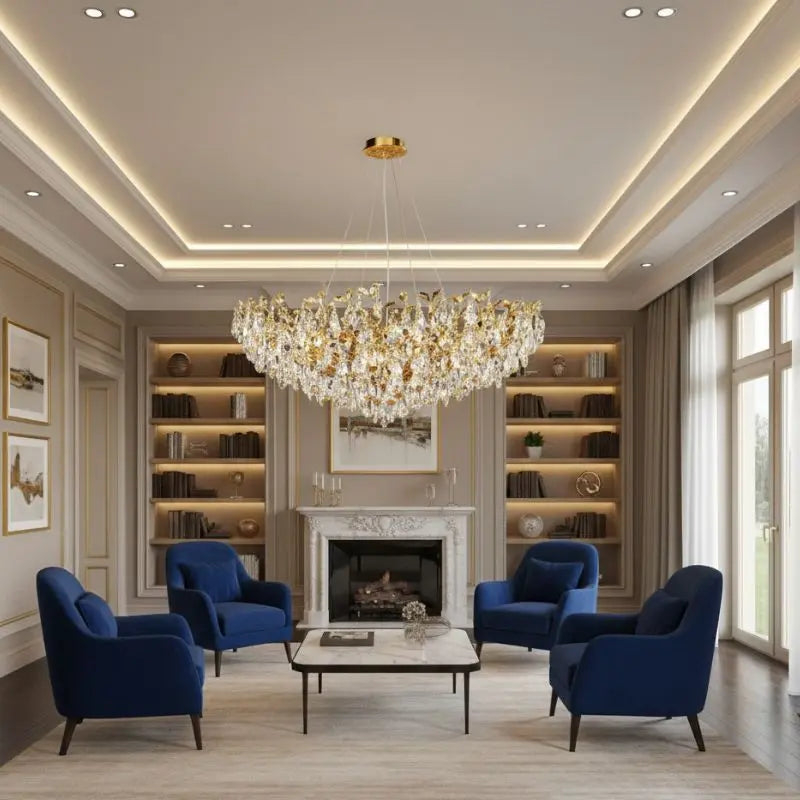
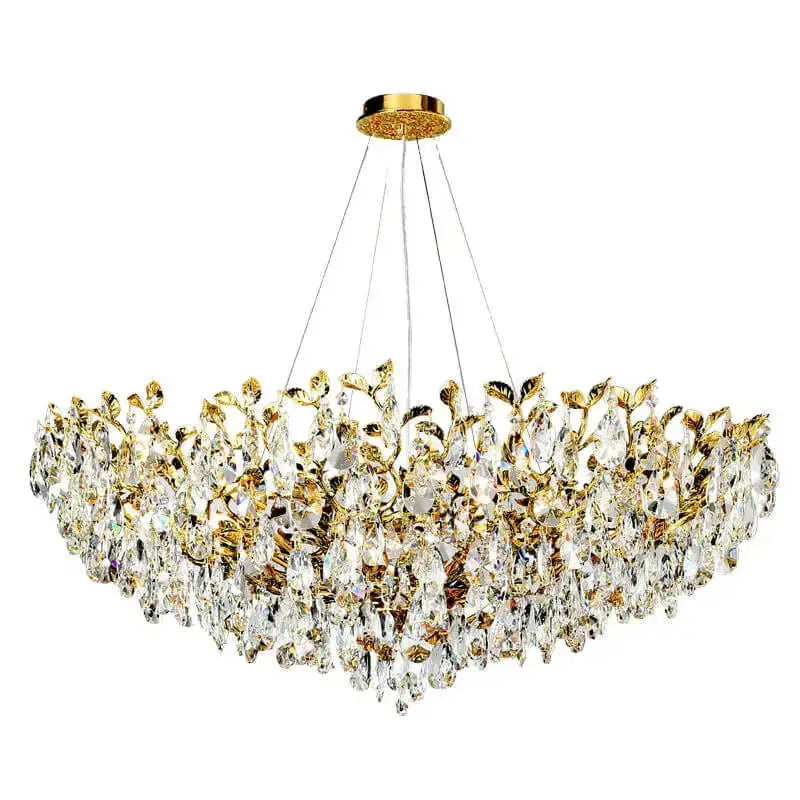
Who says you can't have a chandelier with low ceilings? You absolutely can, but you'll want to go for a petite or semi-flush mount style. These smaller versions still offer that lovely shimmer and can act as a beautiful focal point. Look for designs that are more streamlined, perhaps with crystals or a metallic finish that bounces light around the room. A fixture like the 2024 Luxury Dining Table Chandelier can add a touch of elegance without feeling too heavy or imposing. The trick is to ensure the bottom of the fixture hangs at least 7 feet from the floor, especially in busy areas, to keep things safe and comfortable for everyone. This clearance is super important for preventing bumps and making sure people can move around freely.
Placement is Key for Pendants and Chandeliers
Even with the right fixture, where you put it makes a huge difference. For pendants and chandeliers in rooms with lower ceilings, placement is everything. Avoid hanging them right in the middle of the room where people walk. Instead, position them over functional areas like dining tables, kitchen islands, or even a reading chair. This way, the light is serving a purpose and isn't just hanging in the way. Always measure carefully to ensure there's enough clearance – a good rule of thumb is to keep at least 7 feet of space between the floor and the bottom of the fixture, particularly in high-traffic zones. This attention to detail makes a big difference in how the space feels and functions.
When selecting lamps for rooms with low ceilings, prioritize options that maintain at least 7 feet of clearance from the floor. This ensures adequate headroom, especially in areas with frequent foot traffic. Selecting the right lighting can effectively brighten your space without compromising on safety or comfort.
Here's a quick rundown of where to consider placing these types of fixtures:
- Over Dining Tables: Hang them so they're about 30-36 inches above the tabletop. This creates a nice, intimate dining atmosphere.
- Kitchen Islands: Similar to dining tables, placing them over the island provides task lighting and defines the space.
- Bedside Tables: A small pendant can replace a bulky table lamp, saving surface space and adding a decorative touch.
- Entryways (if space allows): A very slim, close-to-ceiling chandelier can make a grand statement without sacrificing headroom.
Maximizing Light and Perception of Space
Lighting does more than just make a room brighter; it completely changes how a space feels. For rooms with lower ceilings, being smart about how you use light can make a big difference in making the area feel more open and airy. It's all about using light strategically to trick the eye and make the most of what you have.
The Power of Layered Lighting
Relying on just one overhead light is usually not the best approach, especially in smaller or lower-ceilinged rooms. Mixing different types of light sources creates depth and fills in shadows, which can make a room feel larger. Think about combining a main fixture, like a flush mount, with wall sconces and a floor lamp. This layered effect adds character and can make every corner feel more intentional.
- Combine a flush mount or semi-flush mount with wall sconces. This adds light at different levels without taking up too much vertical space.
- Incorporate task lighting where needed, such as under-cabinet lights in a kitchen or a reading lamp by a chair.
- Use accent lighting to draw attention to artwork or architectural features, adding visual interest and a sense of height.
Color Temperature and Its Impact
The color of the light itself plays a role in how a room feels. Cooler light temperatures, often described as bright white or daylight, can make a space feel more open and fresh. Warmer tones, like those from incandescent bulbs, create a cozier, more intimate atmosphere. Some fixtures offer adjustable color temperatures, allowing you to switch between moods. For making a room feel bigger, leaning towards cooler or neutral tones can be helpful, but don't forget that warmth adds comfort.
Choosing the right color temperature can significantly alter the perceived size and mood of a room. It's a subtle but powerful tool in your interior design arsenal.
Using Dimmers for Ambiance Control
Dimmer switches are fantastic for low-ceilinged spaces because they give you control over the mood. You can brighten things up for tasks or dim them down for a relaxed evening. This flexibility means you can adapt the lighting to suit different activities and times of day, making the space more functional and comfortable. It’s a simple addition that offers a lot of bang for your buck, helping you maximize light distribution and create the perfect atmosphere without needing more fixtures. For a truly versatile setup, consider fixtures that offer dimming capabilities, like the Apollo Unique Sphere Chandeliers, which can be adjusted to suit your needs.
Common Pitfalls to Avoid with Low Ceilings
Addressing low ceilings can be tricky. So many times, it feels like one wrong move and the whole room just feels more cramped and darker than before. If you've ever found yourself ducking under a fixture or squinting in a shadowy corner, you know how easily things can go sideways.
Oversized Fixtures That Crowd the Room
One of the fastest ways to make a ceiling feel even lower is to choose a fixture that's simply too big for the space. Overhead lights should always fit the proportions of the room. Here are a few common mistakes and why they can turn a decent space into a disaster:
- Huge light fixtures eat up headroom and instantly make the ceiling appear closer.
- Heavy designs with lots of ornamentation often look out of place in smaller, low-ceilinged spaces.
- Even a smaller chandelier can look overwhelming if the ceiling height isn't considered. (Compact styles like a Retro Chandelier in Romantic Amber can work in the right spot, but only if scale and drop are chosen wisely.)
Sometimes, breaking design “rules” works, but more often than not, a huge fixture dominates a room it should simply light.
Poor Placement and Inadequate Coverage
Placing one light in the center of the ceiling and thinking that’s enough? Classic mistake. Instead, take time to:
- Map out the areas where you need light—reading nooks, hallways, counters.
- Use layered lighting approaches by combining ceiling, wall, and maybe even floor options.
- Avoid dark, unused corners by adding wall sconces or subtle accent fixtures.
A poorly-lit room feels even smaller and can make day-to-day living frustrating. Don't leave whole sections of your home in the shadows just because the ceiling isn’t tall.
Ignoring Ceiling Height in Fixture Selection
It’s tempting to order the prettiest light you see online, but without measuring your ceiling height, you’re asking for trouble. Here’s what usually trips people up:
- Skipping measurements and assuming a fixture will "probably fit."
- Not factoring in drop height, especially when shopping for pendants or chandeliers (pro tip: most lights list their hang length—check it, then check again).
- Overlooking the actual use of the room. You might be able to get away with a little more drop over a dining table, but a hallway or bedroom is less forgiving.
| Mistake | Why It's a Problem | Possible Fix |
|---|---|---|
| Choosing huge fixtures | Crowds headspace | Opt for low-profile or compact options |
| Center-only lighting | Leaves areas too dim | Layer lights for balanced coverage |
| Skipping height checks | Fixtures may hang too low | Measure before buying |
A little planning and accurate measuring always pays off. Even if your favorite light seems perfect in a showroom, seeing it in your own home with low ceilings can be a very different story.
Keep these pitfalls in mind, and you’ll be well on your way to making every inch—and every lumen—count in a low-ceilinged room.
Wrapping It Up
So, lighting a room with a low ceiling doesn't have to be a headache. It's all about picking the right kinds of lights, like flush mounts or slim pendants, and thinking about where you put them. Don't be afraid to mix and match, maybe a wall sconce here, a floor lamp there. The main thing is to avoid anything too bulky that hangs down too far. With a little planning, you can make your space feel brighter and maybe even a bit bigger than it actually is. It’s not rocket science, just some smart choices to make your home look and feel its best.
Frequently Asked Questions
What kind of lights are best for rooms with low ceilings?
For rooms with low ceilings, flush mount lights that sit right against the ceiling are a great choice. Recessed lights, which are installed inside the ceiling, also work well because they don't take up any extra space. Track lighting is another option because you can point the lights where you need them, and it keeps things from hanging down too low.
Can I use a chandelier in a room with a low ceiling?
You can use a chandelier, but you need to be careful. Pick a smaller, more compact chandelier with a short drop. Sometimes, a white chandelier with a low profile can add a lot of style without making the room feel crowded. Always measure to make sure no one will bump their head!
How can I make a room with a low ceiling feel bigger?
To make a room feel larger, use light colors on your fixtures and walls. Layering your lighting with different types of lights, like wall sconces and floor lamps, can also help. Avoid big, dark fixtures that can make the ceiling feel even lower. Uplighting from wall lights can also draw the eye upward, creating an illusion of more height.
What's the difference between flush mount and semi-flush mount lights?
Flush mount lights are attached directly to the ceiling, so they don't hang down at all, which is great for saving space. Semi-flush mount lights hang down a few inches from the ceiling. They often offer more style options and can provide a bit more diffused light, but you need to make sure there's enough headroom.
Should I use warm or cool light in a low-ceiling room?
Cooler light temperatures can make a room feel more open and fresh, which can help a low-ceiling space feel larger. Warmer light creates a cozier, more intimate feeling. Many modern fixtures let you change the color temperature, so you can switch between these moods depending on what you need.
Are there any lighting mistakes I should avoid with low ceilings?
Yes, definitely! A big mistake is using fixtures that are too large or bulky, as they can make the room feel cramped. Another common error is poor placement; just putting one light in the middle of the room might not light everything well. Also, don't forget to measure your ceiling height before buying any fixture to ensure it fits properly.