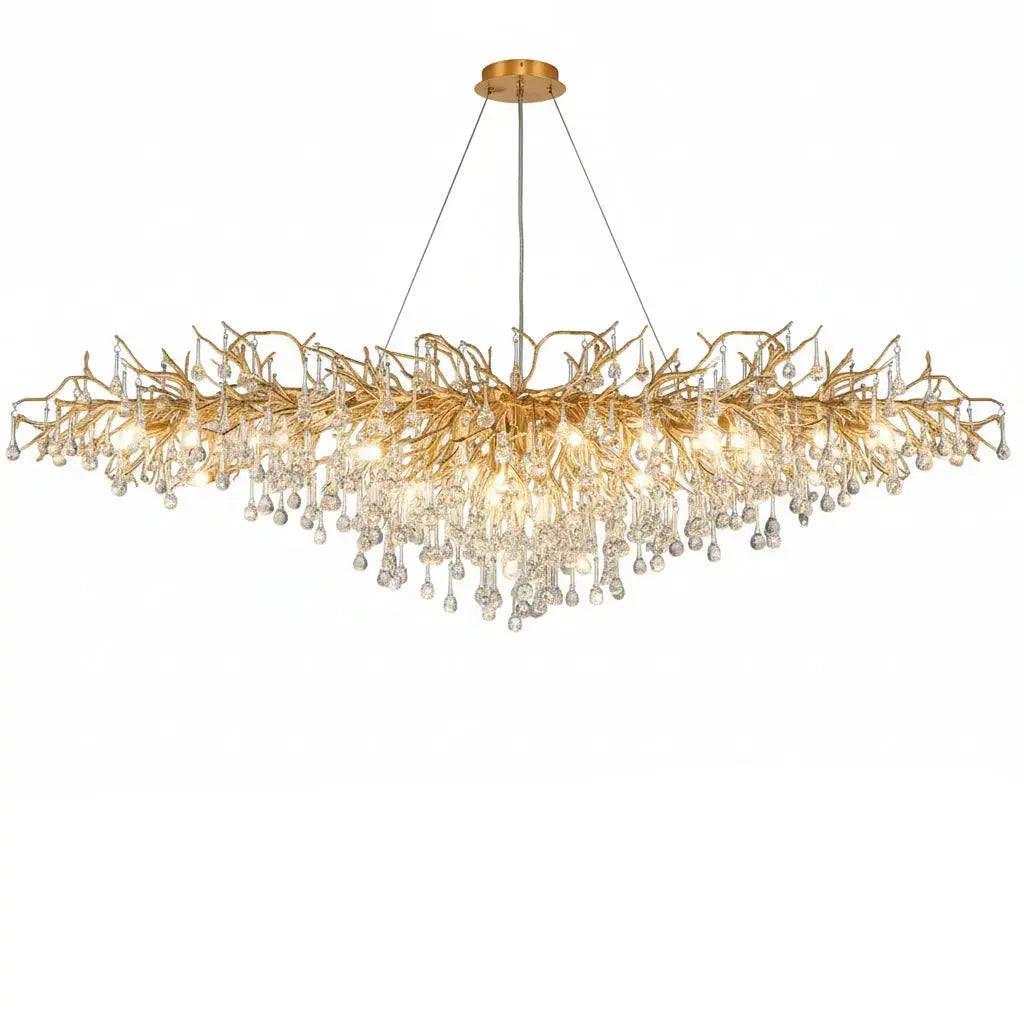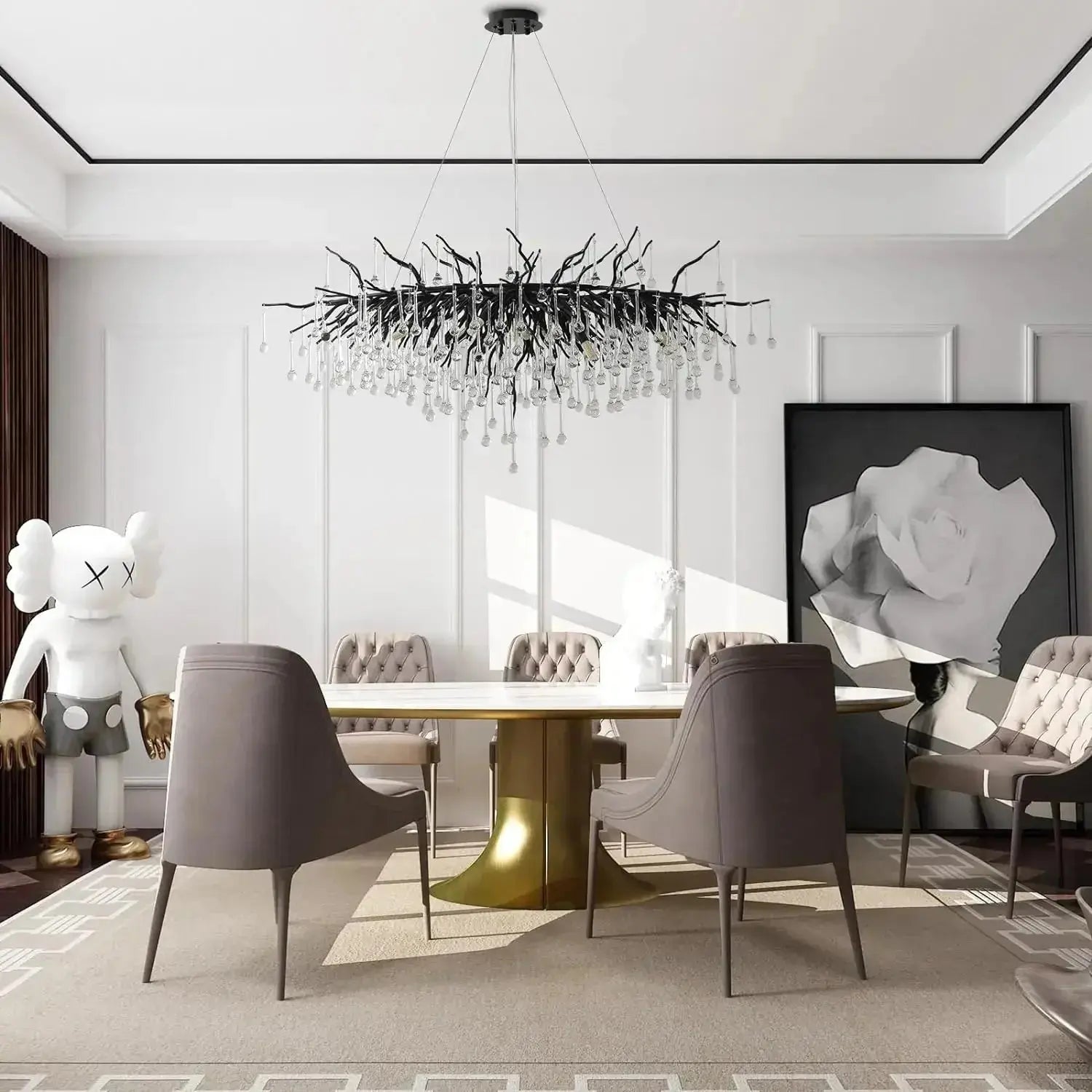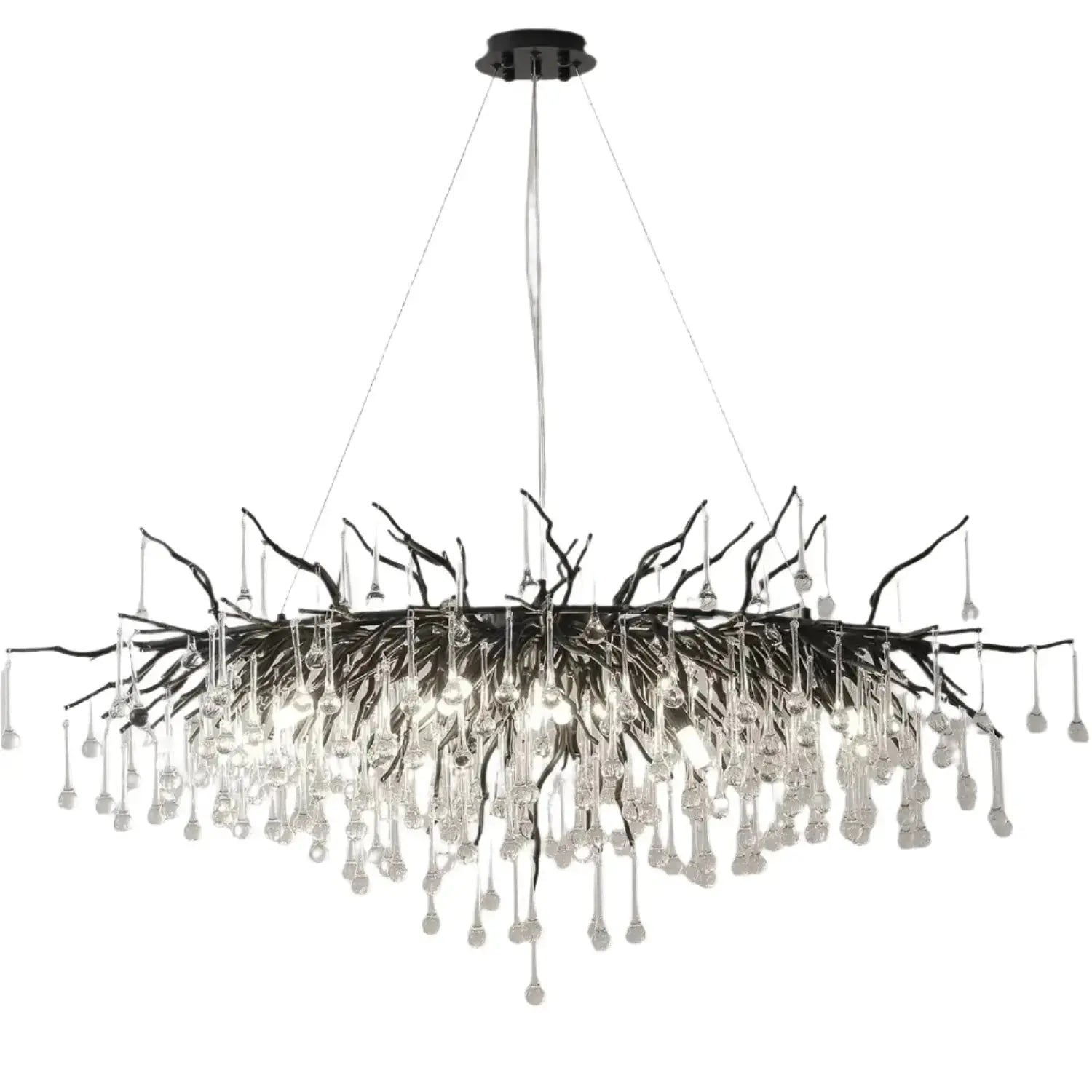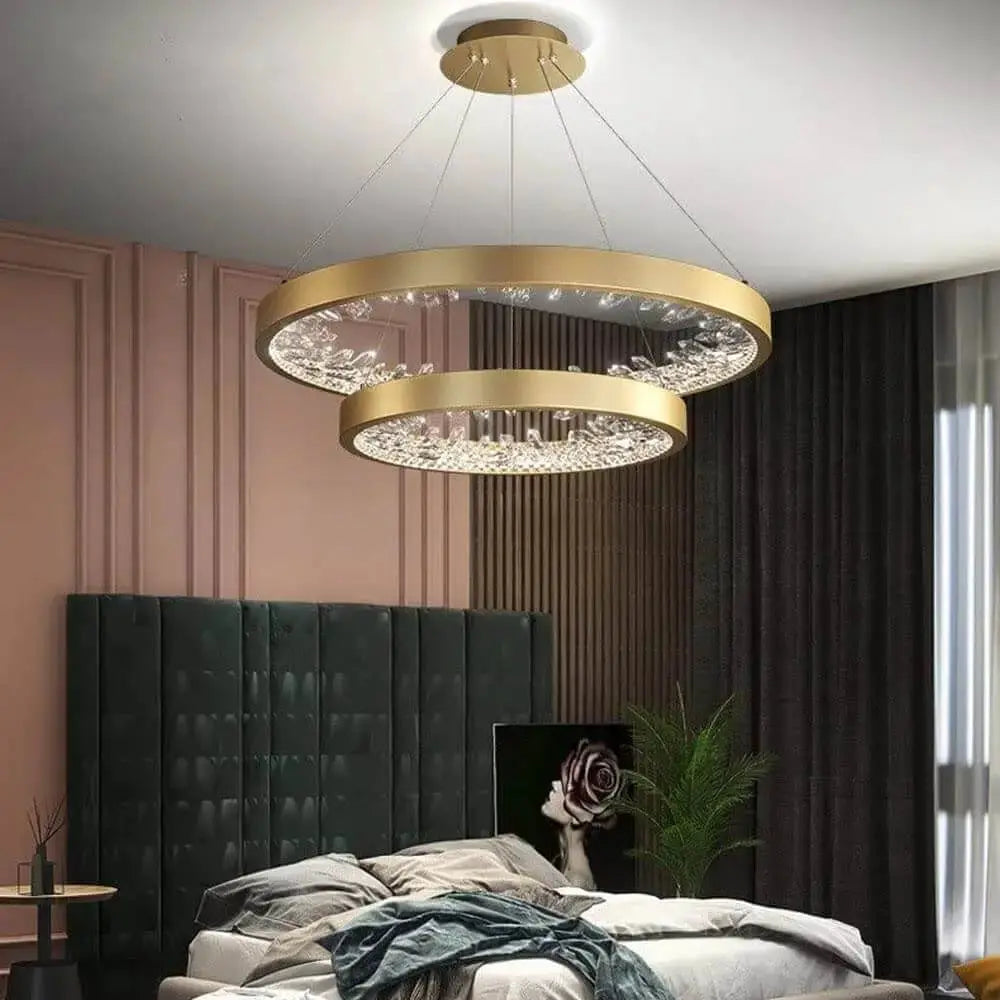
A staircase can do far more than connect one floor to the next. In the right scheme, it becomes the architectural moment people remember - and the best staircase chandelier ideas treat that vertical space as a feature, not an afterthought. A well-chosen chandelier adds height, atmosphere and a sense of arrival, whether your home leans classic, modern, minimal or richly decorative.
The challenge is that staircases are awkward spaces to light well. Ceiling height varies, sightlines shift as you move, and a fixture that looks perfect from below can feel oversized from the landing. That is why the most successful choices balance beauty with proportion, practical illumination and the shape of the stairwell itself.
How to choose staircase chandelier ideas that work
Before looking at styles, start with the structure of the space. A tall, open stairwell can carry dramatic scale and longer suspension, while a tighter staircase often benefits from a more compact silhouette that still delivers presence. The chandelier should feel anchored to the architecture rather than simply hung in empty air.
Think first about the viewing angles. In a foyer staircase, the fitting may be seen from the front door, the lower hall and the upper landing, so every side matters. In a stairwell tucked further into the house, the fixture may only need to perform from one or two key positions. This affects whether you choose a sculptural design, a layered crystal form or something more understated.
Drop height is just as important as width. Double-height spaces can carry a chandelier with a generous vertical line, but there still needs to be comfortable clearance above the stairs and landing. If the fitting hangs too high, it loses drama. Too low, and it becomes intrusive. In most homes, getting this balance right matters more than choosing the trendiest finish.
1. Cascading crystal for classic drama
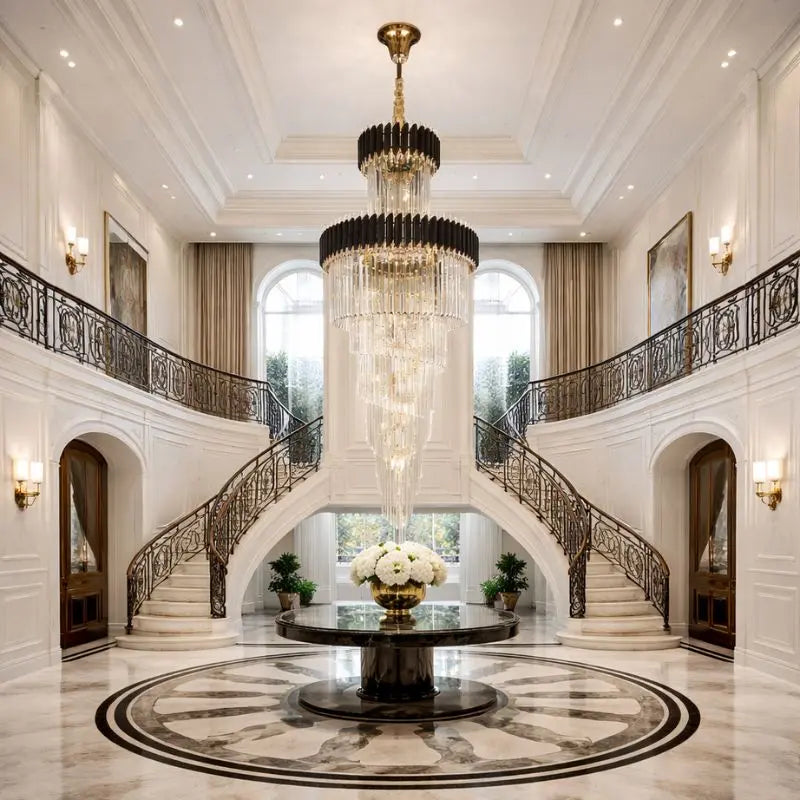
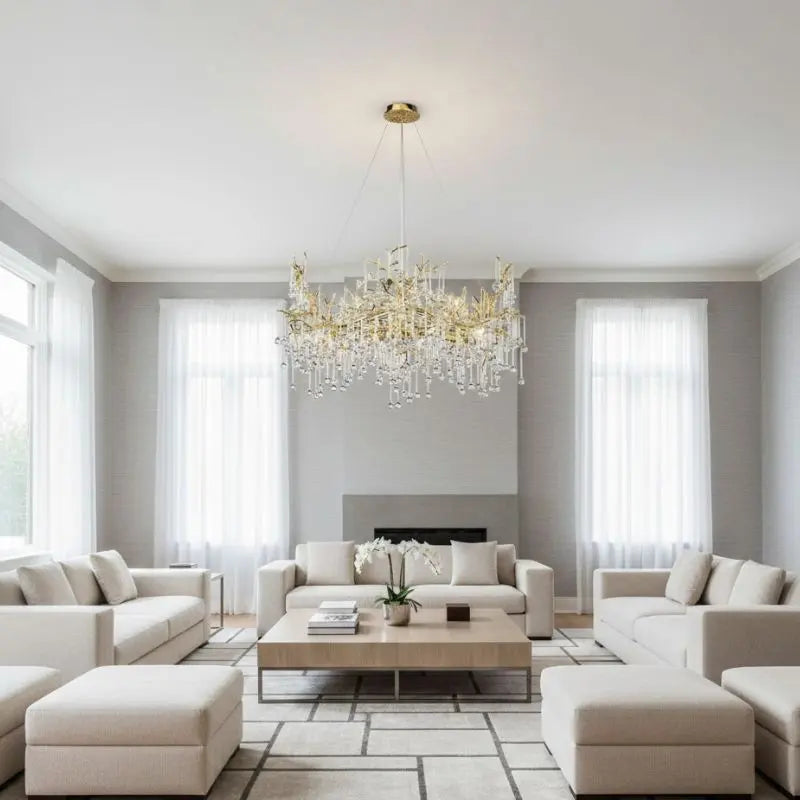
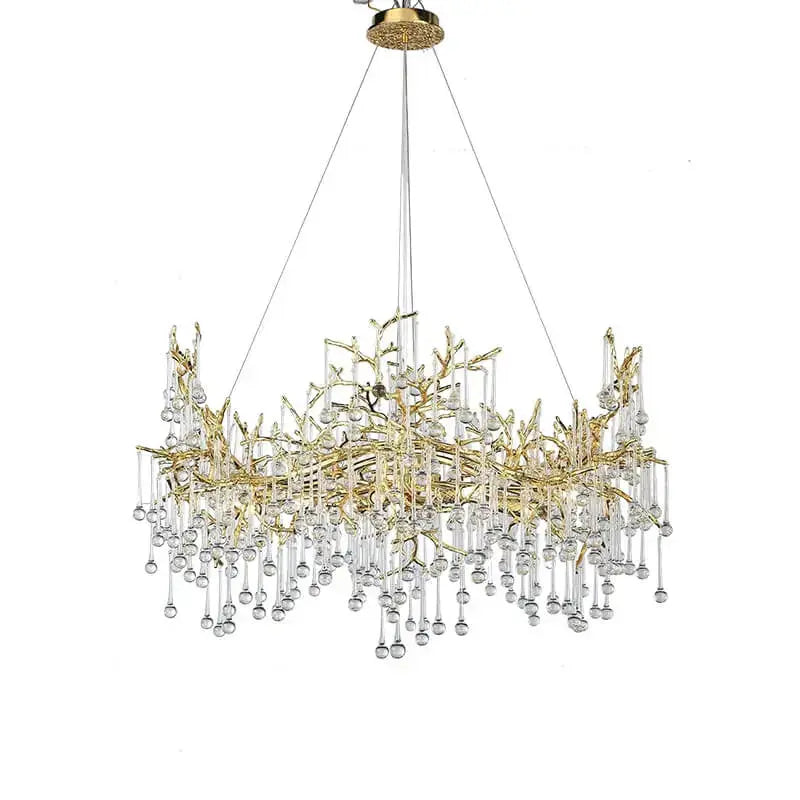
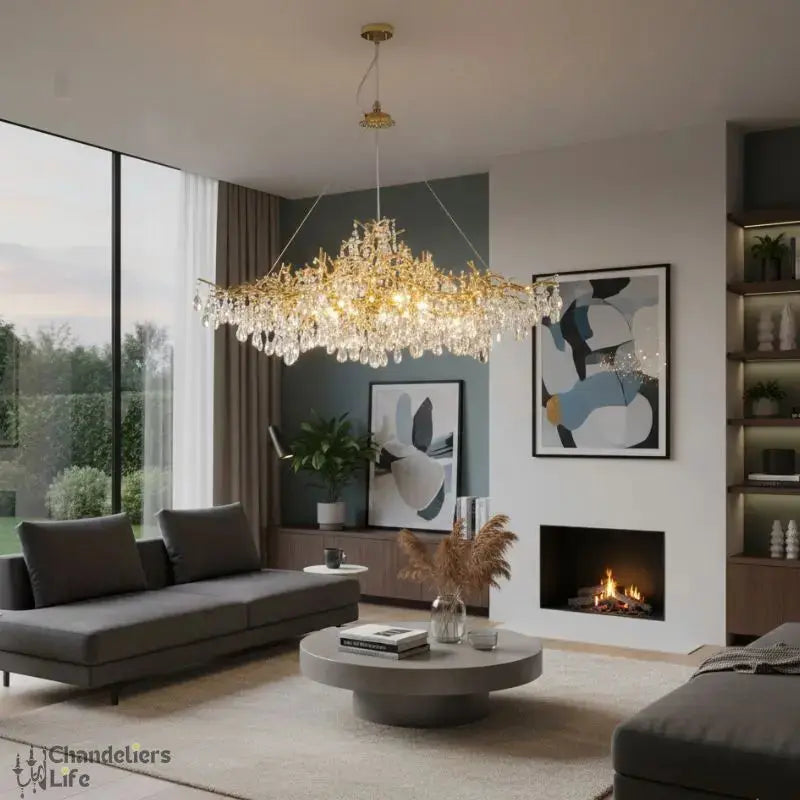
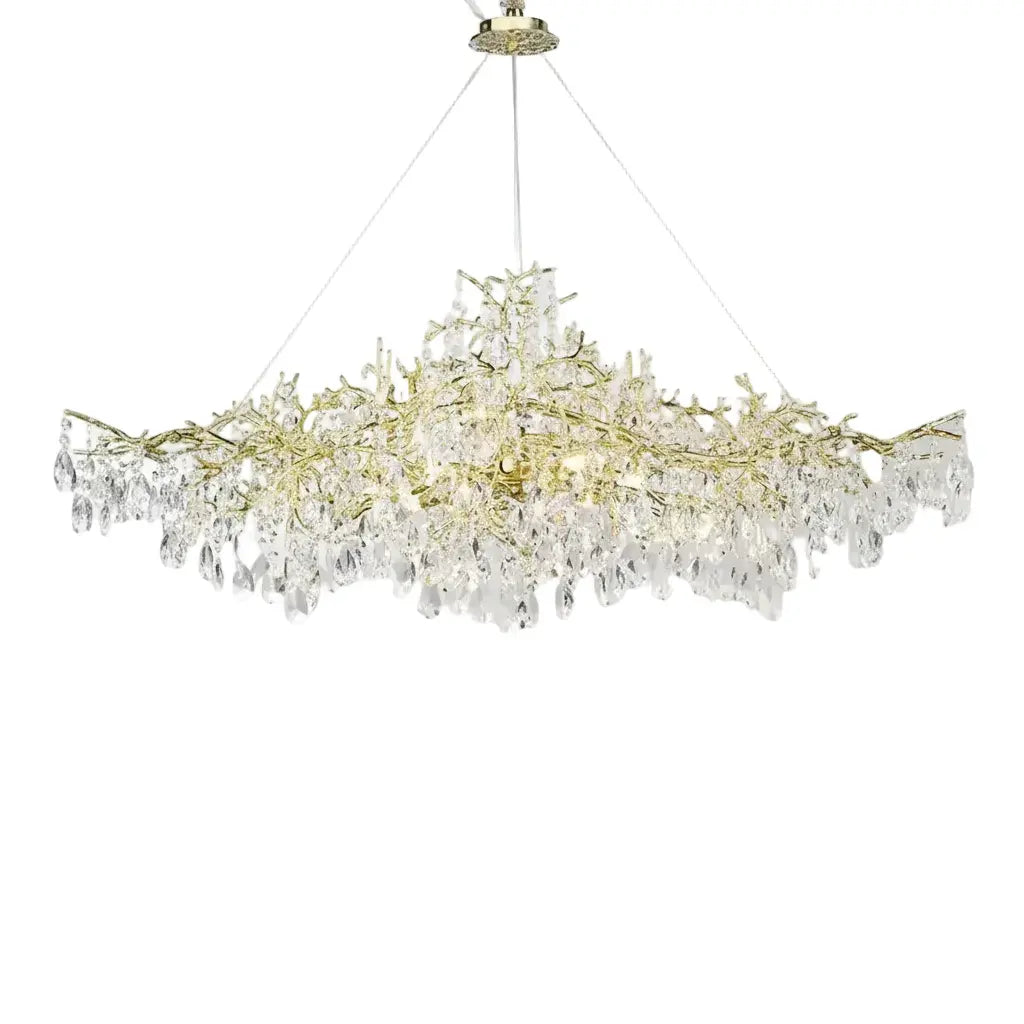
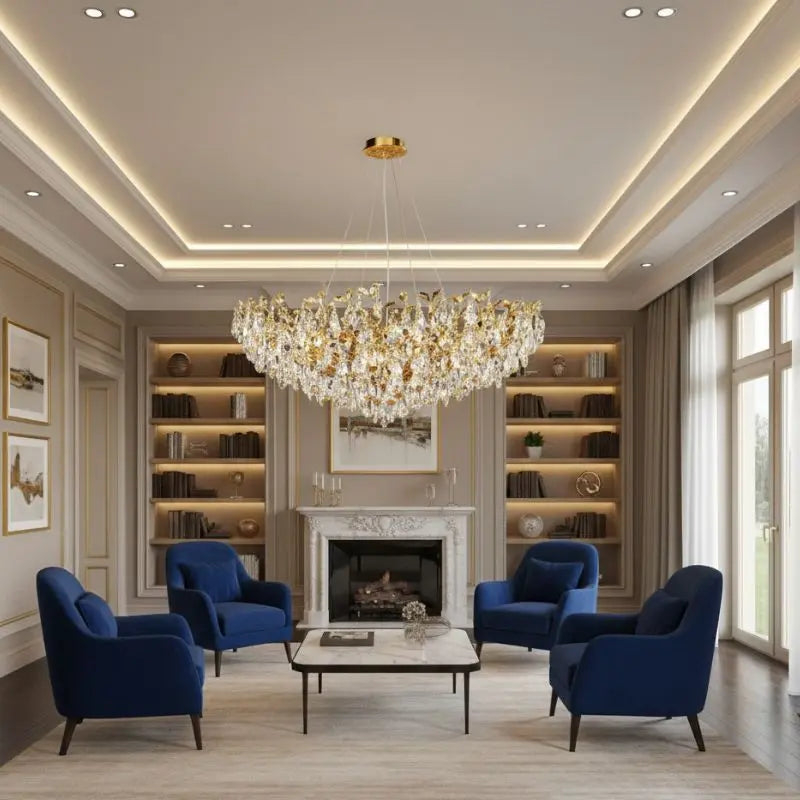
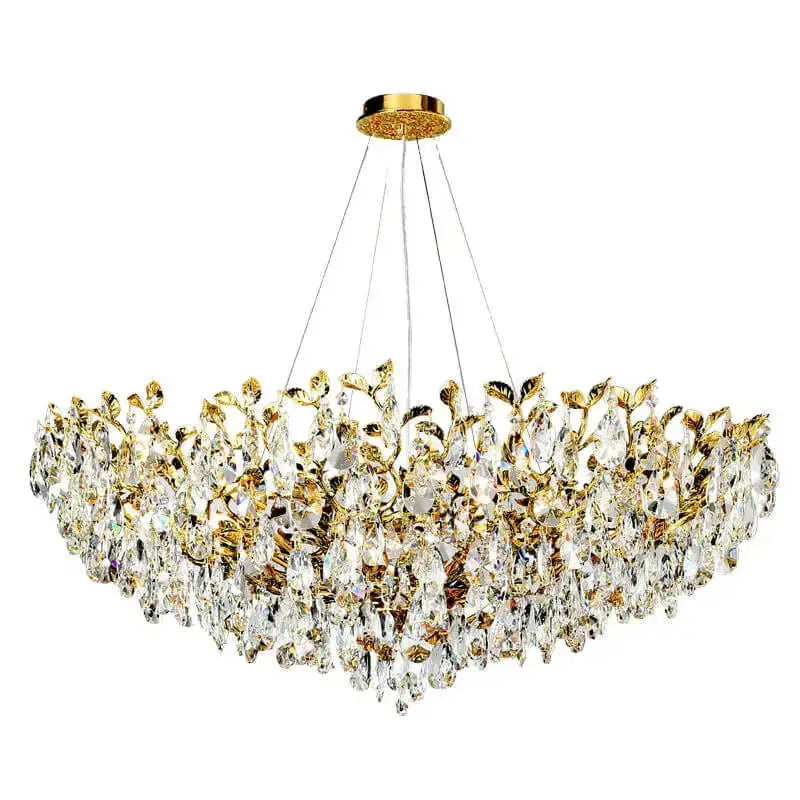
If your staircase is the showpiece of the entrance, cascading crystal remains one of the most effective options. It catches light beautifully through the day and brings evening sparkle that instantly elevates the space. This is especially striking in stairwells with tall windows, curved bannisters or formal flooring where the chandelier can mirror the elegance of the architecture.
The trade-off is maintenance. Crystal designs deliver glamour, but they do ask for occasional cleaning, particularly in open entrances where dust is more visible in daylight. For homeowners who want unmistakable luxury, though, few styles create the same sense of occasion.
2. Modern linear forms for clean architecture
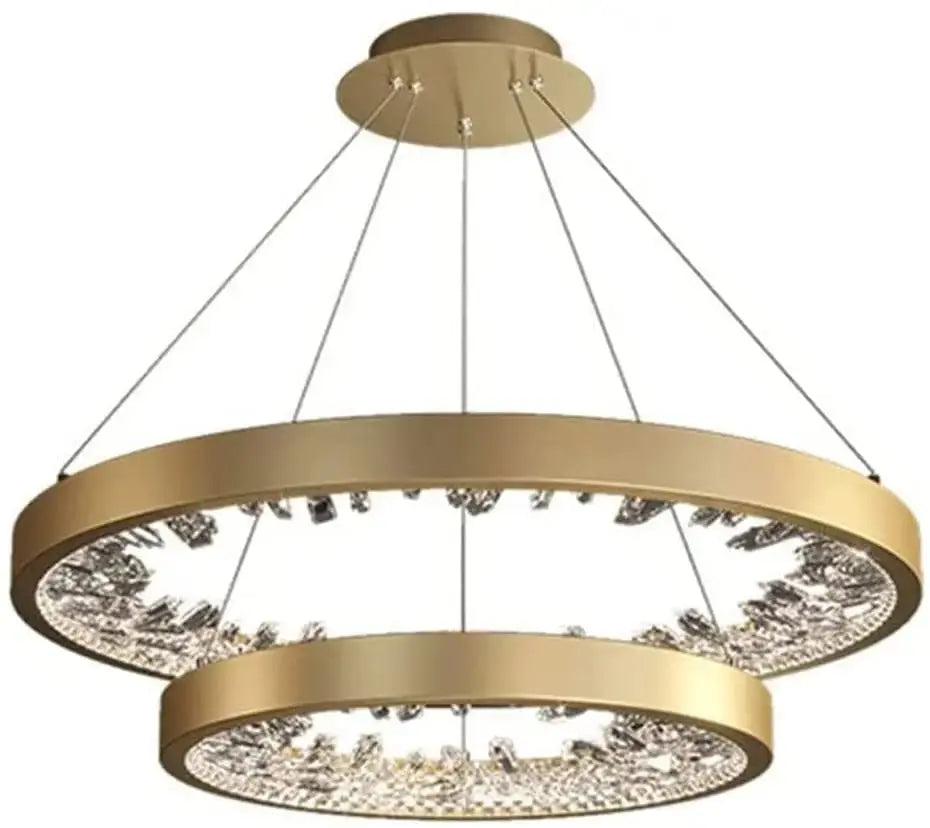
For contemporary interiors, linear chandeliers can look unexpectedly refined in a staircase setting. Rather than a traditional central body, these designs use elongated frames, suspended rods or repeating glass elements to create movement. They work especially well beside straight staircases, floating treads and minimalist balustrades.
This approach gives the space a tailored, architectural feel rather than a decorative one. If your interior already features strong lines and restrained materials, a linear chandelier keeps the look cohesive. It is less suited to very ornate settings, where it may feel too spare.
3. Tiered chandeliers for double-height spaces
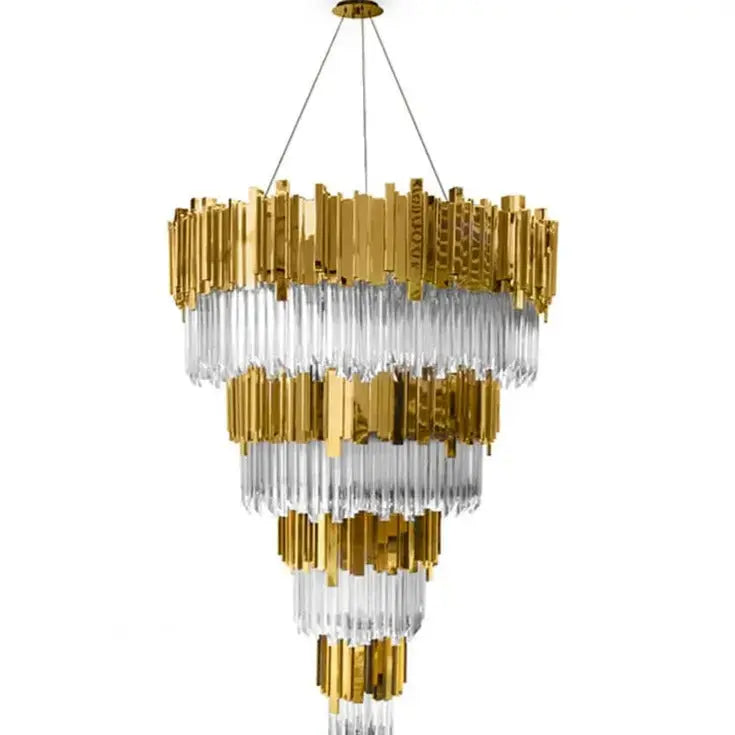
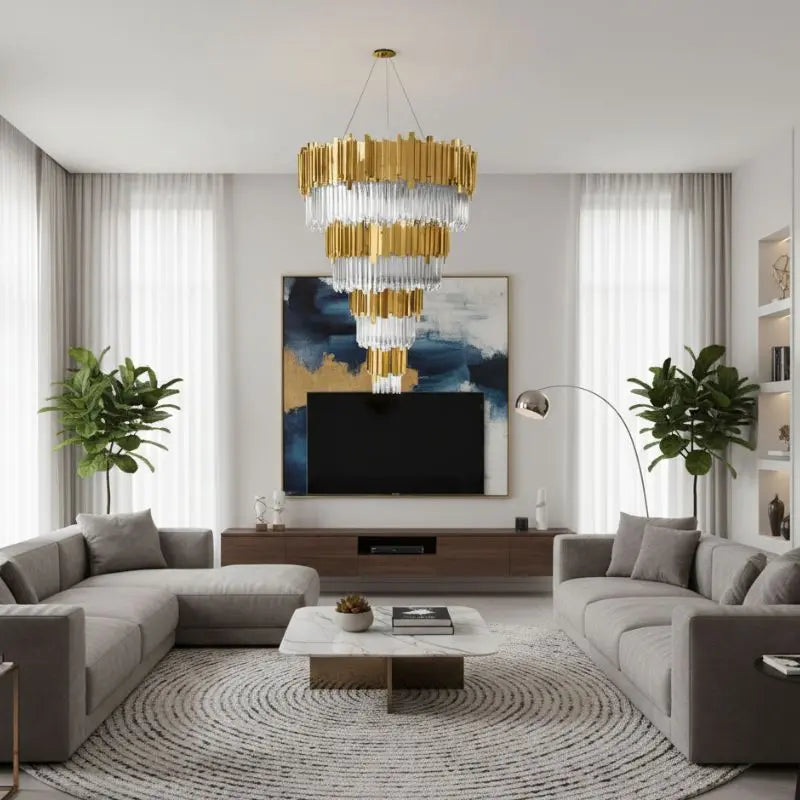
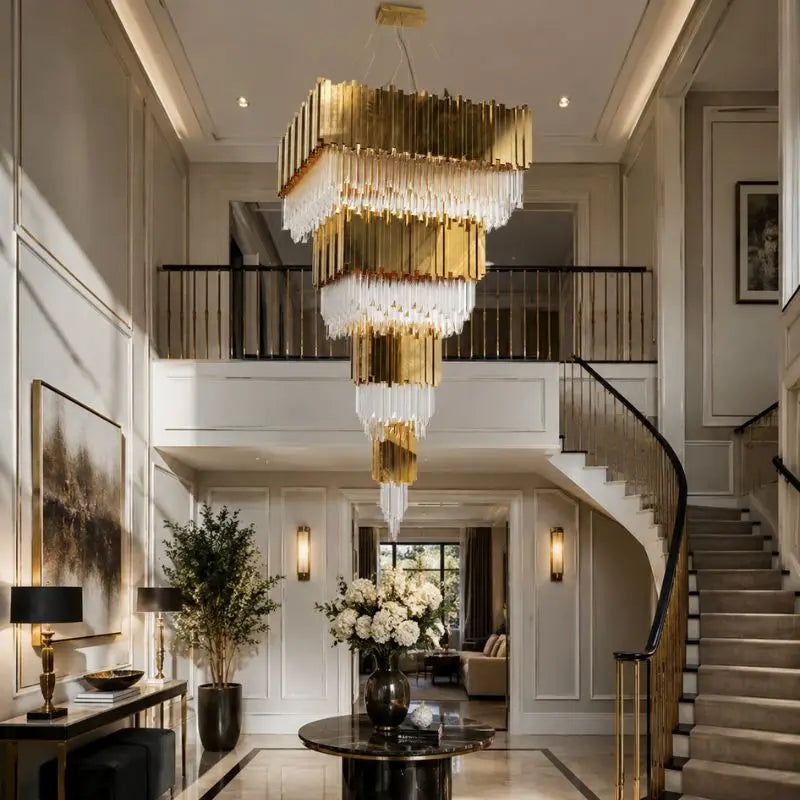
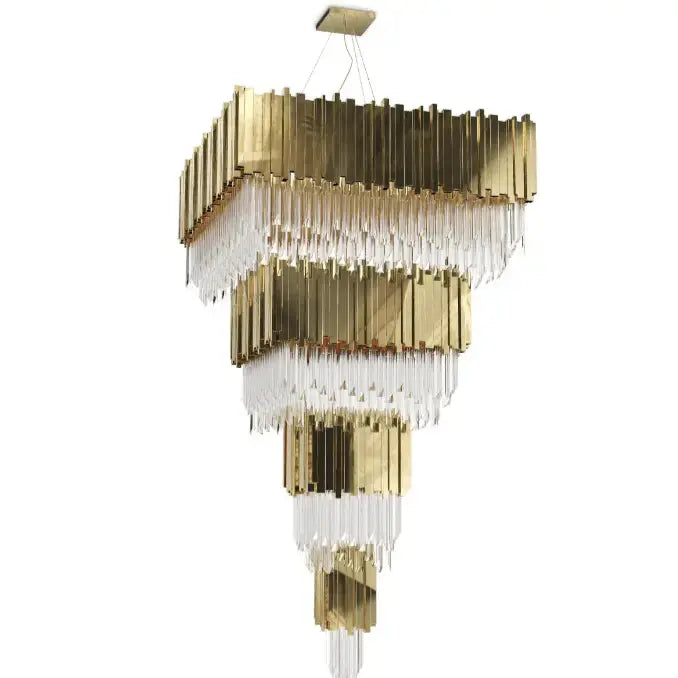
Some staircase chandelier ideas only make sense when the ceiling height is generous, and tiered designs are one of them. Multiple levels of glass, crystal or metal create depth that reads beautifully from both below and above. In a substantial stairwell, a tiered chandelier fills the volume without looking lost.
What matters here is proportion. A fixture with too many layers can overwhelm a narrower stair opening, while one with too little body may disappear in a grand void. If the staircase is visible from several rooms, this style often earns its place because it holds presence from every angle.
4. Sculptural glass for softer luxury
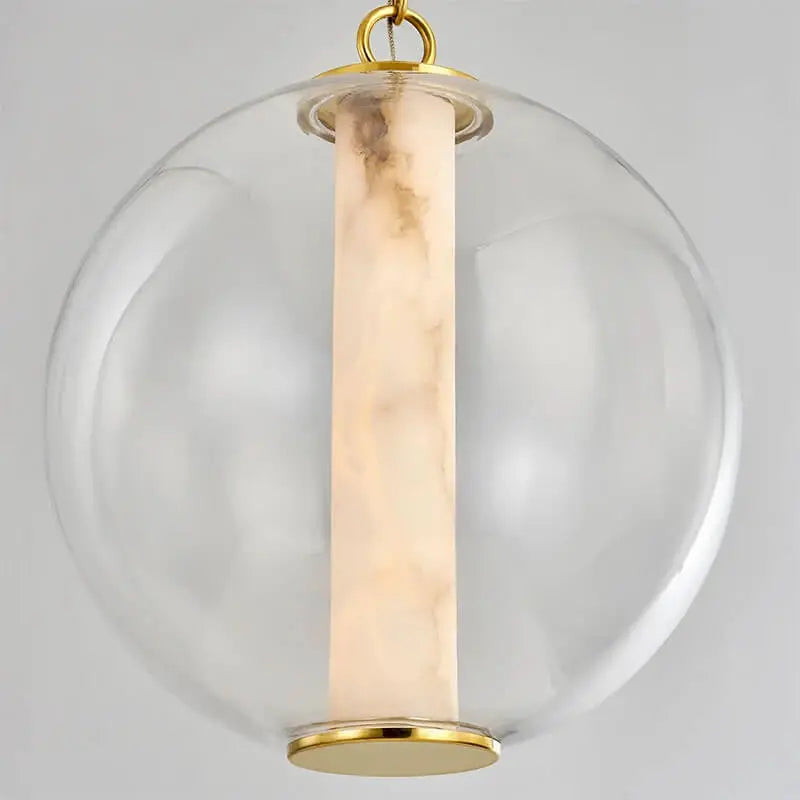
Not every elegant staircase calls for sparkle. Sculptural glass chandeliers offer a more organic kind of statement, with hand-blown forms, petal-like shades or flowing clusters that feel artistic and current. They bring softness to staircases with stone, timber or black metal finishes, preventing the space from feeling too rigid.
This style is particularly effective when you want luxury without formality. It still feels design-led, but it avoids the expected look of a traditional crystal feature. For many homeowners, that balance feels fresher and easier to live with.
5. Lantern-style chandeliers for timeless appeal
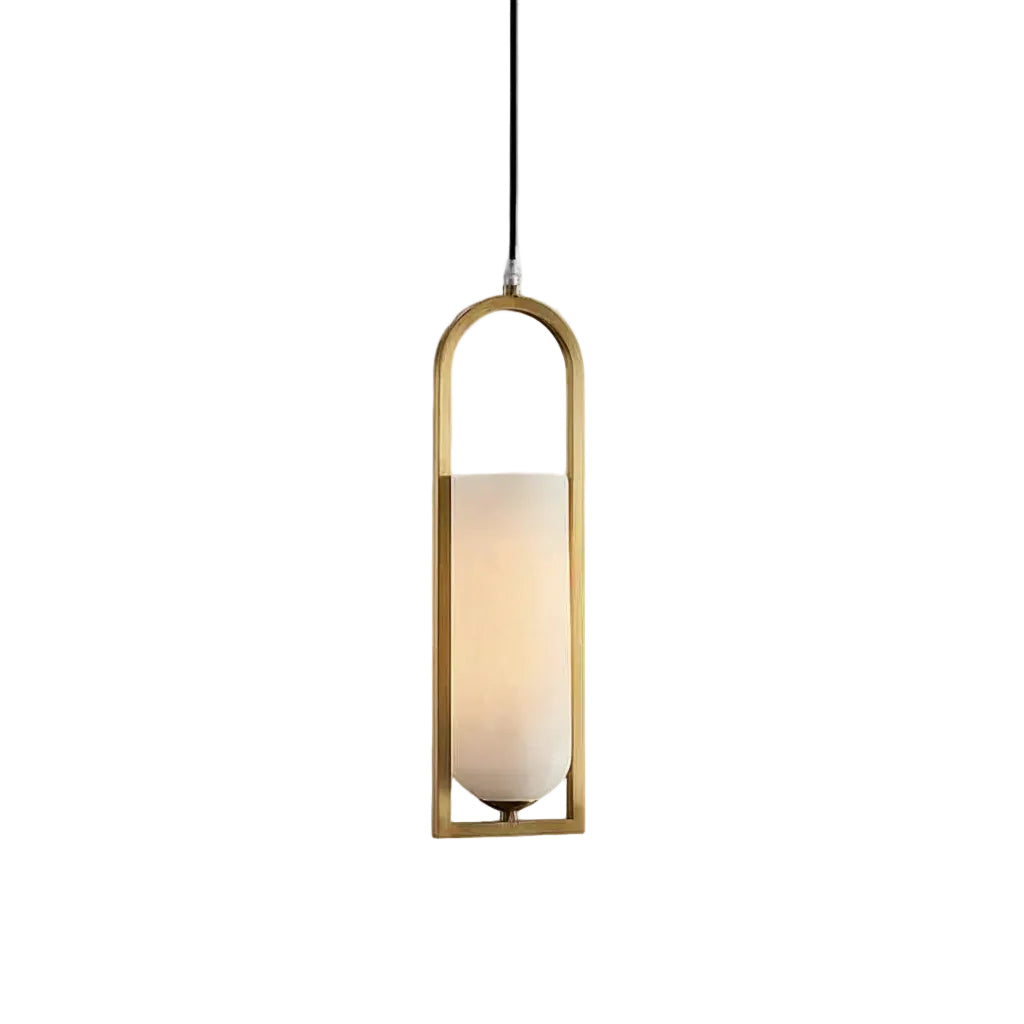
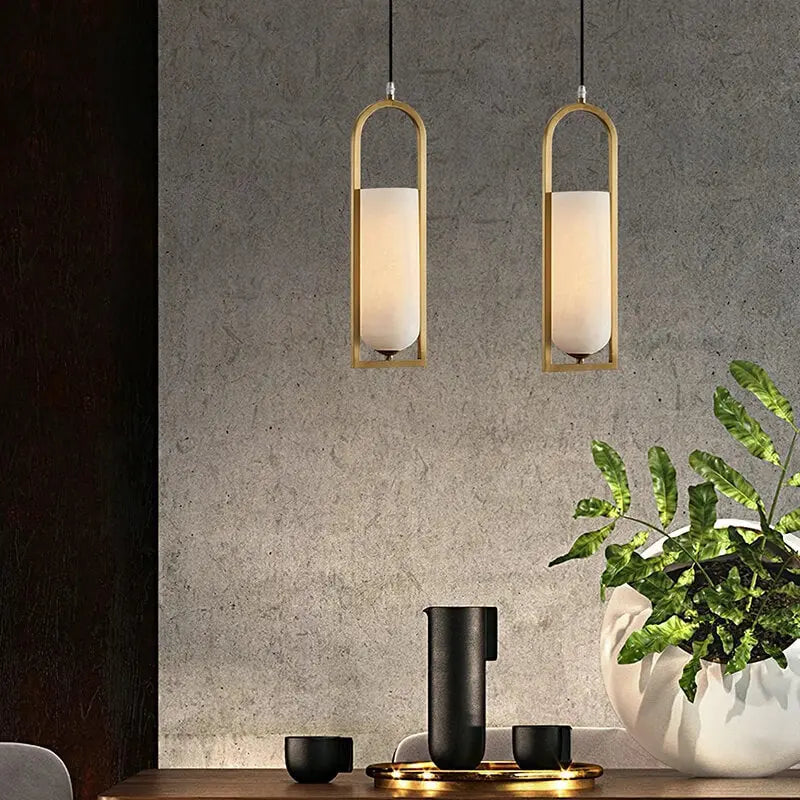
Lantern chandeliers remain a favourite for staircases because they are structured, elegant and versatile. In traditional and transitional homes, they provide definition without excessive ornament. Their open frames also make them a sensible choice when you want scale but do not want the visual weight of a denser fixture.
They work especially well in stair halls with panelling, natural stone floors or heritage-inspired detailing. A blackened metal lantern adds contrast, while warm brass softens the look and makes it feel more polished. If you are unsure where your style sits, this is often the safest sophisticated choice.
6. Cluster pendants for a bespoke look
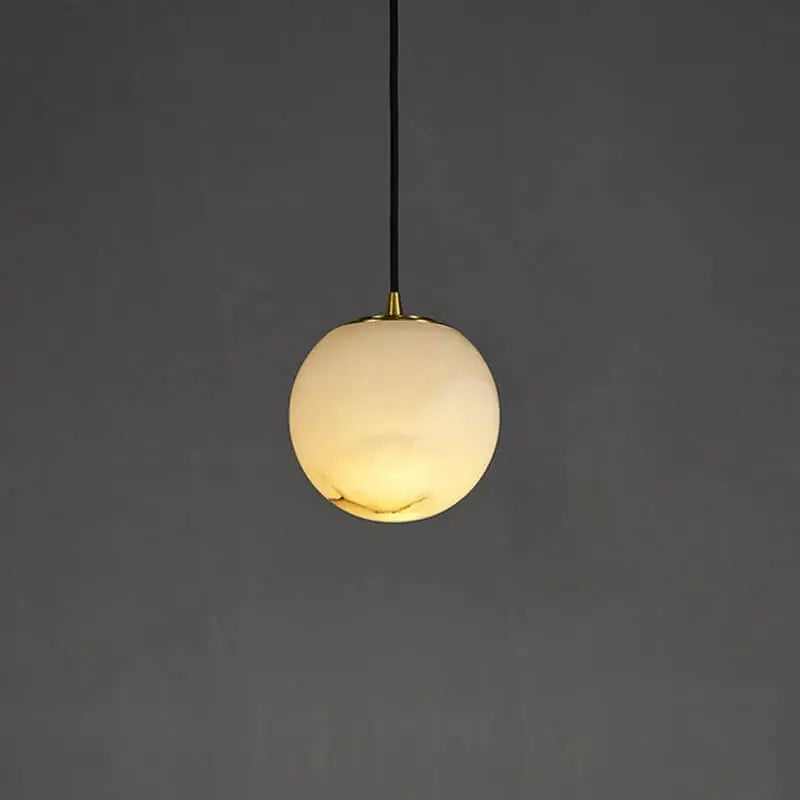
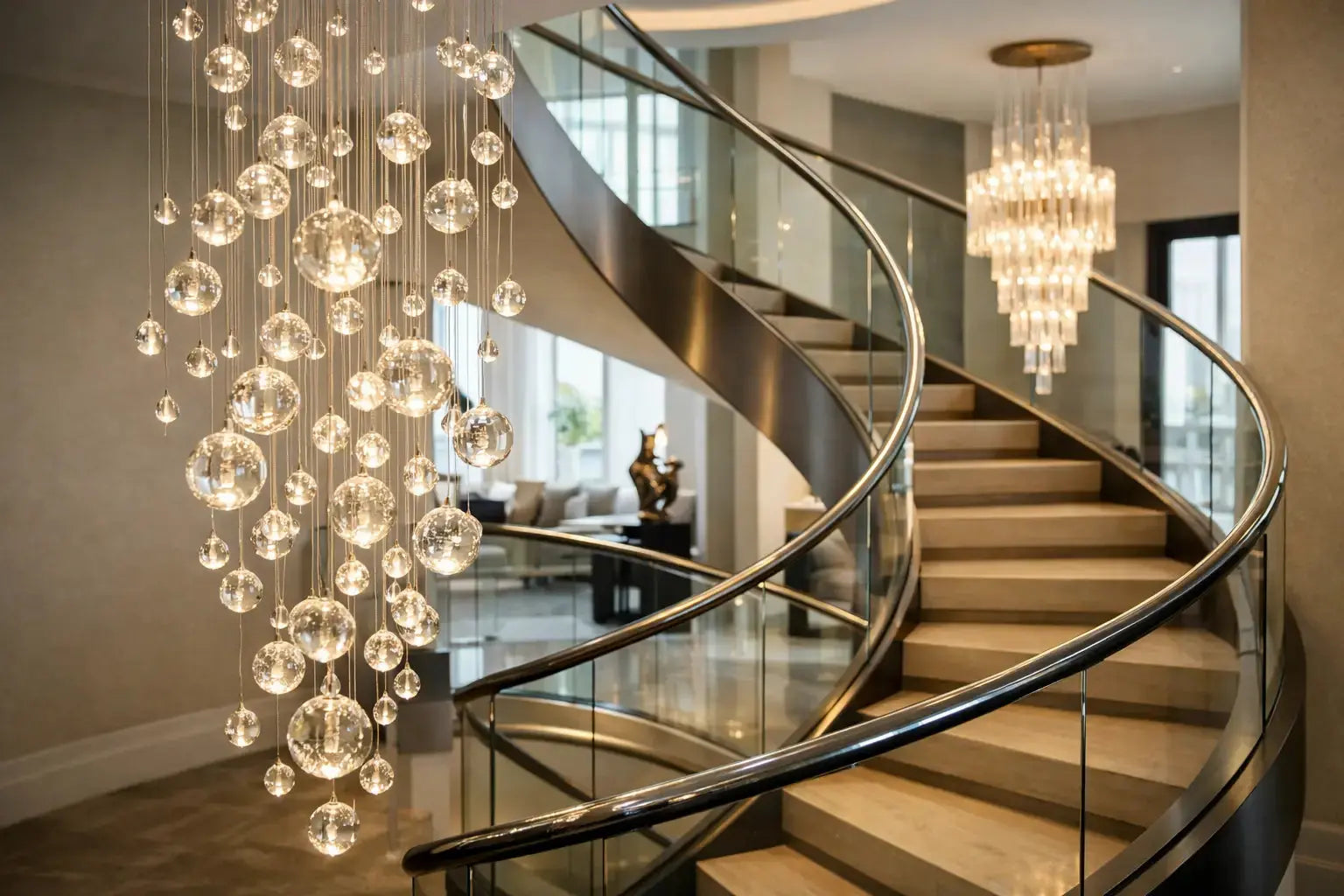
Cluster chandeliers use multiple pendants at varying heights to create shape and rhythm. They are ideal for staircases because they can be customised visually to suit the height of the void. In a modern interior, a cluster of glass globes or slim pendants can feel striking without appearing heavy.
This is also one of the more flexible staircase chandelier ideas for awkward spaces. If your stairwell is narrow but tall, a vertical cluster can draw the eye upward without taking up too much width. The key is restraint - too many elements can start to look busy rather than luxurious.
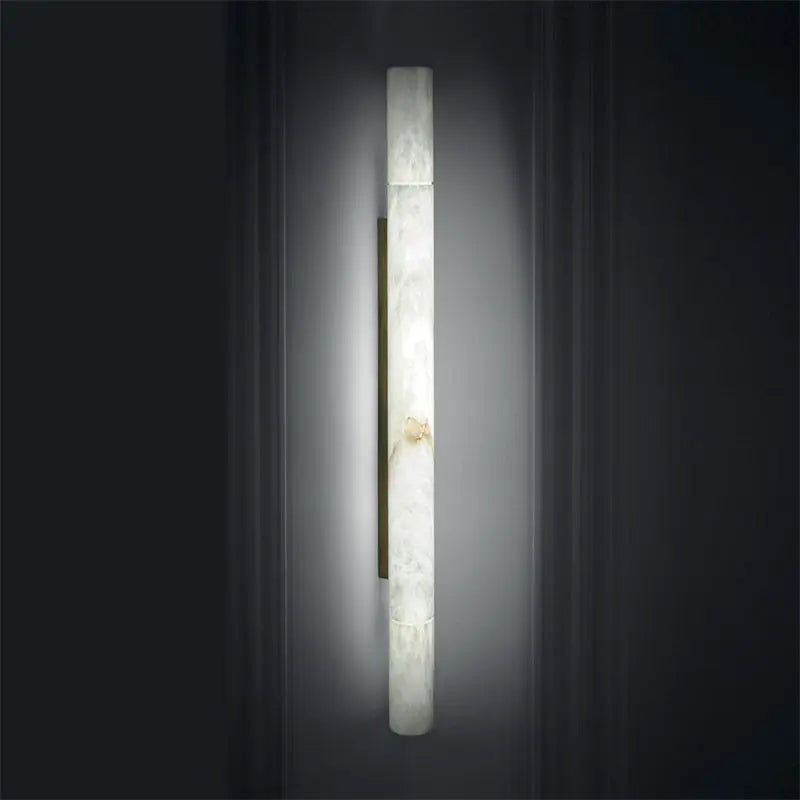
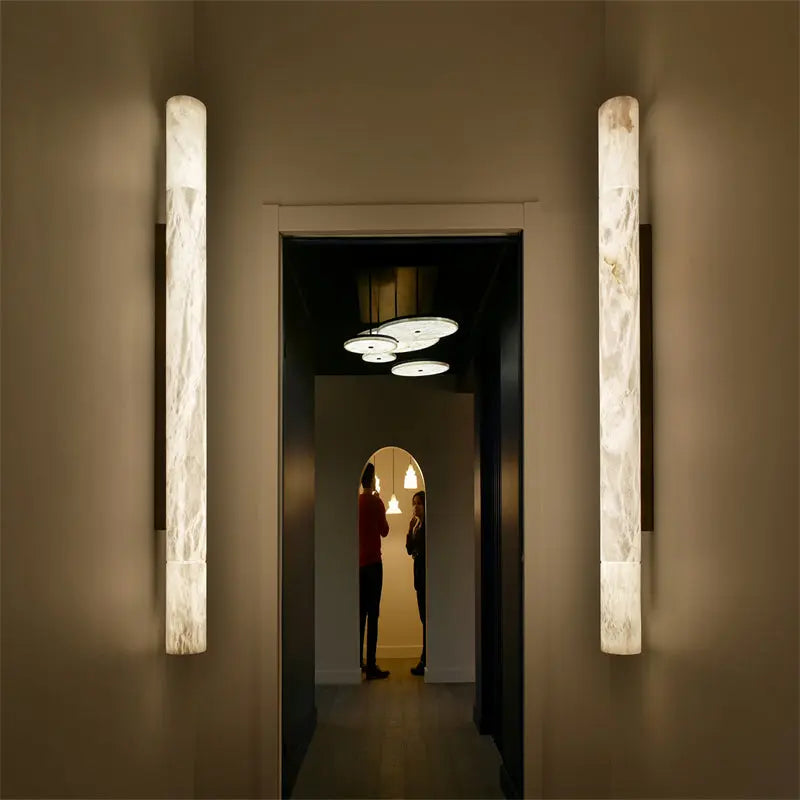
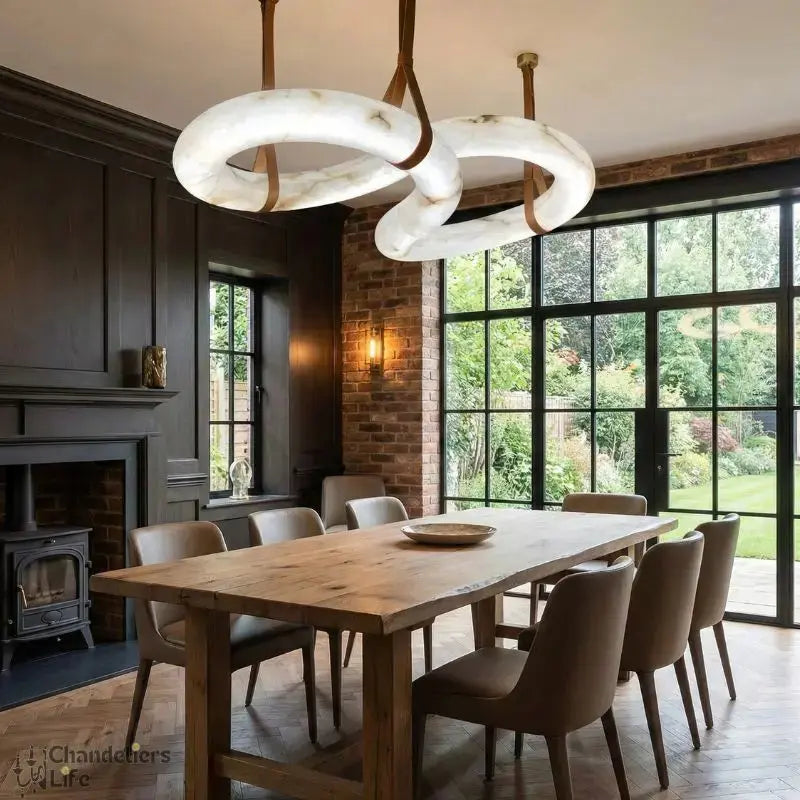
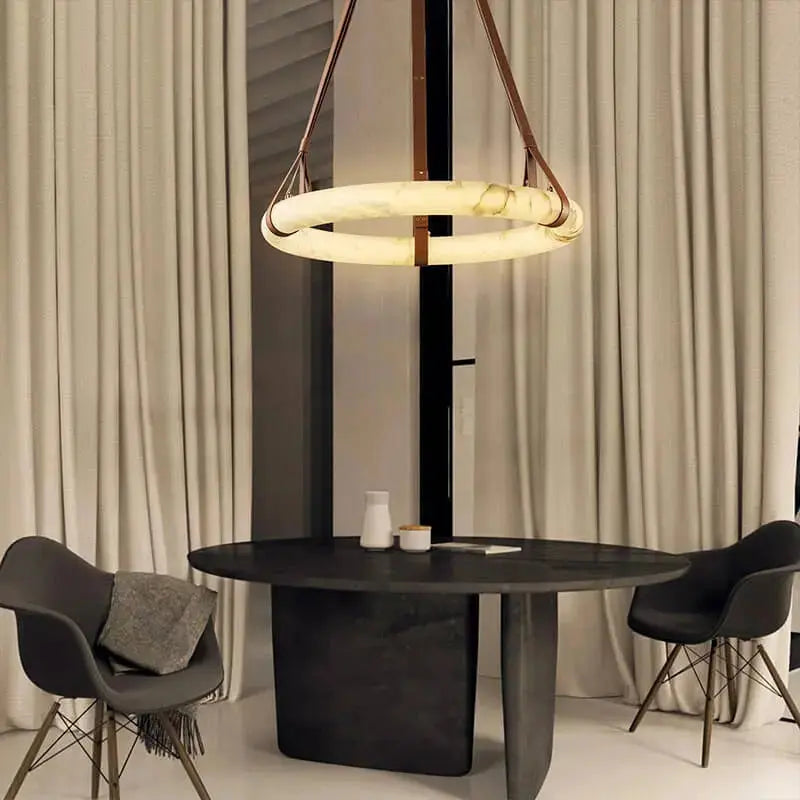
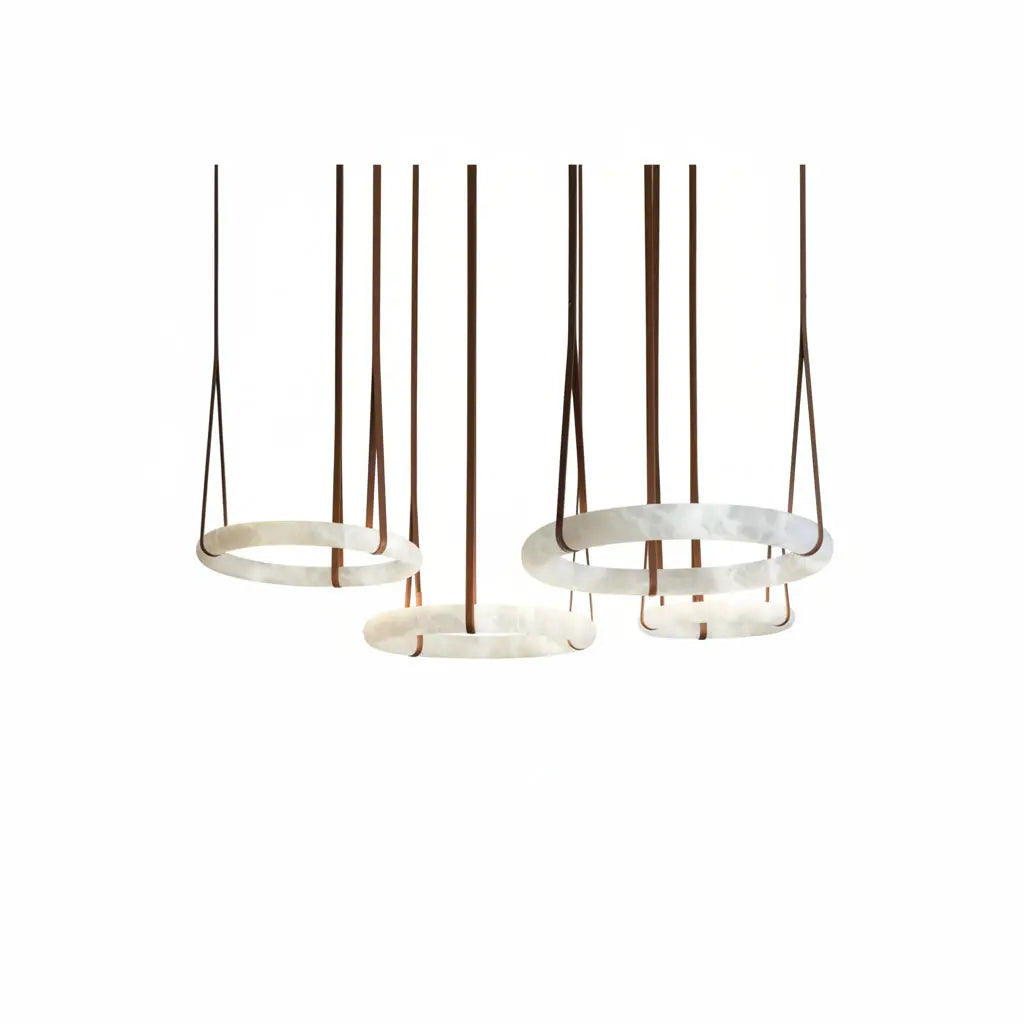
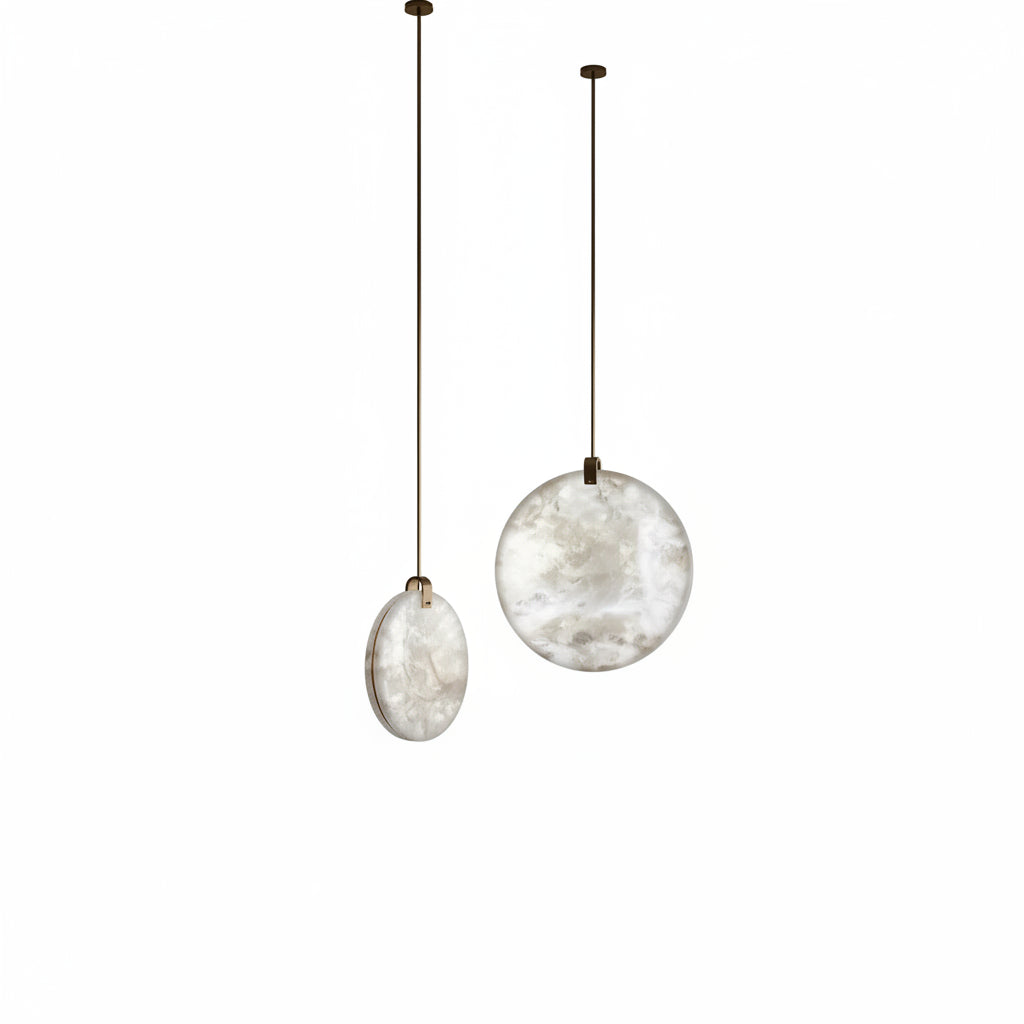
7. Alabaster finishes for quiet sophistication
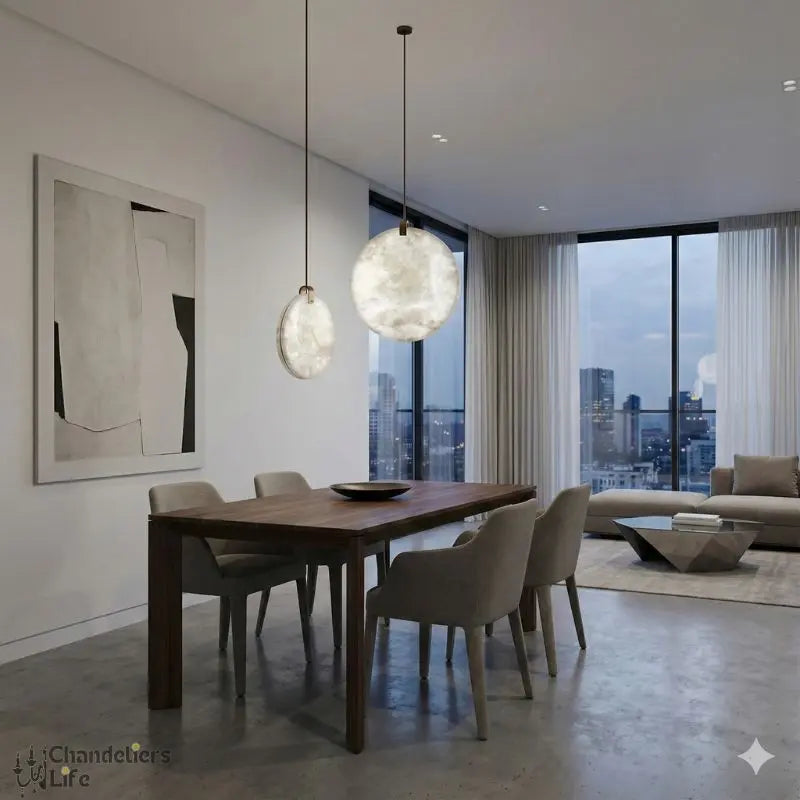
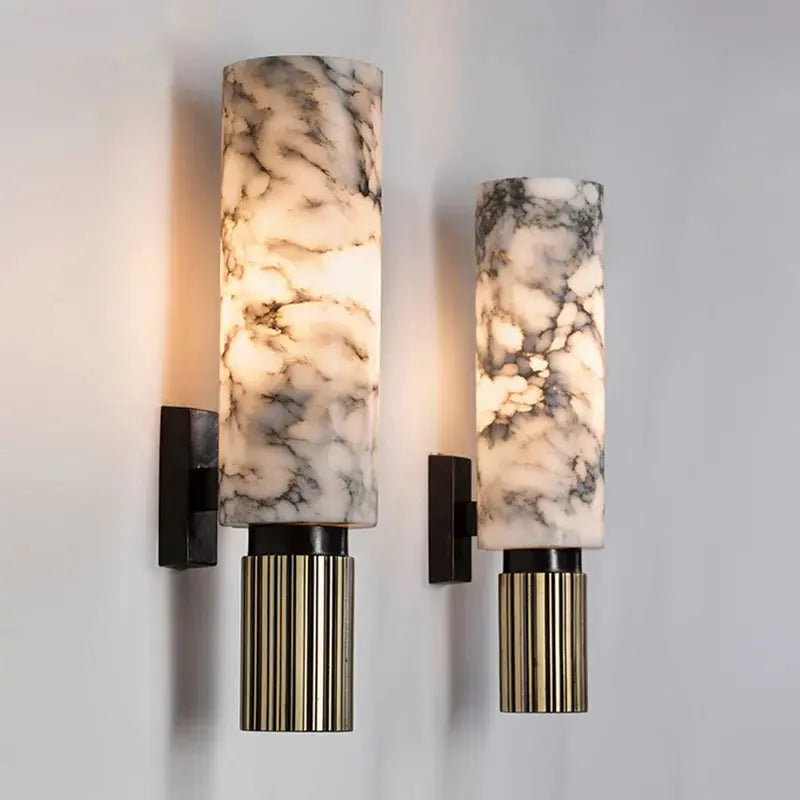
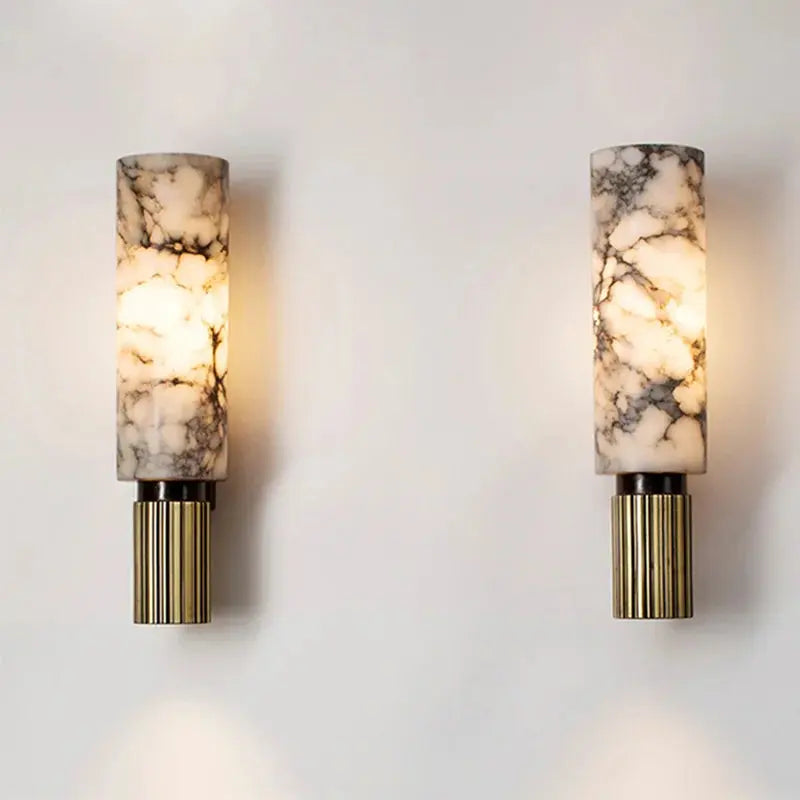
Alabaster has become a standout material for homeowners who want warmth, texture and a premium finish that does not rely on shine. In a staircase, an alabaster chandelier creates a soft, diffused glow that feels calm and expensive. It suits modern luxury interiors beautifully, especially those with neutral palettes, plaster walls and natural timber.
Its strength is subtlety. If you want the staircase to feel elevated but not overtly glamorous, alabaster is a compelling option. It may not provide the high sparkle of crystal, but it offers depth and refinement that many contemporary homes need more.
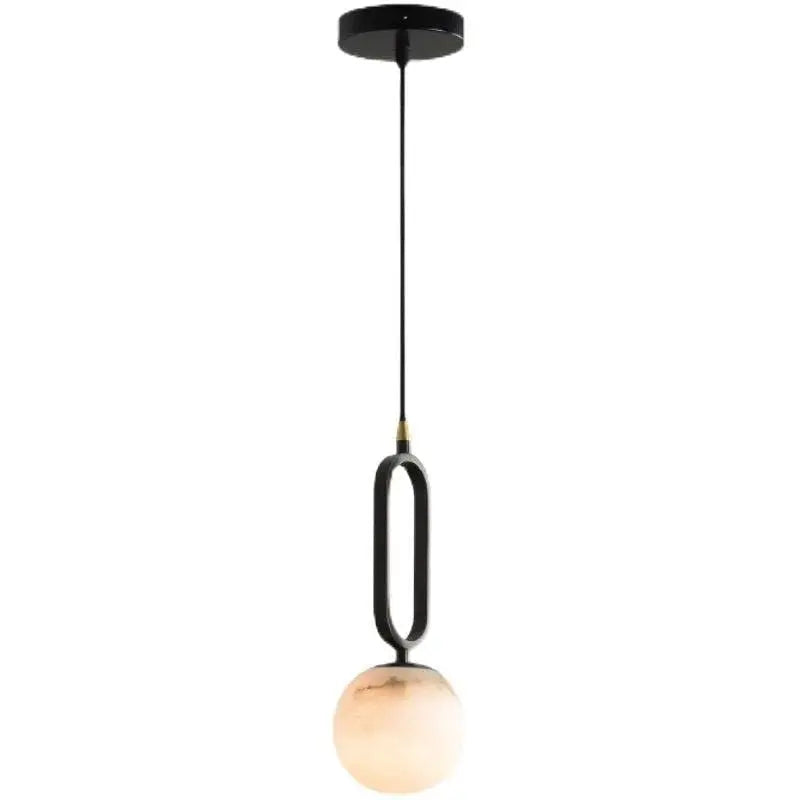
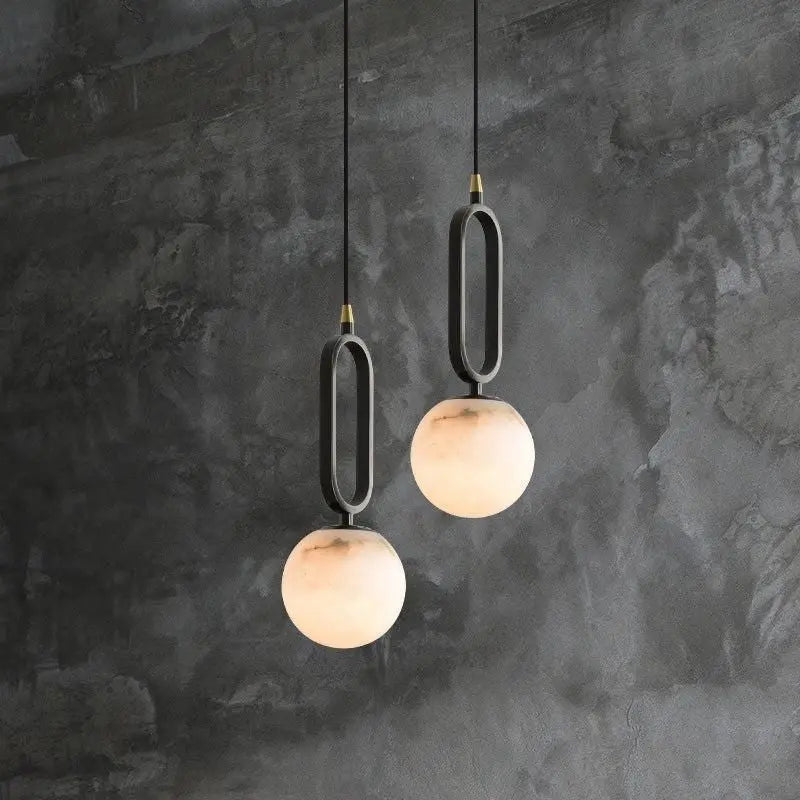
8. Black and brass for contrast
A staircase often benefits from a chandelier that introduces deliberate contrast. Black and brass combinations do this particularly well, bringing definition to pale walls and adding warmth to monochrome spaces. The pairing feels current but not fleeting, which makes it a strong choice for long-term value.
This finish combination also bridges styles nicely. It can lean modern in a slim silhouette or more transitional in a lantern or multi-arm design. If you are refreshing the staircase without redesigning the whole house, this is one of the easiest ways to sharpen the room’s character.
9. A single oversized statement piece
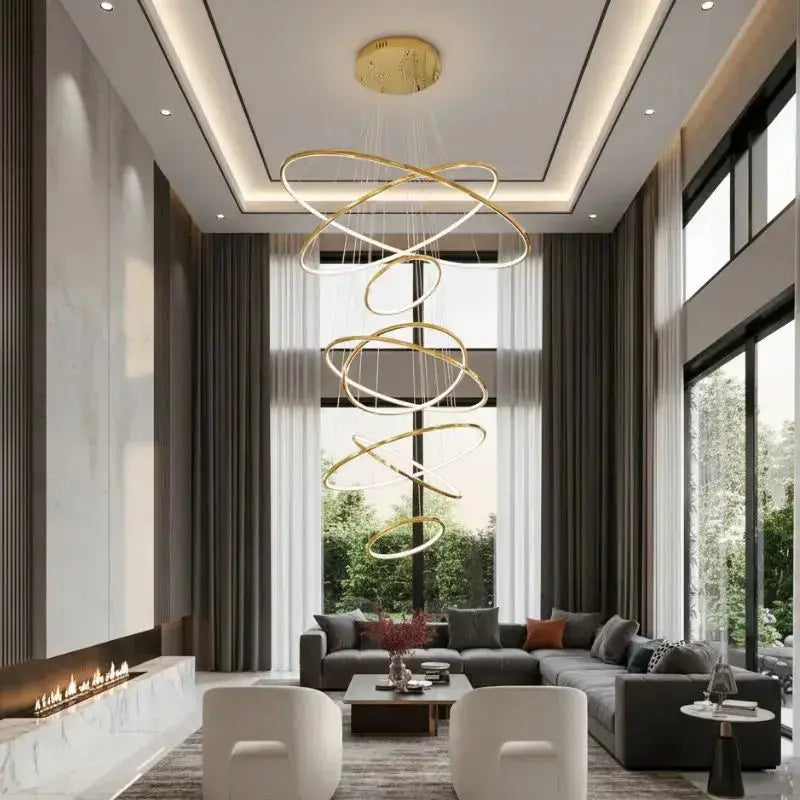
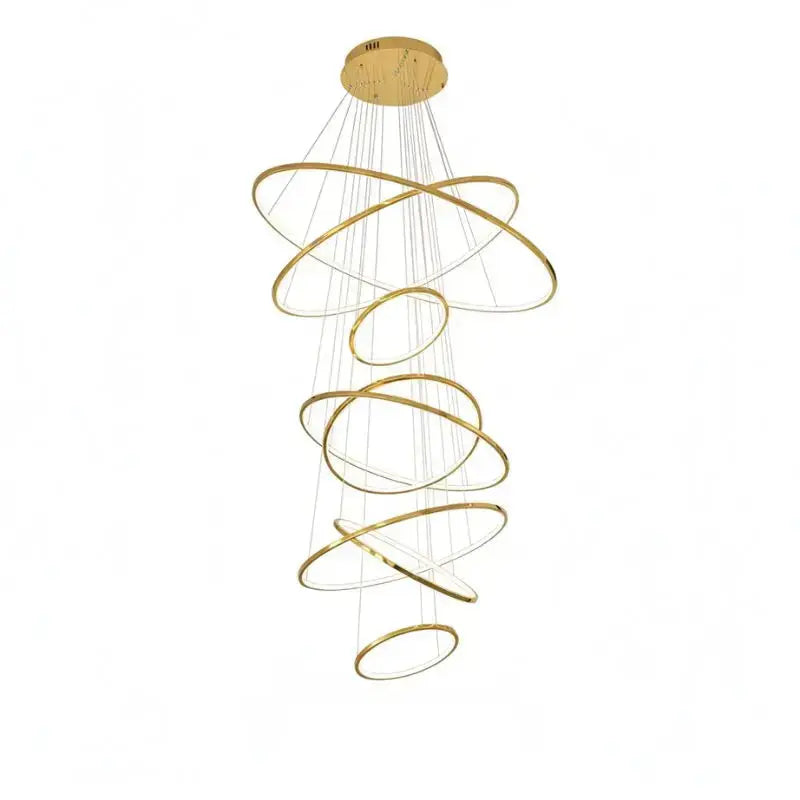
Sometimes the most effective choice is the boldest one. An oversized chandelier with a clear silhouette can transform a plain stairwell into a destination. This works best when the architecture is simple and the fixture is allowed to lead. Large ring chandeliers, expansive glass forms and broad contemporary frames all fall into this category.
The risk, of course, is scale. Oversized should feel intentional, not cramped. If the chandelier competes with bannisters, artwork and wall finishes all at once, the result can feel crowded. But in the right stairwell, one confident statement piece often looks more expensive than several smaller gestures.
10. Staircase chandelier ideas for smaller homes
Not every staircase has a dramatic void, and that does not rule out a chandelier. Smaller homes often benefit from compact designs with polished detailing - think mini crystal forms, neat lanterns or petite sculptural pieces that add character without bulk. A slimmer drop can still create elegance if the materials and finish feel considered.
In more modest spaces, lighting should support the sense of openness. Fixtures with open frames, clear glass or restrained profiles tend to work better than dense shapes. The aim is to introduce a focal point while keeping the stair area light and welcoming.
Finishes, light quality and the final feel
Beyond shape, the finish of the chandelier changes the entire impression. Warm metallics such as brass and champagne tones make a staircase feel inviting and elevated. Chrome and polished nickel can look crisp and glamorous, especially with crystal. Matte black brings edge and clarity, while alabaster and soft white glass create a quieter, more architectural mood.
Light quality matters just as much as aesthetics. A staircase is a transition space, but it is also one you use daily, so the fitting should provide enough illumination to feel safe while still flattering the interior. If the chandelier is highly decorative and gives off softer ambient light, wall lights or additional ceiling lighting may help complete the scheme.
For shoppers balancing style with practicality, this is where a curated specialist can make the process easier. ChandeliersLife focuses on statement lighting that feels design-forward yet approachable to buy online, which is exactly what many staircase projects need - something exquisite, yes, but also clear, dependable and easy to picture in a real home.
A staircase chandelier should never feel like a filler choice. It should echo the scale of the house, complement the materials around it and create a moment every time you pass through. When you choose with proportion, finish and viewing angles in mind, the right fixture does more than light the stairs - it gives the whole home a stronger sense of style.