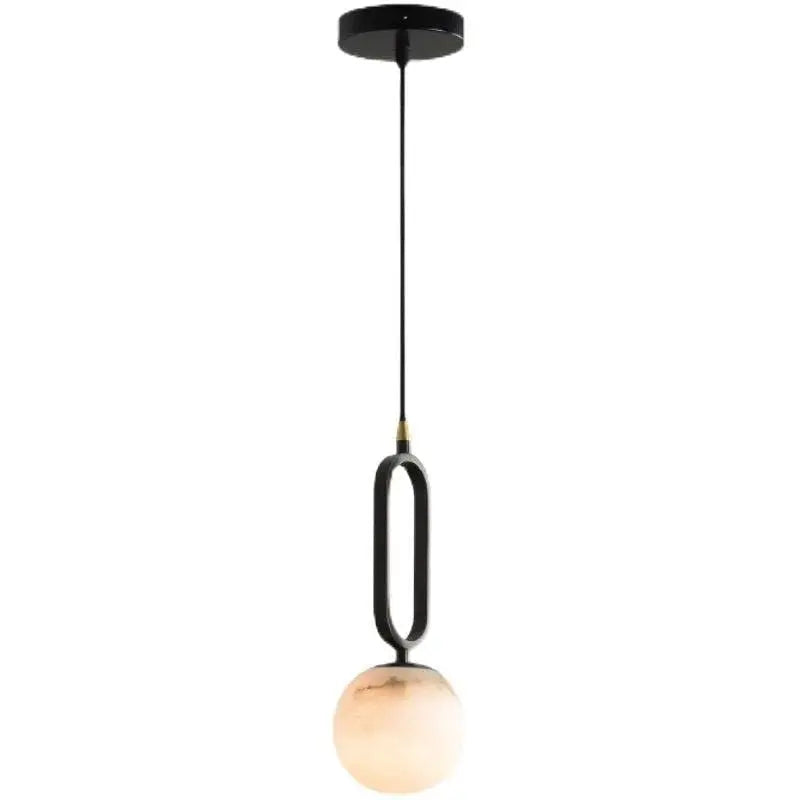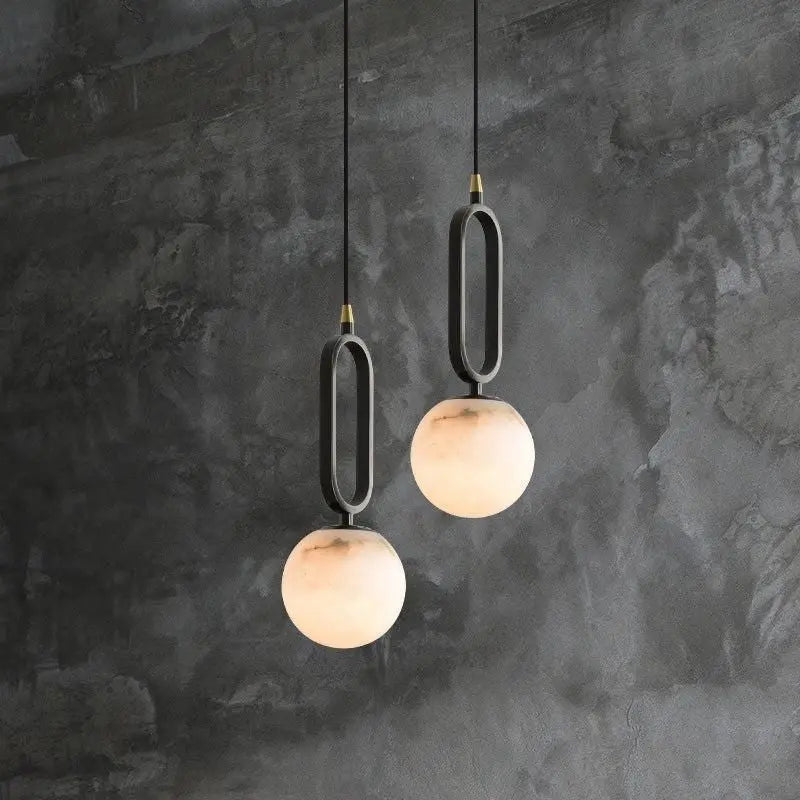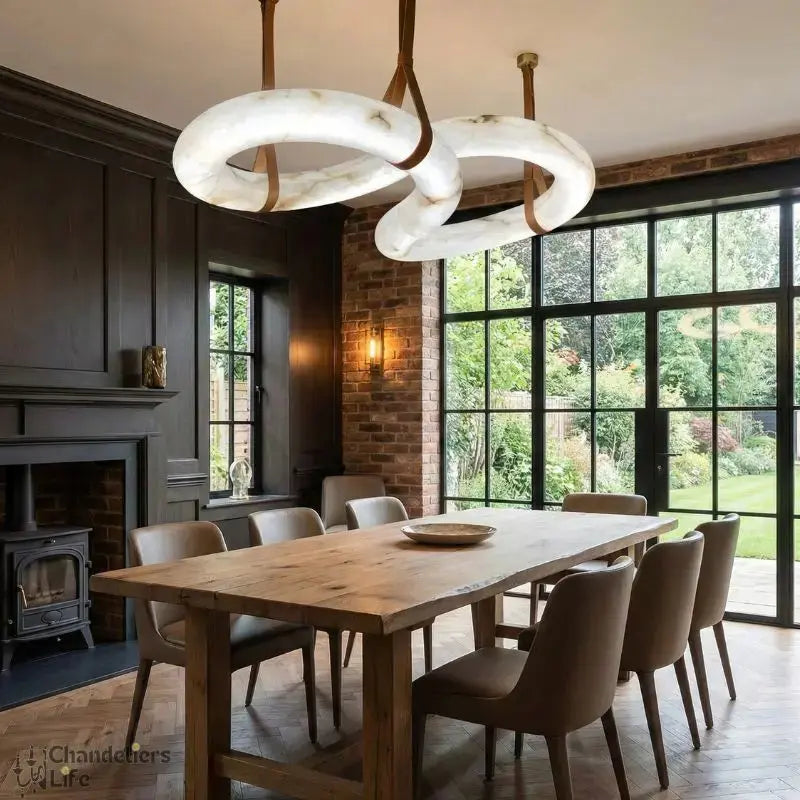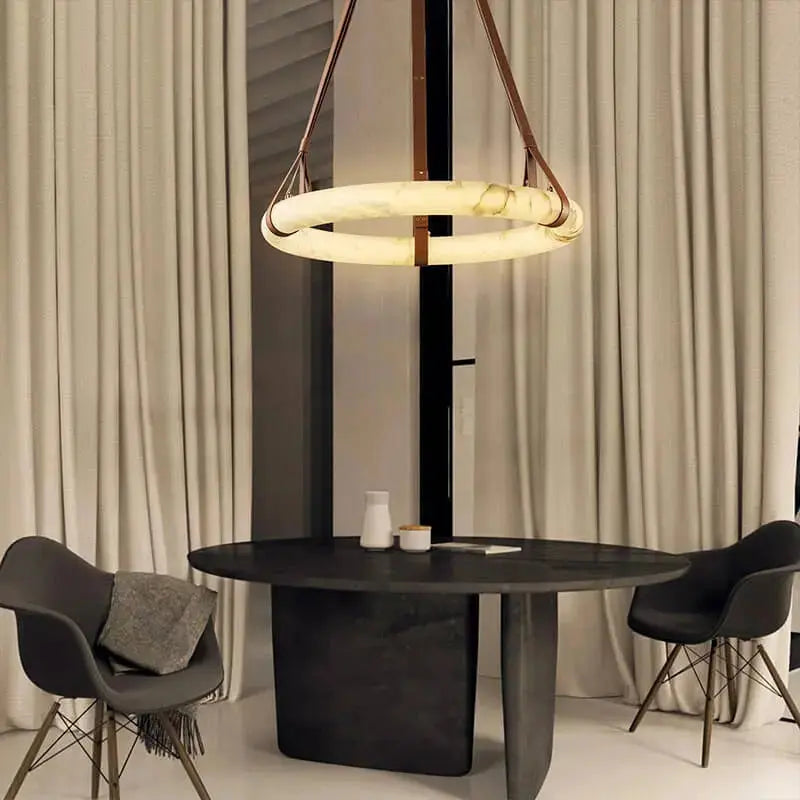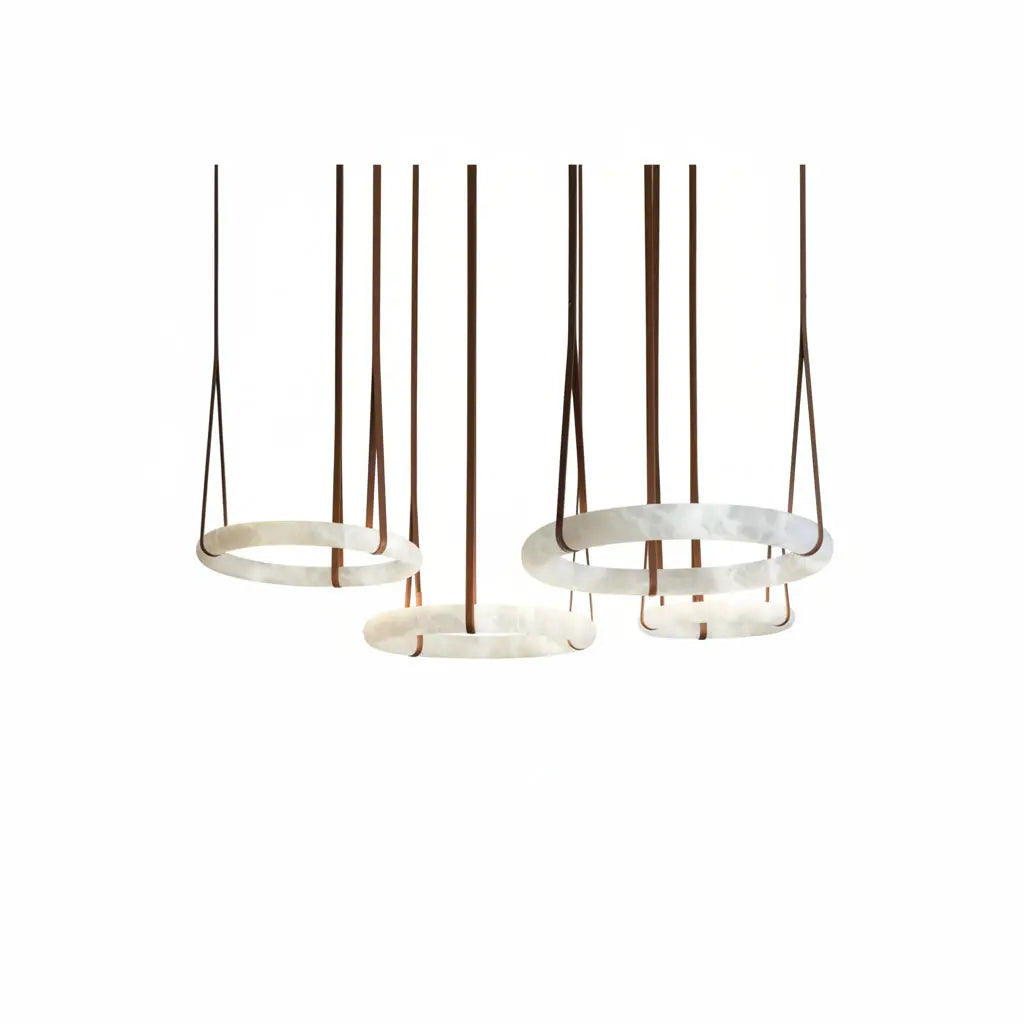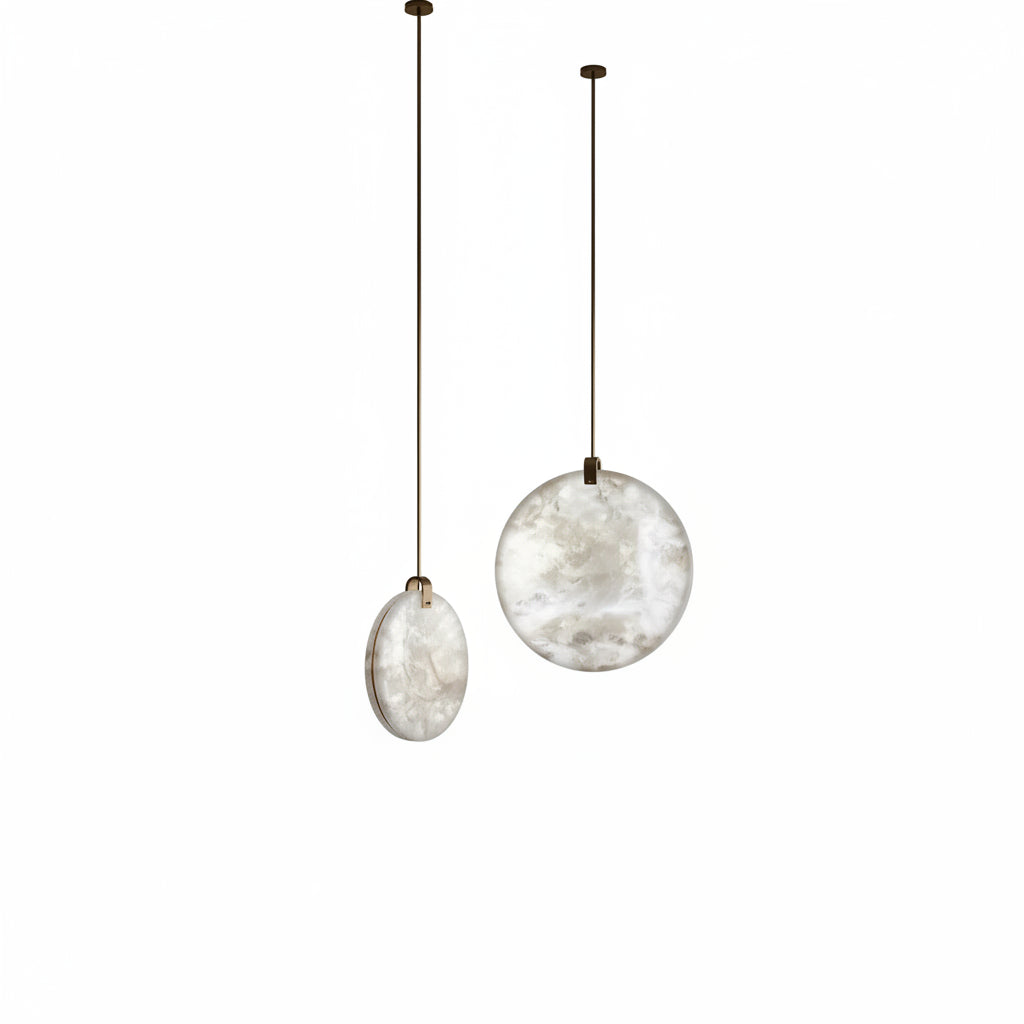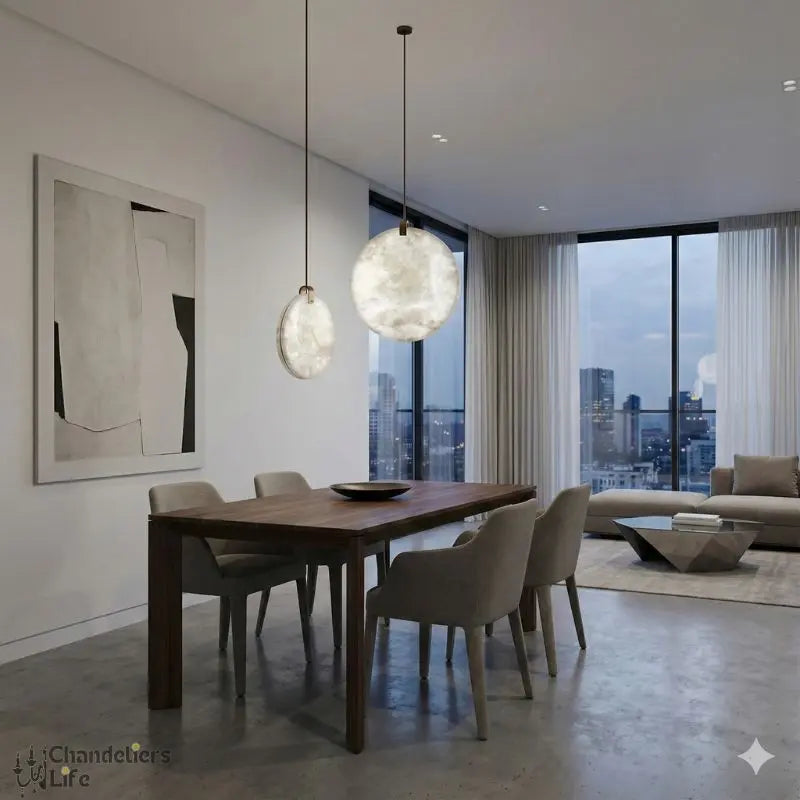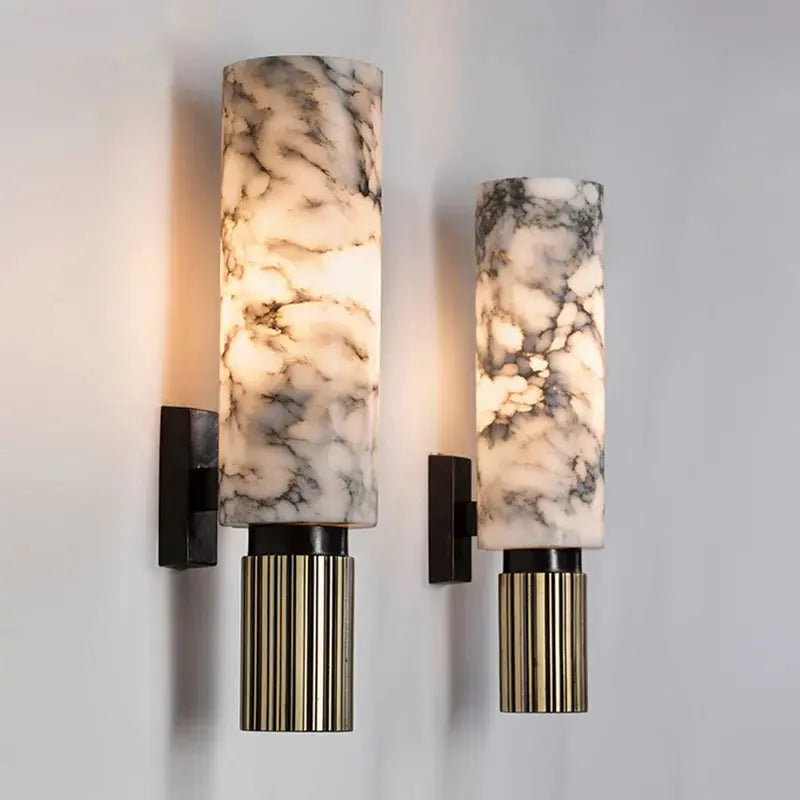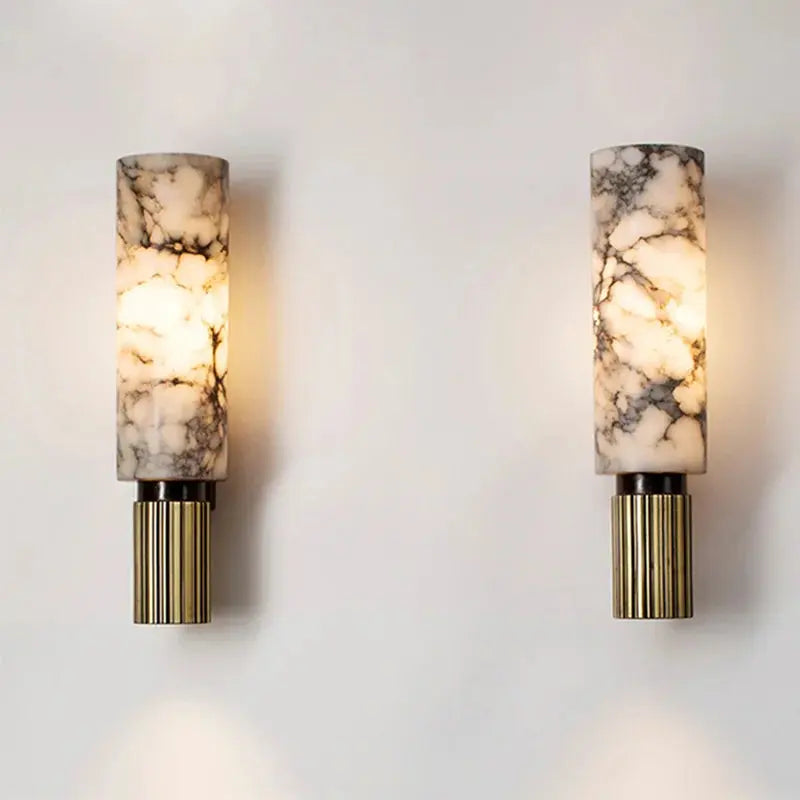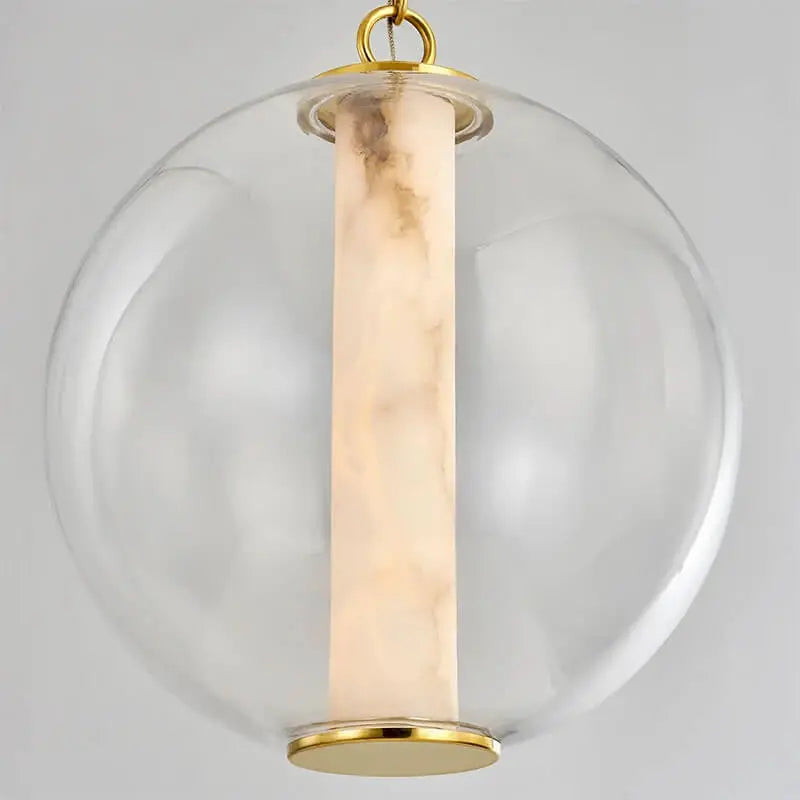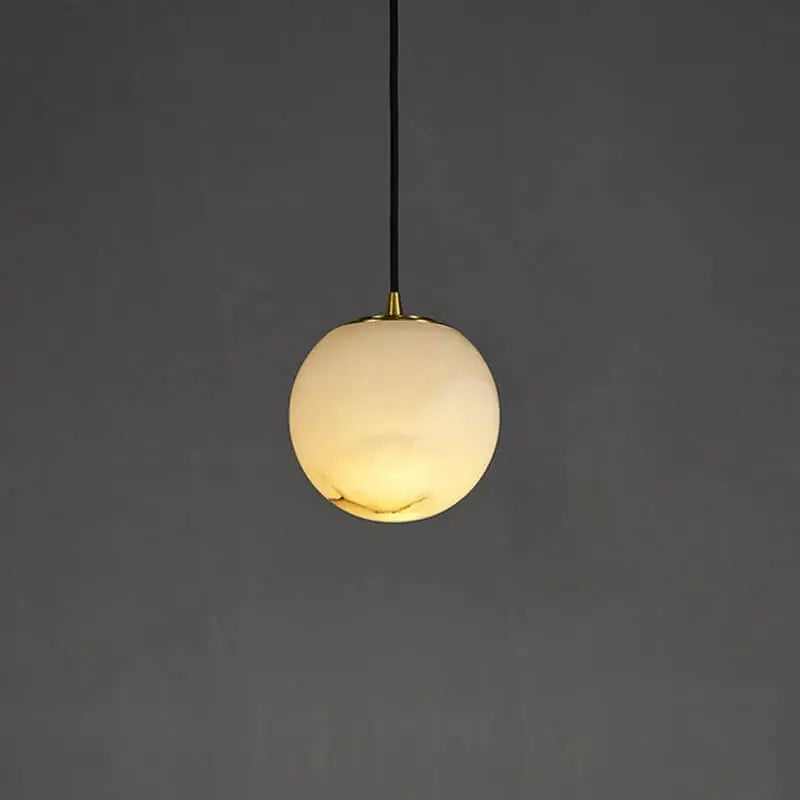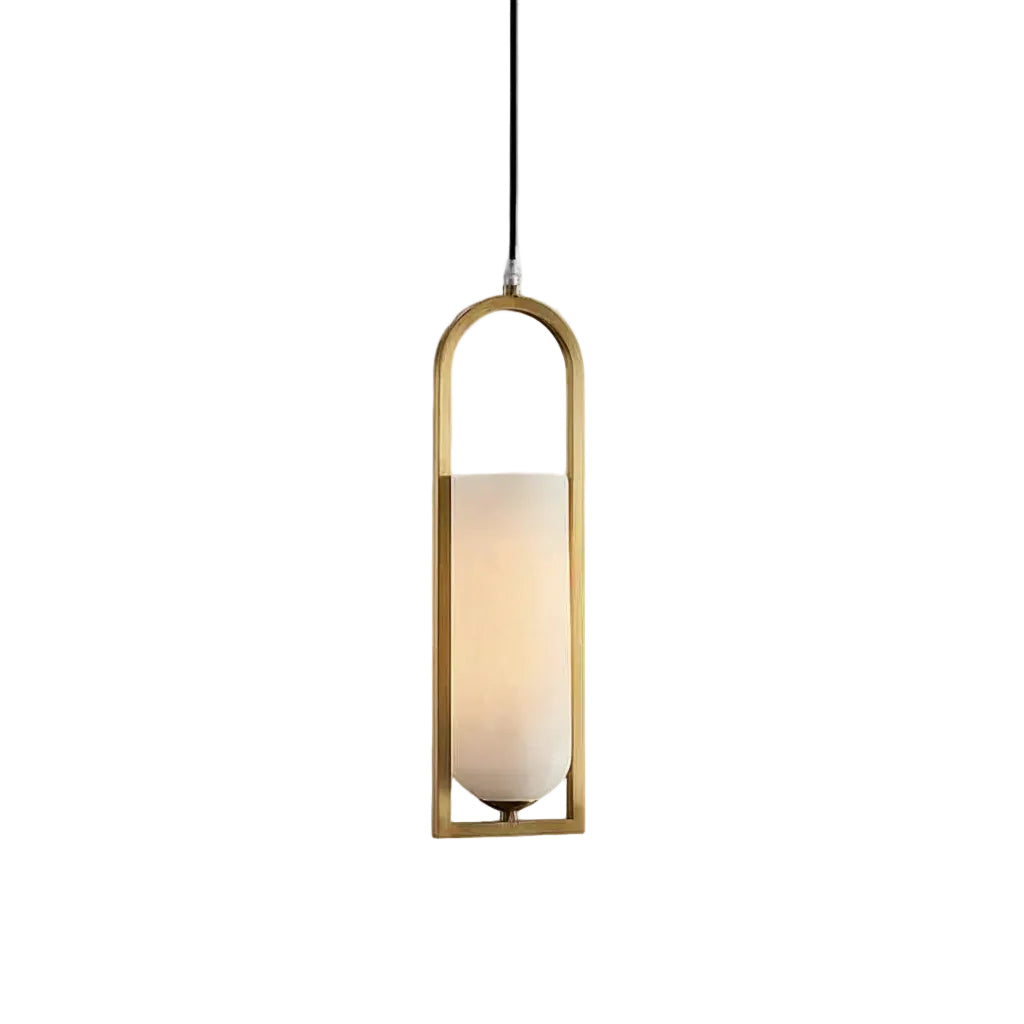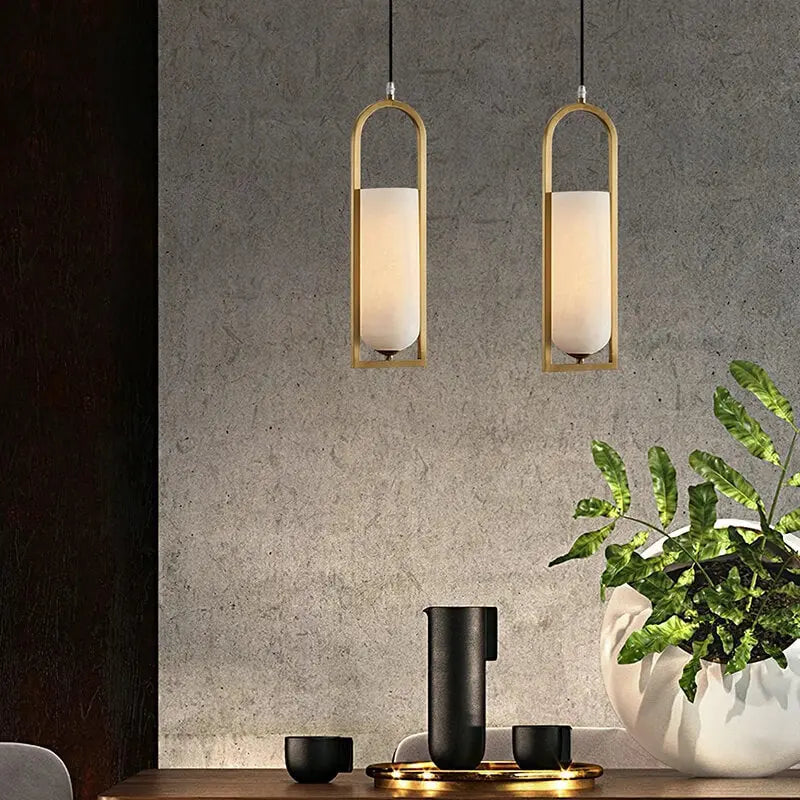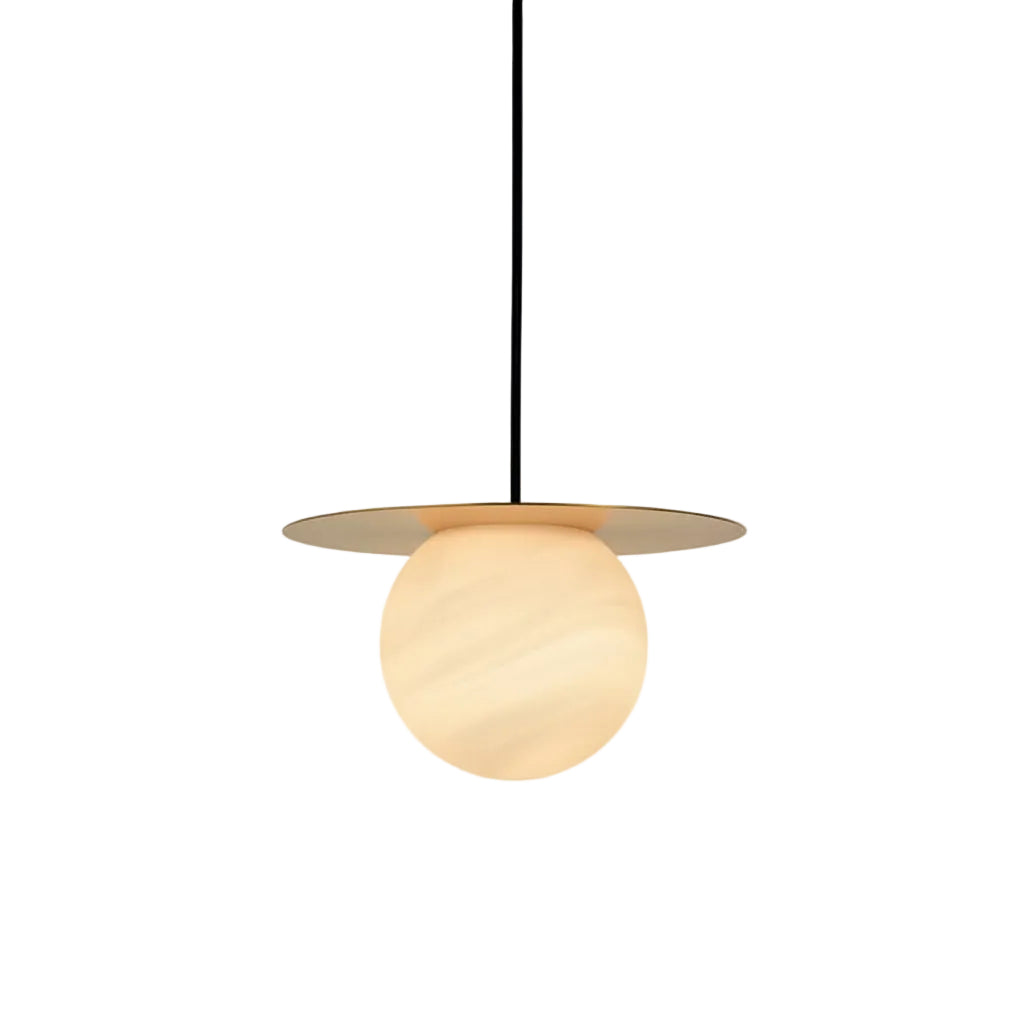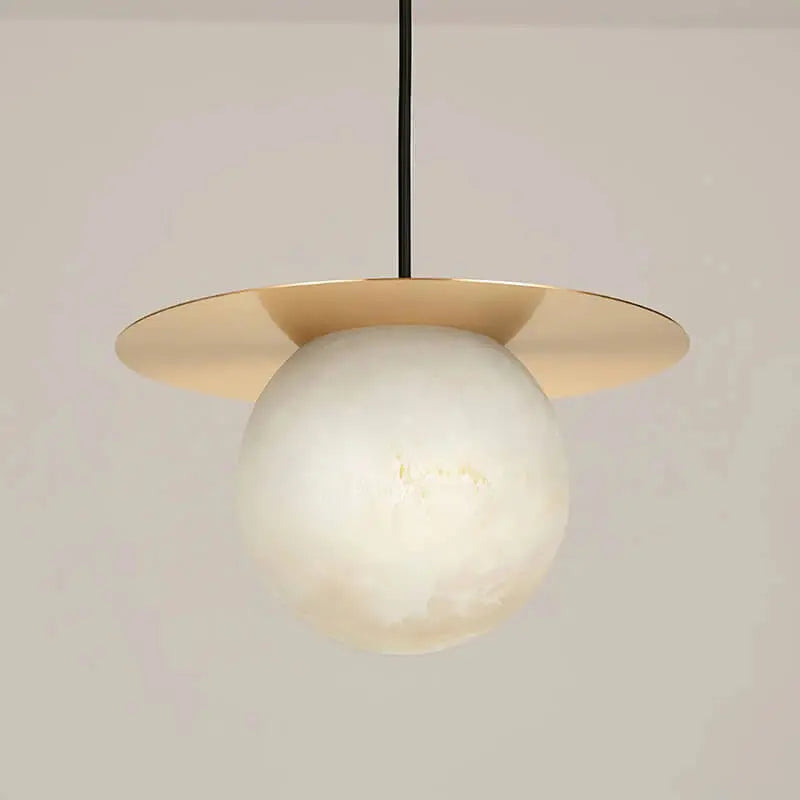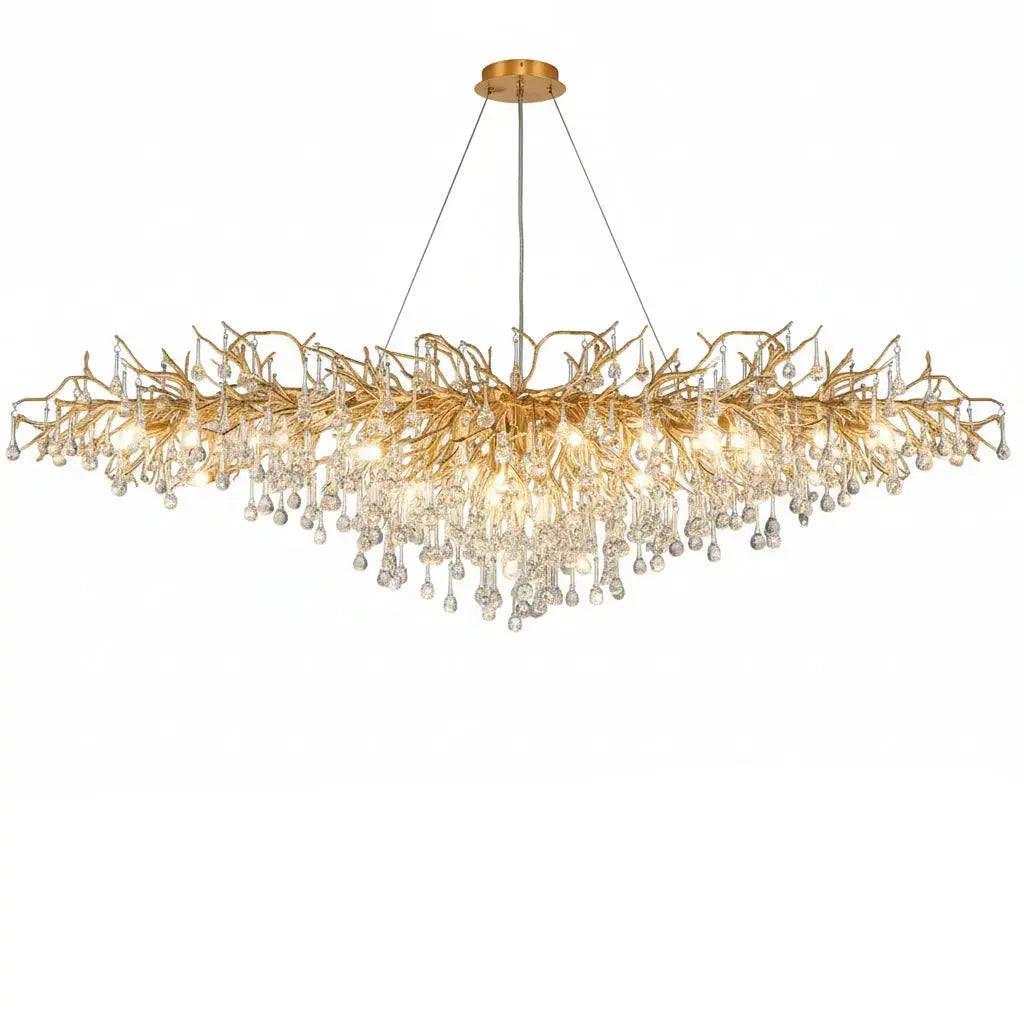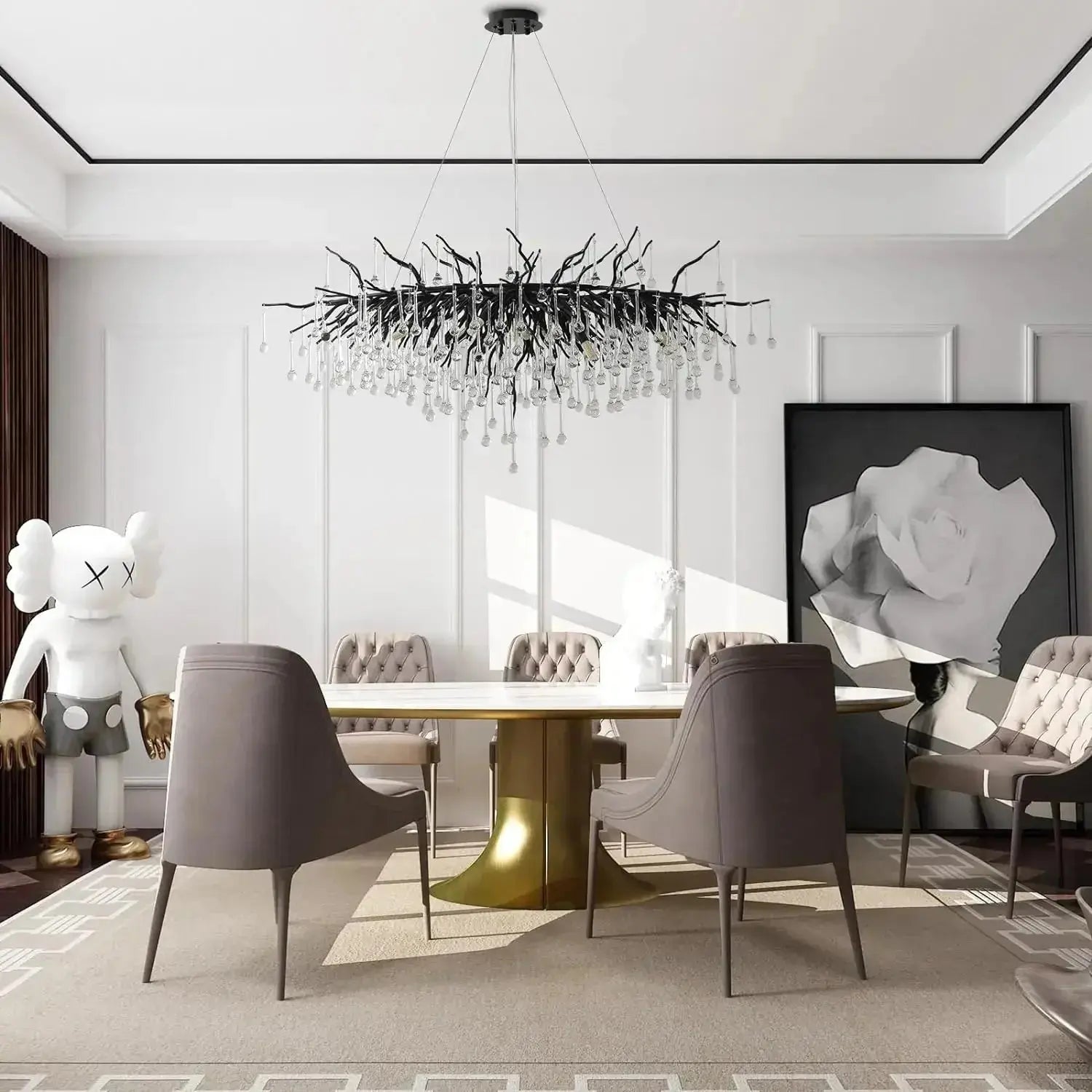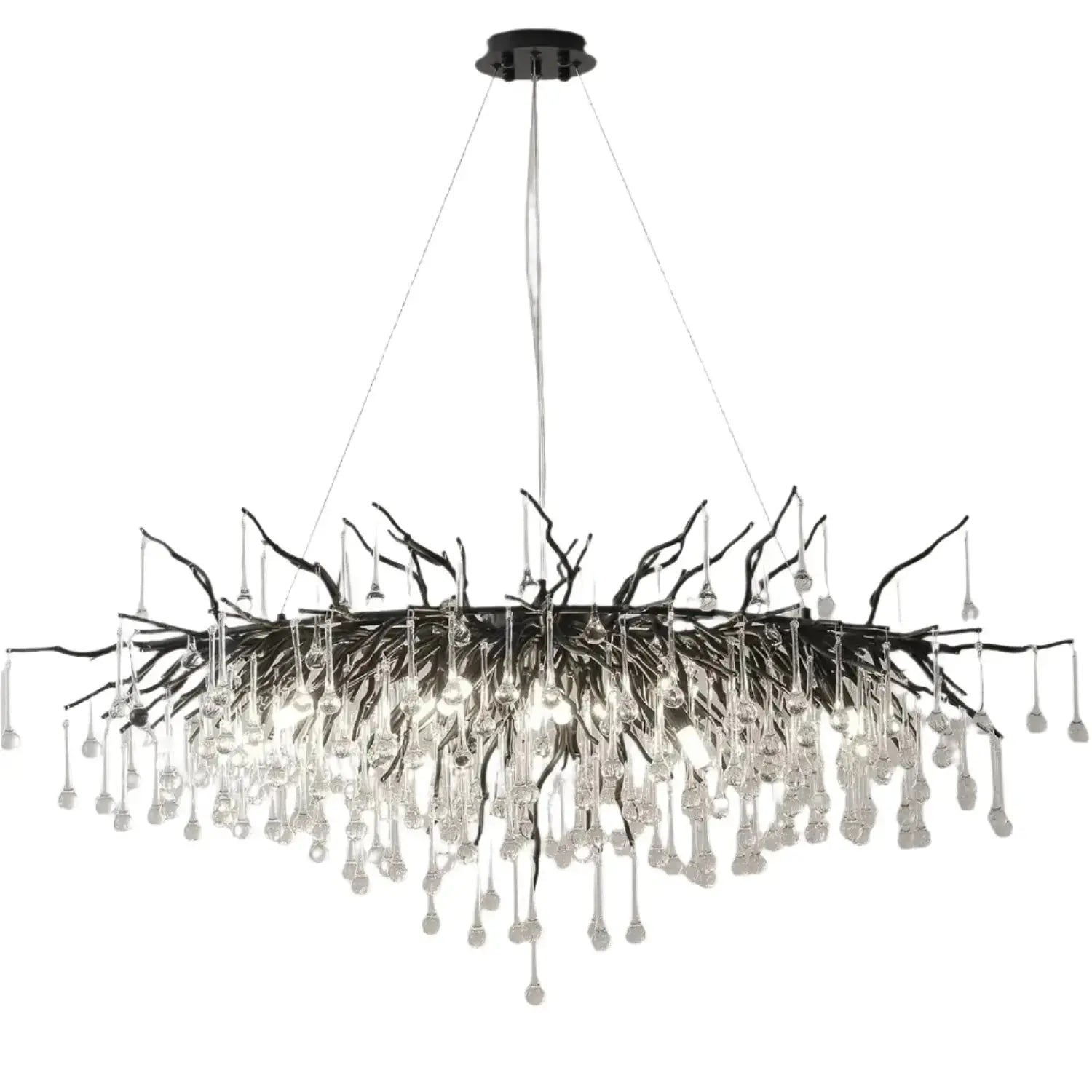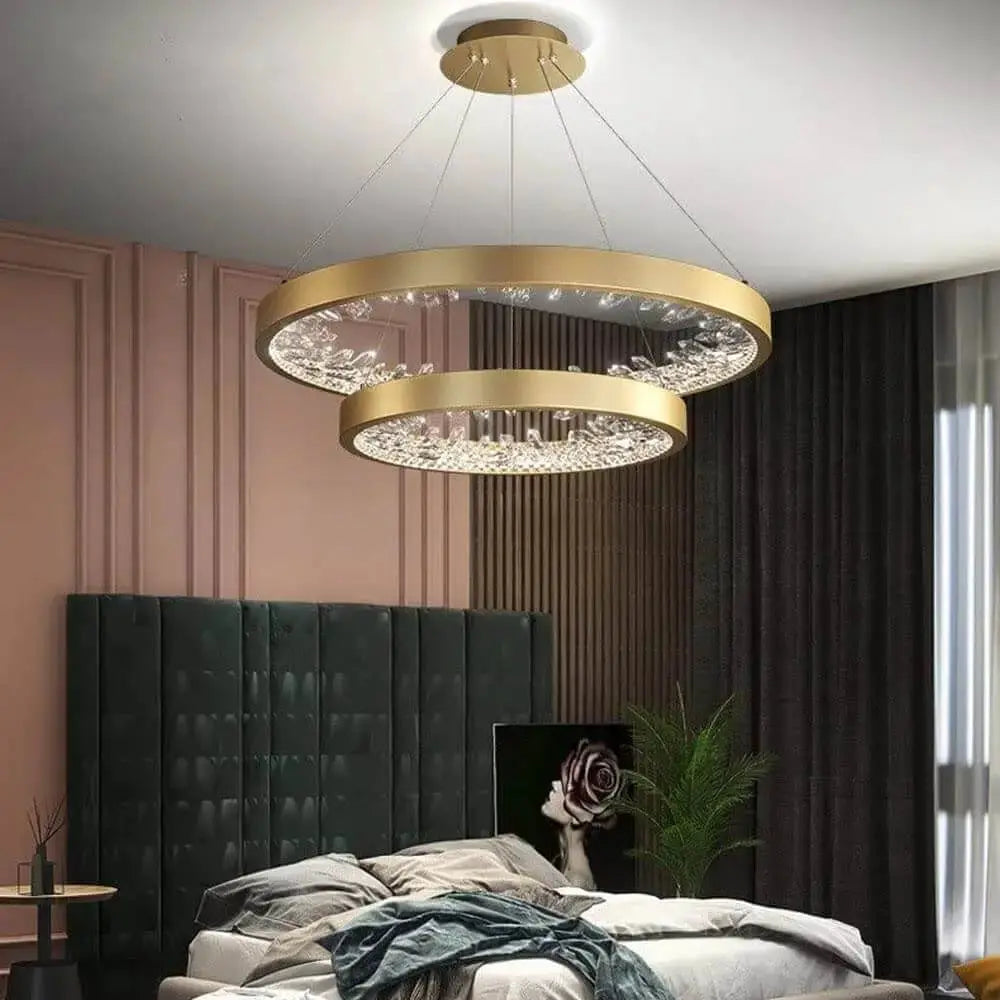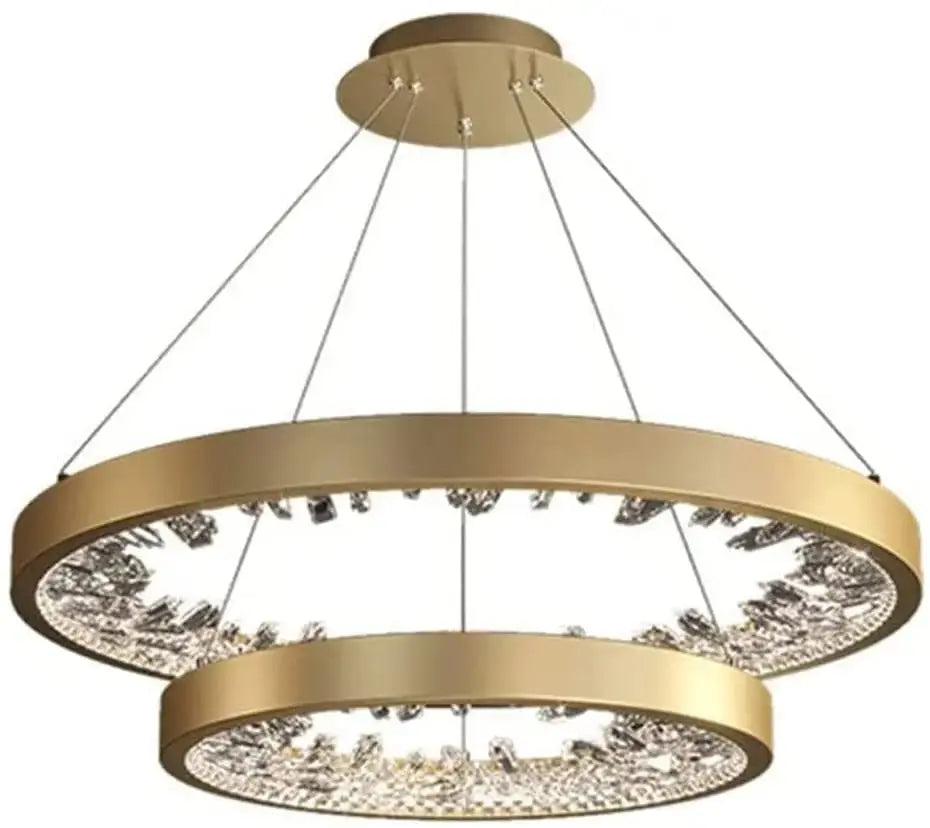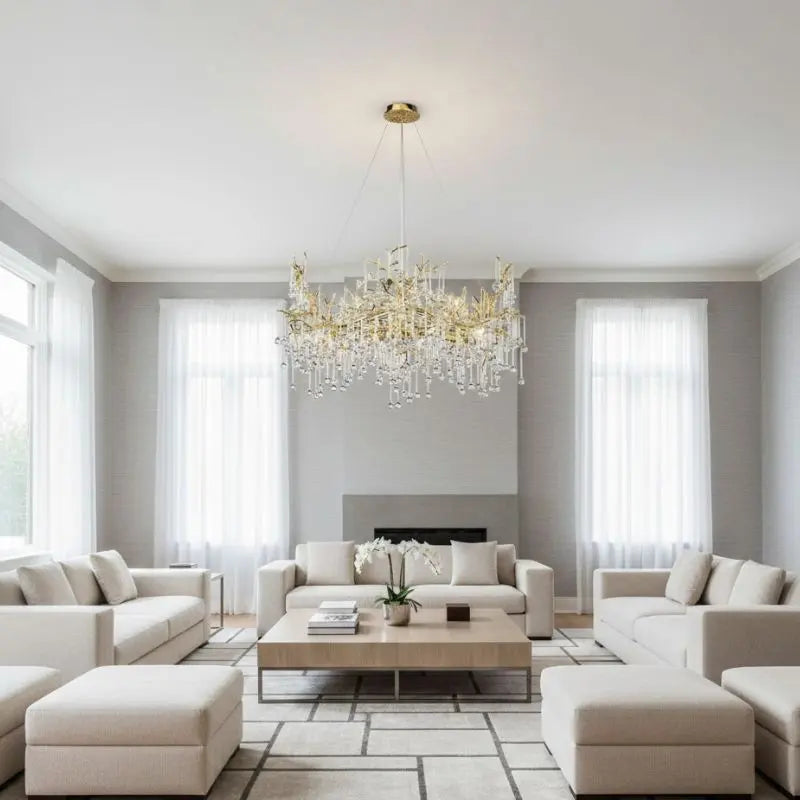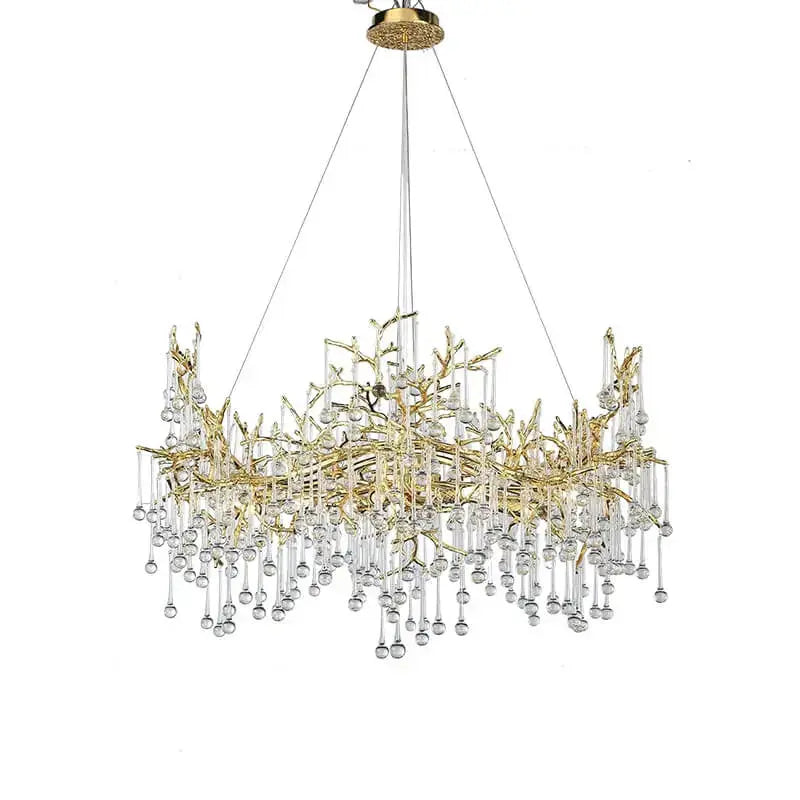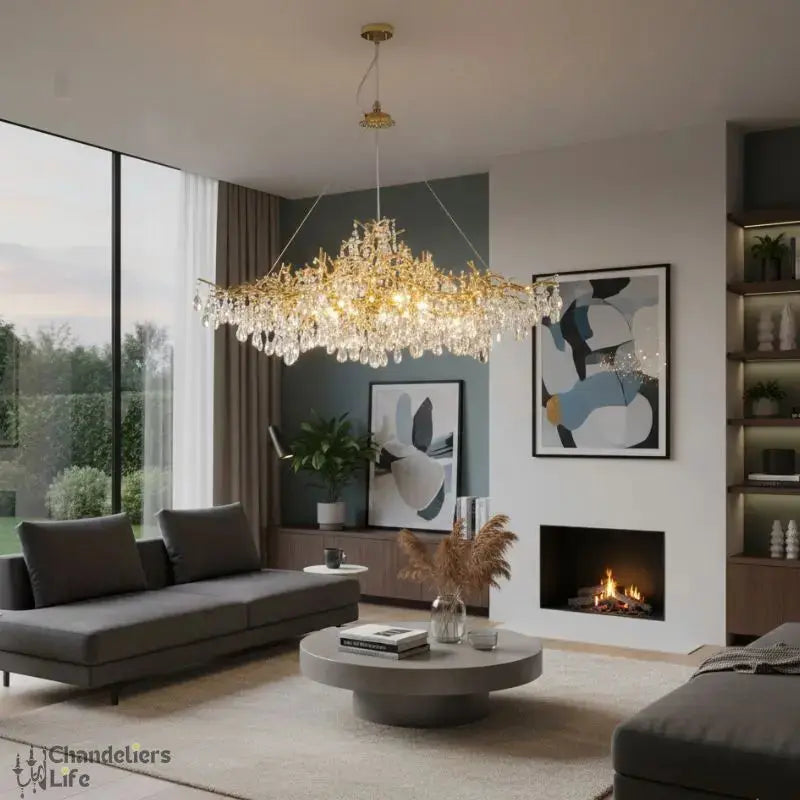
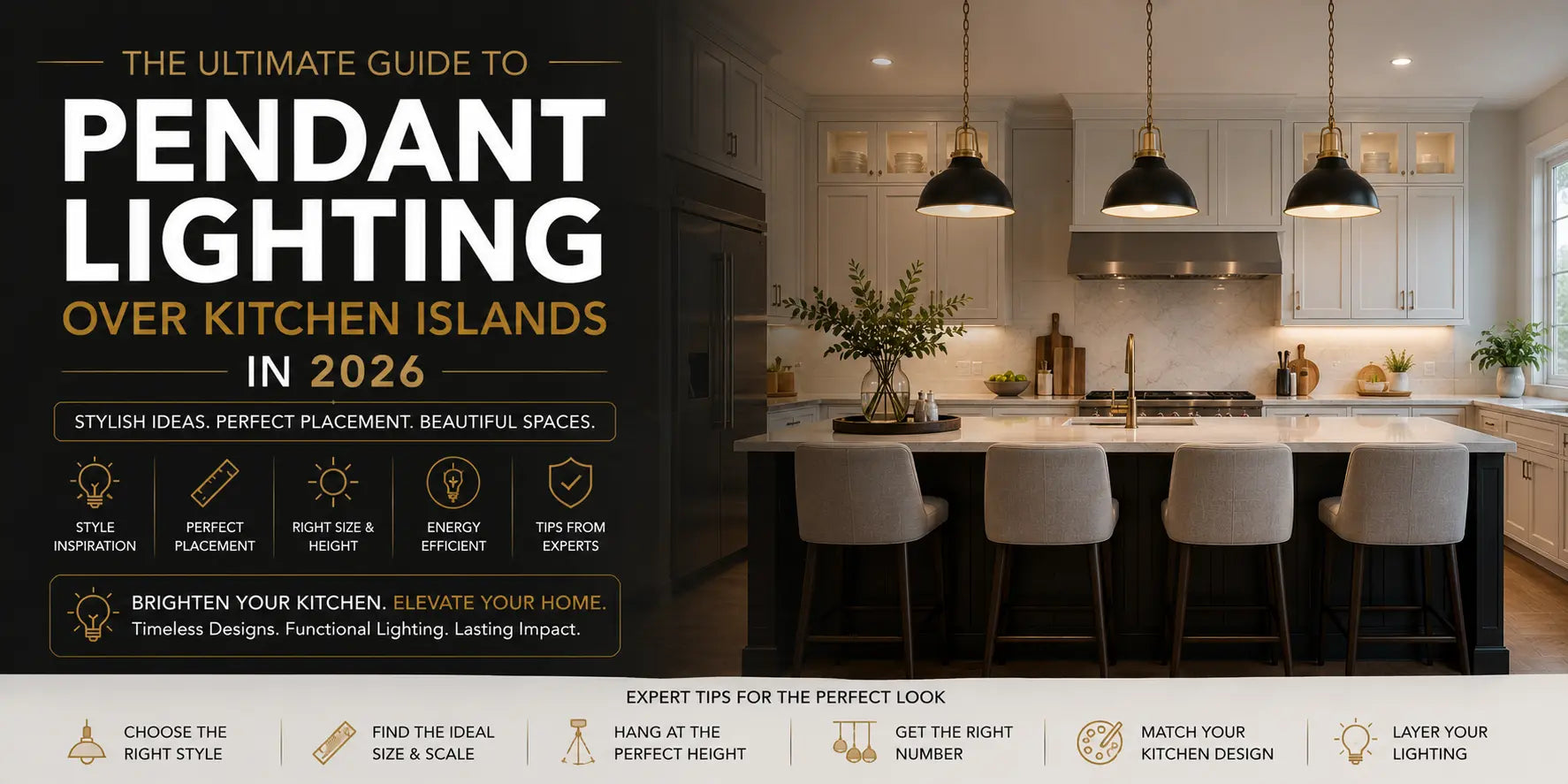
For many kitchens, the island serves as both a practical workspace and a social hub, making its lighting a key element in design. Pendant lighting over kitchen islands blends function with aesthetic appeal, delivering focused task lighting while contributing style and character. These lights effectively highlight the island area, enhancing food preparation and dining experiences alike. From singular statement pieces to clusters or linear bar pendants, the variety of pendant styles ensures options suitable for every kitchen, allowing homeowners to tailor illumination and ambience precisely to their space.
Why Pendant Lighting is Perfect for Kitchen Islands
Pendant lighting has become a staple over kitchen islands due to its versatile appeal. It perfectly balances task lighting needs—illuminating work surfaces—with an opportunity to add visual interest and personality to the kitchen. These lights act as focal points that can complement various design schemes, from sleek modern to rustic farmhouse. Their ability to create layers of light directly over the island while enhancing the overall kitchen atmosphere makes them invaluable. Styles vary widely, including single pendants that provide targeted light, bar pendants offering even coverage, and clusters that deliver a playful yet functional statement.
Types of Pendant Lights for Kitchen Islands
Choosing the right pendant begins with understanding the common types. Single pendants are individual fixtures ideal for smaller islands or accentuating a section, while bar pendants consist of multiple lights mounted on a linear frame, perfect for longer counters requiring uniform illumination. Multi-light clusters offer a dynamic arrangement that can energize a kitchen’s design. Glass pendants stand out with their translucent shades that softly diffuse light, adding a gentle glow and enhancing ambiance. Their shades come in various shapes and colours, from clear to smoked or amber glass, influencing the mood from bright and airy to warm and intimate. Black metal and black pendant fixtures lend an industrial or contemporary edge, creating striking contrast especially against lighter materials. Pairing these with wood or brass elements enriches texture and injects trendy appeal.
Single Pendants
Single pendants are especially suitable for compact kitchen islands where space is at a premium or for creating a focused design statement. They work well alone to highlight an island’s centre or as a series of evenly spaced pendants to achieve balanced illumination. Multiple single pendants in a row also help define the island visually, offering an elegant rhythm that complements different kitchen layouts.
Bar Pendants
Bar pendants excel over longer islands by providing consistent lighting across the entire surface. Their streamlined linear form gives a modern, minimalist look while effectively lighting extended breakfast bars or prep areas. A bar pendant reduces visual clutter by containing multiple lights in a cohesive design, which suits contemporary kitchen island lighting prioritising clean lines and uniform brightness.
Glass Pendants and Shades
Glass shades enhance pendant lighting by improving light diffusion and contributing to a kitchen’s style language. Clear glass shades maintain brightness and clarity, while smoked or amber-tinted glass adds warmth and depth. Shapes can range from globe and bell to cylinder, each influencing the kitchen’s vibe—rounder forms feel softer and more traditional, while angular designs appear sleek and contemporary.
Black Metal Pendants
Black metal pendants introduce bold contrast, especially effective in industrial, modern, or eclectic interiors. Their matte or glossy black finishes ground the space with definition and sophistication. Combining black pendants with warm wood surfaces or brass accents can soften their impact while elevating texture and richness, resulting in a chic, on-trend kitchen setting.
How to Choose the Right Pendant Lighting for Your Kitchen Island
Selecting the ideal pendant lighting depends heavily on the island’s dimensions and the kitchen’s overall style. Evaluating the size and shape of the island guides decisions on the number of lights needed and their scale. Pendants should be proportionate—for example, smaller pendants suit compact islands, while larger fixtures can enhance expansive counters without overwhelming. The style chosen must resonate with the kitchen’s décor theme, whether it’s modern minimalism, cosy farmhouse charm, or bold industrial edge. Lighting needs should also be considered: task lighting requires bright, directed light for activities, whereas ambient lighting focuses on mood and atmosphere. Choosing energy-efficient LED bulbs adds long-term value through longevity and adjustable colour temperatures.
Determining Number of Pendants
The number of pendants is usually defined by the length of the kitchen island. A practical rule of thumb is to allow around 24 to 30 inches between pendants to ensure even coverage and an aesthetically pleasing layout. Small islands often suit a single, impactful pendant, while larger islands typically require two or three pendants spaced evenly to avoid dark spots and provide sufficient task lighting.
Choosing Size and Scale
Pendant diameter and height affect both light distribution and visual harmony. A larger pendant can act as a focal point but risks dominating a small space, whereas too-small fixtures may seem insignificant. Mixing pendant sizes or coordinating finish materials can create layered interest and dimensionality, ensuring lighting complements rather than competes with other kitchen elements.
Selecting Style and Material
Materials such as glass or metal should support the kitchen’s aesthetic and atmosphere. For lighter, airier designs glass pendants with clear or coloured shades work beautifully, promoting flow and transparency. Black pendants often best suit kitchens with modern or industrial interiors, offering striking contrast and bold presence. Consider finishes carefully to ensure the pendants complement cabinetry, countertops, and hardware.
Installation Guidelines for Kitchen Island Pendant Lights
Proper installation is critical to achieve both functionality and beauty. Hanging pendants at the correct suspension height—generally 30 to 36 inches above the island surface—provides optimal task lighting without glare or obstruction. Even spacing between multiple pendants ensures balanced illumination and an orderly appearance. Adjusting cord or chain length allows customisation based on ceiling height and kitchen layout. For safety and best results, professional installation is recommended. Incorporating dimmer switches with LED-compatible bulbs can greatly enhance lighting flexibility, allowing effortless transition between bright work light and soft mood settings.
Adjusting Pendant Height
Height influences both how well an island is lit and the kitchen’s overall spatial feel. Lower suspensions work well in rooms with high ceilings or open-plan layouts, creating an intimate atmosphere, while higher placements keep sightlines clear and prevent obstructions. Pendant suspension can be tailored during installation to suit specific ceiling heights and kitchen configurations.
Spacing and Placement
Spacing depends on pendant size and island length, but generally positioning pendants so they align with the island’s edges promotes cohesion. Ensuring 24 to 30 inches between fixtures balances light coverage and visual rhythm. Proper alignment also helps maintain symmetry or intentional asymmetry depending on design preference.
Styling Tips to Enhance Your Kitchen Island with Pendant Lights
Pendant lights should complement the kitchen’s colour palette and materials to create a harmonious setting. Combining finishes, for example black metal pendants with natural wood island surfaces or glass with brass accents, adds depth through contrasting textures. Layering pendant lighting with recessed ceiling lights or under-cabinet fixtures builds versatility, allowing users to tailor ambiance to occasion. Pendants can be used as focal points over the island or as understated accents that enhance other decorative elements, depending on the style direction.
Creating Visual Balance
Balance is key when styling pendants. Oversized pendants or an excessive number can overwhelm the island and disrupt the kitchen’s flow, while too few may result in insufficient lighting. Symmetrical pendant arrangements provide classic orderliness, whereas asymmetrical spacing adds a contemporary, playful touch—for example, a cluster of single pendants of varying heights to create visual interest.
Matching Pendant Style with Kitchen Design
For modern kitchens, sleek metal or minimalist glass pendants fit seamlessly. Farmhouse kitchens often benefit from glass shades or softer finishes that add warmth. Industrial spaces are ideal candidates for black pendant lights with metal finishes, while minimalist interiors thrive on simple, unobtrusive designs. Selecting pendant material and colour that echo cabinetry or hardware ties the look together elegantly.
Accessorizing with Lighting Layers
Adding dimmers and bulbs with adjustable colour temperature enhances mood control, shifting effortlessly from energising task light to cosy ambiance. Combining pendant lights with recessed or under-cabinet lighting creates depth and flexibility, so every kitchen activity—from cooking to entertaining—can be supported with optimal illumination.
Common Questions About Kitchen Island Pendant Lighting
How many pendant lights do I need over my kitchen island?
The number depends on island size, pendant diameter, and desired brightness. Generally, one pendant per 30 inches of island length is a reliable guideline. Smaller islands may require just one statement pendant, while longer islands often benefit from two to three lights spaced evenly to avoid shadows and provide consistent task lighting.
Can I mix different pendant lights above my kitchen island?
Mixing pendants of different styles and sizes can introduce a dynamic, eclectic feel if done thoughtfully. Maintaining cohesion through a common colour palette, material, or design theme ensures the mix feels intentional rather than haphazard, offering a curated, artistic ambiance.
Are kitchen island pendant lights dimmable?
Most pendant fixtures are compatible with dimmable bulbs, which significantly extend lighting versatility. Installing dimmer switches along with suitable LED bulbs allows adjustment of light intensity to suit different needs and times of day, from bright task lighting to softer, mood-enhancing illumination.
Should I use LED bulbs for pendant lighting?
LED bulbs are highly recommended for their energy efficiency, long lifespan, and stable brightness levels. They also offer warm or adjustable colour temperatures, enabling pendants to provide light perfectly suited for cooking, dining, or relaxing without excessive energy use.
Can I customize pendant height for my kitchen island?
Most pendants come with adjustable cords or chains, allowing bespoke suspension heights during installation. Correct height selection is crucial for ensuring the lights illuminate the island surface effectively while fitting proportionately within the kitchen’s spatial design.
Perfecting Your Kitchen Island Lighting
Choosing the right pendant lighting transforms a kitchen island from merely functional to a stunning centrepiece. By carefully considering size, style, spacing, and installation specifics, it’s possible to achieve balanced lighting that supports tasks and enhances atmosphere. Whether opting for timeless glass pendants that cast a gentle glow or bold black metal fixtures for industrial charm, your pendant selection should harmonise with kitchen materials and décor. Layering lights and incorporating dimmers further refines usability across daily routines and social occasions, making pendant lighting an indispensable element in inspiring and practical kitchen island lighting.