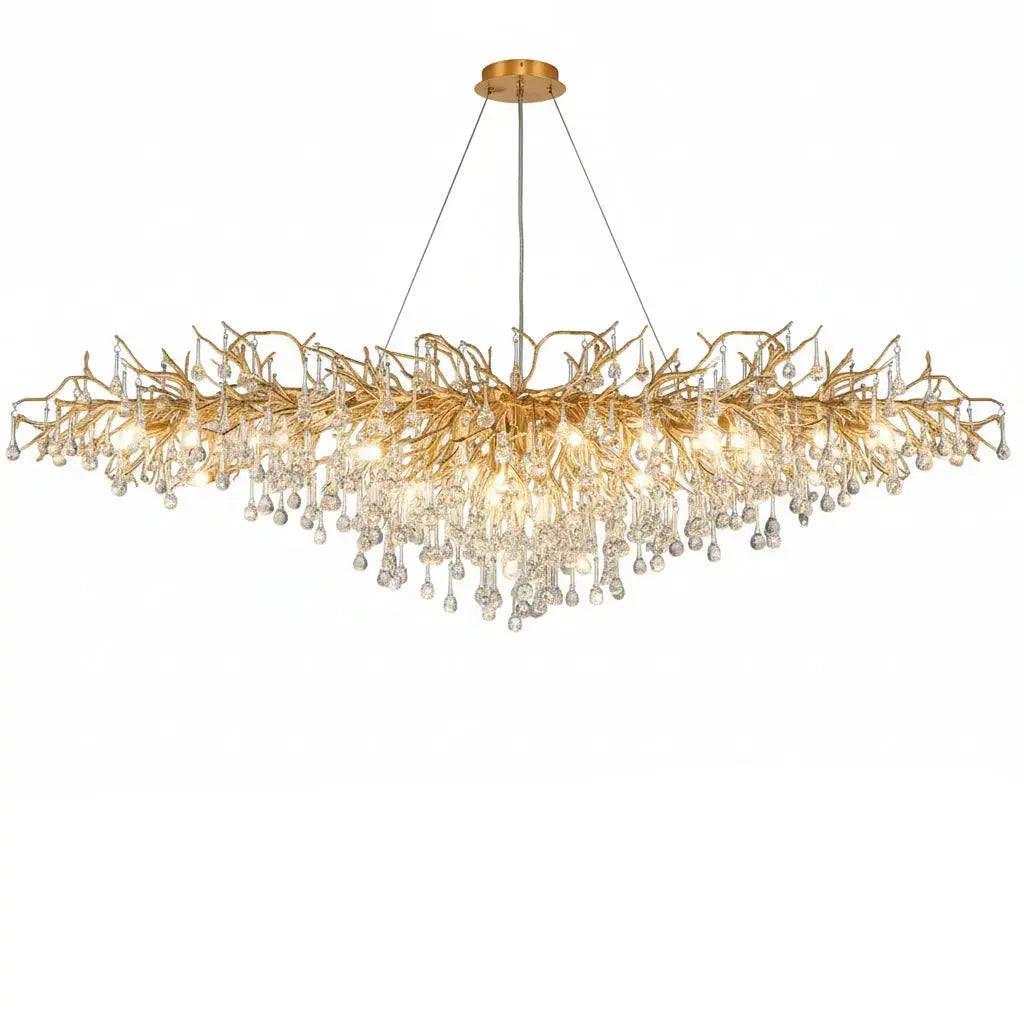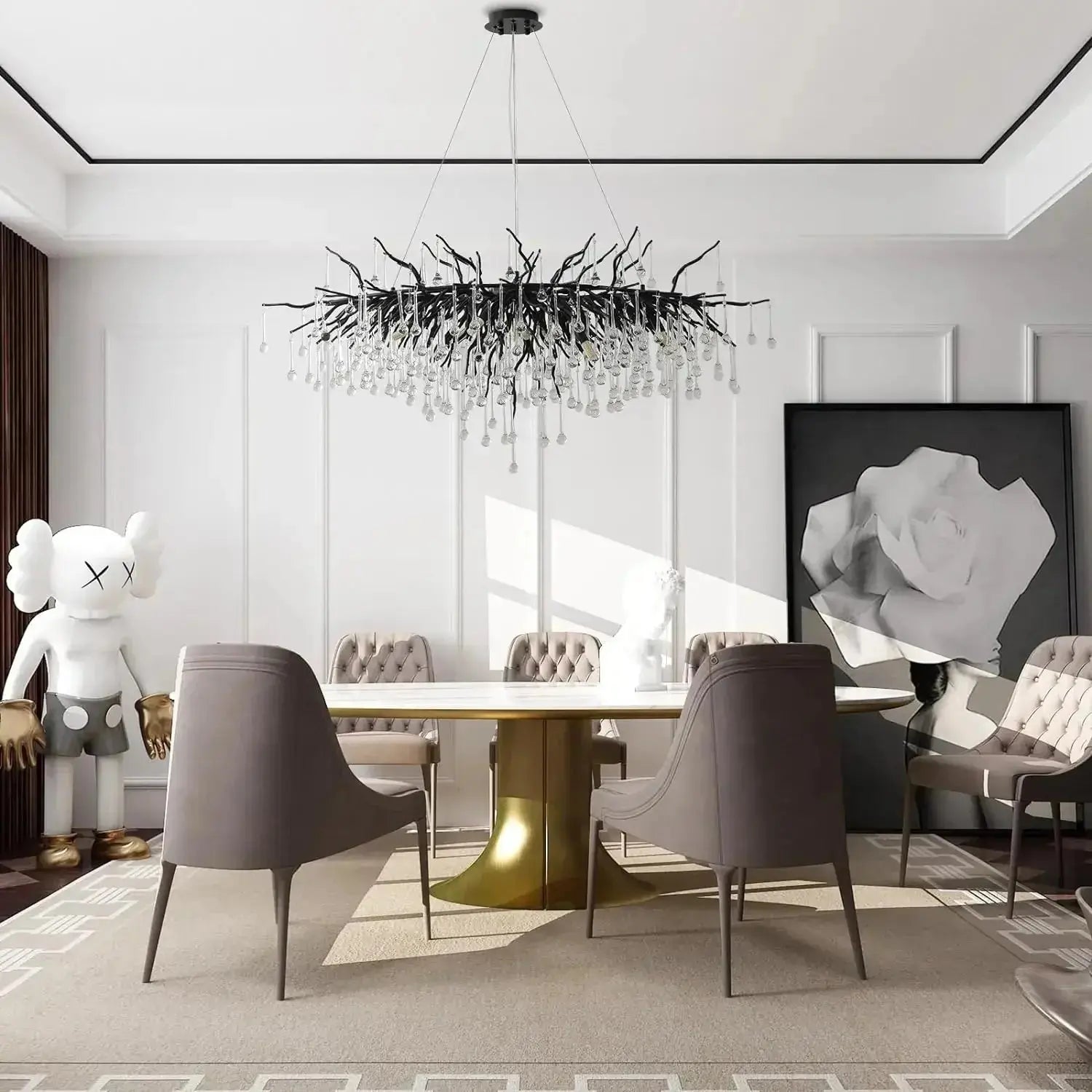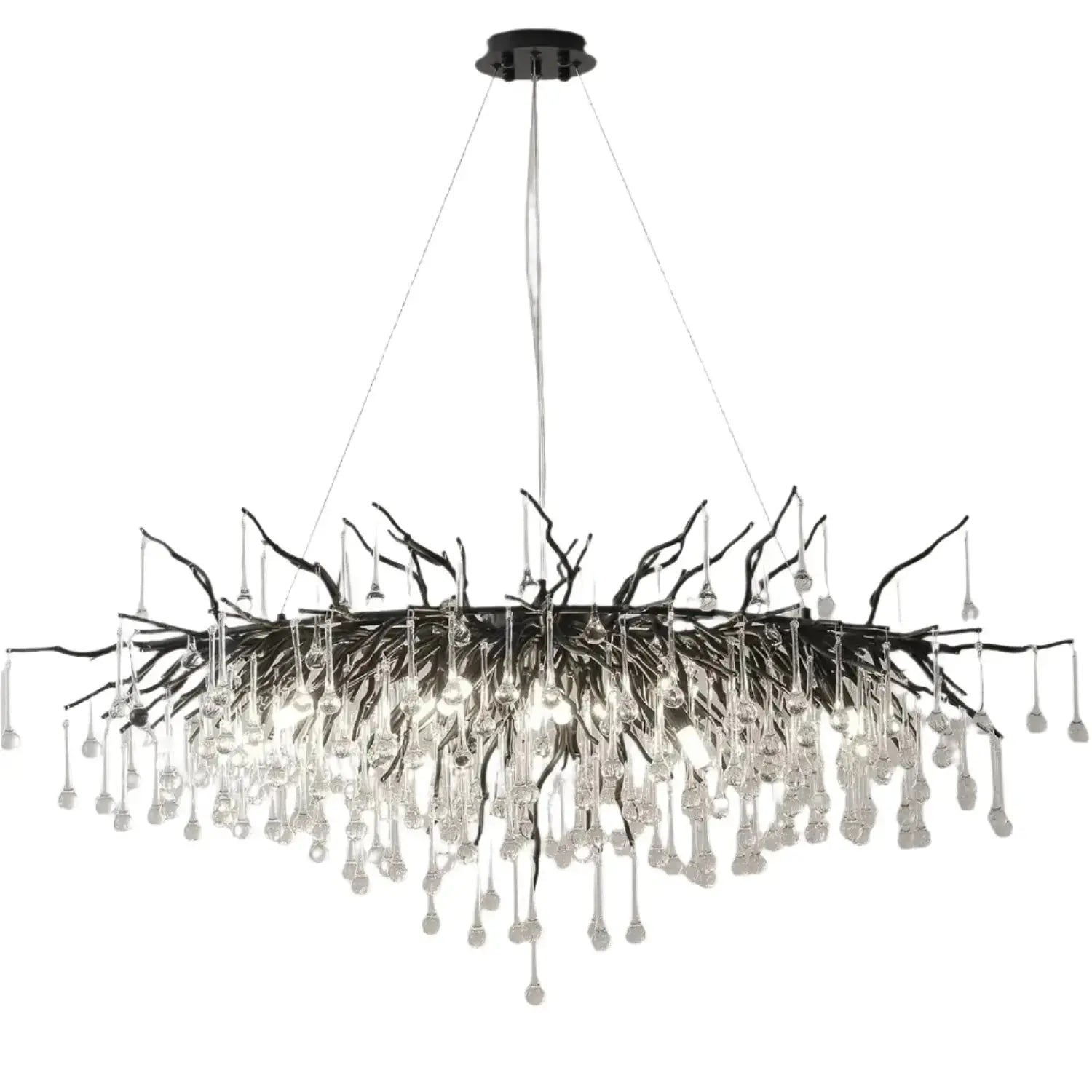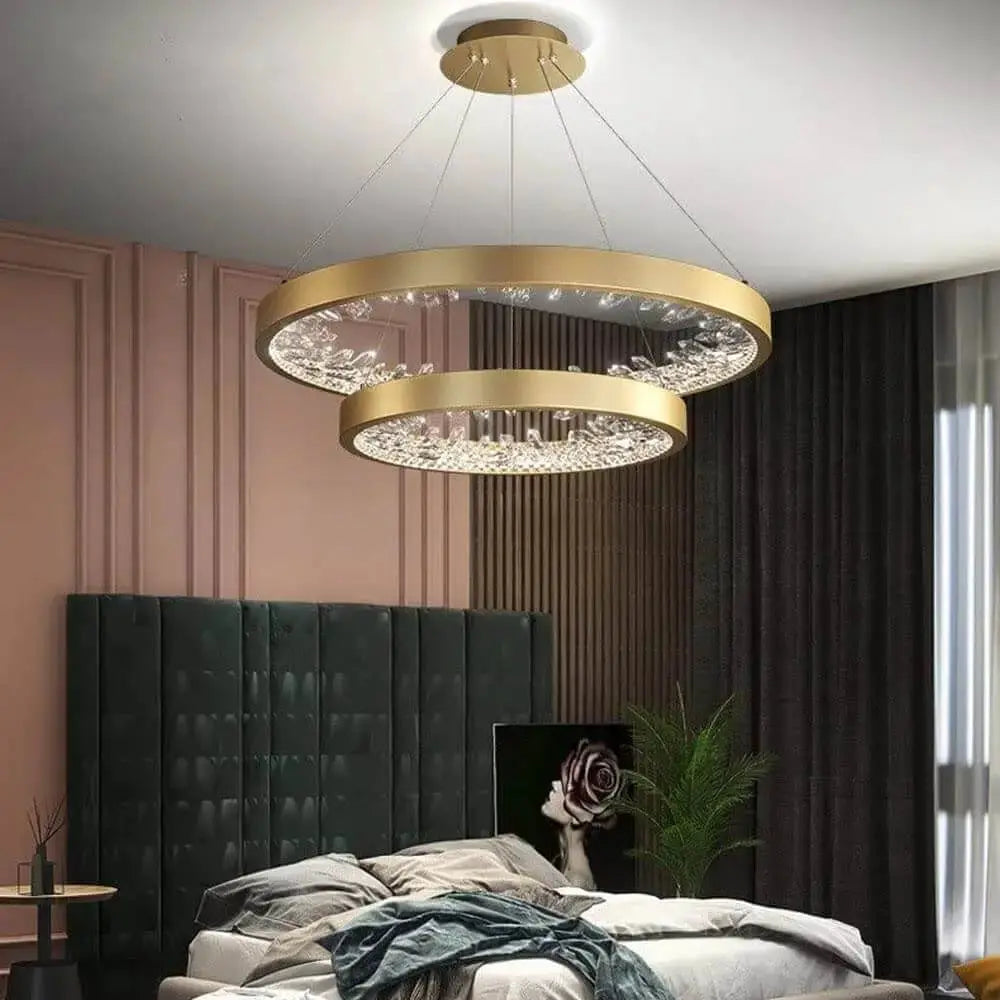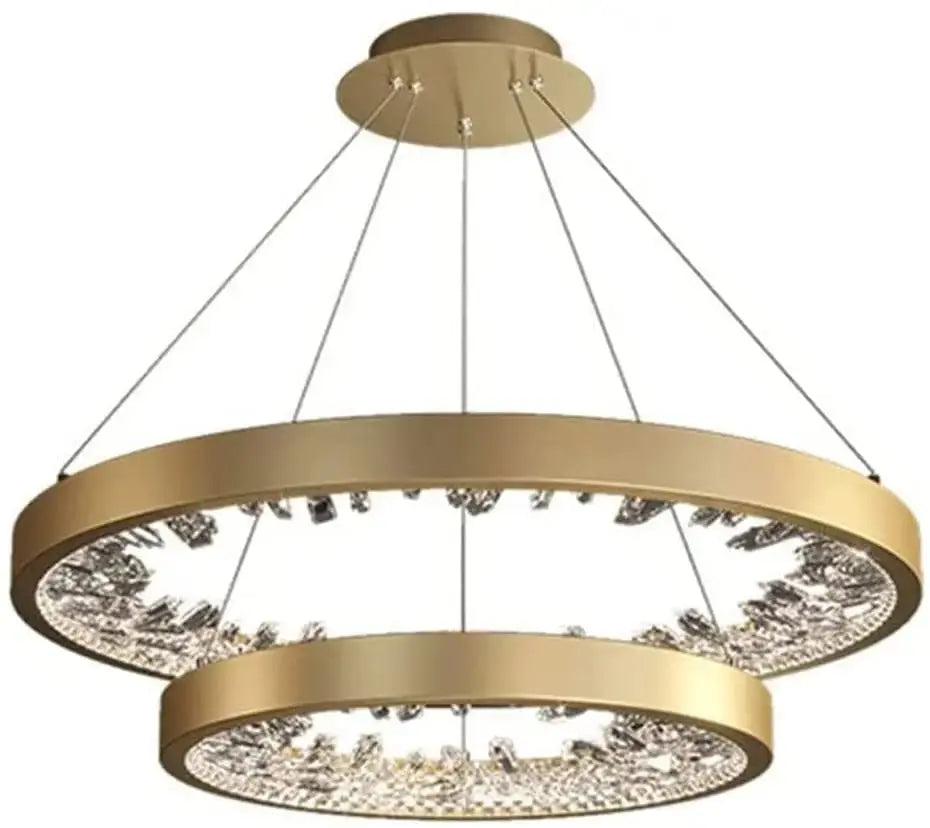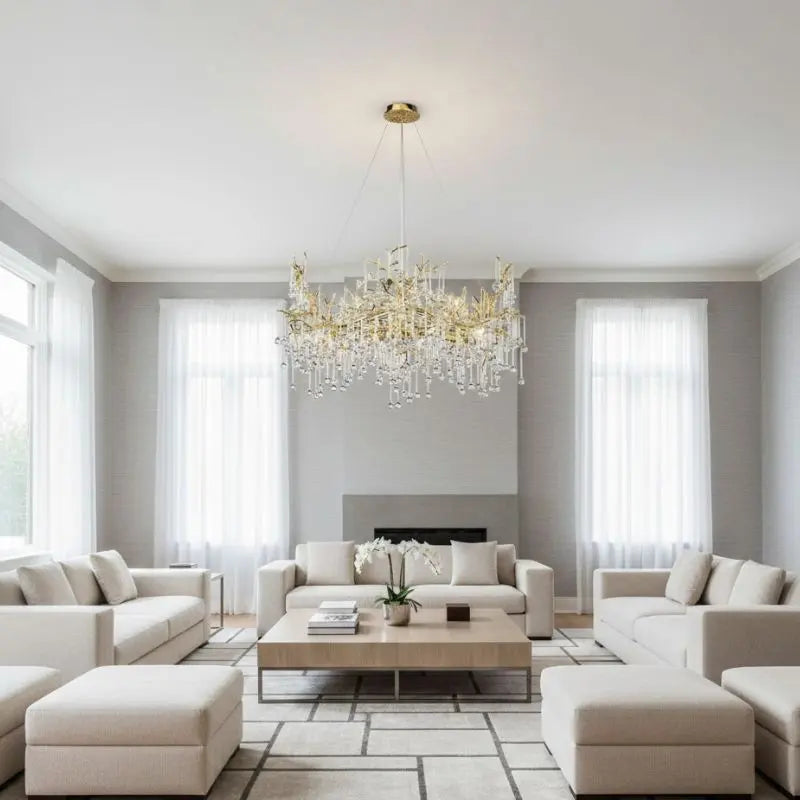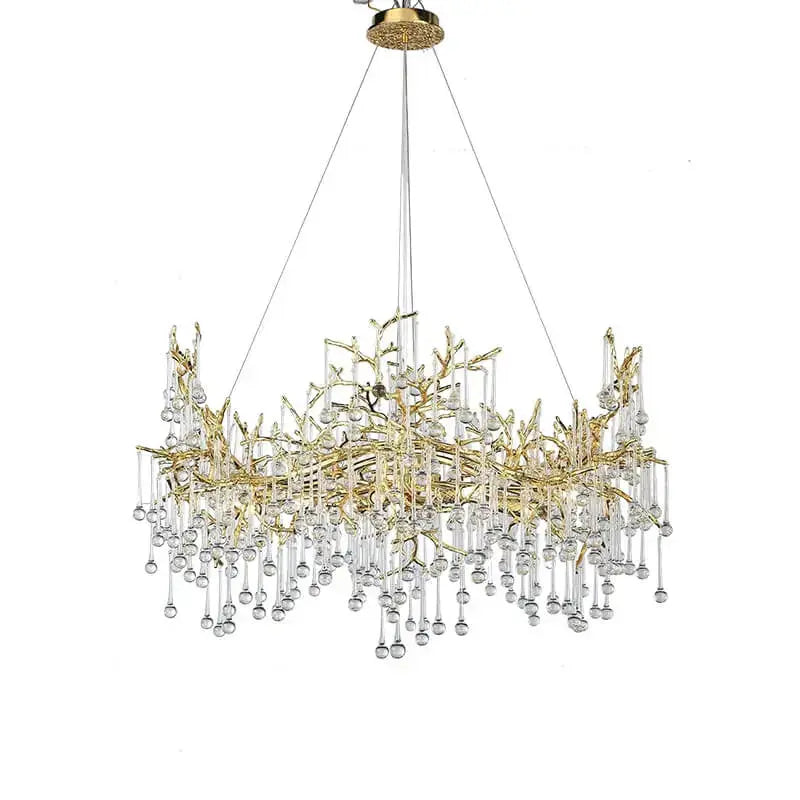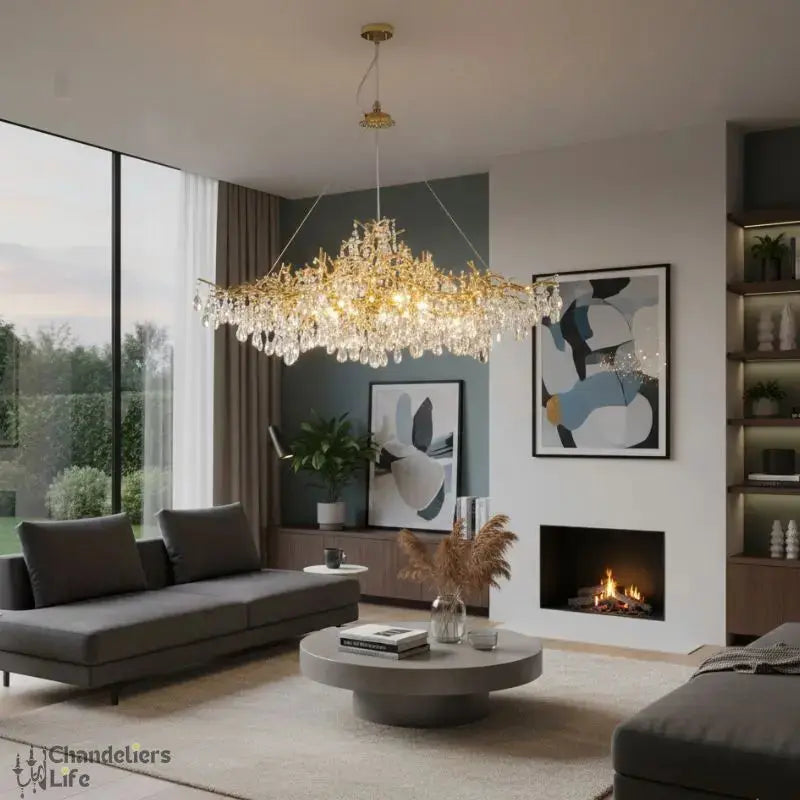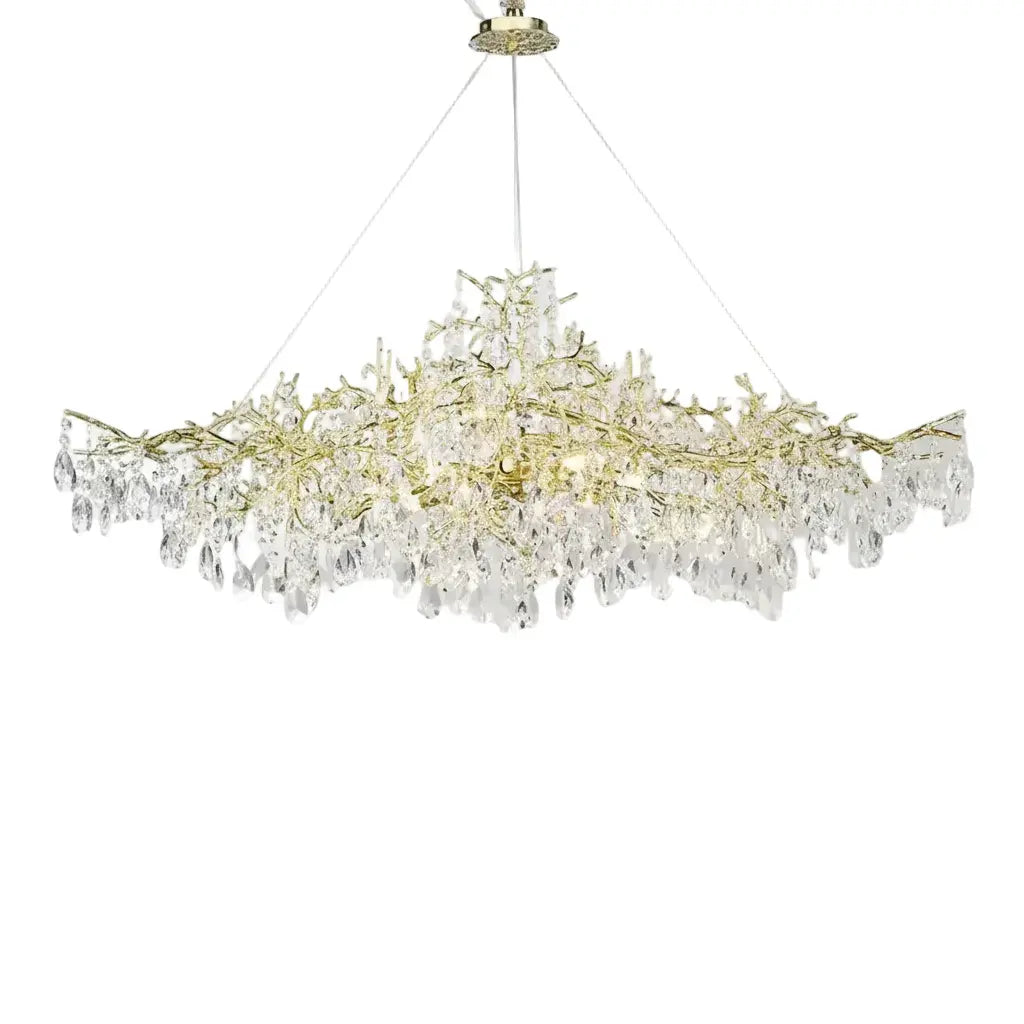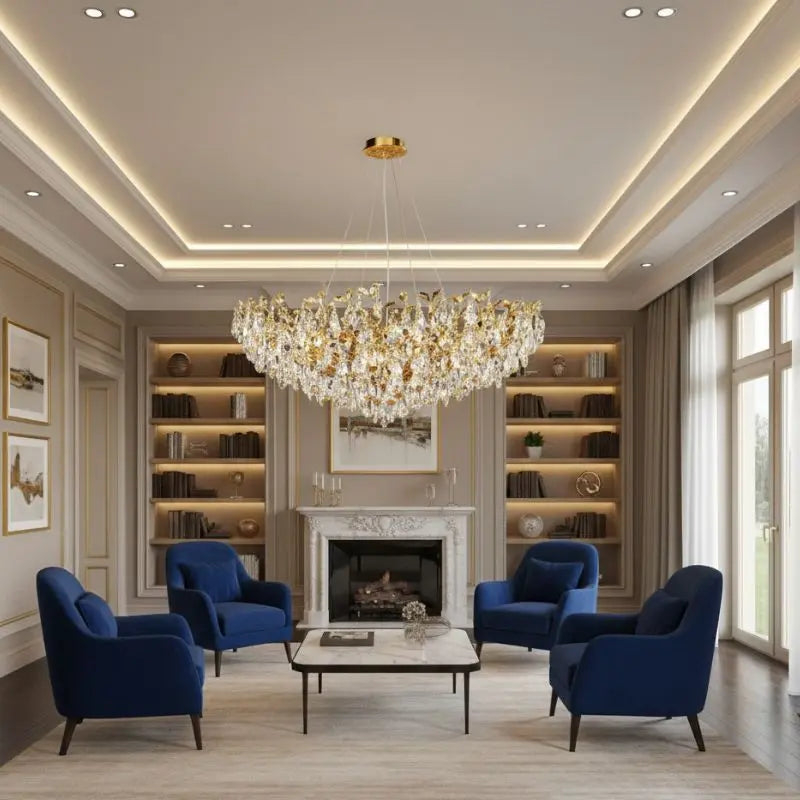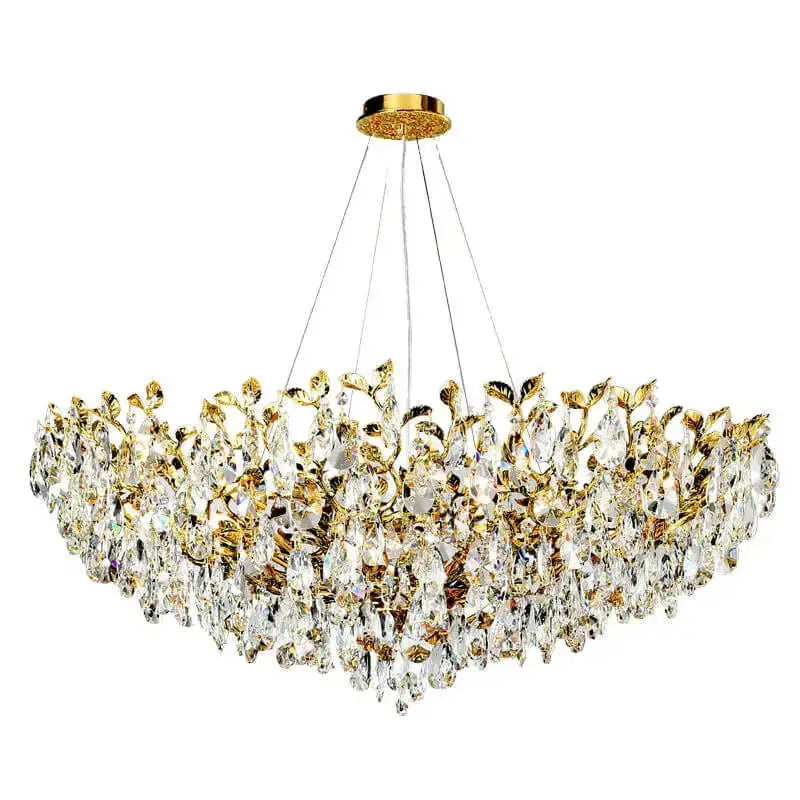
A single ceiling fitting can make a room feel finished, but the wrong one can flatten everything around it. That is why modern contemporary pendant lighting has become such a defining choice in design-led homes - it offers the clean lines people want now, with enough presence to shape the entire mood of a space.
For homeowners refining a kitchen, updating a dining room or giving a hallway more architectural interest, pendant lighting sits in a particularly useful place. It is decorative, yes, but it is also intimate. It brings light lower into the room, draws the eye to key surfaces and adds a sense of intention that standard ceiling fittings rarely achieve. When chosen well, it feels less like an accessory and more like part of the room’s structure.
What modern contemporary pendant lighting really means
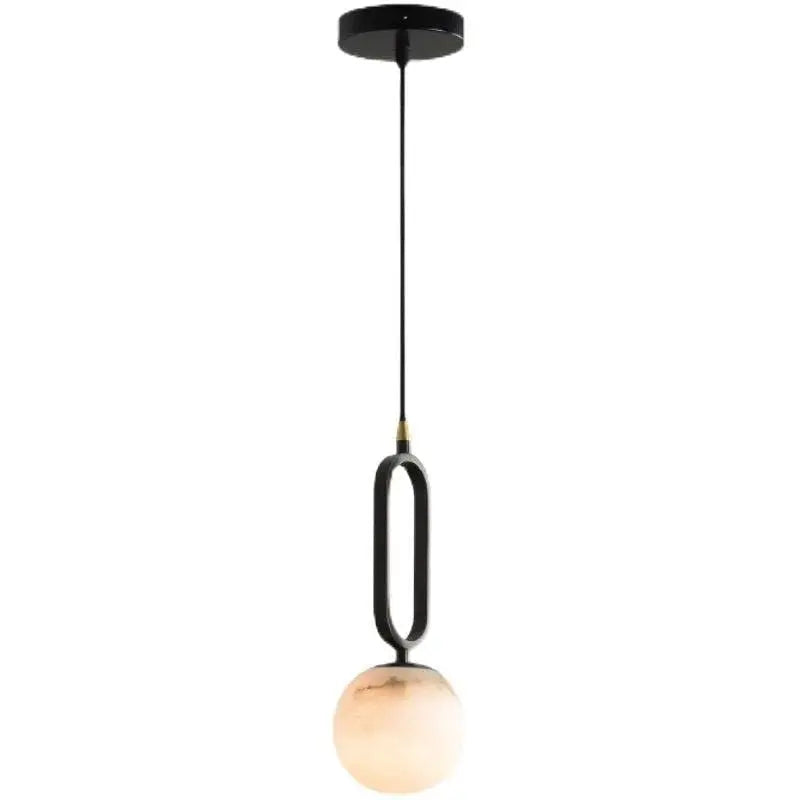
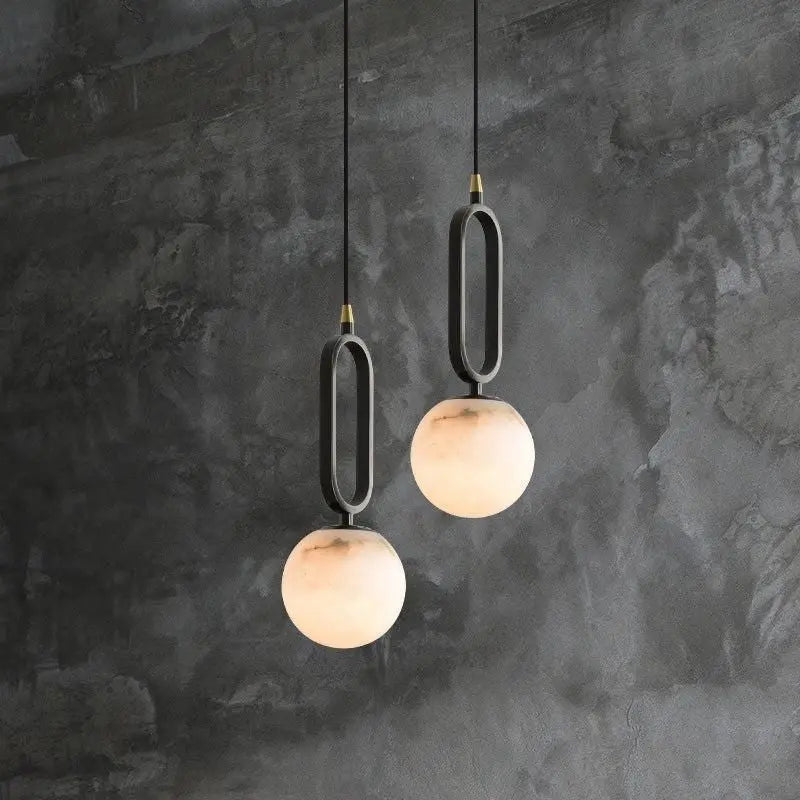
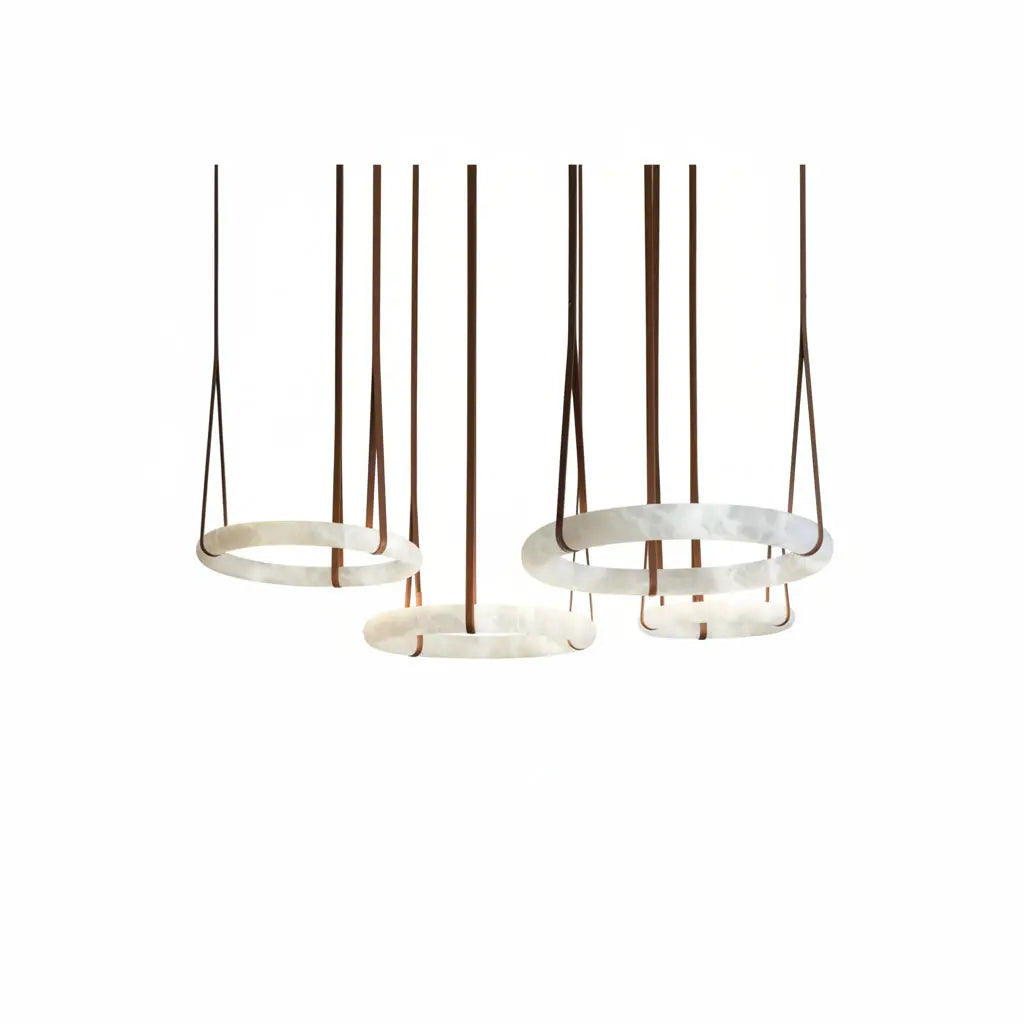
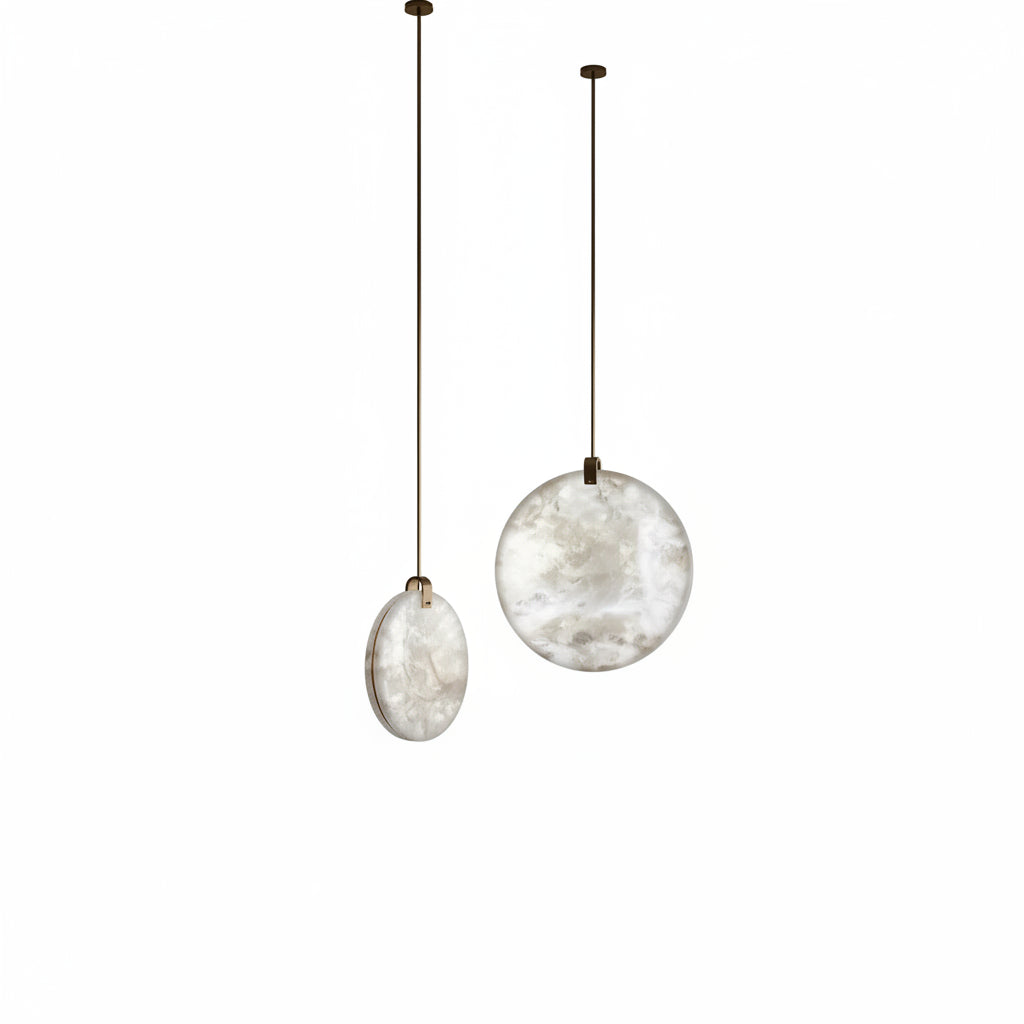
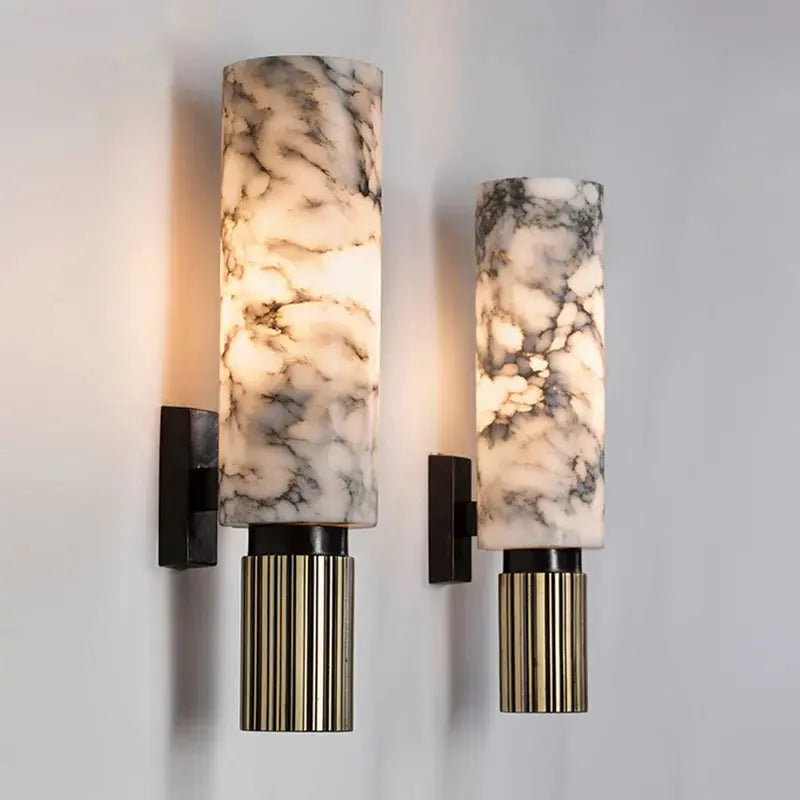
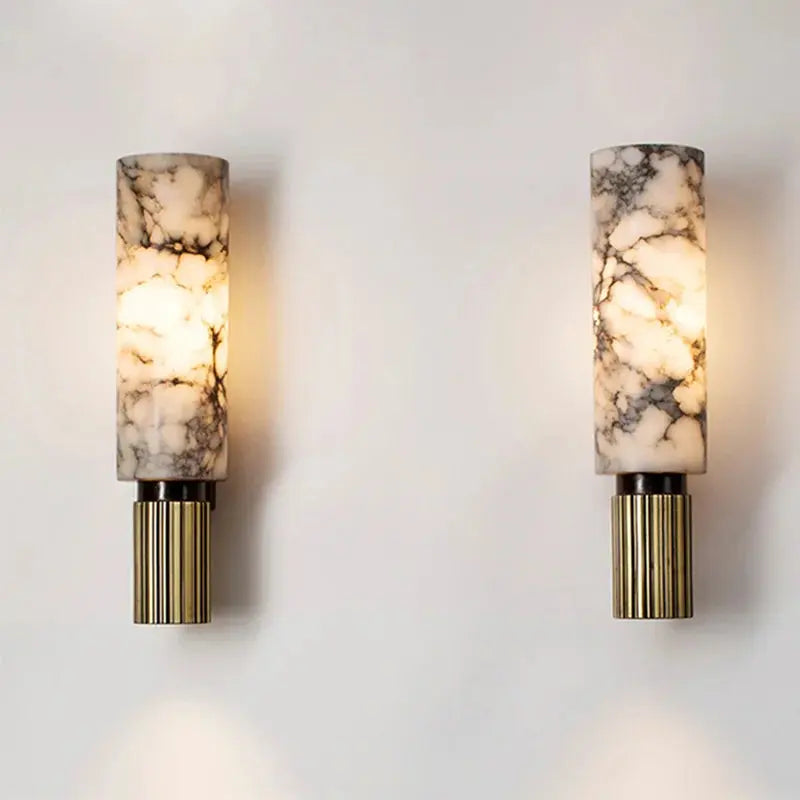
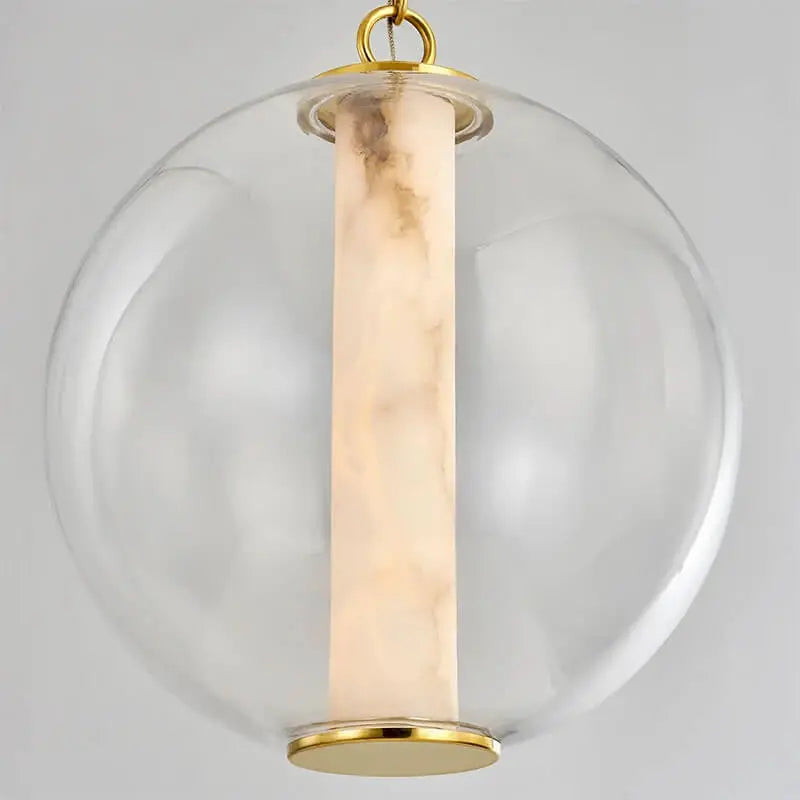
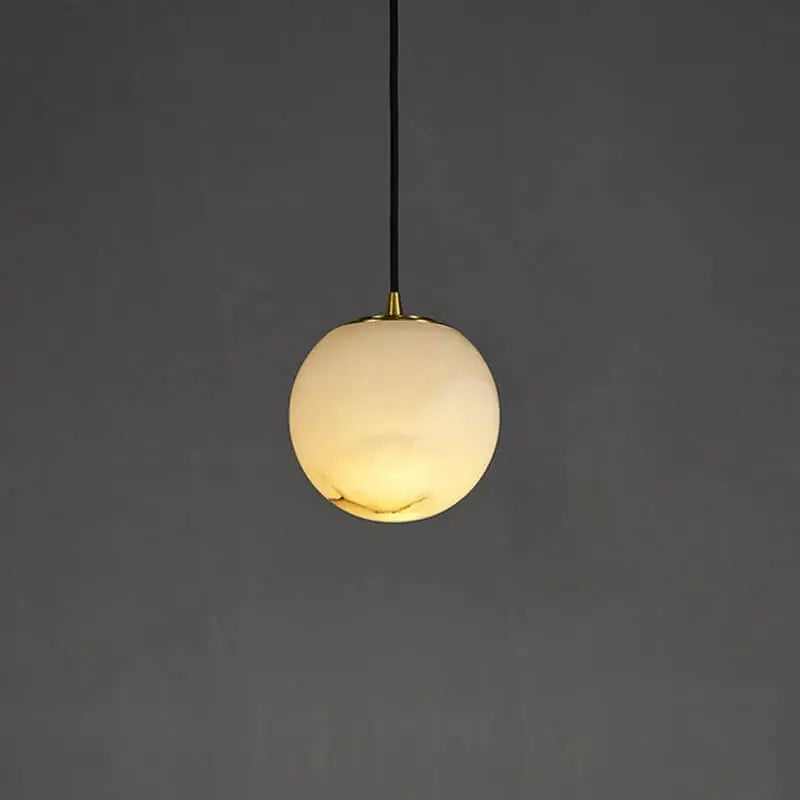
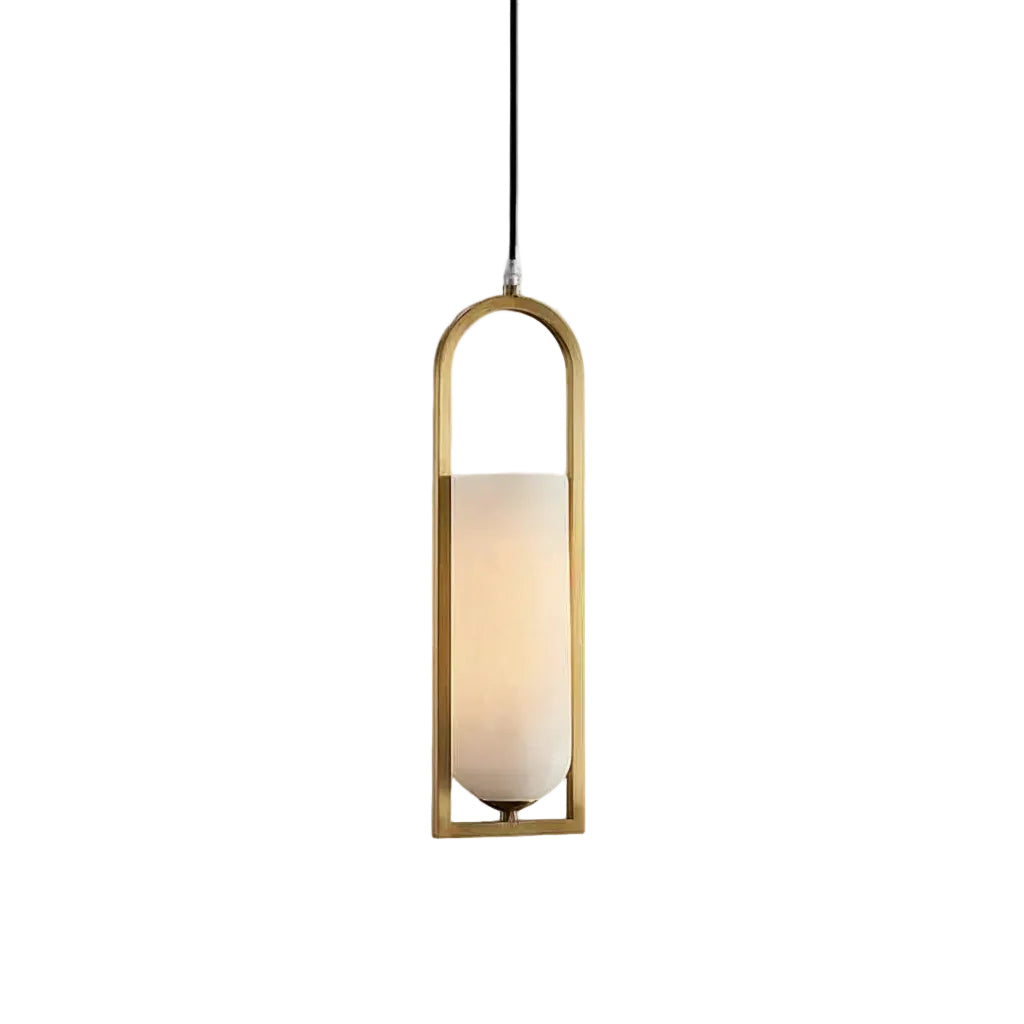
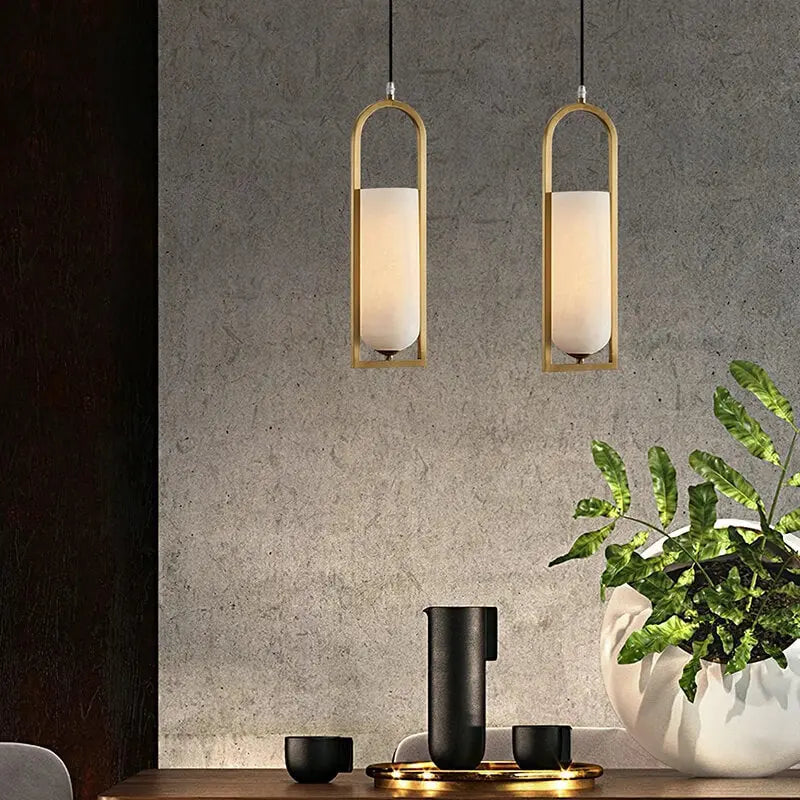
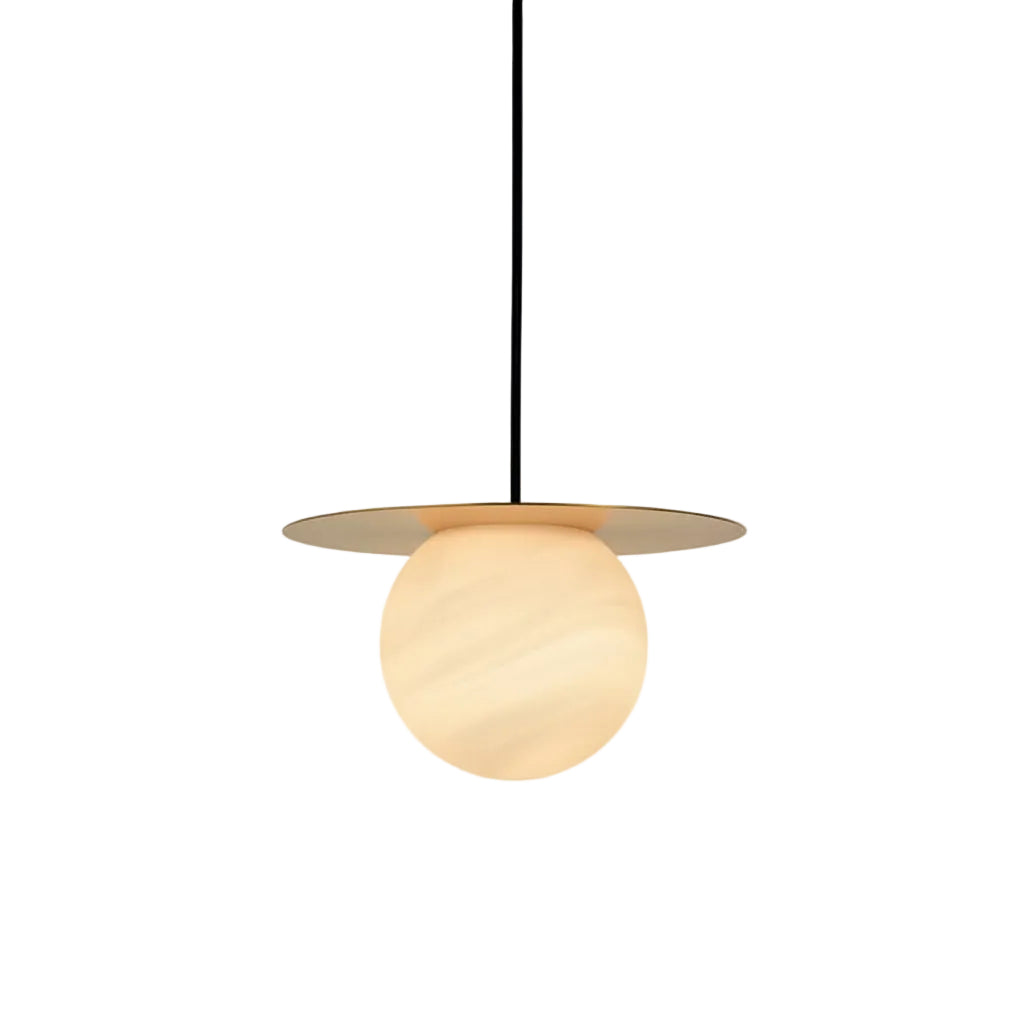
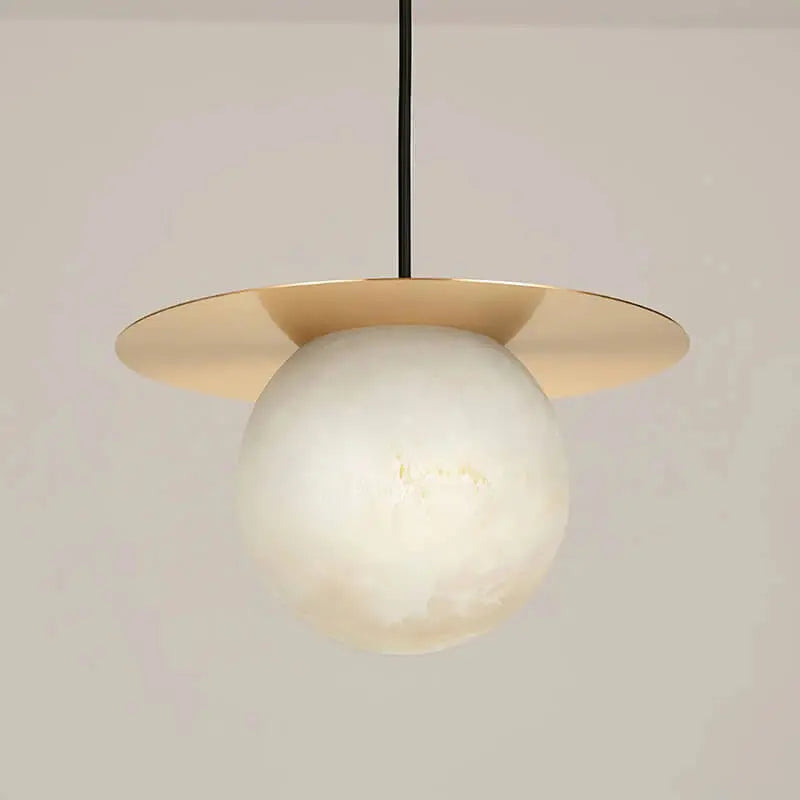
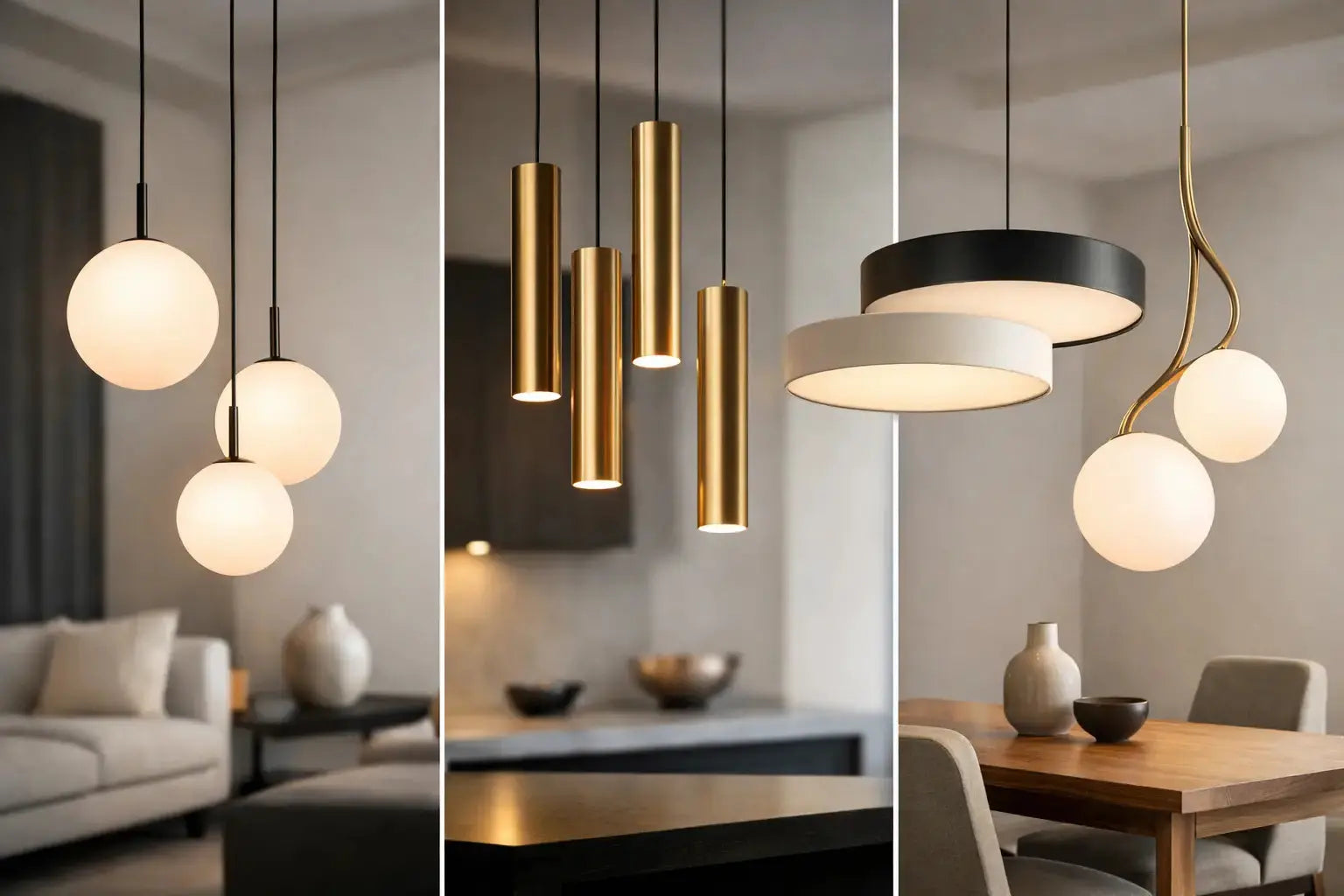
The term is often used broadly, and that can make shopping harder than it needs to be. In practice, modern contemporary pendant lighting usually combines a current silhouette with a restrained, elevated finish. Think sculptural forms, soft geometry, mixed materials, smoked or opal glass, brushed metals, matte black details, alabaster-inspired shades and subtle luxury rather than ornate tradition.
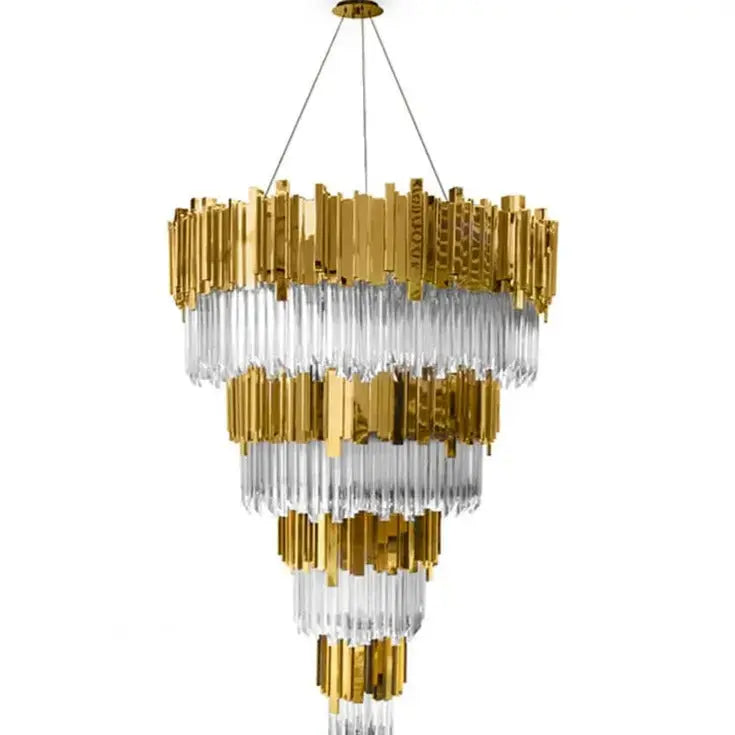
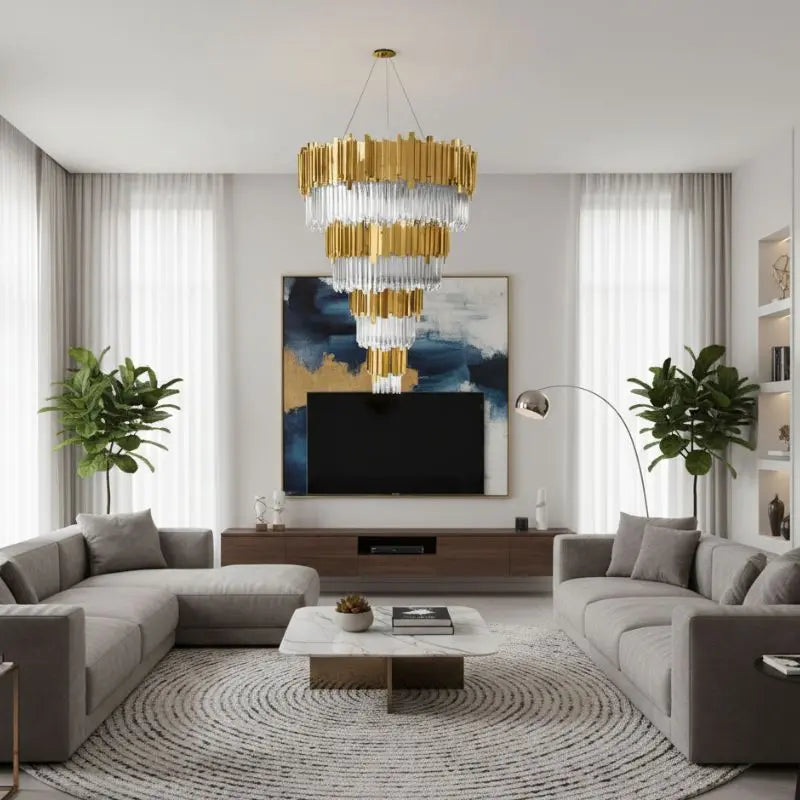
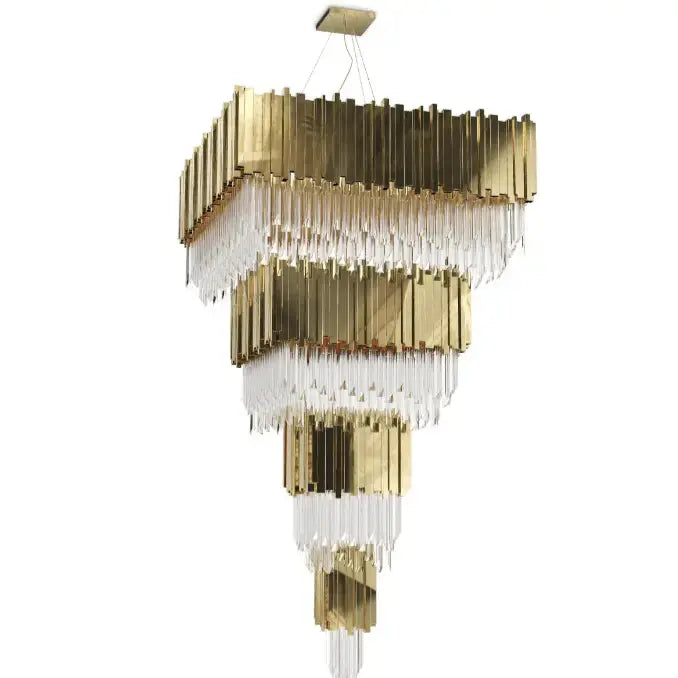
That does not mean every piece must look minimal. Contemporary design can still be expressive. A clustered pendant with glowing glass globes, a ribbed stone-effect shade or a polished brass drop with a dramatic profile can all sit comfortably within this style. The difference is in the edit. The design feels considered, balanced and relevant to how interiors look now.
For many homes, this is exactly the appeal. It bridges the gap between stark modernism and classic decoration. You get a refined statement without the formality of a traditional chandelier, and without the coldness that some ultra-minimal fittings can bring.
Why pendants work so well in design-conscious homes
Pendant lights do something wall lights and recessed spots cannot quite replicate. They define volume. In open-plan homes especially, where kitchens run into dining areas and living zones, a pendant helps carve out a destination within the larger room.
Over an island, it creates rhythm. Above a dining table, it introduces ceremony. In a stairwell or entrance, it gives vertical space something to hold on to. Even in a bedroom, a pendant can replace bedside lamps and free up surface space while adding a boutique-hotel feel.
There is also the question of atmosphere. Ceiling spots are useful, but they are rarely flattering on their own. Pendants throw light with more character. A diffused glass shade softens the room. A directional metal pendant adds focus and definition. A cluster brings sparkle and movement. The best interiors rarely rely on one type of lighting, and pendants are often the layer that adds personality.
Choosing the right modern contemporary pendant lighting for each room
Kitchen islands
This is where proportion matters most. Small pendants can disappear above a long island, while oversized fittings can make the whole scheme feel cramped. In most kitchens, a pair or trio works beautifully because it creates repetition without fuss.
Glass pendants are especially effective here because they feel light visually, even when the fitting itself is substantial. Clear glass tends to look crisp and airy, while frosted or opal finishes soften glare and feel more luxurious. If your kitchen already has bold veining, rich cabinetry or strong hardware, a simpler pendant often gives the room more polish. If the cabinetry is pared back, the lighting can do more of the decorative work.
Dining rooms
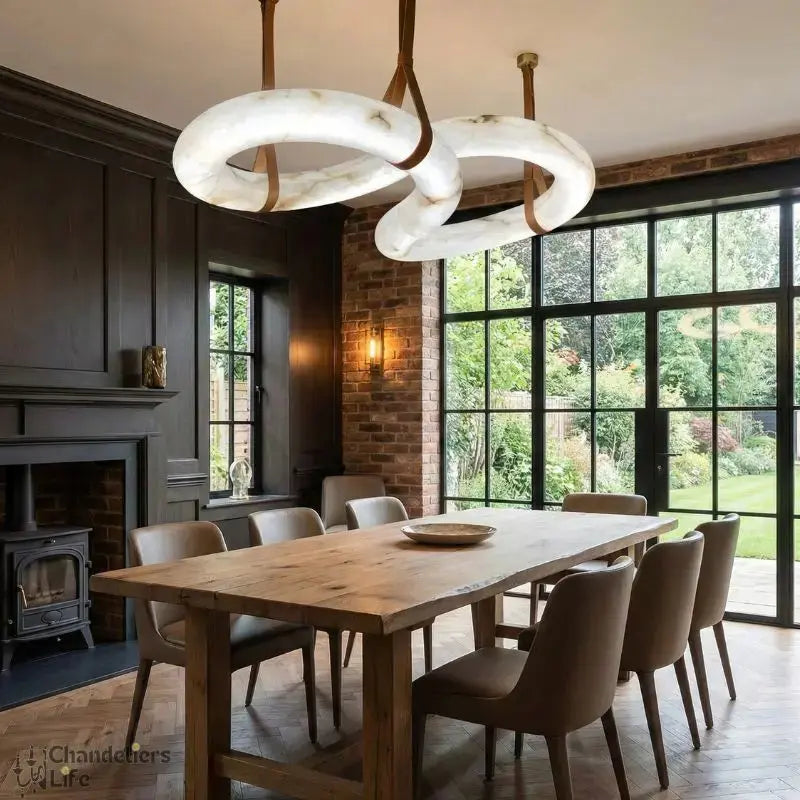
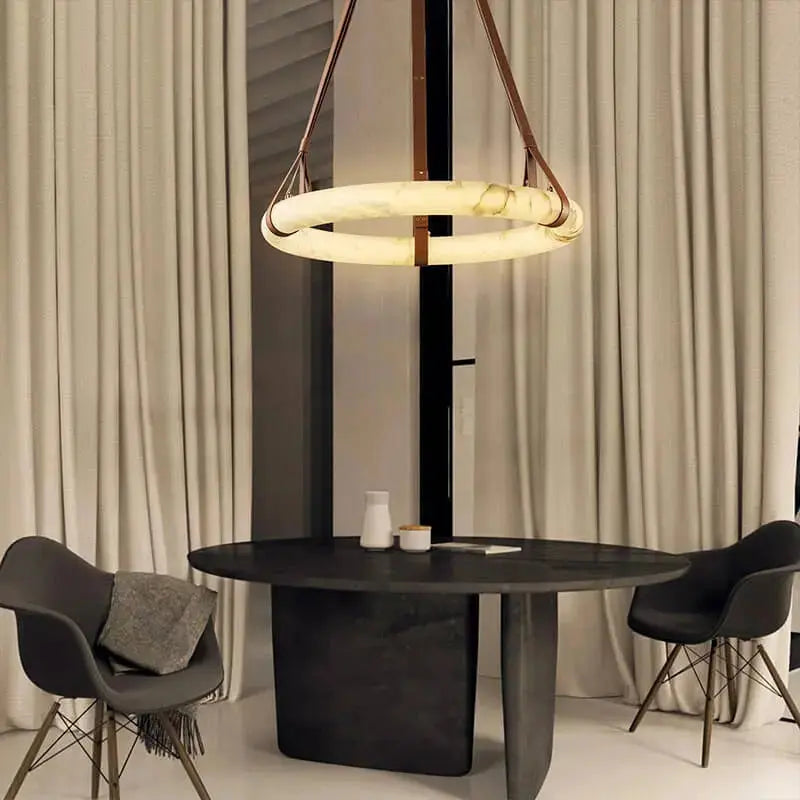
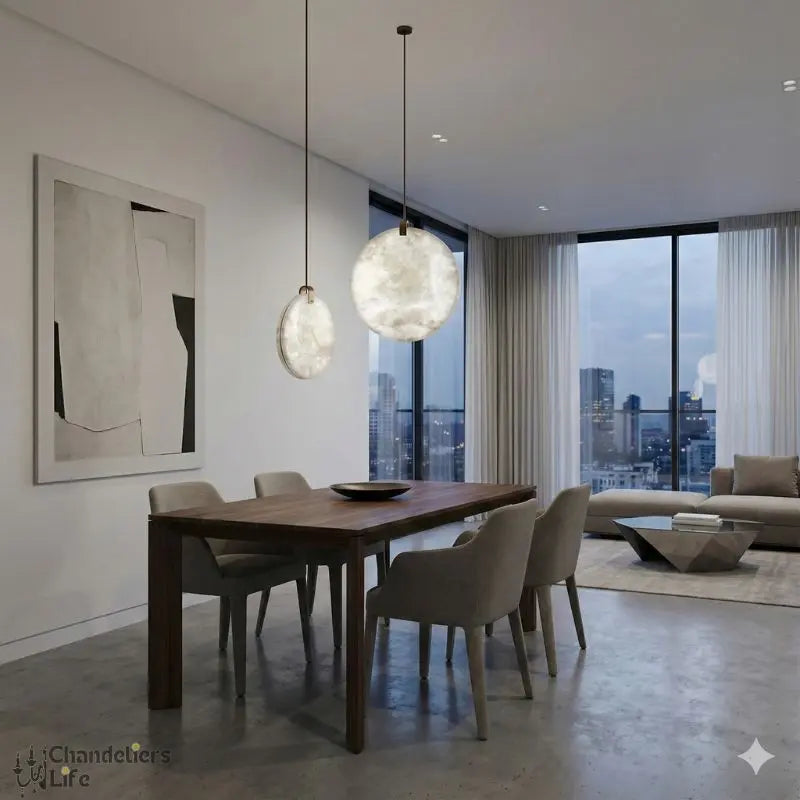
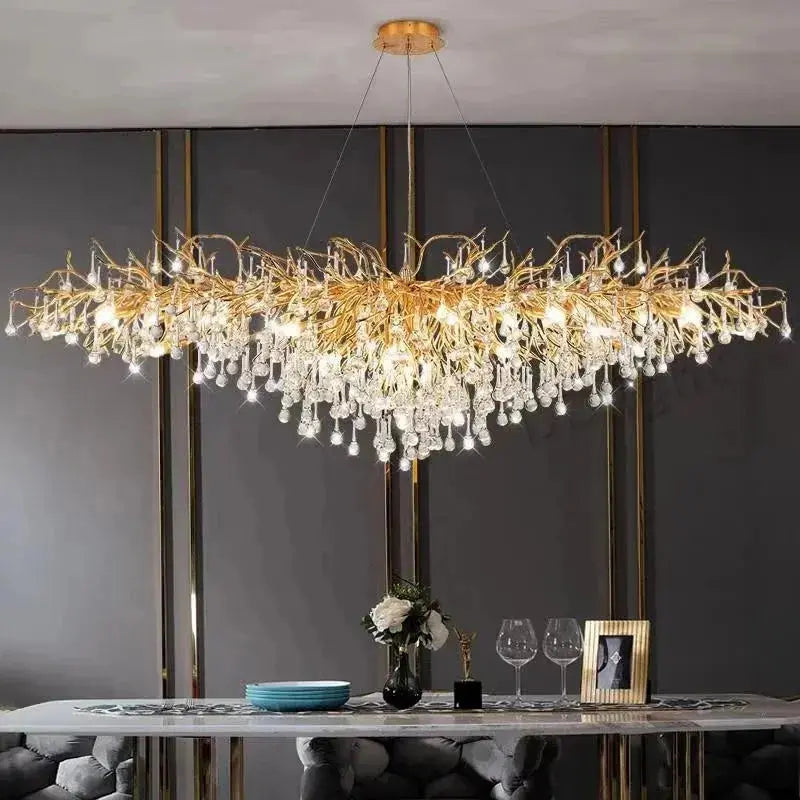
A dining table invites a bolder approach. This is one of the best places to choose modern contemporary pendant lighting with real sculptural presence, because the fitting becomes part of the experience of the room.
Linear pendants suit long rectangular tables and keep the composition neat. Circular or clustered forms work beautifully above round tables, echoing the shape below. The key is to choose something that feels generous enough for the table without overwhelming conversation sightlines. You want drama, but not a barrier.
Hallways and foyers
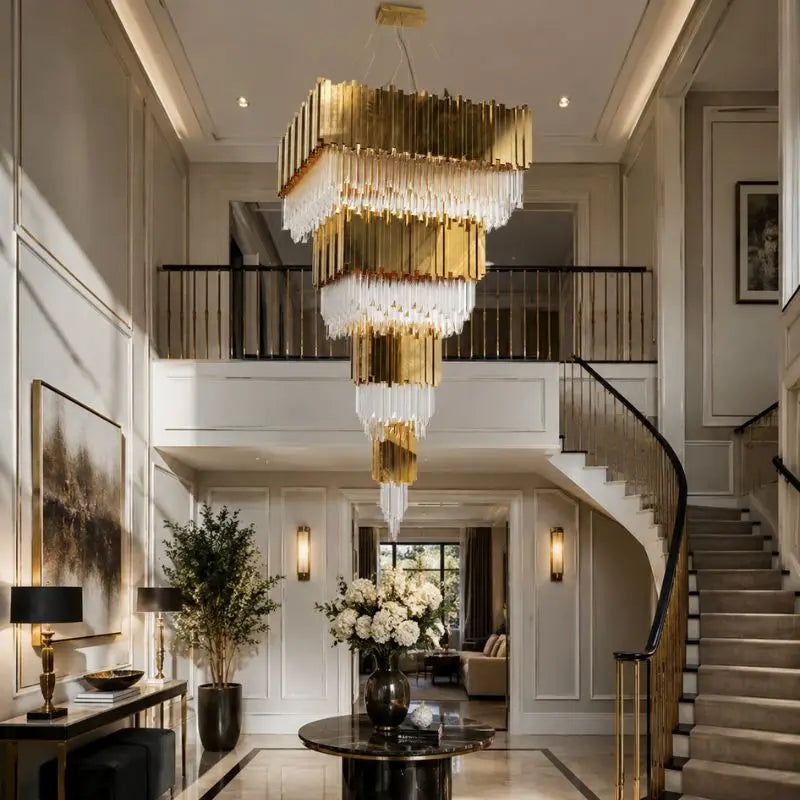
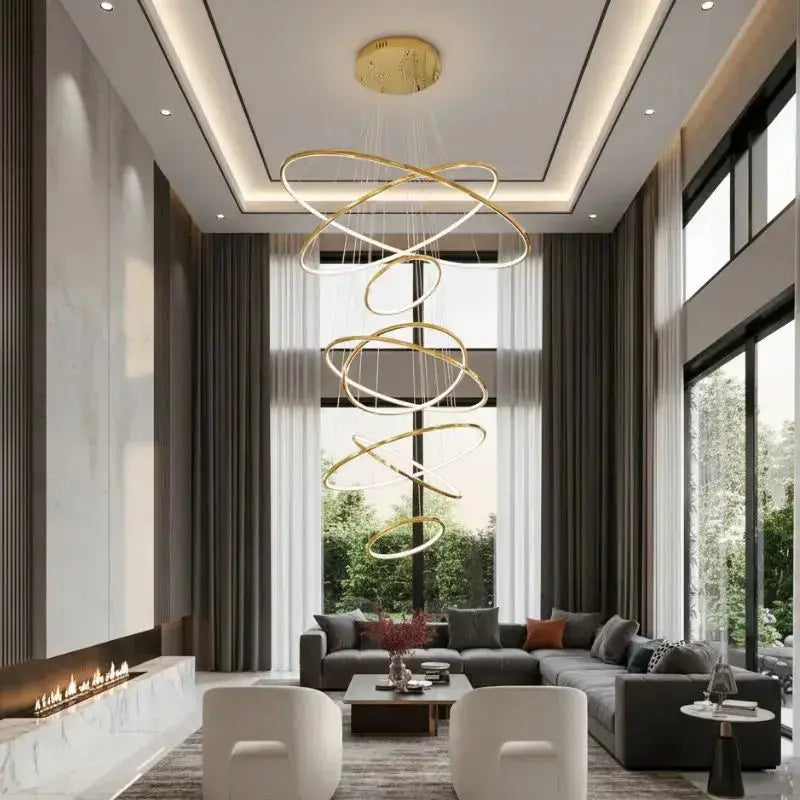
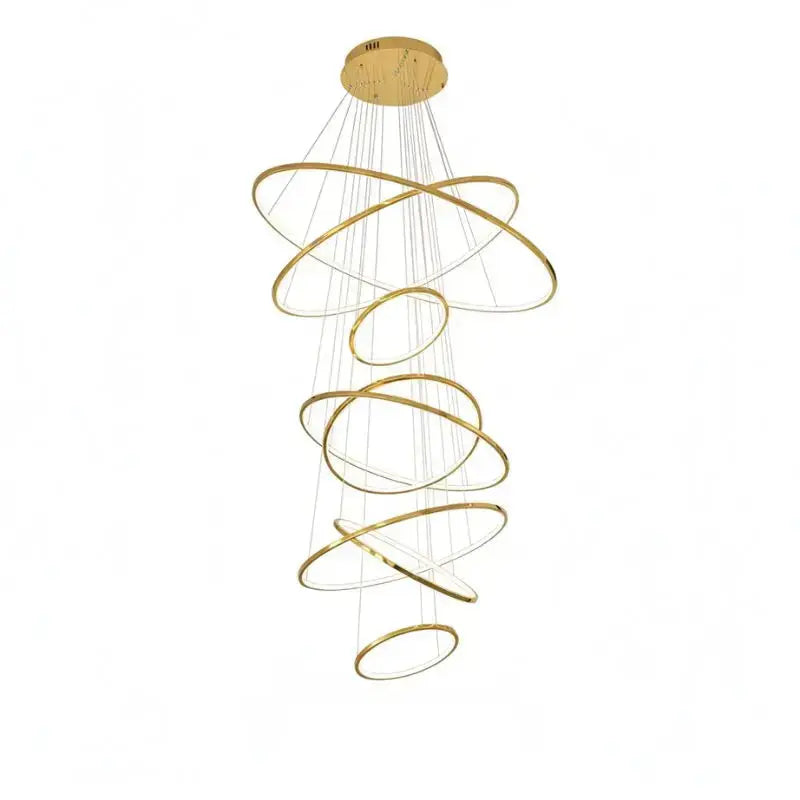
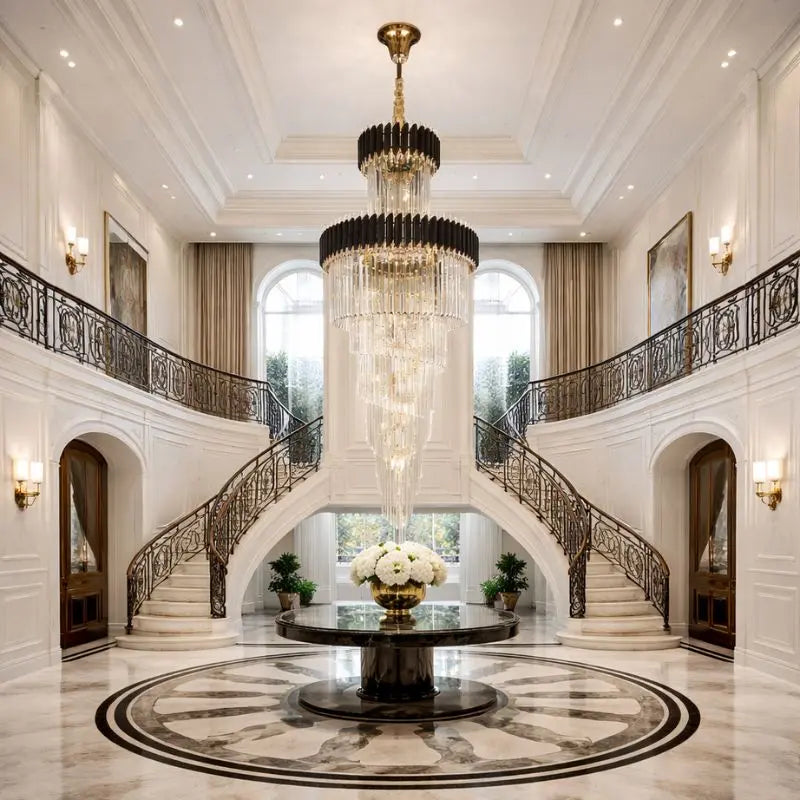
These spaces are often overlooked, yet they set the tone for the rest of the home. A pendant in an entrance hall instantly signals that the interior has been considered. In homes with higher ceilings, a cascading or elongated piece can be exquisite. In lower spaces, a semi-flush pendant with contemporary detailing still adds character without crowding the room.
Because hallways are transitional, materials make a difference. Warm brass, stone-inspired finishes and textured glass all add richness that plain overhead lights lack.
Bedrooms
Pendant lighting in bedrooms has a quieter kind of luxury. It can soften the room, frame the bed and make the overall scheme feel more tailored. Bedside pendants are particularly useful in smaller rooms where table space is limited.
Here, warmer finishes and diffused light tend to be more successful than stark, highly directional fittings. The aim is softness and calm, not brightness alone.
Scale, height and spacing - where good choices become great ones
Even the most beautiful fitting can feel wrong if it is hung at the wrong height or chosen in the wrong size. This is often where shoppers hesitate, understandably so.
Above a dining table, a pendant should feel connected to the table rather than floating too high near the ceiling. Above a kitchen island, the fittings need enough clearance to keep views open while still lighting the work surface properly. In stairwells and double-height spaces, the drop should enhance the architecture, not leave the fixture looking stranded halfway down.
Spacing matters just as much. Pendants placed too close together can look crowded, while those spread too far apart lose their visual relationship. If you are choosing multiple pendants, think of them as one composition rather than separate objects.
This is one reason shoppers often appreciate a curated online retailer rather than a broad marketplace. It is easier to judge scale, finish and room suitability when collections are arranged with design intent and practical support behind them.
Finishes and materials that feel current
The strongest modern contemporary pendant lighting tends to rely on finish as much as form. Matte black remains popular because it gives clean contrast and works in almost any palette, but it is no longer the only contemporary option.
Brushed brass adds warmth and an unmistakable sense of luxury. It pairs beautifully with natural timber, marble-inspired surfaces and soft neutral walls. Chrome and polished nickel feel sharper and more architectural, especially in interiors with cooler tones. Smoked glass brings depth and a slightly moodier edge, while alabaster-inspired pieces offer a gentle, elevated glow that feels timeless rather than trend-led.
There is a trade-off here. Some statement materials are undeniably beautiful, but they may ask more of the room around them. A bold marble-look pendant or a heavily decorative glass cluster deserves space to be seen. Simpler fittings are often easier to live with if you refresh your décor more often.
How to make pendant lighting feel luxurious, not forced
Luxury in lighting is not only about price point or scale. More often, it comes from restraint and confidence. A well-proportioned pendant in a beautiful finish can look far more expensive than an oversized fitting chosen purely for impact.
Layering helps. A pendant should not be expected to do everything on its own. Pairing it with wall lights, table lamps or subtle spot lighting creates depth and keeps the room from feeling one-dimensional. Dimmers matter too. The same pendant can feel crisp and practical in the morning, then intimate and atmospheric by evening.
It is also worth thinking about sightlines. In an open-plan room, your pendant may be visible from the sofa, the hallway and the garden doors. Choose a piece that looks as refined from a distance as it does directly underneath.
For shoppers who want an upscale look without the uncertainty that can come with trend chasing, ChandeliersLife speaks to that balance particularly well - design-forward pieces, room-led inspiration and the reassurance of responsive support, secure payments and free shipping make the process feel more considered.
Common mistakes worth avoiding
One of the most common is choosing a pendant that is too small. It feels safe at first, but once installed it often looks apologetic. Another is selecting purely by appearance without thinking about light quality. A dramatic shade may cast less usable light than expected, particularly over dining or prep areas.
Matching every metal finish exactly can also make a room feel overly rigid. Contemporary interiors often look better when finishes relate rather than perfectly match. Brass pendants with black hardware or soft nickel details can feel more layered and natural.
Finally, do not overlook the bulb itself. The wrong colour temperature can make a beautiful fixture feel clinical. Warmer light is usually more flattering in living spaces, while task-focused areas may benefit from a slightly brighter output, depending on the room.
The best modern contemporary pendant lighting does more than illuminate. It gives a room shape, texture and a sense of completion that people notice the moment they walk in. If you choose with proportion, finish and atmosphere in mind, the right pendant will not just fit your home - it will elevate it quietly, every day.