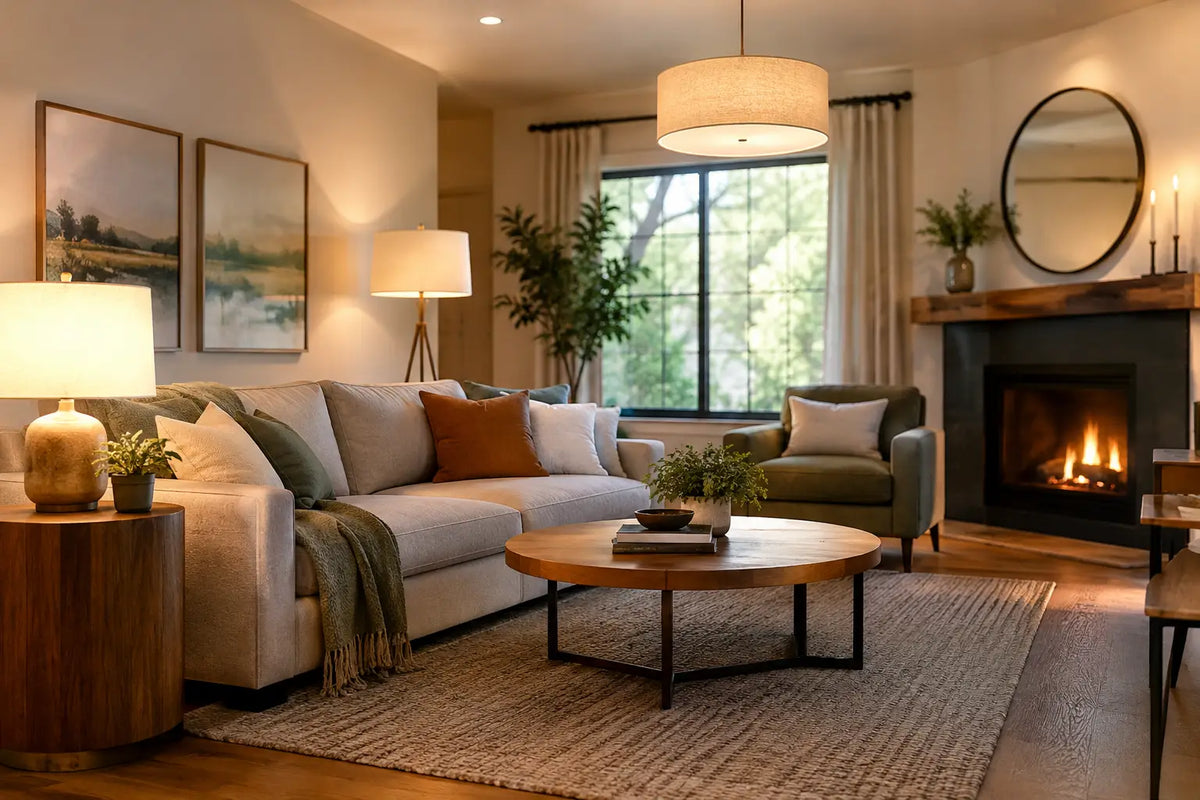
A living room can have a beautiful sofa, considered artwork and an exquisite rug, yet still feel oddly flat at dusk. The missing element is often not more decoration but a better relationship with light. To layer living room lighting is to give the room atmosphere, clarity and a sense of occasion, whether you are hosting friends, reading beside the fire or settling in for a quiet evening.
Rather than relying on one bright ceiling fitting, a layered scheme combines several light sources at different heights. This creates softness where you want to relax, brightness where you need to see, and carefully placed drama around the details that make your home feel personal. It is one of the most effective ways to make a living room appear more generous, composed and luxurious.
What layered lighting brings to a living room
A central fitting alone tends to cast light downwards and leave corners in shadow. That can be useful for cleaning or finding a lost remote control, but it rarely makes a room feel inviting. Layering changes the experience by separating light into three roles: ambient lighting for the overall glow, task lighting for practical moments, and accent lighting for architectural or decorative focus.
The result should not look over-designed. In a well-planned room, the eye simply moves comfortably from the chandelier or ceiling fixture to a warm table lamp, then perhaps to the gentle wash of a wall light over artwork. Each source contributes something different, and none has to work too hard.
This approach is especially valuable in open-plan homes, where lighting can quietly define a seating area without adding physical divisions. In a smaller lounge, it can make the perimeter feel less enclosed and bring welcome depth after dark.
Start your layer living room lighting plan with ambient light
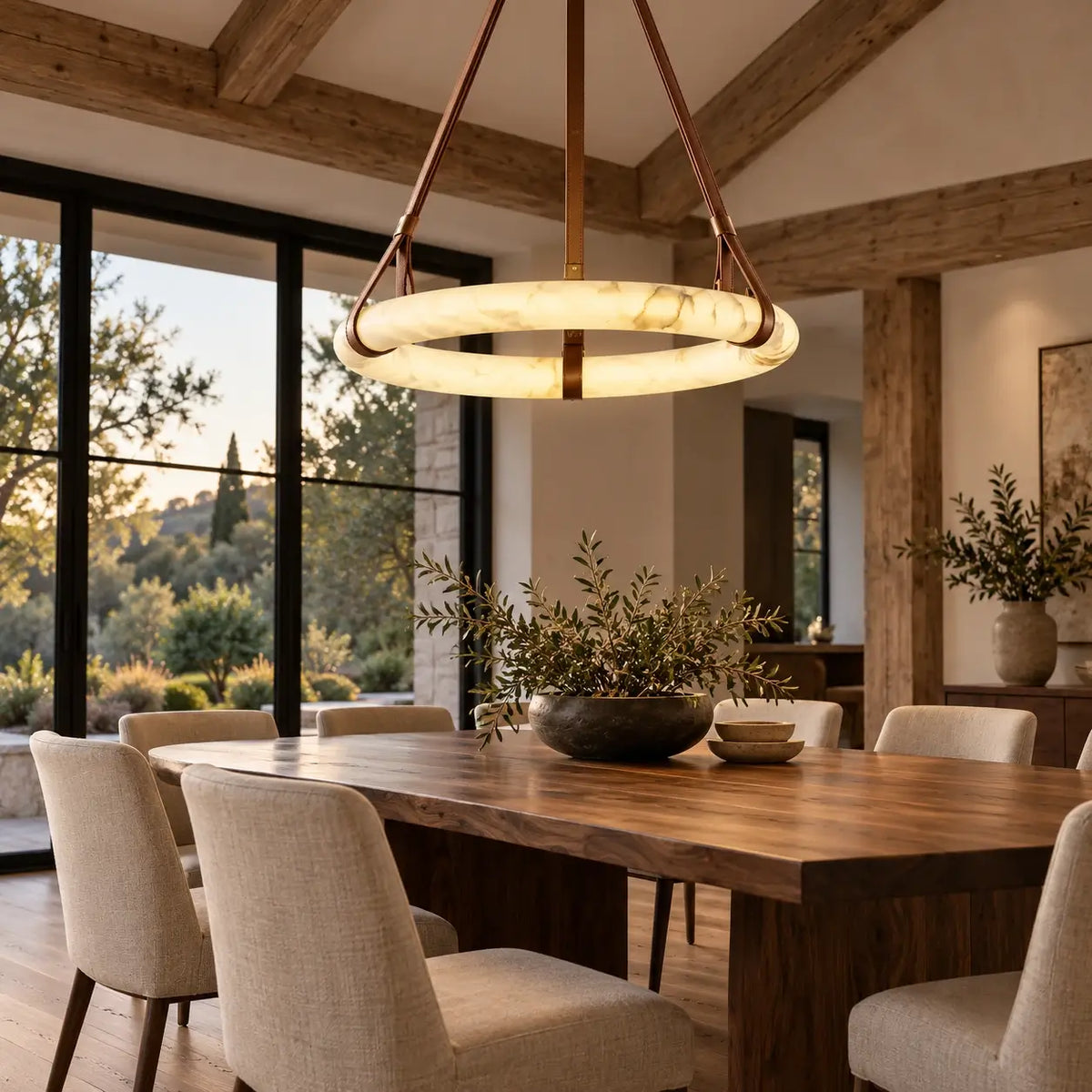
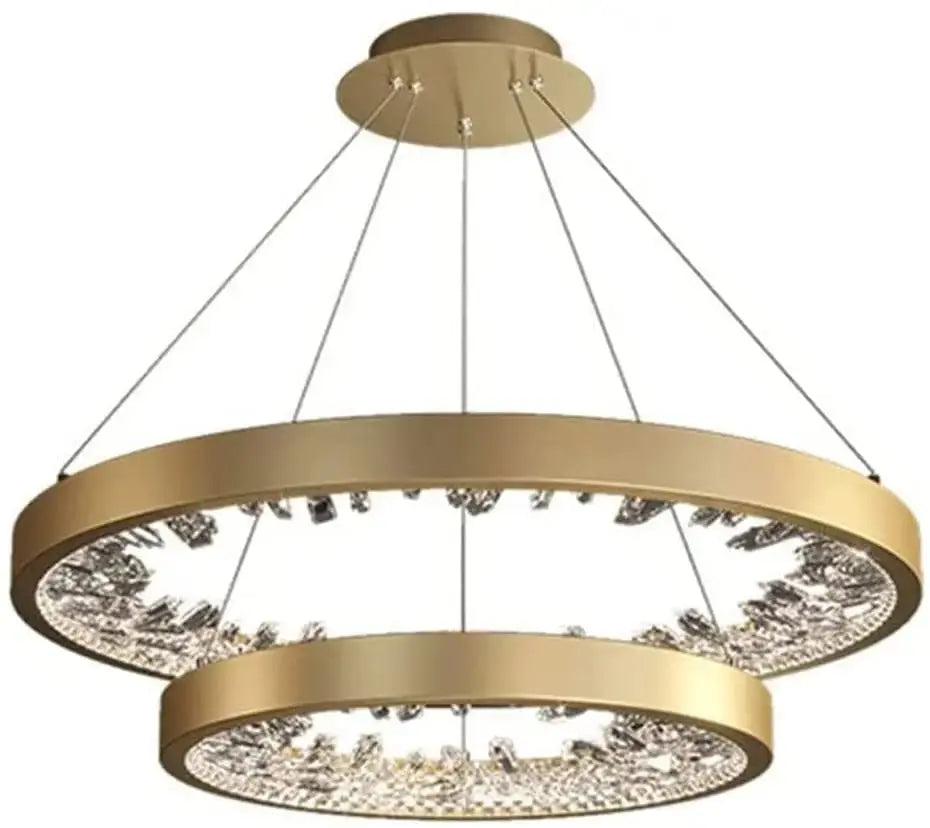
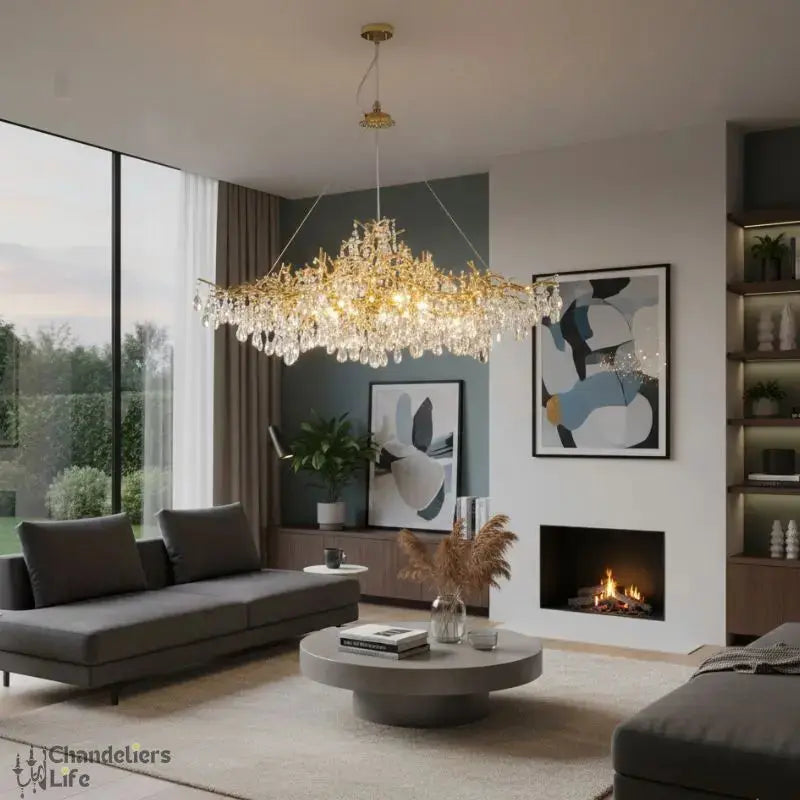
Ambient light is the foundation. It establishes the room's overall brightness and sets the tone before lamps or feature lighting are switched on. For many homes, a decorative chandelier, semi-flush ceiling light or statement pendant is the natural starting point.
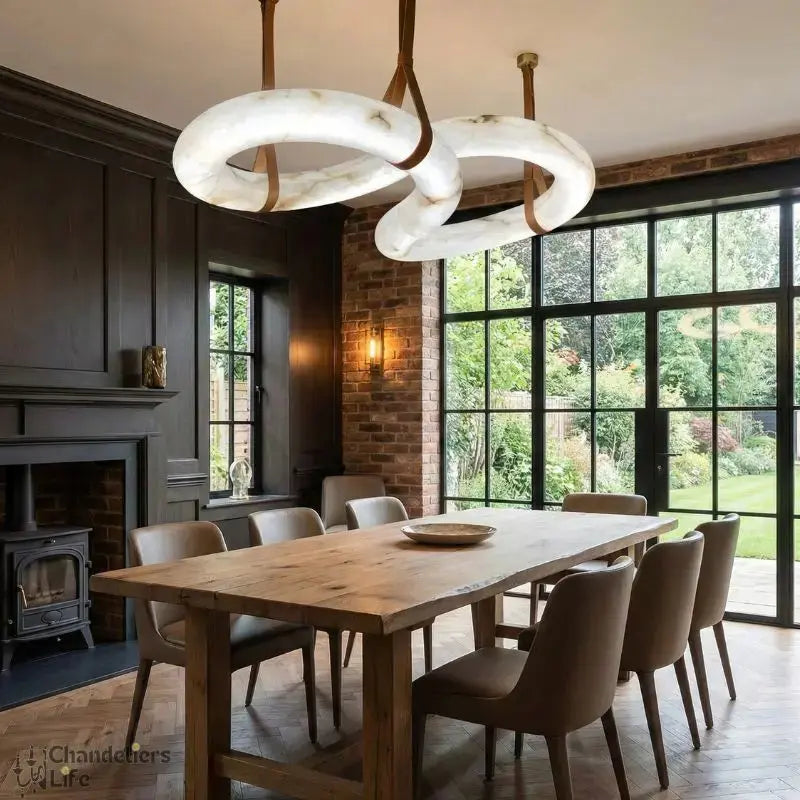
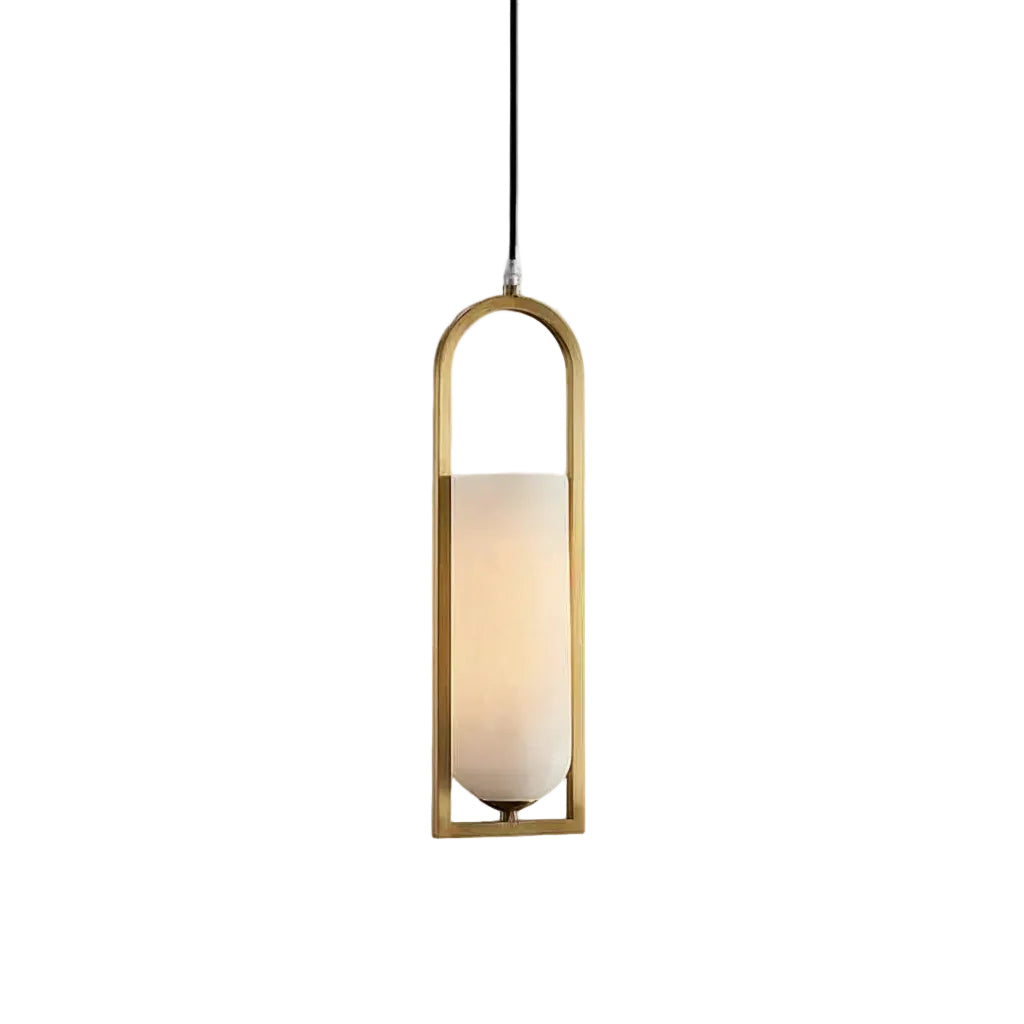
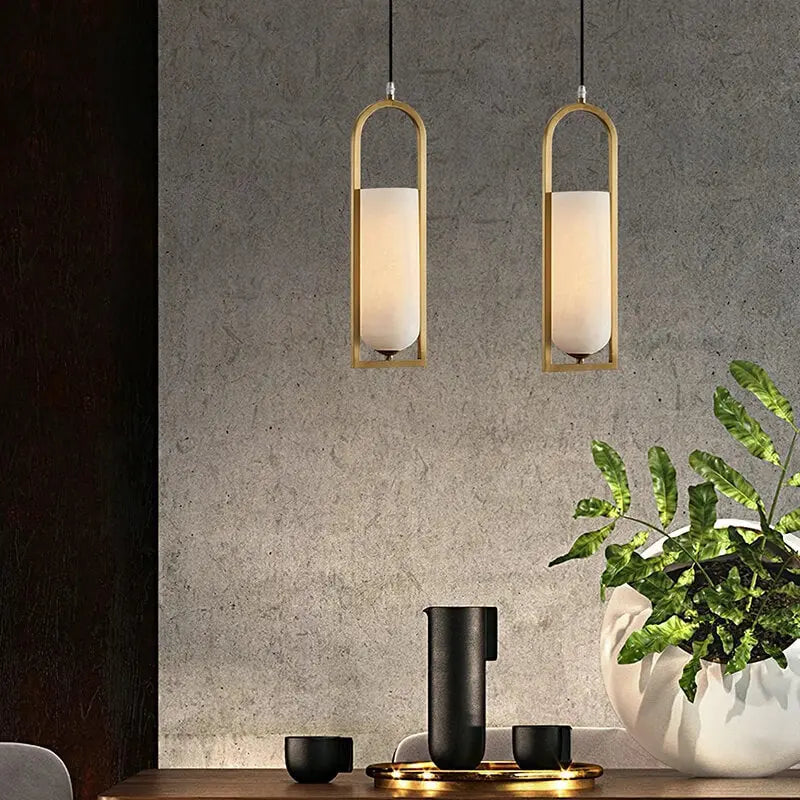
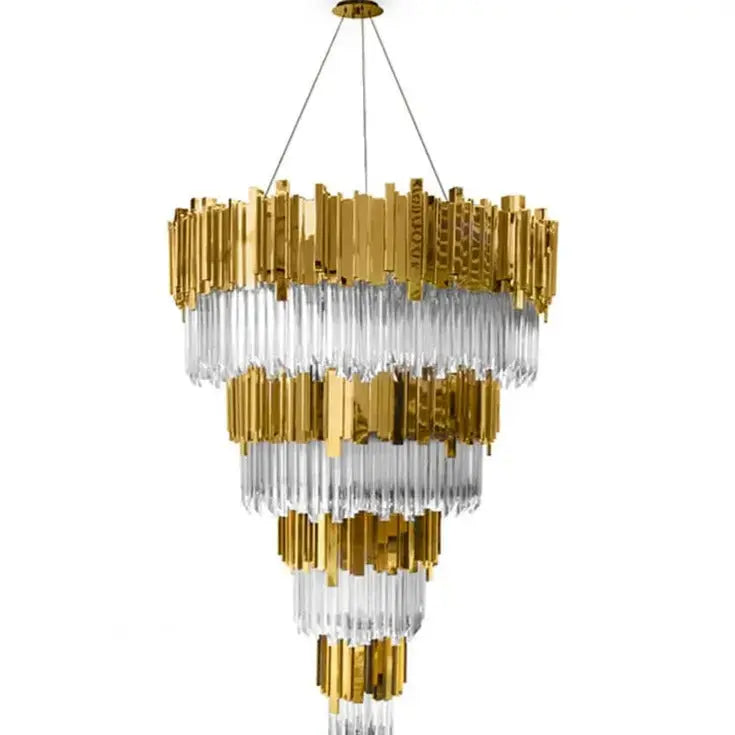
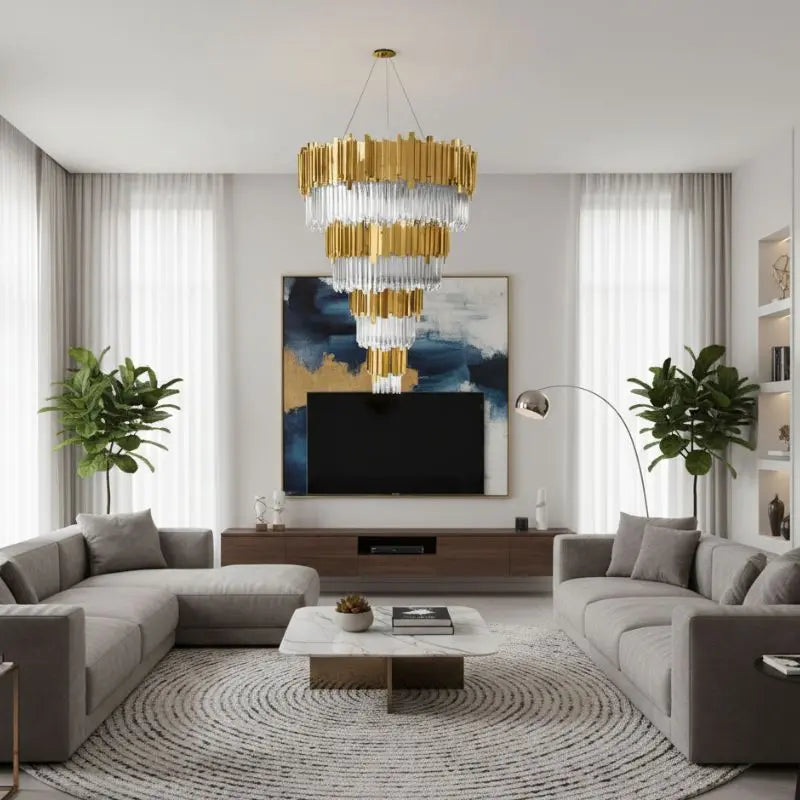
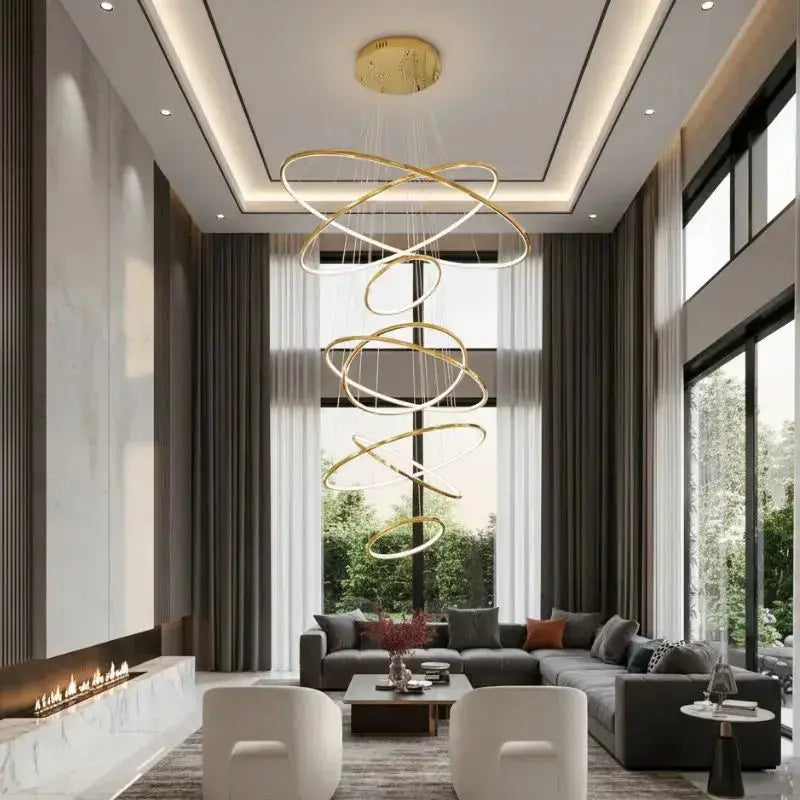
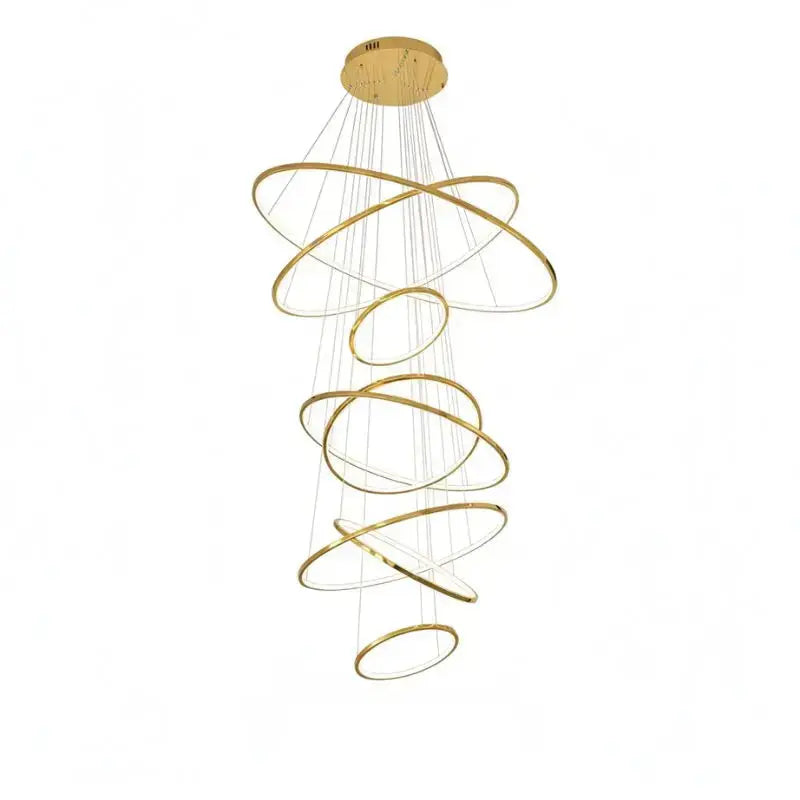
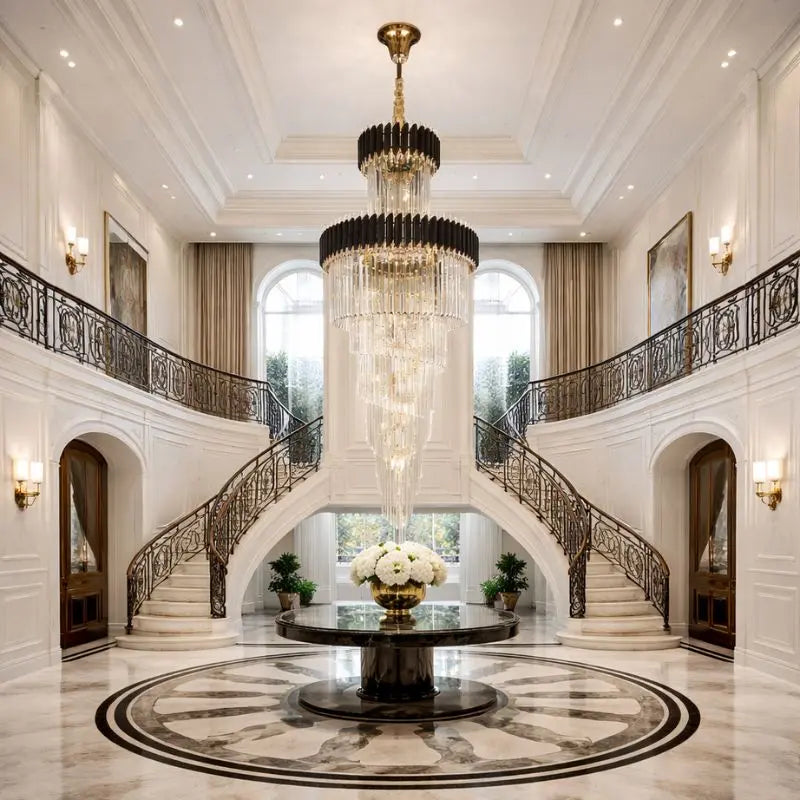
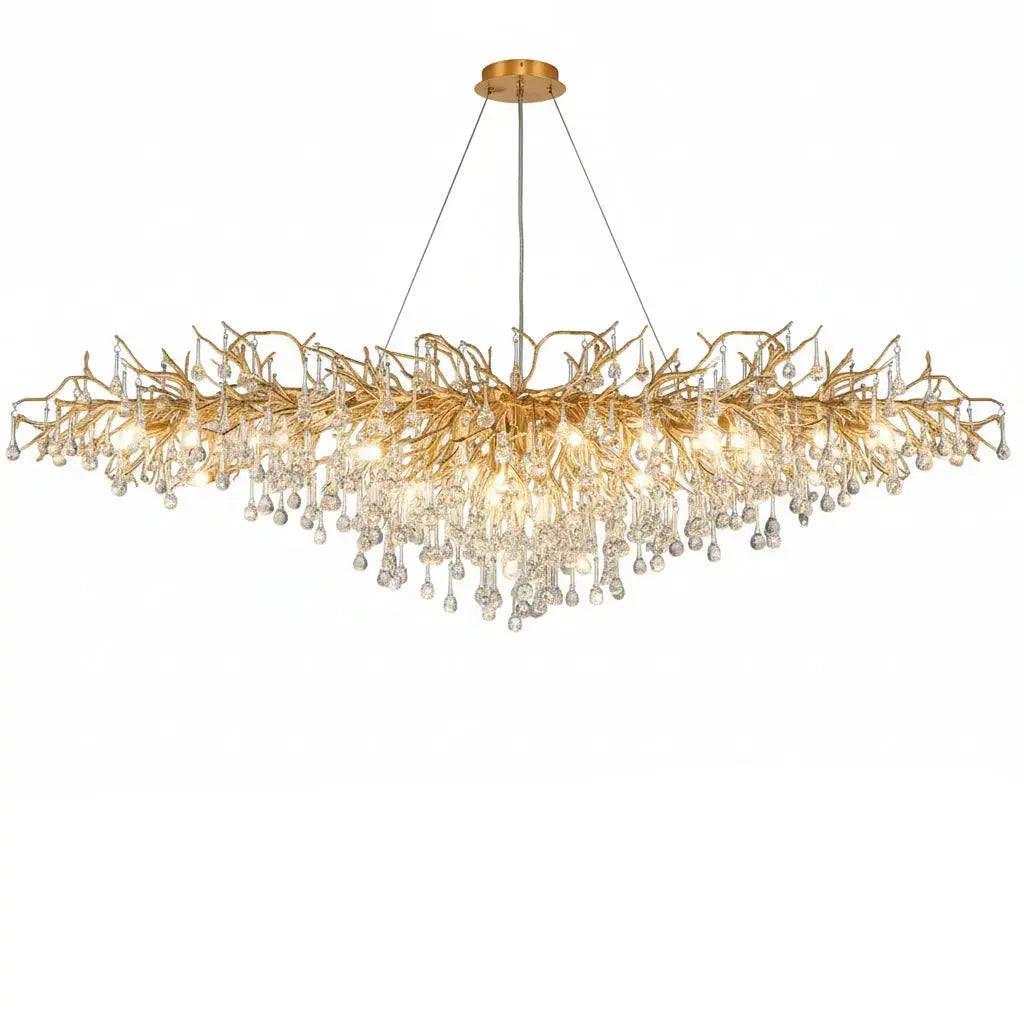
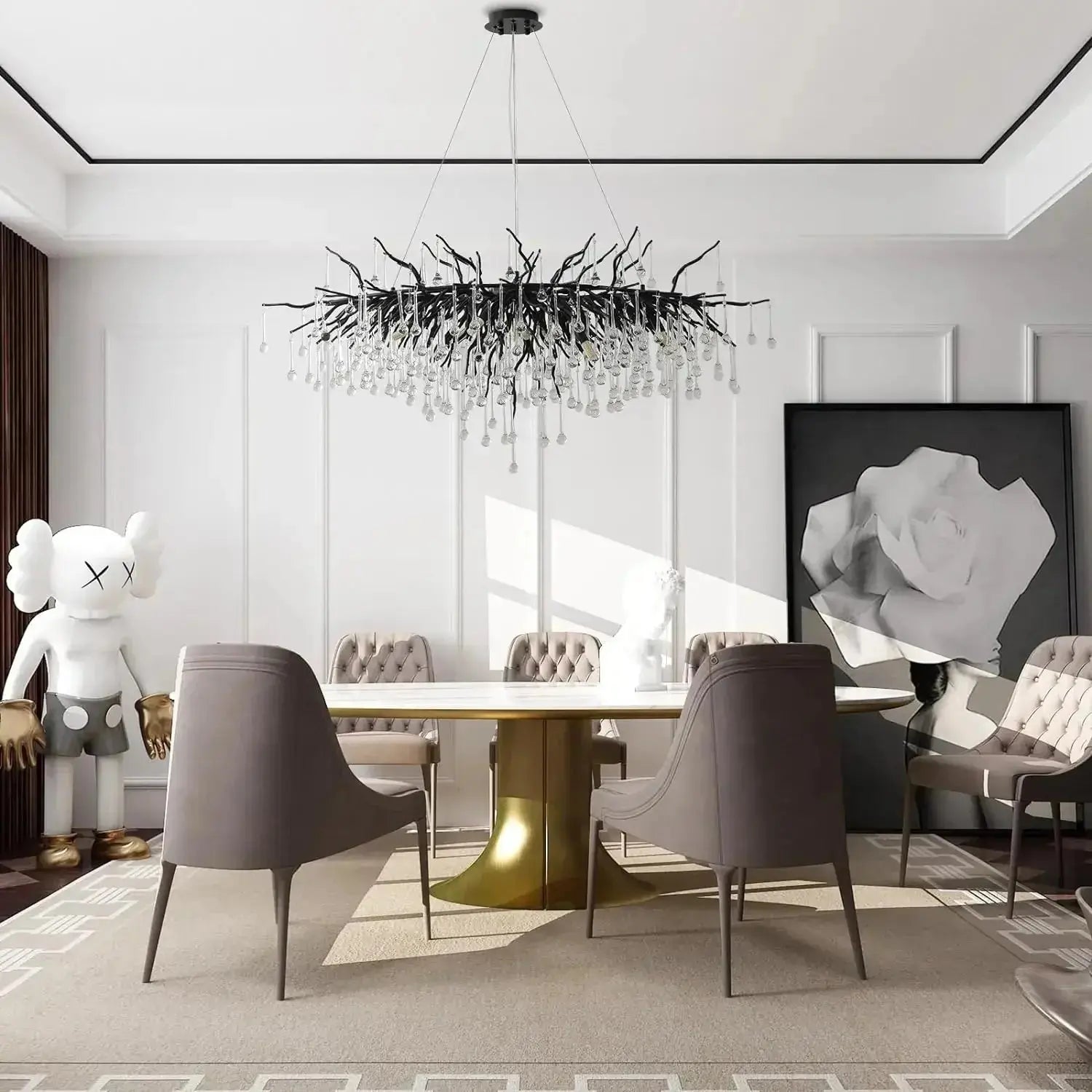
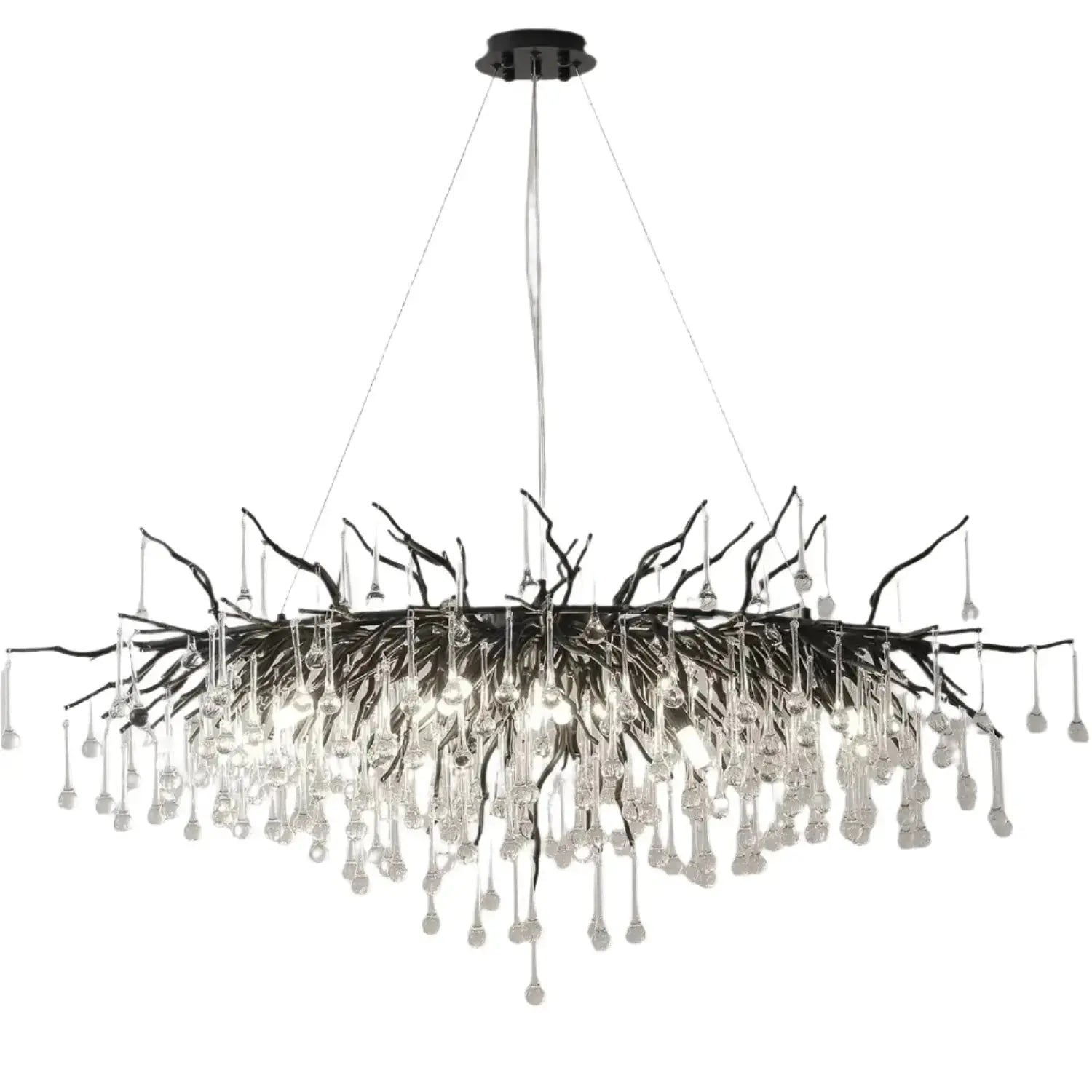
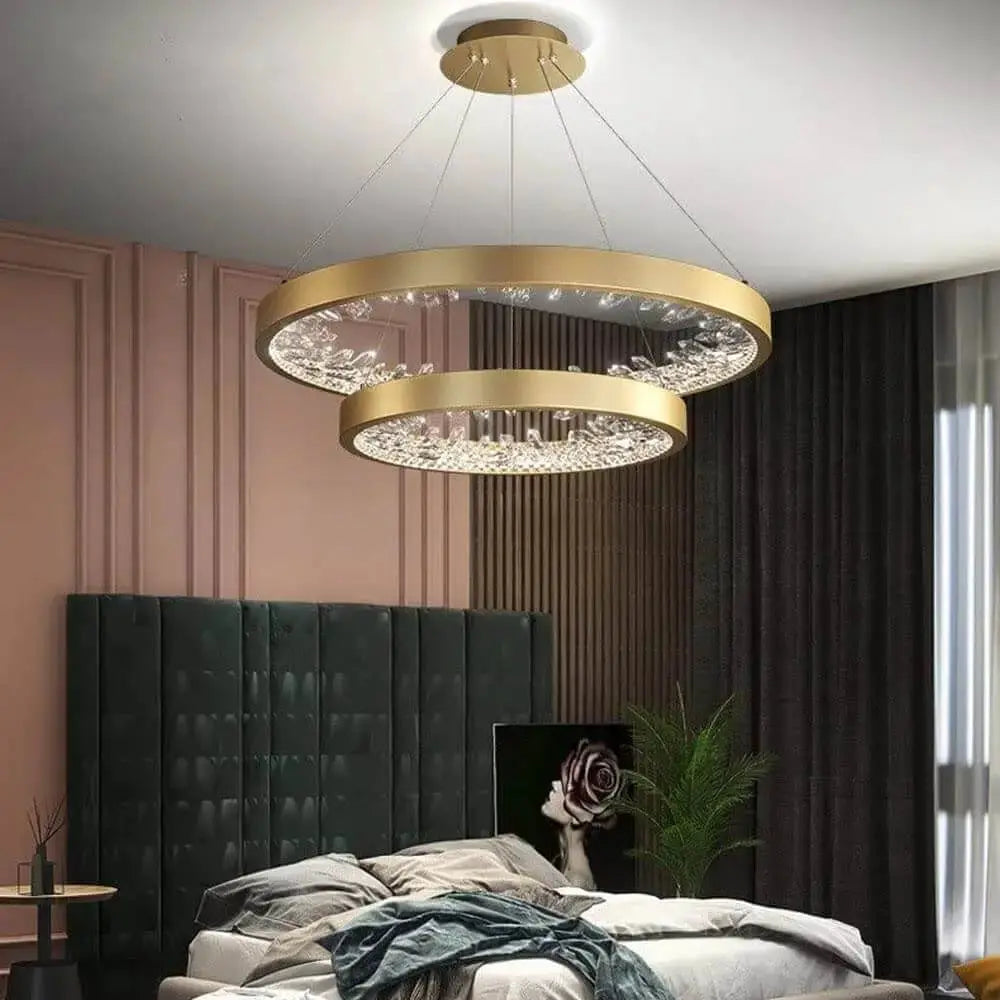
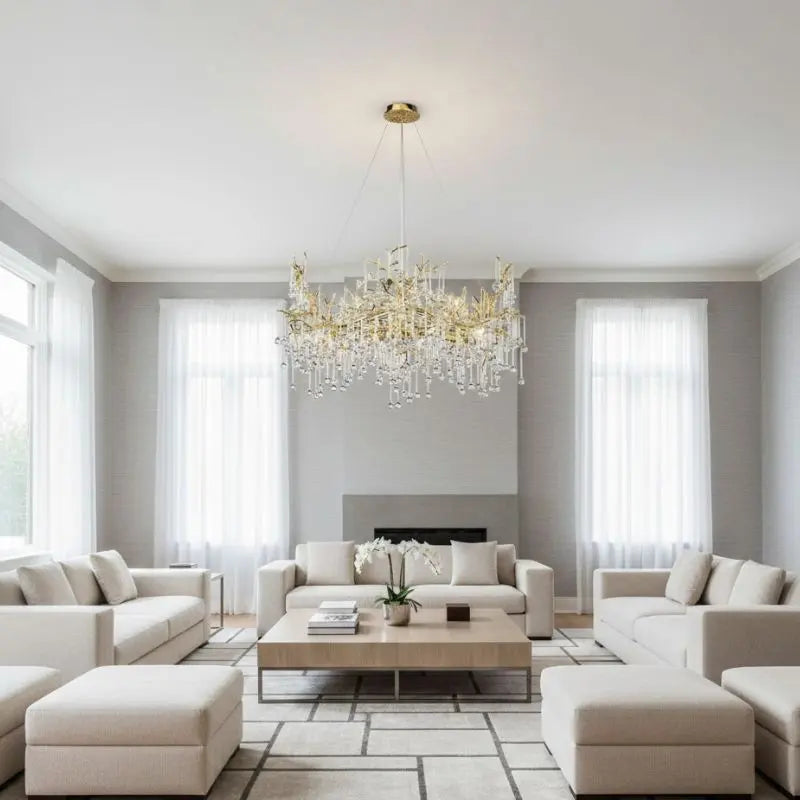
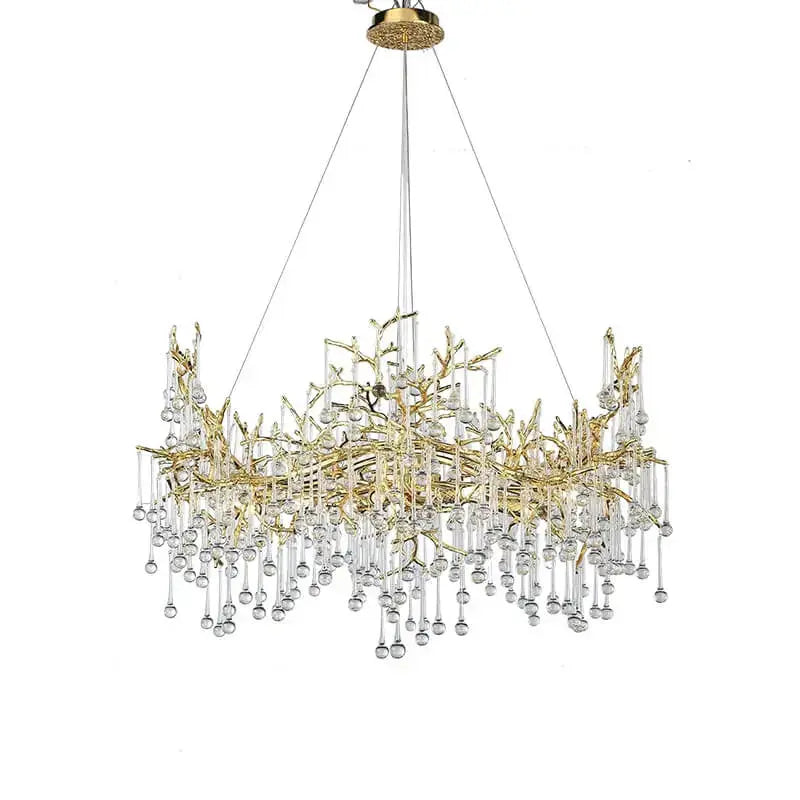
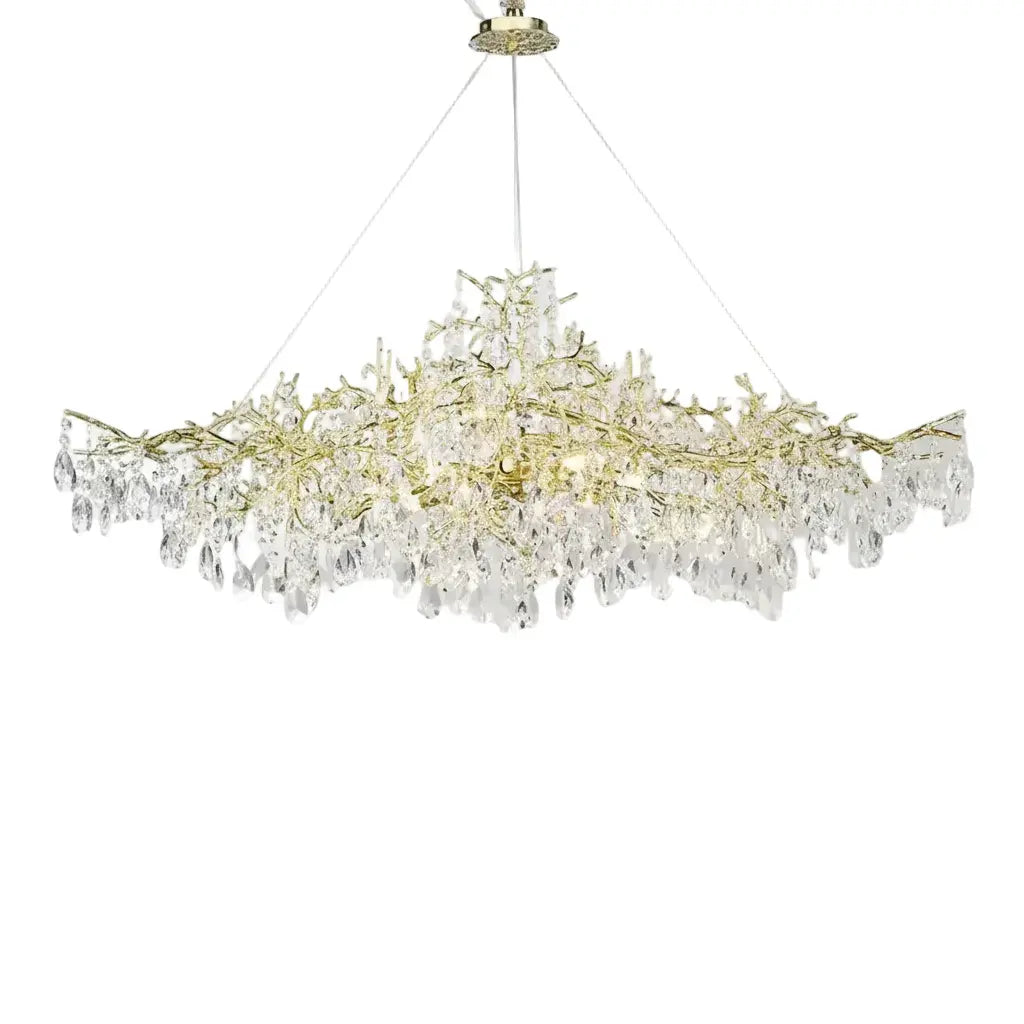
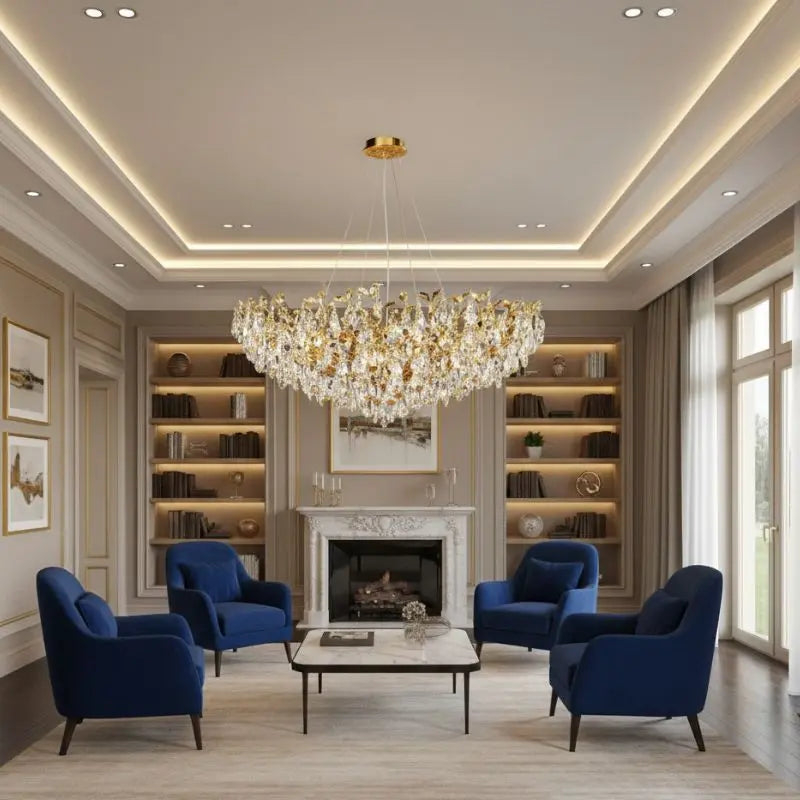
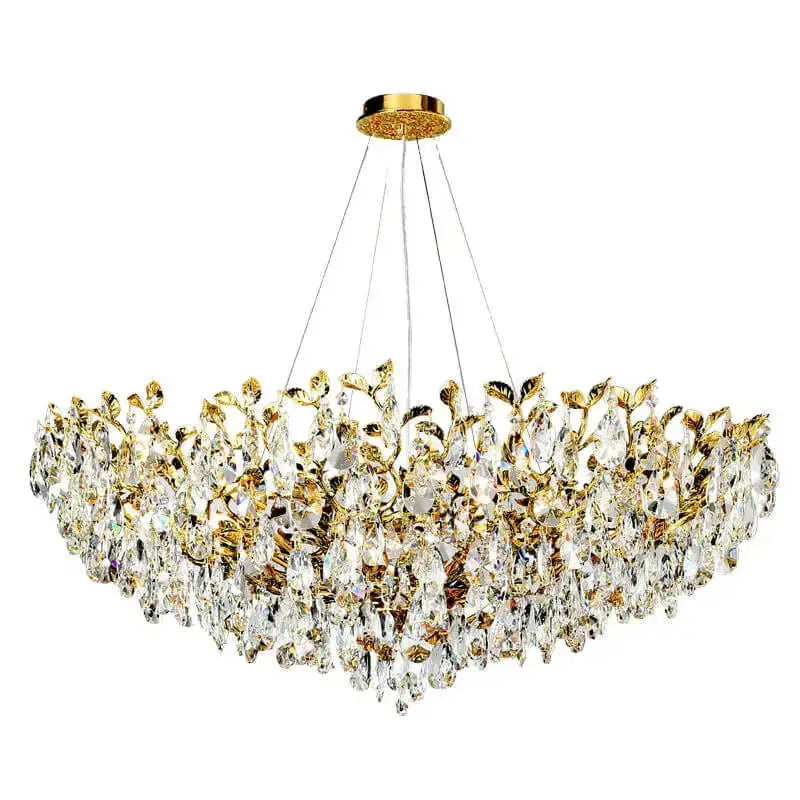
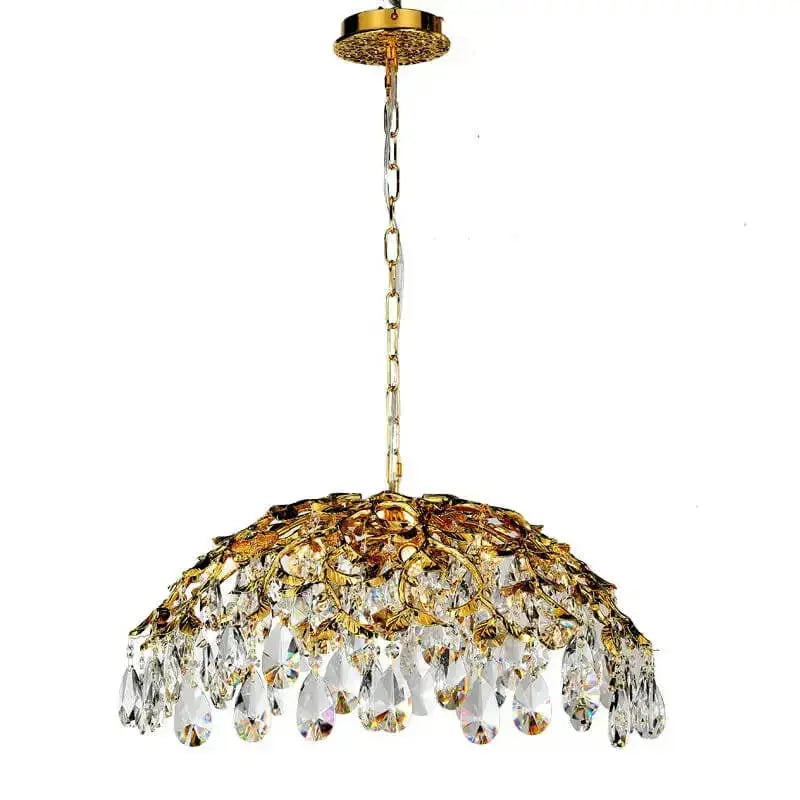
Choose the fitting according to both ceiling height and the room's visual weight. A sculptural modern chandelier can bring a refined focal point to a contemporary living room, while a crystal design lends sparkle and timeless elegance to more classic interiors. In rooms with lower ceilings, a close-to-ceiling fixture offers the same sense of finish without interrupting sightlines.
Size matters more than shoppers often expect. A fixture that is too small can disappear above substantial furniture, while one that is oversized may dominate a compact seating arrangement. Consider the scale of the coffee table, sofa and rug as one composition. The ceiling fitting should feel confidently present, not isolated.
Where possible, place ambient lighting on a dimmer. Bright illumination is useful when children are playing, guests are arriving or the room is being tidied. A lower setting is more flattering for conversation and allows the secondary layers to do their best work. Make sure any bulbs and dimmer are compatible before installation, as this varies by fitting and bulb type.
Consider the light itself, not only the fixture
For a relaxed residential setting, warm white light is usually the most flattering choice. Around 2700K gives cream walls, natural timber, velvet and skin tones a welcoming richness. If your living room doubles as a home office during the day, 3000K may feel slightly clearer while remaining comfortable in the evening.
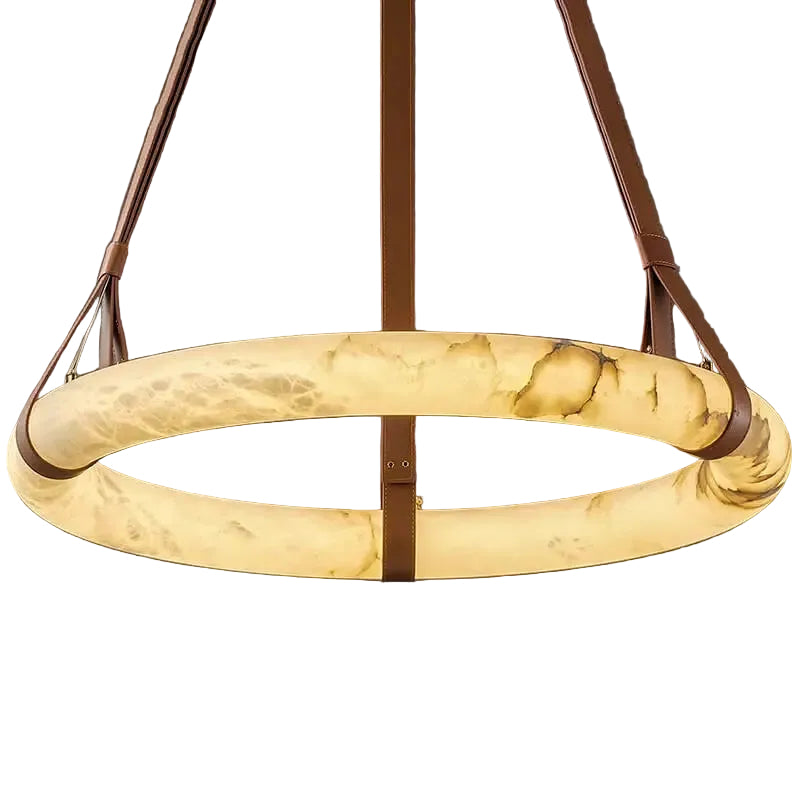
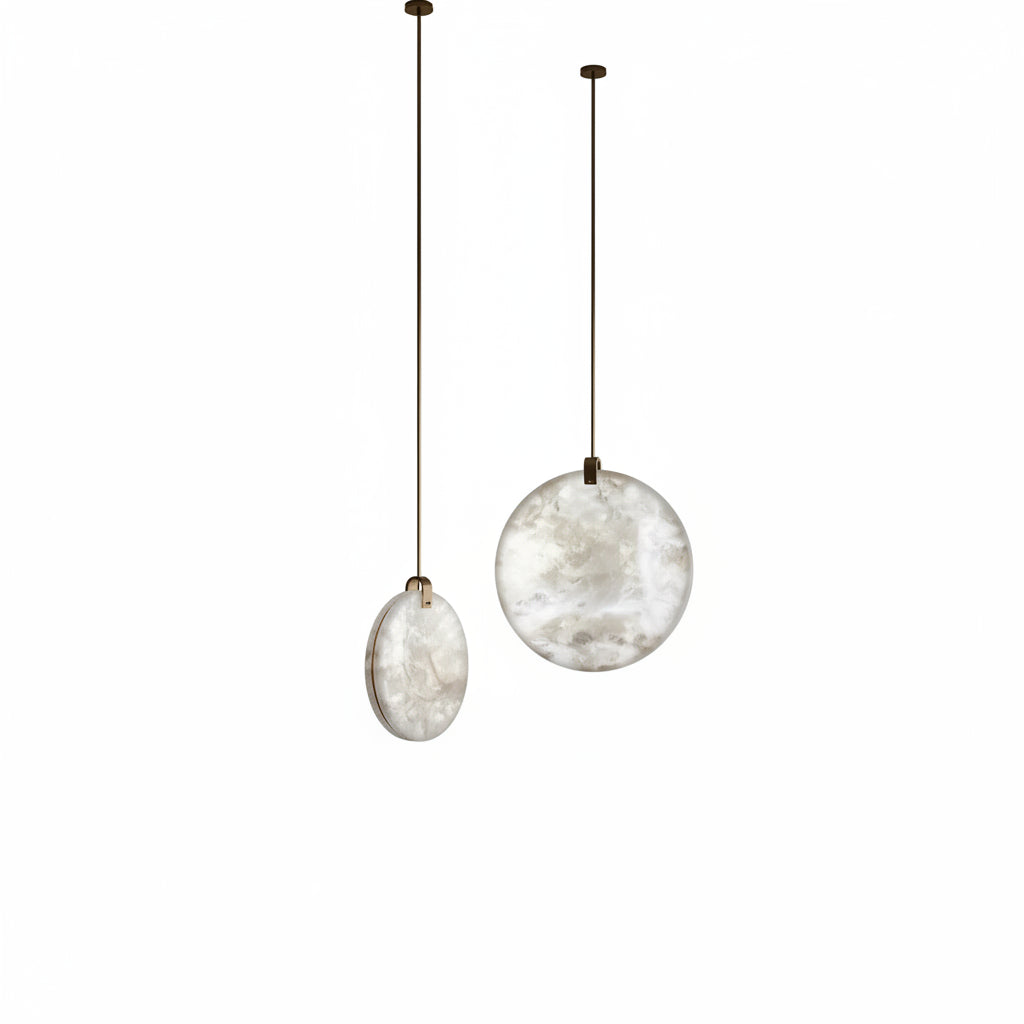
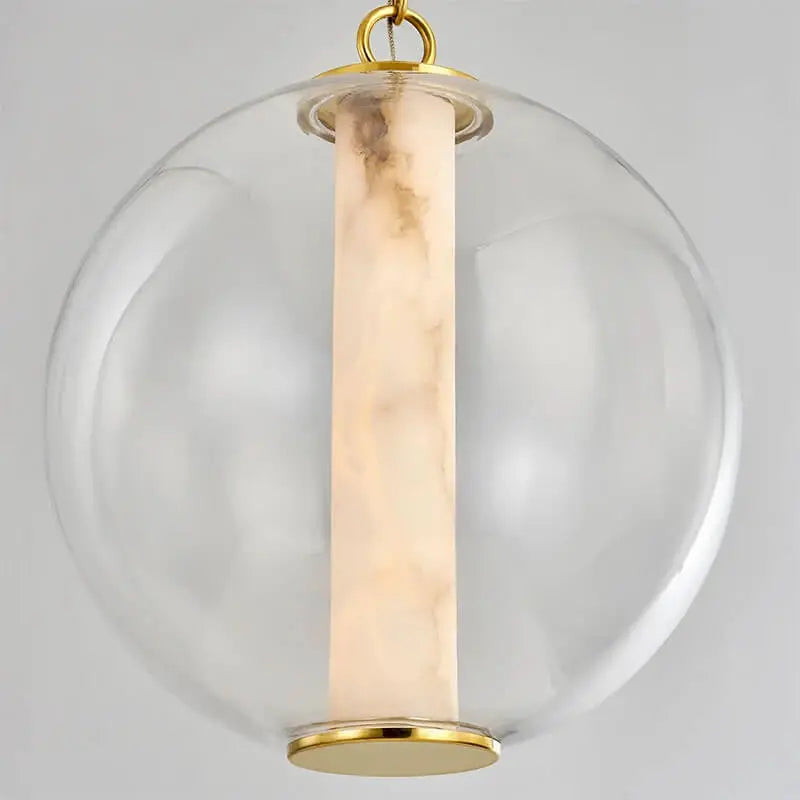
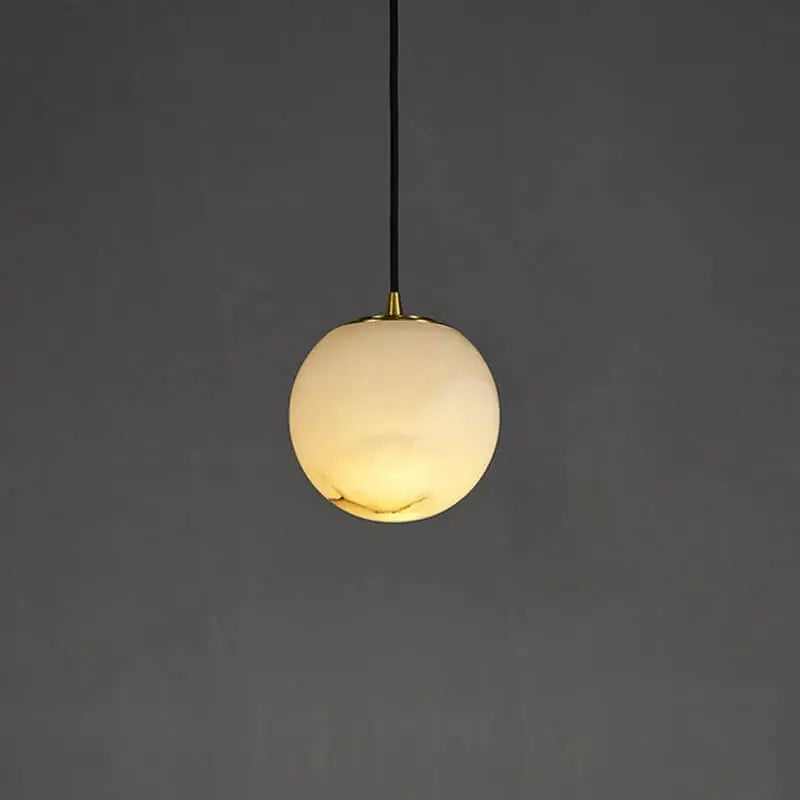
Avoid mixing noticeably cool and warm bulbs in the same view. A beautiful alabaster pendant can lose its soft glow if it sits beside a stark, blue-white floor lamp. Consistency in colour temperature makes the whole scheme feel intentional.
Add task lighting where life actually happens
Task lighting is the layer that makes a lovely room genuinely liveable. It belongs beside the armchair where you read, near the sofa where you knit, or at a console used for correspondence and devices. It does not need to be clinical. The best task lamps deliver useful light while adding silhouette, material and height.
A floor lamp with an adjustable shade is an elegant answer beside a reading chair. Position it so the light falls over your shoulder onto the page, rather than shining directly into your eyes. A table lamp on a side table can serve a similar purpose, though it needs enough surface space to coexist with a drink, book or decorative object.
Symmetry works beautifully when there are matching side tables at either end of a sofa. A pair of table lamps creates a gracious, balanced look and makes the seating area feel settled. In a more eclectic room, choose lamps with a shared element, such as similar shade shapes or a repeated brass finish, rather than identical bases.
Be realistic about how the room is used. If you only read in one favourite corner, invest in a purposeful floor lamp there rather than filling every surface with lamps. Conversely, a large family room with several seating zones may need multiple task sources so no one is left relying on the central light.
Use accent lighting to create depth and drama
Accent lighting is where a living room begins to feel curated. It draws attention to the moments worth noticing: a textured wall, a cherished painting, built-in shelves, a fireplace surround or a beautiful object collected while travelling. It also prevents the room's edges from disappearing at night.
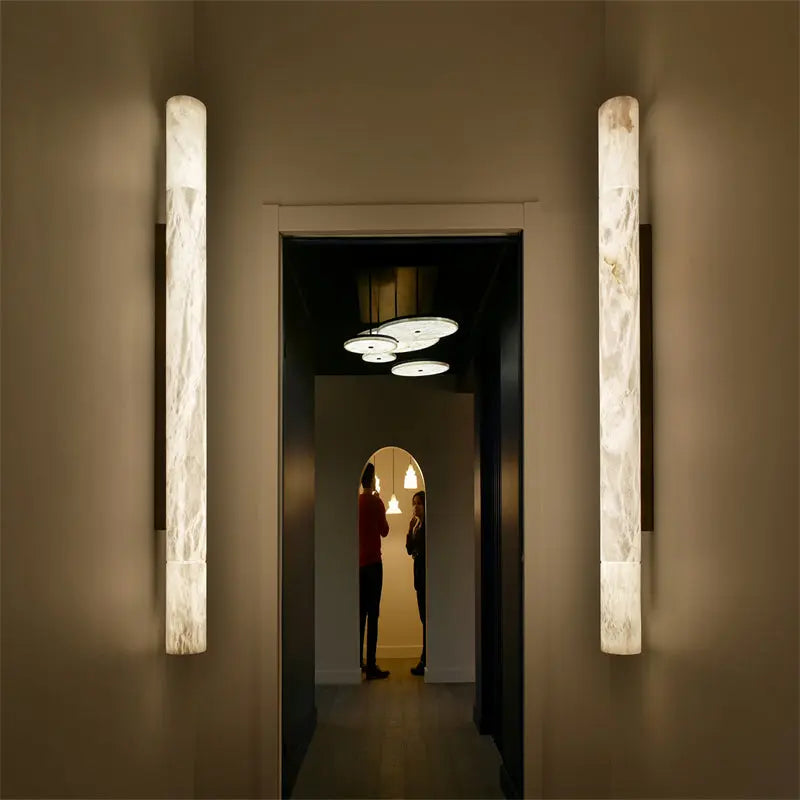
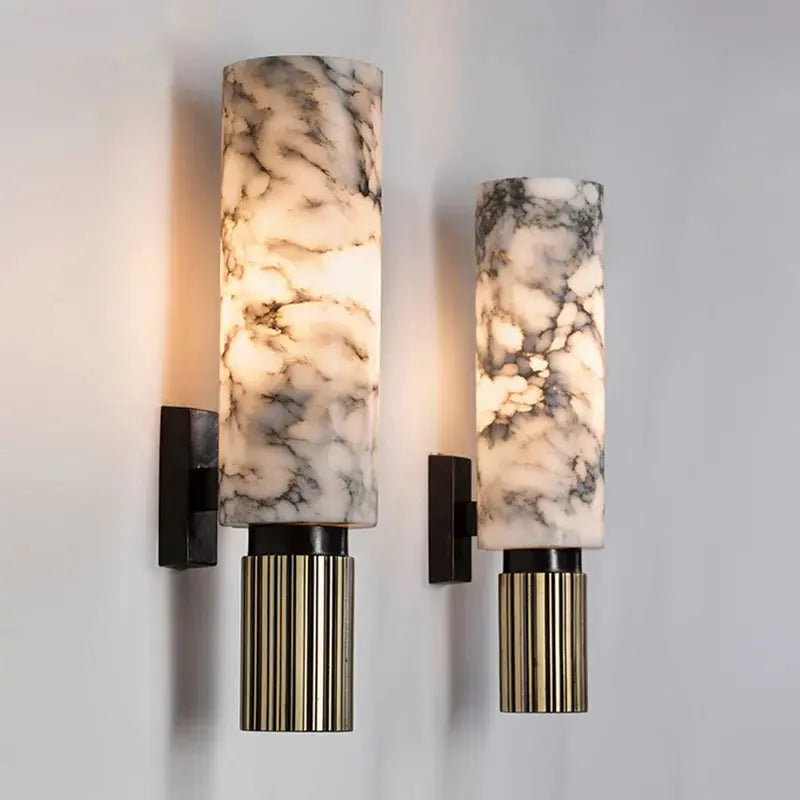
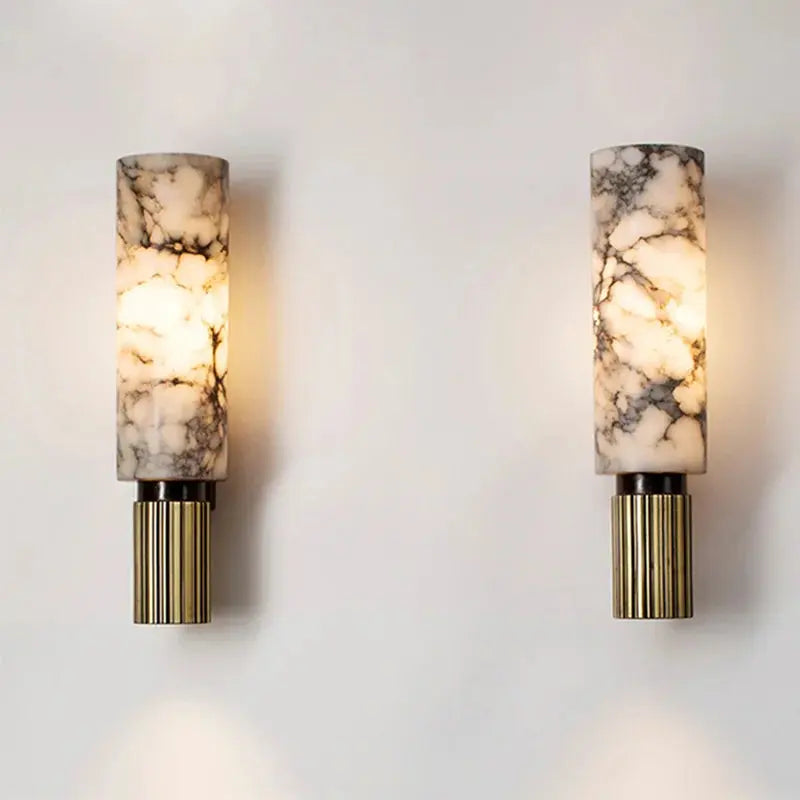
Wall lights are a particularly polished choice. Positioned on either side of a fireplace, mirror or artwork, they introduce a vertical layer that table lamps cannot provide. Their light can be gentle and decorative, especially when paired with frosted glass, fabric shades or softly veined alabaster.
A picture light can give art presence after sunset, while discreet shelf lighting brings dimension to books and ceramics. Use restraint. Every framed print does not need its own fitting, and too many illuminated objects can make the room feel like a showroom. Select one or two focal areas and allow surrounding shadows to provide contrast.
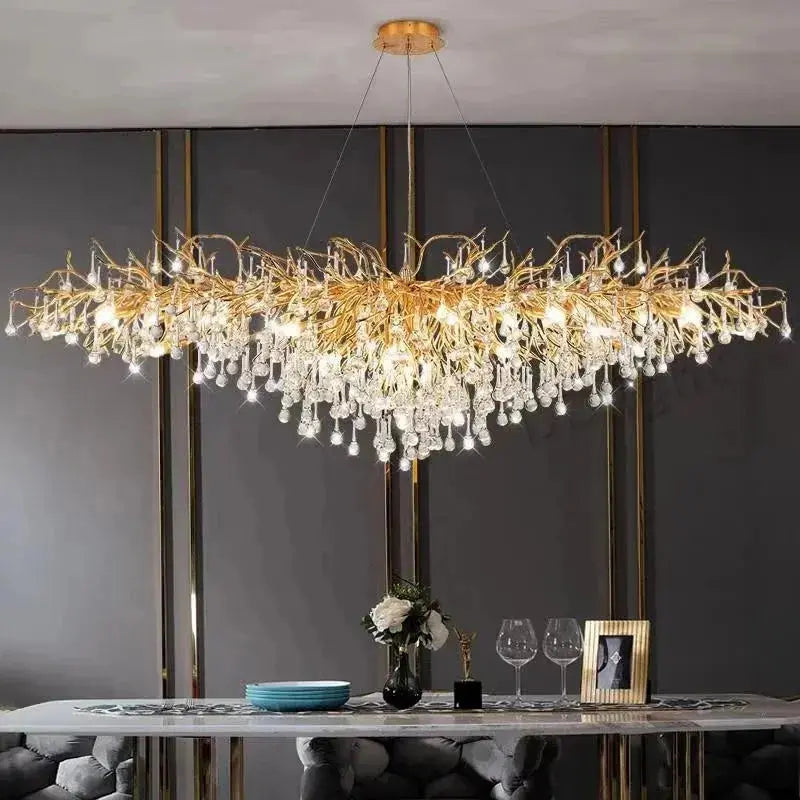
If your living room includes a statement chandelier, accent lighting is also a way to repeat its finish elsewhere. A brass chandelier paired with brass wall lights, for example, creates continuity without matching every detail. Crystal can be balanced with quieter linen shades; a dramatic marble-inspired fitting may be softened by simple ceramic lamps. Contrast is often what keeps luxury from becoming excessive.
Plan the heights and sightlines
Layered lighting succeeds because it occupies different levels. Ceiling fittings illuminate from above, wall lights sit around eye level, table lamps create a middle glow, and floor lamps extend the scheme towards the seating zone. This variation gives the room depth, particularly in the evening.
When selecting lamps, look at their height in relation to the furniture around them. A table lamp should generally feel proportional to the side table and sofa arm, with the bottom of the shade near seated eye level. This helps contain glare and makes the lamp useful for reading.
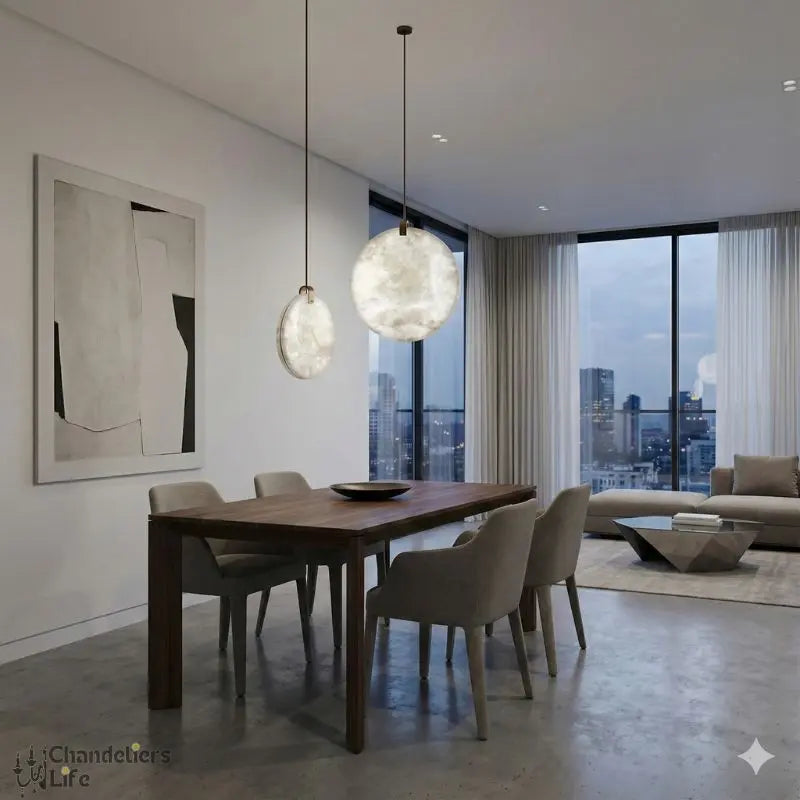
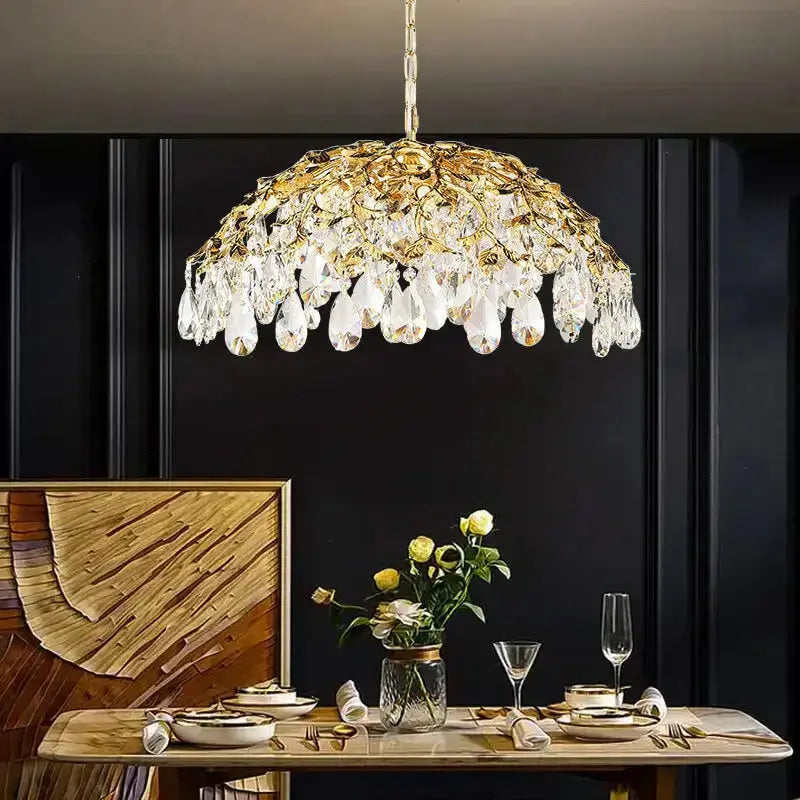
Keep chandeliers and pendants clear of natural circulation routes. Over a coffee table, a lower-hung decorative pendant can look striking, provided it does not obstruct conversation across the seating area. In the middle of a walk-through room, a higher position is usually more practical. There is no universal measurement that suits every interior, so use the proportions of your own room rather than following a rule mechanically.
Create lighting scenes, not one setting
The most successful schemes allow for different moods. Think of your lighting as a set of scenes rather than a single on-off decision. For everyday evenings, the ceiling fitting may be dimmed while table lamps and a floor lamp provide the main glow. For entertaining, add wall lights and increase the central layer slightly so faces and food are well lit. For film night, let a single shaded lamp and subtle accent lighting take over.
Separate switches make this much easier. If you are renovating, ask an electrician to place ambient, task and accent layers on different circuits. If rewiring is not an option, plug-in lamps with accessible switches or compatible smart controls can still provide flexibility. The goal is not technical complexity. It is the ability to adjust the room without effort.
Choose statement pieces with a supporting cast
A feature chandelier can absolutely lead the scheme, particularly in a living room with generous ceiling height or an architectural focal point. Let it be the jewellery of the room, then build quieter layers around it. A highly detailed crystal piece may call for understated linen-shaded lamps, while a sleek contemporary pendant can be paired with more sculptural wall lights or an expressive floor lamp.
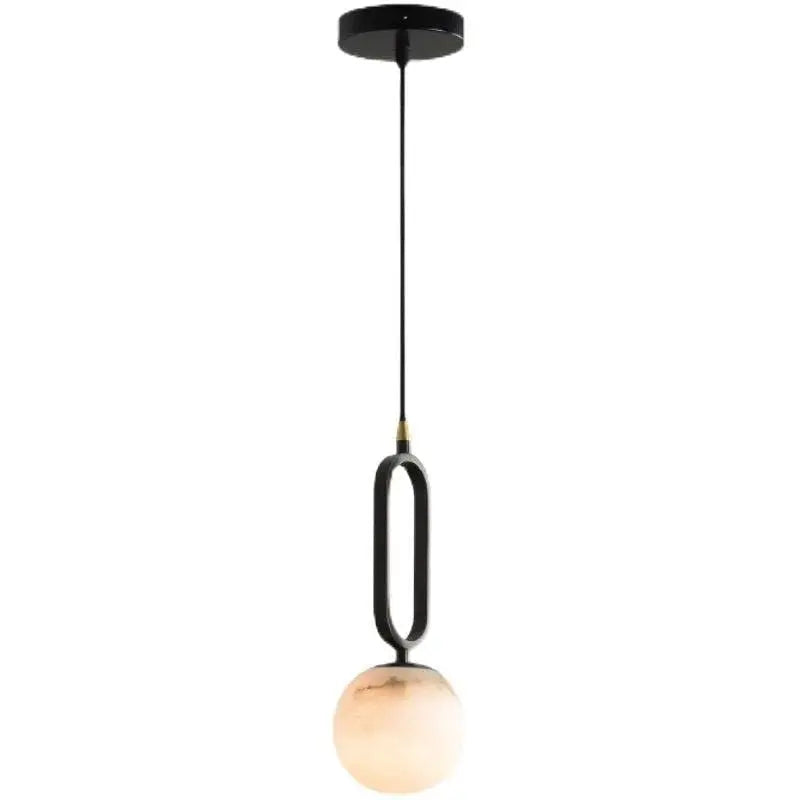
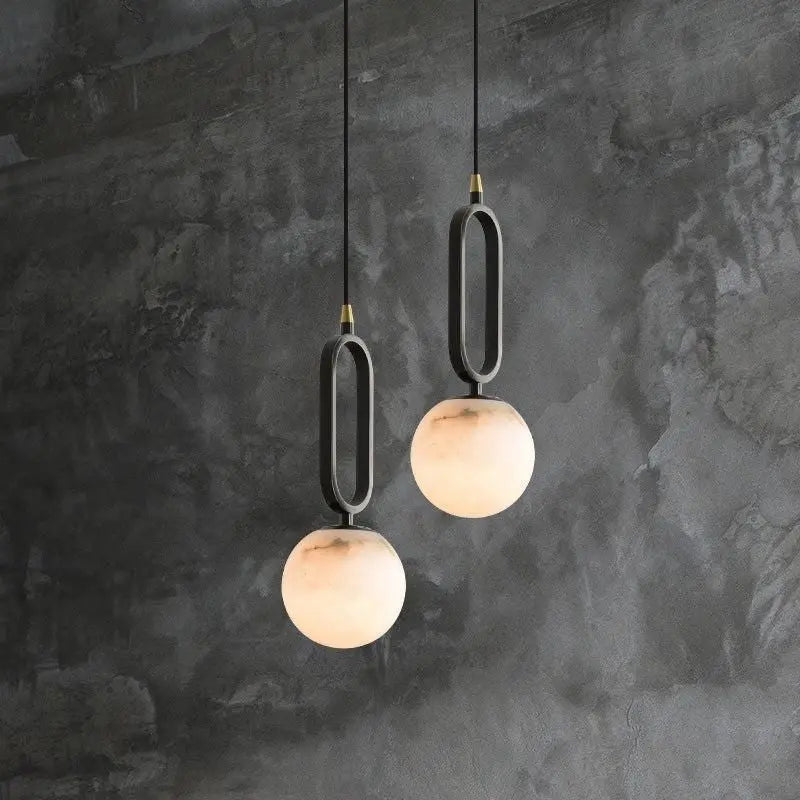
Materials influence the mood as much as form. Glass and crystal bounce light with lively brilliance. Alabaster diffuses it into a softer, luminous glow. Metal finishes bring definition, while fabric shades introduce warmth and visual calm. ChandeliersLife offers decorative lighting across these directions, making it easier to select a centrepiece and complementary pieces with a cohesive luxury feel.
Do not feel obliged to match every fitting precisely. A room layered in identical lamps can appear staged rather than collected. Repeat one or two elements, such as finish, warmth of light or geometric shape, then allow each layer its own character.
The final test is simple: spend an evening in the room. Notice where you squint, where corners feel empty and where the light makes you want to linger. A thoughtful adjustment to one lamp or dimmer level can transform the whole atmosphere, giving your living room the composed, welcoming glow it deserves.