
As the sun dips below the horizon, your garden can still be a place of beauty and function. Outdoor post lights, or garden lighting posts as some call them, are a fantastic way to keep your yard looking good and feeling safe after dark. It's not just about seeing where you're going; it's about creating a mood, making your home look inviting from the street, and generally just making your outdoor space more usable. Picking the right ones might seem like a lot, but really, it just comes down to thinking about what you want them to do and how they'll fit in.
Key Takeaways
- Think about why you need garden lighting posts: Is it for safety, to make things look nicer, or both? This will help you pick the right style and brightness.
- There are several types of garden lighting posts, from classic ones that plug in, to super easy solar options, and even smart lights you can control with your phone. Bollard lights are also a popular choice for lining paths.
- When choosing, check out the power source (solar, electric), what they're made of (metal, plastic), how bright they are, and if they have any smart features like dimming or timers.
- Don't forget about where you'll put them. Posts can light up driveways, mark garden paths, highlight cool plants or features, and make your house look great from the outside.
- Keeping your garden lighting posts clean and checking on them now and then will make sure they work well and last a long time. This includes trimming plants that might block the light.
Understanding The Purpose Of Garden Lighting Posts
When you think about garden lighting posts, it’s easy to just picture them as simple lights stuck in the ground. But honestly, they do so much more than just shine a light. They’re like the unsung heroes of your outdoor space, working hard to make your yard both look good and be more useful, especially after the sun goes down.
Enhancing Safety And Security
First off, let's talk about safety. Having well-lit pathways and entryways is a big deal for preventing trips and falls. You don't want anyone, whether it's you, your family, or guests, stumbling around in the dark. Think about your driveway, the steps leading to your door, or any garden paths that get a lot of foot traffic. Lighting these areas makes them much safer to use at night. Beyond just preventing accidents, good lighting can also act as a deterrent to unwanted visitors. Areas that are clearly visible are less appealing to potential intruders, giving you and your home an extra layer of security. Motion-sensor lights are a great option here, as they can startle anyone who might be lurking around.
Creating Ambiance And Atmosphere
Beyond just being practical, garden lighting posts are fantastic for setting a mood. You can totally change how your garden feels just by adding some light. Imagine soft, warm light spilling onto a patio where you're enjoying a quiet evening, or subtle uplighting on a favorite tree or shrub. It creates a cozy, inviting vibe that makes your outdoor space feel like an extension of your home. It’s not about blinding brightness; it’s about creating gentle pools of light that highlight features and make the whole area feel more welcoming. You can even find low voltage garden lights that provide a softer, more energy-efficient glow, perfect for creating that desired atmosphere.
Boosting Curb Appeal
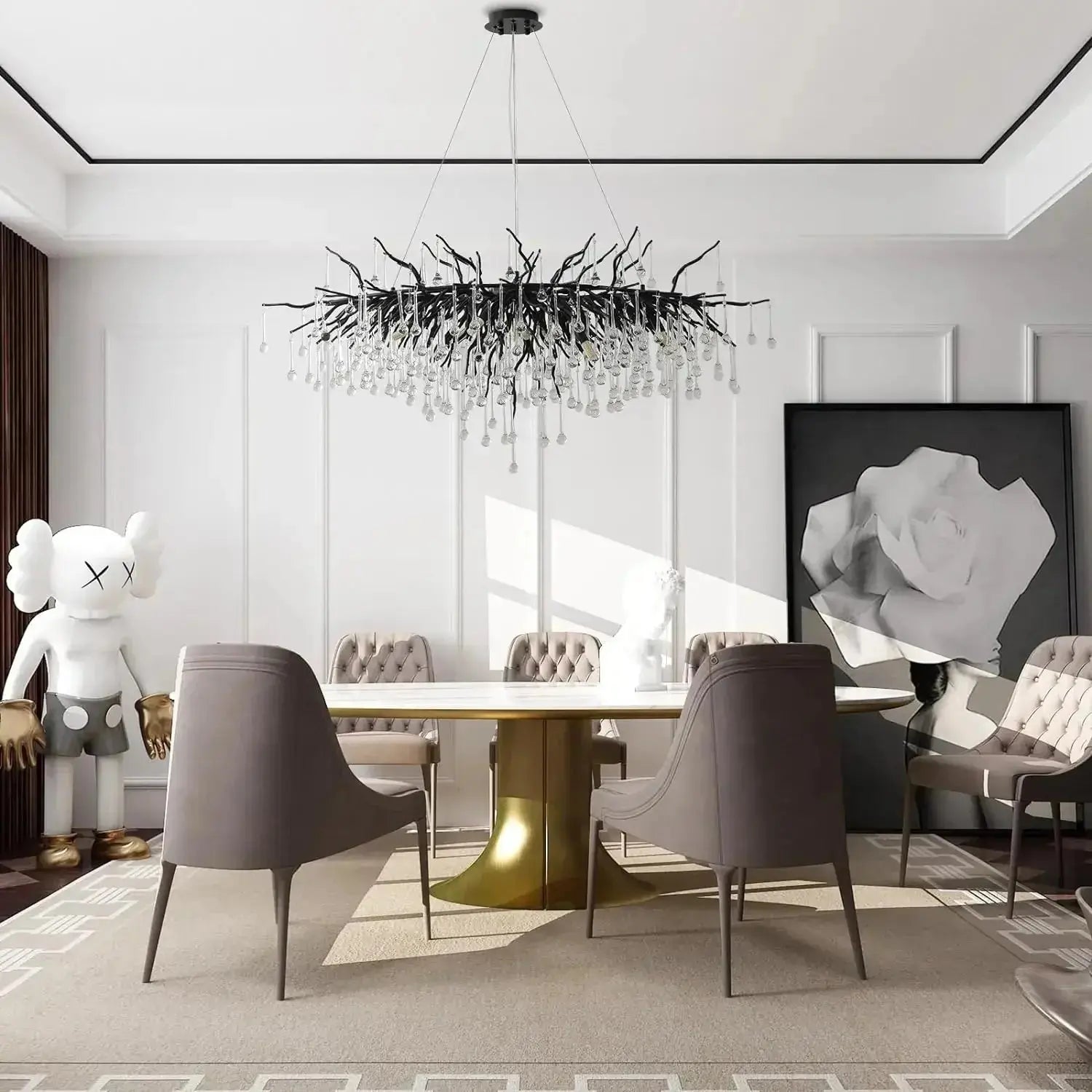
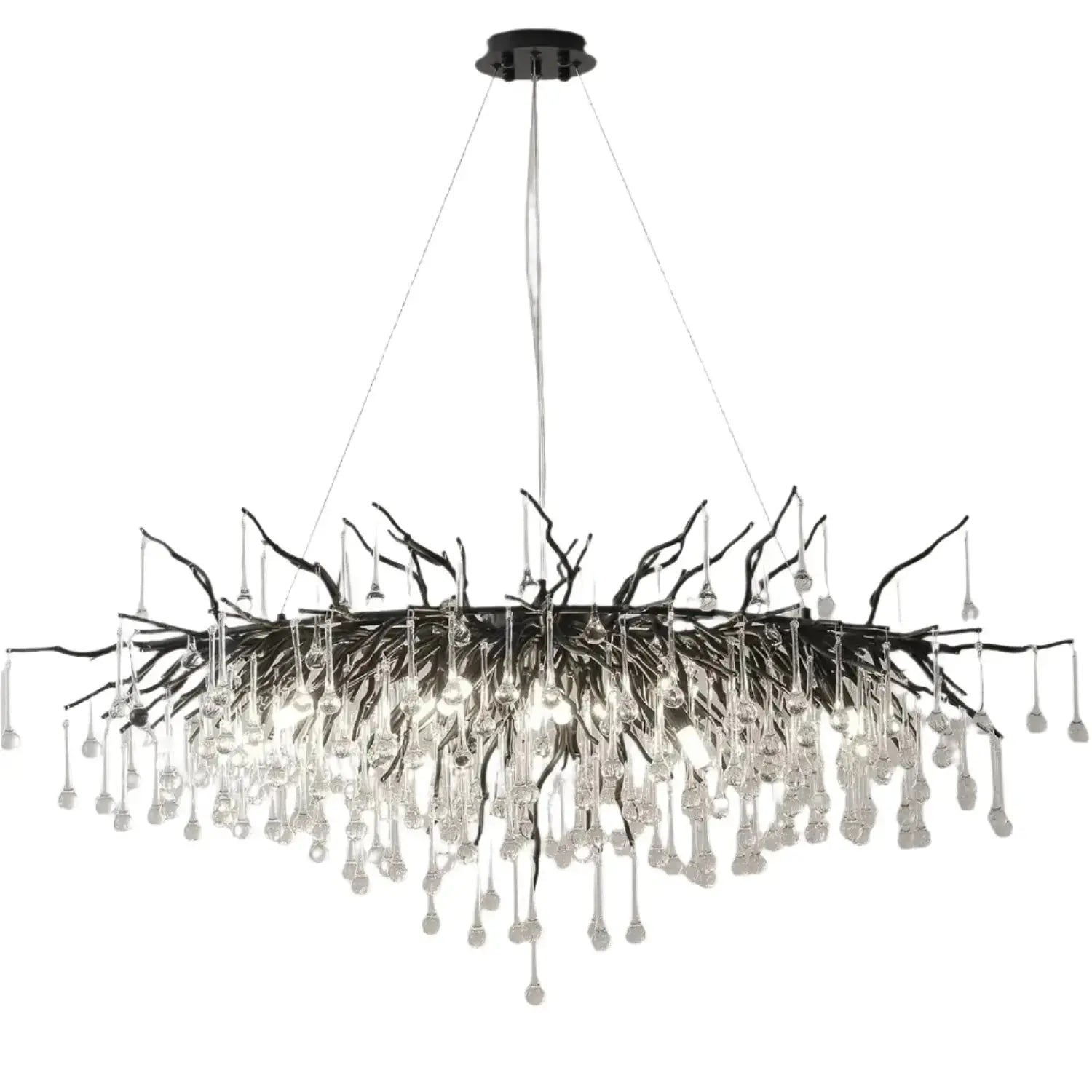
Don't forget how much lighting can impact your home's appearance from the street. When people drive by, especially at night, well-placed lighting posts can make your property stand out in a good way. It shows you care about your home and have put thought into its presentation. It’s like adding the finishing touches to a beautiful painting. Instead of a dark, uninviting house, your home can look warm and welcoming, drawing people in. This added visual appeal isn't just for show; it can also add to your property's overall value. A thoughtfully lit exterior, perhaps with a stylish black chandelier element in the design, makes a strong positive impression.
Exploring Different Types Of Garden Lighting Posts
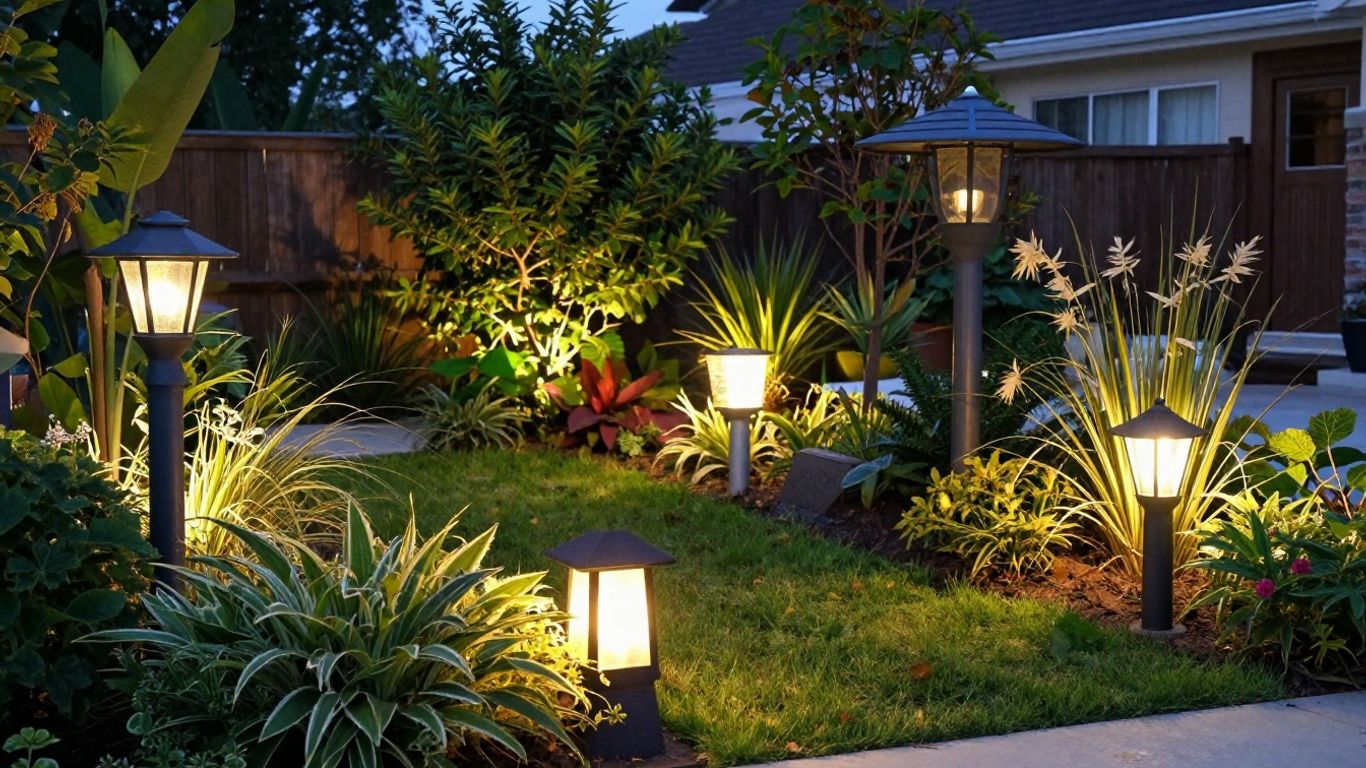
When you're thinking about lighting up your garden, the humble post light is a real workhorse. It’s not just about sticking a light in the ground; there are actually quite a few different kinds to choose from, each with its own vibe and function. Picking the right one can totally change how your outdoor space feels after dark.
Traditional Post Lights
These are the ones that probably come to mind first when you think of garden posts. They often have a classic, lantern-like look, sometimes with a bit of a vintage flair. Think black or bronze finishes, maybe some decorative scrollwork. They're great if your house has a more traditional architectural style, like colonial or Victorian, because they just fit right in and add a touch of old-school charm. They usually give off a warm, inviting glow that's perfect for setting a cozy mood.
Solar-Powered Options
Solar lights have become super popular, and for good reason. They're really easy to install because you don't need to run any wires, and they're good for the planet since they run on sunshine. Most of these have a little solar panel right on top, which charges up a battery during the day. Then, as it gets dark, they automatically turn on. They're a fantastic eco-friendly choice and can save you money on electricity bills. Just make sure you place them where they'll get plenty of direct sunlight each day.
Smart LED Post Lights
If you're into technology and want more control, smart LED post lights are the way to go. These aren't just your average lights; they can do all sorts of cool things. You can often control them with your phone or a smart home system. Some let you change the brightness, adjust the color temperature (like making the light warmer or cooler), and even set schedules. They can also be programmed to turn on when they sense motion, which is great for security. Plus, LEDs are super energy-efficient and last a really long time, so you won't be changing bulbs constantly. You can find some really neat modern, smart, and decorative LED wall panels that offer similar innovative lighting solutions for your outdoor space.
Bollard Style Lights
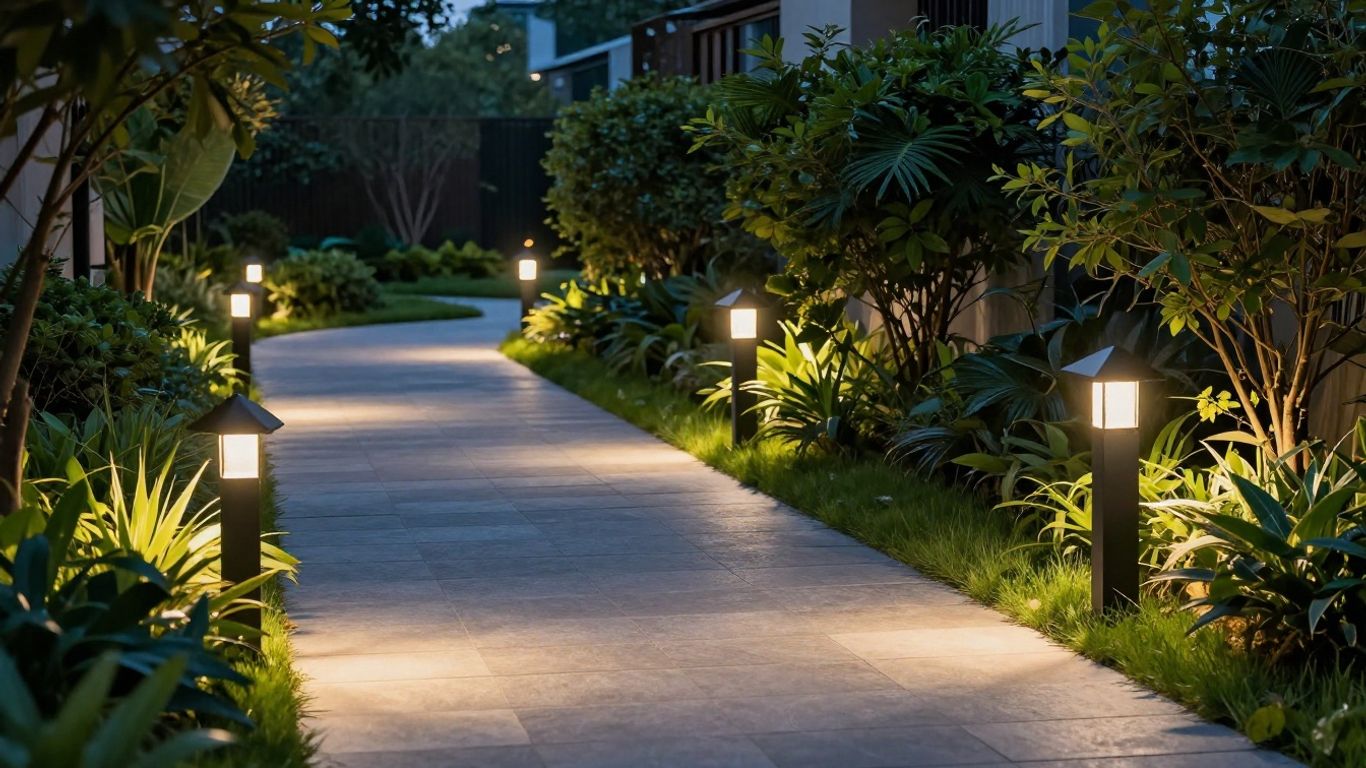
Bollard lights are a bit different. They're usually shorter, sturdier posts, often with a more modern or minimalist design. They're really good for lining pathways, driveways, or garden beds. Because they're low to the ground, they provide a clear visual guide without being too bright or glaring. They're excellent for safety, making sure people can see where they're walking, especially in darker areas of your yard. Many are made from durable materials like stainless steel, so they hold up well against the weather.
When you're picking out post lights, think about what you really need them for. Are you trying to make your walkways safer, create a nice atmosphere for relaxing, or just make your house look good from the street? The type of post light you choose will really depend on those goals. It's a balance between looks and how well they actually work for what you need them to do.
Key Features To Consider For Your Garden Lighting Posts
When you're picking out lights for your yard, it's not just about how they look, though that's important too. You've got to think about what makes them tick and how they'll hold up outside. Let's break down the main things to keep an eye on.
Power Source Options
This is a big one. How will your lights get their juice? You've got a few main choices here:
- Solar-Powered: These are super popular because they're easy to install – no digging trenches for wires! They soak up sun all day and light up when it gets dark. Just make sure they get enough direct sunlight to charge properly. They're great for the environment and save you money on electricity bills.
- Hardwired: This means connecting directly to your home's electrical system. It gives you a steady, reliable power source, but you'll likely need an electrician to do the job safely. This is the way to go if you need consistent, bright light for a specific area.
- Low-Voltage: These use a transformer to step down the power from your home's main supply to a safer, lower voltage. They're a good middle ground, offering more control and reliability than solar without the full complexity of hardwiring.
Materials And Durability
Your garden lights are going to be out in the elements all year round, so they need to be tough. Think about what they're made of:
- Metals: Cast aluminum is a solid choice, especially if it has a good corrosion rating for areas with harsh weather. Stainless steel looks sleek and modern and holds up well against rust. Copper can add a nice patina over time but might be pricier.
- Plastics: Some solar lights use durable plastics, often combined with metal. They can be lightweight and weather-resistant, but check reviews for how well they hold up to UV rays over the years.
The material you choose will directly impact how long your lights last and how much maintenance they need.
Light Quality And Performance
It's not just about having light; it's about the kind of light.
- Color Temperature: This is measured in Kelvin (K). For a cozy, inviting feel, look for warm white (around 2500-3000K). Brighter, cooler whites (4000K+) are better for task lighting or security.
- Brightness (Lumens): How much light does it put out? A pathway light might only need 50-100 lumens, while a post light for a driveway might need several hundred or even a thousand lumens. You don't want to blind people, but you do need enough light to see.
- Light Distribution: Some lights are designed to shine light downwards, which is great for pathways and reducing light pollution. Others spread light more broadly. Consider if you want to highlight specific features or just provide general illumination.
Smart Features
If you're into tech, smart features can add a lot of convenience:
- Dusk-to-Dawn Sensors: These automatically turn lights on when it gets dark and off when the sun comes up. Super easy!
- Timers: Set specific times for your lights to be on or off.
- App Control: Some advanced systems let you control brightness, color, and schedules right from your smartphone. You can even find modern LED wall panels that integrate with smart home systems.
Thinking about smart features can seem a bit much at first, but they really do make managing your outdoor lighting a breeze. Imagine adjusting your porch light from your couch or setting a schedule that mimics you being home, even when you're away. It adds a layer of convenience and security that's hard to beat.
Choosing the right features means balancing your budget, your aesthetic goals, and how much effort you want to put into installation and upkeep. It's all about finding that sweet spot for your specific outdoor space.
Installation And Creative Applications For Garden Lighting Posts
So, you've picked out the perfect garden lighting posts – awesome! Now comes the fun part: getting them set up and figuring out how to make them look amazing. It's not just about sticking them in the ground; it's about using them to really make your outdoor space shine.
Driveway Illumination
First off, let's talk about your driveway. Having well-lit pathways leading to your home is a game-changer for both safety and that 'wow' first impression. You don't want guests fumbling in the dark, right? Post lights can beautifully frame your driveway, making it easy for cars to navigate and for people to find their way to your door. Think about spacing them out evenly – it creates a really welcoming vibe.
Garden Accent Lighting
Beyond the driveway, your garden itself is a canvas. You can use post lights to draw attention to specific features. Maybe you have a favorite tree, a sculpture, or a particularly pretty flower bed. A strategically placed light can highlight these spots, adding depth and interest to your yard, especially after the sun goes down. It’s a great way to enjoy your garden even when it’s dark outside.
Pathway Guidance
Walkways and garden paths can be tricky after dark. Lighting them up with posts is super practical. It prevents stubbed toes and makes strolling through your garden a pleasant experience, day or night. Bollard-style lights are particularly neat for this, as they’re low-profile and guide you along without being too overpowering. It’s like creating little illuminated trails through your landscape.
Architectural Highlighting
Don't forget your house itself! Post lights aren't just for the ground; some can be mounted higher or used to cast light upwards. This can really bring out the architectural details of your home, like interesting brickwork or a charming porch. It adds a layer of sophistication and makes your home look stunning from the street.
Proper installation is key. Whether you're going with solar, low-voltage, or hardwired options, make sure they're positioned correctly for maximum effect and longevity. If you're unsure about electrical work, it's always best to call in a professional. Safety first, always!
Here’s a quick rundown of what to think about during installation:
- Placement: Consider where the light is needed most and how it will affect the overall look.
- Power Source: Decide if solar, low-voltage, or hardwired is best for your setup. Solar is easy, but needs sun. Hardwired is reliable but needs an electrician.
- Height & Spacing: Get this right, and you’ll have perfect illumination without harsh shadows or dark spots. For pathways, 3-4 feet is often a good starting point.
- Local Codes: Always check if there are any local regulations you need to follow, especially for electrical installations. You can find great home decor inspiration at H&M Home.
Getting creative with your lighting can really transform your outdoor living space. It’s about more than just seeing; it’s about feeling. Think about how you want your garden to look and feel after dark, and let your lighting posts help you achieve that vision. For more ideas on outdoor styling, check out H&M Home for some stylish options.
Maintaining Your Garden Lighting Posts
Keeping your garden lighting posts in good shape is pretty straightforward, but it makes a big difference in how they look and work. Think of it like taking care of any other outdoor fixture; a little attention goes a long way.
Regular Cleaning and Inspection
Over time, dust, pollen, and even little bits of leaves can build up on your lights. This gunk can make them look dull and, honestly, block some of the light. Giving your posts a wipe-down with a soft cloth and some mild soap solution every few months is usually enough. While you're at it, take a moment to look for any damage. Check for cracked glass, loose fittings, or any signs of rust, especially if your posts are made of metal. Catching these small issues early can prevent bigger problems down the road and keep your lights working well.
Bulb and Battery Replacement
Eventually, bulbs burn out, and batteries lose their charge. For lights that use traditional bulbs, it's a good idea to replace them before they completely fail. If you have solar-powered lights, the rechargeable batteries won't last forever. They typically need replacing every couple of years. Keeping an eye on their performance – if they're not holding a charge as long as they used to – is a good indicator that it's time for new ones. This is a pretty simple fix that makes a huge difference in keeping your lights bright.
Vegetation Management
Plants grow, right? Sometimes they grow right into your lights. Overgrown bushes or branches can block the light, making your carefully planned illumination less effective. They can also scratch or damage the fixtures themselves. A bit of regular trimming around your lighting posts will keep them clear and looking neat. It also helps prevent any potential damage from branches rubbing against the posts, especially in windy weather. This simple step helps maintain both the look and the function of your outdoor post lights.
Current Trends In Outdoor Post Lighting
The world of outdoor post lighting is always changing, and there are some pretty cool new things happening that make these fixtures even better. It's not just about sticking a light in the ground anymore; it's about smart design and being mindful of our environment.
Dark Sky Compliance
One big trend is making sure our lights don't mess with the night sky. You'll see more fixtures designed to point light downwards, where you need it, instead of up into the atmosphere. This is called Dark Sky compliance. It helps reduce light pollution, which is good for stargazing and for nocturnal wildlife. It means less wasted light and a more focused beam where it counts.
Adaptive Technology
Lights are getting smarter, too. We're seeing more options that can adjust themselves. Think lights that dim down late at night when no one's around, or ones that change their color temperature. Some can even sense motion and brighten up when someone walks by, then dim back down. This adaptive technology saves energy and makes the lighting feel more natural.
Sustainable Materials
People are also paying more attention to what these lights are made of. There's a push towards using recycled materials and manufacturing processes that are kinder to the planet. You might find posts made from recycled aluminum or plastics, and companies are looking for ways to make their products last longer and be easier to recycle at the end of their life. It’s about making choices that are good for your home and good for the earth.
Smart Integration
Finally, outdoor post lights are becoming part of our connected homes. Many new fixtures can link up with your smart home system. This means you can control them from your phone, set schedules, or even integrate them with other smart devices. Imagine your porch light turning on automatically when your car pulls into the driveway. It adds a layer of convenience and control that's pretty neat. You can even find some stylish black chandelier options that can be integrated into smart home systems for indoor and outdoor ambiance.
Let Your Garden Shine
So, we've talked about how outdoor post lights can really change your yard, making it look good and be safer too. It’s not just about picking any light; it’s about thinking what you want your garden to feel like when it gets dark. Whether you want a bright path to your door or just a soft glow for relaxing evenings, there’s a light out there for you. Remember to think about the materials, how bright you need it, and if you want something easy like solar or a bit more involved like wired lights. Getting it right means your garden will look great and be more useful all year round. Don't be afraid to mix and match styles to get that perfect look. Your outdoor space is an extension of your home, so let it shine!
Frequently Asked Questions
Why should I use garden lighting posts?
Garden lighting posts do more than just light up your yard. They make your outdoor spaces safer by lighting up paths and steps, so no one trips. They also make your yard look nicer and can even help keep unwanted visitors away by removing dark hiding spots. Plus, they let you enjoy your garden even after the sun goes down!
What's the difference between solar and electric garden lights?
Solar lights use the sun's energy to charge up during the day and turn on at night. They're easy to install because they don't need wires and help save on electricity bills. Electric lights, on the other hand, need to be plugged in or wired up. They give a steady light that doesn't depend on the weather, but they can be a bit trickier to set up.
How do I know what material is best for my garden lights?
It's smart to pick materials that can handle the weather. Things like aluminum or stainless steel are tough and last a long time. If you want a more classic look, you might consider lights with glass or iron. Just think about how well the material will hold up against rain, sun, and wind where you live.
What does 'dark sky compliant' mean for outdoor lights?
Lights that are 'dark sky compliant' are designed so that their light shines downwards, not up into the sky. This helps reduce light pollution, which is good for the environment and makes it easier to see the stars. It means the light is focused where you need it, like on your path or garden, instead of just wasting energy upwards.
How tall should my garden lighting posts be?
The best height really depends on what you want the light to do. For lighting up paths, putting them about 3 to 4 feet off the ground usually works well. This gives enough light to see without being too bright or creating harsh shadows. For smaller lights, like those on garden fences, a shorter post might be just fine.
What kind of light color is best for my garden?
For a cozy and relaxing feel, a warm white light is usually the best choice. It's similar to the light from old-fashioned bulbs and makes your garden feel inviting. Brighter, cooler lights can be good for security or highlighting specific spots, but warm light is generally preferred for creating a nice atmosphere.