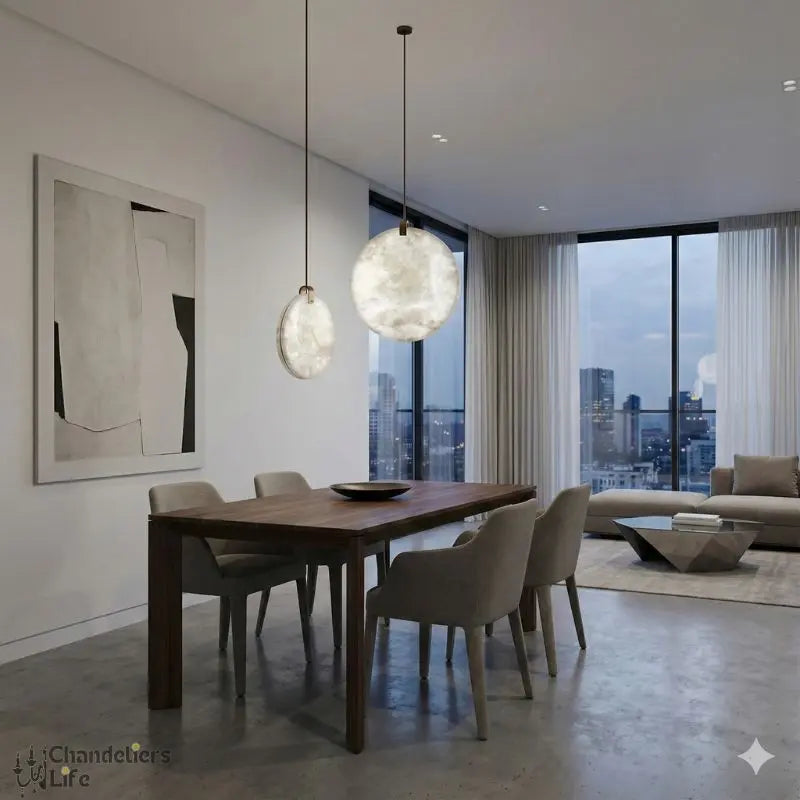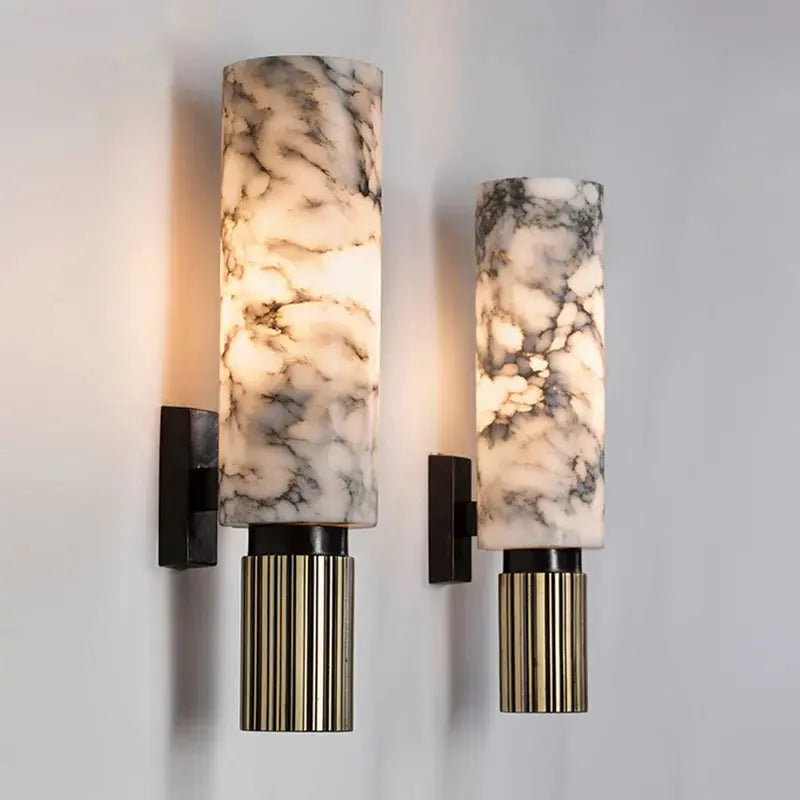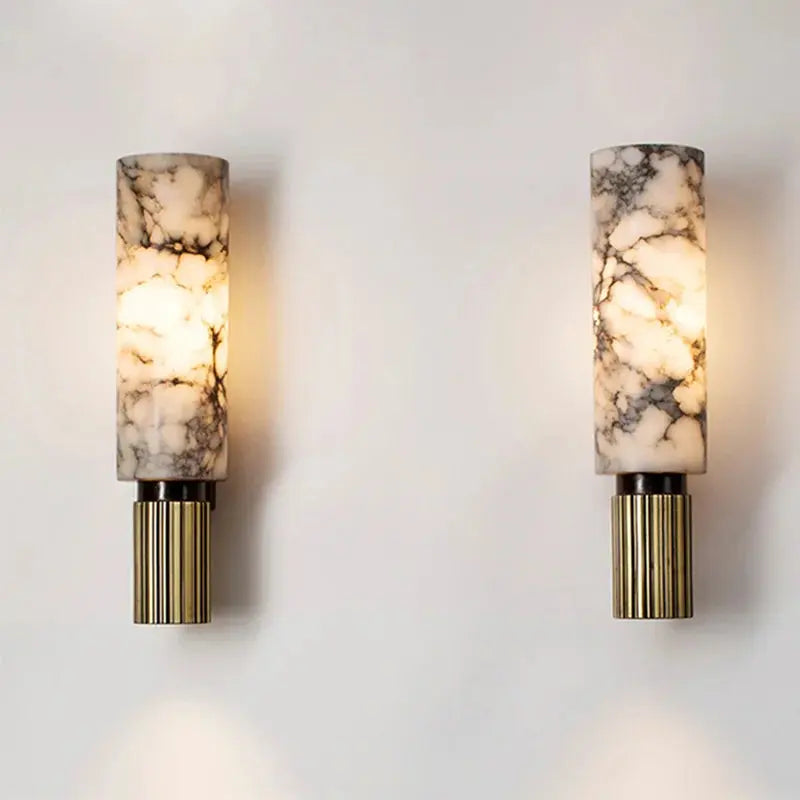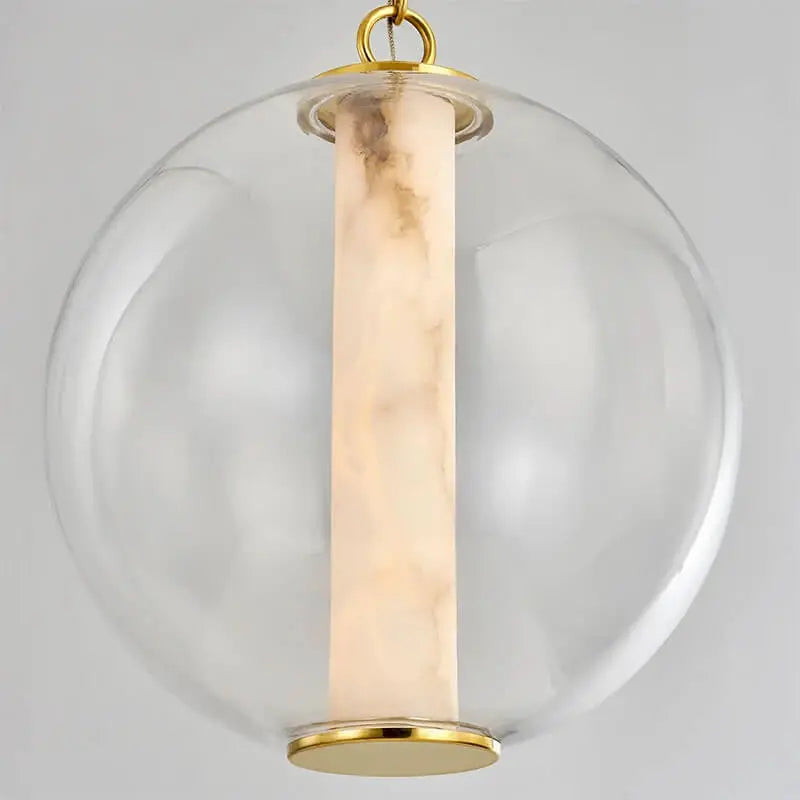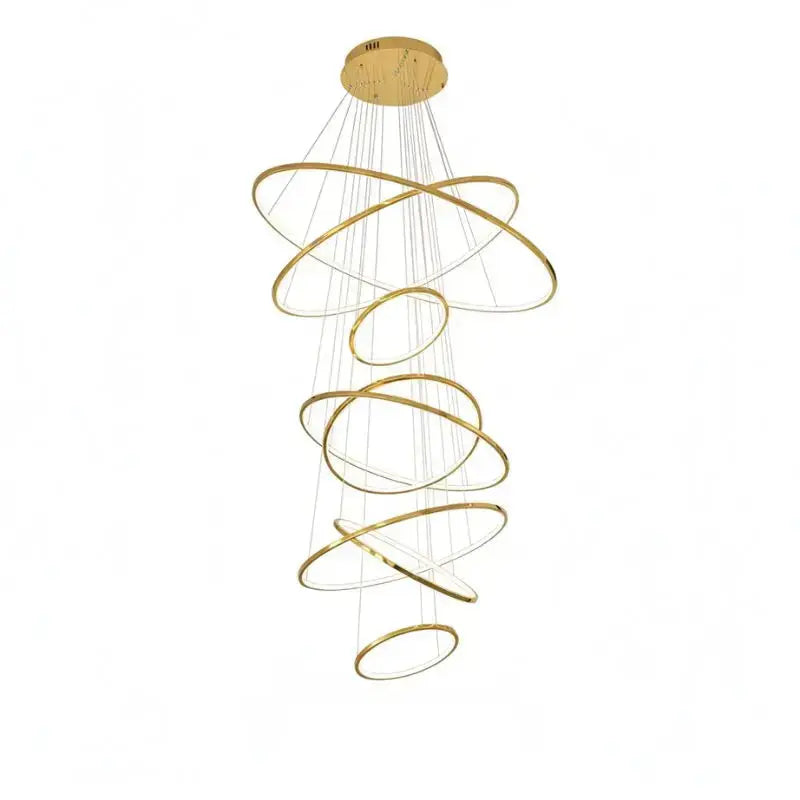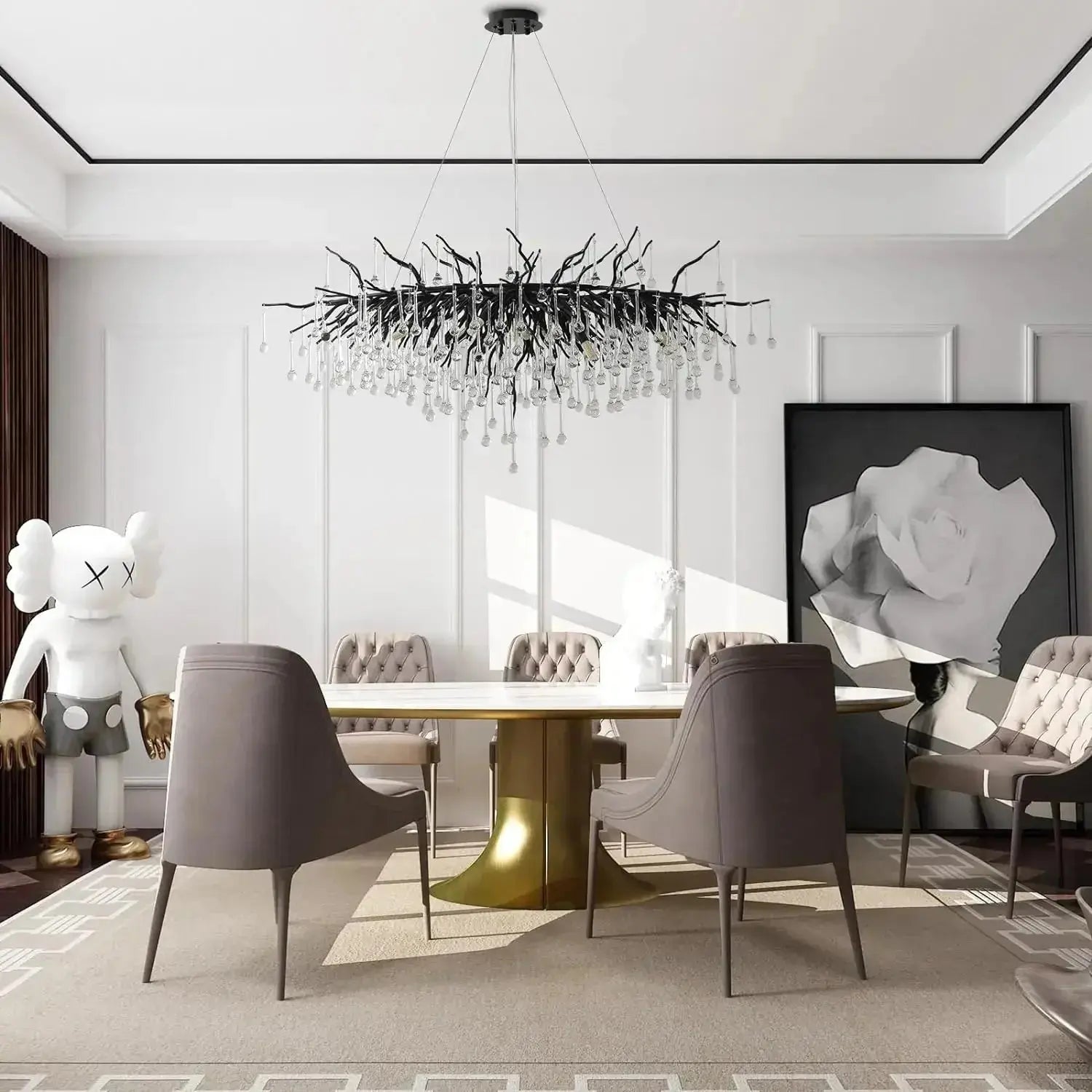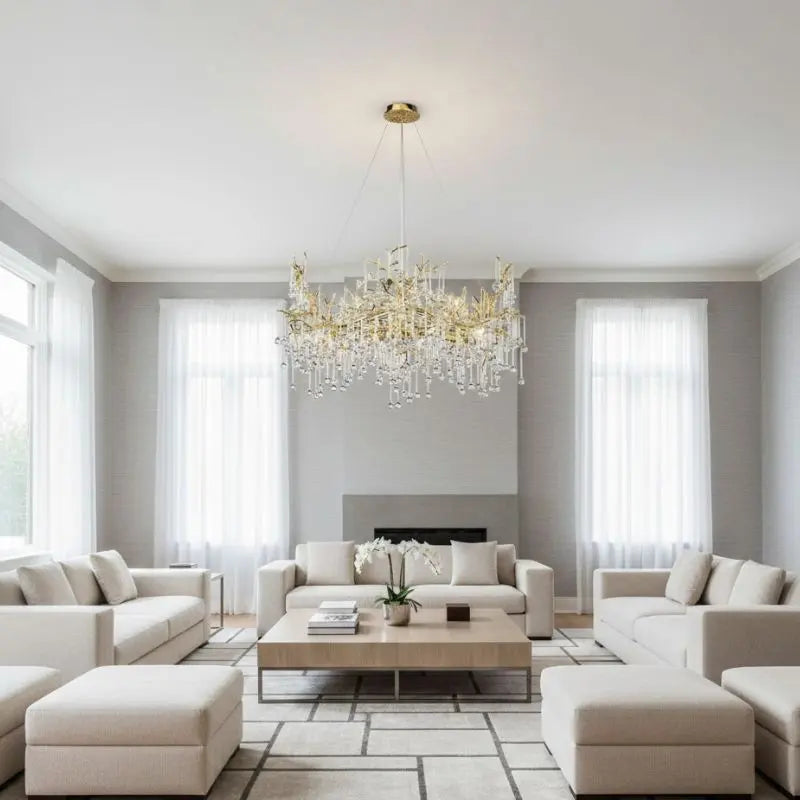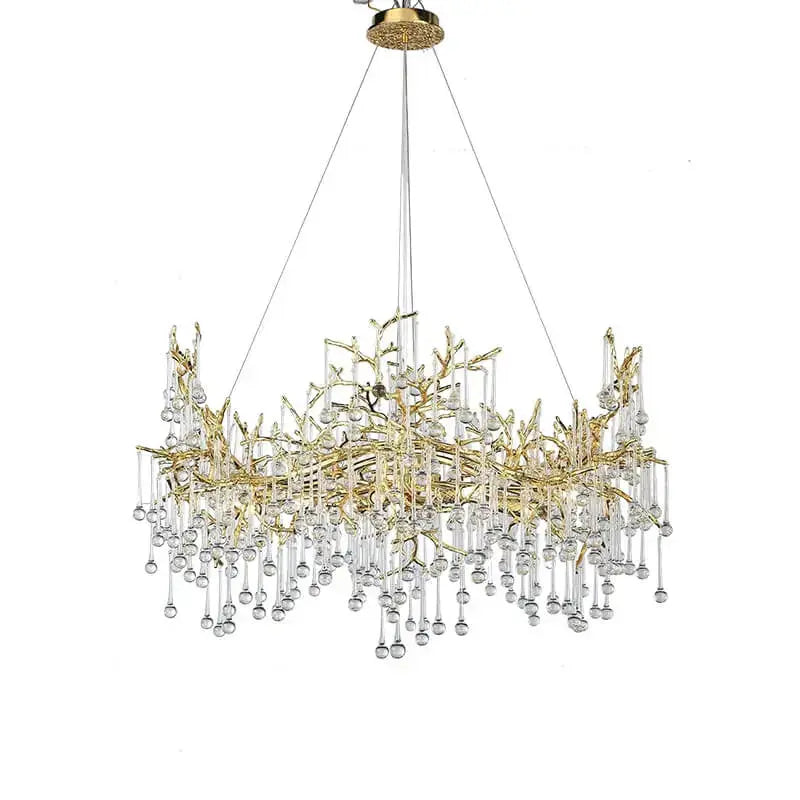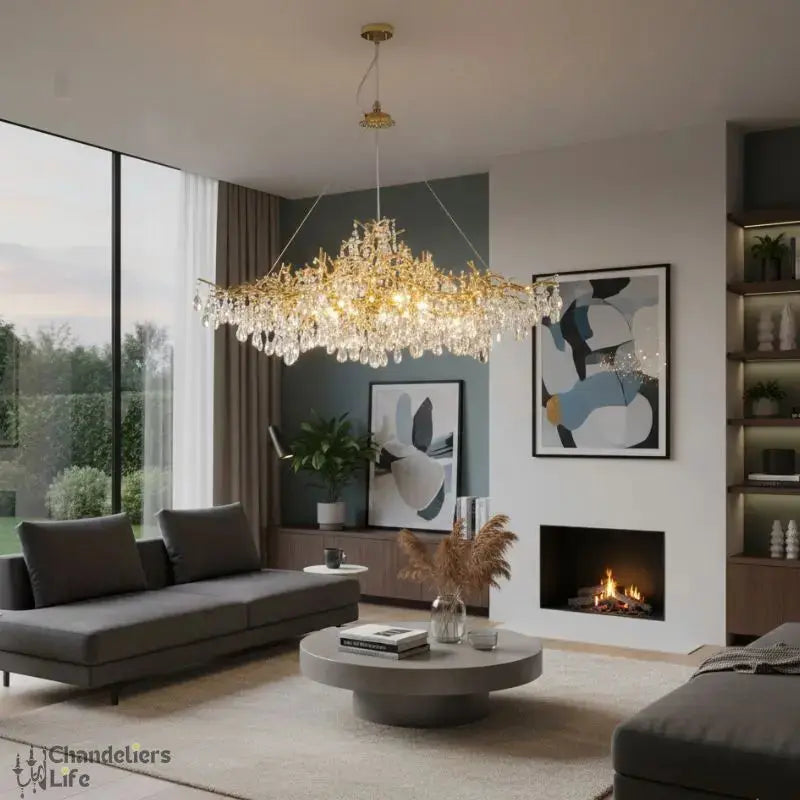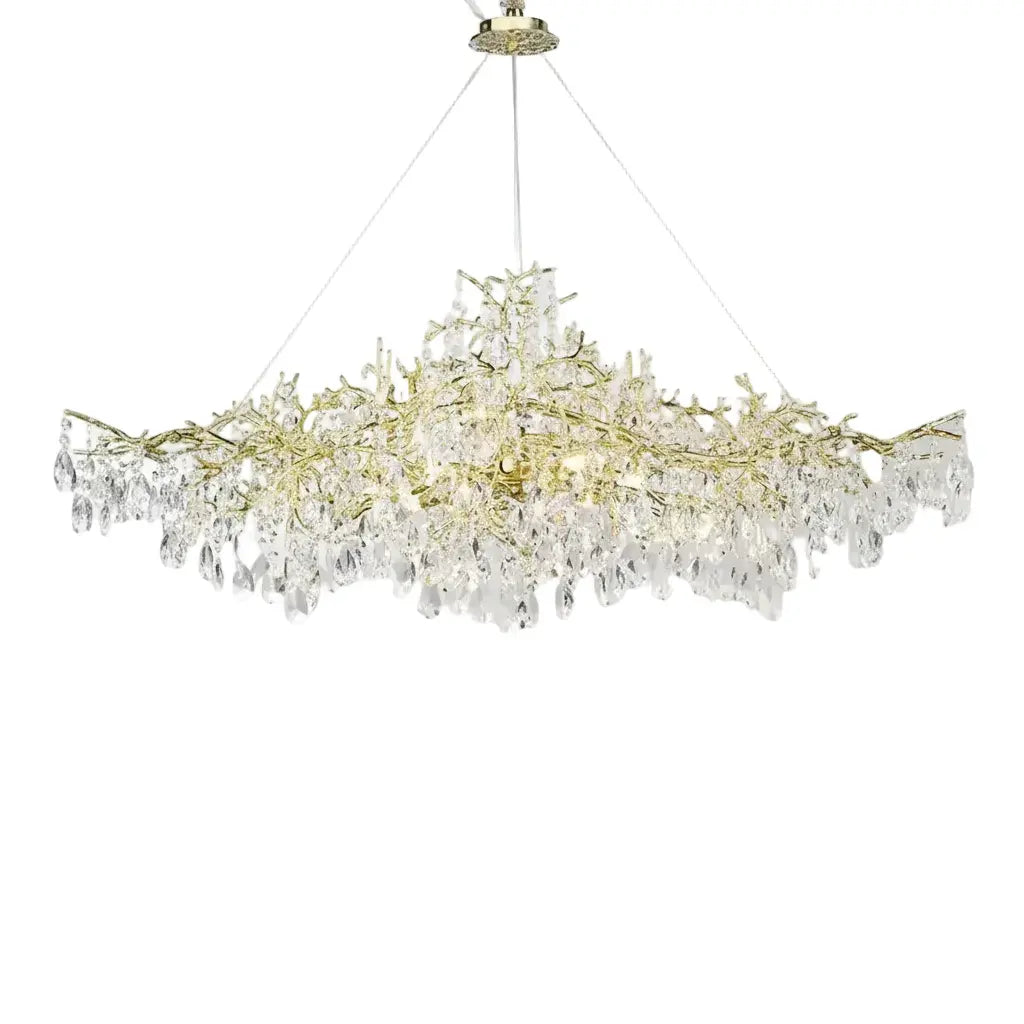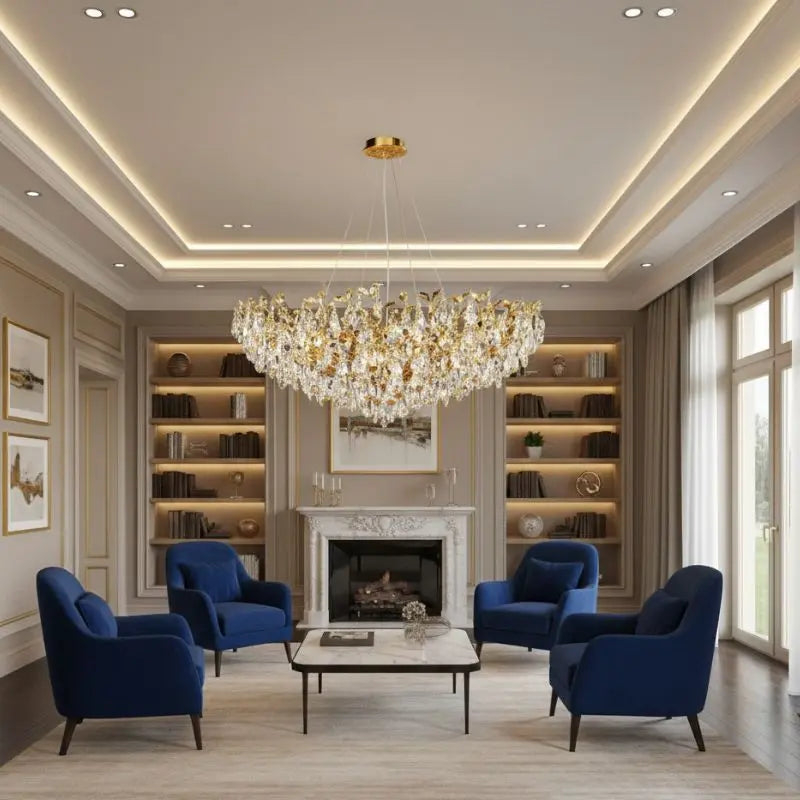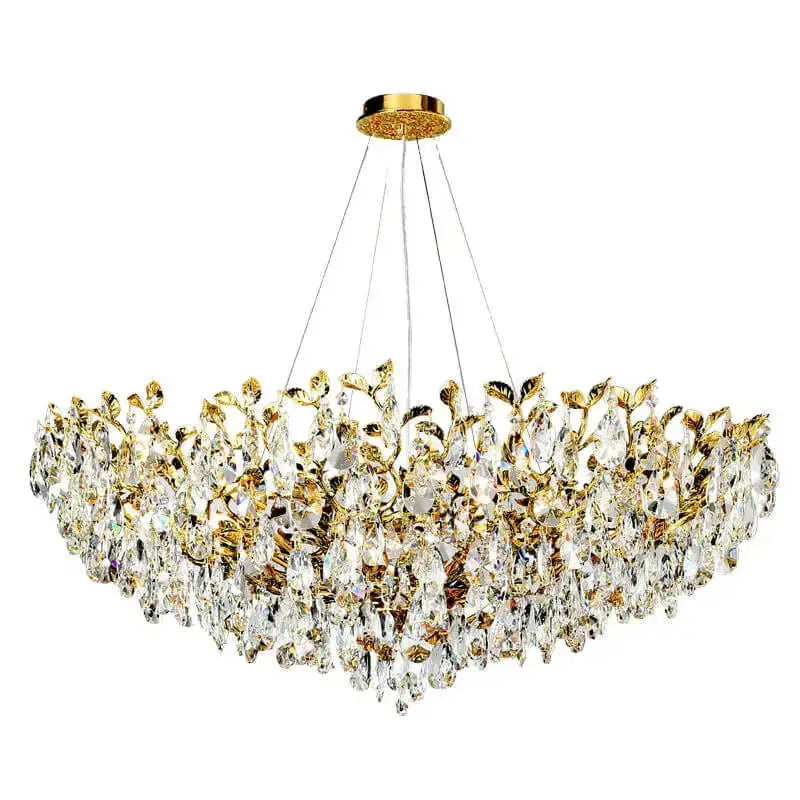
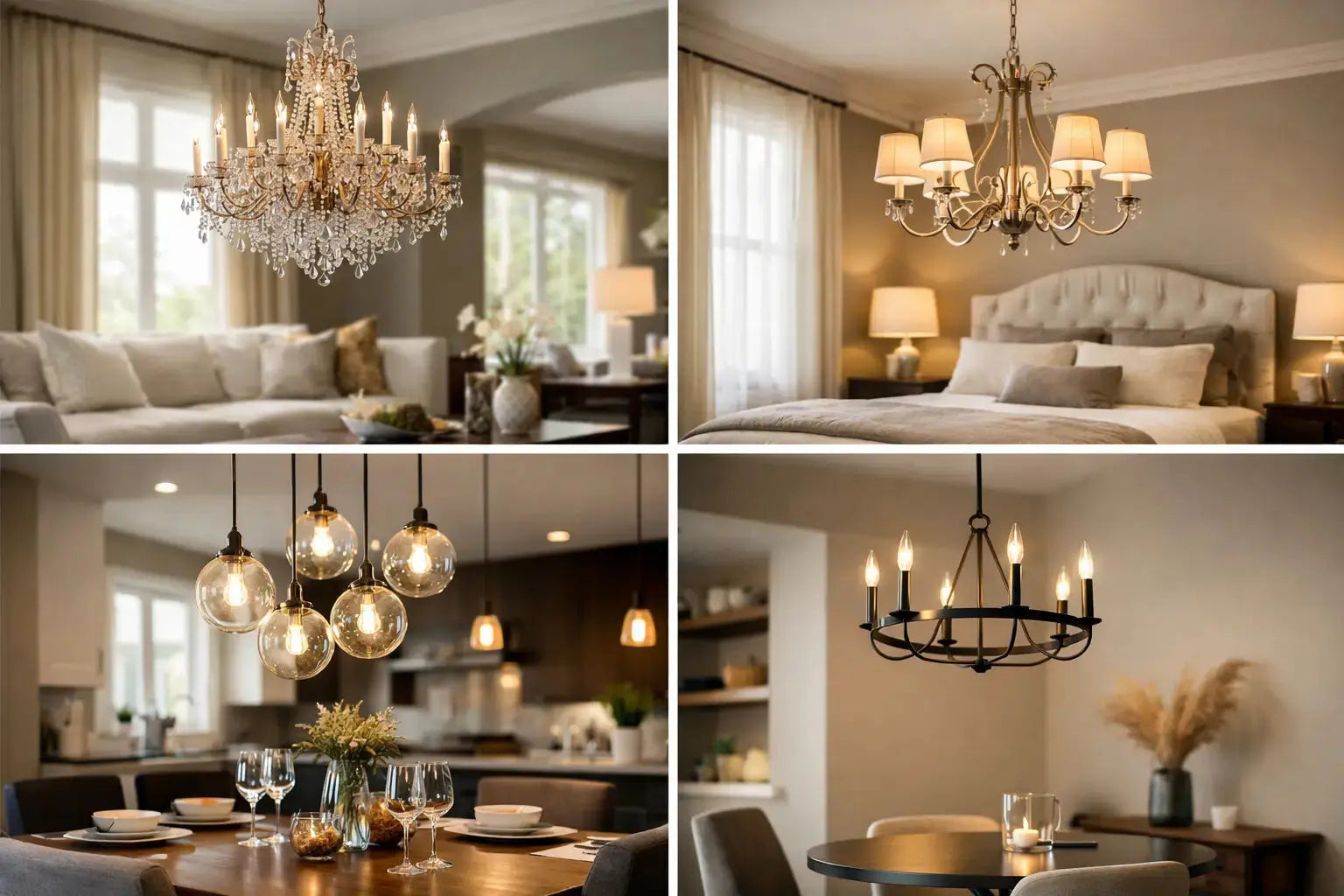
A chandelier that is only slightly too small can disappear into an otherwise beautifully furnished room. One that is too large can feel heavy, crowd the sightlines and make even generous ceilings seem lower. Learning how to choose chandelier size is less about finding one perfect number and more about balancing the room’s proportions, its furniture, ceiling height and the moment you want the fixture to create.
A crystal centrepiece above a formal dining table calls for a different approach from a sculptural modern chandelier in an open-plan living room or a cascading design in a stairwell. Start with scale, then refine the decision around placement, clearance and visual weight. The result should feel intentional: a statement in its own right, but always in harmony with the room around it.
How to choose chandelier size using room dimensions
The most reliable first step is to use the room’s length and width to estimate chandelier diameter. Measure both dimensions in feet, add them together, then use the total in inches as a starting point for the fixture’s diameter.
For example, a dining room measuring 12 feet by 14 feet gives you a total of 26. A chandelier around 26 inches wide will usually look well proportioned in the space. In metric terms, a room measuring roughly 3.7 by 4.3 metres would suit a fixture close to 66 centimetres in diameter.
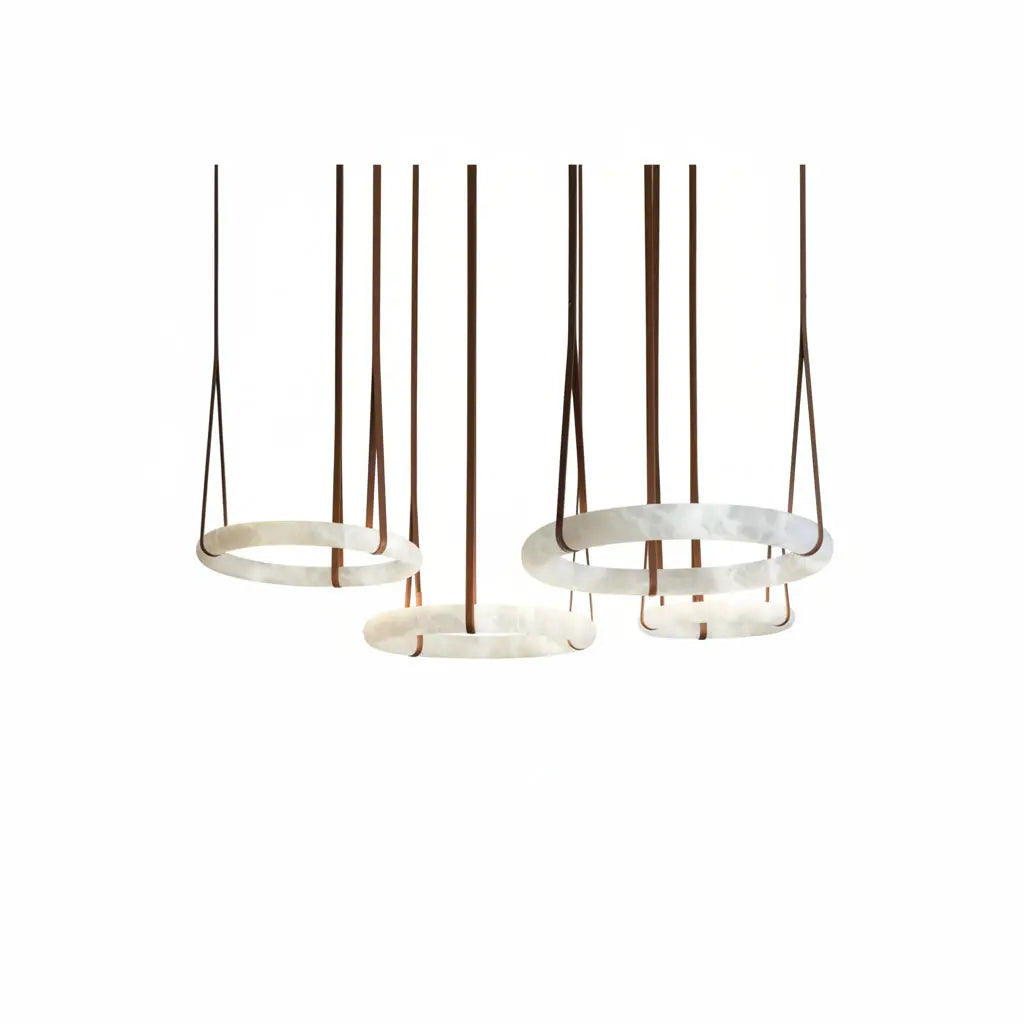
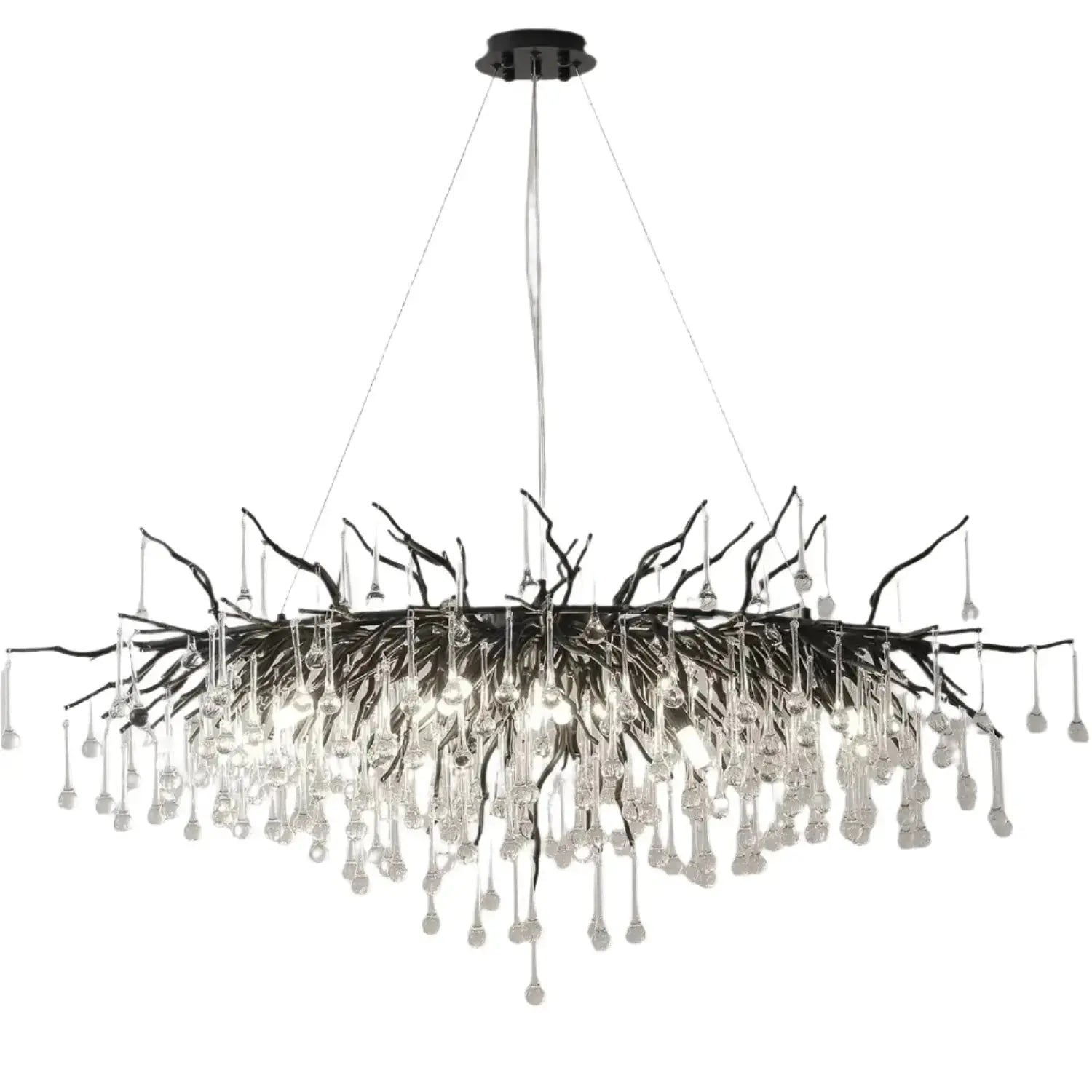
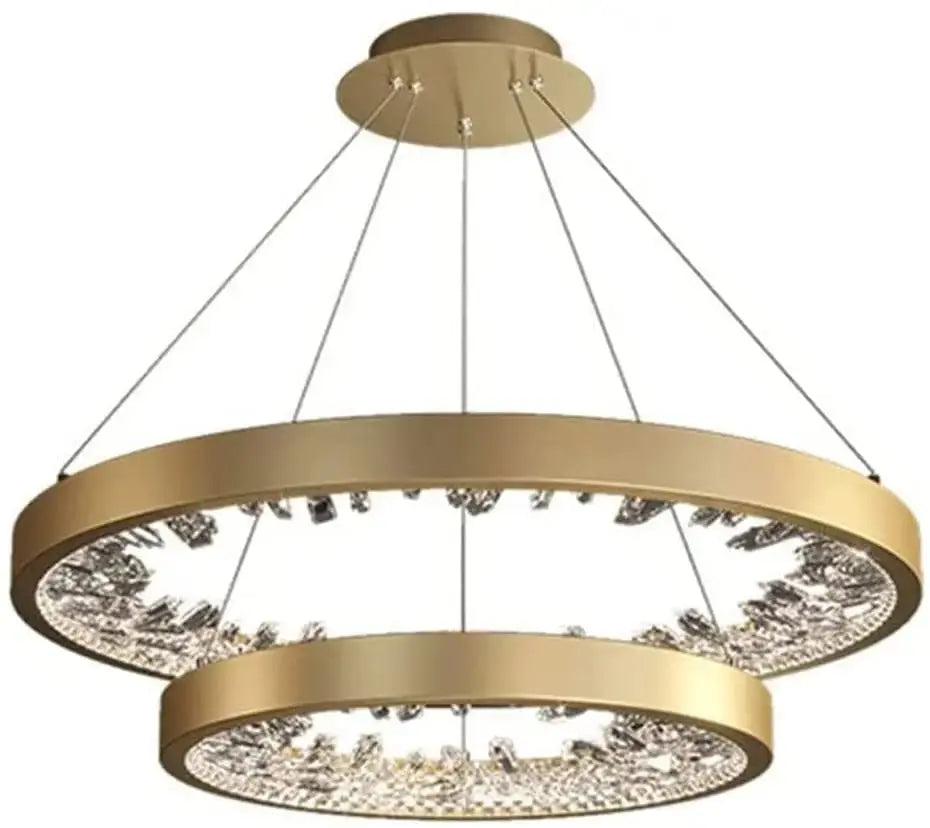
This guideline is deliberately a starting point, not a restriction. A minimal ring chandelier with an open frame often looks lighter than its diameter suggests, so you may be able to choose a larger size. A dense crystal chandelier, dark metal lantern or fixture with a broad shade carries greater visual weight and may look best at the lower end of the range.
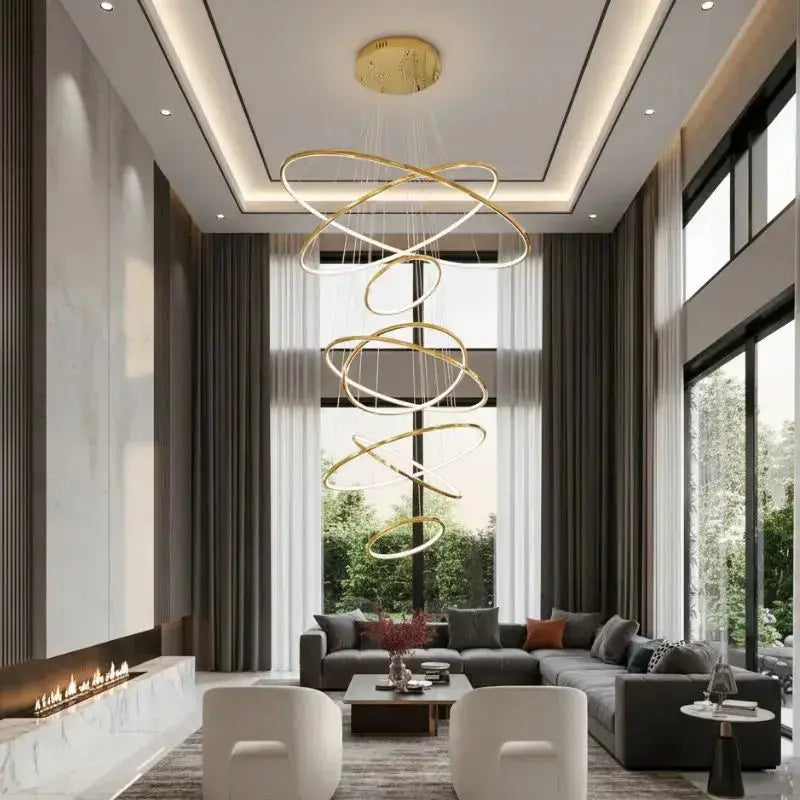
Ceiling height also changes the picture. In a room with a standard ceiling, an oversized chandelier can dominate the entire view. In a room with lofty ceilings, exposed beams or a double-height volume, a modest fixture can look lost from the moment you enter. Consider the full three-dimensional space, not only the floor plan.
Think about visual weight, not diameter alone
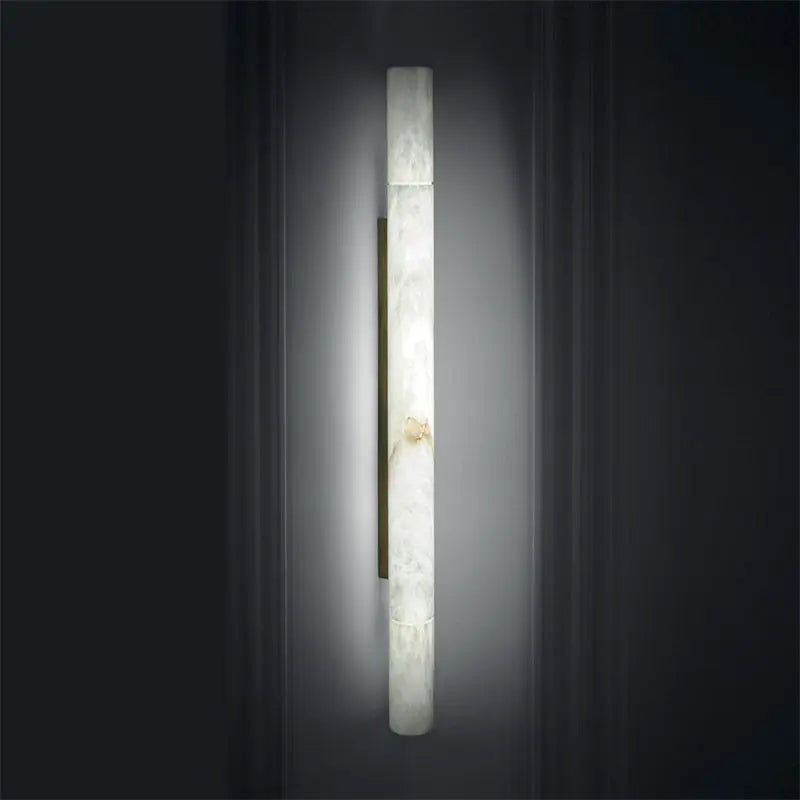
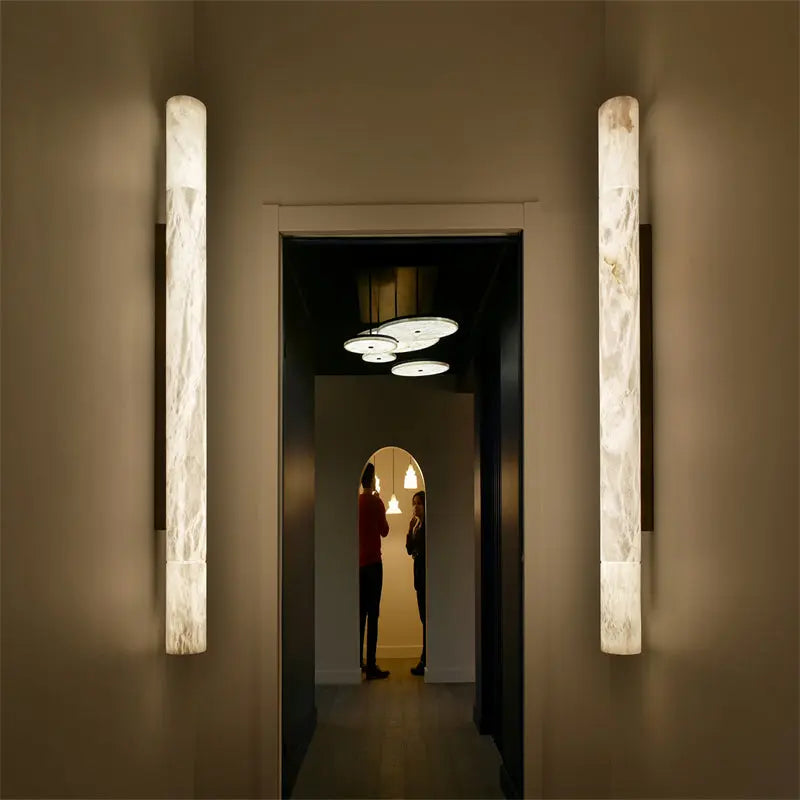
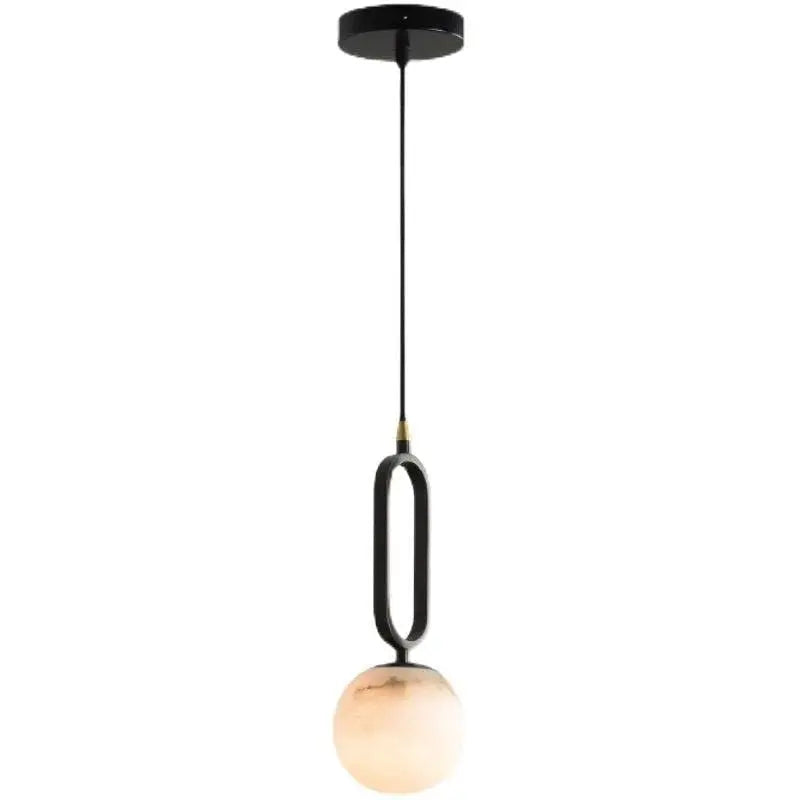
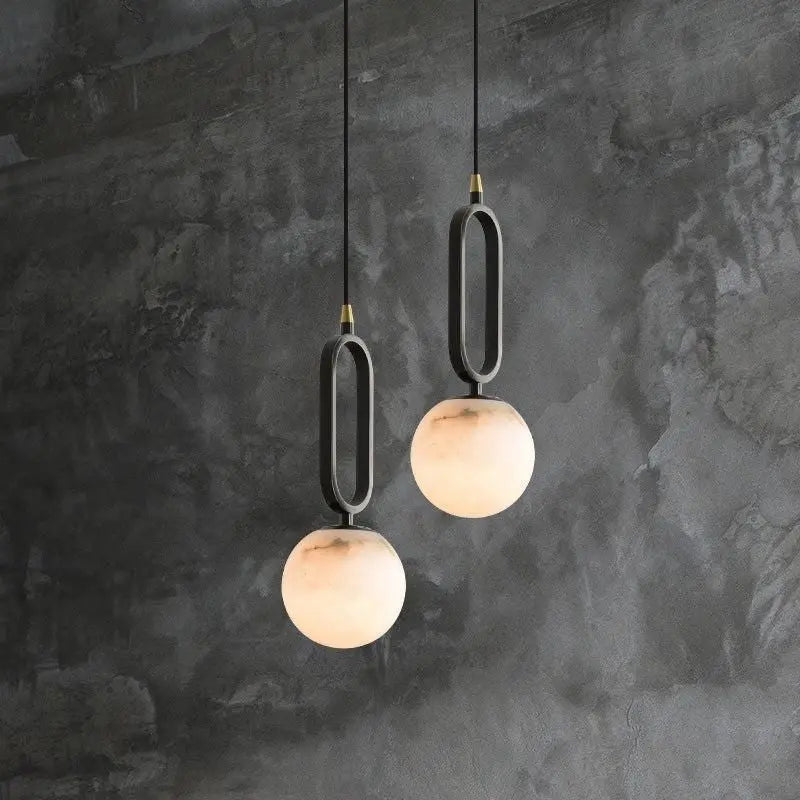
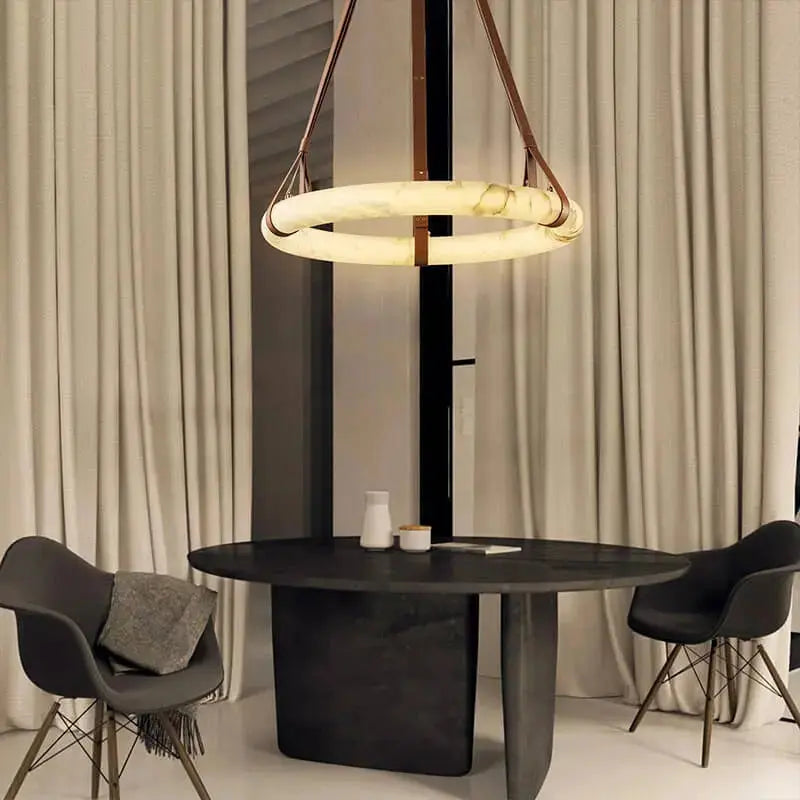
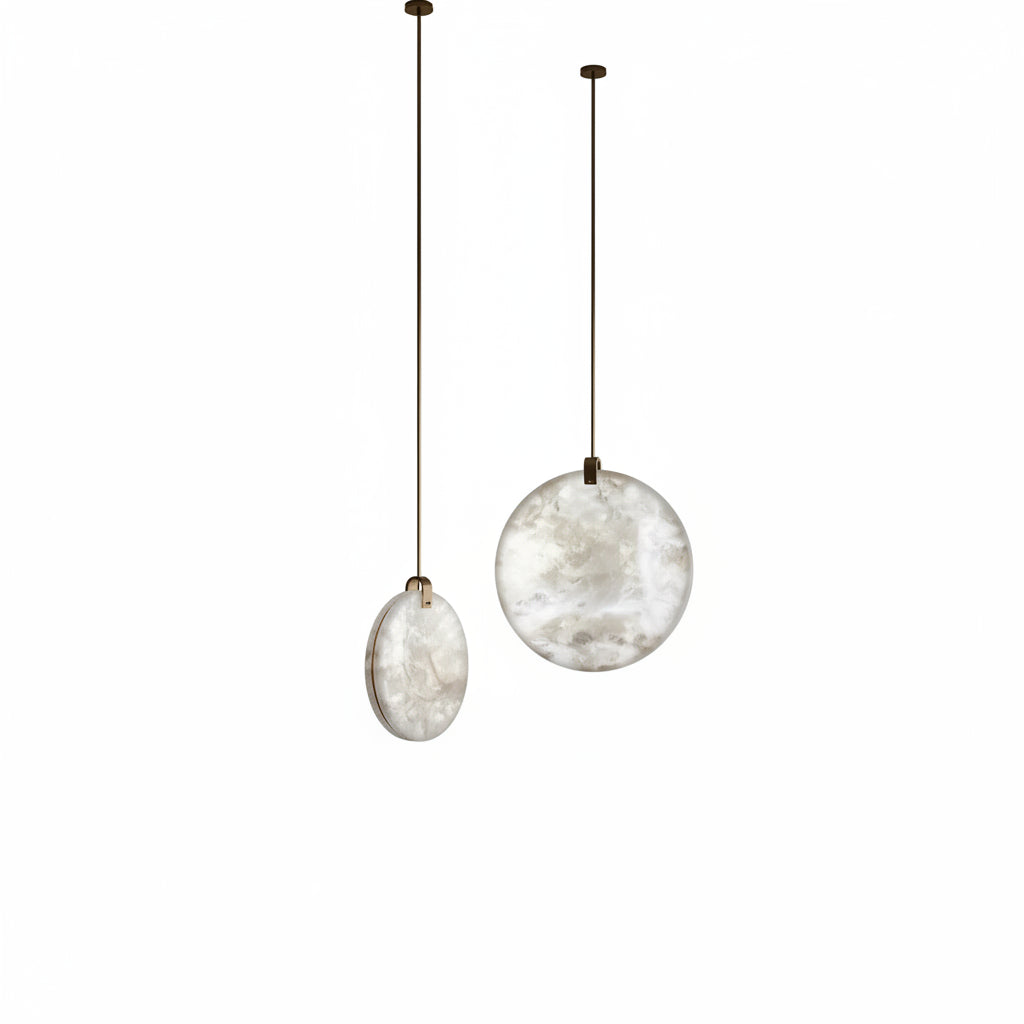
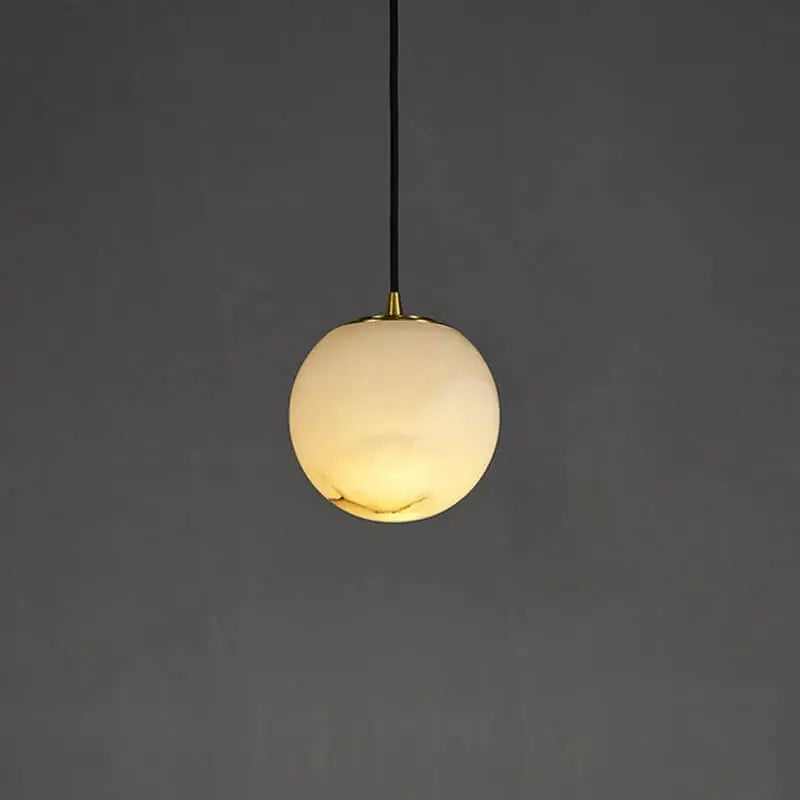
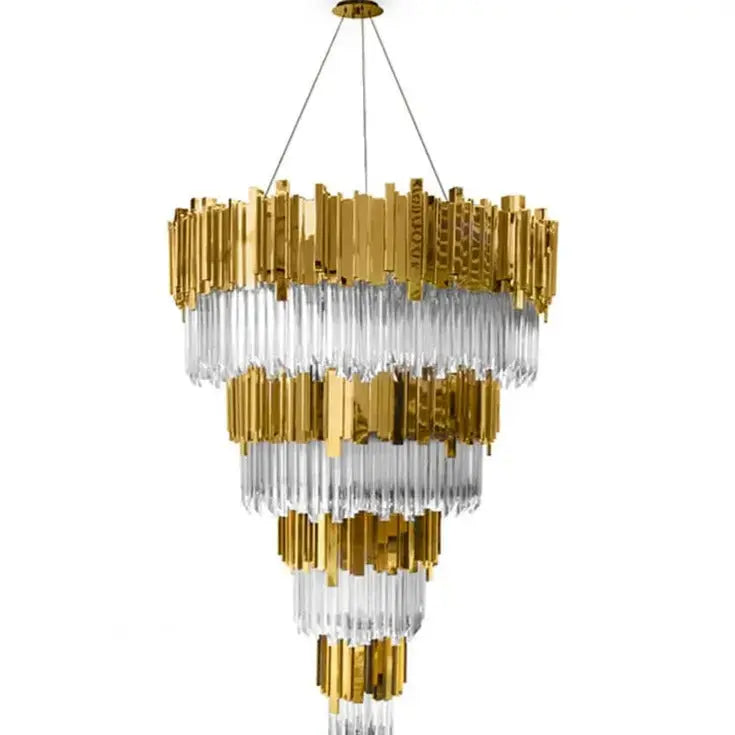
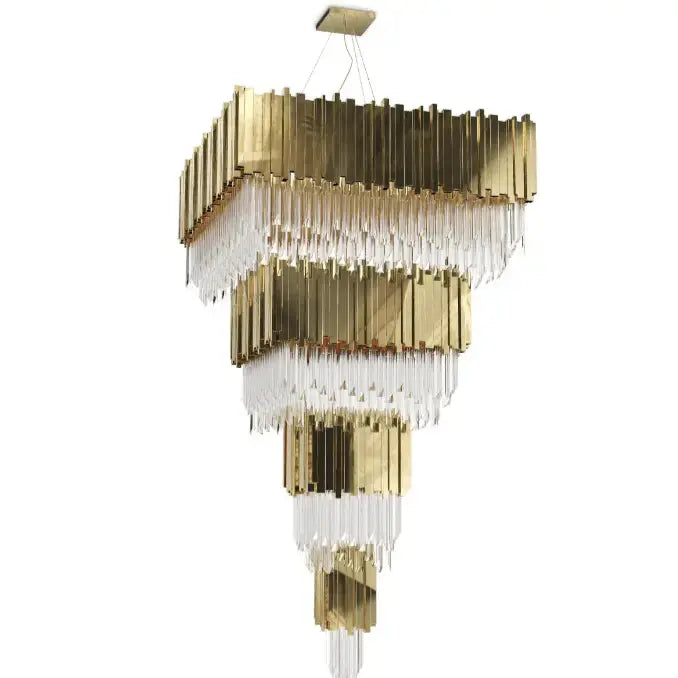
Two chandeliers with the same width can produce entirely different effects. An airy alabaster globe design may read as soft and contemporary, while a multi-tier crystal fixture of equal diameter feels ornate and formal. The number of arms, the material, the finish and the depth of the fixture all influence its presence.
When your room already features patterned wallpaper, richly veined stone or substantial furniture, a cleaner chandelier silhouette can preserve a sense of calm. If the room is architectural and restrained, a more intricate chandelier can introduce the drama and texture that make the interior memorable.
Choose chandelier size over a dining table
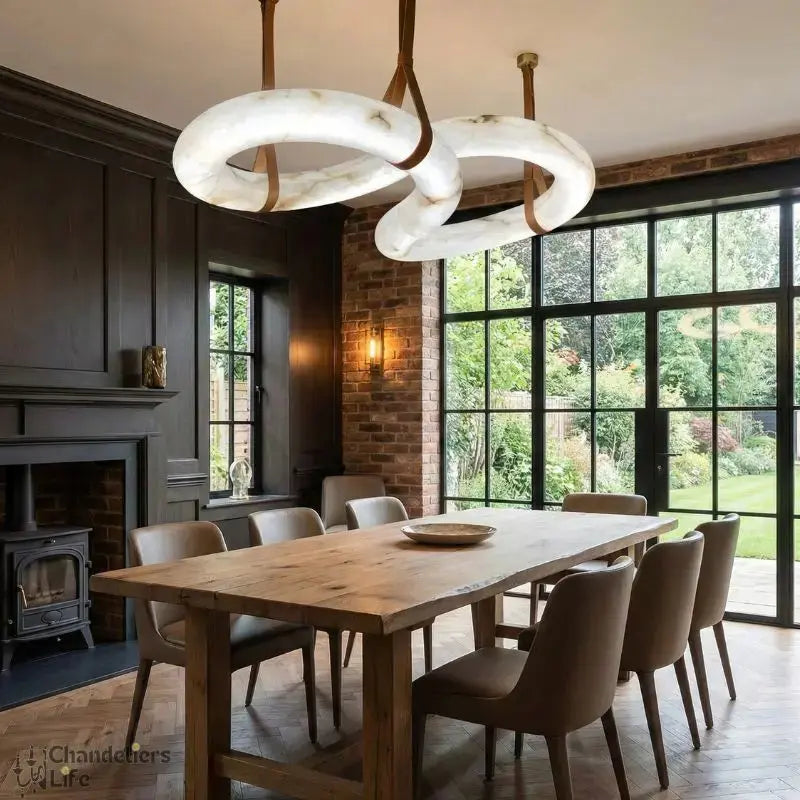
In a dining room, the table matters as much as the room itself. The chandelier should be narrower than the table so it frames the setting rather than extending beyond it. A useful rule is to select a fixture between one-half and two-thirds of the table’s width.
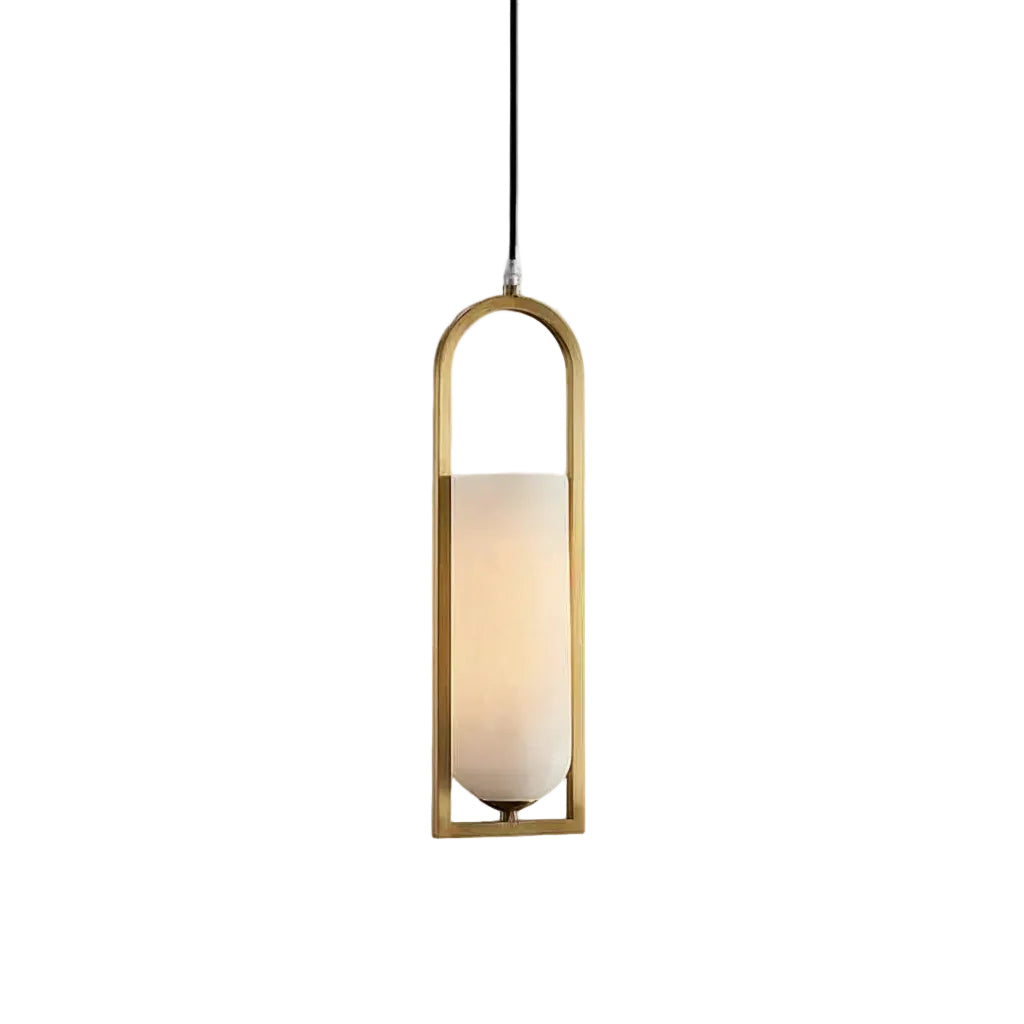
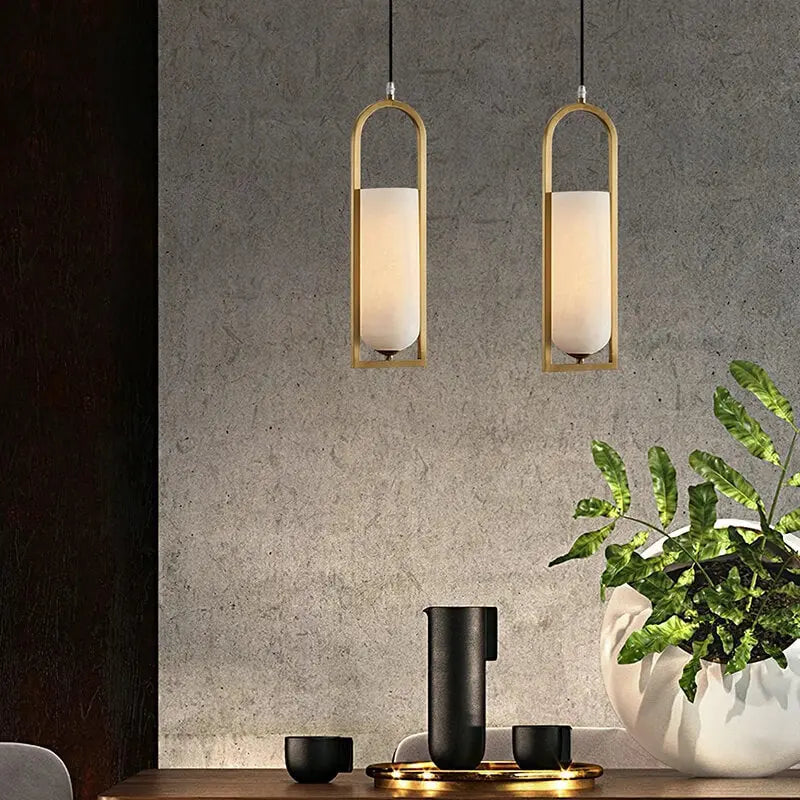
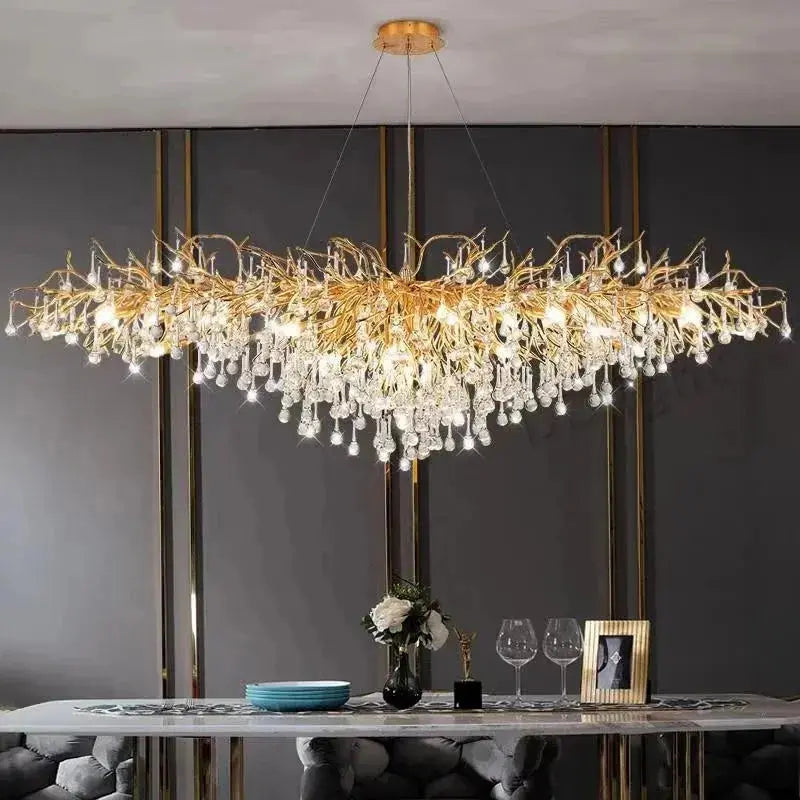
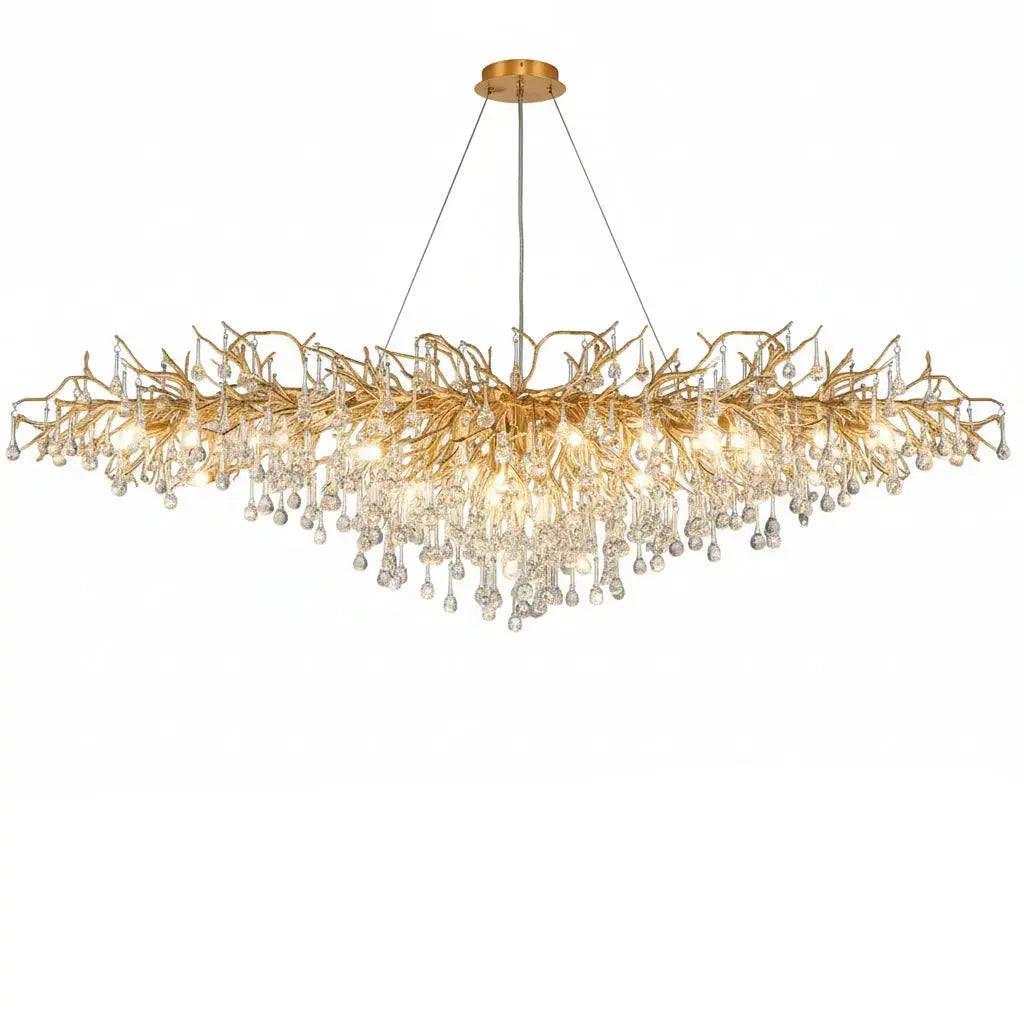
For a 180-centimetre dining table, look for a chandelier approximately 90 to 120 centimetres wide. A smaller table may suit a round chandelier, while a long rectangular table often calls for an elongated linear design, two matching pendants or a pair of smaller chandeliers arranged with symmetry.
Leave at least 15 to 30 centimetres between the outer edge of the chandelier and the table edge. This keeps the light visually anchored to the dining area and avoids the awkward feeling of a fixture floating too far beyond the furniture below.
The usual hanging height is 76 to 91 centimetres above the tabletop. This creates intimacy without obstructing conversation or the view across the table. If your ceilings are taller than around 2.7 metres, add roughly 7 to 8 centimetres of hanging height for every additional 30 centimetres of ceiling height. Always check the view from seated eye level, especially with branching or low-hanging designs.
A large dining room does not automatically require a huge chandelier. If the table seats six and occupies only part of the room, size the fixture to the table first. Conversely, a substantial table deserves enough lighting presence to hold its own, even in a more compact dining space.
Getting foyer and staircase chandelier proportions right
Foyers invite a more dramatic approach because the chandelier is often viewed from several angles and distances. In a single-storey entrance hall, use the room-dimension formula as your guide, then ensure there is generous head clearance beneath the fixture.
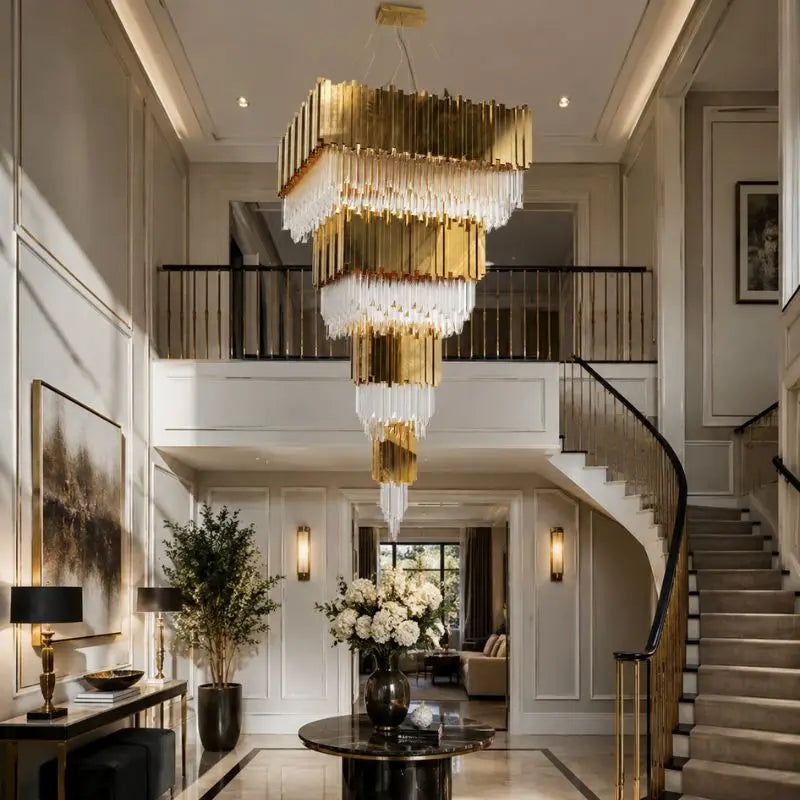
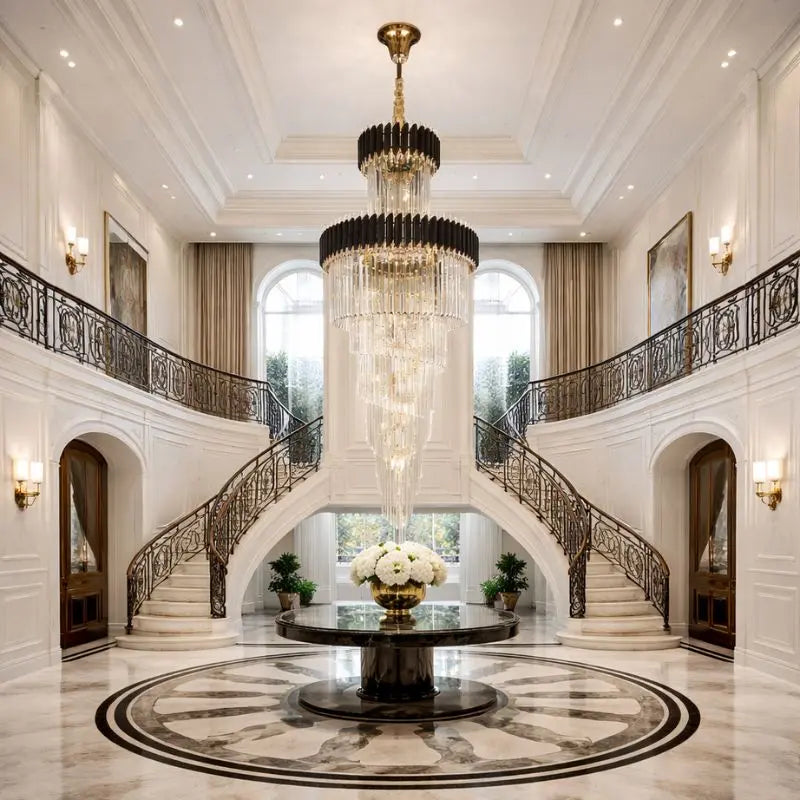
For a two-storey foyer, height becomes a defining feature. Measure from the floor of the entry to the ceiling, then aim for a chandelier height of roughly 5 to 7.5 centimetres for every 30 centimetres of ceiling height. A 6-metre-high entry, for instance, can accommodate a chandelier around 90 to 150 centimetres tall, depending on its form and the scale of the surrounding architecture.
The bottom of the fixture should generally sit at least 2.1 metres above the floor in spaces people walk beneath. In a tall foyer, many designers position it so the lower portion aligns around the second-floor landing or slightly below it. This makes the chandelier visible from both levels and gives the entry an elegant vertical focal point.
Staircase lighting follows a similar principle but requires extra attention to the stair flight. A cascading chandelier can look exquisite in an open stairwell, provided it hangs clear of the walking path and is centred where it can be enjoyed from the entrance, landing and upper floor. Its length should celebrate the volume without becoming an obstacle.
Sizing a chandelier for living rooms and bedrooms
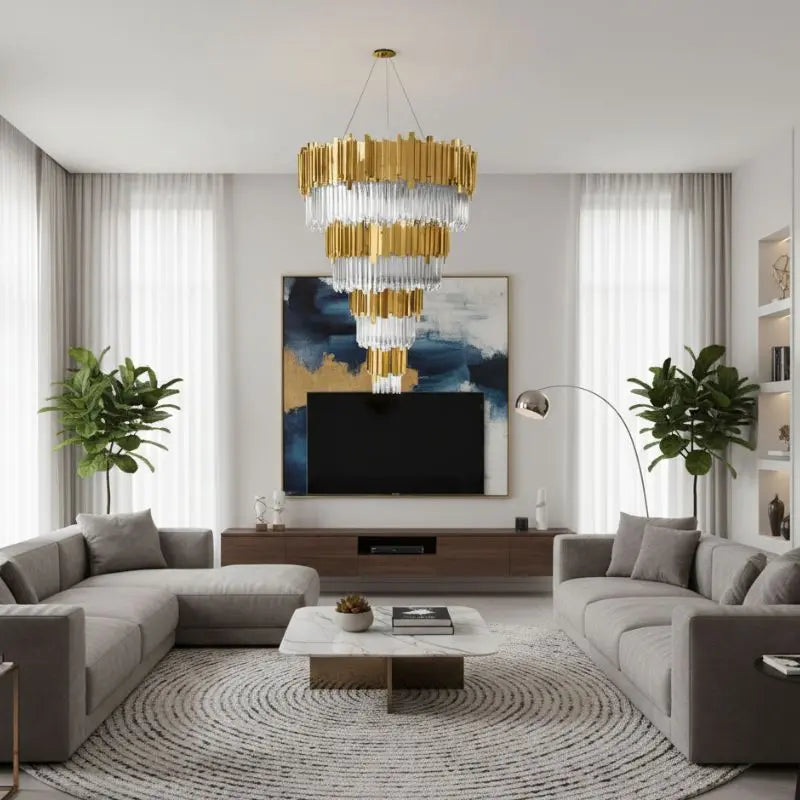
In a living room, the fixture should relate to the primary seating area rather than automatically sitting in the exact centre of the ceiling. If the room has a seating arrangement, position the chandelier over the coffee table or central zone, provided the layout allows it. Keep the lowest point at least 2.1 metres from the floor in circulation areas.
For low ceilings, choose a semi-flush chandelier or a compact design with a wide, open profile. It can still deliver luxury and presence without compromising headroom. For taller rooms, a deeper fixture with layers, tiers or a graceful chain can make the ceiling feel considered rather than empty.
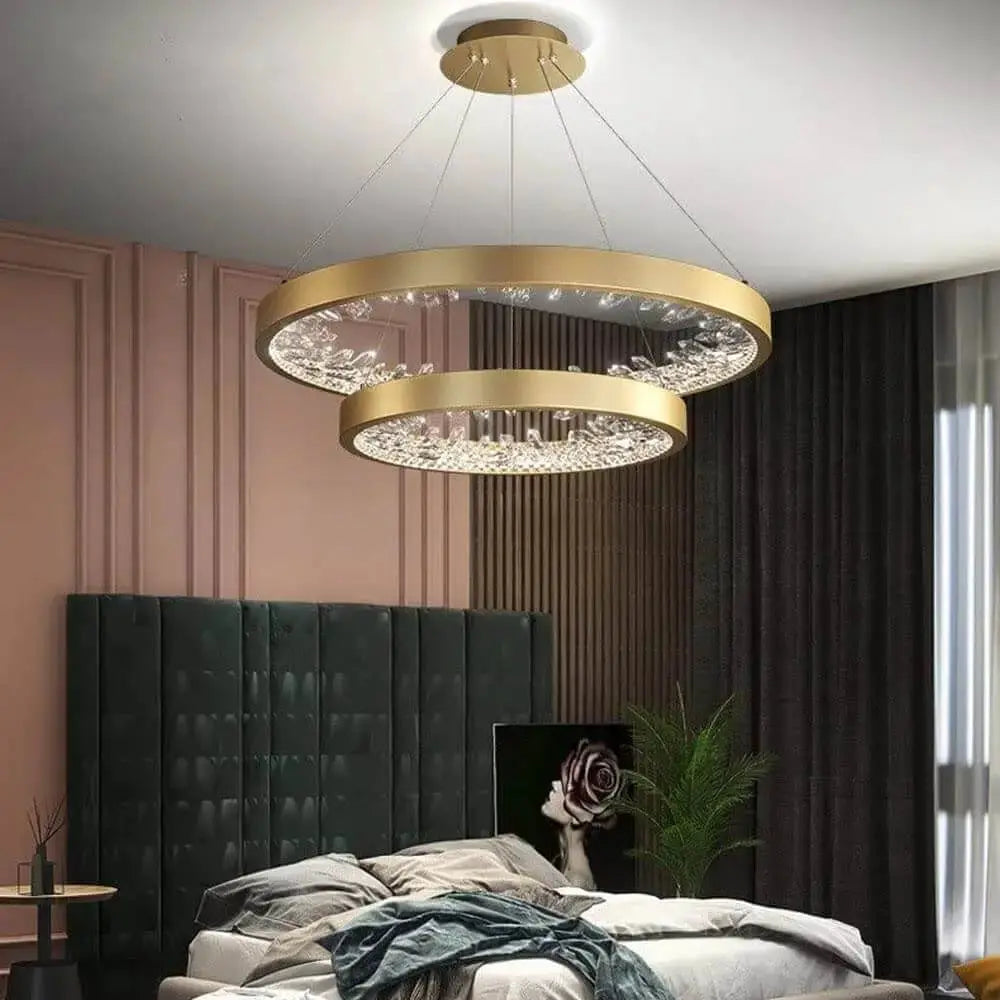
Bedrooms allow more freedom because the chandelier is rarely beneath a major traffic route. Centre it over the bed for a hotel-inspired composition, or place it in the centre of the room if that better suits the architecture. A smaller, softly luminous fixture often feels more restful than a grand formal chandelier, although a high ceiling and generous bed can support a bolder piece.
Do not forget clearance and practical function
A chandelier is decorative lighting, but it still needs to work for daily life. Before settling on a size, consider doors, cupboard openings, ceiling fans, tall wardrobes and sightlines from adjoining rooms. In open-plan interiors, a chandelier can define a dining or lounge zone beautifully, but it should not compete with every other decorative fixture in view.
Also consider the quality of light. Crystal and clear glass create sparkle, but may cast more fragmented light than a shaded or alabaster design. A large chandelier can be the visual centrepiece while wall lights, table lamps and discreet ceiling lighting provide the softer layers needed for reading, hosting and unwinding.
If you are choosing between two sizes, tape the larger fixture’s approximate width onto the ceiling or mark its footprint with painter’s tape on the floor. Stand at the doorway, sit at the dining table and view it from the adjoining space. This simple test reveals whether the scale feels confident or crowded before you commit.
When it is worth choosing the larger chandelier
Many homeowners play safe and choose a chandelier that is too small. In a foyer, above a large dining table or within a double-height living space, a slightly larger fixture often delivers the more polished result. It gives the room a focal point with enough presence to complement substantial furniture, high ceilings and premium finishes.
However, larger is not always better. Choose the more restrained option when the ceiling is low, the room has many competing decorative elements or the chandelier will sit close to doors and circulation routes. The finest lighting choices create proportion, not spectacle for its own sake.
Give yourself permission to choose the fixture that makes the room feel finished, not merely illuminated. With the right diameter, drop and visual weight, a chandelier becomes the detail guests remember long after they leave.