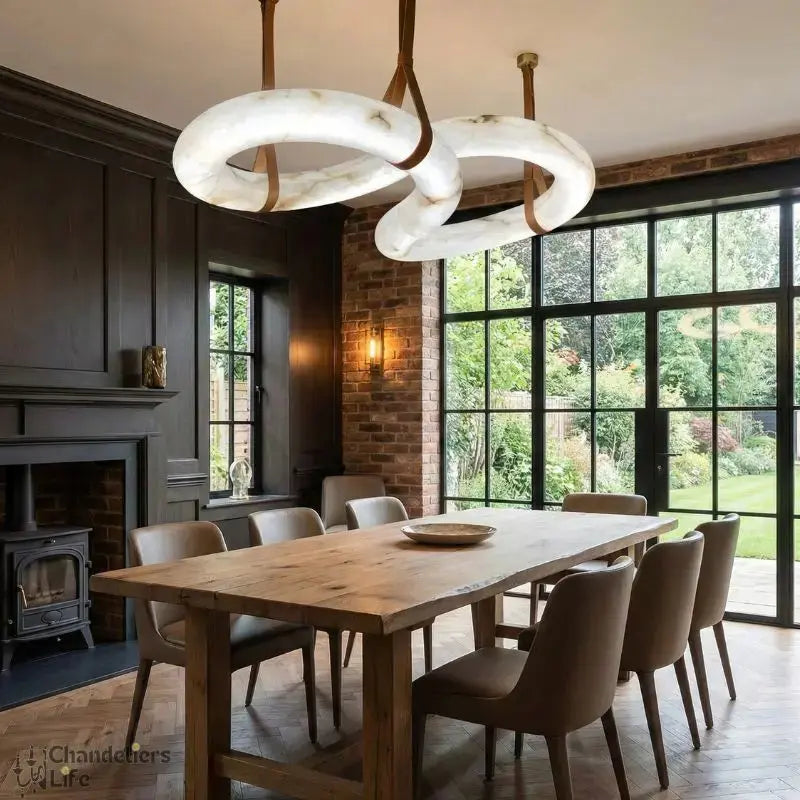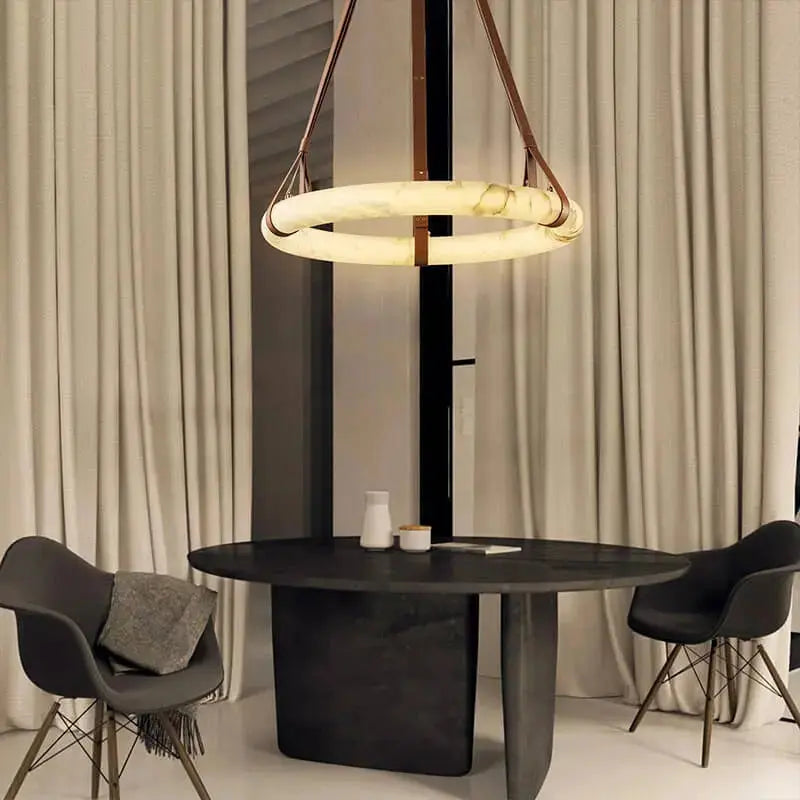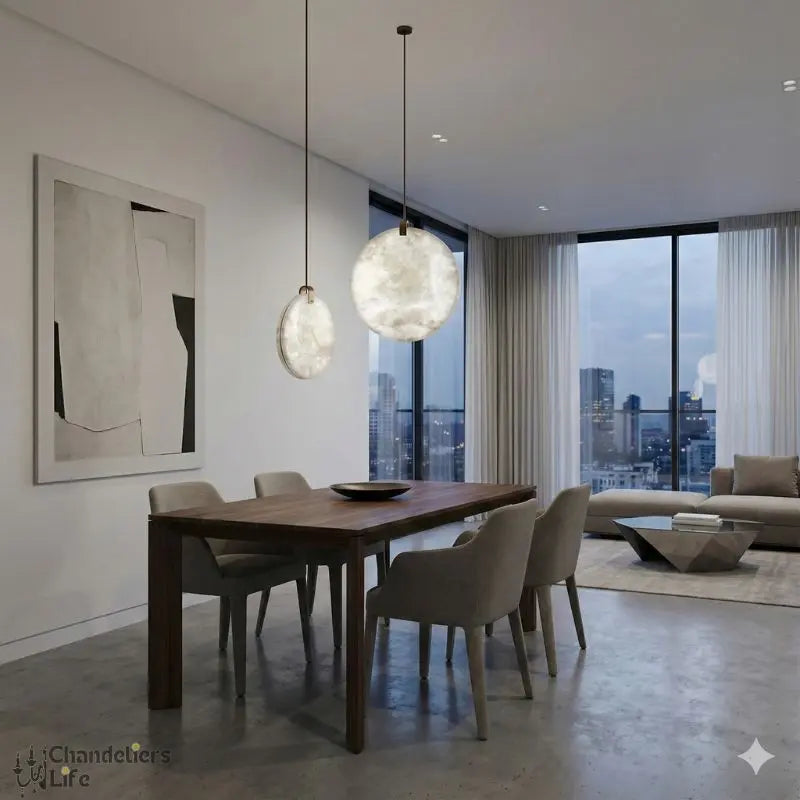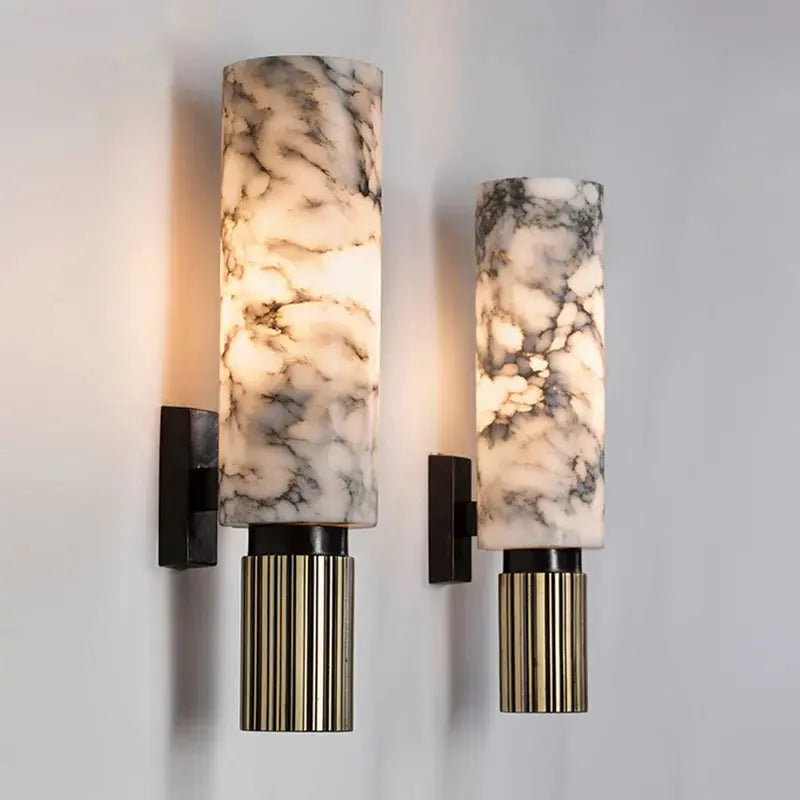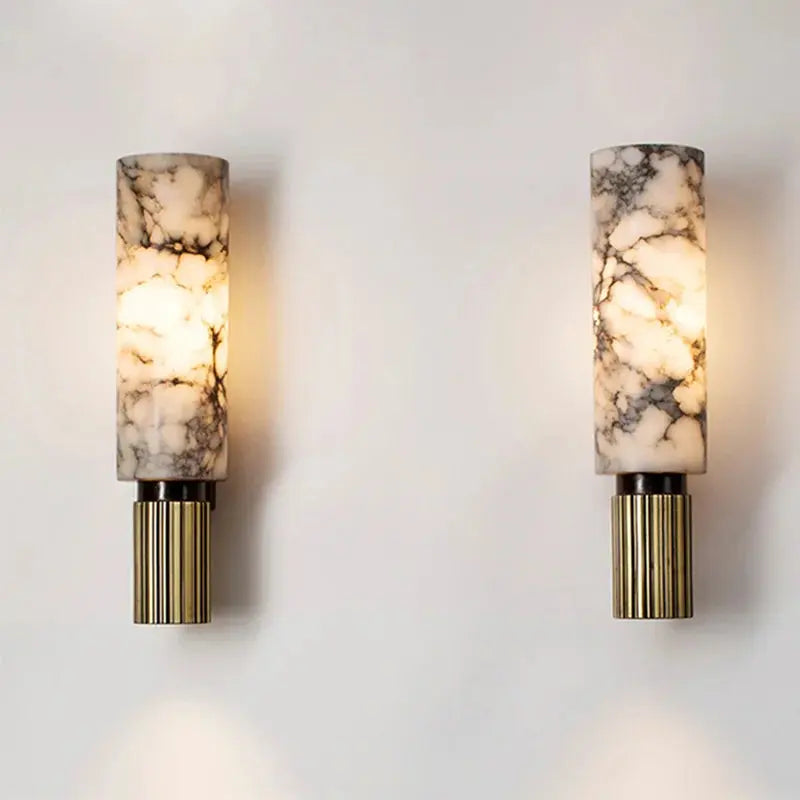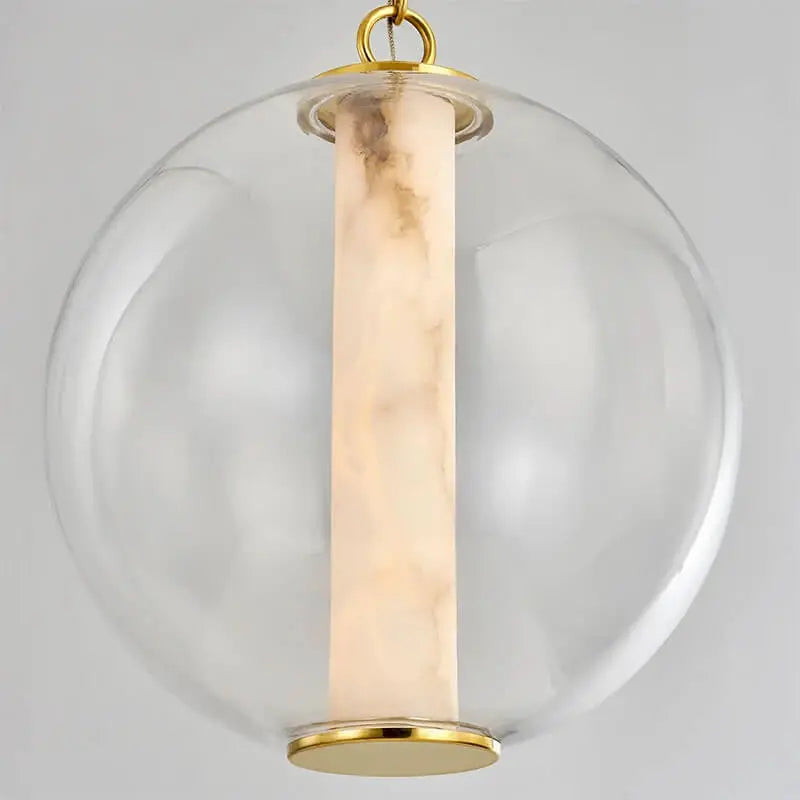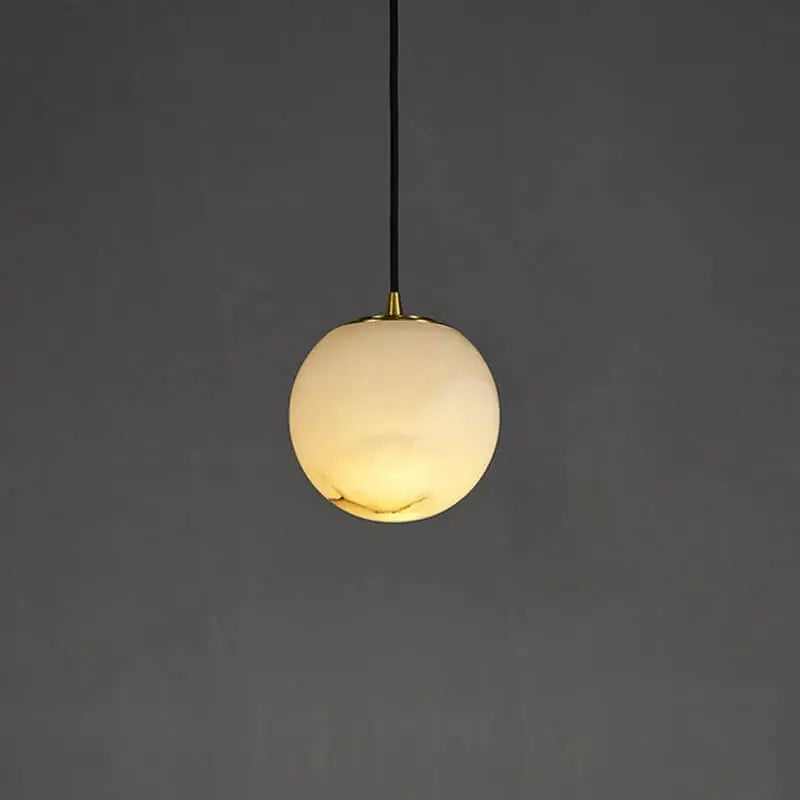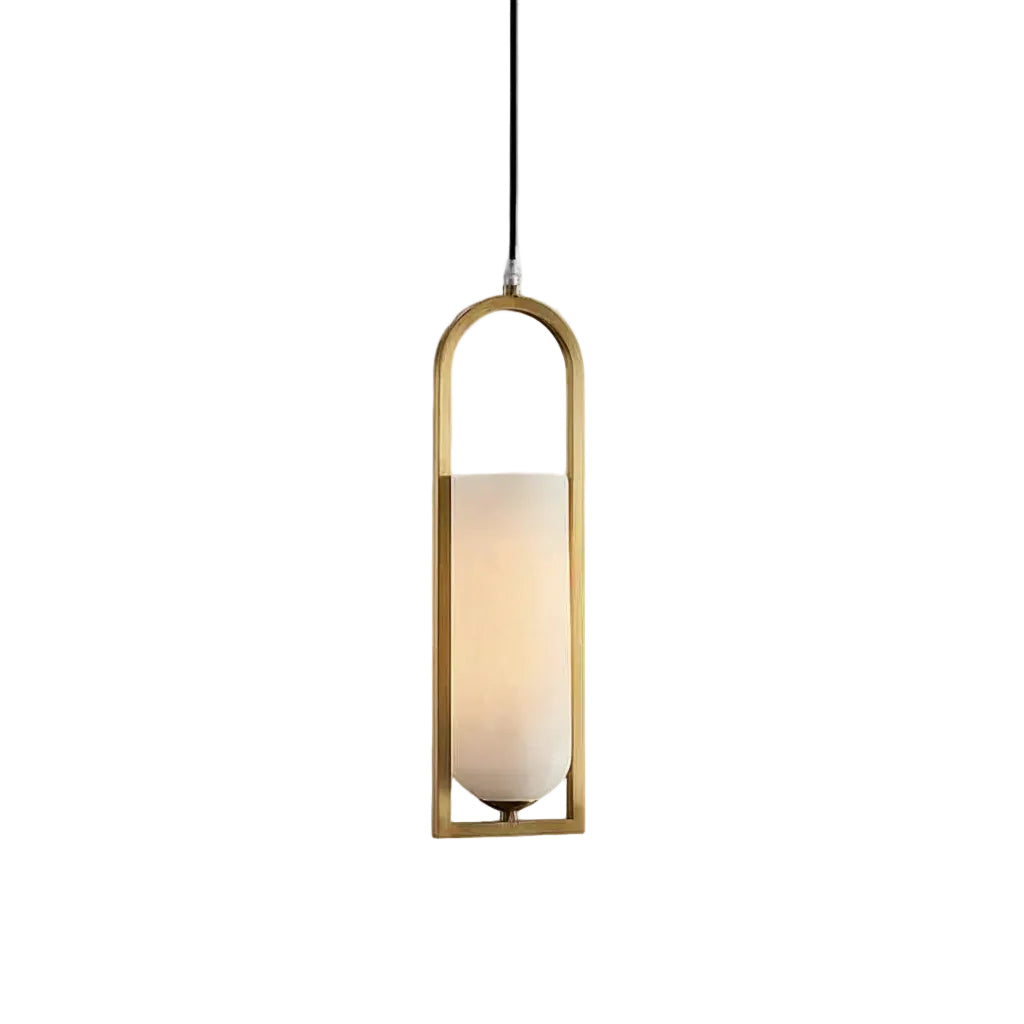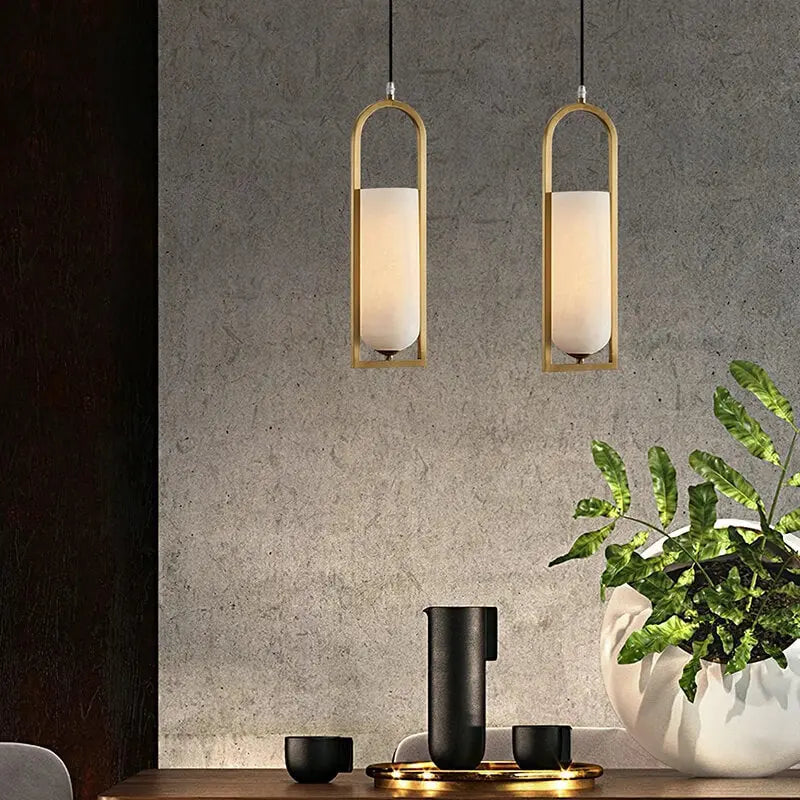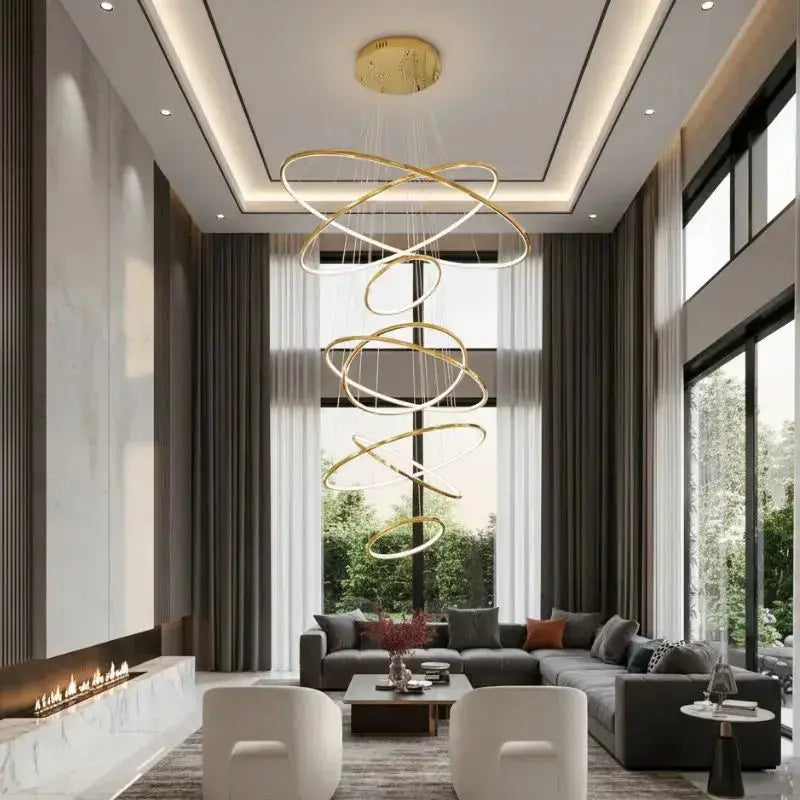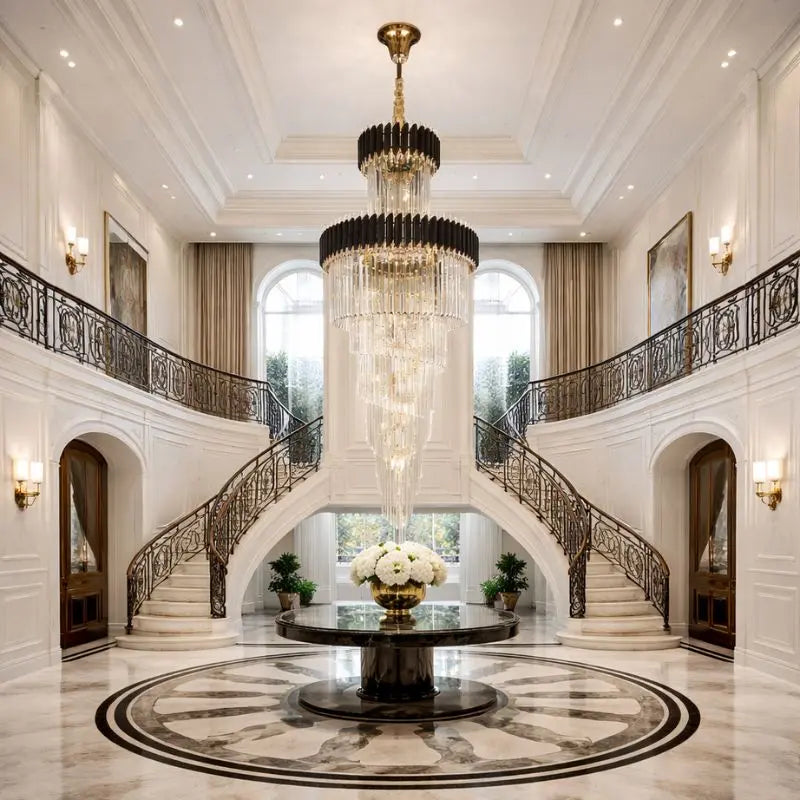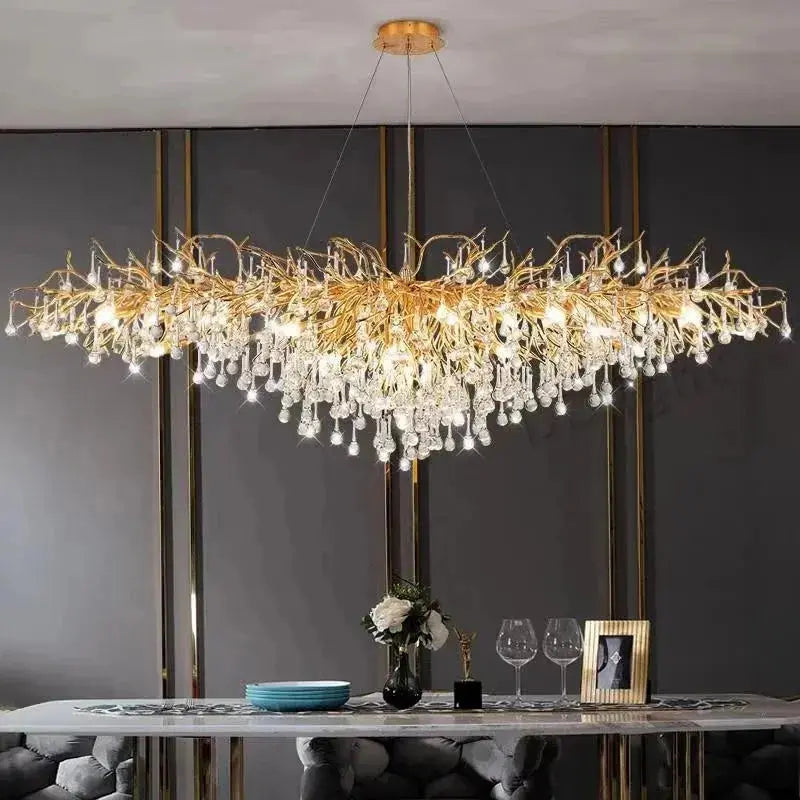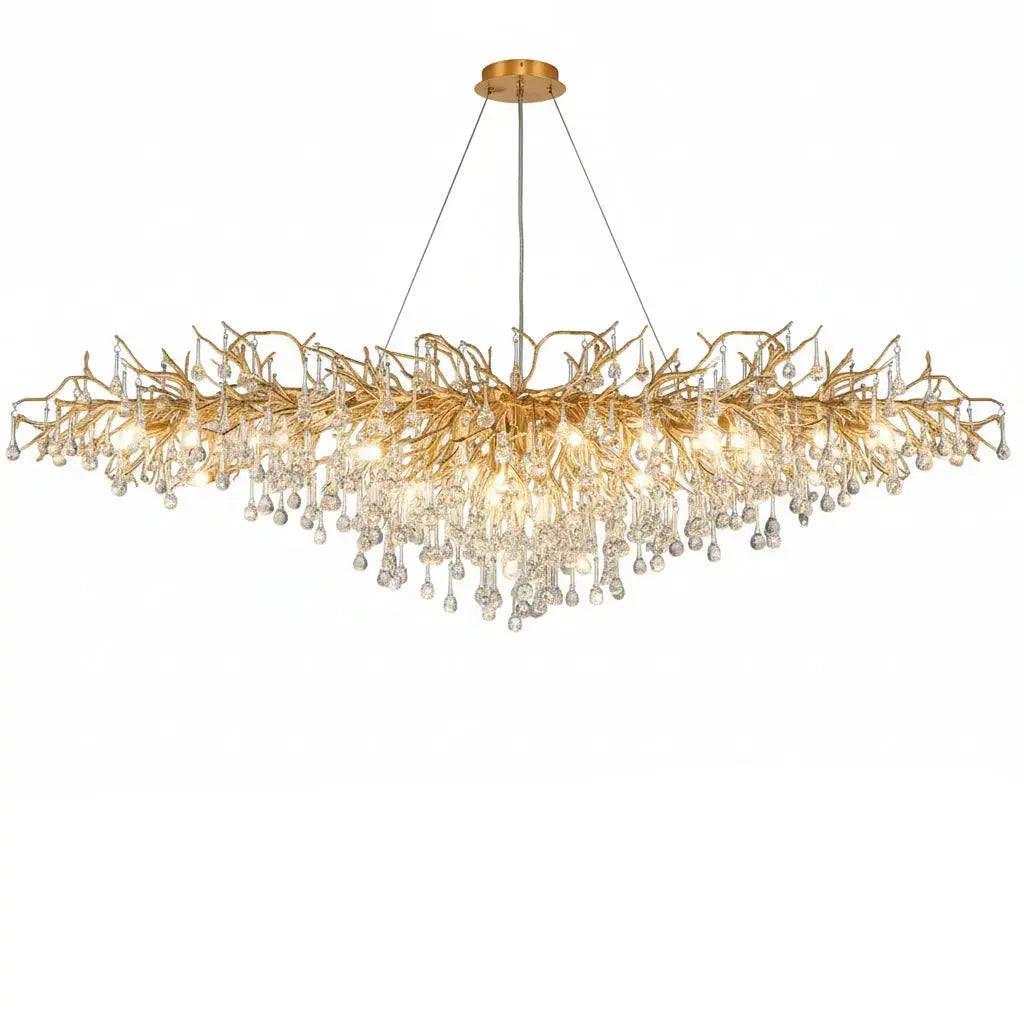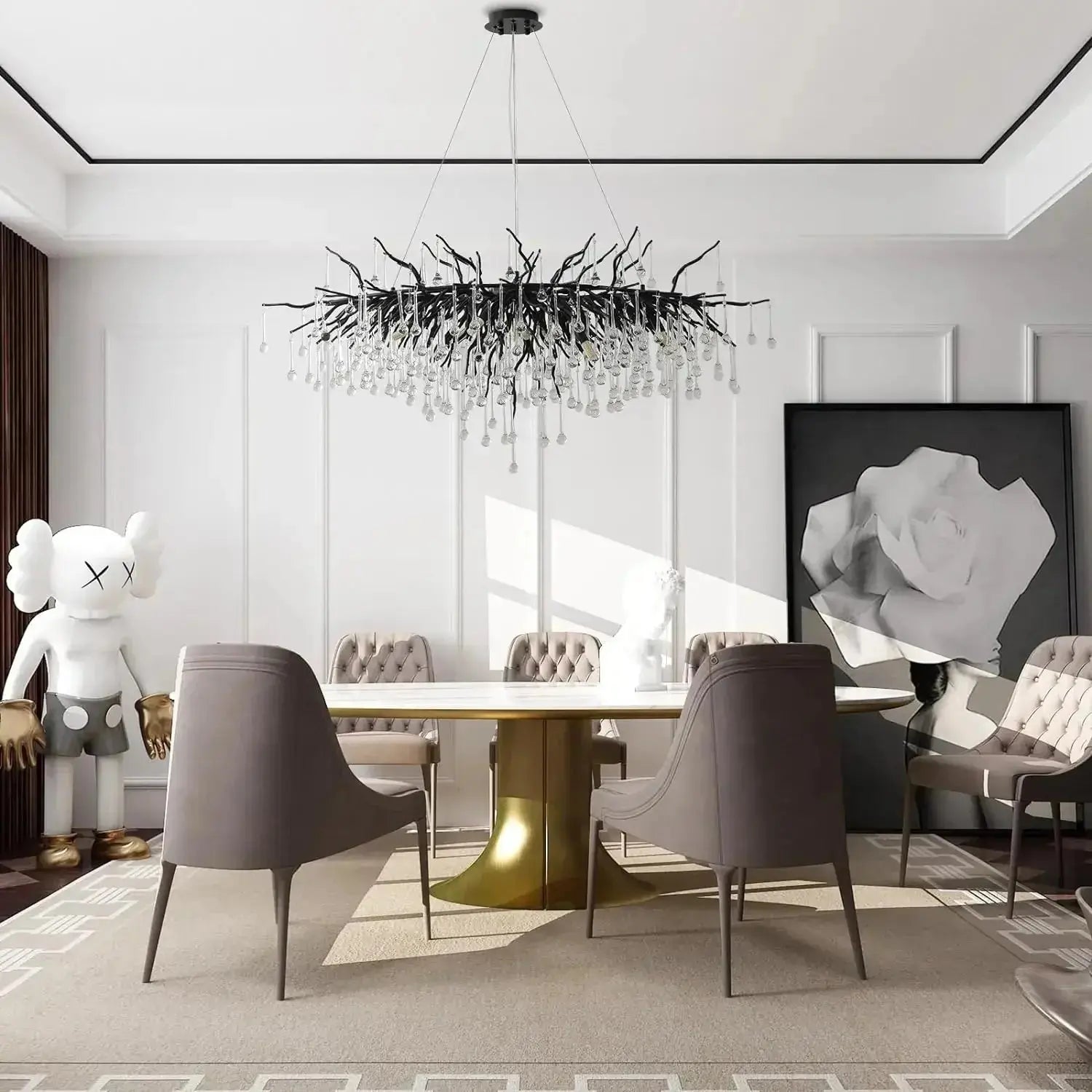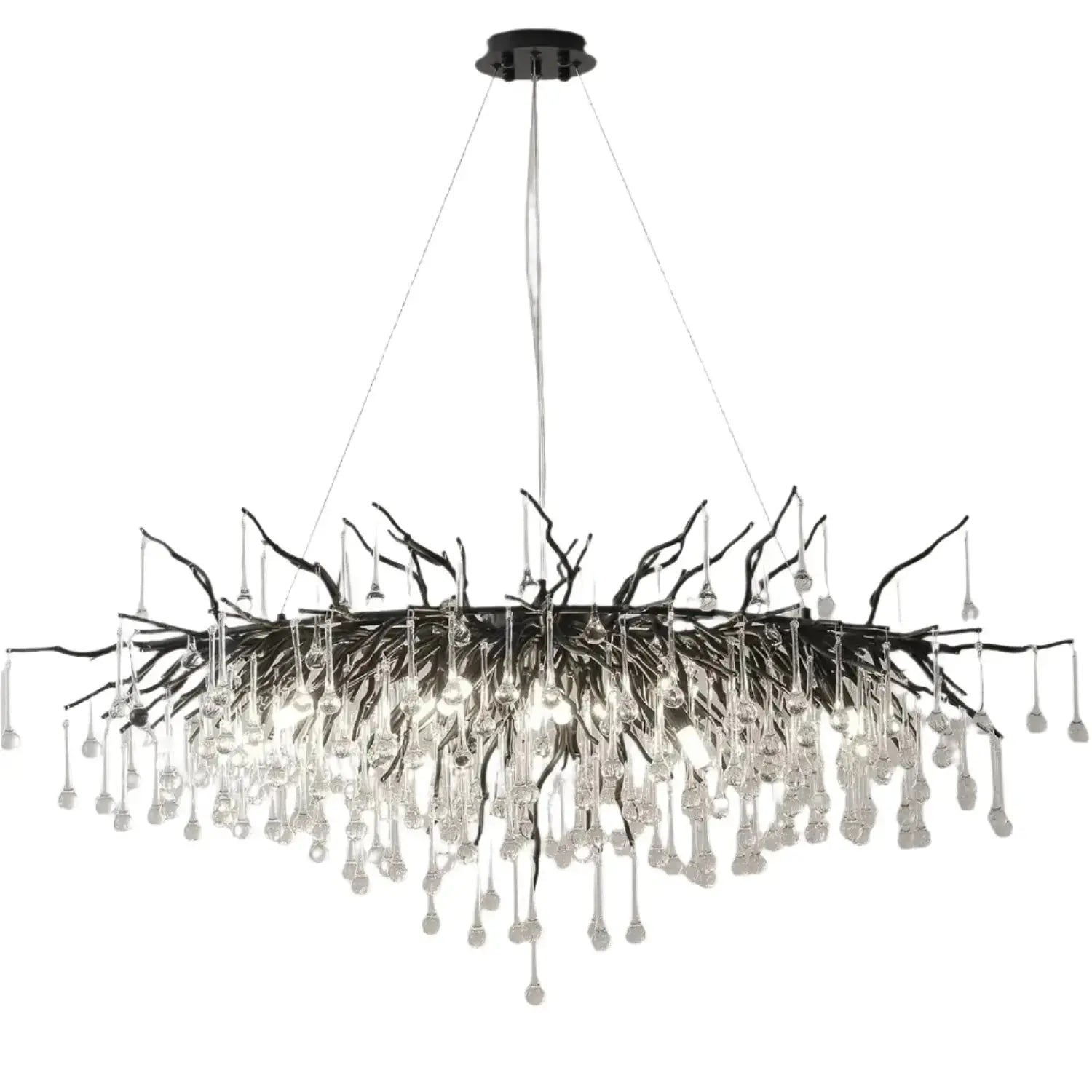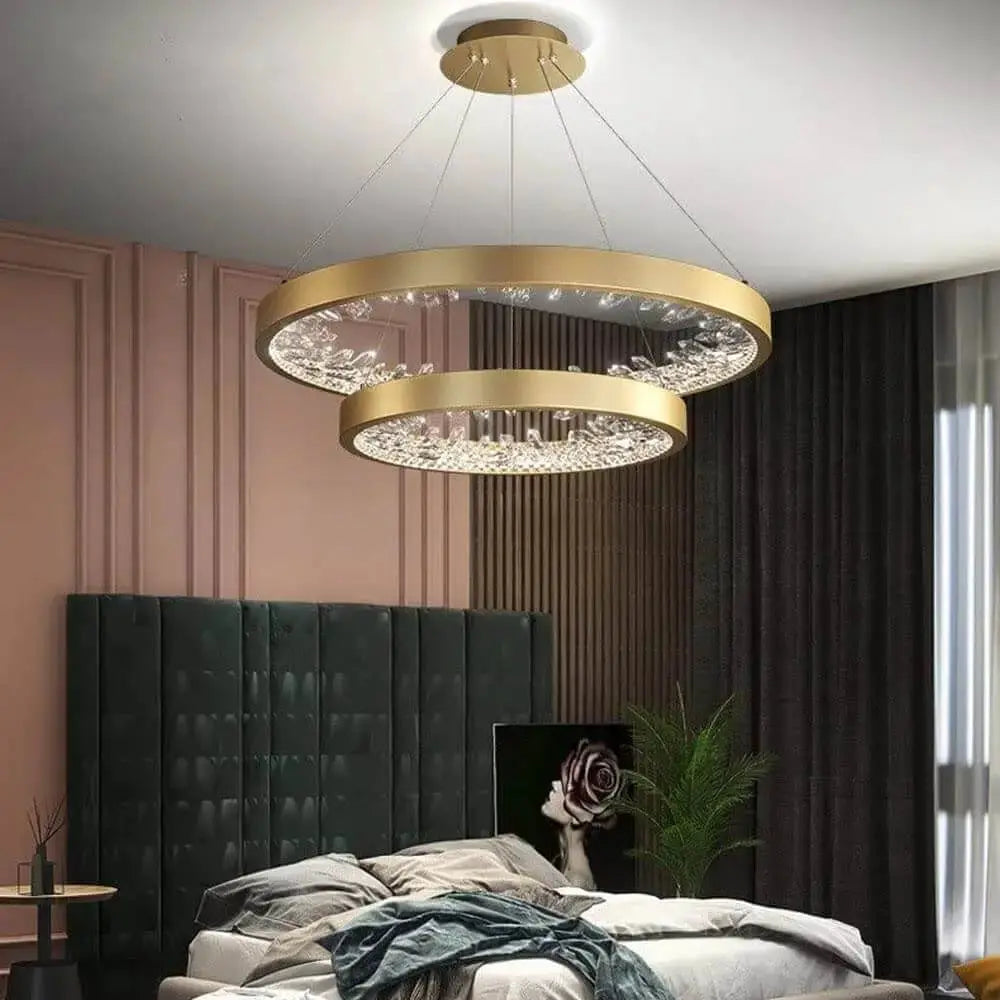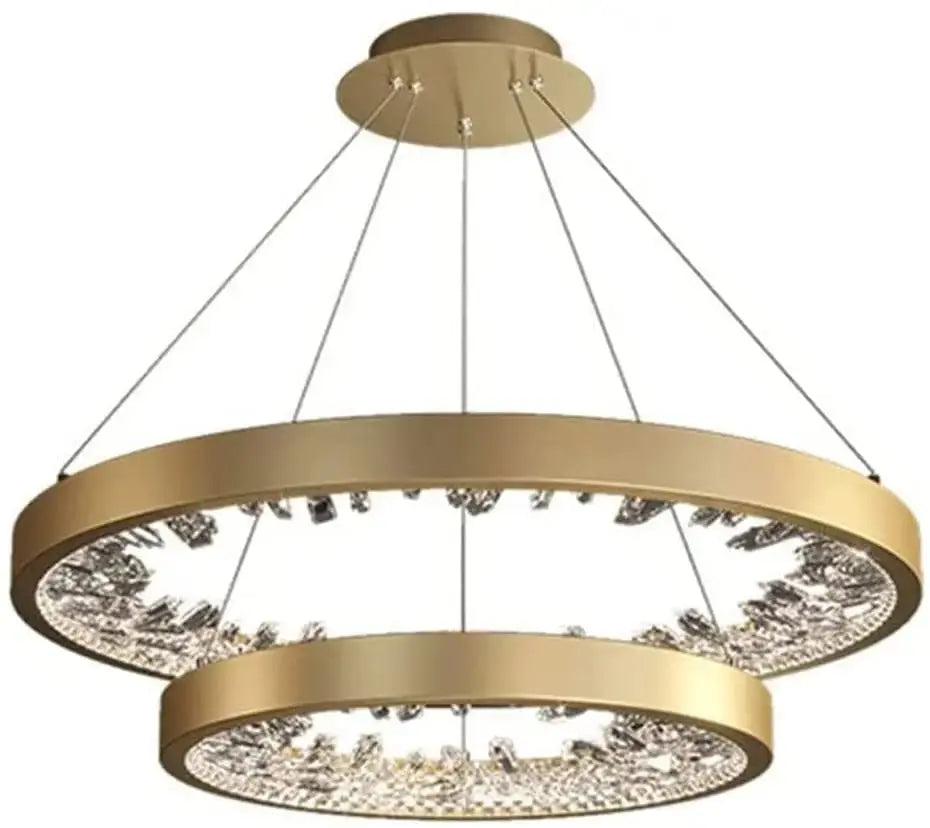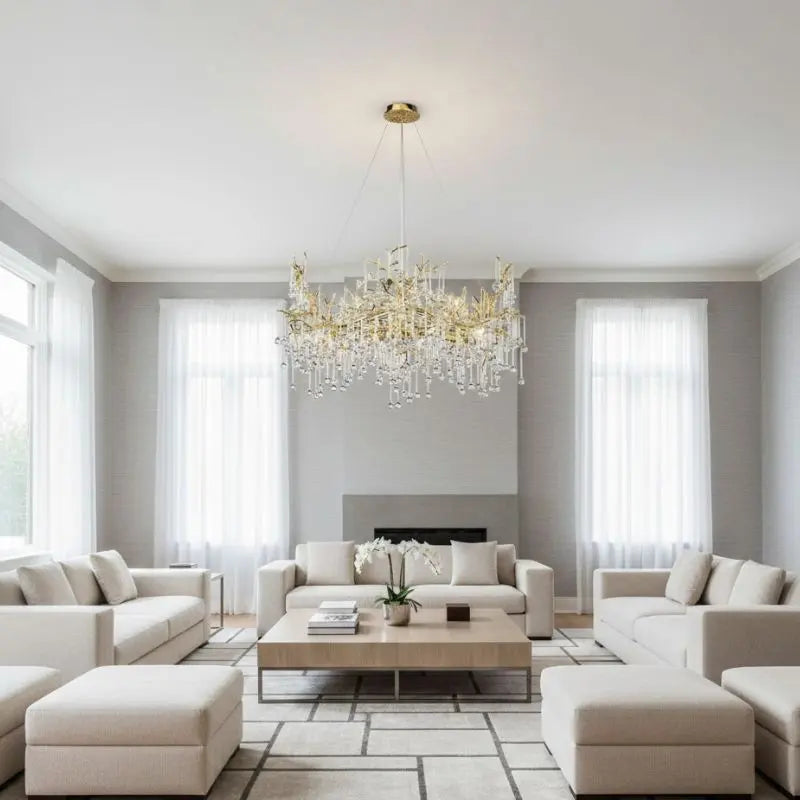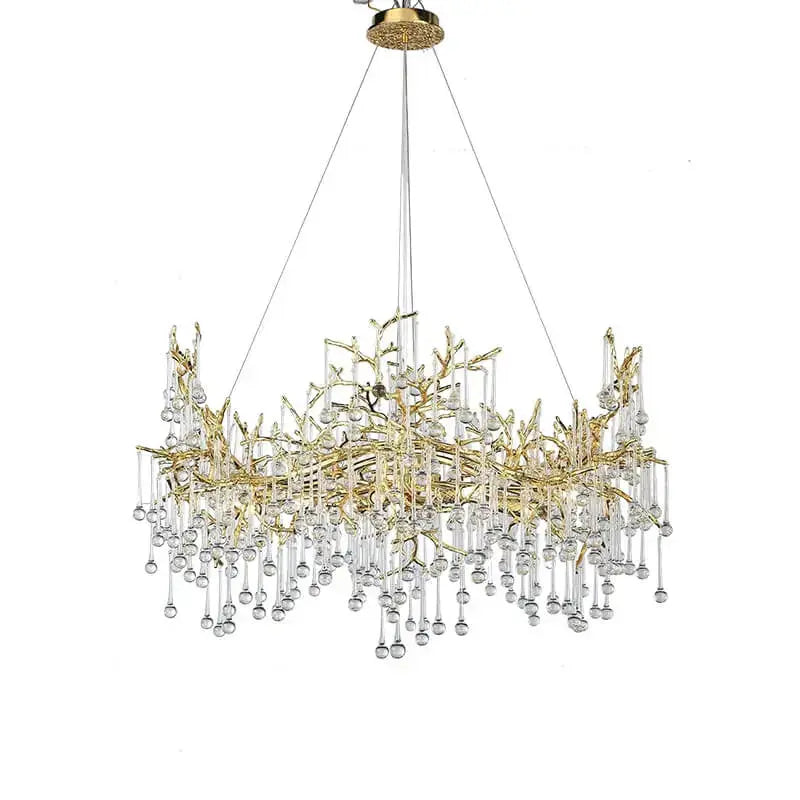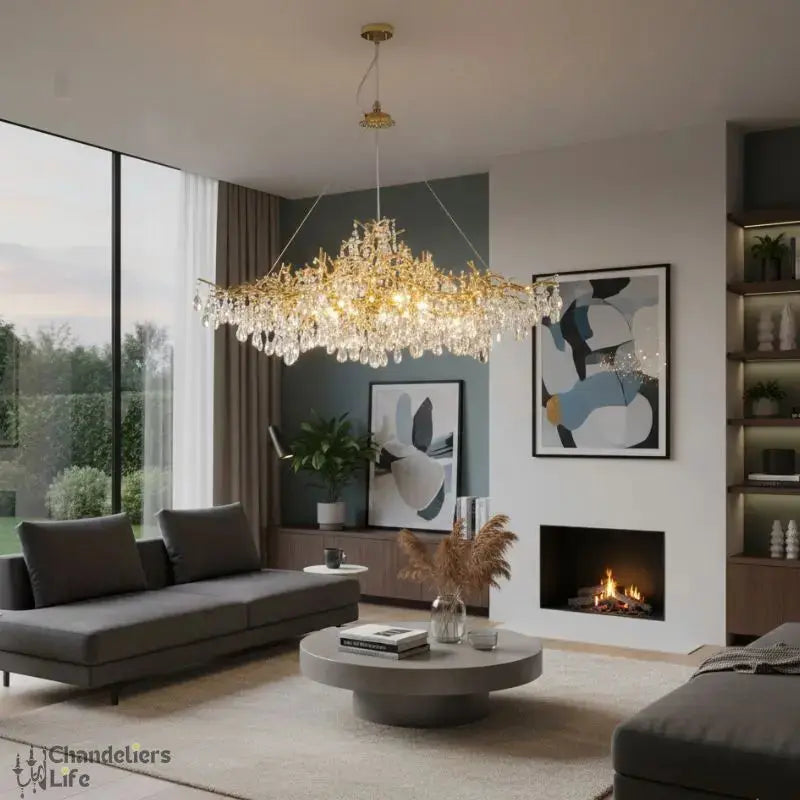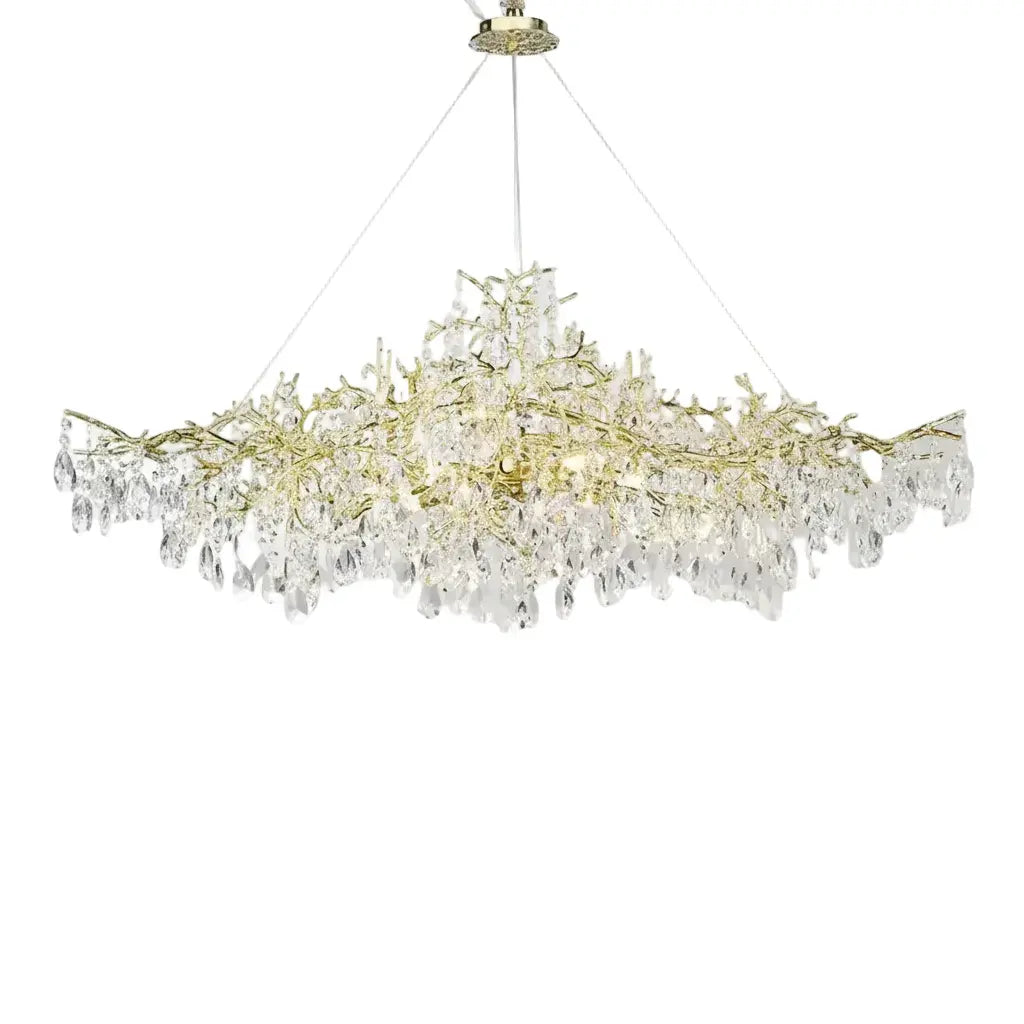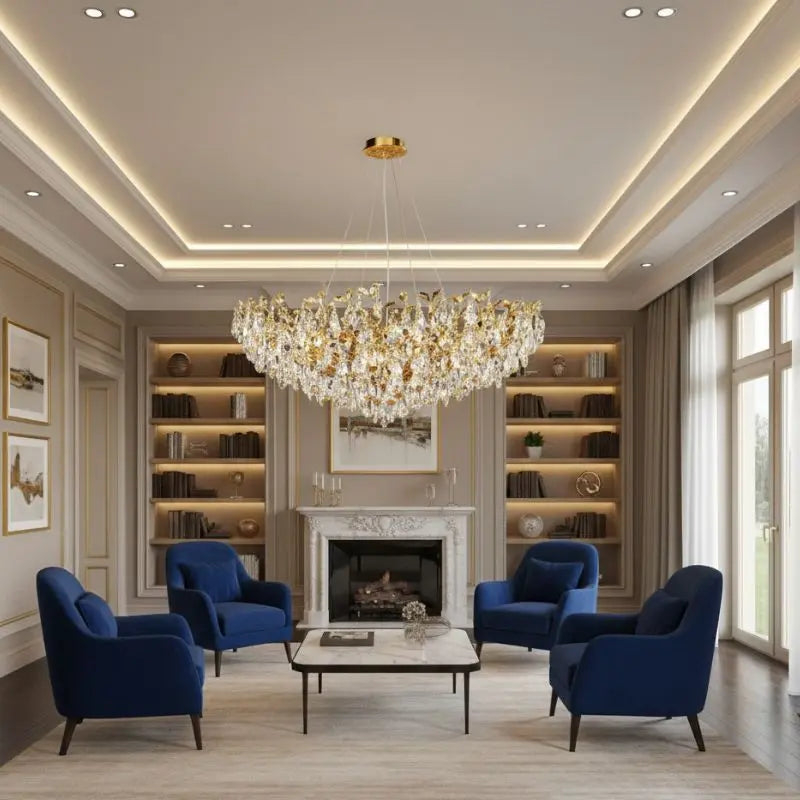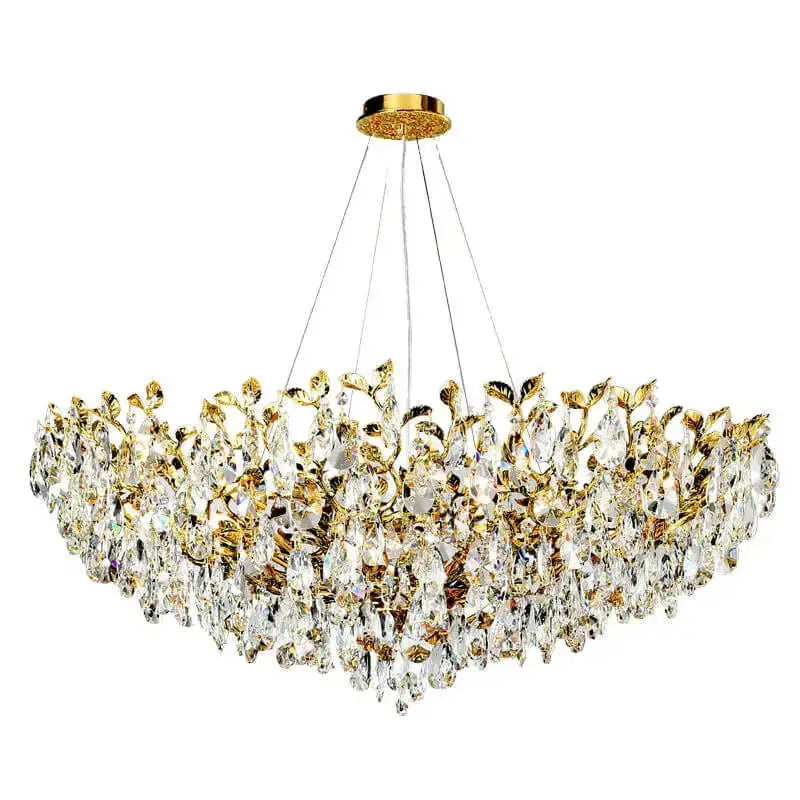
A chandelier can be flawlessly proportioned, finished in luminous crystal or sculptural alabaster, and still feel underwhelming with the wrong lamps. This guide to chandelier bulb types helps you choose bulbs that flatter the fixture, suit the room and provide the level of light your home genuinely needs. The best choice is rarely about maximum brightness alone. It is about balancing atmosphere, scale, sparkle and everyday practicality.
Start with the fitting, not the look
Before choosing a bulb shape or colour temperature, check the fitting specified for your chandelier. The most elegant lamp in the world will not help if its cap does not fit the holder.
For many traditional and contemporary chandeliers, the small Edison screw fitting is most common. In the UK, this is usually E14, while some imported fixtures use E12 candelabra fittings. They look similar at a glance but are not interchangeable. Larger decorative chandeliers and ceiling fixtures may use E27 screw bulbs, while certain compact modern designs use G9 capsule bulbs. Bayonet caps, particularly B22, are familiar in British homes but less typical in delicate multi-arm chandeliers.
Check the product specification and the label inside the lamp holder before ordering. Also confirm the fixture’s maximum permitted wattage per bulb. LEDs use far less energy than older incandescent lamps, but the stated limit still matters for safety and for protecting wiring, shades and finishes.
If you are buying a chandelier from ChandeliersLife, treat the listed bulb fitting and dimming guidance as part of the design specification, not a minor technical detail. It will make selecting replacement bulbs much simpler later.
Guide to chandelier bulb types by shape
Bulb shape has a striking effect on a chandelier’s personality. In an open-frame fixture, every lamp is visible, so its silhouette becomes part of the overall composition. A concealed bulb may be functional; an exposed bulb should also be beautiful.
Candle bulbs for classic elegance
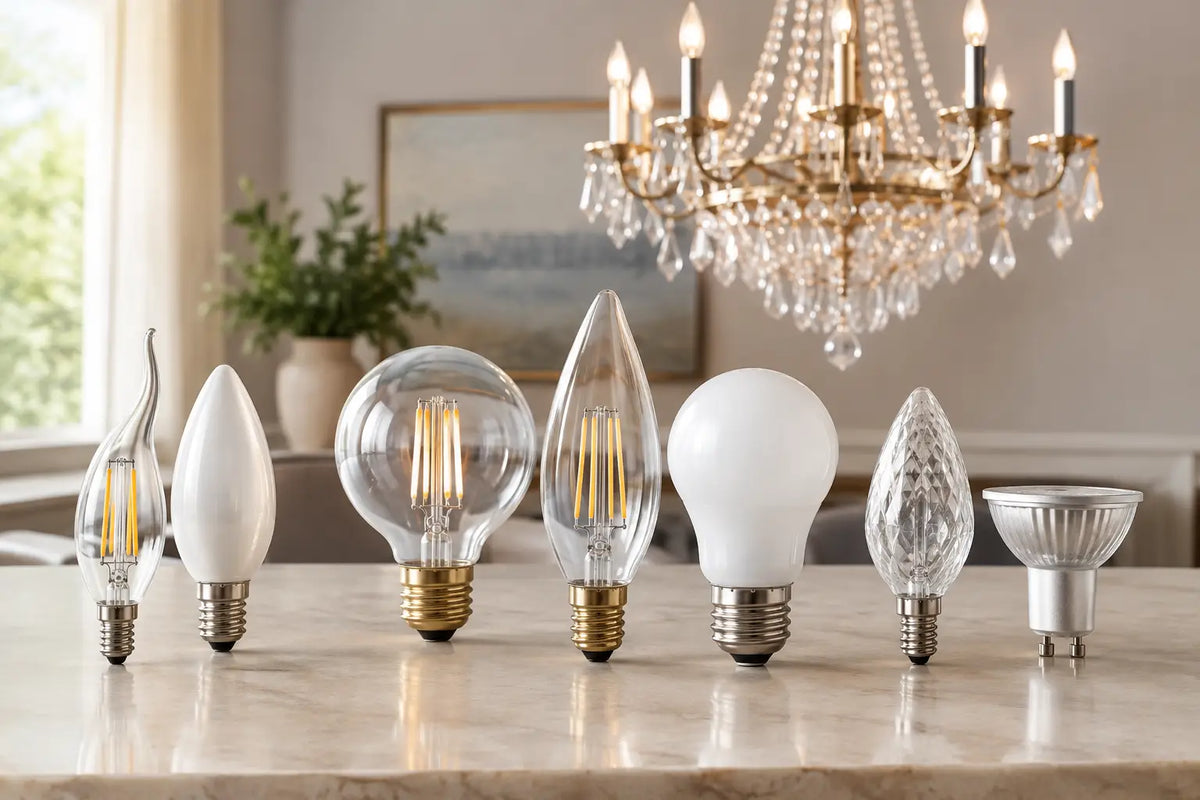
Candle bulbs, often labelled C35 or B35, are the defining choice for traditional crystal chandeliers, French-inspired designs and graceful bedroom fixtures. Their narrow, flame-like profile echoes the original candlelit chandeliers that inspired these forms.
Choose clear candle LEDs when you want to reveal the bulb’s internal filament and amplify reflections through crystal droplets or glass arms. They bring a crisp, jewellery-like quality to a formal dining room or entrance hall. Frosted candle bulbs soften the source of light, reducing glare while preserving the fixture’s refined outline. They are often the more comfortable choice when the chandelier hangs low over a dining table.
For an especially romantic finish, look for a bent-tip candle bulb. This curled profile suits ornate, heritage-style chandeliers, though it can appear overly decorative in a sharply modern setting.
Globe bulbs for modern statement pieces
Globe bulbs have a rounded, generous form and are especially effective in contemporary chandeliers with exposed sockets. Small golf-ball bulbs create a neat, tailored look, while larger globes bring a more sculptural presence to linear fittings, clustered pendants and modern brass designs.
An opal or frosted globe casts a soft, even glow and keeps the visual focus on the fixture itself. Clear globes offer more definition and a little more sparkle, particularly where the filament is designed to be seen. The trade-off is that clear glass can feel dazzling at eye level, especially in a relaxed living room or beside a staircase landing.
Tubular bulbs for clean architectural lines
Tubular bulbs are slim, elongated lamps that work beautifully with minimalist chandeliers and vertical multi-light arrangements. Their straight profile complements linear metalwork and avoids the visual fullness of a globe. They are also useful where the socket spacing is tight and a larger bulb would look crowded.
Choose these when your chandelier has a tailored, architectural character. A warm filament-style tubular LED can prevent a sleek black, bronze or brushed-metal design from feeling too severe.
Capsule bulbs for compact contemporary fittings
G9 capsule bulbs are small but powerful, frequently used in contemporary chandeliers with compact glass shades, branching arms or clustered forms. Because they are discreet, they allow the shape of the fixture and its shades to take centre stage.
Their compact size does not mean every option produces the same result. Look for LED G9 bulbs with a suitable lumen output, a warm colour temperature and, if required, confirmed dimmability. Some inexpensive capsules can look harsh or flicker when paired with a dimmer, which diminishes an otherwise luxurious fixture.
LED filament or frosted LED?
For most homes, LED is the natural choice. It runs cooler, uses considerably less electricity and offers a long service life, which is welcome when changing bulbs requires a ladder or careful access above a stairwell.
Filament LEDs are ideal for open chandeliers because their fine internal filaments recreate the charm of vintage incandescent lamps. In clear glass, they deliver a warm decorative glow that enhances crystal, polished brass and antique finishes. They are not always the best option, however. Where bulbs are exposed at seated eye level, or where a fixture has many bare lamps, frosted LEDs usually provide a calmer, more comfortable light.
Avoid mixing clear and frosted bulbs on the same chandelier. Even if the colour temperature matches, the variation in appearance can make the fixture look accidental rather than considered.
Choose brightness in lumens, not watts
Wattage once offered a rough guide to brightness, but with LEDs it mainly describes energy use. Lumens tell you how much light a bulb actually produces. The right output depends on the room, the chandelier’s role and the number of bulbs it holds.
A six-arm dining-room chandelier fitted with six 400-lumen candle bulbs provides around 2,400 lumens before considering shades, dimming and light loss. That can be ample for an intimate dining space, particularly when supported by wall lights or table lamps. A grand foyer with high ceilings may need a higher total output, while a bedroom chandelier often benefits from gentler illumination.
As a starting point, consider 250 to 450 lumens per bulb for decorative chandelier arms. Use lower outputs when there are many lamps, when the bulbs are exposed, or when the chandelier is intended primarily as ambient lighting. Use higher outputs for shaded fixtures, dark finishes, tall rooms and spaces where the chandelier is the principal light source.
A dimmer gives you the most flexibility. It lets a bright, celebratory dining room become softer for an evening meal, or a staircase chandelier provide practical light without overwhelming the space. Just ensure both the bulbs and the dimmer switch are LED-compatible. A non-dimmable LED on a dimmer circuit may buzz, flicker or fail prematurely.
Get the colour temperature right
Colour temperature determines whether light appears warmly golden or cool and white. It is measured in kelvin, and it has an outsized influence on how a luxury chandelier feels after dark.
For dining rooms, living rooms, bedrooms and hallways, 2700K is the dependable choice. It creates a warm, inviting light that flatters timber, brass, cream textiles and skin tones. For a particularly candlelit ambience, 2200K to 2400K offers a deeper amber glow, best used with clear filament lamps and as part of a layered lighting scheme.
A 3000K bulb is slightly cleaner and brighter while remaining comfortable in most interiors. It suits modern kitchens, open-plan spaces and contemporary chandeliers where you want the room to feel polished rather than overtly golden. Cooler light above 4000K is rarely flattering in a decorative chandelier. It can make crystal look sharp rather than radiant and may drain the warmth from a carefully layered interior.
Where possible, use the same colour temperature throughout a room. A 2700K chandelier beside 4000K recessed ceiling lights creates a disjointed effect, even when the fittings themselves are beautifully chosen.
Shades, crystal and placement change the answer
A bulb recommendation is never entirely separate from the chandelier around it. Crystal and clear glass multiply light, so a lower-lumen bulb can still create considerable visual drama. Fabric, alabaster and frosted glass diffuse the light, which may call for a slightly brighter bulb to maintain useful illumination.
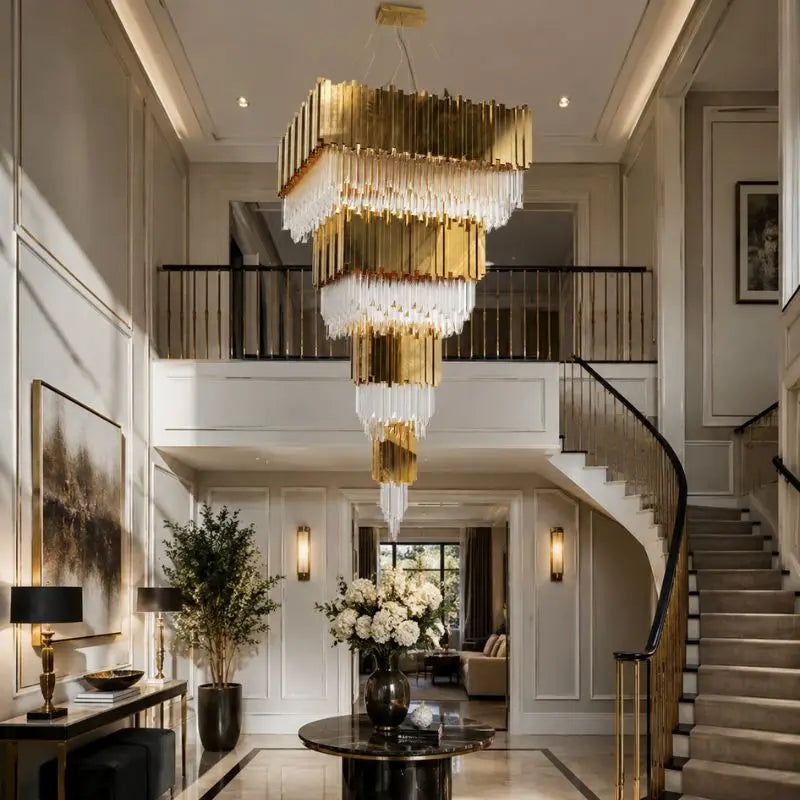
Consider placement, too. Over a dining table, the bottom of a chandelier should generally sit high enough to preserve sightlines, but close enough to create a focused pool of light. Because diners can see the lamps directly, frosted bulbs or lower-output filaments are often more comfortable. In a double-height foyer, visual impact carries more weight, and clear bulbs can lend a chandelier the sparkling presence it deserves.
For exterior-rated decorative lighting, use only bulbs and fixtures approved for the location. Enclosed lanterns can trap heat, and damp areas require suitable protection. A beautiful bulb choice should never override the fixture’s safety requirements.
The finishing touch is wonderfully simple: once the fitting, brightness and warmth are right, choose a bulb shape that looks intentional from every angle. Your chandelier will not merely light the room. It will give the room its evening character.