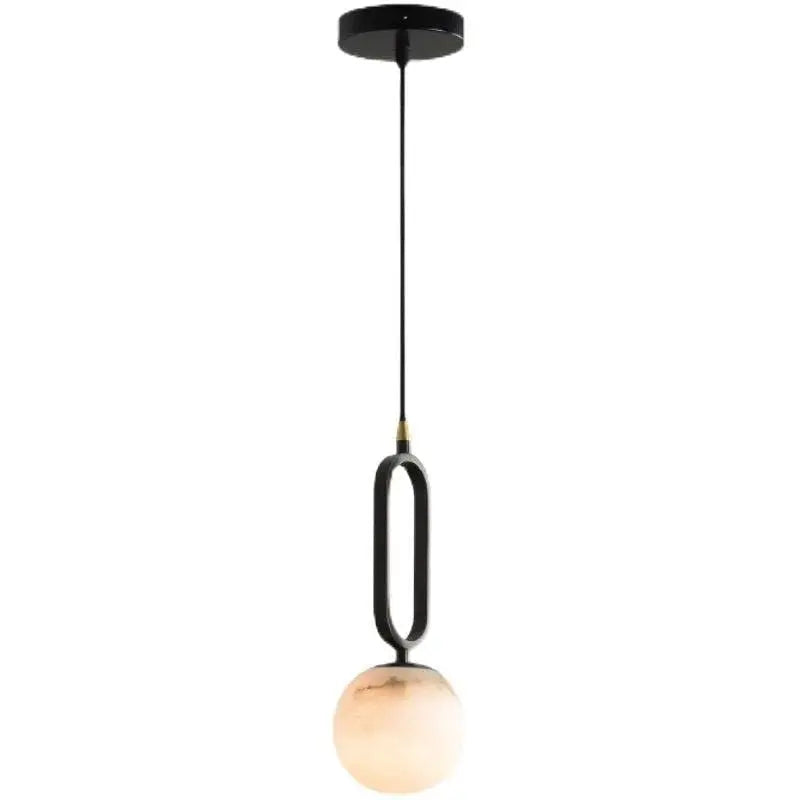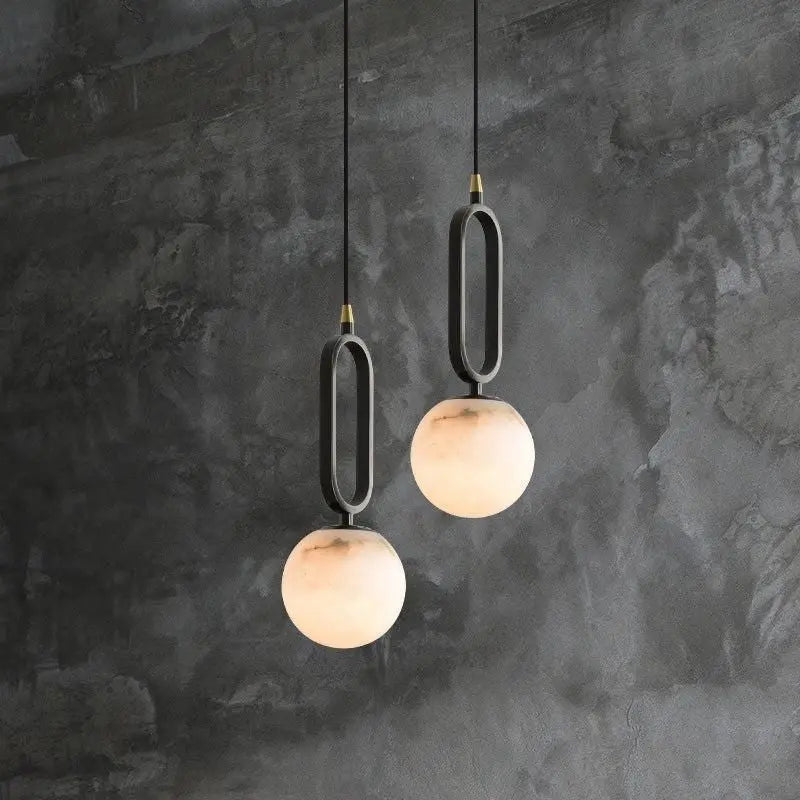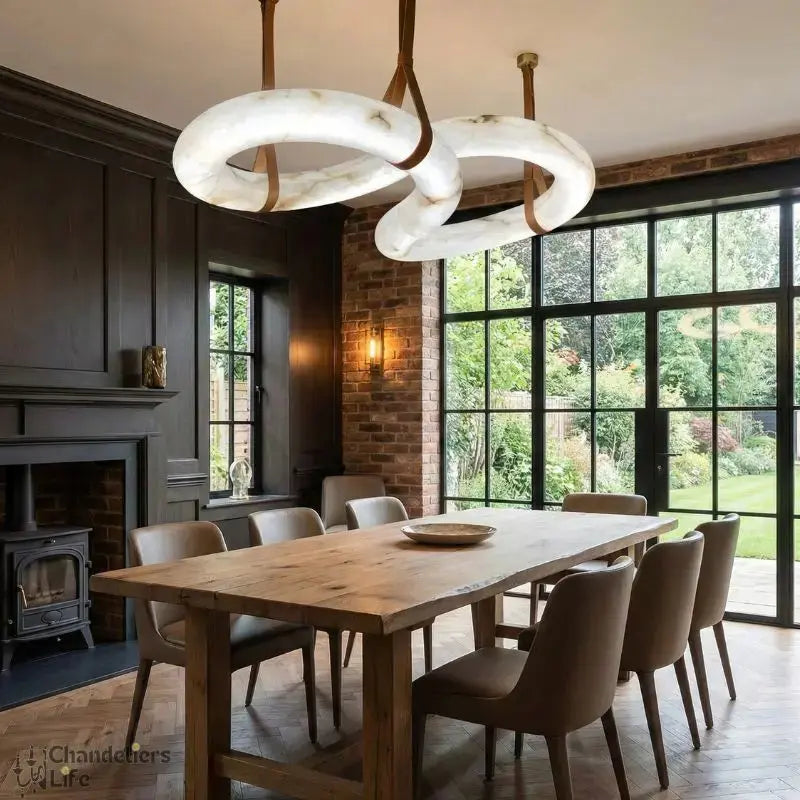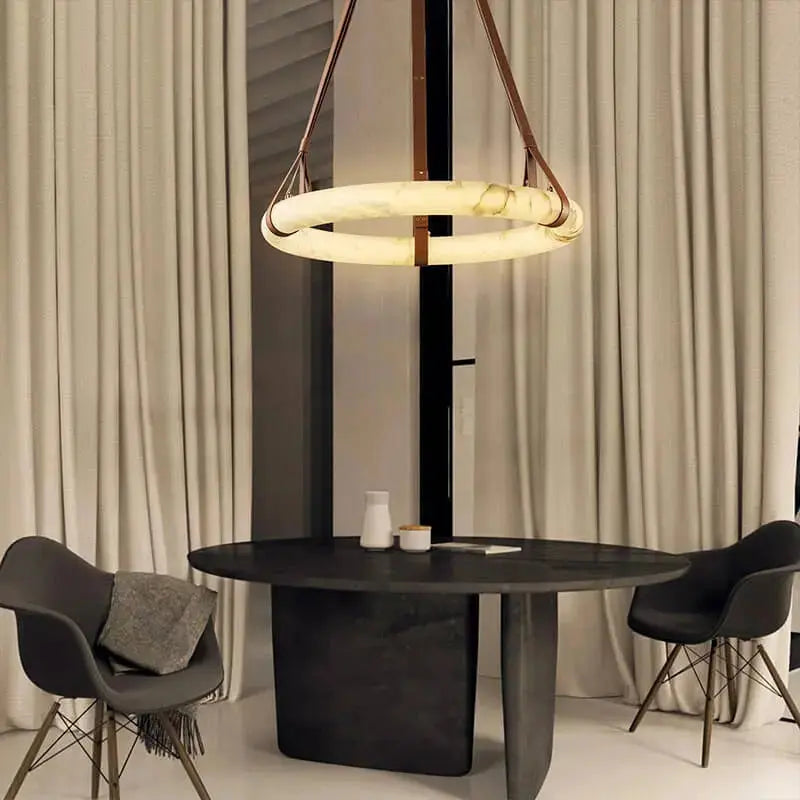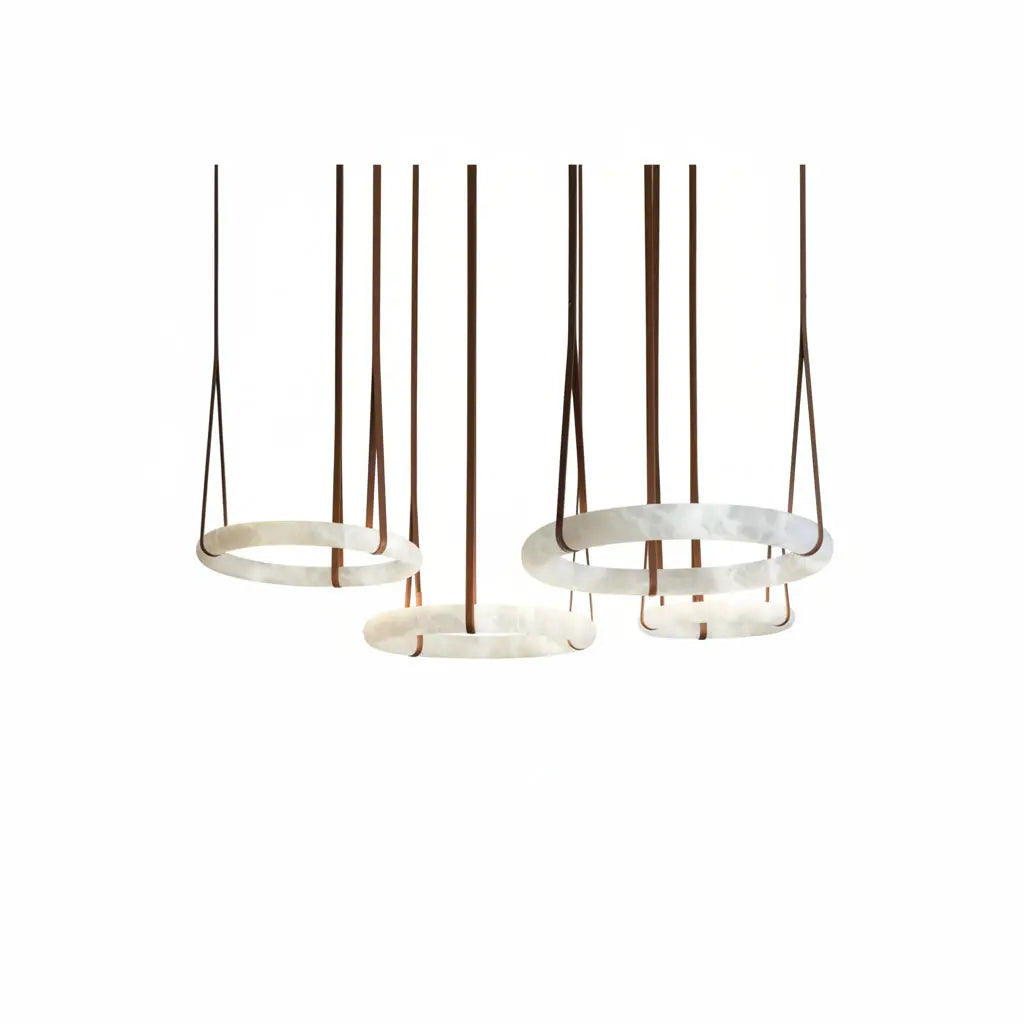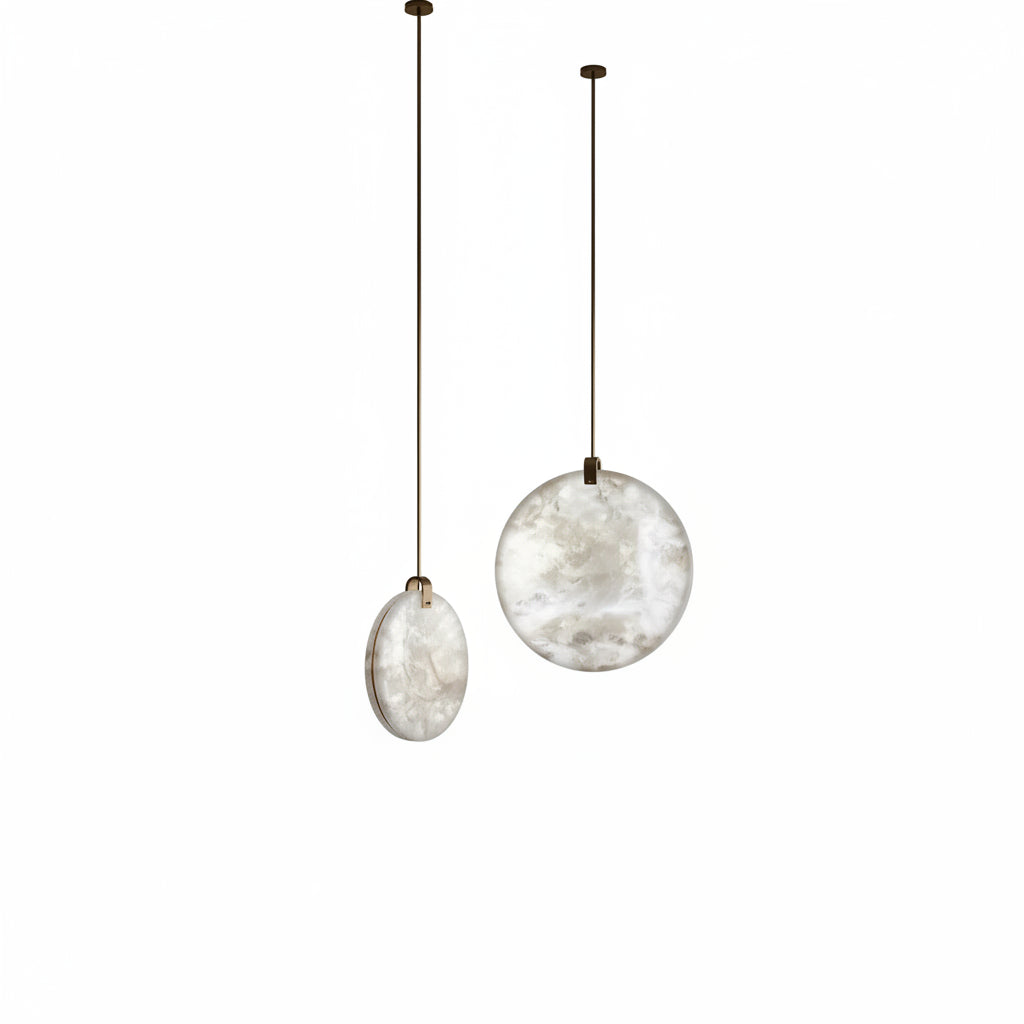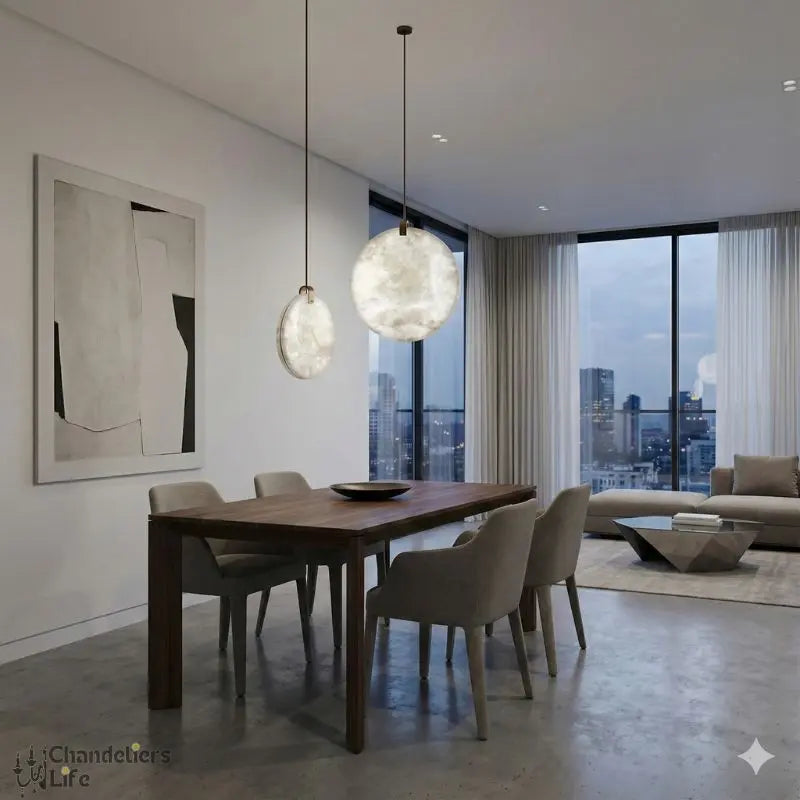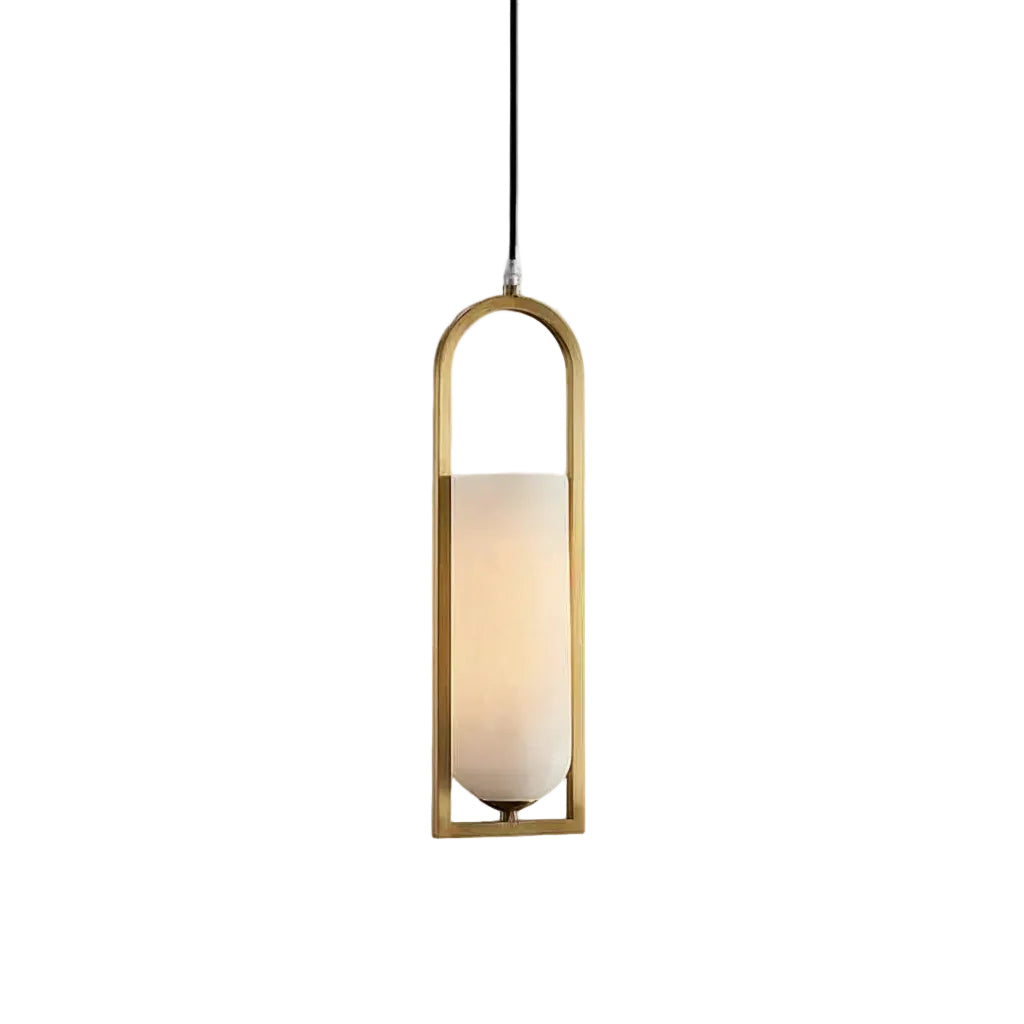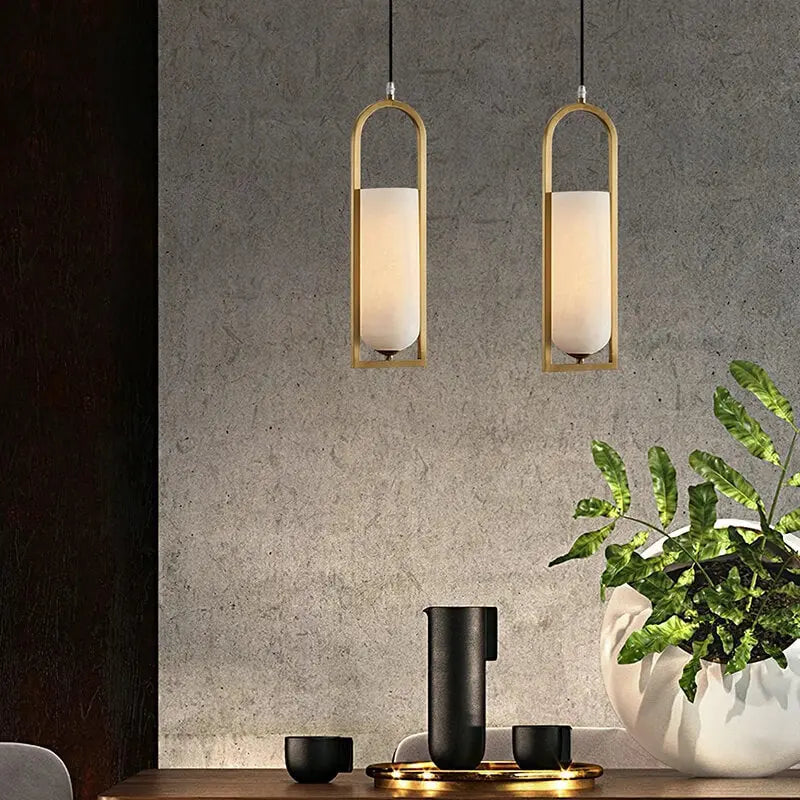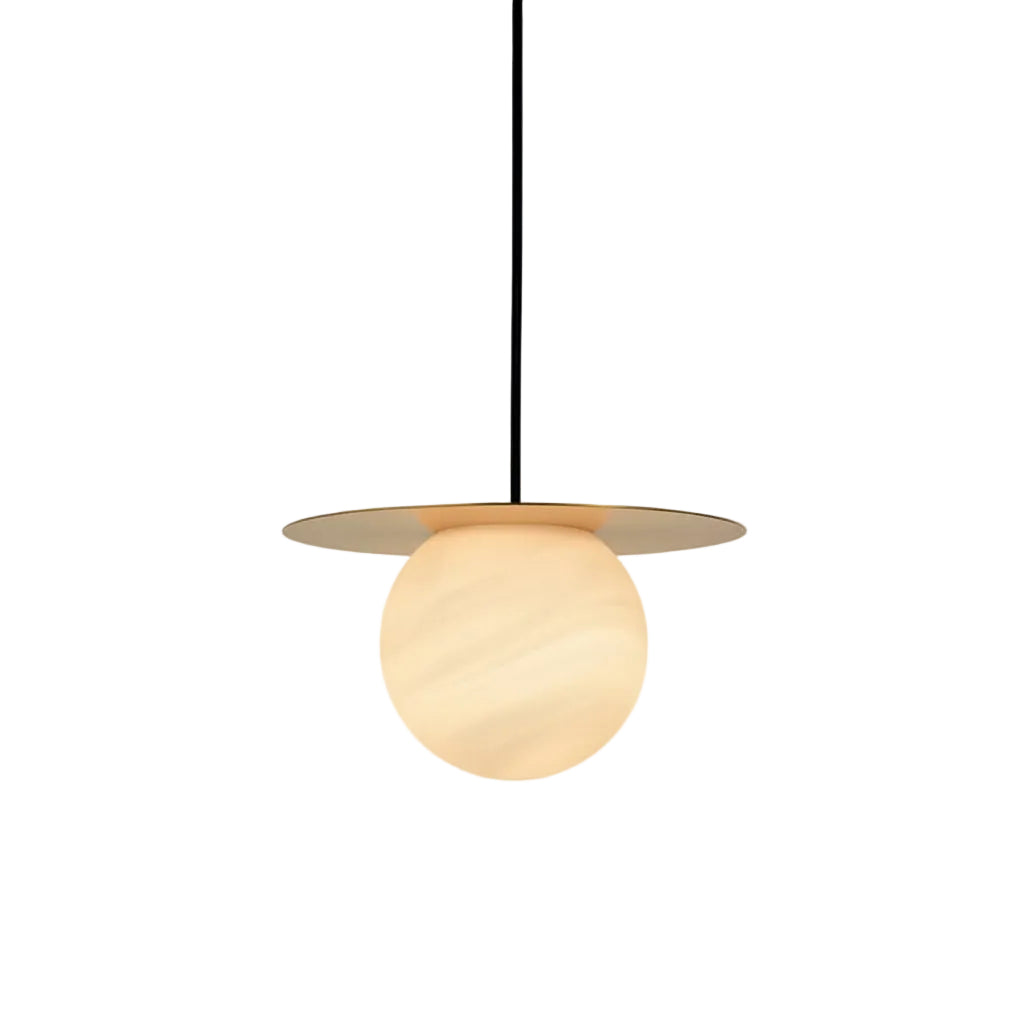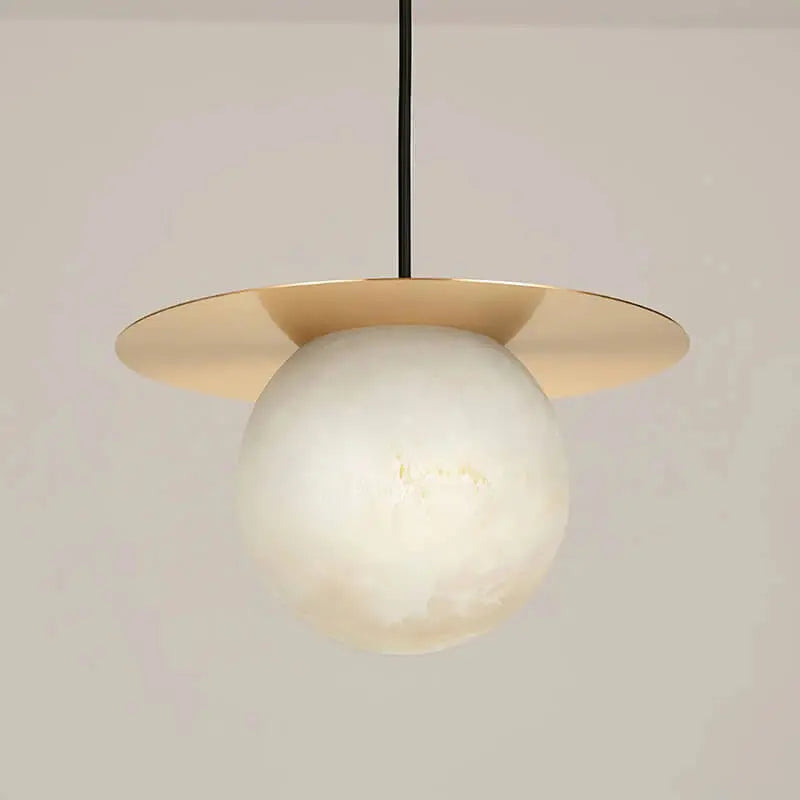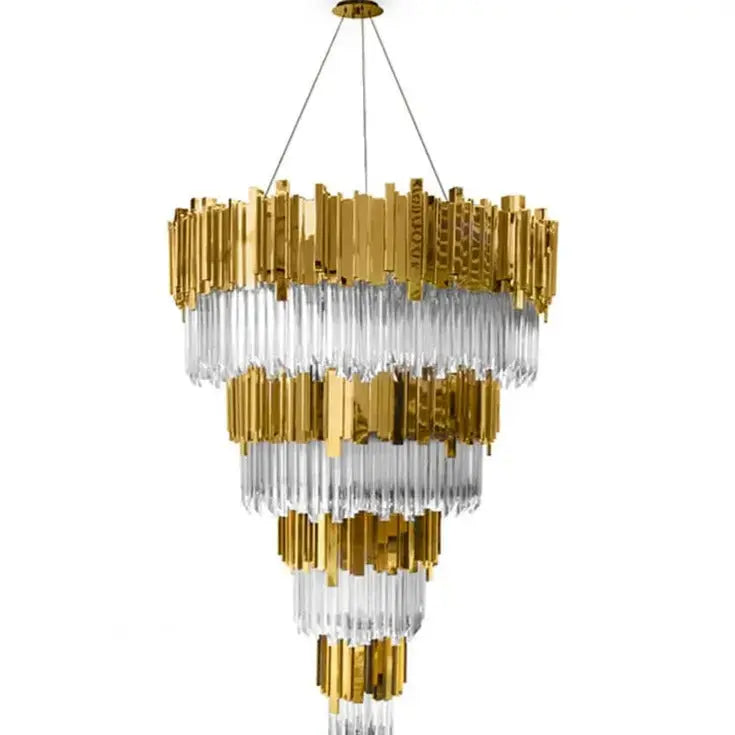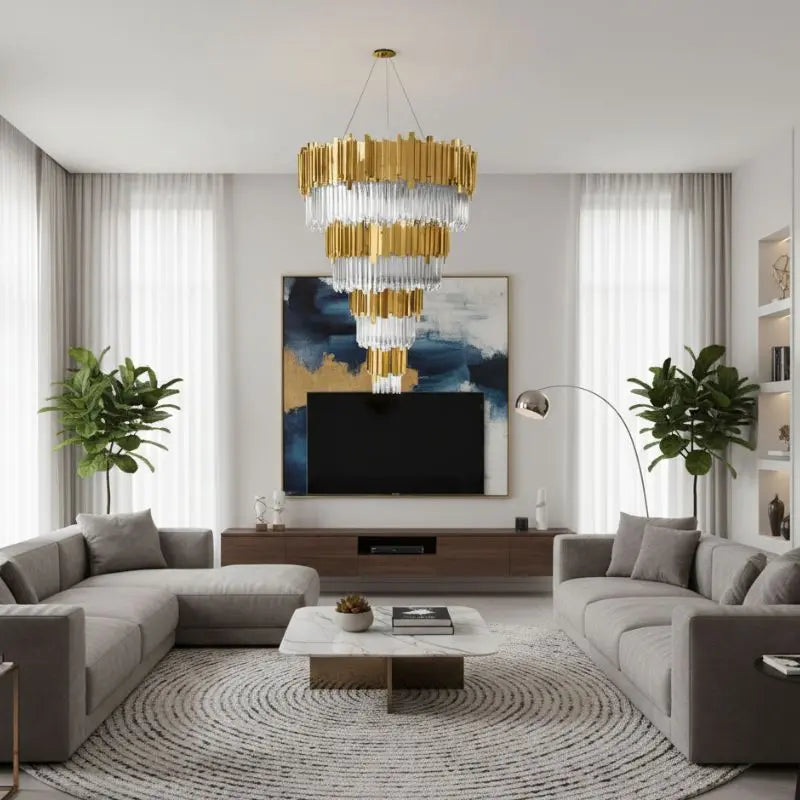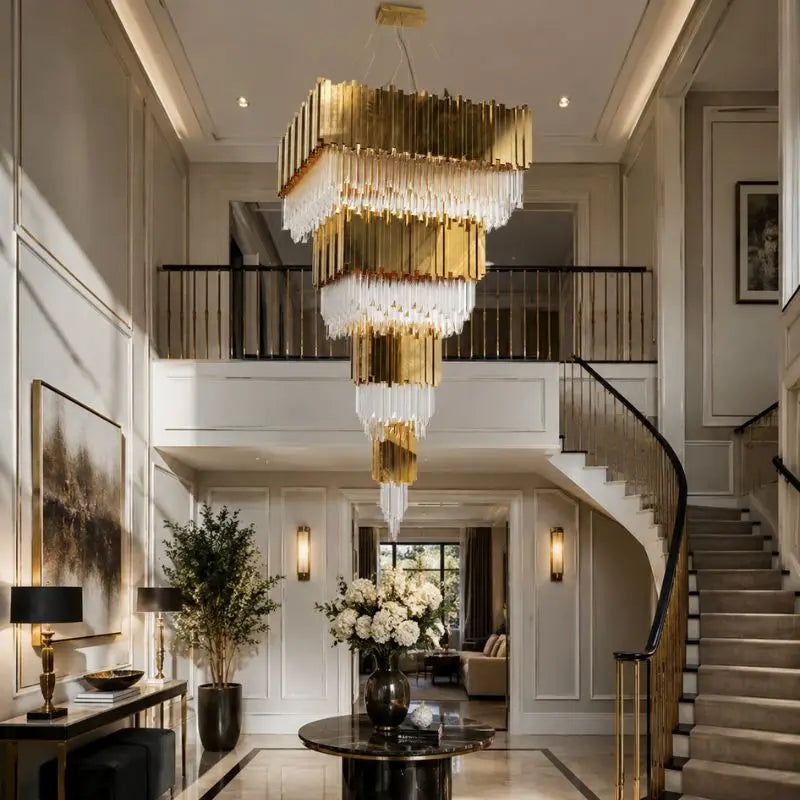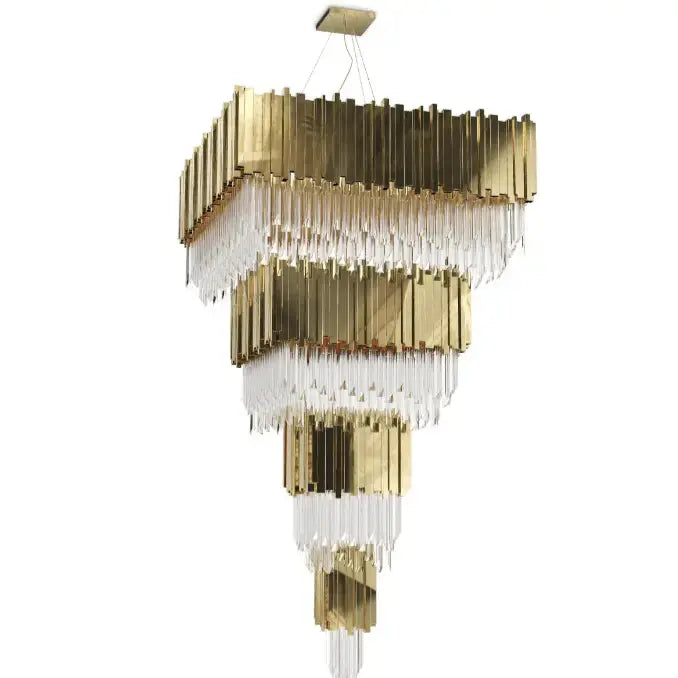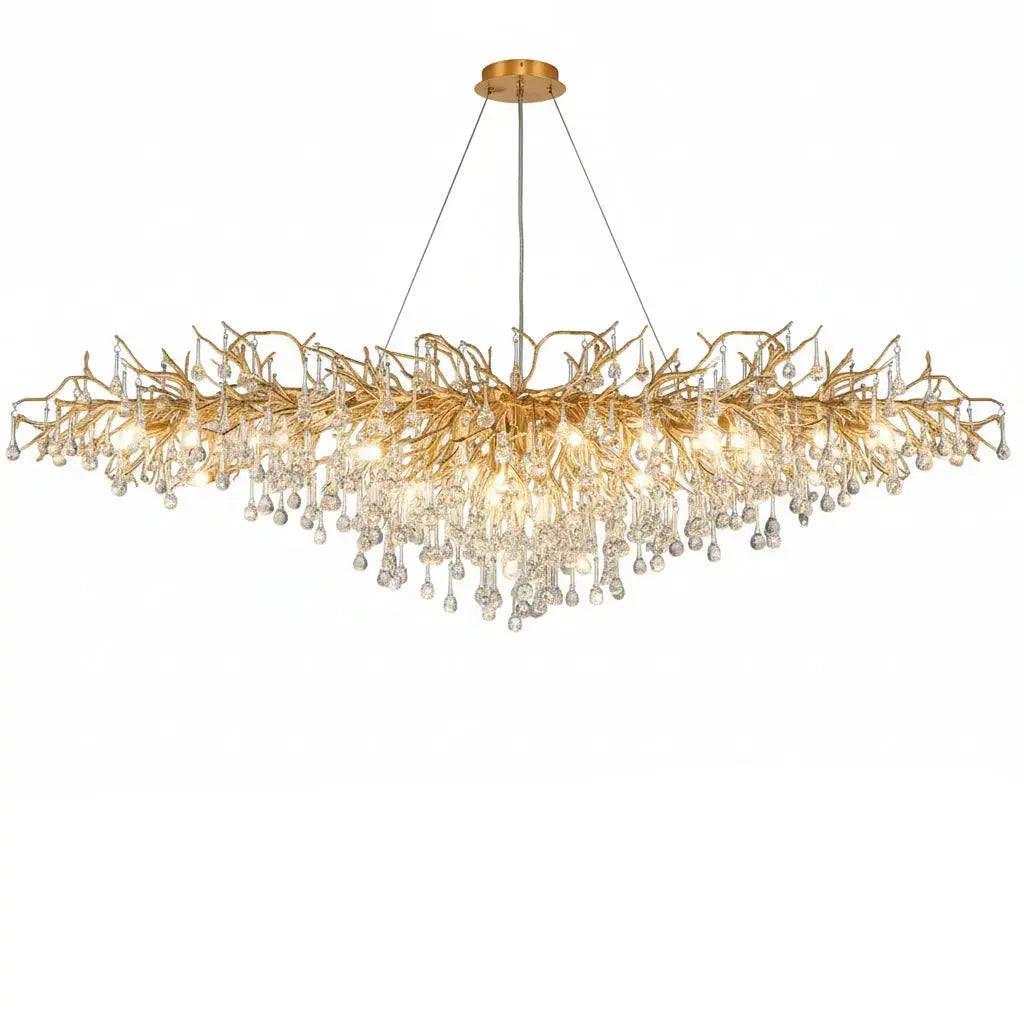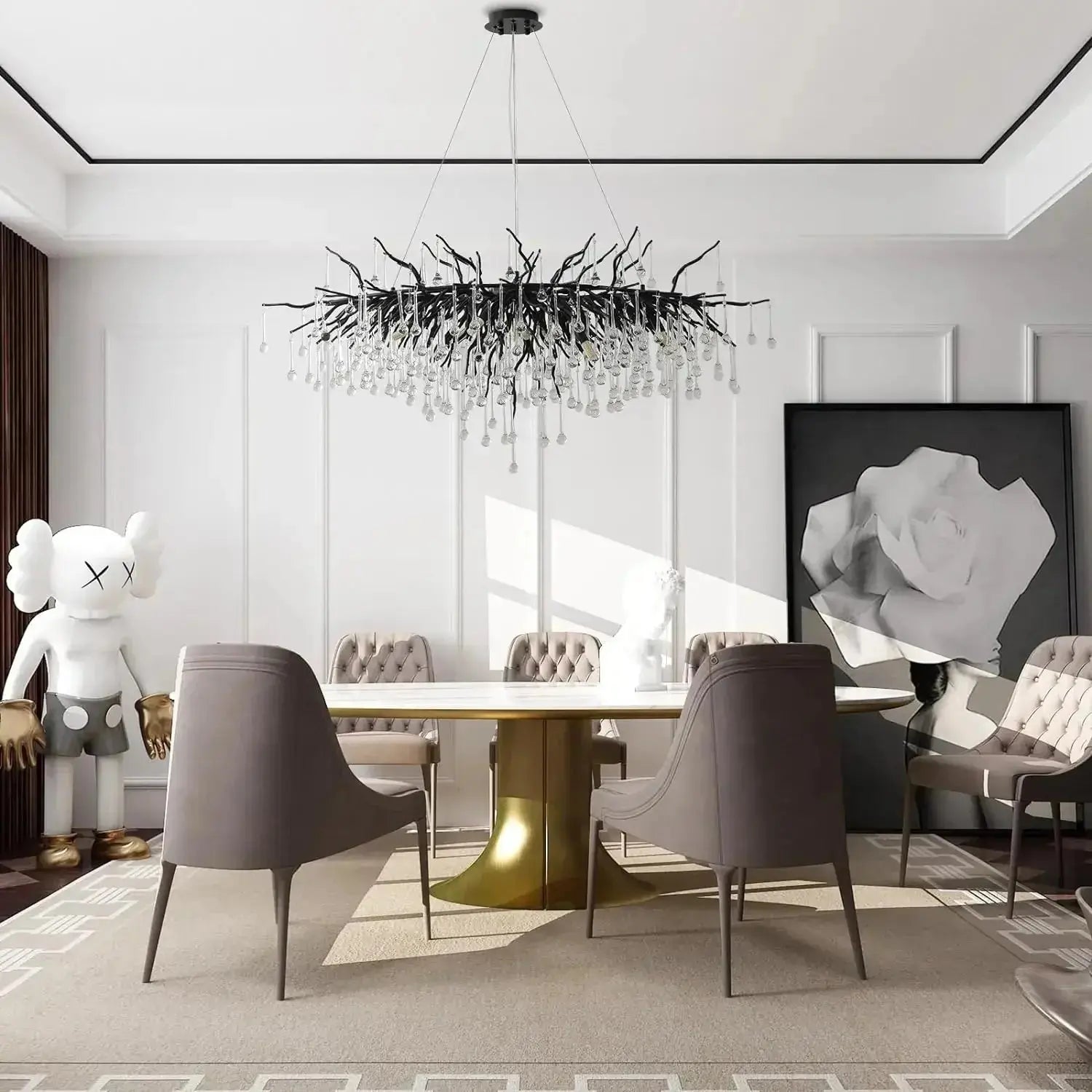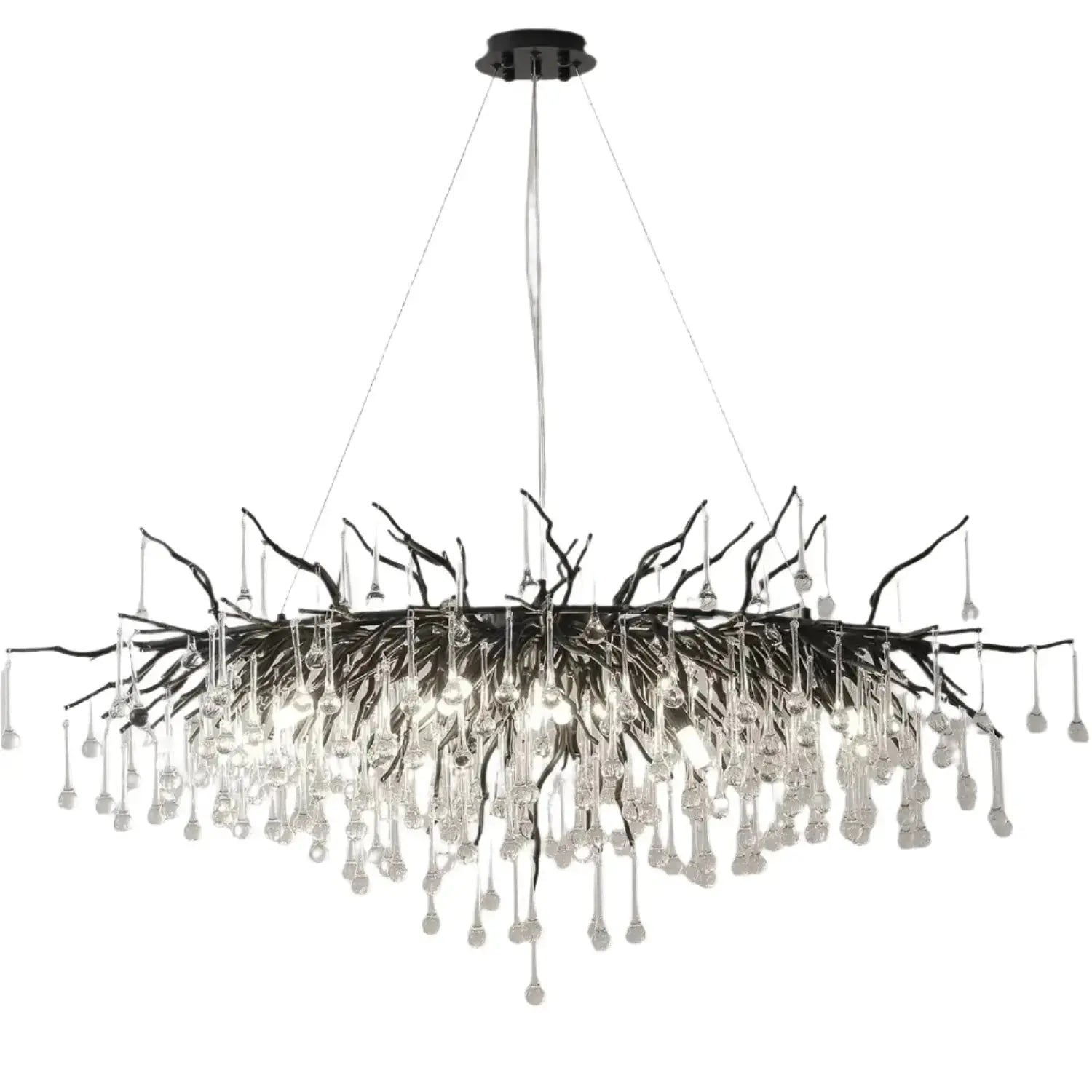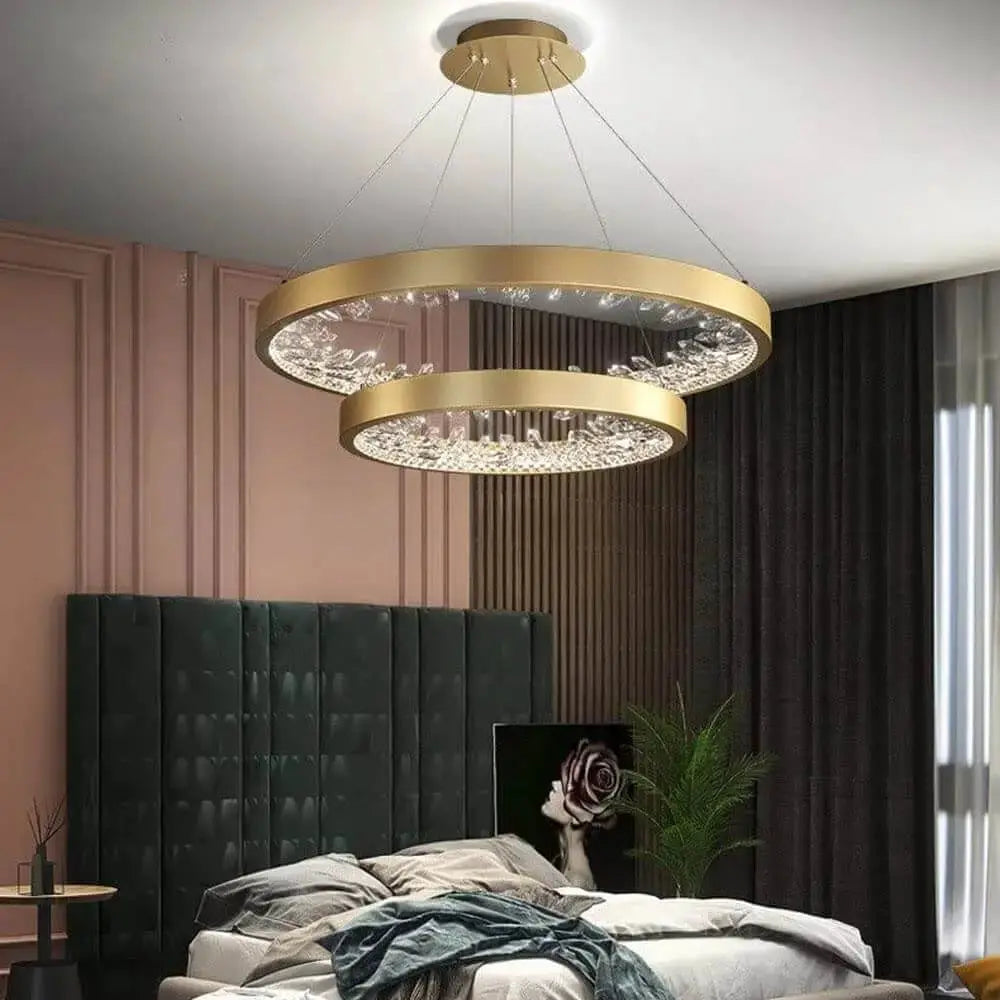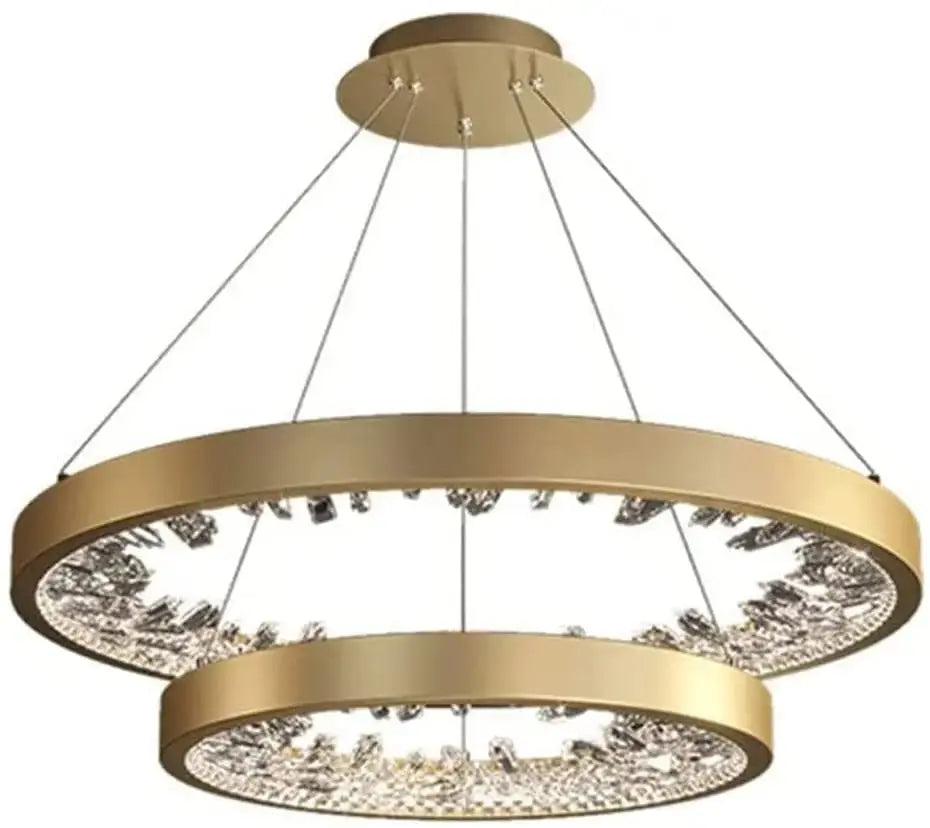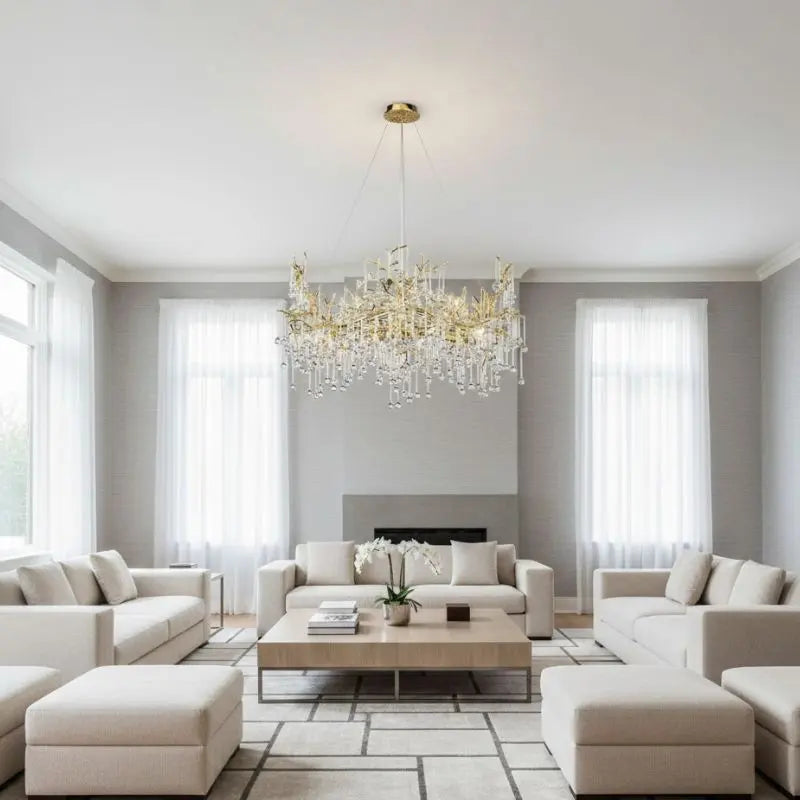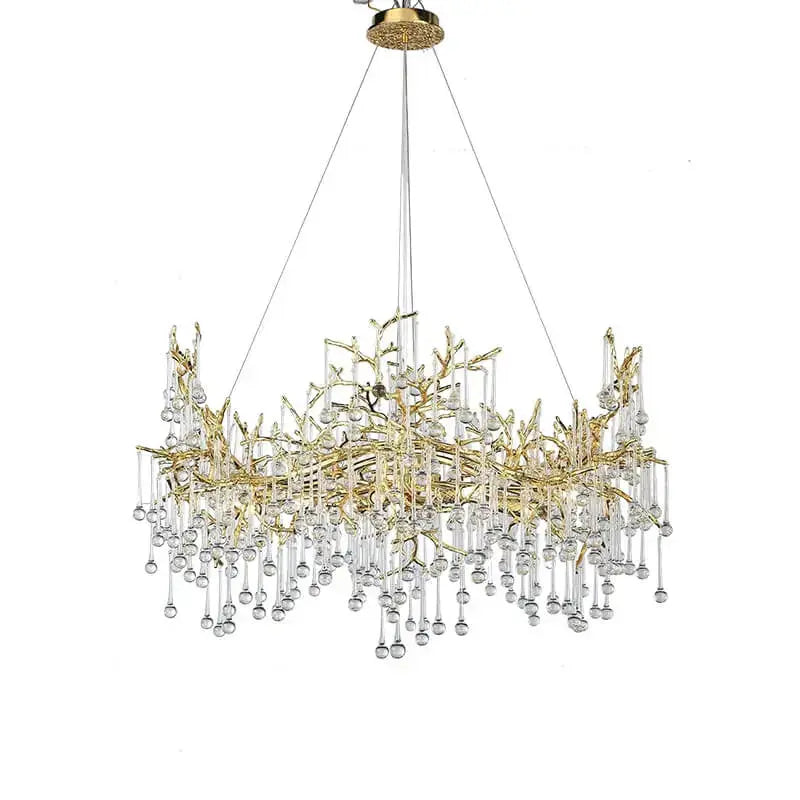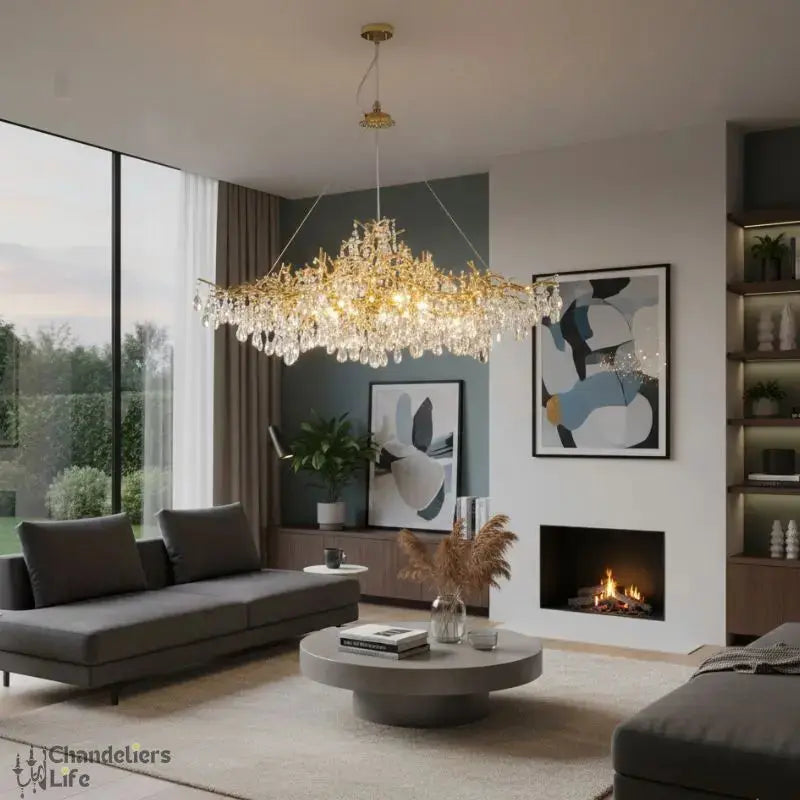

Picking out the right lights for your dining room can feel like a big deal, right? It’s not just about making things bright so you can see your food. The right dining room pendant light fixtures actually set the whole mood for your meals and conversations. Whether you're having a fancy dinner party or just a casual weeknight meal, the lighting makes a difference. We'll walk through how to pick the best ones for your space, so your dining area feels just right.
Key Takeaways
- Think about the size of your room and your dining table. A light that’s too big or too small can throw off the whole look and feel.
- Consider your ceiling height. This affects how low you can hang your dining room pendant light fixtures and what styles will work best.
- Match the style of your pendant light to your existing decor. It should feel like it belongs in your room, not like a random addition.
- Placement is important. Usually, you want the light centered over your table, not just the middle of the room.
- Don't forget about the light itself. Think about how bright you want it and if you need a dimmer for different occasions.
Understanding The Importance Of Dining Room Pendant Light Fixtures
Choosing the right lighting for your dining room is more than just picking something that looks pretty. It's about setting the whole mood for your meals and gatherings. Think about it: the dining room is often where we connect, share stories, and enjoy good food. The light fixture you choose plays a huge role in making that experience feel just right.
Setting The Mood And Ambiance
The kind of light you have can totally change how a room feels. A bright, harsh light might make a dinner feel more like a work meeting, while a softer, warmer glow can make everything feel cozy and intimate. Pendant lights are fantastic for this because you can often control their brightness. You can dim them down for a romantic dinner or brighten them up for family game night. It’s all about creating that perfect atmosphere for whatever you’re doing.
Enhancing Functionality And Comfort
Beyond just looks, your pendant light needs to actually work for you. It needs to provide enough light so everyone can see their food clearly, but without being blinding. If the light is too low, it can feel gloomy. If it's too high or too dim, it might be hard to read a menu or even just enjoy your meal comfortably. Getting the placement and brightness right makes the whole dining experience more pleasant and comfortable for everyone at the table.
Creating A Focal Point For Your Space
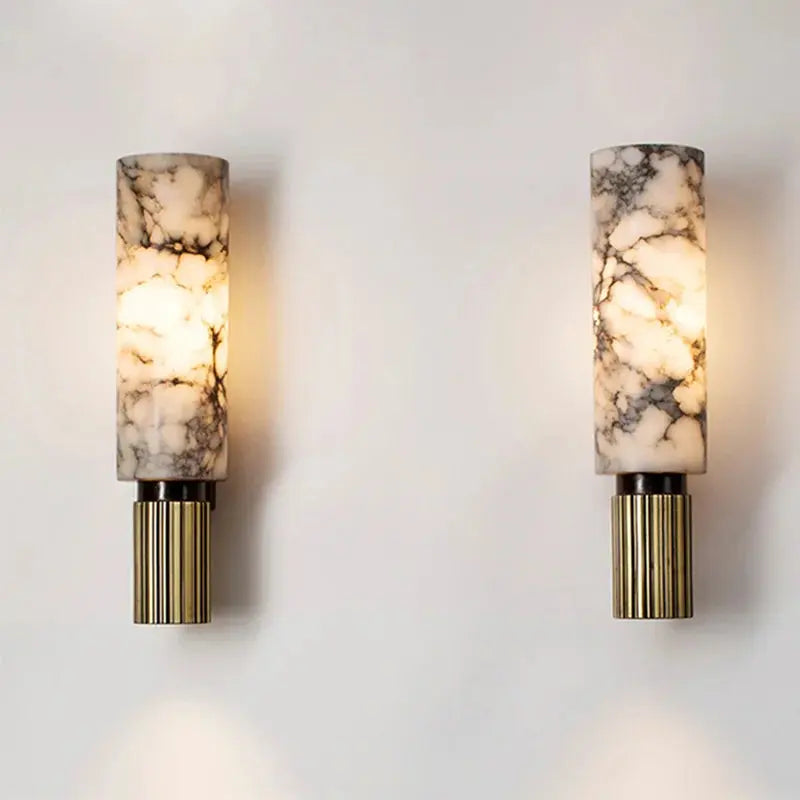
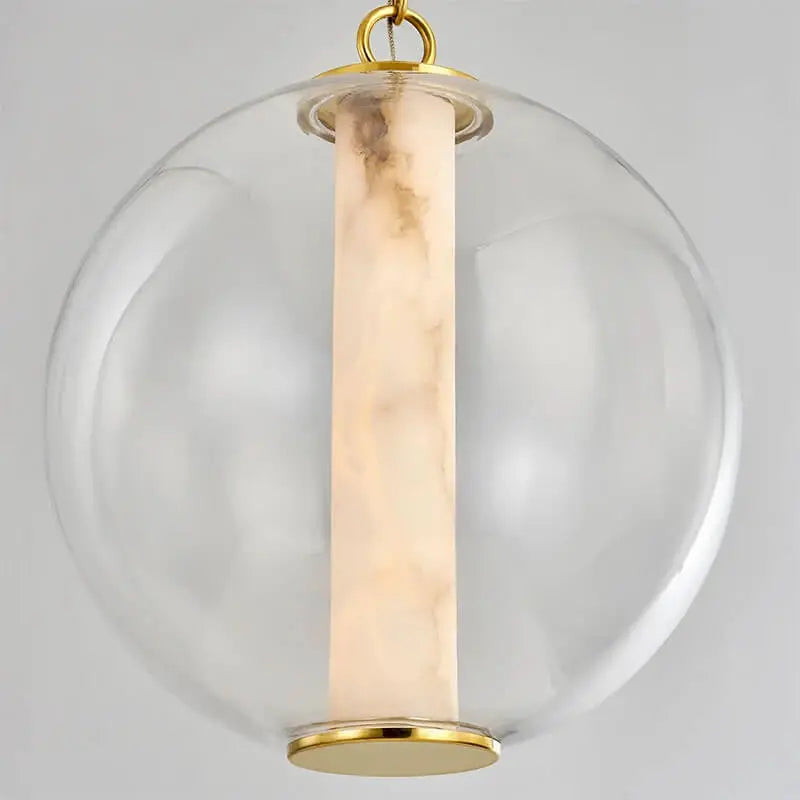
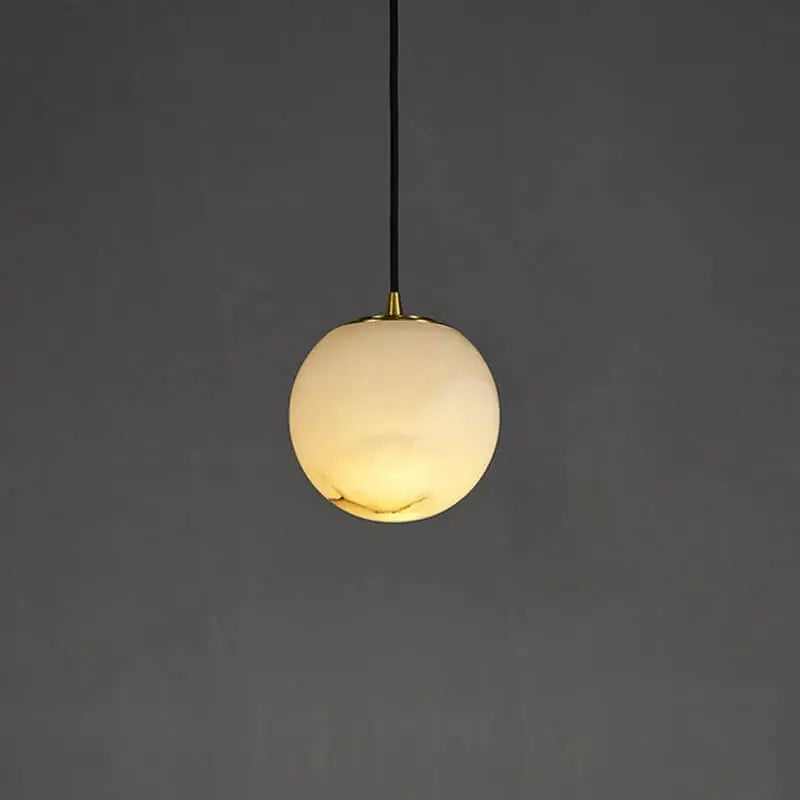
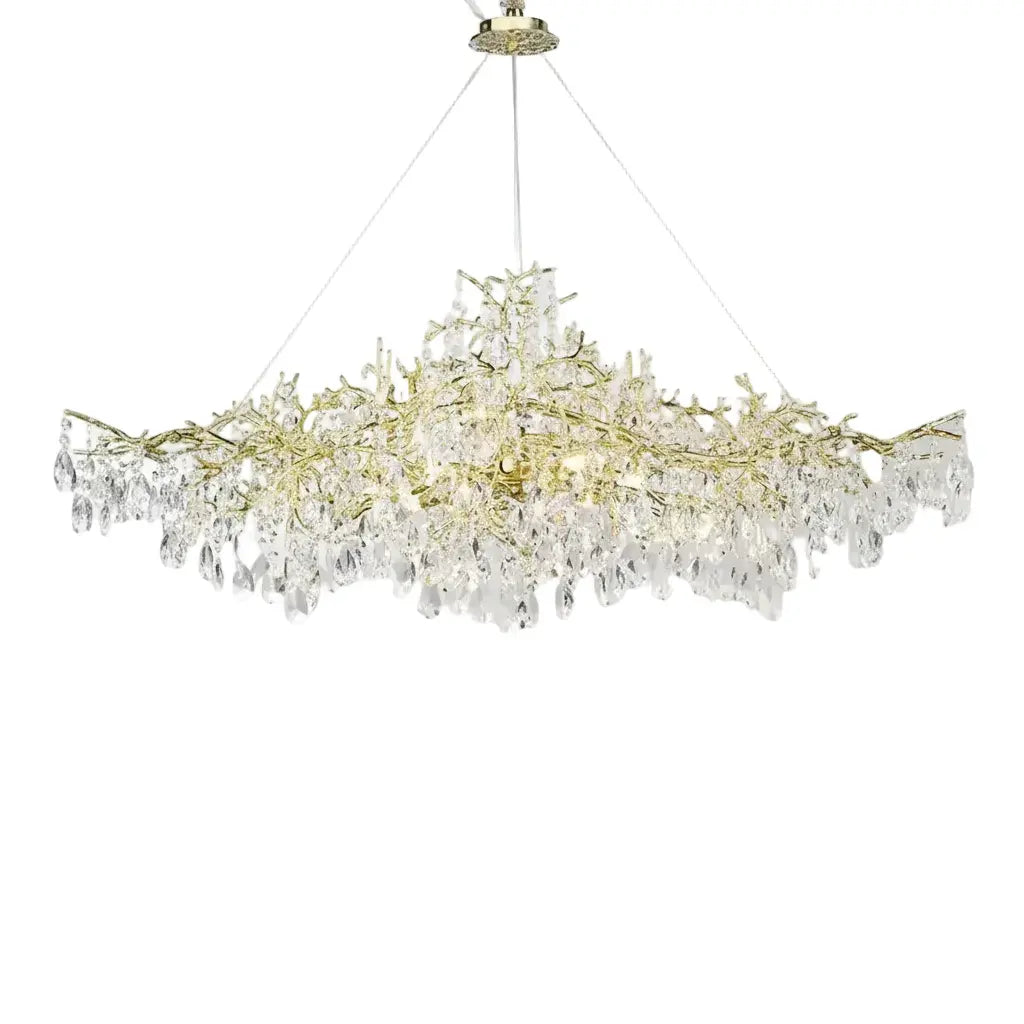
Your dining room pendant light can be the star of the show. It's often the first thing people notice when they walk in. A well-chosen fixture can draw the eye, add a splash of personality, and tie the whole room together. Whether you pick a single, dramatic piece or a cluster of smaller ones, it becomes a design element that really defines the space. It's like the jewelry for your dining room, adding that finishing touch that makes it feel complete. A beautiful Round Pendant Lamp can really transform the look of your dining area.
Assessing Your Space For The Perfect Pendant Light
Before you even start looking at pretty lights, let's get practical about your dining room. Picking out a pendant isn't just about looks; it's about making sure it actually works for your space and your life. You don't want to end up with something that's too big, too small, or just plain awkward. Thinking this through now saves a lot of headaches later.
Measuring Your Dining Room Dimensions
This is where we get a bit technical, but it's important. You need to know the size of your dining room, and more importantly, the size of your dining table. A light that's way too big can make a small room feel even smaller, and a tiny pendant over a huge table can look a bit lost. It's all about balance. A good starting point is to measure your table's length and width. Then, subtract about 12 inches from each measurement. This gives you a good idea of the ideal diameter for a single pendant or the total span for multiple fixtures.
Here's a quick guide:
- 48" x 36" Table: Aim for a fixture or group of fixtures spanning around 36 inches.
- 72" x 40" Table: Look for something around 60 inches wide.
- 96" x 48" Table: You'll likely need a fixture or arrangement that's about 84 inches across.
Considering Table Size And Shape
Your table is the anchor of the dining room, so the light needs to relate to it. A long, rectangular table might look great with a linear fixture or a series of pendants spaced out evenly. A round table, on the other hand, often suits a single, central pendant. Think about how the light will spread and if it will cover the entire surface of your table without leaving dark spots. You want the light to feel like a natural extension of the table, not an afterthought.
Evaluating Ceiling Height And Clearance
Ceiling height plays a big role in how a pendant looks and functions. In rooms with lower ceilings, you'll want to choose a more streamlined fixture to avoid making the space feel cramped. For higher ceilings, you have more flexibility and can opt for larger or more dramatic pendants. Always check the minimum and maximum hanging height of any fixture you're considering. You need enough clearance so people don't bump their heads when walking by, especially if the table isn't always centered under the light. A good rule of thumb is to have at least 30-36 inches of space between the tabletop and the bottom of the pendant light fixture.
Don't forget to think about the overall vibe you're going for. Is your room cozy and inviting, or more formal and sophisticated? The light fixture should match that feeling. If you have dark wood furniture, maybe a warm metal tone like brass would be nice. If your room is modern and clean, a sleek, minimalist design might be better. It should feel like it belongs.
Exploring Styles Of Dining Room Pendant Light Fixtures
Choosing the right pendant light for your dining room is a big deal. It's not just about brightness; it's about setting the mood and tying your whole space together. Let's look at some popular styles that can really change how your dining area feels.
Single Statement Pendants
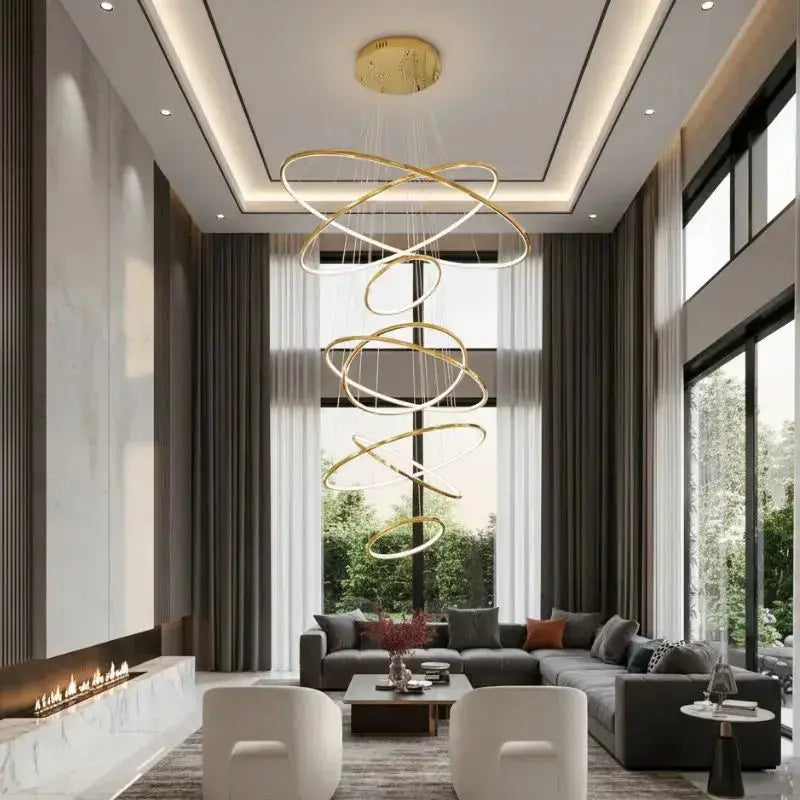
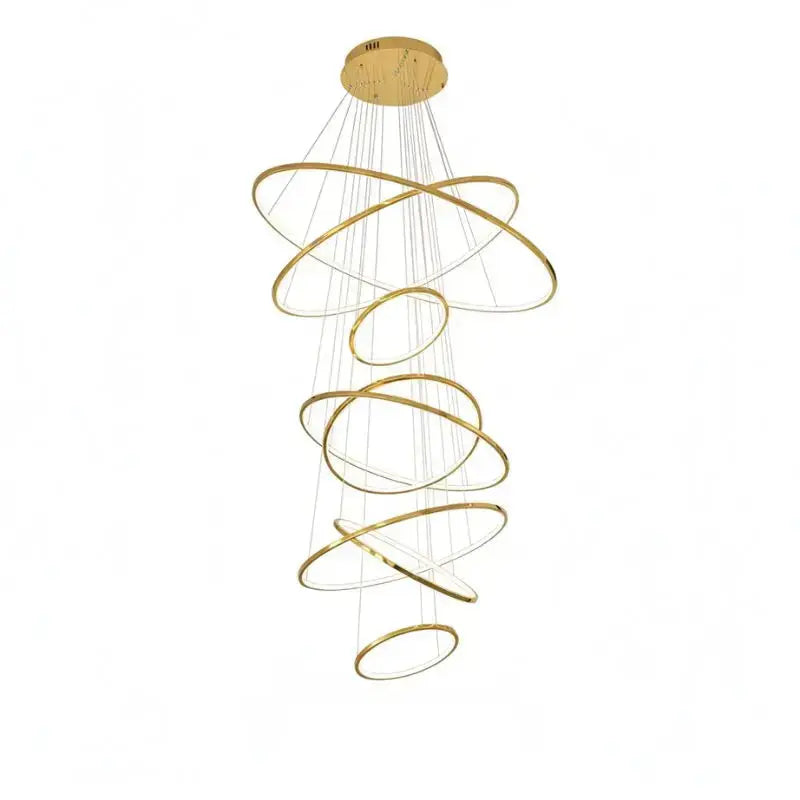
A single pendant light can act as the star of your dining room. It's perfect for smaller tables or when you want a clean, minimalist look. These fixtures can range from simple and understated to bold and eye-catching designs. Think of a sleek, modern fixture with clean lines or a more ornate piece that adds a touch of classic elegance. This is your chance to make a real statement. For a truly modern look, consider something like a LED Spiral Hanging Light Fixture.
Clustered And Multi-Light Pendants
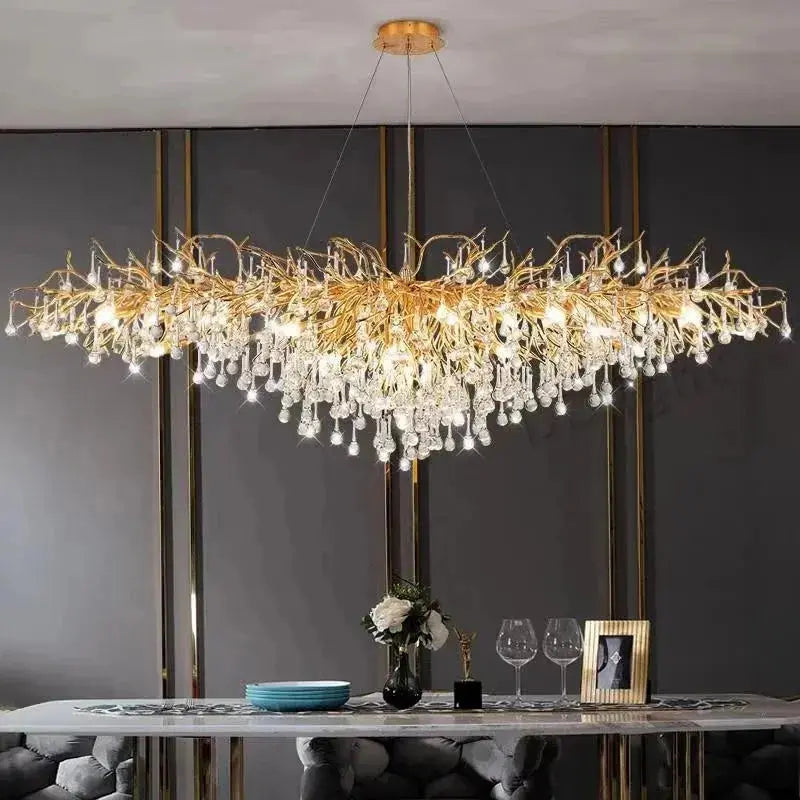
If you have a longer table or a larger space to fill, clustered or multi-light pendants are a fantastic option. Grouping multiple pendant lights together creates a dramatic visual impact and provides great illumination. Multi-light pendants, which feature several light sources within a single fixture, offer a unique and modern look while ensuring even light distribution over any size table. This setup is great for providing ample, even light.
Pendants That Complement Your Decor
Your dining room light should feel like a natural part of your home's story, not an afterthought. Consider your existing decor when choosing a pendant.
- Modern & Contemporary: If your home leans towards clean lines and a minimalist vibe, look for fixtures with geometric shapes and materials like brushed metal, glass, or concrete.
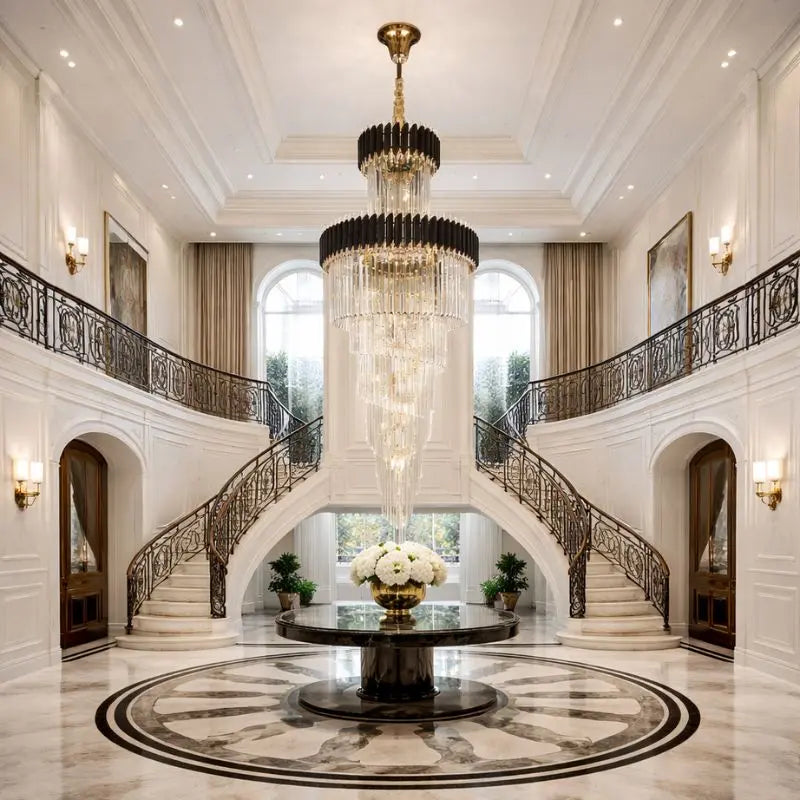
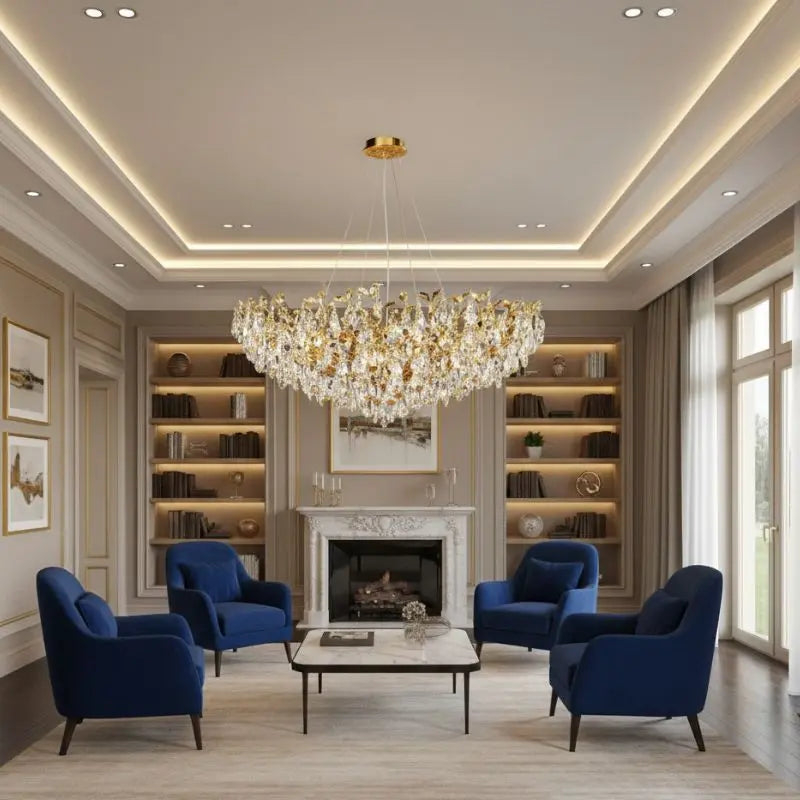
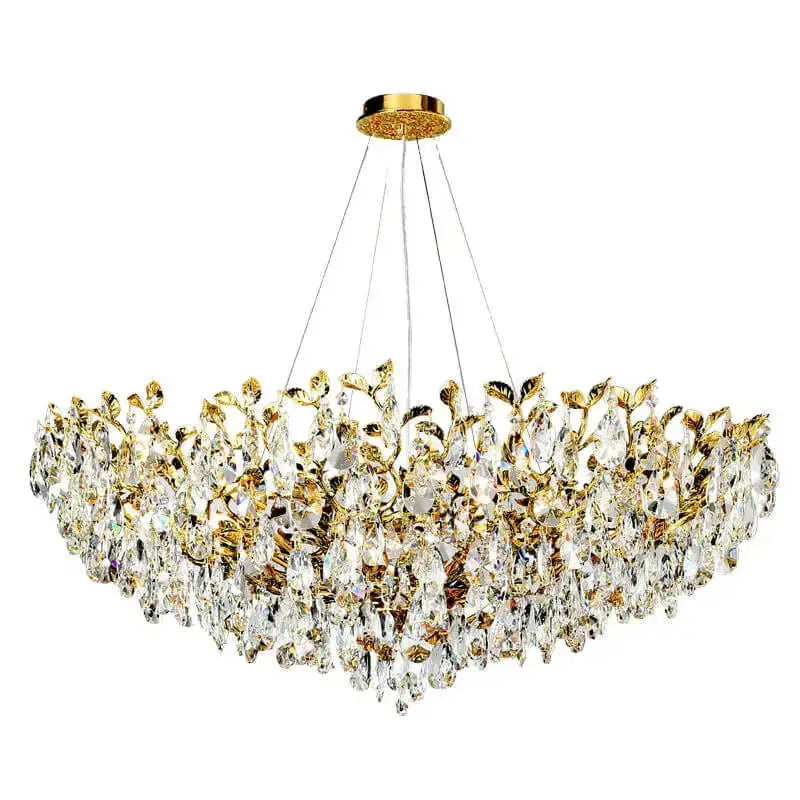
- Traditional & Classic: For a timeless feel, opt for designs with ornate details, rich finishes, and a sense of grandeur. Crystal chandeliers are a classic choice here.
- Rustic & Farmhouse: If you love a cozy, inviting atmosphere, these styles often incorporate natural materials like wood, distressed metals, and simple glass shades. Edison bulb pendants offer a warm, industrial-chic look.
- Bohemian: This style is all about personality and a relaxed vibe. Think unique textures, vibrant colors, or handcrafted elements like macrame or colorful glass.
The goal is to make your dining area a place where you and your guests feel comfortable and happy, whether you're having a fancy dinner or just a weeknight meal. Don't be afraid to play around with different ideas until you find that perfect fixture that makes your dining room truly shine. Choosing stylish fixtures can really make a difference.
Determining The Ideal Size And Placement
Getting the size and placement of your dining room pendant light just right is super important. It's not just about looks, though that's a big part of it. It's also about how the light actually works in your space and how comfortable everyone feels. Mess this up, and your whole dining area can feel a bit off, either too cramped or too sparse.
Fixture Size Relative To Table Width
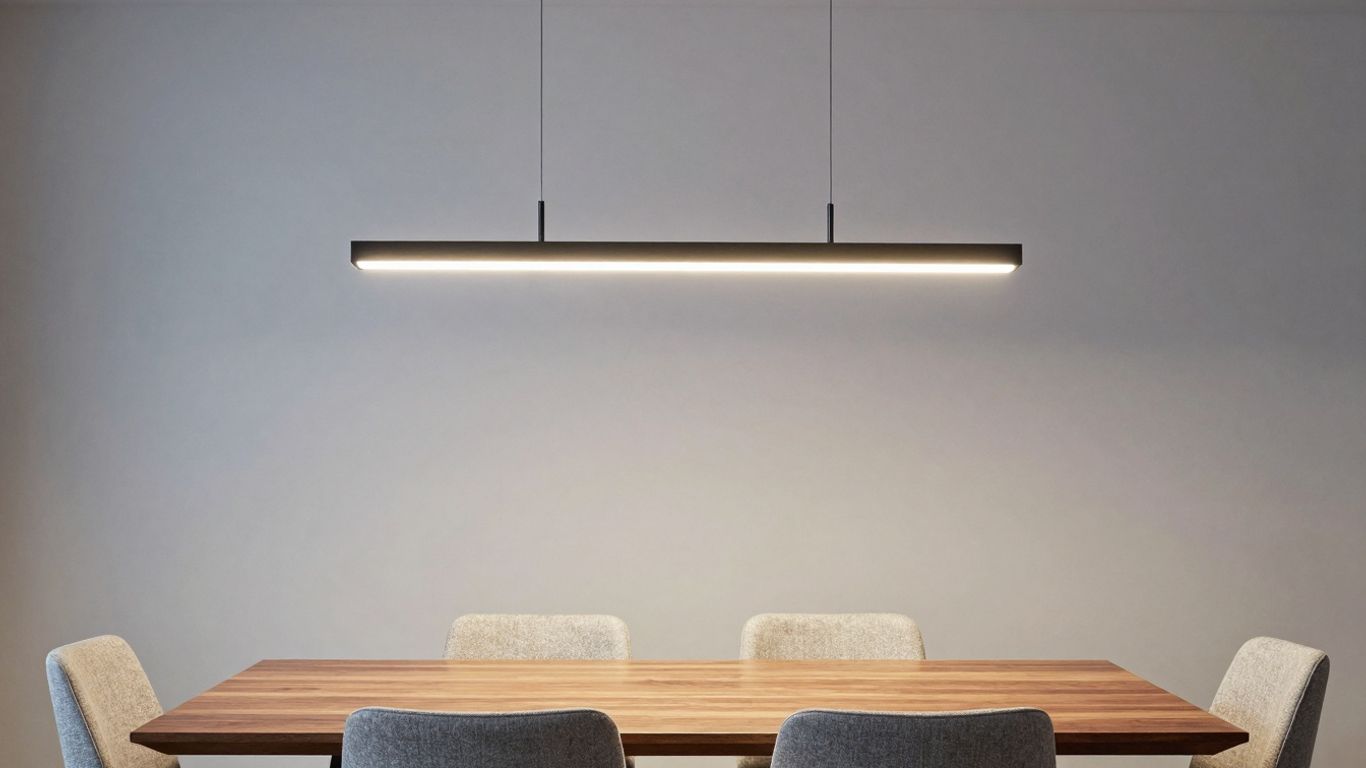
This is where a little math can go a long way. You don't want a pendant that's so huge it overpowers your table, nor one so tiny it gets lost. A good rule of thumb is to measure your table's width. Then, aim for a pendant (or the combined width of multiple pendants) that's about one-third to one-half of that width. For example, if your table is 60 inches wide, a pendant around 20 to 30 inches in diameter would likely be a good fit. If you have a rectangular table, a linear pendant fixture that spans a good portion of its length can also work really well, distributing light evenly.
- Rectangular Tables: Consider linear pendants or a series of smaller, evenly spaced pendants.
- Round Tables: A single, round pendant often creates a harmonious look.
- Oval Tables: These can work with either round or linear fixtures, depending on the overall room style.
Remember, these are starting points. Always consider the visual weight of the fixture and the overall room proportions.
Optimal Hanging Height Above The Table
This is another area where getting it right makes a big difference. You want the light to shine down on your food and table, not into your guests' eyes. Generally, the bottom of the pendant should hang about 30 to 36 inches above the tabletop. This height usually gives enough clearance for people to stand up without bumping their heads, while still providing focused light. If you have really high ceilings, you might need a longer chain or rod to bring the light down to that optimal zone. Conversely, with lower ceilings, you might want to err on the higher side of that range to avoid making the room feel smaller.
Centering The Fixture Over Your Table
Most of the time, centering the pendant directly over the dining table makes the most sense. It creates a natural focal point and anchors the dining area, especially in open-plan homes. However, if your table isn't perfectly centered in the room, or if you have an architectural feature you want to highlight elsewhere, you might adjust the placement. Sometimes, the junction box for the wiring isn't exactly where you want the light. Don't let that stop you! You can often use a ceiling canopy or a pendant swivel to reposition the fixture slightly without needing to rewire the whole thing. It's all about making the light work for your specific layout and dining room design.
- Visual Balance: Center over the table for a clear focal point.
- Room Layout: Adjust if the table isn't centered or if another feature needs highlighting.
- Junction Box Issues: Use canopies or swivels for minor repositioning.
Material And Finish Considerations For Pendants
The materials and finishes you choose for your dining room pendant light fixture play a huge role in its overall look and how it holds up over time. It's not just about aesthetics; durability and maintenance are big factors too. Think about what kind of vibe you're going for and how the fixture will interact with your existing decor.
Matching Metals To Your Existing Decor
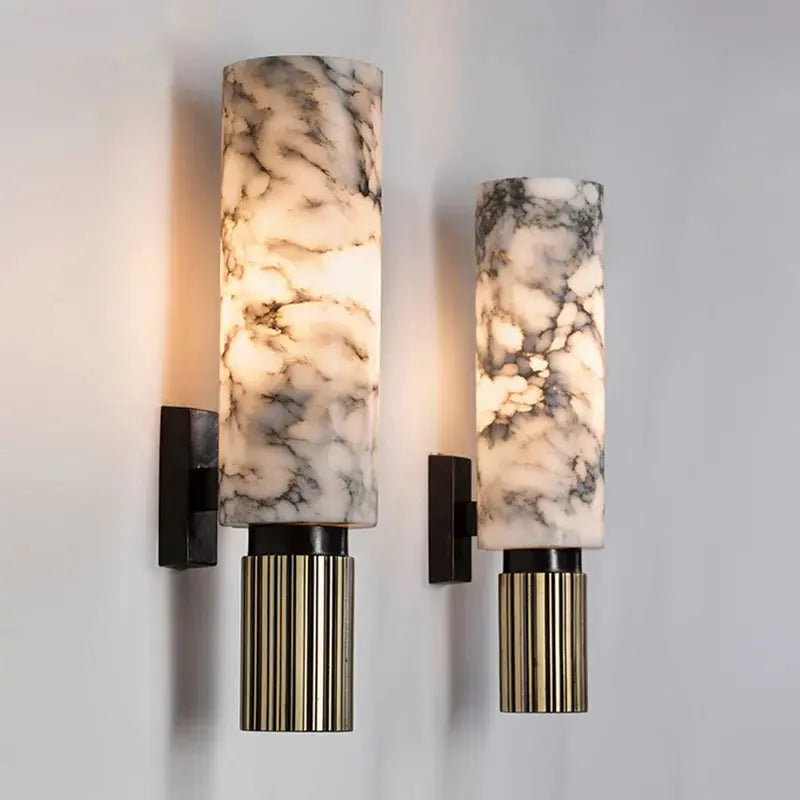
Metals are a popular choice for pendant lights, and the finish can really change the feel of the fixture. If your kitchen hardware, furniture legs, or other accents are a certain metal, try to coordinate. For a modern, clean look, brushed nickel or chrome are great. Polished brass brings a classic, elegant touch, while matte black offers a contemporary, industrial feel. Oil-rubbed bronze adds warmth and a rustic charm. Consider the overall color palette of your room when selecting metal finishes. For instance, a fixture with warm metal tones like brass or bronze might pair nicely with dark wood furniture, whereas a sleek, minimalist fixture would fit better in a modern setting. You can find a wide selection of wall lights that incorporate many of these materials and styles.
Glass, Wood, And Other Material Choices
Beyond metals, materials like glass, wood, and even fabric can significantly impact your pendant's style and light quality. Clear or frosted glass shades offer different levels of light diffusion. Crystal can add a touch of sparkle and luxury, like in some modern chandeliers. Wood elements bring an earthy, cozy feel, perfect for more rustic or Scandinavian-inspired spaces. Wrought iron can lend an old-world, artisanal look. When choosing, think about the visual weight – open designs and clear materials feel lighter, while opaque shades or intricate details add more presence.
Durability And Maintenance Of Finishes
Some finishes are more forgiving than others when it comes to daily life. Matte finishes, for example, tend to hide fingerprints and smudges better than high-gloss ones. For areas prone to grease or dust, like a dining room, consider materials that are easy to wipe down. Metal finishes like brushed nickel or powder-coated options are generally quite durable. If you opt for something like crystal, be prepared for a bit more careful cleaning. It's a good idea to check manufacturer recommendations for cleaning and care to keep your fixture looking its best for years to come.
Achieving The Right Illumination With Your Pendant
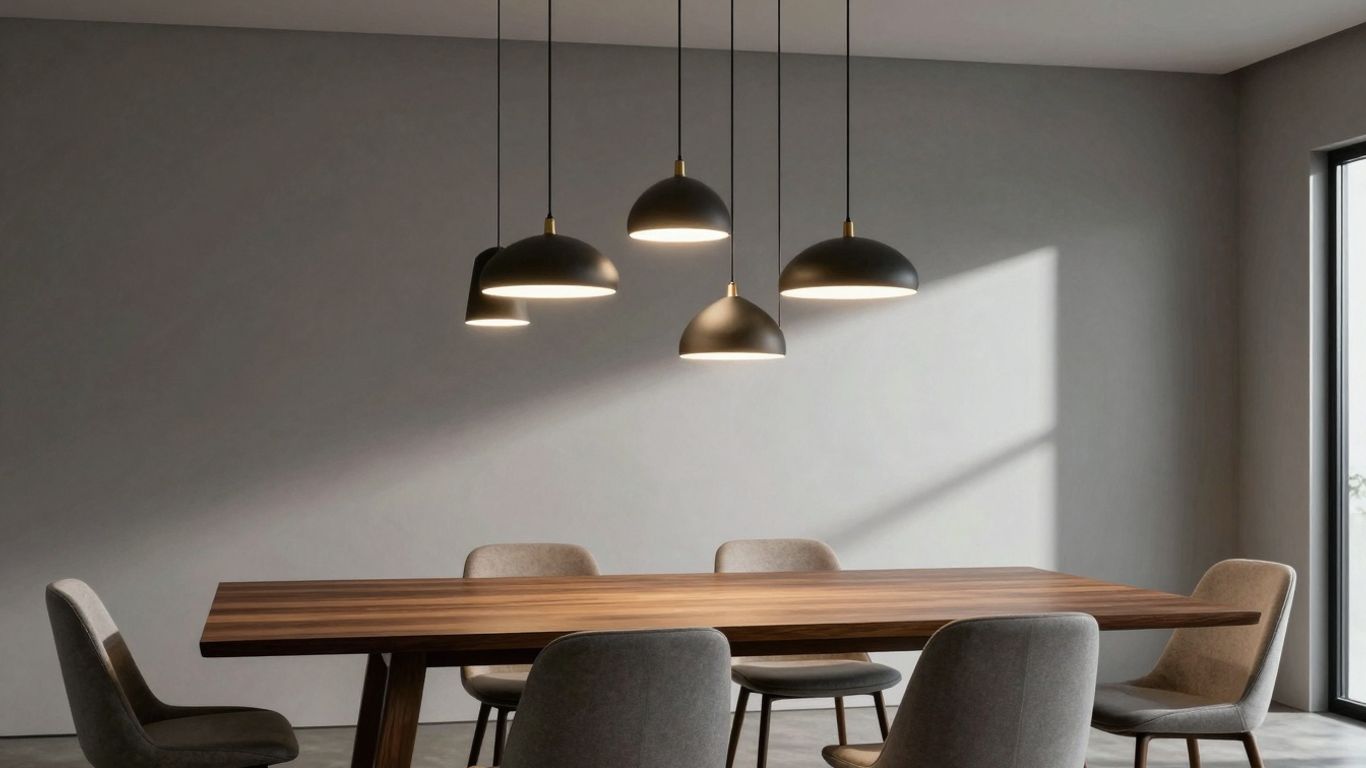
So, you've picked out a pendant that looks amazing. That's half the battle, right? But now, let's talk about making sure it actually lights up your dining room the way you want it to. It's not just about having a light on; it's about creating the right atmosphere for everything from weeknight dinners to holiday feasts. Getting the light right can really make or break the feel of your space.
Understanding Light Diffusion and Brightness
When you're looking at pendant lights, you'll notice they give off light differently. Some have shades that spread the light out softly, making the whole room feel cozy. Others have open bulbs that shine light more directly. Think about what you do at your dining table. If you need to read menus or see your food clearly, you'll want a fixture that provides good, direct light. If you're more about setting a mood, a softer, diffused light might be better. The goal is to balance visibility with ambiance.
Layering Light for Different Occasions
Your dining room probably isn't used for just one thing. You might have a formal dinner party one night and a casual game night the next. That's where layering light comes in handy. While your pendant is the star, consider if you need other light sources. Maybe some wall sconces for softer background light, or even a dimmer switch for your pendant. This way, you can adjust the lighting to fit the occasion. It’s like having a lighting wardrobe for your dining room.
Choosing Dimmable Options for Versatility
Honestly, if you can, get a dimmable pendant. It’s a game-changer. You can have bright light for doing homework or prepping food, and then dim it way down for a romantic dinner or a relaxed evening. It gives you so much control over the mood. Many modern fixtures, like some LED pendant chandeliers, come with dimming features, often controlled by a remote. This flexibility means your pendant can adapt to whatever you're doing at the table, making it a truly functional piece of decor.
Think about the kind of light you want. Is it warm and inviting, or bright and functional? The shade material, the bulb type, and the fixture's design all play a part in how the light behaves. Don't just pick the prettiest one; pick the one that will make your dining experience better.
Wrapping It Up
So, picking out the right hanging lights for your dining room is a pretty big deal. It's not just about making things bright; it's about setting the whole mood for your space. We've gone over how to think about your room's size, what style fits your vibe, and how to get the height just right. Remember, the goal is to make your dining area a place where you and your guests feel comfortable and happy, whether you're having a fancy dinner or just a weeknight meal. Don't be afraid to play around with different ideas until you find that perfect fixture that makes your dining room truly shine.
Frequently Asked Questions
How do I know what size pendant light to get for my dining table?
Think about your table's size first. A good rule of thumb is that your light fixture should be about half to two-thirds the width of your table. For example, if your table is 60 inches wide, a fixture around 30 to 40 inches wide would likely look best. This helps the light feel balanced and not too big or too small.
How high should I hang a pendant light over my dining table?
Generally, you want the bottom of the pendant to be about 30 to 36 inches above the tabletop. This height is usually good for most standard 8-foot ceilings. If your ceiling is taller, you might hang it a bit higher, but make sure it's not so high that the light doesn't shine down well on your table or that people can bump their heads.
Should the pendant light be centered over the room or the table?
Always center the pendant light directly over your dining table, not the middle of the whole room. Your table might not be in the exact center of the room, and that's okay! The light fixture should focus on your dining area to create a clear focal point.
What's the difference between single, clustered, and multi-light pendants?
A single pendant is one light, great for smaller tables or a simple look. Clustered pendants are several lights grouped together, adding a dramatic flair and good for longer tables. Multi-light pendants have several bulbs within one fixture, offering a modern look and plenty of light.
How do I pick a pendant material and finish that matches my room?
Look at the other metals and finishes in your dining room. If you have brushed nickel hardware on your cabinets, a pendant with a similar finish might work well. For a warmer feel, brass or bronze finishes can be nice. Also, consider glass, wood, or fabric shades depending on the style you want – clear glass for a bright look, wood for a natural feel, or fabric for softer light.
Can I use a dimmer switch with my dining room pendant light?
Absolutely! Using a dimmer switch is a fantastic idea. It lets you change the light's brightness for different occasions. You can have it bright for homework or games, and then dim it down for a cozy dinner or movie night. Just make sure the pendant light and the dimmer switch are compatible.