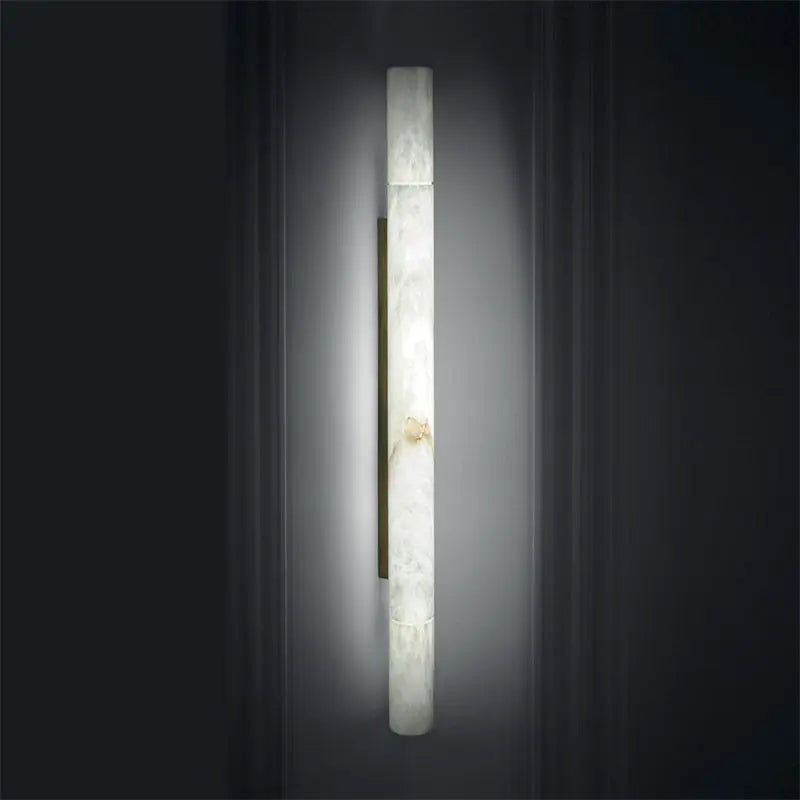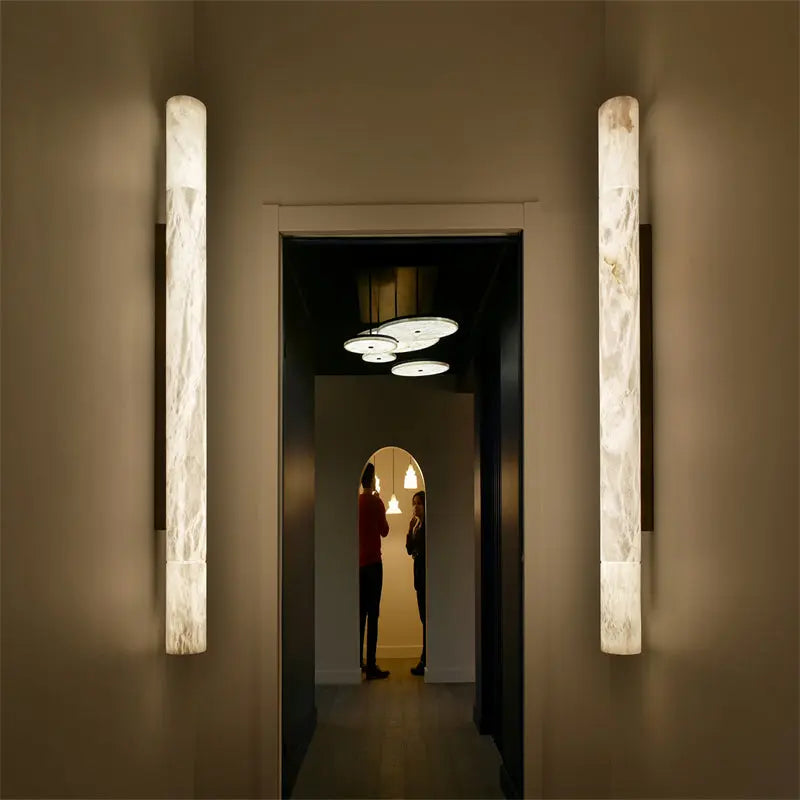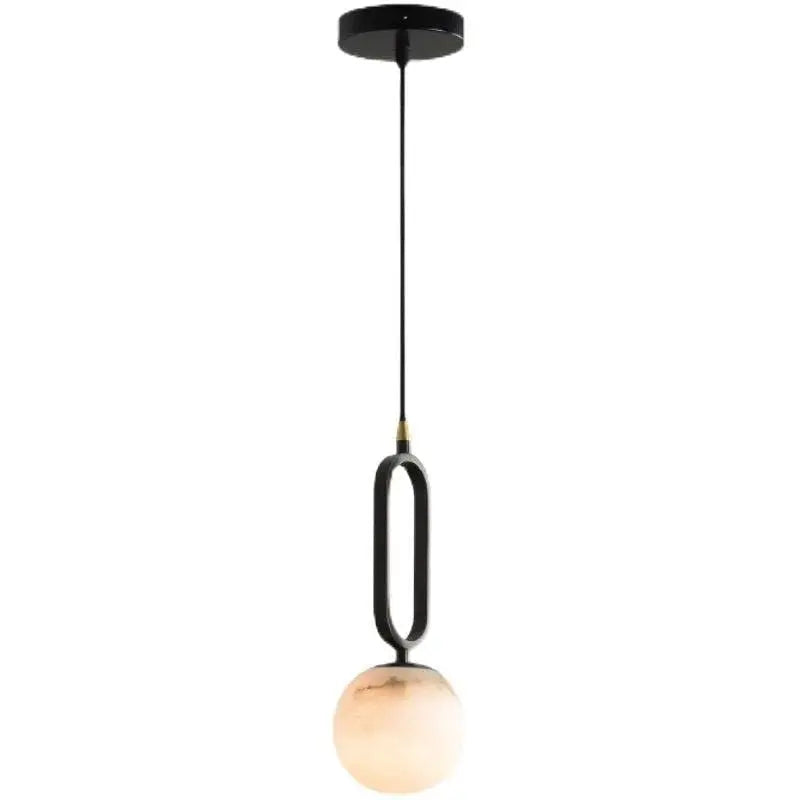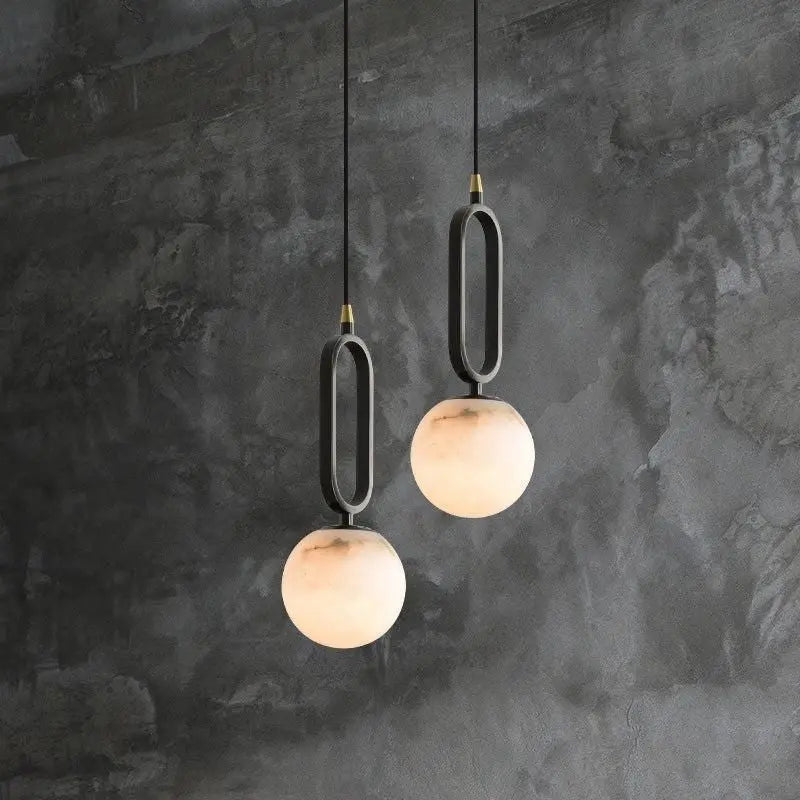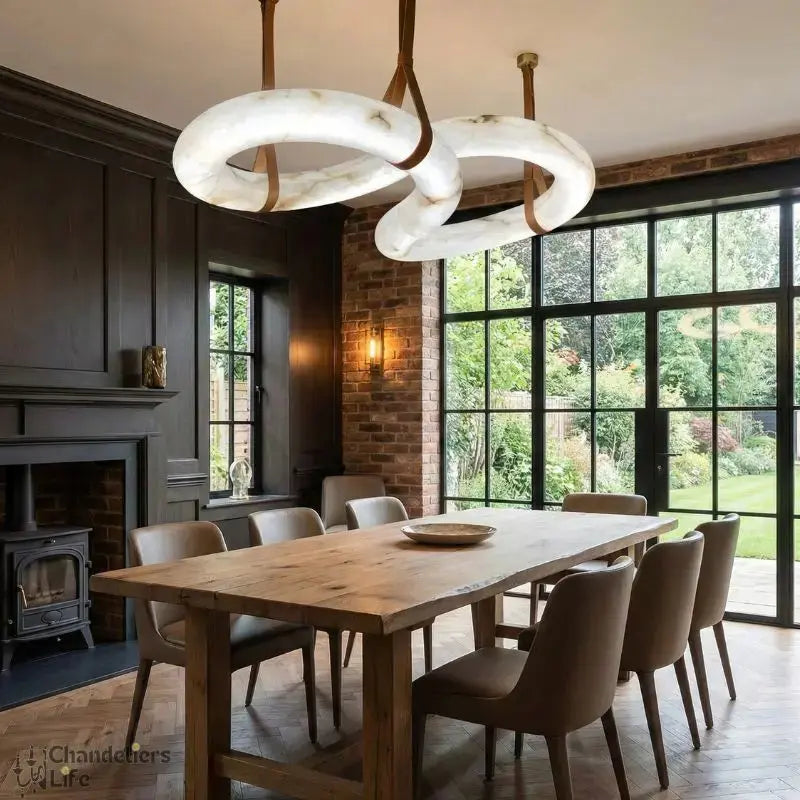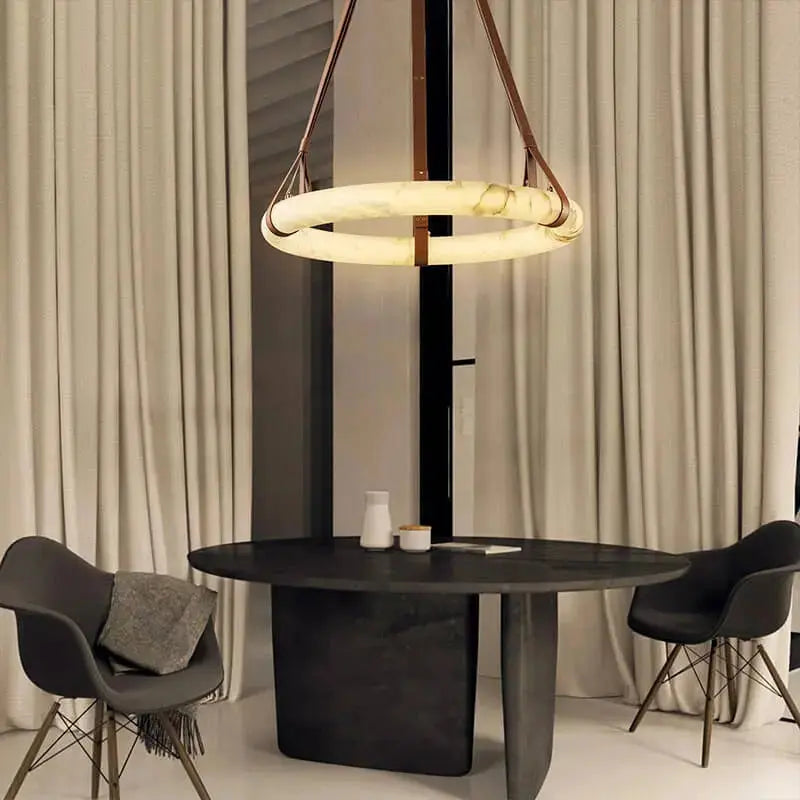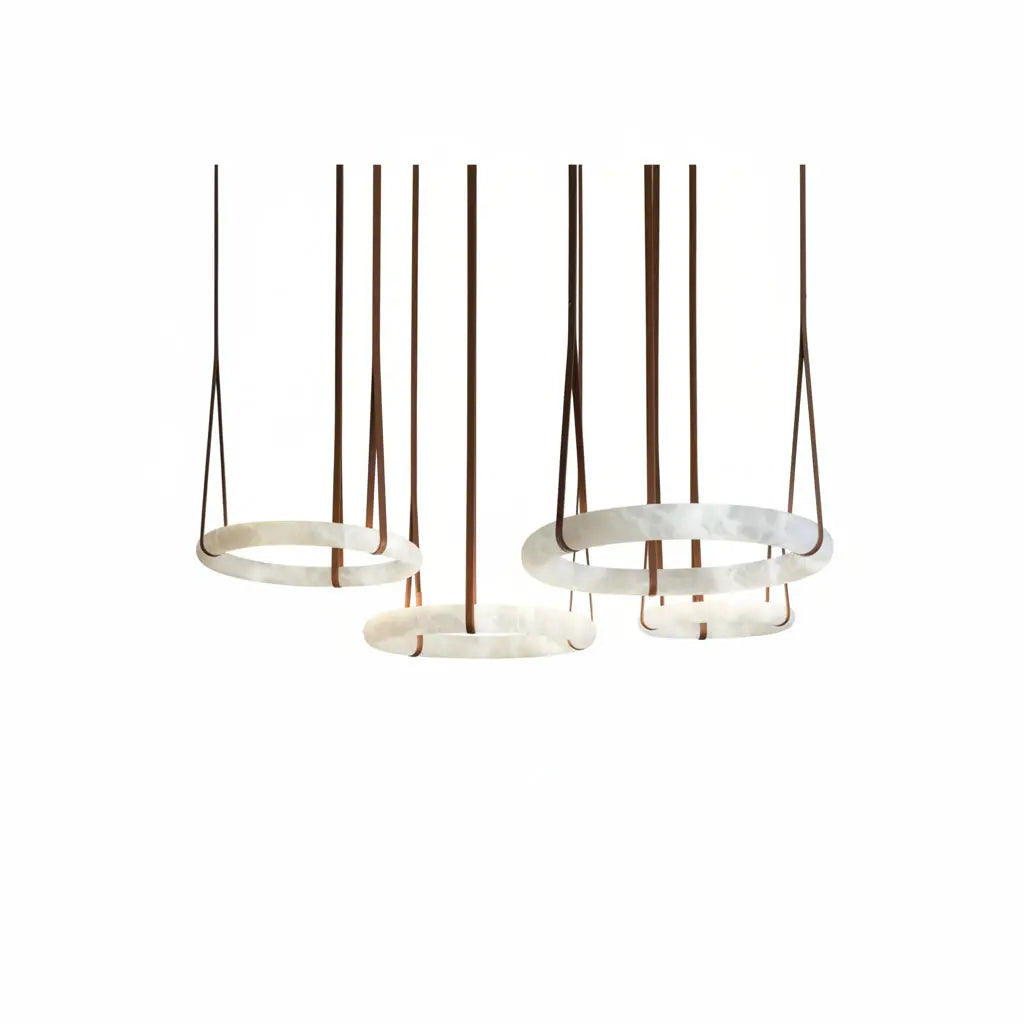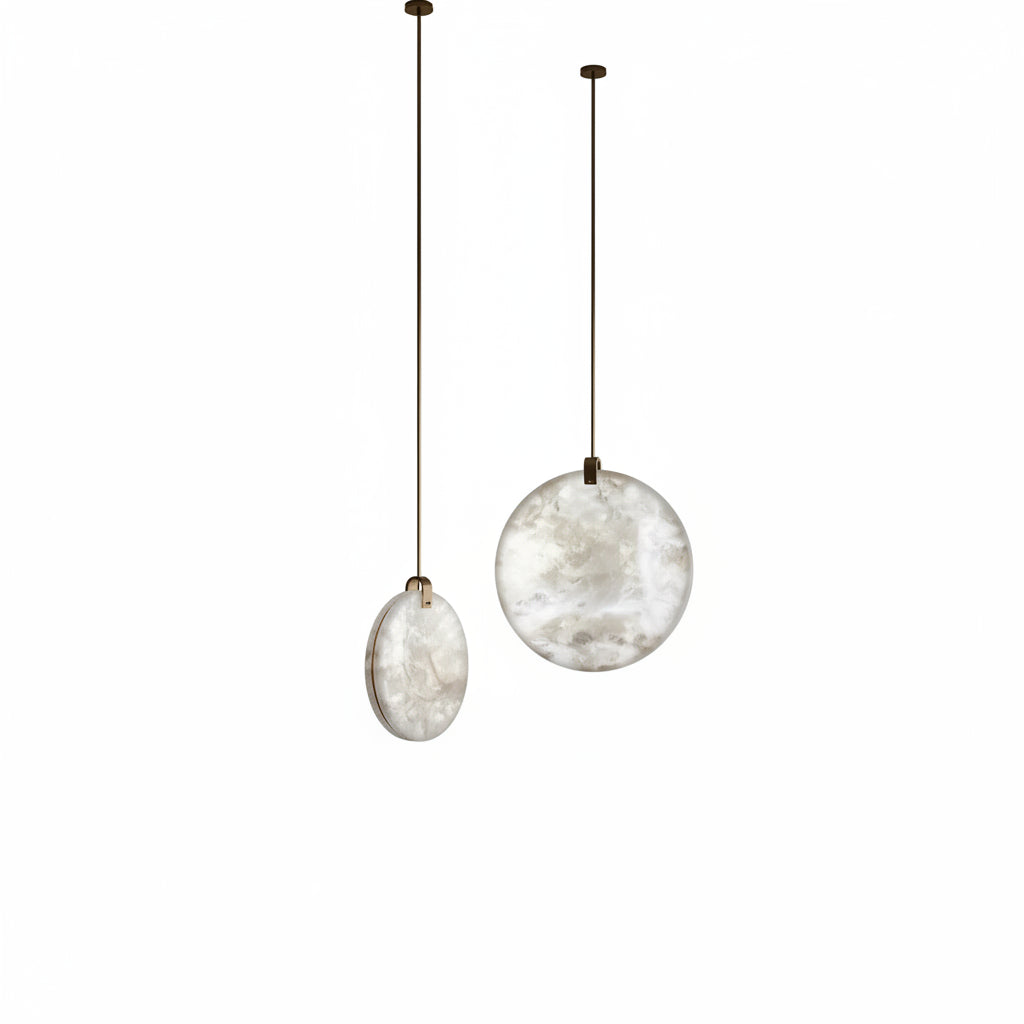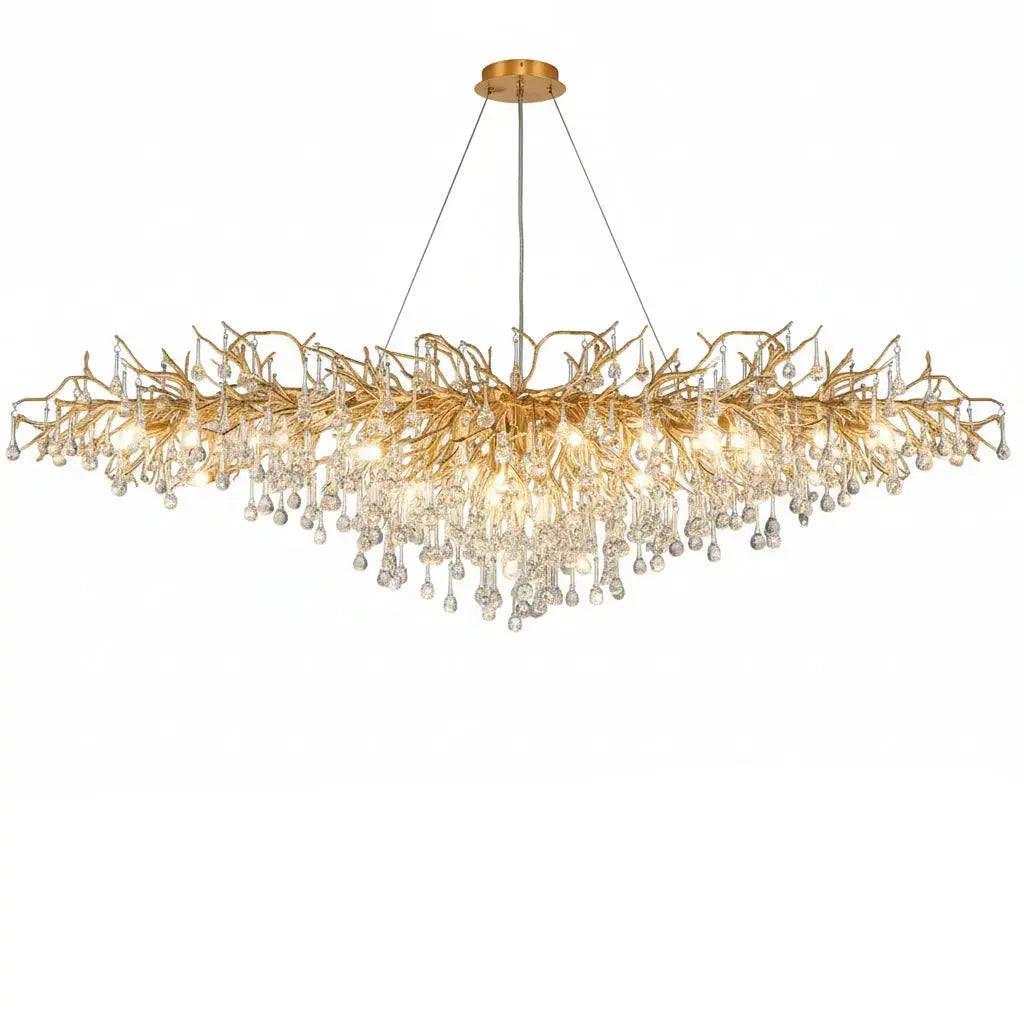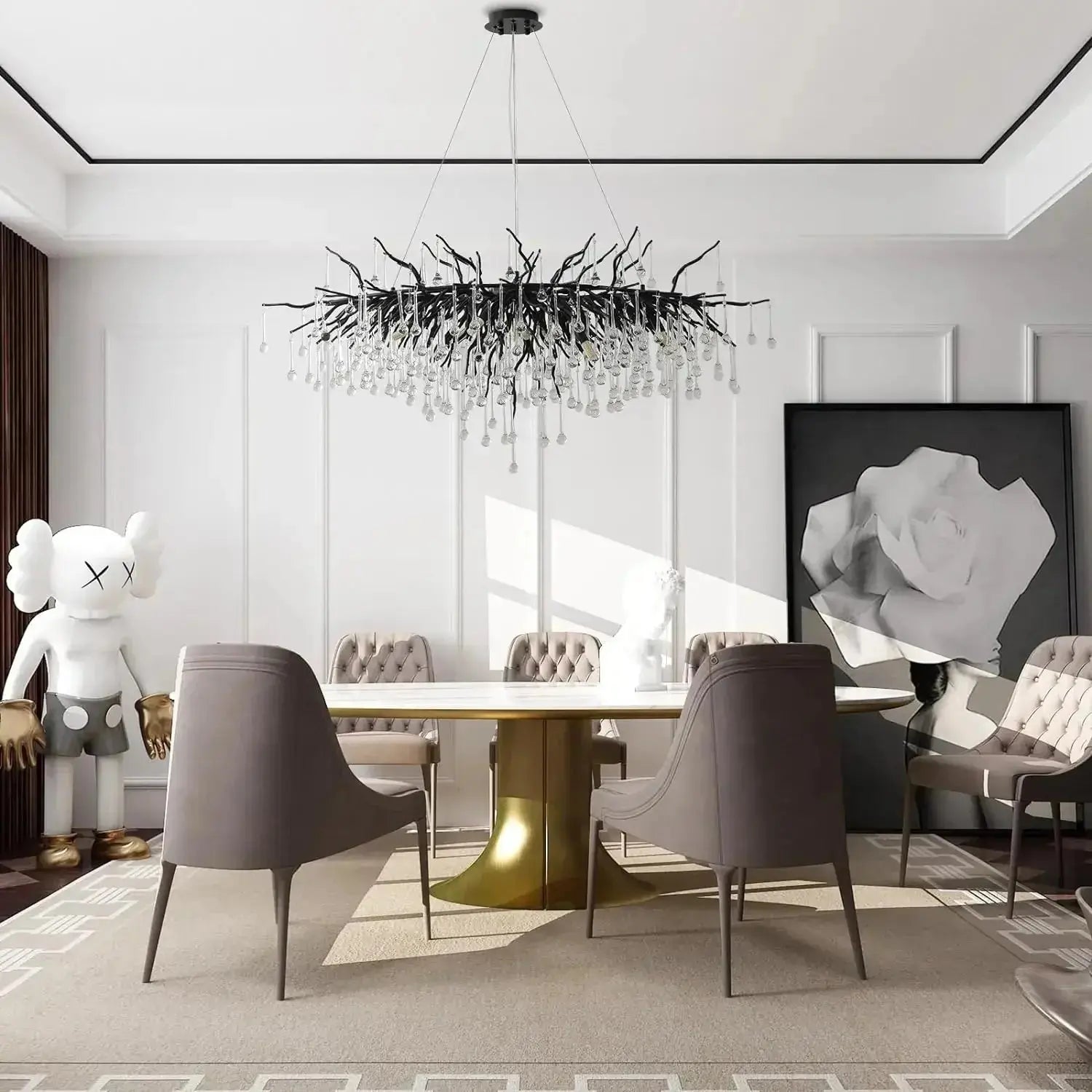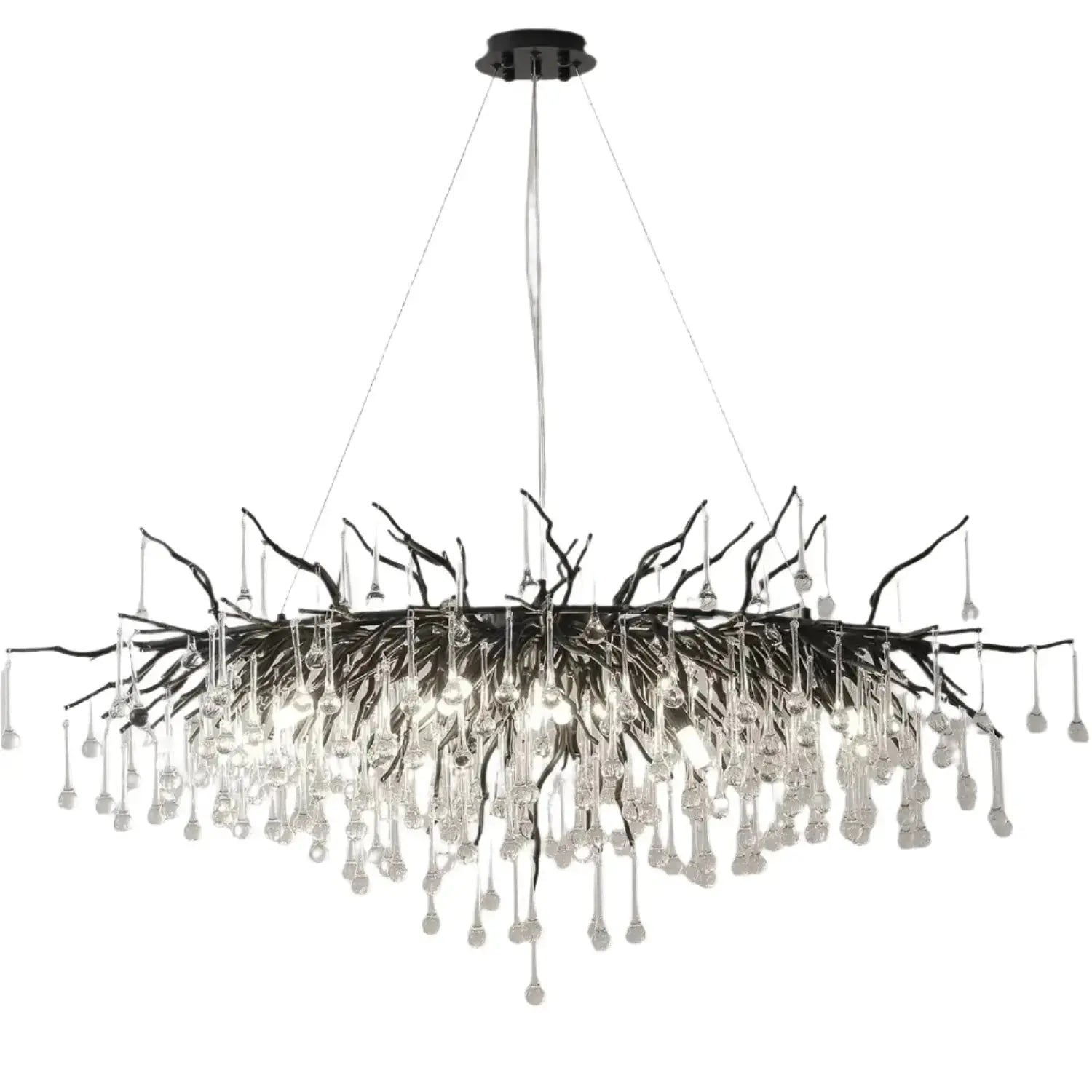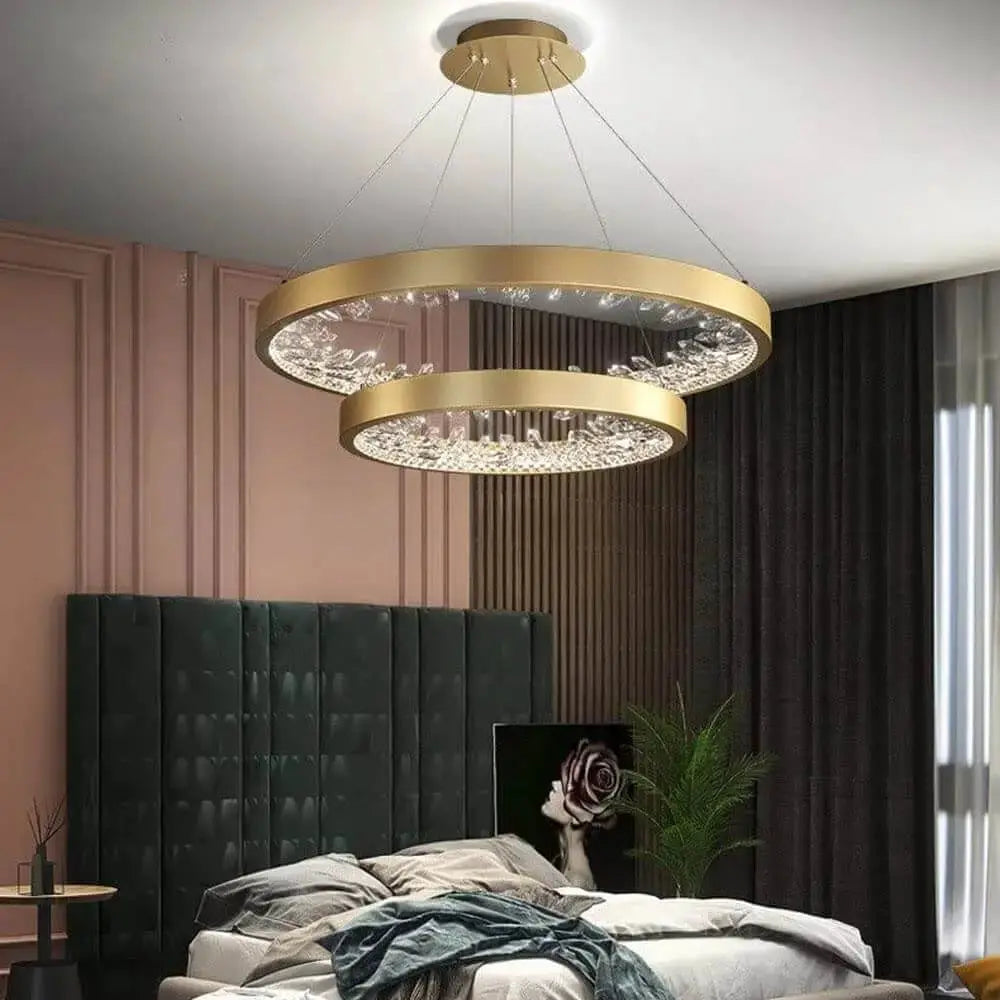
A well-chosen alabaster chandelier changes a room before you even switch it on. The stone has a quiet presence that feels richer than glass and warmer than metal alone, which is why it has become such a sought-after choice for design-led interiors. If you want lighting that reads as elevated, sculptural and enduring rather than purely decorative, alabaster is one of the most compelling materials to bring into your home.
Why an alabaster chandelier feels different
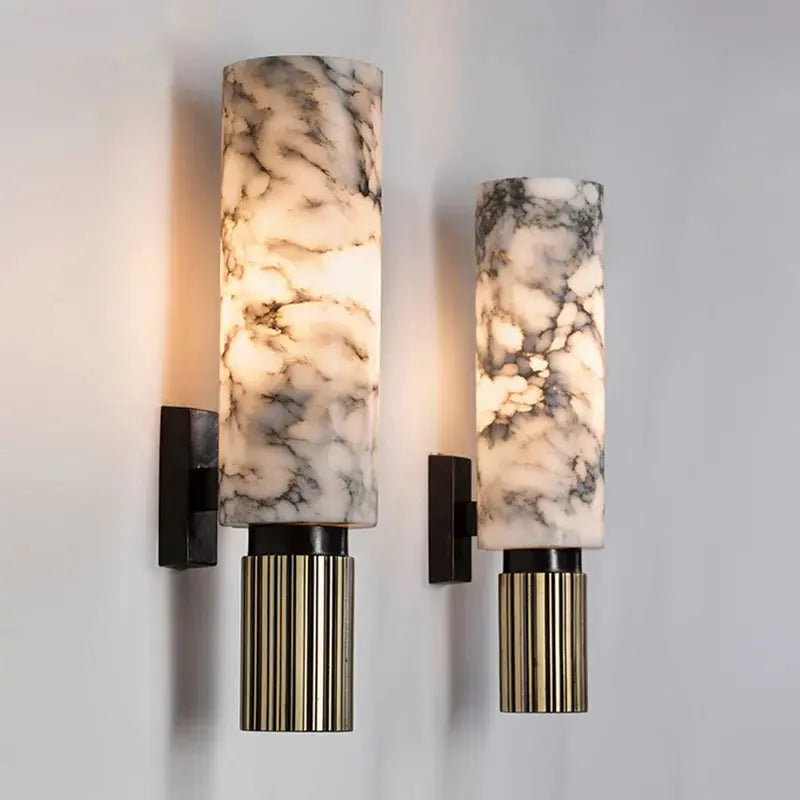
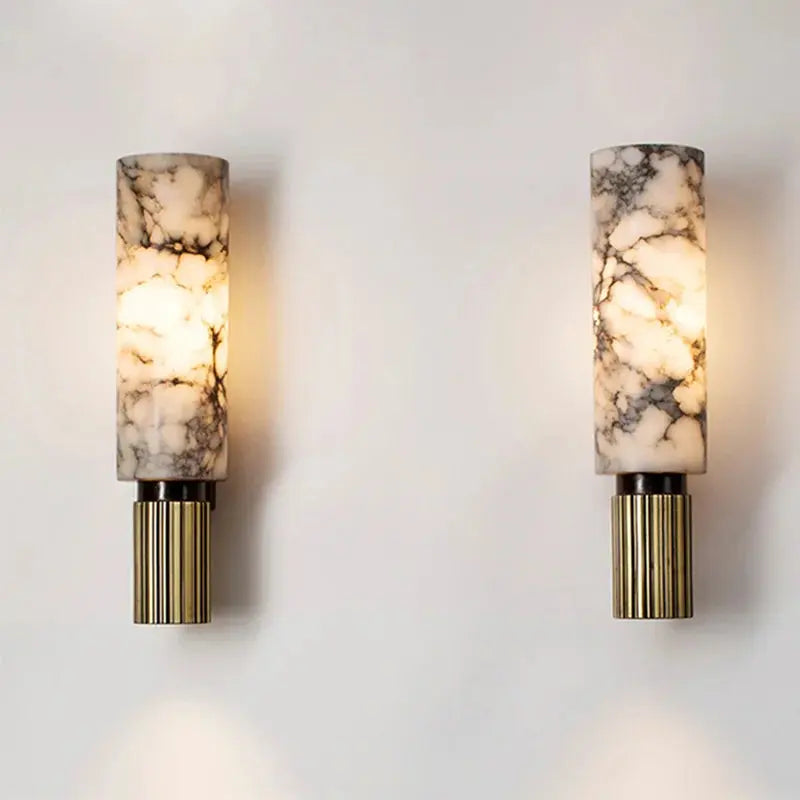
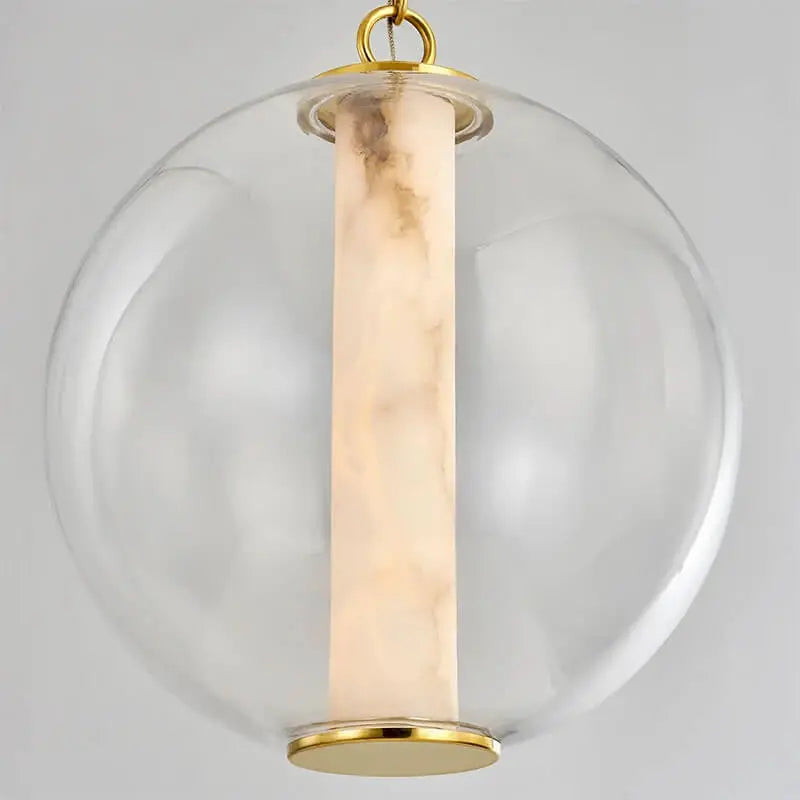
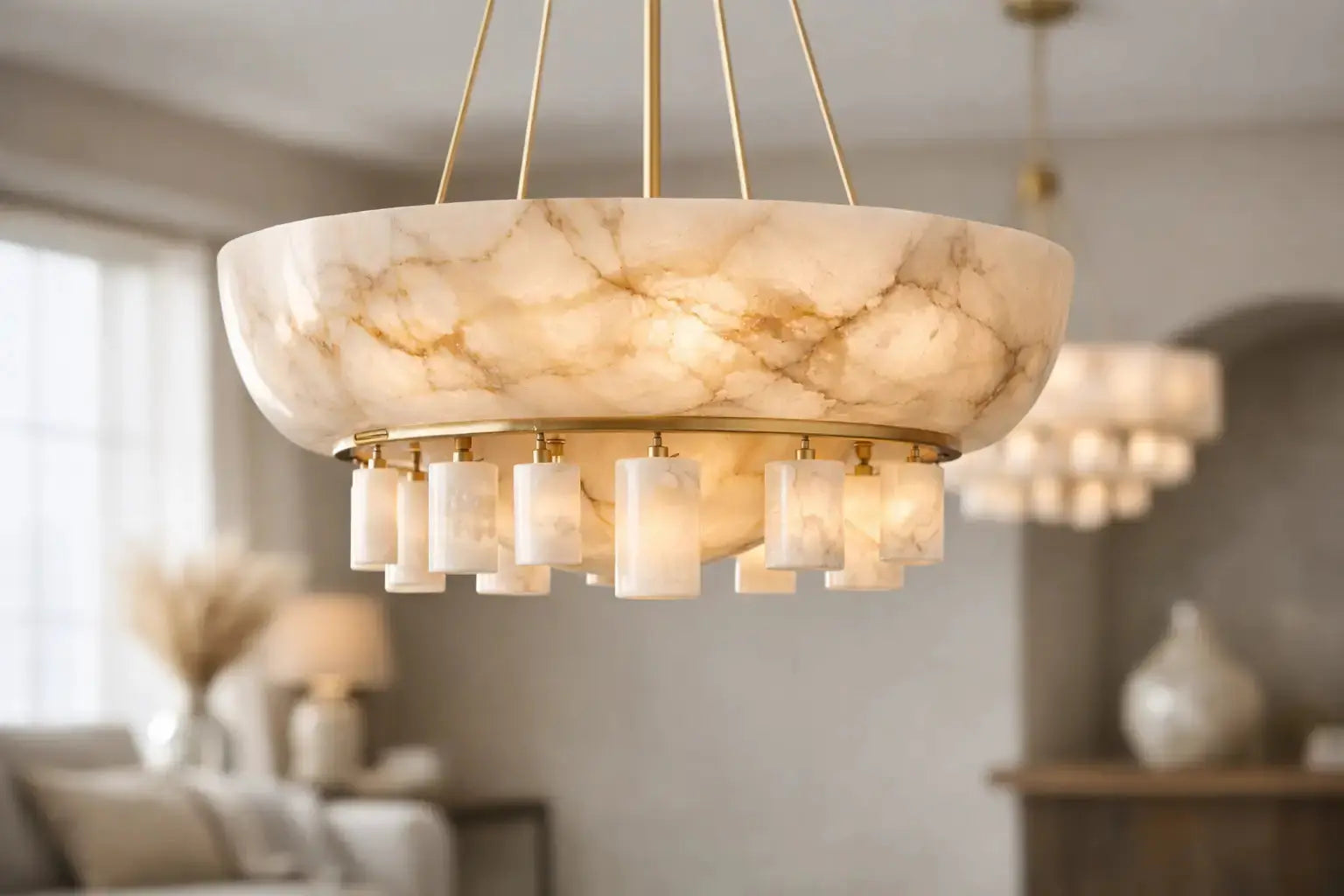
There is a reason alabaster has moved beyond trend status and into the language of modern luxury. Unlike clear crystal, which dazzles with sparkle, alabaster offers a gentler kind of drama. Its natural veining diffuses light into a creamy, atmospheric glow, softening the room and adding depth without visual noise.
That makes it especially appealing for homeowners who want statement lighting without harshness. In a dining room, it creates intimacy. In a foyer, it sets a refined first impression. In a bedroom, it brings a calming, cocooning quality that many highly reflective fixtures cannot match.
No two pieces are exactly alike, and that variation is part of the appeal. The cloud-like marbling, subtle tonal shifts and organic movement in the stone give every fitting a bespoke feel. For buyers who care about materiality, not just silhouette, alabaster offers something distinctly more artful.
What to know before buying an alabaster chandelier
Alabaster is beautiful, but it is not a one-note material. The right fixture depends on scale, shape, finish and how you want the room to feel.
Size matters more than shoppers expect
An undersized chandelier can make a well-furnished room feel unfinished. One that is too large may overwhelm the ceiling line and dominate the furniture below. In practical terms, the chandelier should feel anchored to the room and, where relevant, to the table beneath it.
For dining spaces, a fixture that spans roughly half to two-thirds of the table width often looks balanced. In foyers and stairwells, ceiling height becomes the main factor. A taller space can carry more vertical drama, while standard-height rooms usually benefit from wider, shallower designs that preserve openness.
The visual weight of alabaster also matters. Because the material reads as substantial, even a minimalist design can feel more present than a comparable metal fitting. If you are between two sizes, it helps to think not only about measurements but about how solid the form appears from across the room.
Shape changes the mood
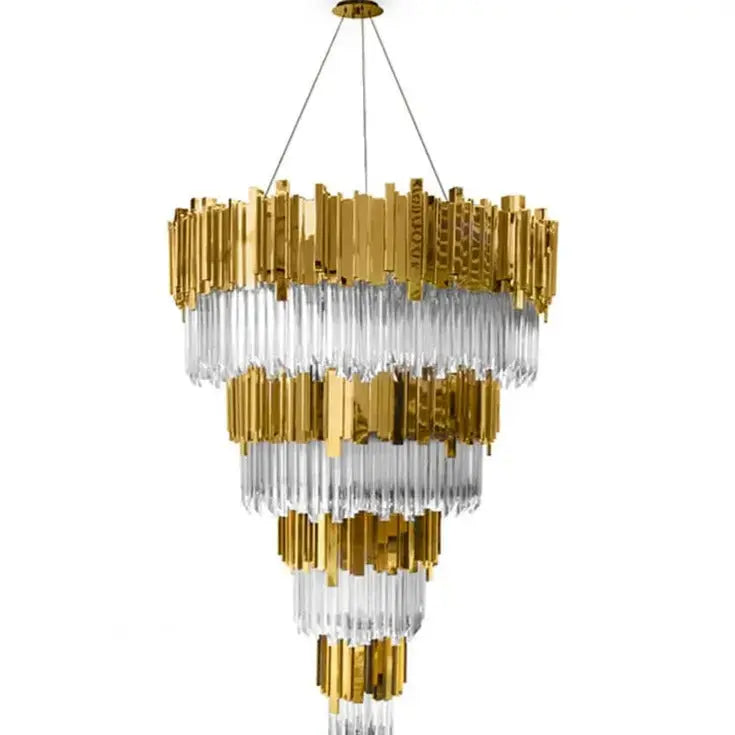
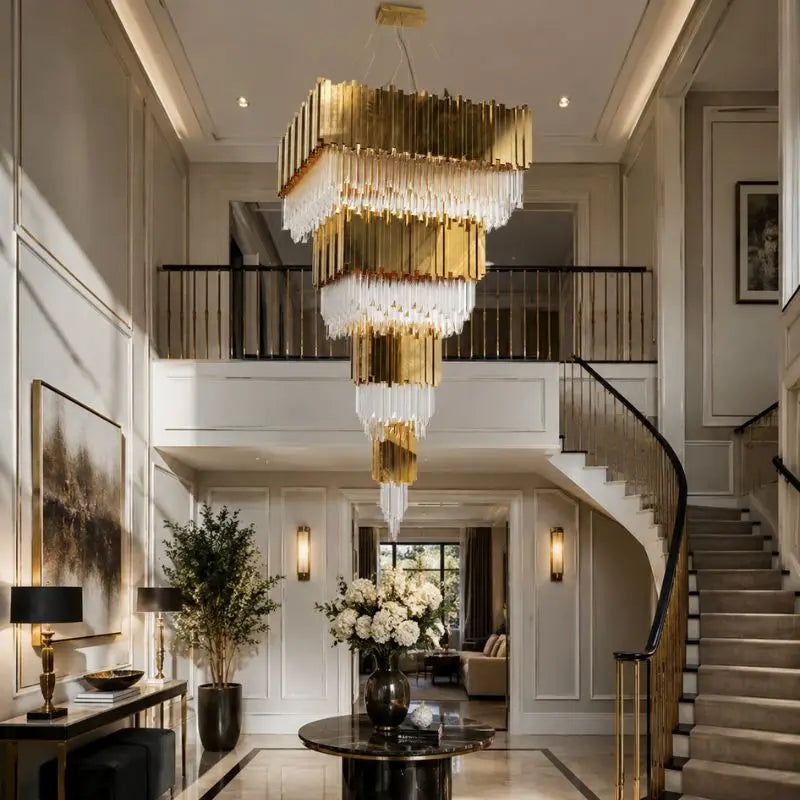
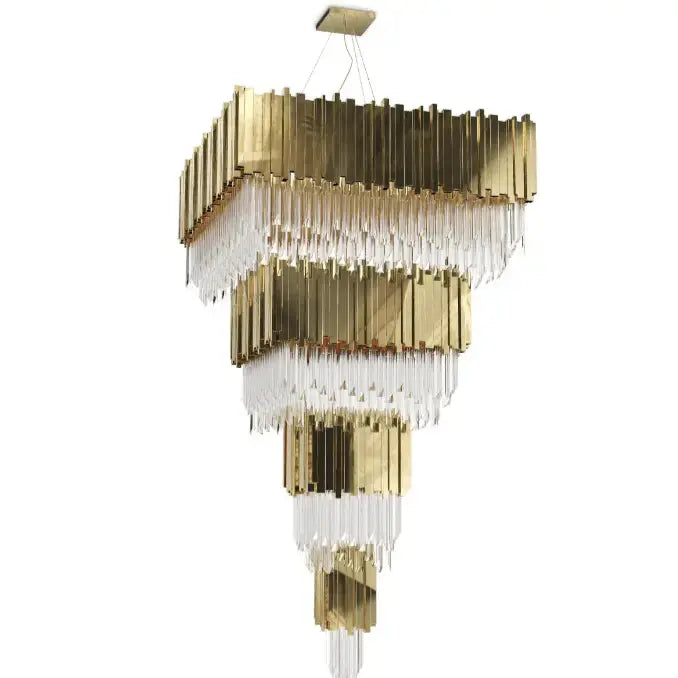
A linear alabaster chandelier suits kitchen islands and long dining tables, where clean geometry complements the architecture. A tiered or cascading design makes more sense in a stairwell or double-height entrance, where you want the fixture to travel through the space and be seen from multiple angles.
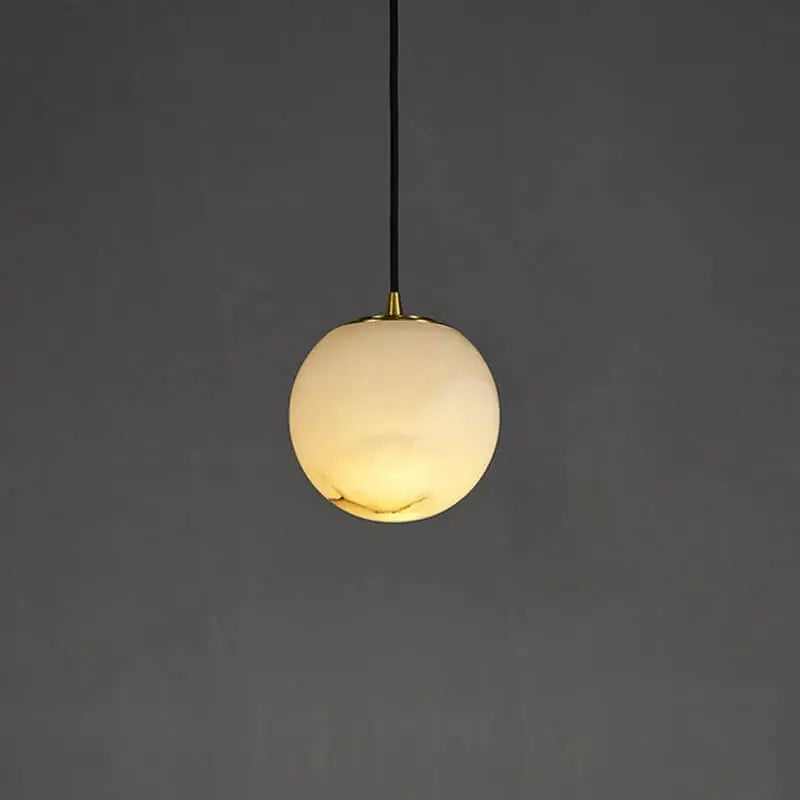
Round and clustered forms tend to feel softer and more sculptural. They work beautifully in living rooms, bedrooms and breakfast areas where the goal is ambience rather than formality. More angular silhouettes can feel sharper and more contemporary, especially when paired with brass or black metal details.
The finish should support the stone
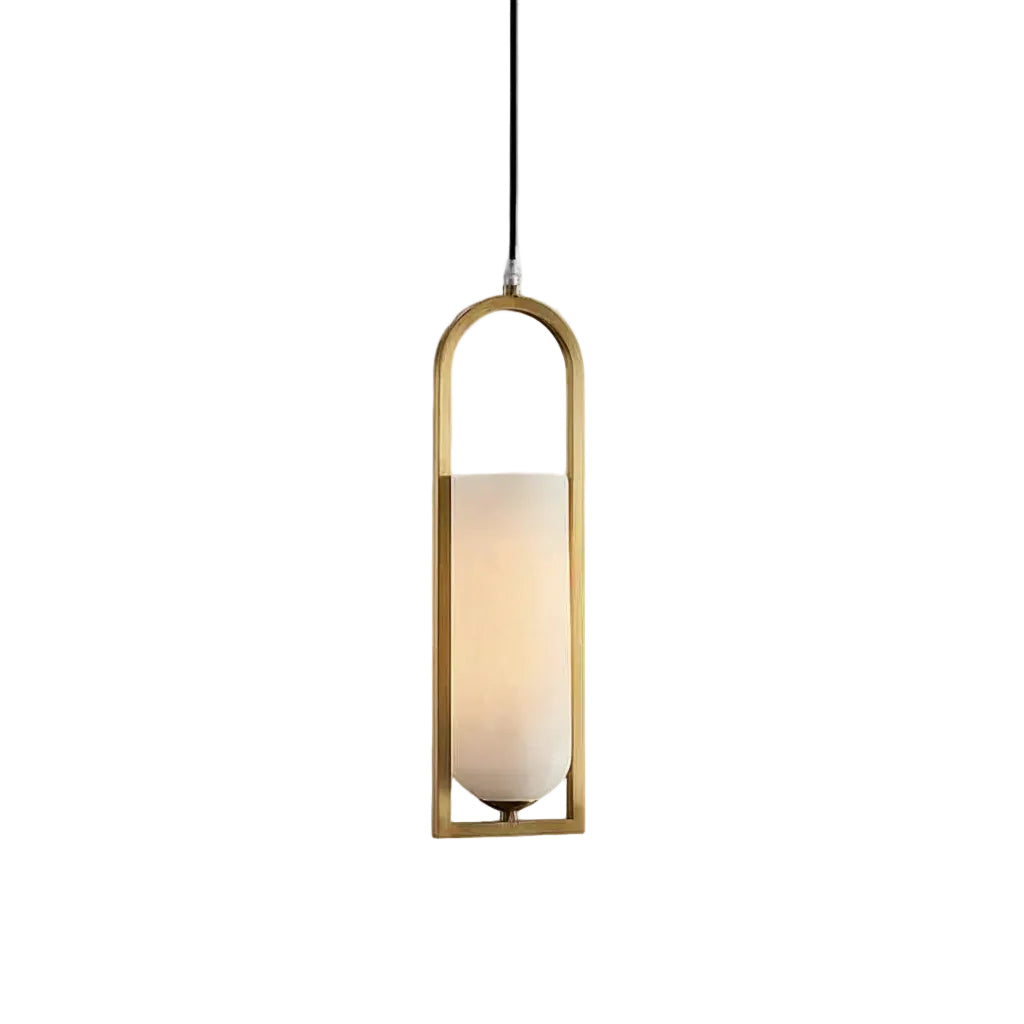
Alabaster is the star, so the frame finish should enhance rather than compete. Warm brass brings out the creamy tones in the stone and gives the fixture a classic luxury feel. Matte black creates stronger contrast and often pushes the look in a more modern direction. Brushed nickel can work in cooler interiors, though it usually feels quieter and less romantic.
This is where personal taste and the rest of the room matter. If your home already includes warm woods, natural fabrics and layered neutrals, brass and alabaster are an especially graceful pairing. If the scheme is cleaner and more architectural, darker metal can sharpen the composition.
Where an alabaster chandelier works best
One of alabaster's greatest strengths is versatility. It carries enough elegance for formal rooms but can still feel current in relaxed, contemporary homes.
Dining rooms
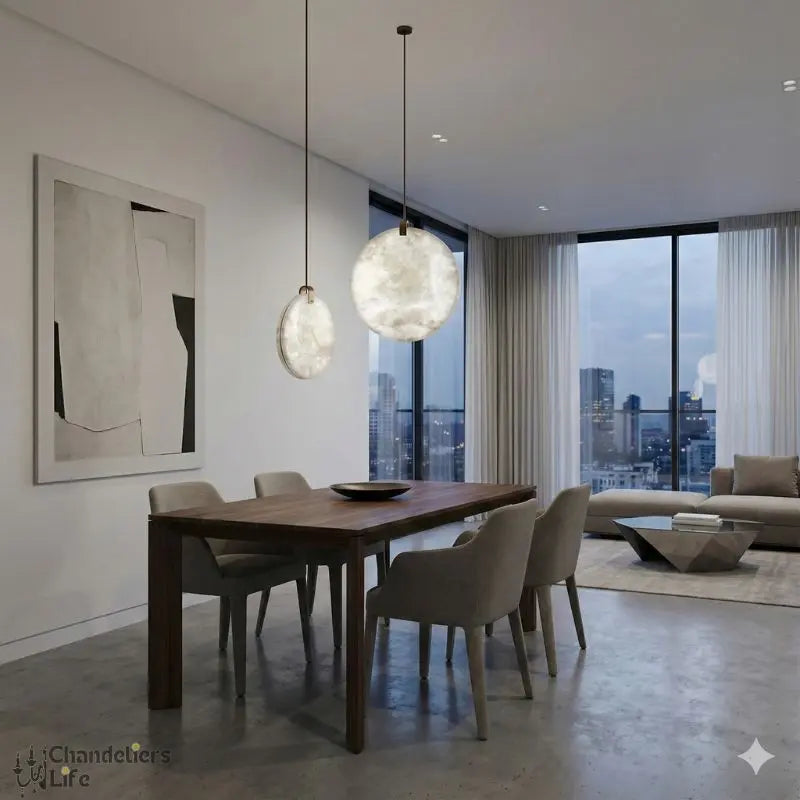
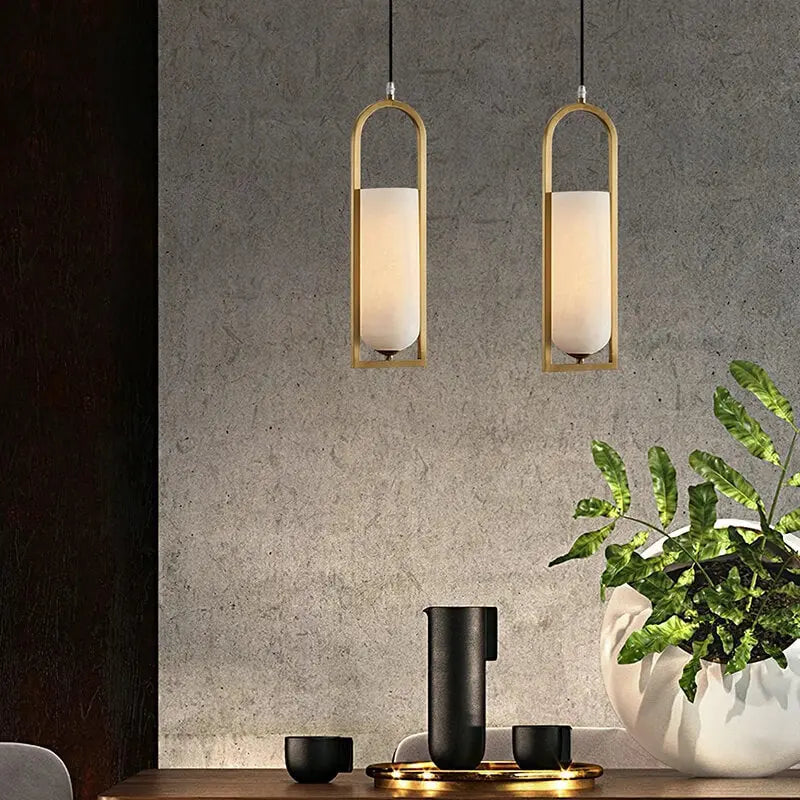
This is perhaps the most natural setting. An alabaster chandelier over a dining table creates flattering light and a sense of occasion without becoming glittery or overdone. The material suits both everyday family dinners and more polished entertaining, which makes it a clever long-term choice.
If the room includes stone, timber or textured plaster, alabaster tends to feel especially at home. It adds luxury, but in a way that still feels composed.
Foyers and entrance halls
In an entrance, lighting sets the emotional tone of the home. Alabaster gives that first impression a curated, high-end quality. Even a relatively simple fixture can make the hall feel intentional and complete.
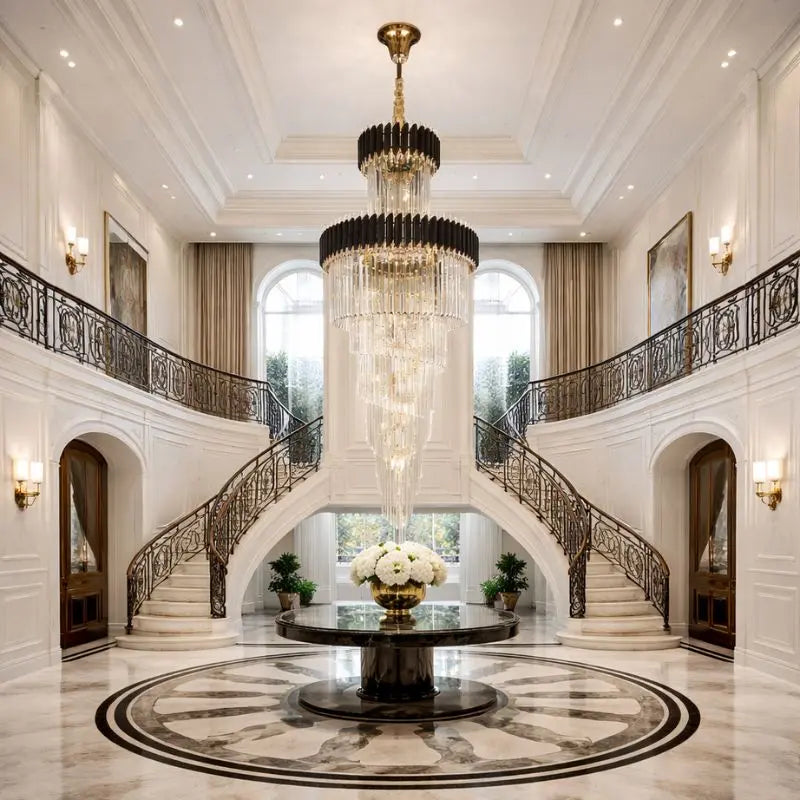
For taller foyers, multi-tiered or elongated designs create a beautiful vertical statement. In smaller entryways, a compact flush or semi-flush alabaster form can still deliver the same softness and sophistication.
Living rooms
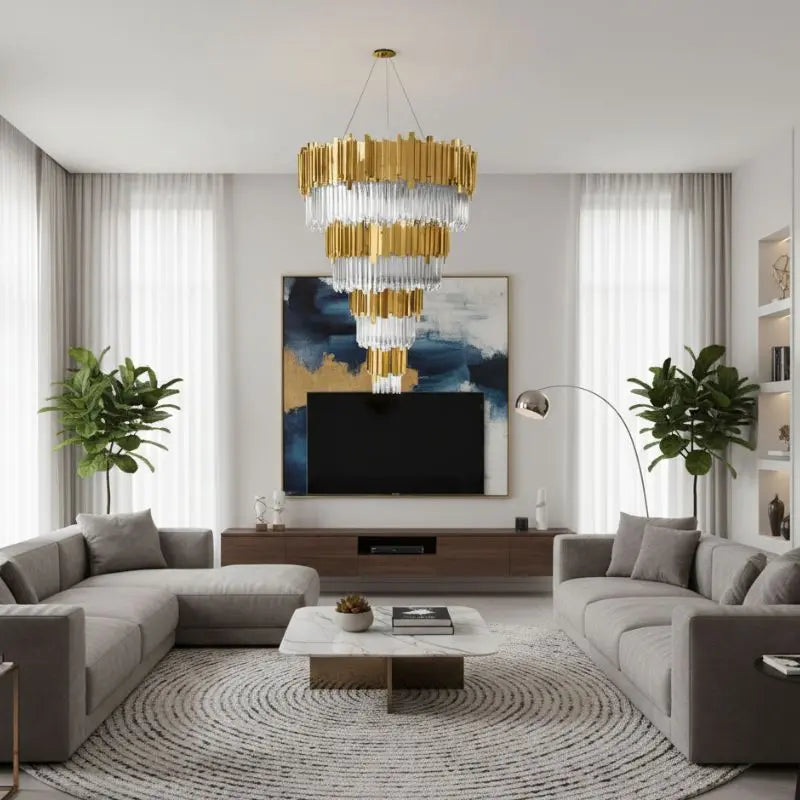
Living areas benefit from lighting that feels layered rather than clinical. Alabaster helps achieve that balance because it diffuses illumination so beautifully. It can act as a focal point while still supporting a comfortable, welcoming atmosphere.
This is also a room where shape has particular influence. A bold sculptural chandelier can become the room's jewellery, while a simpler design keeps the look serene and understated.
Bedrooms
Bedrooms often receive less adventurous ceiling lighting than they deserve. An alabaster chandelier introduces a sense of boutique-hotel luxury, but with a gentler glow than many crystal or exposed-bulb options. If you want the room to feel polished, restful and distinctly finished, it is an excellent choice.
Styling an alabaster chandelier without overdoing it
The appeal of alabaster lies in restraint. It looks expensive because it does not need to shout. That means the best styling choices usually support its natural texture rather than competing for attention.
Rich but quiet materials work well around it. Think linen curtains, wool rugs, oak cabinetry, marble surfaces, aged brass accents and upholstered seating in warm neutrals. This does not mean the room must be pale or minimal. Deep greens, tobacco browns, charcoal tones and even muted burgundy can look stunning with alabaster, especially when the lighting is used to soften the palette.
What tends to be less successful is pairing alabaster with too many other visually assertive finishes in the same sightline. If you already have mirrored furniture, highly polished chrome and busy patterned surfaces, the chandelier may lose some of its calm authority. The material shines in rooms where there is space to appreciate its variation.
Practical considerations for everyday living
Luxury should still be liveable. Before choosing an alabaster chandelier, it is worth thinking through the practical side as carefully as the visual one.
Weight is one consideration. Alabaster fixtures can be heavier than they appear, so proper ceiling support matters. Installation is best approached with care, particularly for larger or more complex fittings.
Light output is another point where preference matters. Because alabaster diffuses illumination, the effect is softer than an exposed or crystal-based fitting. Many homeowners love that atmospheric quality, but if the chandelier is your only light source in a task-heavy room, you may want to layer in wall lights, lamps or downlights.
Maintenance is generally straightforward, though gentleness is key. Alabaster is a natural stone, not a material for abrasive cleaning. A soft dry cloth is usually the right approach, keeping the finish clear and elegant without risking damage.
Is an alabaster chandelier worth it?
For many buyers, yes - especially if you are looking for a fixture that feels both fashionable and lasting. Alabaster has presence, but it does not rely on novelty. It sits comfortably between classic and contemporary, which gives it unusual staying power in the home.
It also delivers a different kind of luxury. Rather than sparkle and spectacle alone, it offers texture, glow and material richness. That distinction matters if you want your interior to feel considered rather than simply decorated.
Of course, it depends on the room and on your style. If you prefer sharp brightness, high reflectivity or ornate traditional detailing, another chandelier type may suit you better. But if your taste leans towards soft modern glamour, timeless elegance and statement pieces with substance, alabaster is hard to beat.
For shoppers seeking that balance of beauty and reassurance, ChandeliersLife presents the material in a way that feels both inspiring and easy to shop, with refined designs suited to everything from intimate dining rooms to dramatic entrance spaces.
An alabaster chandelier is not just there to light the room. It shapes the mood, elevates the materials around it and gives your interior the kind of quiet confidence that never feels temporary.