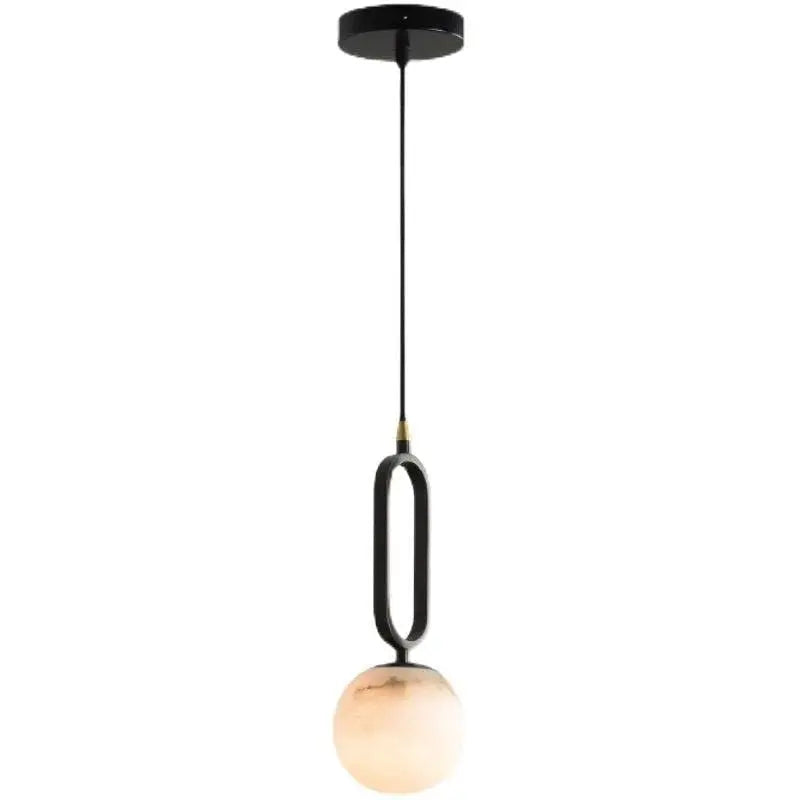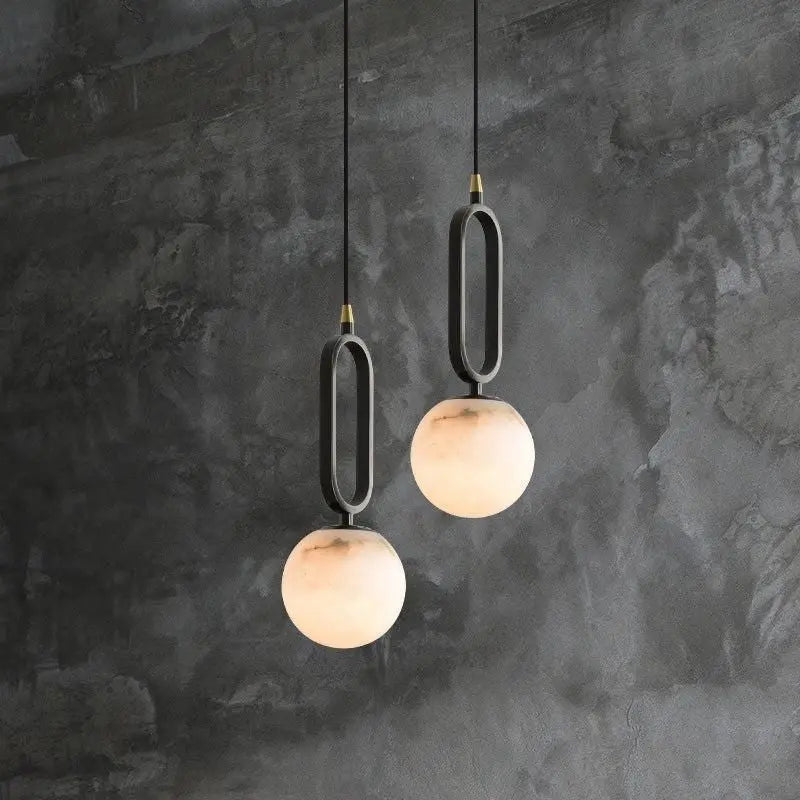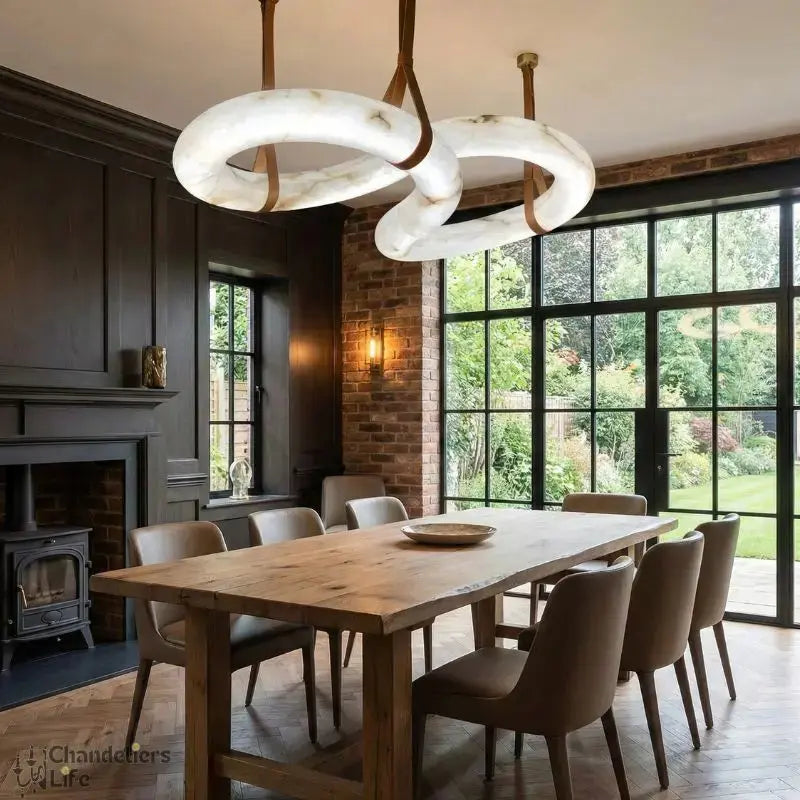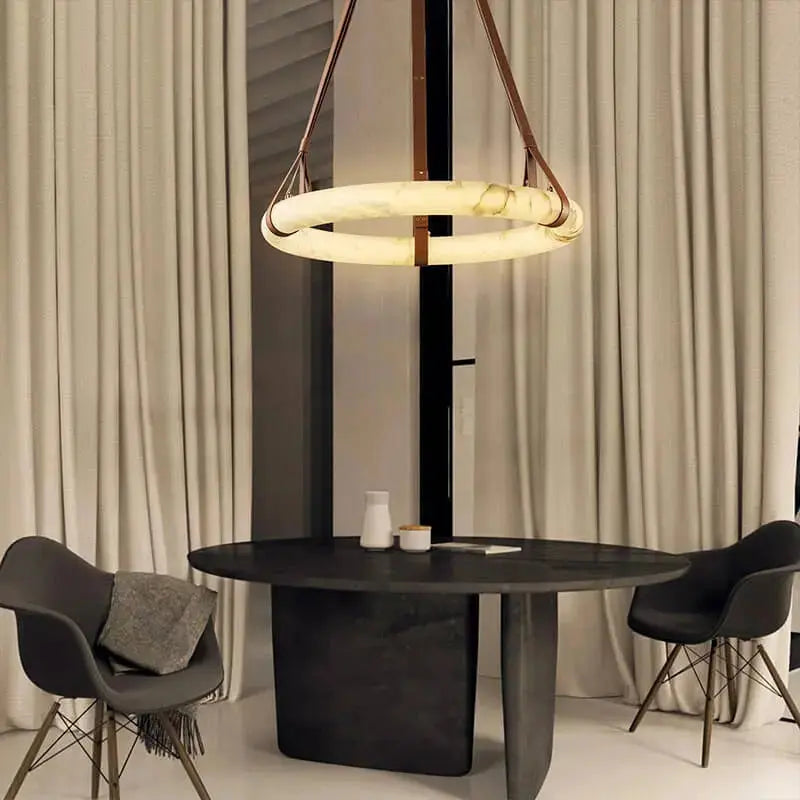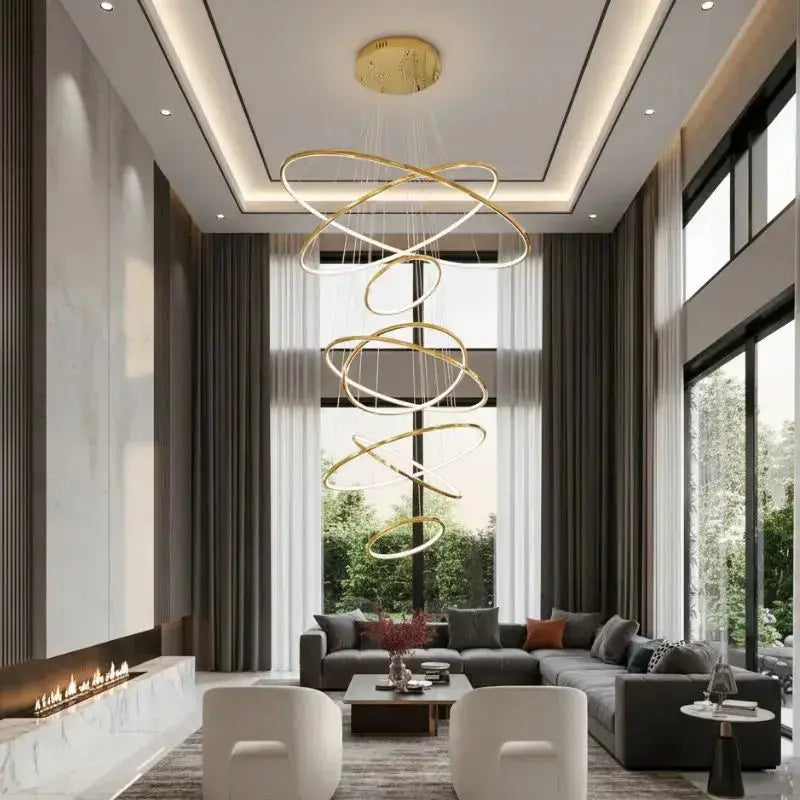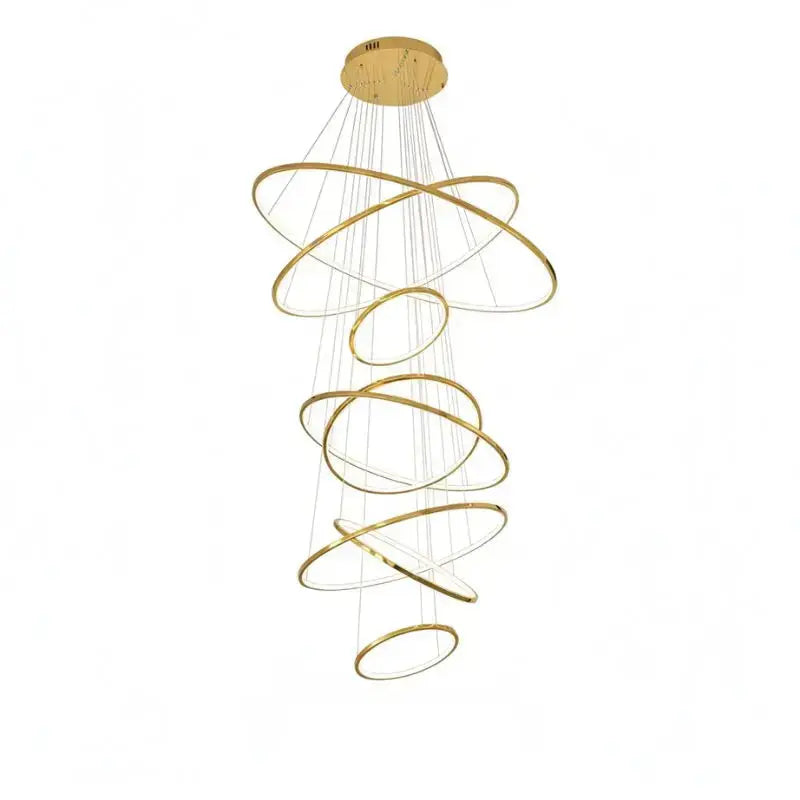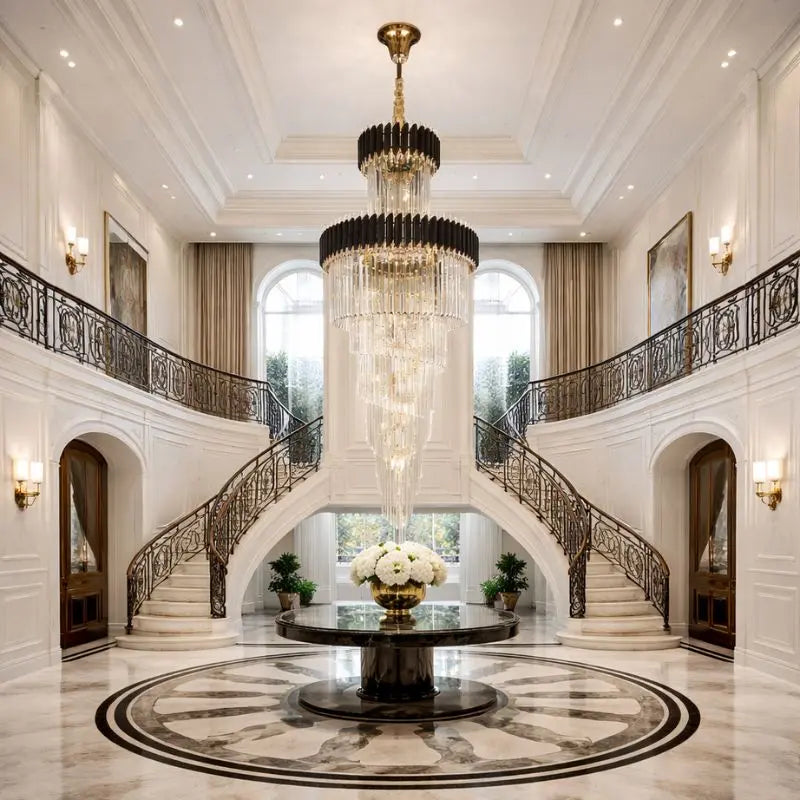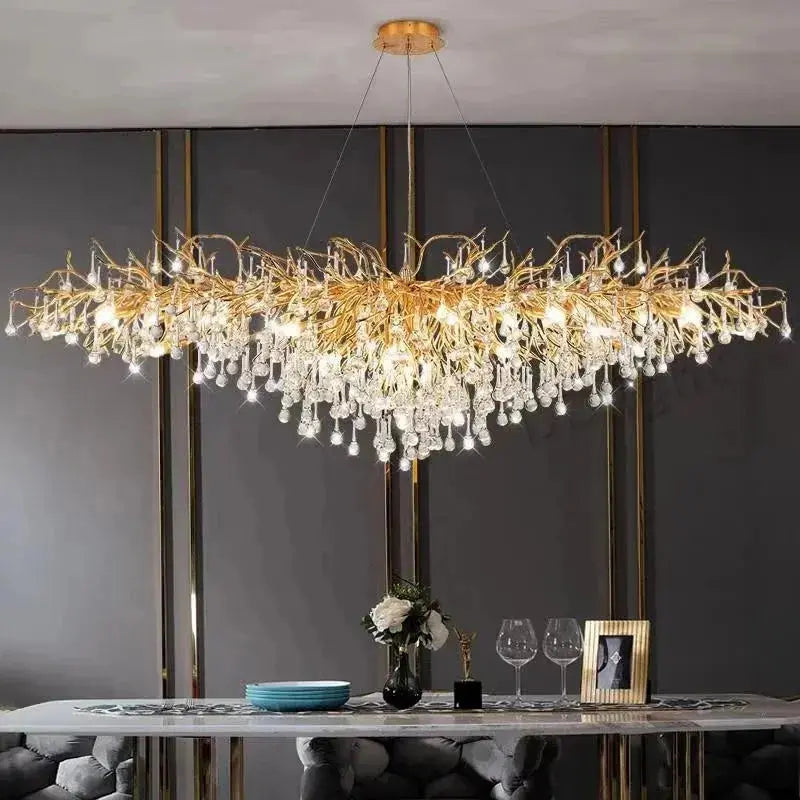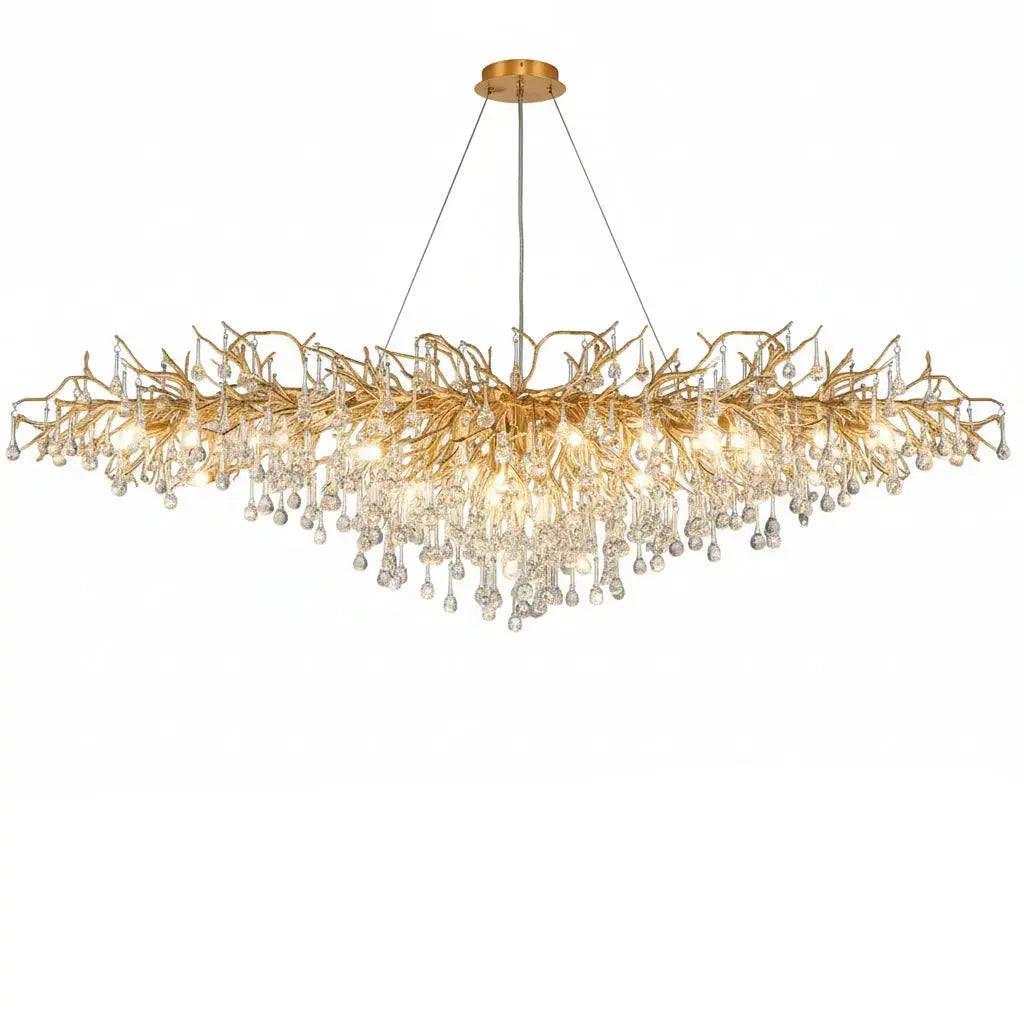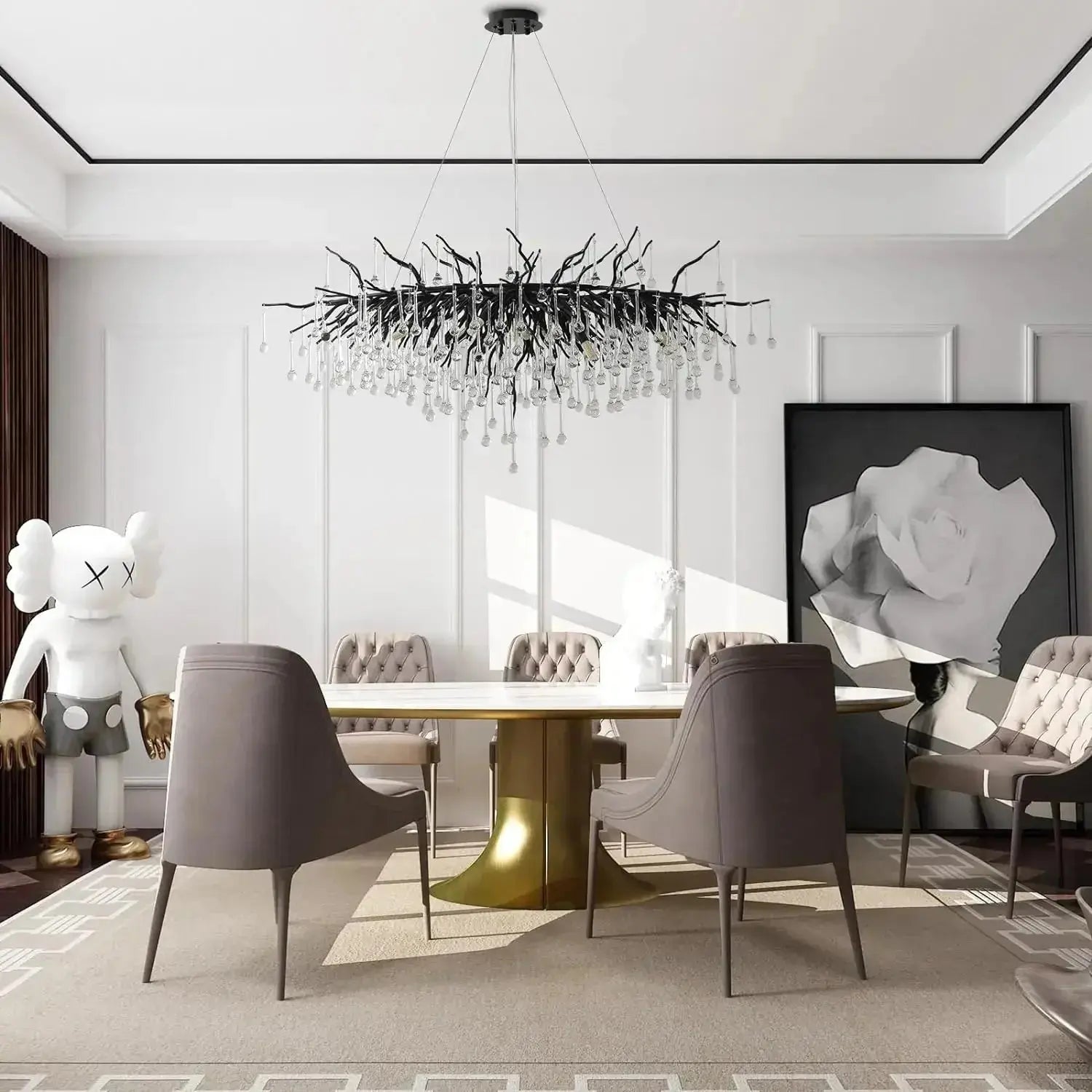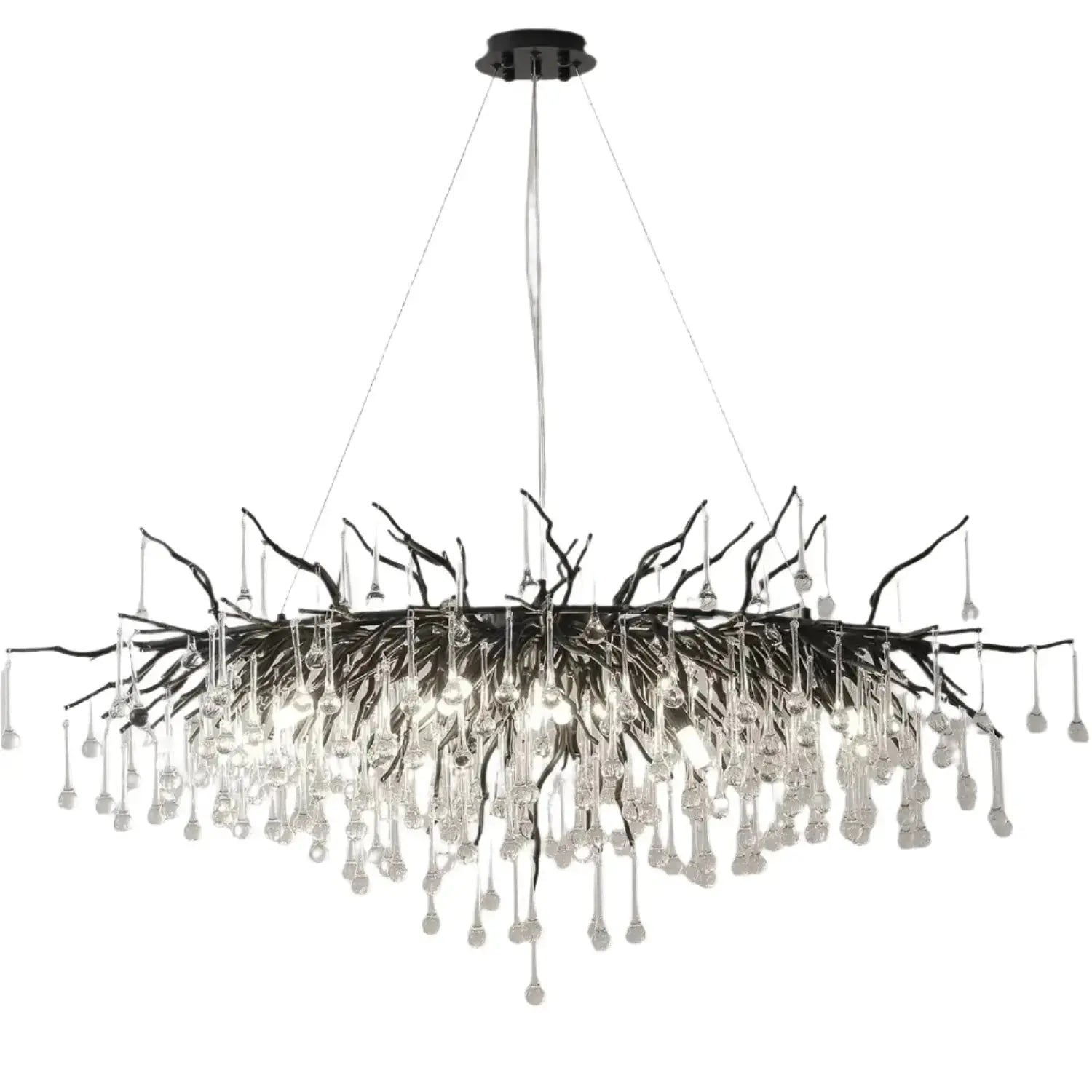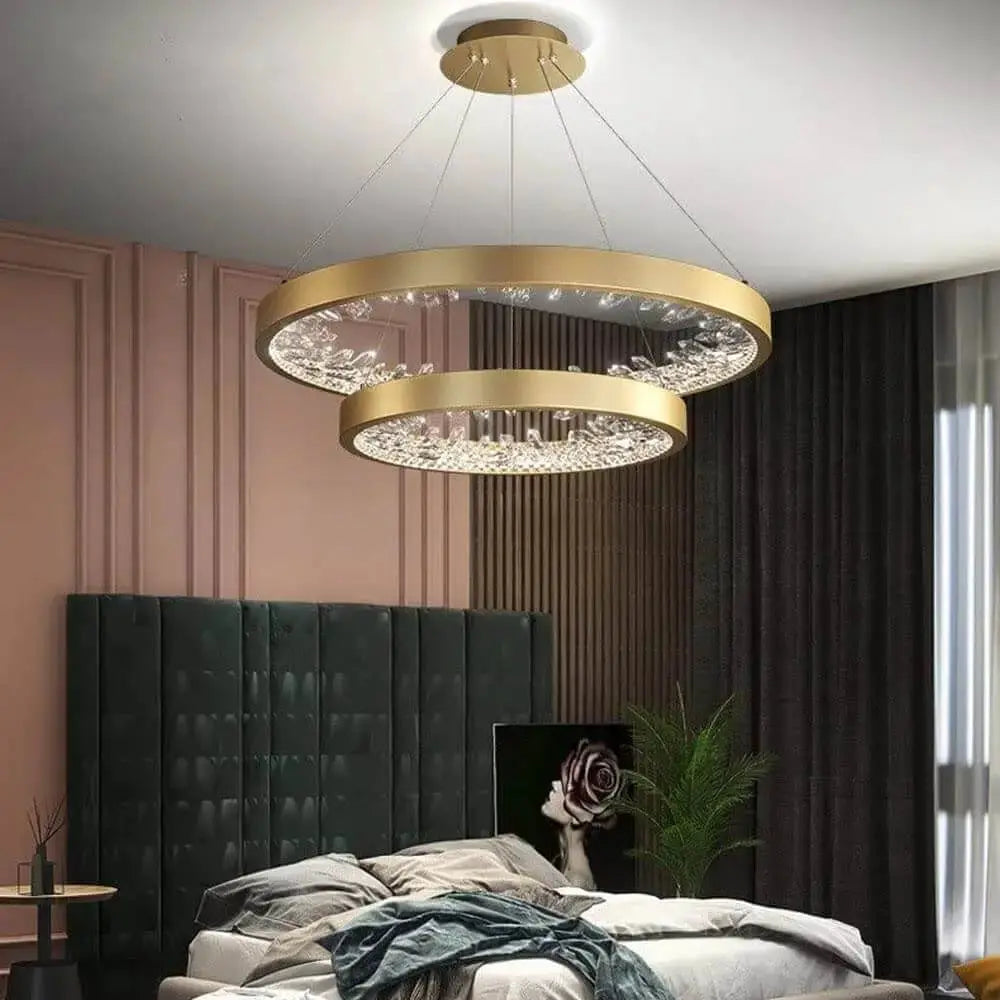
Creating the perfect indoor lighting scheme can transform a house into a welcoming home, blending form and function seamlessly. Thoughtful traditional lighting solutions not only brighten spaces but also influence mood, enhance décor, and support daily activities. By understanding different lighting types, fixture categories, and design principles, homeowners can craft environments that feel spacious, cozy, or energising depending on the room and its purpose.
Understanding Indoor Lighting: Basics and Benefits
Indoor lighting encompasses all artificial light sources installed within a home to illuminate living spaces. Essential for both aesthetics and utility, it enables tasks, sets ambiance, and defines moods throughout the day. Layering light by combining ambient, task, and accent sources allows a dynamic environment that adapts to different activities and supports wellbeing by improving perception and comfort. Good indoor lighting positively impacts daily routines and interior appeal, making spaces feel both functional and inviting.
Types of Indoor Lighting and Their Functions
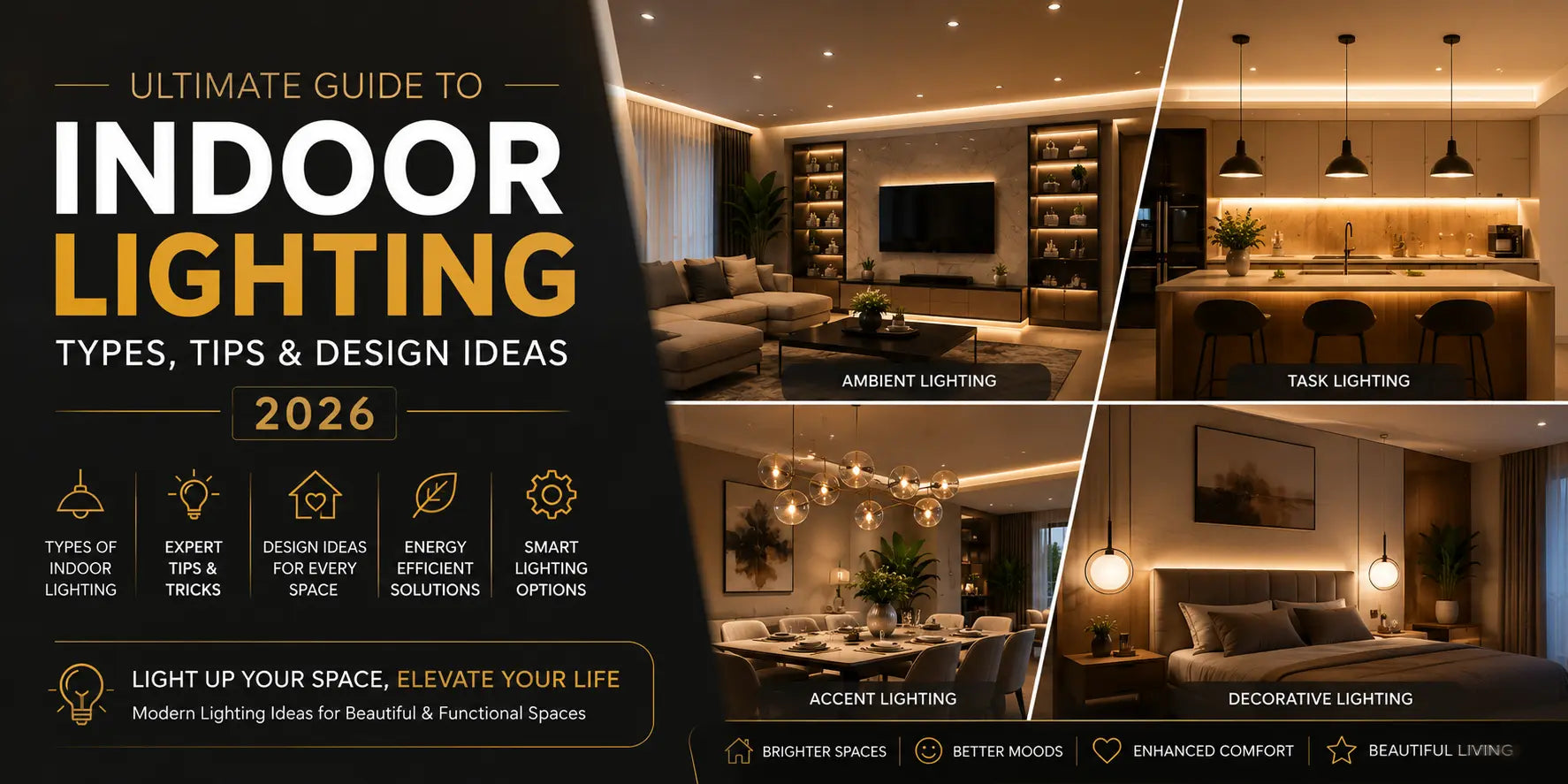
Indoor lighting is classified into three main types: ambient, task, and accent. Ambient lighting serves as the foundational illumination, typically delivered by ceiling lights or flush mounts, providing even brightness across a room. Task lighting focuses on specific activities such as reading or cooking, often realised through table lamps, LED wall lights, or under-cabinet kitchen lights that reduce eye strain. Accent lighting highlights architectural features, artworks, or décor, using wall lights or spotlights to add depth and drama. Combining these layers ensures a versatile and balanced lighting environment tailored to varied living needs.
Choosing the Right Light Fixtures for Different Rooms
Living Room Lighting
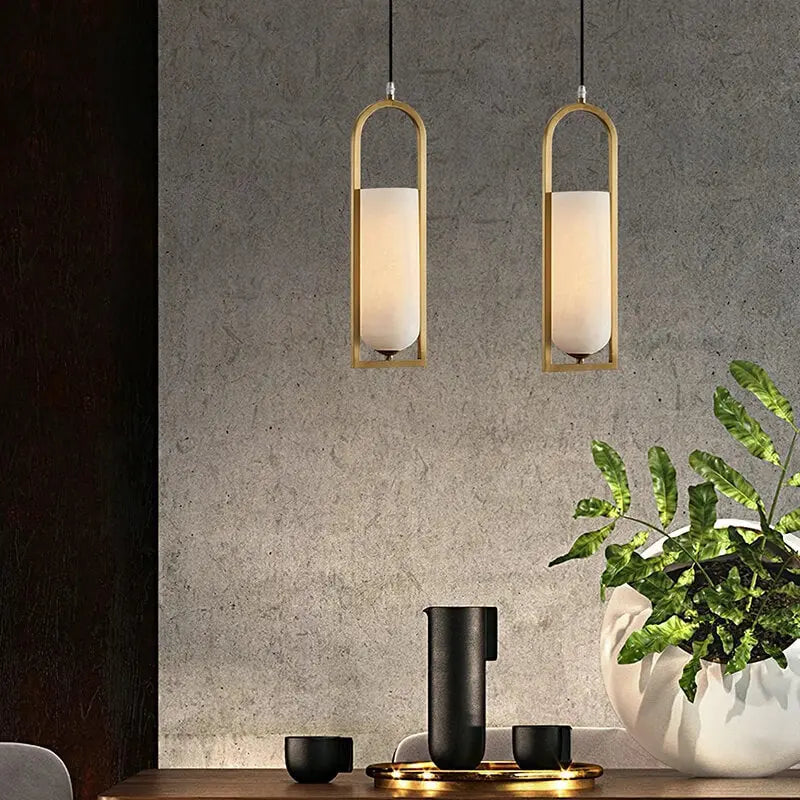
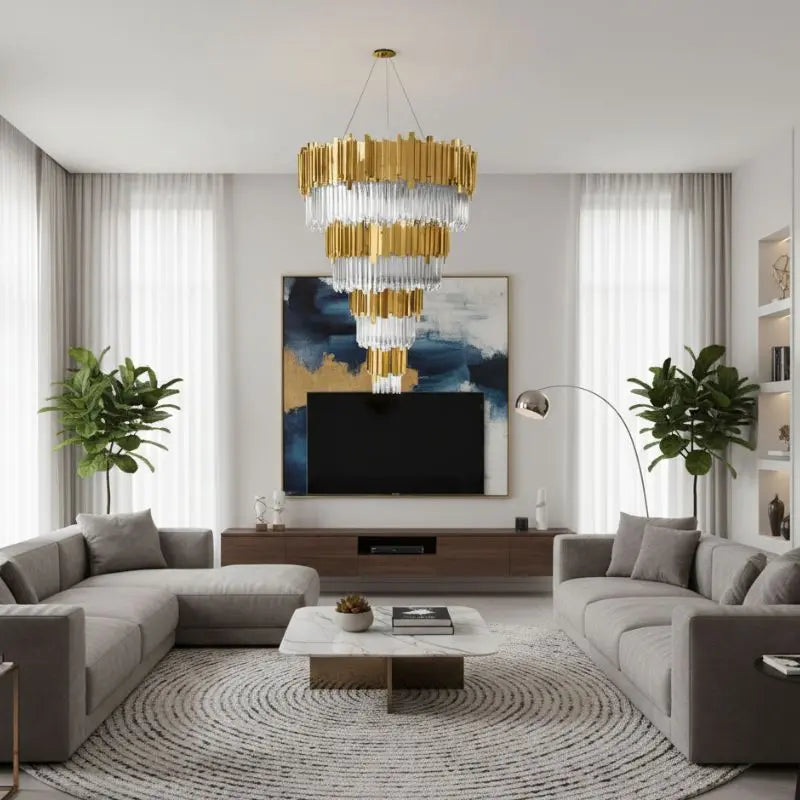
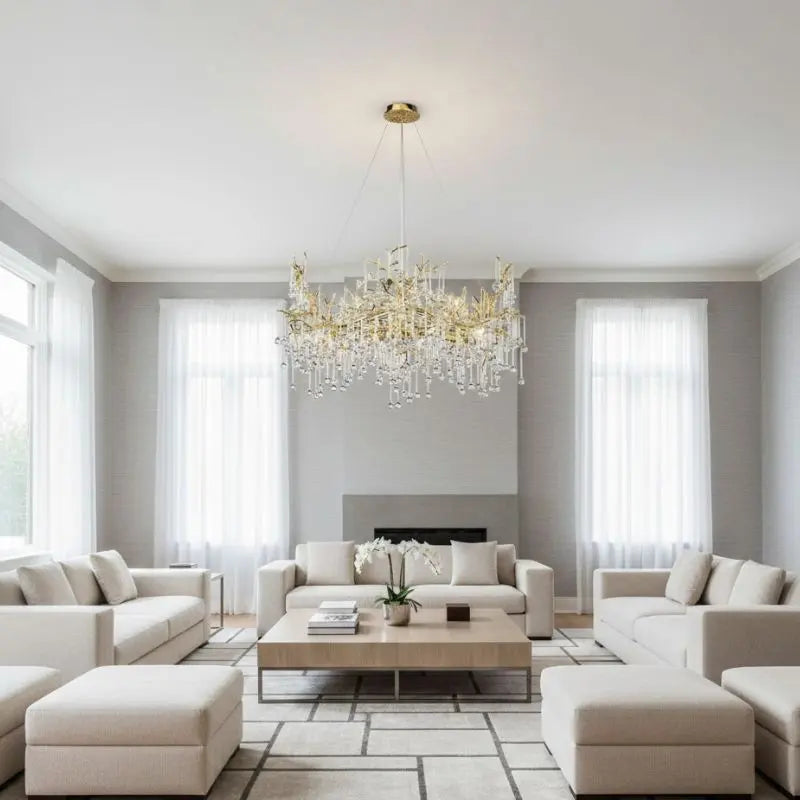
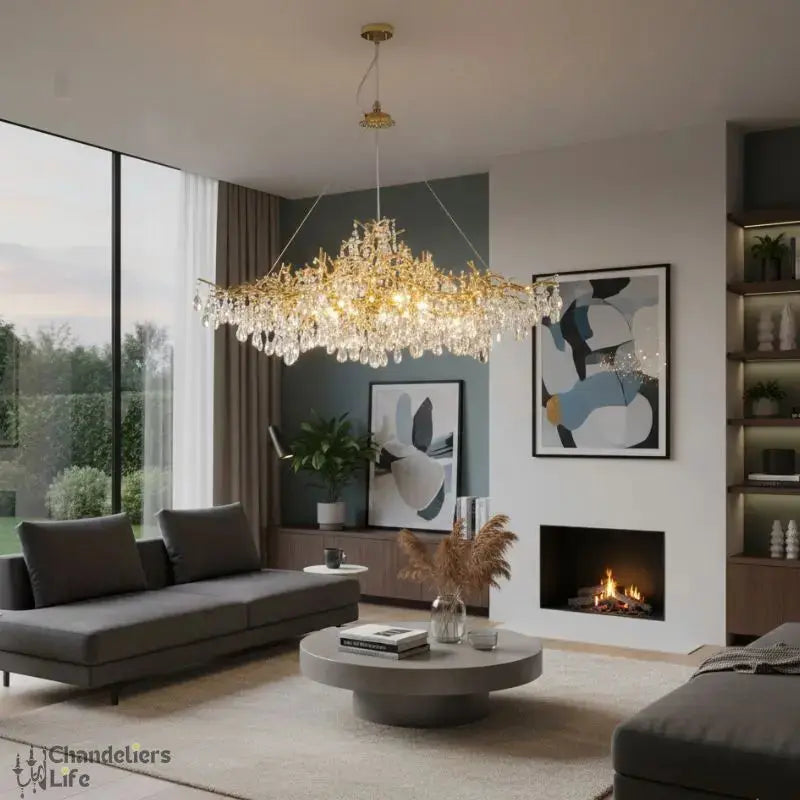
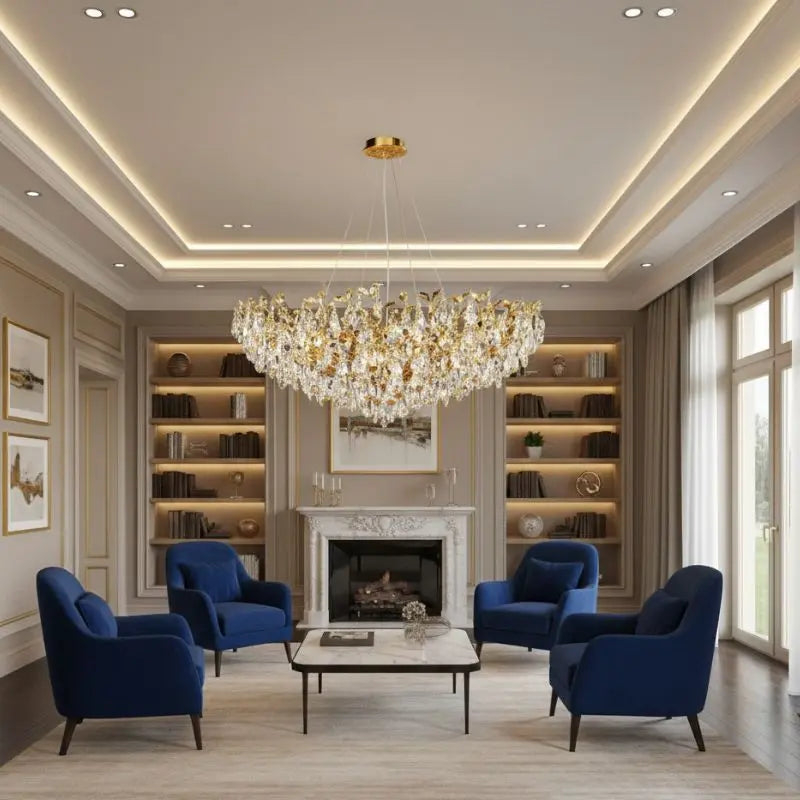
The living room demands flexible lighting solutions that accommodate socialising, relaxation, and media consumption. Dimmable ceiling lights offer adjustable brightness, perfect for transitioning from bright gatherings to cosy evenings. Pendant lights create focal points over seating or coffee tables, while table lamps add warmth and task-specific illumination for reading corners. Layering light zones allows tailored control over atmosphere and function, enhancing comfort and style in this multifunctional space. For more ideas, see our living room inspiration.
Kitchen and Dining Room Lighting
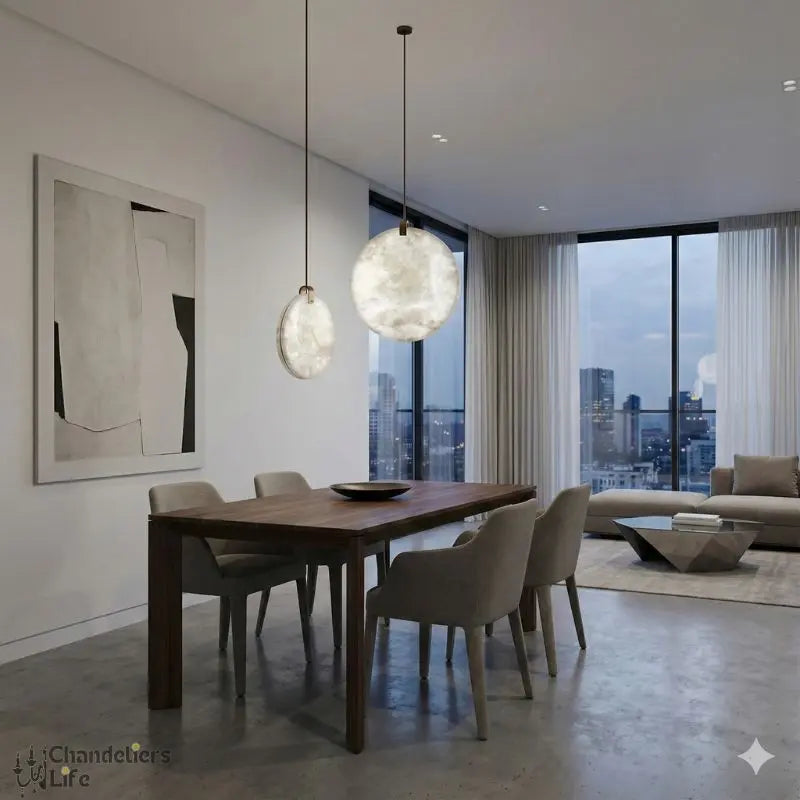
In kitchens and dining rooms, bright, cool white light between 3300-5300 Kelvin supports visibility and clarity for cooking and presentation. Functional under-cabinet lights eliminate shadows during food preparation, while statement pendant lights above dining tables deliver both task illumination and visual impact. Choosing lighting with excellent colour rendering index (CRI) is vital to accurately display food hues, enhancing the meal experience and kitchen aesthetics.
Bedroom Lighting
Bedrooms benefit from warm white lighting between 2700-3300 Kelvin to foster relaxation and comfort. Bedside lamps create intimate pockets of light ideal for reading without disturbing a partner, accompanied by soft, diffused ceiling lights to maintain a serene environment. Incorporating dimmable fixtures provides control over light intensity, balancing ambient and task needs for winding down effectively.
Bathroom Lighting
Bathrooms require a balance between bright, functional light for grooming and softer tones for ambiance. Moisture-proof fixtures with appropriate IP ratings ensure safety and durability amid humidity. Ceiling lights provide general illumination, while LED wall lights positioned near mirrors deliver shadow-free, focused light vital for makeup application and shaving.
Hallway and Entryway Lighting
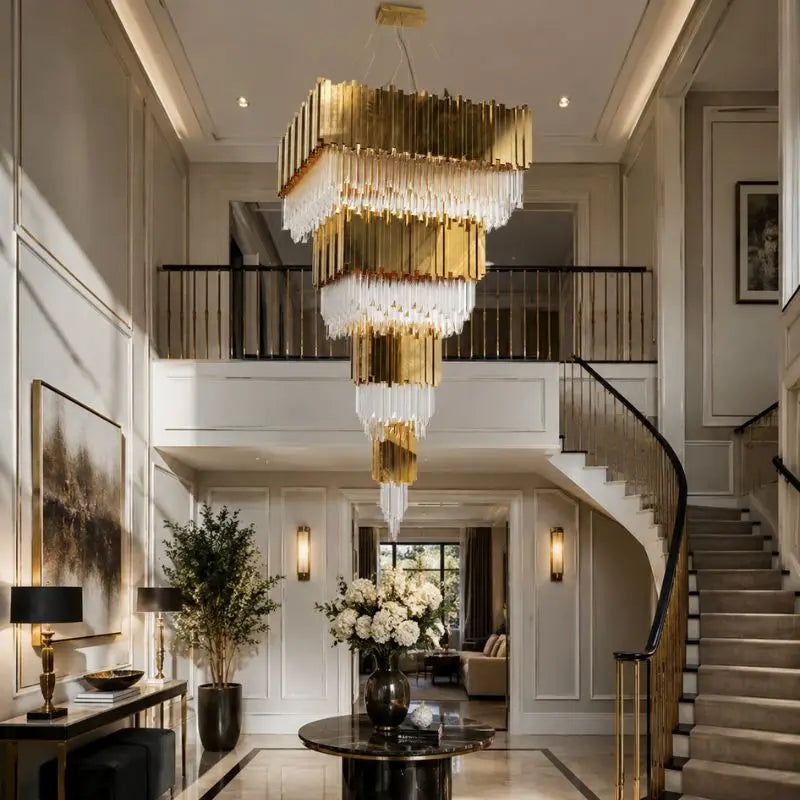
Lighting in hallways and entryways enhances orientation, safety, and welcomes guests with a warm atmosphere. Strategically placed wall lights and ceiling lights help avoid dark patches and accentuate décor such as artwork or architectural features. Proper positioning ensures these typically narrow areas feel open and inviting rather than cramped or gloomy.
Home Office Lighting
In a home office, bright, focused task lighting supports concentration and reduces eye fatigue during work or study. Combining natural daylight with well-positioned ceiling fixtures and adjustable desk lamps enables flexibility according to task demands and time of day. Reducing glare through directional lighting and diffusers further enhances comfort, critical for productive workspaces.
Understanding Colour Temperature and Its Impact
Colour temperature describes the warmth or coolness of indoor lighting, measured in Kelvin (K). Warm white (2700-3300K) creates cozy, relaxing atmospheres, neutral white (3300-4500K) offers balanced natural tones, while cool white (4500-6500K) encourages alertness and clarity. Selecting the right colour temperature per room elevates mood and matches purpose—warm in bedrooms and bathrooms, cool in kitchens and home offices. Tunable and dimmable bulbs increase versatility, allowing users to adjust lighting dynamically to suit changing activities and times.
Popular Indoor Lighting Fixtures and Styles
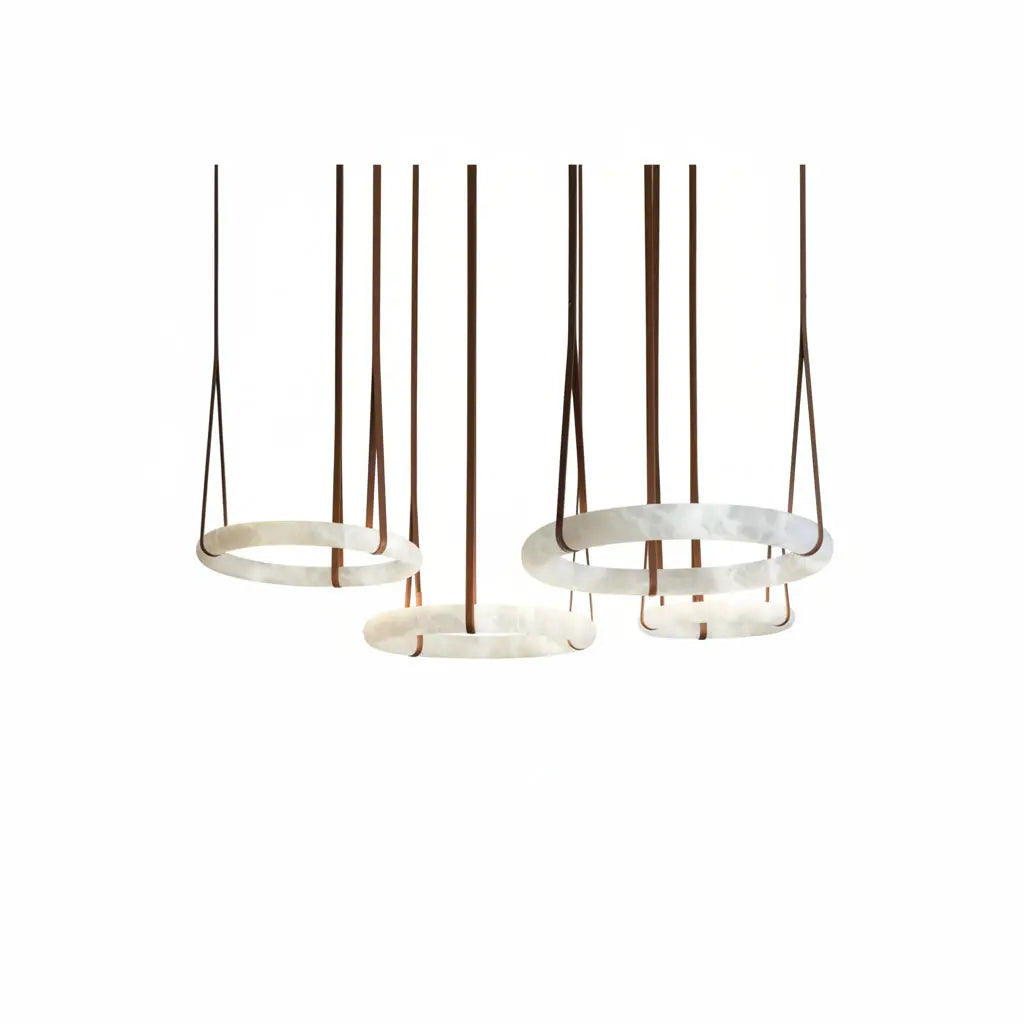
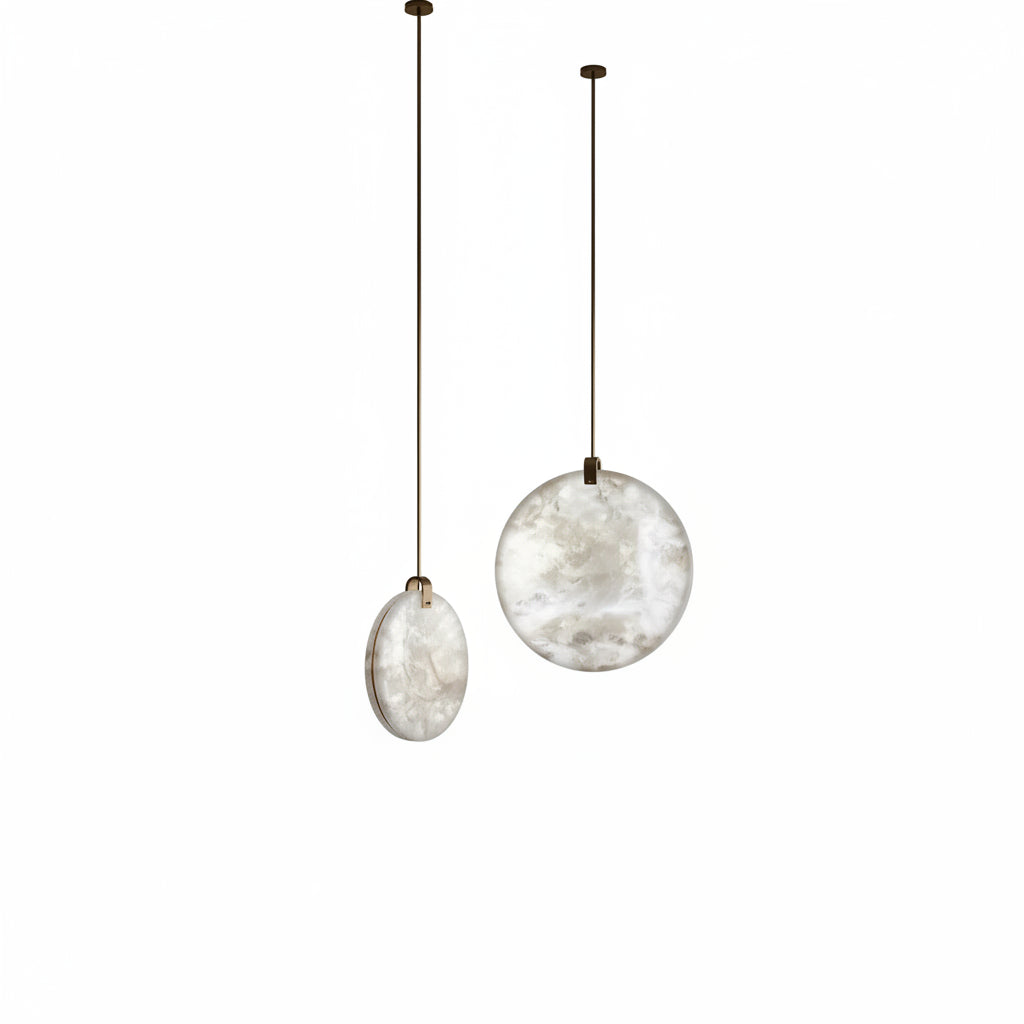
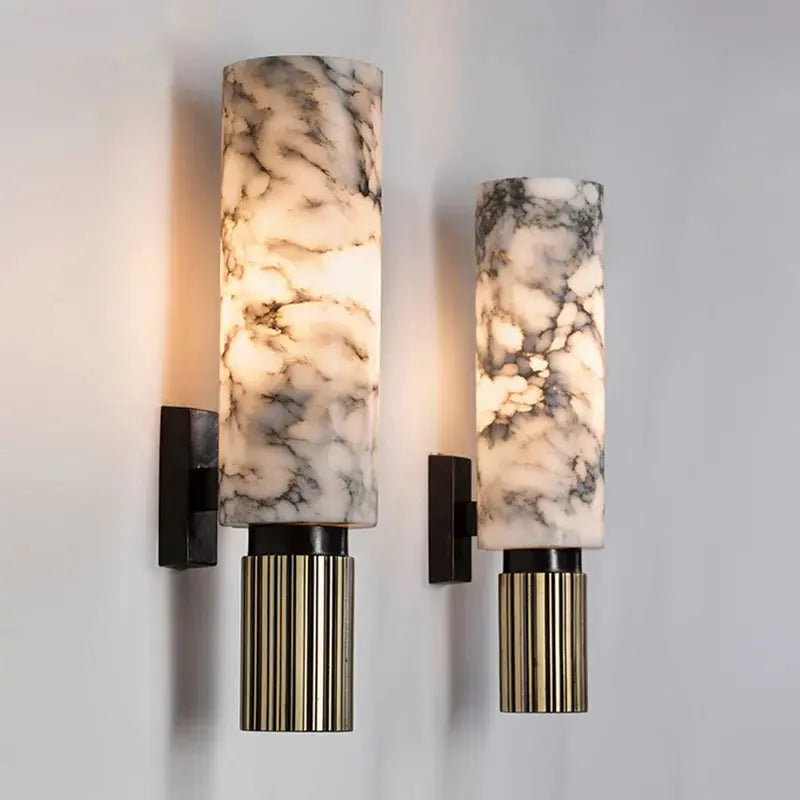
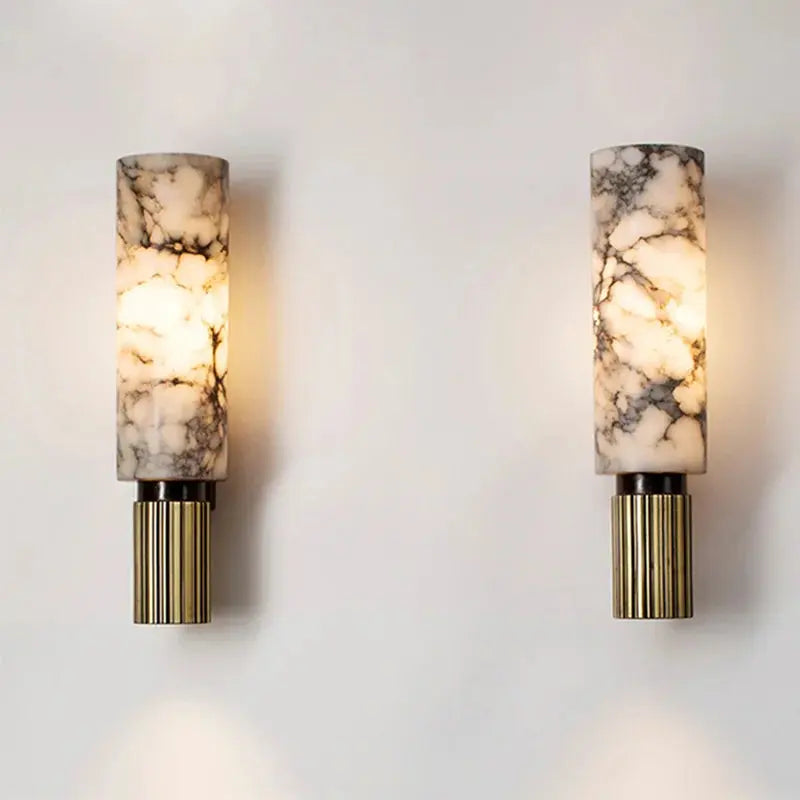
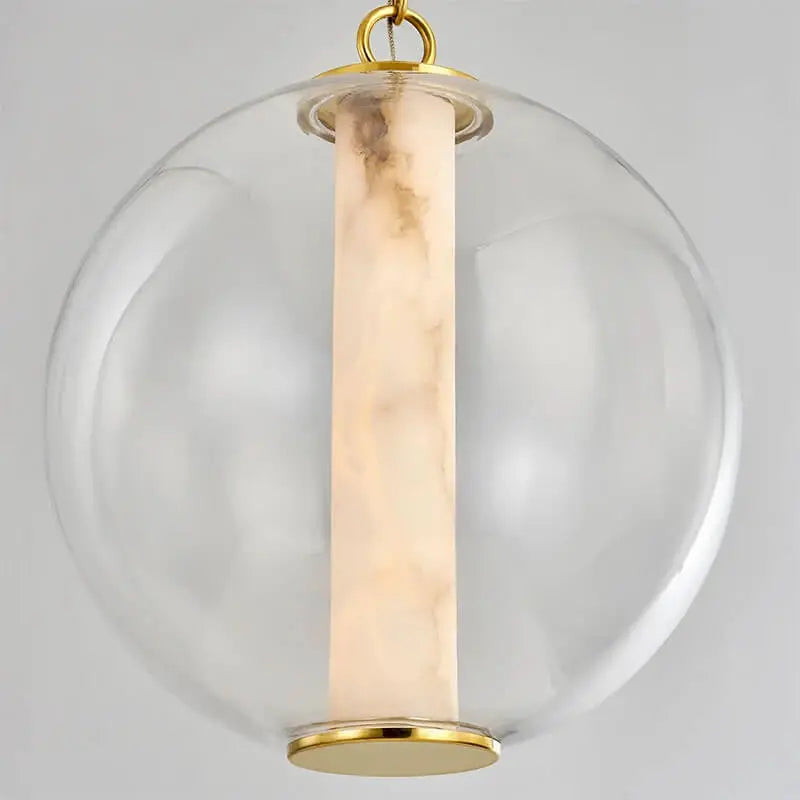
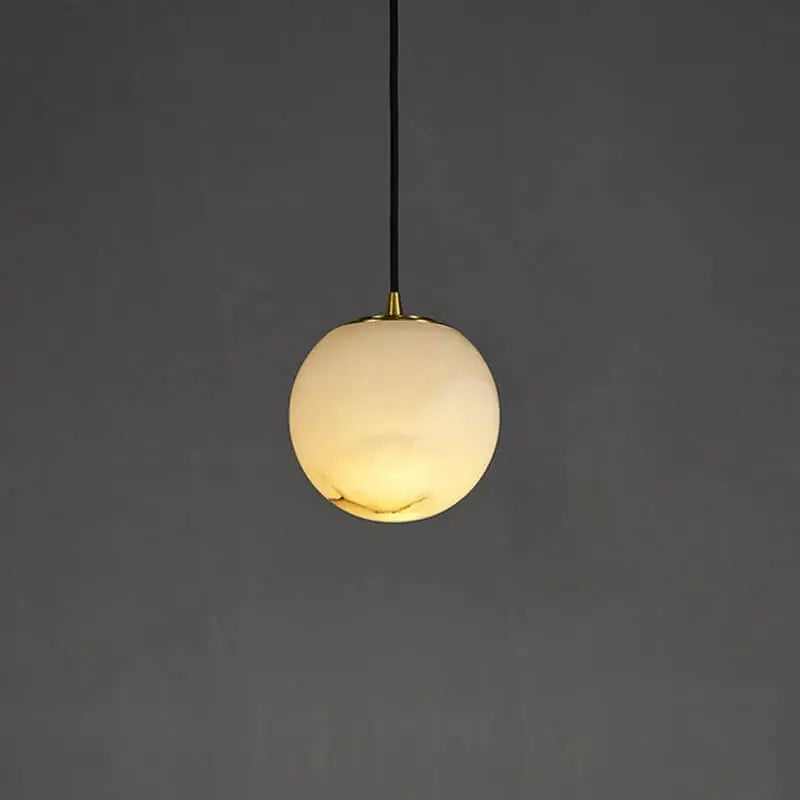
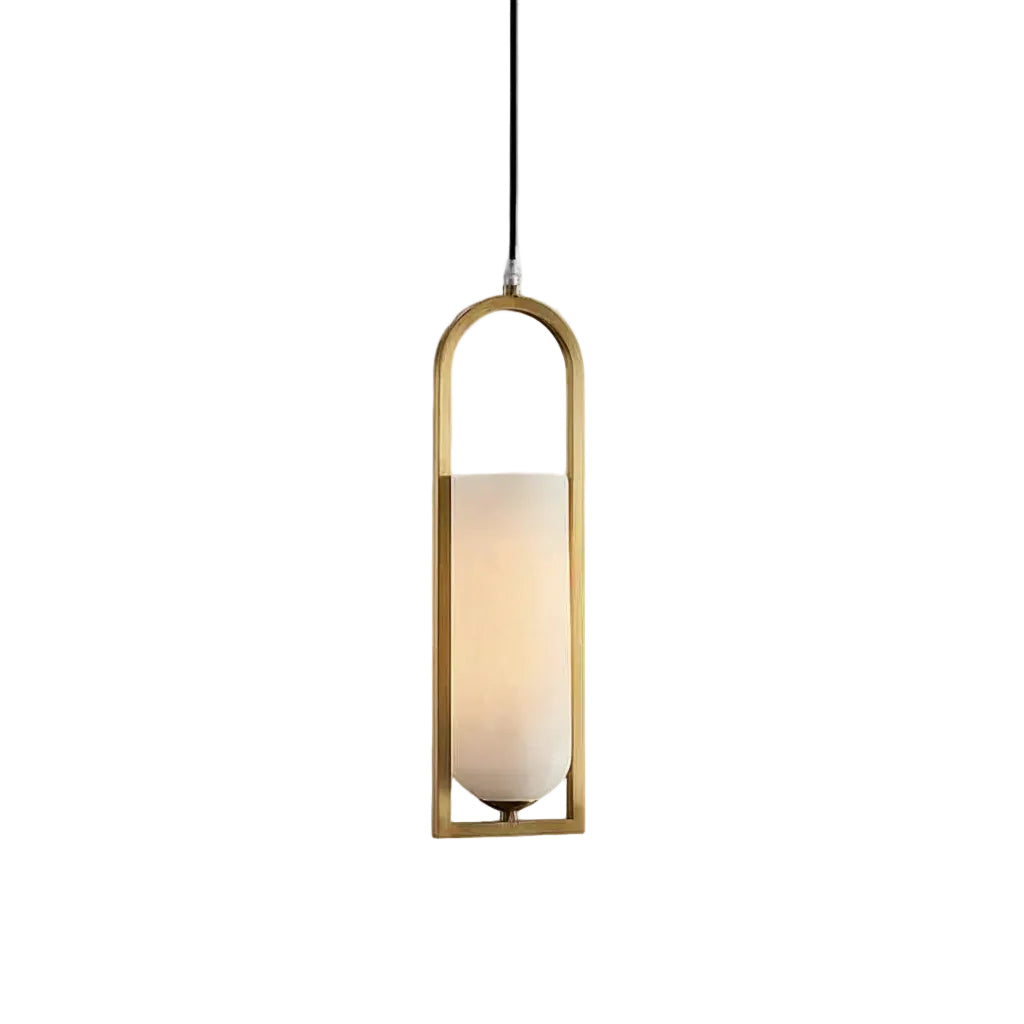
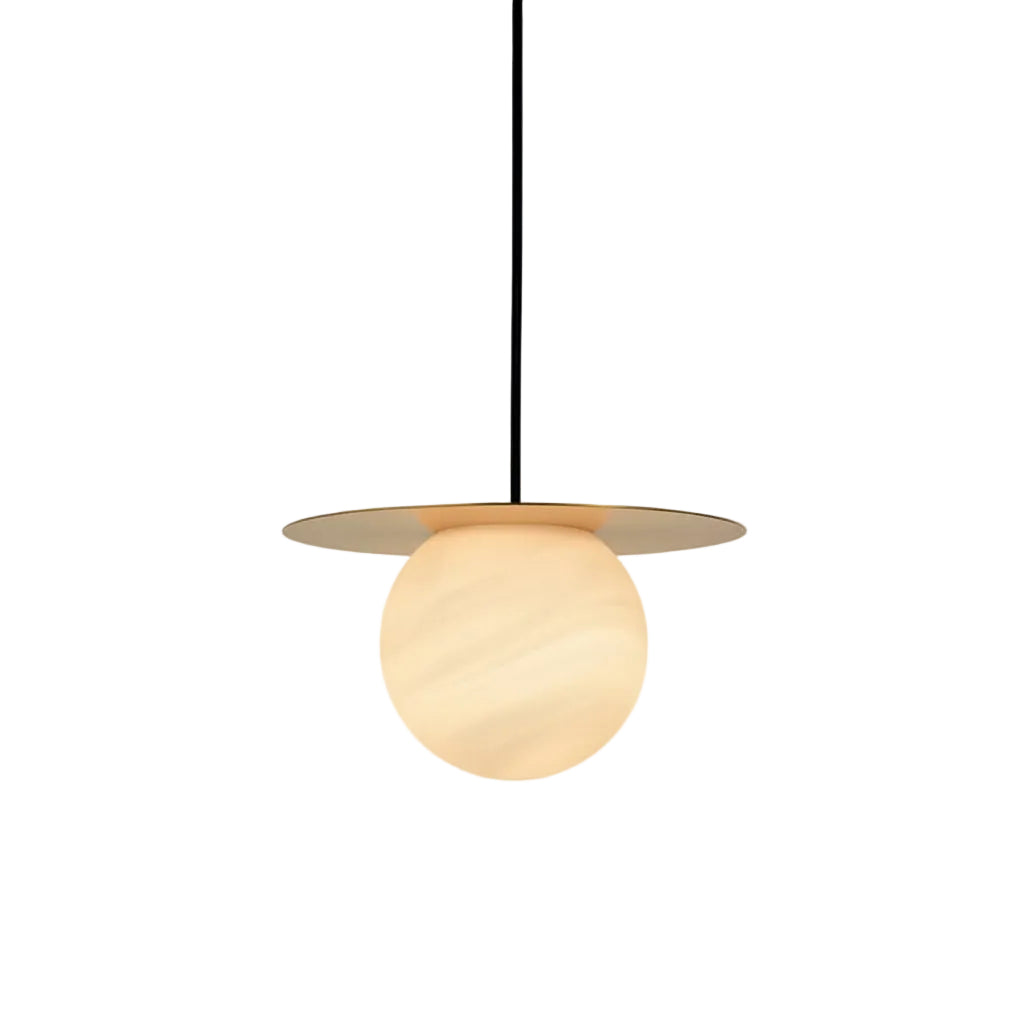
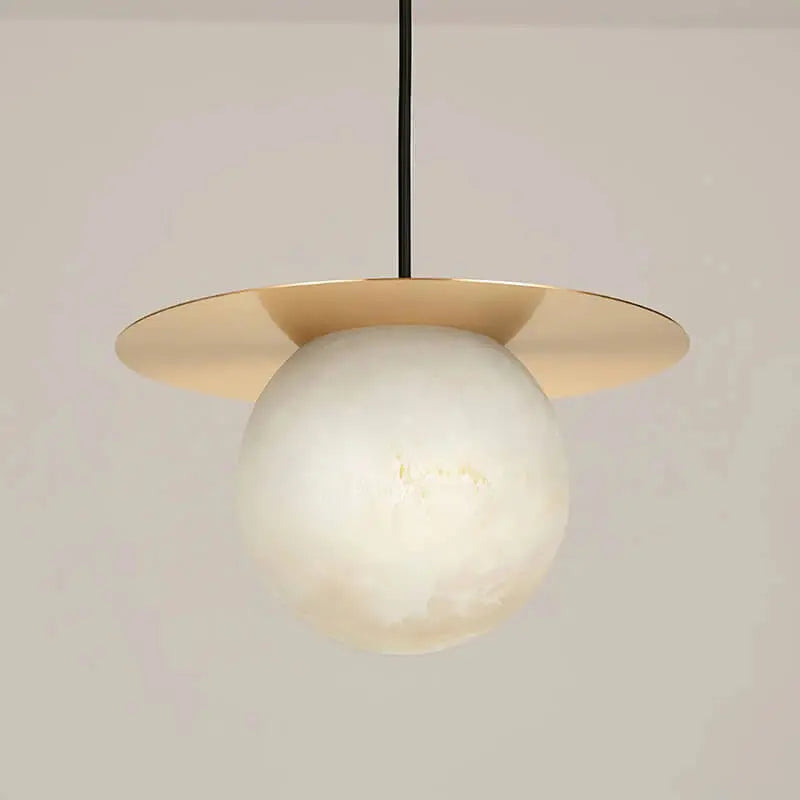
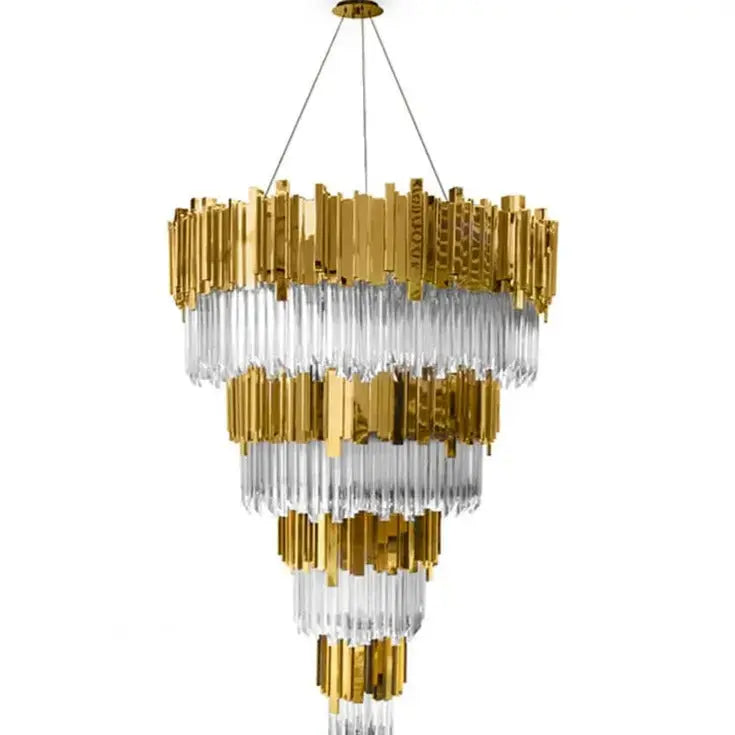
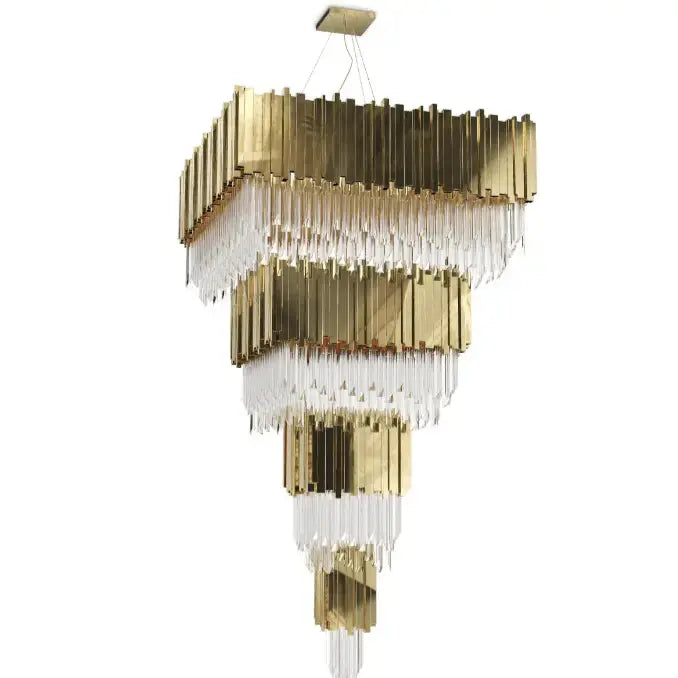
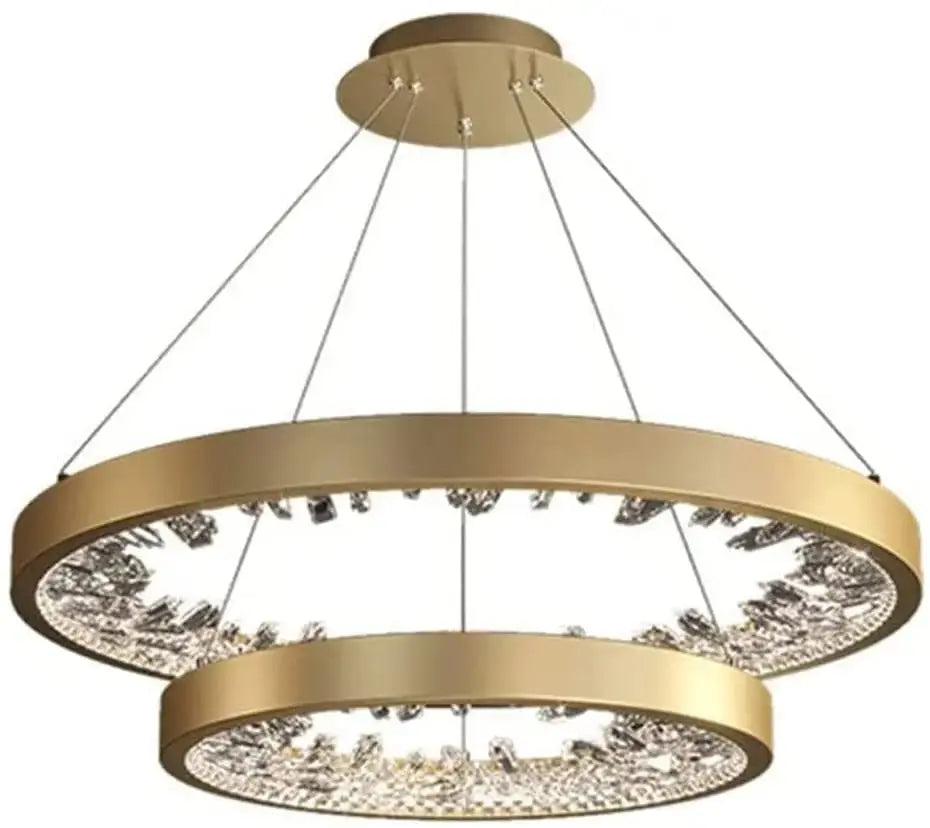
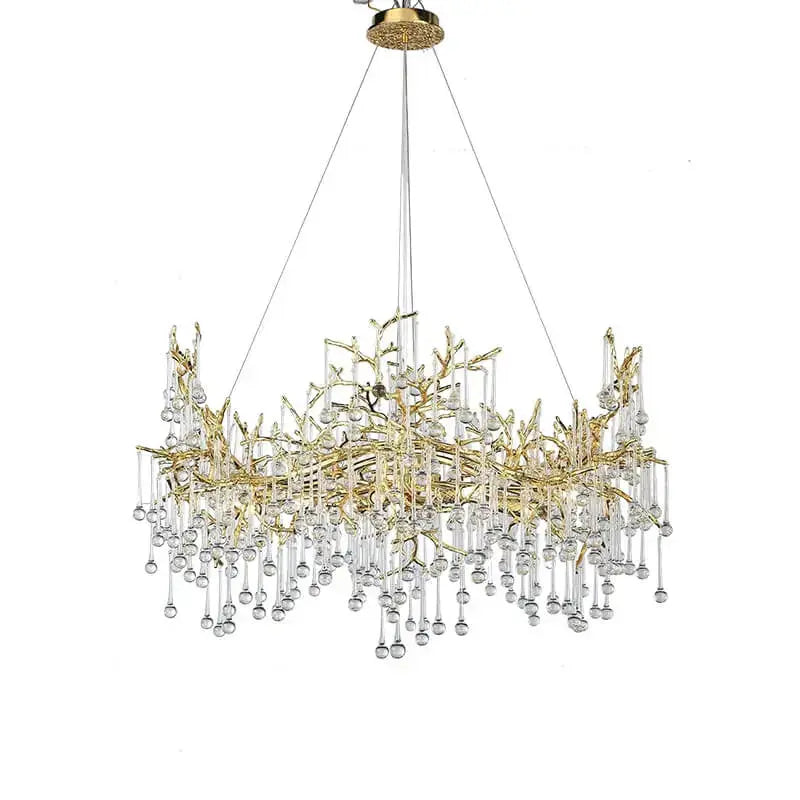
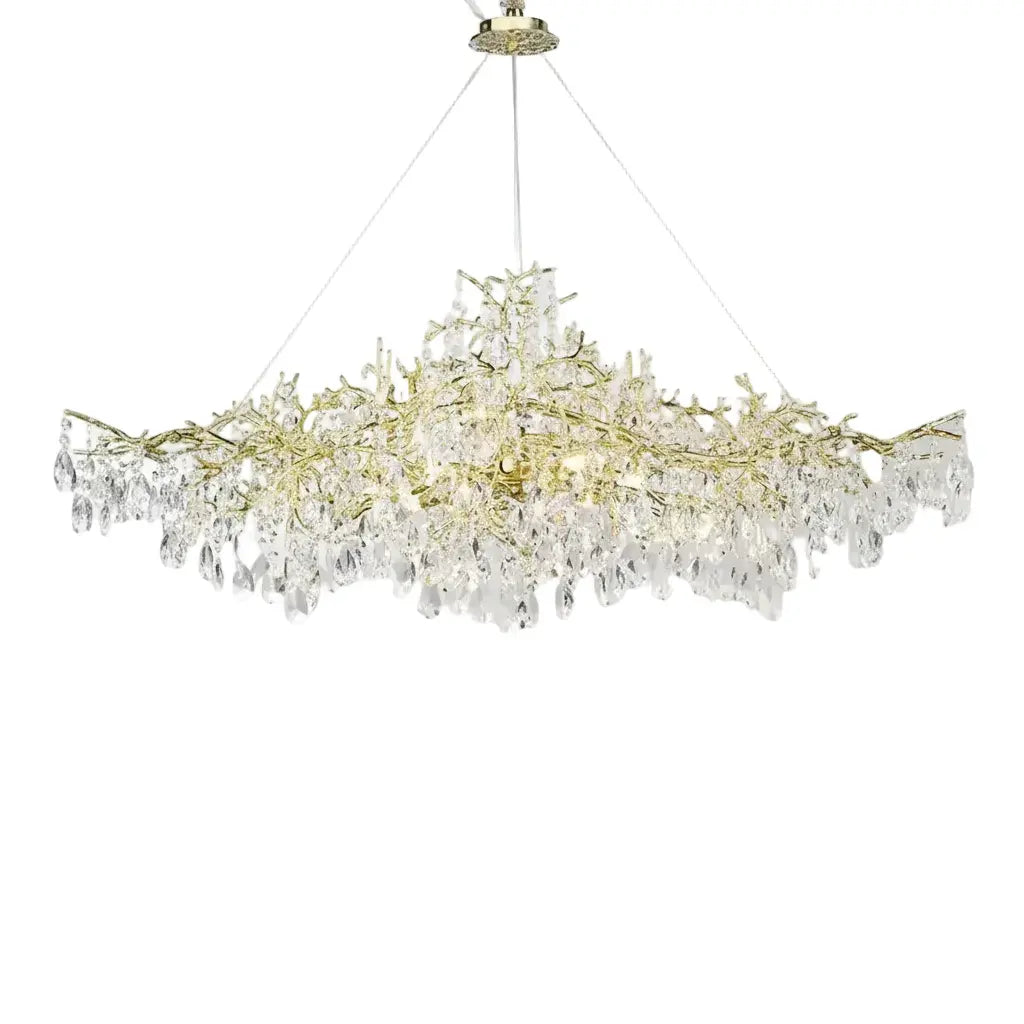
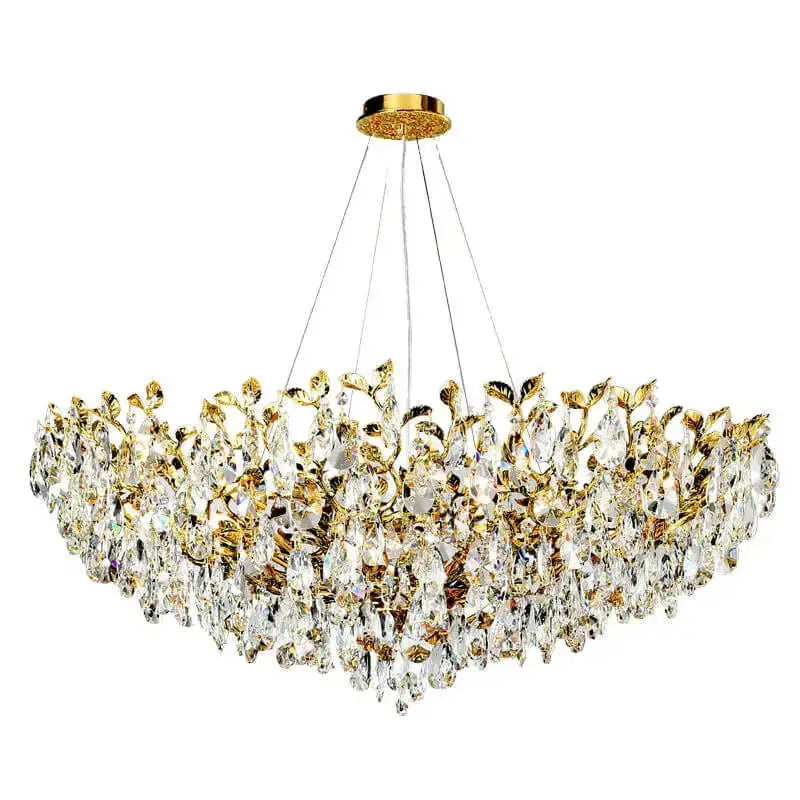
Common indoor lighting fixtures include ceiling lights, pendant lights, table lamps, and wall lights, each serving different roles in lighting design. Styles range from sleek modern and minimalist to classic and ornate designer options, enabling seamless integration with varied interior themes. Fixture materials such as glass, metal, alabaster, or fabric influence both light diffusion and room aesthetics. Selecting fixtures that complement décor and function achieves a harmonious balance between style and usability.
Practical Tips for Installing and Positioning Indoor Lighting
Correct mounting heights and spacing are crucial to avoid shadows and glare while ensuring even light spread. Ceiling lights generally install at least 2.2m above floor level, while pendant lights require careful height adjustment, especially over tables or kitchen islands. Wall lights should be placed to accent features without obstruction. In moisture-prone rooms like bathrooms and kitchens, IP-rated fixtures ensure safety. Incorporating dimmers and smart controls facilitates adaptable ambiance and energy efficiency throughout the home.
Creating Light Zones and Layered Lighting Design
Light zones segment a room into ambient, task, and accent areas to support different activities simultaneously. Layering various lighting types adds depth, dimension, and flexibility, transforming spaces from functional work areas to inviting retreats. Combining ceiling lights with table lamps and focused wall lights creates multiple zones, allowing tailored illumination for cooking, reading, or relaxing. Thoughtful planning enhances usability and mood options.
Energy Efficiency and Technology in Indoor Lighting
LED lighting dominates as an energy-saving, long-lasting solution for indoor lighting solutions. Smart technologies, including dimmable bulbs, tunable white options, and remote controls, offer convenient customization while reducing electricity costs. Choosing high CRI LED bulbs ensures natural colour rendering, making interiors appear vibrant and true to life with lower environmental impact.
Common Mistakes to Avoid in Indoor Lighting
Insufficient lighting or improperly placed fixtures can leave rooms feeling dark or overly harsh. Overreliance on single overhead lights often causes glare and unflattering shadows. Neglecting appropriate colour temperature or ignoring the balance between ambient and task lighting can impair both function and ambiance. Striking a balance between practicality and aesthetics without clutter is key to effective interior lighting design.
Tips for Using Colour and Material to Enhance Lighting Effects
Wall colours and reflective surfaces influence light diffusion—lighter shades and glossy finishes brighten spaces by reflecting light, while darker tones absorb it. Materials like glass, alabaster, or fabric in table lamps and pendant lights soften light output, creating inviting atmospheres. Complementing light colour temperature with room colours enhances harmony, and translucent materials offer gentle, diffused illumination perfect for relaxation zones.
Lighting Ideas for Small and Narrow Spaces Like Hallways
Small or narrow spaces benefit from bright, indirect lighting that visually expands the area. Slim-profile wall lights or discreet LED strips positioned close to walls deliver soft, even illumination without overwhelming compact zones. Avoid bulky fixtures that crowd tight passages, and layer ceiling and accent lighting to add depth and interest, making hallways feel more spacious and welcoming.
Enhancing Indoor Lighting with Smart Control and Dimmable Features
Dimmable lighting provides versatile control over brightness, enabling seamless switches between functional and ambient moods. Smart lighting systems offer remote control, scheduling, and colour tuning, enhancing usability for diverse activities. This technology adds convenience and future-proofs lighting schemes, allowing households to personalise settings per room with ease.
Final Tips for Designing Effective and Stylish Indoor Lighting
Balancing ambient, task, and accent lighting layers ensures a home that is both practical and inviting. Consider colour temperature and CRI to shape moods and highlight interiors authentically. Choose fixtures thoughtfully to suit room sizes, décor, and personal style, ensuring harmony and function. Planning lighting with adaptability in mind supports evolving trends and lifestyles, allowing interior lighting solutions to remain relevant and enjoyable over time.