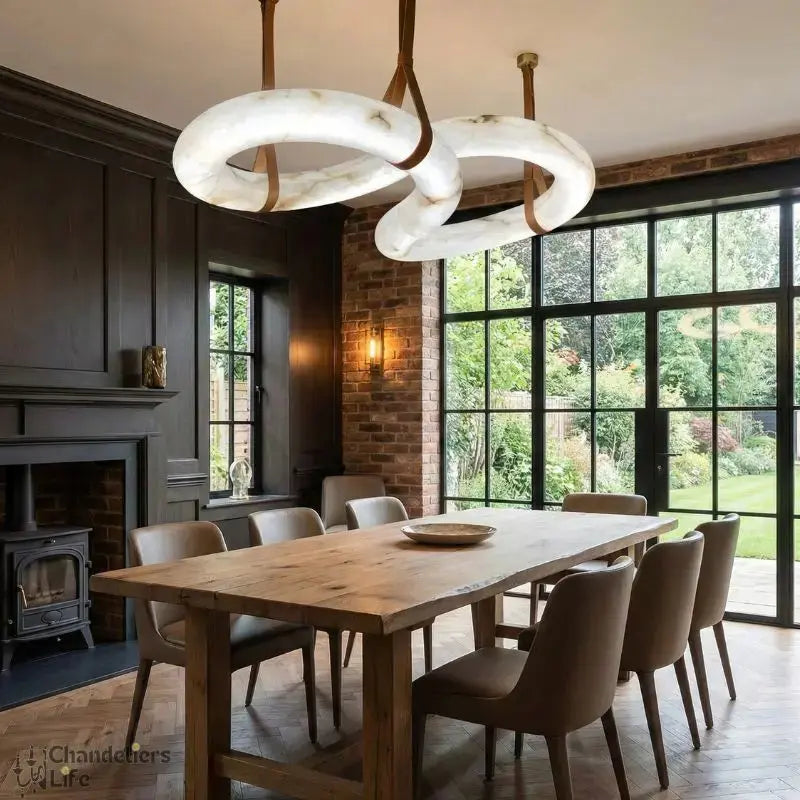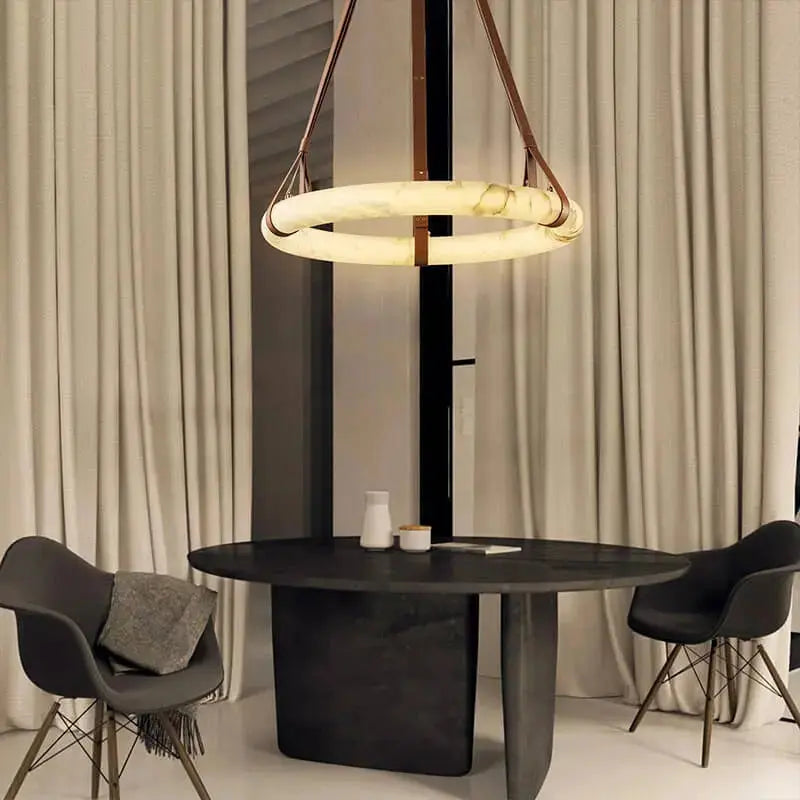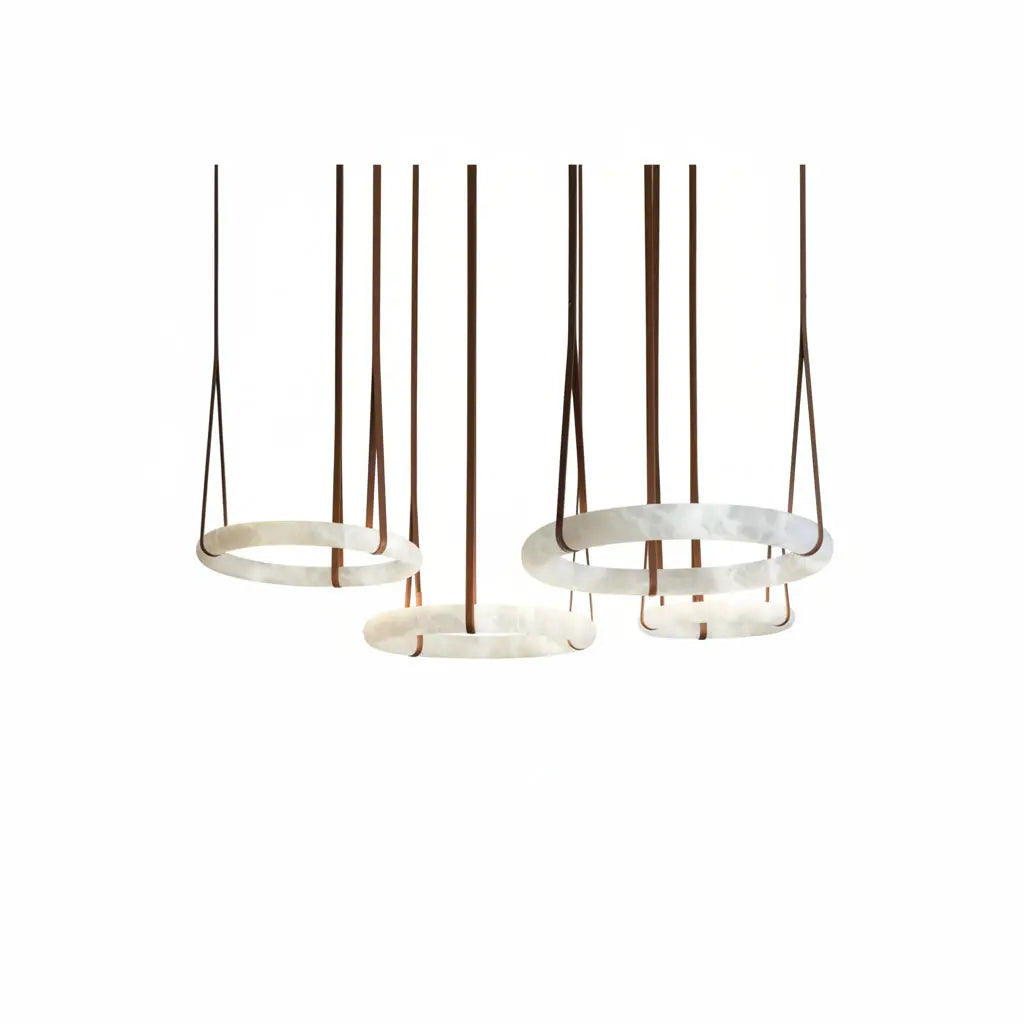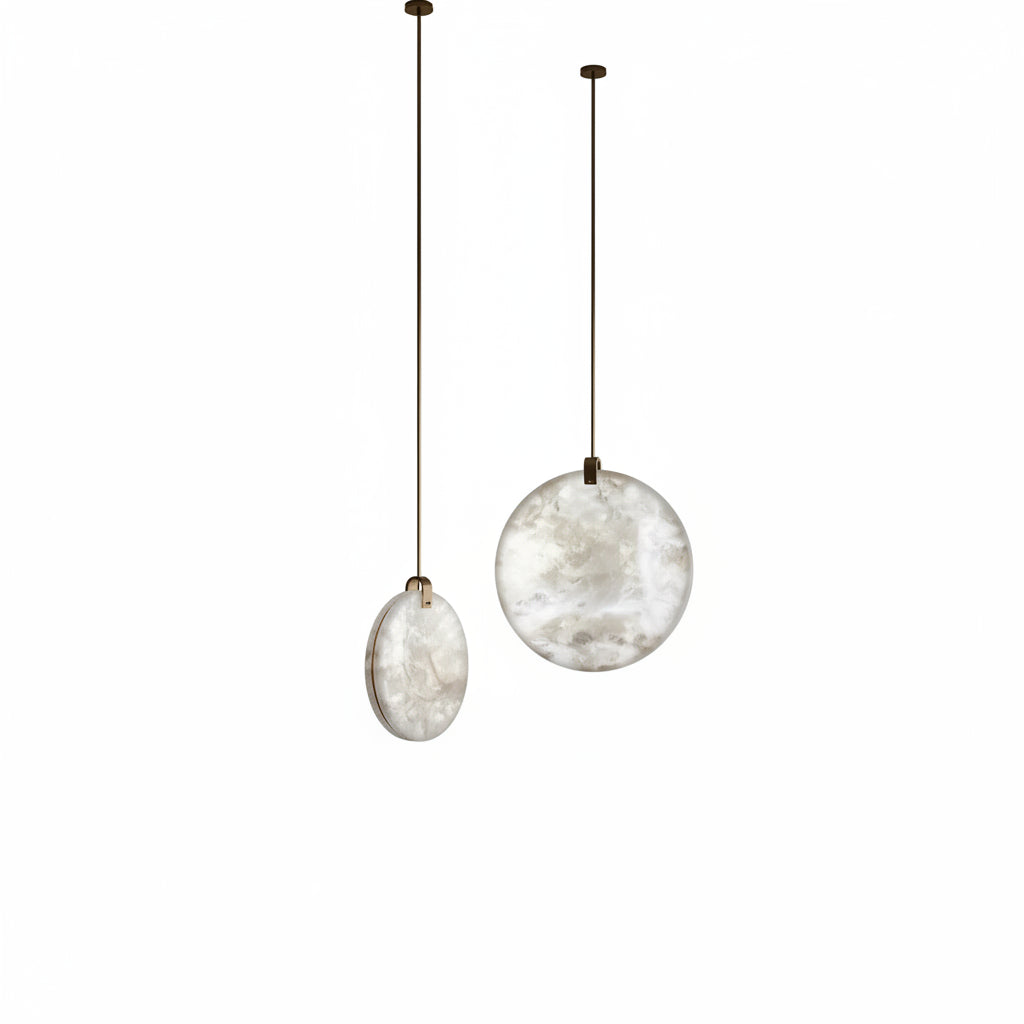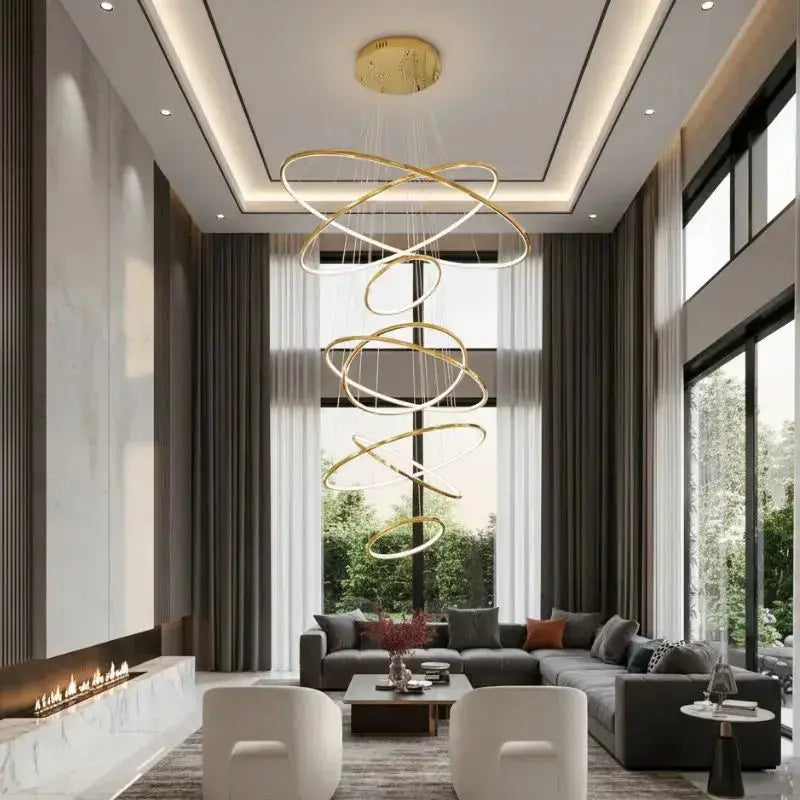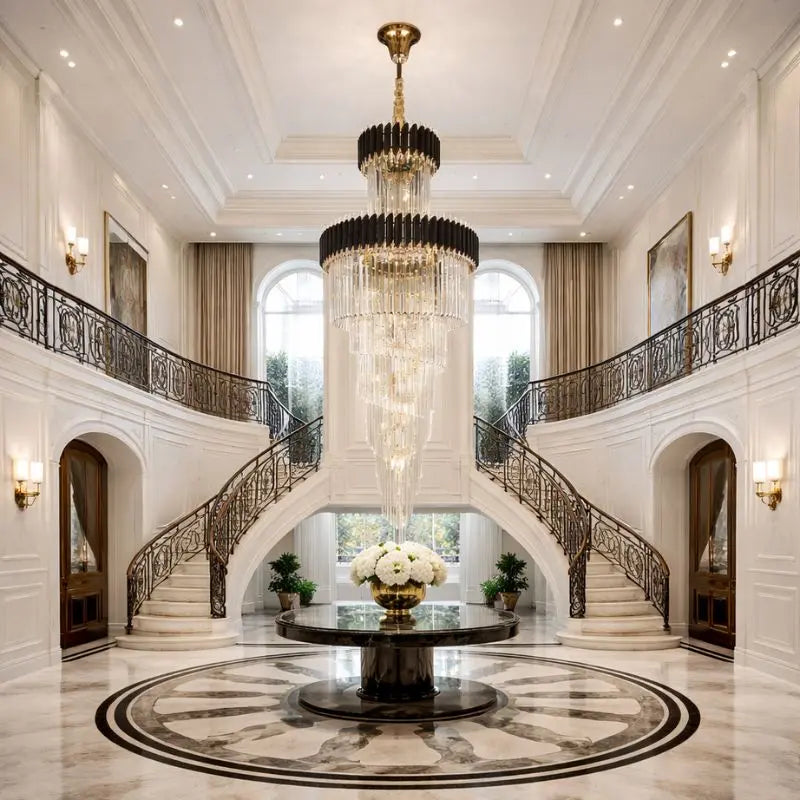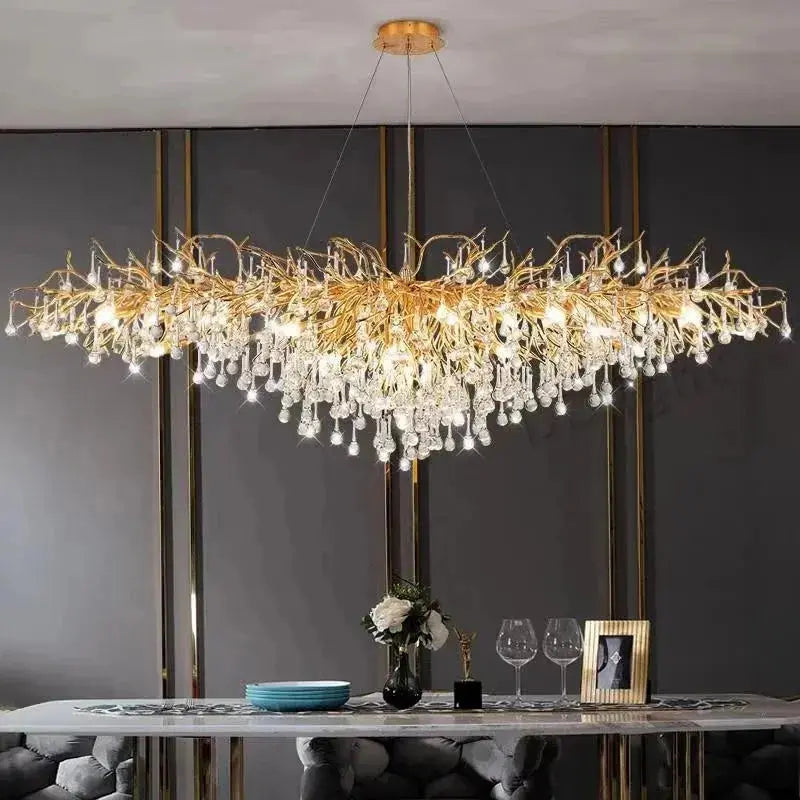
The most inviting terraces do not simply become visible after sunset - they acquire a different personality. Thoughtful terrace wall lighting ideas can turn a plain boundary wall into an architectural feature, give an outdoor dining setting a soft, flattering glow and make every evening outside feel more considered. The key is to layer light with the same care you would give a beautifully furnished living room.
Start with the terrace itself
Before choosing a finish or fixture shape, consider what your wall lighting needs to do. A compact terrace used for late dinners may need warm pools of light around the table, while a larger entertaining space benefits from a rhythm of fixtures that defines its perimeter. Walls beside steps, doors and changes in level require clearer illumination, but the light should still feel calm rather than clinical.
For most residential terraces, warm-white light creates the most luxurious result. Around 2700K delivers the relaxed, candlelit character that flatters stone, timber, planting and skin tones. Aim light downwards or diffuse it through glass where possible. Bare, exposed glare can make even the most exquisite terrace feel harsh.
Terrace wall lighting ideas with lasting style
1. Frame French doors with matching lanterns
A pair of outdoor wall lanterns on either side of French or bi-fold doors brings instant symmetry to a terrace. This is an especially elegant choice for period-inspired homes, rendered façades and spaces with classic garden furniture. Choose black metal for crisp contrast, aged brass for warmth, or a bronze-toned finish that settles beautifully beside natural stone.
The fitting should feel substantial enough to hold its own against the door frame without overwhelming it. Lanterns with clear glass offer a more traditional look, while lightly frosted or seeded glass softens the source and makes evening dining more comfortable.
2. Use up-and-down lights to emphasise texture
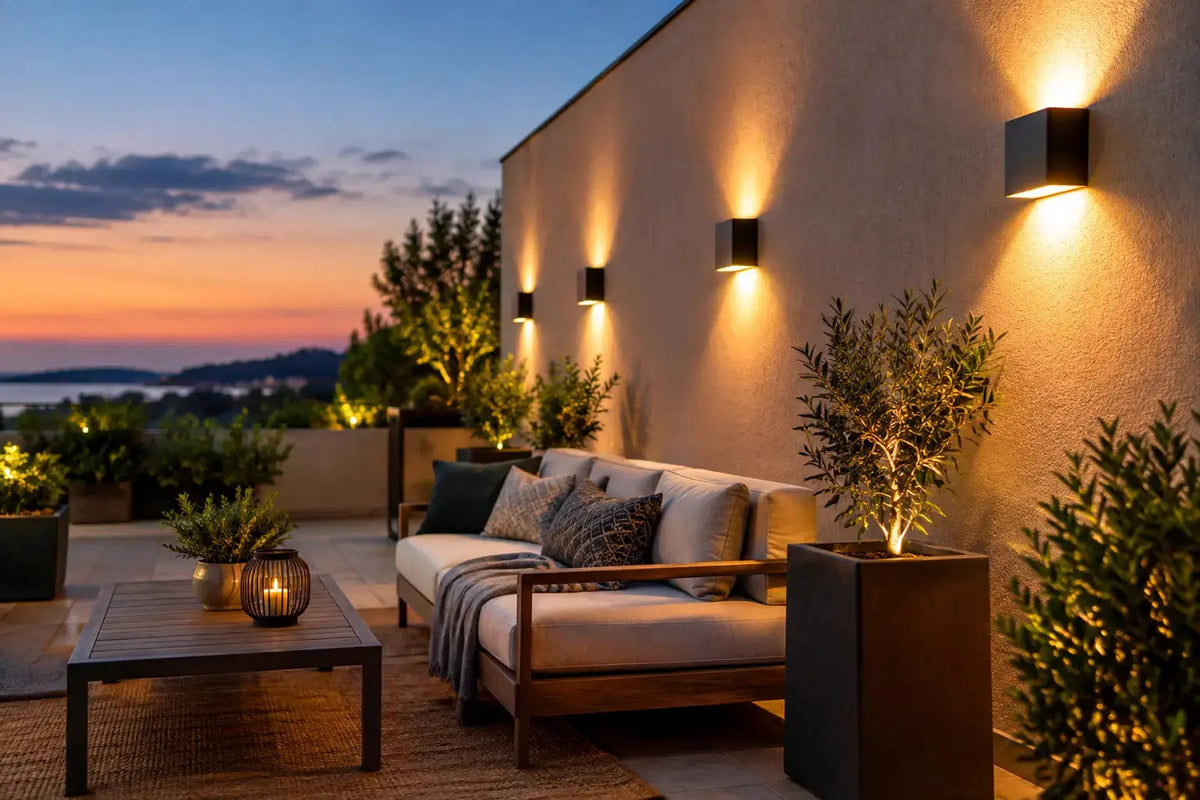
For brick, fluted render, limestone or timber cladding, up-and-down wall lights offer a dramatic architectural effect. Their beams create vertical ribbons of light that draw out the surface texture and add height to an otherwise low terrace wall.
This approach works best when fixtures are spaced consistently and the wall has something worth revealing. On a very smooth painted wall, the effect can appear more graphic than inviting. Choose a restrained cylindrical or rectangular design in matte black, charcoal or brushed metal for a contemporary luxury finish.
3. Add low-level step lights where safety matters
Steps deserve their own lighting plan rather than relying on a bright fitting near the house. Recessed or surface-mounted wall lights positioned low on a retaining wall provide gentle guidance without interrupting the atmosphere. They are particularly useful for terraces that lead towards a lawn, garden path or lower seating area.
A shielded fitting is preferable because it directs illumination on to the tread instead of into guests' eyes. Keep the output modest. The objective is confident movement, not a runway effect.
4. Create a soft backdrop behind an outdoor sofa
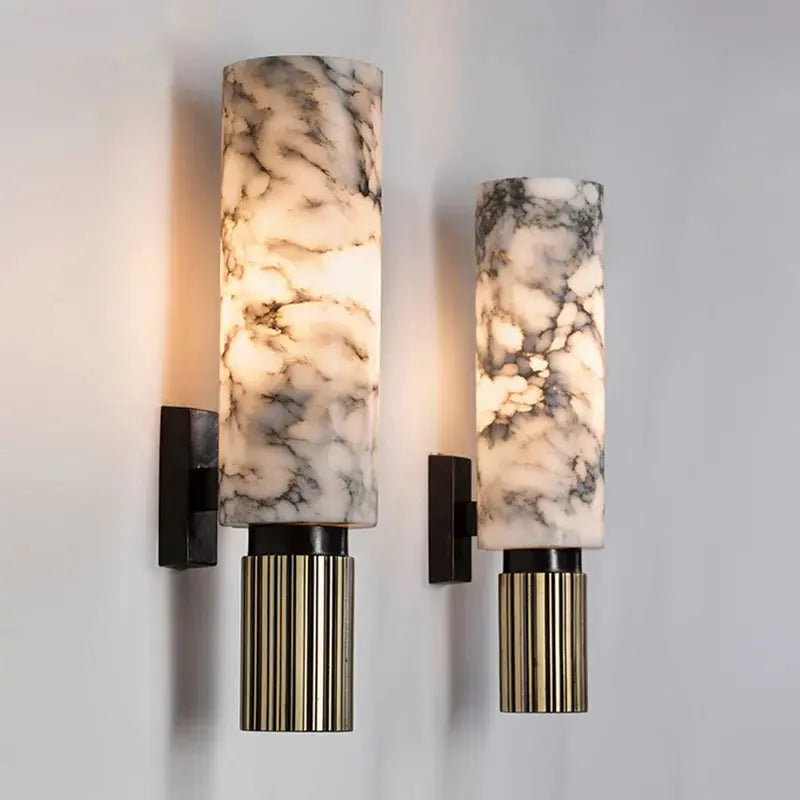
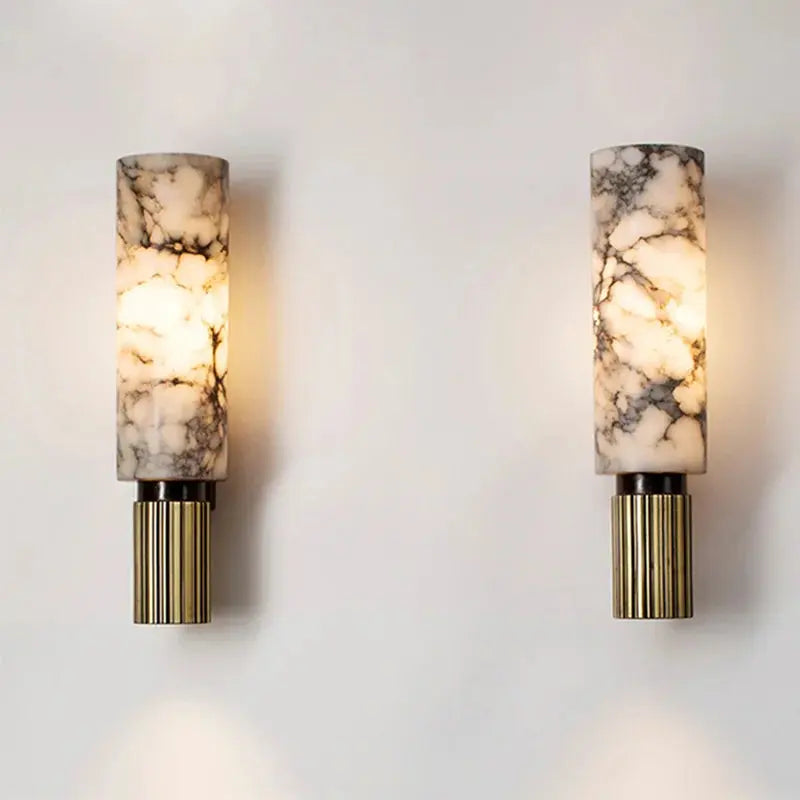
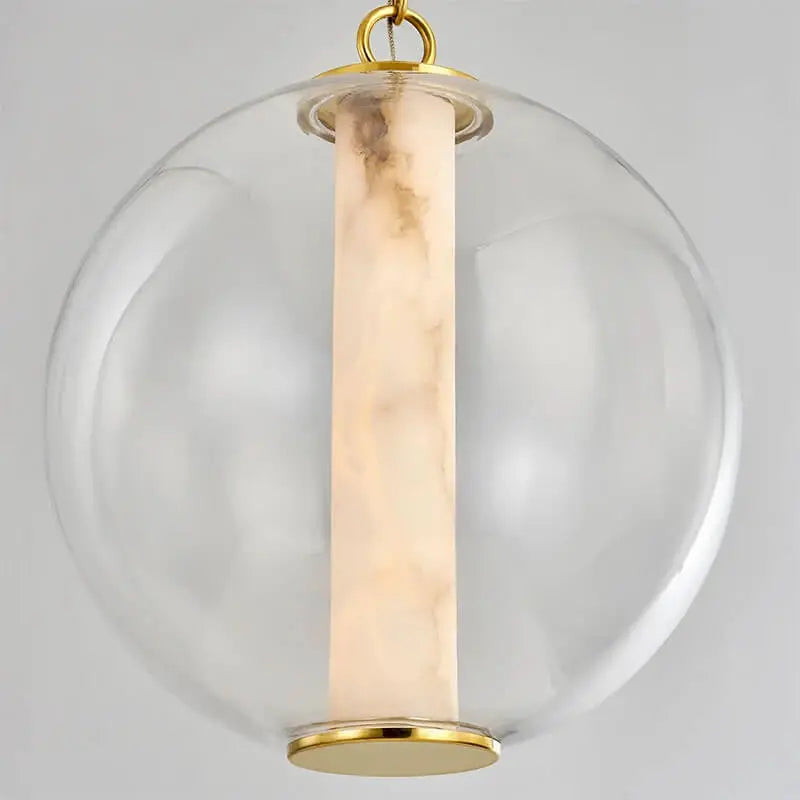
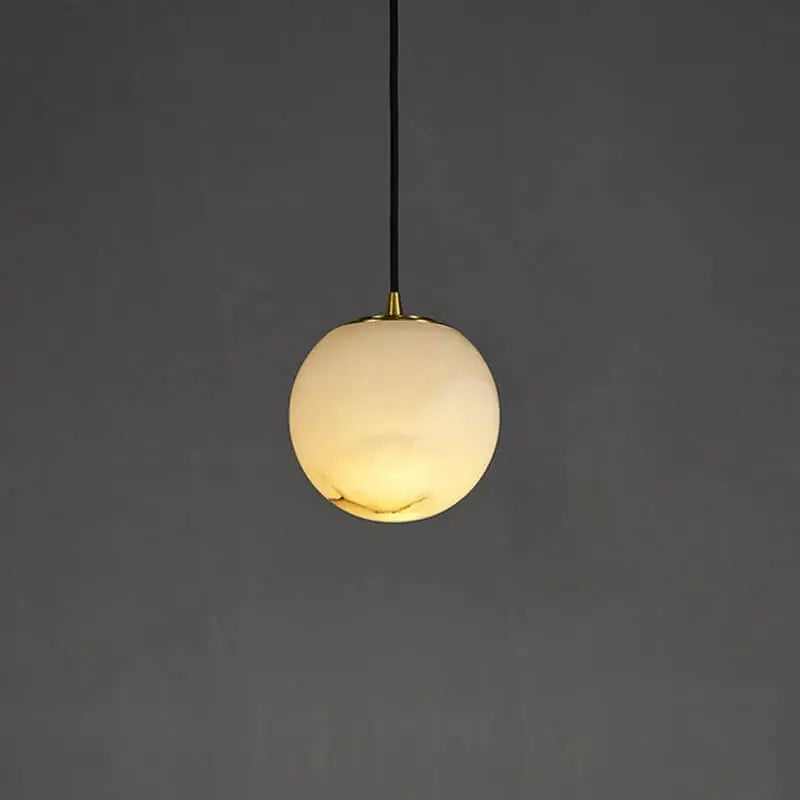
An outdoor lounge arrangement feels far more finished when the wall behind it has a deliberate glow. A pair of diffused wall sconces, placed at either end of the seating zone, can make the area read as an outdoor room. Opal glass shades and sculptural, rounded silhouettes are ideal when you want softness rather than sharp beams.
This is a fine opportunity to bring a little interior character outside. A beautifully shaped wall light can echo the curves, finishes or proportions of the decorative lighting indoors, creating a more cohesive transition from home to terrace.
5. Choose black wall lights for modern contrast
Matte black outdoor fixtures have a clean, confident presence against pale render, white brick and light-toned porcelain paving. They also coordinate effortlessly with black-framed glazing, outdoor kitchens and contemporary furniture. A slim black sconce is often all a minimalist terrace needs to feel intentional.
The trade-off is visibility in daylight. If your exterior is dark brick, black fittings may disappear rather than contribute to the façade. In that case, antique brass, bronze or a softly contrasting grey can provide more definition.
6. Bring brass warmth to sheltered dining areas
Brass-finished wall lights lend a tailored, hospitality-inspired atmosphere to a covered terrace or loggia. They pair especially well with timber tables, woven chairs, travertine and cream upholstery. Look for outdoor-rated fixtures with a finish designed to weather naturally, as genuine metal may develop a patina over time.
That change can be part of its appeal, but it is worth deciding early whether you prefer evolving character or a finish that remains more uniform. In exposed coastal or wet locations, select fittings made for demanding outdoor conditions and follow the manufacturer’s care guidance.
7. Light a feature wall rather than every wall
Not every surface needs a fitting. Concentrating light on one focal wall can feel more luxurious than covering the terrace perimeter in identical sconces. This might be the wall behind a dining table, a section of stone cladding, a water feature or a carefully trained climber.
Use two or three fixtures to establish balance, then allow the remaining areas to fall into softer shadow. Darkness is not a design failure outdoors. It creates depth and lets illuminated details feel more special.
8. Highlight planting with directional wall lights
Where a terrace wall sits behind tall grasses, olive trees or architectural evergreens, directional wall lights can create beautiful silhouettes. Angle the beam across leaves and branches rather than pointing directly at the plants. The resulting shadows will move gently in the breeze and add life to the space.
Avoid lighting every planter from every direction. A single considered source often gives a more natural, high-end result. It also preserves the restful contrast between the planted edge and the social area.
9. Use frosted glass for a gentler welcome
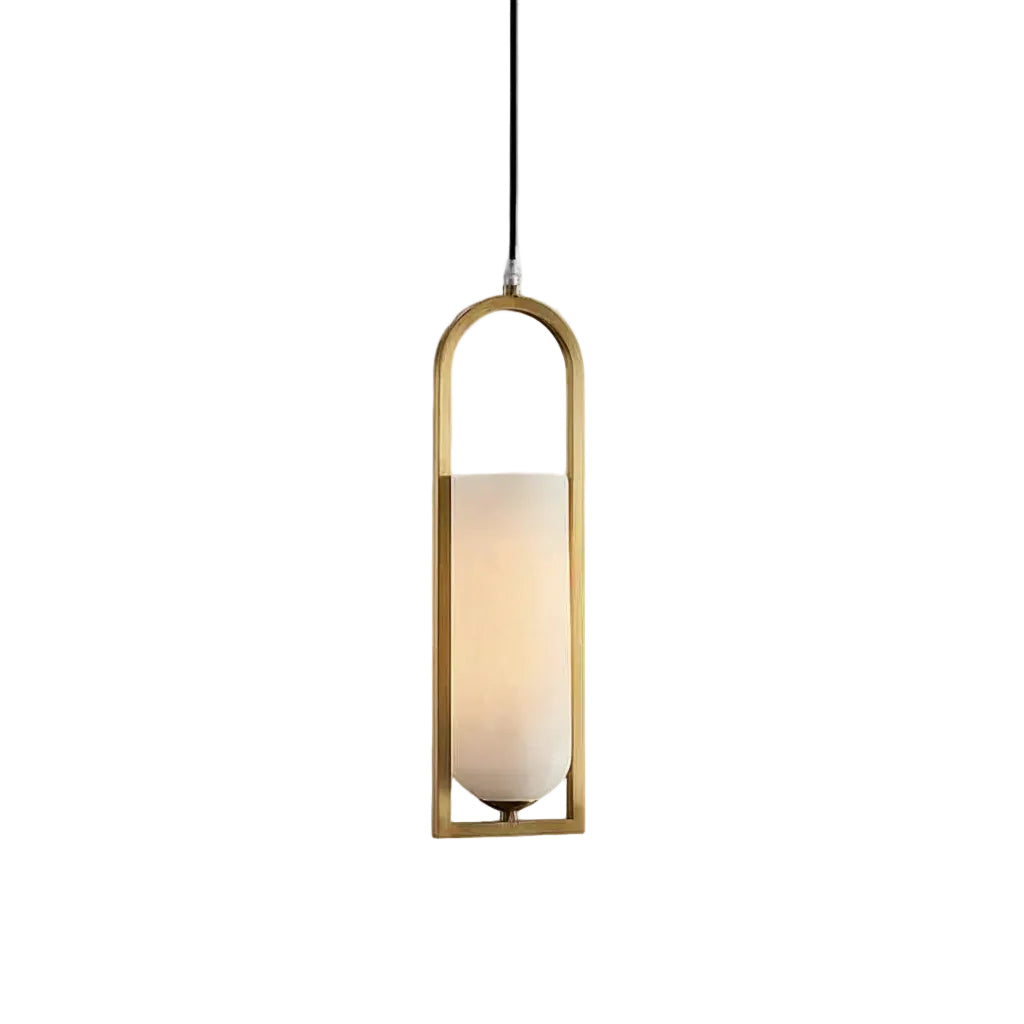
Near a terrace entrance, frosted or opal-glass wall lights are a practical and polished choice. They provide enough light for finding keys, greeting guests and moving through doors, while concealing the lamp and reducing glare. Their simple, diffused quality suits both traditional and contemporary exteriors.
For a composed façade, align the centre of each fitting with nearby architectural elements such as door rails, window mullions or wall panelling. Small alignment decisions have a surprisingly large impact on how premium the finished scheme appears.
10. Make a narrow terrace feel wider with horizontal forms
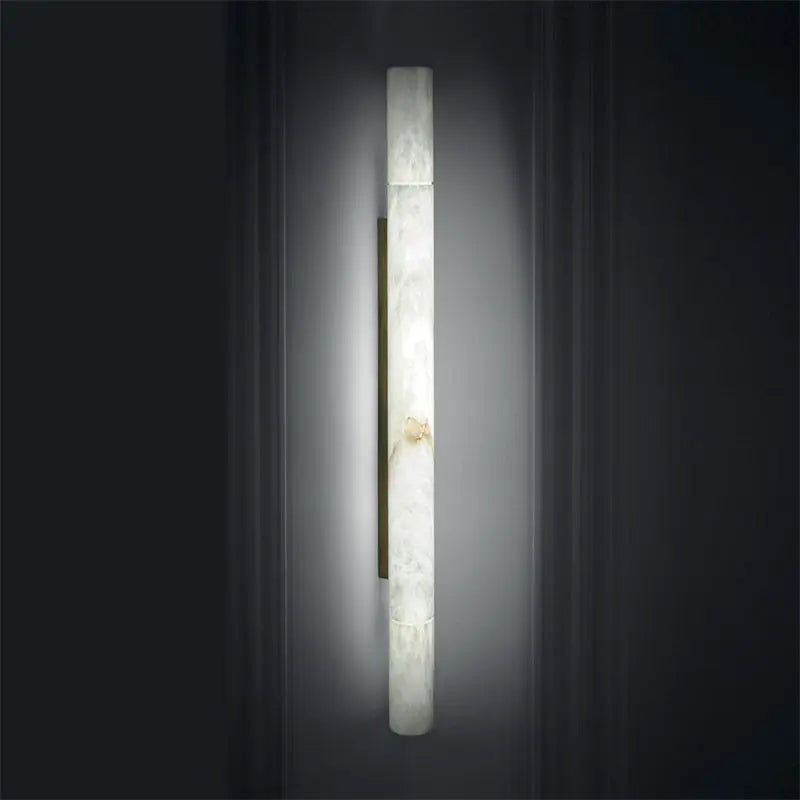
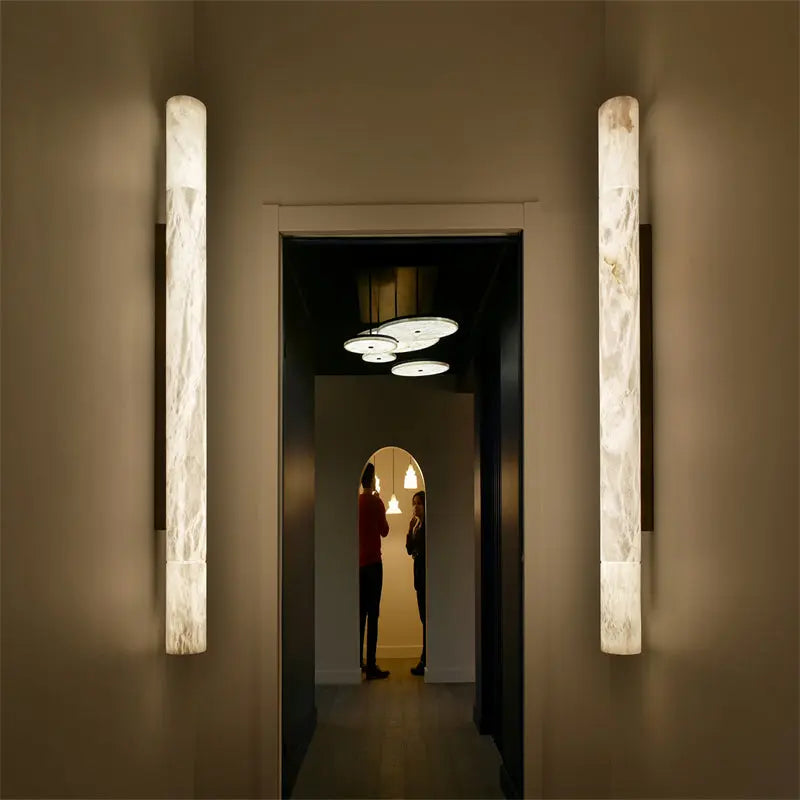
Long, slim wall lights can visually stretch a narrow terrace. Mounted along a side wall, they draw the eye across the length of the space and bring a tailored, contemporary line to the architecture. They work beautifully beside built-in benches, outdoor bars and streamlined planters.
Keep the light source well diffused if seating is close to the wall. A fixture that looks striking in daylight can be unpleasant when it shines directly into the eyes of someone reclining beneath it.
11. Pair wall lighting with a statement overhead piece
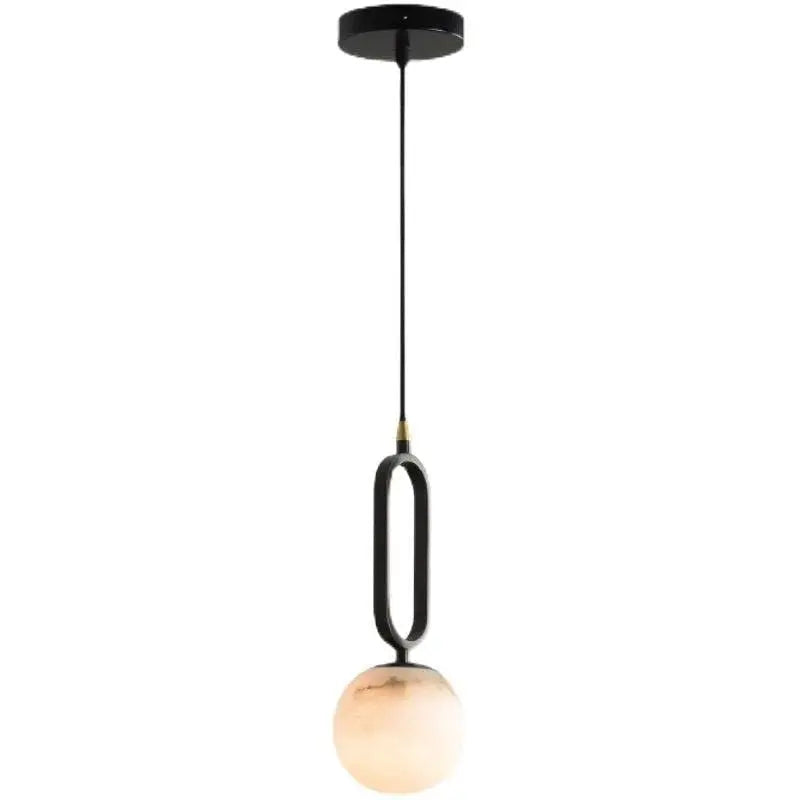
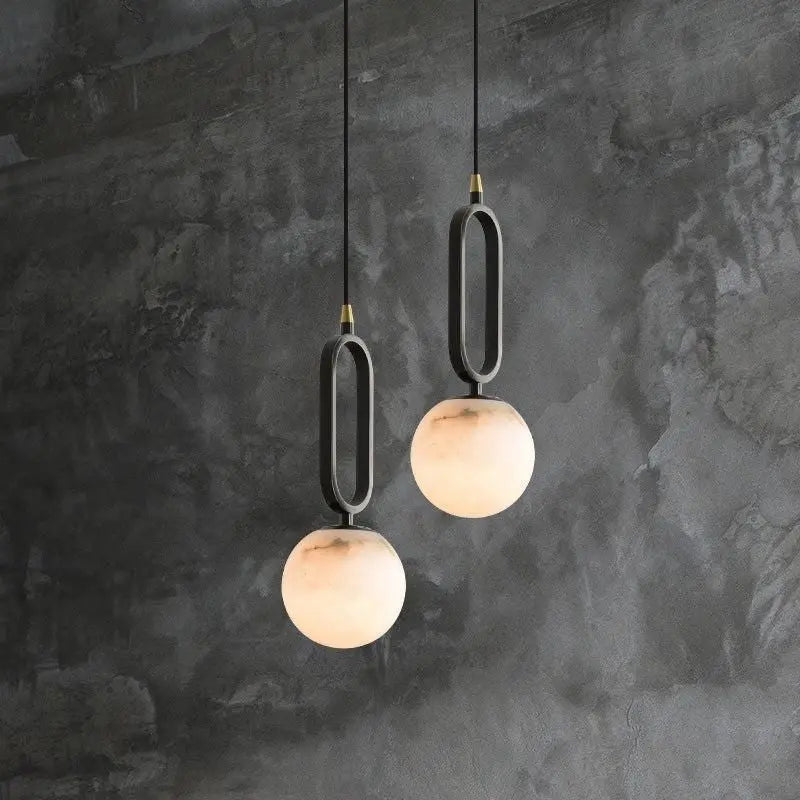
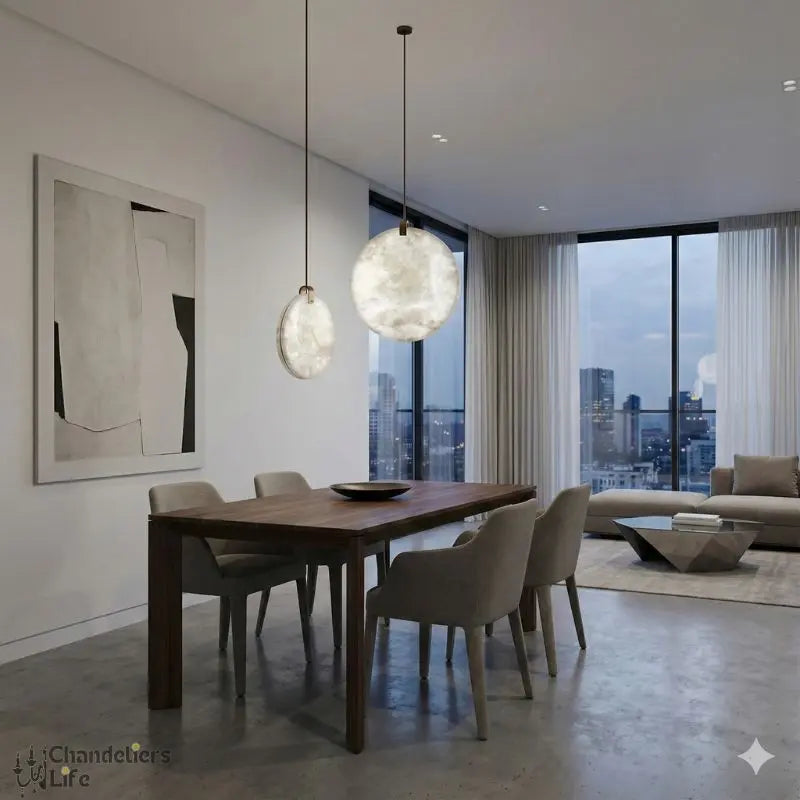
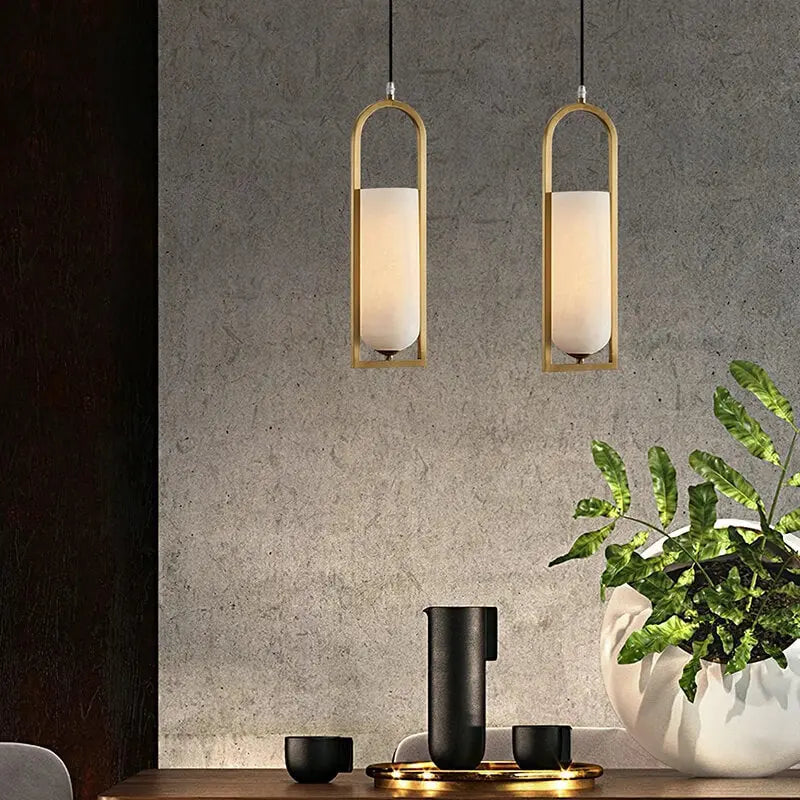
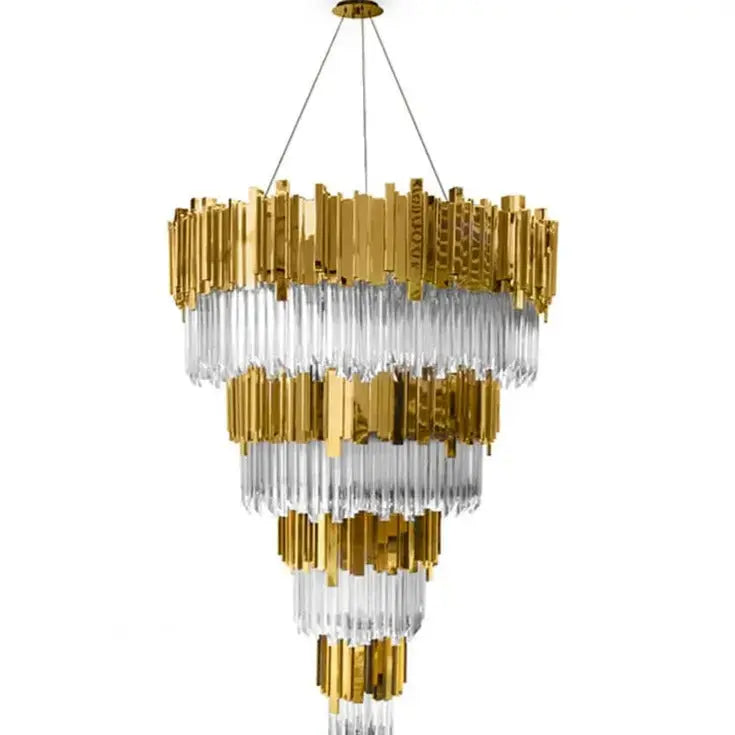
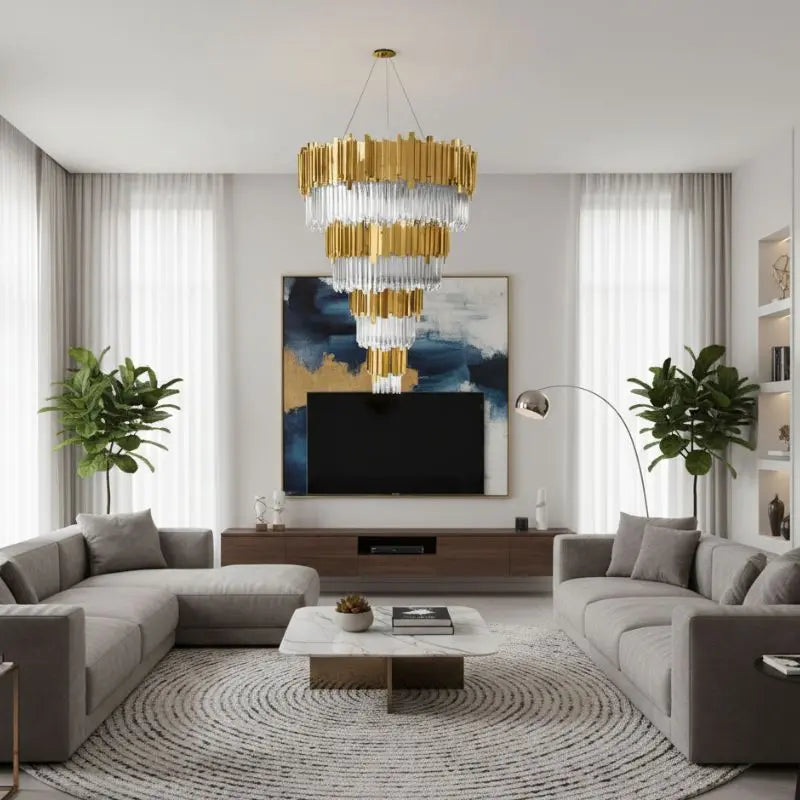
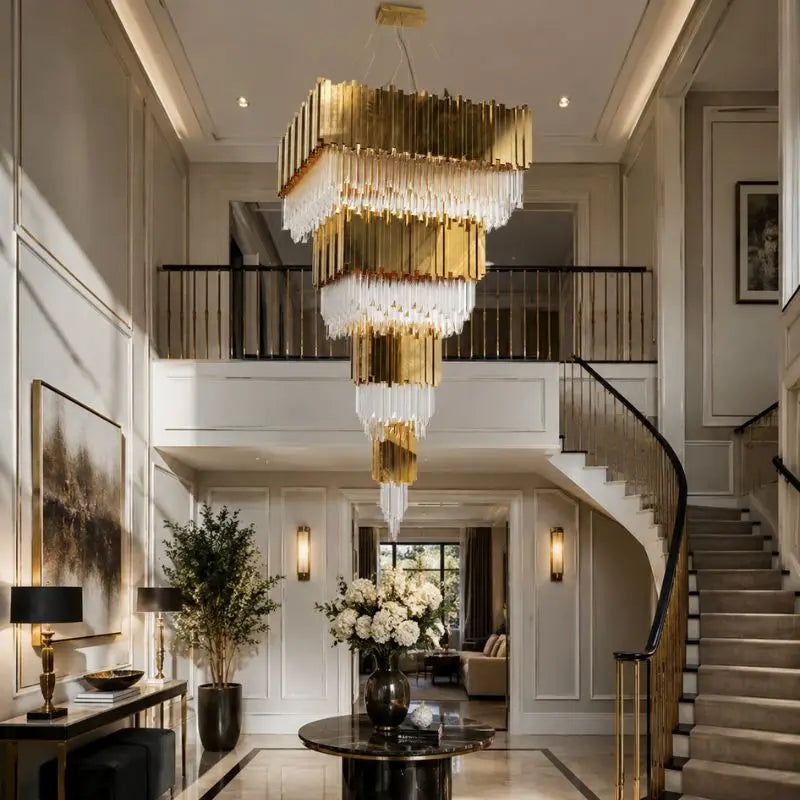
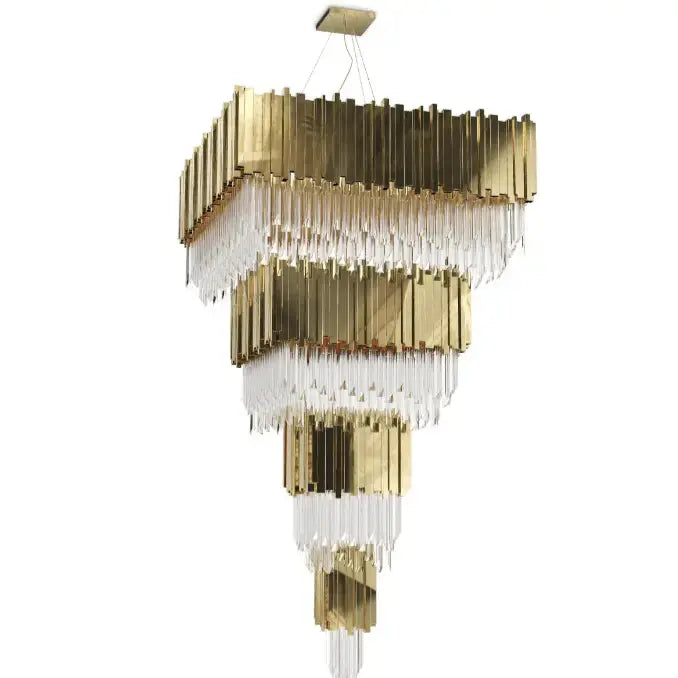
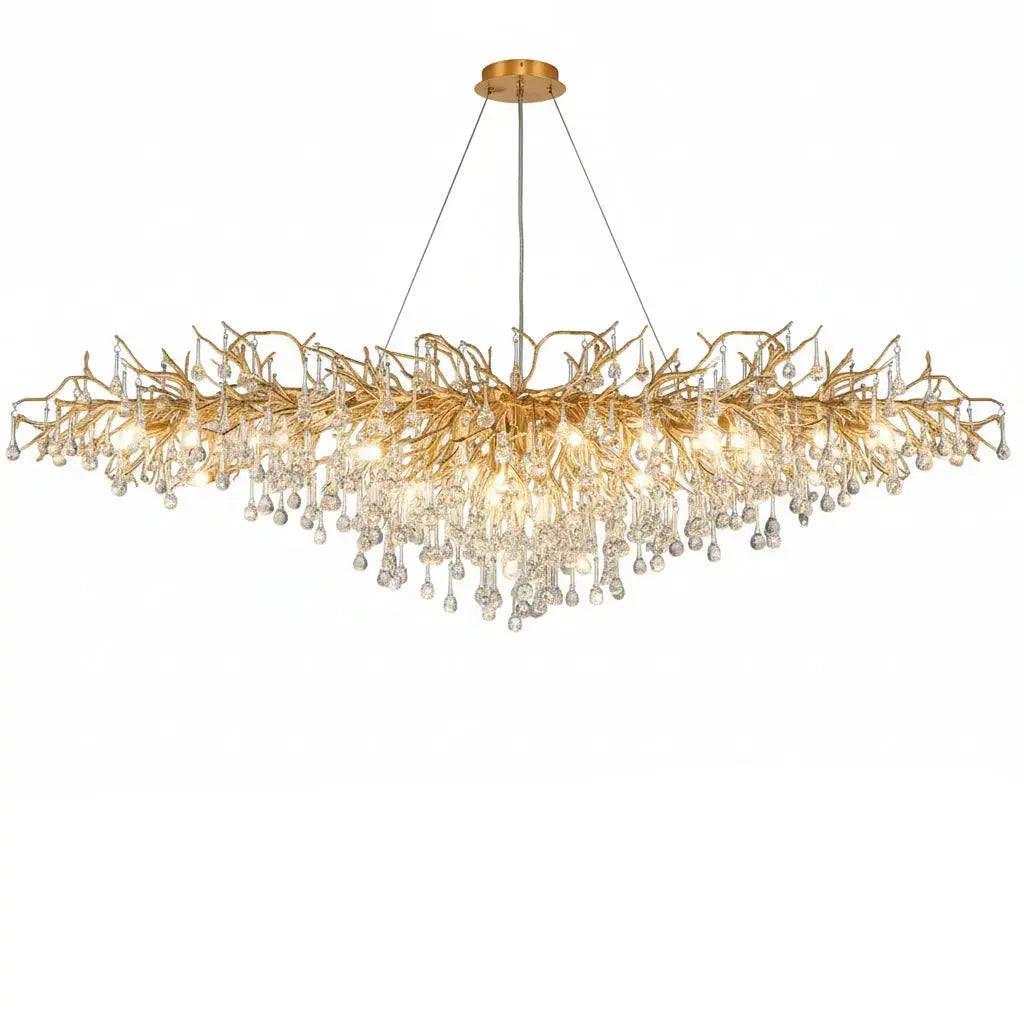
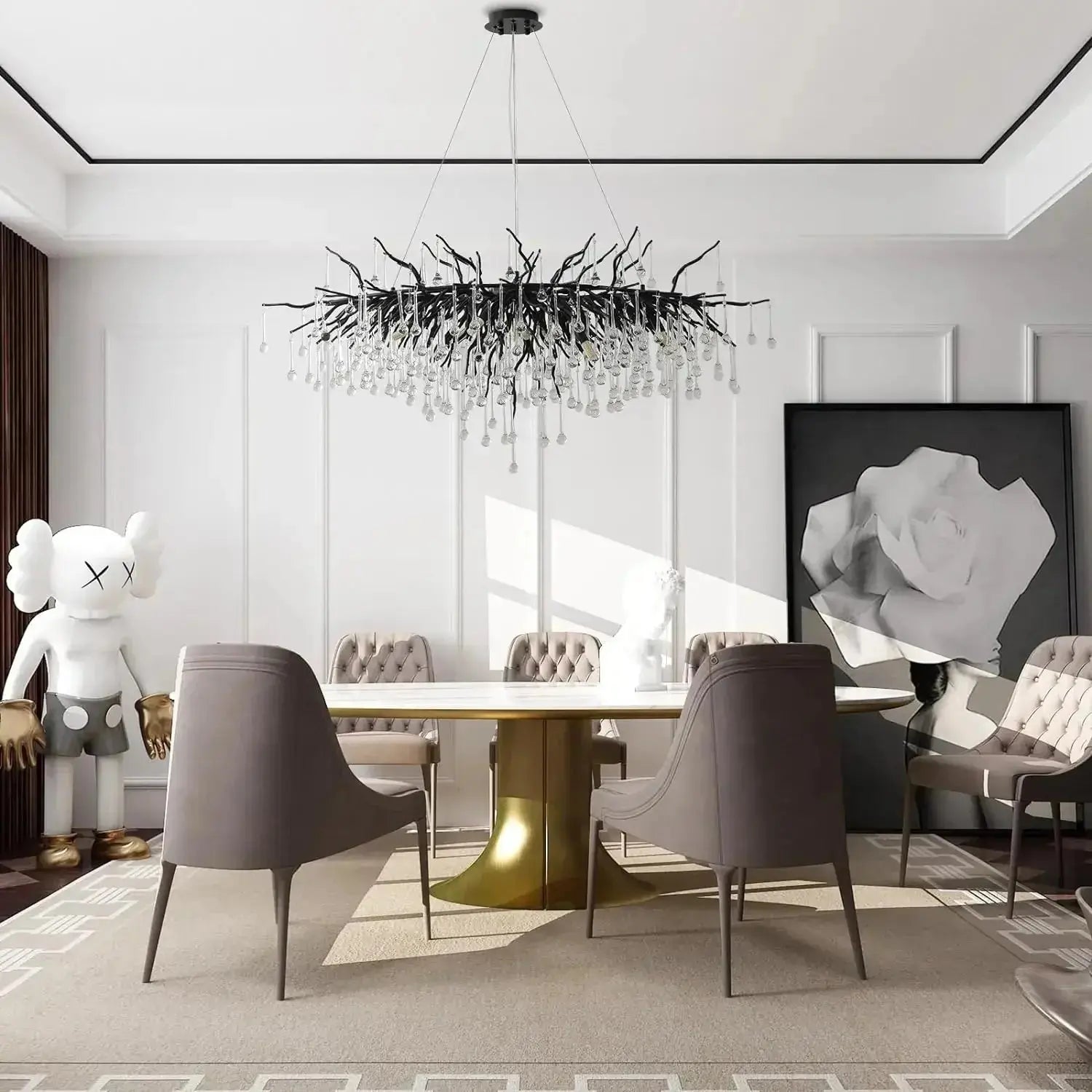
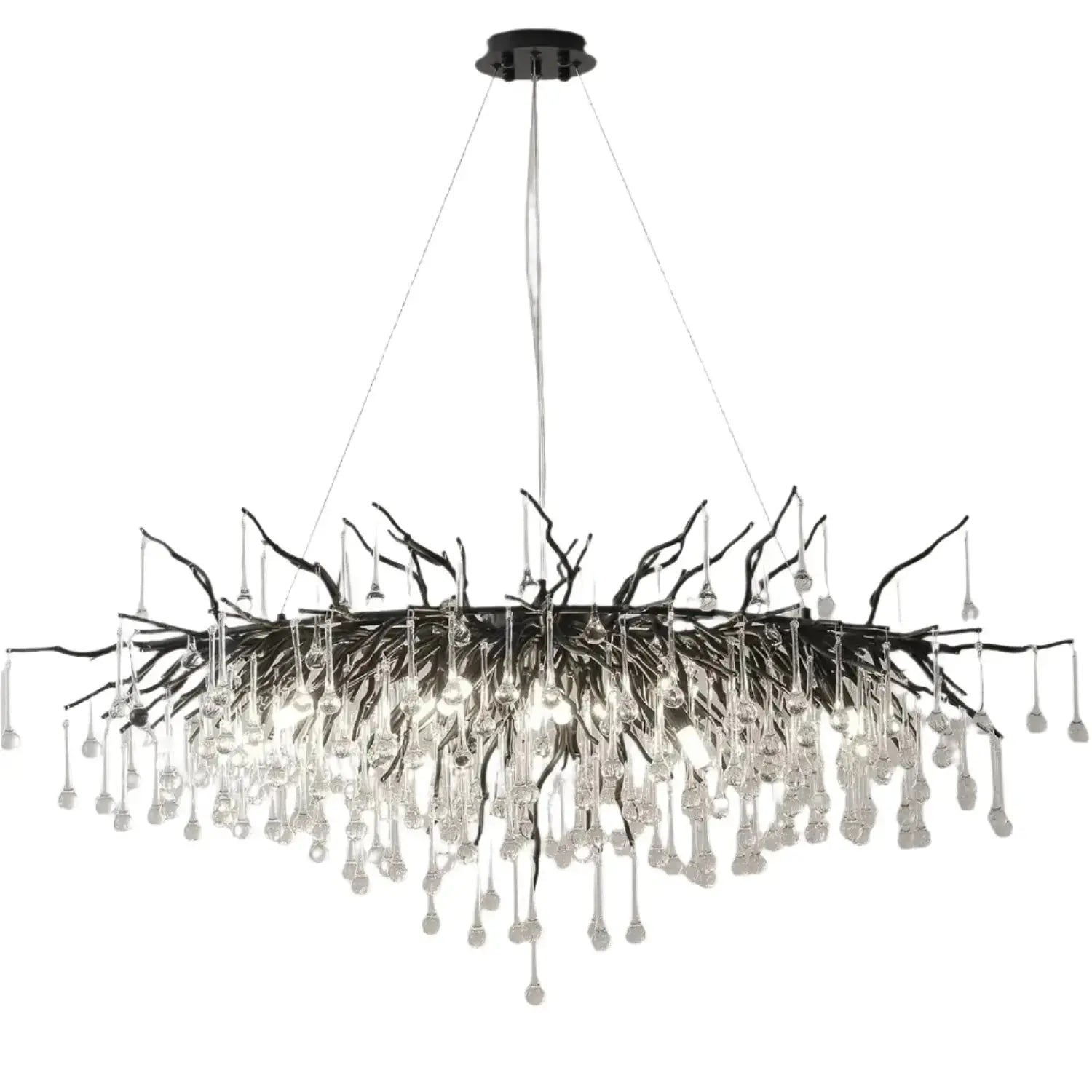
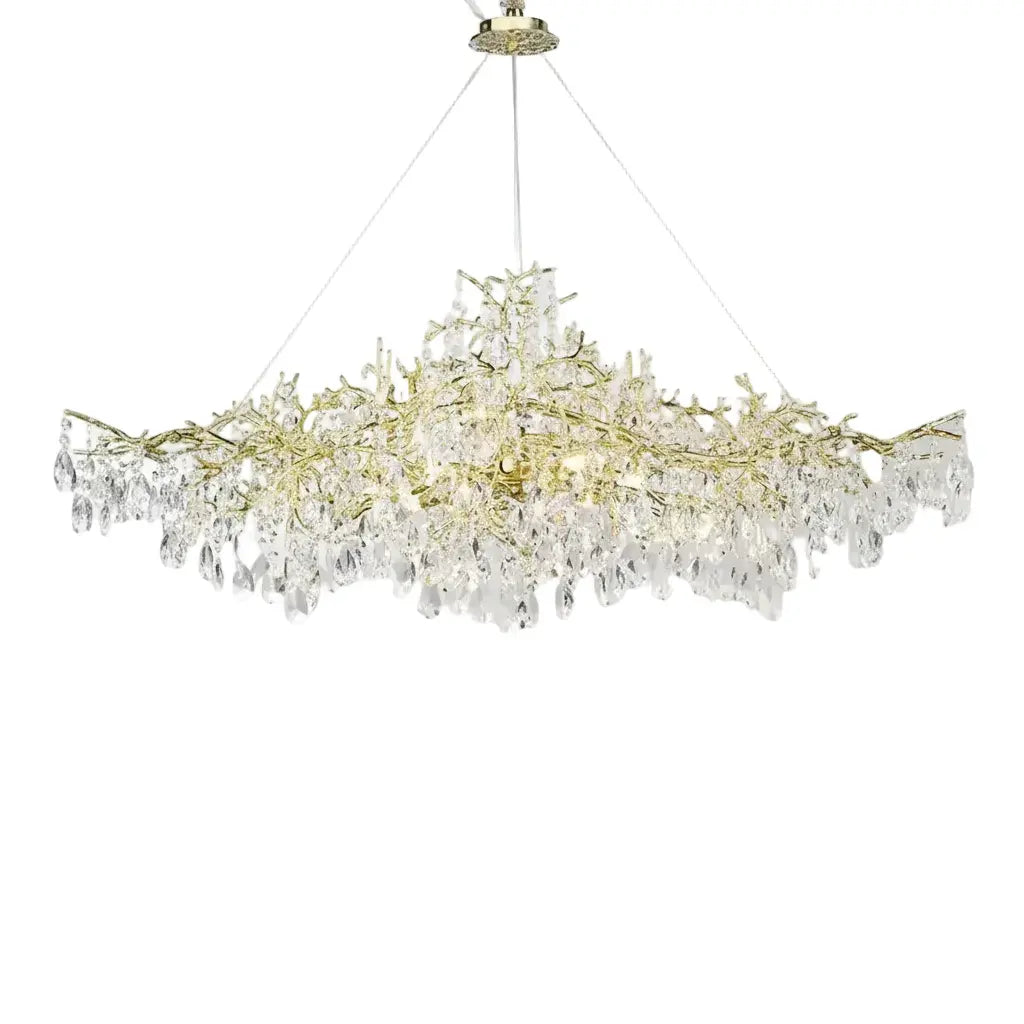
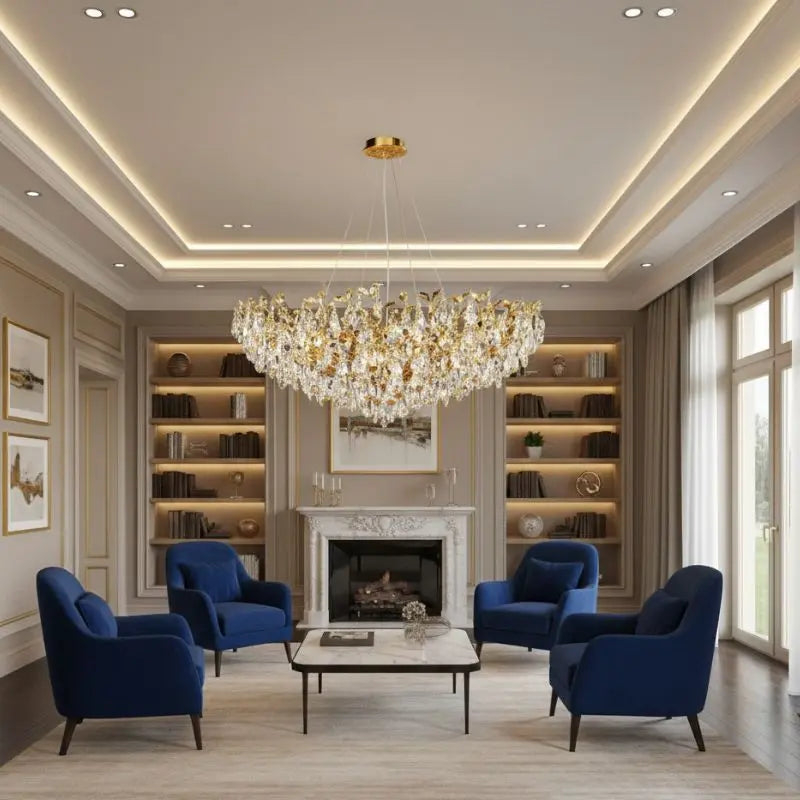
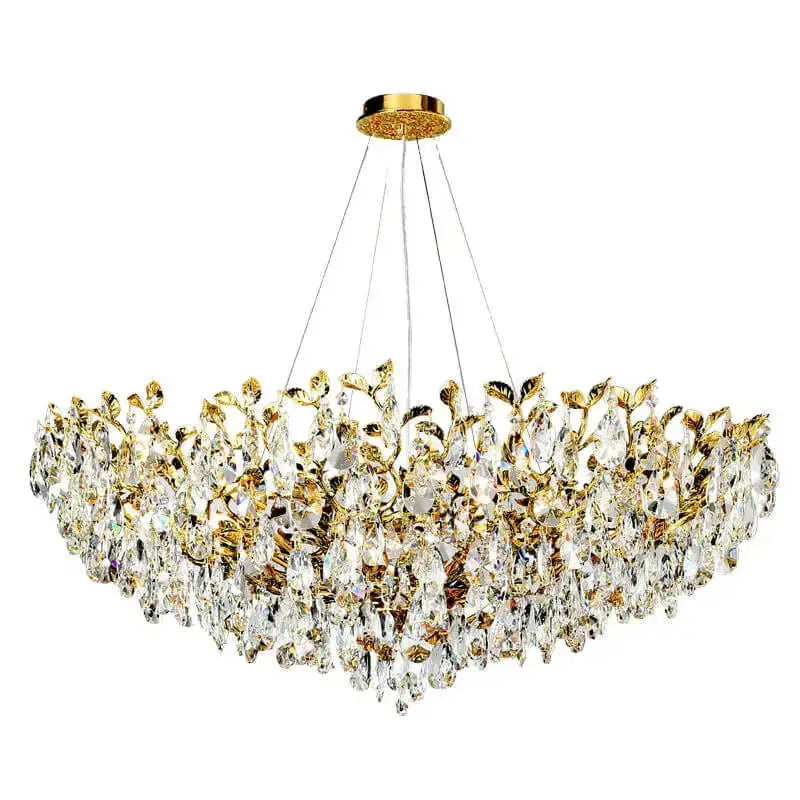
Wall lights are excellent for ambience and circulation, but a covered terrace often benefits from a decorative centrepiece above the dining table or lounge area. A weather-appropriate pendant or chandelier-like fixture adds the visual drama that turns a practical outdoor setting into a memorable entertaining space.
The two layers should have different roles. Let the overhead fitting provide the focal point, while wall lights shape the edges and reveal the architecture. If both are equally bright, the terrace can lose its sense of hierarchy.
12. Put the scheme on separate controls
The most polished terrace lighting plans are flexible. Place entrance and safety lighting on one circuit, ambient wall lights on another and decorative focal lighting on a third where possible. Dimmers and suitable outdoor-rated smart controls allow you to shift from a brighter family supper to a quieter late-night drink without changing fixtures.
This also helps you use less light when less is needed. The finest outdoor spaces rarely feel fully lit; they feel selectively illuminated.
Scale, placement and outdoor performance
Wall lights should be sized in relation to the architecture, not chosen as isolated objects. A petite sconce can look lost beside wide patio doors, while oversized lanterns may crowd a small townhouse terrace. As a visual guide, position decorative wall lights close enough to a door or seating arrangement to feel connected, but leave sufficient breathing room around them.
Outdoor suitability is equally important. Select fittings with an IP rating appropriate for their exposure, particularly if the terrace is open to rain. Covered spaces offer more freedom, yet moisture, wind and seasonal temperature changes still affect materials and electrical components. A qualified electrician can advise on safe installation, cable routing and the right controls for your property.
When planning the finish, look beyond the light itself. Repeat one or two exterior materials - black metal, brass, bronze or glass - in door hardware, furniture frames or planters. This creates the curated continuity associated with luxury outdoor design, even when the terrace is modest in size.
A terrace becomes most compelling when its lighting feels effortless: enough glow to linger over dinner, enough clarity to move safely, and enough shadow to make the night beyond the wall feel beautifully close.