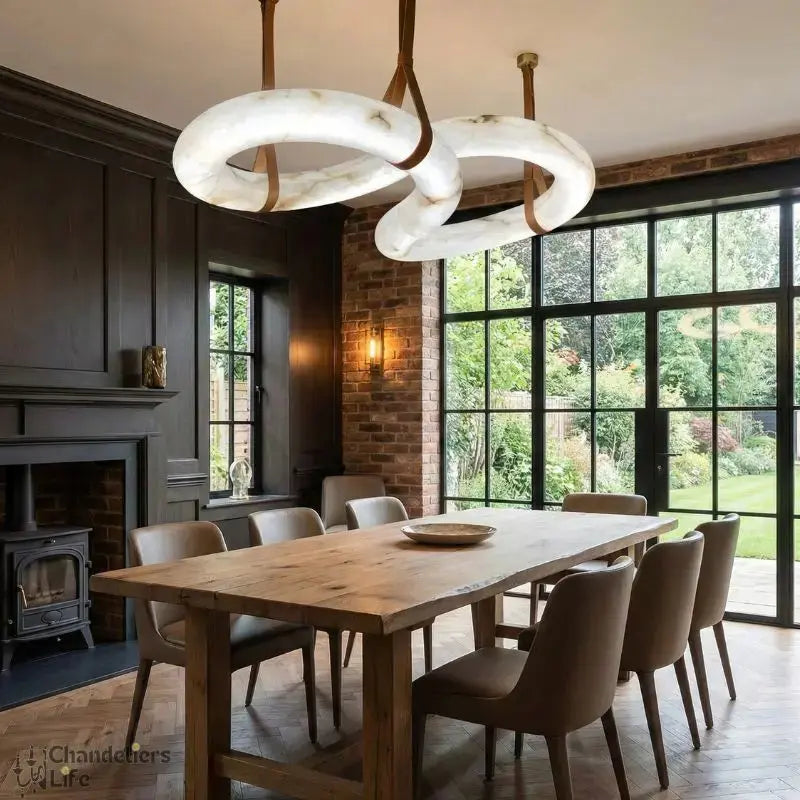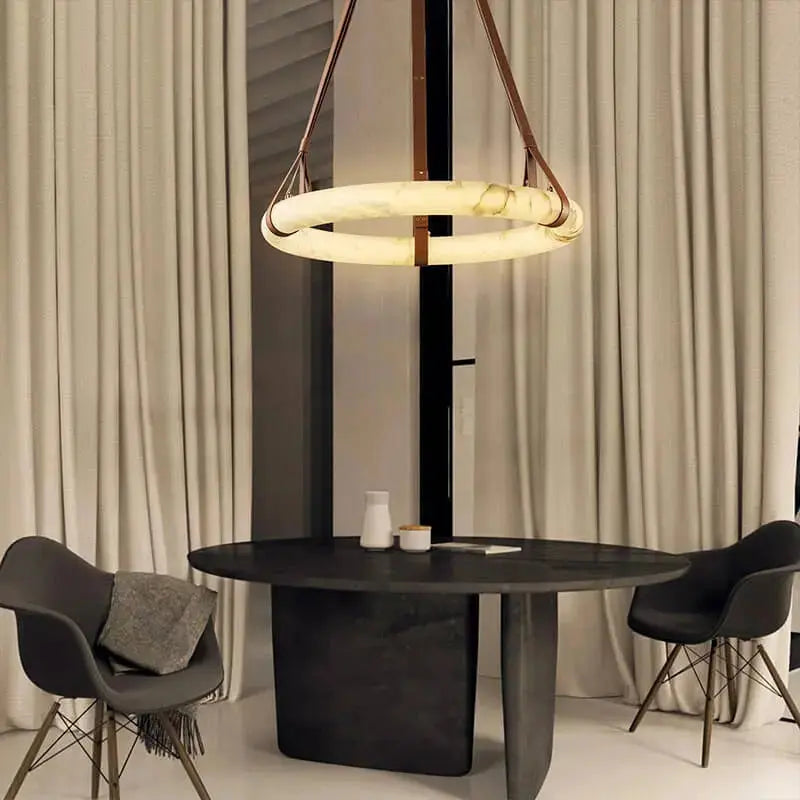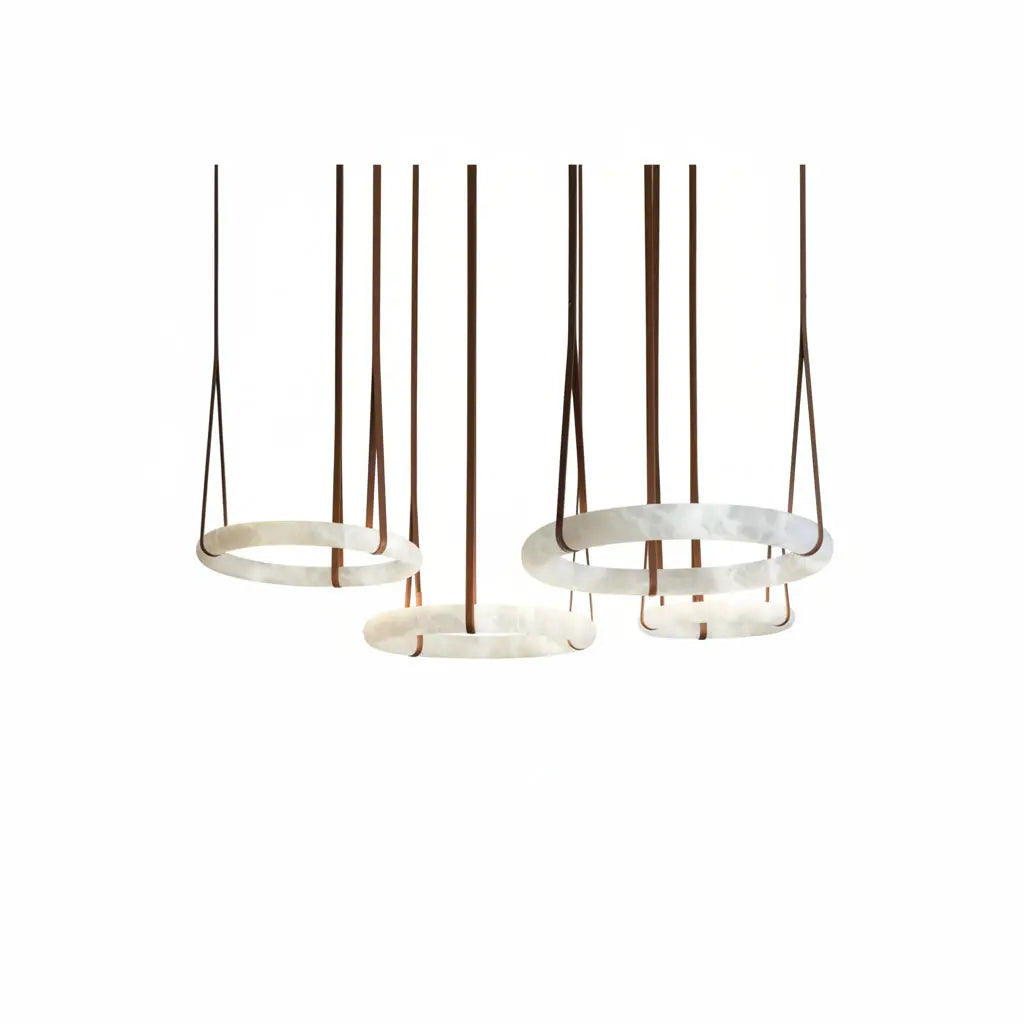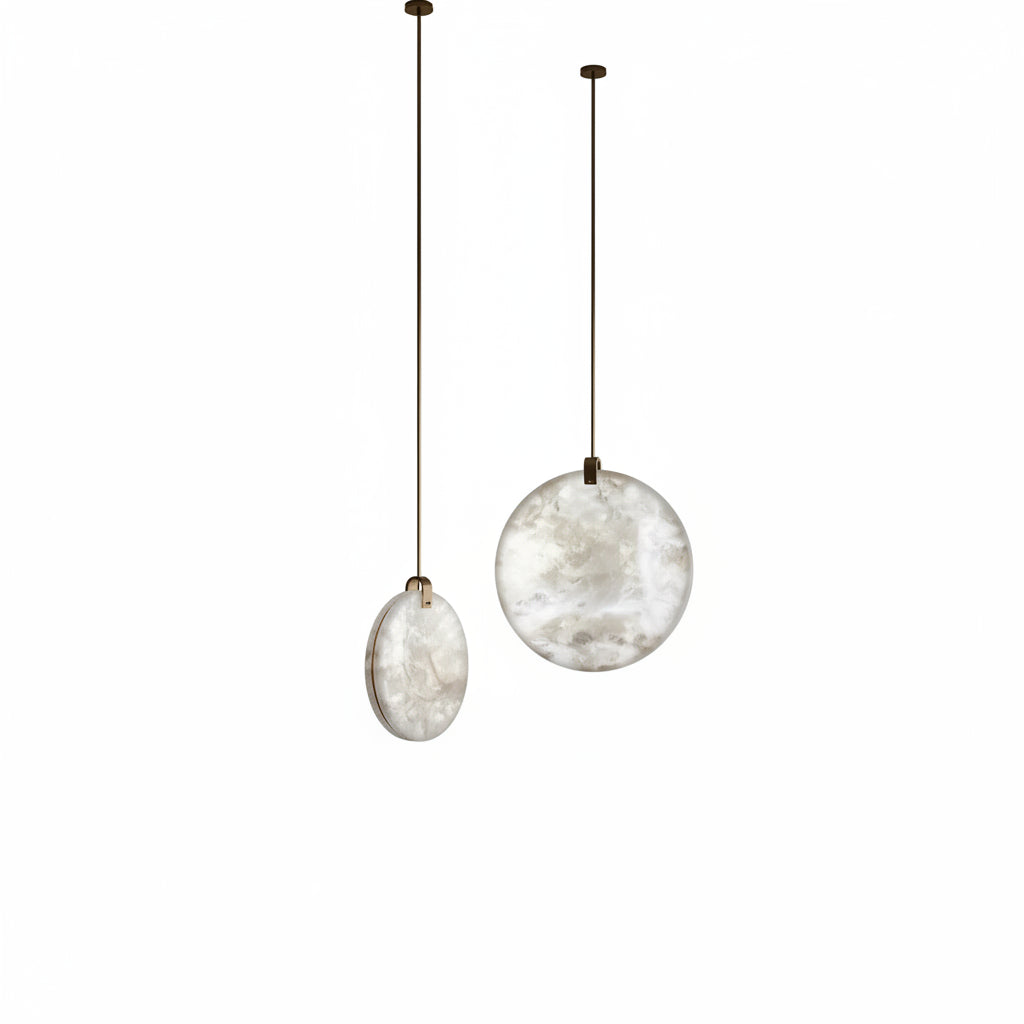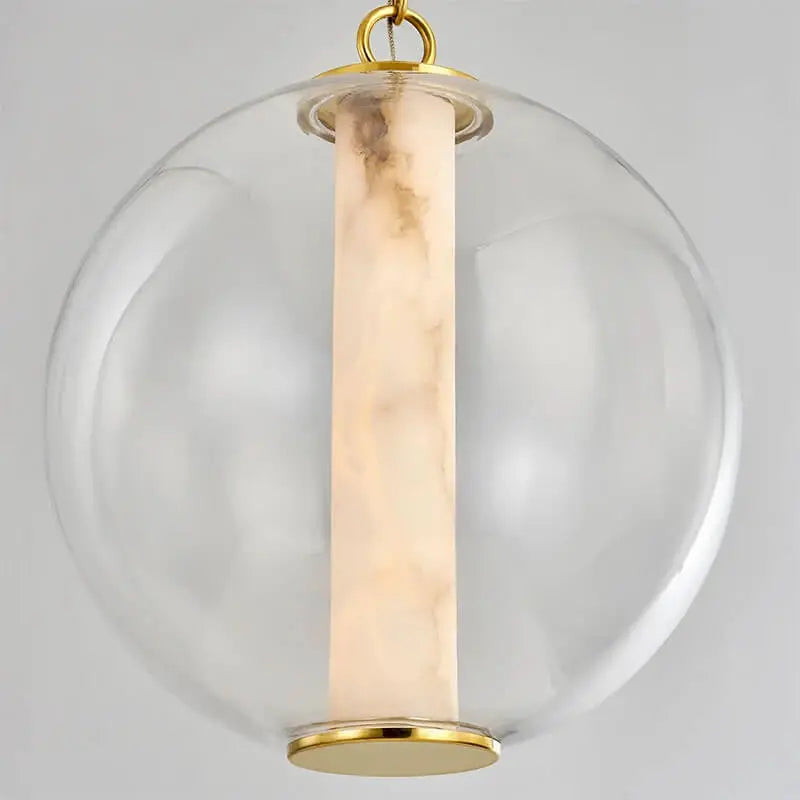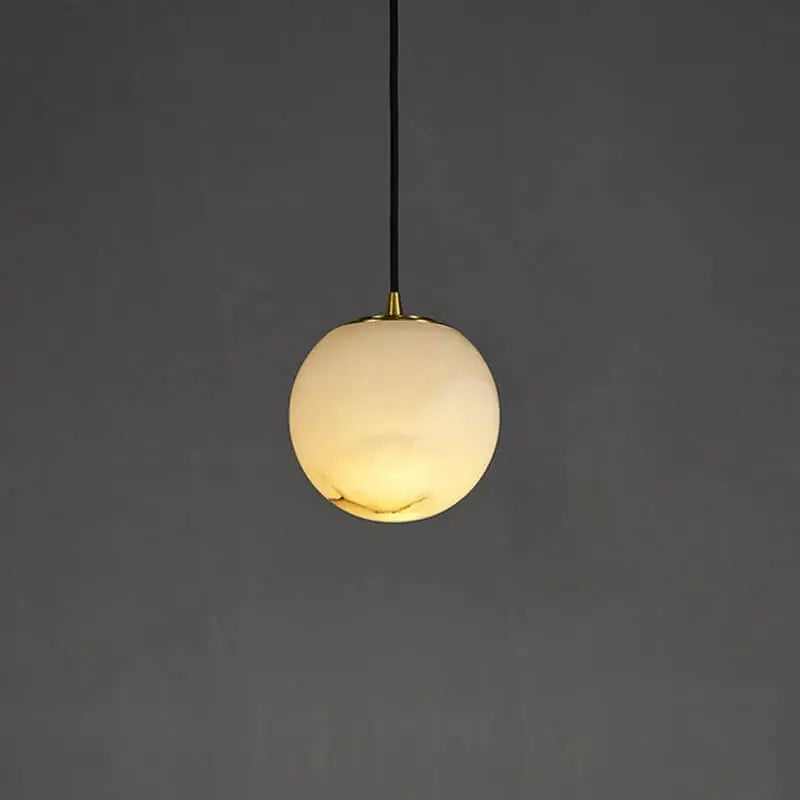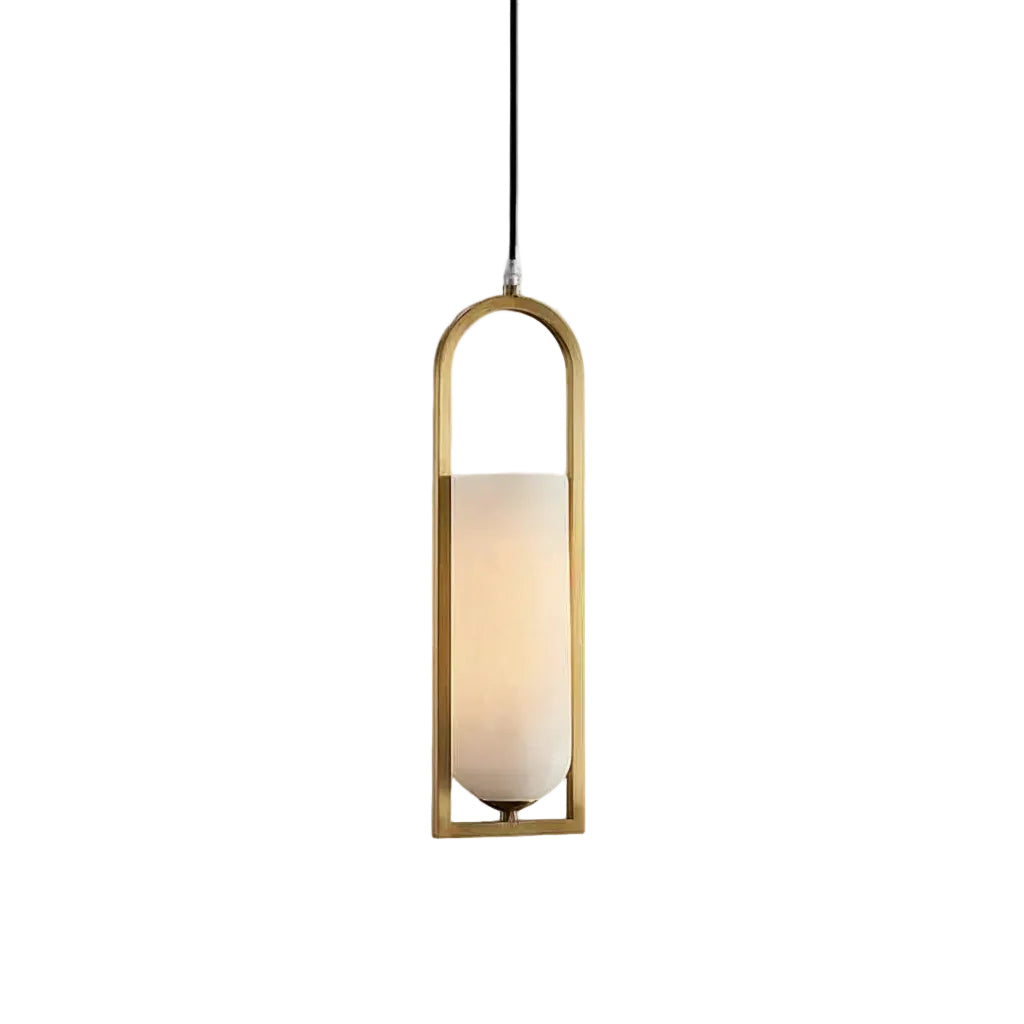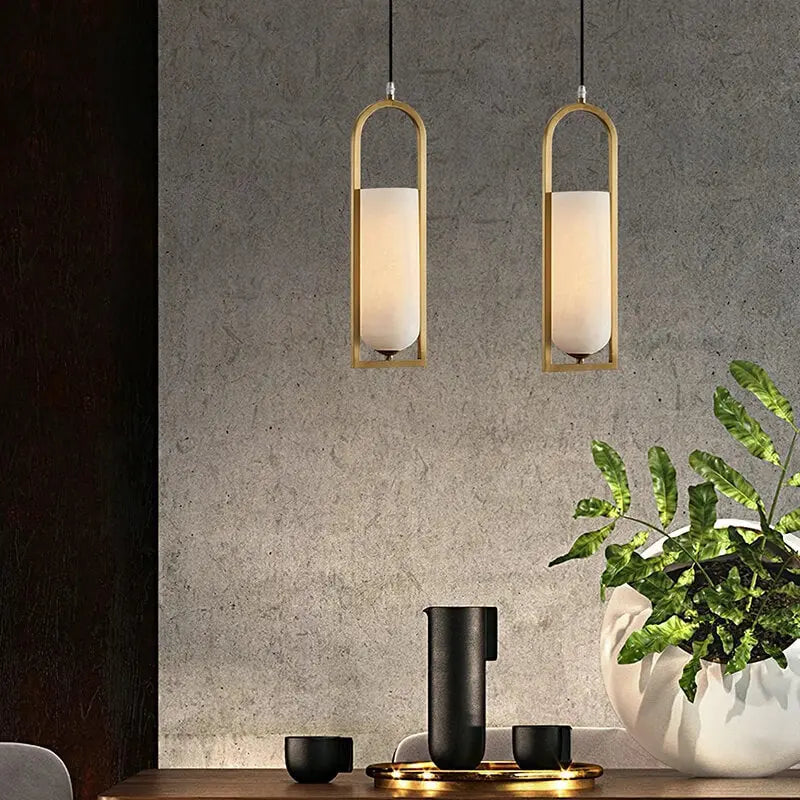
A beautiful room can still feel unfinished until the light has a point of view. Sculptural lighting provides it: a sweeping cluster above a dining table, a softly carved alabaster pendant in the hall, or a floor lamp whose silhouette holds its own long before evening arrives. These pieces do more than brighten a surface. They give a room a focal point, a sense of scale and a more considered atmosphere.
For homeowners who want decorative lighting with genuine presence, the appeal is clear. A sculptural fixture can introduce drama to a restrained interior, bring softness to a contemporary scheme, or make an overlooked corner feel deliberately designed. The key is balancing its artistic impact with the light you need every day.
What Makes Sculptural Lighting Different?
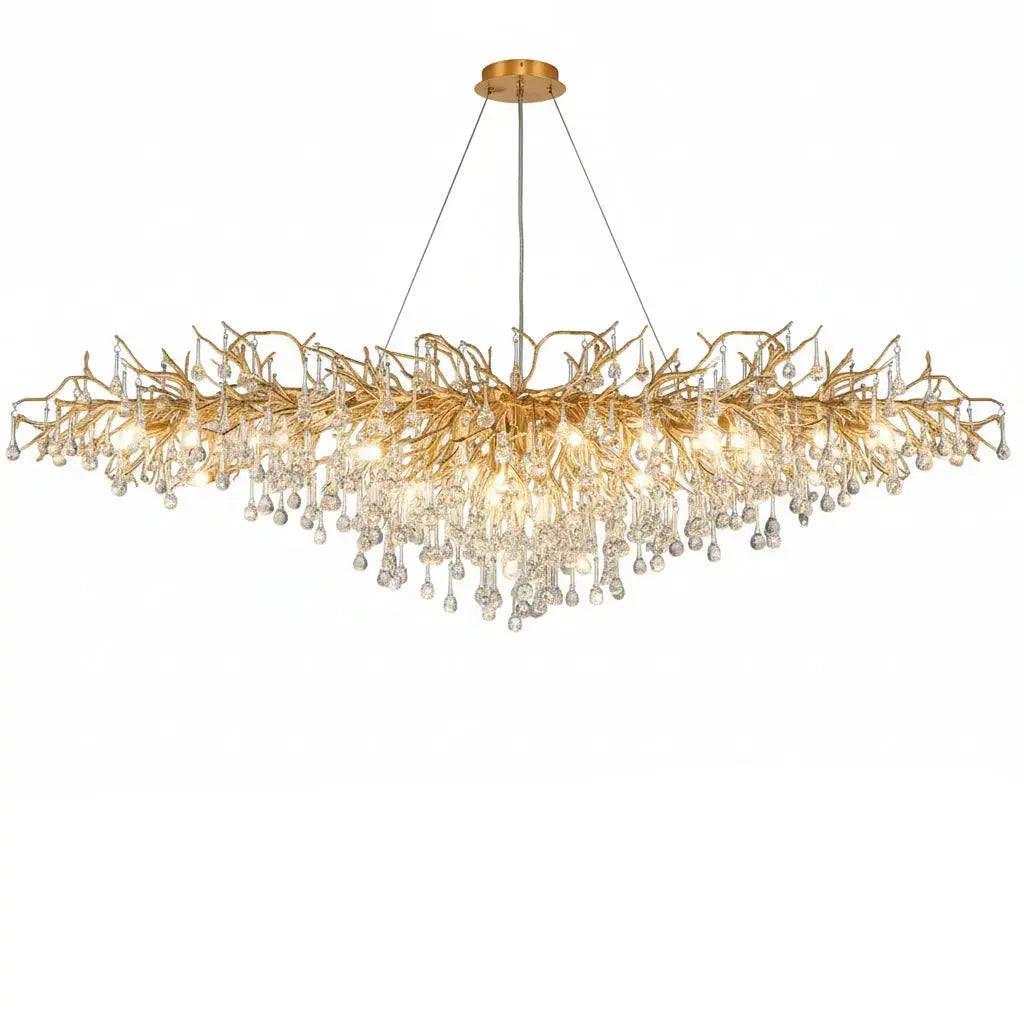
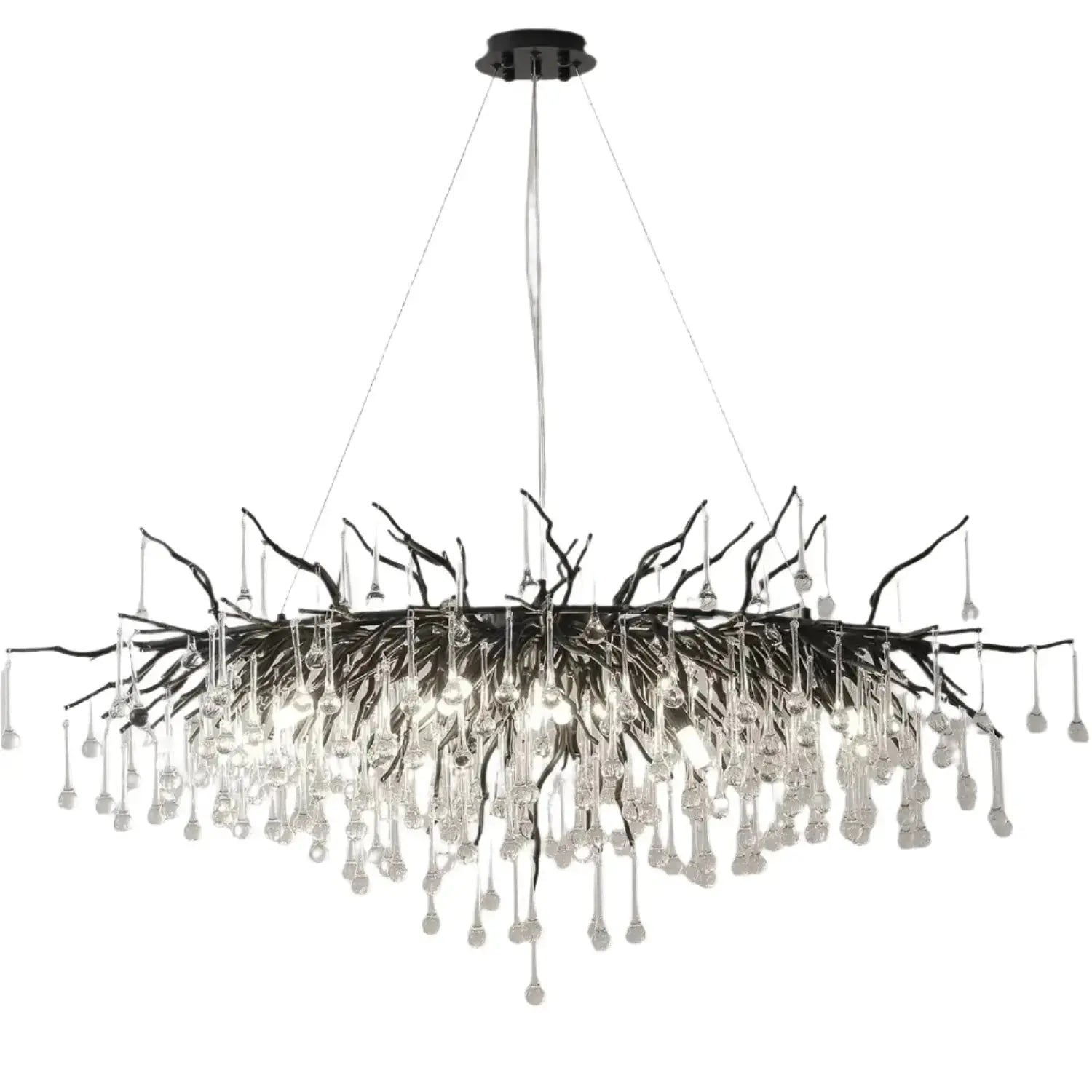
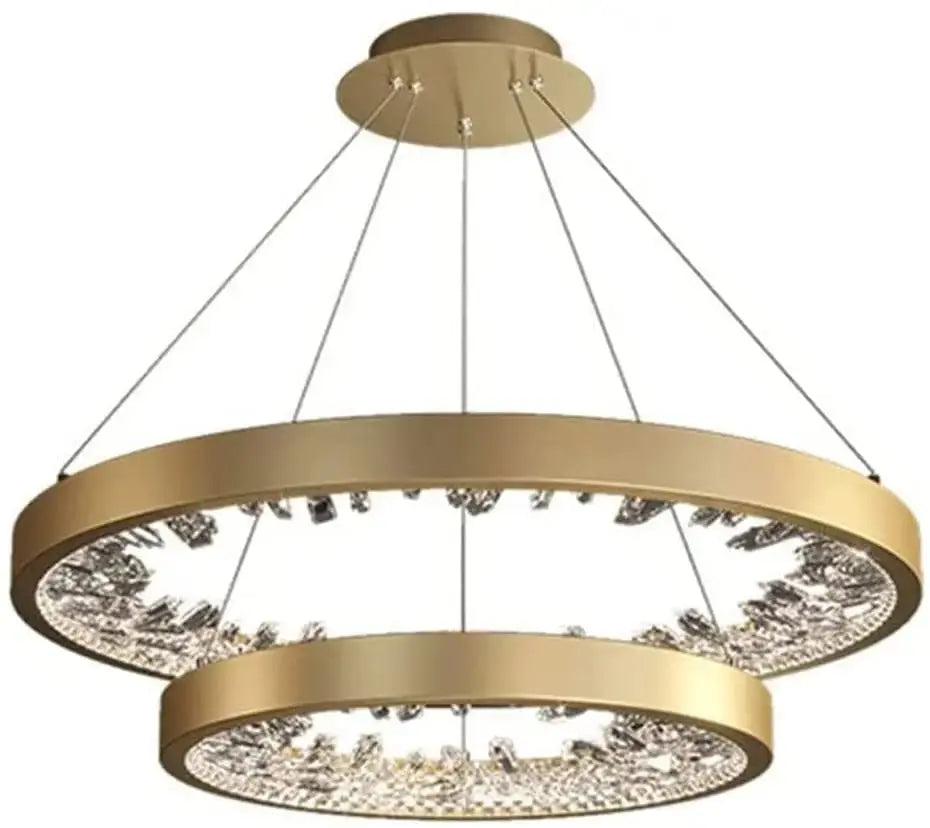
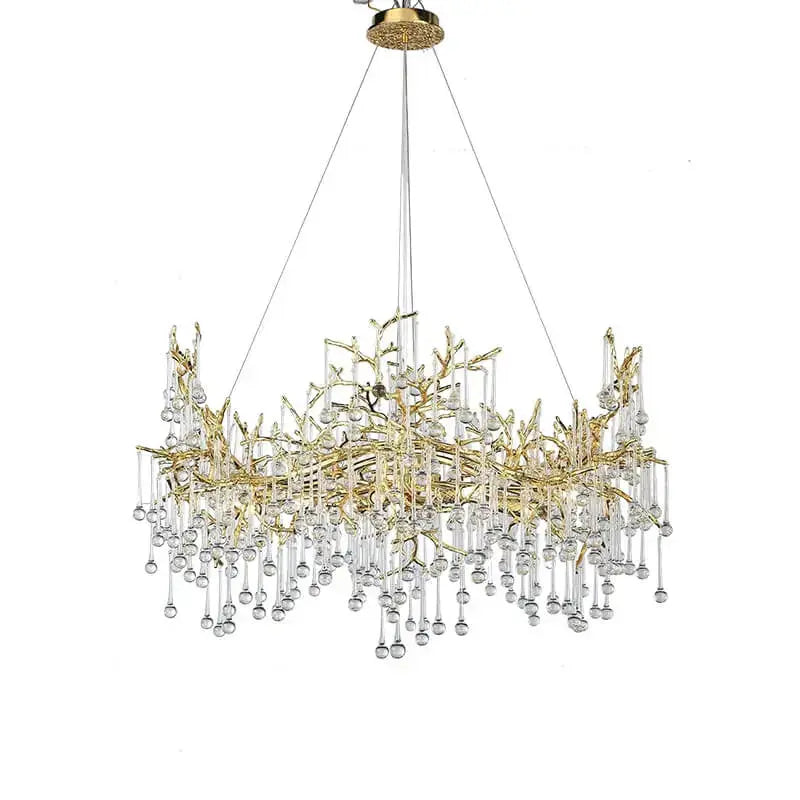
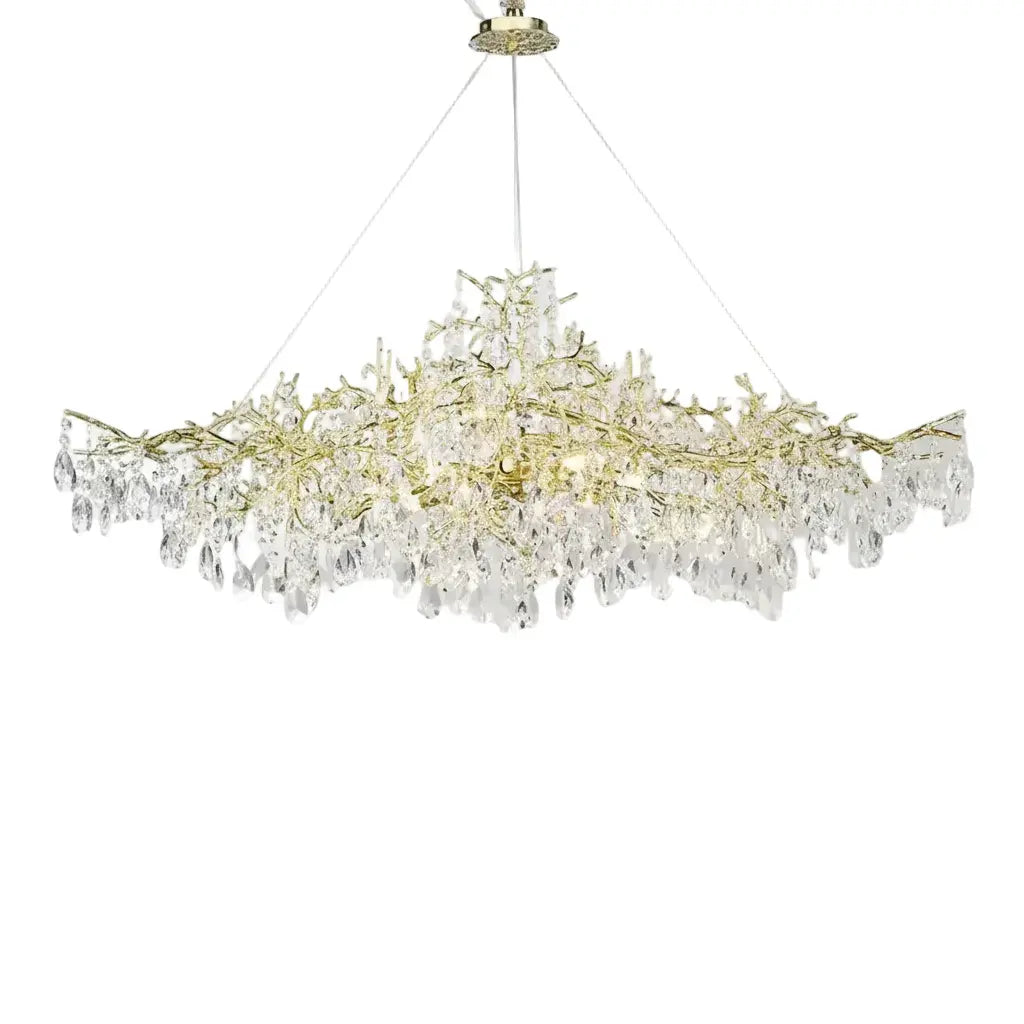
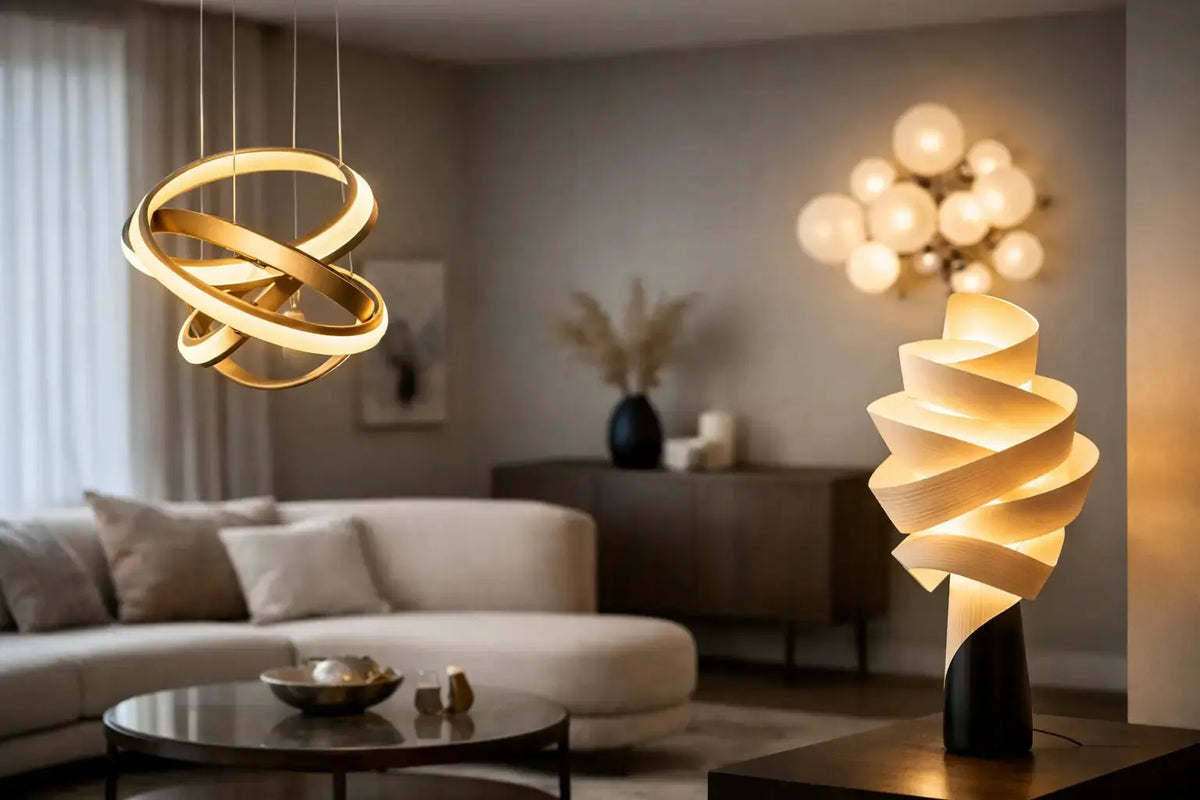
Sculptural lighting is defined by form as much as function. Rather than disappearing into the ceiling or wall, it is designed to be seen, often with expressive curves, layered arms, geometric frames, hand-finished textures or striking natural materials. Think of a chandelier that resembles a cascading branch, a pendant composed of floating glass orbs, or a wall light shaped like a folded ribbon of metal.
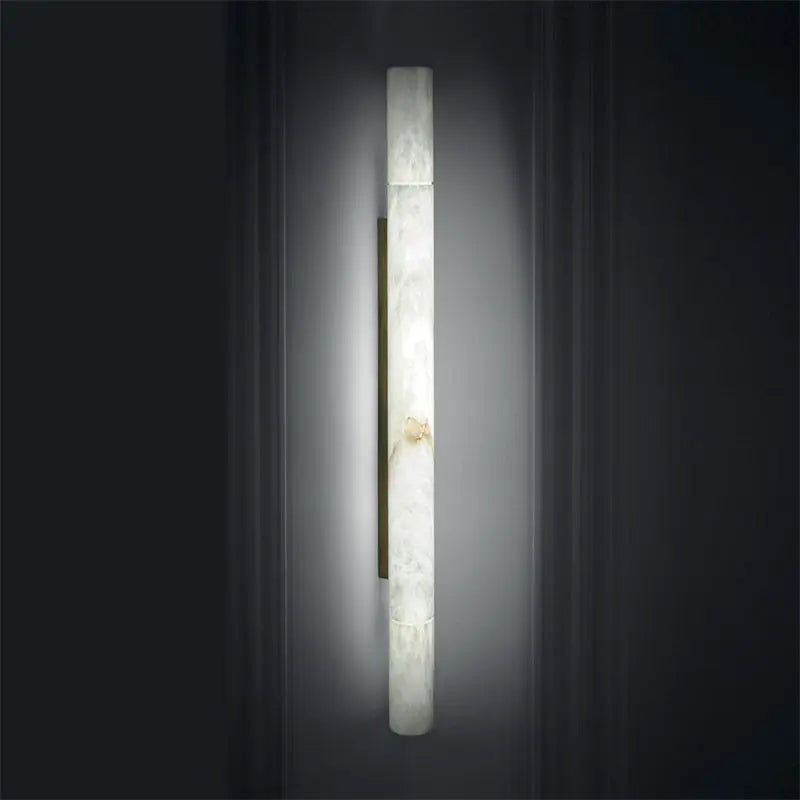
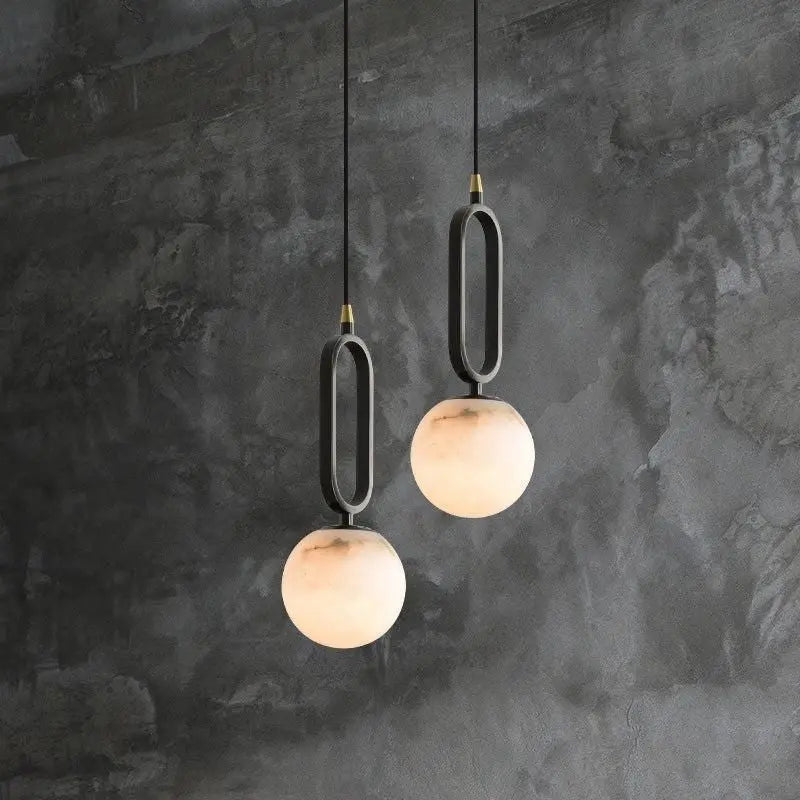
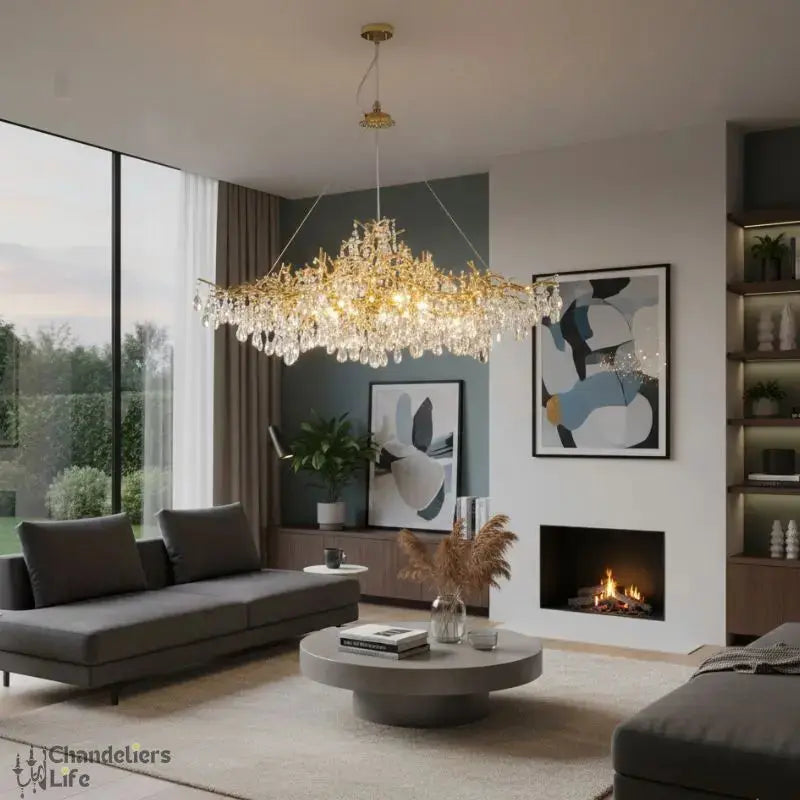
The best examples feel compelling both illuminated and unlit. In daylight, they add structure and material interest. After dark, light changes their character, casting reflections through crystal, revealing the translucent depth of alabaster or creating an inviting halo against a textured wall.
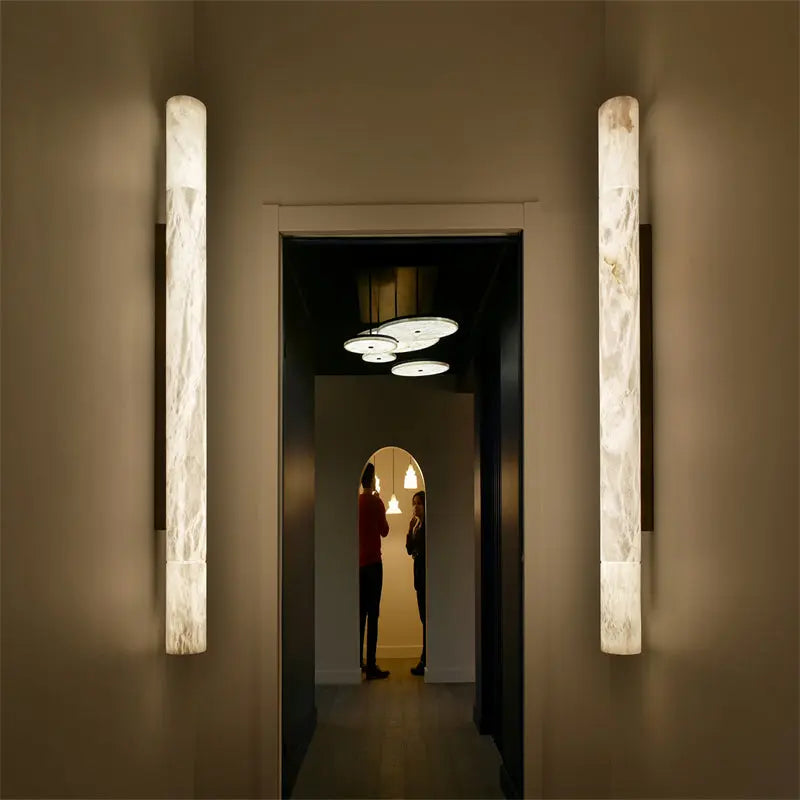
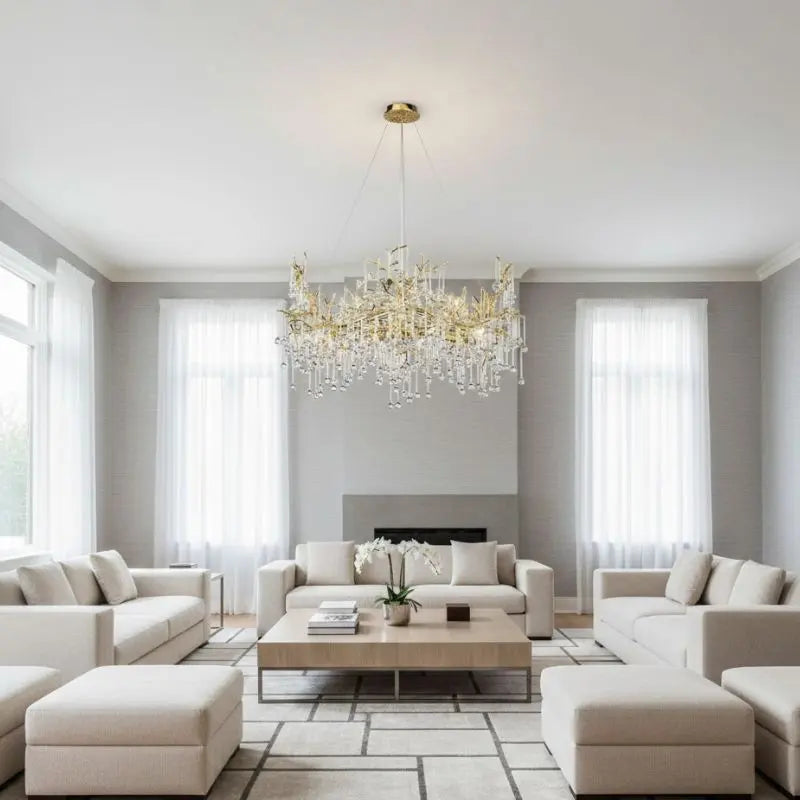
This is why sculptural pieces work especially well in rooms where people gather or pause. A foyer benefits from an instant first impression. A dining room gains ceremony. A living room acquires a centrepiece that helps the furniture arrangement feel more intentional. Even a bedroom can feel quietly luxurious with a distinctive pendant or pair of artistic bedside wall lights.
Choosing Sculptural Lighting for Each Room
A statement fixture should command attention, but it should not overwhelm the room it is meant to enhance. Start with the architecture, ceiling height and furnishing scale before falling in love with a dramatic shape.
Foyers and stairwells
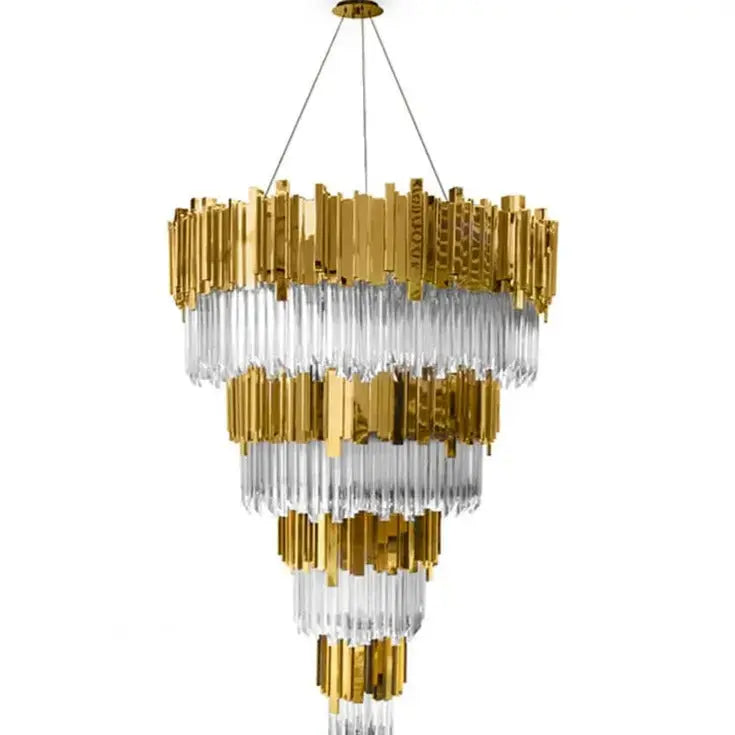
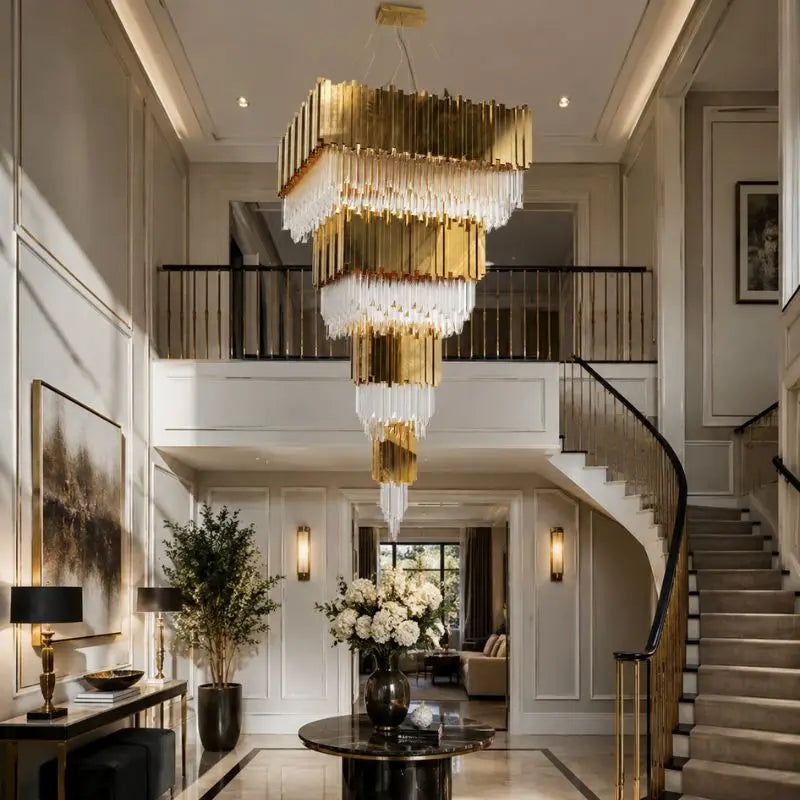
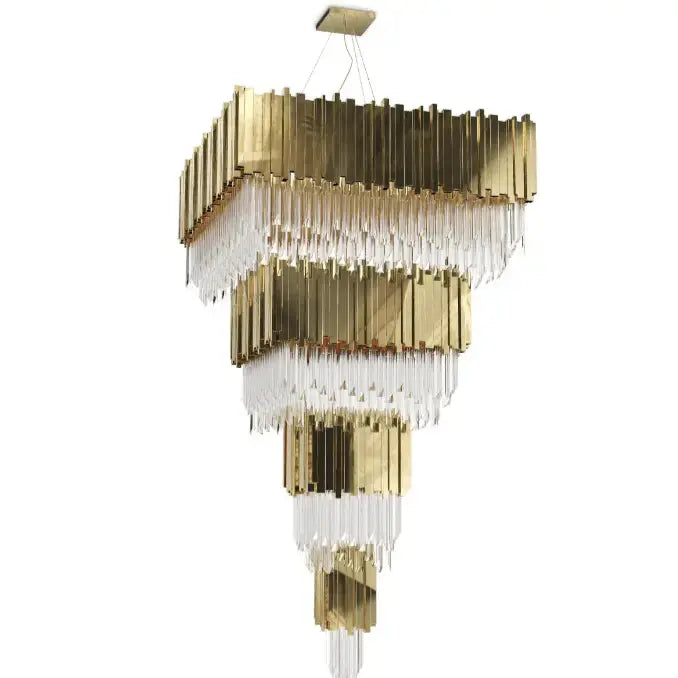
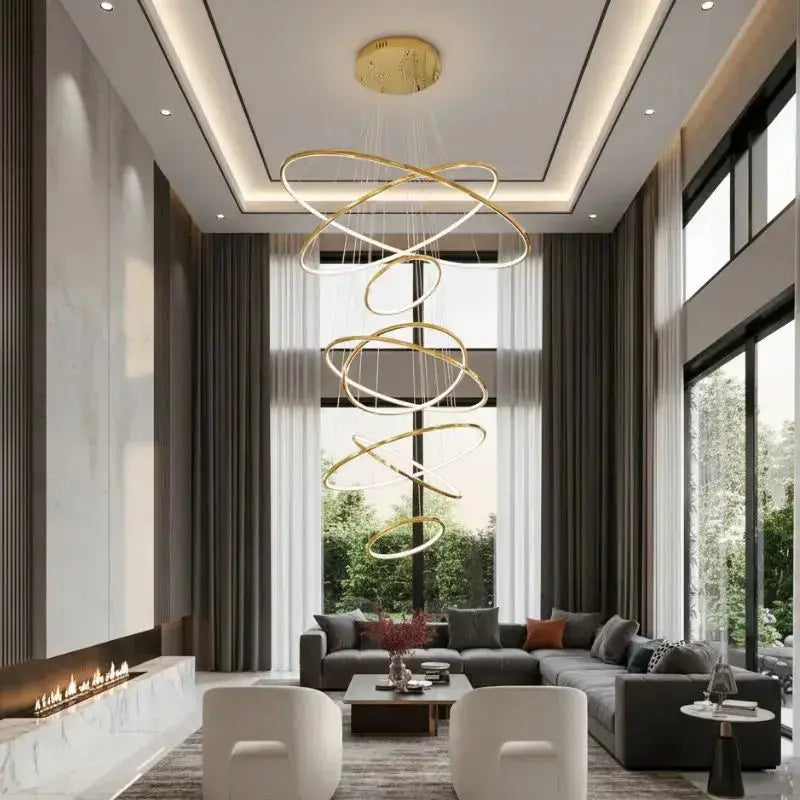
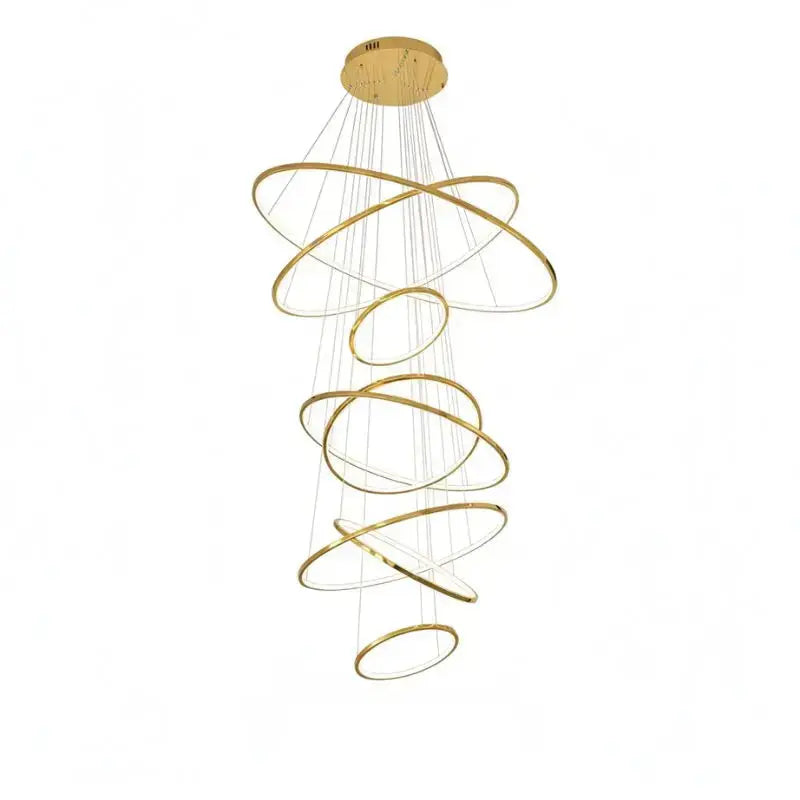
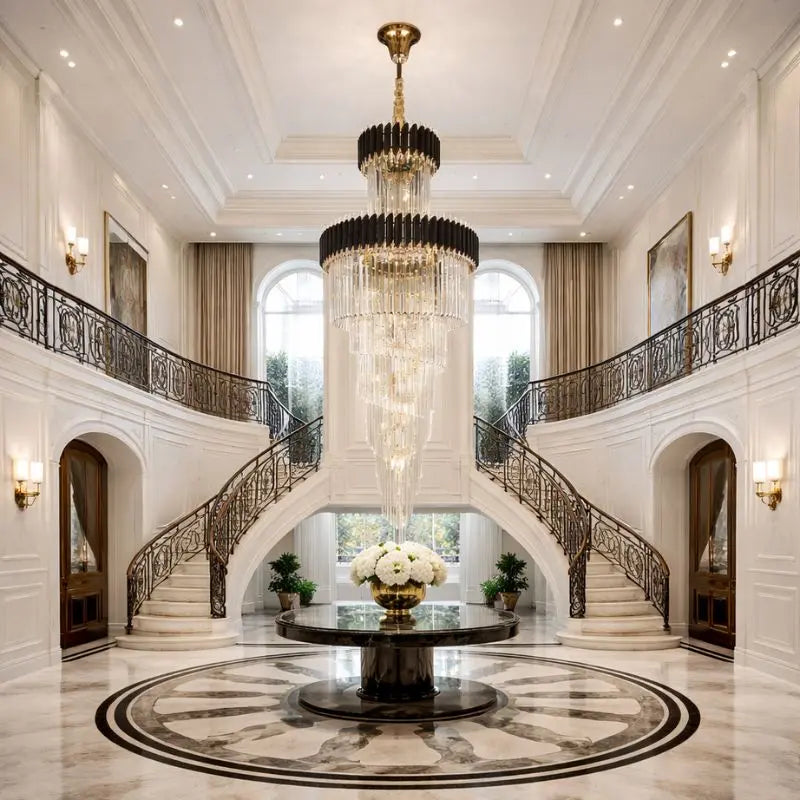
Vertical space is an opportunity, particularly in a double-height entrance or beside an open staircase. Long-drop chandeliers, tiered glass compositions and cascading designs draw the eye upward and create a memorable arrival. Choose a fixture with enough volume to read from the front door, but leave clear visual space around it so the design can be appreciated from different angles.
For a stairwell, consider how the fitting will look from both the lower floor and landing. A linear installation can follow the rise of the stairs beautifully, while a cluster of pendants can create a more organic, gallery-like effect.
Dining rooms
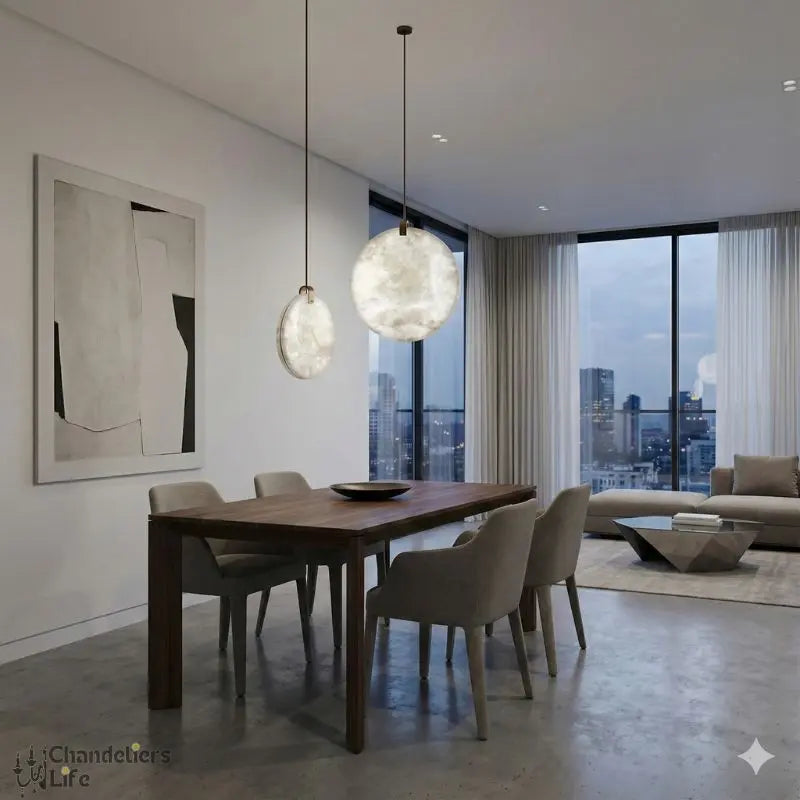
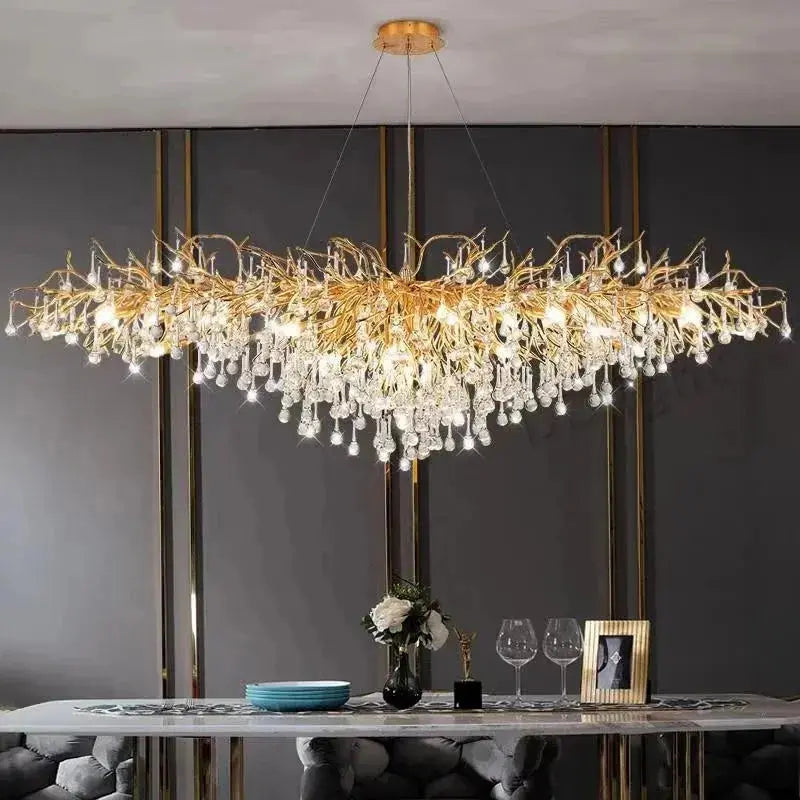
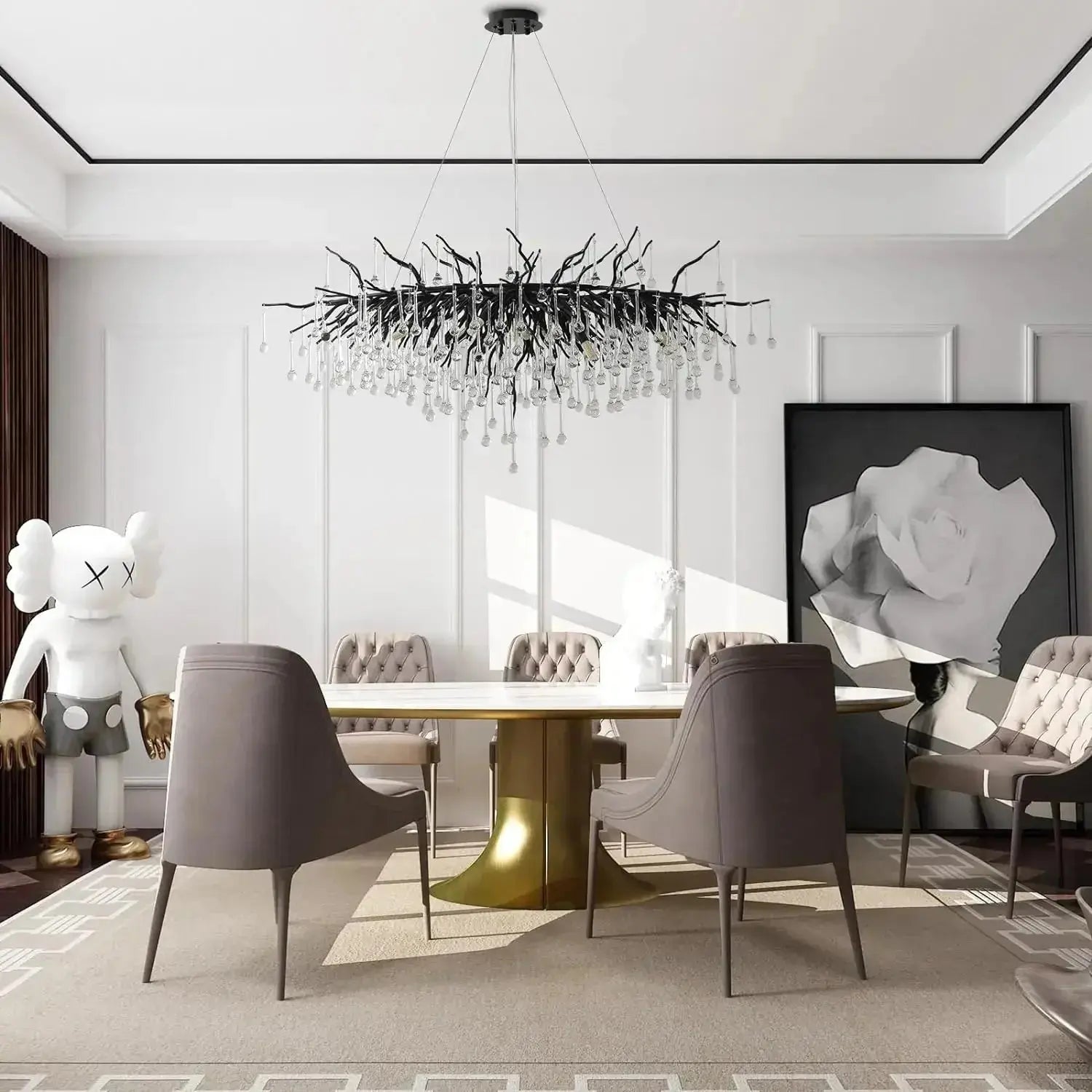
Above a dining table, sculptural lighting becomes part of the ritual of entertaining. It defines the table as the room's focal point and brings flattering ambience to long lunches and evening gatherings. Linear chandeliers suit rectangular tables, while rounded or multi-pendant forms often complement circular tables.
Hang the fitting low enough to feel connected to the dining setting, usually around 75 to 90 cm above the tabletop, while ensuring sightlines remain comfortable across the table. Dimmable lighting is particularly valuable here. The same chandelier should feel bright enough for serving and softly luminous once the evening settles in.
Living rooms
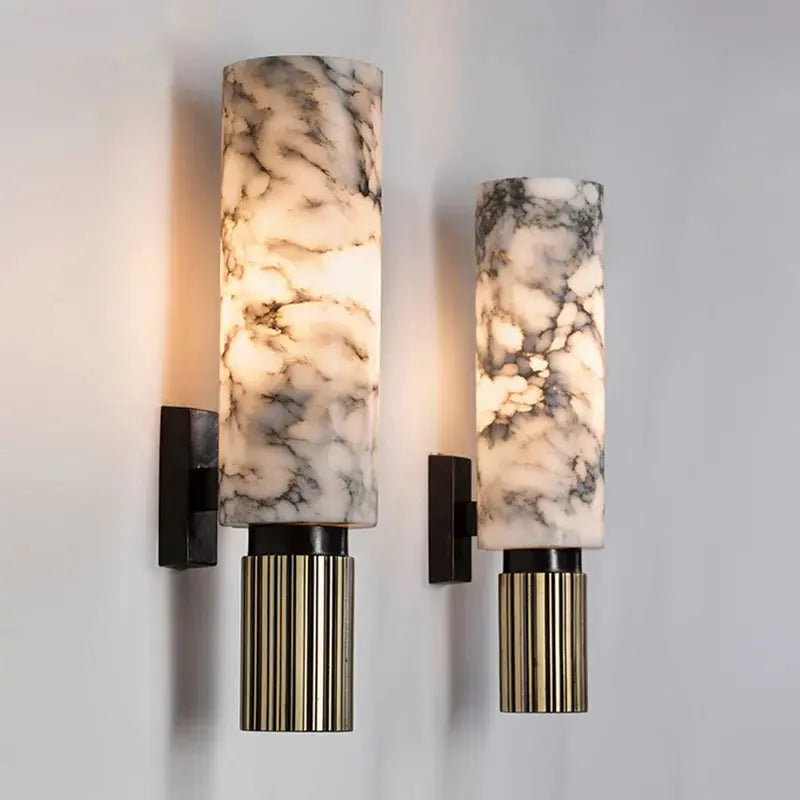
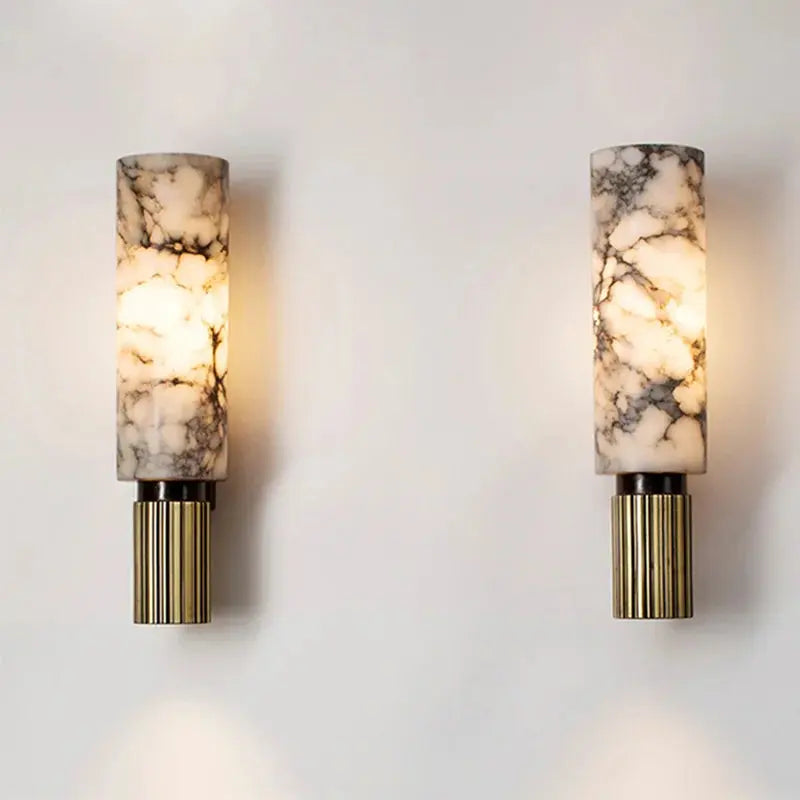
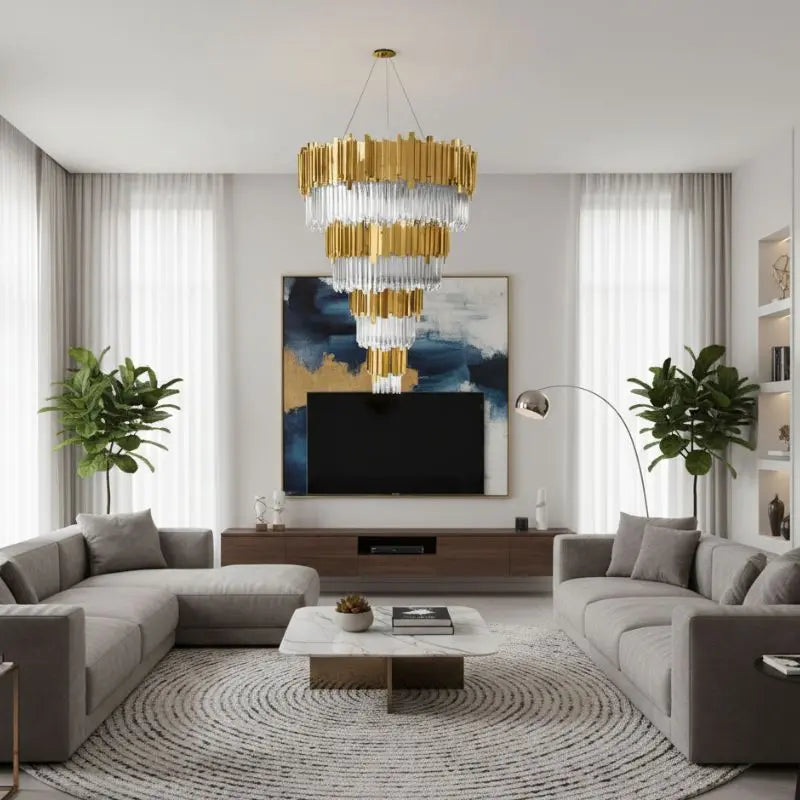
In a living room, sculpture can arrive from above, beside or against the wall. A dramatic ceiling light works well in a room with an open central area, whereas an architectural floor lamp can bring height to a reading corner without requiring electrical work overhead. Wall lights are ideal for adding layers of glow and visual rhythm to a long wall, especially when paired with a more restrained central fixture.
Consider the room from a seated perspective. A large chandelier may look spectacular from the doorway but feel too low over a sofa. In lower-ceilinged spaces, choose breadth, interesting texture or clustered detail rather than excessive drop.
Kitchens and bedrooms
Kitchen islands lend themselves to repeated forms. Two or three sculptural pendants can create a polished rhythm while providing useful task lighting. Select designs with shades or diffusers if you want a more controlled, practical pool of light on the worktop. Open glass and exposed bulbs offer sparkle, but can cause glare if placed directly in the line of sight.
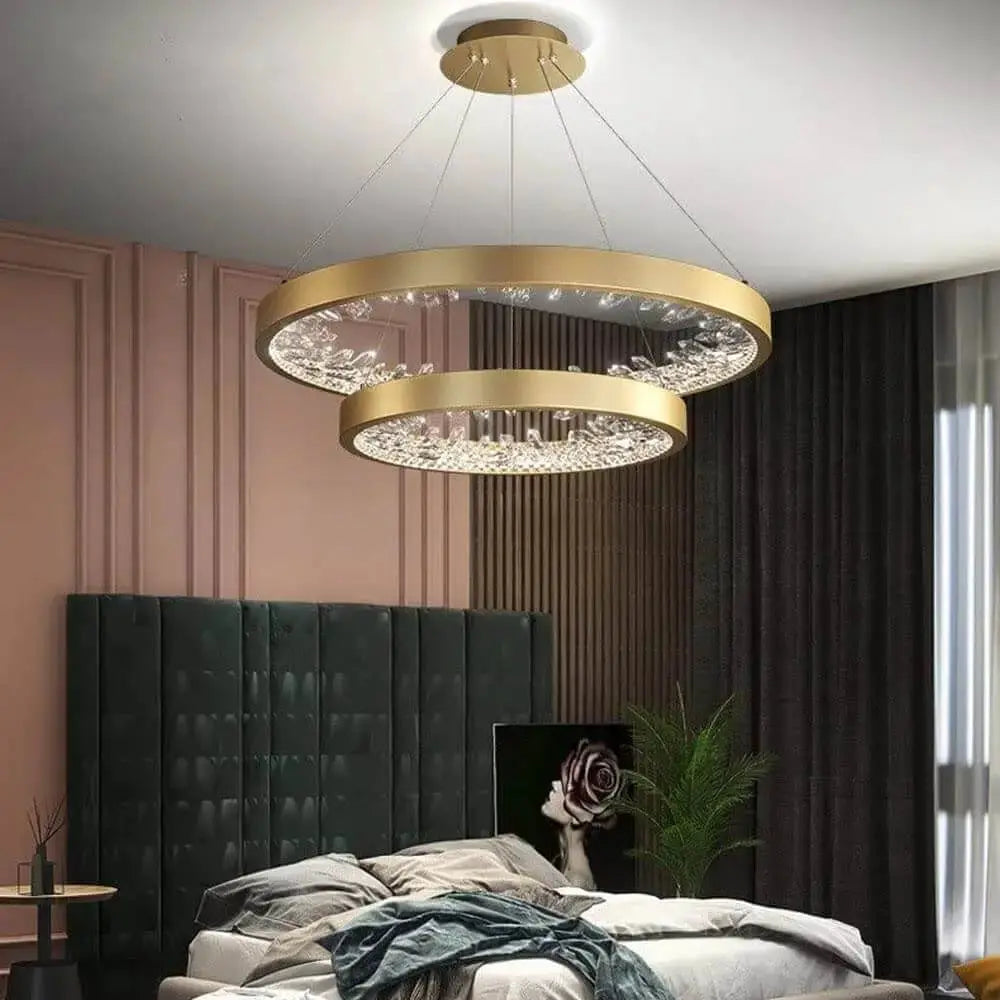
Bedrooms call for a gentler expression. A pleated pendant, alabaster ceiling light or elegant pair of wall lights can add personality without making the room feel overly formal. Warm bulbs and dimming are worth prioritising. The aim is a retreat with depth and softness, not a showroom-bright space.
Materials That Set the Mood
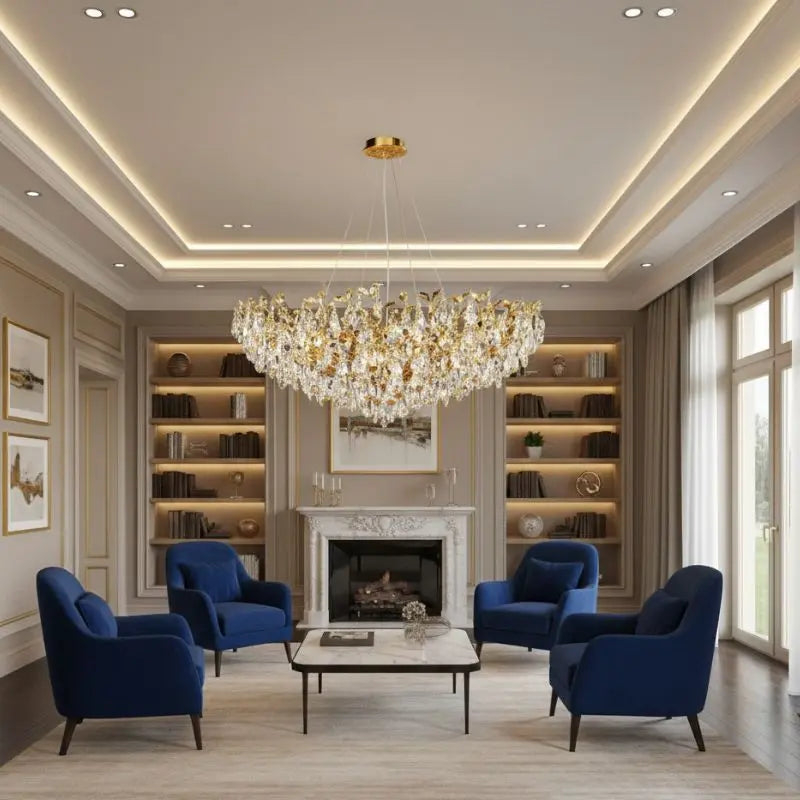
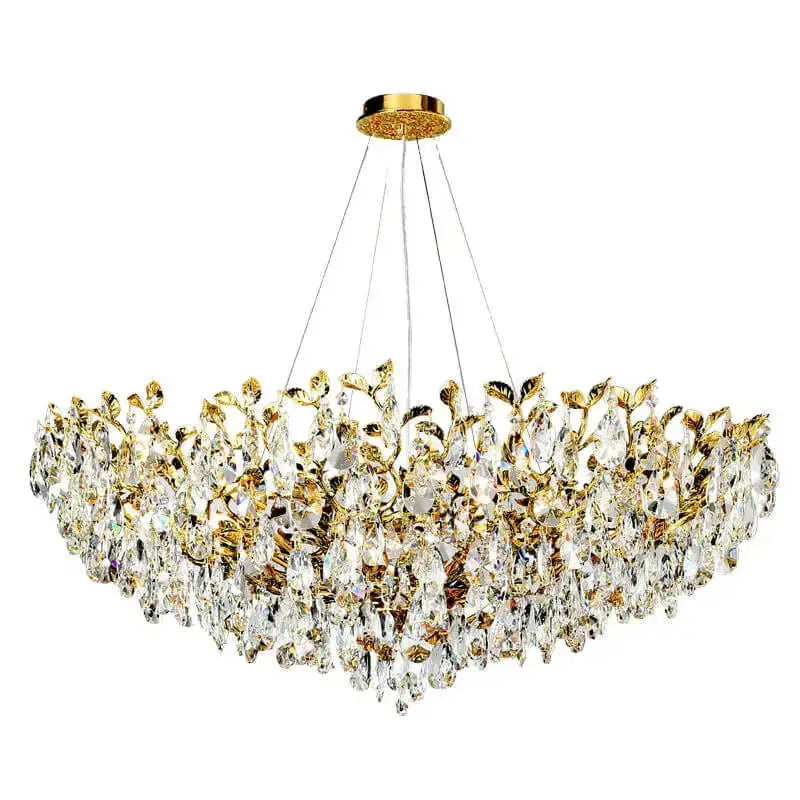
The material of a sculptural fixture influences the atmosphere as much as its outline. Crystal brings brilliance, movement and a classic sense of occasion. It is a natural choice for grand entrances and dining rooms, though it needs considered placement to avoid excessive sparkle in a compact room.
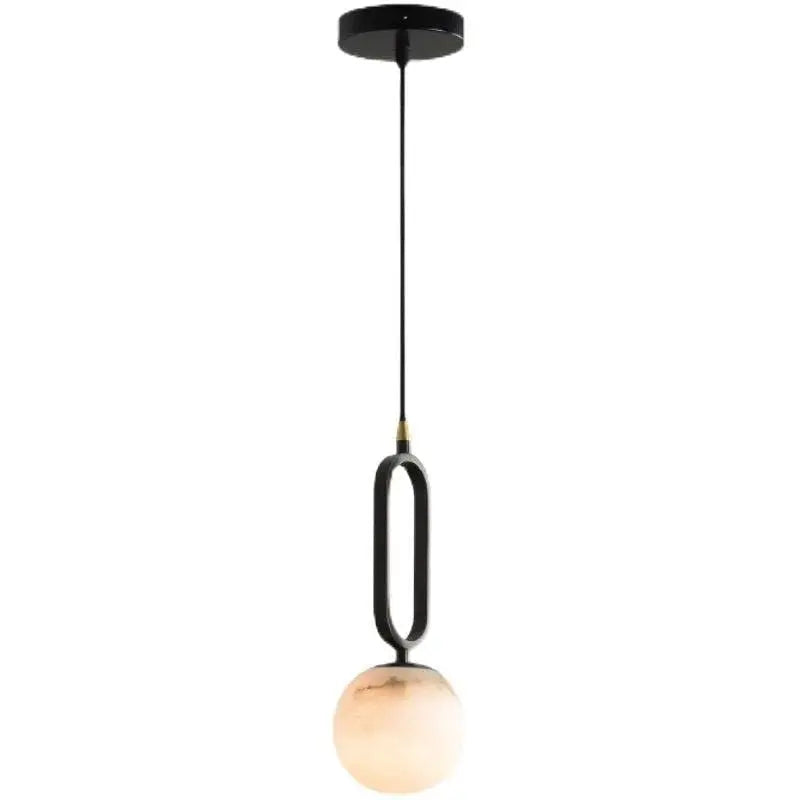
Alabaster offers a more muted luxury. Its natural veining means no two pieces are exactly alike, and when lit from within it produces a creamy, diffused glow that feels serene rather than showy. It works beautifully in contemporary interiors, but its timeless character also complements traditional detailing.
Metal finishes can shift a design from crisp to romantic. Black, bronze and antique brass add definition and warmth; polished chrome and brushed nickel lean cleaner and more modern. Smoked glass introduces depth, while clear glass keeps a fixture airy. For rooms already rich in pattern or colour, a quieter material palette often gives sculptural form room to speak.
Scale, Light Output and the Trade-Offs
The most common mistake with statement lighting is choosing by appearance alone. A fixture can be exquisitely designed and still be wrong for the space if it is undersized, too bright or unable to provide the required illumination.
Scale is not solely about diameter. A delicate chandelier with many fine arms may carry more visual weight than a solid pendant of the same width. Similarly, a transparent glass fitting can appear lighter than an opaque metal shade. Before choosing, map out the fixture's width and drop, then consider nearby furniture, door swings and the height of the people moving beneath it.
There is also a trade-off between dramatic shadow and practical visibility. Openwork chandeliers and directional wall lights create wonderful texture, but they are rarely sufficient as a room's only source of light. Build a layered scheme with ambient light, focused task lighting and softer accent lighting. A sculptural centrepiece then performs its most rewarding role: setting the mood while the rest of the scheme quietly supports it.
Bulb temperature matters too. Around 2700K generally gives interiors a warm, inviting glow, particularly with brass, timber, stone and upholstered furnishings. Cooler light can suit highly contemporary spaces, but it may make crystal, alabaster and warm metallic finishes feel less welcoming. Where possible, choose dimmable bulbs and compatible controls so the room can change with the hour.
Styling a Statement Fixture With Confidence
A sculptural light does not need to match every finish in the room. In fact, a little contrast often makes it more convincing. A dark bronze chandelier can ground a pale plaster dining room; a luminous marble-inspired pendant can bring softness to a sleek kitchen; a modern orb chandelier can refresh a home with more traditional mouldings.
What should relate is the overall level of visual confidence. If the fixture is elaborate, keep the surrounding decorative objects edited. If the room is filled with art, patterned fabrics and collected pieces, choose a simpler sculptural form with a distinctive material rather than another competing silhouette. Repeating one small detail, such as a brass accent in cabinet hardware or a smoky glass tone in a vase, can make the composition feel beautifully resolved.
Installation deserves equal consideration. Larger chandeliers may require professional fitting, ceiling reinforcement or careful planning around existing junction boxes. In bathrooms and exterior living spaces, always select fixtures rated for the required location and exposure. Good lighting is a long-term investment, and the right installation protects both the design and the home.
At ChandeliersLife, statement lighting is best approached as part of the room's architecture, not as a final decorative extra. Choose the piece that makes you look up twice, then give it the scale, dimming and surrounding space it needs to look exceptional for years to come.