
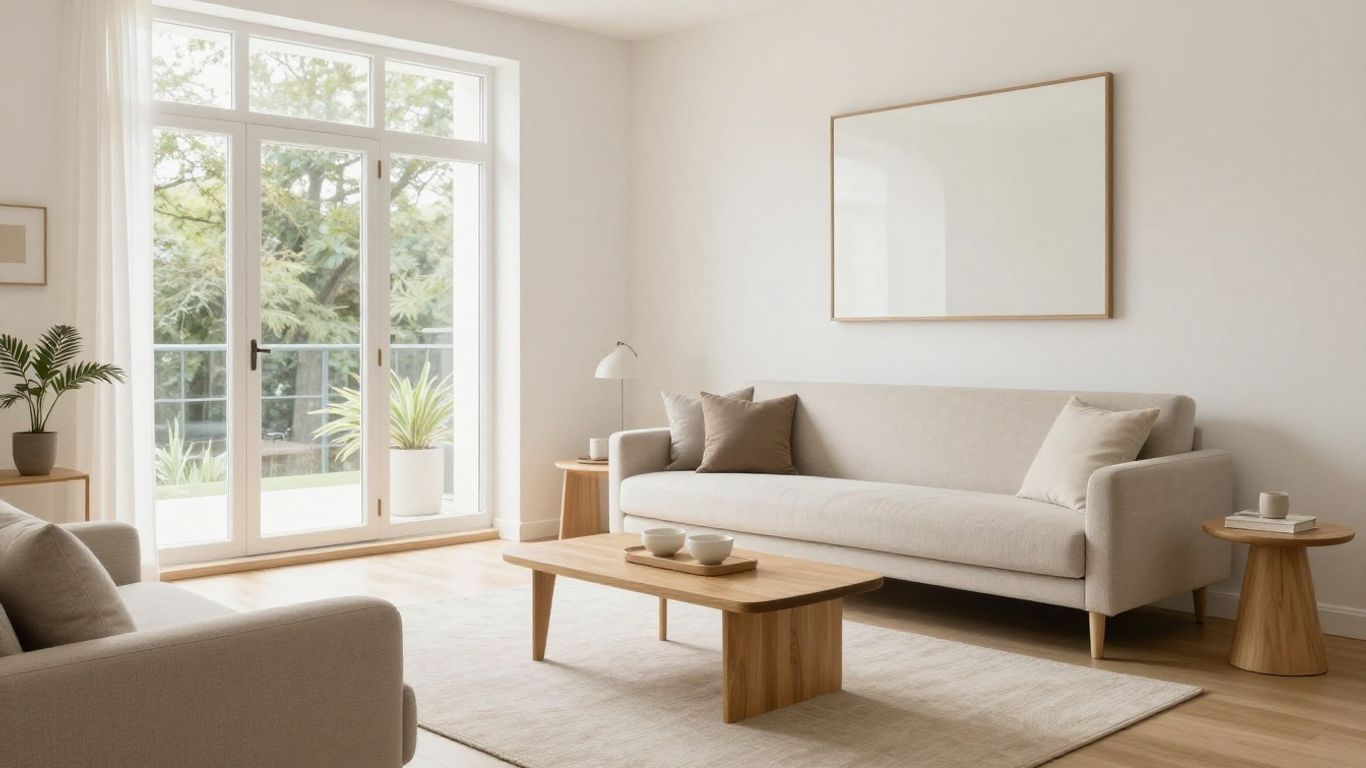
Living in a small house doesn't mean you have to sacrifice style or comfort, especially in your living room. It's all about being smart with your choices. This guide is here to help you figure out how to make your small living room feel bigger and work better for you. We'll look at colors, furniture, and how to use your space wisely. The goal is to create a modern living room design for a small house that feels open, functional, and totally you.
Key Takeaways
- Use light and airy colors, like whites and soft pastels, to make your small living room feel more open and bright. A feature wall can add personality without making the space feel cramped.
- Choose furniture that does more than one job. Think modular sofas, nesting tables, and ottomans with storage. This keeps things functional and stylish in compact areas.
- Make the most of your walls. Floor-to-ceiling curtains, wall-mounted shelves, and clever use of corners can add storage and visual height.
- Create the illusion of more space with mirrors to bounce light and a symmetrical layout for a sense of order. Drawing the eye upward with design elements also helps.
- Define different areas within your living room using rugs or dividers. Make sure there's clear space to walk around so the room flows well.
Embrace Light And Airy Color Palettes
When you're working with a smaller living room, the colors you choose can make a huge difference in how spacious the area feels. It's not just about picking pretty shades; it's about using color strategically to trick the eye and create an open, inviting atmosphere. Think of it as painting with light.
This is a classic for a reason. Painting your walls white or a soft off-white shade is like giving your room a breath of fresh air. White reflects light really well, which instantly makes a space feel bigger than it actually is. It’s a clean slate that makes everything else pop, from your artwork to your throw pillows. Whether you go for a crisp, bright white or something a bit warmer like an eggshell or cream, these light colors are fantastic for brightening up the room and making it seem more expansive. It’s a simple trick, but it works wonders.
If a plain white feels a little too stark for your taste, don't worry. You can still keep that airy feel while adding your own personality. Soft, muted tones and pastels are your best friends here. Think gentle blues, pale greens, or warm beiges. These colors add a subtle touch of character without overwhelming the space. They create a welcoming vibe and can even help balance out rooms that don't get a lot of natural light. Choosing the right shade can really transform the mood of your living area, making it feel cozy yet open. For some great ideas on cozy living room colors, you might want to check out top cozy living room color choices.
Want to add a bit more drama or a focal point without making the whole room feel closed in? A feature wall is a brilliant solution. You can use a slightly bolder color on just one wall, or perhaps a wallpaper with a subtle pattern or interesting texture. This draws the eye and adds depth, creating visual interest. The key is to keep the other walls light and neutral to maintain that sense of openness. It’s a way to inject personality and style without sacrificing the feeling of space. You can even carry this idea onto the ceiling for a more immersive effect, making the room feel more cohesive and lively. Consider exploring cozy living room color choices for inspiration on how to use color effectively.
Smart Furniture Choices For Compact Spaces
When you're working with a smaller living room, picking the right furniture isn't just about looks; it's about making every piece work as hard as possible. You want things that are functional, comfortable, and don't make the room feel cramped. It’s a bit of a puzzle, but totally doable.
Opt For Multifunctional And Modular Furniture
This is where the magic happens in small spaces. Think about furniture that can do more than one thing. A coffee table that lifts up to become a desk, or a sofa with built-in storage for blankets and games, can really change how you use your room. Modular furniture is also a lifesaver. You can rearrange pieces to fit your needs, whether you're hosting friends or just want to change things up. It’s like having furniture that adapts to your life.
- Ottomans with hidden storage: These are great for stashing away magazines, remotes, or even extra throws. Plus, they double as a footrest or extra seating. Check out some storage ottomans for ideas.
- Sofa beds: Perfect for when guests stay over, turning your living room into a bedroom without much fuss.
- Nesting tables: These can be tucked away when you don't need them, saving precious floor space.
The key is to choose items that serve a purpose beyond their primary function. This thoughtful selection prevents clutter and makes the room feel more organized and spacious.
Sectional Sofas And Compact Seating
Sectional sofas might sound big, but they can actually be great for small spaces, especially if you pick one designed for apartments. They often fit neatly into corners, using that often-wasted space efficiently. Look for sectionals with clean lines and maybe even storage underneath the seats. If a sectional isn't your style, consider smaller, armless chairs or loveseats. These take up less visual space and can be moved around more easily. The goal is to have enough seating without making the room feel crowded.
Nesting Tables And Side Tables With Storage
Side tables are super handy for placing a drink or a lamp, but in a small room, they can add up and make things feel cluttered. Nesting tables are a brilliant solution. You get multiple surfaces when you need them, but they stack neatly away when you don't. Also, look for side tables that have drawers or shelves. This gives you a place to tuck away those everyday items that tend to pile up, like mail or keys. It’s all about finding smart spots to keep things tidy and out of sight.
| Furniture Type | Key Feature for Small Spaces | Example Use |
|---|---|---|
| Nesting Tables | Stackable, saves floor space | Extra surfaces for drinks/decor |
| Side Tables | Built-in drawers/shelves | Storing remotes, coasters |
| Ottomans | Hidden storage, extra seating | Hiding blankets, footrest |
Maximizing Vertical Space And Wall Usage
When you're working with a smaller footprint, looking up is your best friend. Think about all that empty wall space – it's prime real estate just waiting to be utilized. Don't let your walls be just passive backdrops; make them work for you. It’s amazing how much more functional and open a room can feel when you start thinking vertically.
Floor-to-Ceiling Curtains and Vertical Paneling
Curtains are more than just window coverings; they're a design tool. Hanging your curtains all the way from the ceiling down to the floor is a classic trick that really does wonders. It makes your ceilings seem higher and your walls longer, giving the whole room a more expansive feel. Lighter fabrics keep things airy, which is great for small spaces, but even heavier drapes can add a touch of drama and sophistication. Similarly, vertical paneling on walls, like shiplap or even just painted stripes, can create a similar illusion, drawing the eye upward and making the room feel taller. It’s a simple change that has a big impact on the perception of space.
Wall-Mounted Desks and Shelving Solutions
Forget bulky furniture that eats up floor space. Wall-mounted desks are a game-changer for creating a functional workspace without sacrificing precious room. Many of these fold away when not in use, so you can reclaim that space. Shelving is another vertical hero. Instead of a freestanding bookshelf, opt for floating shelves or wall-mounted units. You can display books, decor, or even use them for storage. Think about how you can arrange shelves to create visual interest, perhaps with staggered heights or by mixing open shelves with closed cabinets. This approach keeps your floor clear, making the room feel much larger and easier to move around in. It’s a smart way to add utility without the visual clutter. For more ideas on stylish and modern home designs, check out these chic living room ideas.
Utilizing Corner Spaces Effectively
Corners are often the most overlooked areas in a room, but they can be surprisingly useful. Don't let them become dust collectors. You can install corner shelving units, which are perfect for displaying plants, photos, or storing smaller items. Another great option is a corner desk or a custom-built seating nook. These solutions can turn awkward, unused spaces into functional zones. Imagine a cozy reading corner with a small armchair and a floor lamp, or a built-in bench with storage underneath. It’s all about maximizing every single inch of your home, and corners are a fantastic place to start. This thoughtful use of space can make a compact home feel much more livable and stylish, creating a calming atmosphere with thoughtful furniture choices.
Clever Illusions To Expand Your Living Area
Sometimes, making a small living room feel bigger is all about tricking the eye. It’s like a magic show for your home, where a few smart moves can make a world of difference. We’re not talking about knocking down walls here, but rather using design elements to create a sense of openness and light. It’s amazing what a well-placed mirror or a clever curtain choice can do.
The Strategic Placement Of Mirrors
Mirrors are seriously your best friend when you're working with limited square footage. They bounce light around the room, making it feel brighter and more expansive. Think about a large mirror hung opposite a window; it’s like adding another window, but better because it reflects your decor too. Even a collection of smaller mirrors can work, creating a gallery effect that also opens up the space. Don't underestimate the power of reflection to visually double your room's size. It’s a classic trick for a reason, and it adds a touch of elegance. For more inspiration on using mirrors, check out these style tips to transform your living space.
Symmetrical Design For A Sense Of Order
Creating balance in your living room can make it feel much more ordered and, surprisingly, larger. When things are arranged symmetrically, it gives the eye a sense of calm and predictability. This means placing matching lamps on either side of a sofa, or arranging artwork in a balanced way on the walls. It’s not about being rigid, but about creating a visual harmony that makes the space feel less cluttered and more intentional. This approach can simplify your decorating process too.
Drawing The Eye Upwards With Design Elements
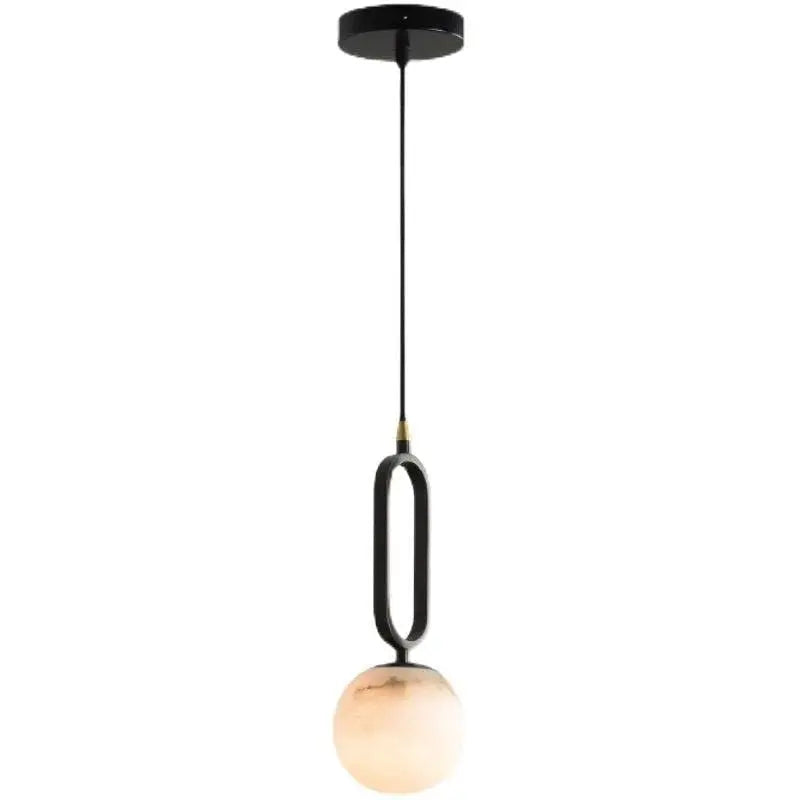
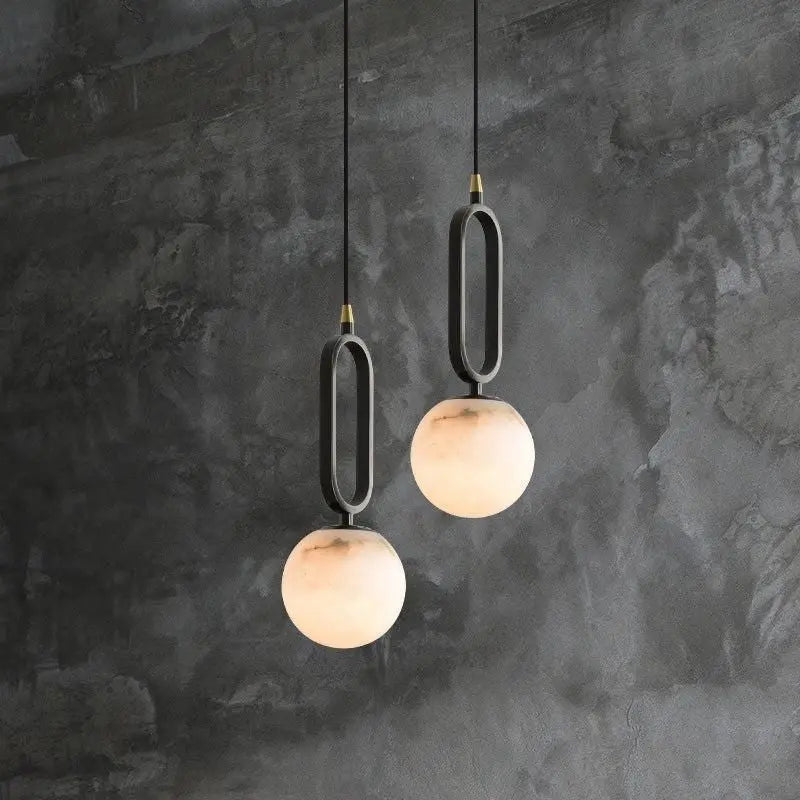
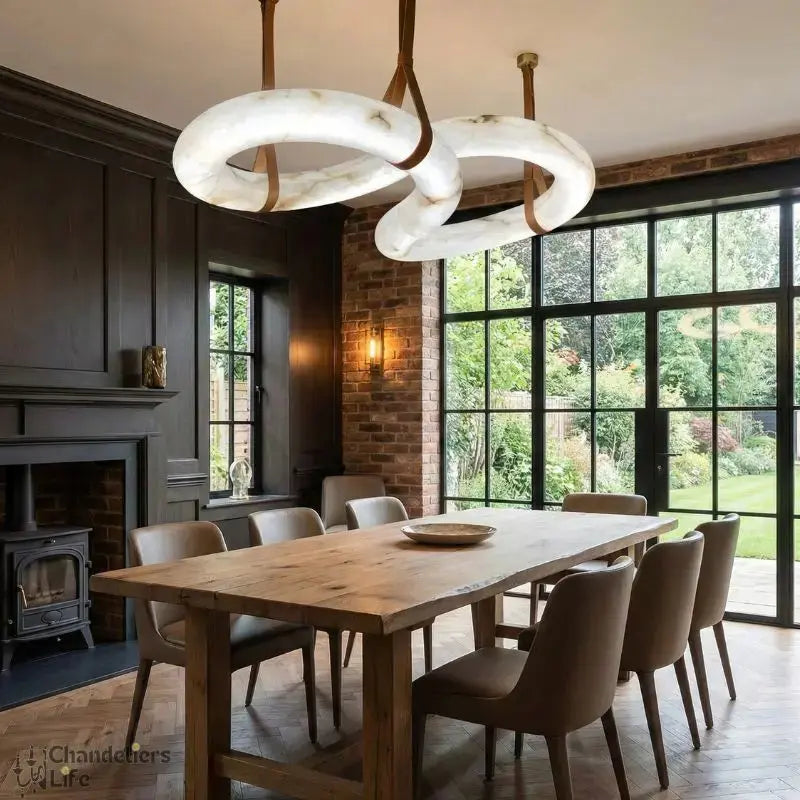
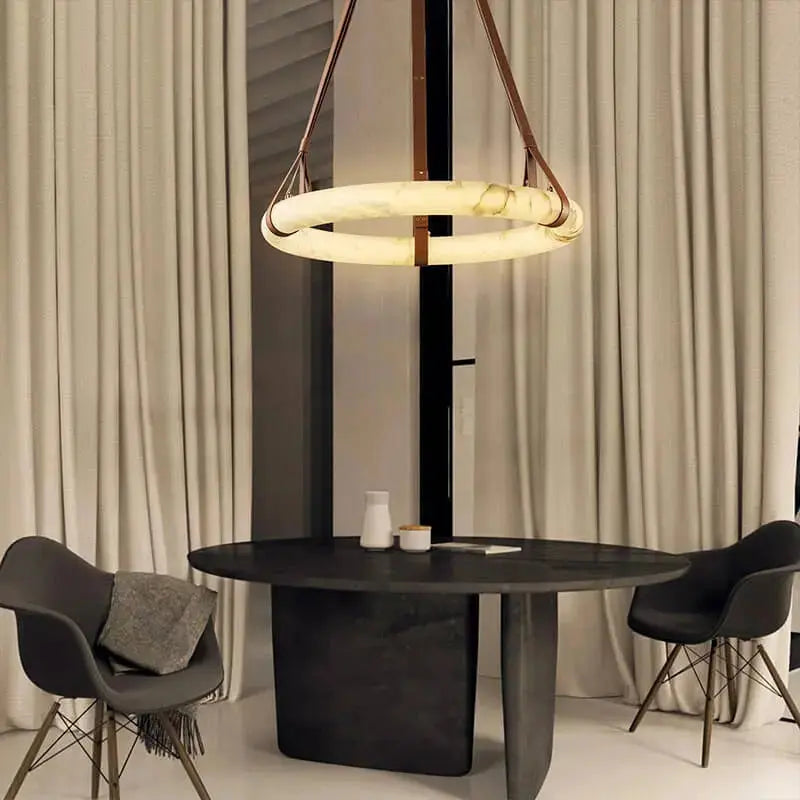
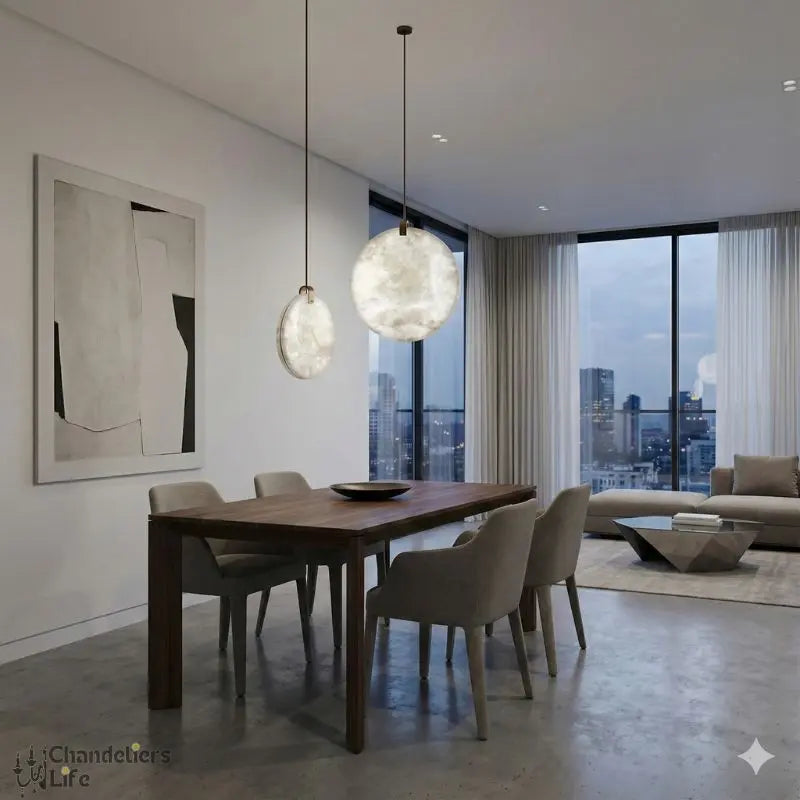
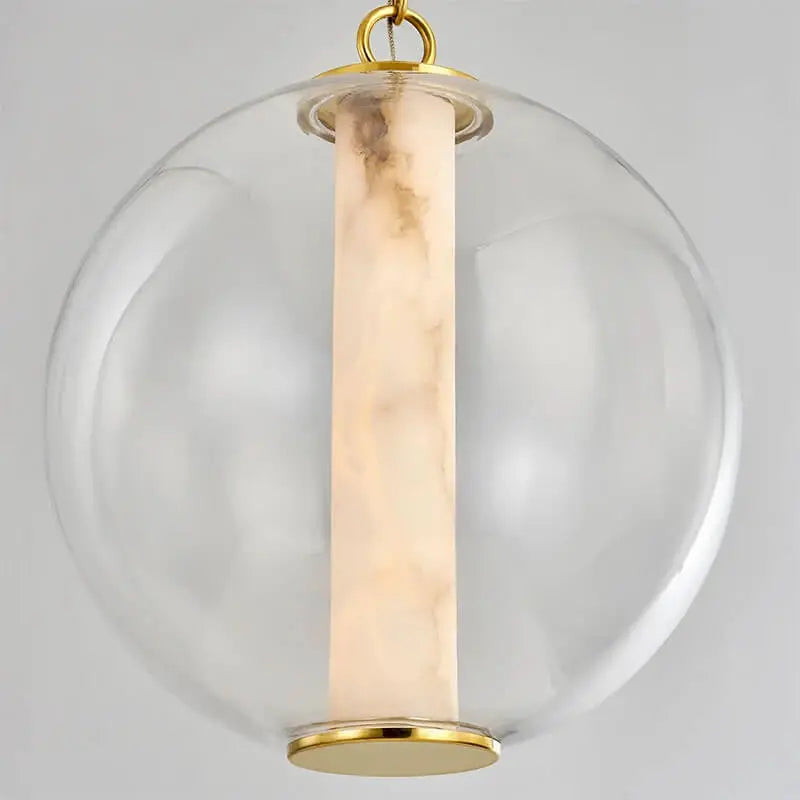
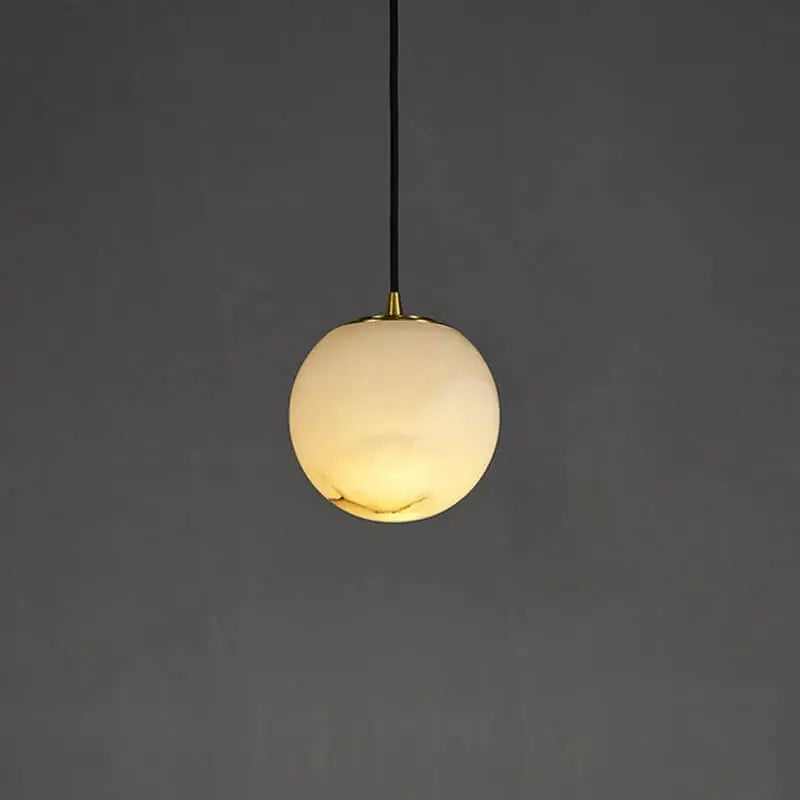
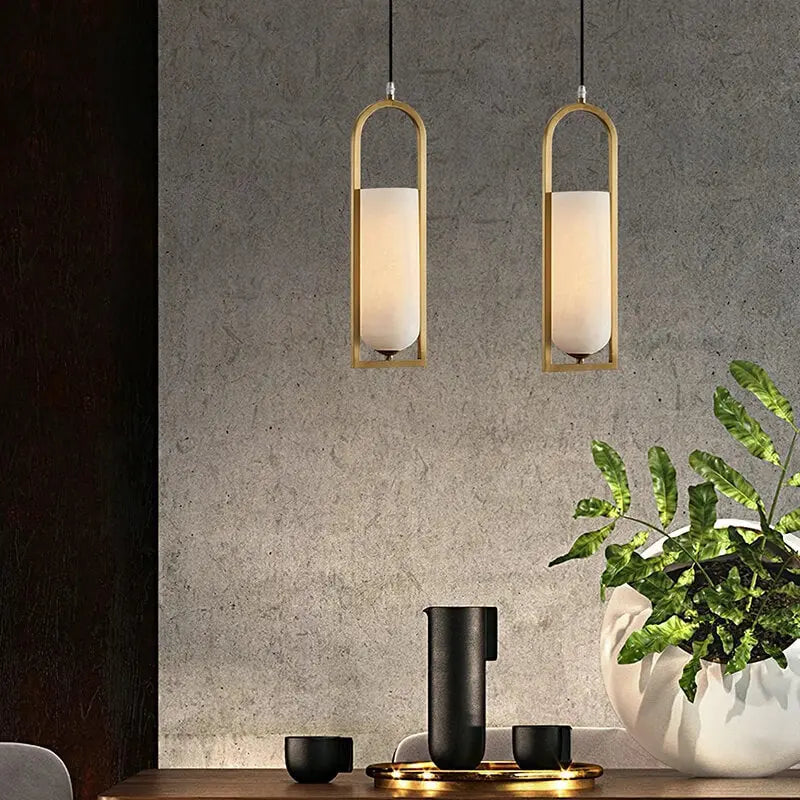
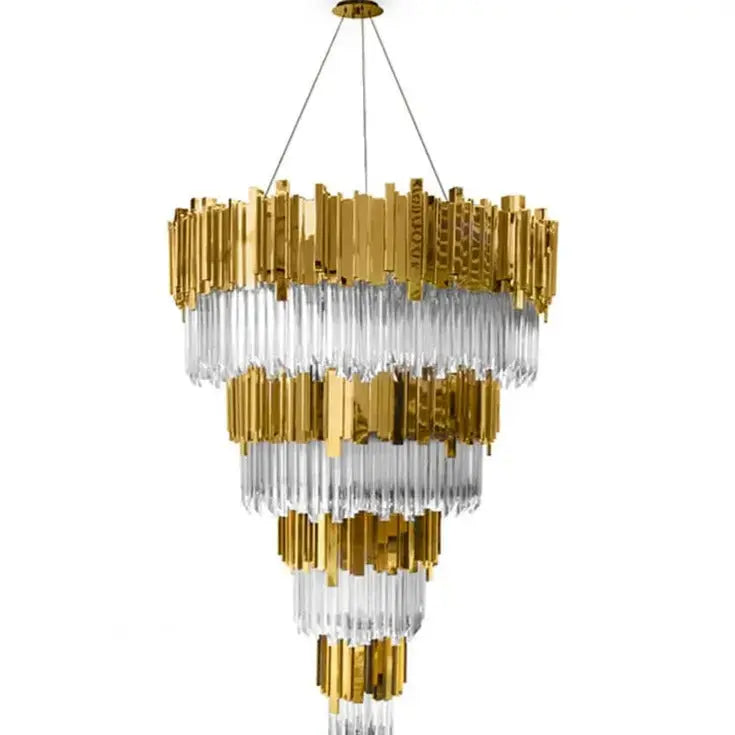
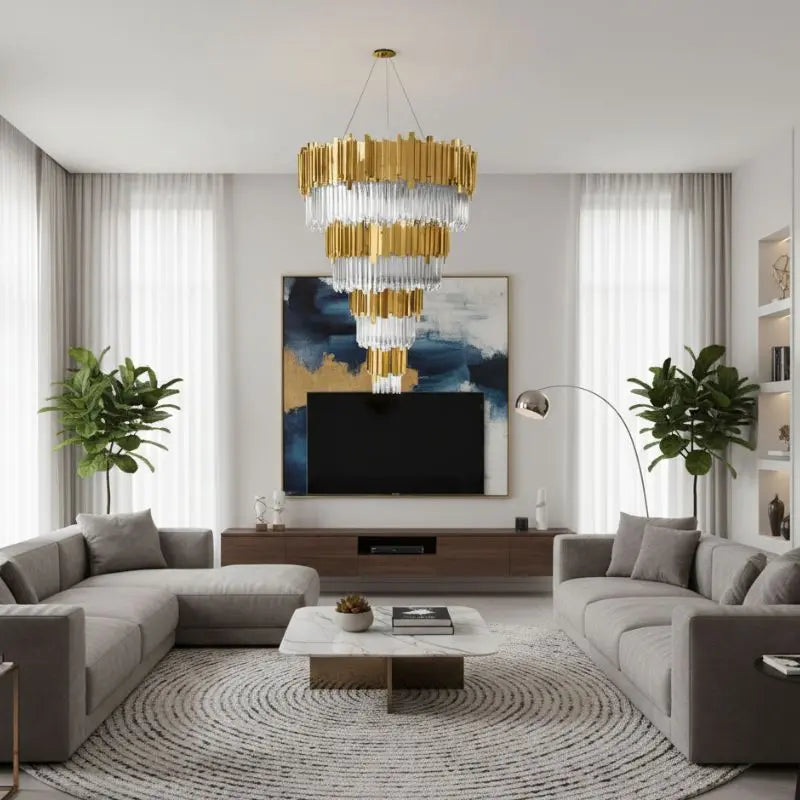
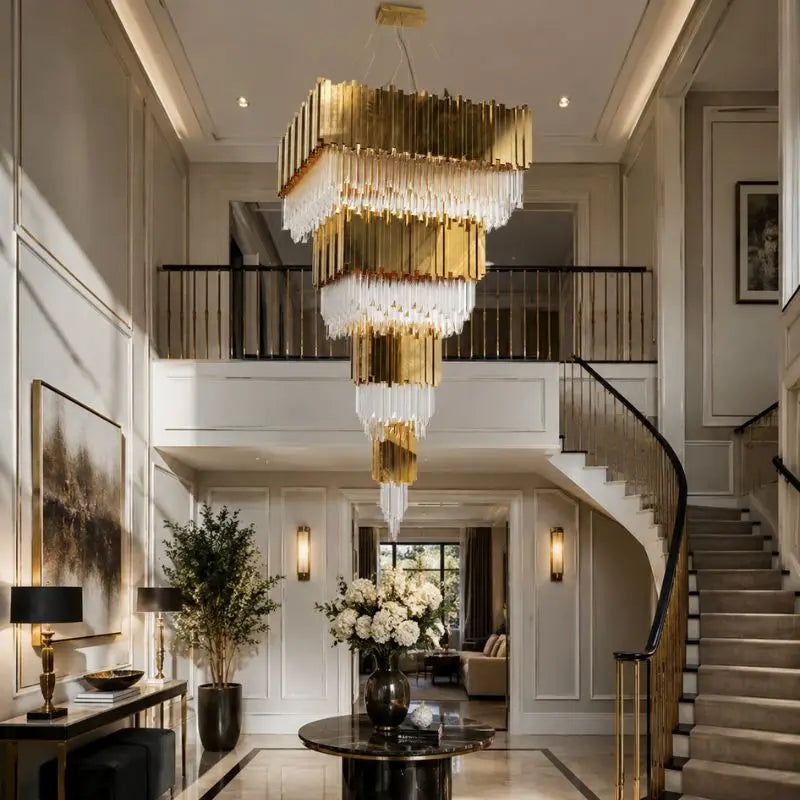
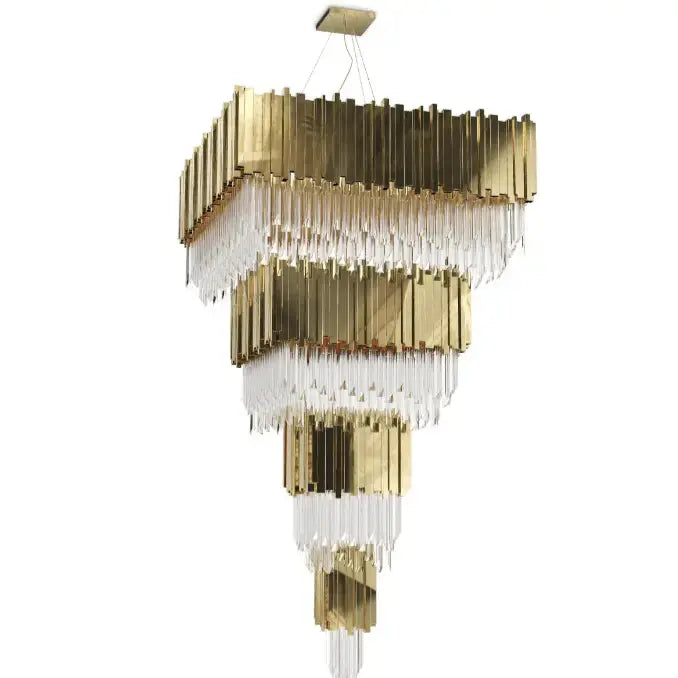
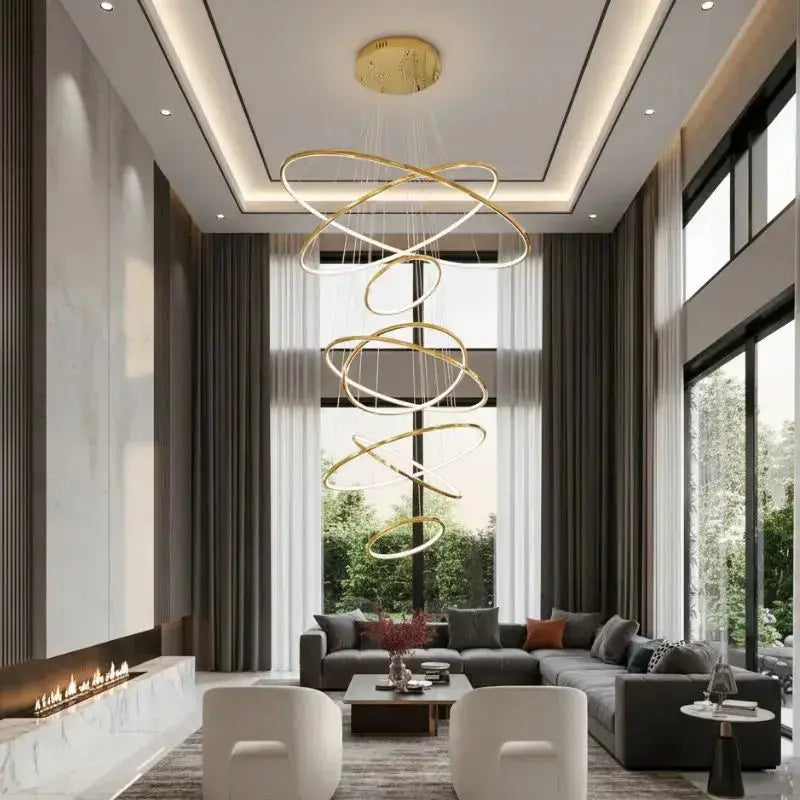
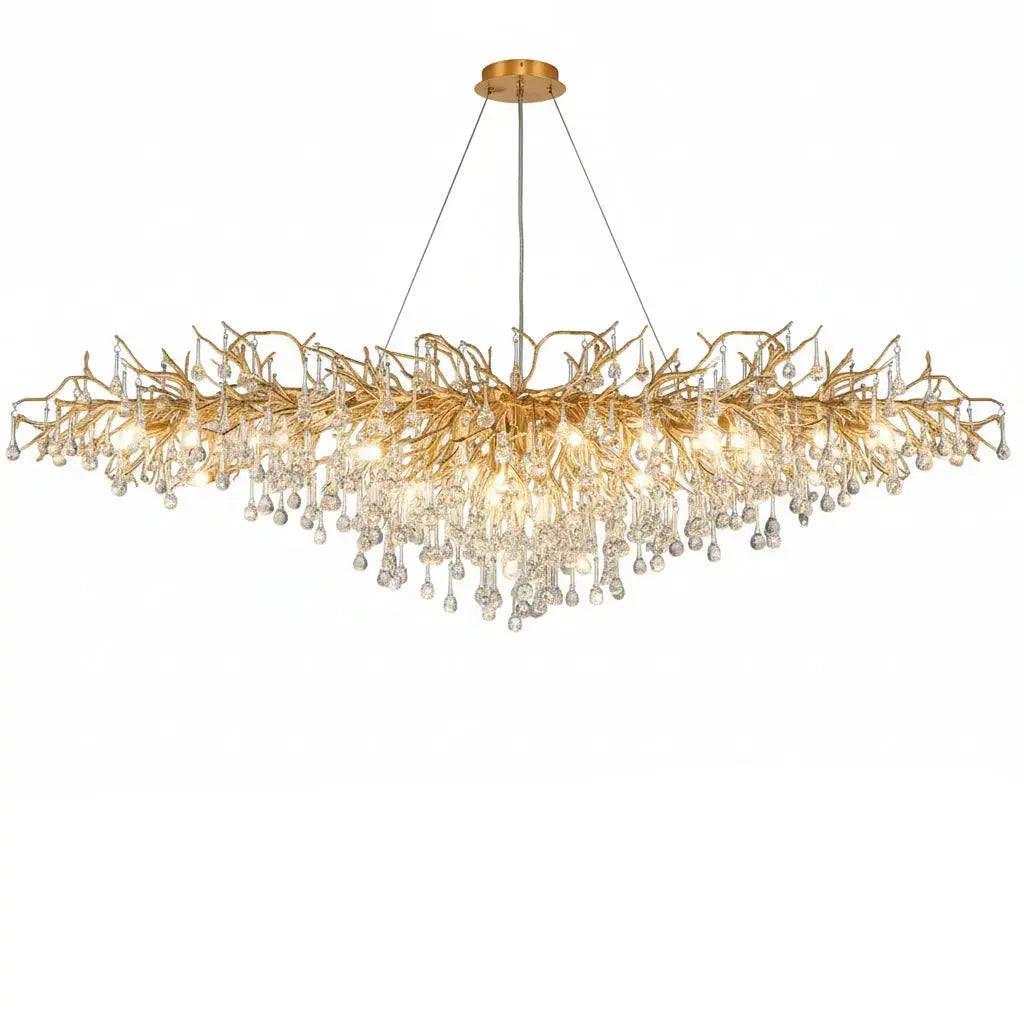
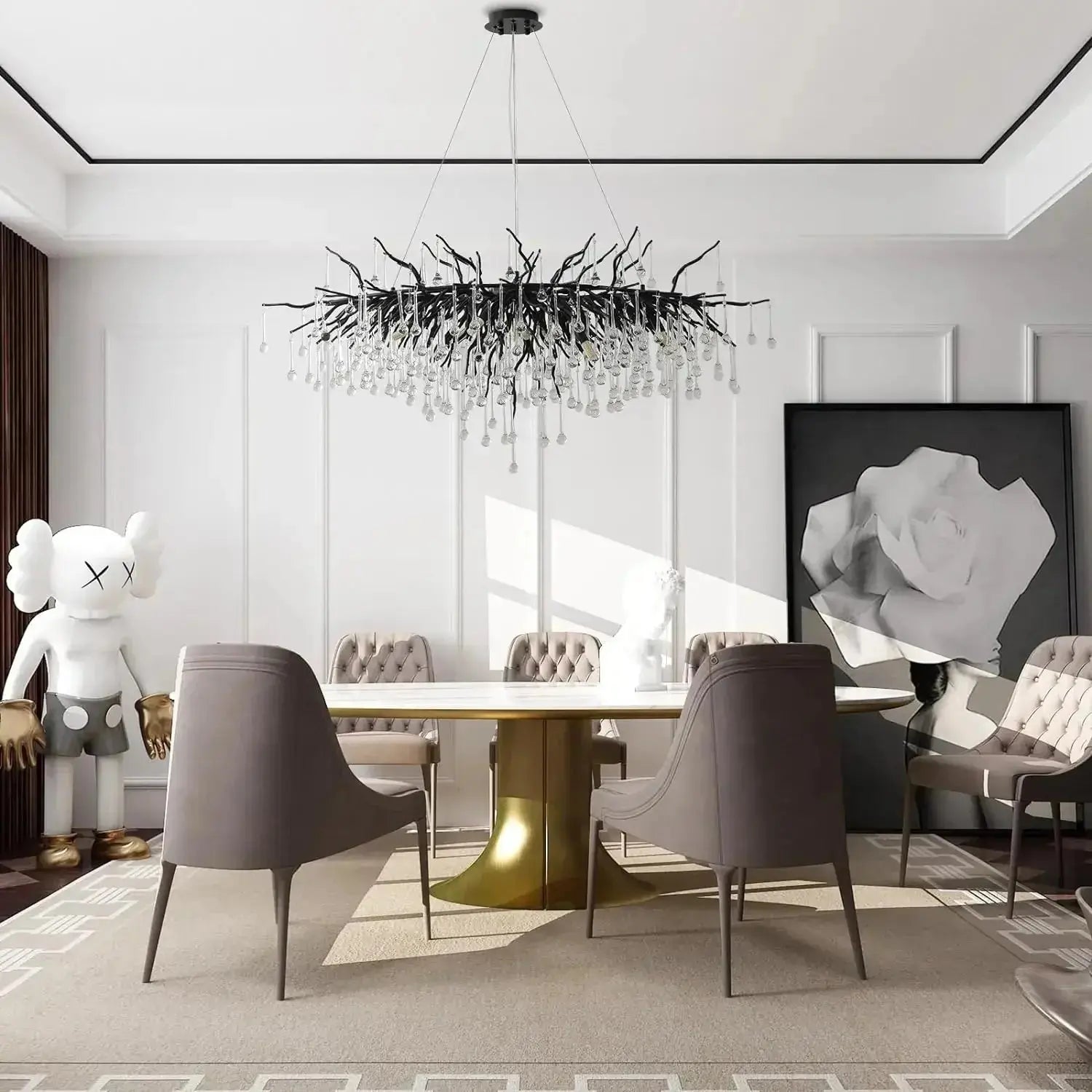
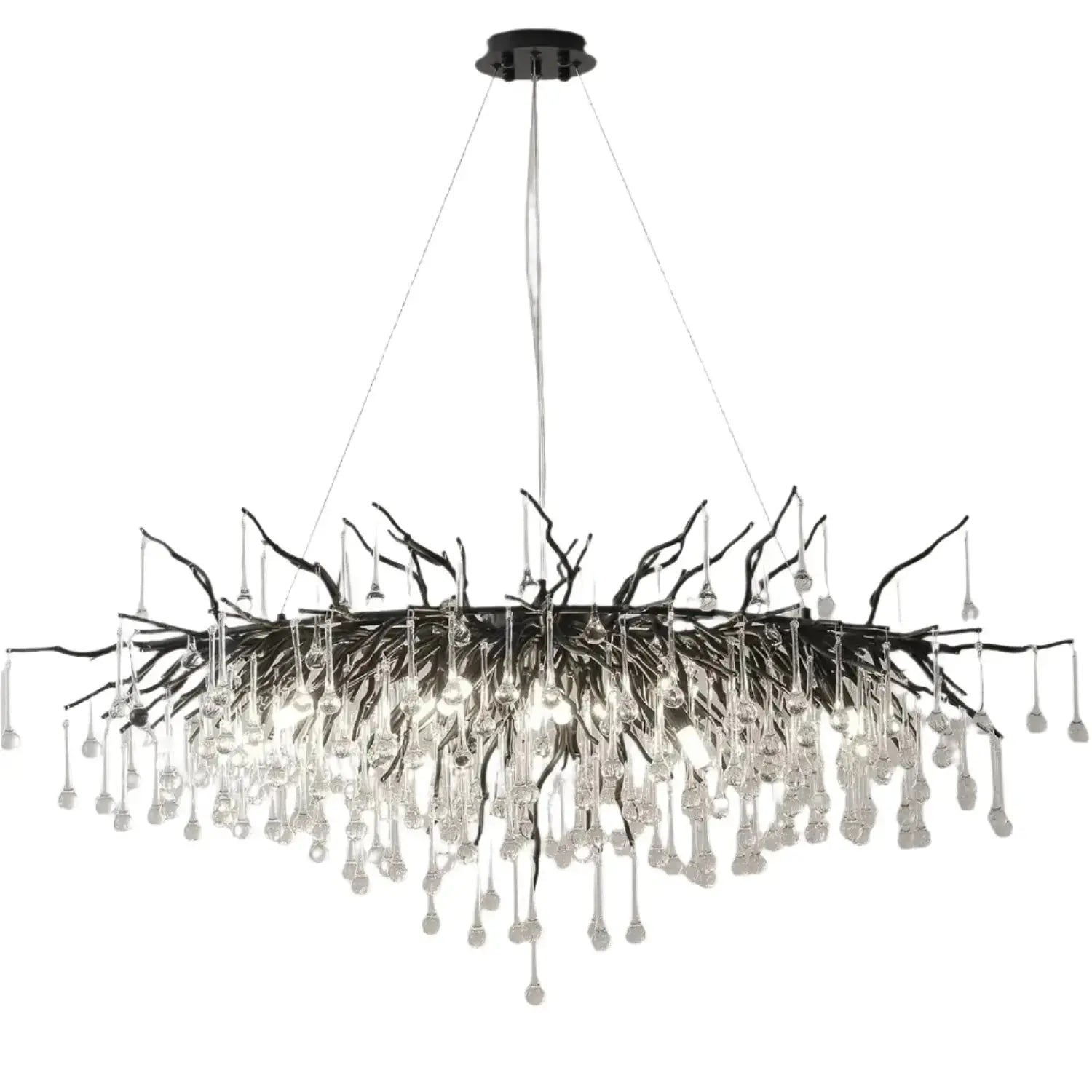
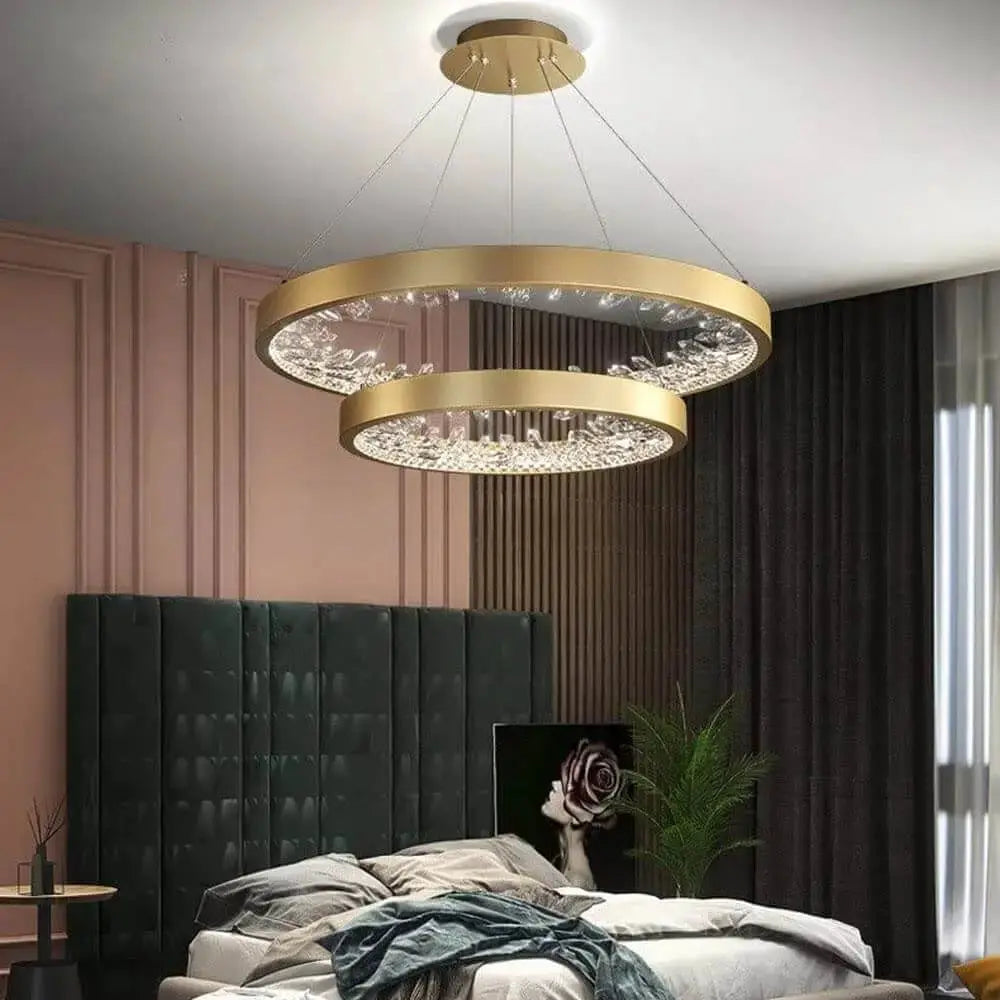
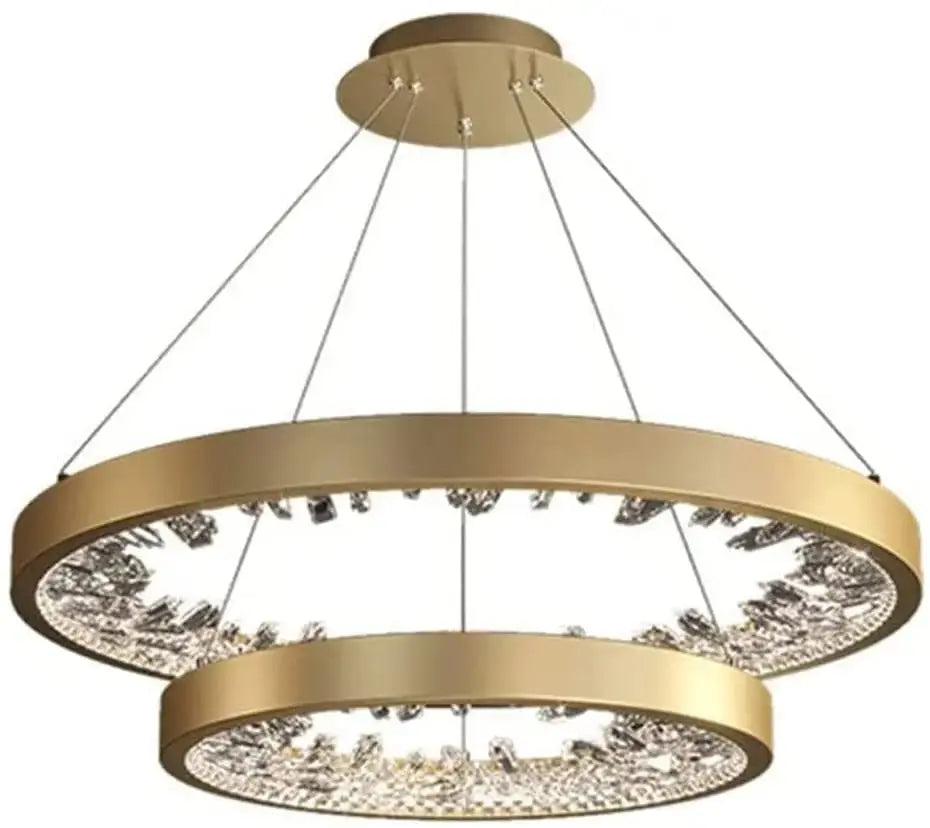
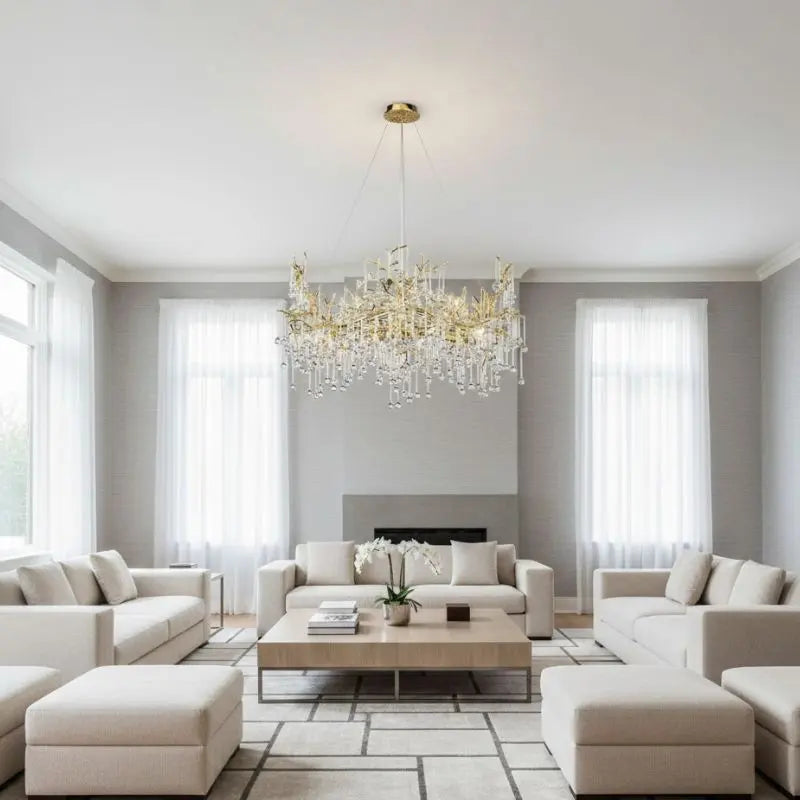
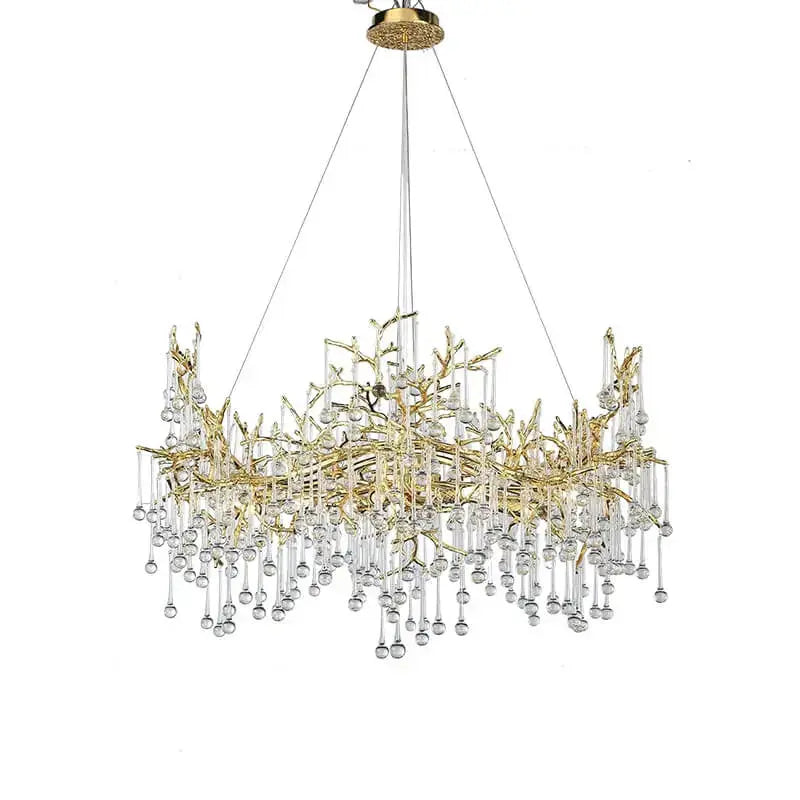
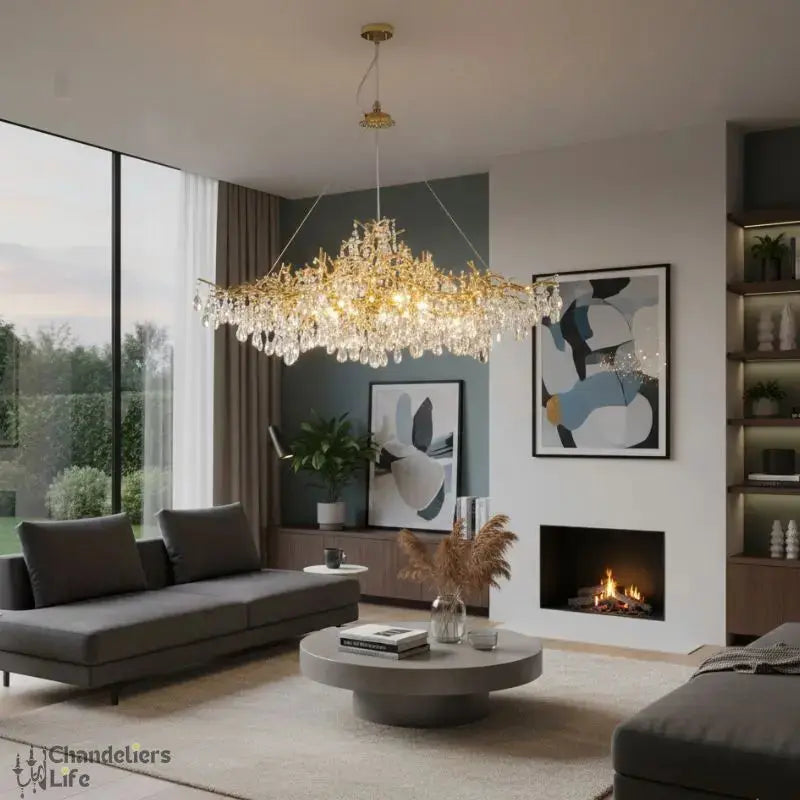
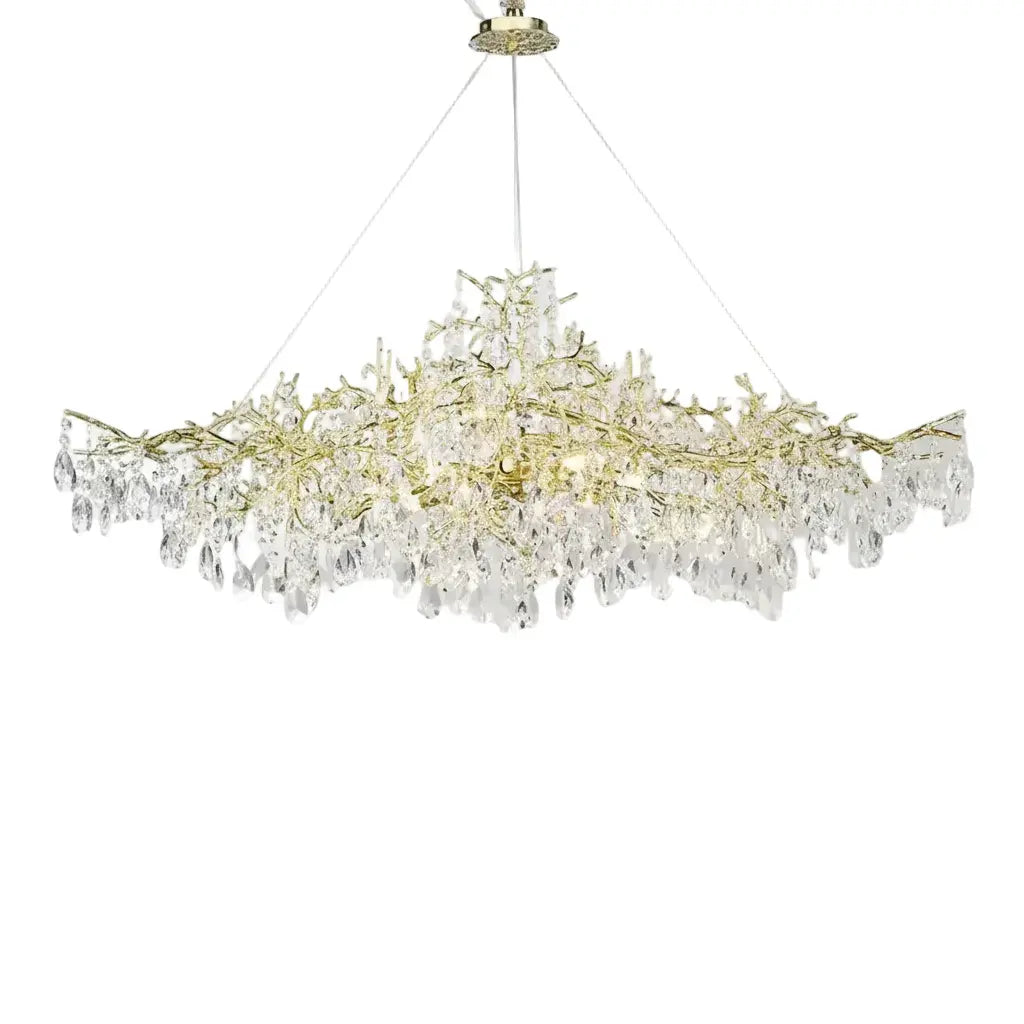
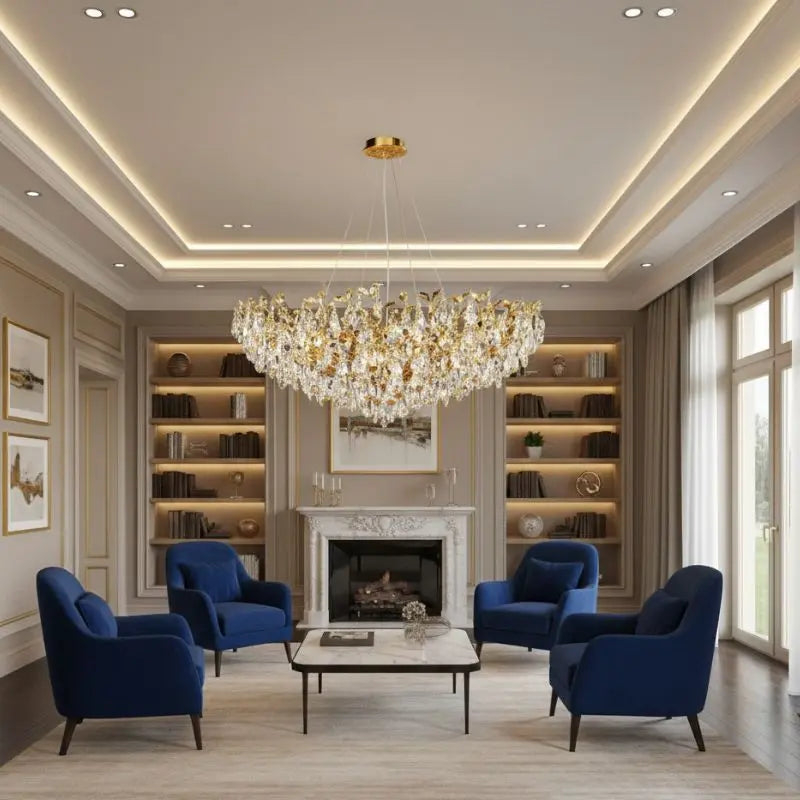
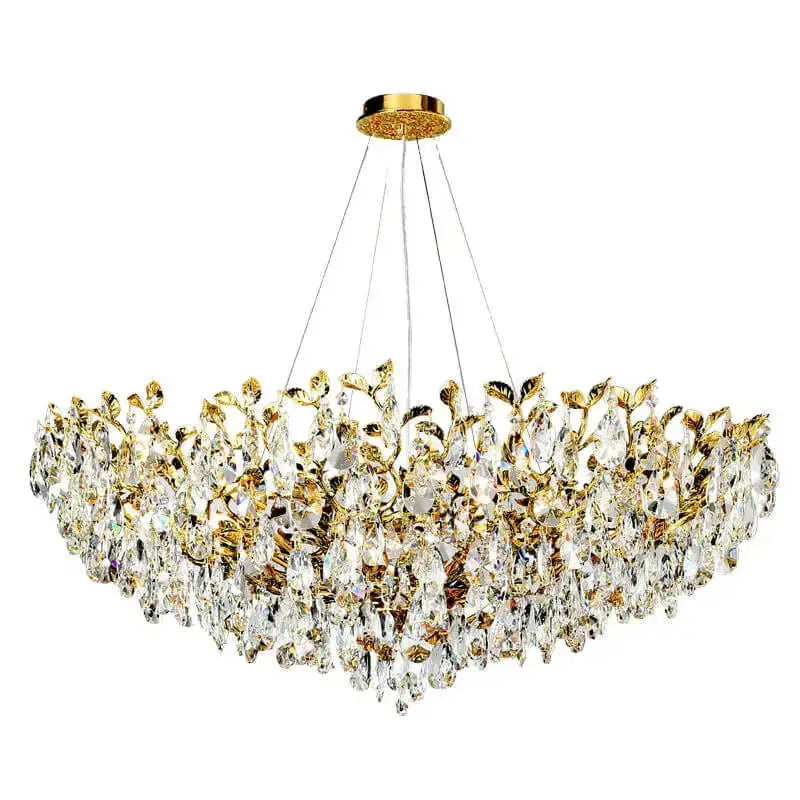
Another great way to make a room feel taller and more spacious is to draw attention upwards. Think floor-to-ceiling curtains – they make the walls look longer and add a touch of drama. You can also use vertical paneling or tall, slender furniture like bookshelves. Even wallpapering the ceiling with a subtle pattern can work wonders. The goal is to make people look up, making the room feel less confined. Consider a striking pendant light, perhaps a customizable clear glass bulb chandelier, to draw the eye and add a decorative element without taking up floor space.
Defining Zones And Enhancing Flow
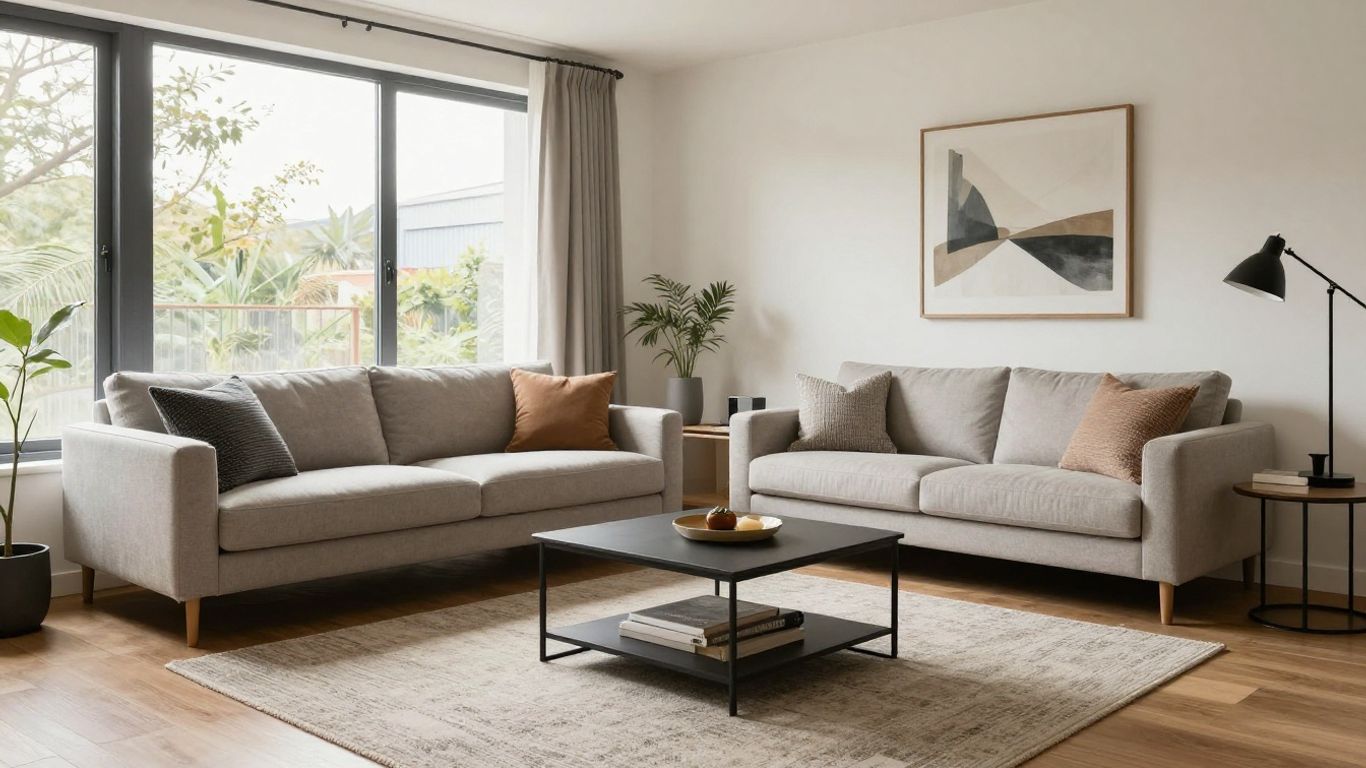
Using Rugs and Furniture to Create Zones
Think about how you actually use your living room. Do you have a spot for reading, another for watching TV, and maybe a small area for work? Defining these zones is key in a small space. It makes everything feel more organized and intentional. A simple way to do this is with rugs. A rug under your main seating area instantly signals 'this is the living zone.' You can then use another smaller rug to define a reading nook or a play area for kids. Furniture placement is also a big player here. Pulling your sofa and chairs away from the walls, even just a little, can create a sense of separation. You might arrange seating to face a specific point, like a window or a bookshelf, which naturally carves out that area.
Room Dividers for Privacy Without Blocking Light
Sometimes, you need a little separation, but you don't want to make the room feel smaller or darker. That's where clever room dividers come in. Forget solid walls; think about open shelving units. These can hold books and decor while still letting light pass through. A tall, narrow bookshelf can act as a subtle barrier between a living area and a dining space. Another option is a folding screen. You can find beautiful ones made of wood, fabric, or even woven materials. They offer flexibility – open them up for an expansive feel or close them for a bit of privacy. Even a strategically placed large plant can serve as a natural room divider, adding a touch of green.
Optimizing Circulation Paths and Sightlines
This is all about making sure you can move around easily without bumping into things. Think about the main pathways people will take through the room. Are they clear? You don't want to have to squeeze past furniture to get from the sofa to the kitchen. Good flow means the room feels natural and easy to live in. Also, consider sightlines – what do you see when you look across the room? Keeping these views open, or at least uncluttered, makes the space feel larger. For instance, avoid placing tall, bulky furniture right in the middle of a main path. If you have a nice view out a window, make sure it's not blocked. Sometimes, just angling a piece of furniture slightly can open up a whole new perspective. It’s like setting up a clear path for your eyes and your feet.
Integrating Storage Seamlessly
When you're working with a smaller living room, storage can feel like a constant battle. It's easy for clutter to pile up, making the space feel even more cramped. The trick is to think about storage not as an afterthought, but as a core part of your design. Making storage a natural extension of your room's architecture is key to a tidy and spacious feel.
Built-In Joinery and Custom Cabinetry
Custom built-ins are a game-changer for small spaces. They can be designed to fit perfectly into awkward nooks or along entire walls, maximizing every inch. Think about a low-profile cabinet that runs along one wall, providing a surface for decor while hiding away electronics and other items. Or perhaps a banquette seat in a dining area that doubles as storage. These tailored solutions make the most of your home's unique layout and avoid that bulky, freestanding furniture look. Investing in well-designed joinery can dramatically increase your usable surface area without overwhelming the room. It's about making the storage work for the space, not against it.
Ottomans and Baskets For Hidden Storage
If custom joinery isn't in the cards right now, don't worry. There are still plenty of smart ways to hide your stuff. Ottomans with lift-off lids are fantastic for stashing blankets, magazines, or even toys. They double as extra seating or a coffee table, making them super versatile. Woven baskets are another great option. You can group a few together to hold remotes, books, or other odds and ends. They add a nice texture to the room too. Look for ones that fit neatly under a console table or on a shelf. These smaller storage solutions work hard to keep things tidy.
Wall-Mounted Storage Solutions
Don't forget about the walls! Going vertical is a smart move in small living rooms. Wall-mounted shelves can display your favorite books and decor without taking up floor space. You can also find wall-mounted media units that keep your TV and entertainment systems organized and off the floor. This approach draws the eye upward, which can make the room feel larger. Consider floating shelves for a minimalist look, or a more substantial wall unit for greater storage capacity. It's a great way to keep surfaces clear and maintain a sense of openness. You can find some really chic living room ideas that incorporate these elements.
Wrapping It Up
So, there you have it. Making a small living room work for you isn't about magic tricks, it's really about being smart with what you've got. We talked about using furniture that does more than one job, like ottomans with storage or tables that fold up. We also looked at how light colors and mirrors can make a room feel bigger, and how using the walls for storage or display can free up floor space. It’s all about making your space feel good and work for how you actually live. Don't be afraid to try things out – your home should be a place you love, no matter the size.
Frequently Asked Questions
What colors make a small living room look bigger?
Using light colors like white and off-white on your walls is a great trick. These shades bounce light around, making the room feel more open and spacious. Soft pastels can also add personality without making the space feel crowded.
What kind of furniture works best in a small living room?
Look for furniture that does more than one job! Think about ottomans that can be used for sitting or storing things, or sofa beds that are great for guests. Furniture that can be folded or moved easily is also a smart choice.
How can I use the walls to make my small living room feel larger?
You can draw the eye upward by using tall curtains that go from the ceiling to the floor. Wall-mounted shelves and desks also save floor space and make the room feel less cluttered. Using the corners with shelves or special furniture can also help.
Are mirrors really helpful in small living rooms?
Yes, mirrors are like magic for small spaces! Placing a large mirror on a wall can reflect light and make the room seem much bigger and brighter. It's a simple way to add a sense of depth.
How do I keep my small living room from feeling messy?
Smart storage is key. Built-in cabinets that blend with your walls look neat. Use storage baskets or ottomans to hide things like blankets or remotes. Wall-mounted shelves are also great for keeping things tidy and off the floor.
Can I divide my small living room into different areas?
You can! Using rugs can help define different spots, like a cozy reading corner or a place for your TV. You can also use furniture arrangements or light room dividers, like screens or sheer curtains, to create separate zones without blocking light.