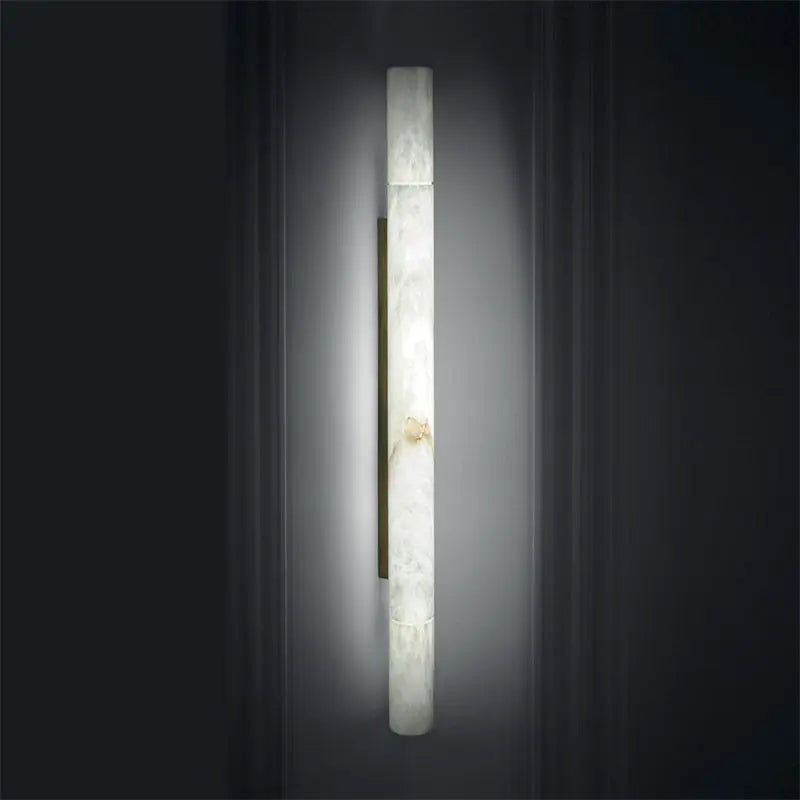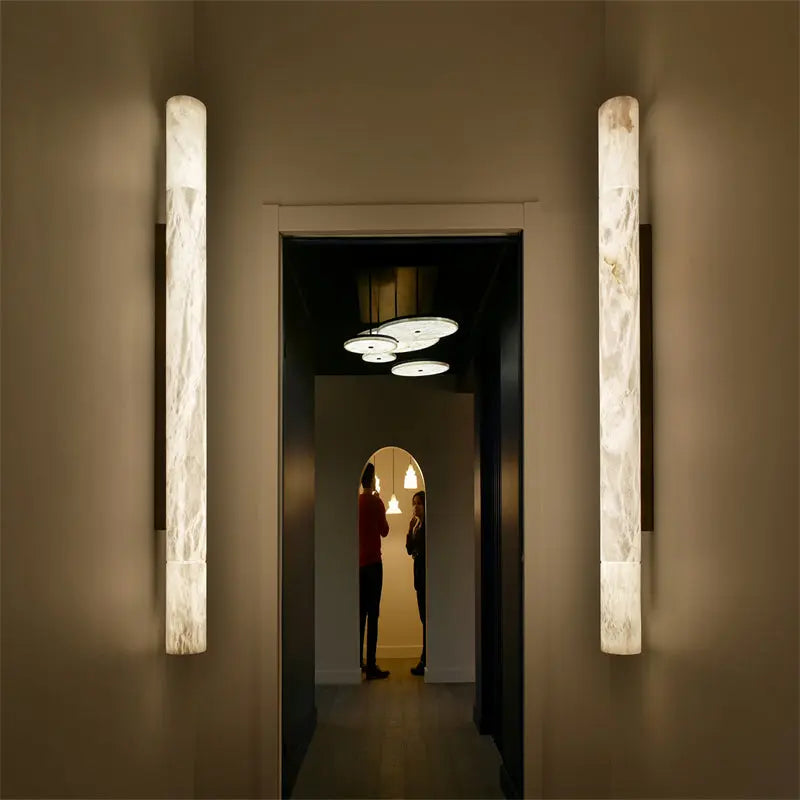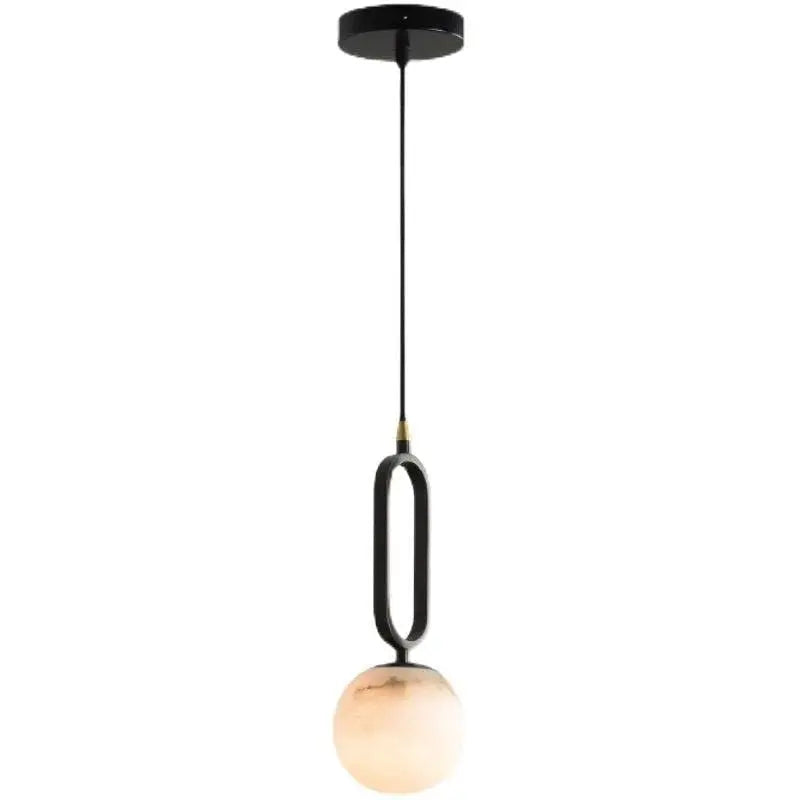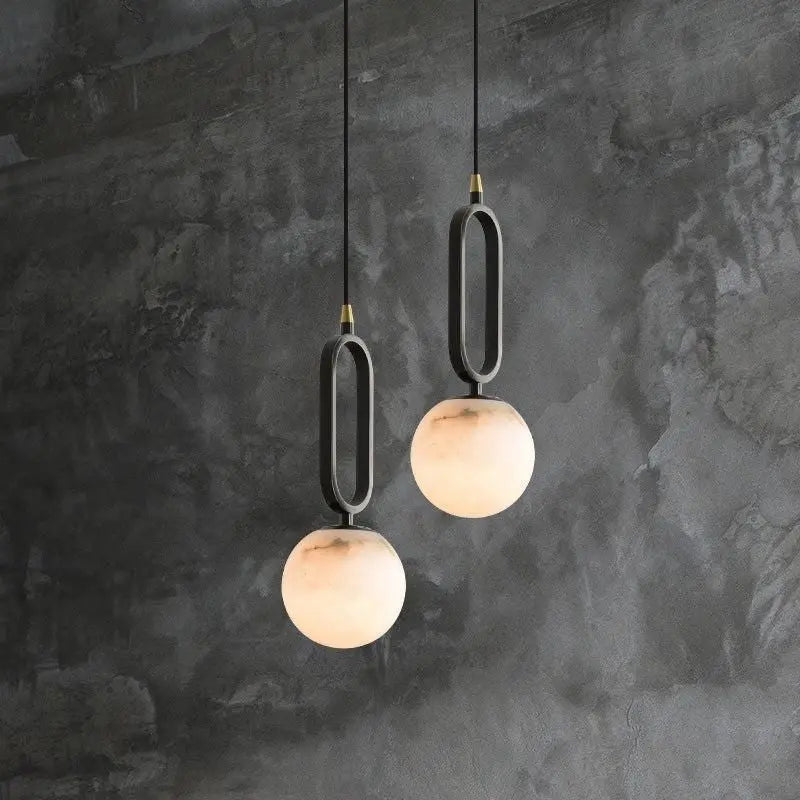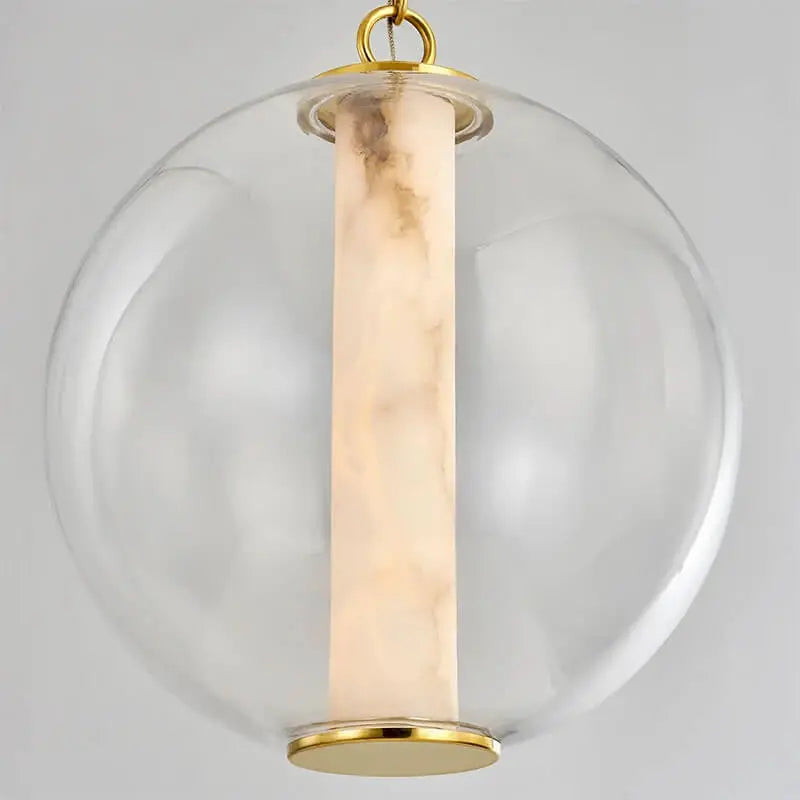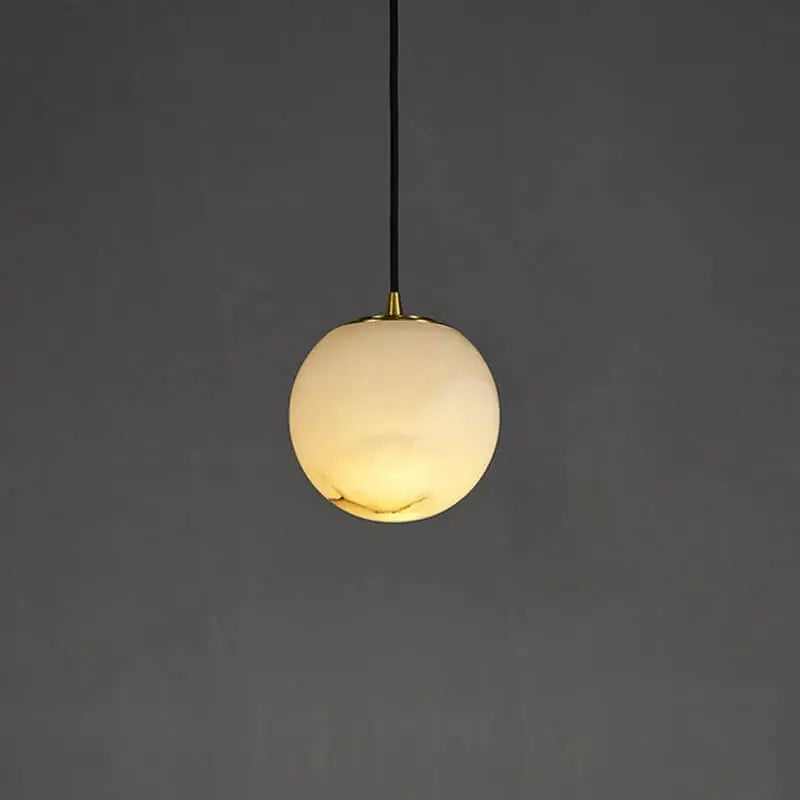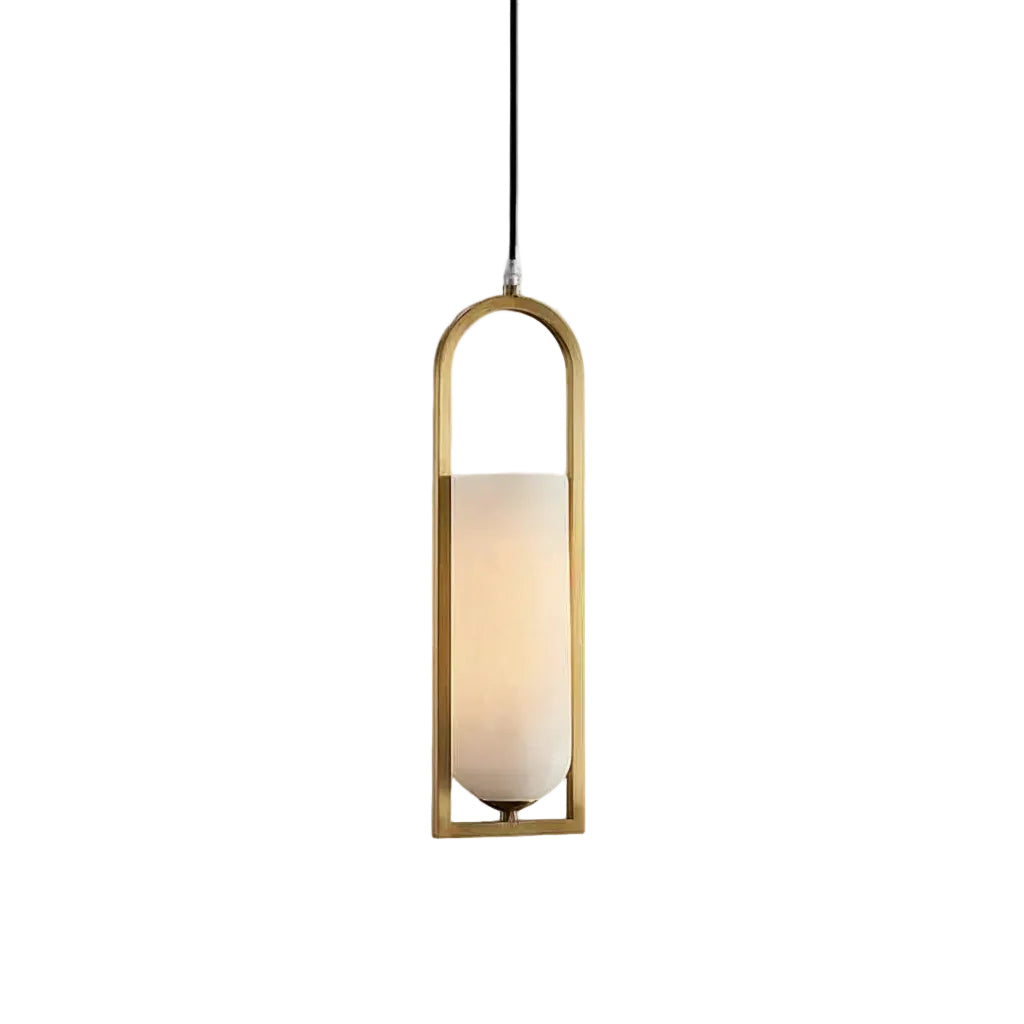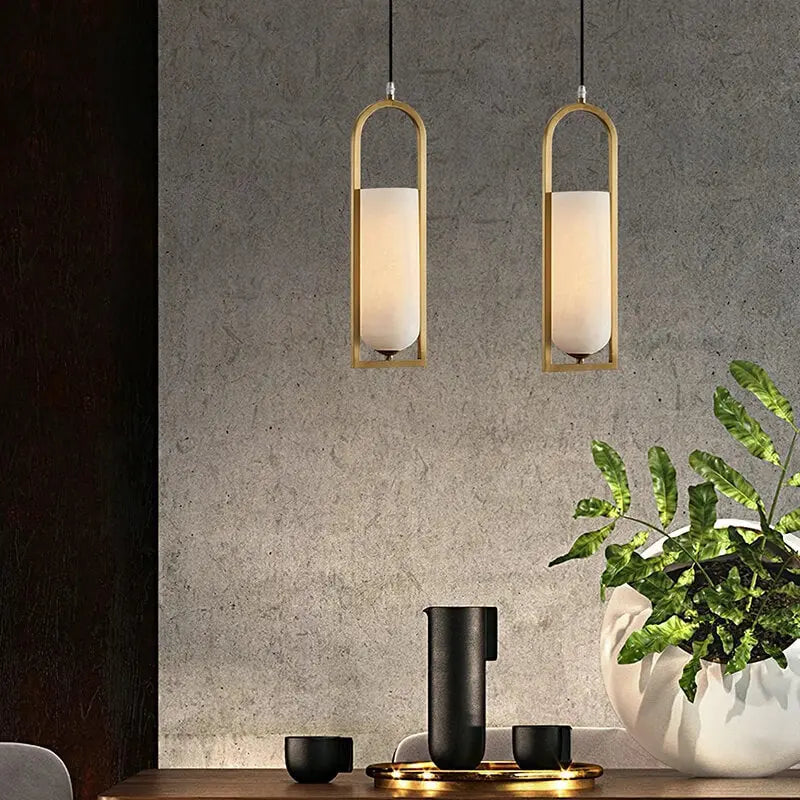
A marble pendant light changes the mood of a room before you even switch it on. There is something quietly luxurious about stone suspended in the air - weight made elegant, texture made architectural, and everyday lighting made far more considered. For homeowners who want a fixture to do more than simply brighten a space, marble offers a rare balance of softness, structure and timeless appeal.
Why a marble pendant light feels so distinctive
Many statement materials ask for attention. Marble tends to earn it. The veining introduces natural variation, so even in a clean modern scheme the fitting never feels flat or manufactured. It brings depth without fuss, which is precisely why it works so well in homes that aim for a polished, design-led look.
The appeal is not only visual. Marble has a grounded quality that lighter materials cannot quite replicate. Glass can feel airy, metal can feel sharp, and fabric can feel gentle, but marble creates a sense of permanence. In a kitchen, over a dining table, or beside a bed, that permanence reads as expensive in the best possible way.
That said, the effect depends on the overall design. A highly veined shade can become the focal point, while a smoother white marble piece can sit more quietly within a layered interior. If you love a bold decorative statement, choose contrast and visible patterning. If your room already has strong architectural elements, a subtler finish may feel more refined.
Where a marble pendant light works best
Pendant lighting is often chosen for practical placement, but the right room makes all the difference to how marble reads. In kitchens, marble pendants above an island create instant sophistication. They pair beautifully with brushed brass taps, timber cabinetry and pale stone worktops, especially in spaces that lean modern classic rather than purely minimal.
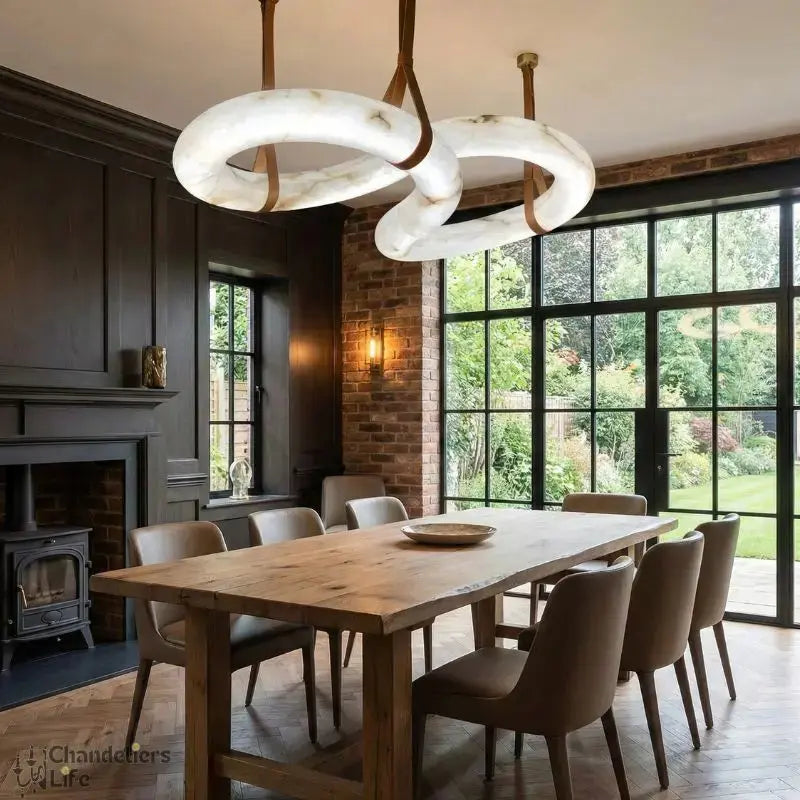
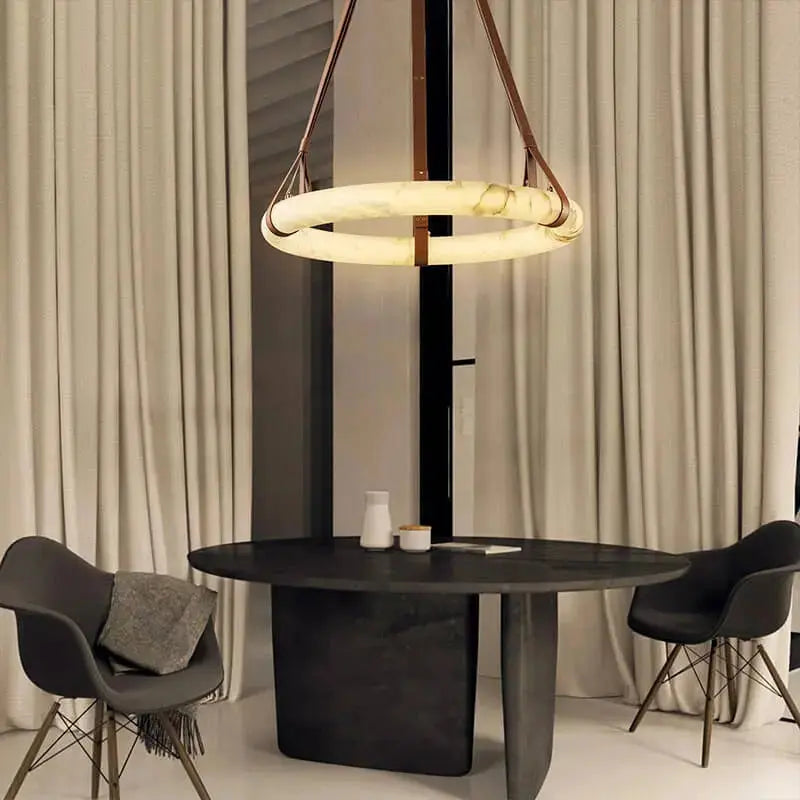
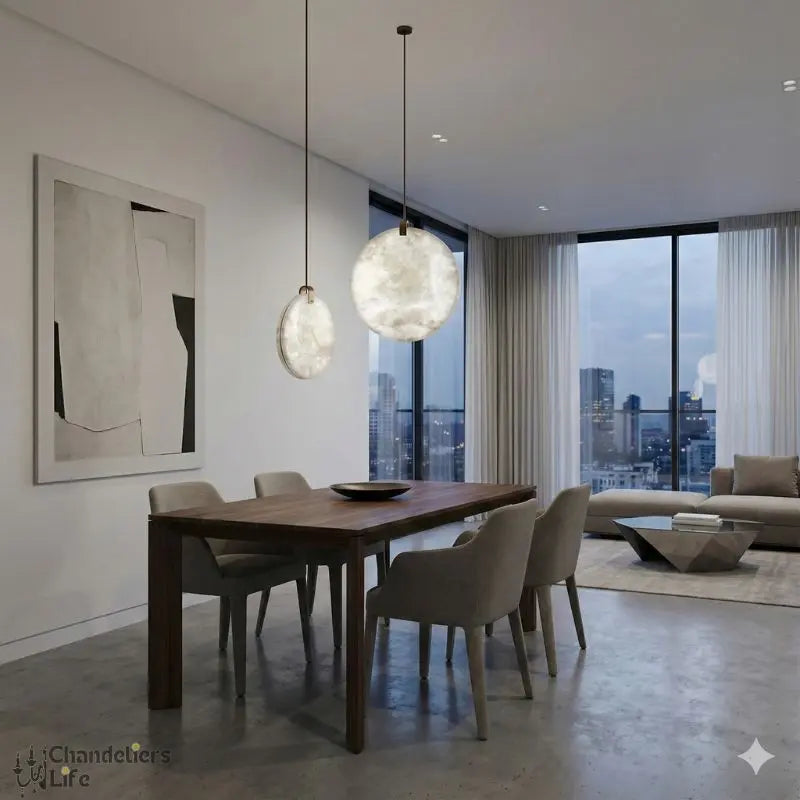
In dining rooms, the material feels more intimate. A single larger pendant above a round table can create a sculptural centrepiece, while a row of smaller pendants over a long table brings rhythm and balance. If your dining area is open plan, marble helps define the zone without relying on visual clutter.
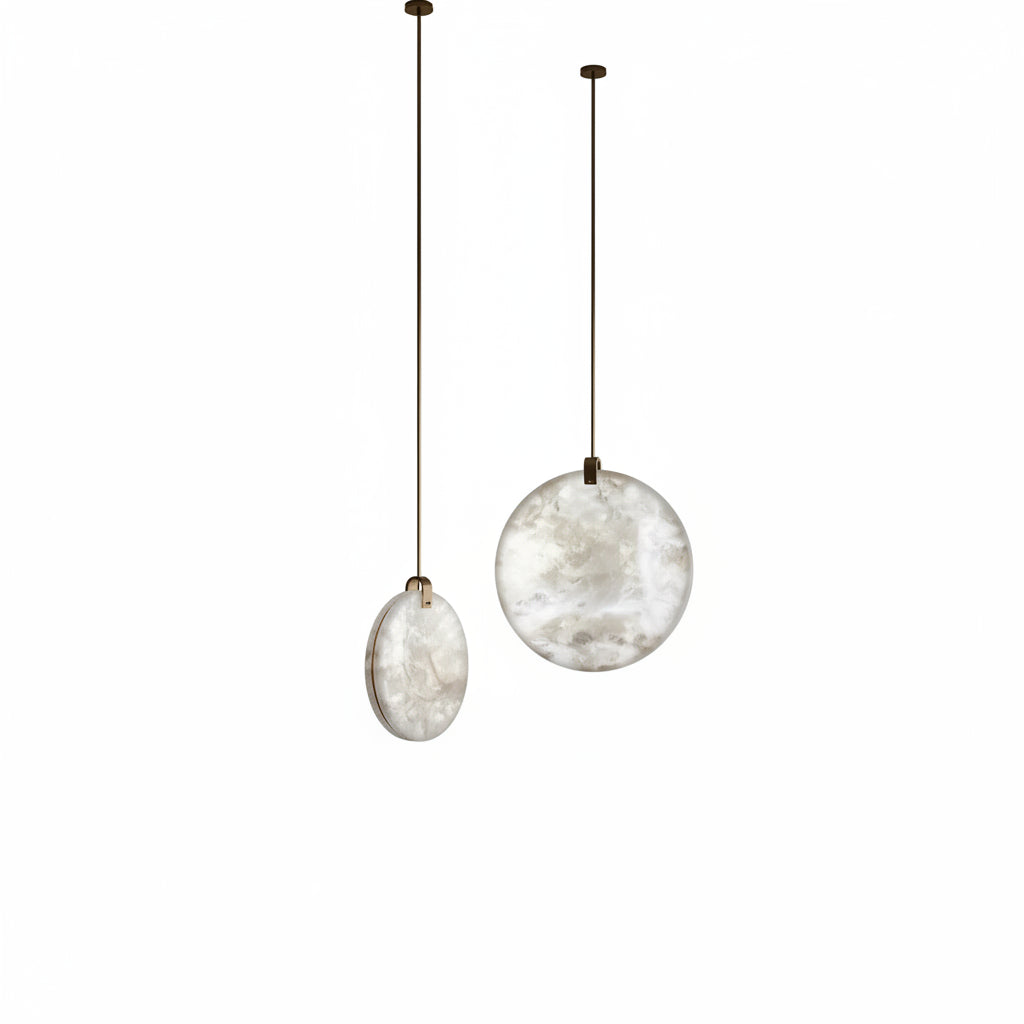
Bedrooms are often overlooked, yet this is one of the most elegant settings for pendants in general. A marble pendant used instead of a bedside lamp frees up surface space and gives the room a more tailored, boutique-hotel finish. Here, shape matters - rounded silhouettes tend to feel softer and calmer than angular forms.
Hallways and entrance spaces also benefit from marble, particularly where first impressions matter. A pendant in stone immediately signals intention. It tells guests the home has been furnished with care, not simply filled with fittings.
Choosing the right size and scale
The biggest mistake with pendant lighting is not usually style. It is proportion. Marble already carries visual weight, so scale needs to be handled thoughtfully. A compact pendant can look exquisite in a reading corner or over a bedside table, but the same fixture may disappear over a large island.
If you are hanging a single pendant, consider both the width of the fitting and the visual density of the material. Marble shades often feel larger than their dimensions suggest because they are solid and substantial. In a modest room, this can be a benefit. In a lower-ceilinged room, it may need a lighter supporting design, such as slimmer metal detailing or a more open silhouette.
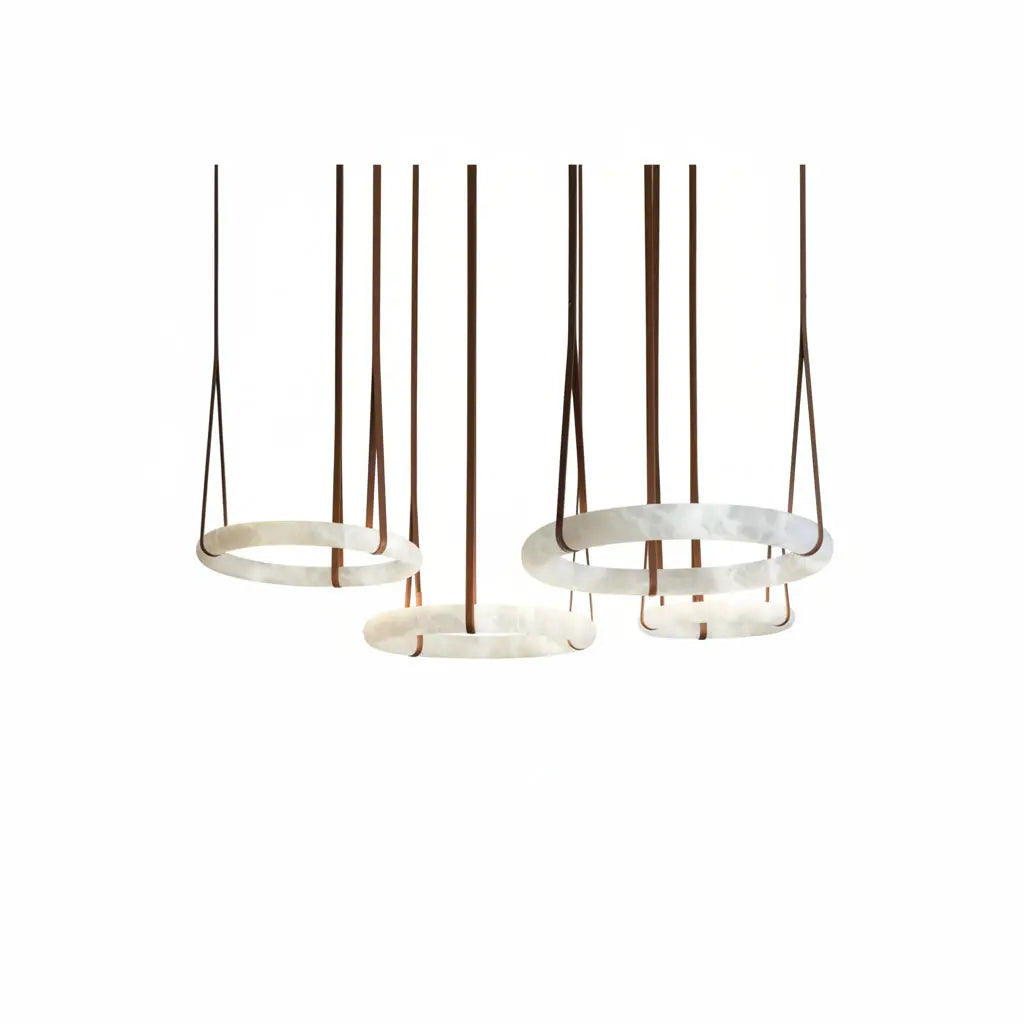
For kitchen islands, two or three pendants usually create the most balanced result. The exact number depends on the island length and the width of each fitting. If you prefer a cleaner, less busy look, choose fewer pendants with stronger presence rather than many small ones.
Height matters just as much. Pendants hung too high lose intimacy, while pendants hung too low can interrupt sightlines. Over dining tables and islands, aim for enough drop to create atmosphere without making the fixture feel intrusive. In circulation areas, leave generous clearance so the room remains effortless to move through.
Finishes that complement marble beautifully
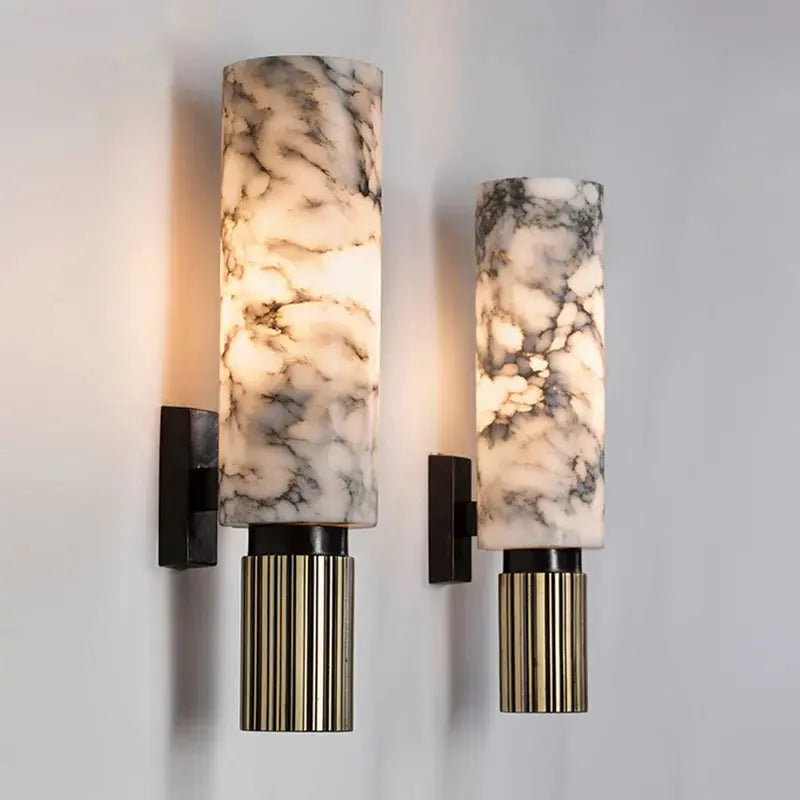
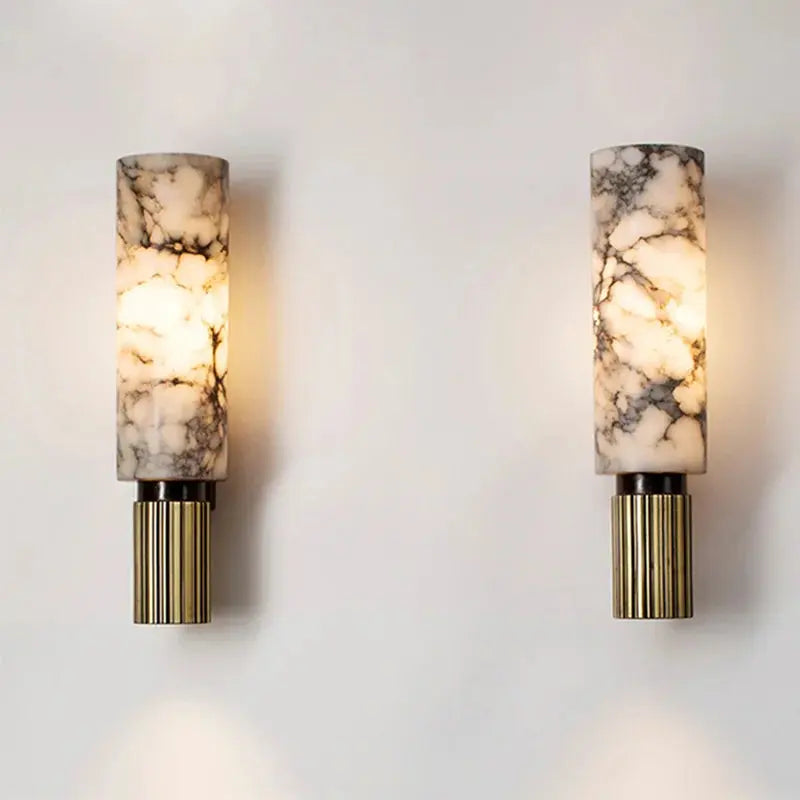
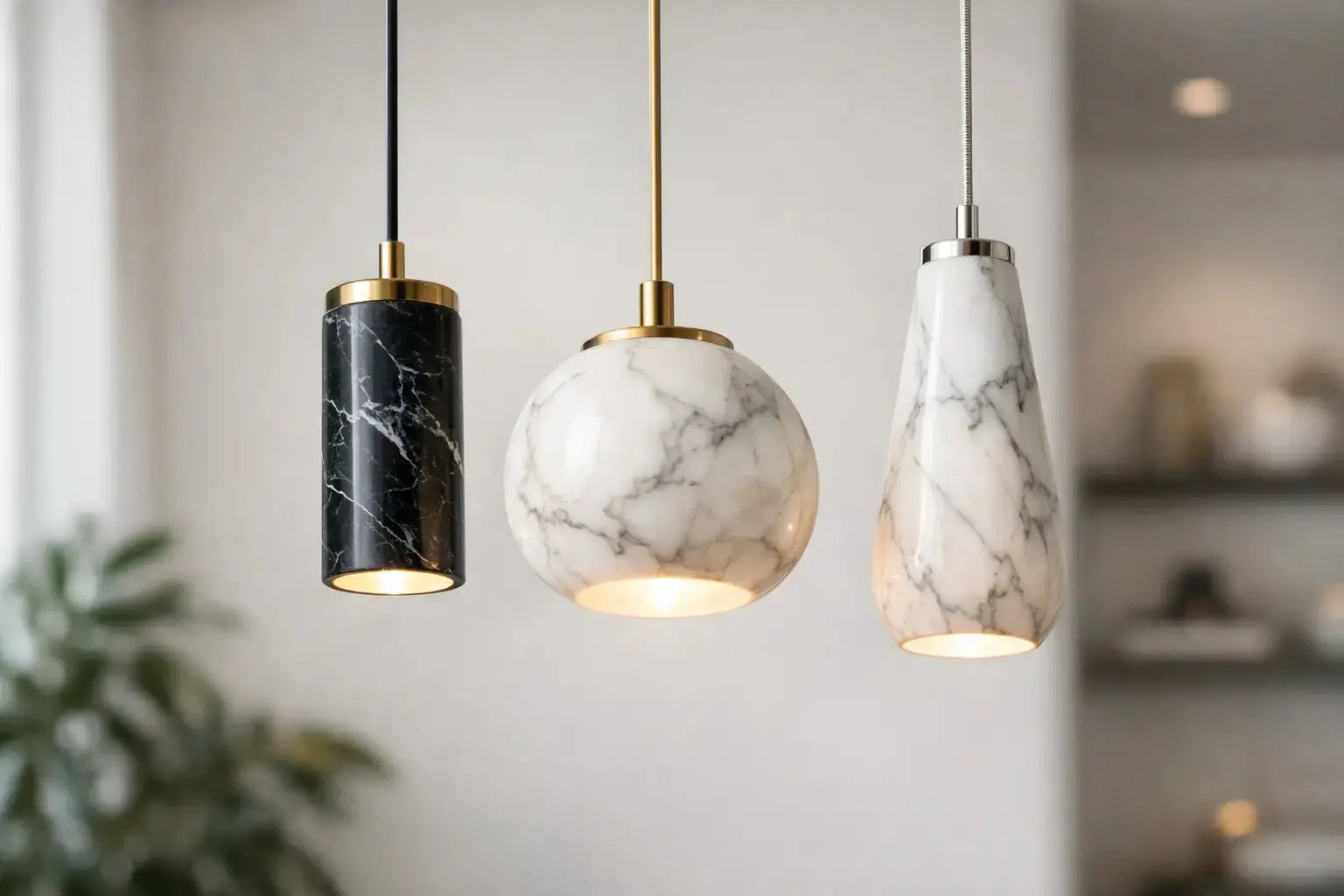
A marble pendant light rarely stands alone. The surrounding finishes shape whether it feels warm, cool, contemporary or classic. Brass is perhaps the most natural partner. It brings warmth to white or grey marble and gives the fixture a richer, more decorative presence. This combination suits interiors that want a touch of glamour without becoming overly ornate.
Black metal creates a more dramatic, graphic contrast. It works especially well in monochrome kitchens, modern dining spaces and interiors with stronger architectural lines. The risk is that it can feel stark if the room lacks softer textures, so it often benefits from timber, upholstery or warm-toned flooring nearby.
Chrome and polished nickel feel cleaner and crisper. They suit cooler palettes and more tailored schemes, although they can make a marble fixture feel slightly more formal. If your home already includes mirrored finishes or sleek cabinetry, this pairing can be very effective.
Then there is the question of the marble itself. Bright white marble with grey veining feels fresh and versatile. Creamier stone reads softer and more traditional. Dark marble can be striking and luxurious, but it absorbs more visual space, so it tends to suit larger rooms or higher ceilings.
Styling around a marble pendant light
The strongest interiors do not repeat a material too literally. If you choose a marble pendant, you do not need marble on every surface. In fact, too much can flatten the effect. A more refined approach is to echo the fixture through tone and texture rather than duplication.
In a kitchen, that might mean pairing marble lighting with fluted wood, upholstered bar stools and understated hardware. In a dining room, it could mean linen, dark timber and curved chairs that soften the stone. In bedrooms, marble sits beautifully against boucle, velvet and crisp cotton, creating a room that feels layered rather than hard-edged.
Lighting temperature also matters. Marble benefits from warm illumination that draws out its depth and veining. An overly cool bulb can make even a beautiful fixture feel clinical. If the pendant is being used in a room intended for entertaining or relaxing, softer light will almost always feel more flattering.
Practical considerations before you buy
Luxury should still be liveable. Marble pendants are decorative, but they are also functional pieces that need to suit the realities of daily use. Weight is the first practical point. Genuine stone fittings can be heavier than standard pendants, so ceiling support and installation should be considered carefully.
Maintenance is usually straightforward, though the exact finish matters. Honed marble has a softer, more matte look, while polished marble reflects more light and can feel slightly dressier. Either way, gentle cleaning is best. Harsh products are unnecessary and can compromise the finish over time.
It is also worth thinking about how the pendant will look both switched on and off. Some fixtures are all about the silhouette in daylight; others reveal their full beauty only in the evening. Ideally, choose one that performs in both settings, especially if it is positioned in a room used throughout the day.
Price can vary significantly, and that is where trade-offs come in. If you are investing in a focal point for a key room, marble often justifies the spend because it brings material richness that painted metal or resin cannot fully imitate. For secondary spaces, a marble-look finish may offer the aesthetic direction without the same commitment. It depends on where you want the impact.
Is a marble pendant light right for your home?
If your style leans towards thoughtful luxury rather than passing trends, the answer is often yes. Marble has an enduring quality that sits comfortably across modern, classic and transitional interiors. It can sharpen a simple room or soften a sleek one. Few materials are this flexible while still feeling so elevated.
The best choice, however, is not simply the most dramatic piece. It is the one that suits your ceiling height, your room proportions, your surrounding finishes and the way you actually live. A pendant should feel beautifully placed, not merely impressive.
For shoppers who want design impact with lasting appeal, a marble pendant light is one of the most compelling options available. It offers sculptural beauty, natural variation and a sense of quiet confidence that cheaper-looking materials rarely achieve. If you are refining a kitchen, refreshing a dining room or elevating a bedroom, this is the kind of lighting that makes the whole scheme feel more complete.
Choose it with intention, and the room will not just look better. It will feel more composed, more luxurious and far more memorable.