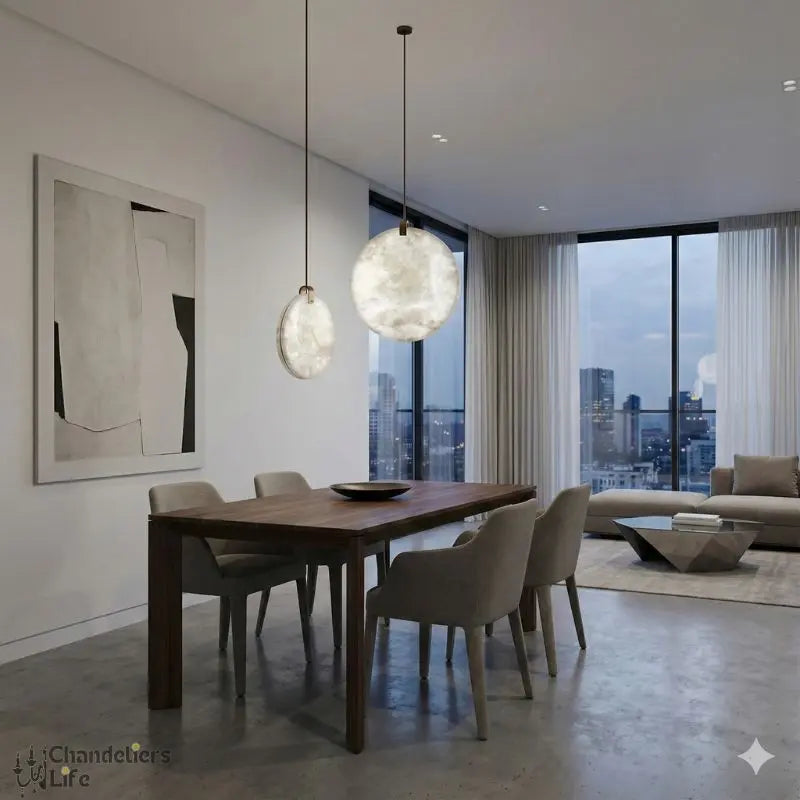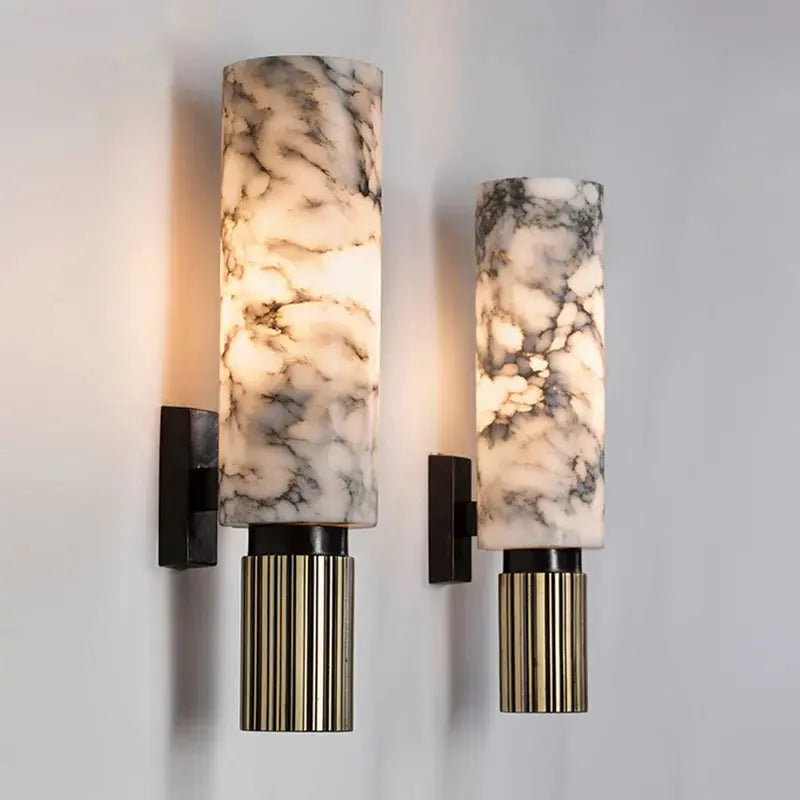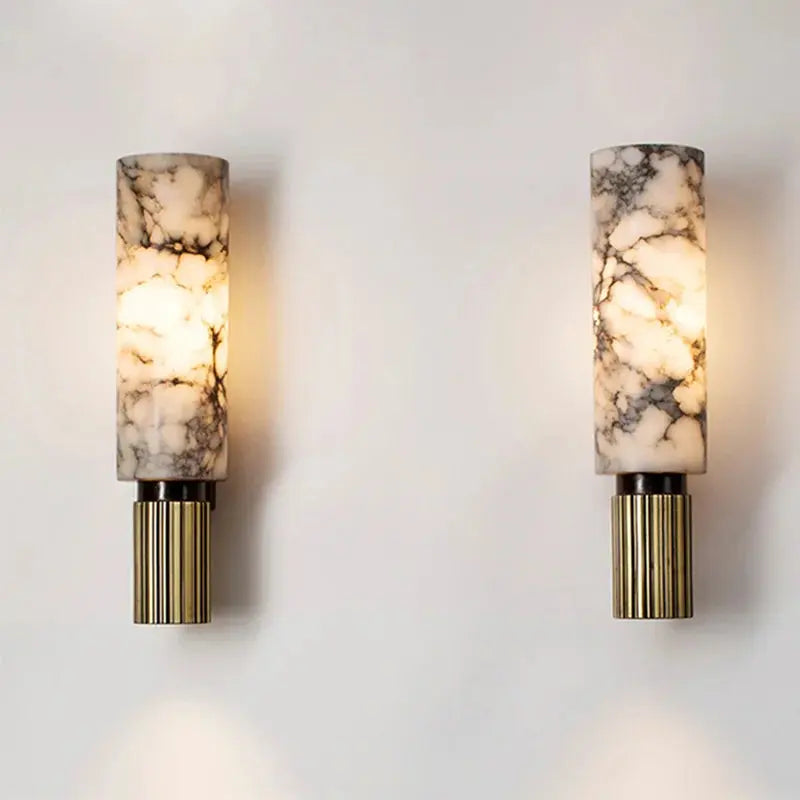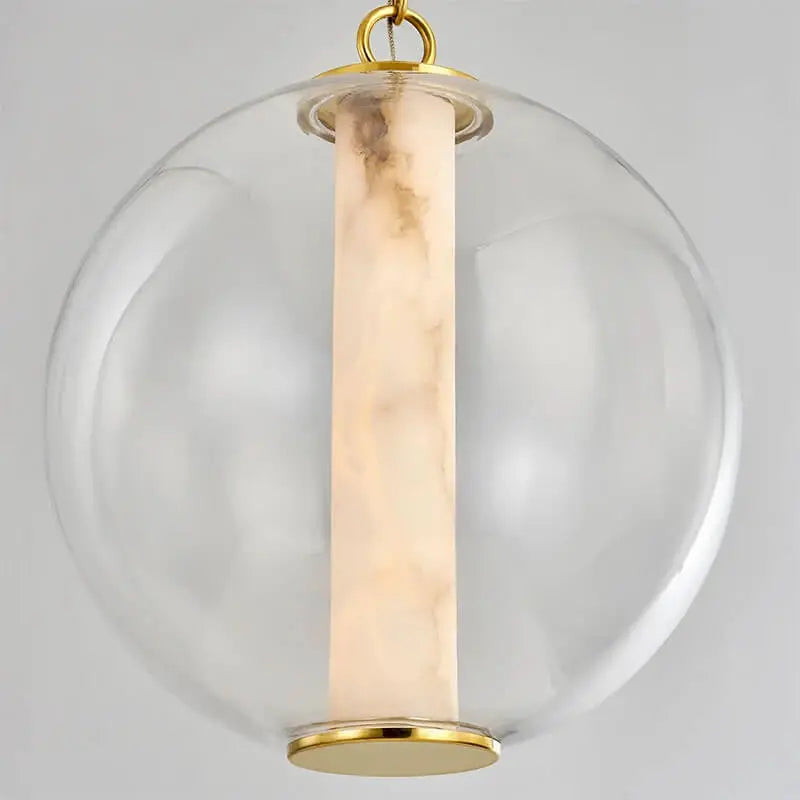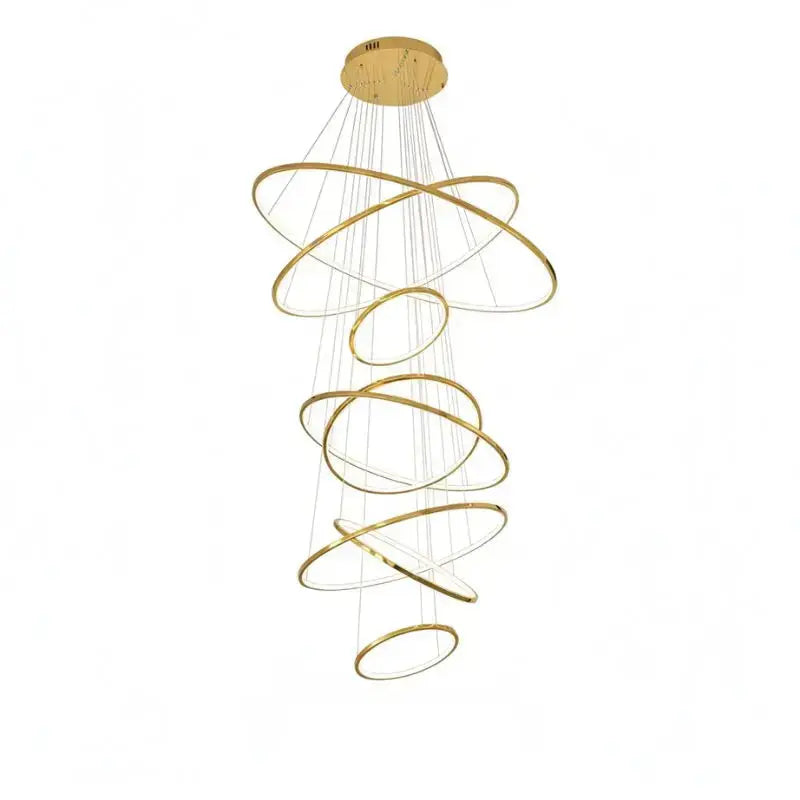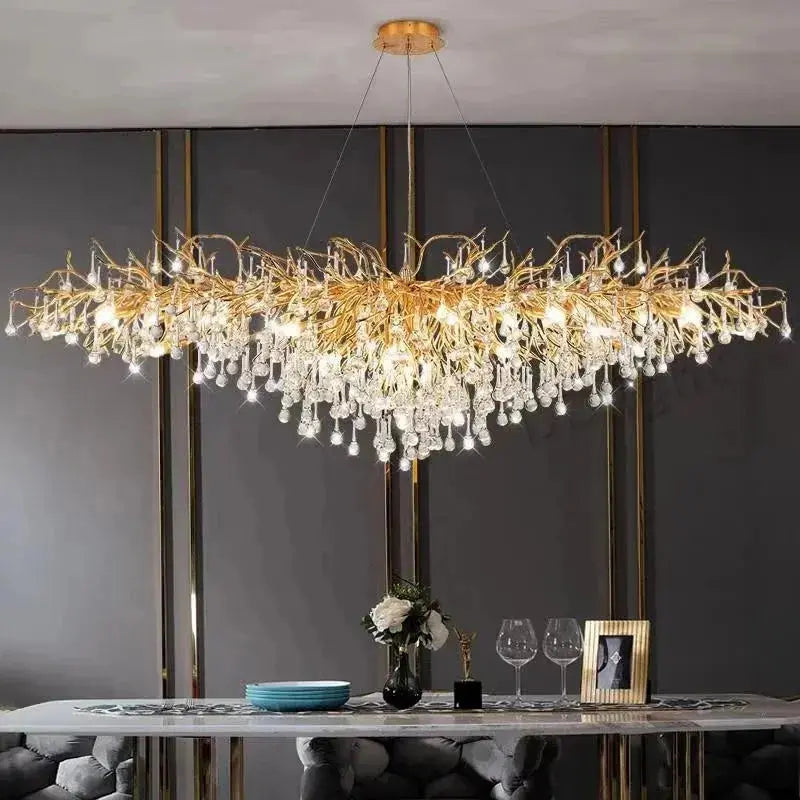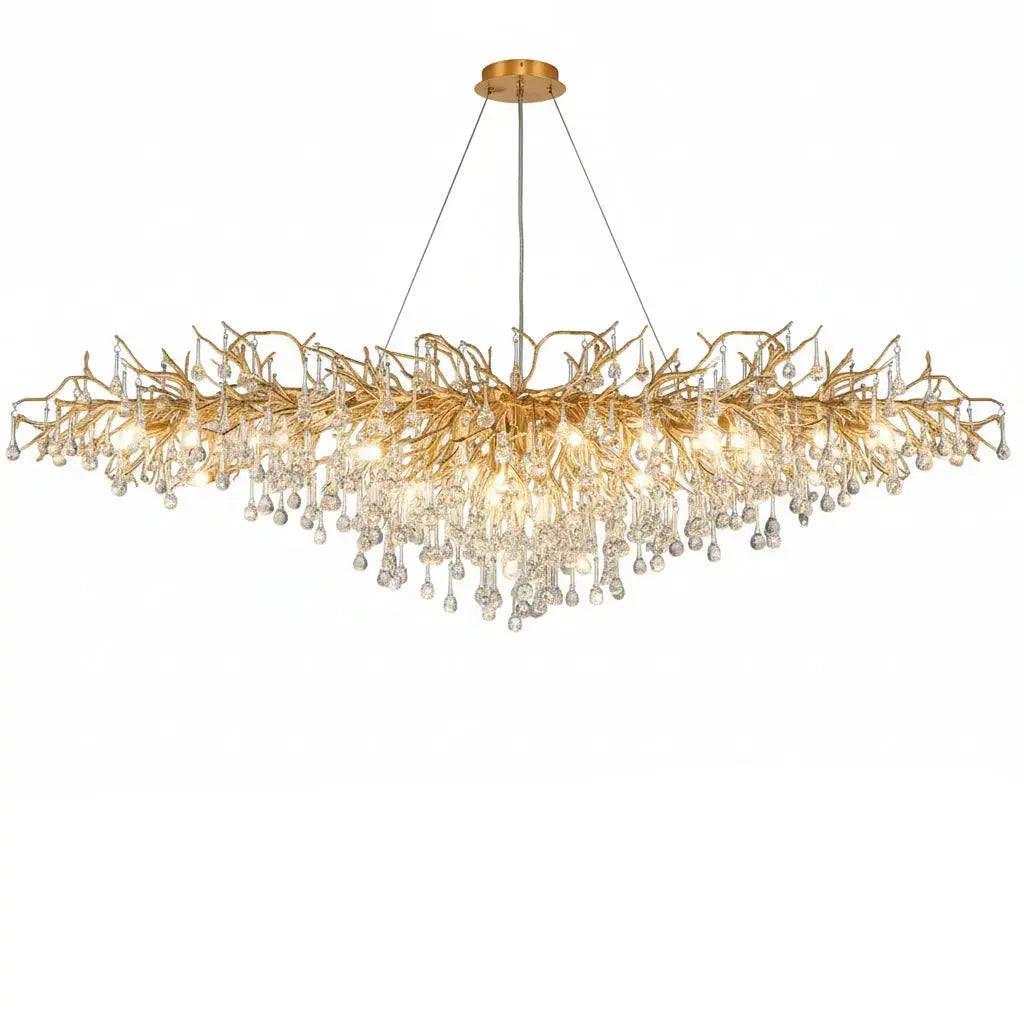
A kitchen island can be beautifully finished in stone, timber or painted cabinetry, yet still feel incomplete when the lighting above it is too small, too busy or simply misplaced. Linear suspension lights solve that design problem with a clean, intentional line of illumination. They define the centre of the room, bring useful task light to the surface below and add the considered presence of a statement piece without overwhelming the space.
Their appeal lies in their discipline. Rather than scattering several pendants overhead, a single elongated fixture creates one confident visual gesture. It is particularly effective in contemporary kitchens and dining rooms, but the right design can also lend quiet luxury to a breakfast nook, home office or long entrance hall.
Why linear suspension lights feel so refined
A linear fitting follows the natural architecture of a rectangular table, island or worktop. That simple relationship is what makes it feel tailored rather than decorative for decoration's sake. The horizontal profile also draws the eye across a room, which can make a compact kitchen feel more composed and a larger open-plan setting feel connected.
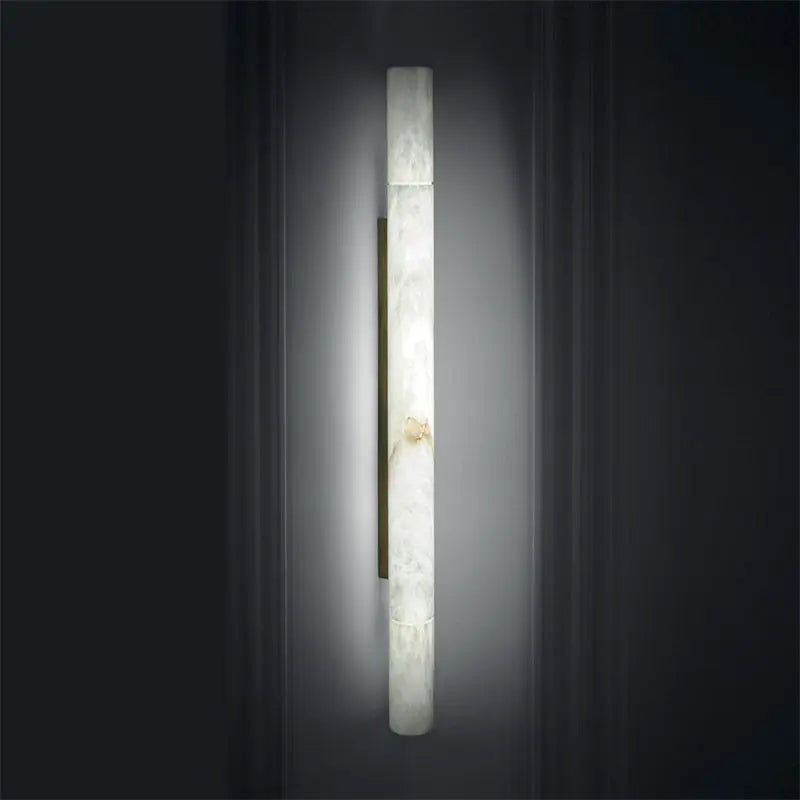
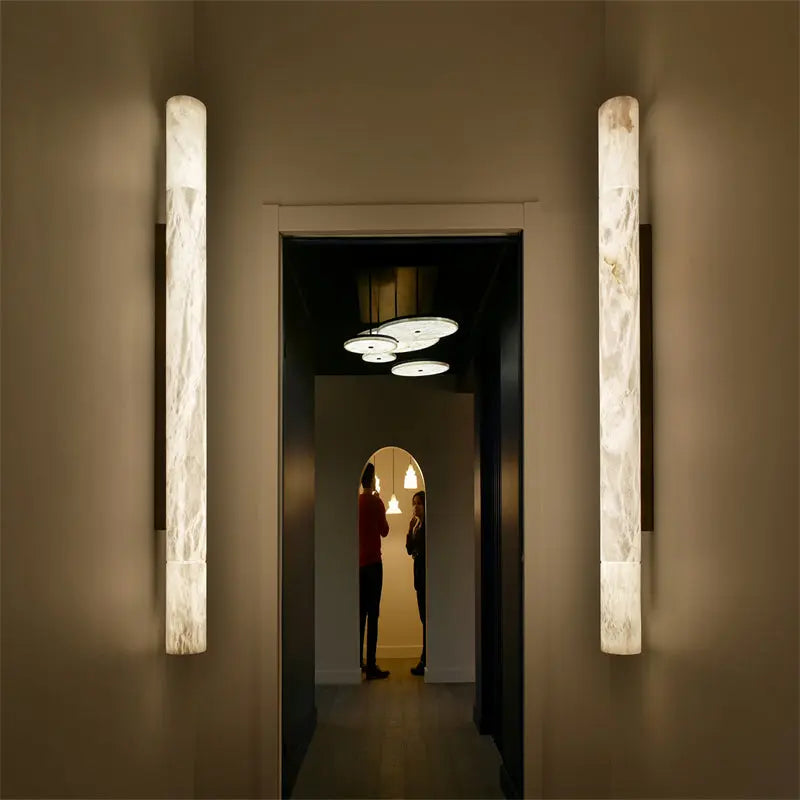
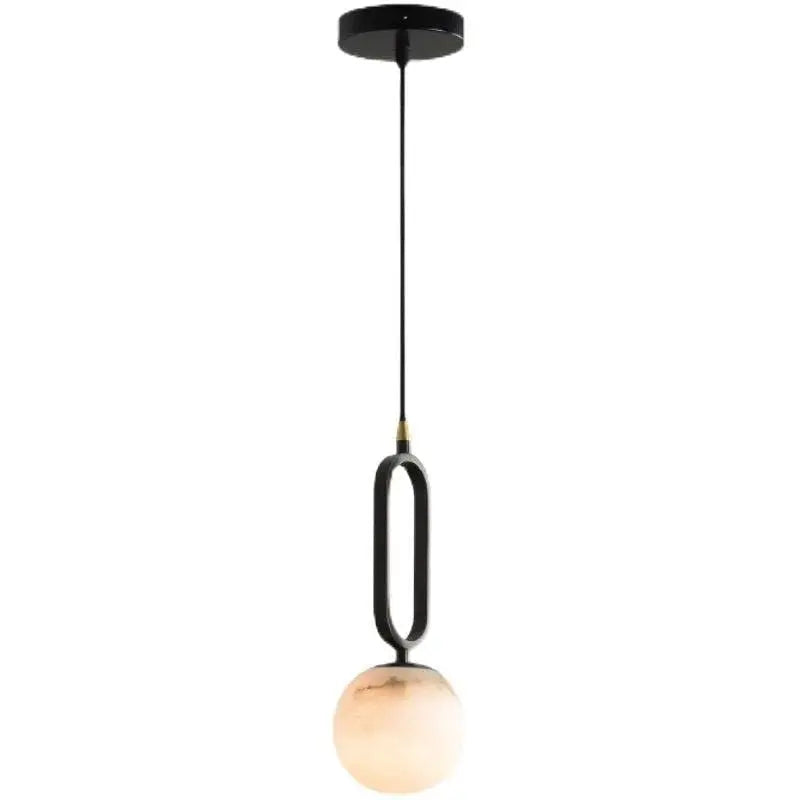
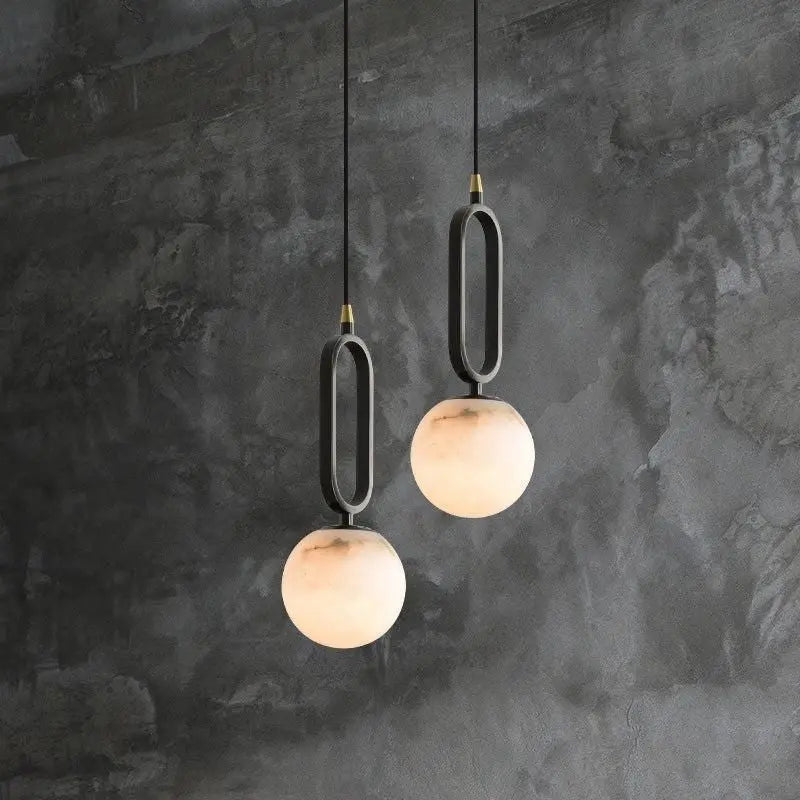
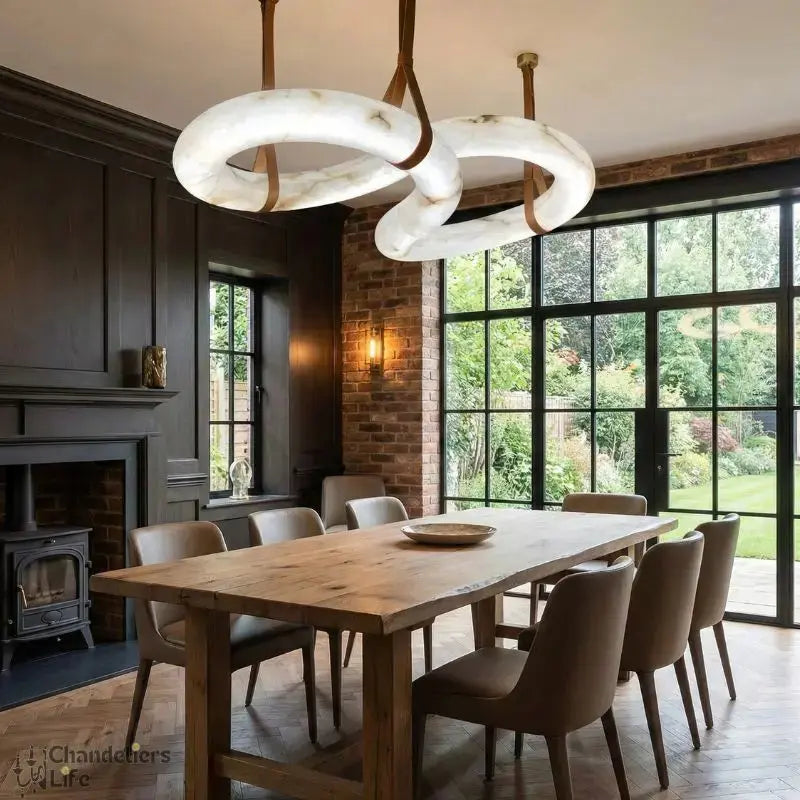
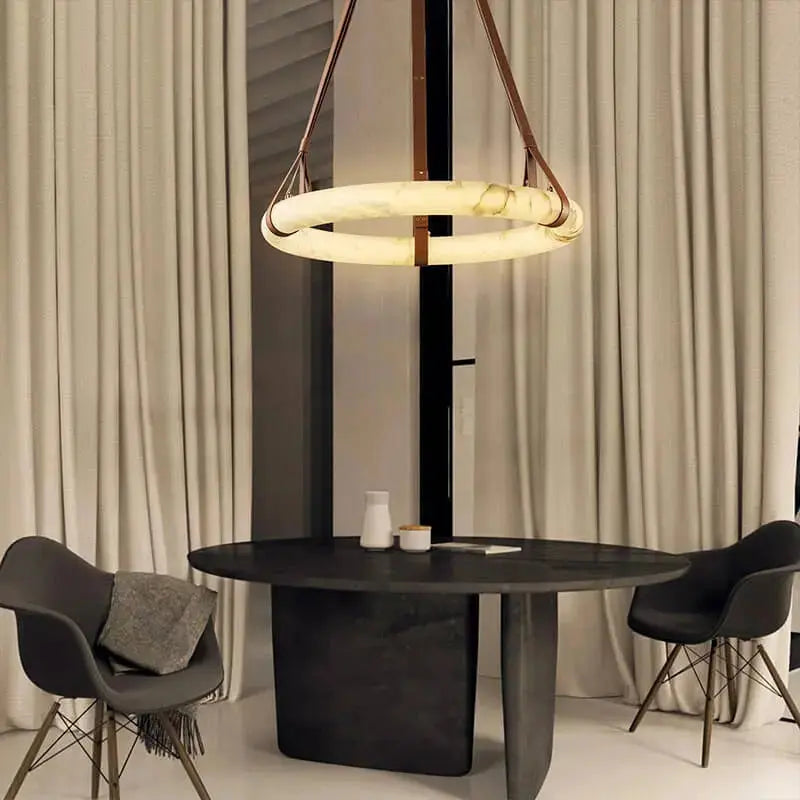
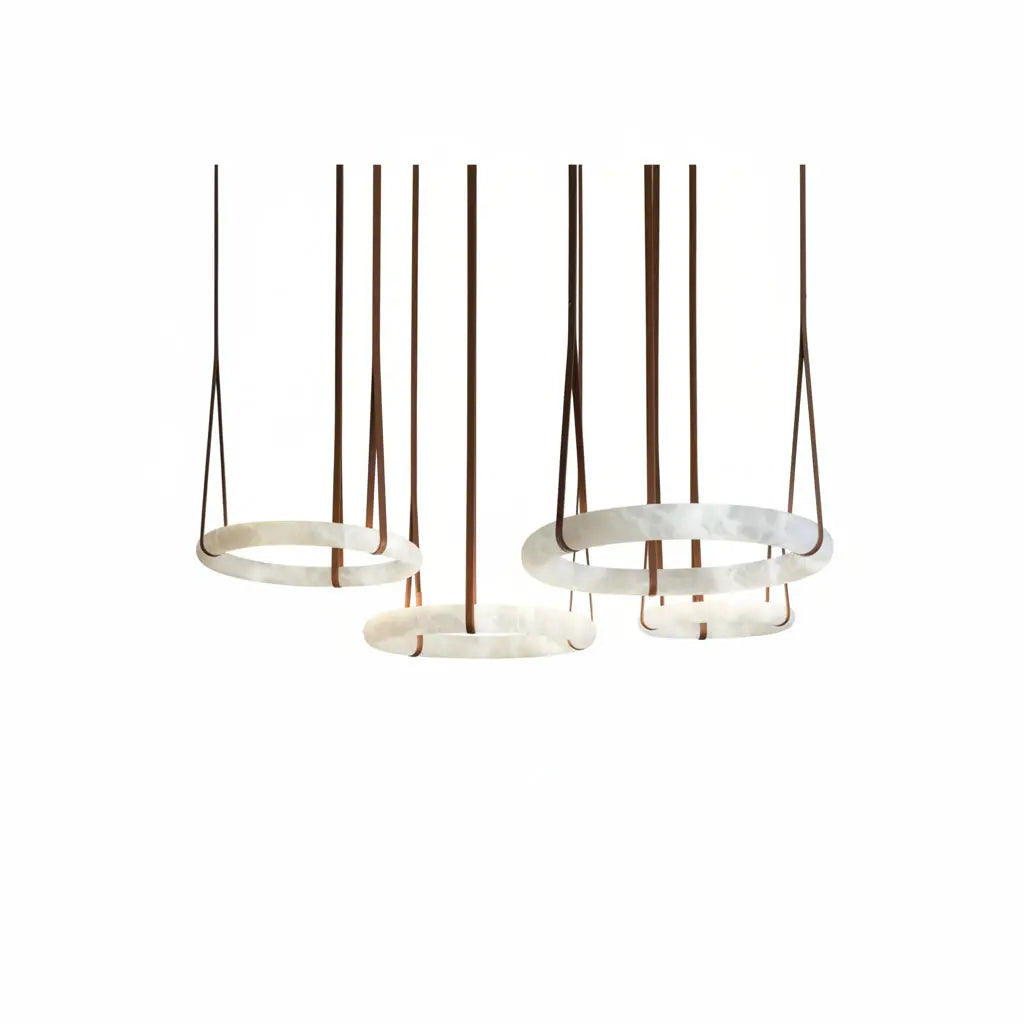
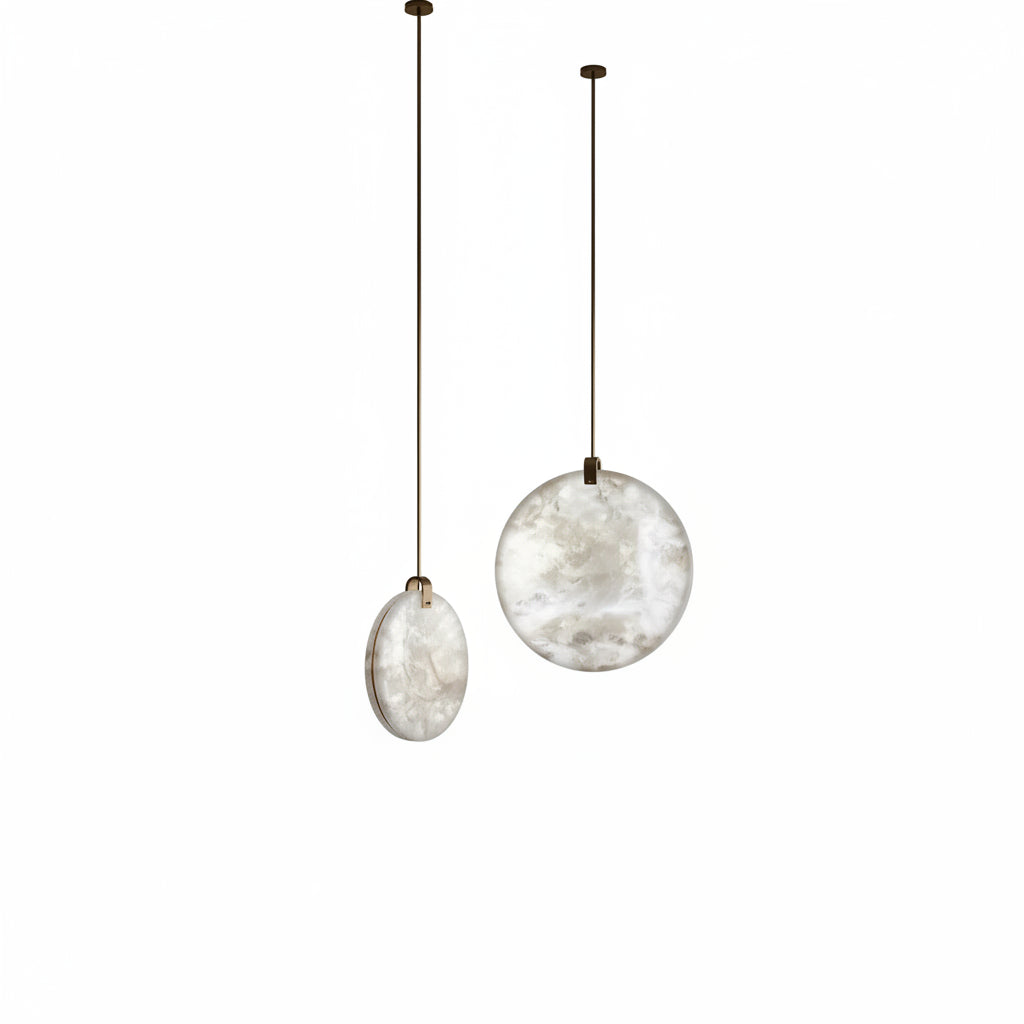
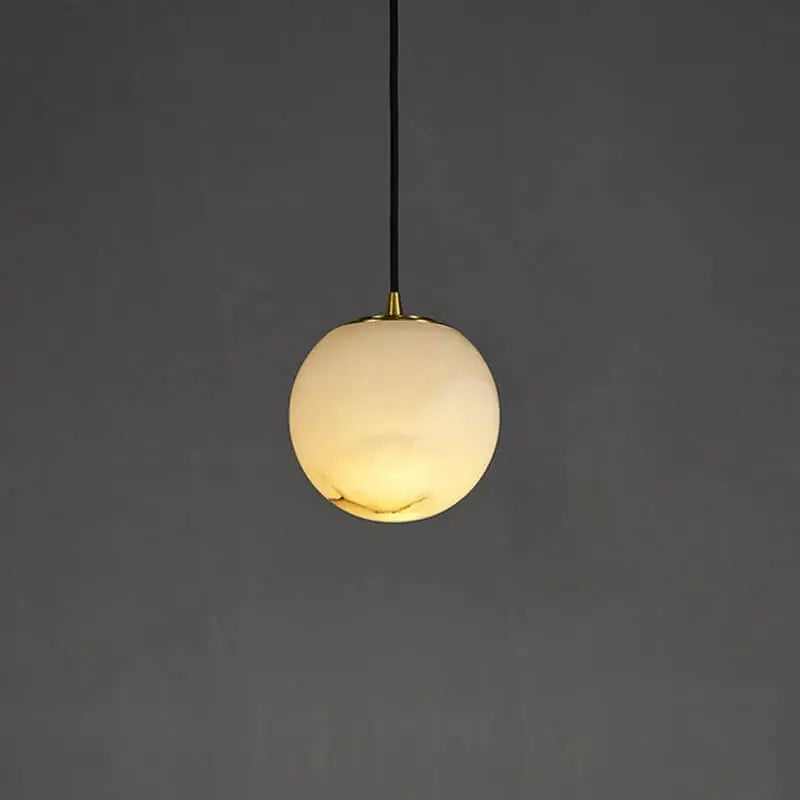
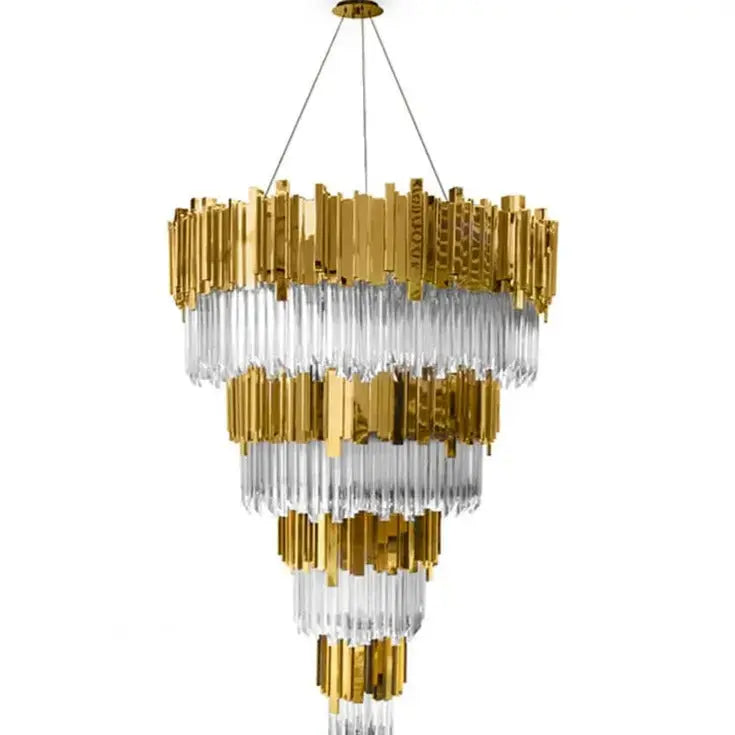
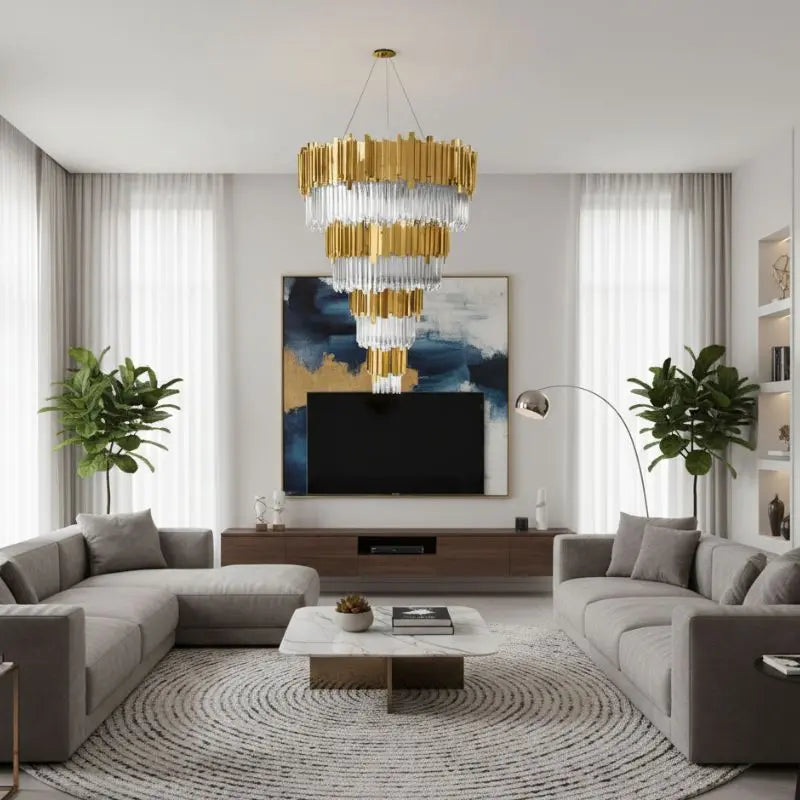
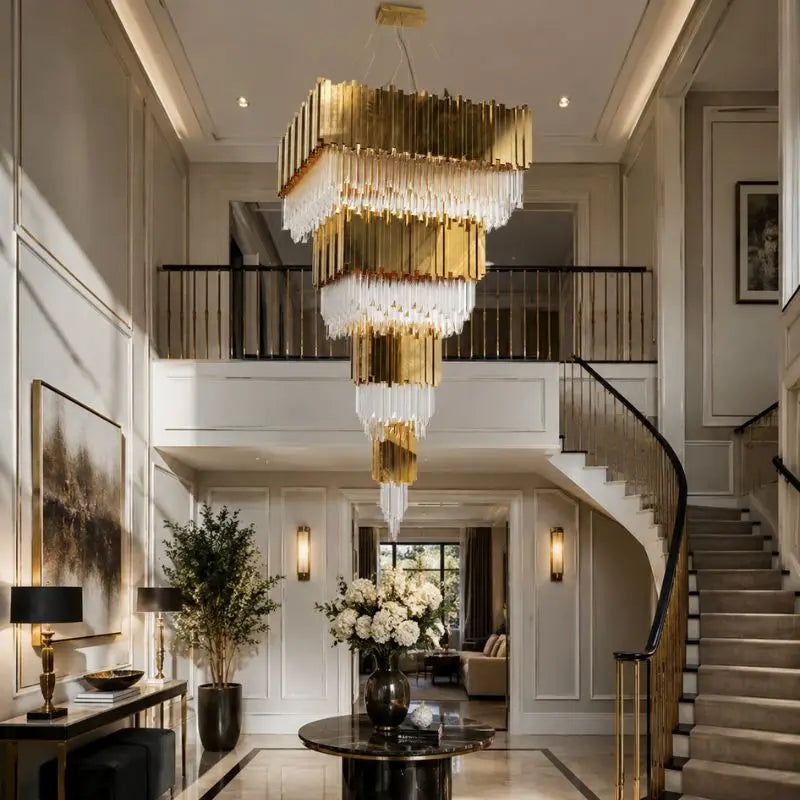
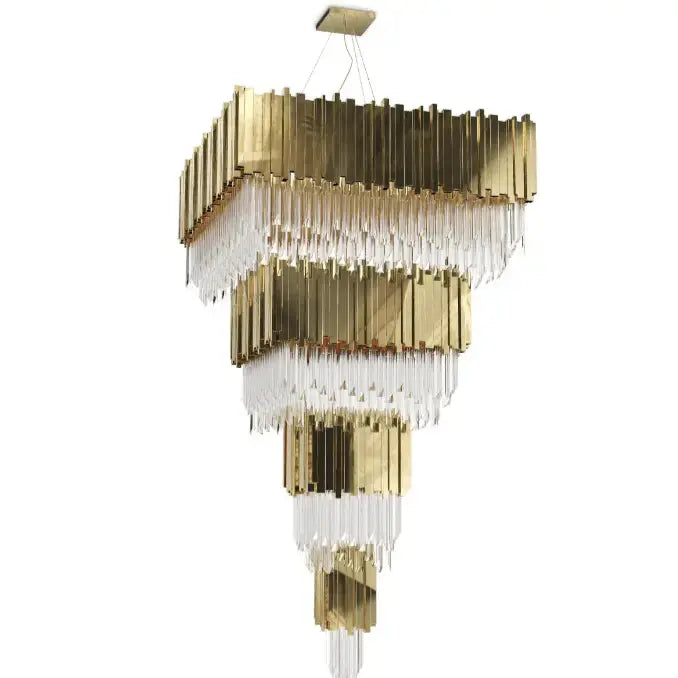
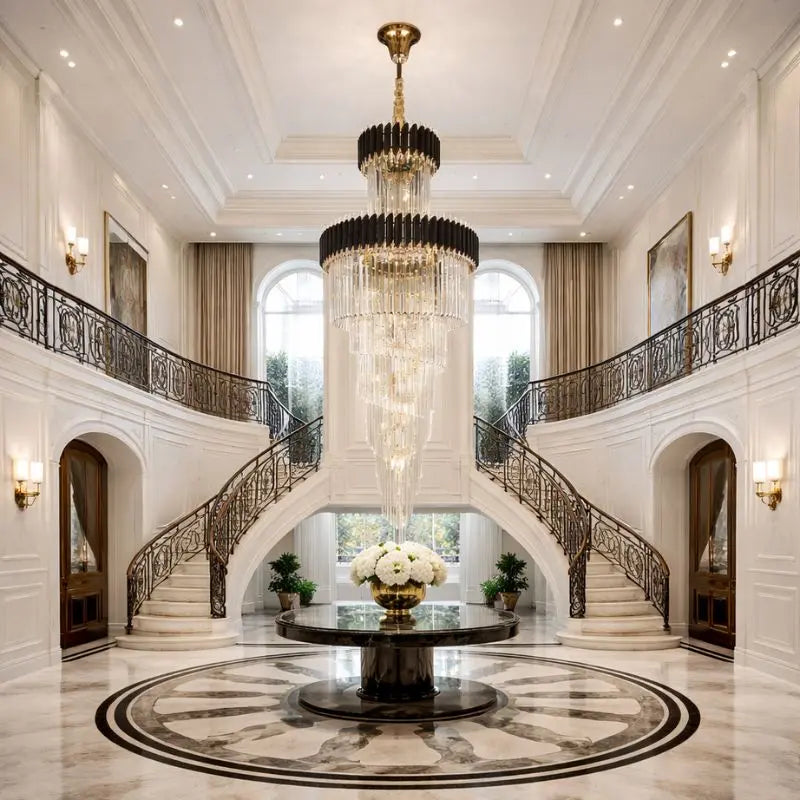
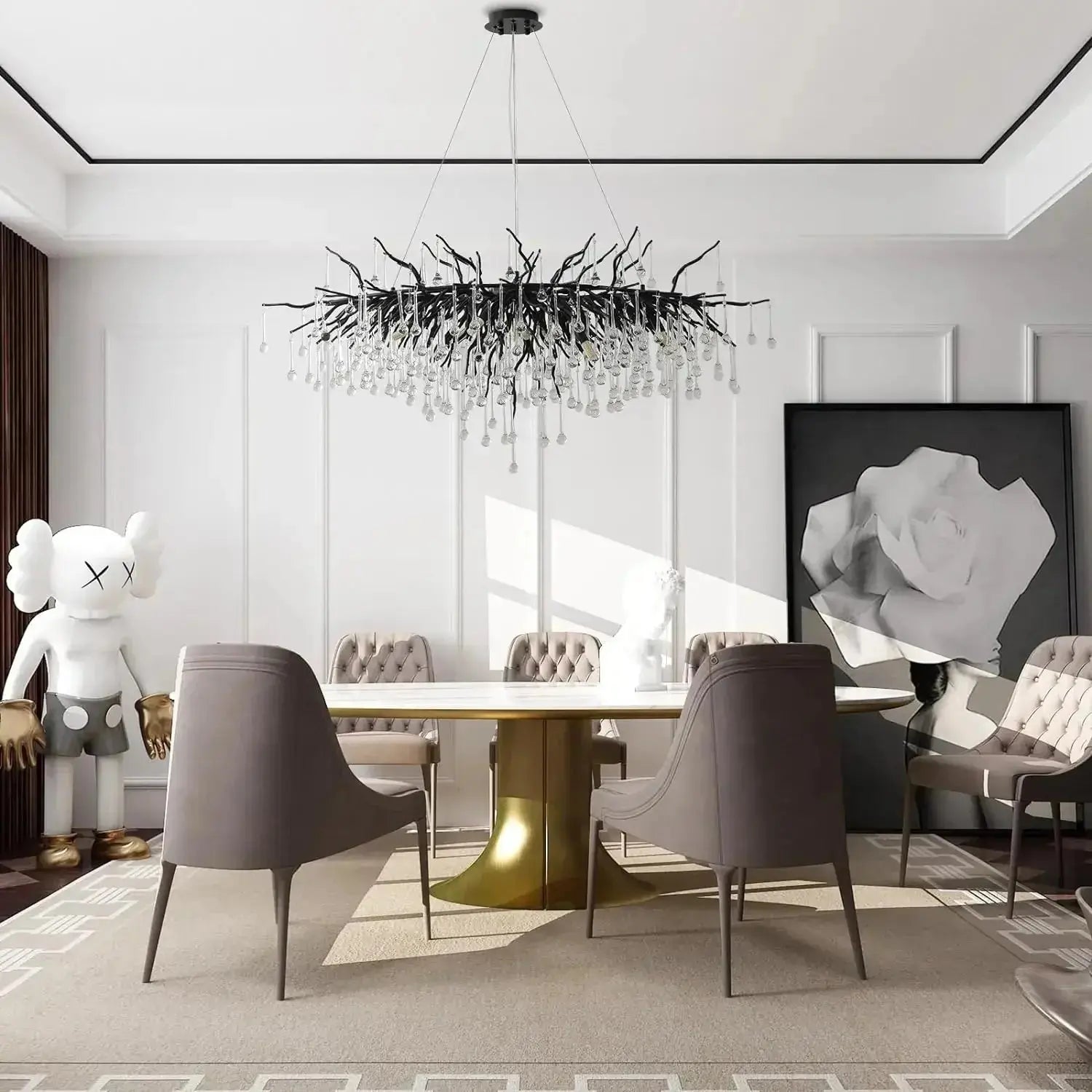
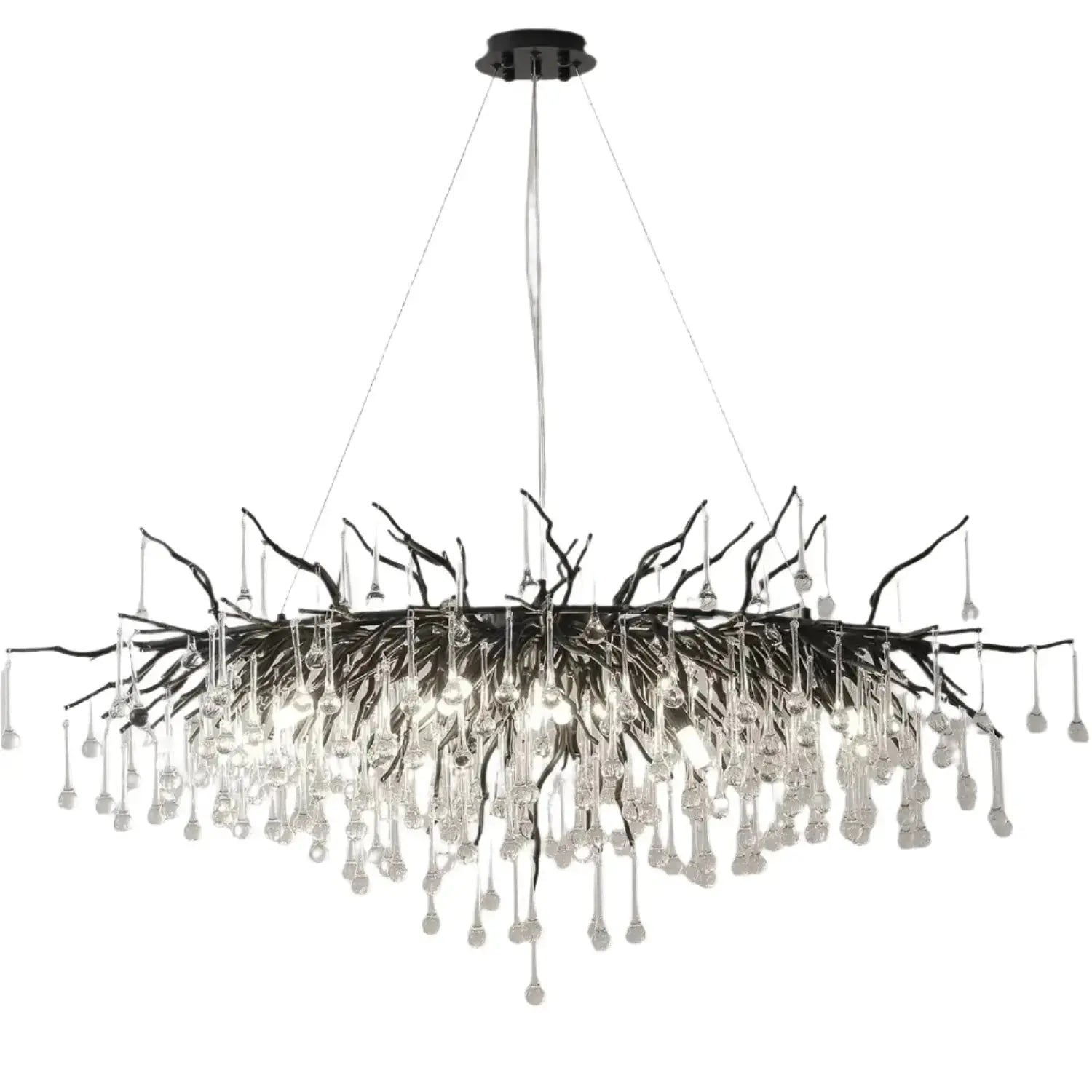
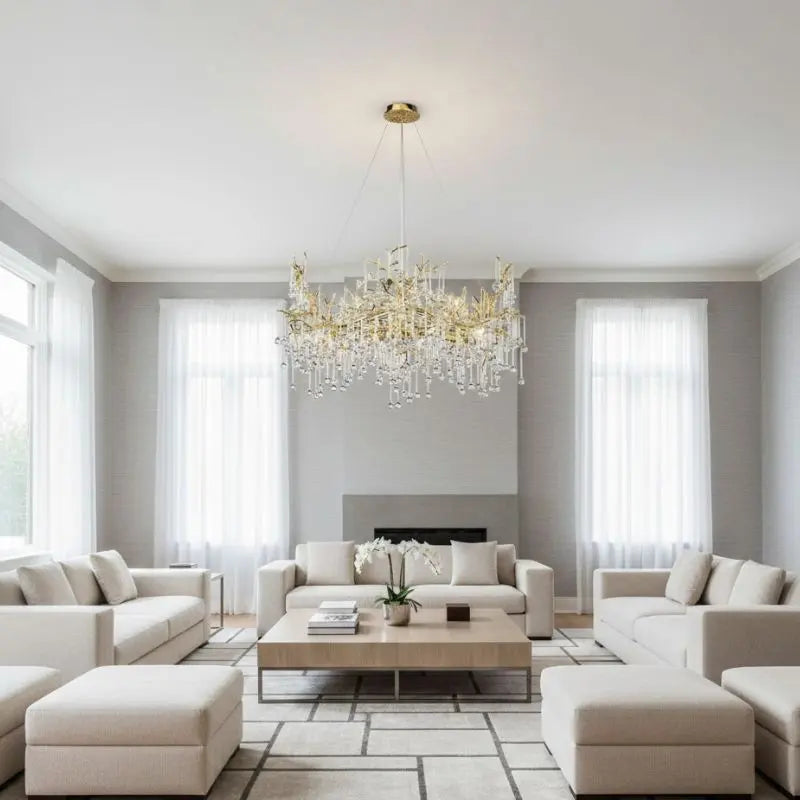
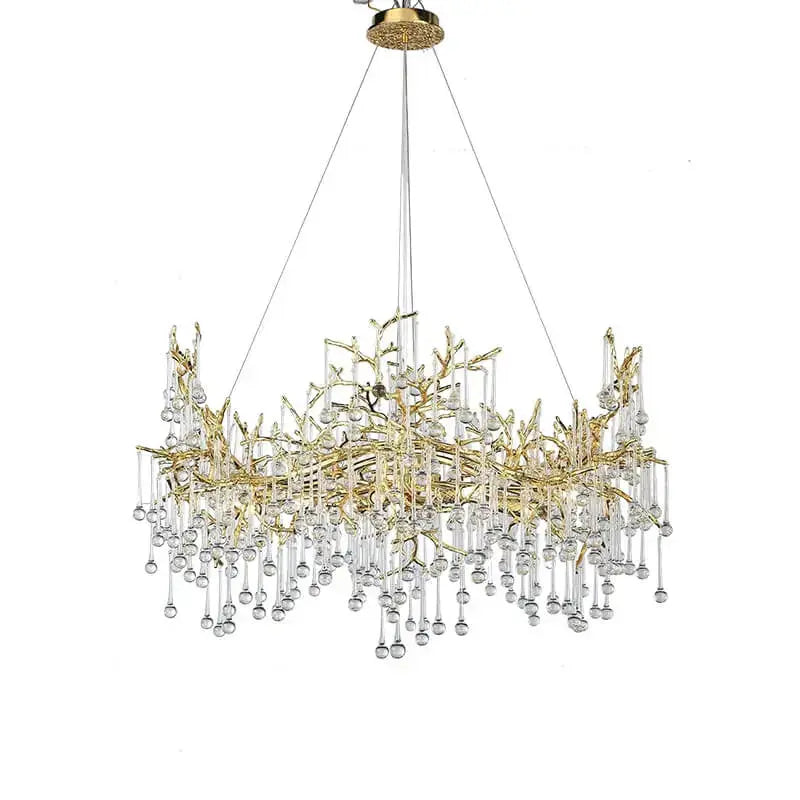
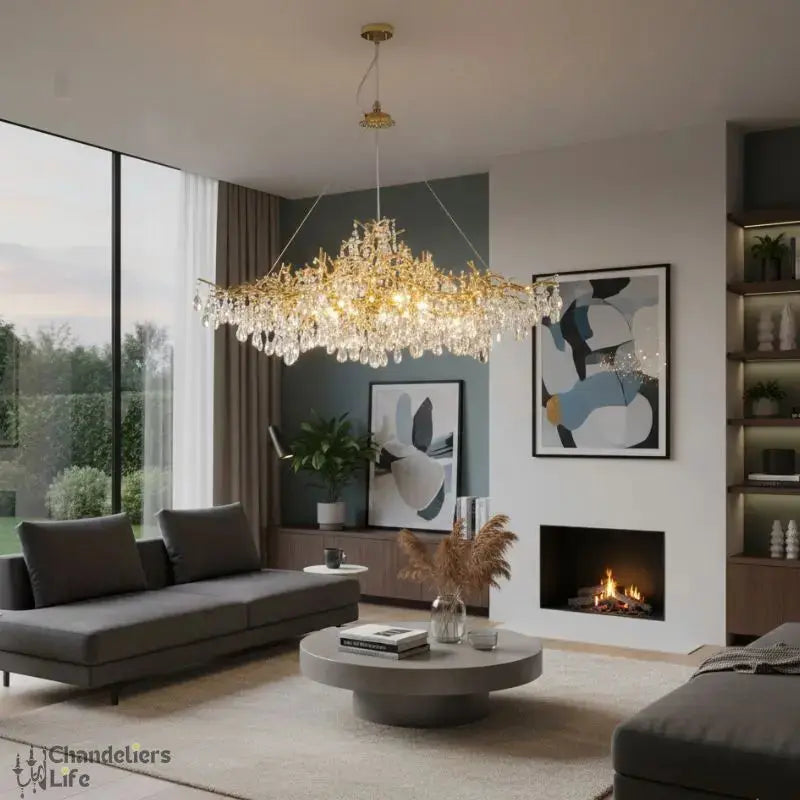
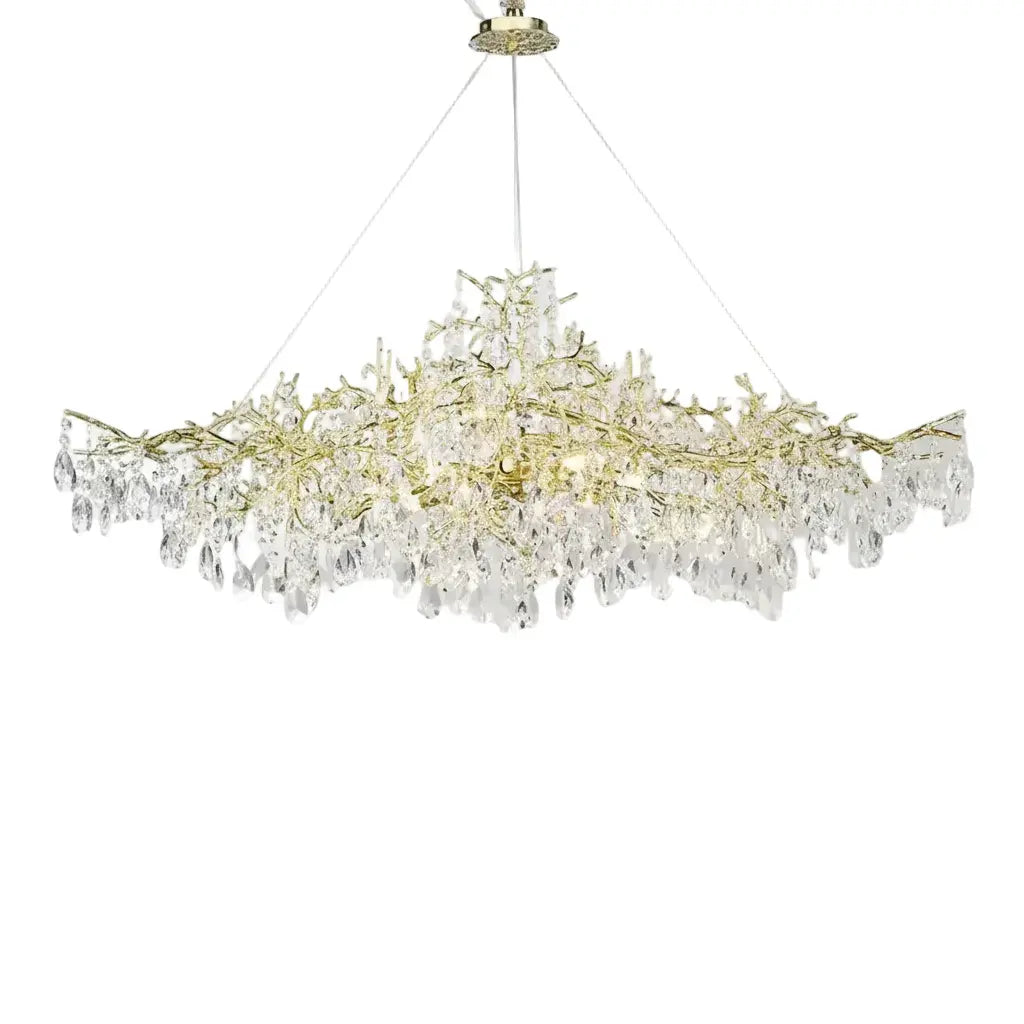
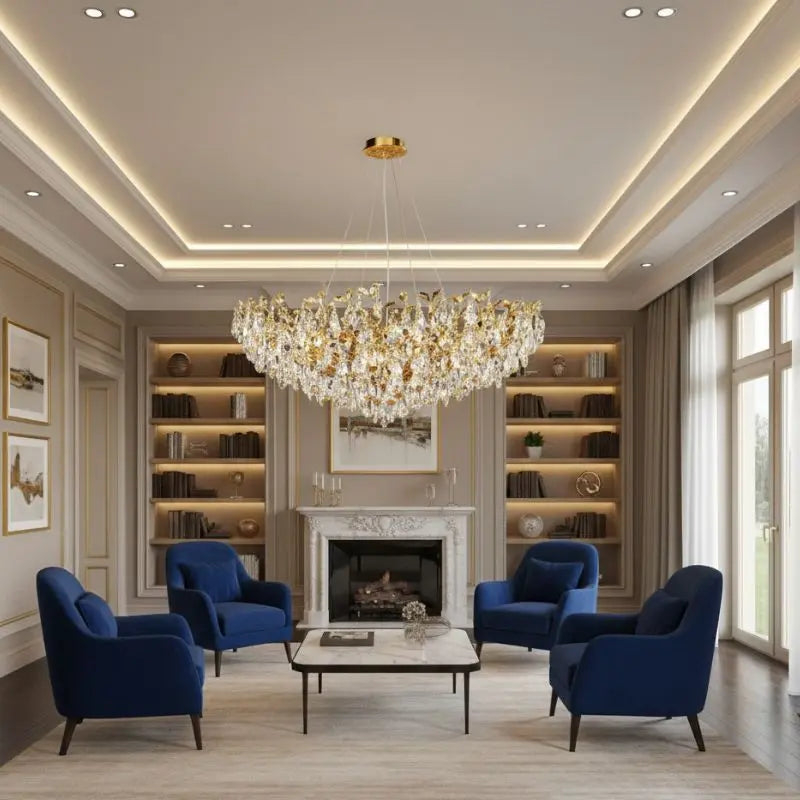
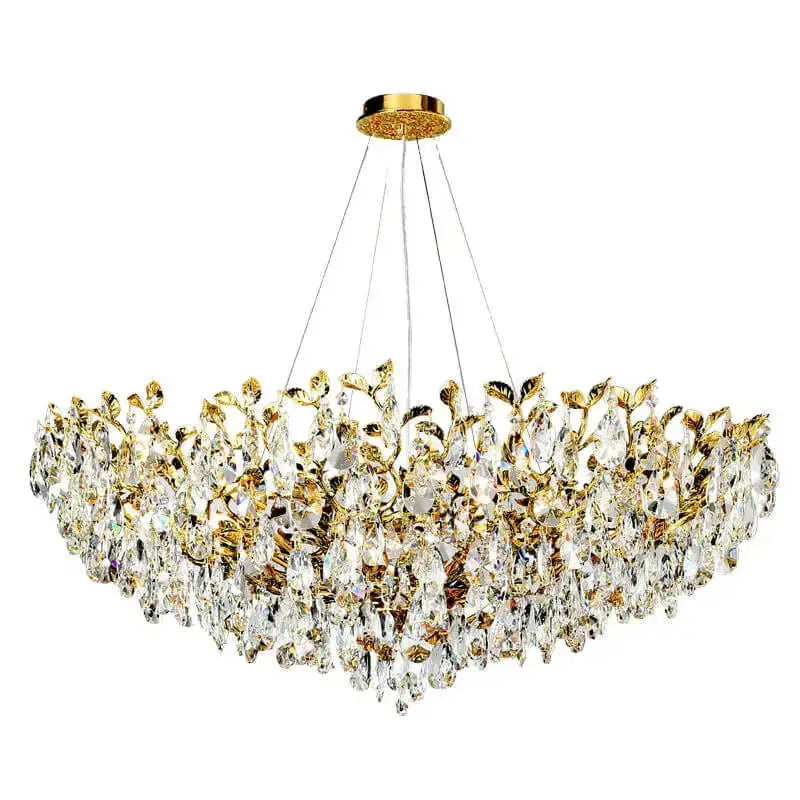
This does not mean every linear design has to be minimal. A slim black bar with exposed globes can introduce an industrial edge, while an alabaster-inspired shade brings a softer, more luxurious glow. Linear crystal fixtures catch the light with greater drama, making them an exquisite choice above a formal dining table or within a high-ceilinged foyer. The silhouette remains restrained, but the material determines the mood.
There is a practical advantage, too. Multiple light sources placed along one fitting can distribute illumination more evenly than a single central pendant. For food preparation, entertaining or working at a desk, that balance is as valuable as the visual impact.
Choosing the right size for the room
Proportion comes before finish. A fixture may be exceptional in isolation, but if it is too short for a generous island or too wide for a narrow table, it will never look fully resolved.
For a kitchen island, a linear suspension light usually looks best when it is noticeably shorter than the island itself. Leaving roughly 30 to 45 cm of clear space at each end is a useful starting point. This keeps the fitting visually contained and reduces the chance of it feeling as though it is stretching into surrounding circulation space. For example, an island around 240 cm long often suits a fitting in the region of 150 to 180 cm, depending on the room's scale and the width of the shade.
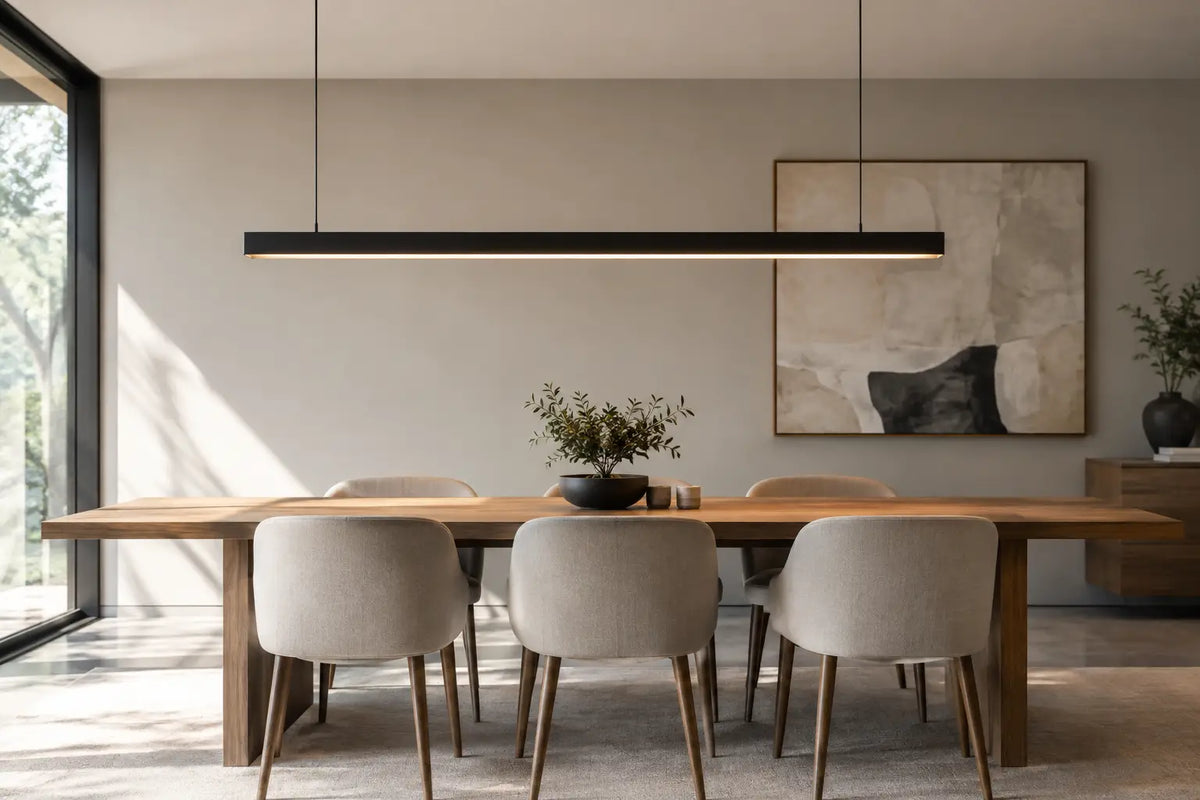
Above a dining table, the same principle applies, though there is more freedom to choose a sculptural form. A light that covers around one-half to two-thirds of the table length usually feels balanced. If the table extends for large gatherings, select a fixture that still looks elegant when the table is at its longest setting, rather than choosing solely for its everyday size.
Width matters as well. A broad, substantial fitting can look magnificent above a deep island in a spacious kitchen, whereas a slender bar or elongated tube preserves openness over a narrow breakfast bar. Consider the sightlines from adjoining rooms. In an open-plan home, the fixture will be viewed from the living area as often as from the kitchen, so it deserves the presence of a decorative focal point.
Set the hanging height before installation
Height is where a beautifully chosen light can either shine or become inconvenient. Over a kitchen island or dining table, the bottom of the fixture commonly sits around 75 to 90 cm above the worktop or tabletop. This range provides useful illumination while keeping the fitting high enough for comfortable conversation and clear views across the room.
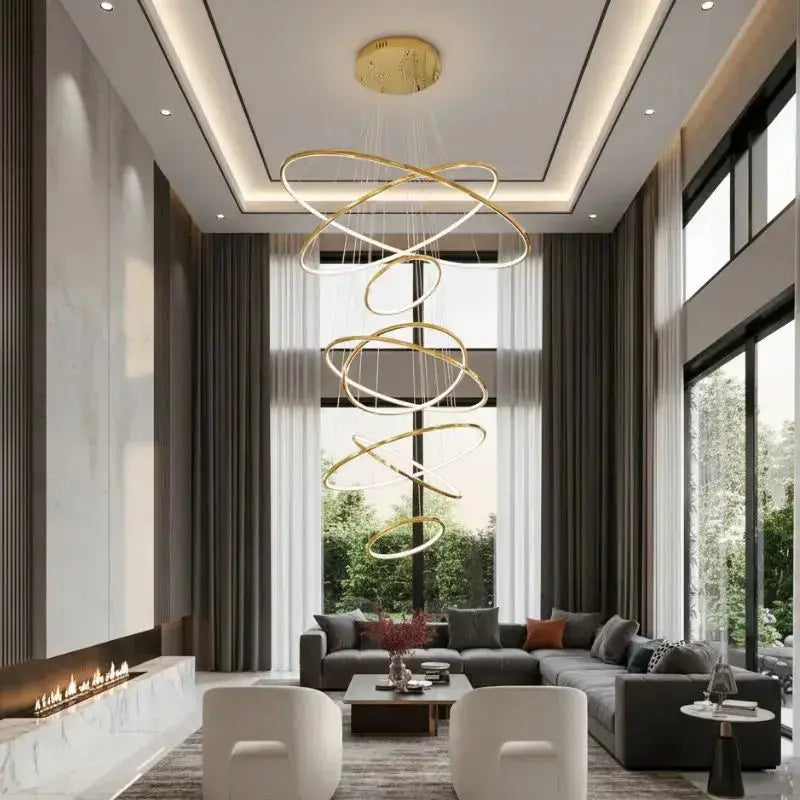
A low ceiling may call for a shallower profile and a shorter suspension. In contrast, a lofty room can support a more dramatic drop, especially when the fitting has layered glass, crystal or sculptural shades. The key is not to treat the measurement as fixed. Sit at the dining table, stand at the island and view the room from its main entrance before finalising the height.
Adjustable cables and rods offer valuable flexibility, particularly during a renovation when worktop thicknesses, table choices and ceiling details can change. If the light is installed over a pathway rather than a surface, allow suitable head clearance. In a busy household, a fixture should feel effortless to live beneath, not like something everyone has to navigate around.
Match the finish to the atmosphere you want
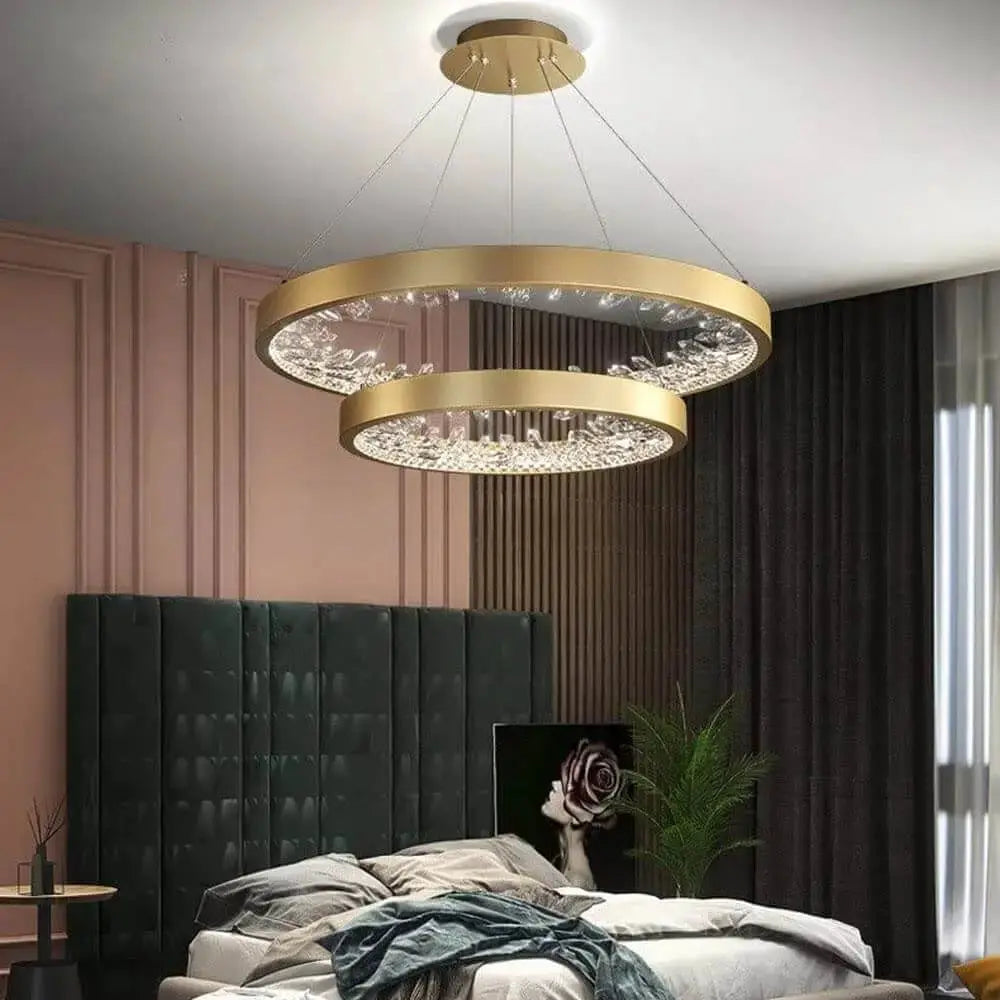
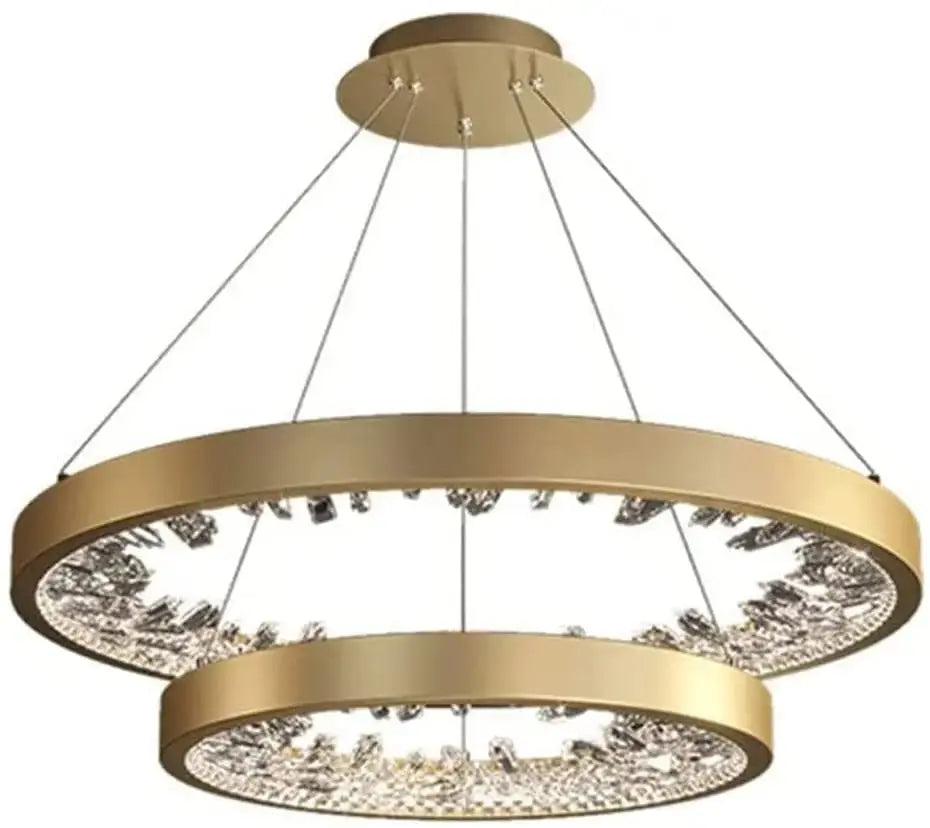
The finish of a linear suspension light has a powerful effect on whether a room feels crisp, warm, glamorous or quietly architectural. Matte black creates definition against pale ceilings and pairs beautifully with dark-framed glazing, black hardware and contemporary cabinetry. Brushed brass has a warmer, more decorative quality, particularly with walnut, veined stone and cream-painted joinery.
For a lighter, more ethereal scheme, consider white, soft champagne metal or alabaster-inspired detailing. These finishes complement natural oak, linen textures and gentle neutral palettes without disappearing into the background. Glass is another versatile option. Clear glass keeps the look airy, while smoked glass adds mood and works especially well in a dining area intended for evening entertaining.
Be selective with matching metals. A room does not require every finish to be identical, but it should have a clear hierarchy. If your tap, handles and appliances already make a strong statement, a quieter fixture may provide the necessary restraint. If the kitchen is deliberately pared back, a brass, crystal or marble-inspired linear design can become the luxurious element that gives the room its identity.
Think about the quality of light, not only the fixture
A beautiful fitting still needs to perform after sunset. For kitchens, a warm-white light around 2700K to 3000K generally feels inviting while remaining clear enough for preparation. Dining rooms often benefit from the warmer end of that range, especially when the goal is an intimate, flattering glow. Bulbs with a high colour rendering index help food, artwork and finishes appear more natural.
Dimming is worth planning from the outset. A dimmable linear light can be bright and practical for weekday cooking, then softened for a dinner party with very little effort. Check that the bulbs, integrated LED fitting and wall dimmer are compatible. It is a small technical detail that makes a substantial difference to everyday comfort.
Layered lighting remains essential. Linear suspension lights create focus and ambience, but they may not be the only source needed in a larger room. Discreet ceiling lighting, under-cabinet illumination, wall lights or floor lamps can fill shadows and make the space feel more considered. The best schemes let the statement fitting lead without asking it to do every job alone.
Where else can a linear design work?
The kitchen island is the classic location, but it is far from the only one. Over a long dining table, a linear chandelier offers a more contemporary alternative to a traditional central chandelier while retaining a sense of ceremony. In a home office, it can define a substantial desk and provide focused light for reading and screen-based work.
Long hallways and stair landings can also benefit, provided there is sufficient ceiling height and clearance. Here, a delicate linear fixture can accentuate perspective and turn an overlooked transition space into part of the home's design story. In a bedroom, place one above a bench or a central seating area rather than directly over the bed if you want an unexpected, gallery-inspired arrangement.
For rooms exposed to moisture, the fixture's rating and placement must be appropriate for the setting. Always use a qualified electrician for installation and seek professional advice where bathroom zones, outdoor areas or existing electrical conditions are involved.
A final detail that changes the whole room
The most successful linear suspension light looks as though it was chosen for the room, not simply hung in it. Give it the correct length, a comfortable drop and a finish that speaks to the materials around it. Then let it bring warmth to daily rituals, from morning coffee at the island to the lingering last course at the dining table. That is when decorative lighting becomes part of how a home feels, not just how it looks.