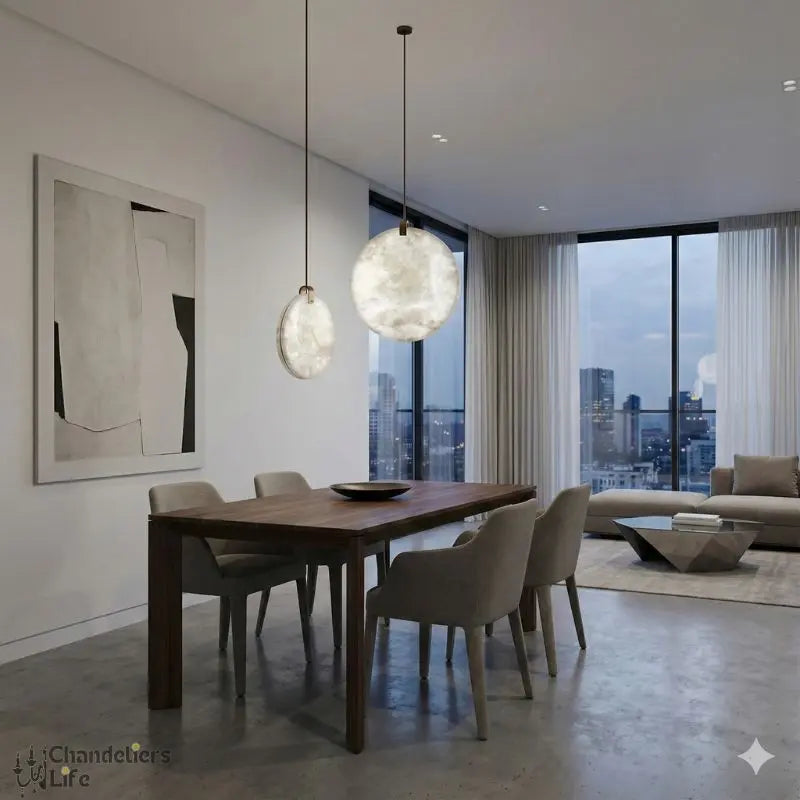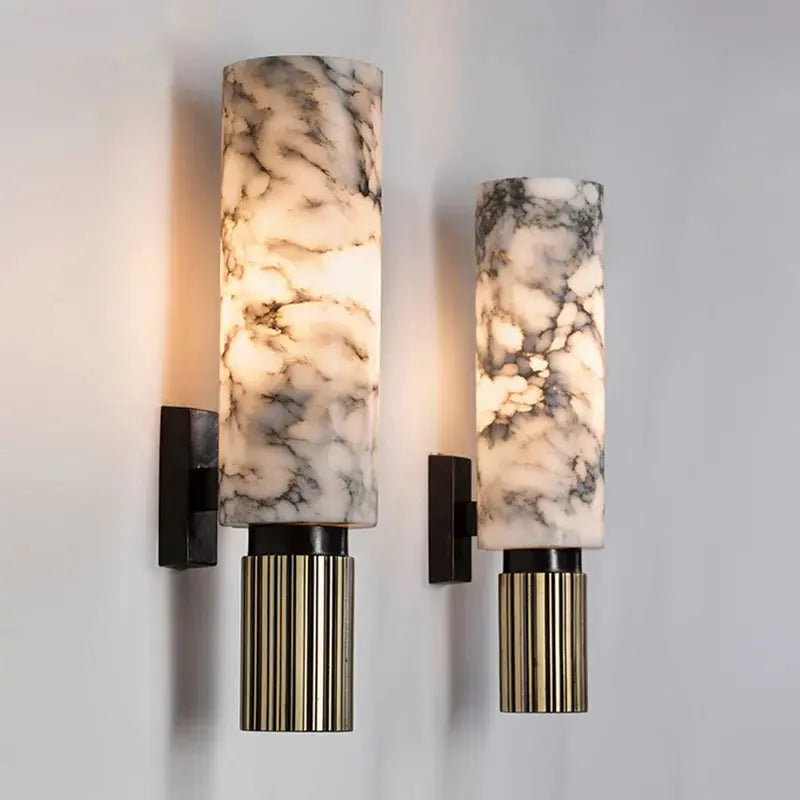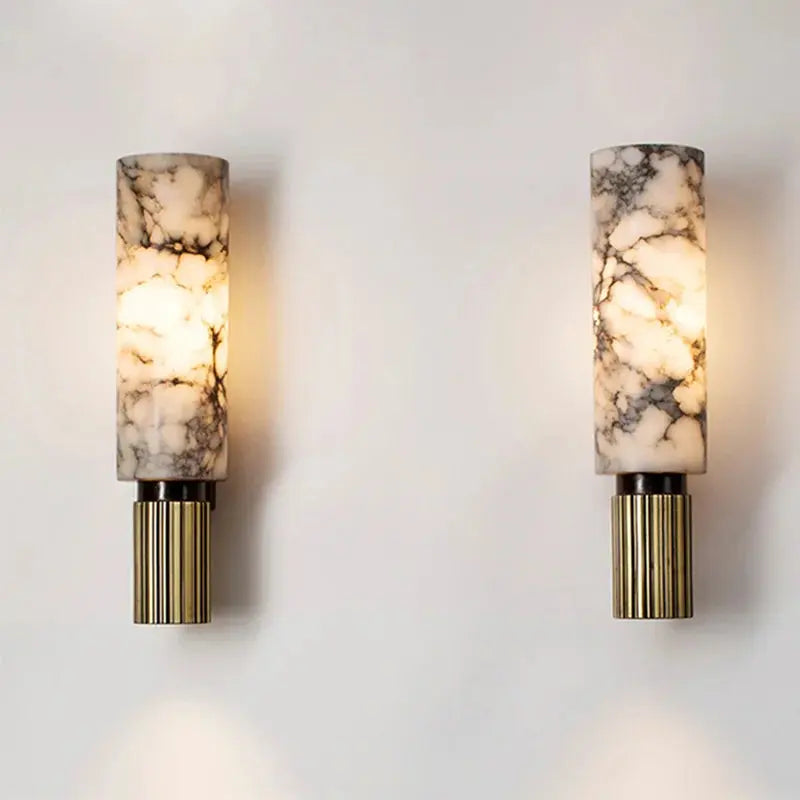

Thinking about sprucing up your yard after dark? Garden light posts can really change how your outdoor space looks and feels. They’re not just about making things visible; they can totally transform the mood. Whether you’re looking to light up a path, add some flair to your garden beds, or just make your yard feel safer, there’s a garden light post out there for you. This guide will help you figure out what’s what, so you can pick the right ones for your place.
Key Takeaways
- Garden light posts do more than just light up your yard; they create atmosphere and can make your space look bigger or more inviting.
- When picking garden light posts, think about where they'll go, what they'll look like, and how they'll get power – solar, low-voltage, or mains electricity.
- Materials matter for outdoor lights. Look for things that can handle the weather, like metal or sturdy plastics, and check the IP rating to know how well they're protected from dust and water.
- Placement is key. Put lights where you need to see, like along paths or driveways, but also use them to highlight cool garden features or create cozy spots.
- Decide on the brightness (lumens) and color temperature of your garden light posts to get the look and feel you want, whether it's for safety, decoration, or just a nice glow.
Understanding Garden Light Posts
Garden light posts are more than just a way to keep your yard from being pitch black after sunset. They really change how your outdoor space feels, turning it into something special. Think about it: a well-lit path isn't just safer, it's also more inviting. These posts can guide you, highlight your favorite plants, or just create a cozy atmosphere for those evening chats.
The Role of Garden Light Posts in Outdoor Ambiance
Lighting is a big deal when it comes to setting the mood outside. It’s not just about seeing where you’re going; it’s about creating a feeling. A few strategically placed light posts can make your garden feel magical, like a secret garden you can escape to. They can soften harsh lines, create inviting pathways, and make your outdoor living areas feel more comfortable and usable after dark. It’s like painting with light, adding depth and character to your landscape when the sun goes down. You can even use them to create little "pools" of light that draw the eye and make the space feel more intimate.
Functional and Aesthetic Benefits of Light Posts
Let's break down why these posts are so great. First off, safety and navigation. Nobody wants to trip over a rogue garden gnome or stumble on uneven ground in the dark. Light posts along pathways or driveways make it easy to get around. Then there's the security aspect; a well-lit yard can deter unwanted visitors. But it's not all about practicality. Aesthetically, light posts add a touch of elegance and style. They can act as decorative elements themselves, even when they're not turned on. Choosing the right style can really tie your garden's look together, whether you're going for a modern vibe or a more traditional feel. They can also be used to highlight specific features, like a beautiful tree or a garden sculpture, turning them into focal points.
Key Considerations for Choosing Garden Light Posts
When you're picking out light posts, there are a few things to keep in mind. You'll want to think about the size of your garden and where you plan to put the lights. Do you need tall posts for broad illumination, or shorter ones for lining a path? The material is also important – you want something that can stand up to the weather. Think about how the lights will be powered, too; solar, low-voltage, or mains electricity all have their pros and cons. And don't forget the style! The finish and design of the post should complement your home and garden. It’s a good idea to look at different types of outdoor lighting to get a feel for what’s available.
Here’s a quick checklist to help you decide:
- Purpose: What do you need the light for? Safety, ambiance, highlighting features?
- Location: Where will the posts be placed? Consider pathways, garden beds, entryways.
- Power Source: Solar, low-voltage, or mains electricity?
- Style: Does it match your home and garden aesthetic?
- Durability: Will it withstand your local climate?
Choosing the right garden light posts involves balancing practical needs with your personal style. It’s about creating a space that feels safe, looks beautiful, and functions well after dark.
Exploring Different Types of Garden Light Posts
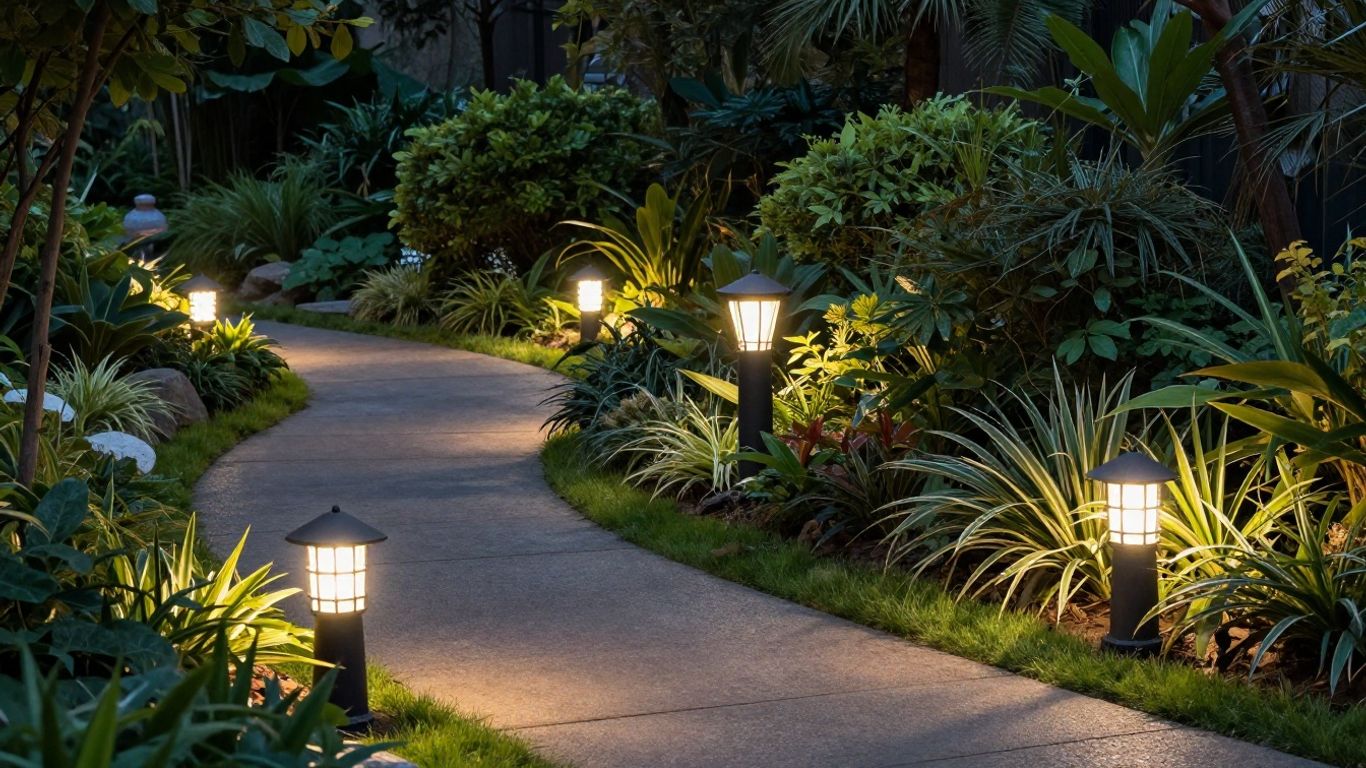
When you're thinking about lighting up your garden, it's easy to get overwhelmed by all the options. But really, it breaks down into a few main categories based on what you want them to do. You've got your workhorses, your accent pieces, and your statement makers. Let's break down the most common types you'll find.
Post Lamps for Pathways and Driveways
These are probably what most people picture when they think of garden lights. Post lamps are designed to sit atop a pole and are fantastic for lining driveways or walking paths. Their main job is to provide a clear, safe path after dark. They usually give off a good amount of light, often in a 360-degree spread, so you can see where you're going. Think of them as your garden's friendly guides.
- Illumination: They cast light downwards and outwards, making sure the ground is visible.
- Placement: Ideal for driveways, garden paths, and along fences.
- Style: Come in a huge variety of designs, from classic to modern.
Considerations for Post Lamps:
| Feature | Benefit |
|---|---|
| Height | Affects light spread and visual impact |
| Lumens | Determines brightness for safety |
| Material | Impacts durability and aesthetic appeal |
Decorative Posts for Garden Borders
These are a bit more about adding charm and visual interest than just pure function. Decorative posts, often smaller and sometimes called stake lights or accent lights, are perfect for tucking into flower beds or along the edges of your garden. They might highlight a specific plant, a garden statue, or just add a gentle glow to a border. They're great for creating those little pockets of light that make your garden feel magical at night. You can even find some really neat ones that look like little lanterns.
- Accent Lighting: Perfect for drawing attention to specific plants or features.
- Ambiance: Adds a soft glow and a touch of whimsy.
- Versatility: Can be easily moved or repositioned as your garden changes.
Don't be afraid to mix and match different types of lights. A few well-placed decorative posts can really make your pathways pop, and they don't have to be expensive. Sometimes the simplest touches make the biggest difference in how your outdoor space feels after sunset. It's all about creating layers of light.
Security and Illumination with Tall Light Posts
When you need serious light and security, tall light posts are the way to go. These are the big guys, often seen illuminating larger areas like backyards, side yards, or even the front of your house. They can be mounted on walls or poles and are designed to cover a wide area. If you're concerned about dark spots or want to make sure your property is well-lit for safety, these are your best bet. They can really make a difference in deterring unwanted visitors and making sure you feel secure. You can find these types of lights at outdoor lighting suppliers.
- Wide Coverage: Excellent for illuminating large areas.
- Security: Motion-activated versions can act as a deterrent.
- Visibility: Great for areas where you need to see clearly, like near garages or sheds.
Powering Your Garden Light Posts
When you're thinking about garden light posts, one of the first things to figure out is how they're going to get their juice. It's not like plugging in a lamp indoors; outdoor lighting has to deal with weather and often needs to be a bit more self-sufficient. Luckily, there are a few main ways to power them, each with its own set of pros and cons.
Solar-Powered Options for Eco-Friendly Lighting
Solar lights are super popular, and for good reason. They use little solar panels to soak up sunlight during the day and store that energy in a battery. Then, when it gets dark, they automatically turn on. This makes them really easy to install because you don't need to run any wires. They're also great for the environment and can save you money on your electricity bill. The technology has gotten a lot better too, so you can find some pretty bright and long-lasting solar options these days. Just make sure you place them where they'll get plenty of direct sun throughout the day.
Low-Voltage Systems for Safety and Efficiency
Low-voltage systems are a really common choice for garden lighting. They work by using a transformer that takes the regular high voltage from your home's electrical system and steps it down to a much safer, lower voltage. This is usually around 12 volts. Because the voltage is so low, it's much safer to work with, and you can even do some of the installation yourself if you're comfortable. These systems are also pretty energy-efficient, especially when paired with LED bulbs, which don't use much power at all. They offer a consistent and reliable light source, which is great for pathways or security lighting.
Mains Electricity for Consistent Illumination
This is basically plugging your lights directly into your home's main power supply. It gives you the most consistent and powerful light, and you don't have to worry about batteries running out or sunlight levels. However, it's also the most complicated to install. You'll definitely need a qualified electrician to run the wiring safely, making sure it's all properly protected from the elements and meets electrical codes. This is often the best bet if you need very bright, reliable lighting for large areas or specific tasks, like illuminating a whole driveway or a large patio space.
Here's a quick look at the power sources:
| Power Source | Pros | Cons |
|---|---|---|
| Solar | Easy install, eco-friendly, cost-saving | Dependent on sunlight, can be less bright |
| Low-Voltage | Safe, efficient, reliable, DIY-friendly | Requires transformer, some wiring needed |
| Mains Electricity | Brightest, most consistent, reliable | Complex install, requires professional help |
Materials and Durability for Outdoor Lighting
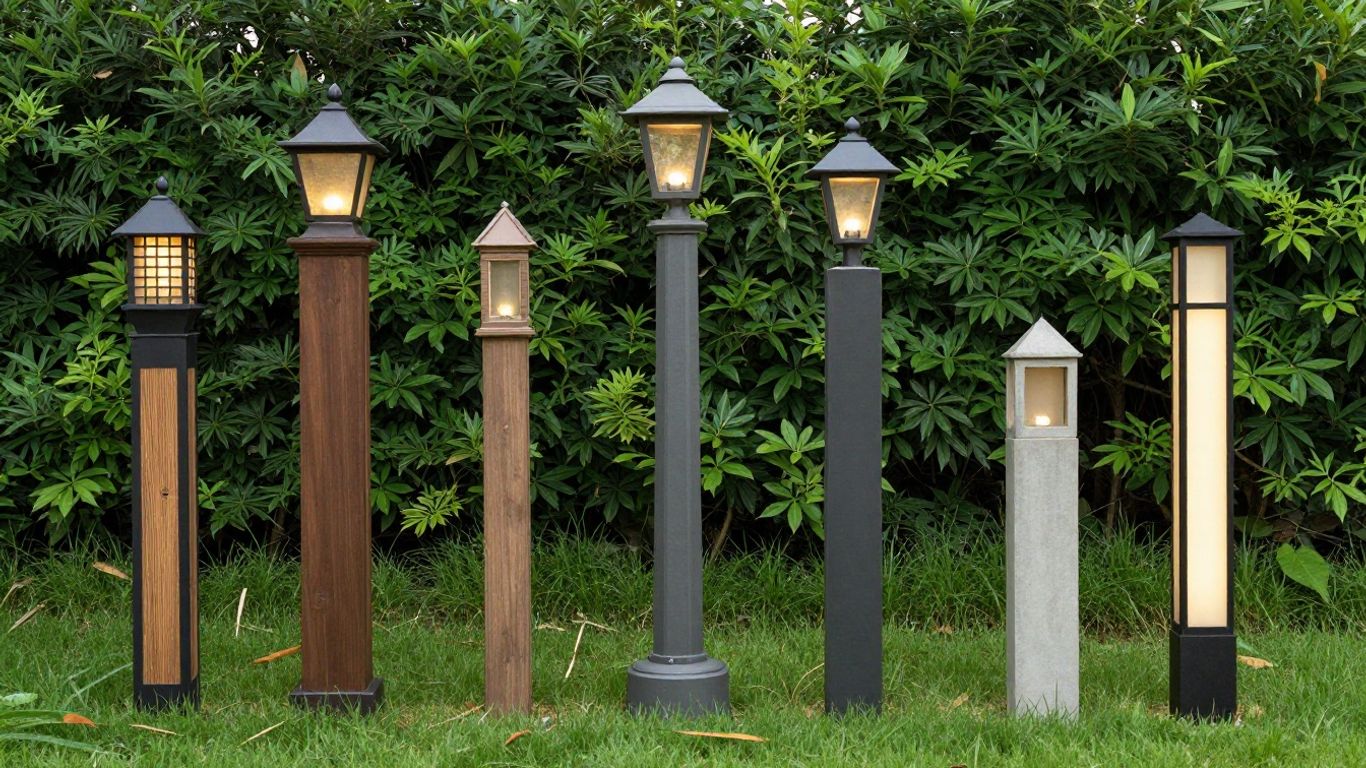
When you're picking out lights for your garden, it's not just about how they look. You've got to think about what they're made of and how well they'll hold up against the weather. Nobody wants to buy new lights every year, right?
Weather-Resistant Materials for Longevity
Your garden lights are going to face a lot – sun, rain, maybe even snow or hail. So, picking materials that can handle all that is pretty important. You'll see a lot of lights made from metals like aluminum, brass, and copper. Aluminum is a good choice because it's light and doesn't rust easily. Brass and copper are also great because they naturally resist corrosion, though they can develop a nice patina over time. Some fixtures might also use high-quality plastics or composite materials that are designed to be tough and UV-resistant, so they won't get brittle in the sun.
- Aluminum: Lightweight, rust-resistant, and often powder-coated for extra protection.
- Brass & Copper: Naturally corrosion-resistant, develop a unique patina.
- Stainless Steel: Very durable and resistant to rust, but can be more expensive.
- High-Quality Plastics/Composites: UV-resistant and can mimic the look of other materials.
Choosing Finishes to Complement Your Garden Style
The finish on your light posts can really tie your whole garden look together. You've got options like matte black, brushed nickel, bronze, or even some brighter colors. Think about the style of your garden. A modern garden might look great with sleek, dark finishes, while a more traditional garden could suit a classic bronze or copper look. The finish isn't just for looks; it often adds another layer of protection against the elements.
Understanding IP Ratings for Outdoor Fixtures
This is a big one for durability. You'll see these numbers like 'IP65' on light fixtures. IP stands for 'Ingress Protection,' and the numbers tell you how well the fixture is protected against solid objects (like dust) and liquids (like water). For most garden light posts, you'll want something with at least an IP44 rating. This means it's protected against objects bigger than 1mm and splashing water. For areas that might get more direct exposure to rain or even a hose, an IP65 rating is even better, offering protection against dust and low-pressure water jets. It's worth checking out weather-resistant LED terrace lights if you want something built to last.
When looking at IP ratings, remember that higher numbers generally mean better protection. For garden posts, aim for at least IP44, but IP65 is a solid choice for peace of mind against various weather conditions.
Enhancing Your Garden with Light Post Placement
So, you've picked out some snazzy garden light posts, but where do you actually put them? It's not just about sticking them anywhere. The right placement can totally change how your garden feels after dark. It's about making things look good, sure, but also making sure people can actually get around without tripping over a rogue gnome.
Strategic Placement for Safety and Navigation
First things first, let's talk about not breaking your neck. You want to light up the main paths, right? Think about where people actually walk. Driveways, garden paths, steps – these are prime spots. You don't need blinding lights here, just enough so you can see where you're going. A soft glow is usually better than a harsh spotlight. It guides you without making you feel like you're on a stage.
- Pathways: Line them with posts spaced out evenly. This creates a clear, safe route.
- Steps: Place lights at the top and bottom of staircases, or even on the risers themselves if you're feeling fancy.
- Changes in Level: If your garden has different zones or slopes, use lights to mark where the ground changes.
- Entrances: Make sure the main way into your garden or house is well-lit. It’s welcoming and adds a layer of security.
Don't forget about areas where you might not expect to need light, like near gates or side entrances. A little illumination goes a long way in making your whole property feel more secure and accessible.
Highlighting Garden Features with Light Posts
Once the practical stuff is sorted, you can get creative. Garden light posts aren't just for walking; they're for looking, too! Think about those special plants, a cool sculpture, or even just an interesting tree. A well-placed light post can make these features pop when the sun goes down.
- Focal Points: Position a light post to shine on a statue, a water feature, or a particularly beautiful shrub.
- Textural Interest: Use lights to cast shadows on walls or fences with interesting textures, creating depth.
- Plant Showcases: Aim lights up into the branches of trees or down onto flower beds to show off their shapes and colors.
Creating Ambiance with Pools of Light
This is where the magic happens. Instead of flooding your whole garden with light, think about creating little pockets of warmth and interest. These 'pools of light' draw the eye and make your garden feel more inviting and mysterious. It’s all about playing with light and shadow.
- Seating Areas: Place lights near patios or decks to make them cozy spots for evening chats.
- Dappled Light: Use lights that cast interesting patterns, like through a trellis or a leafy branch.
- Layering: Combine different types of lighting – maybe a path light here, a spotlight on a plant there – to create a rich, layered look. This makes the garden feel bigger and more dynamic.
The goal is to make your garden feel like a special place after dark, not just a darker version of your living room.
Selecting the Right Illumination for Your Garden
Choosing the right lights for your garden isn't just about making things visible after dark; it's about setting a mood and making your outdoor space feel just right. You want enough light to see where you're going, sure, but you also don't want it to feel like a sports stadium. It's a balance, really.
Lumens Needed for Different Garden Light Post Applications
Lumens are basically a measure of how much light a bulb puts out. More lumens mean a brighter light. For garden light posts, you'll usually want something that's not too intense, especially for pathways or general garden areas. Think about what you're trying to achieve with each light.
- Pathways and Driveways: You need enough light to see clearly and avoid tripping hazards. Around 100-200 lumens per fixture is often a good starting point. This gives you visibility without being glaring.
- Garden Borders and Accent Areas: For highlighting plants or decorative features, you might want less light, maybe 50-100 lumens. This creates subtle interest rather than a harsh spotlight.
- Seating or Entertaining Areas: If you have a patio or deck where you spend time, you might want a bit more light, perhaps 200-300 lumens, to allow for comfortable conversation and activities.
Wattage Considerations for Yard Lights
Wattage used to be the go-to for brightness, but with LEDs, it's less about the watts and more about the lumens. LEDs use way less energy (watts) to produce the same amount of light (lumens) as older bulb types. So, while you might see a 5-watt LED light post, it could be as bright as a 60-watt incandescent bulb. Focus on the lumen output when comparing lights, not just the wattage.
Choosing the Best Color Temperature for Outdoor Ambiance
Color temperature is measured in Kelvin (K) and affects the
Wrapping Up Your Outdoor Lighting Project
So, there you have it. Picking out the right garden light posts might seem like a lot at first, with all the different types and things to think about, like power and weather. But once you get a handle on what you need – whether it's for safety on the driveway, making your garden look pretty at night, or just finding your way around – it gets a lot easier. Don't forget to think about how much light you actually need and what kind of vibe you're going for. With the right lights, your yard can look amazing and be way more useful after the sun goes down. Happy lighting!
Frequently Asked Questions
What's the main purpose of garden light posts?
Garden light posts do more than just light up your yard. They help make your outdoor space look nice, create a cozy mood, and can even make your yard feel bigger after dark. Plus, they help you see where you're going, making it safer to walk around.
What are the different ways to power garden lights?
You have a few choices! Some lights run on solar power, using the sun to charge up during the day. Others use low-voltage electricity, which is safe and saves energy. And some can be plugged into your home's main electricity for a steady light.
How do I know if outdoor lights can handle bad weather?
Look for something called an 'IP rating.' For lights outside, an IP rating between 44 and 65 is usually good. This tells you how well the light is protected from things like rain and dust. Higher numbers mean better protection.
Where should I put my garden lights?
Think about where you need light the most. Put lights along paths so you don't trip, near your doors for safety, or to highlight cool features like a special tree or garden bed. Placing them strategically creates nice 'pools' of light and makes your yard look interesting.
How bright should my garden lights be?
It depends on what the light is for. Lights for paths usually need to be a bit brighter so you can see clearly, maybe 100-200 lumens. Lights that just highlight a plant might need less. Floodlights for big areas need to be the brightest.
What color light is best for my garden?
For most garden areas, a neutral white light looks natural and shows off plants well. If you have a spot where you gather with friends or family, a warmer light color can feel more inviting and cozy.