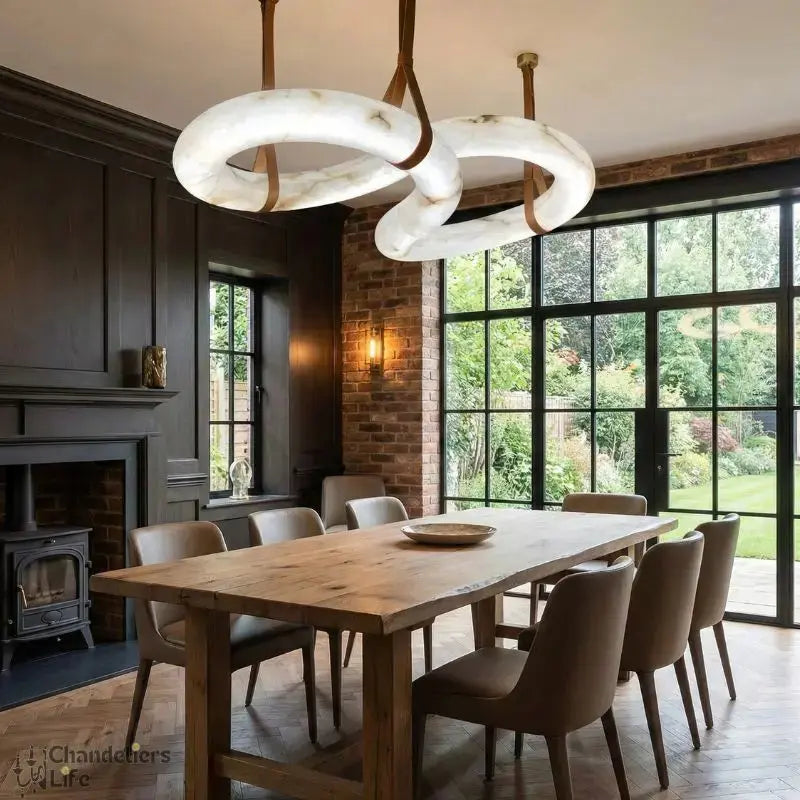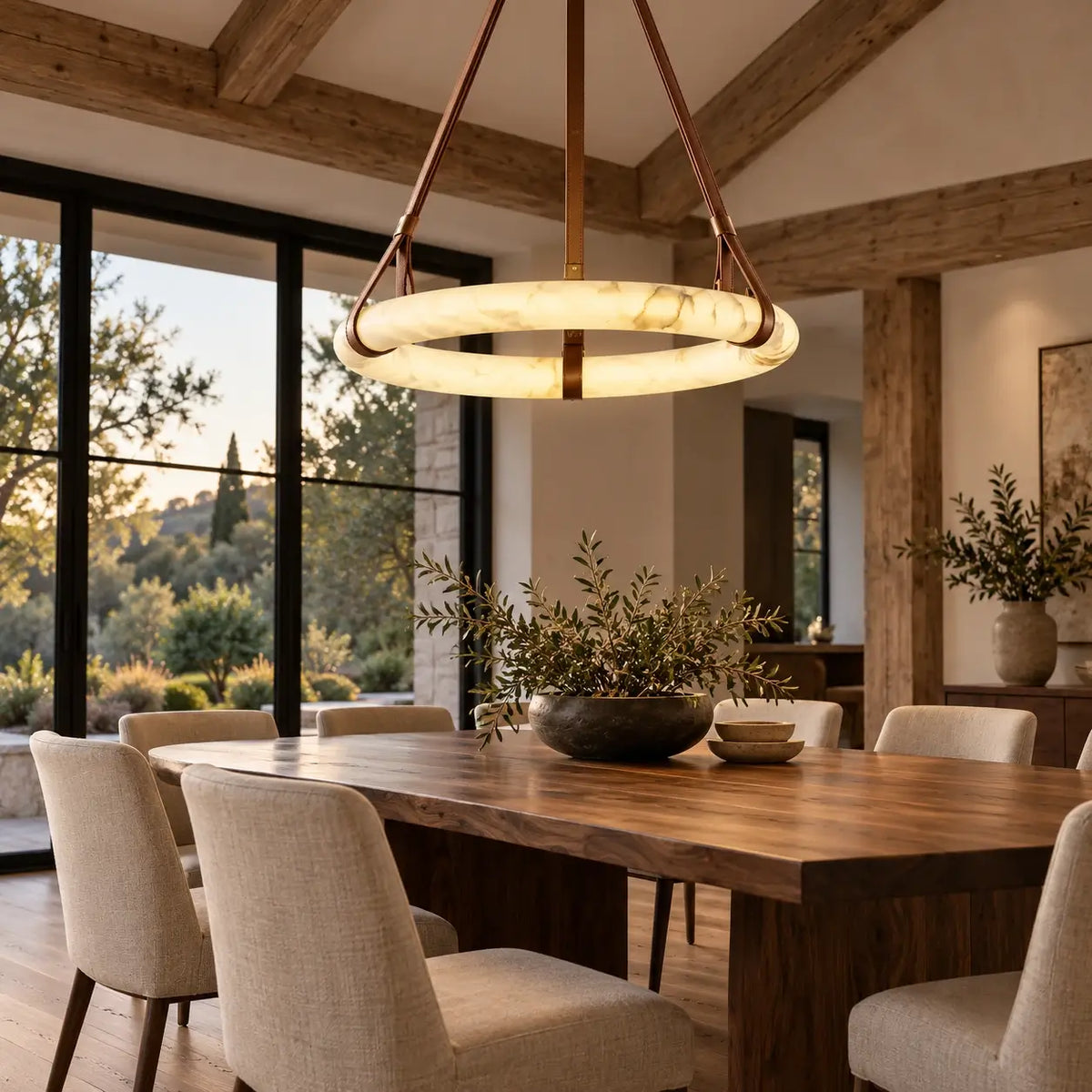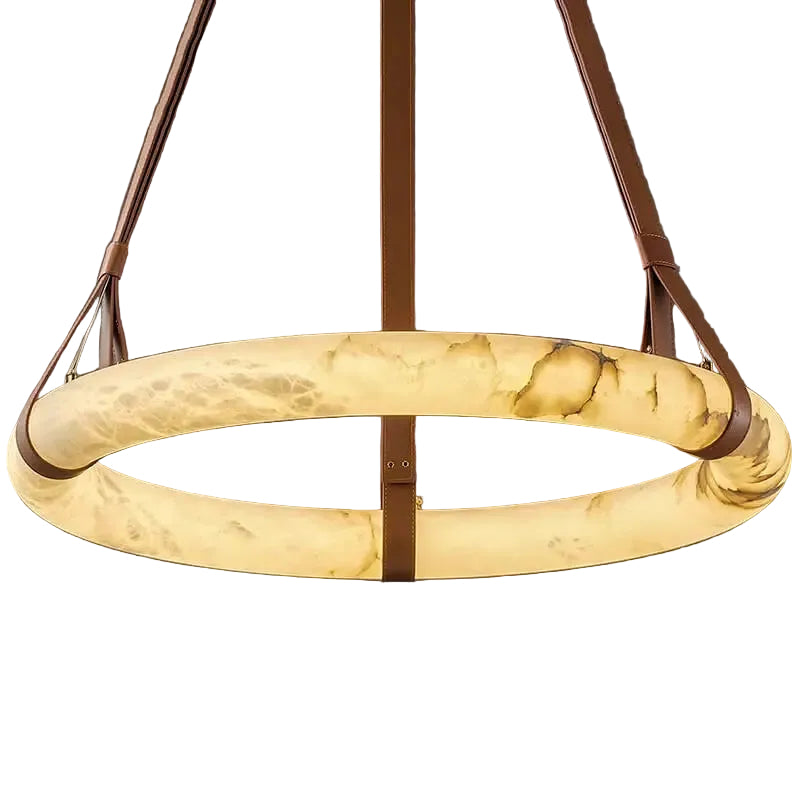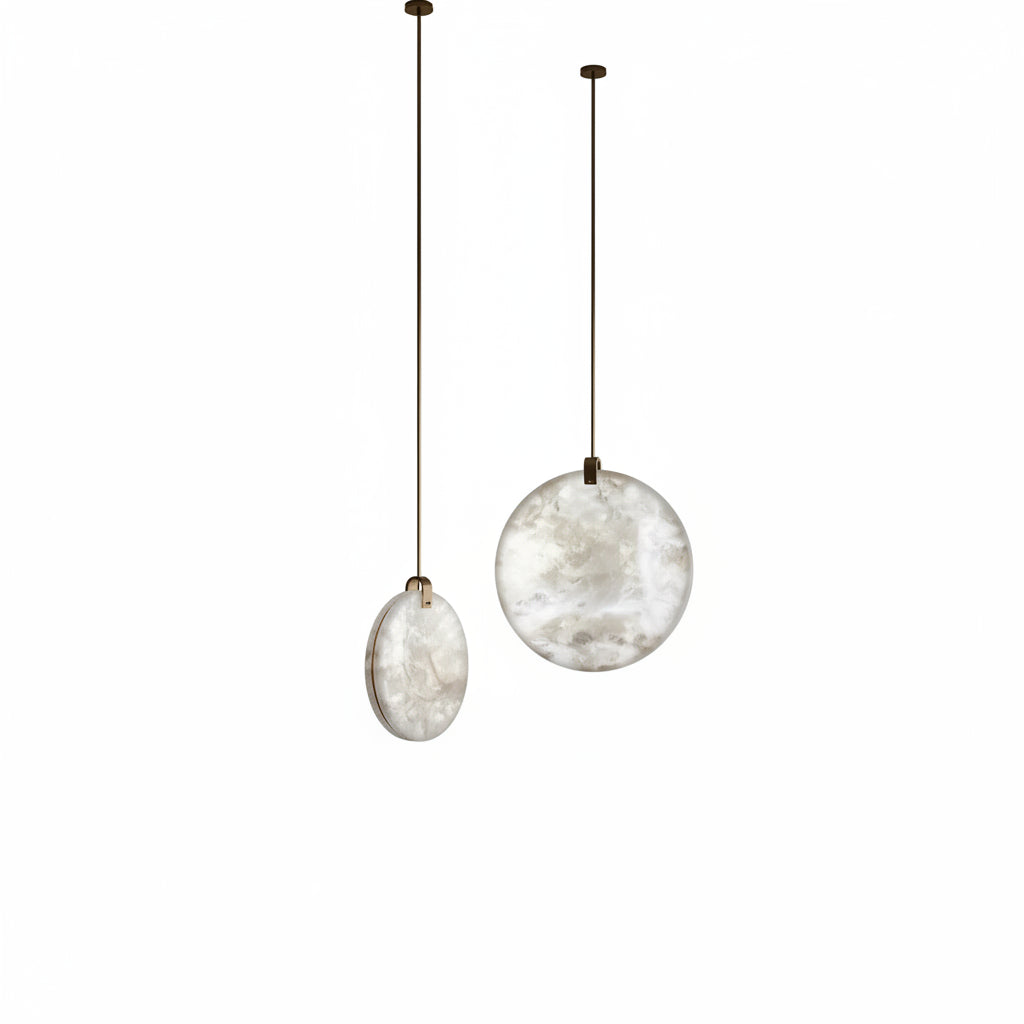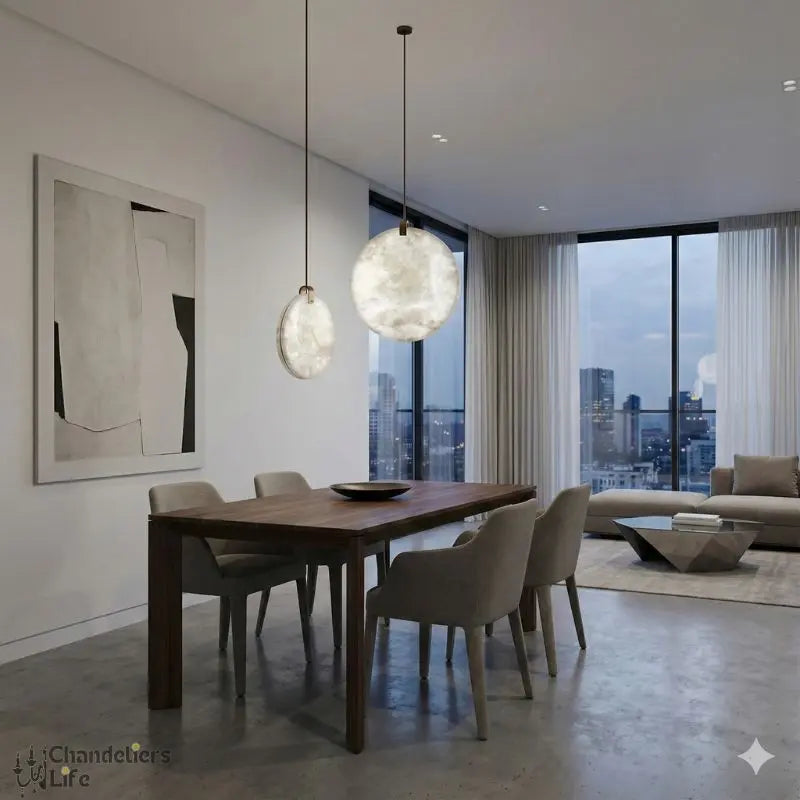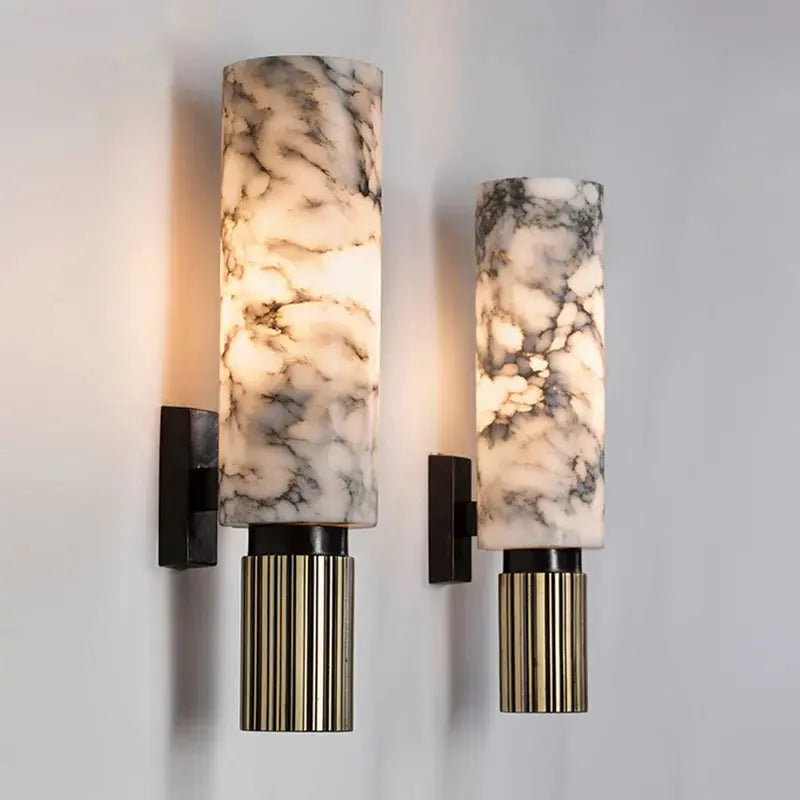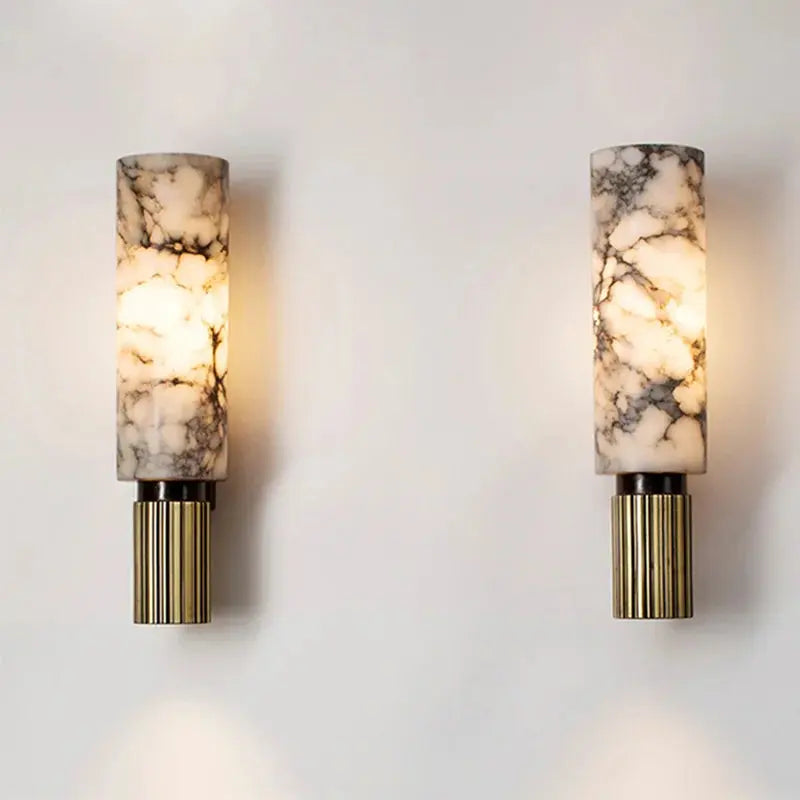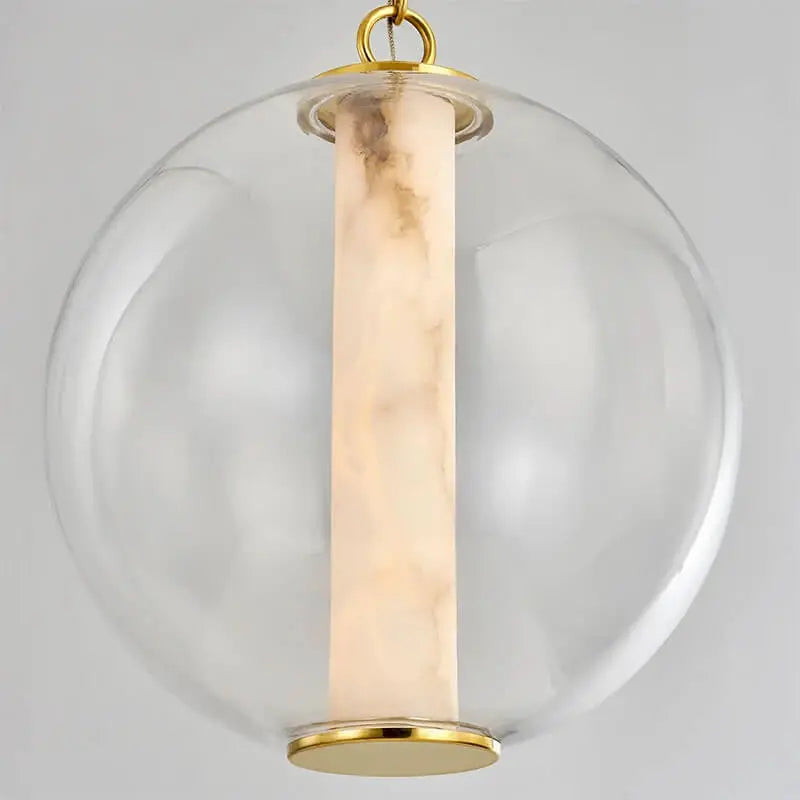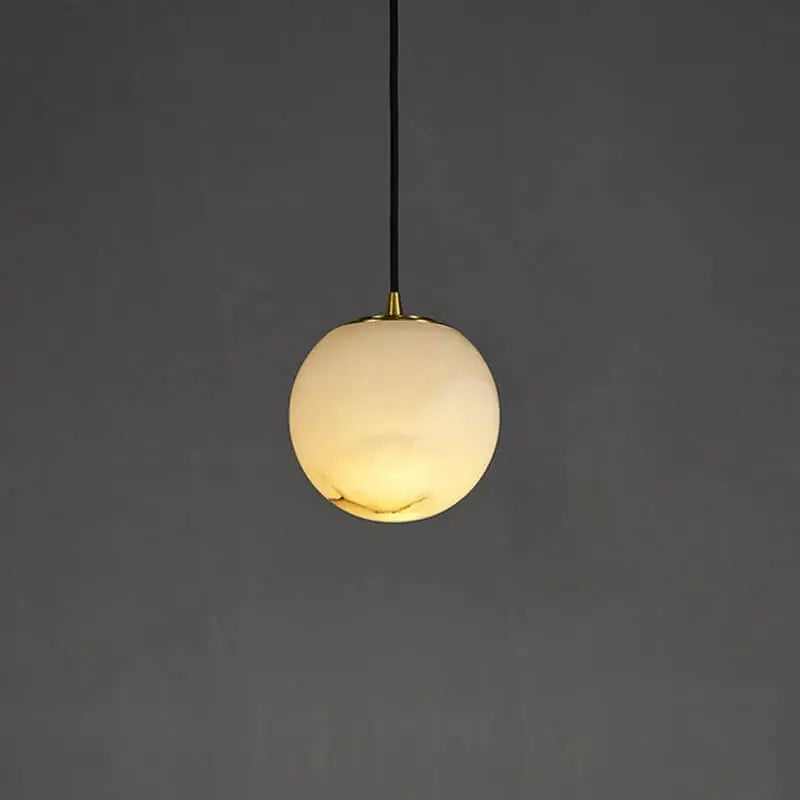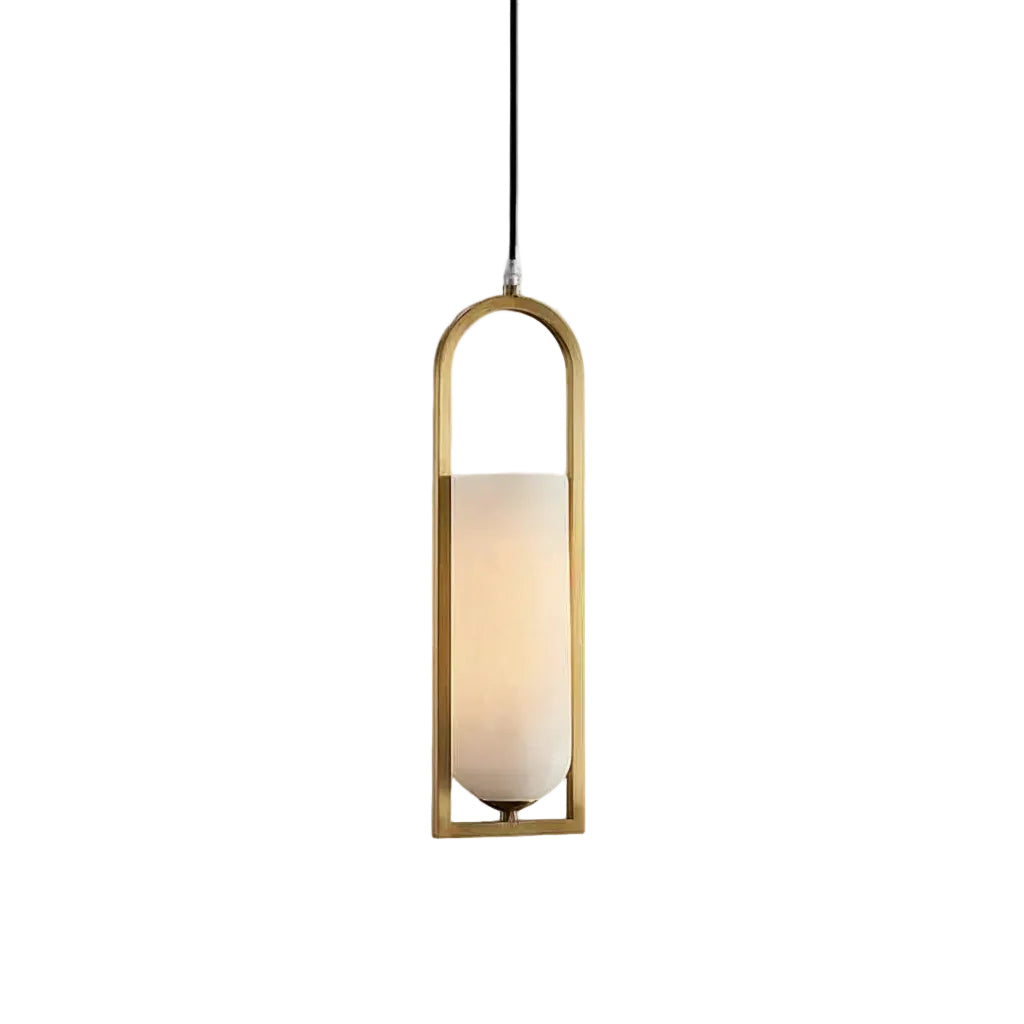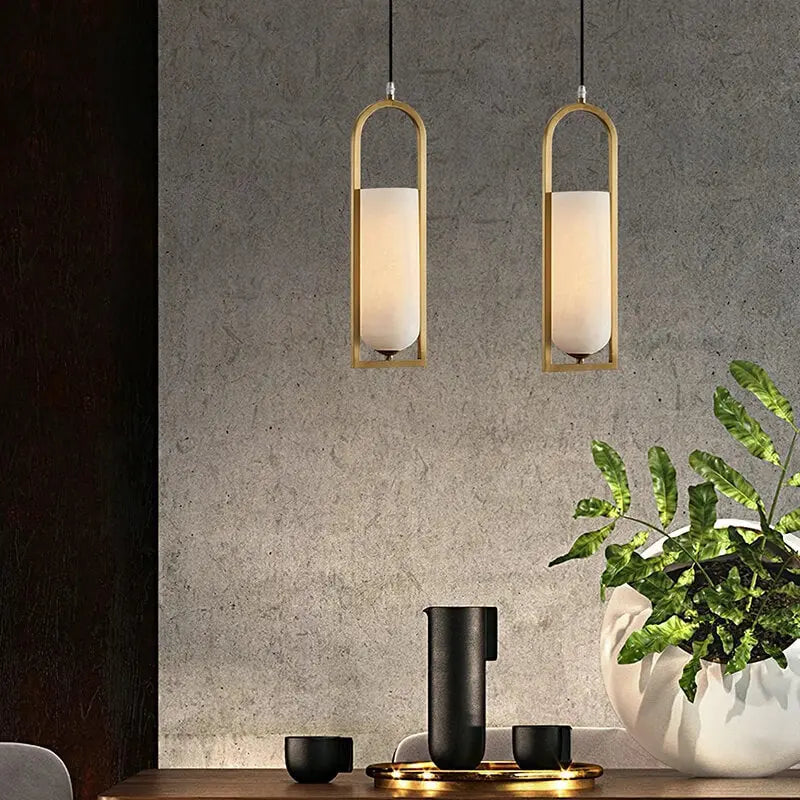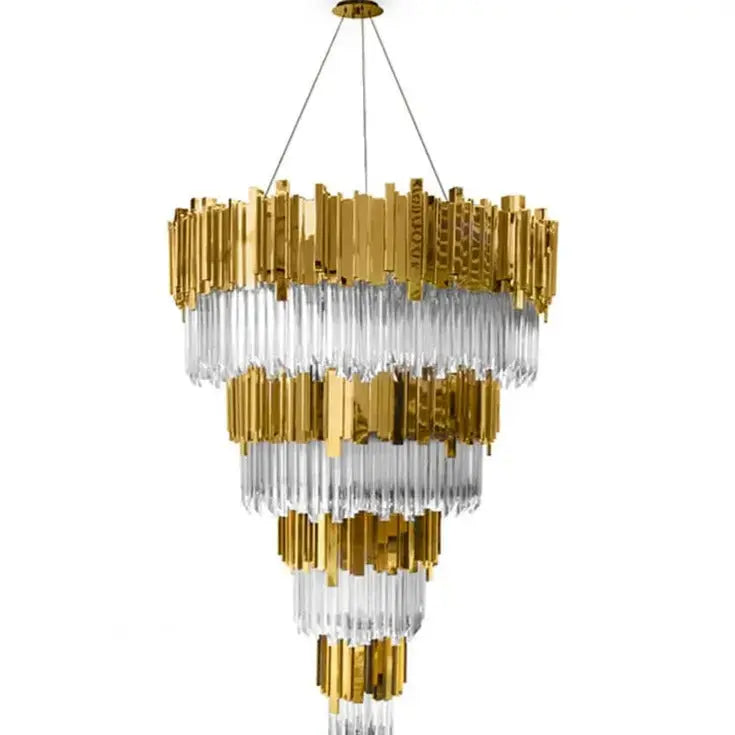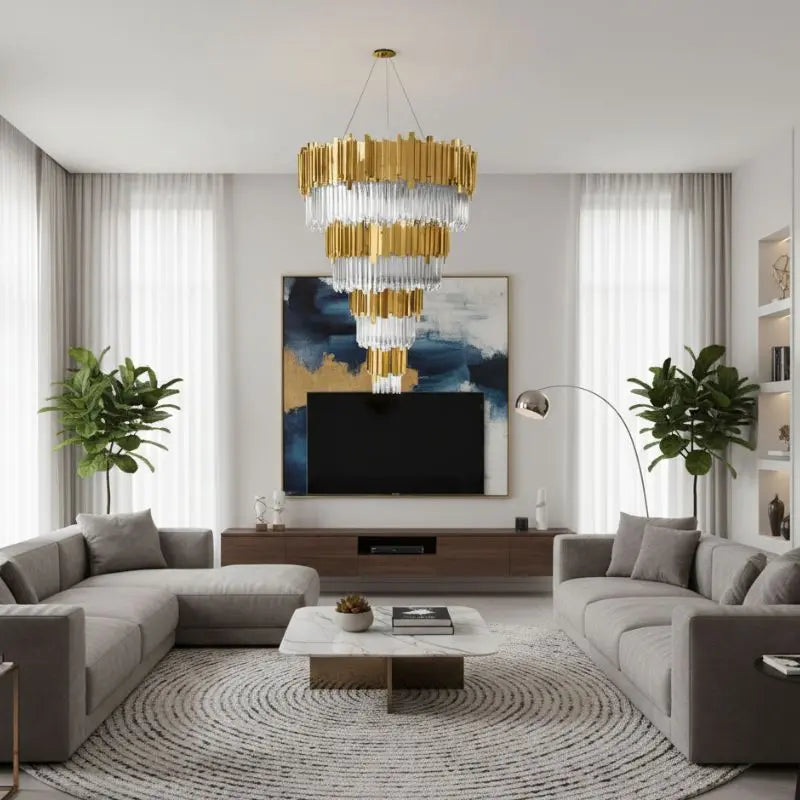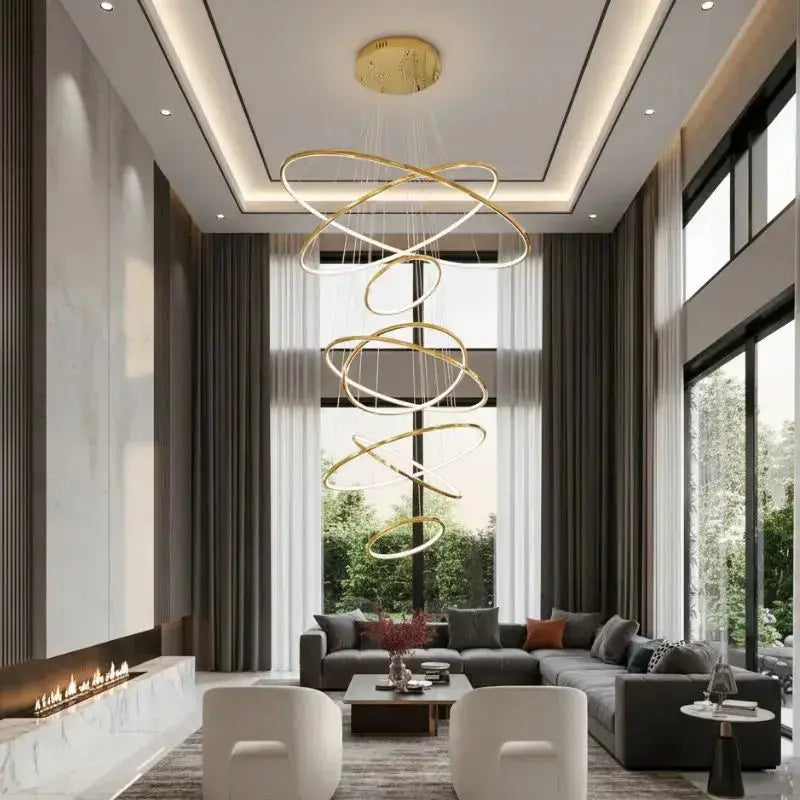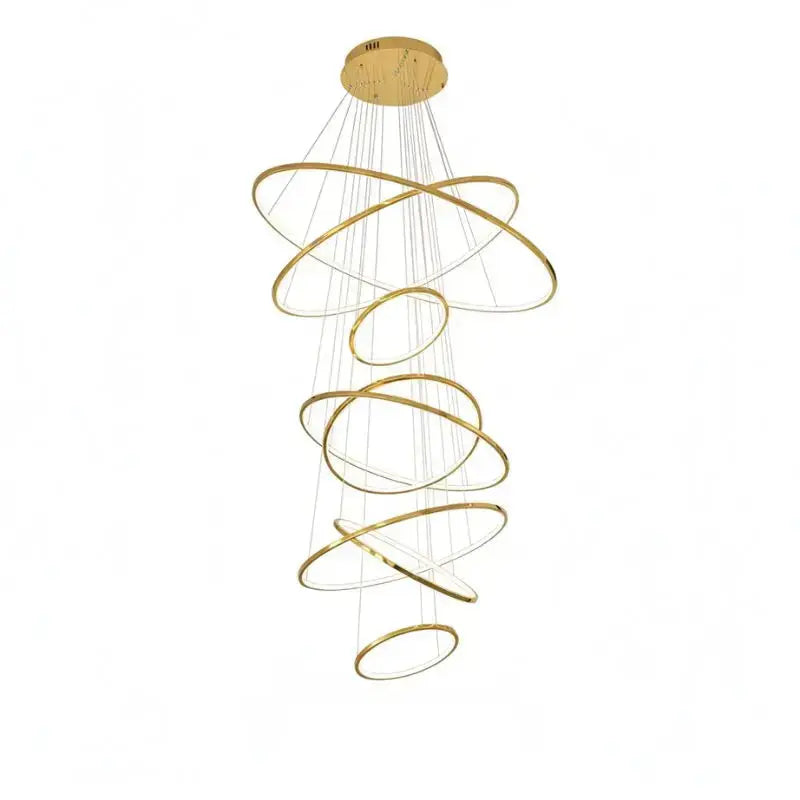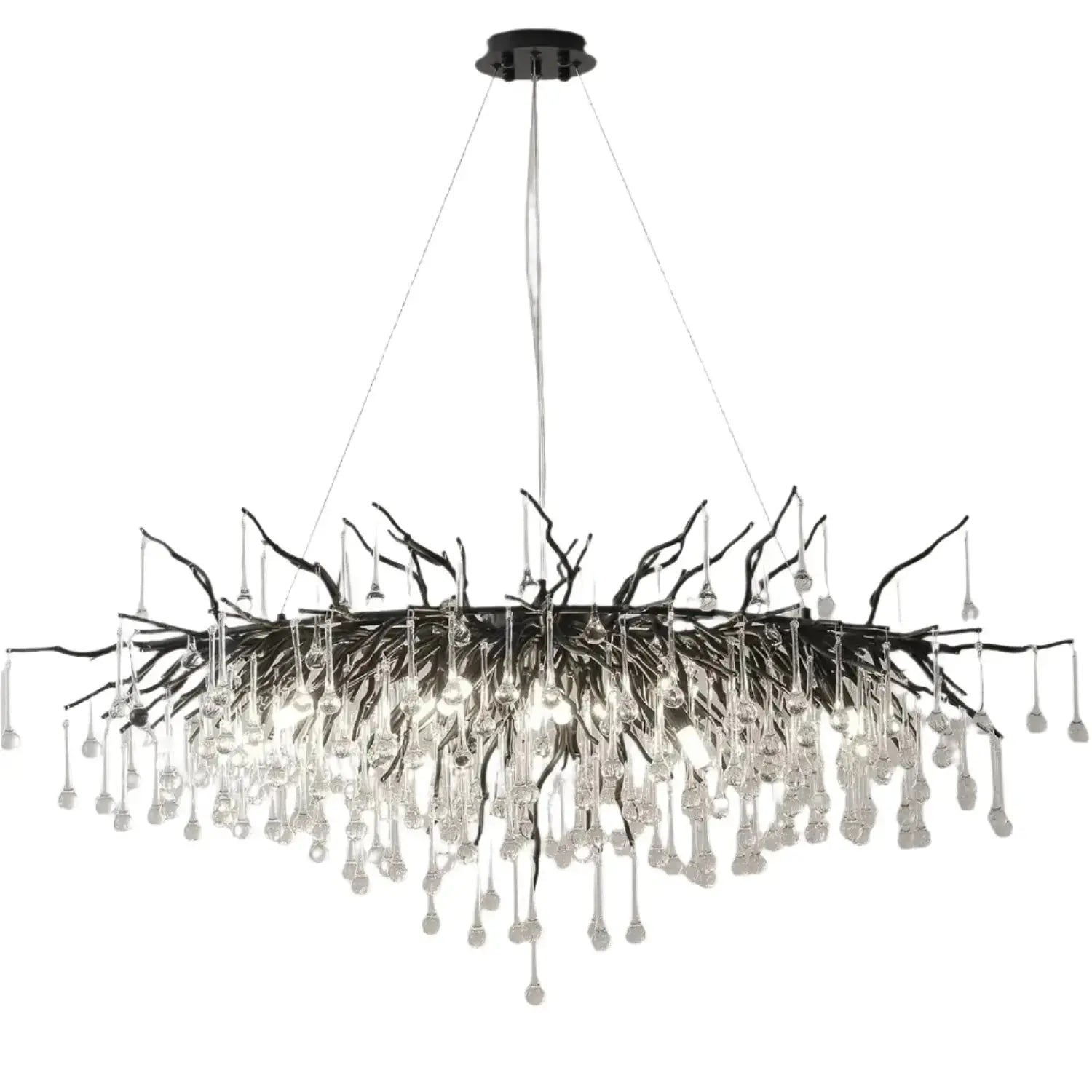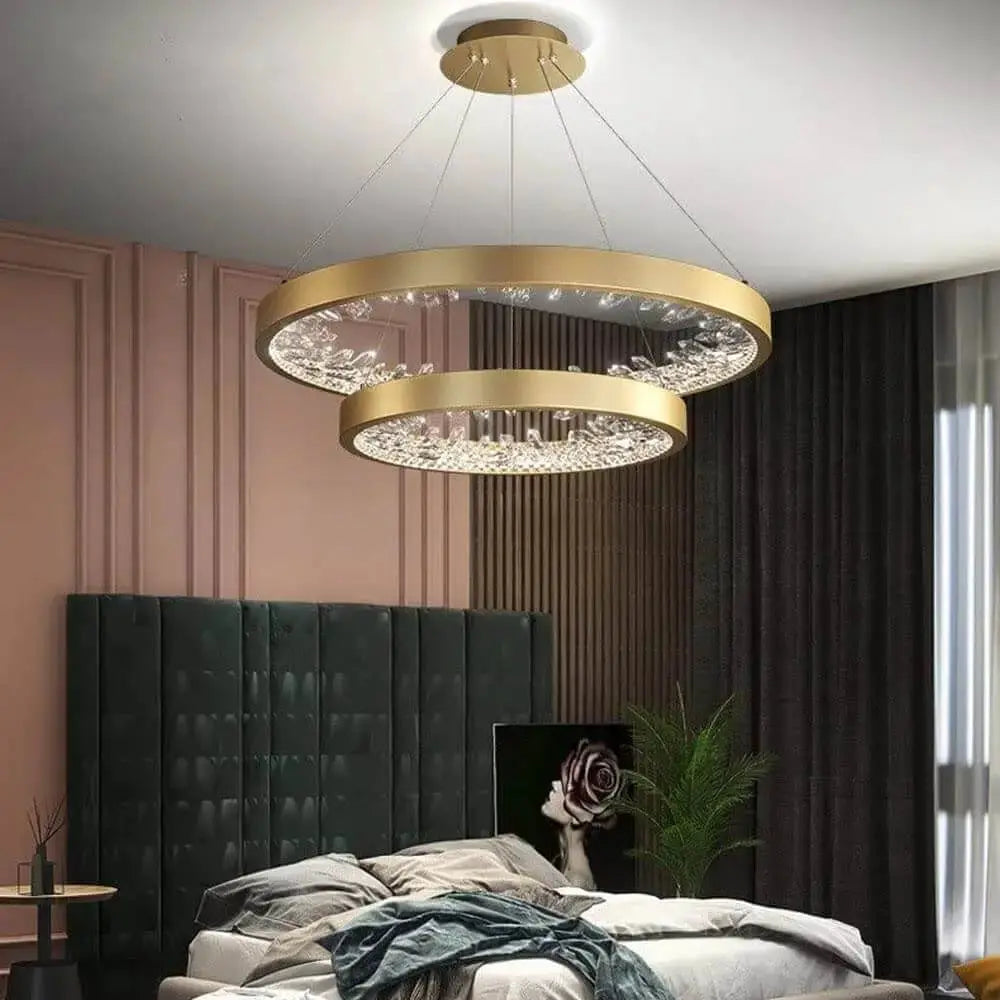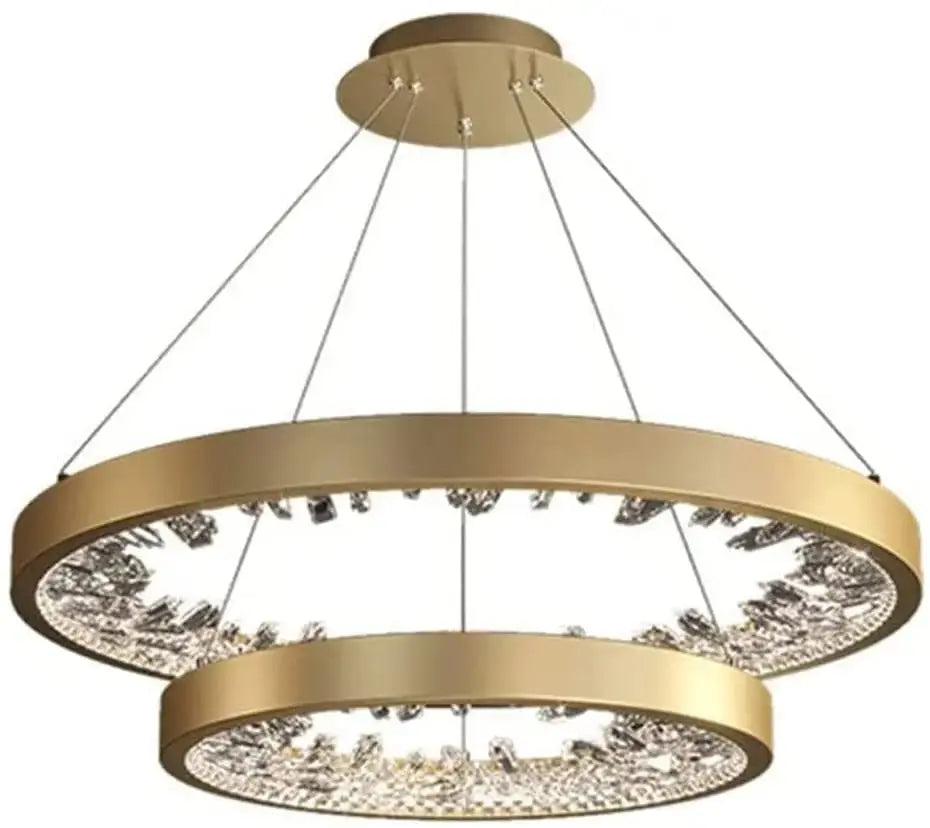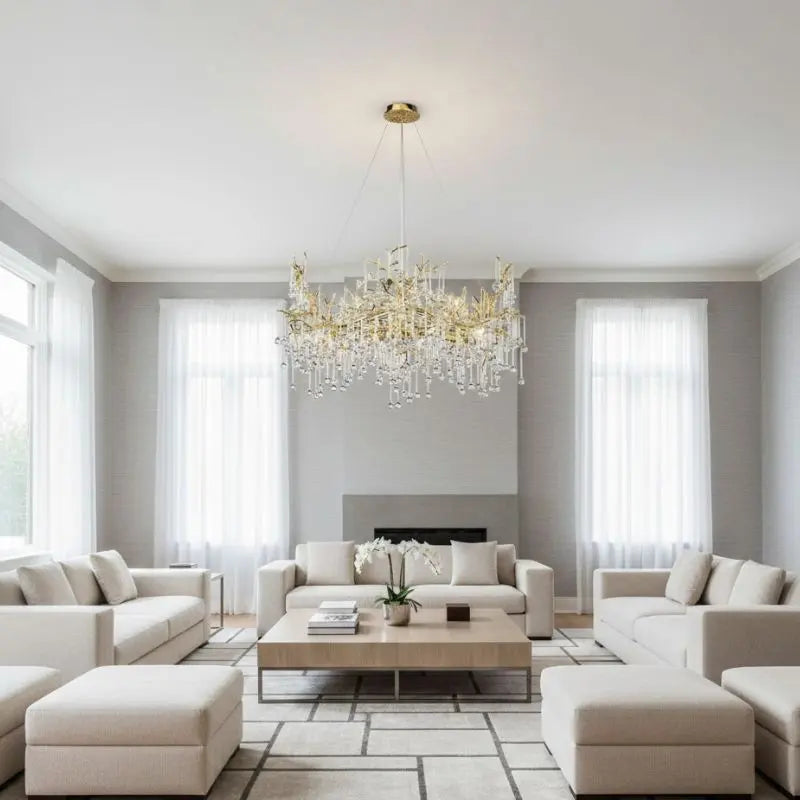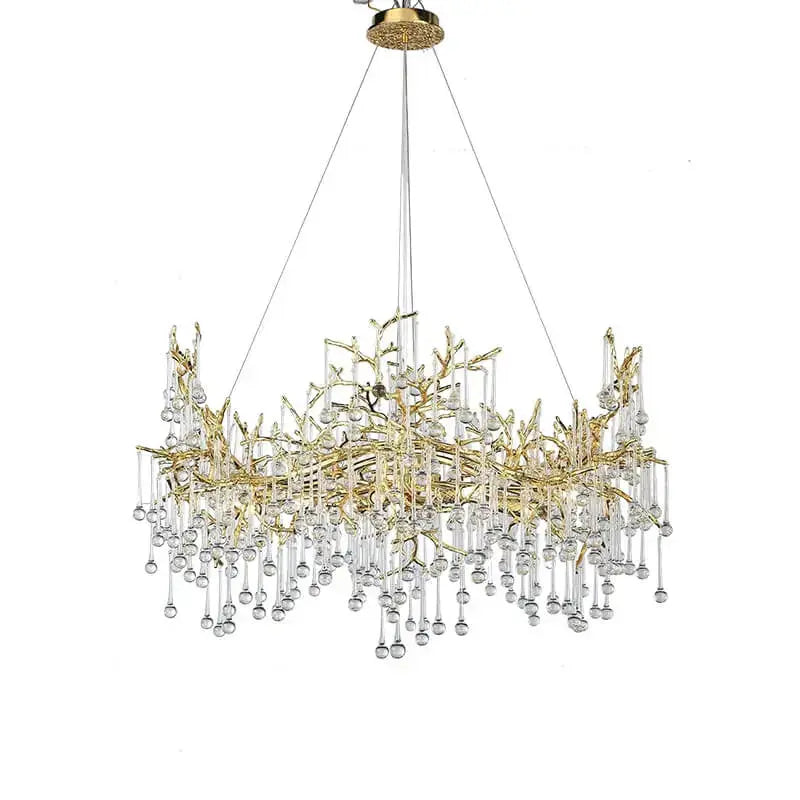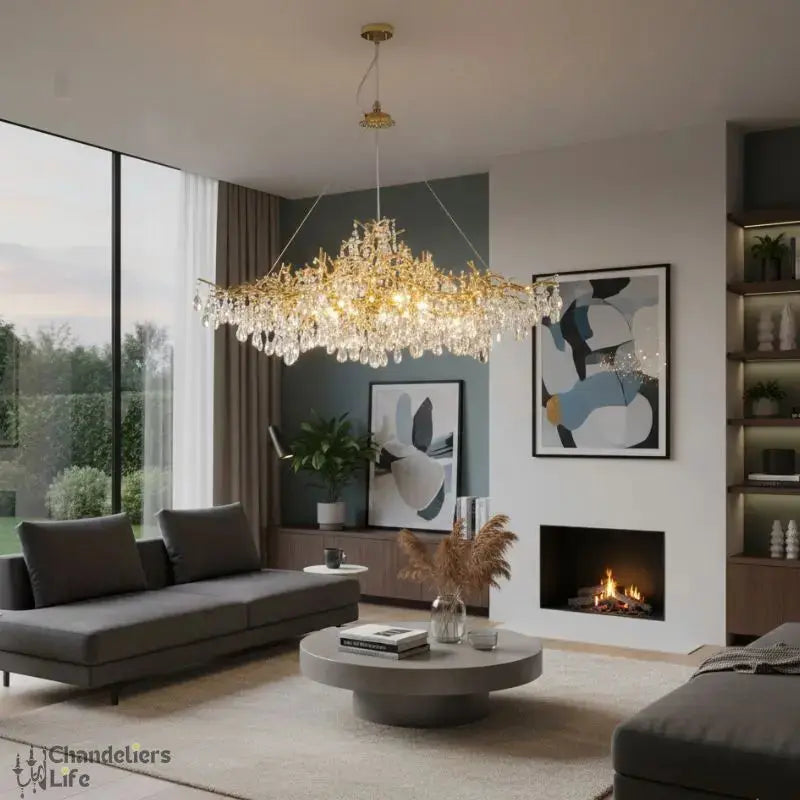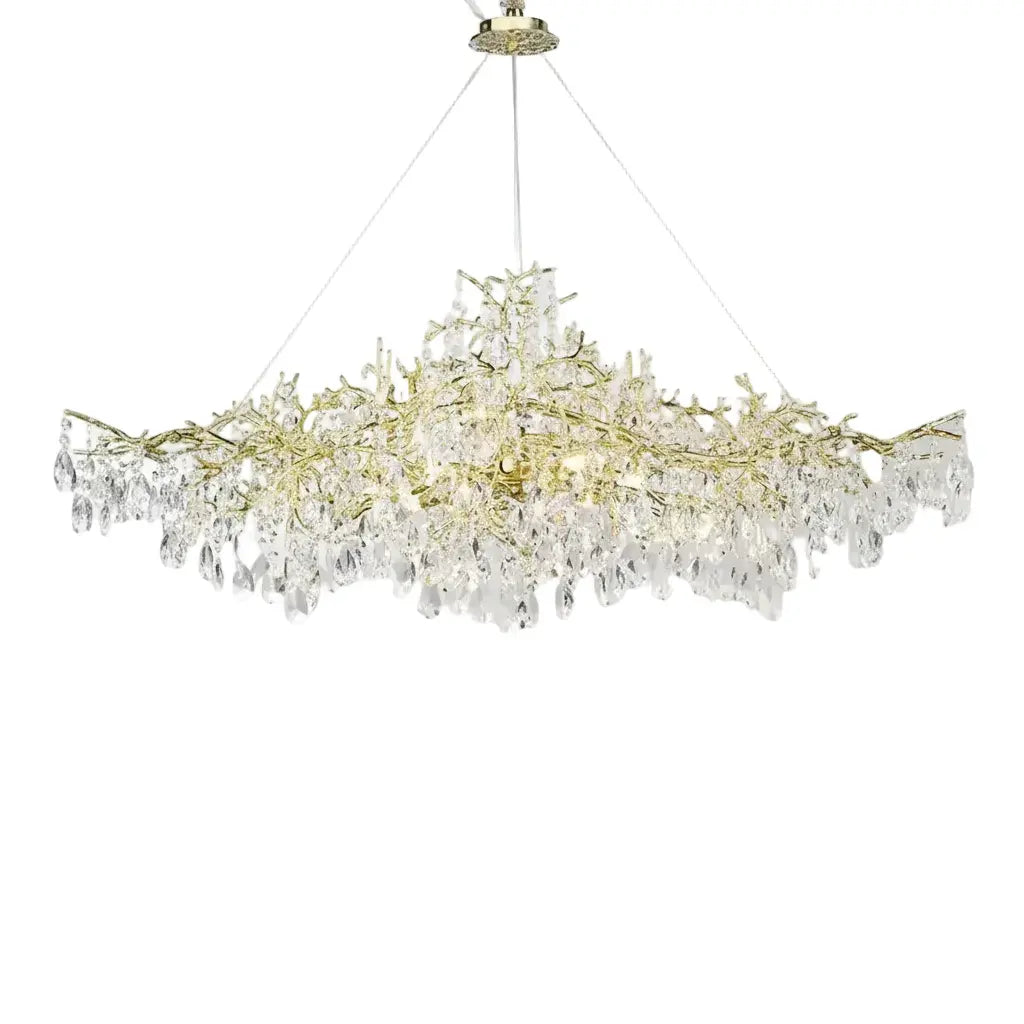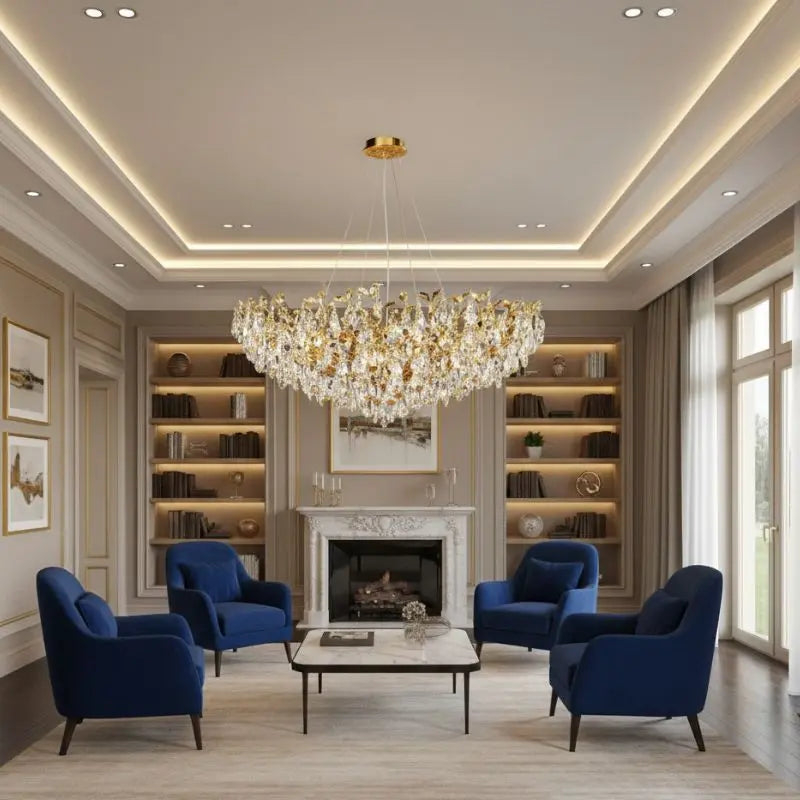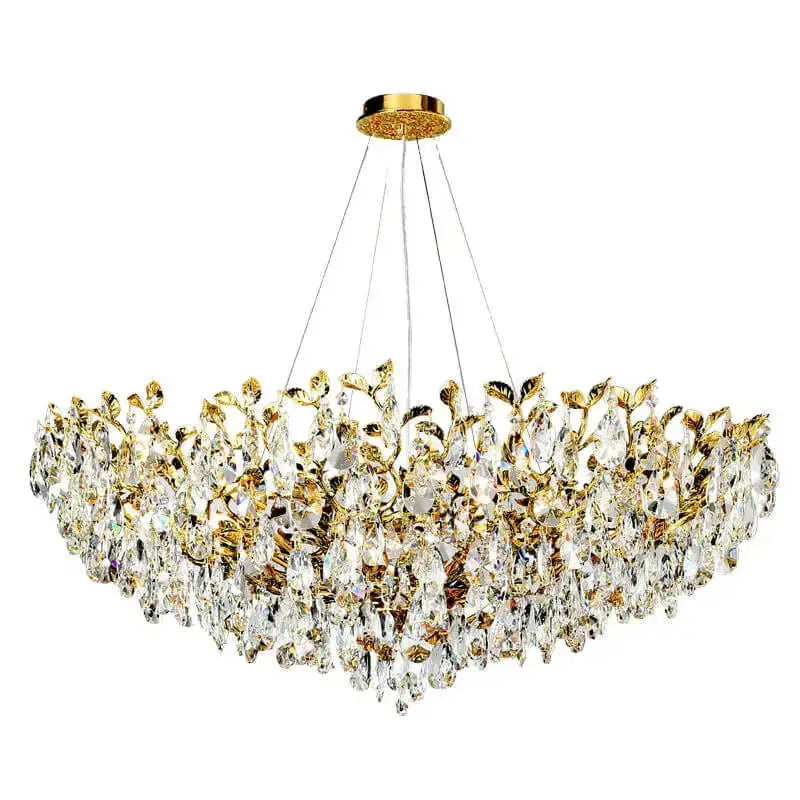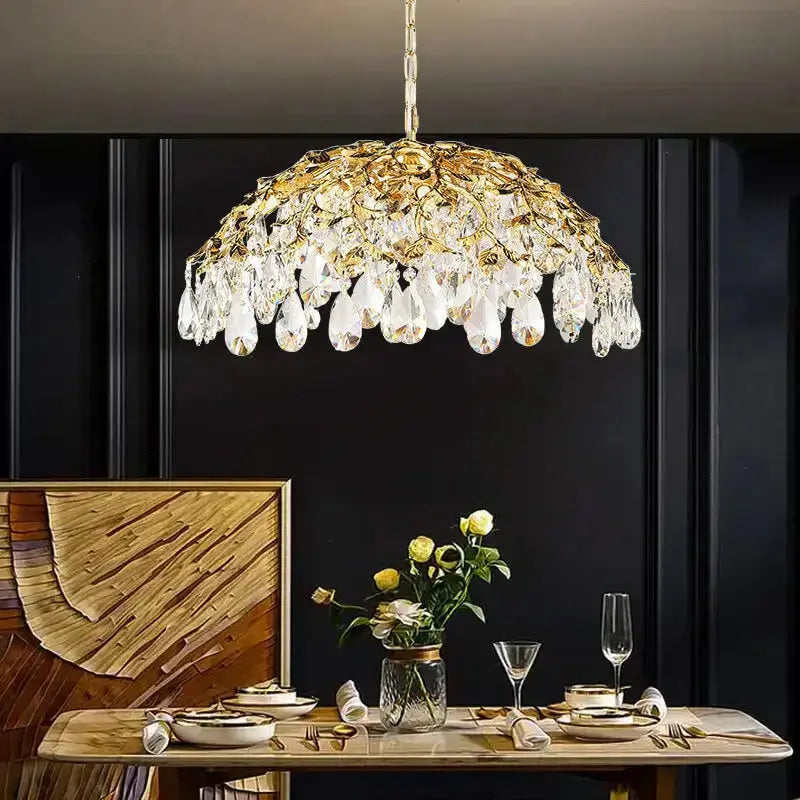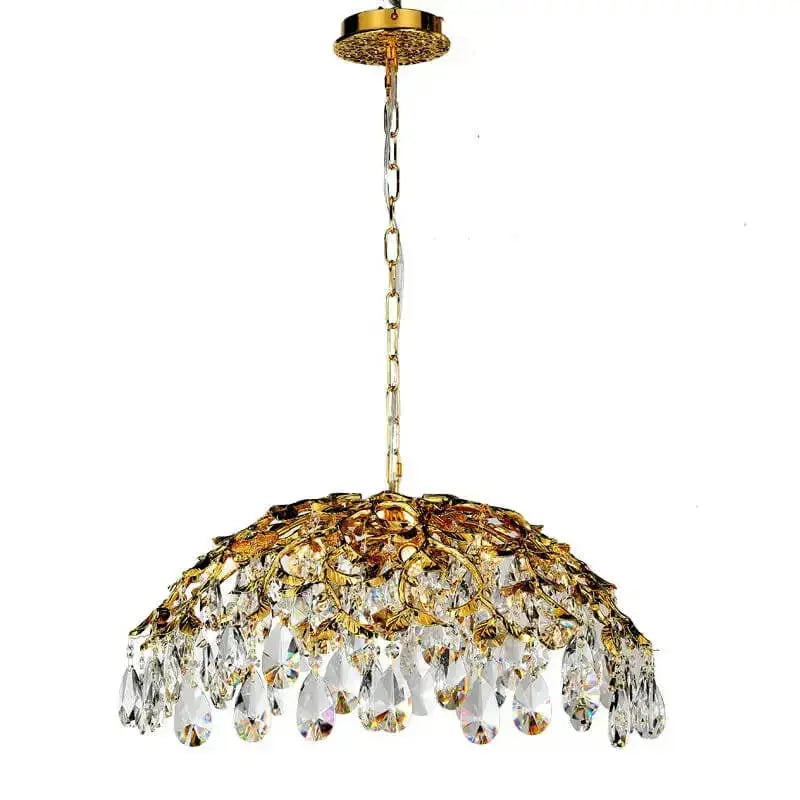
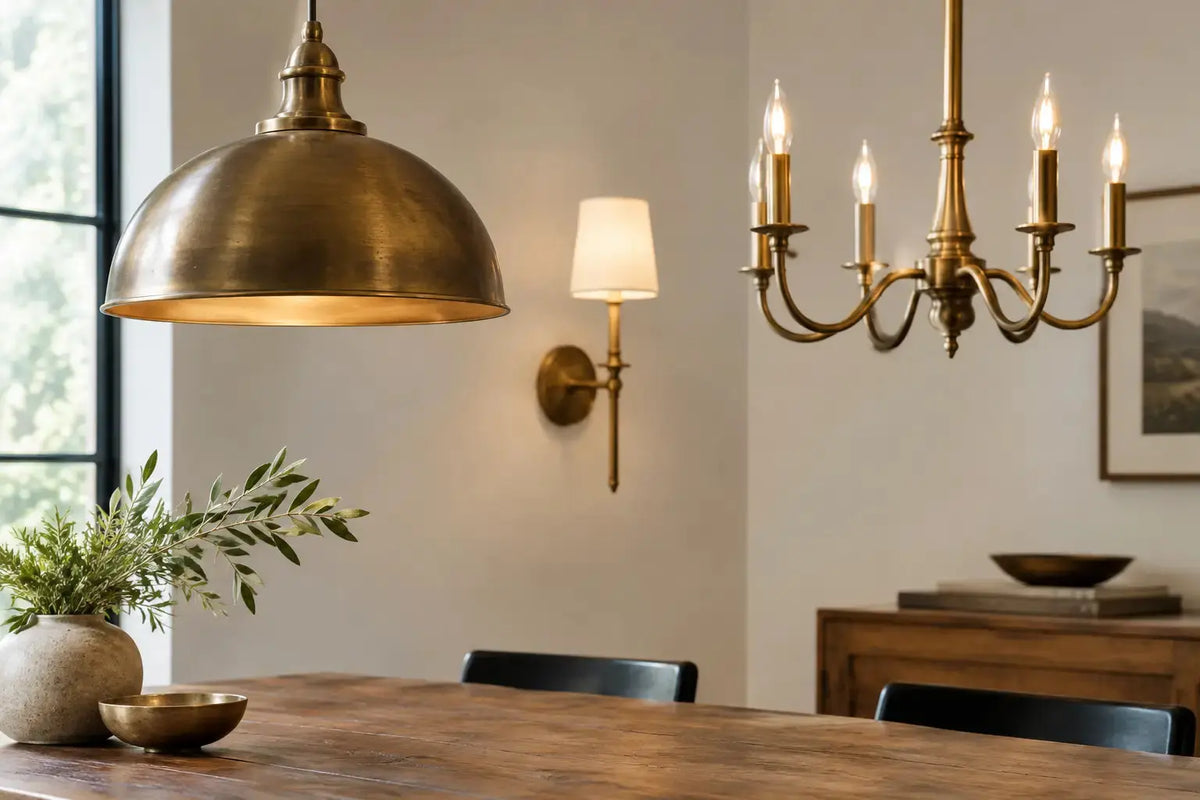
A beautifully chosen brass fixture can do more than brighten a room: it gives the entire scheme a sense of permanence. Antique brass lighting has the mellow, lived-in richness that makes crisp contemporary interiors feel more inviting and traditional rooms feel considered rather than overly formal. Its appeal lies in the finish itself - softly burnished, gently varied and far less reflective than polished brass.
For a hallway, dining space or layered living room, this is lighting with presence. The right piece can introduce a golden warmth at eye level, frame a dining table with quiet drama or make a plain ceiling feel deliberately dressed. The key is choosing a finish, silhouette and scale that belong to the room rather than simply following a trend.
Why Antique Brass Lighting Feels So Timeless
Antique brass sits comfortably between bright metal and dark bronze. It has warmth, but it is rarely flashy; character, but not the heaviness associated with more ornate period fittings. That balance gives it an unusual flexibility. A slender antique brass pendant can complement veined marble, pale oak and linen upholstery, while a more decorative chandelier can lend depth to a classic dining room or grand entrance hall.
Unlike highly polished finishes, antique brass also responds beautifully to changing light. During the day, it reads as a soft golden neutral against plaster, stone and painted cabinetry. In the evening, it picks up the glow of the bulbs and becomes part of the room’s atmosphere. This makes it particularly effective in spaces used for entertaining, where lighting needs to feel as decorative as it is functional.
There is a practical advantage, too. A gently aged finish is generally more forgiving of fingerprints and minor dust than mirror-bright metal. That does not mean it requires no care, but it helps a decorative fixture retain its poised appearance in busy family spaces.
Start With the Room’s Mood, Not the Metal Alone
Brass is not a single style. Before selecting a fixture, decide what you want the room to communicate. Is the aim a refined contrast in a modern home, a layered heritage look, or a glamorous focal point with crystal or glass? The answer should shape the form of the fitting.
For modern, tailored interiors
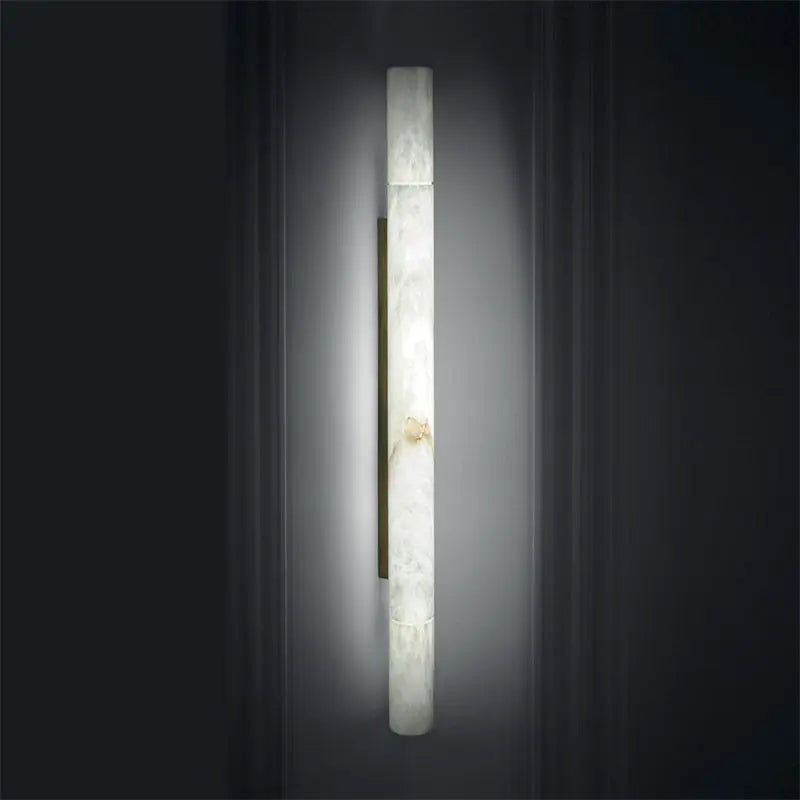
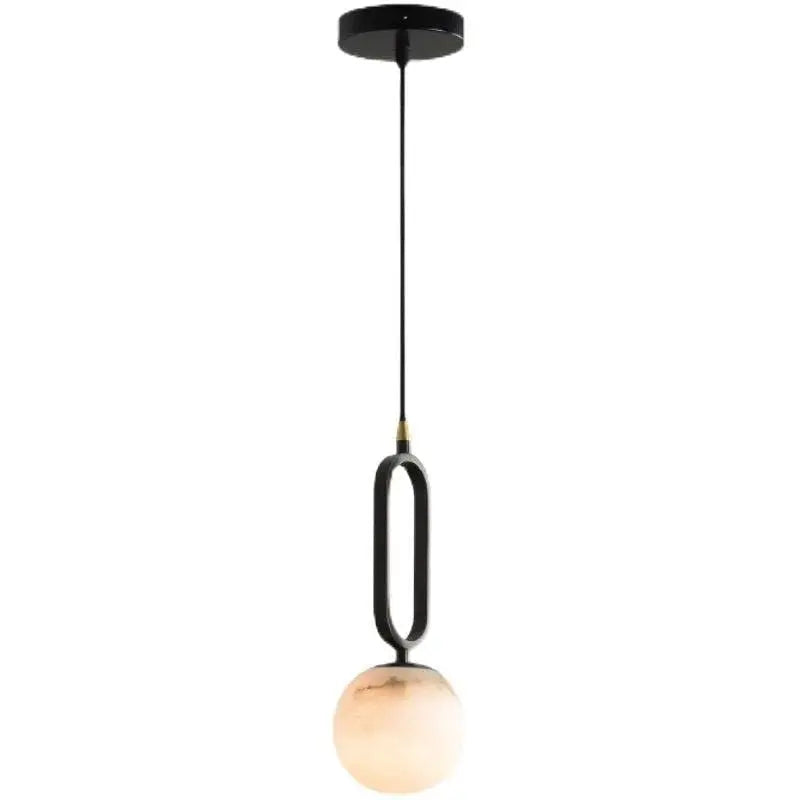
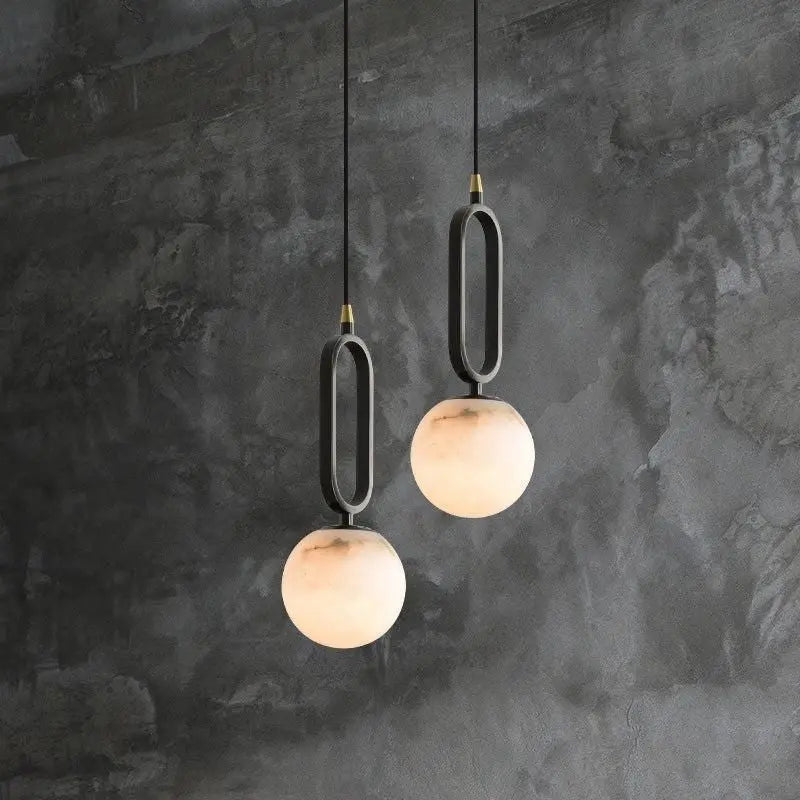
Choose clean geometry: a linear pendant above a kitchen island, a globe chandelier with restrained arms, or a flush ceiling light with an antique brass frame. Pairing a warm aged finish with opal glass, alabaster-inspired shades or clear ribbed glass prevents a modern scheme from feeling cold. This is especially effective where black-framed doors, pale walls and streamlined cabinetry dominate.
Avoid introducing too many competing metallic finishes. One or two brass details - perhaps the lighting and cabinet handles - often look more intentional than a room full of unrelated gold tones. If chrome tapware is already fixed in place, antique brass lighting can still work, but repeat its warmth elsewhere through timber, framed artwork or bronze accessories.
For classic and transitional rooms
A lantern chandelier, candle-style fitting or sculptural multi-arm design brings the right amount of ceremony to dining rooms, foyers and stairwells. Antique brass is particularly flattering beside darker timber, upholstered dining chairs, traditional cornicing and richly coloured walls such as olive, charcoal or deep blue.
Here, proportion matters more than decoration. An intricate chandelier can look exquisite in a tall hall with visual breathing room, but the same piece may overwhelm a compact dining room. Let the architecture guide the level of detail.
For softer bedrooms and living spaces
Wall lights, smaller chandeliers and shaded table lamps are often the most effective way to use antique brass in rooms designed for rest. Fabric, frosted glass and alabaster-style elements soften the finish and create a more flattering pool of light. In a bedroom, consider bedside wall lights to free up table space while adding a tailored, boutique-hotel feel.
Choosing the Right Scale and Placement
The most luxurious fixture can disappoint if it is too small to command the room or too large to allow the space to breathe. Begin with the furniture below it, not only the dimensions of the ceiling.
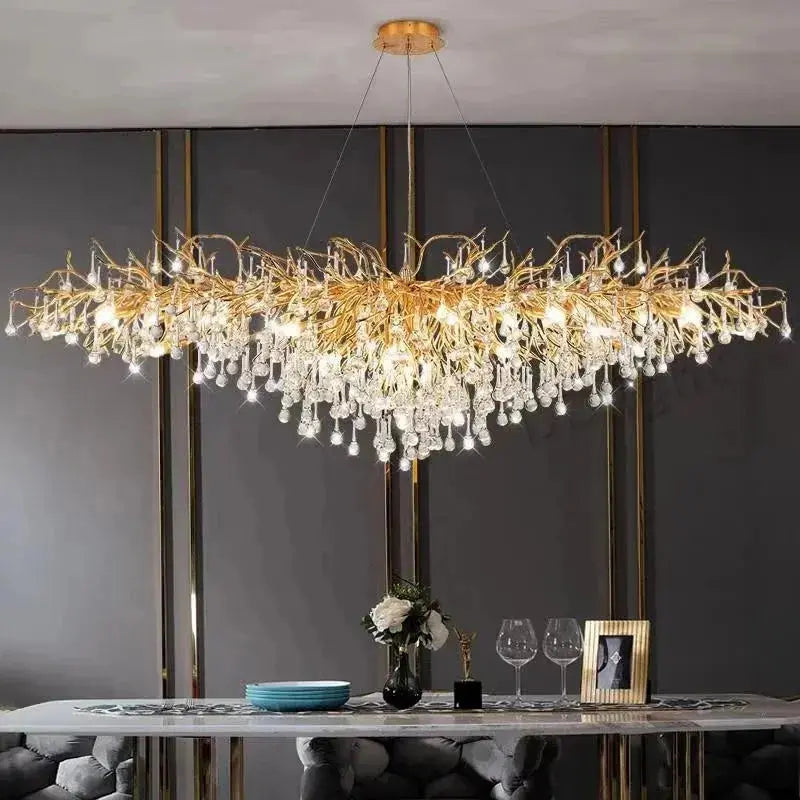
Over a dining table, the fitting should relate to the table’s width and shape. A round chandelier naturally suits a round or square table, while a long linear pendant or a pair of smaller pendants usually looks more balanced over a rectangular table. Leave enough visual margin at either end so the lighting feels centred rather than cramped.
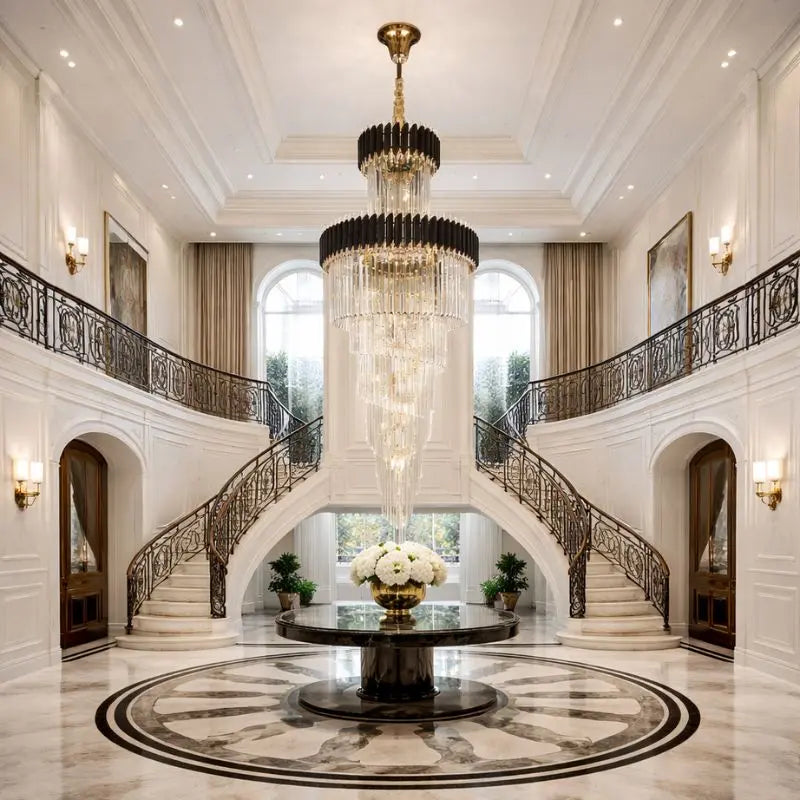
As a useful starting point, hang a dining-room fixture around 76 to 91 centimetres above the tabletop. In a hallway or foyer, preserve comfortable head clearance and select a design that can be appreciated from several viewpoints. Staircase lighting deserves particular attention: a cascading pendant or tiered chandelier can turn vertical space into an architectural feature, but it should sit in relation to the stairwell rather than obstruct it.
In a living room, a central ceiling fixture does not have to provide every lumen. Its role may be atmosphere and visual focus, supported by floor lamps, table lamps and wall lights. This layered approach is more comfortable for evenings than relying on one bright overhead source, and it allows the antique brass finish to appear richer and more dimensional.
Match the Finish to Its Surroundings
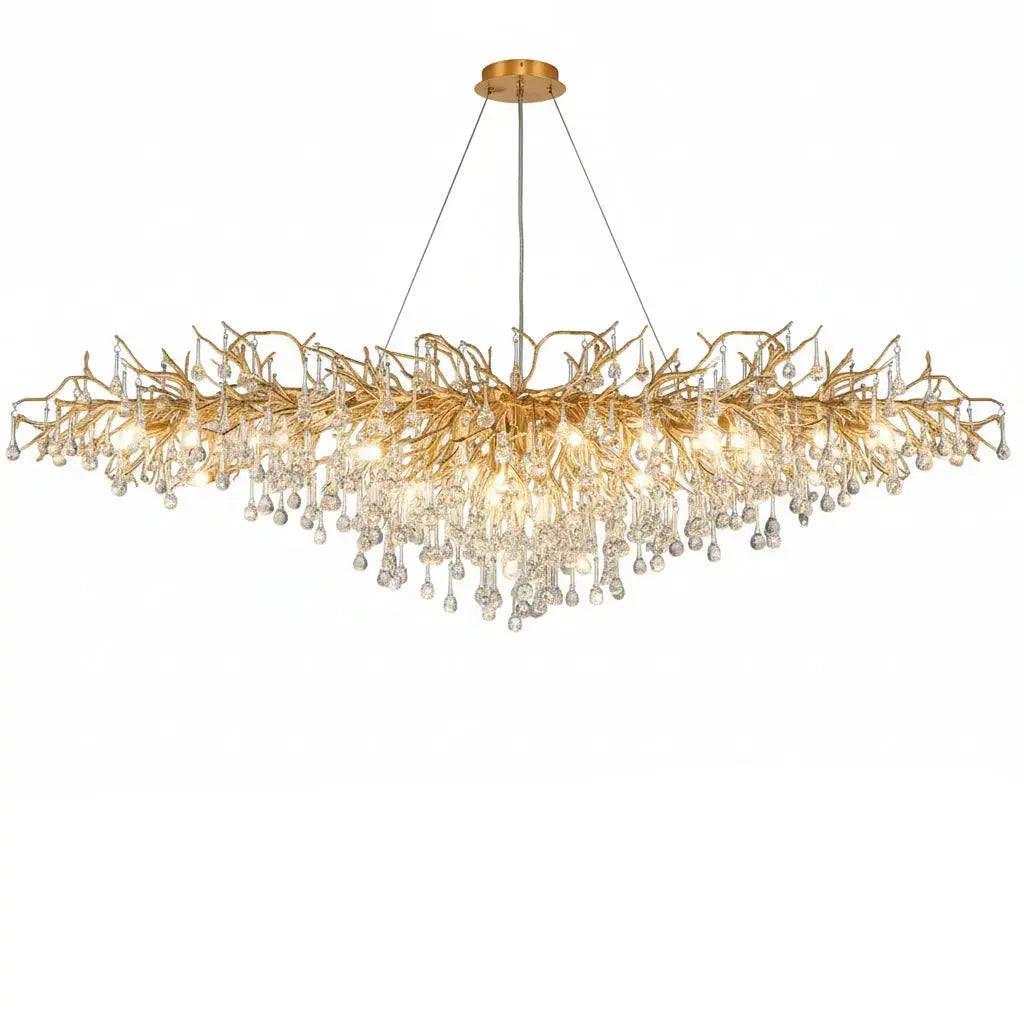
Not all aged brass finishes are alike. Some are deeply bronzed, some have a muted champagne quality, and others show subtle darker markings in recesses and edges. When shopping online, look beyond the name of the finish. Study the product imagery for undertones and consider how the fixture will sit beside existing wood, stone and hardware.
Warm oak, walnut, travertine, cream paint and ivory textiles are natural partners for antique brass. It also creates a compelling contrast with cool materials such as white marble, slate, smoked glass and blue-grey paint. The contrast works because brass brings a human, sunlit note to surfaces that might otherwise feel austere.
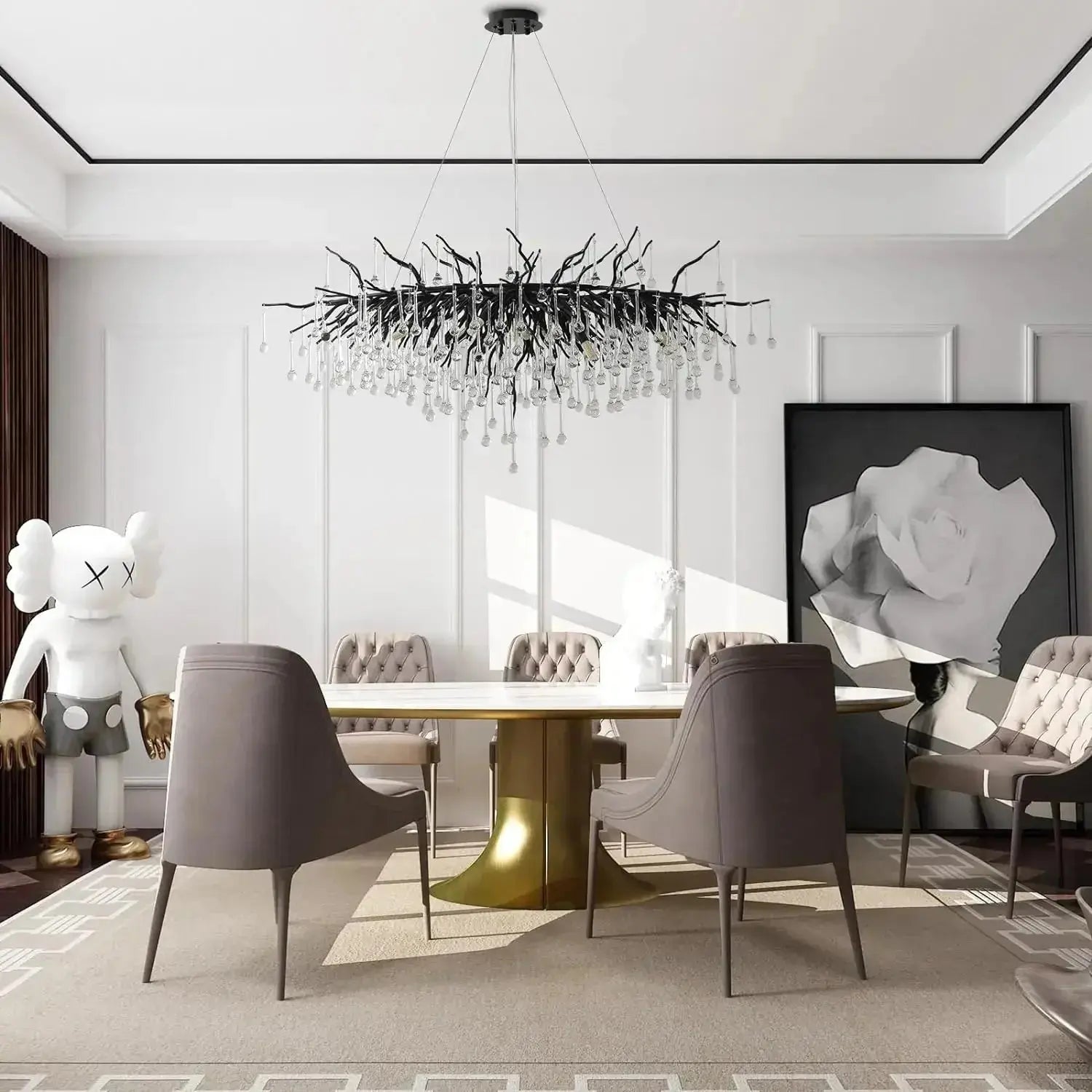
If the room includes multiple metals, aim for deliberate contrast rather than a near-match. Antique brass and matte black are a confident pairing, particularly in kitchens and entrance halls. Antique brass and aged bronze can also work in layered traditional interiors, provided one finish is clearly dominant. What tends to look accidental is mixing several similar gold finishes that are almost, but not quite, the same shade.
Select Shades and Bulbs With Care
The finish sets the visual tone, but the bulb determines how the room feels after dark. Antique brass is at its best with warm white illumination, particularly in dining rooms, lounges and bedrooms. A colour temperature around 2700K usually gives a welcoming glow without making whites appear excessively yellow.
Clear glass shades reveal the bulb, so choose decorative filament-style LEDs where appropriate. Opal glass diffuses light more evenly and reduces glare, making it an elegant choice for everyday kitchen and bathroom-adjacent areas. Fabric or alabaster-inspired shades provide the gentlest effect, although they will reduce brightness and may need support from other light sources.
Dimming is worth considering wherever the fitting is used for more than one purpose. A dining room needs practical brightness for weekday meals but a softer setting for guests. In a bedroom, dimmable wall lights make the transition from reading to rest feel effortless. Check compatibility between the fixture, bulbs and dimmer before installation rather than assuming every LED bulb will perform the same way.
Where Antique Brass Makes the Biggest Impact
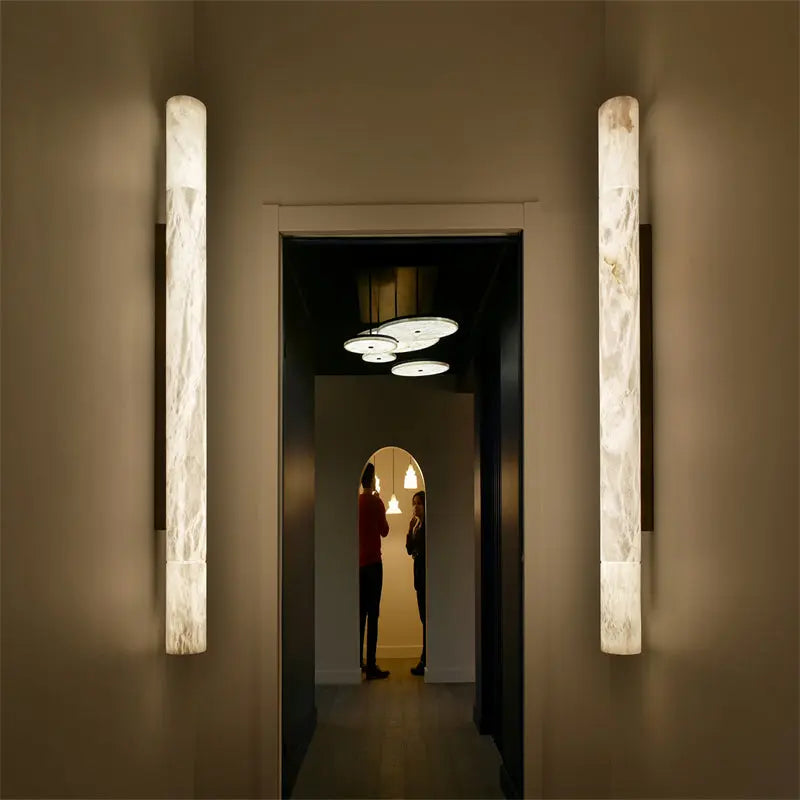
A statement chandelier in a foyer creates an immediate impression, but antique brass does not need a double-height ceiling to feel special. It often has the greatest impact in the rooms where people pause. Above the dining table, it gives meals and celebrations a focal point. In a powder room or small entrance hall, a compact flush mount or wall light can make a modest space feel more finished. Along a hallway, matching sconces bring rhythm and warmth where daylight is limited.
For kitchens, the decision depends on the overall scheme. Antique brass pendants can look exceptional over an island, especially with natural stone worktops or painted cabinetry. Yet this is a hardworking area, so select easy-clean glass shades and ensure the fitting is sized to illuminate food preparation properly. Beauty should not come at the expense of visibility.
Outdoor use requires a separate approach. Choose fittings specifically rated for exterior conditions and place them where their warm finish can be appreciated without exposing them unnecessarily to harsh weather. An antique brass-toned outdoor wall light beside a sheltered front door can make an entrance feel considered, but suitability and durability must lead the decision.
Caring for an Aged Brass Finish
The charm of antique brass is its nuanced surface, so aggressive polishing is usually the wrong choice. Dust with a soft, dry microfibre cloth and use only a lightly damp cloth when needed, drying the fixture afterwards. Avoid abrasive pads, metal polishes and strong household sprays unless the manufacturer explicitly recommends them; these can strip the applied finish or leave uneven bright patches.
Turn power off before cleaning, and take extra care around crystals, glass shades and delicate decorative details. A little regular attention keeps the fixture looking refined without erasing the depth that made antique brass appealing in the first place.
The most memorable rooms rarely rely on one expensive object. They create a conversation between texture, proportion and light. Choose antique brass lighting that feels at home with the materials you already love, then let it cast the kind of glow that makes people want to stay a little longer.