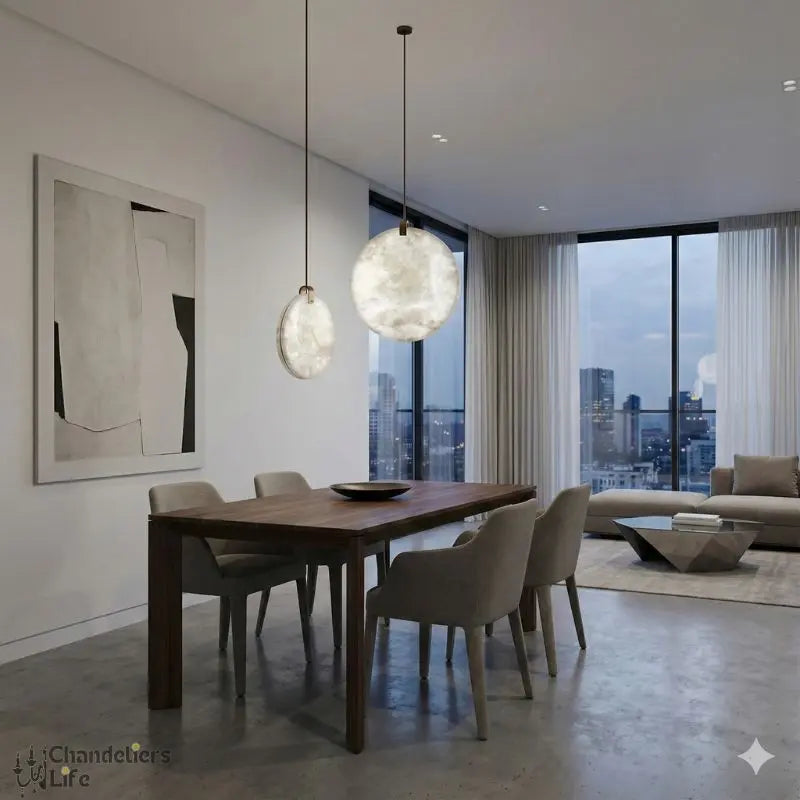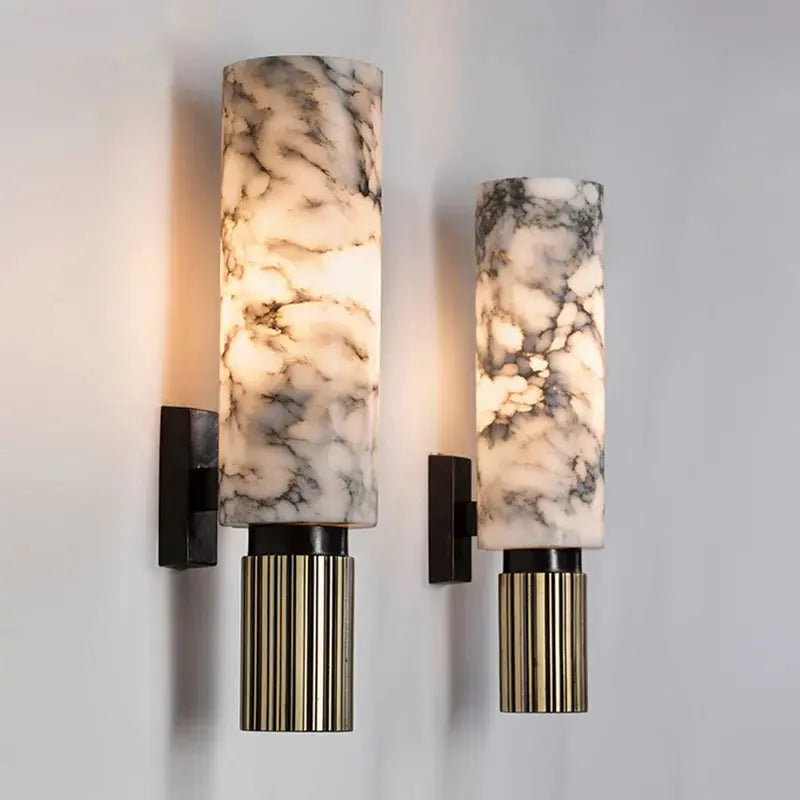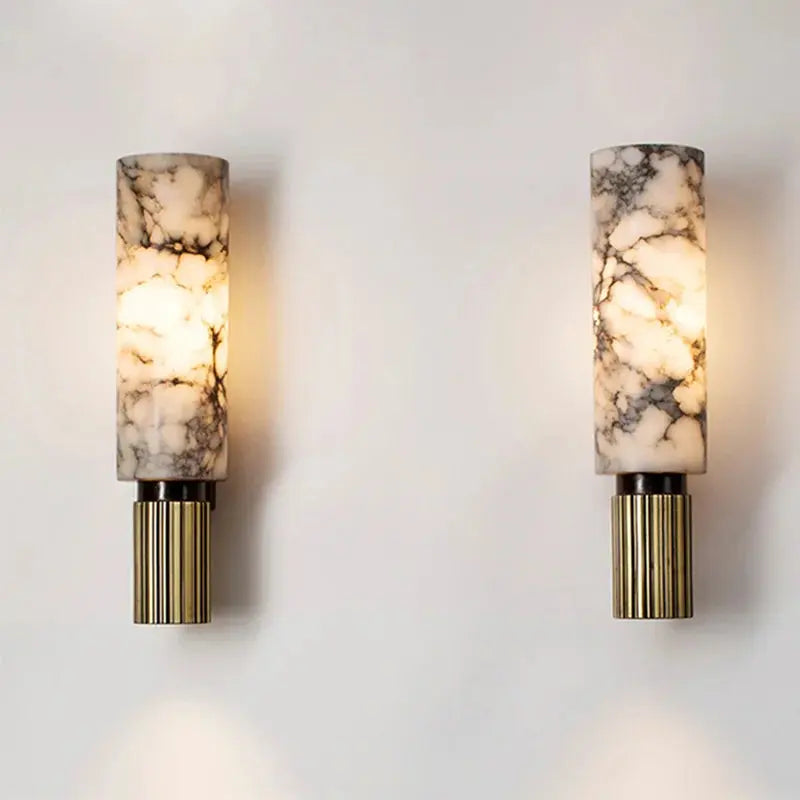

A well-chosen fixture can make a room feel settled before the furniture is even in place. Farmhouse chandelier lighting brings that sense of warmth and permanence to a dining table, vaulted kitchen or welcoming entrance, pairing honest materials with the considered scale of a true statement piece. The most successful designs do not imitate a country house. They translate its character - timber, ironwork, soft light and relaxed hospitality - into an interior that feels polished enough for modern living.
What Defines Farmhouse Chandelier Lighting?
Farmhouse style starts with material and silhouette. Think aged iron, bronze-toned metal, weathered wood, clear glass and linen-look shades. These finishes lend visual depth without demanding a heavily rustic room around them. A simple wagon-wheel chandelier, for example, can sit beautifully above a sleek oak table, while a lantern-style design introduces architectural structure to a hallway or stairwell.
The distinction is in the balance. A fixture that is too distressed can feel themed, especially in a newly renovated home with clean joinery and contemporary finishes. Conversely, a chandelier with an overly glossy finish or intricate crystal drops may pull the scheme towards formal traditional glamour. For a more refined result, choose farmhouse forms with restrained detailing: slim arms, matte or lightly antiqued metal, artisanal glass and a silhouette that has room to breathe.
Farmhouse chandelier lighting is also valued for its generosity. These pieces tend to cast light outward rather than concentrating it into a narrow beam, making them particularly suited to rooms built around gathering. The chandelier should feel like part of the architecture, not a decorative afterthought floating above it.
Choose the Right Scale Before Falling for a Finish
Scale is where many otherwise beautiful lighting choices falter. A chandelier can be exquisite on a product page and still look underwhelming if it is too small for the room, or awkwardly dominant if its proportions are not considered. Start with the room itself, then refine the choice according to the furniture below.
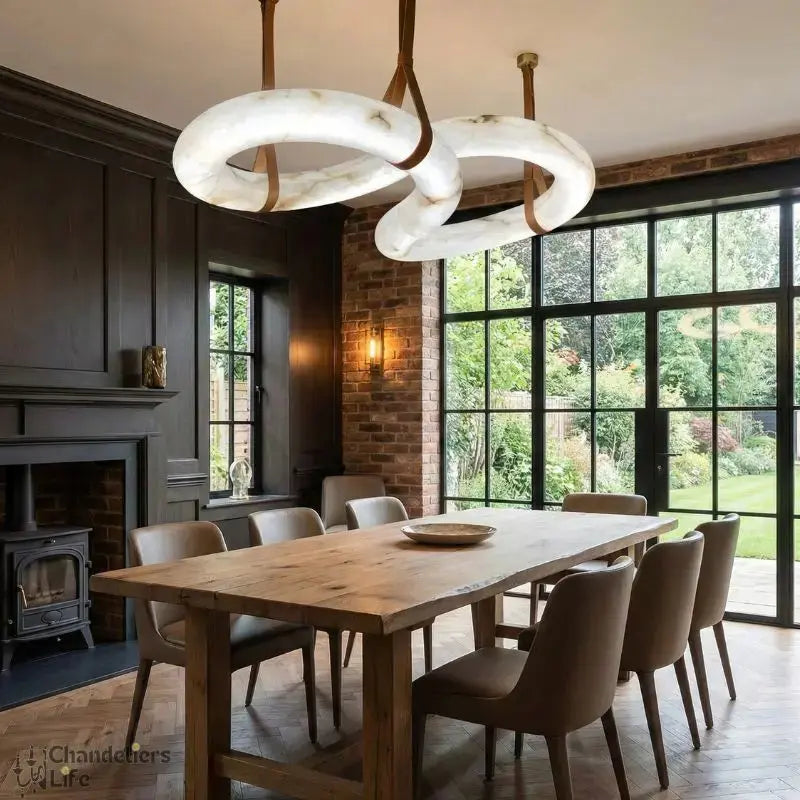
For a dining room, the fixture should generally be narrower than the table, leaving comfortable visual clearance at both ends. Over a rectangular table, an elongated linear chandelier often follows the table’s geometry more naturally than a round fitting. Over a round table, a circular wagon-wheel or compact lantern creates a pleasing focal point without fighting the shape below.
In a kitchen, consider sightlines as carefully as measurements. A pair of smaller chandeliers above a long island can feel more tailored than one oversized piece, particularly where the kitchen includes tall cabinetry or broad glazing. If ceilings are lower, choose an open-frame design. Its airy construction preserves the visual height of the room while still providing presence.
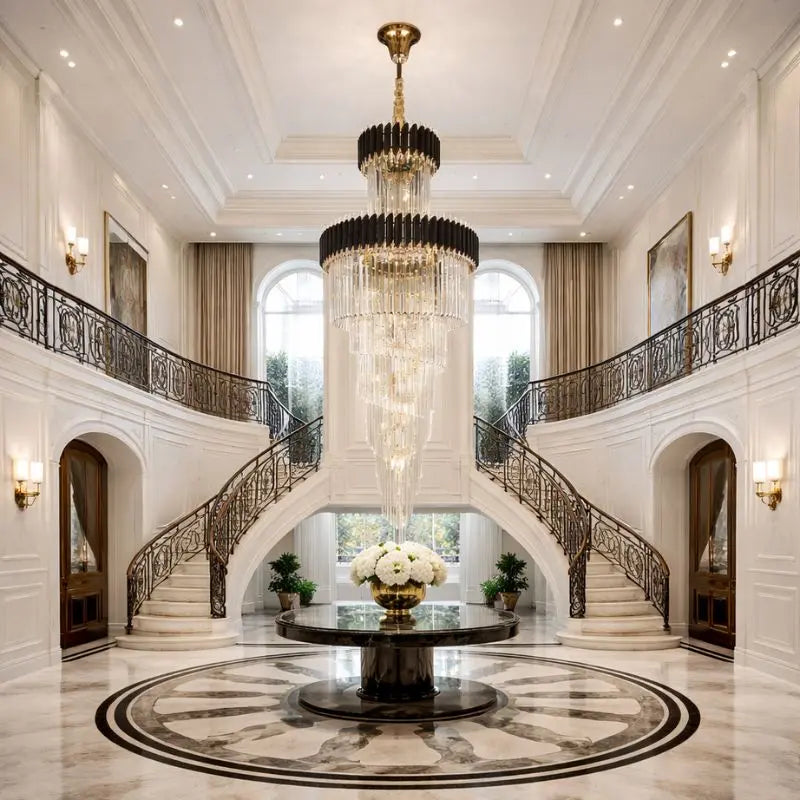
Foyers offer greater freedom for drama, but there is a practical limit. The bottom of the chandelier should not obstruct the doorway or compete with a tall console, artwork or staircase. Where a double-height entrance allows it, a large lantern chandelier creates an immediate sense of arrival. In a more modest hall, a compact semi-flush farmhouse fitting can offer the same warmth without overwhelming the space.
A simple guide to hanging height
Over a dining table or kitchen island, the lowest point of a chandelier commonly sits around 76 to 91 centimetres above the surface. This keeps the light close enough to create atmosphere while allowing clear conversation across the table. Taller ceilings may call for a little more drop, especially when the fixture has a broad, open frame.
In a hallway or living room without furniture beneath it, preserve generous headroom. Adjustable chain or rod suspension is particularly useful in period properties and renovated homes, where ceiling heights can vary considerably from one room to the next.
Match the Chandelier to Your Version of Farmhouse
Farmhouse is not a single look. A light-filled coastal home, a converted barn and a city house with Shaker-inspired cabinetry may all use the style differently. Choosing the right direction ensures the chandelier looks intentional rather than borrowed from another interior.
Modern farmhouse
Modern farmhouse favours clean lines, a limited palette and tactile natural finishes. Choose black, dark bronze or soft aged brass with clear glass shades or exposed candle-style lamps. The fixture should be substantial, but not ornate. This approach is especially effective in kitchens with pale cabinetry, oak flooring and stone worktops, where the chandelier can provide an elegant outline against a calm backdrop.
Rustic farmhouse
For a more textural, relaxed setting, timber and forged-metal details are at home. A wood-and-iron wagon wheel brings depth to a beamed dining room, while a lantern with lightly weathered finishing complements reclaimed furniture and handmade ceramics. Keep the surrounding palette edited. Too many distressed surfaces can make a room feel visually busy rather than inviting.
Elevated farmhouse
An elevated interpretation layers rustic character with more luxurious materials. Consider antique brass framing, softly tinted glass, alabaster accents or refined linen shades. These fixtures work beautifully in formal dining rooms and entrance halls where farmhouse warmth is desired without sacrificing sophistication. A few crystal elements can be effective, but they should complement the silhouette rather than turn the design into a traditional crystal chandelier.
Light Quality Matters as Much as Style
The chandelier is often the visual centrepiece, but it should not be expected to solve every lighting need alone. Candle-style bulbs and exposed lamps create a beautiful ambient glow, yet they may not provide enough illumination for food preparation, reading or detailed tasks. Layer the room with discreet downlights, wall lights, table lamps or under-cabinet lighting so the chandelier can deliver atmosphere without compromise.
Bulb temperature makes a notable difference. Warm white light usually flatters timber, natural stone and warm metal finishes, giving farmhouse interiors their characteristic ease. Very cool light can make aged finishes appear flat or grey. Dimmable bulbs are worth considering for dining rooms and living areas, where the ideal level of light changes from morning coffee to evening entertaining.
Glass-shaded chandeliers typically offer brighter, more open illumination, while linen shades soften the effect and help to reduce glare. Open-frame fixtures are wonderfully versatile, but their bulbs remain fully visible, so choose decorative filament bulbs with care. The right bulb is not a minor detail here - it is part of the fixture’s finished appearance.
Create Contrast Without Losing Cohesion
A farmhouse chandelier does not require a room full of rustic furniture. In fact, contrast is often what gives the look its confidence. A black metal chandelier above a pale marble-topped table feels crisp and contemporary. A warm brass lantern in a hallway with painted panelling can add a layer of quiet luxury. Even in a more minimalist setting, a fixture with a handcrafted quality keeps the room from feeling cold.
Repeat one or two details elsewhere to make the choice feel grounded. That might mean echoing the chandelier’s dark metal in cabinet handles, picture frames or wall lights. If the fixture includes warm brass, a mirror frame or occasional table lamp can carry the same note through the space. There is no need to match every finish precisely; a measured mix feels more collected and more personal.
Be equally mindful of what sits below the light. Farmhouse chandeliers naturally suit solid wood tables, upholstered dining chairs and woven textures, but they can also sharpen the look of contemporary furniture. The goal is a room with enough texture to feel welcoming and enough restraint to let the lighting take its place as the focal point.
Details That Keep the Look Timeless
The best farmhouse chandelier is one you will still admire after the room evolves. Prioritise proportion, quality of finish and a form that suits the architecture rather than chasing a heavily stylised trend. Open lanterns, graceful candle arms and simple circular frames have lasting appeal because their shapes are familiar, useful and easy to reinterpret.
Before making a final choice, view the fixture from each key approach to the room: the doorway, the dining chair, the sofa and, where relevant, the kitchen work zone. A chandelier is experienced in movement, not just from one perfectly staged angle. Consider whether it will frame the view, soften the ceiling line and give the room a reason to pause.
At ChandeliersLife, farmhouse-inspired designs can be chosen with the same attention given to a more formal foyer piece or luxury dining-room centrepiece. Look for the design that complements your home’s materials, supports the way you gather, and gives everyday moments a more considered glow.