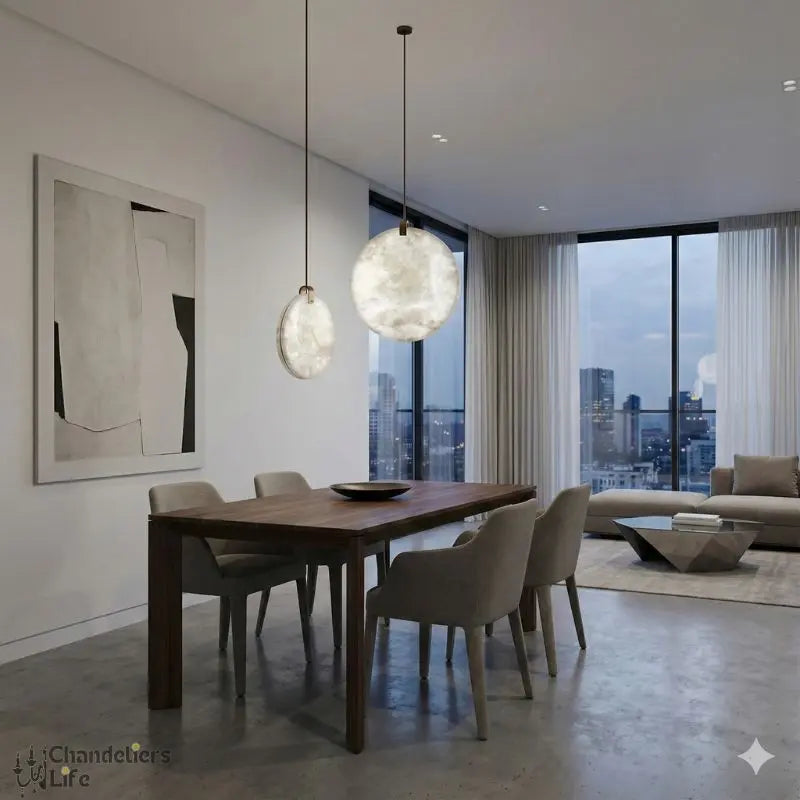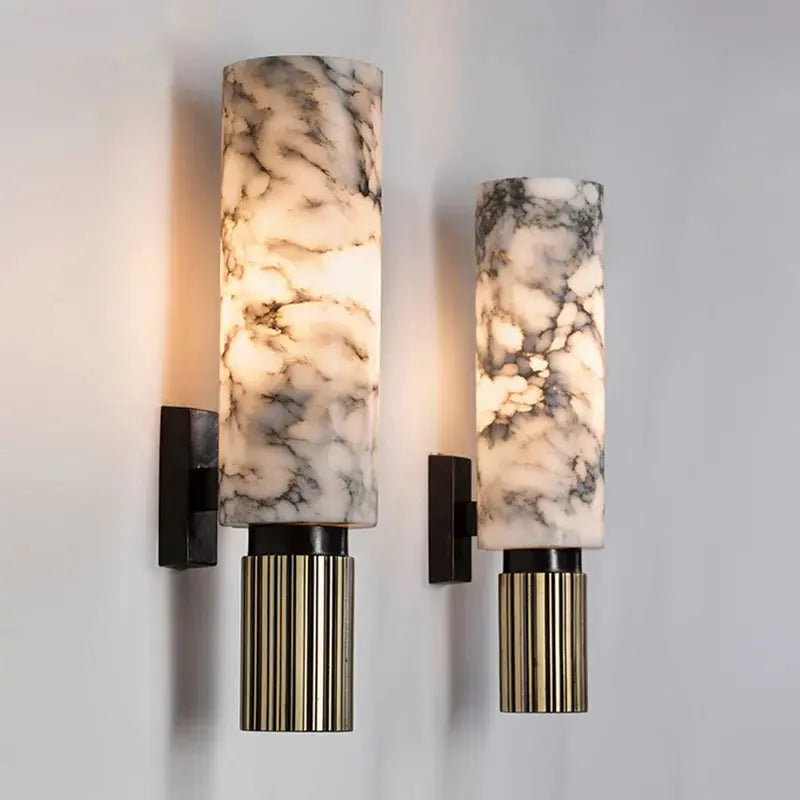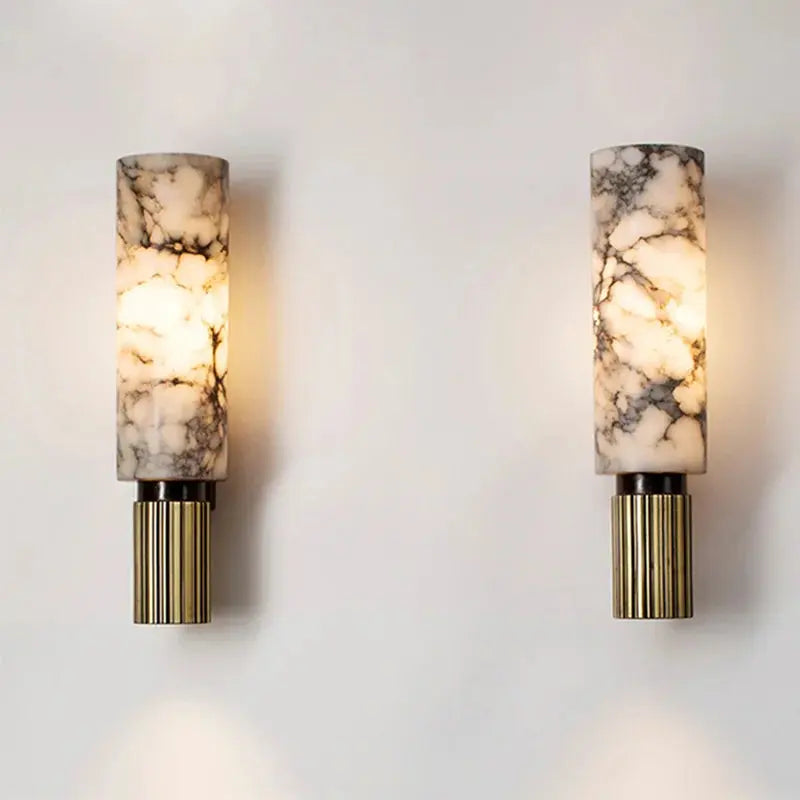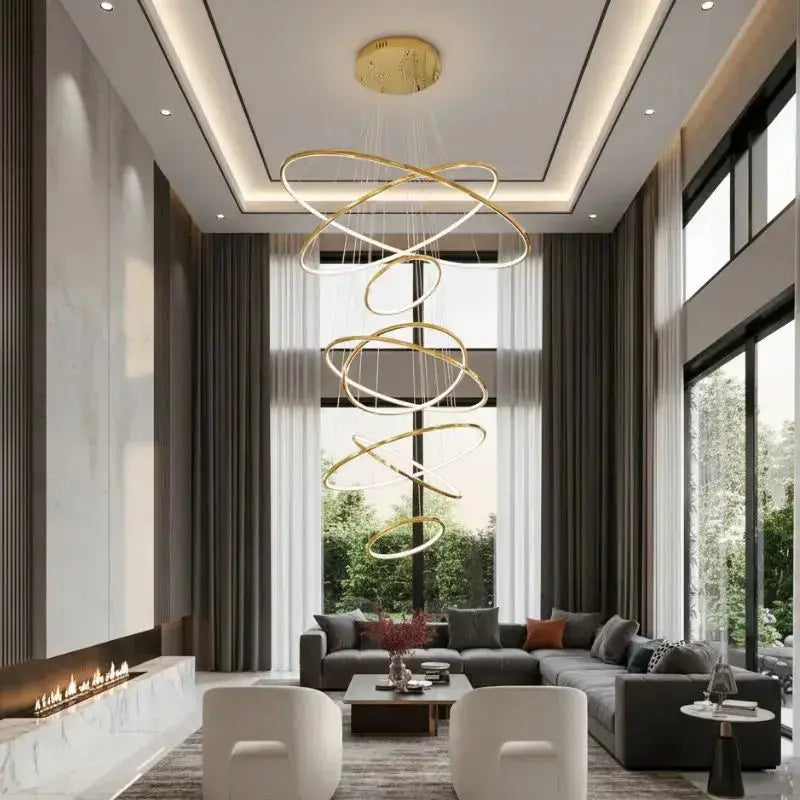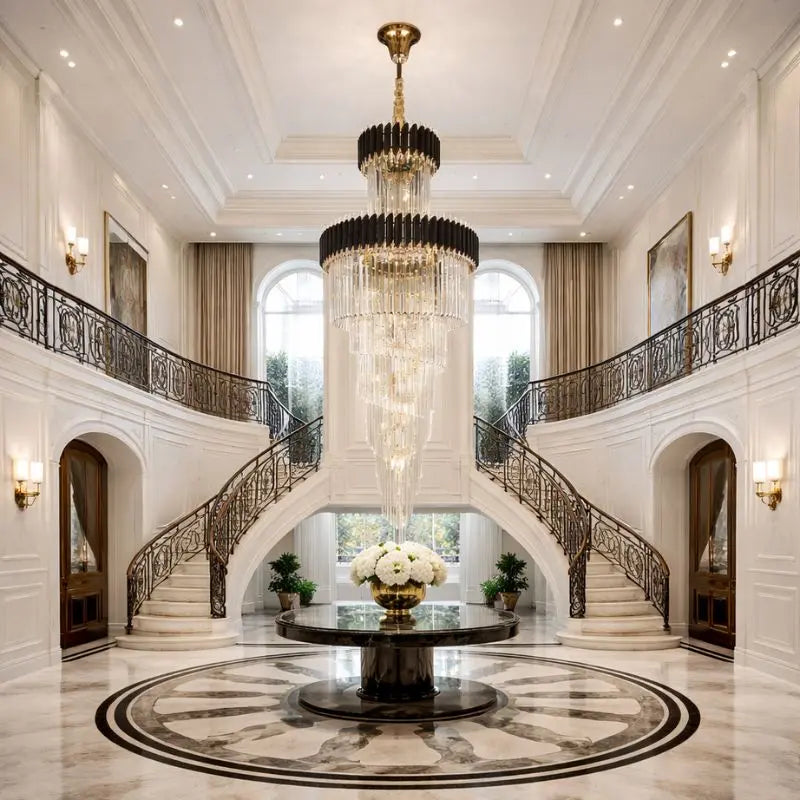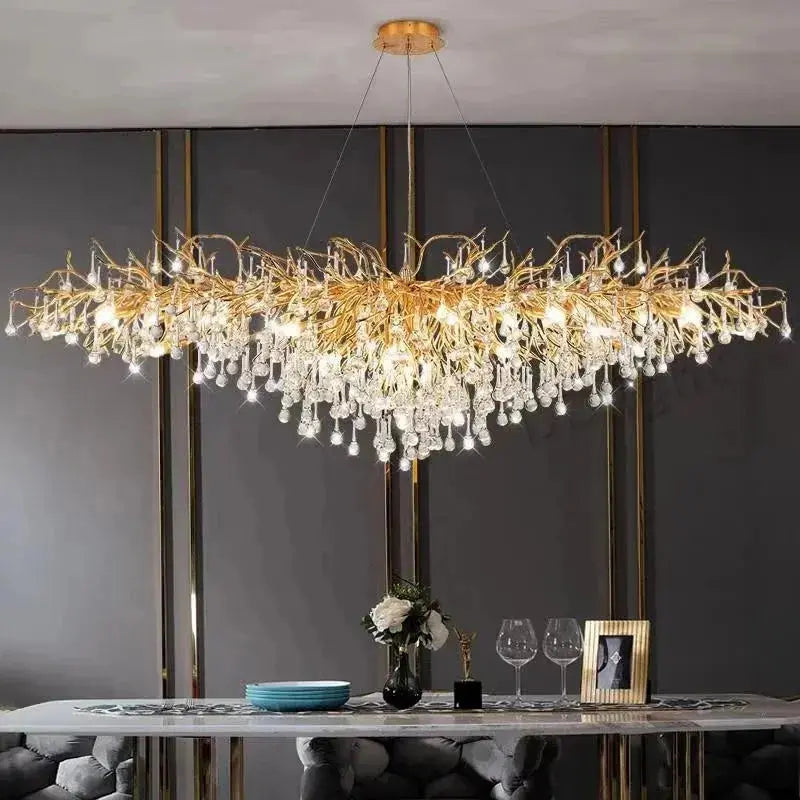

Picking out the right look for your place can feel like a puzzle, right? There are so many different ways to decorate your home, and sometimes they all start to blend together. This guide is here to help sort it all out. We'll look at some popular decor styles for homes, from the old-school classics to the super modern ones, and even how to mix and match to make something totally you. It’s all about making your space feel right.
Key Takeaways
- Understanding the basic characteristics of different decor styles is the first step to choosing one for your home.
- Classic styles like Traditional and Art Deco offer timeless elegance, while Scandinavian design focuses on simplicity and function.
- Modern and Contemporary styles feature clean lines and updated aesthetics, with Industrial adding a raw, urban feel.
- Eclectic styles, including Bohemian and Farmhouse, allow for more personal expression and a relaxed vibe.
- Mixing decor styles can create a unique and personalized space, but it requires careful attention to color, materials, and furniture to maintain harmony.
Understanding Core Decor Styles Home
What Defines An Interior Design Style?
So, what exactly makes an interior design style, well, a style? It's more than just picking out some furniture and a paint color. Think of it as a distinct visual language for a space. It's the framework that guides how we arrange things, the colors we pick, the materials we use, and ultimately, how the whole room feels. Each style has its own set of characteristics, like a signature look. Whether you lean towards clean, simple lines or something more ornate and layered, understanding these styles helps you create a space that feels like you. It's about making choices that match your personality and how you want your home to function. It's not just about trends; it's about creating an atmosphere.
The Nuances Between Popular Decor Styles
It can get a little confusing, right? You see a room that looks modern, but then someone calls it contemporary. Or maybe it's minimalist, but it also feels a bit Scandinavian. The truth is, many styles share common ground, and the lines can blur. For instance, contemporary design is always changing, reflecting what's popular now, while modern design often refers to a specific period and its principles. Scandinavian design is known for its simplicity and functionality, often using light woods and a neutral palette. Minimalism, on the other hand, takes simplicity to its extreme, focusing on essential elements and decluttering. It's helpful to know these differences when you're trying to pinpoint what you like.
Here's a quick look at how some styles differ:
| Style | Key Characteristics | Common Materials |
|---|---|---|
| Modern | Clean lines, geometric shapes, minimal ornamentation | Metal, glass, wood |
| Contemporary | Reflects current trends, fluid, often mixes styles | Varies, often sleek |
| Scandinavian | Simplicity, functionality, natural light, light woods | Light wood, textiles |
| Bohemian (Boho) | Free-spirited, layered textiles, vintage finds | Natural fibers, patterns |
| Industrial | Raw materials, exposed elements, utilitarian feel | Brick, metal, concrete |
Identifying Your Personal Decor Style
Figuring out your own style is kind of like figuring out your favorite kind of music or food – it's personal! Start by looking at spaces you admire, whether it's in magazines, online, or even a friend's house. What draws you in? Is it the cozy feel of a farmhouse, the sleekness of modern design, or the vibrant energy of an eclectic mix? Don't be afraid to mix and match elements from different styles. Most people don't fit neatly into just one box.
Consider these questions:
- What colors make you feel happy and relaxed?
- Do you prefer a tidy, organized space or a more lived-in, relaxed vibe?
- What kind of textures do you enjoy – smooth and cool, or soft and warm?
- What's your budget and how much time are you willing to spend on decorating?
Sometimes, the best way to find your style is to experiment. Don't worry too much about labels. Focus on creating a home that feels comfortable and reflects who you are. It's your space, after all.
As you explore different design trends, remember that many modern building designs in 2026 are focusing on sustainability and smart integration, which can influence the materials and overall feel of a home [a52e].
Exploring Classic Decor Styles Home
Sometimes, looking back is the best way to move forward, especially when it comes to decorating your home. Classic styles have stood the test of time for a reason – they offer a sense of comfort, elegance, and familiarity that many people find appealing. These aren't just old-fashioned looks; they're foundations upon which many modern trends are built. Let's take a peek at a few of these enduring design approaches.
The Timeless Appeal Of Traditional Design
Traditional design is like a warm hug from history. It pulls inspiration from various European styles, mostly from the 18th and 19th centuries. Think symmetry, rich colors, and furniture that looks like it has a story to tell. You'll often see dark, polished woods, intricate carvings, and fabrics like velvet and silk, often featuring floral or striped patterns. It’s all about creating a balanced, elegant, and cozy atmosphere.
- Symmetry is key: Furniture is often arranged in a balanced, mirror-image way.
- Rich color palettes: Deep reds, greens, blues, and browns are common.
- Ornate details: Look for carved wood, decorative moldings, and detailed hardware.
- Layered textiles: Plenty of patterned rugs, curtains, and throw pillows add depth.
This style isn't about being stuffy; it's about appreciating craftsmanship and creating a space that feels both grand and welcoming. It’s a style that values quality and a sense of permanence.
Embracing The Glamour Of Art Deco
If you're drawn to a bit of sparkle and drama, Art Deco might be your jam. This style really took off in the 1920s and 1930s, and it's all about luxury and glamour. We're talking bold geometric shapes, strong lines, and a mix of rich colors with metallic accents. Think of the iconic Chrysler Building or a dazzling sunburst mirror – that's Art Deco in action. It’s a style that isn't afraid to be a little extra, making a statement with its distinctive patterns and luxurious materials.
- Geometric patterns: Zigzags, chevrons, and sunburst motifs are popular.
- Luxurious materials: High-gloss finishes, lacquer, chrome, glass, and exotic woods.
- Bold color combinations: Black and gold, deep blues with silver, or vibrant jewel tones.
- Glamorous accents: Mirrors, statement lighting, and plush upholstery.
The Serene Simplicity Of Scandinavian Design
On the other end of the spectrum, we have Scandinavian design, which champions simplicity, functionality, and a connection to nature. Originating from Nordic countries, this style is all about creating bright, airy spaces with a clean, uncluttered feel. Light wood tones, a neutral color palette (often with pops of soft color), and practical, well-made furniture are hallmarks of this look. It’s about creating a calm and comfortable environment that feels both modern and timeless.
- Minimalist approach: Focus on clean lines and uncluttered surfaces.
- Neutral color schemes: Whites, grays, and soft pastels dominate.
- Natural materials: Light woods like birch and pine, wool, and linen.
- Functionality first: Furniture is practical and serves a purpose.
Scandinavian design proves that less can truly be more, creating spaces that are both beautiful and incredibly livable. It’s a style that prioritizes well-being and a sense of calm.
Discovering Modern Decor Styles Home
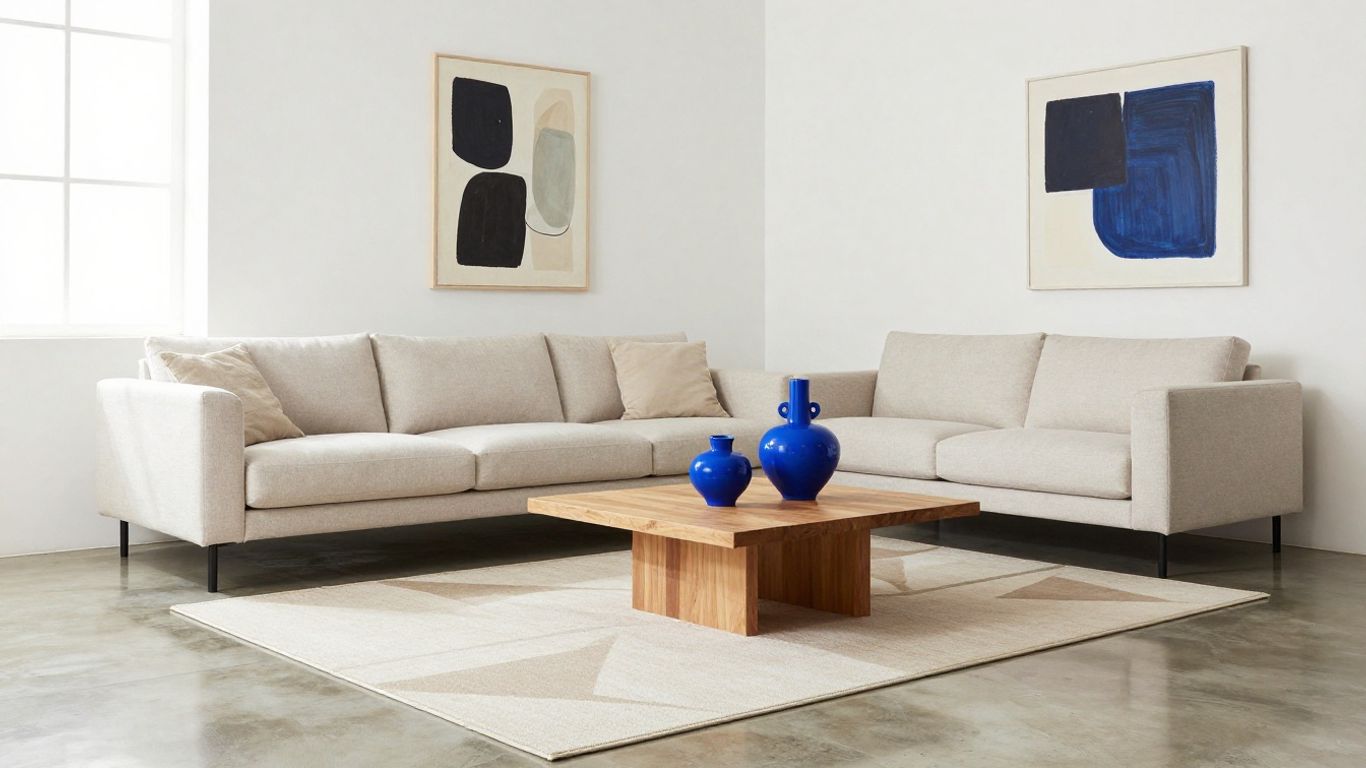
Modern decor is everywhere right now—open up any magazine or scroll through social media, and you’ll see those sharp lines, bright rooms, and neat spaces popping out at you. This section breaks down today’s most popular modern styles, not just as a trend, but as an approach that’s really about making life easier, lighter, and more manageable at home.
The Clean Lines Of Modernism
Modernism came out of the early 1900s, inspired by new materials and a need for homes that just worked. Rooms often focus on open layouts, simple furnishings, and clear, straight lines, while still feeling warm and inviting. Think windows that bring in sunlight, hardly any clutter, and a lot of glass or steel alongside natural wood. There’s a reason people keep coming back to this style: it feels both calm and practical at the same time.
- Stick to neutral shades—white, black, beige, and gray are perfect.
- Add smart storage so things stay tidy and surfaces are empty.
- Use lighting to highlight a couple of statement pieces, not every corner of the room.
- Bring a touch of nature inside, like a leafy plant or a wood accent.
Want to get a better sense of how modernism fits together? Explore more about the modern design aesthetic and its foundations.
The Evolving Nature Of Contemporary Design
Contemporary style is always changing—it basically means whatever is popular right now, but it’s often confused with modernism. While modern is rooted in mid-century shapes and ideas, contemporary draws from all kinds of sources to create something fresh. If you enjoy keeping up with the latest colors or using unexpected materials, this one’s for you.
- Look for dynamic contrasts: smooth paired with rough, light against dark.
- Metals, glass, and bold fabrics can make a room stand out in small doses.
- Mix seasonal trends—maybe a curved sofa this year, something minimalist next year.
If modernism is about following a blueprint, contemporary invites you to break some rules and show off your personality at home.
The Industrial Aesthetic
Industrial decor came out of the transformation of old factories and warehouses into homes. You get open layouts, exposed pipes or beams, and a focus on tough, honest materials like concrete and brick. This style works especially well in lofts, city apartments, or anywhere you want that "unfinished” look—though with the right touches, it fits suburban houses, too.
Key Features of Industrial Decor:
- Uncovered ceilings and visible ductwork
- Furniture with simple silhouettes made from metal or worn leather
- Darker color palettes—grays, blacks, rusty reds
- Accent pieces like vintage light fixtures or reclaimed ladders
| Feature | Typical Material | Common Color |
|---|---|---|
| Flooring | Concrete/Wood | Gray/Brown |
| Lighting Fixtures | Steel/Metal | Black/Silver |
| Accent Walls | Brick | Red/Brown |
Modern decor styles can make your home feel bigger, brighter, and a lot more organized, whether you like the clarity of modernism, the reinvention of contemporary, or the honest vibe of industrial design.
Embracing Eclectic Decor Styles Home
Sometimes, you just can't pick one style, right? That's where eclectic design comes in. It's all about mixing and matching, creating a space that feels uniquely you. Think of it as a curated collection of your favorite things, brought together in a way that just works. It’s not about throwing random stuff together; it’s a thoughtful blend that tells your story.
The Free-Spirited Charm Of Bohemian Decor
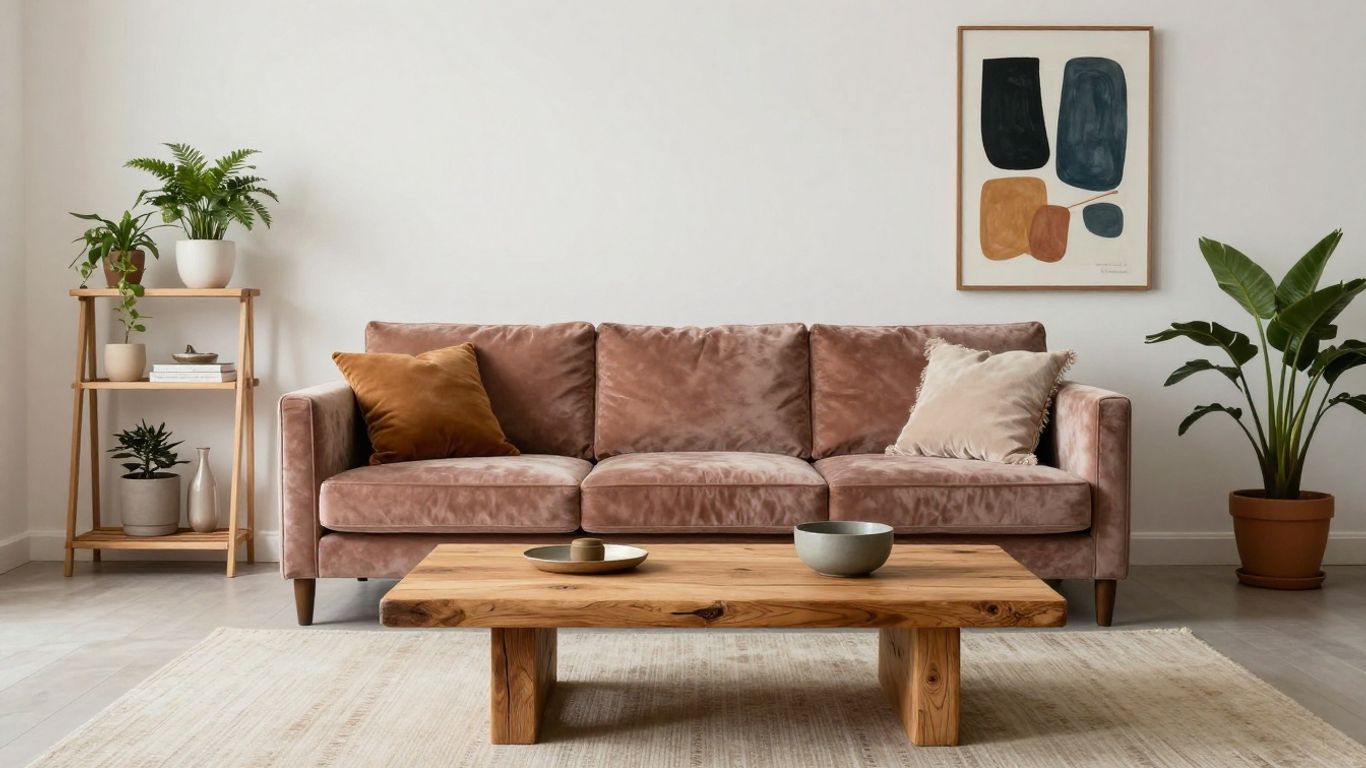
Bohemian, or 'boho' as it's often called, is all about a relaxed, unconventional vibe. It’s a style that embraces individuality and a love for travel and art. You'll often see a mix of patterns, textures, and colors – think layered rugs, macrame wall hangings, and plenty of plants. It’s a style that feels lived-in and personal, often incorporating vintage finds and handmade items. The key is to layer and not be afraid of a little (or a lot) of color and pattern.
A few hallmarks of Bohemian style:
- Rich Colors: Jewel tones, earthy hues, and vibrant pops are common.
- Natural Materials: Rattan, wood, jute, and cotton are frequently used.
- Global Influences: Items collected from travels or inspired by different cultures.
- Layering: Think rugs on rugs, throw pillows galore, and draped fabrics.
The Artful Blend Of Eclectic Design
Eclectic design takes the freedom of boho and applies it more broadly across different styles. It’s about creating harmony from diverse elements. You might pair a sleek, modern sofa with a vintage Persian rug and some antique accent chairs. The trick is to find common threads – perhaps a shared color palette, a similar material, or a recurring shape – to tie everything together. It’s a style that requires a good eye and a willingness to experiment. Don't be afraid to mix old with new, or high-end with budget-friendly finds. The goal is a space that feels collected over time, not staged.
The beauty of eclectic design lies in its ability to break free from rigid rules. It allows for personal expression and the incorporation of pieces that hold sentimental value, regardless of their original style category. It’s about creating a cohesive narrative through your chosen objects.
The Cozy Comfort Of Farmhouse Style
Farmhouse style, whether modern or traditional, brings a sense of warmth and comfort. It often features natural materials like wood and stone, a neutral color palette with pops of color, and comfortable, practical furniture. Think shiplap walls, vintage-inspired accents, and cozy textiles. It’s a style that feels welcoming and unpretentious, perfect for creating a relaxed family home. While it can lean towards rustic, modern farmhouse incorporates cleaner lines and updated finishes for a more polished look. You can find great modern design inspiration that can be subtly incorporated into a farmhouse aesthetic.
Key elements to consider for Farmhouse style:
- Materials: Wood (often reclaimed), metal (like black iron or galvanized steel), stone.
- Colors: Whites, creams, grays, with accents of black, muted blues, or greens.
- Furniture: Comfortable, sturdy pieces, often with a slightly distressed or vintage feel.
- Decor: Vintage signs, mason jars, woven baskets, and natural greenery.
Blending Decor Styles Home For A Unique Look
So, you've explored all the different styles, from the clean lines of Modern to the cozy vibe of Farmhouse. Now what? The really fun part is mixing and matching to create a space that's totally you. It might sound tricky, but it's all about finding a balance that feels right.
Harmonizing Contrasting Elements
Think of it like putting together a great outfit. You don't just wear all one color, right? You mix and match to make it interesting. The same goes for your home. You can totally combine, say, a sleek, modern sofa with a vintage rug or some quirky, handmade pillows. The trick is to pick a few key elements from each style and make sure they play nicely together. The goal is to create a look that feels intentional, not accidental.
Here’s a quick way to think about it:
- Color Palette: Stick to a consistent color scheme across your different style elements. This acts like a glue, holding everything together.
- Material & Texture: Mix different materials, but try to keep the overall feel consistent. For example, if you have a lot of wood from a farmhouse style, maybe add some metal accents from an industrial look.
- Scale & Proportion: Make sure your furniture pieces are sized appropriately for the room and for each other. A giant, ornate chair might look out of place next to a minimalist coffee table if the scale is way off.
Creating a Cohesive Atmosphere
When you're blending styles, the atmosphere you create is super important. You want your home to feel welcoming and put-together, even with different influences at play. It’s about making sure the space flows well from one area to another.
A common pitfall is throwing too many different things together without a unifying thread. This can make a room feel chaotic rather than curated. Think about the overall mood you want – is it calm and relaxing, or energetic and vibrant? Let that guide your choices.
Personalizing Your Space Through Style Fusion
This is where your home really starts to tell your story. Blending styles allows you to incorporate pieces you love, regardless of whether they fit neatly into one category. Maybe you inherited a beautiful antique dresser but love the look of modern living room ideas. You can absolutely make that work! It’s about creating a space that reflects your journey and your tastes. Don't be afraid to experiment; your home is your canvas.
Key Elements In Decor Styles Home
So, you've got a handle on the different decor styles, but how do you actually use them? It all comes down to a few core elements that designers play with. Think of these as your building blocks for creating any look, whether it's super modern or totally bohemian.
Color Palettes And Their Impact
Color is a big one, obviously. It sets the mood for a whole room. A bright, bold palette might feel energetic, while muted tones can be really calming. It's not just about picking your favorite colors; it's about how they work together. Some styles stick to a tight color scheme, like Scandinavian design's love for whites and light woods. Others, like Art Deco, aren't afraid of rich jewel tones or strong contrasts. The right color combination can make a space feel bigger, cozier, or more sophisticated.
Here's a quick look at how colors can influence a space:
| Color Type | Feeling Evoked | Common In Styles |
|---|---|---|
| Neutrals (White, Beige, Gray) | Calm, Spacious, Clean | Scandinavian, Minimalism |
| Earth Tones (Brown, Green, Terracotta) | Grounded, Natural, Warm | Farmhouse, Bohemian |
| Jewel Tones (Emerald, Sapphire, Ruby) | Luxurious, Rich, Dramatic | Art Deco, Traditional |
| Pastels (Blush Pink, Mint Green) | Soft, Gentle, Airy | Shabby Chic, Coastal |
Material Choices And Textures
What things are made of matters a lot. Are we talking smooth, polished wood, or rough, reclaimed barn wood? Shiny metal or matte concrete? These material choices really define a style. Industrial design, for instance, loves raw materials like brick, metal, and concrete. Traditional styles might lean towards dark, polished woods and rich fabrics like velvet. Mixing textures is also key. Think about combining a chunky knit throw with a sleek leather sofa, or a rough linen curtain with a smooth silk pillow. It adds depth and makes a space feel more lived-in and interesting.
- Wood: From light, airy pine in Scandinavian design to dark, ornate mahogany in traditional settings.
- Metal: Polished brass and chrome for Art Deco, or raw iron and steel for Industrial.
- Fabric: Soft velvets, natural linens, cozy wools, and even faux furs all bring different feelings.
- Stone/Concrete: Used for countertops, floors, or accent walls, especially in modern and industrial looks.
Don't underestimate the power of texture. It's what makes a room feel tactile and inviting, not just visually appealing. A room with only smooth surfaces can feel a bit sterile, while too many rough textures might feel overwhelming. Finding that balance is where the magic happens.
Furniture Selection And Arrangement
Finally, the furniture itself and how you place it is a huge part of any decor style. Modernism is all about clean lines and functional pieces, often with a low profile. Traditional furniture tends to be more ornate, with curves and detailed carvings. Bohemian style embraces comfortable, often mismatched pieces that look collected over time. How you arrange these pieces also makes a difference. Do you want a formal, symmetrical layout, or something more relaxed and conversational? The scale and proportion of your furniture to the room are also important. You don't want a giant sectional crammed into a tiny living room, or a collection of tiny chairs lost in a vast space. Thinking about how you'll actually use the space will guide your furniture choices and arrangement, helping you achieve that modern design aesthetic you're going for. It’s about making sure the furniture not only looks good but also works for your everyday life.
Finding Your Style
So, there you have it. We've looked at a bunch of different ways to decorate your home, from super fancy to really laid-back. It can feel like a lot, trying to figure out what you like best. But really, it's all about what makes you feel good in your own space. Don't be afraid to mix and match things you love, or even just stick with one style that really speaks to you. Your home should be a place that feels like yours, no matter what the trends say. Happy decorating!
Frequently Asked Questions
How do I figure out which decor style suits me best?
Start by looking at rooms, furniture, and decorations you like. Make a mood board or collect pictures online. Over time, you'll notice patterns in what you choose, like certain colors or furniture shapes. This will help you see which style matches your taste the most.
Is it okay to mix different decor styles in one room?
Yes, mixing styles is a great way to make your space unique. Just try to keep some things, like colors or textures, similar so everything feels connected. For example, you can use modern furniture with cozy farmhouse fabrics for a balanced look.
What is the difference between modern and contemporary design?
Modern design uses clean lines and simple shapes, often with neutral colors. It started in the early 1900s. Contemporary design means what’s popular right now, so it can change over time. It often uses new materials and bold ideas.
How can I make my home feel comfortable and stylish at the same time?
Pick furniture that looks good but is also nice to use. Add soft things like pillows and rugs. Choose colors you like and don't be afraid to add a few personal items, like family photos or art, to make it feel like home.
What are some easy ways to update my decor without spending a lot of money?
You can switch out small things like pillows, blankets, or lamps. Rearranging your furniture or painting a wall a new color can also make a big difference. Adding plants or new art is another cheap way to refresh your space.
Why is it important to pick a color palette for my room?
A color palette helps your room look put together and calm. When the colors match or go well together, the space feels more planned and less messy. It also makes it easier to choose new things for your room in the future.