Choosing the right lighting is essential not only for enhancing a home’s ambiance but also for managing energy consumption effectively. As households across the United Kingdom seek sustainable solutions, energy efficient lighting is becoming a primary consideration for both new builds and renovations. Understanding various lighting options, their performance, and how they impact energy use helps create comfortable, cost-effective living spaces with a reduced environmental footprint.
Understanding Energy Efficient Lighting
Energy efficient lighting refers to lighting solutions designed to emit the desired brightness while consuming less electricity than traditional bulbs. Older incandescent and halogen light bulbs generate excessive heat and consume high power, contributing to wasted energy in homes. In contrast, modern technologies such as light emitting diodes (LEDs) offer improved energy efficiency with lower power consumption and longer lifespans. Beyond cost savings on electricity bills, energy-efficient lighting reduces carbon emissions and supports wider environmental goals, making adoption a smart and responsible choice.
Types of Energy Efficient Light Bulbs
Three key types dominate the energy efficient lighting market: LED bulbs, compact fluorescent lamps (CFLs), and halogen bulbs. LEDs lead the pack in energy efficiency, using up to 80% less energy than incandescent counterparts and delivering brightness levels that rival or surpass them. Their lifespan often exceeds 25,000 hours, which significantly lowers replacement frequency. CFLs, while more efficient than halogen and incandescent bulbs, contain small amounts of mercury and typically last around 8,000 hours. Halogen bulbs, often branded as eco-friendly alternatives to incandescent bulbs, consume less power but still fall short of LED efficiency and lifespan.
| Light Bulb Type | Typical Brightness (Lumens) | Power Consumption (Watts) | Lifespan (Hours) |
|---|---|---|---|
| Incandescent | 450 | 40 | 1,000 |
| Halogen | 500 | 40 | 2,000 |
| CFL | 470 | 12 | 8,000 |
| LED | 470–800 | 6–10 | 25,000+ |
Incandescent bulbs are increasingly phased out across the UK due to high energy use and short life, making LED bulbs the go-to choice for most households.
Choosing the Right Brightness and Colour Temperature
Brightness is best measured in lumens rather than watts, which only indicate power consumption. For instance, a 60-watt incandescent bulb produces about 800 lumens but consumes far more energy compared to an LED bulb delivering the same lumens with only 9 watts of power consumption. Selecting appropriate lumen levels depends on room size and tasks; for example, kitchens need brighter light for household tasks, whereas living rooms may benefit from softer lighting.
Colour temperature, expressed in Kelvin (K), influences the mood and suitability of a space. Warm white (2700K–3000K) creates a cosy, inviting atmosphere ideal for lounges and bedrooms. Cool white (3500K–4100K) offers a neutral tone often preferred for workspaces. Daylight (5000K–6500K) mimics natural sunlight, promoting alertness, making it suitable for offices or detailed activities.
Understanding Colour Rendering Index (CRI) and Its Importance
Colour Rendering Index (CRI) rates how accurately a light source reveals colours compared to natural light. A CRI score above 80 is recommended for homes to ensure objects and fabrics appear vivid and natural. High CRI lighting benefits settings where colour accuracy matters, such as art displays or makeup application. Consumers should check packaging or product specifications for CRI values to match lighting quality with their needs.
Types of Energy-Efficient Lighting Fixtures
LED Bulbs and Retrofit Options
LED bulbs are the simplest way to upgrade existing light fittings, as they fit most standard sockets with sizes compatible with popular light fittings across UK homes. Unlike halogen light bulbs, LEDs achieve instant full brightness without warm-up time while consuming significantly less energy. This straightforward retrofit reduces energy bills immediately and avoids the cost and complexity of replacing entire fixtures.
Integrated LED Light Fittings
Integrated LED fixtures have built-in light emitting diodes that are not user-replaceable but typically offer much longer service life, often exceeding 50,000 hours. These energy-efficient lighting fixtures optimise energy savings and reduce maintenance costs over time. Common integrated LED examples include recessed lighting, downlighters, and outdoor floodlights that provide consistent brightness and excellent durability.
Popular Fixture Types
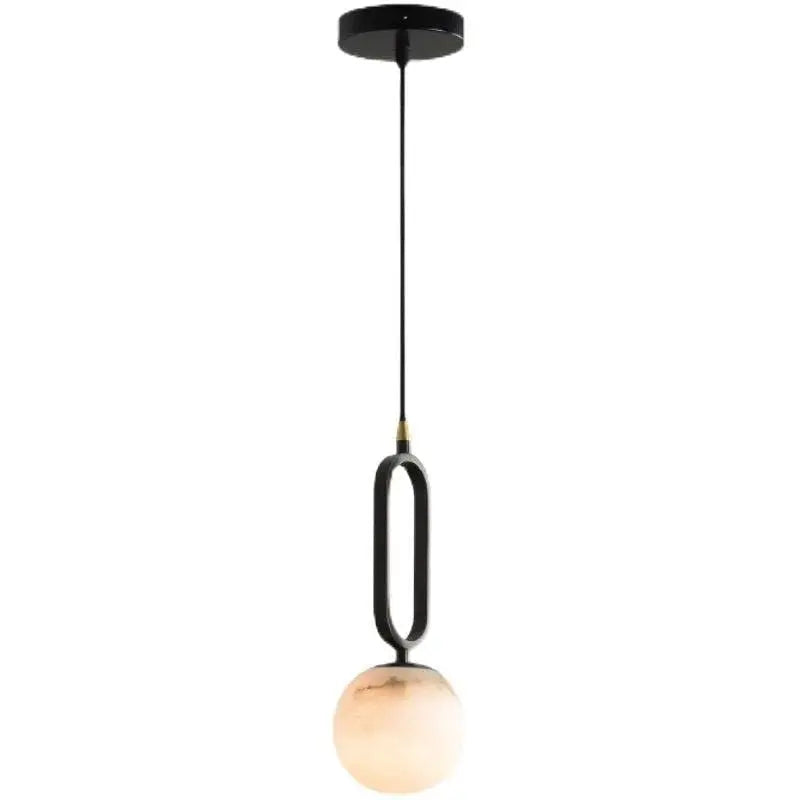
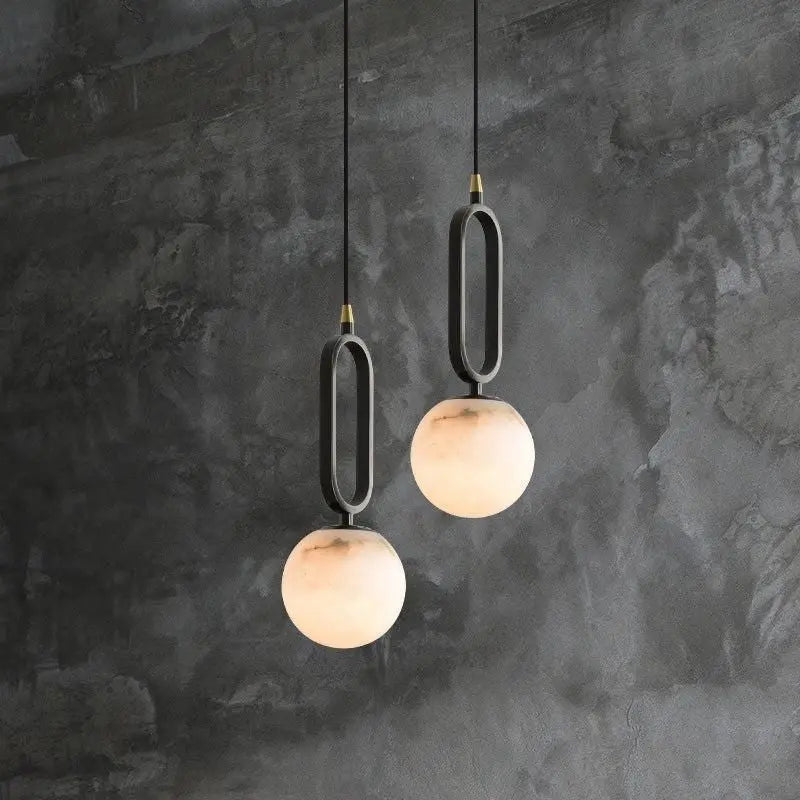
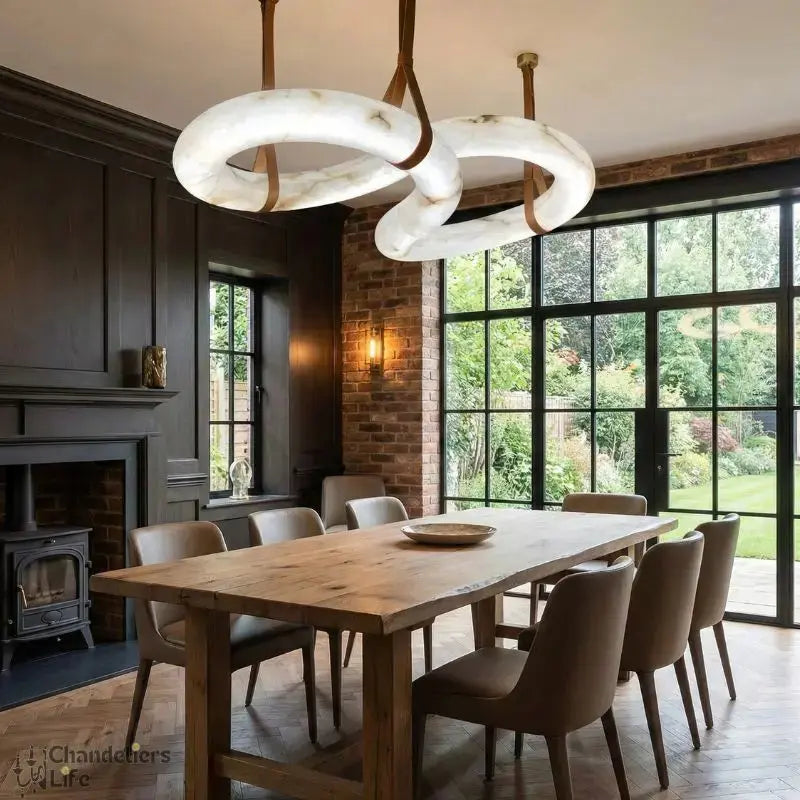
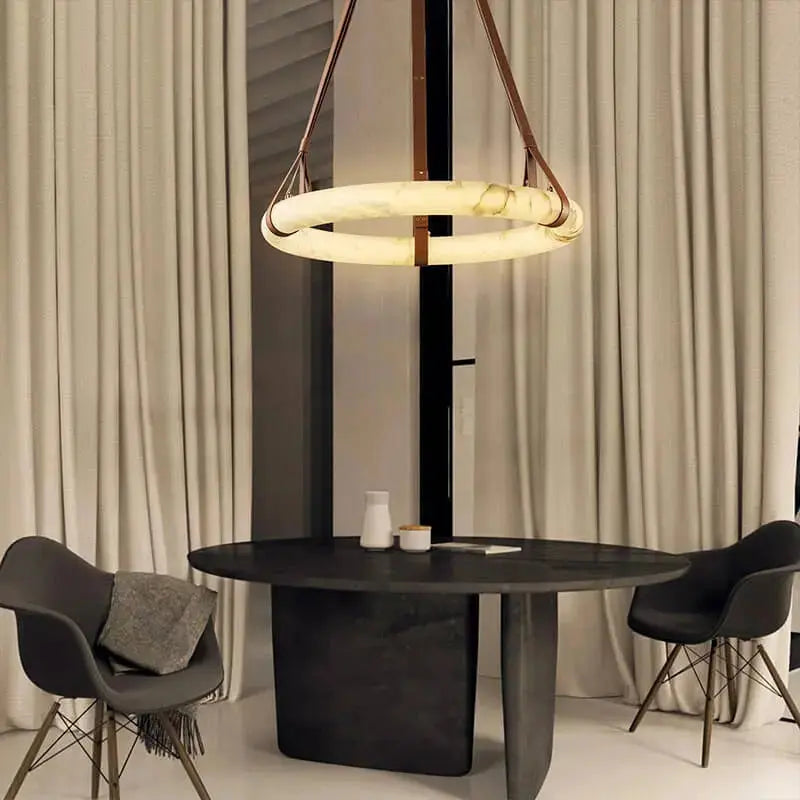
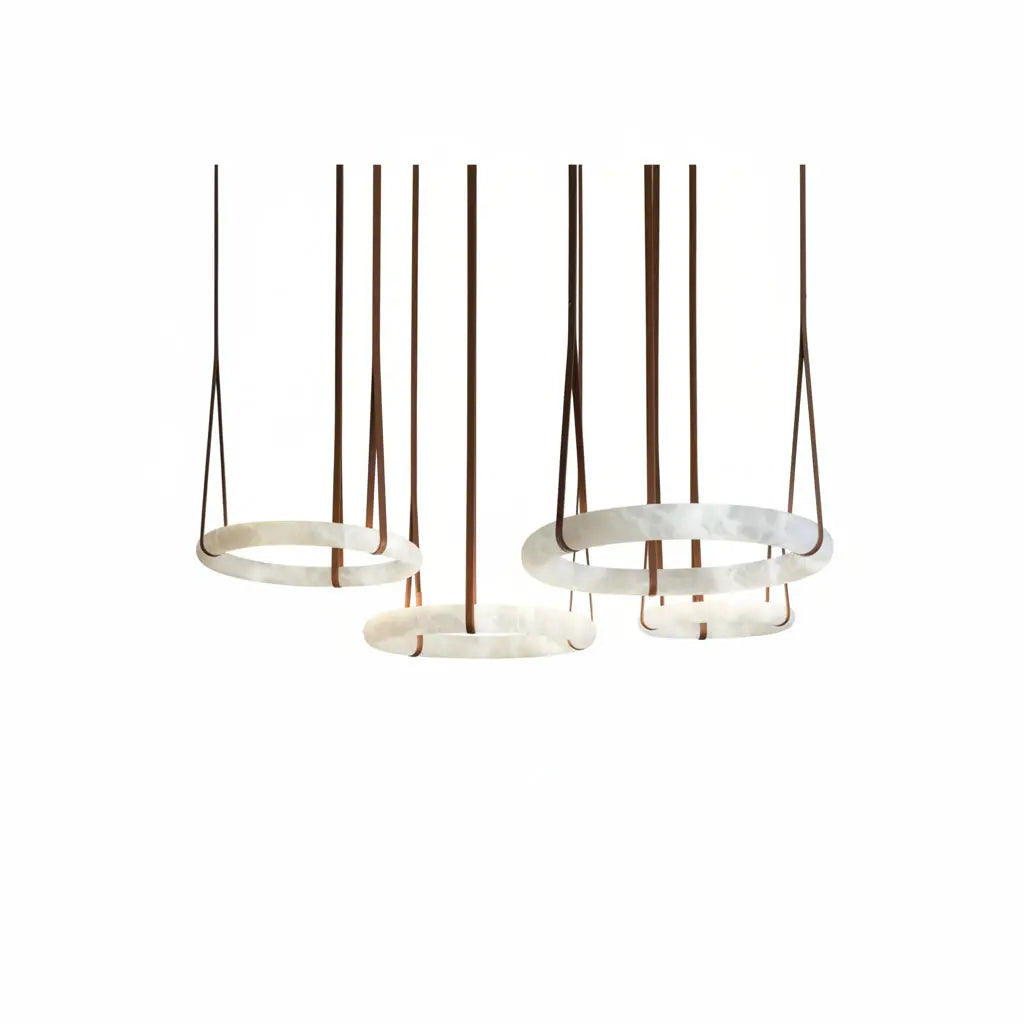
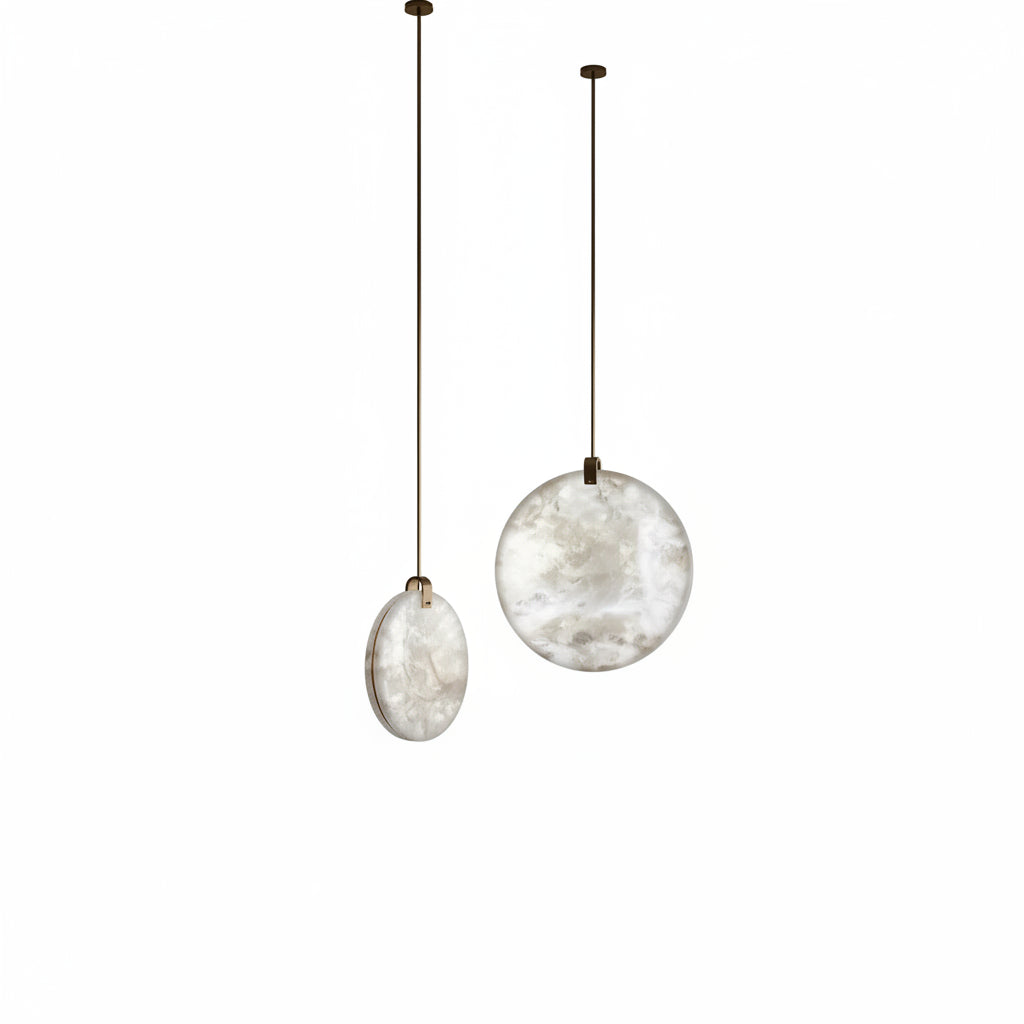
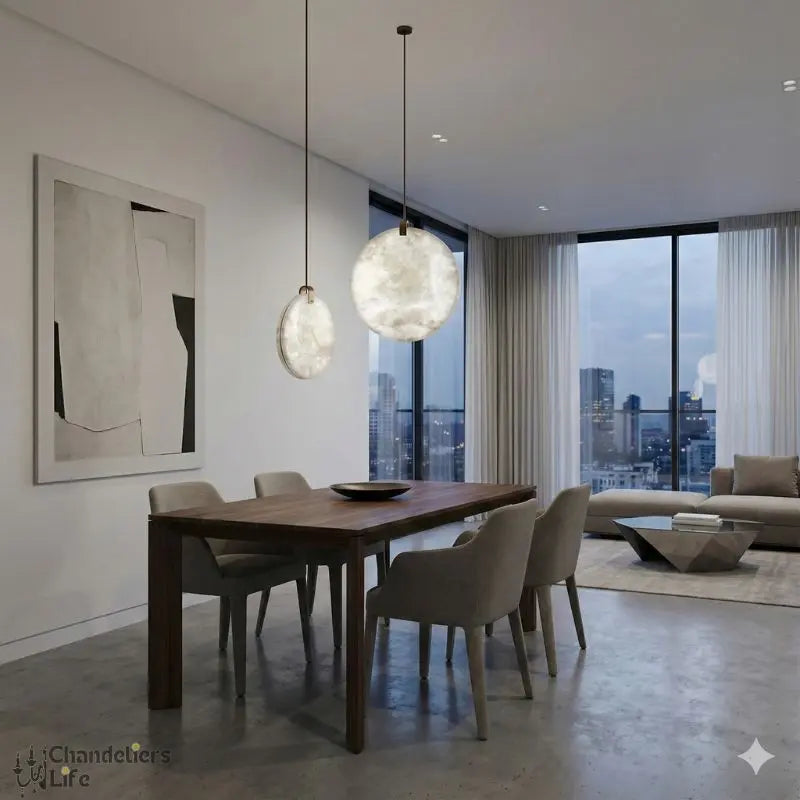
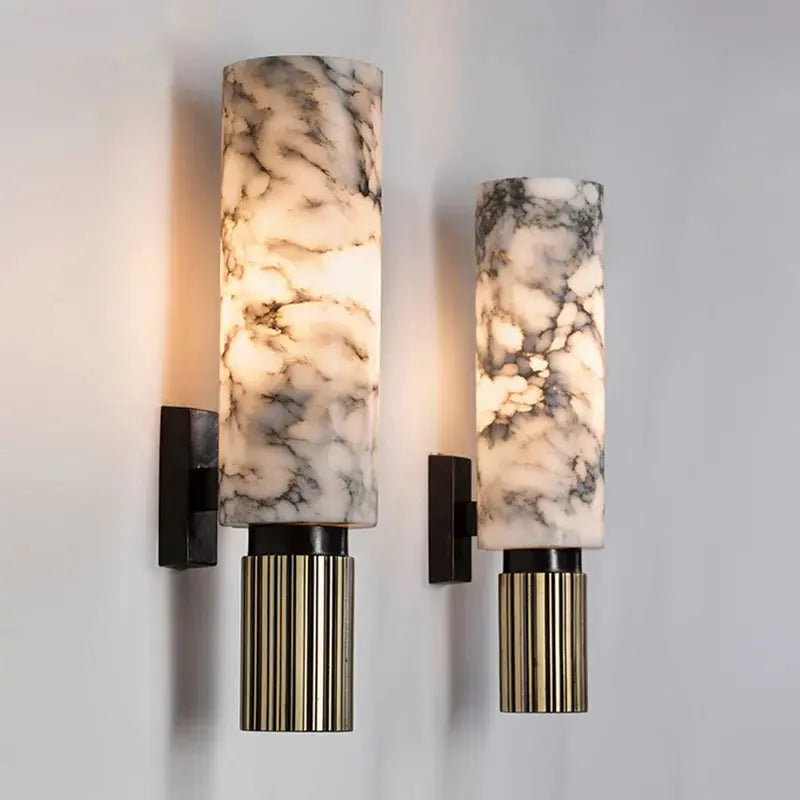
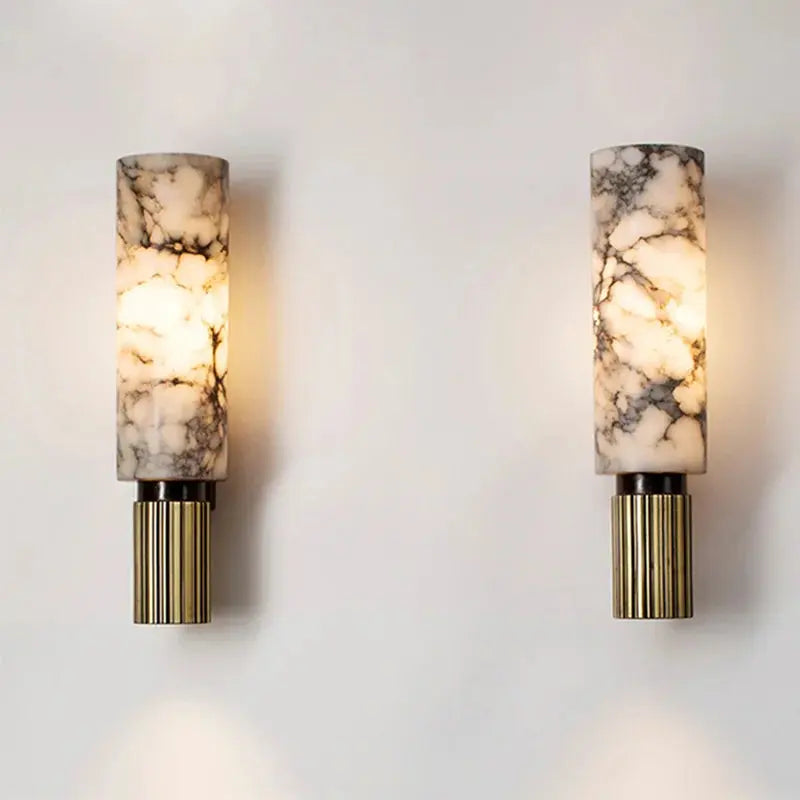
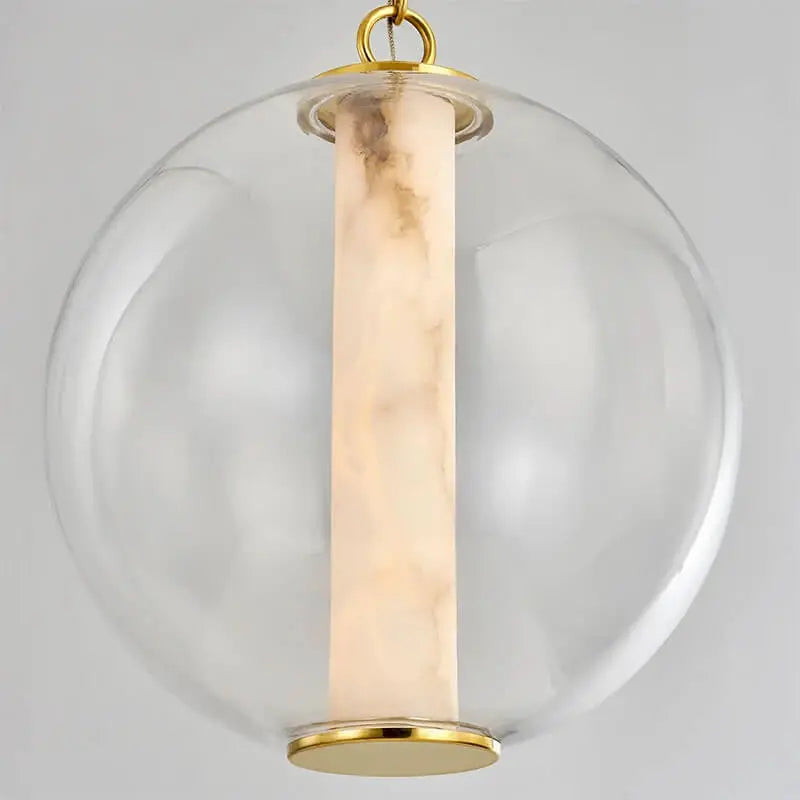
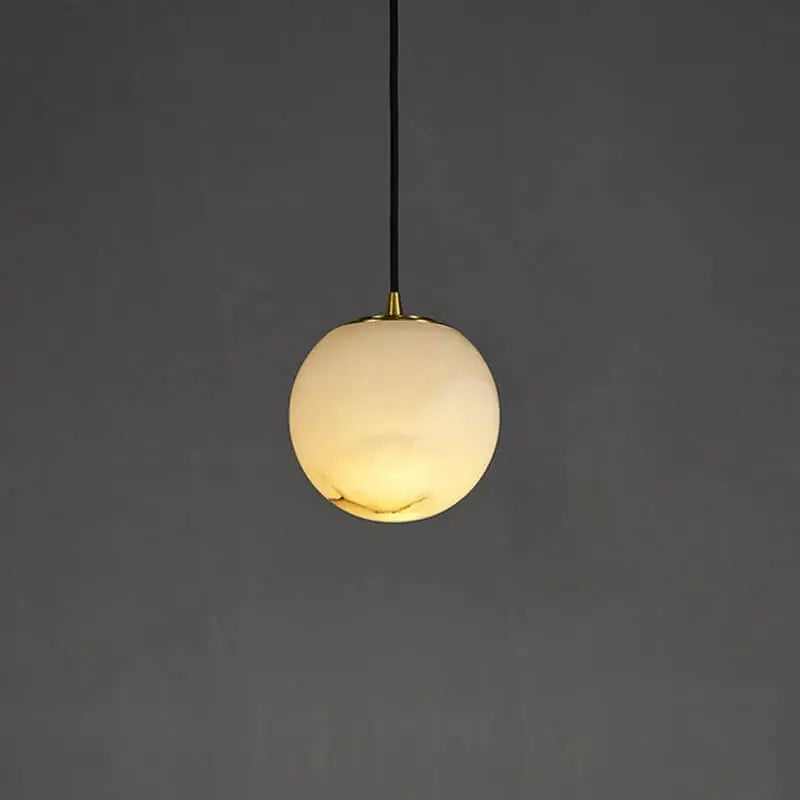
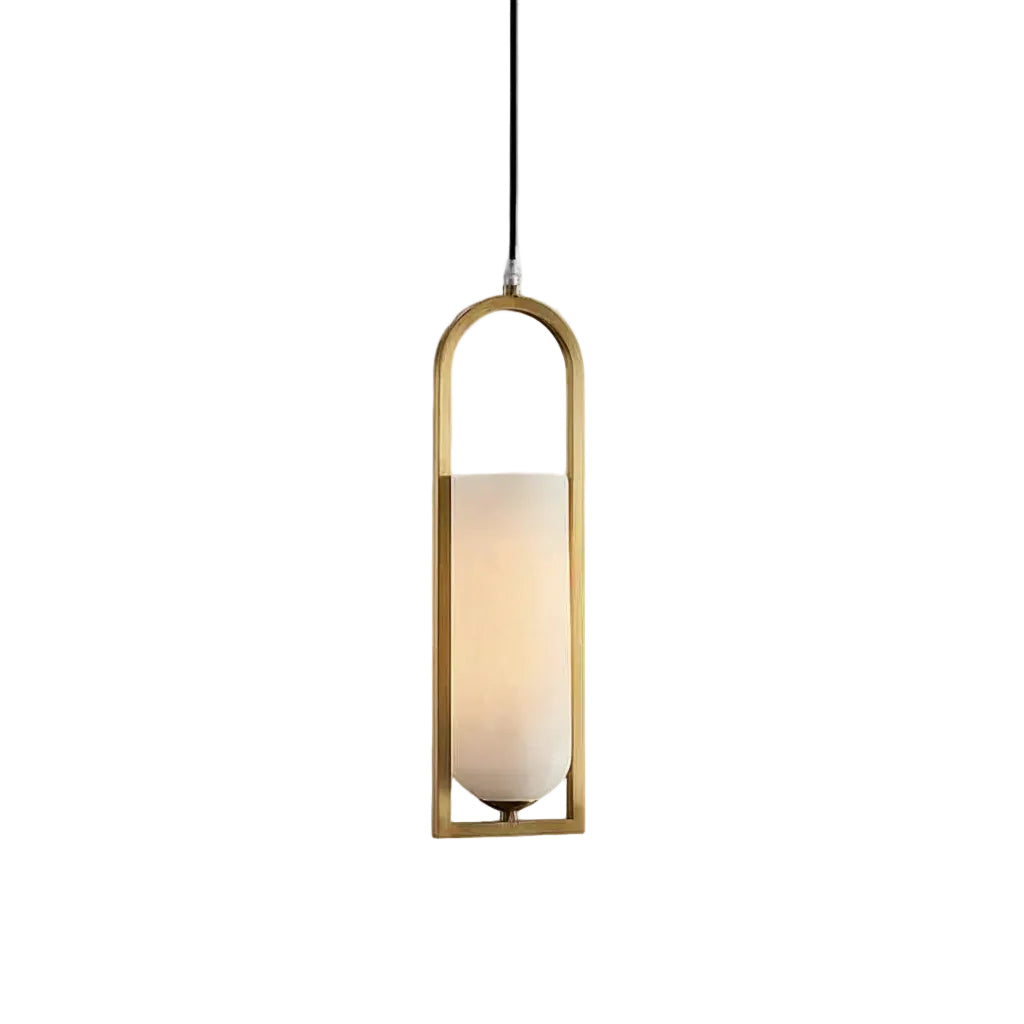
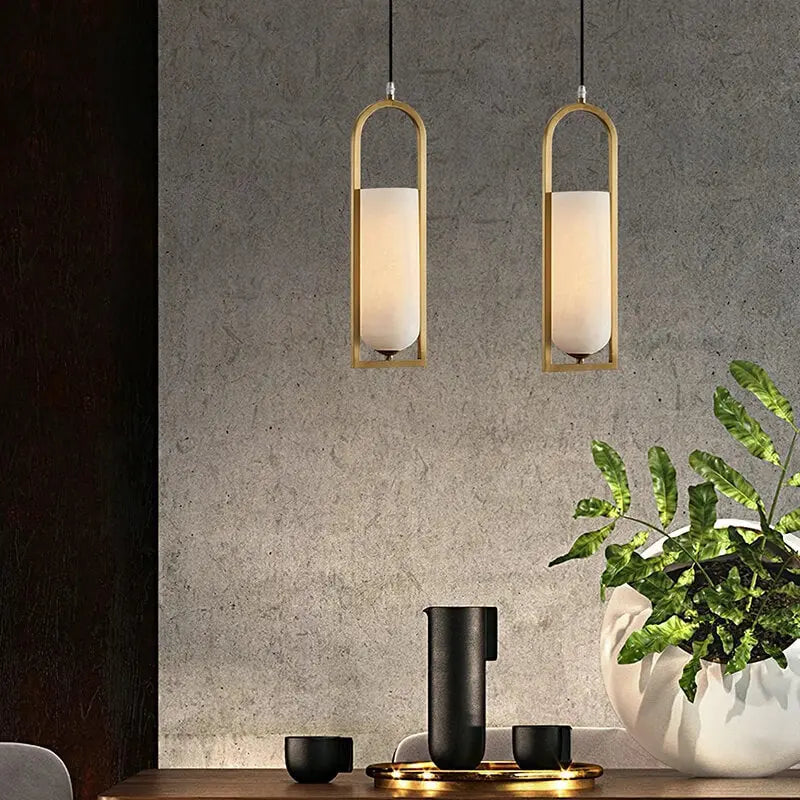
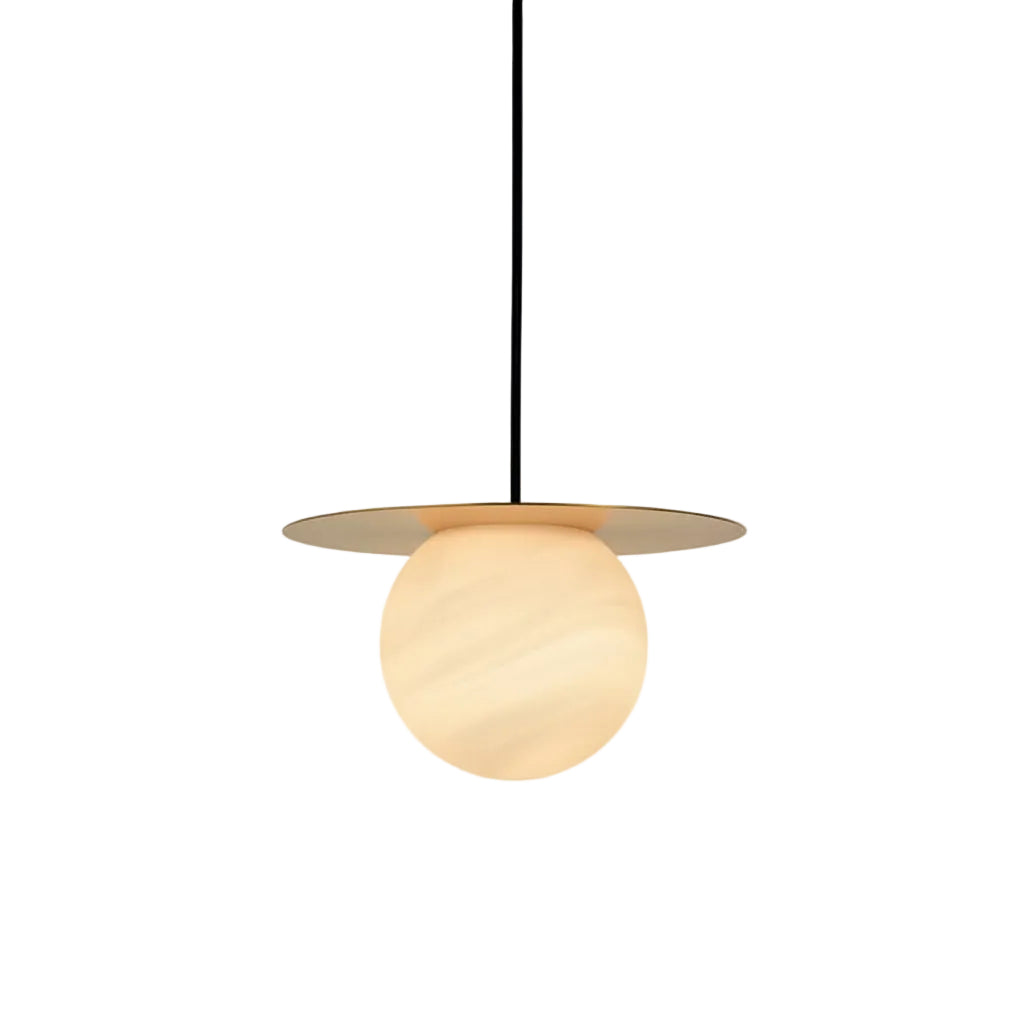
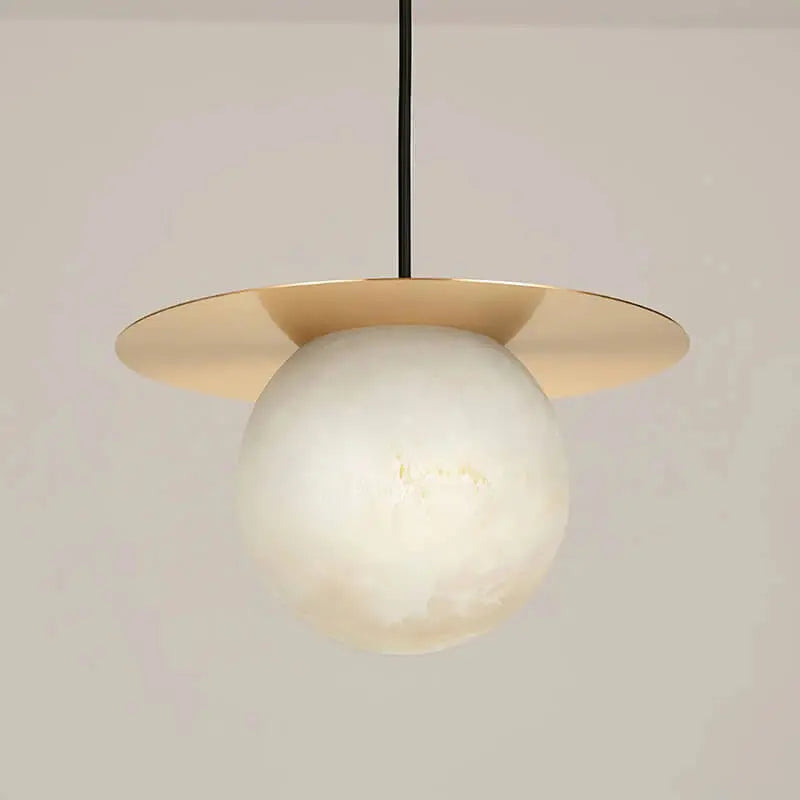
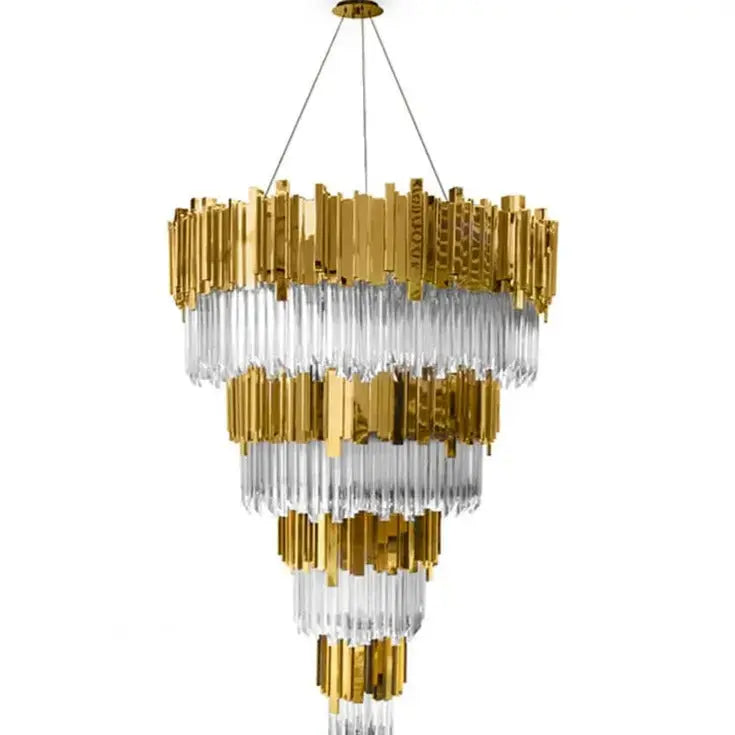
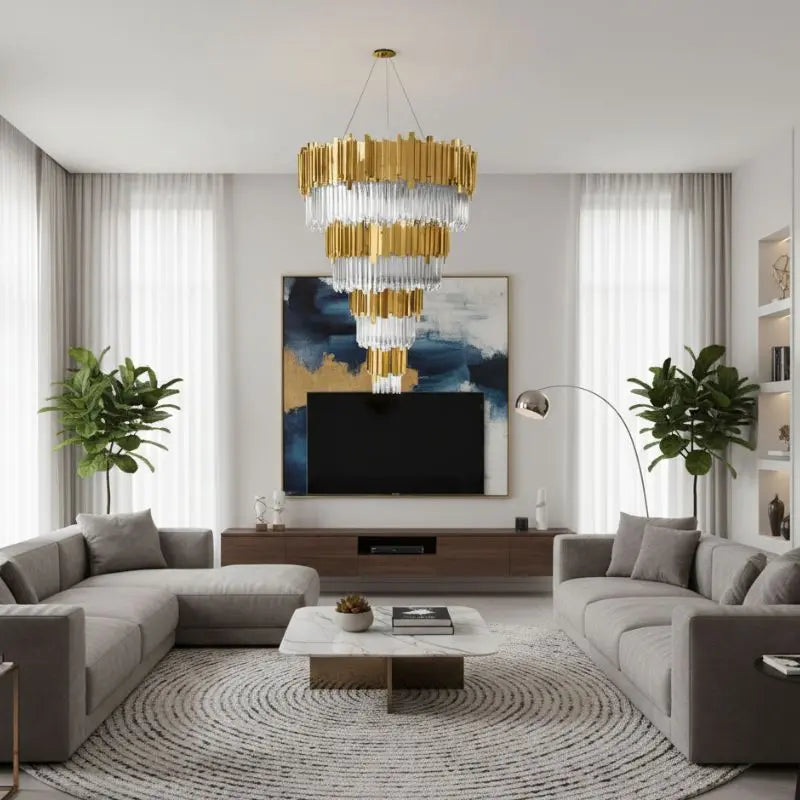
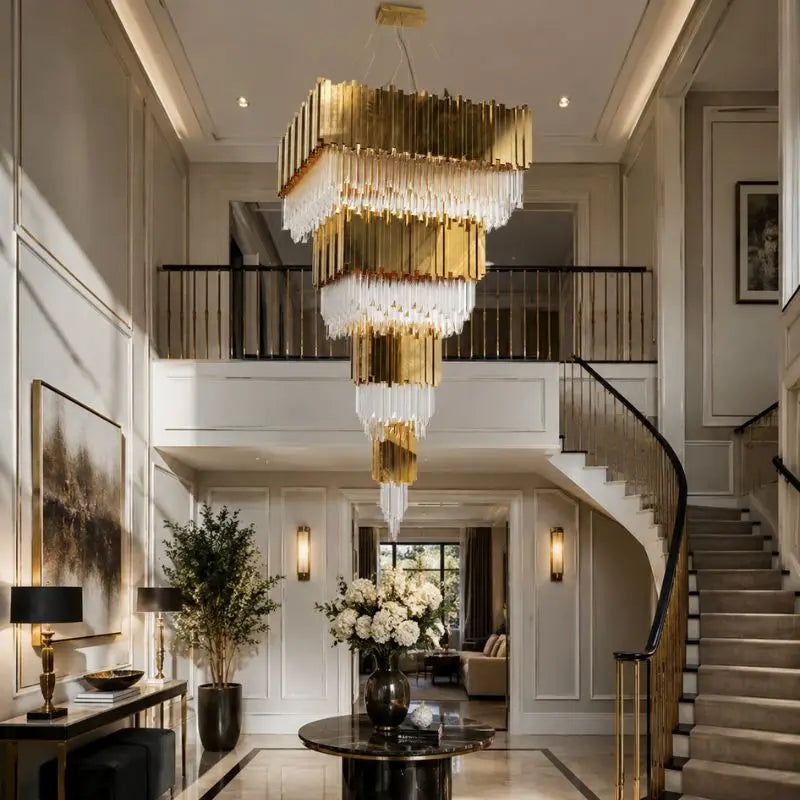
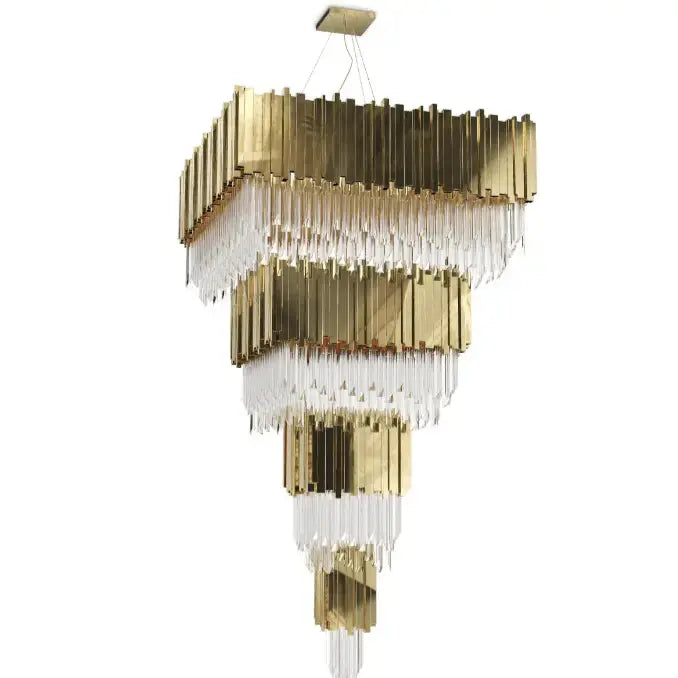
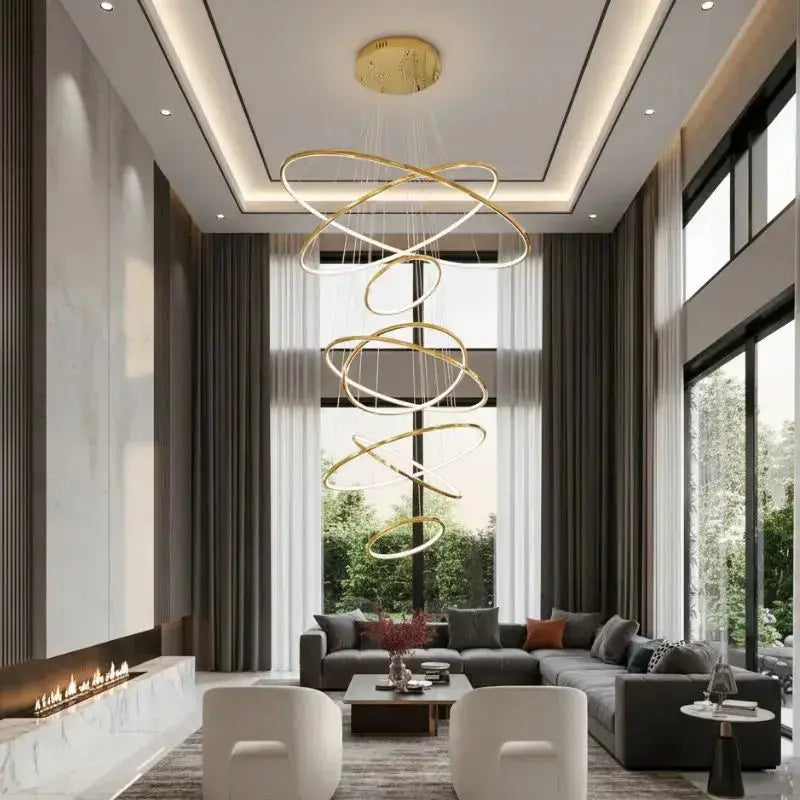
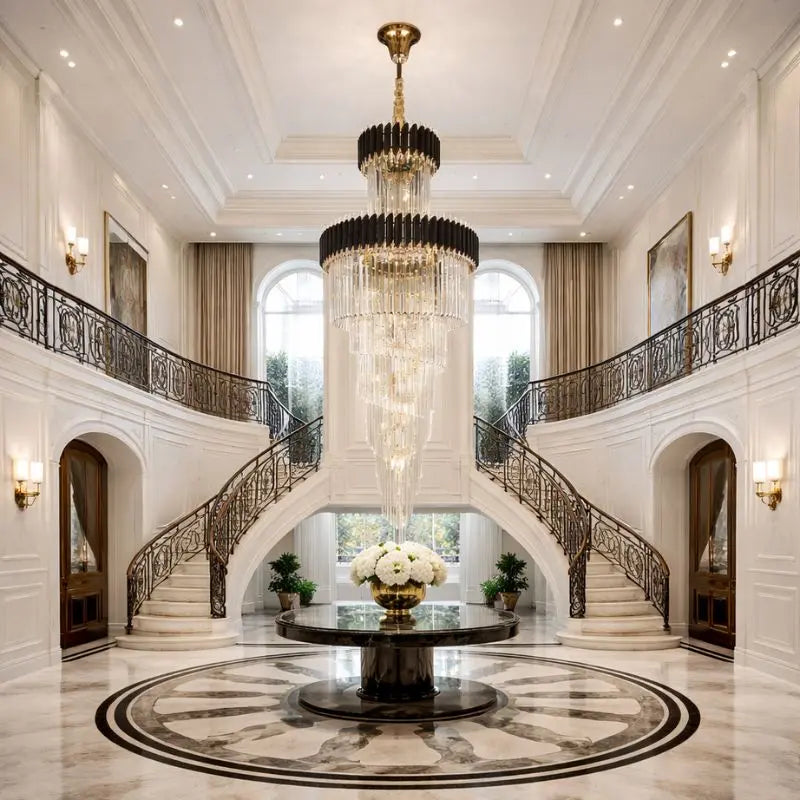
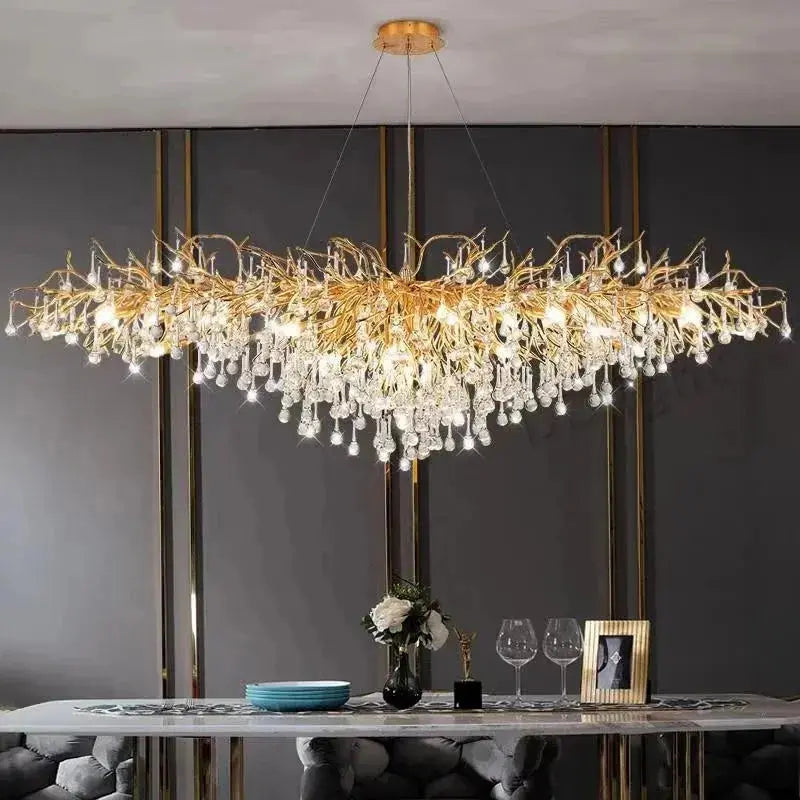
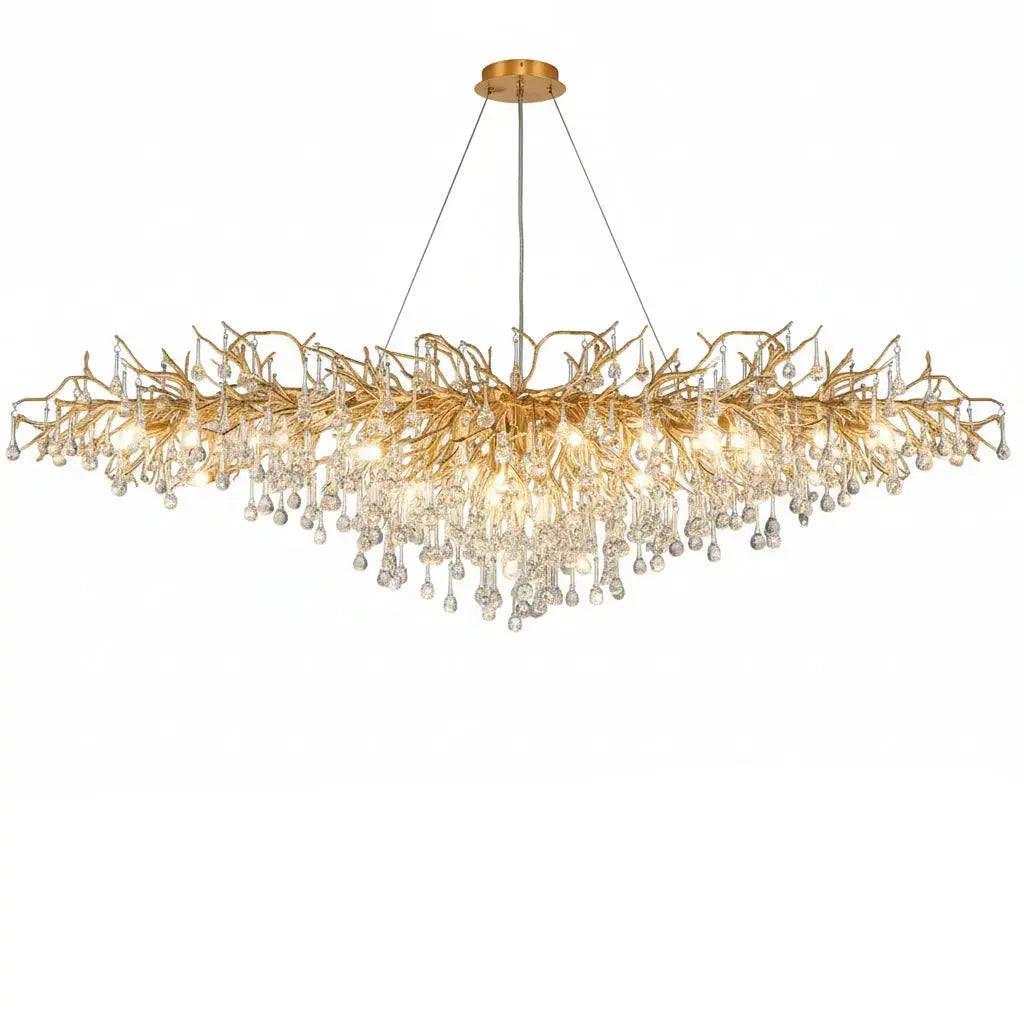
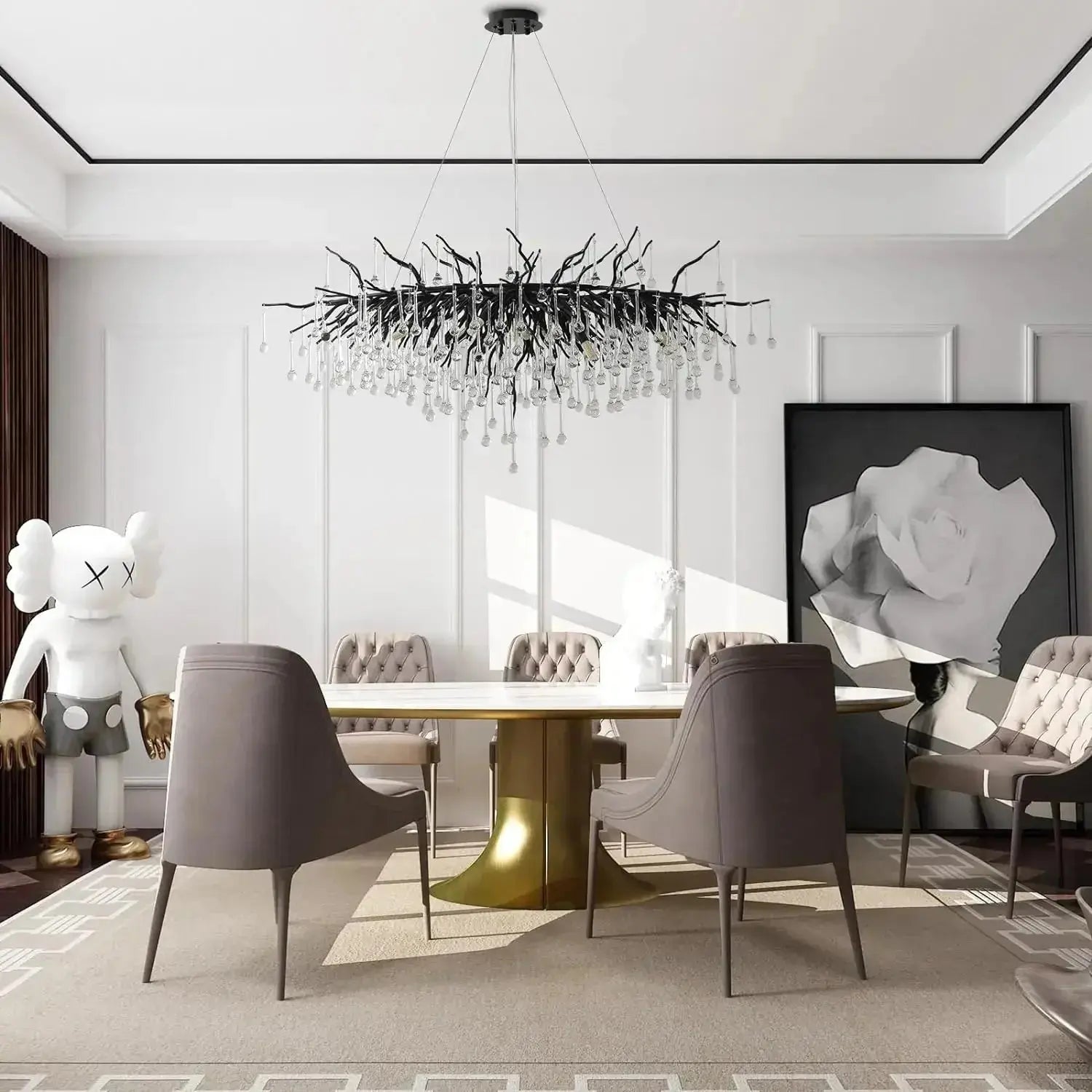
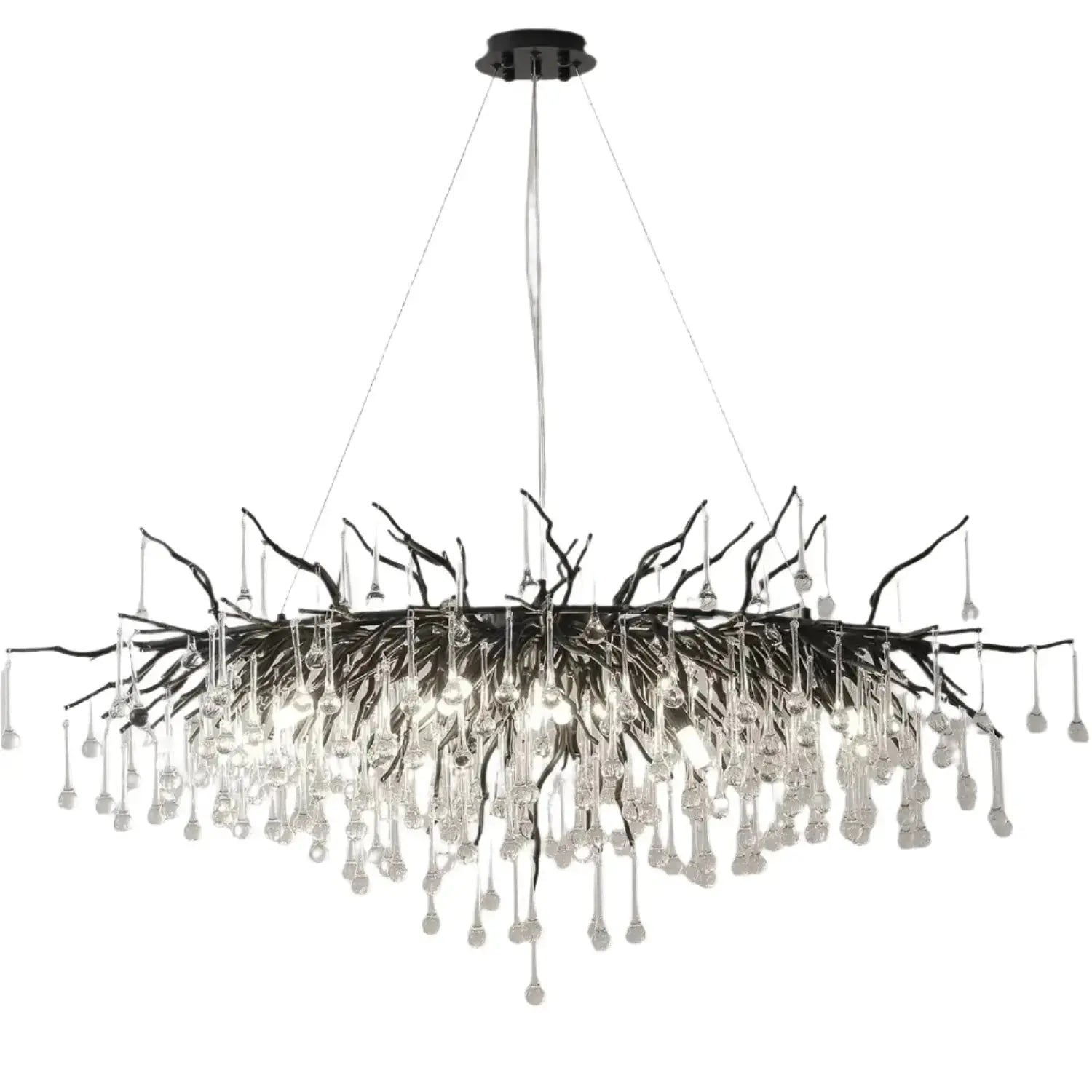
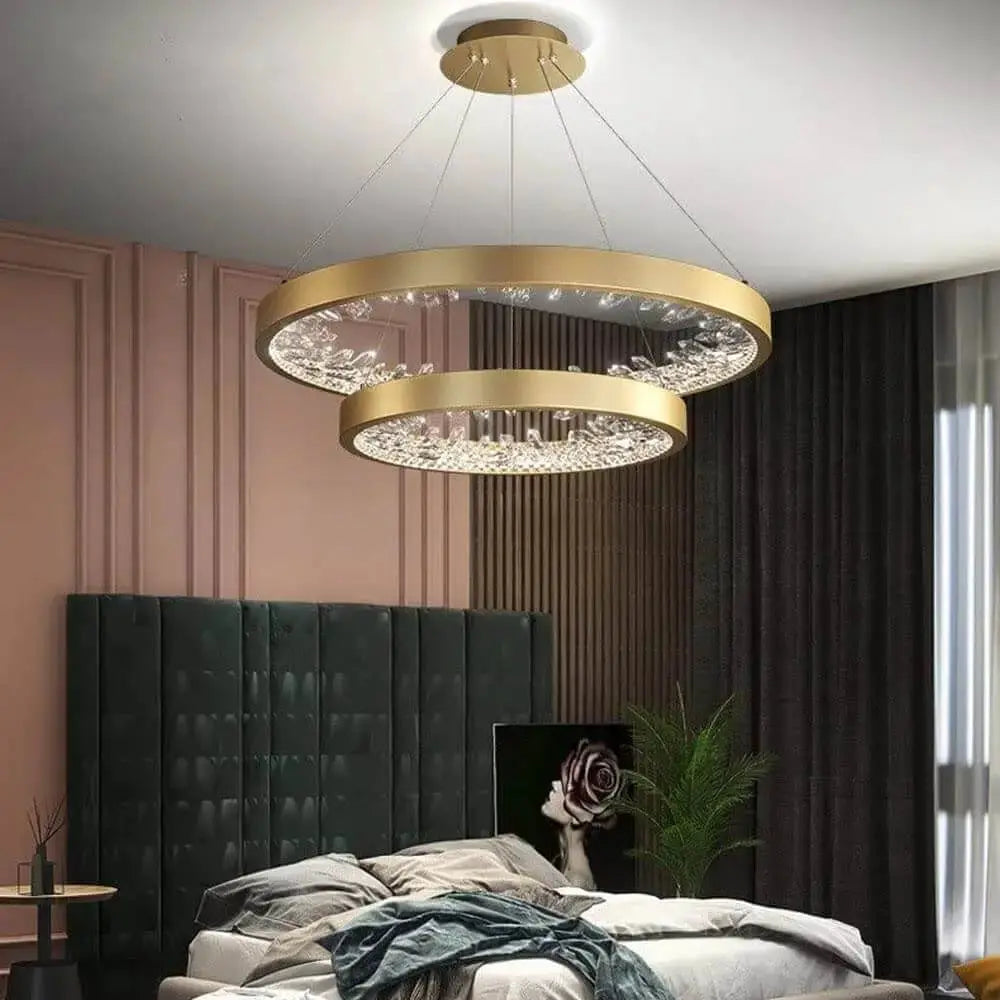
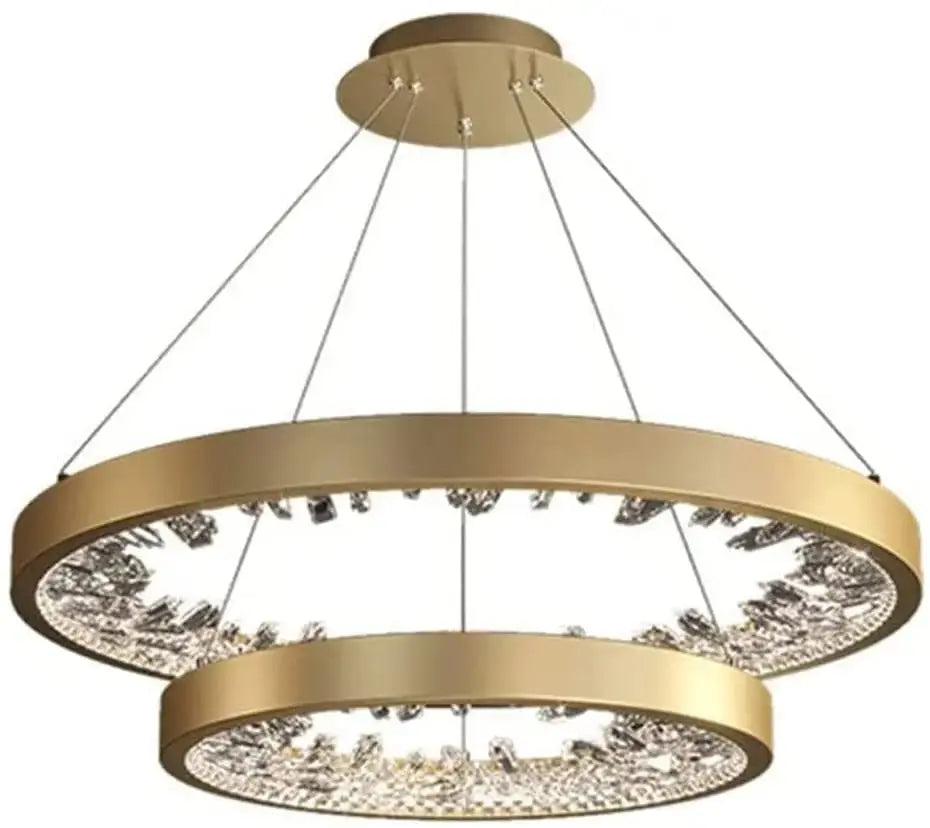
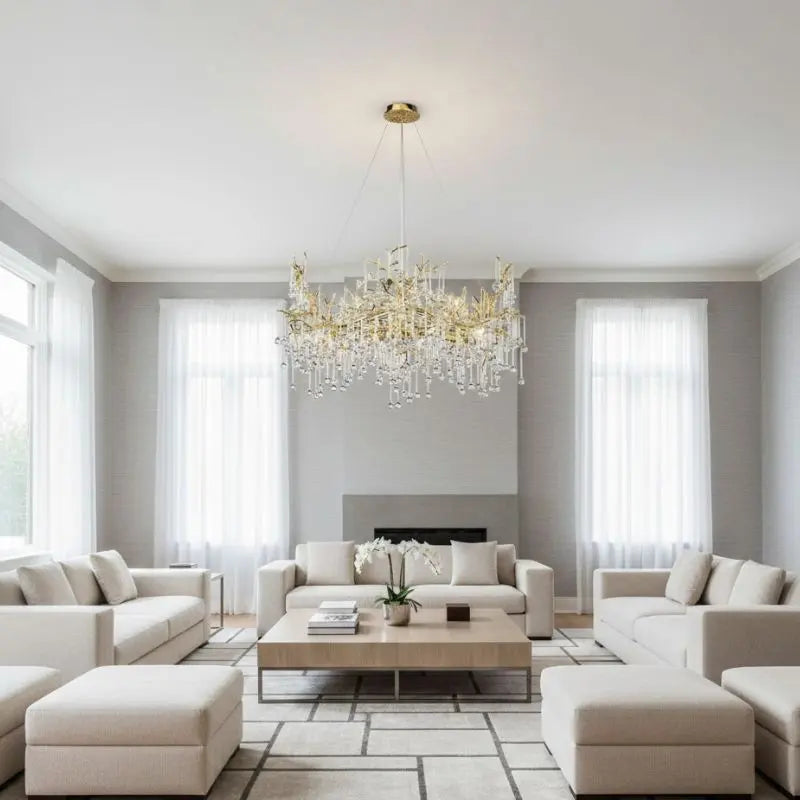
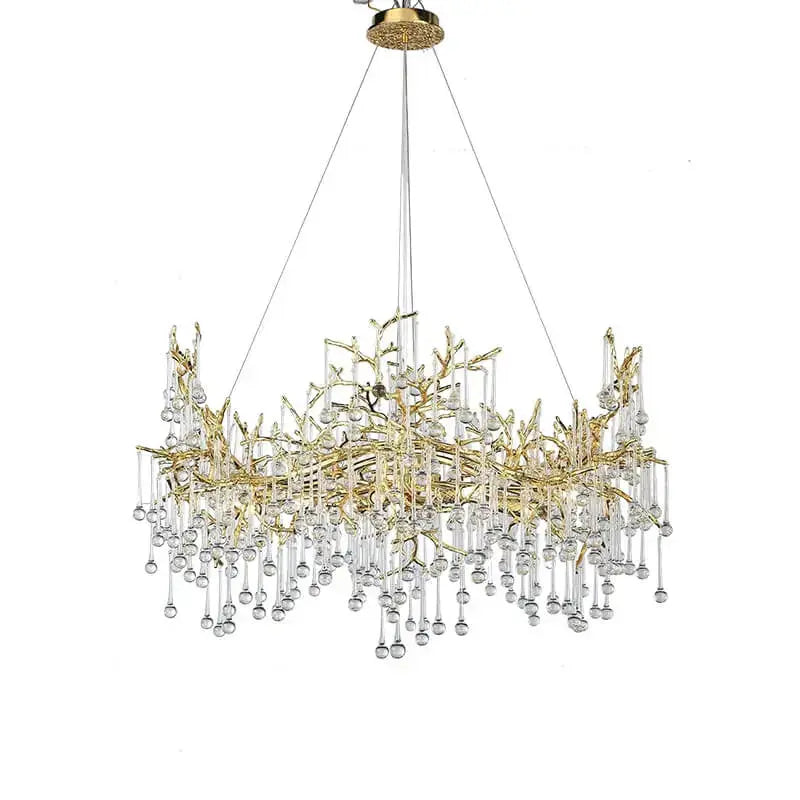
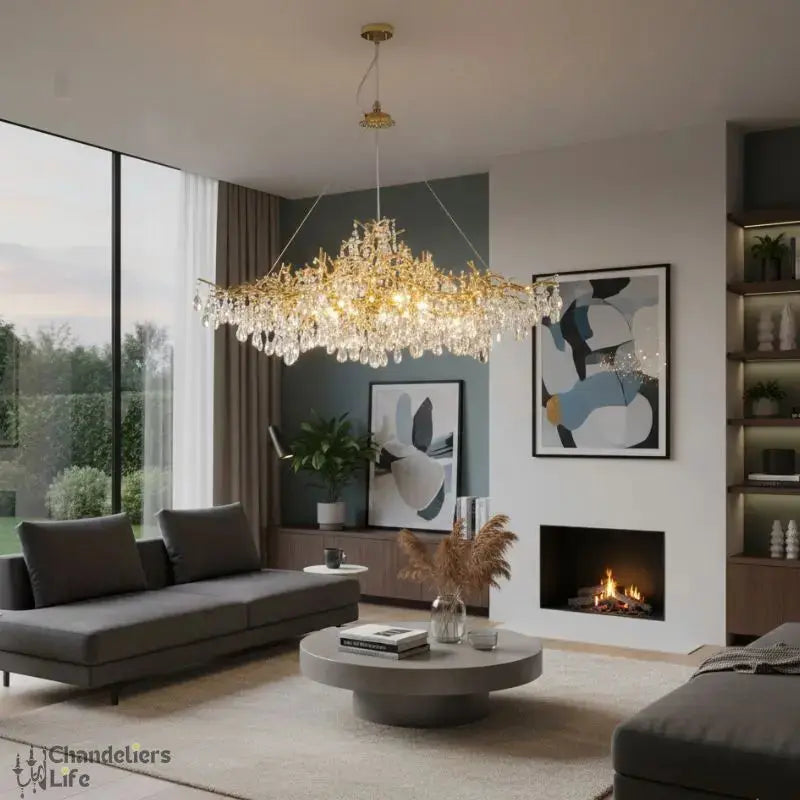
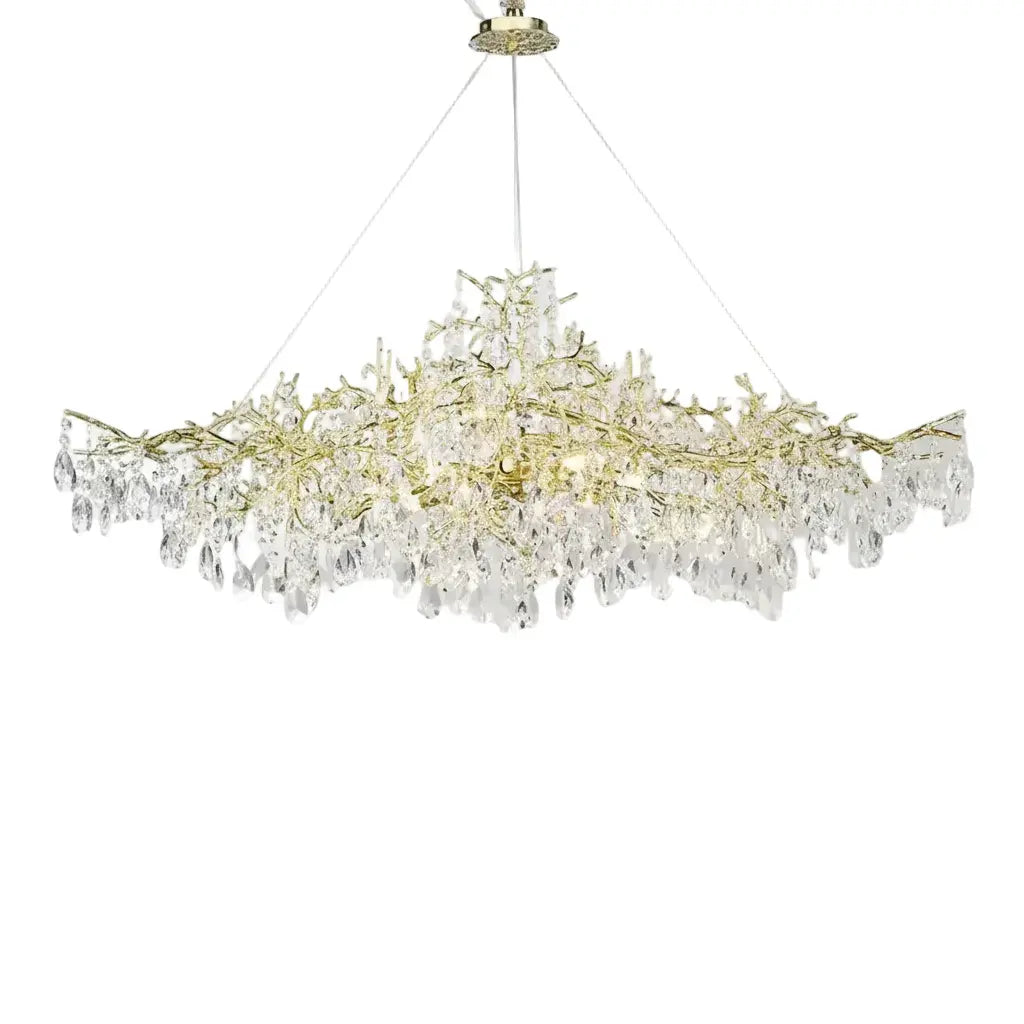
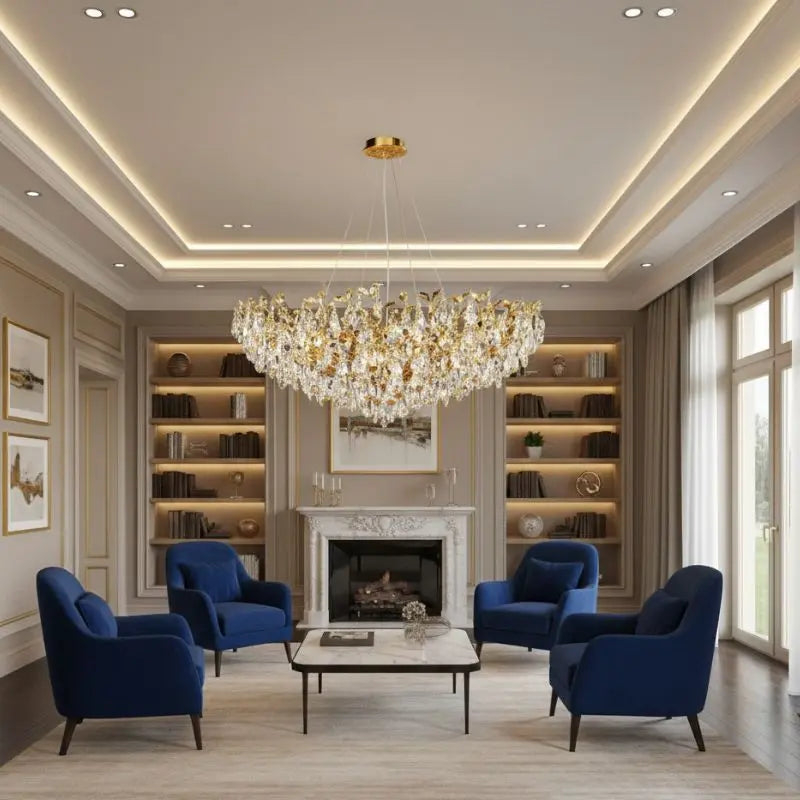
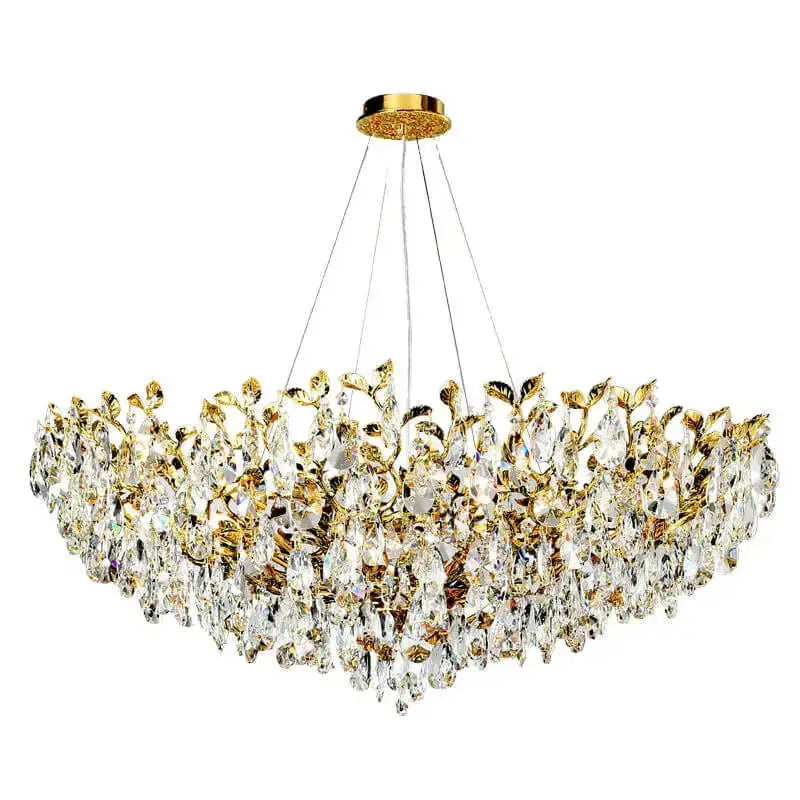
Energy-efficient lighting extends to a wide array of fixture styles. Pendant lights and LED chandeliers add decorative appeal while incorporating LED technology for efficiency. Wall sconces and flush mounts offer space-saving solutions with dimmable features to adjust energy use and ambiance. Under-cabinet lights illuminate work surfaces efficiently and are ideal in kitchens or offices. Many energy-efficient lighting solutions now support smart integration, enabling remote control and customised lighting scenes that conserve energy without compromising comfort.
Energy-Efficient Lighting Controls and Features
Dimmer switches compatible with LED lighting can reduce power consumption by adjusting brightness to suit different times of day or activities. Incorporating timers or motion sensors automates lighting control, turning lights off automatically when rooms are unoccupied. Smart lighting solutions with app-based controls provide personalised energy management, allowing users to schedule lighting or adjust colour temperature remotely. Compatibility with existing wiring and light fittings should be verified to ensure smooth installation.
How to Choose the Best Energy Efficient Lighting for Your Home
Begin by assessing each room’s lighting needs and the activities carried out, such as reading, cooking, or relaxing. Select bulbs and fixtures delivering suitable brightness (lumens) and colour temperature, considering whether warm white or daylight is most appropriate. Check for a CRI rating above 80 to enhance colour accuracy, particularly in living spaces and kitchens.
Evaluate fixture compatibility with dimmers, sensors, or smart controls to maximise energy efficiency and convenience. Prioritising ENERGY STAR-certified or similarly approved products guarantees verified energy savings. Testing sample bulbs or fittings before full installation can provide practical insights into brightness and colour preferences, ensuring satisfaction with your choices.
Benefits of Energy Efficient Lighting
Energy efficient light fixtures save money through lower energy costs over their lifespan, often paying back the initial investment quickly. Their reduced power consumption directly cuts carbon footprints, supporting environmental sustainability. Longer-lasting bulbs and fittings decrease replacement frequency and maintenance effort, saving time and resources. Additionally, modern energy-efficient lighting offers improved light quality with options for dimming and colour tuning, allowing tailored atmospheres in every room.
Common Questions About Energy Efficient Lighting
Are LEDs better than halogen bulbs?
Yes. LEDs use considerably less energy, last many times longer, and provide comparable or superior brightness. They also produce less heat, enhancing safety and comfort.
Can I use dimmable LED bulbs with existing dimmer switches?
Compatibility varies. Older dimmer switches may flicker or limit functionality with LED bulbs, so checking manufacturer guidance or upgrading to LED-compatible dimmers is advisable.
What fixtures can be upgraded to integrated LED fittings?
Common upgrades include recessed downlights, outdoor floodlights, and ceiling-mounted fixtures, particularly in kitchens, bathrooms, and exterior areas where durability and consistent light are needed.
How much can I save by switching to energy-efficient lighting?
Switching to LED lights can reduce lighting energy use by up to 80%, potentially saving several pounds per month on electricity bills depending on household size and usage. Environmentally, this translates into significantly lower greenhouse gas emissions.
Maintenance and Longevity of Energy Efficient Lights
Incandescent bulbs typically last around 1,000 hours, halogens up to 2,000 hours, CFLs around 8,000 hours, while LED bulbs commonly exceed 25,000 hours, and integrated LEDs can last over 50,000 hours. Maintaining fixtures involves gentle cleaning with a dry cloth to preserve brightness and avoid damage. Integrated LEDs require less maintenance but should be professionally replaced if they fail. Disposing of old bulbs, especially CFLs containing mercury, should follow local recycling guidelines to protect the environment.
Making the Switch to Energy Efficient Lighting
Adopting energy efficient lighting is a practical step towards saving money and enhancing home comfort, while contributing to environmental care. Evaluating current lighting setups and prioritising LED bulbs and compatible fixtures offers immediate benefits. Selecting the right brightness, colour temperature, and controls makes lighting more adaptable and efficient. Starting with simple bulb replacements invites gradual upgrades that bring lasting energy savings and improved lighting quality.