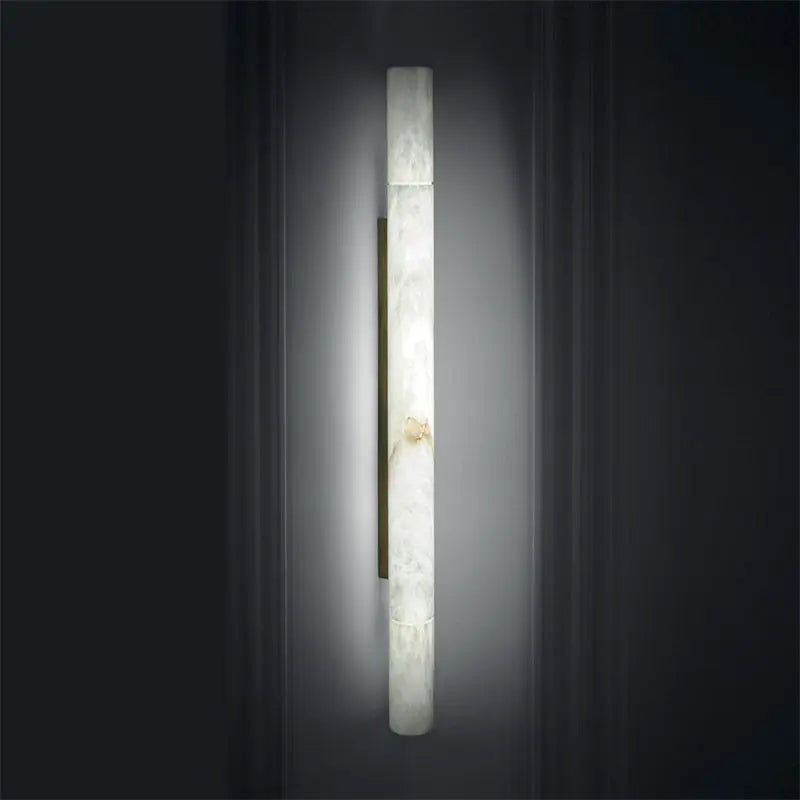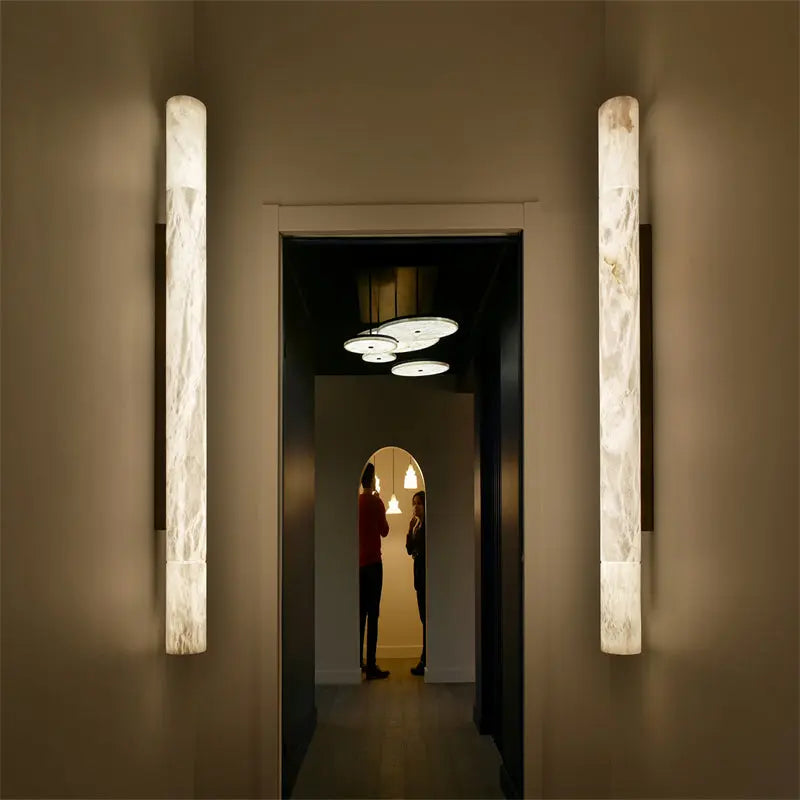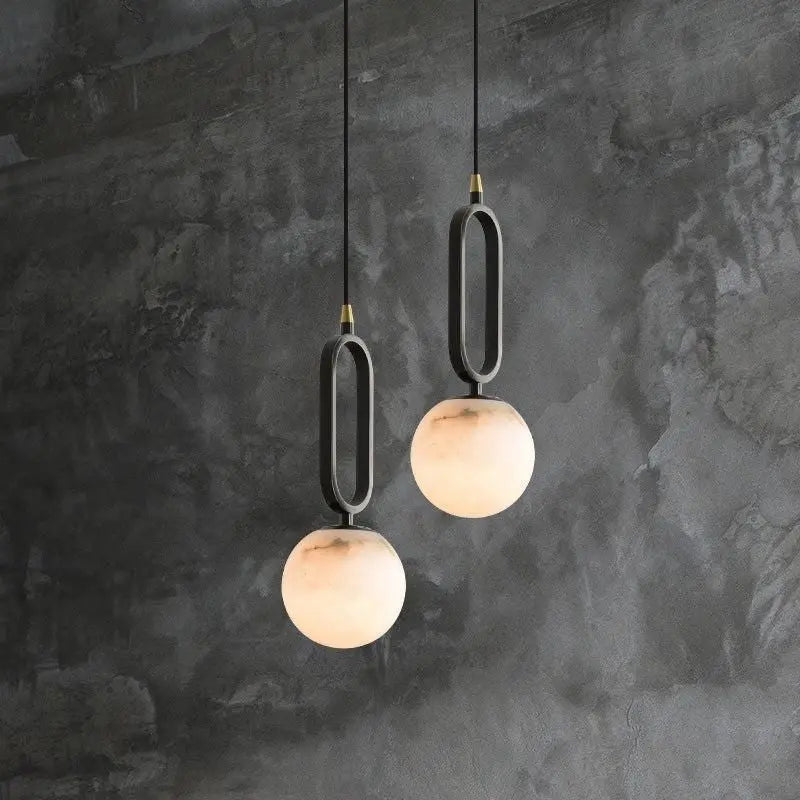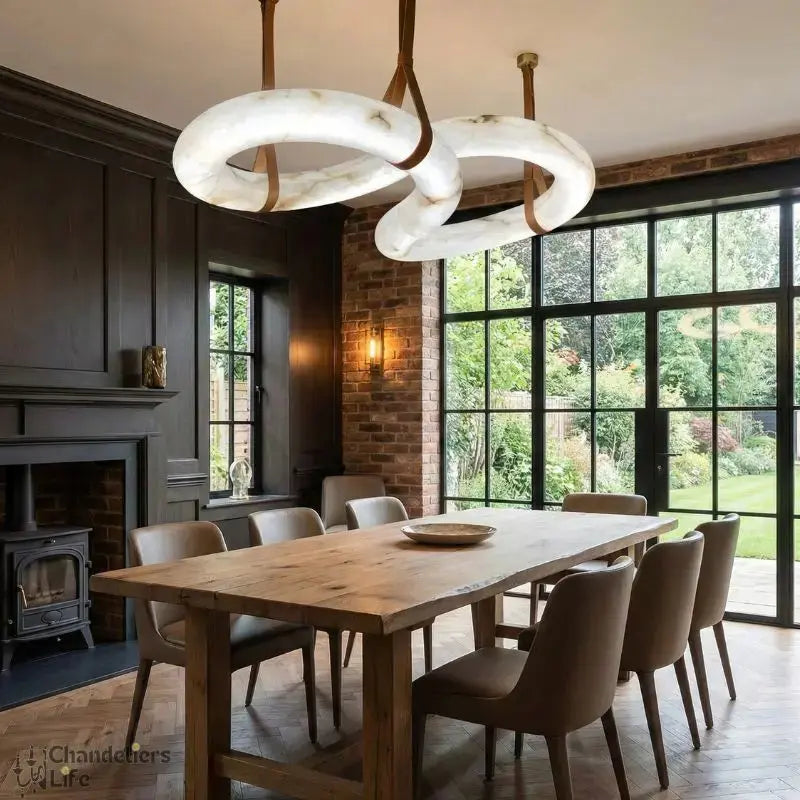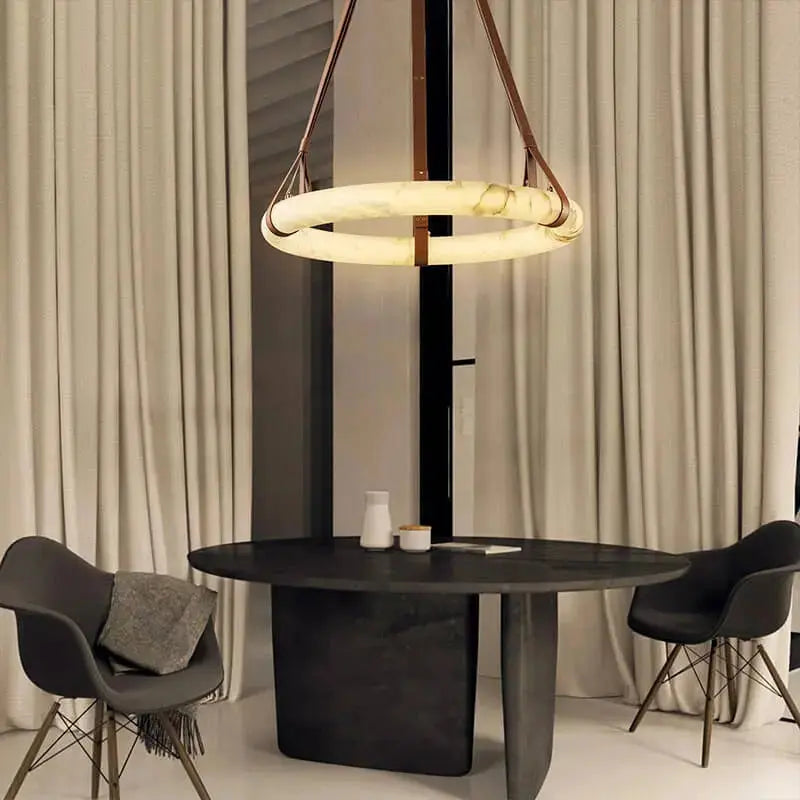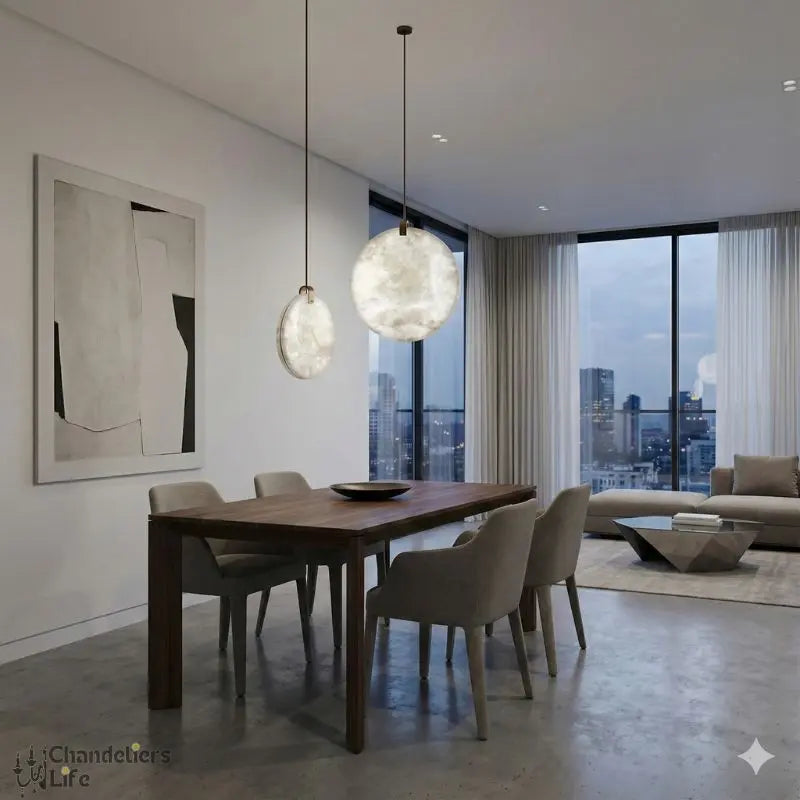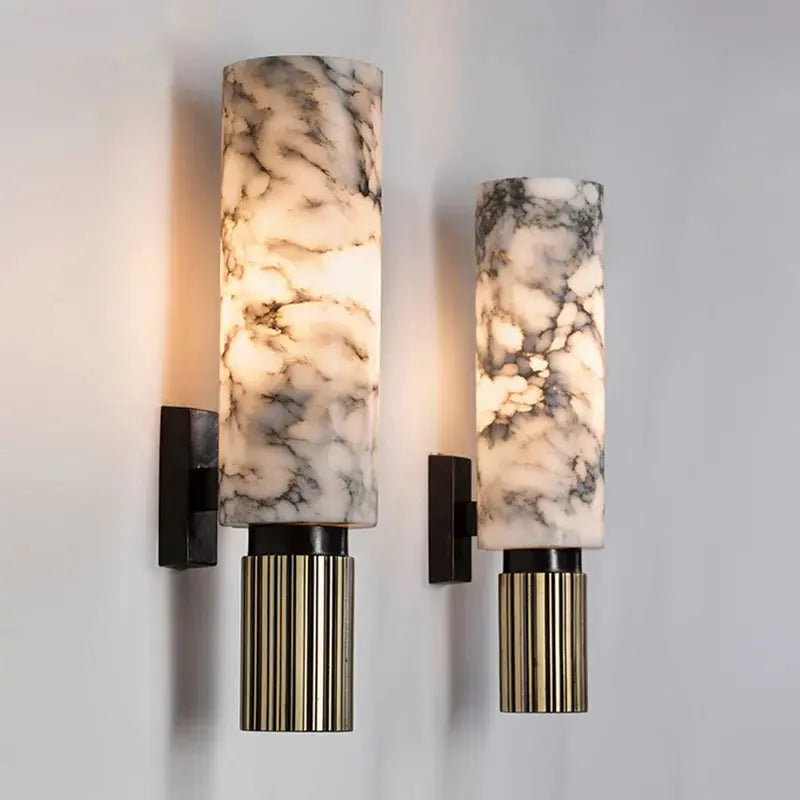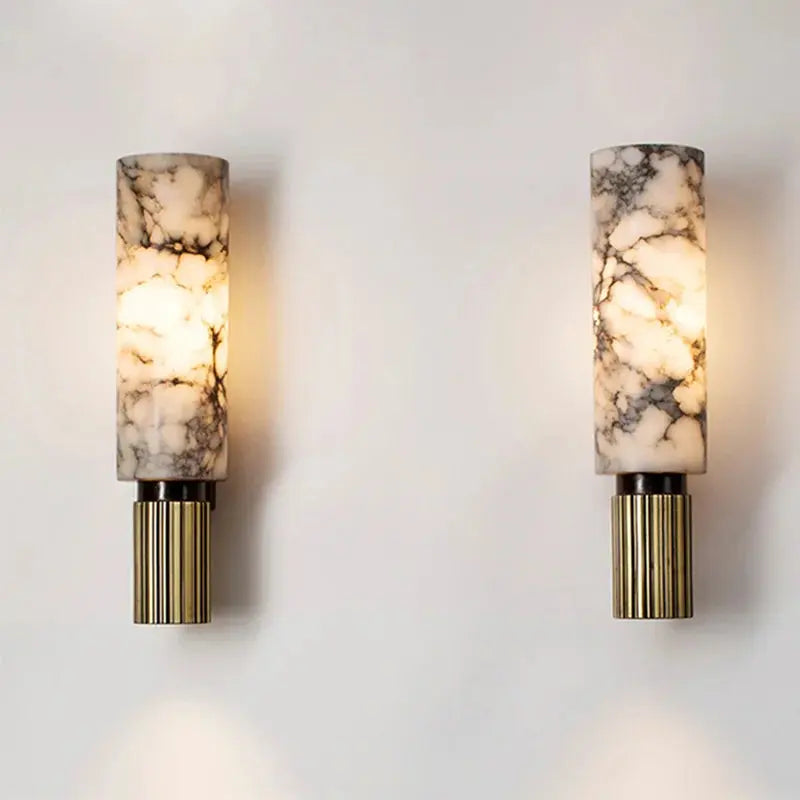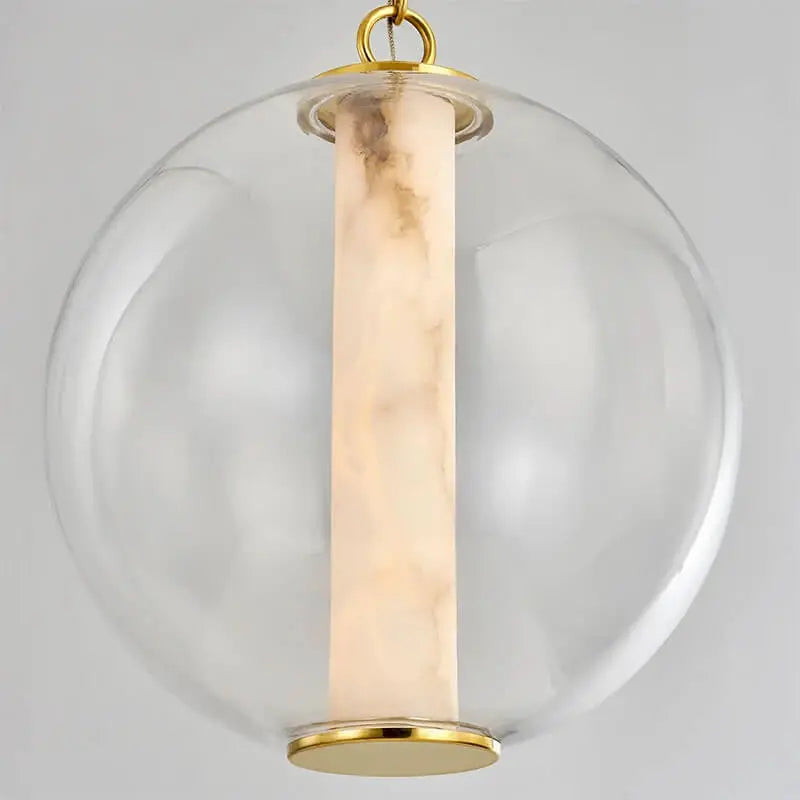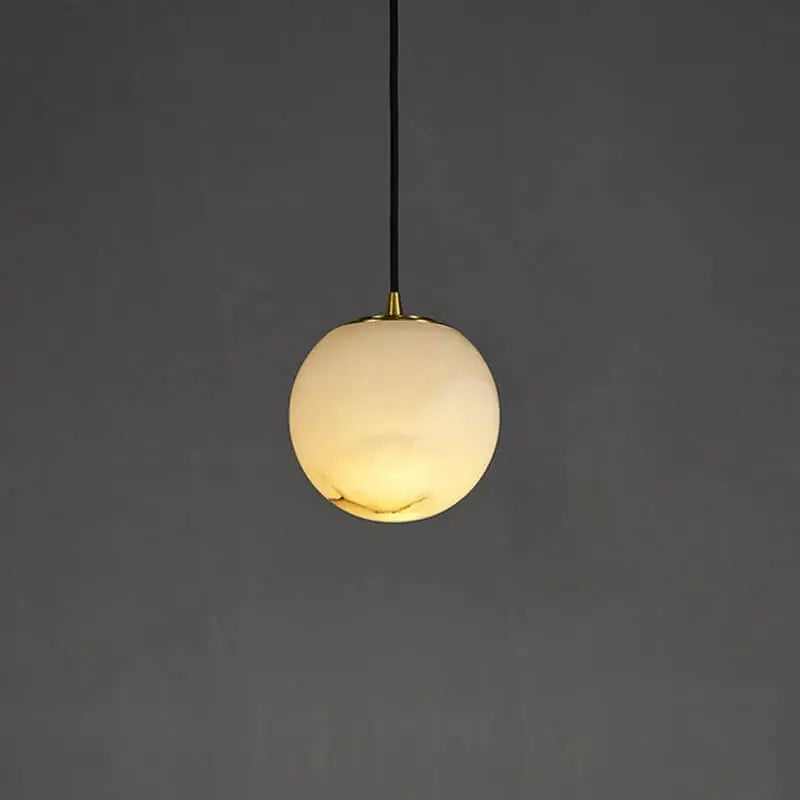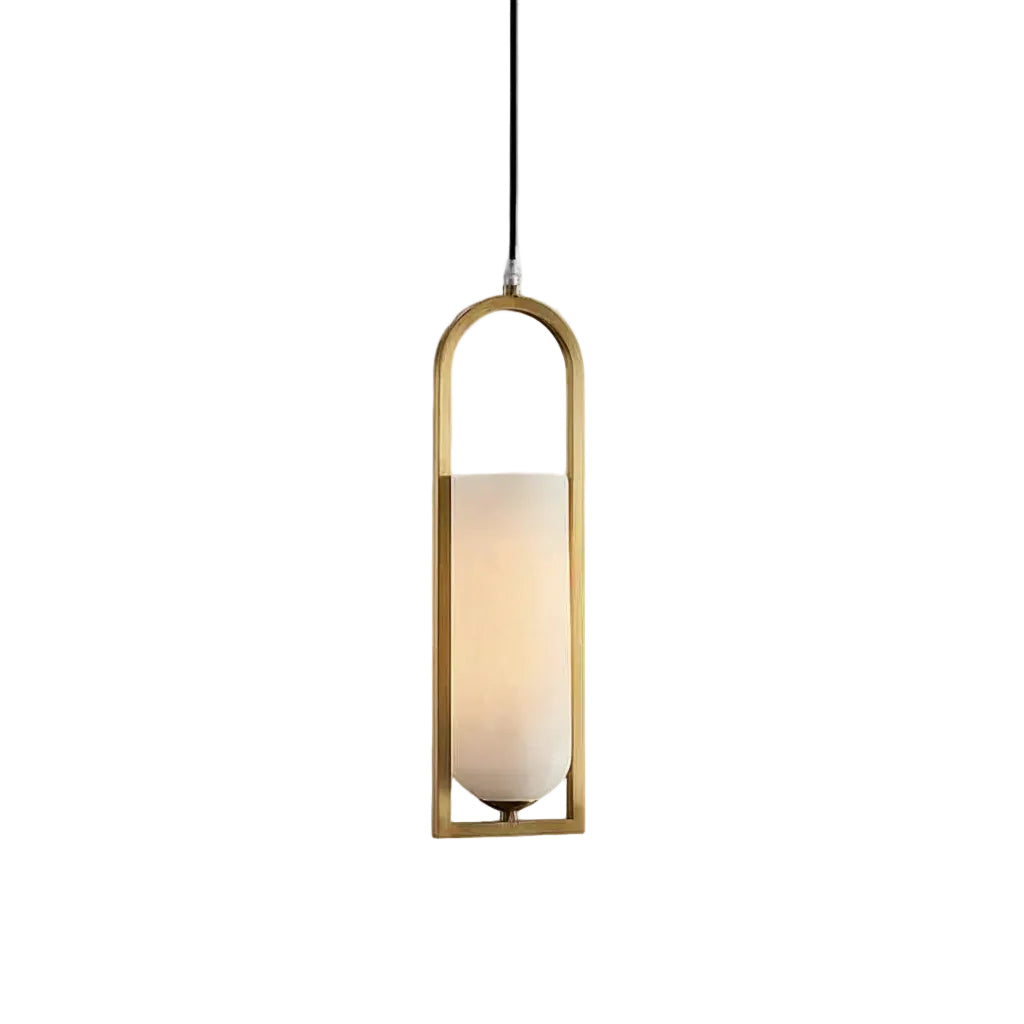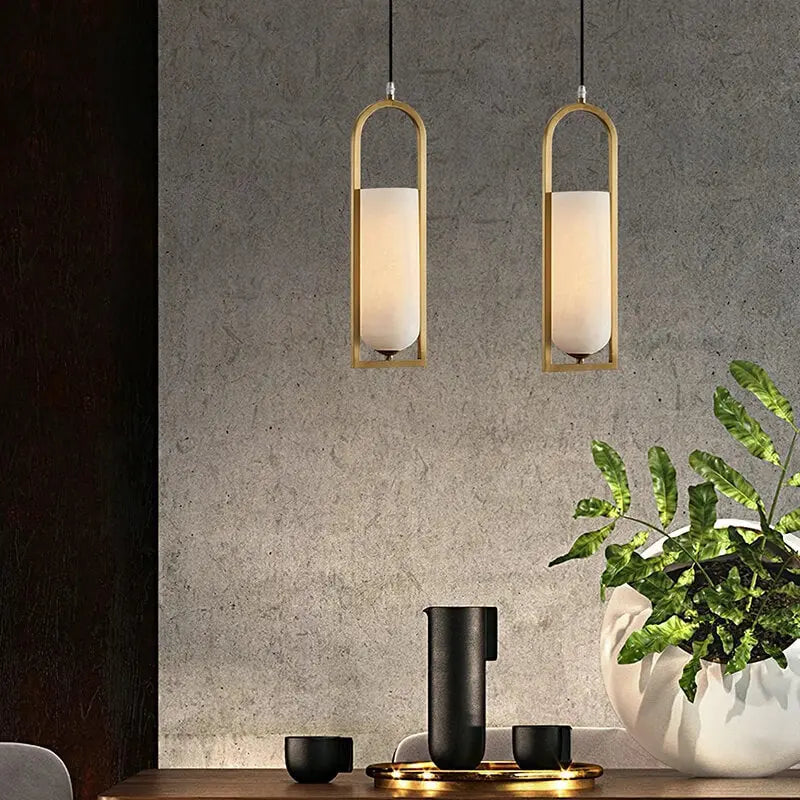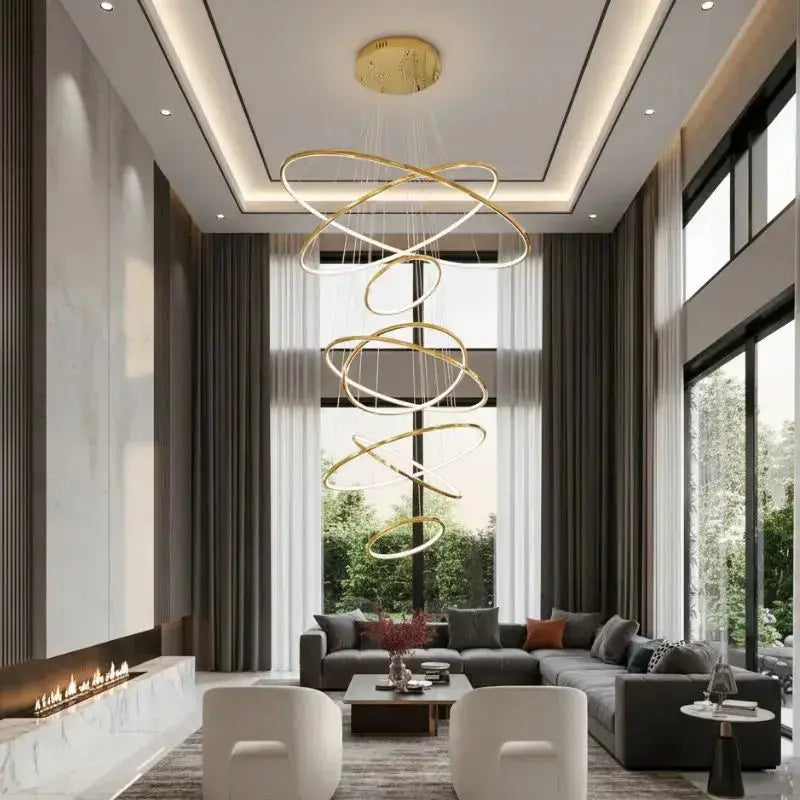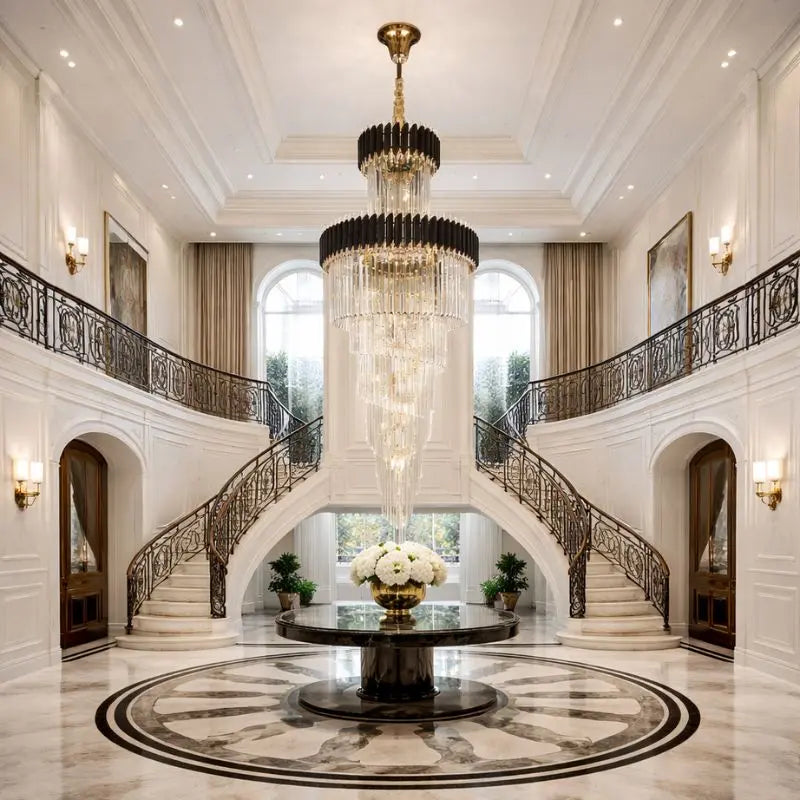

So, you've heard about the "design style modern" look, right? It's everywhere these days, from magazines to your friend's newly renovated kitchen. It’s not just about sharp edges and plain walls, though. This style is really about making your home work for you, looking good, and feeling comfortable. We're going to break down what makes this design style tick and how you can bring some of that modern vibe into your own space. It’s less about trends and more about creating a home that feels right.
Key Takeaways
- The "design style modern" aesthetic is built on simple lines and making sure things work well, not just look good.
- It draws inspiration from movements like Mid-Century Modern and Scandinavian design, focusing on clean looks and natural touches.
- Bringing "design style modern" into your home means thinking about how you use space, adding smart tech, and connecting with nature.
- Natural materials and a mix of textures are key to making a modern space feel warm and interesting, not cold.
- The future of "design style modern" leans towards warmer, more personal styles and sustainable choices, moving away from overly stark looks.
The Core Principles of Design Style Modern
Embracing Clean Lines and Minimalism
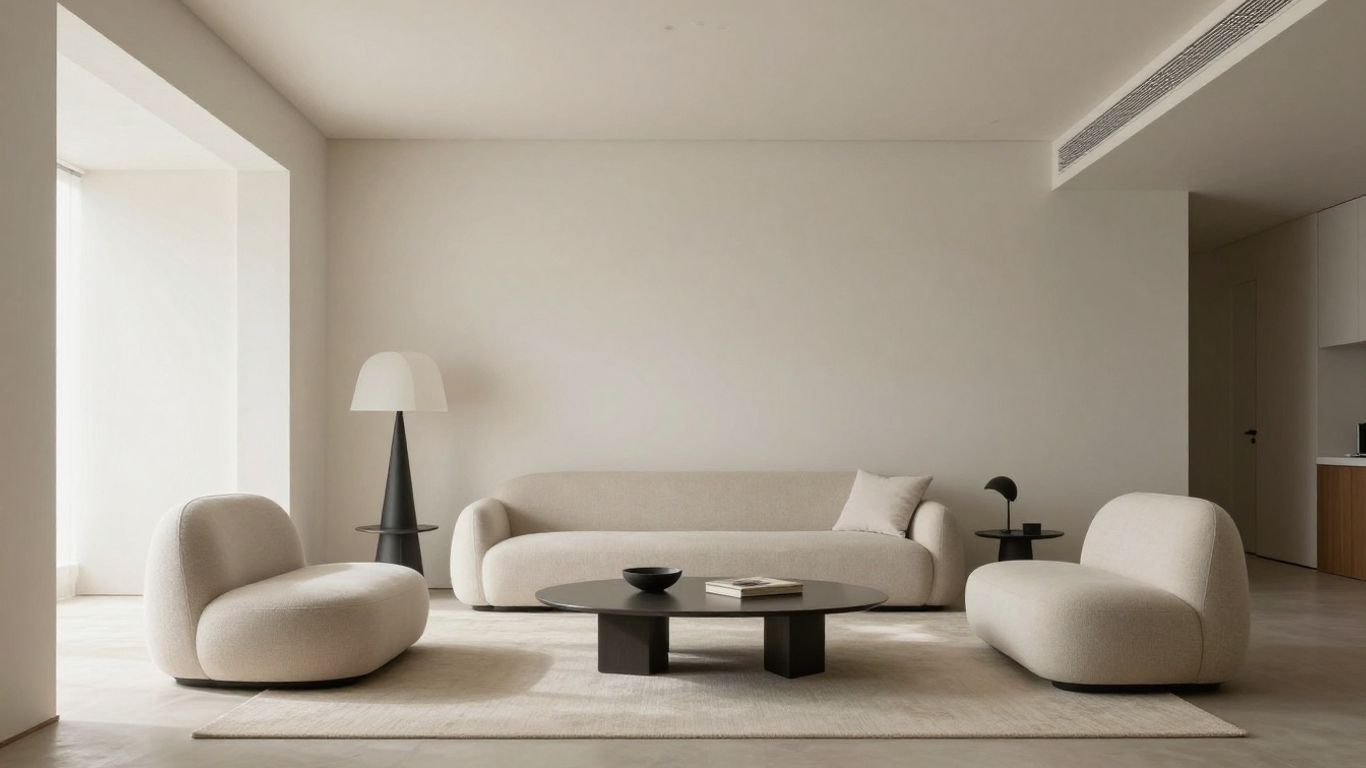
At its heart, modern design is all about stripping away the unnecessary. Think clean, straight lines and a distinct lack of fussy details. It’s a style that values simplicity and order. This focus on uncluttered spaces creates a sense of calm and spaciousness, making rooms feel larger and more open. It’s not just about how things look, but how they make you feel – relaxed and in control.
Functionality Meets Aesthetics
Modern design isn't just pretty; it's practical. Every piece, every element, should have a purpose. This means furniture that's comfortable and useful, not just for show. It’s about finding that sweet spot where something looks good and works well, too. This approach ensures that your space is not only stylish but also livable and easy to manage.
The "Less Is More" Philosophy
This idea, often associated with modernism, means that having fewer, well-chosen items is better than having a lot of clutter. It’s about quality over quantity. Instead of filling a room with many small things, you choose a few key pieces that make a statement. This thoughtful selection process helps create a harmonious and intentional environment. It encourages us to be more mindful about what we bring into our homes.
Evolution and Influences of Modern Design
Modern design didn't just appear out of nowhere. It's a style that's been shaped by different ideas and movements over time, each adding its own flavor. Think of it like a remix – taking the best bits from the past and making them feel fresh and new.
Mid-Century Modern Resurgence
This style, popular from the 1940s to the 1960s, is really having a moment again. It’s all about clean lines, organic shapes, and furniture that’s both stylish and practical. Designers like Charles and Ray Eames created iconic pieces that are still highly sought after. Mid-century modern pieces often feature tapered legs and a mix of wood and other materials, making them versatile for today's homes. It’s a look that feels both retro and totally current.
Scandinavian Simplicity and Warmth
From the Nordic countries comes a design philosophy that’s all about simplicity, functionality, and a connection to nature. Think light, airy spaces, natural wood, and a neutral color palette. But it’s not cold; there’s a real emphasis on creating a cozy, comfortable atmosphere, often referred to as 'hygge'. Soft textures, warm lighting, and uncluttered surfaces are key. It’s a style that feels calm and inviting, a nice contrast to busier designs. You can find great examples of this approach when looking at modern house plans.
Industrial Style's Raw Appeal
This style takes inspiration from old factories and warehouses. It embraces raw materials like exposed brick, concrete, and metal. Open layouts and utilitarian lighting are common. It might sound a bit stark, but when done right, it’s incredibly cool. The trick is to balance those rougher elements with softer touches, like comfortable seating or textiles, to make it feel like a home, not a workshop. It’s about celebrating the honest, unadorned nature of materials.
The evolution of modern design shows a clear path from functionalism to a more human-centered approach. It’s a style that’s always adapting, incorporating new ideas while holding onto its core principles of simplicity and purpose.
Integrating Design Style Modern into Your Home
So, you're thinking about bringing that sleek, modern vibe into your own place? It's totally doable, and honestly, it makes a lot of sense for how we live now. It’s not just about looking cool; it’s about making your home work better for you. Think about how you use your space day-to-day. Modern design really leans into making every area functional and easy to live in.
Innovative Use of Space and Layouts
One of the coolest things about modern design is how it plays with space. Forget those awkward, chopped-up rooms. Modern layouts often go for open-plan living, which just makes everything feel bigger and more connected. It’s like, you can be in the kitchen cooking and still chat with someone in the living room. This also means furniture choices are key. Instead of bulky pieces, you’ll see more streamlined, multi-functional items. Think ottomans with storage or sofa beds that don’t look like sofa beds. It’s all about making your home feel bigger and more useful, no matter the actual square footage. We're talking about making every corner count.
Seamless Integration of Technology
Let's be real, we live in a tech-heavy world. Modern design doesn't shy away from that; it embraces it. This means thinking about how your gadgets fit in. Instead of wires everywhere, it’s about built-in systems. Smart lighting that you can control from your phone, speakers that are hidden away, or even just clever ways to manage your charging cables. It’s about making technology work for you without it taking over your decor. The goal is a home that’s smart and efficient, but still feels like a calm place to relax. It’s about making life a little easier.
Embracing Nature Through Design
Even though modern design can feel very clean and sometimes a bit stark, it’s also really good at bringing the outdoors in. Big windows are a huge part of this. They let in tons of natural light, which makes a space feel so much more open and airy. It’s like having a living piece of art outside your window. Beyond just windows, think about materials. Using wood, stone, or even plants indoors connects you to nature. It adds a bit of warmth and texture that balances out the clean lines. It’s a way to make your modern space feel more grounded and alive. This connection to the natural world is a big part of what makes modern design feel so welcoming.
Modern design is all about making your home functional and beautiful. It uses clean lines, smart layouts, and integrates technology smoothly. Plus, it brings the outdoors in with lots of natural light and materials. It’s a style that’s practical for today’s living.
Here are some ways to start:
- Declutter ruthlessly: Keep only what you truly need and love. A tidy space is the foundation of modern design.
- Choose furniture with simple shapes: Look for pieces that are functional and don't have a lot of fussy details.
- Think about open floor plans: If possible, consider how to make your rooms flow into each other better.
- Add natural elements: Incorporate wood, plants, or stone to bring warmth and texture.
| Feature | Description |
|---|---|
| Layout | Open, flowing, multi-functional |
| Technology | Integrated, smart, unobtrusive |
| Connection to Nature | Large windows, natural materials, indoor plants |
| Furniture | Clean lines, simple forms, practical |
Materials and Textures in Modern Aesthetics
Natural Materials and Finishes
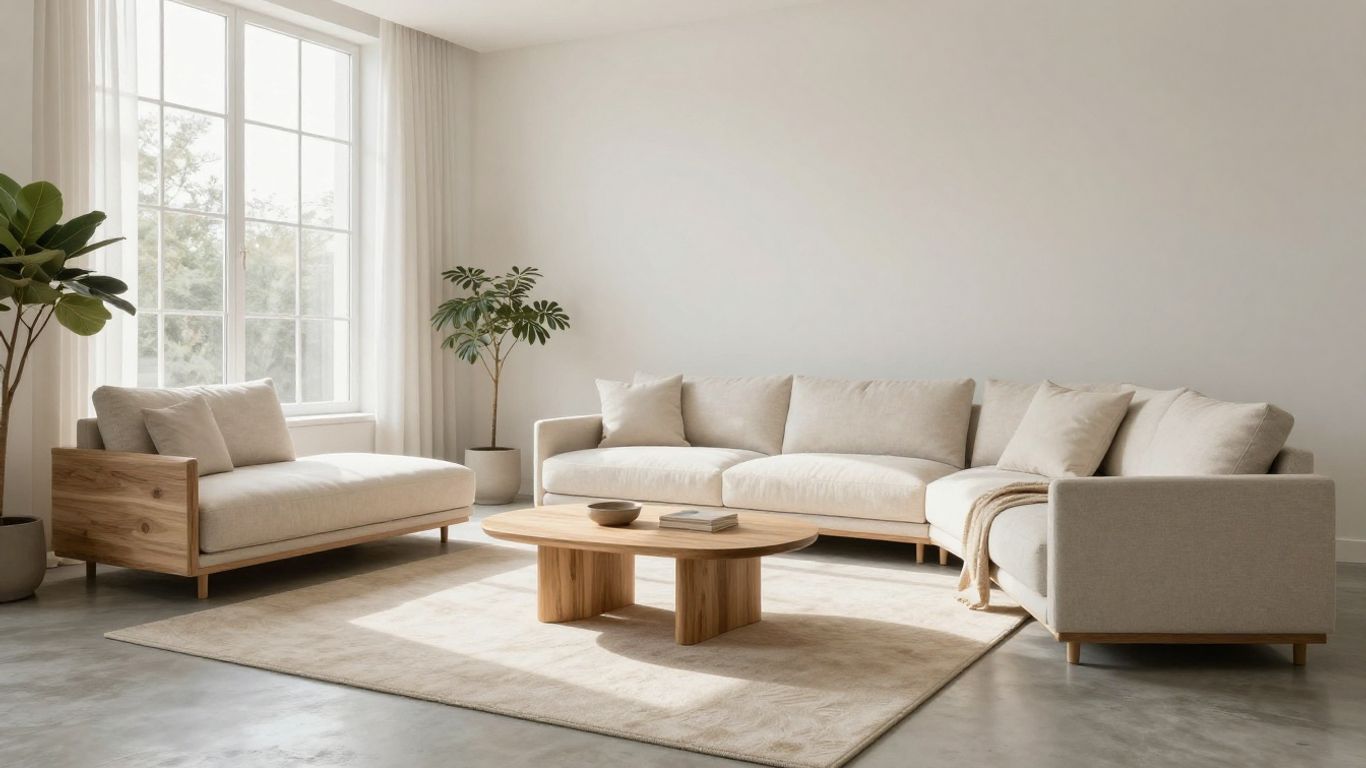
Modern design has really embraced the beauty of things that come straight from the earth. Think wood with its grain showing, rough-hewn stone, and even polished concrete. These aren't just surfaces; they add a real sense of warmth and authenticity to a space. It’s about bringing the outside in, creating a connection to nature that feels grounding. For instance, a wooden accent wall can bring a lot of character to a room that might otherwise feel a bit too sleek. We're seeing a move away from overly processed finishes towards materials that show their natural origins, like a beautifully textured stone fireplace or flooring that highlights the natural variations in the wood. This approach makes spaces feel more lived-in and genuine.
The Power of Mixed Textures
Texture is where modern design really comes alive, adding depth and interest that you can both see and feel. It’s not just about how things look, but how they feel to the touch. Mixing different textures is a big trend, creating a layered effect that makes a room feel more dynamic and inviting. Imagine a smooth, cool concrete floor paired with a chunky knit throw on a sofa, or a sleek metal lamp sitting next to a rough, woven basket. This contrast is key. It stops a space from feeling flat or one-dimensional.
Here are some popular texture pairings:
- Wood and Metal: The natural warmth of wood balances the cool, industrial feel of metal. Think wooden furniture with metal legs or accents.
- Stone and Glass: This combination offers a modern, sometimes industrial look. A stone wall with large glass windows can feel both solid and airy.
- Brick and Soft Textiles: Exposed brick walls provide a rough, rustic texture that is beautifully softened by plush rugs, velvet cushions, or linen curtains.
The careful layering of textures can transform a room from merely functional to truly captivating, engaging the senses and creating a more comfortable atmosphere.
The Subtle Elegance of Silver Accents
While natural materials bring warmth, metallic touches add a sophisticated sparkle. Copper has had its moment, but silver is really stepping into the spotlight for 2025. It’s not about flashy, overly polished chrome, but rather a more refined, brushed, or matte silver. These accents can appear in fixtures, hardware, or even decorative items. They catch the light in a subtle way, adding a touch of modern elegance without being overpowering. Think of silver drawer pulls on a minimalist kitchen cabinet or a sleek silver picture frame on a textured wall. It’s these small details that really pull a modern design together, offering a refined finish that complements the other materials and textures in the space.
The Future of Design Style Modern
So, what's next for the modern design aesthetic? It's not about ditching the clean lines or the focus on function, but rather about evolving. Think of it as a warmer, more lived-in version of what we've come to love.
Warm Minimalism: A Humanized Approach
The days of stark, almost sterile minimalism are fading. The future is about "warm minimalism." This means keeping the uncluttered feel but infusing it with softer textures, natural materials, and a more inviting color palette. Imagine a space that feels calm and organized, but also cozy and personal. It's about creating a sanctuary that reflects your life, not just a showroom.
The shift is towards spaces that feel alive, not just perfectly arranged. It's about comfort meeting clean design.
Sustainable Design Practices
Sustainability is no longer a niche concern; it's becoming a core part of modern design. This involves using eco-friendly materials, like reclaimed wood or recycled metals, and choosing furniture built to last. It's about making conscious choices that are good for the planet and create healthier living environments. We're seeing a rise in furniture made from recycled or sustainably sourced materials, which is a great step forward for sustainable home decor.
Here are some ways this is showing up:
- Materials: Increased use of bamboo, cork, recycled plastics, and sustainably harvested woods.
- Longevity: Focus on durable, well-made pieces that don't need frequent replacement.
- Energy Efficiency: Integrating smart home technology that reduces energy consumption.
Anticipating 2025 Design Forecasts
Looking ahead, the trends point towards a more tactile and personal modern style. Copper is stepping aside for the cool gleam of silver accents, adding a touch of understated elegance. Expect to see a blend of natural elements with sleek finishes. The goal is to create spaces that are both forward-thinking and deeply comfortable, a true reflection of modern living in the coming years. This evolution means modern design is becoming more adaptable and personal than ever before.
Wrapping It Up
So, that’s the lowdown on the modern design style. It’s not just about sharp edges and cold spaces anymore. Think clean lines, sure, but mixed with warm textures and materials that feel good to touch. It’s about making a place that looks good but also feels like home, you know? Whether you’re into the whole "less is more" thing or just want a space that’s functional and looks sharp, modern design has got you covered. It’s a style that keeps changing, but the core idea of smart, simple living is still there. It’s pretty cool how it all comes together, really.
Frequently Asked Questions
What makes a home 'modern' in its design?
Modern design is all about keeping things simple and clean. Think straight lines, not too much stuff, and making sure everything has a purpose. It's like having a tidy room where everything is easy to find and use. The focus is on making the space look good while also working well for you.
Is modern design just about being plain and boring?
Not at all! While modern design loves simplicity, it doesn't mean it has to be boring. It uses cool materials, interesting shapes, and smart layouts to make spaces feel fresh and exciting. It’s about making a statement with less, not with more clutter.
What are some popular styles that are part of modern design?
You'll see a few popular styles that fit under the modern umbrella. Mid-century modern, with its retro vibes and comfy furniture, is back in style. Scandinavian design brings in a cozy, simple feel with lots of light. And industrial style uses raw materials like brick and metal for a cool, unfinished look.
How can I make my home feel more modern without a big remodel?
You can start small! Try decluttering your space and getting rid of things you don't need. Choose furniture with clean lines and simple shapes. Use neutral colors on your walls and add pops of color with accessories like pillows or art. Focus on making things functional and easy to use.
What kind of materials are best for a modern look?
Modern design loves natural stuff! Think wood, stone, and metal. Glass is also popular for a sleek look. Mixing different textures, like a smooth metal with a rough brick wall, can make your space more interesting and feel more real.
Is modern design going to change much in the future?
Yes, it's always changing! Right now, designers are making modern design warmer and more comfortable, using softer colors and cozy textures. They're also focusing on using eco-friendly materials and making homes that are good for the planet. So, it’s becoming more about feeling good and being sustainable.