
Picking out the right light pendant for your home can feel like a big deal. It’s not just about having something hanging from the ceiling; it’s about adding personality and making a space feel just right. Whether you need light for cooking, reading, or just setting a mood, a good pendant can do a lot. This guide will help you figure out what to look for, so you can find a light pendant that fits your style and your room perfectly.
Key Takeaways
- A light pendant isn't just for light; it's a design element that can make a statement or blend in with your decor.
- Think about what the pendant is made of and its finish – glass gives soft light, metal can create warmth, and special finishes might last longer.
- The kind of light and the bulb matter. Warm light is cozy, cool light is good for working, and dimmers give you options.
- There are lots of styles, from single lights for specific tasks to groups of lights over a table or island.
- When hanging more than one light pendant, consider if you want them lined up evenly or at different heights to get the look you want.
Understanding The Role Of A Light Pendant
Pendant Lights As Statement Pieces
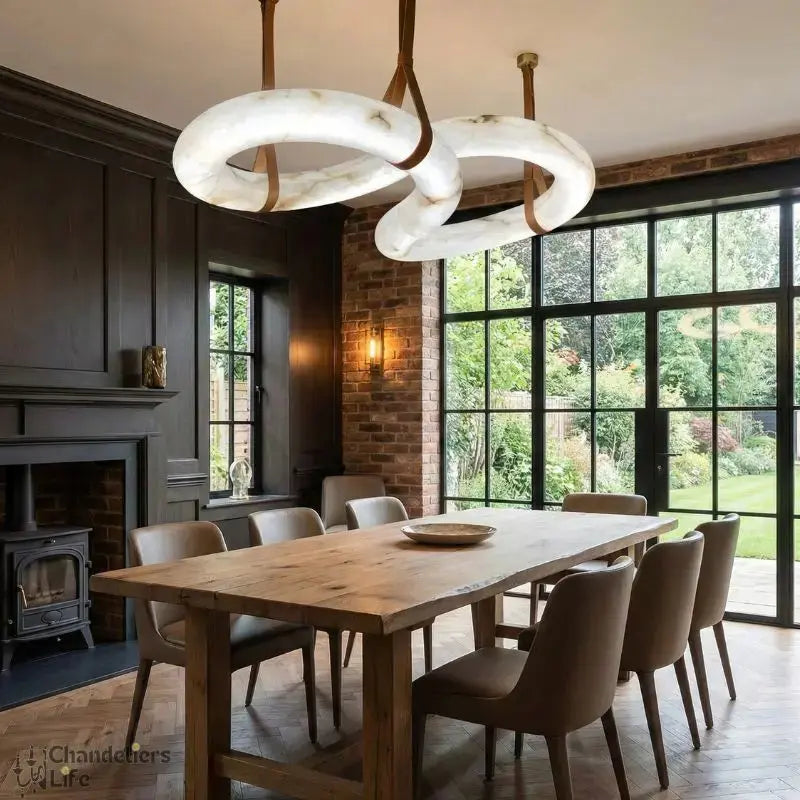
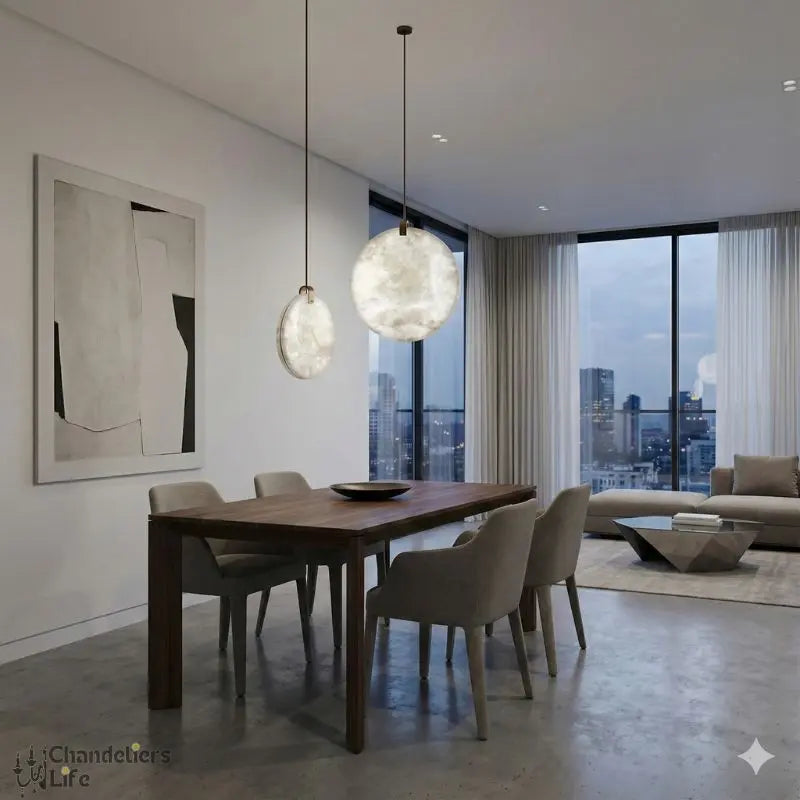
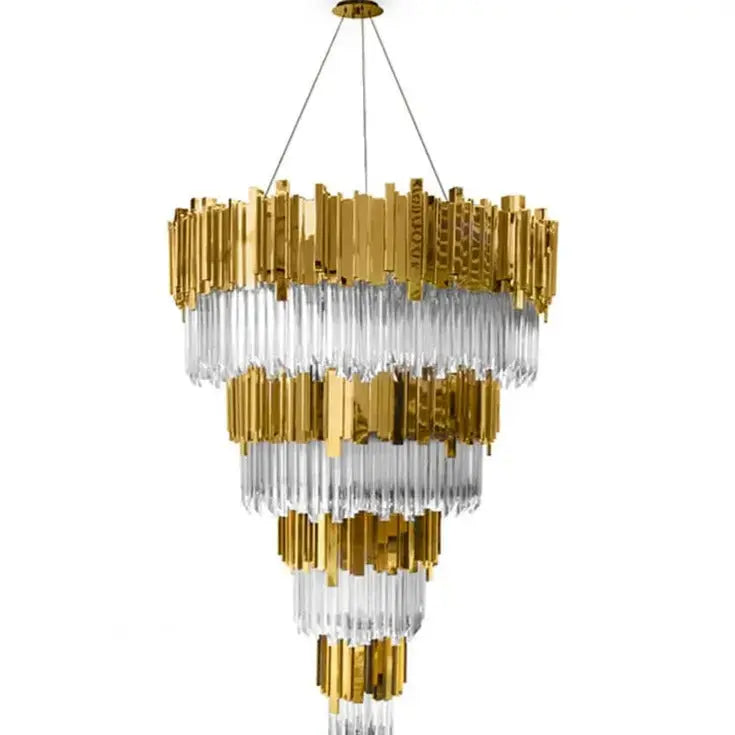
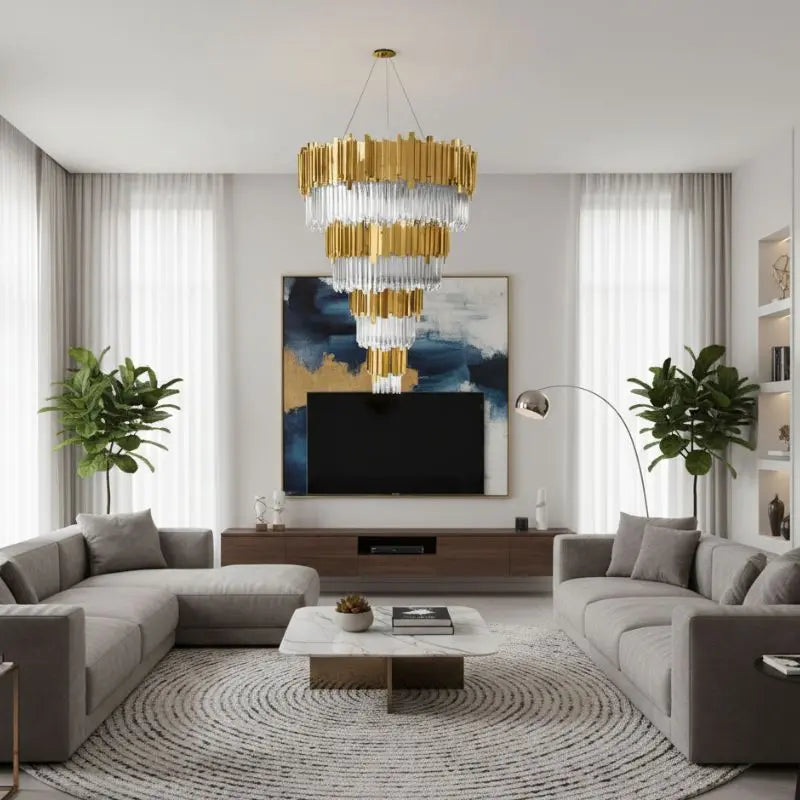
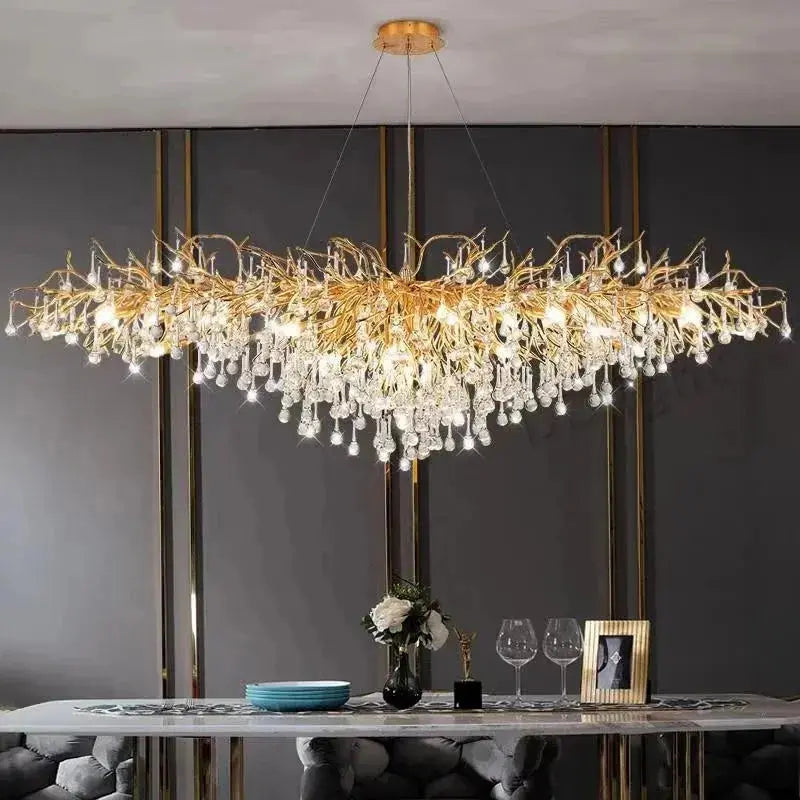
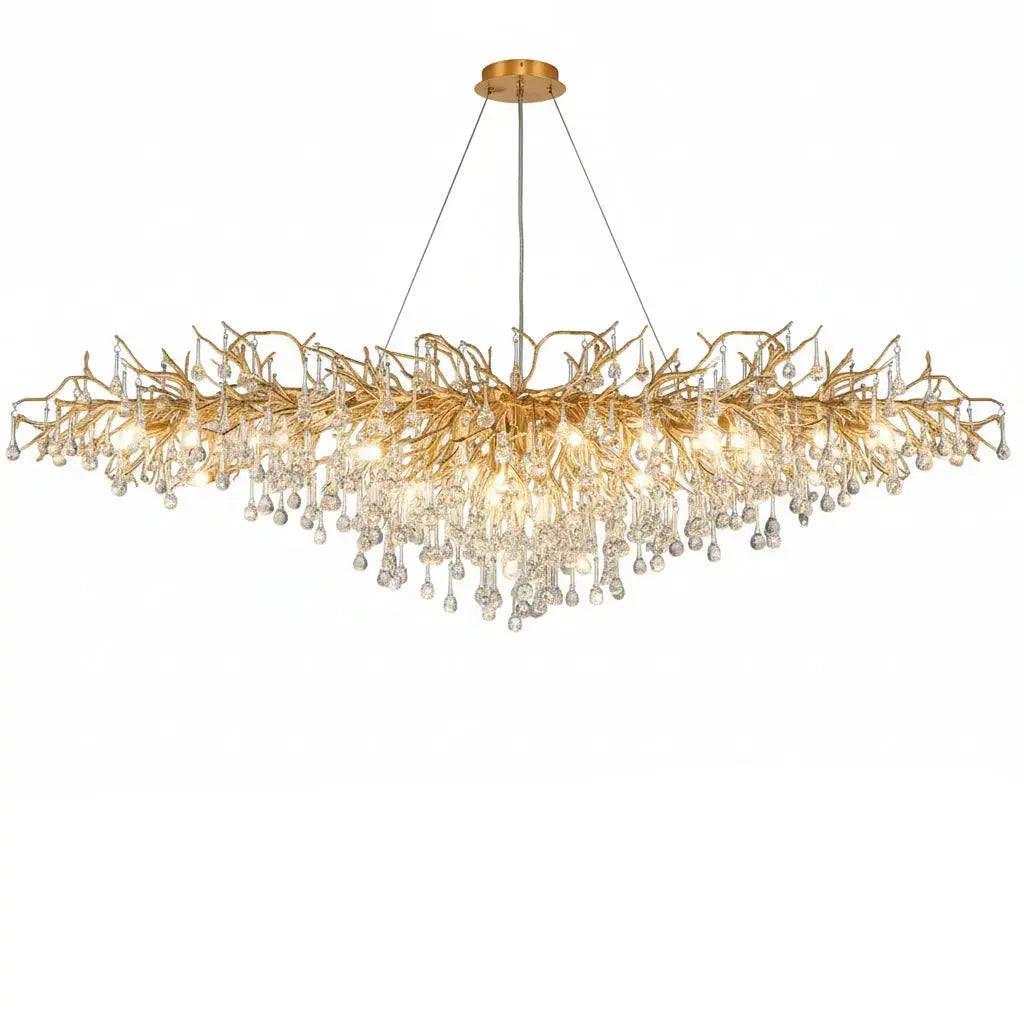
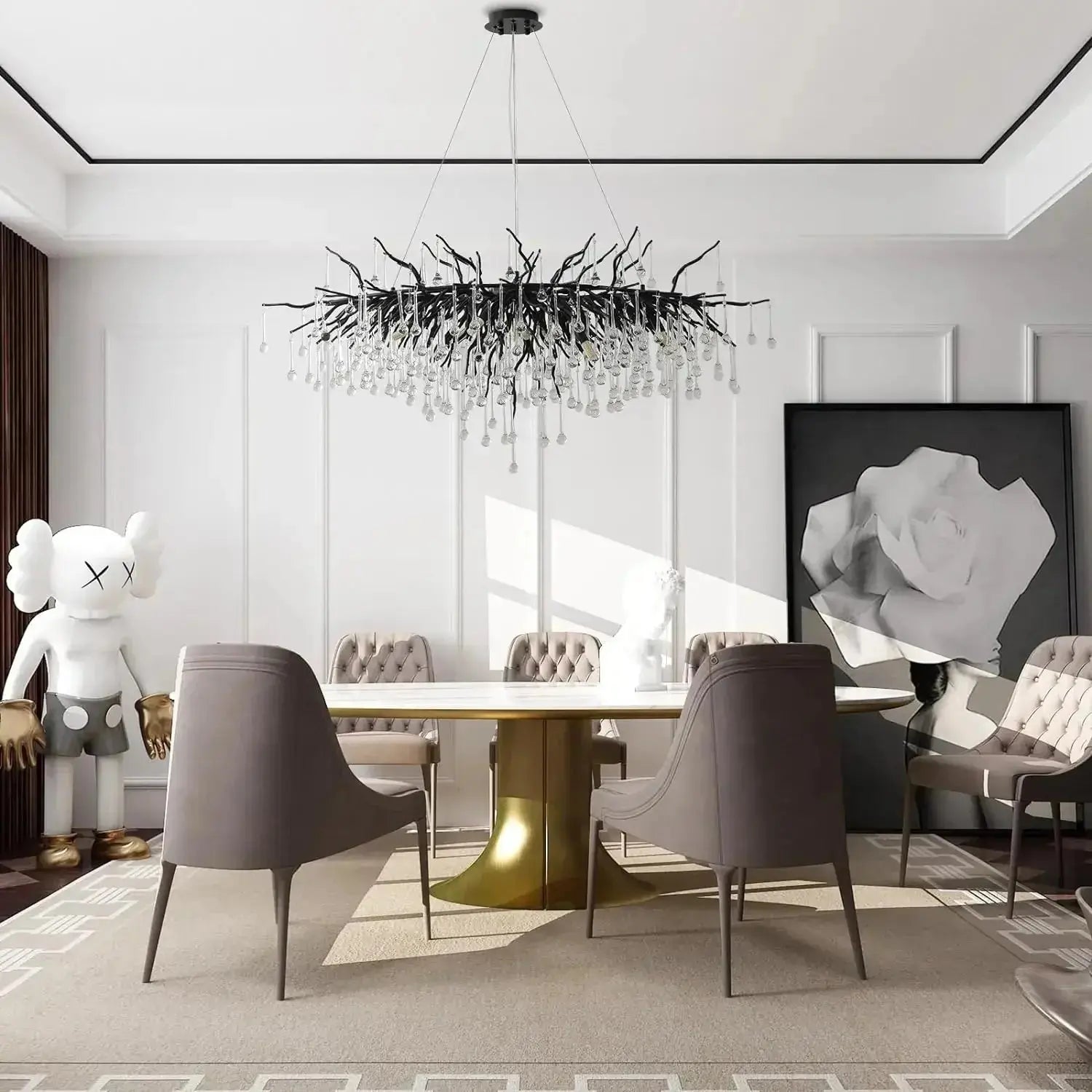
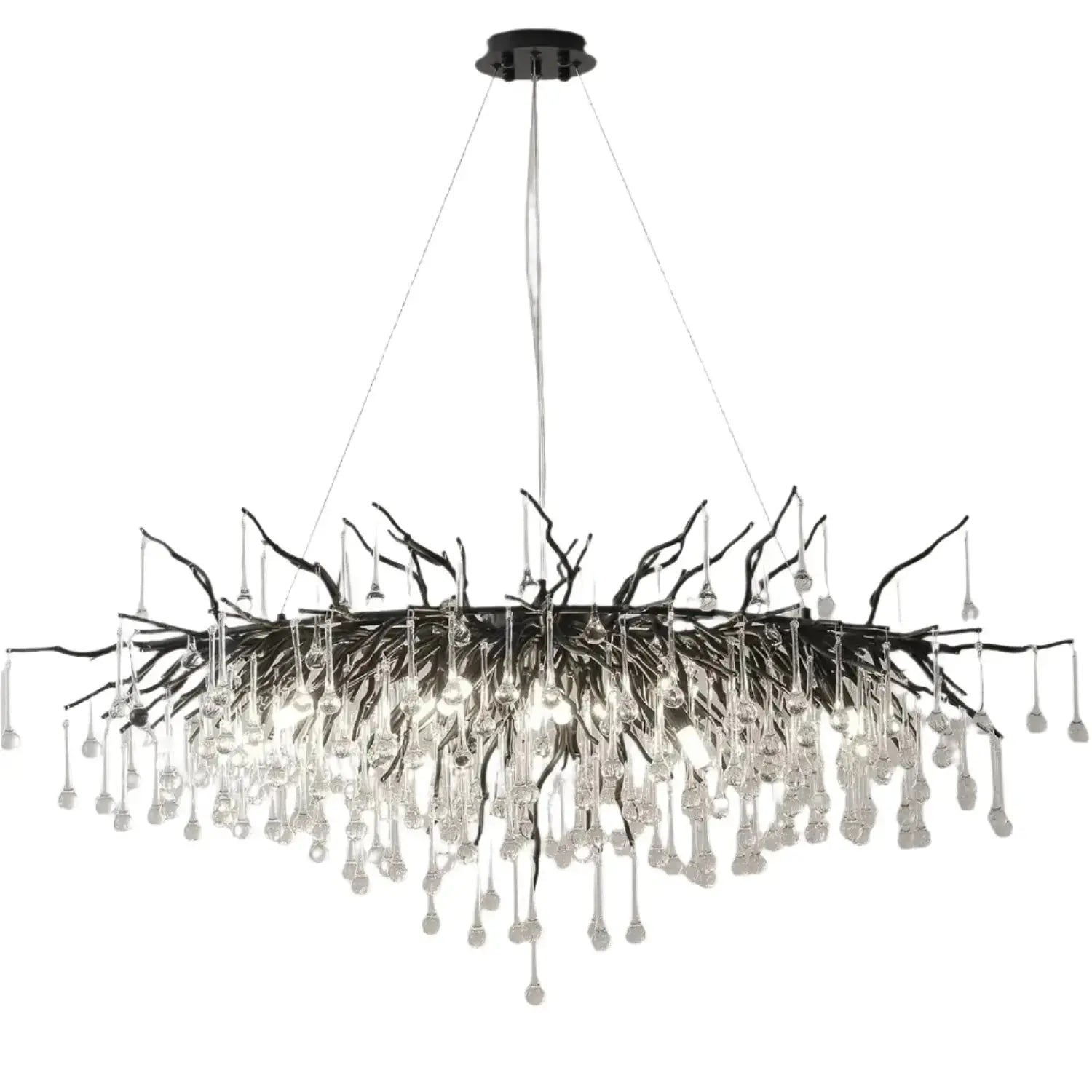
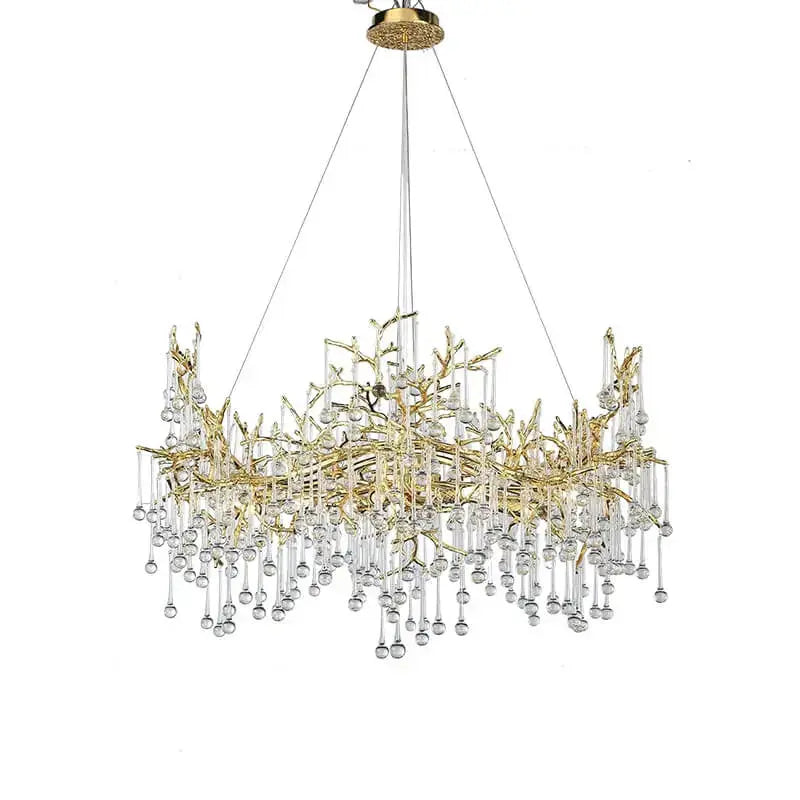
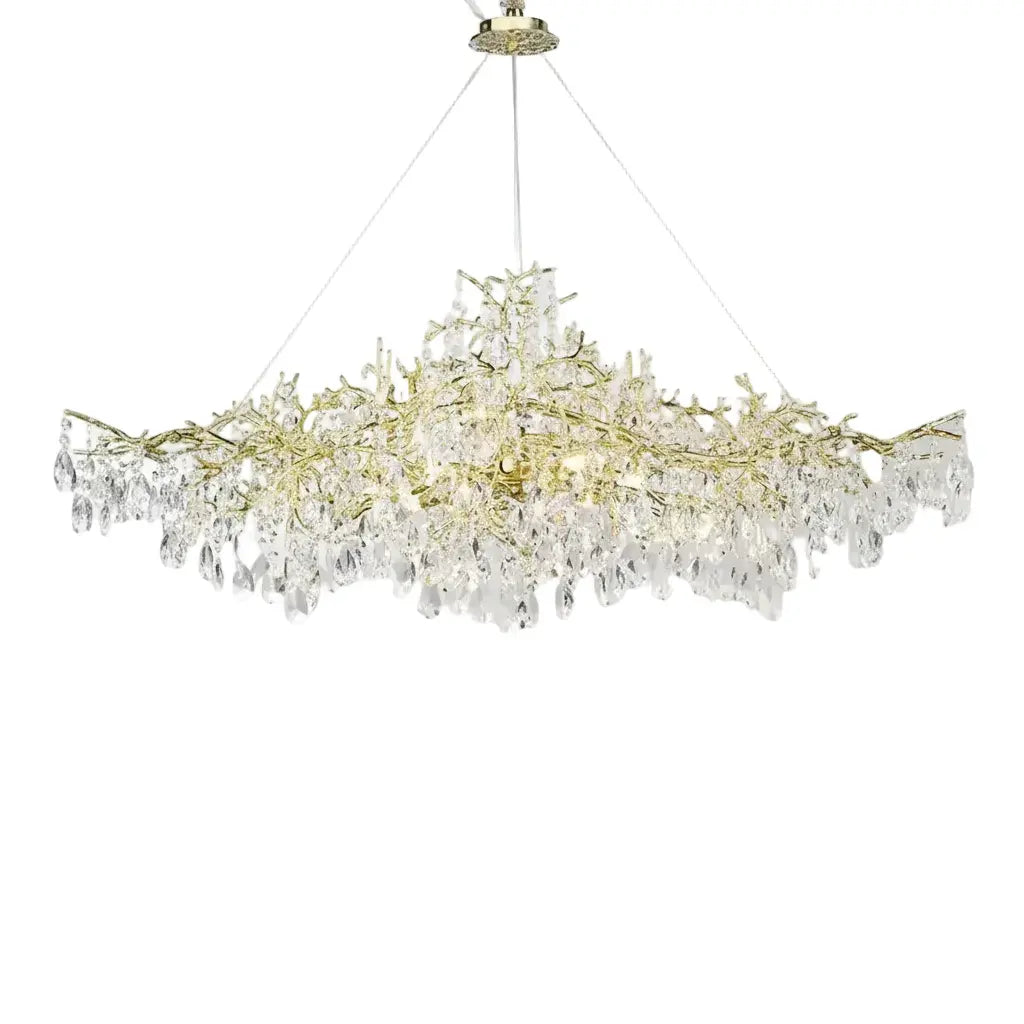
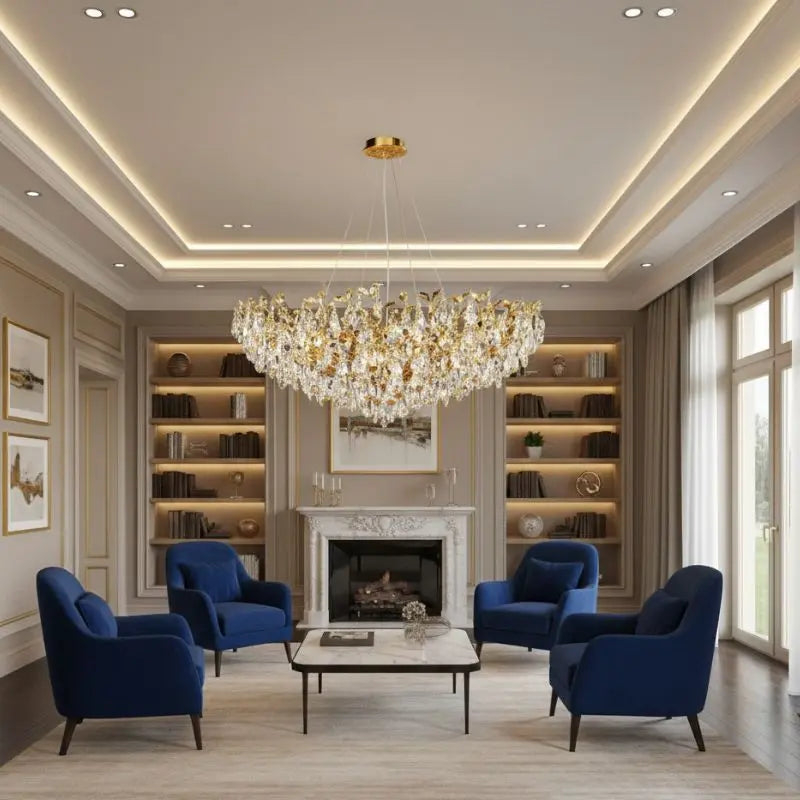
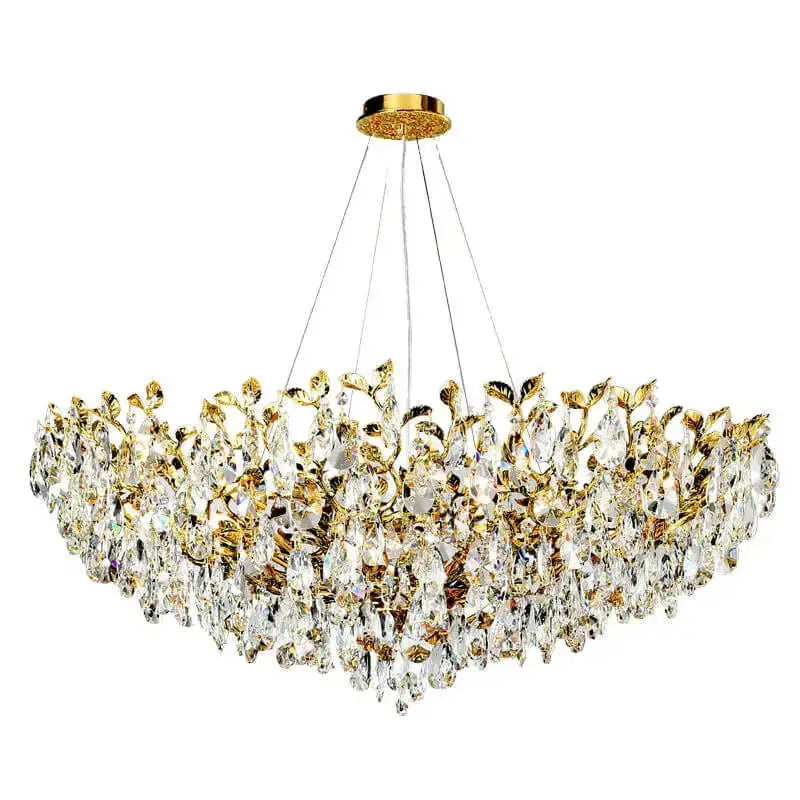
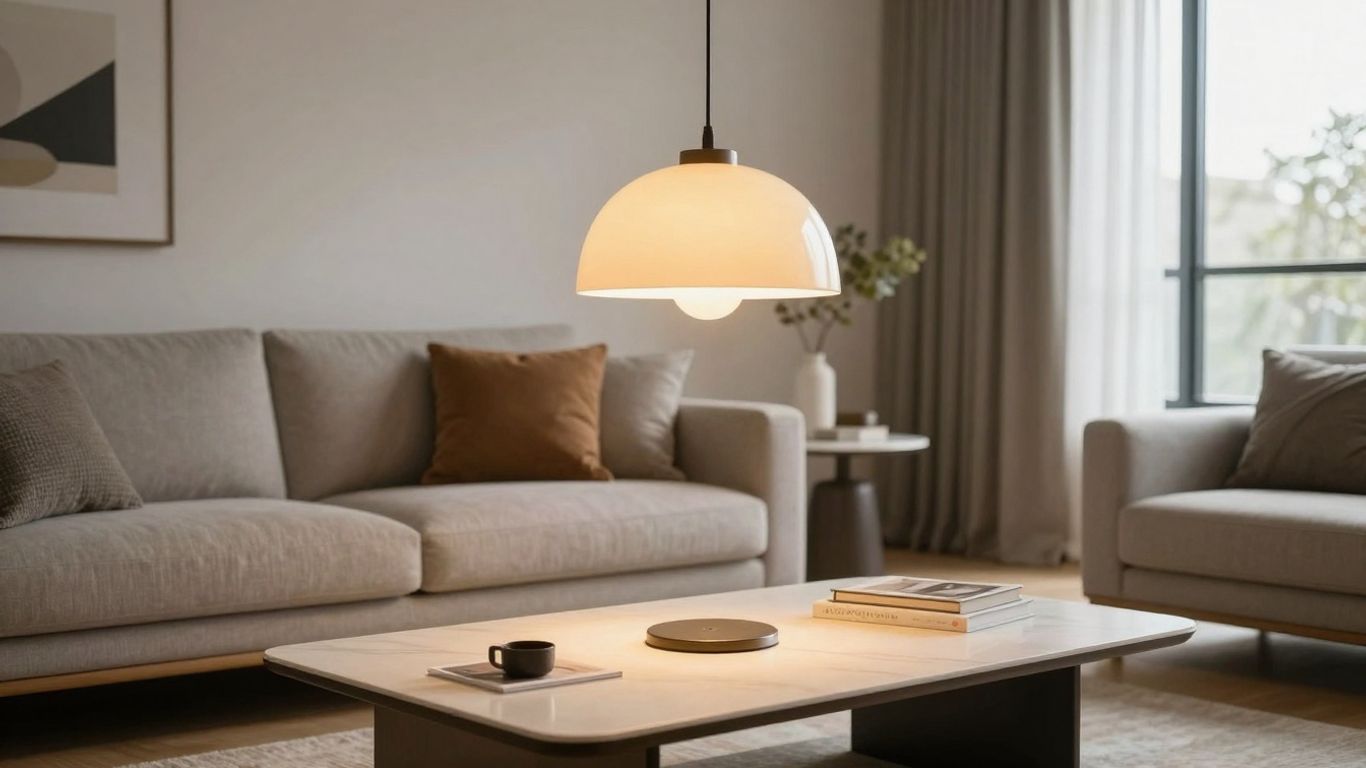
Pendant lights are more than just a way to light up a room; they can really be the star of the show. Think of them as jewelry for your ceiling. A well-chosen pendant can grab attention and set the whole mood for a space. It’s like picking out a piece of art that also happens to shine a light on things. Whether it's a big, dramatic fixture over a dining table or a series of smaller, interesting ones in a hallway, these lights can totally change how a room feels. They’re a fantastic way to show off your personal style and make a space feel unique. For example, a fixture like the 5 Light Boulevard Designer Chandelier can instantly add a touch of elegance and become a central talking point.
Functional Lighting Solutions
Beyond just looking good, pendant lights are super practical. They’re brilliant for directing light exactly where you need it. In the kitchen, a pendant hanging over an island is perfect for chopping veggies or reading a recipe. Over a dining table, it creates a cozy atmosphere for meals. You can even use them to highlight specific features in your home, like a cool piece of artwork or an interesting architectural detail. It’s all about using light to make your space work better for you.
Here’s a quick look at how they function:
- Task Lighting: Focused light for activities like cooking or reading.
- Ambient Lighting: Softer light to create a general mood.
- Accent Lighting: Highlighting specific objects or areas.
Enhancing Room Aesthetics
So, how do these hanging lights actually make a room look better? Well, they can really tie a whole look together. The shape, material, and finish of a pendant can either blend in with your existing decor or provide a nice contrast. Imagine a sleek, modern pendant in a room with more traditional furniture – it adds a cool, unexpected twist. Or, a rustic metal pendant in a farmhouse kitchen just feels right. They help define zones within a larger room too. For instance, a pendant over a seating area can make it feel more intimate.
The right pendant light can transform a simple room into something special. It’s about balancing how it looks with how it works, making sure it fits your home’s style and your daily life.
Choosing The Right Light Pendant Materials And Finishes
When you're picking out a light pendant, the stuff it's made of and how it looks really matters. It's not just about how it hangs there; it's about the vibe it gives off and how it plays with the light in your room.
Glass For Soft Illumination
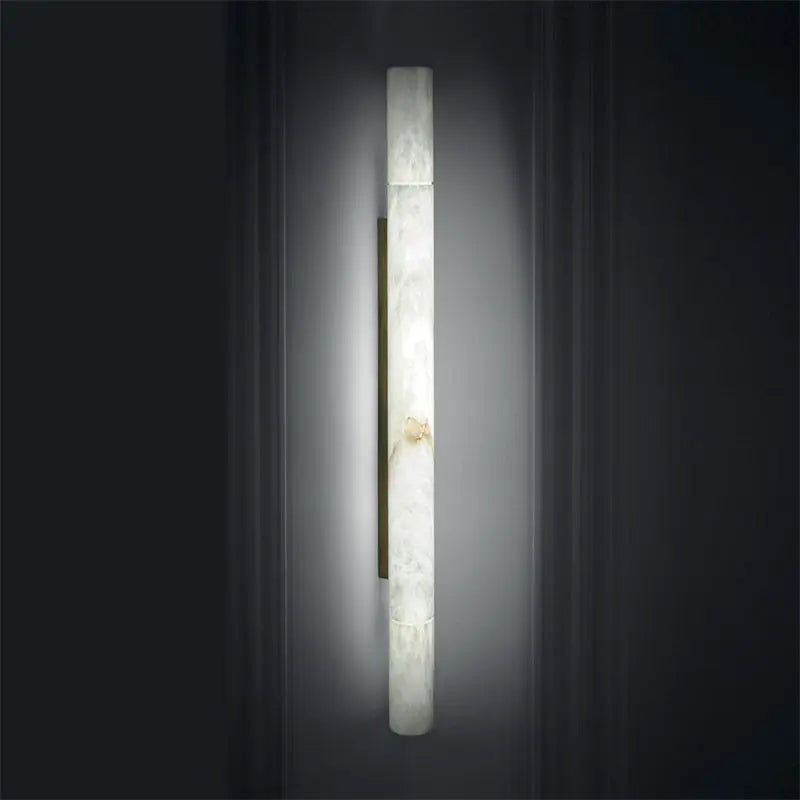
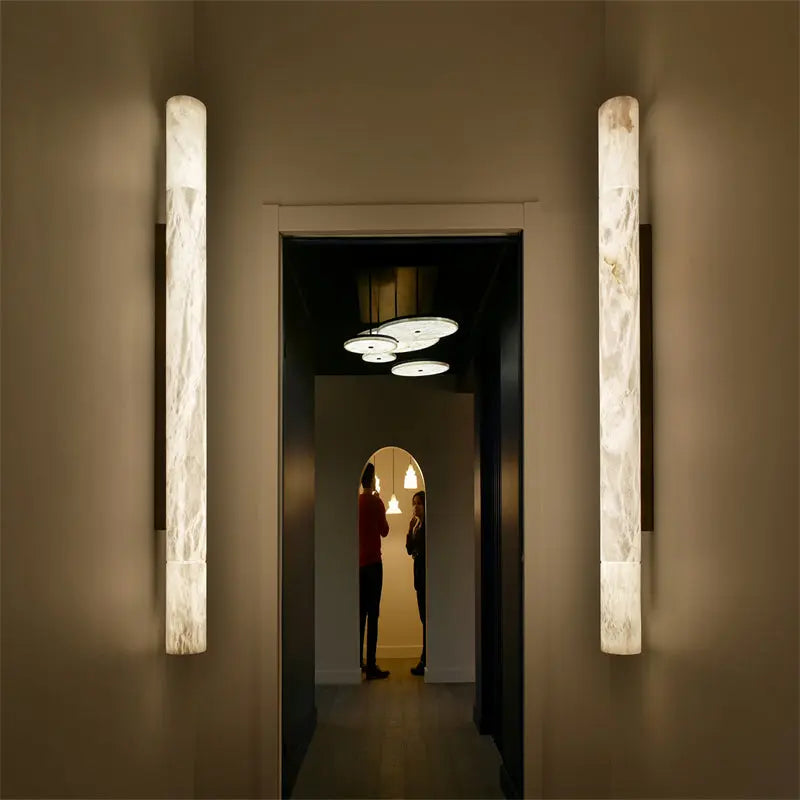
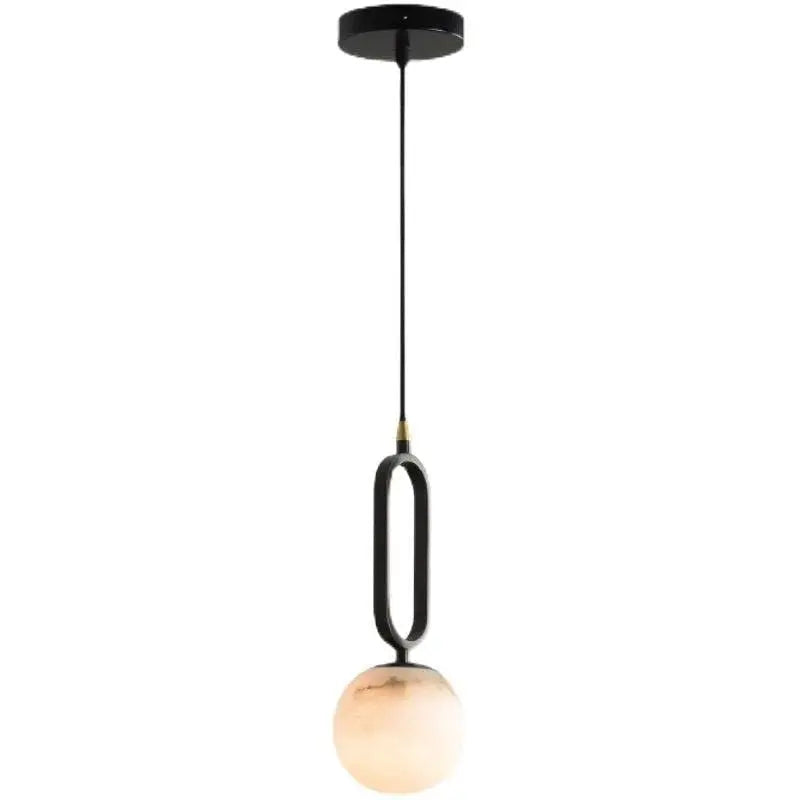
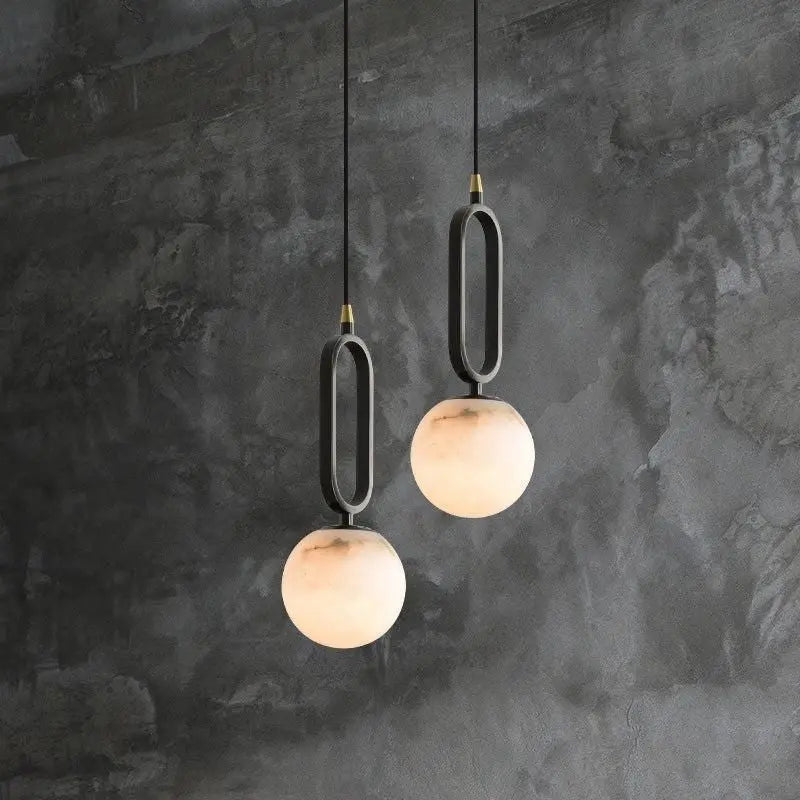
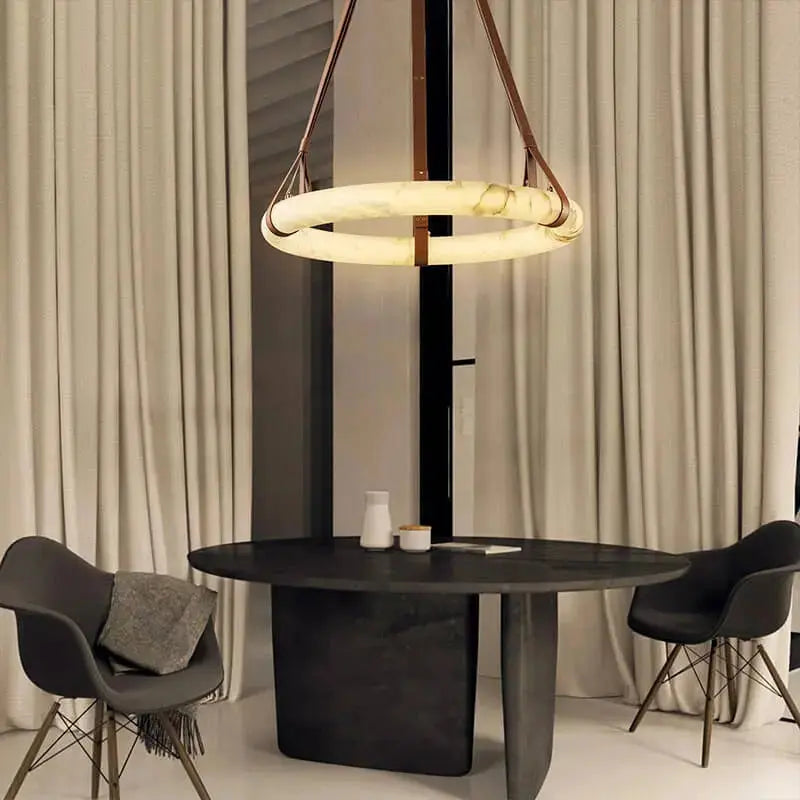
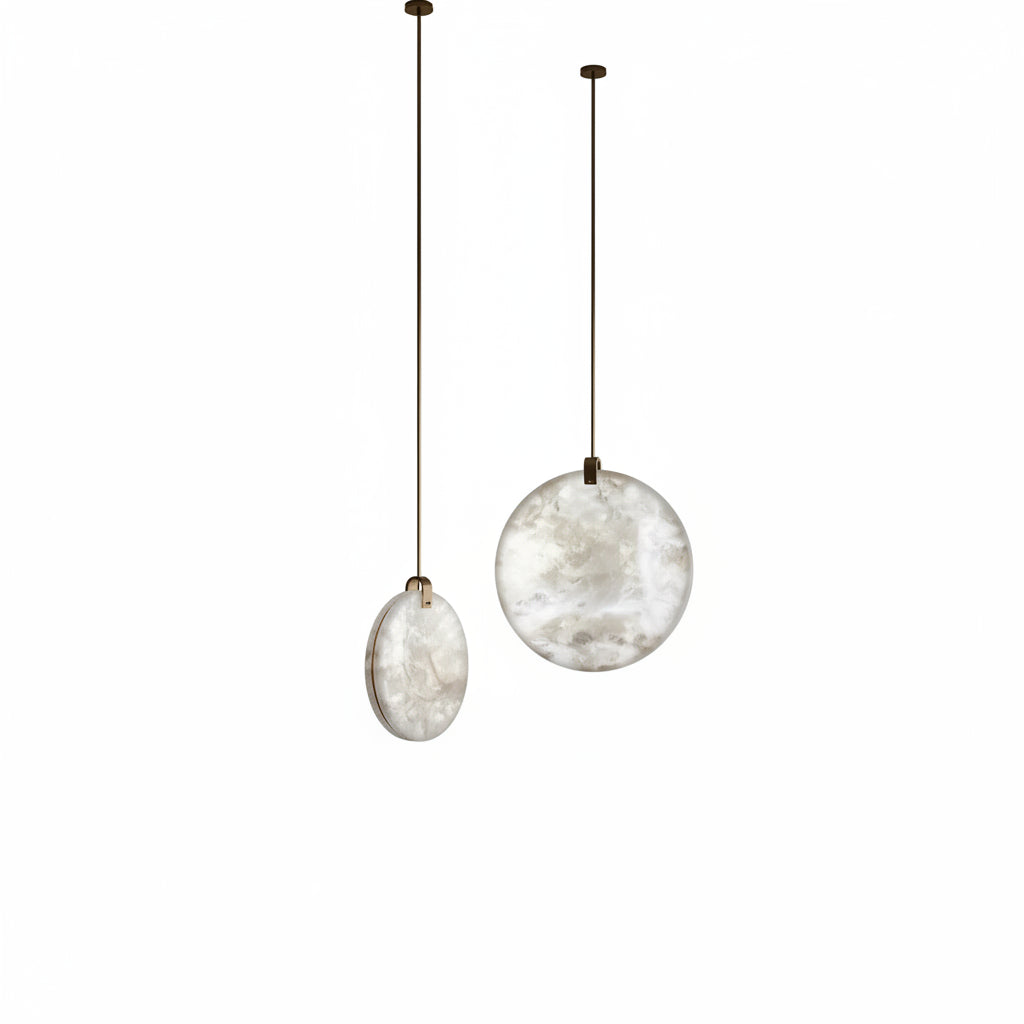
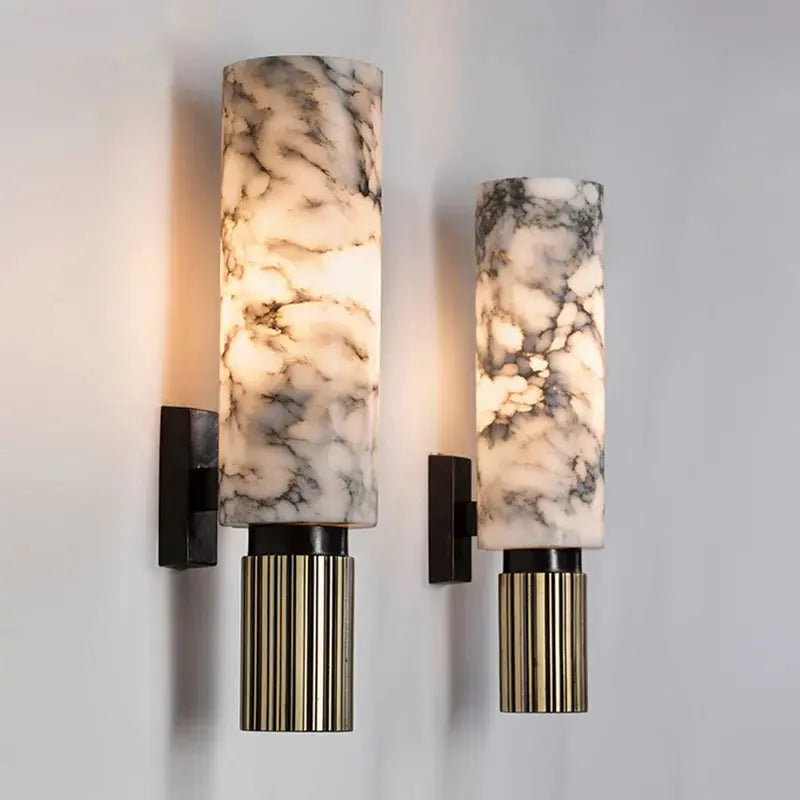
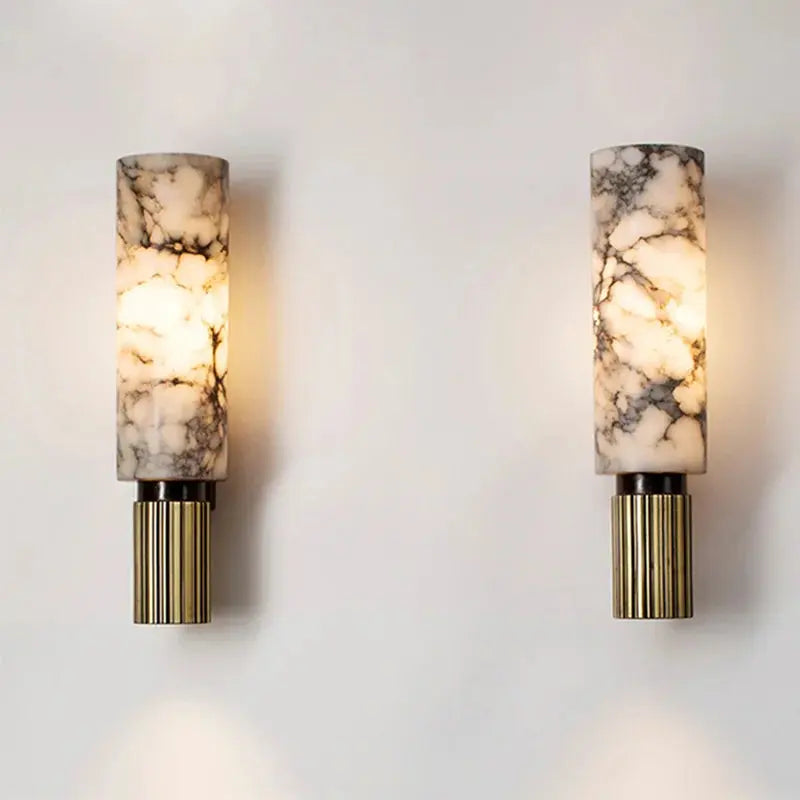
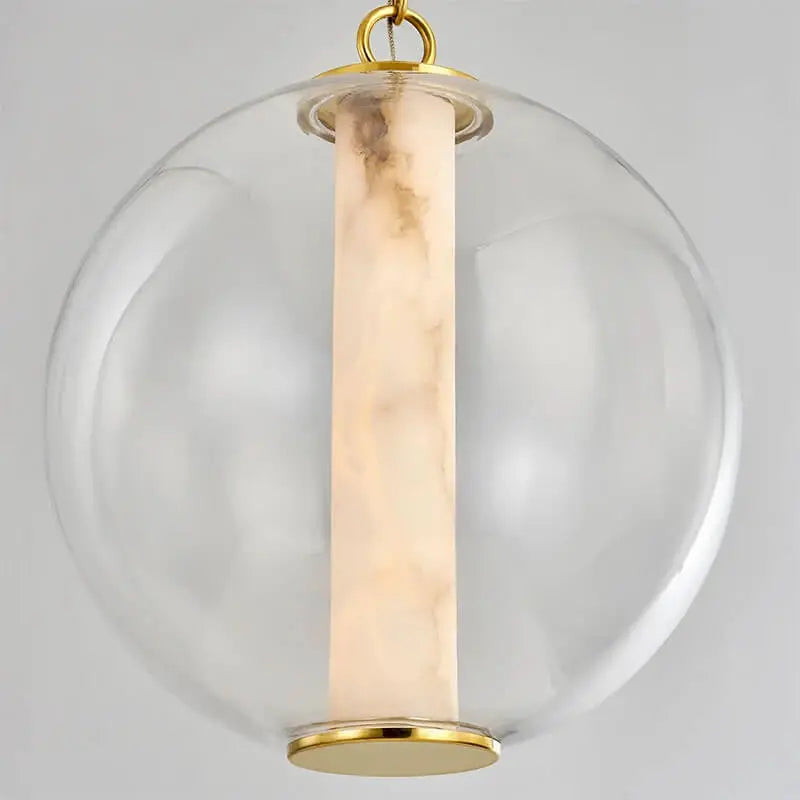
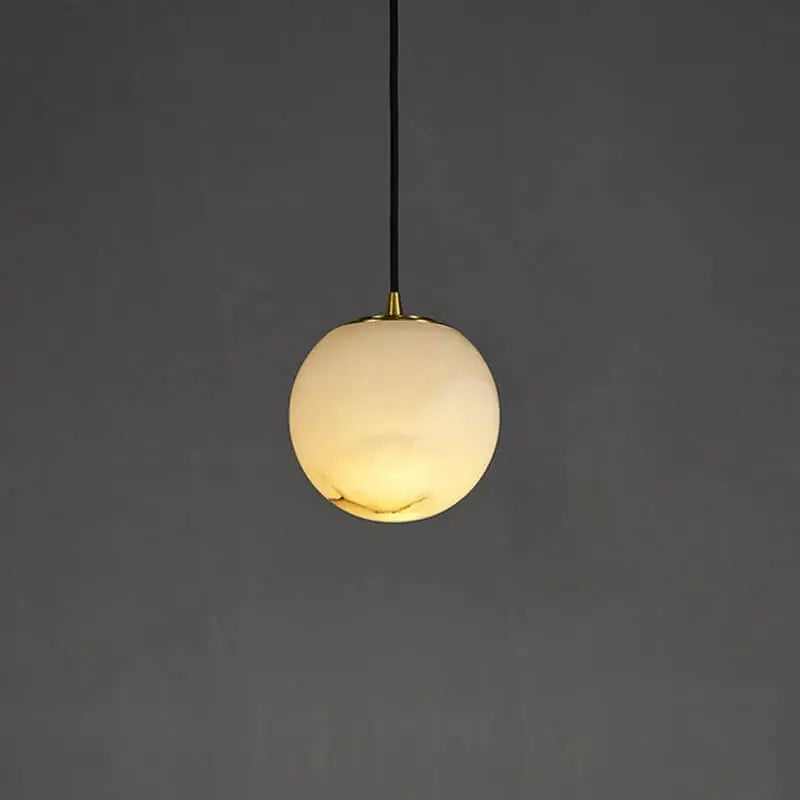
Glass is a classic for a reason. It's great at spreading light around in a gentle way. Think about mouth-blown glass – it often has these subtle little differences that make each piece feel a bit special. It can make a room feel softer and more inviting. If you want a really warm, almost honey-like glow, especially when the light shines through it, materials like alabaster are fantastic. They're perfect for spaces where you want to relax, like a cozy living room or a bedroom.
Metals For Warm Ambiance
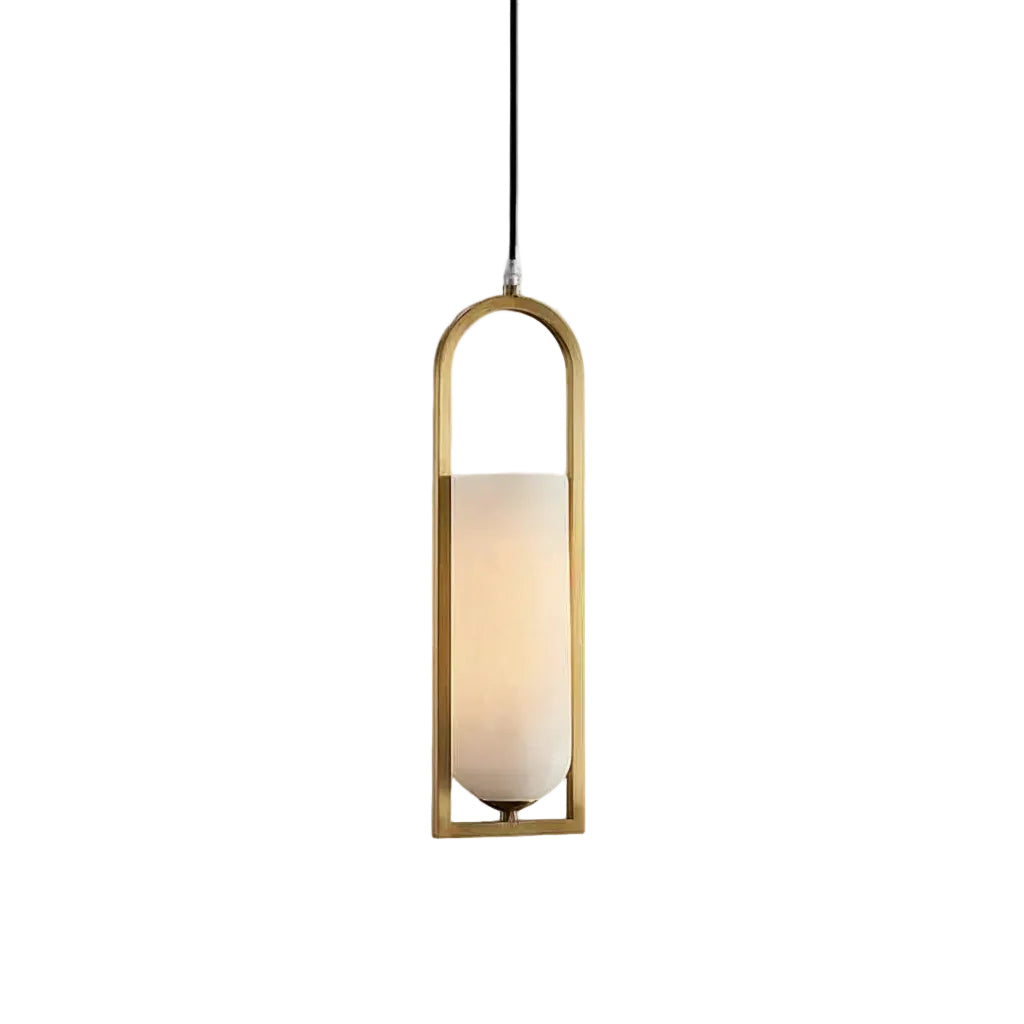
Metals are another popular choice, and they do a lot for the mood of a room. If you're going for a warm, inviting feel, metals like brass can really help. They reflect light downwards, creating a nice pool of light that's great for task areas or just making a space feel more intimate. The finish on the metal can change the whole look, from shiny and modern to brushed and more subdued.
Artisanal Finishes For Durability
Sometimes, you want something that looks unique and is built to last. Artisanal finishes often come from skilled craftspeople who know how to make things durable. This is especially important if the pendant is going in a busy spot like a kitchen, where grease and moisture can be an issue. Finishes that can be easily cleaned or even refinished down the line are a smart choice. It means your pendant can look good for years, rather than needing to be replaced.
Here's a quick look at how different materials can affect your space:
| Material |
|---|
| Glass |
| Metal (Brass, Steel, etc.) |
| Alabaster |
| Wood |
| Ceramic |
| Effect |
|---|
| Soft, diffused light |
| Reflective, directional light; warm or cool tones |
| Warm, honeyed glow |
| Natural, organic feel |
| Matte, textured, or glossy finishes |
When you're looking at materials, think about how they'll hold up over time. Some finishes might look amazing at first but can be tricky to clean or might wear down quickly in certain environments. Choosing something that's easy to maintain means less hassle for you later on.
Selecting Light Quality And Bulb Type
So, you've picked out the style and material for your pendant light. Awesome! But wait, there's more. The kind of light it gives off and the bulb you use can totally change the vibe of your room. It's not just about looking good; it's about how the light feels.
Color Temperature For Mood
Think about what kind of mood you want to set. This is where color temperature comes in, measured in Kelvin (K). For a cozy, relaxed feel in your living room or dining area, aim for warm white light, usually between 2700K and 3000K. It's like a soft, inviting glow. On the flip side, if you need light for tasks where you need to see details clearly, like in a bathroom for your morning routine or over a kitchen counter, cooler temperatures (around 4000K or higher) can be more helpful. They make things look sharper and can feel more energizing.
Dimmable Options For Versatility
Honestly, being able to control the brightness is a game-changer. Dimmable options mean you can go from bright, functional light for cooking or working to a soft, ambient glow for movie night, all with the flick of a switch. It adds so much flexibility to a single fixture. Plus, many modern LED bulbs and drivers are designed to be dimmable, so you can get that versatility without sacrificing energy efficiency. It’s a win-win.
Integrated LED Modules
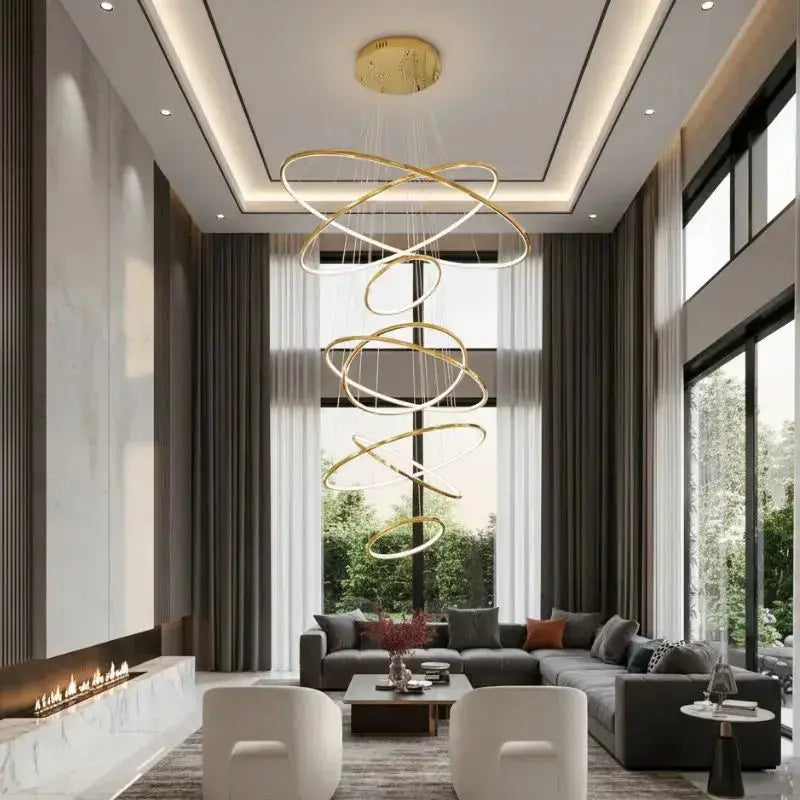
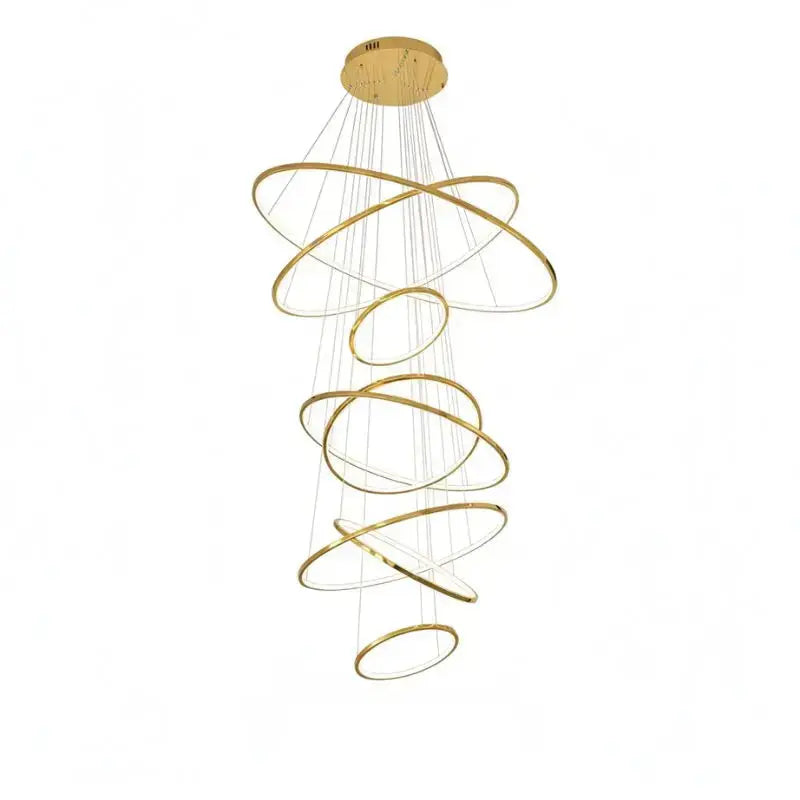
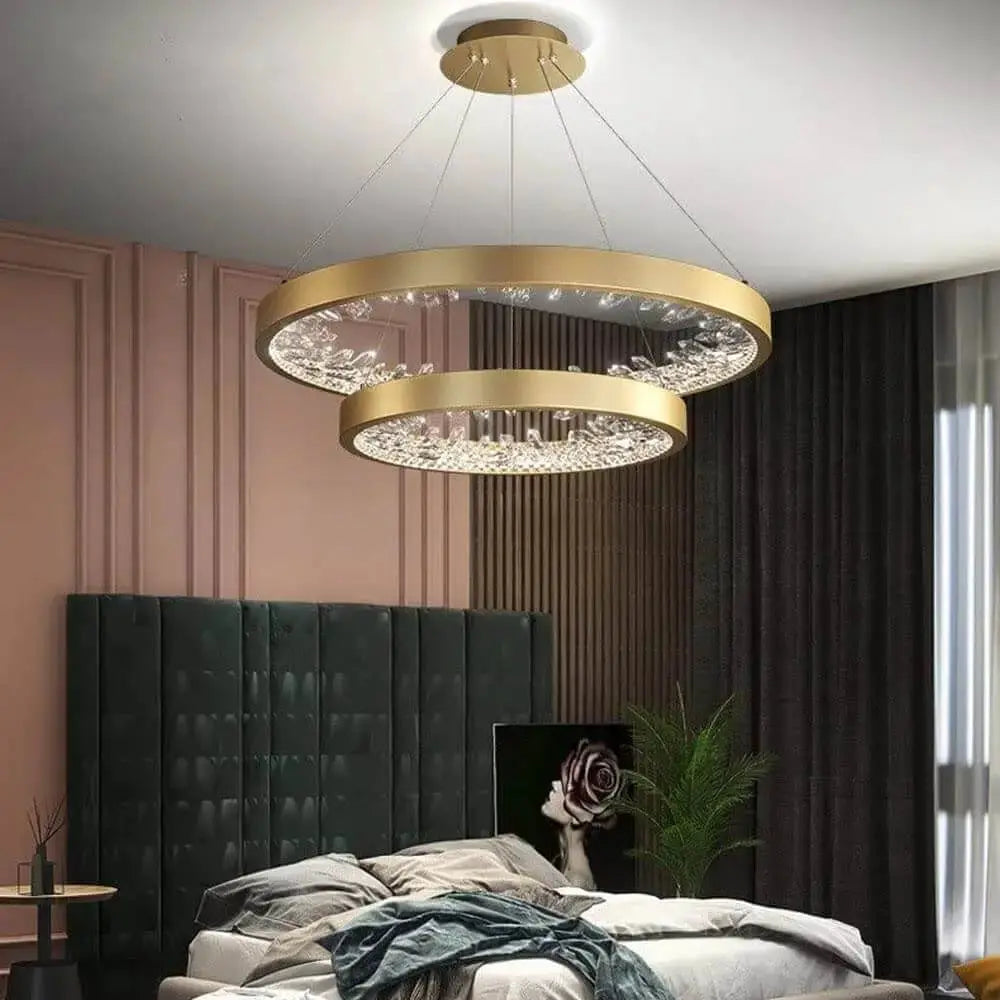
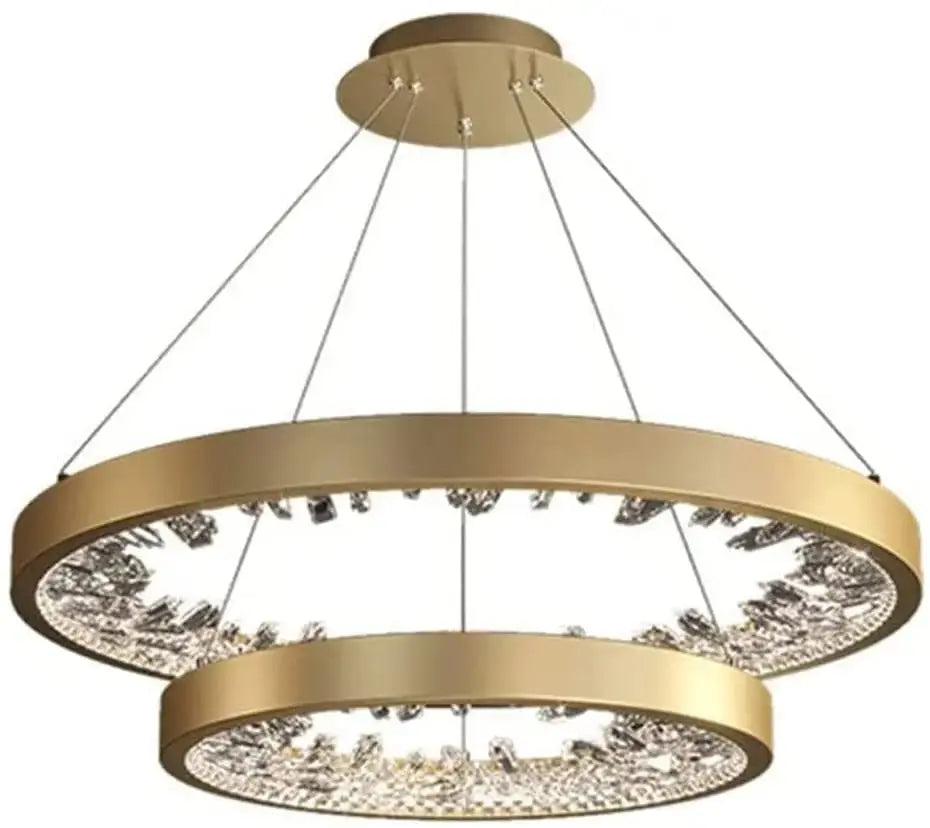
Sometimes, the light source is built right into the fixture itself – these are integrated LED modules. When these are done well, they can be fantastic. They often allow for better control over the light's direction and spread, and the color rendering can be really good. It means the colors in your room will look more true to life. Plus, you don't have to worry about buying separate bulbs. Just make sure the fixture you choose has a good reputation for its LED quality and that the modules are replaceable if they ever go out. It's worth checking out fixtures like the Led Rings Chandelier if you're looking for modern integrated LED options.
Choosing the right light quality and bulb type is about more than just brightness. It's about creating the atmosphere you want and making sure the light works for how you actually use the space. Don't overlook this step – it can make a huge difference in how your home feels.
Exploring Popular Light Pendant Styles
When you're picking out pendant lights, you'll notice there are tons of different styles out there. It's not just about how they look, but also how they work in your space. Think about what you need the light to do.
Single Pendants for Task Lighting
These are your go-to for focused light. A single pendant is great for lighting up a specific spot. Imagine hanging one over your kitchen sink to make washing dishes easier, or placing one next to your favorite reading chair for a cozy reading nook. They're also perfect for smaller areas like a narrow hallway or a small entryway where you just need a bit of directed light. The simplicity of a single pendant makes it incredibly versatile.
Multi-Light and Linear Pendants
If you have a longer space, like a kitchen island or a dining table, multi-light or linear pendants are a fantastic choice. These fixtures have multiple lights attached, often in a row or a more complex arrangement. They spread light out more evenly across a larger area. For a kitchen island, they provide ample light for food prep without creating harsh shadows. Over a dining table, they can create a lovely ambiance for meals.
Cluster and Chandelier Styles
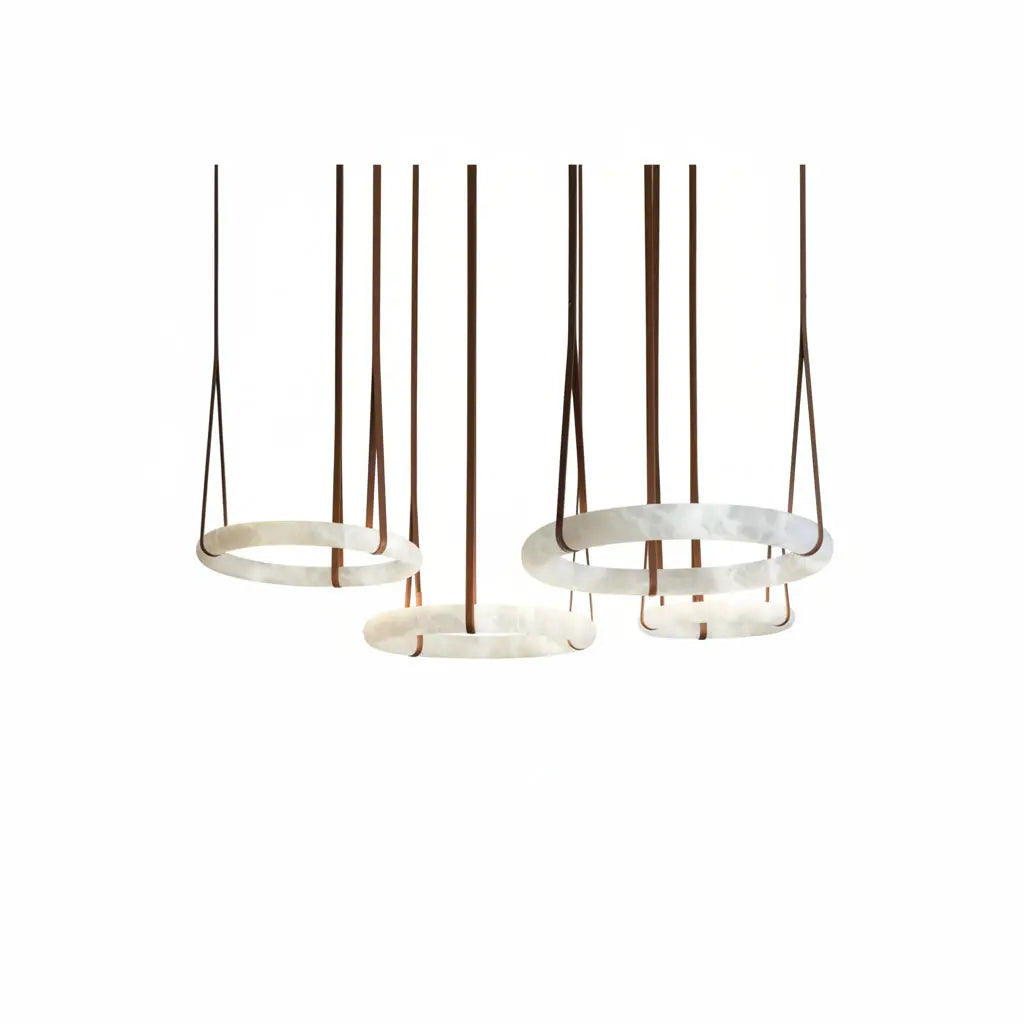
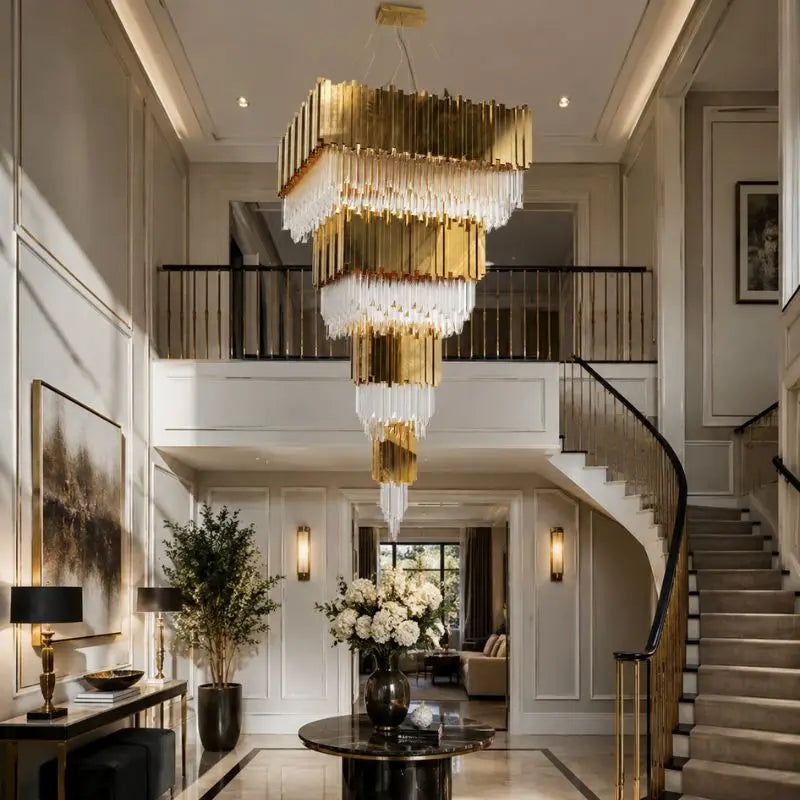
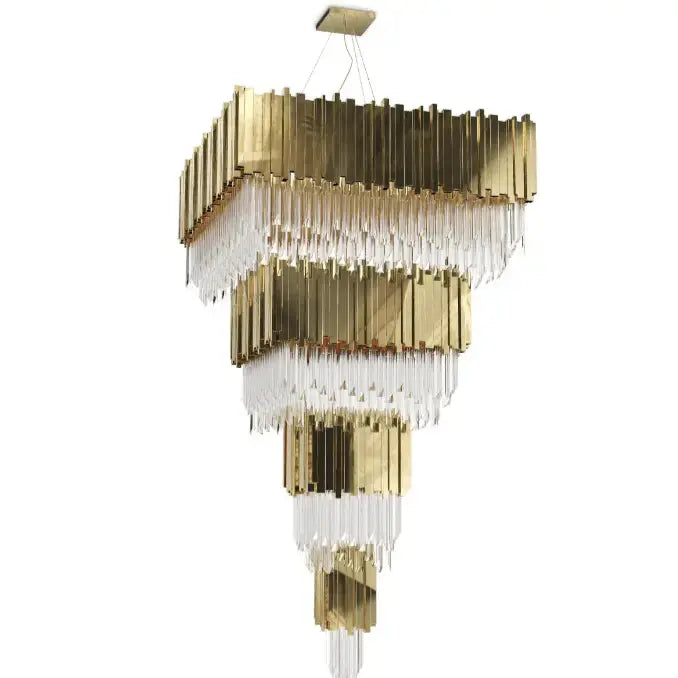
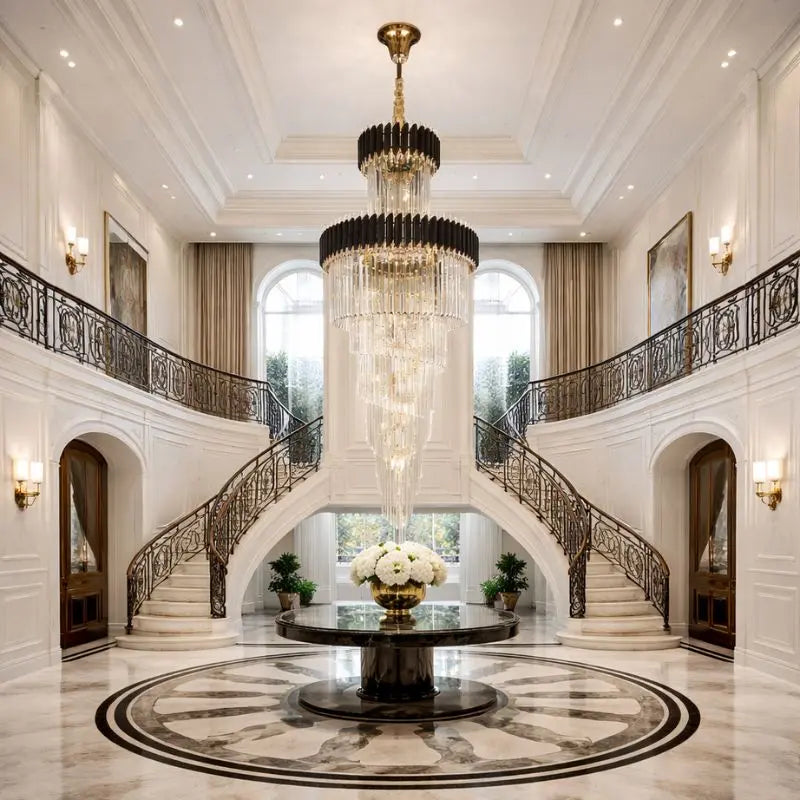
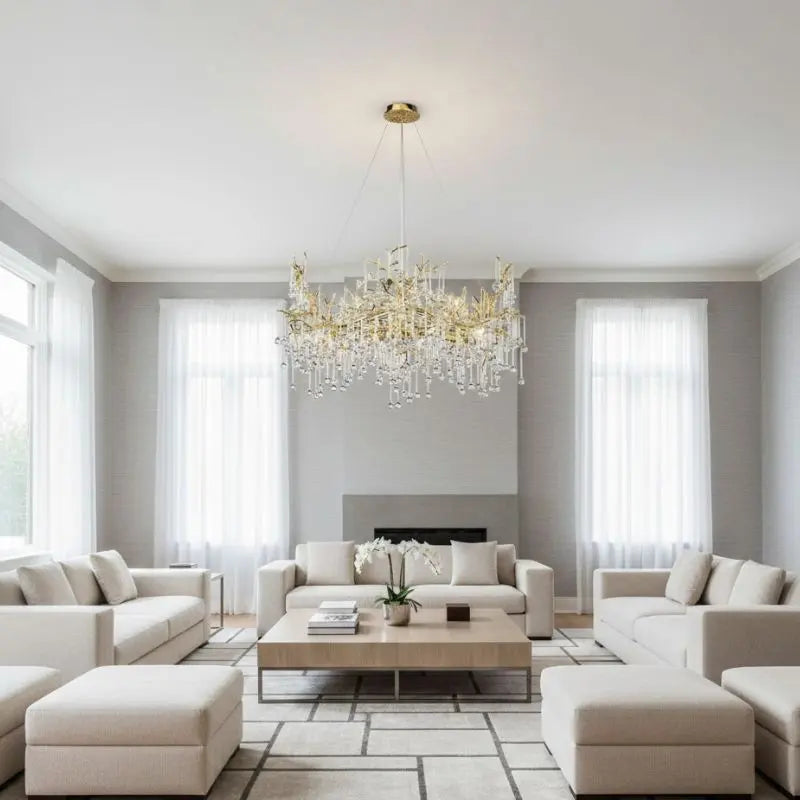
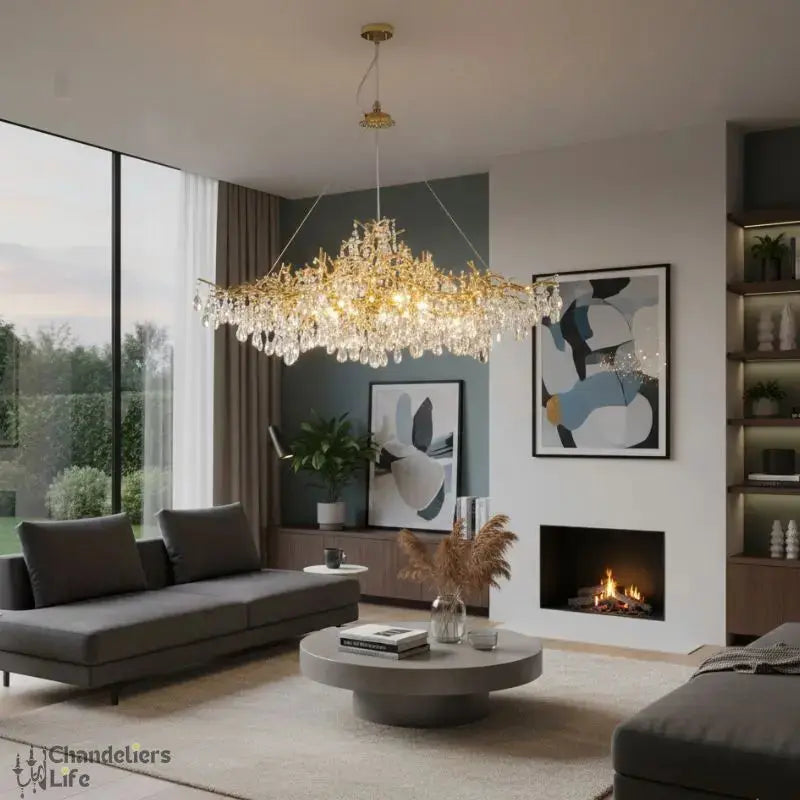
For a bit more drama and flair, cluster pendants or chandelier-style pendants are the way to go. Cluster pendants involve several smaller lights grouped together, often at varying heights, creating a visually interesting focal point. Chandelier styles, while sometimes more traditional, can also be found in modern designs, offering a grand statement. These are often best suited for larger rooms with higher ceilings, like a grand foyer or a spacious living room, where they can truly shine without overwhelming the space.
Coordinating Multiple Light Pendants
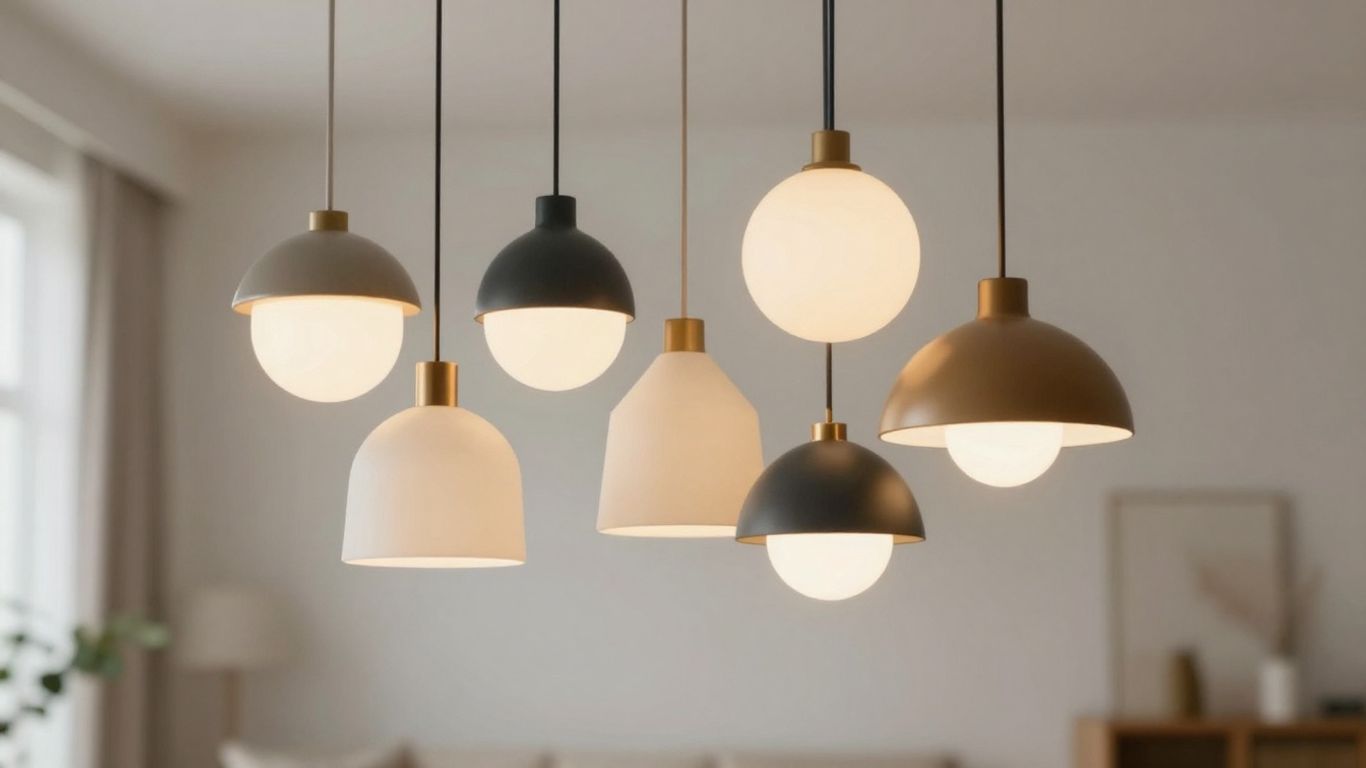
Achieving Symmetry With Paired Fixtures
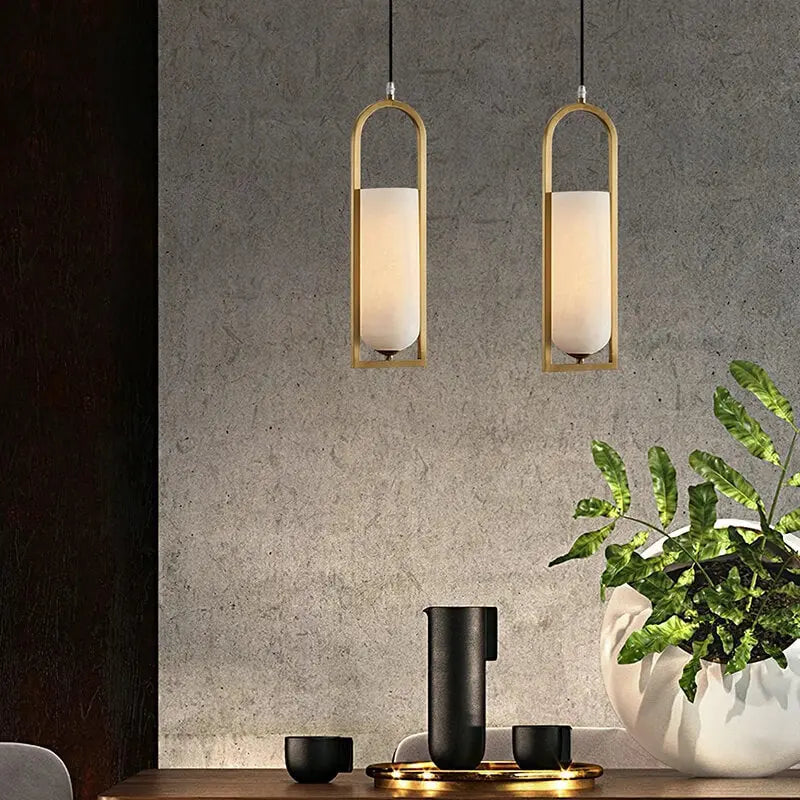
When you want a look that feels really put-together and a bit formal, pairing two identical pendant lights is a classic move. Think about placing them on either side of a fireplace or flanking a piece of art. This kind of symmetry creates a sense of order and balance in the room. It's like a visual echo that makes the space feel grounded and intentional. You can even tie the look together by repeating the metal finish of the pendants in other hardware around the room, like cabinet pulls or lamp bases. It just adds another layer of cohesion.
Creating A Relaxed Feel With Staggered Heights
If symmetry feels a little too stiff for your taste, try staggering the heights of your pendants. This approach brings a more casual, modern vibe to a space. It works especially well over a kitchen island or a long dining table. Instead of one big fixture, a series of smaller pendants hung at different levels can create visual interest without overwhelming the area. It feels more dynamic and less predictable. Just make sure the heights are varied enough to be noticeable but not so much that they become distracting.
Maintaining Proportion Over Islands
Kitchen islands are a prime spot for multiple pendants, but getting the proportion right is key. For a standard-sized island, three smaller pendants often look better than one large one. This arrangement provides good task lighting for food prep without making the space feel crowded. If you have a really long island, you might even consider a linear pendant fixture, which is designed to span the length of the surface. The goal is to have the lights complement the island's size, not compete with it. You don't want them to feel too big or too small – just right.
When planning multiple pendants, always consider the overall scale of the room and the furniture. What looks good in a grand foyer might be too much for a cozy nook. Think about how the lights will interact with the existing decor and the primary function of the space.
Investment In Quality Artisan Light Pendants
When you're looking for that special something to really make a room pop, sometimes you just have to go for the artisan stuff. Mass-produced lights are fine and all, but there's a certain charm and lasting quality to pieces made by hand. These aren't just light fixtures; they're often works of art that tell a story.
Material Choices and Craftsmanship
Artisan pendants really shine when it comes to the materials and how they're put together. Think about hand-blown glass, where each piece has its own subtle quirks, or metals worked using traditional techniques. This kind of craftsmanship means you're getting something unique, not just another identical item off an assembly line. For example, Italian handmade lighting often uses local metalworking and glass-forming methods that just can't be replicated by machines. The finishes, too, are often designed to age gracefully, developing a patina over time that adds character rather than looking worn out.
Here's a quick look at what sets them apart:
- Materials: High-quality metals, hand-formed glass, natural stone, and other premium components.
- Craftsmanship: Focus on traditional techniques, attention to detail, and unique finishes.
- Uniqueness: Each piece often has slight variations, making it one-of-a-kind.
Serviceability and Longevity
One of the biggest advantages of investing in a quality artisan pendant is its lifespan. These aren't fixtures you'll likely toss out after a few years. Many are designed with repairability in mind. This means if something breaks or needs a refresh, it can often be fixed by the original maker or a skilled local craftsperson. This contrasts sharply with many modern fixtures where a single faulty component can mean the whole thing needs replacing. It's good to ask makers about spare parts availability and repair services before you buy.
Consider this when planning:
- Repair Options: Can parts be replaced or repaired by the maker or a local specialist?
- Spare Parts: Are replacement components readily available?
- Longevity: Is the fixture built to last for decades, not just a few seasons?
Investing in an artisan piece often means you're buying something that can be passed down. It's about quality that endures, reducing waste and adding a timeless element to your home. Think heirloom, not disposable.
Sustainability and Maintenance
When you choose well-made, repairable lighting, you're making a more sustainable choice. Instead of contributing to landfill waste with a broken fixture, you can often service and maintain an artisan piece. This often involves simpler, more natural materials and fewer synthetic parts. Maintenance itself is usually straightforward, often requiring gentle cleaning methods suited to the specific materials. For instance, metal finishes might just need a soft cloth, while hand-blown glass needs specific cleaners. Keeping up with basic care ensures your beautiful pendant continues to look its best for years to come. It's also wise to check on wiring and driver connections every few years, just to be safe.
Finding Your Perfect Glow
So, picking out the right pendant light can really make a difference in your home. It’s not just about lighting up a room; it’s about adding a bit of your own style and making the space feel just right. Whether you went for something modern and sleek or something more rustic and warm, the key is to think about how it fits with everything else. Remember to consider the size, the material, and the kind of light it gives off. A well-chosen pendant can totally change the vibe of a room, making it feel more put-together and inviting. It’s a simple way to add a personal touch that makes your house feel more like a home.
Frequently Asked Questions
What's the main job of a pendant light?
Pendant lights do two cool things: they light up a spot, like over your kitchen counter or dining table, and they also look great, acting like a piece of art hanging from the ceiling. They can make a room feel fancy or just add a nice touch.
What materials are best for pendant lights?
It depends on the look you want! Glass is nice because it spreads light softly. Metals, like brass, can make a room feel warm. Some special, handmade finishes are really strong and last a long time, which is good for busy places like kitchens.
How do I pick the right kind of light from a pendant?
Think about the mood. Warm light, like from a cozy lamp, is great for relaxing rooms. Brighter, cooler light is better for places where you need to see clearly, like a workspace. Many pendants let you dim the light, so you can change the mood whenever you want.
What are some popular styles of pendant lights?
You can get single pendants for focused light, like for reading. Multi-light or long, linear pendants are awesome for covering bigger areas, such as over a kitchen island or a long table. Cluster styles look dramatic and can fill up tall spaces.
How should I hang more than one pendant light?
You can hang them in a straight line for a neat look, or at different heights to make it feel more casual and modern. Make sure they are the right size for the space, especially over things like kitchen islands, so they don't look too big or too small.
Are fancy, handmade pendant lights worth the money?
Often, yes! These lights are usually made with better materials and more care. They can last much longer and sometimes even be fixed if something breaks, making them a good investment that you can enjoy for years, instead of having to replace them often.