
So, you've got a smaller living room and you're wondering how to make it look good? It's a common thing, honestly. I've been there, staring at a tiny space and thinking, 'How can I make this work without it feeling like a closet?' Turns out, there are some really neat tricks and ideas out there. For 2026, the focus is on making these compact areas feel super stylish and totally functional. Forget cramming everything in; it's all about smart choices that give you that open, modern vibe. We're talking about making your small modern living room ideas a reality, no matter the square footage.
Key Takeaways
- Use light colors on walls and floors to make a small modern living room feel bigger and more open.
- Choose furniture with visible legs, curved shapes, and lighter materials like glass or light wood to keep the space feeling airy.
- Incorporate built-in storage, multifunctional furniture, and wall-mounted items to maximize space and reduce clutter.
- Add texture, mirrors, and plants to give your small modern living room character and depth without taking up much room.
- Strategically place furniture, use rugs to define areas, and leave some empty space to create a sense of flow and openness.
Embrace Light and Airy Palettes
When you're working with a smaller living room, the first thought is often to go super light and bright. And honestly, that's a solid strategy! It really helps make the space feel bigger and more open. But it's not just about picking white paint. It's about choosing colors that work with your room's natural light and the overall vibe of your home.
Soft Off-White for Warmth
Forget stark, clinical white. Think creamy, warm off-whites. These shades are fantastic because they bounce light around, making the room feel larger, but they also add a cozy, welcoming feel that bright white sometimes misses. It’s like a gentle hug for your living space. This kind of neutral base is also super flexible, letting you easily swap out accent colors or decor pieces whenever you feel like a change. It’s a classic choice that just works.
Pastel Hues for an Open Feel
Pastels aren't just for nurseries anymore! Soft blues, gentle greens, or even a muted blush can do wonders in a small living room. They bring in a touch of color without making the space feel closed in. Imagine a pale sky blue on the walls – it instantly gives you a sense of openness, almost like looking out a window. These colors are calming and can really set a relaxed mood for your living area.
Light-Colored Flooring
Don't forget the floor! Light-colored flooring, whether it's a pale wood, a light-toned tile, or a neutral carpet, can make a huge difference. It visually expands the room from the ground up. Dark floors can sometimes make a small space feel a bit heavy or grounded in a way that shrinks it. Light floors, on the other hand, reflect light and create a continuous, airy feel that draws the eye outward. It’s a simple change that has a big impact on the overall perception of space.
Smart Furniture Choices for Compact Spaces
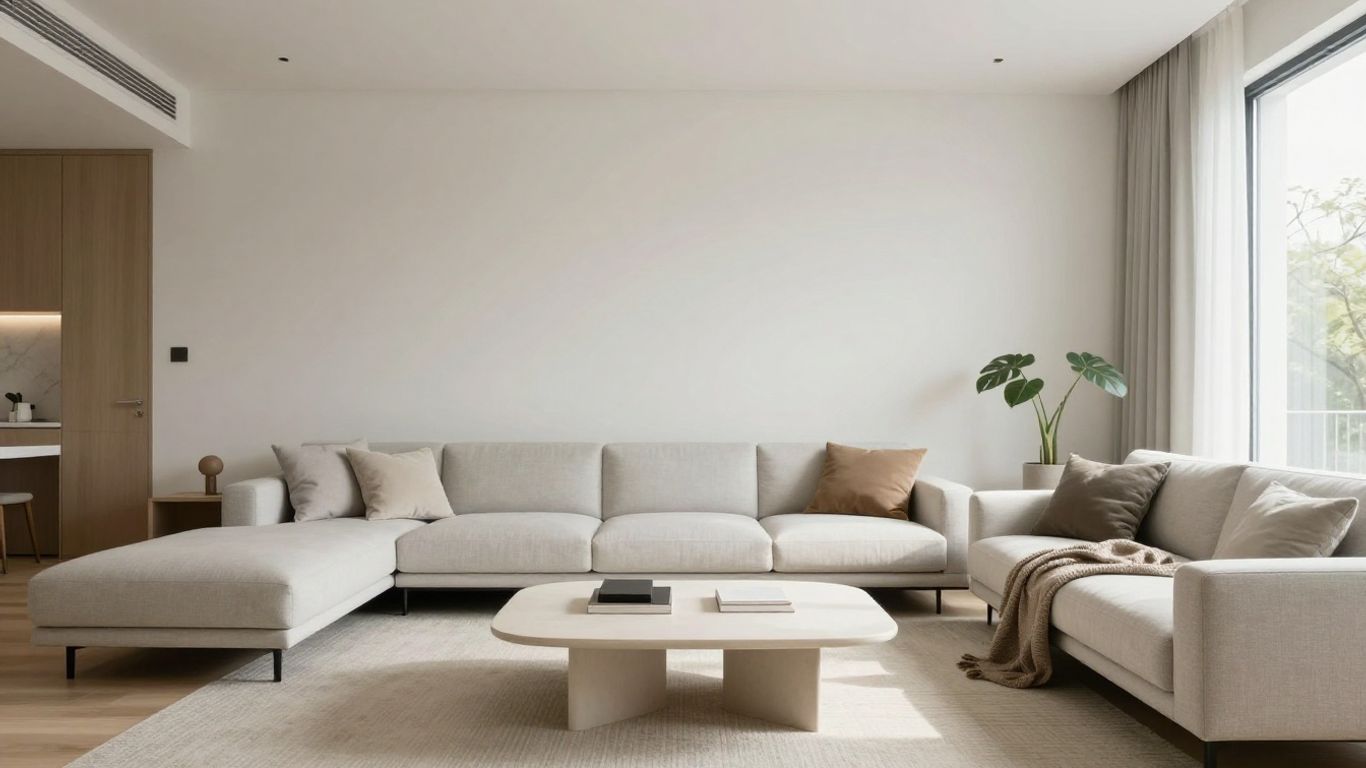
When you're working with a smaller living room, picking the right furniture isn't just about looks; it's about making the space work for you. Every piece needs to pull its weight, and sometimes, that means thinking a little differently.
Leggy Furniture for an Airy Look
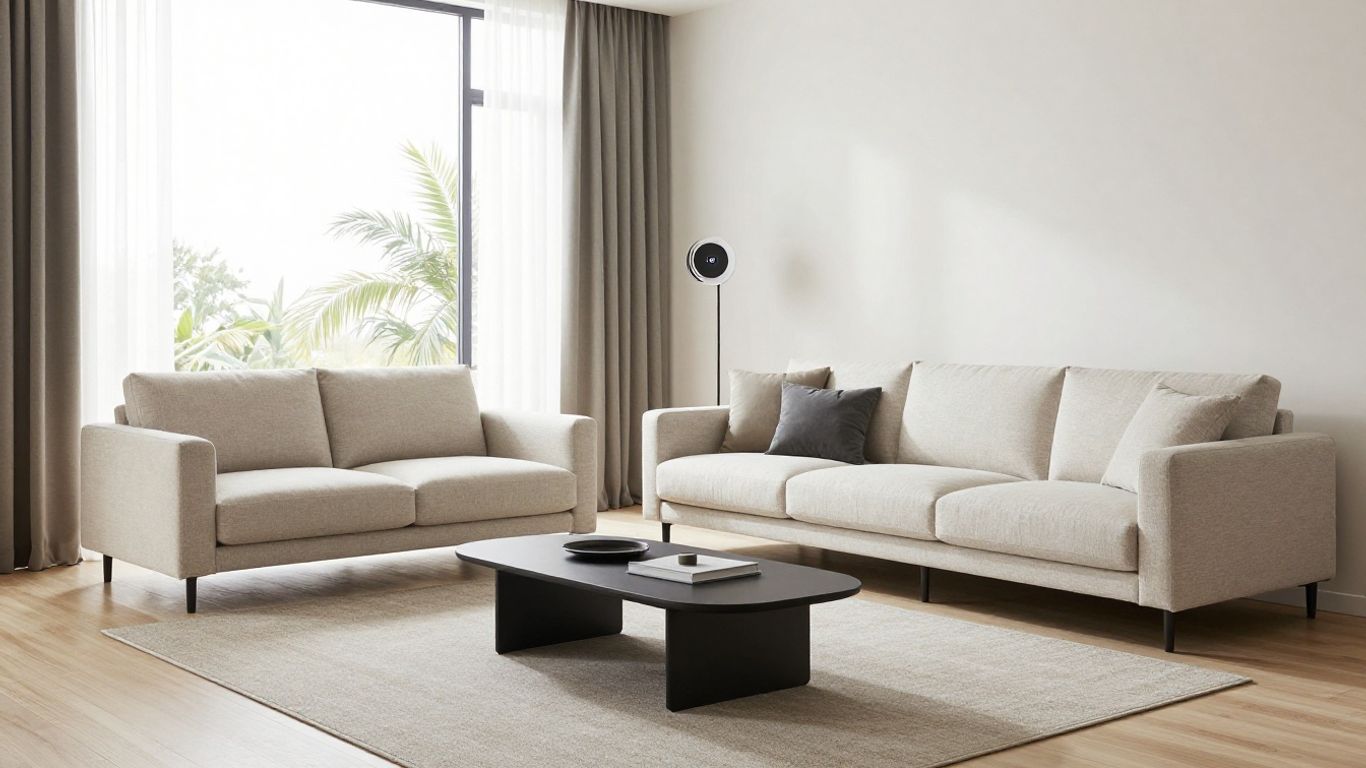
Furniture that sits up on legs can make a big difference in a small room. It creates a sense of openness because you can see the floor underneath. This visual trick makes the room feel less crowded and more spacious. Think sofas, chairs, and tables that have a bit of height off the ground. It's like giving your furniture room to breathe, and in turn, it makes the whole space feel airier. This approach is a key part of modern building design, focusing on how elements interact with the space around them.
Curved Edges to Soften Angles
Small rooms often have a lot of hard lines, from doorways to windows. Furniture with rounded edges can really help to soften these sharp angles. An oval coffee table or a round ottoman can break up the straight lines and make the room feel more inviting and less boxy. Even a sofa with a gentle curve can make a big impact. It's a subtle change, but it can make the room feel much more comfortable and less severe. This is a great way to add a touch of personality without overwhelming the space.
Glass and Light-Wood Materials
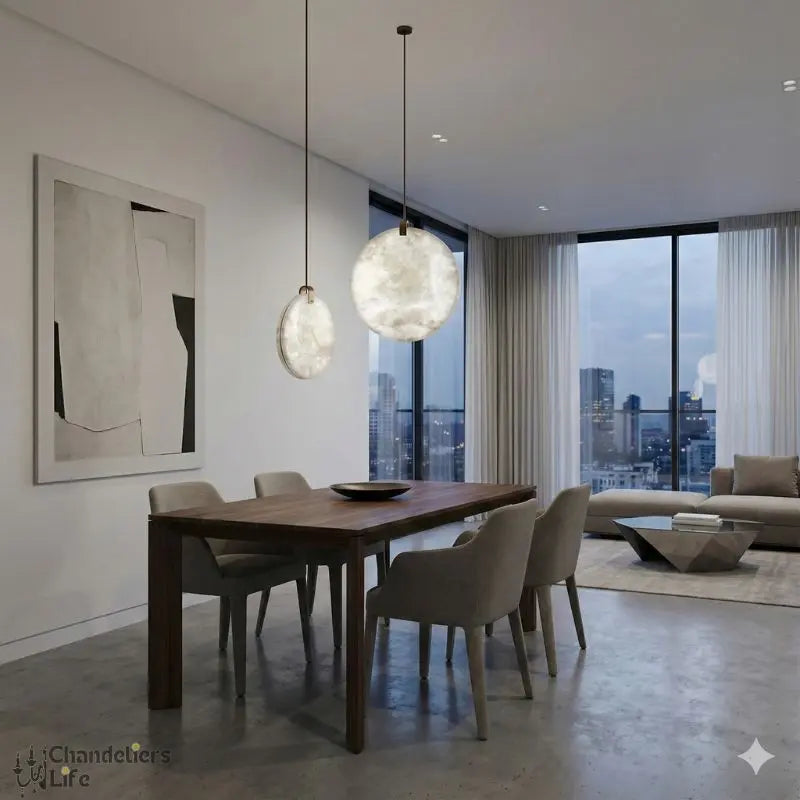
Materials play a huge role in how furniture feels in a small space. Opting for pieces made from glass or light-colored woods can really help. Glass, especially, can make furniture seem to disappear, creating an illusion of more space. Light woods reflect light and keep the room feeling bright and open. Avoid heavy, dark materials that can make a room feel closed in. Think about coffee tables with glass tops or side tables made from pale oak. These choices contribute to a lighter, more expansive feel, aligning with trends in modern building design for 2026.
- Leggy Designs: Look for sofas and chairs with visible legs to create an illusion of more floor space.
- Curved Silhouettes: Incorporate round or oval tables, ottomans, or sofas to soften sharp room angles.
- Light Materials: Prioritize glass, acrylic, and light-toned woods for furniture to keep the space feeling open and bright.
When selecting furniture for a compact living room, the goal is to maximize functionality without sacrificing style. Each item should contribute to an open and airy atmosphere, making the most of the available square footage. Consider pieces that serve multiple purposes or have a visually light presence.
Maximizing Space with Strategic Design
Built-In Storage Solutions
In small living rooms, every square inch counts. Built-in storage is a game-changer, offering a clean, integrated look that doesn't eat up precious floor space. Think custom cabinetry that fits snugly into awkward corners or alcoves. These solutions can hide away clutter, keeping your room looking tidy and feeling more expansive. It's about making the most of what you have, rather than just trying to make the room look bigger with tricks. Thoughtful joinery can dramatically increase usable surface area without overwhelming the space. Consider banquette seating with storage underneath for a dining nook, or shelving units that go all the way up to the ceiling. This approach makes the room feel more intentional and less cluttered, which is key for a modern aesthetic.
Multifunctional Furniture
When space is limited, furniture needs to work harder. Multifunctional pieces are your best friend. A storage ottoman can double as a coffee table and a place to stash blankets or magazines. A sofa bed is a classic for a reason, offering seating during the day and a sleeping spot at night. Look for coffee tables that lift up to become a workspace or dining surface. Even a stylish trunk can serve as a coffee table while providing hidden storage. The goal is flexibility, allowing your living room to adapt to different needs throughout the day. This kind of adaptability is a big part of modern building design in 2026.
Floating Furniture and Wall Mounting
Creating an illusion of more space often comes down to what's not on the floor. Furniture with legs, often called 'leggy' furniture, allows light and air to flow underneath, making the room feel less heavy and more open. Even better is wall-mounting. Think floating shelves for your books and decor, or a wall-mounted TV unit that frees up floor space. This technique draws the eye upwards and makes the room feel airier. It's a smart way to keep surfaces clear and maintain a sense of openness.
Small rooms don't have to feel cramped. By choosing furniture that serves multiple purposes and utilizing vertical space, you can create a living area that feels both functional and spacious. It's about smart choices that make every element count.
Adding Character and Depth
Incorporate Texture and Layers
Think about how different materials feel. Mixing soft things like plush rugs and knitted throws with harder elements like a wooden coffee table or a ceramic vase can make a small room feel much more interesting. It's like adding layers to an outfit – it just makes it look more put-together. Don't be afraid to mix patterns, either, as long as they share a color or a similar vibe.
- Soft Textiles: Bouclé, velvet, chunky knits, linen.
- Natural Materials: Wood, rattan, stone, ceramic.
- Metallic Accents: Brass, brushed nickel, matte black.
Layering isn't just about throwing things together; it's about creating a feeling. A well-layered room feels lived-in and inviting, not sterile or staged. It's the difference between a house and a home.
Utilize Mirrors for Illusion
Mirrors are like magic for small spaces. They bounce light around, making the room feel brighter and bigger. A large mirror on one wall can really open things up. You can also use smaller decorative mirrors grouped together for a bit of sparkle.
| Mirror Type | Effect |
|---|---|
| Large Wall Mirror | Creates a sense of expanded space |
| Grouped Accent Mirrors | Adds visual interest and light reflection |
| Mirrored Furniture | Reflects light and adds a touch of glam |
Bring in Natural Greenery
Plants add life and color, which is always a good thing. Even a small plant on a shelf or a trailing vine from a hanging planter can make a big difference. They bring a bit of the outdoors in, making the space feel fresher and more vibrant. Plus, some plants can even help clean the air, which is a nice bonus.
Creating Zones and Flow
Even in a small living room, defining different areas can make the space feel much larger and more organized. It's all about making the room work harder for you without feeling cluttered. Think of it like arranging furniture in a studio apartment – you want distinct zones for relaxing, entertaining, or even a little reading nook, but they all need to connect smoothly.
Define Areas with Rugs
Rugs are your best friend when it comes to visually separating spaces. A well-placed rug can anchor a seating area, making it feel like its own distinct zone within the larger room. This is especially helpful if your living room also serves as a dining area or a workspace. Don't be afraid to use different textures or patterns for each zone, but try to keep a cohesive color palette so it doesn't look too busy. A rug under your main seating arrangement can instantly signal 'this is the living area.'
Consider Sofa Placement
Where you put your sofa has a huge impact on the room's flow. Instead of always pushing it against the wall, try floating it in the middle of the room to create a natural division between areas. This can help define the seating zone and open up pathways around it. Even pulling it a foot or two away from the wall can make a difference, allowing for a slim console table behind it or just creating a sense of breathing room. Strategic placement is key to making a small space feel open and navigable.
Embrace Negative Space
Negative space, or the empty areas in a room, is just as important as the furniture. In a small living room, it's tempting to fill every corner, but resist the urge. Leaving some areas clear helps the room feel less cramped and allows the eye to rest. This doesn't mean you need vast empty expanses, but rather thoughtful arrangement. Think about how you move through the room. Are there clear paths? Can you easily get to the windows or doors? Keeping these pathways open is vital for good flow. It’s about balance, not just filling up space. You want the room to feel intentional, not just packed.
Small rooms can feel more expansive when you allow for clear circulation paths. Think about how you naturally move through the space and ensure there are no awkward bottlenecks. This thoughtful approach to layout makes the room feel more functional and less confined.
Elevating Style in Small Living Rooms
Quiet Luxury Accents
Even in a compact space, you can inject a sense of quiet luxury. Think about adding a few well-chosen, high-quality pieces rather than a lot of smaller items. A plush velvet cushion, a ceramic vase with a unique glaze, or a small, elegant throw can make a big difference. These subtle touches speak volumes without overwhelming the room. It’s about quality over quantity, creating a sophisticated feel that feels personal and inviting. Consider a single, striking piece of art or a beautifully crafted side table to anchor the space. This approach aligns with a more mindful way of decorating, focusing on items that bring joy and a sense of calm.
Moody Elegance Touches
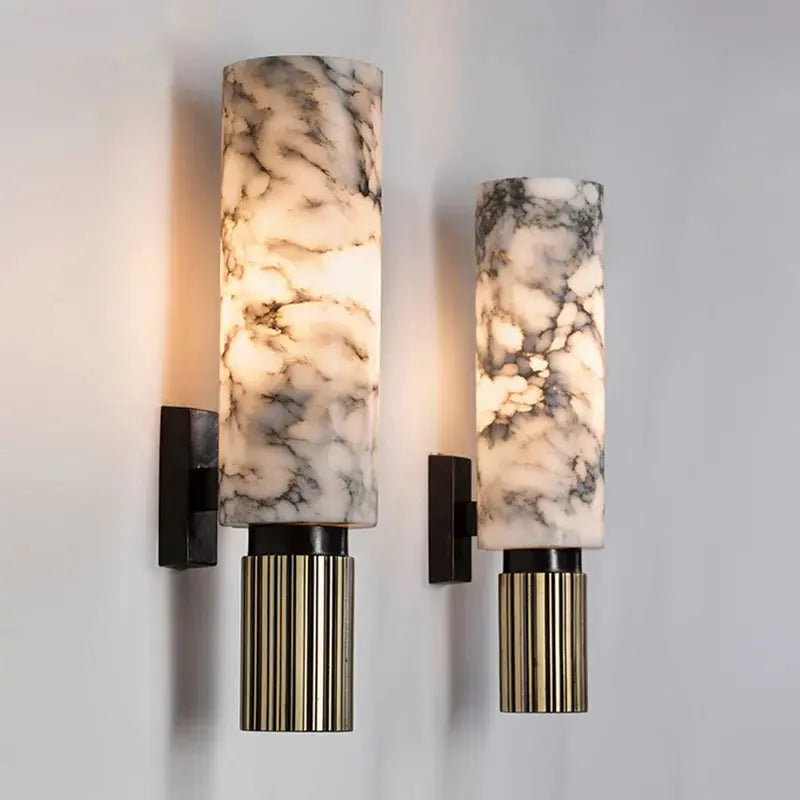
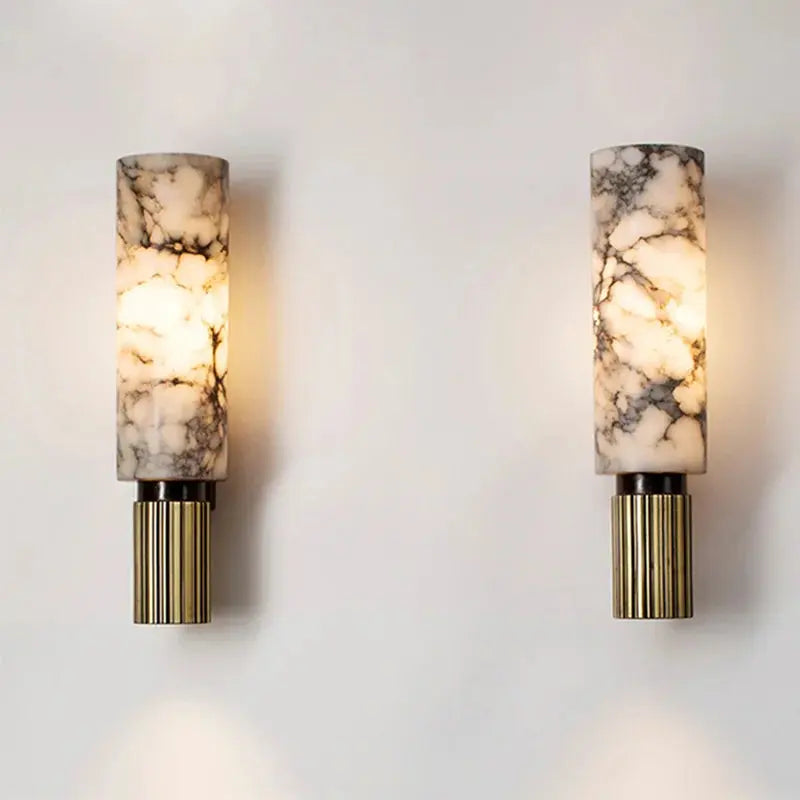
Don't shy away from darker, richer tones if that's your style. A deep navy, forest green, or charcoal grey on an accent wall or through furniture can add a dramatic and cozy feel. This can make a small room feel more intimate and enveloping. Pair these deeper colors with metallic accents like brushed brass or matte black for a touch of glamour. Lighting is key here; think about layered lighting with dimmers to control the mood. A statement floor lamp or a cluster of pendant lights can create a warm, inviting glow. This style is about creating a sanctuary, a space that feels both stylish and deeply comfortable.
Playful Personality Through Decor
Small living rooms are the perfect place to let your personality shine. Mix and match patterns and textures to create a look that's uniquely yours. A vintage rug layered over a more neutral base, or a collection of quirky decorative objects on a shelf, can add character. Don't be afraid to incorporate items that tell a story, like travel souvenirs or family heirlooms. This is where you can really have fun. Consider a bold wallpaper on one wall, or a collection of framed prints that reflect your interests. The goal is to make the space feel lived-in and authentic, a true reflection of who you are. You might even find inspiration for unique decor pieces by exploring online interior design career prospects for creative ideas.
Wrapping It Up
So, there you have it. Designing a small living room doesn't have to be a headache. It's all about being smart with your choices, picking furniture that works for you, and not being afraid to add your own personality. We've seen how light colors, clever storage, and even a few well-placed plants can make a big difference. Remember, even the coziest spaces can feel open and stylish with a little thought. Go ahead and try some of these ideas – you might be surprised at how much you can do with a little space.
Frequently Asked Questions
What colors make a small living room look bigger?
Lighter colors are your best friend! Think soft whites, creamy beiges, and gentle pastels like light blue or pale pink. These shades bounce light around, making the space feel more open and airy. Avoid dark, heavy colors that can make a room feel closed in.
What kind of furniture works best in a small living room?
Choose furniture that has legs, like sofas or tables that are raised off the floor. This creates a sense of openness. Also, look for pieces with rounded edges to soften the room's angles. Furniture made of glass or light-colored wood can also make the space feel less crowded.
How can I add storage without making a small room feel cluttered?
Built-in storage is a game-changer! Think shelves or cabinets that fit perfectly into your walls. Multifunctional furniture, like ottomans with hidden storage or sofa beds, is also super smart. Wall-mounted shelves or cabinets can free up floor space.
Are mirrors a good idea for small living rooms?
Absolutely! Mirrors are like magic for small spaces. They reflect light and the view, making the room seem much larger than it is. Placing a large mirror on a wall can really open things up.
How do I make a small living room feel cozy and stylish?
Don't be afraid to add personality! Use different textures like soft rugs, cozy throws, and decorative pillows. You can also bring in plants to add life and color. Even small decorative items, carefully chosen, can make a big difference.
What's the best way to arrange furniture in a small living room?
Try not to push all your furniture against the walls. Sometimes, pulling pieces slightly away from the walls can actually make the room feel bigger and more balanced. Also, think about defining different areas with rugs, like a seating area and a reading corner.