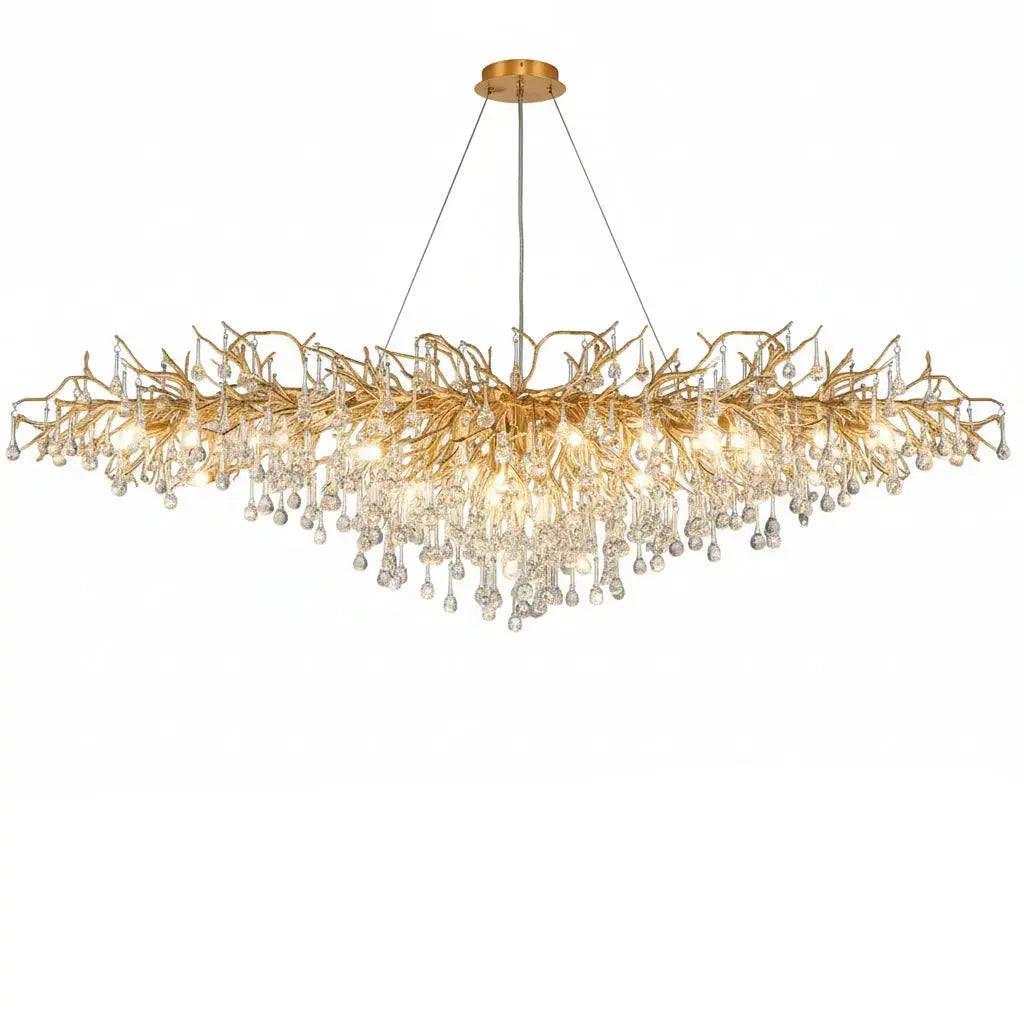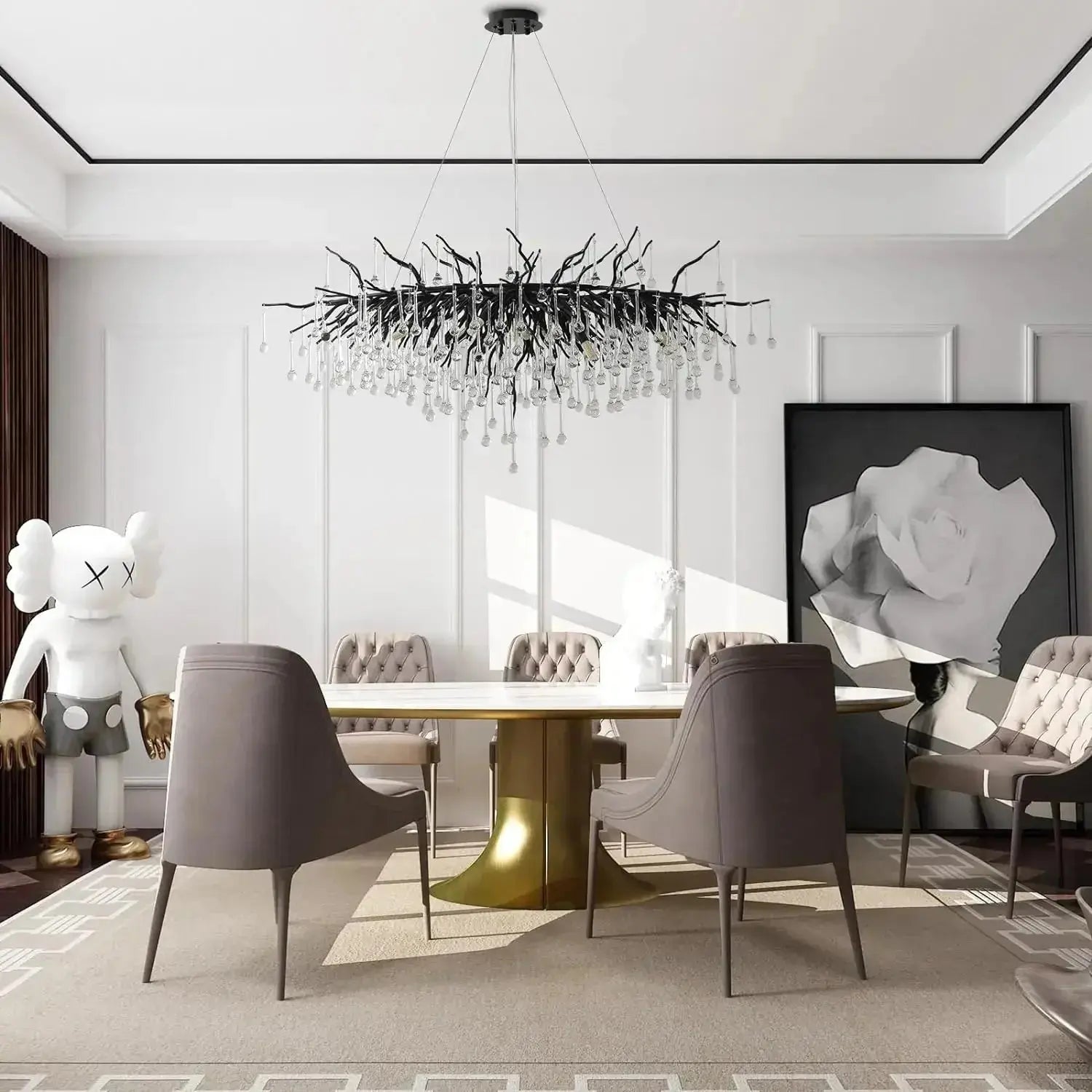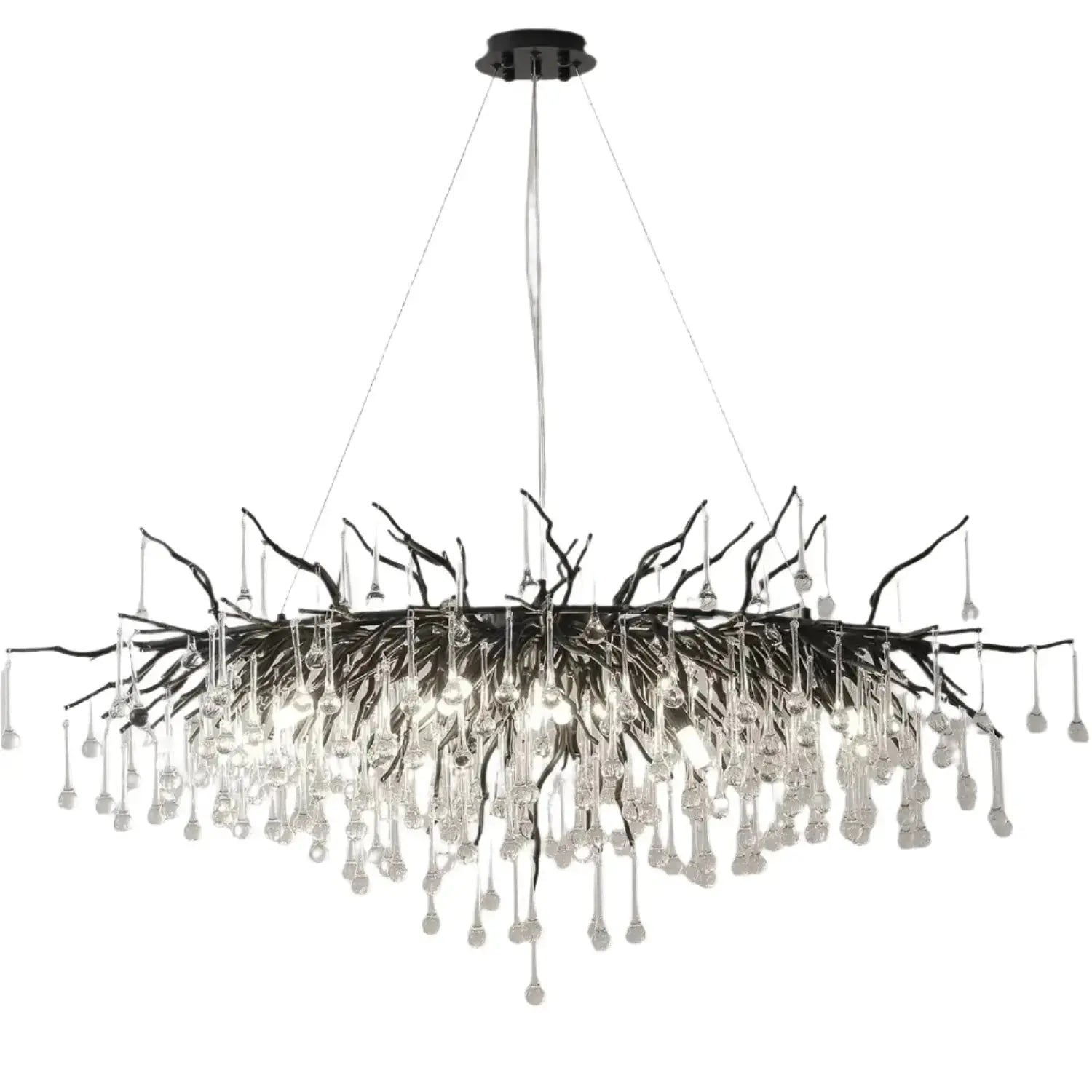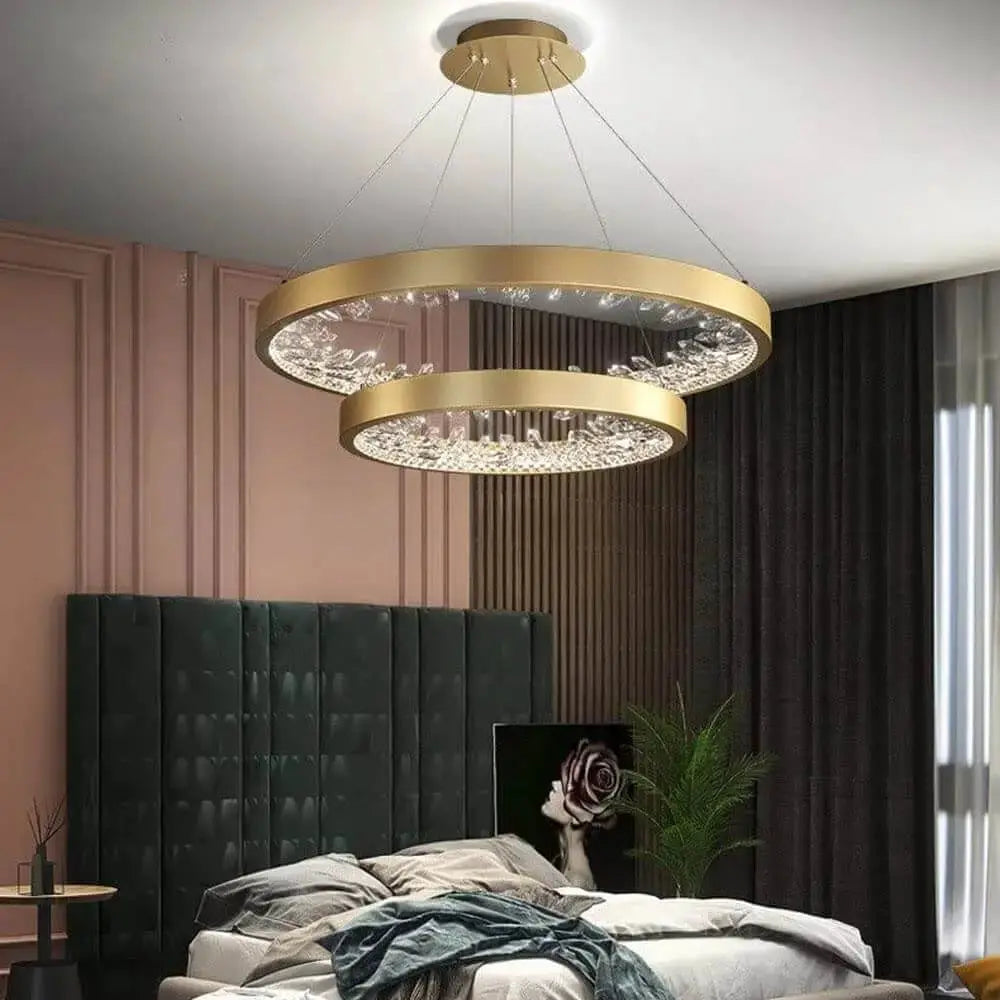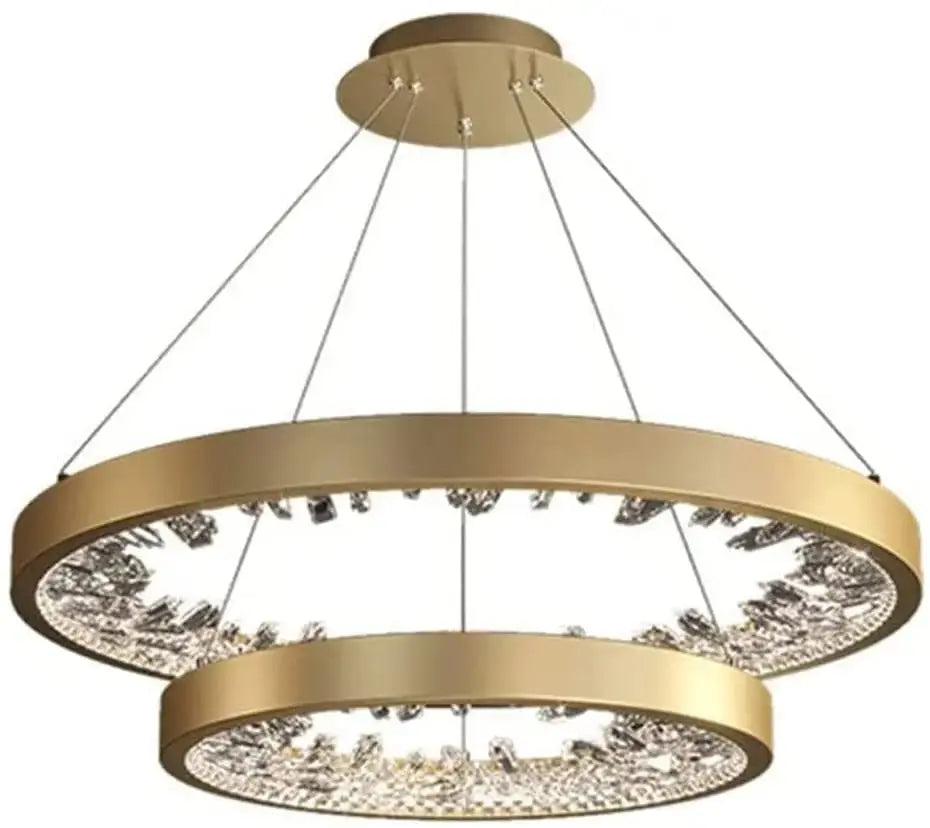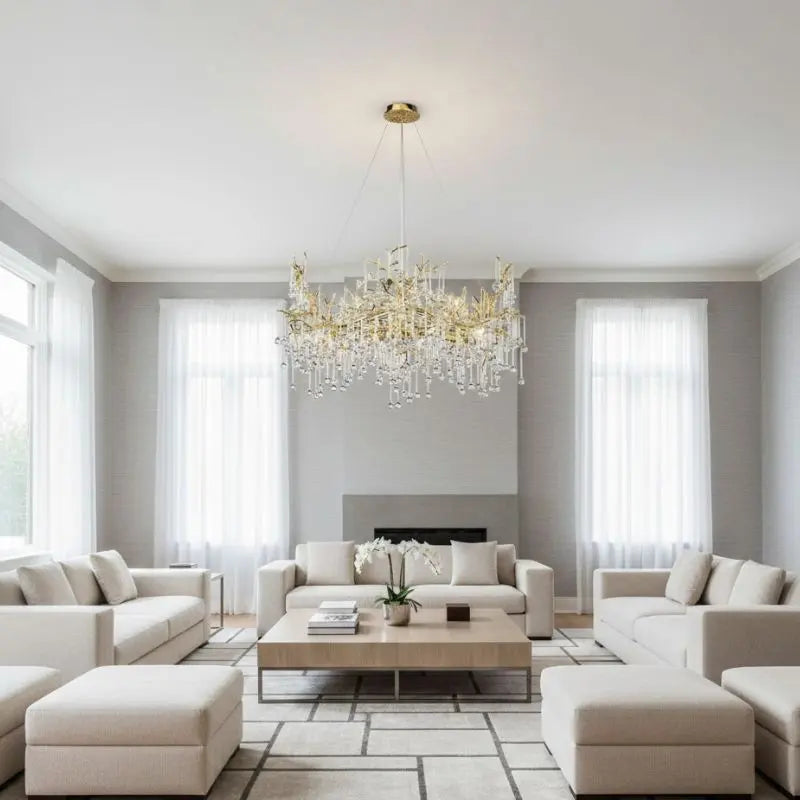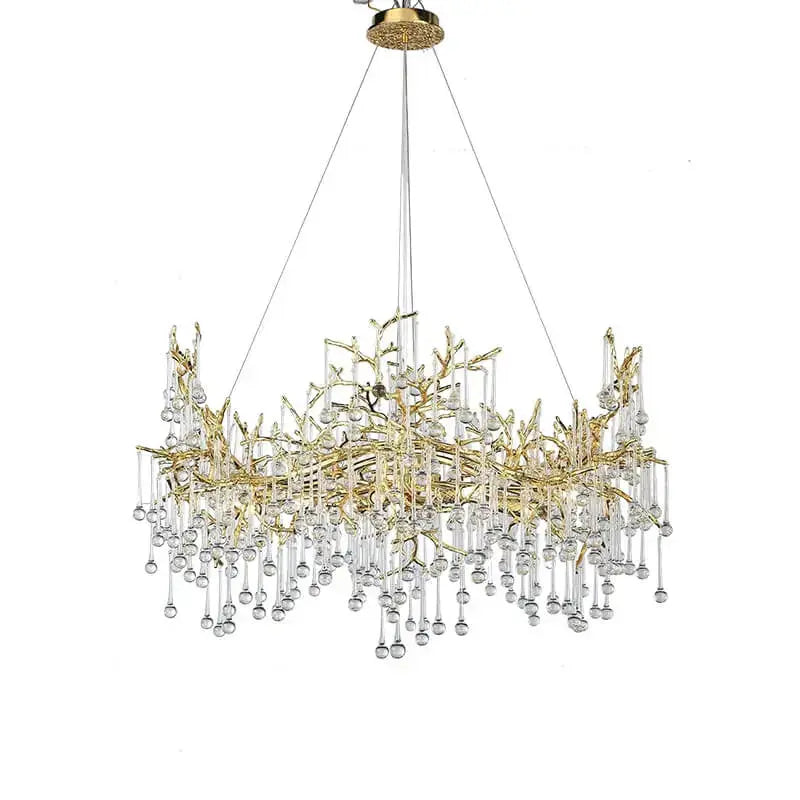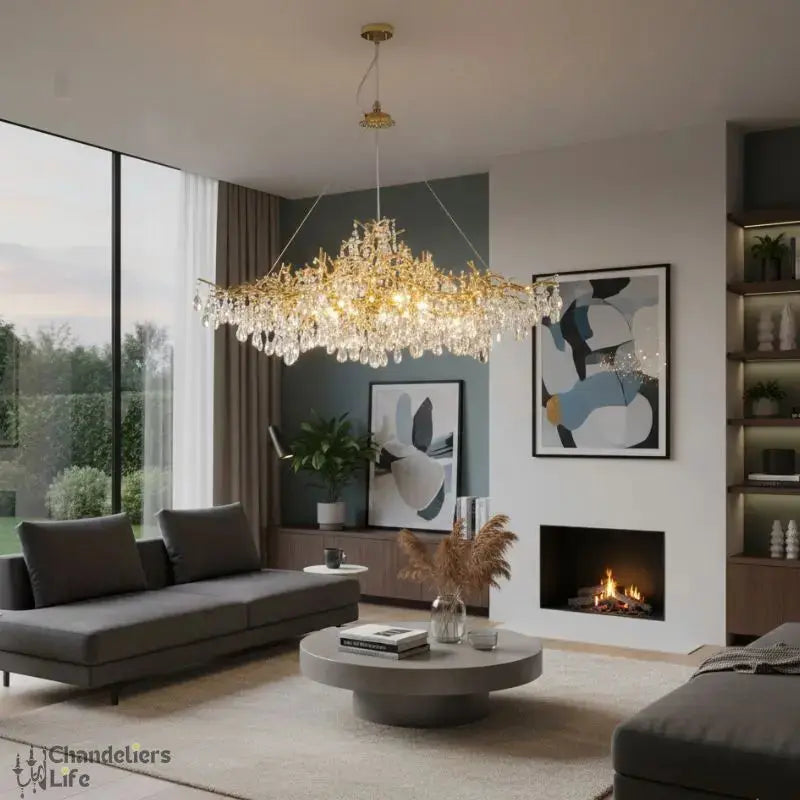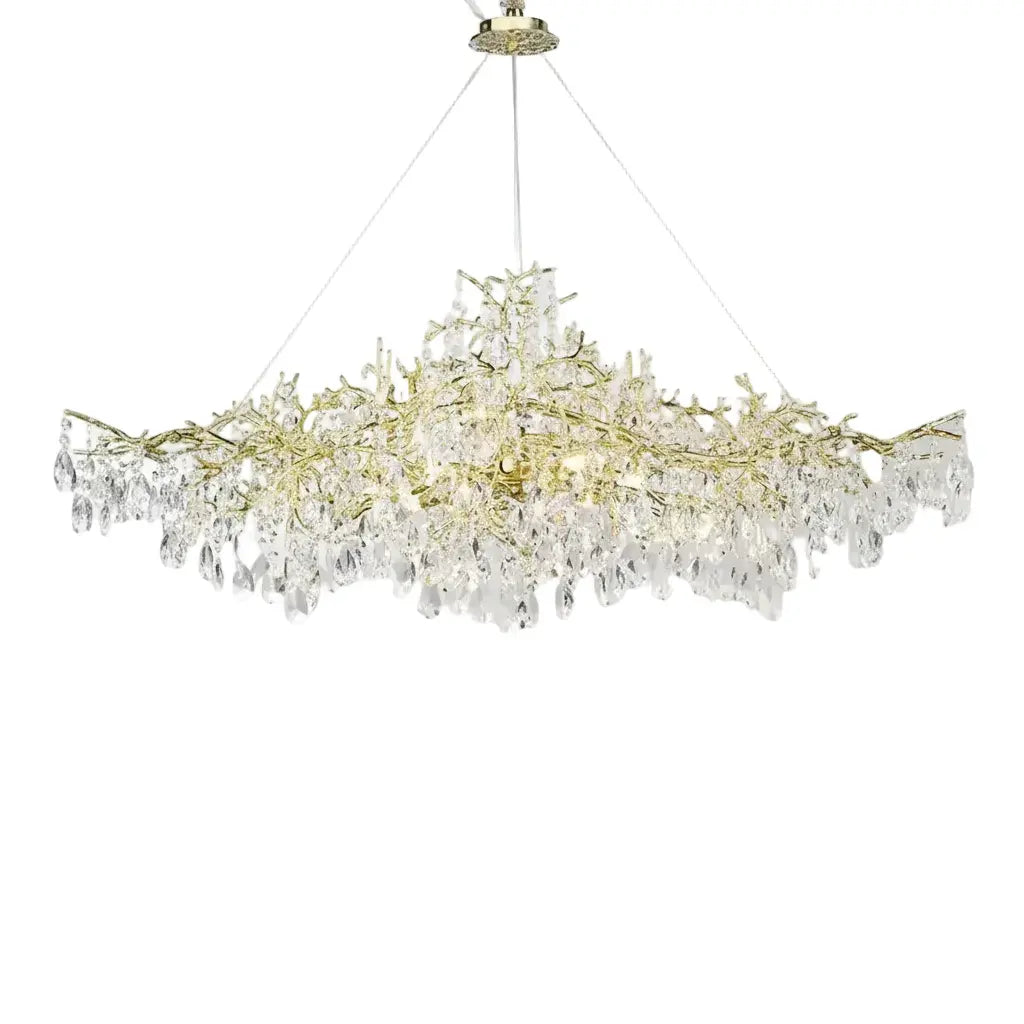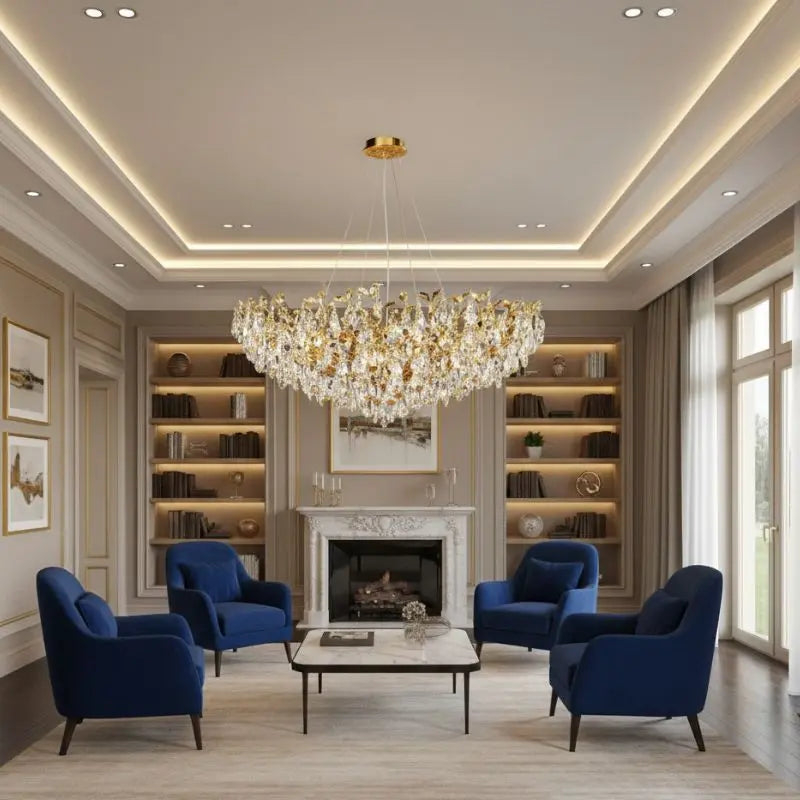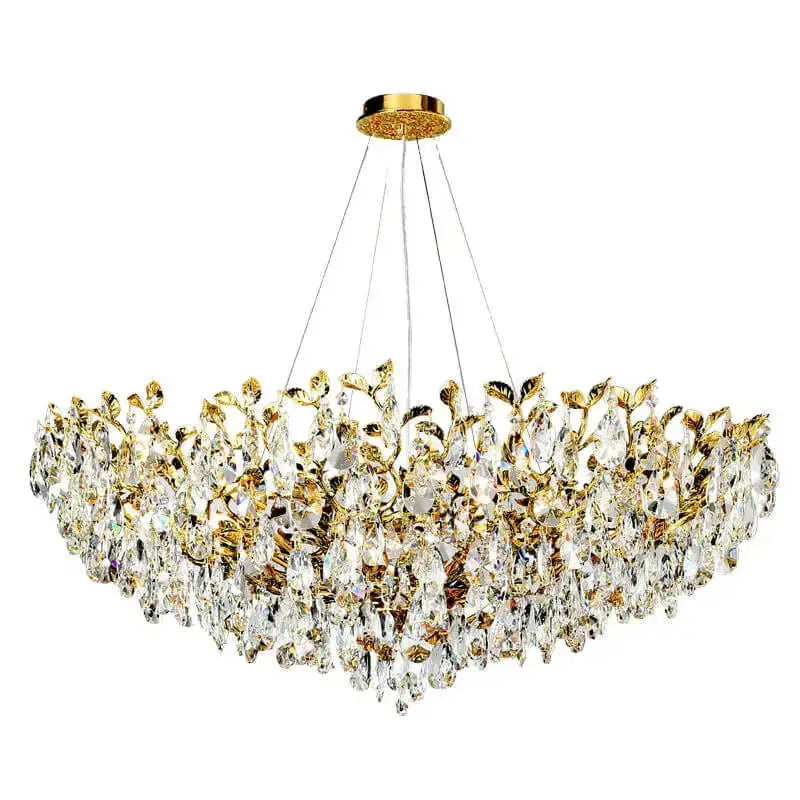

So, you've got a place with lower ceilings, huh? It happens. Sometimes they make a room feel super cozy, other times they just feel... well, low. And then you need to pick out light fixtures, but you don't want anything that makes you feel like you have to duck or that makes the room feel even smaller. It can be a real puzzle trying to find the right light fixtures for a low ceiling that actually look good and don't get in the way. Let's figure this out together.
Key Takeaways
- When picking light fixtures for a low ceiling, flush mounts and semi-flush mounts are your best friends because they sit close to the ceiling, saving precious headroom.
- Recessed lighting is another great option for low ceilings since it's installed right into the ceiling, making it practically invisible and freeing up space.
- Using reflective surfaces and light paint colors on walls and ceilings can help bounce light around, making the room feel brighter and a bit more open.
- Layering your lighting with ambient, task, and accent lights rather than relying on one central fixture can create depth and make the space feel more dynamic.
- Avoid the mistake of choosing fixtures that are too big for the space; strategic placement and considering the fixture's actual height are more important than just sticking one in the middle.
Understanding Fixture Types for Low Ceilings
When you're dealing with a room that doesn't have a lot of vertical space, picking the right light fixture is super important. You don't want something that hangs down too low and makes the room feel even smaller, right? It's all about finding fixtures that work with your low ceiling, not against it. Let's look at the main players.
Flush Mount Ceiling Lights: The Space-Saving Standard
These are probably the most common choice for rooms with lower ceilings, and for good reason. Flush mount lights sit right up against the ceiling, so they don't take up any extra headroom. They're great for hallways, bedrooms, or anywhere you need light without a big visual drop. Think of them as the workhorses of low-ceiling lighting. While some can look a bit basic, modern designs often come with sleeker profiles and better light diffusion, making them a solid, unobtrusive choice. They're a simple way to get good light without fuss.
Semi-Flush Mounts: A Touch of Style Without the Drop
Semi-flush mount fixtures hang down a little bit from the ceiling, usually just a few inches. This small gap allows light to bounce off the ceiling, which can help make the room feel a bit brighter and more open. They offer a bit more decorative flair than a standard flush mount, making them a good option if you want a little more style. The key here is to keep the drop minimal – anything more than about 12 inches can start to feel too low in a room with a low ceiling. They're a nice compromise between a flush mount and something more dramatic.
Recessed Lighting: The Invisible Solution
Recessed lights, often called can lights, are installed directly into the ceiling. This means they're completely flush and don't hang down at all. They give a really clean, modern look and are fantastic for making a space feel more open because they're practically invisible. You can use them to light up an entire room or focus them on specific areas. The main thing to consider is that they require access to the ceiling space above for installation, which can be tricky in some homes. Planning the layout is also important to avoid dark spots. They're a great way to get bright, even light without sacrificing any headroom.
Track Lighting: Flexible Illumination
Track lighting systems consist of a rail with multiple light heads that can be positioned and aimed wherever you need them. This flexibility is a big plus, especially in rooms where you might want to change the lighting focus over time, like a kitchen or a home office. The tracks themselves usually sit fairly close to the ceiling, so they don't take up much space. While some people worry they can look a bit commercial, modern track lighting designs are much more stylish and can be a really practical solution for directing light exactly where it's needed. It's a good way to get directional light without a lot of hanging fixtures.
| Fixture Type | Height Off Ceiling | Best Rooms |
|---|---|---|
| Flush Mount | 0-6 inches | Bedrooms, halls |
| Semi-Flush Mount | 6-12 inches | Living, entry |
| Recessed | 0 inches | Any |
| Track/Linear | 2-6 inches | Kitchen, office |
Maximizing Light and Illusion in Small Spaces
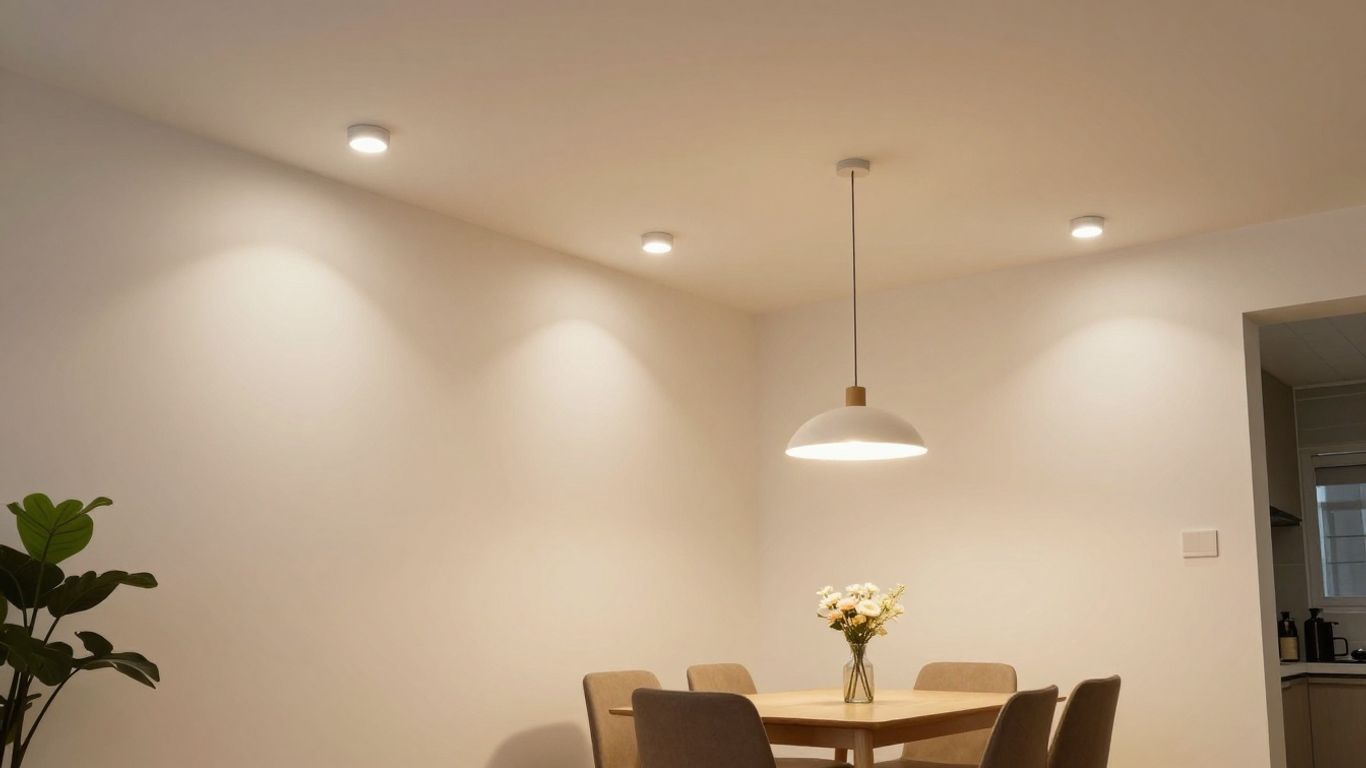
So, you've picked out some great fixtures that don't hang too low. Awesome! But just putting a light up there isn't the whole story. We need to think about how the light actually behaves in the room and how we can make the space feel bigger than it is. It's all about playing tricks on the eyes, really.
Reflective Surfaces and Light Paint Colors
This is a pretty simple one, but it makes a big difference. Think about shiny things. If your light fixture has polished metal bits, like brass or chrome, they'll bounce light around. Same goes for glass. Clear glass is better than frosted if you want maximum light spread. And paint? Light colors, especially on the ceiling, are your best friend. White or off-white paint can make a room feel so much more open. It's like giving the light a clear path to bounce around instead of getting soaked up by dark walls.
- Use light-colored paint on walls and ceilings.
- Choose fixtures with clear glass or polished metal finishes.
- Consider adding mirrors to walls to reflect light and the view.
The Role of Material Finishes
Beyond just being shiny, the materials themselves matter. Natural materials like rattan or woven jute can give a softer, filtered light. This is great for a cozy vibe in a bedroom or living room, but it's not going to blast light into a dark corner. For those areas, you'll want something more direct. Think about how the material looks and feels – does it absorb light or reflect it? A matte finish will soak up light, while a glossier one will send it back out.
Creating Visual Elevation
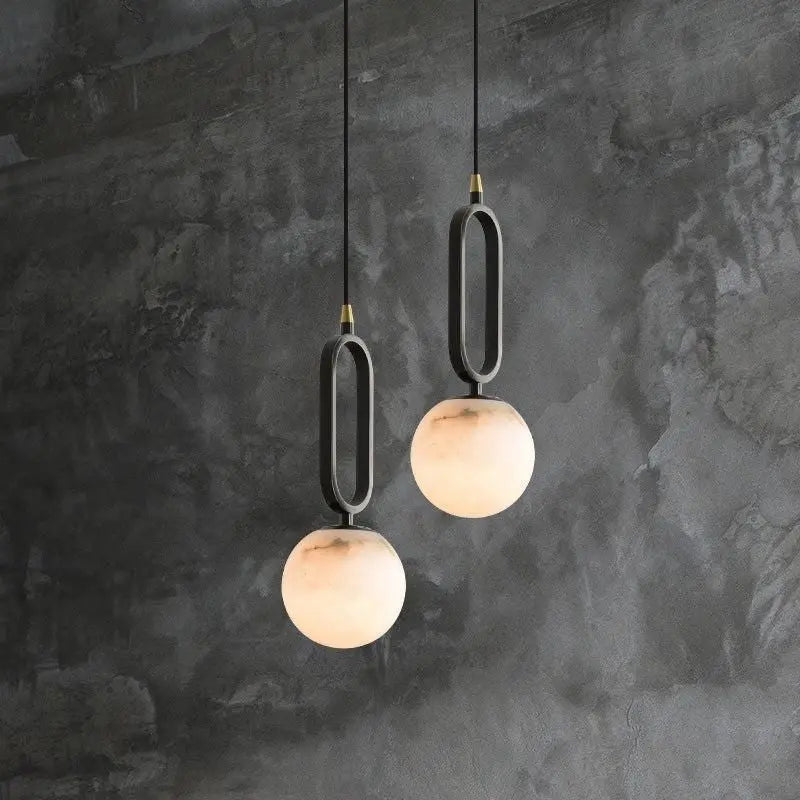
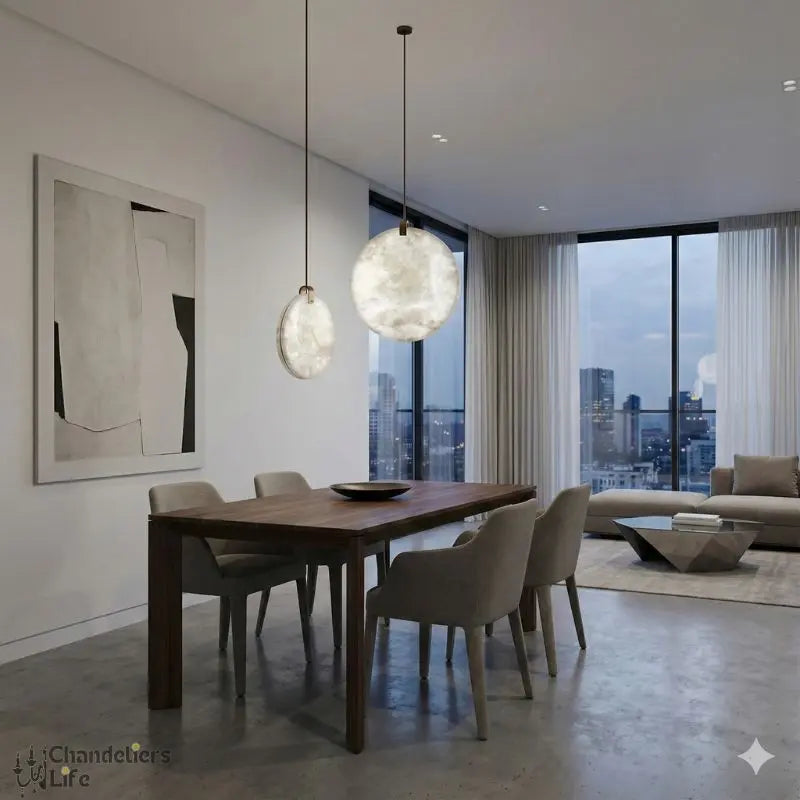
This is where we really get clever. We want to draw the eye upward, making the ceiling seem higher. One way is with uplighting. You can get small fixtures that sit on the floor or a shelf and point light upwards. This highlights the vertical lines of the room. Another trick is using a central fixture that's wide rather than deep. If you have a slightly lower ceiling, a wide, shallow flush mount can spread light out, making the room feel broader. Sometimes, even a slim pendant light hung in a group can add a sense of height, especially if placed over a specific area like a dining nook.
We're not just lighting the room; we're shaping how it feels. By carefully selecting fixtures and considering how light interacts with surfaces, we can make even the most compact spaces feel more expansive and welcoming. It's about smart choices, not just bright ones.
- Use uplighting to draw the eye upward.
- Opt for wide, shallow fixtures over deep ones.
- Consider grouping slim pendant lights for vertical emphasis.
Room-Specific Lighting Strategies
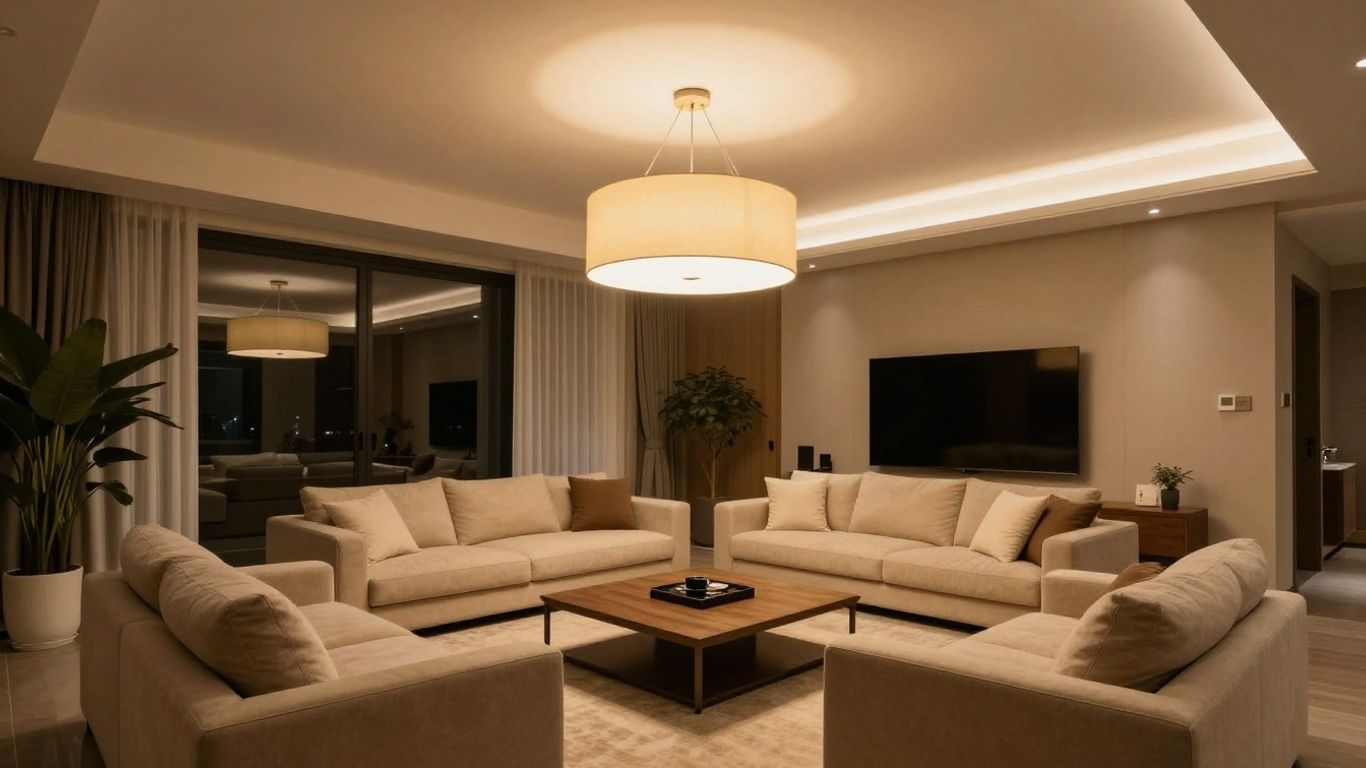
Lighting a room isn't a one-size-fits-all deal, especially when you're working with low ceilings. What works in a kitchen might not be the best bet for a living room. It's all about figuring out what each space needs to feel right.
Brightening Kitchens and Dark Corners
Kitchens are workhorses, so they need good light. For those tricky, dark corners or windowless kitchens, a combination approach is usually best. Think about using flush mount ceiling lights for general brightness, and then add in some under-cabinet LED strips. These little guys are fantastic for providing focused light right where you need it for food prep, and they don't take up any precious headroom. They're also pretty budget-friendly, which is always a plus.
Enhancing Living Areas and Entryways
Living rooms and entryways are all about making a good impression and feeling comfortable. In these areas, you want light that's inviting but also makes the space feel a bit bigger. A wide, central flush mount fixture can provide a good base layer of light. To make the ceiling feel higher, consider using uplighters that bounce light off the ceiling. This creates a sense of vertical space without adding bulky fixtures. For entryways, a welcoming glow is key, and a simple flush mount can do the trick nicely. You can also explore flush mount ceiling lights that offer soft, diffused light.
Illuminating Hallways and Stairwells
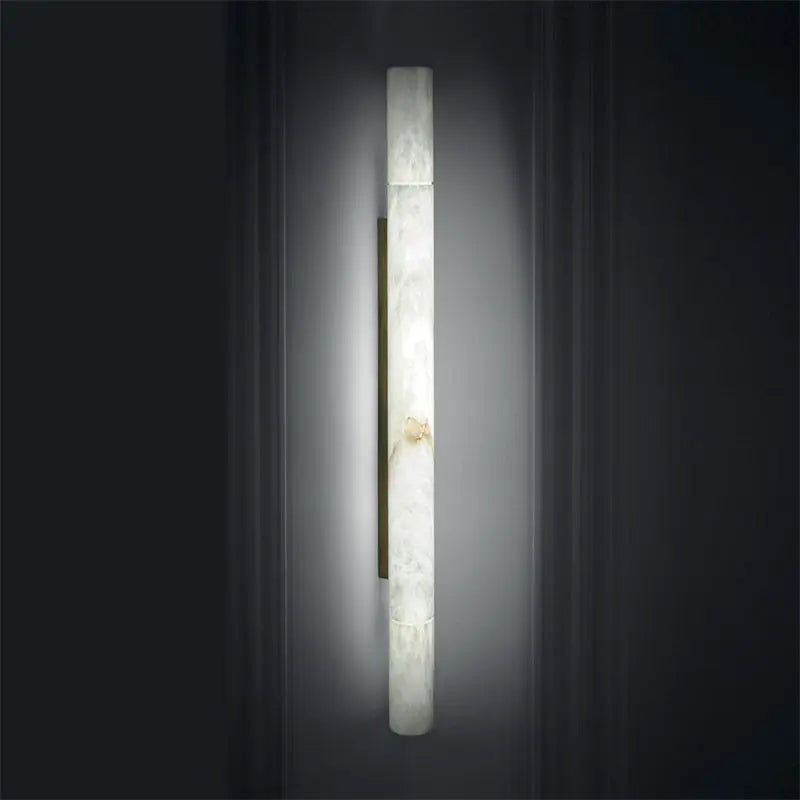
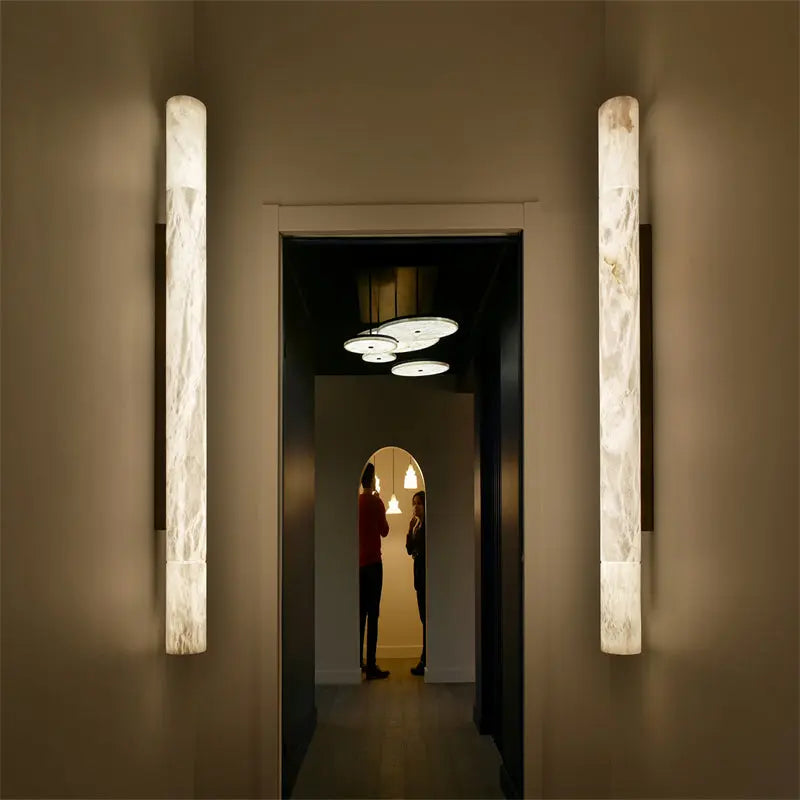
These transitional spaces can often feel a bit gloomy. The goal here is even, shadow-free light. Instead of one big fixture, using several smaller flush mount lights spaced out works wonders. This ensures consistent brightness throughout the area, making it feel safer and more open. Wall sconces can also add a nice touch if there's enough wall space, providing a bit of extra light and visual interest without getting in the way.
Bathroom Vanity Lighting Solutions
Bathrooms need functional lighting, especially around the vanity. The best way to light a mirror is with a fixture placed horizontally above it. This provides shadow-free illumination for tasks like shaving or applying makeup. A good quality flush mount or a canless recessed light can also work well for the main bathroom lighting, keeping things sleek and out of the way. Remember, good lighting here makes a big difference in how you start and end your day.
Layering Light for Depth and Dimension
Relying on just one overhead light is a common mistake, especially in smaller rooms. It often leaves corners dark and makes the space feel flat. The real trick to making a room with low ceilings feel more dynamic and spacious is to layer your lighting. This means using different types of lights in combination to create a more interesting and functional environment.
Ambient Lighting Essentials
Ambient light is your room's overall base illumination. For low ceilings, flush mount or semi-flush mount fixtures are your best bet here. They provide a good spread of light without hanging down too far. Think of these as the foundation for your lighting plan. You want them to be bright enough to see by, but not so harsh that they're the only light source you notice. Using a fixture with a diffused cover can help spread the light more evenly, preventing glare.
Task Lighting for Functionality
Task lighting is all about focused light for specific activities. This is where you can get really creative without impacting your headroom. Consider under-cabinet lights in the kitchen, a reading lamp next to your favorite armchair, or a desk lamp for your home office. LED strips are fantastic for this, as they can be tucked away almost anywhere – under shelves, behind furniture, or along the edges of cabinets. They provide bright, direct light right where you need it, making tasks easier and more comfortable. This type of lighting is key for making a room truly usable.
Accent Lighting to Draw the Eye Upward
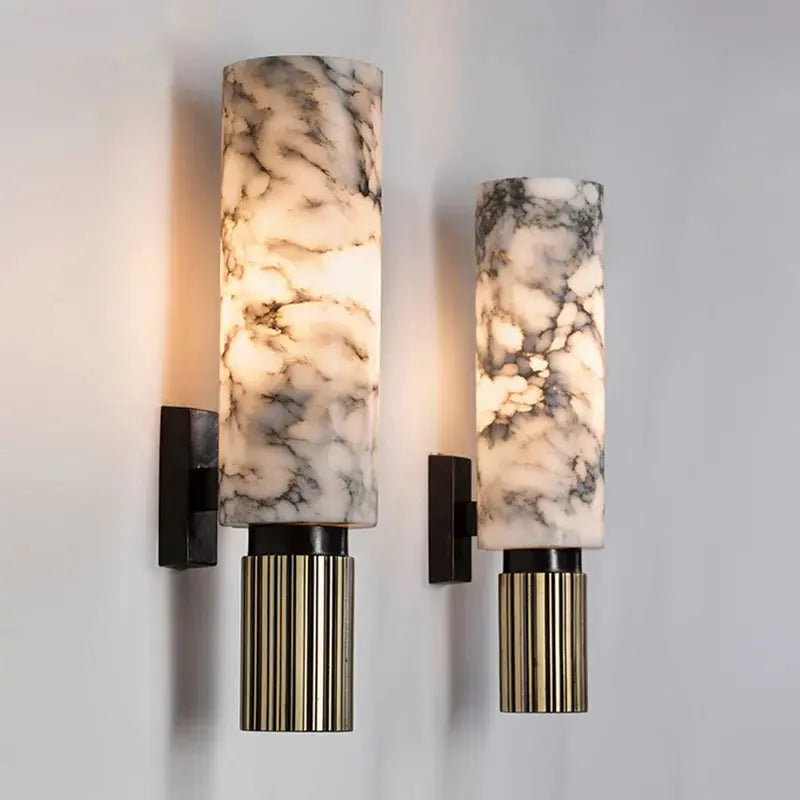
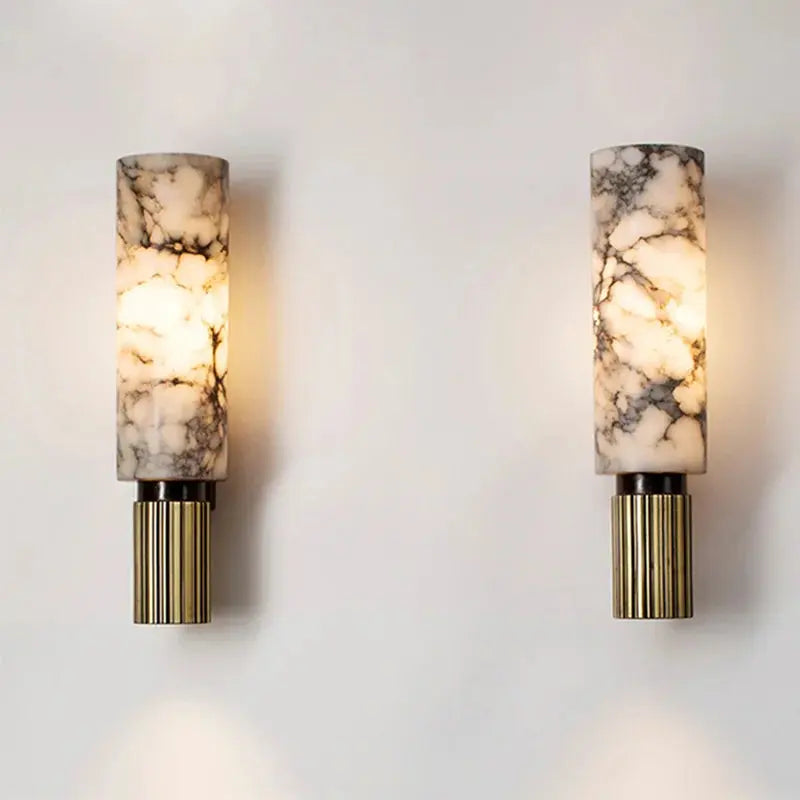
Accent lighting is the fun part – it's about adding personality and drawing attention to specific features. For low ceilings, this is your secret weapon for creating a sense of height. Wall sconces that direct light upwards can make the ceiling feel higher. Small uplights placed at the base of furniture or architectural details can also guide the eye upward. Even small lights tucked into bookshelves or display cabinets can add depth and visual interest. The goal is to create visual interest at different levels, preventing the room from feeling like it's all happening at floor level.
Here's a quick breakdown of how different light types work together:
- Ambient: Flush mount or semi-flush mount ceiling lights for general brightness.
- Task: Under-cabinet lights, reading lamps, desk lamps for focused work.
- Accent: Wall sconces (uplighting), shelf lights, picture lights to highlight features and add dimension.
When you combine these layers, you create a much more inviting and visually appealing space. It's not just about brightness; it's about how the light shapes the room and makes it feel. Think about how light reflects off surfaces too; using lighter paint colors and reflective surfaces can really help bounce light around, making the whole setup work even better.
Avoiding Common Pitfalls with Low Ceiling Fixtures
Lighting a room with a low ceiling can feel like a puzzle. You want enough light, but you also don't want to feel like you're constantly ducking. It's easy to make mistakes that can actually make the space feel smaller or just plain awkward. Let's talk about some common traps people fall into and how to sidestep them.
The Danger of Oversized Fixtures
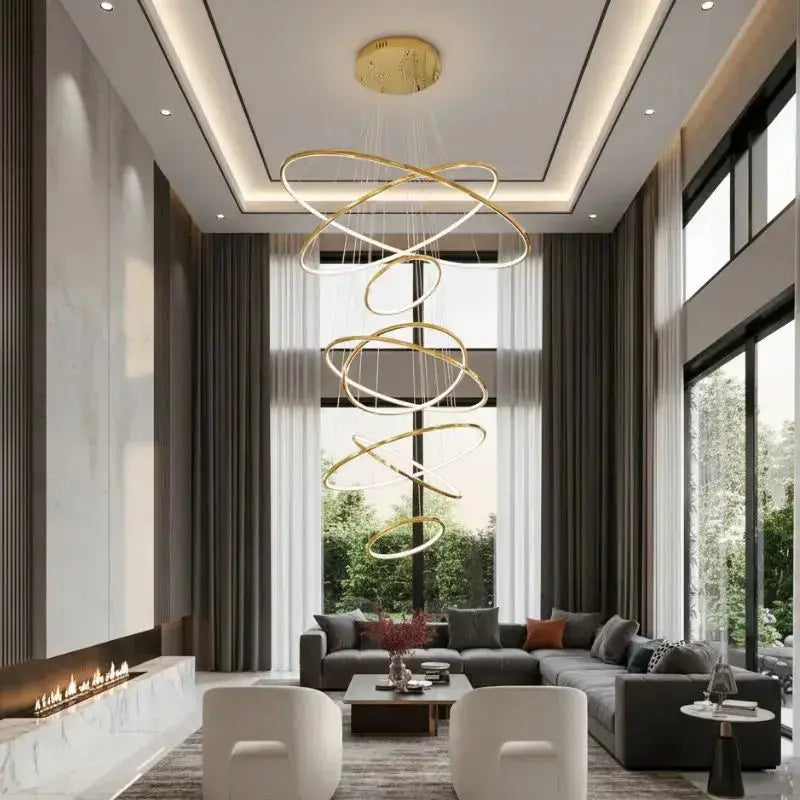
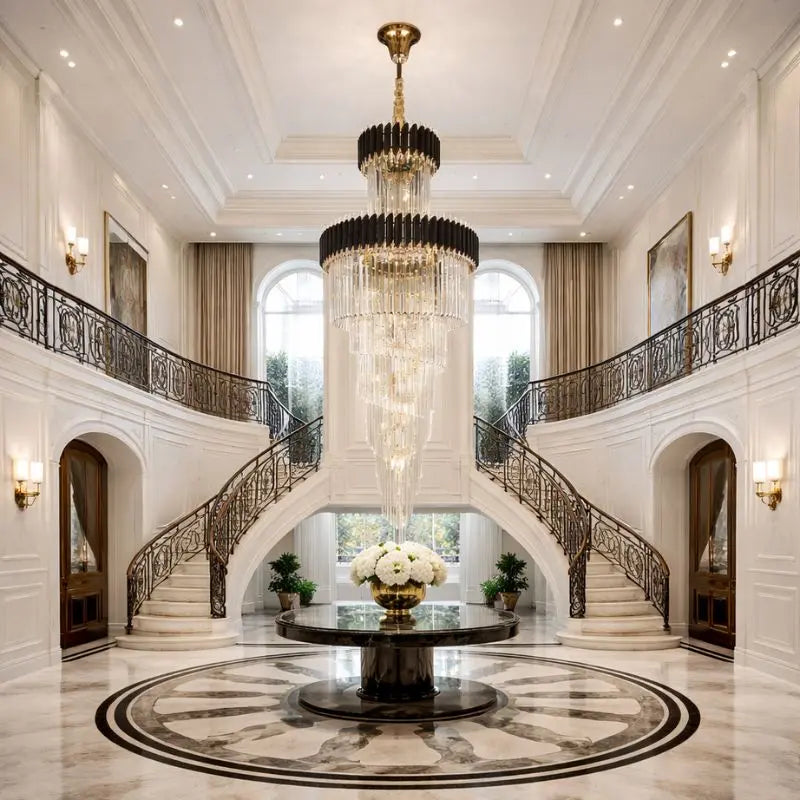
This one seems obvious, right? A giant chandelier in a room with an 8-foot ceiling is just asking for trouble. But "oversized" can be a bit subjective. What looks grand in a showroom might feel like it's swallowing your living room whole. The key is to keep the fixture's scale in proportion to the room's overall size and, most importantly, its height. Think about how much space the fixture actually takes up visually and physically. A fixture that hangs too low can become a constant, annoying obstacle, and nobody wants that. It's not just about the diameter, but also how far down it dangles. For living rooms, keeping at least 7 feet of clearance from the floor to the lowest point of the fixture is a good rule of thumb, especially if you're looking at a living room chandelier.
Strategic Placement Over Centralized Lighting
Many people just stick one light right in the middle of the ceiling and call it a day. This often leaves corners dark and doesn't do much for the overall feel of the room. Instead, think about how you actually use the space. Do you read in a specific chair? Do you need light over a kitchen counter? Mapping out these zones and placing lights accordingly makes a big difference. Sometimes, a few well-placed smaller fixtures are far better than one big, central one. Consider using wall sconces or even floor lamps to add light where you need it without taking up precious ceiling space.
Considering Fixture Height and Room Clearance
This ties back to the oversized fixture issue, but it's worth its own point. When you're looking at fixtures, especially semi-flush mounts or pendants, pay close attention to the listed drop height. Even a few extra inches can matter a lot in a low-ceilinged room. It's not just about not hitting your head; it's also about how the light fixture visually interacts with the space. A fixture that hangs too low can make the ceiling feel even lower, creating a cramped atmosphere. Always measure your ceiling height and compare it to the fixture's dimensions before buying. A simple flush mount or a shallow semi-flush mount is often the safest bet, but there are stylish options available if you do your homework.
Here's a quick look at common fixture types and their typical height off the ceiling:
| Fixture Type | Height Off Ceiling | Best For Low Ceilings? |
|---|---|---|
| Flush Mount | 0-6 inches | Yes |
| Semi-Flush Mount | 6-12 inches | Usually, check drop |
| Recessed | 0 inches | Yes |
| Track Lighting | 2-6 inches | Yes |
When choosing any light for a room with a low ceiling, always prioritize function and comfort. A fixture that looks amazing online but makes the room feel smaller or is a head-bumping hazard isn't the right choice, no matter how stylish it is. Think about the practicalities first.
Wrapping It Up
So, tackling those low ceilings doesn't have to be a headache. We've looked at a bunch of light fixture ideas, from the ones that hug the ceiling tight to those that add a little flair without taking up too much room. Remember, it's all about picking something that gives off good light and doesn't make you feel like you're going to bump your head. Using reflective stuff and lighter paint colors can really help too, making the whole place feel a bit more open. Don't overthink it; a few smart choices can make a big difference in how bright and welcoming your space feels. Just go for what looks good and works for your room.
Frequently Asked Questions
What kind of lights work best when ceilings are low?
For rooms with low ceilings, lights that sit close to the ceiling are your best bet. Think about flush mount lights, which attach right to the ceiling, or semi-flush mount lights, which hang down just a little bit. Recessed lights, which are built into the ceiling, are also a great option because they don't take up any extra space. These types of lights help keep the room feeling open and prevent anyone from bumping their head.
How can I make a room with a low ceiling feel taller?
To make a room with a low ceiling seem taller, try using light colors on your walls and ceiling. Also, fixtures that shine light upwards, like some wall sconces, can help bounce light off the ceiling, creating an illusion of more height. Using mirrors and reflective surfaces can also trick the eye into thinking the room is bigger and taller than it is.
Can I still use decorative lights like chandeliers in a room with a low ceiling?
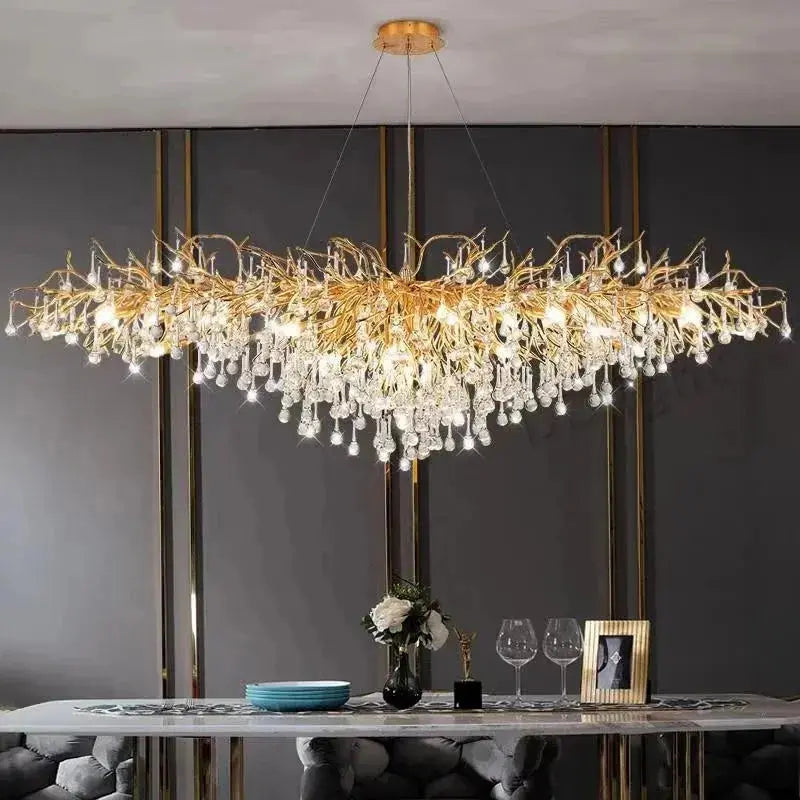
You can use decorative lights like chandeliers, but you have to be careful. Choose smaller, more compact versions, or ones where you can adjust how far they hang down. Lights that hang too low can make the room feel crowded. Sometimes, a slim chandelier with a lot of sparkle can work if it's hung over a specific spot like a dining table, but it's a choice that needs careful thought.
What's the biggest mistake people make when choosing lights for low ceilings?
A common mistake is picking light fixtures that are too big or hang down too far. These can make the ceiling feel even lower and the room feel cramped. Another mistake is just putting one light in the middle of the room; it's often better to use a few lights placed strategically to brighten up the whole space evenly and avoid dark corners.
How much light (lumens) do I need for a dark room with a low ceiling?
For a dark room, especially one with low ceilings, you'll want more light than usual. Aim for about 70 to 80 lumens for every square foot of the room. This means you might need brighter bulbs or more light sources than you'd expect to make sure the space is well-lit and feels welcoming.
Are those thin, built-in lights (canless recessed lights) good for low ceilings?
Yes, those thin, built-in lights, often called canless recessed lights or wafer lights, can be really good for low ceilings. They sit almost flat against the ceiling, so they don't take up any headroom. They're also usually pretty easy to install yourself. Just be mindful that some of them can create glare, so picking ones with a good diffuser is important for the best light quality.