A patio can have beautiful stone, considered planting and exceptionally comfortable seating, yet still feel unfinished when dusk arrives. The best outdoor lights for patios do more than make steps visible: they give an alfresco dining area its atmosphere, draw the eye towards architectural details and make the garden feel like an extension of the home after dark.
The most successful schemes are layered rather than over-lit. A single powerful floodlight may offer visibility, but it flattens a carefully designed terrace and can feel stark at the table. Instead, combine a composed ambient glow with focused task lighting and a few softer points of sparkle. The result is functional enough for serving supper and elegant enough for lingering over a final glass of wine.
Best Outdoor Lights for Patios: The Essential Layers
Start by considering how the patio is used. A covered dining terrace needs clear, flattering light over the table, while a lounge-focused courtyard benefits from lower pools of light that encourage relaxation. If the patio is your route from house to garden, safe illumination around thresholds, steps and changes in level should come first.
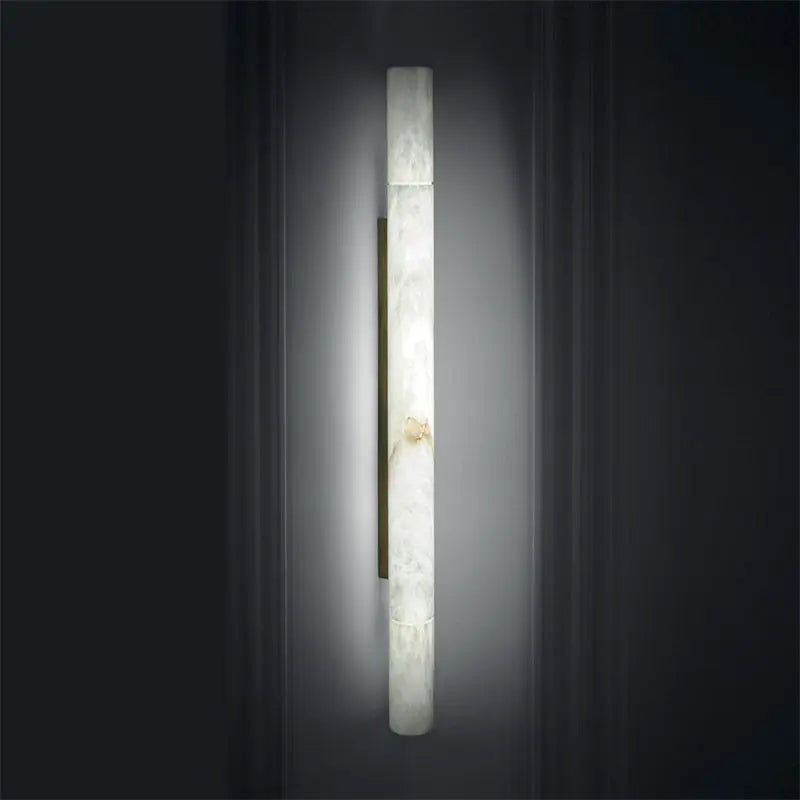
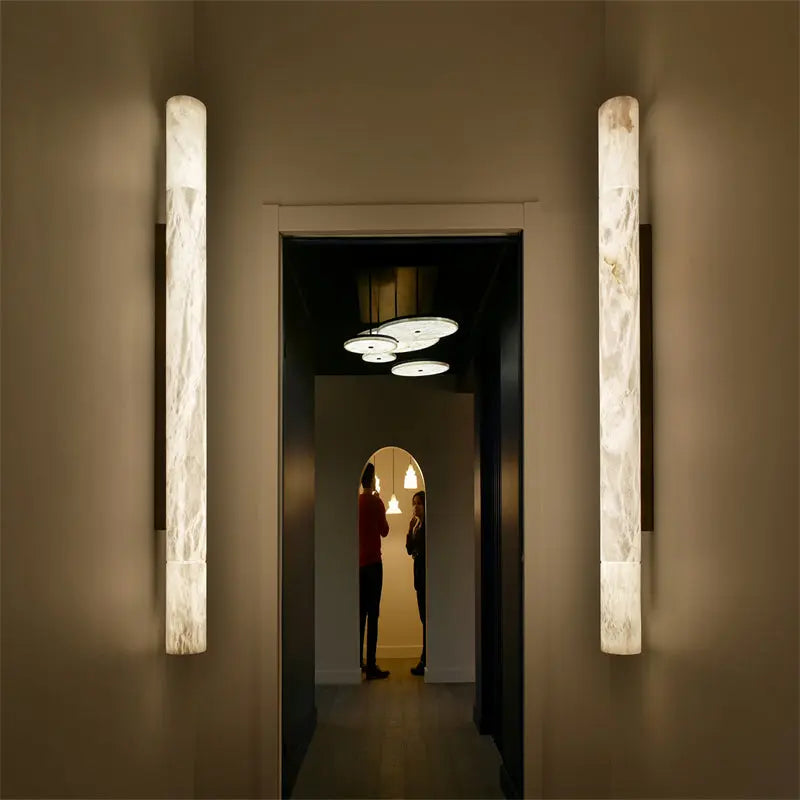
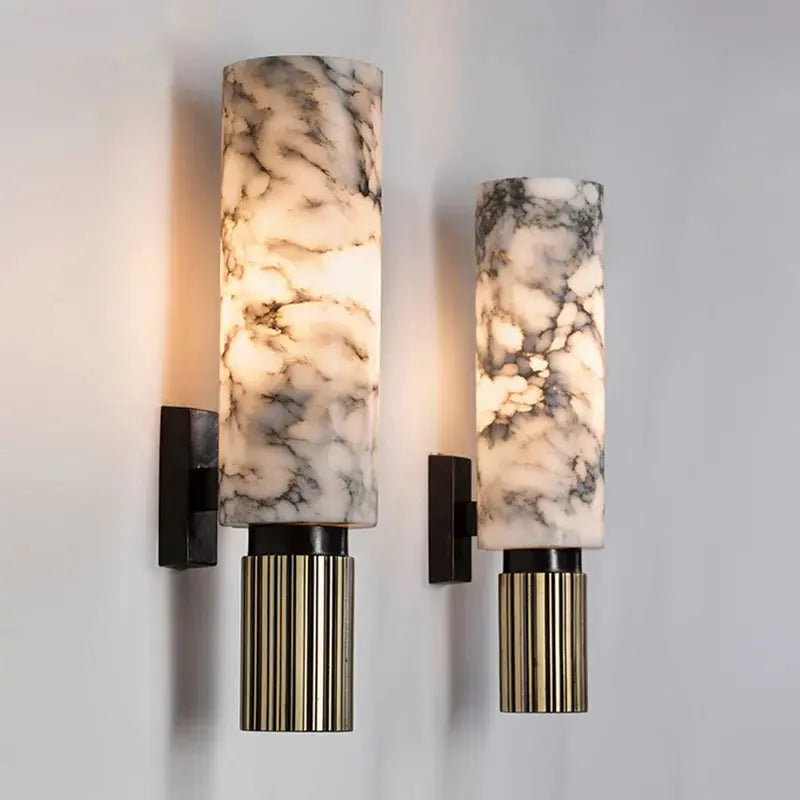
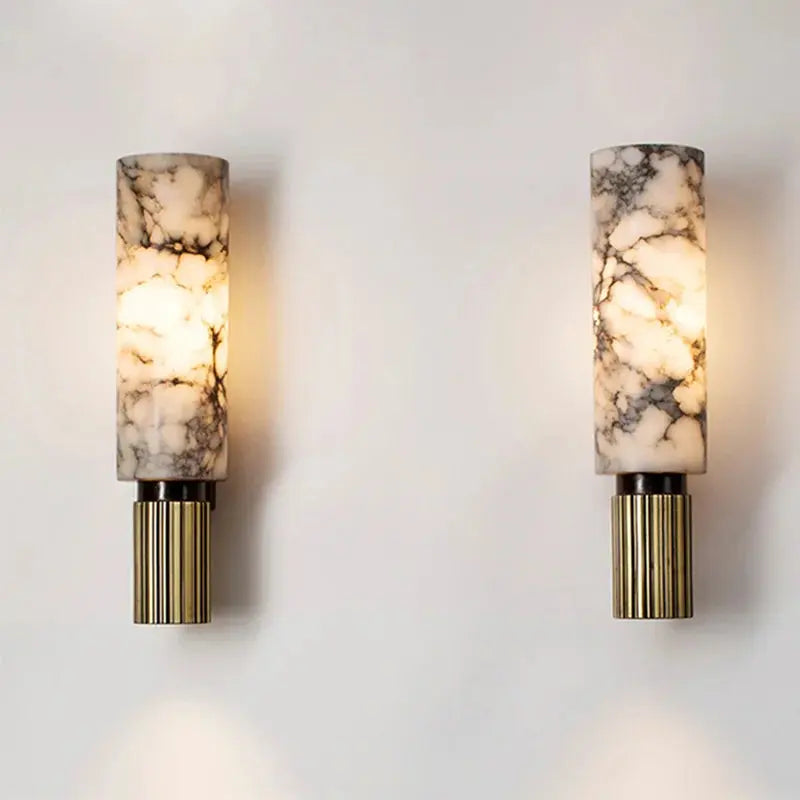
Ambient lighting establishes the overall mood. Outdoor wall lights, especially a matching pair placed either side of French doors or a garden-facing window, create a balanced and welcoming composition. Choose fittings that cast light downwards or diffuse it through frosted glass to avoid a harsh glare when guests are seated nearby.
Task lighting belongs where practical activity happens. A pendant above a covered outdoor dining table, or a wall fixture close to the barbecue and serving area, makes evenings easier without sacrificing style. It should be brighter than surrounding decorative lighting, but never so bright that the patio resembles a commercial terrace.
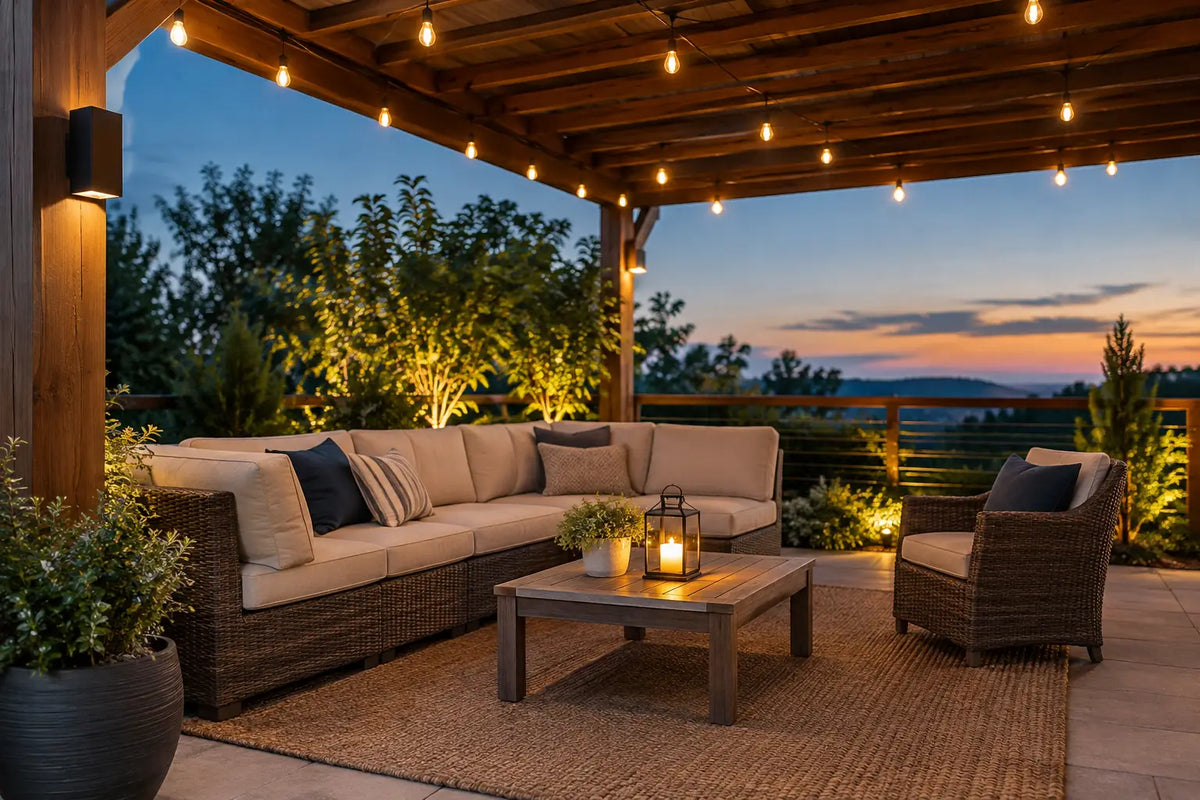
Accent lighting is where a patio begins to feel personal. A portable lamp on a side table, a pair of lanterns beside a planter or discreet uplights aimed at an olive tree add depth and visual rhythm. Use these details sparingly. Luxury comes from intention, not from filling every corner with light.
Choose Fixtures That Suit the Patio Architecture
The architecture of the house should guide the fixture selection. Contemporary patios with slim-framed doors, concrete pavers and sculptural furniture suit clean-lined black, bronze or brushed-metal wall lights. Cylindrical sconces, geometric lantern forms and minimal pendants feel crisp without competing with the landscape.
For traditional brick homes, country gardens or terraces with natural stone, consider classic lantern-style wall lights. A refined frame in aged brass, black or weathered bronze brings timeless elegance, particularly when paired with warm glazing and softly textured materials. The fixture should look equally beautiful in daylight, when it becomes a decorative feature in its own right.
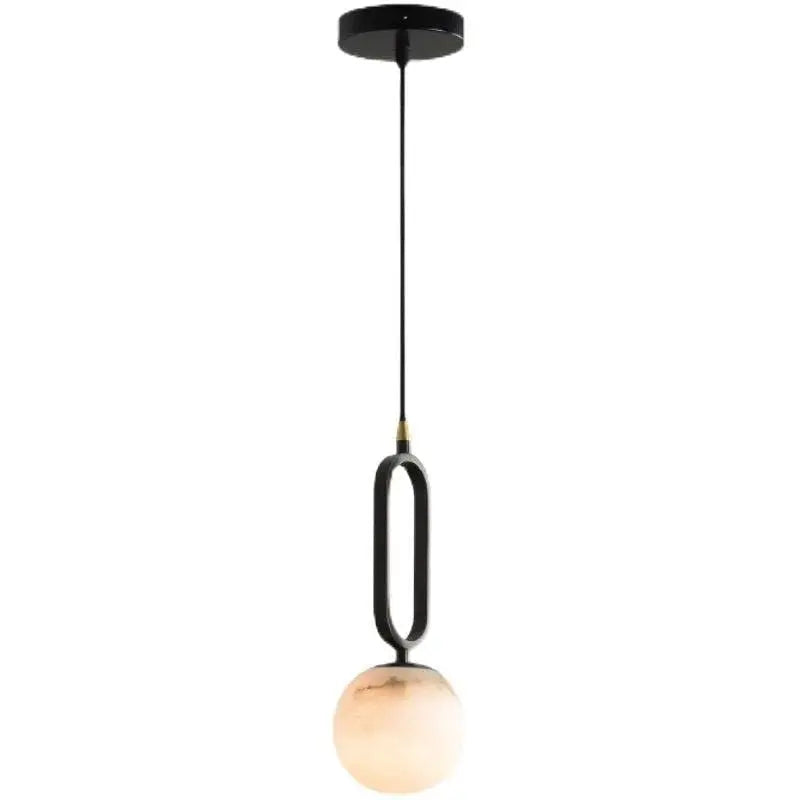
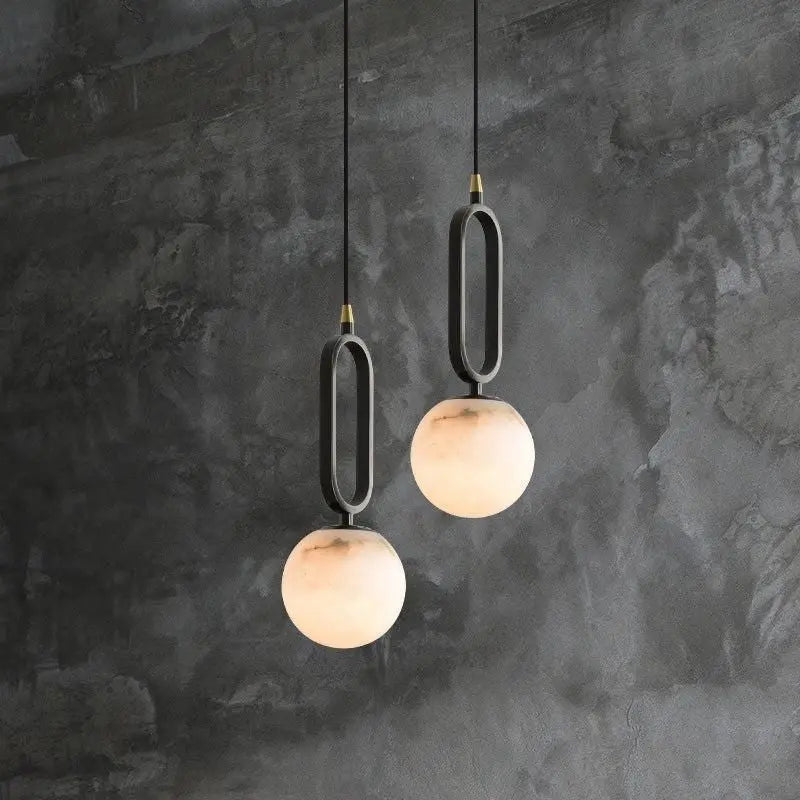
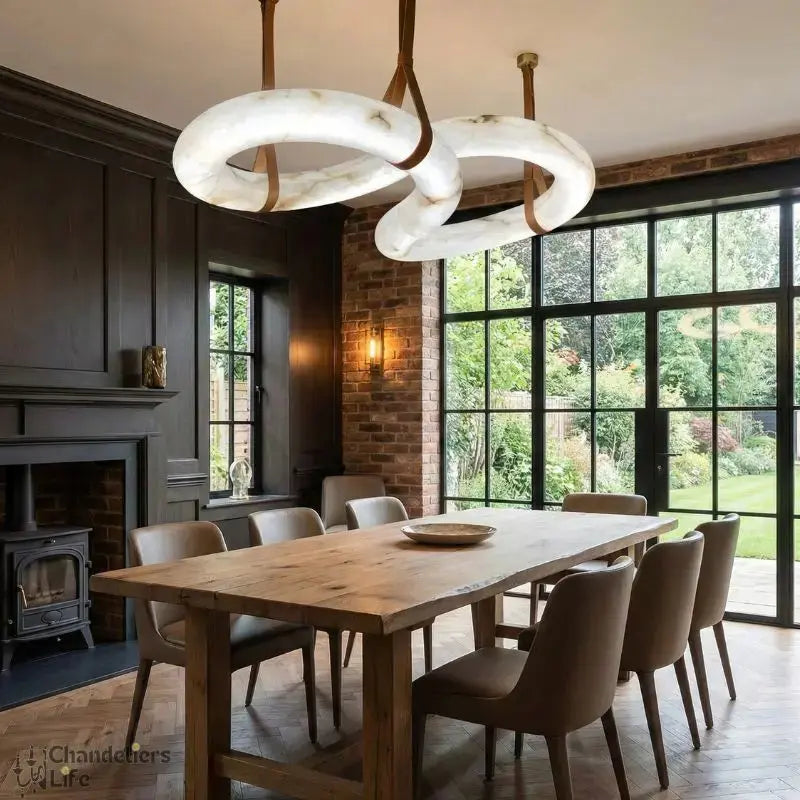
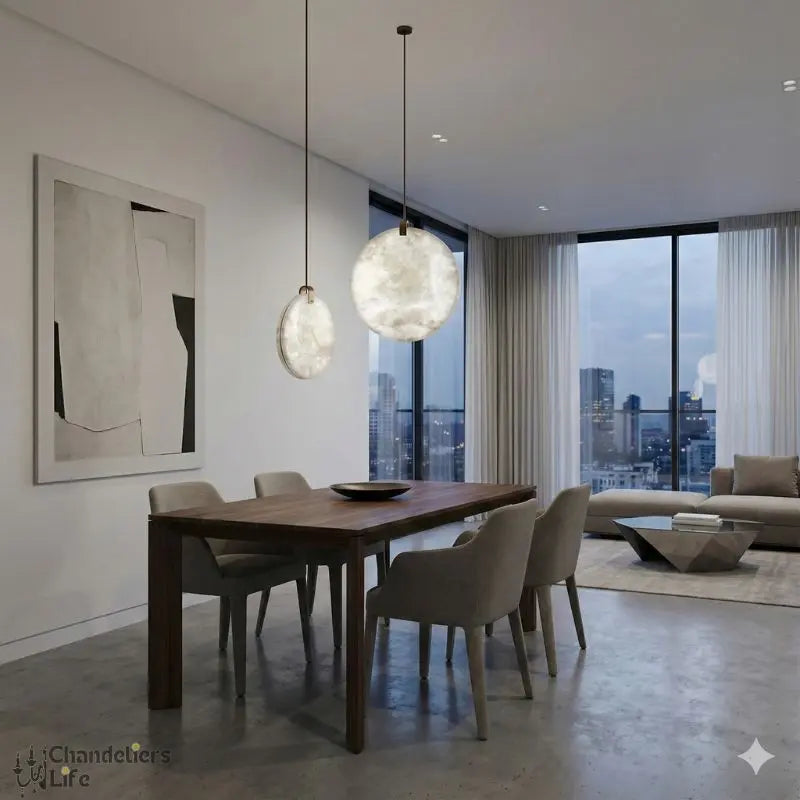
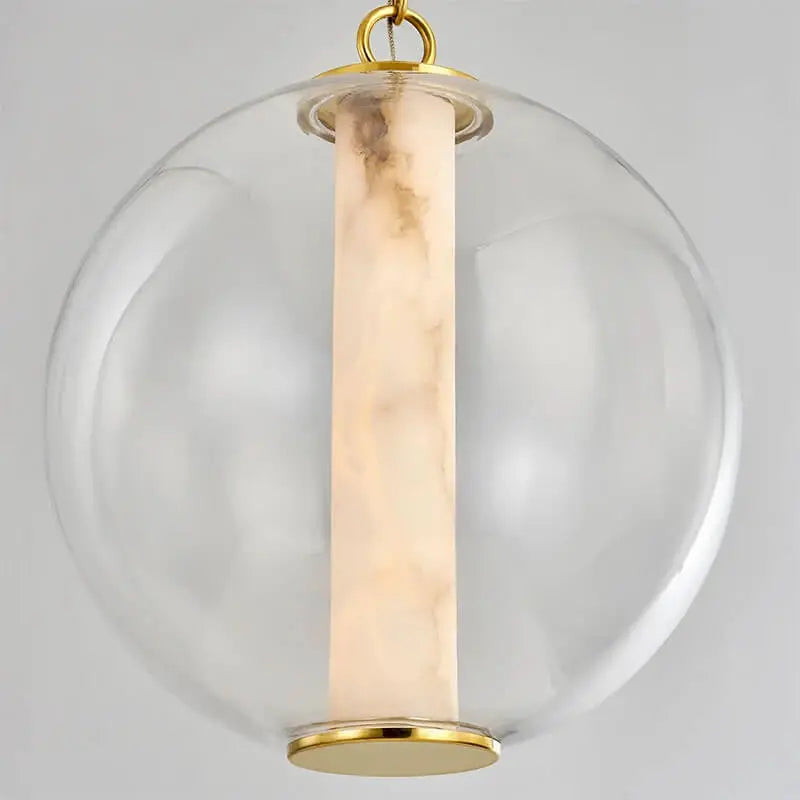
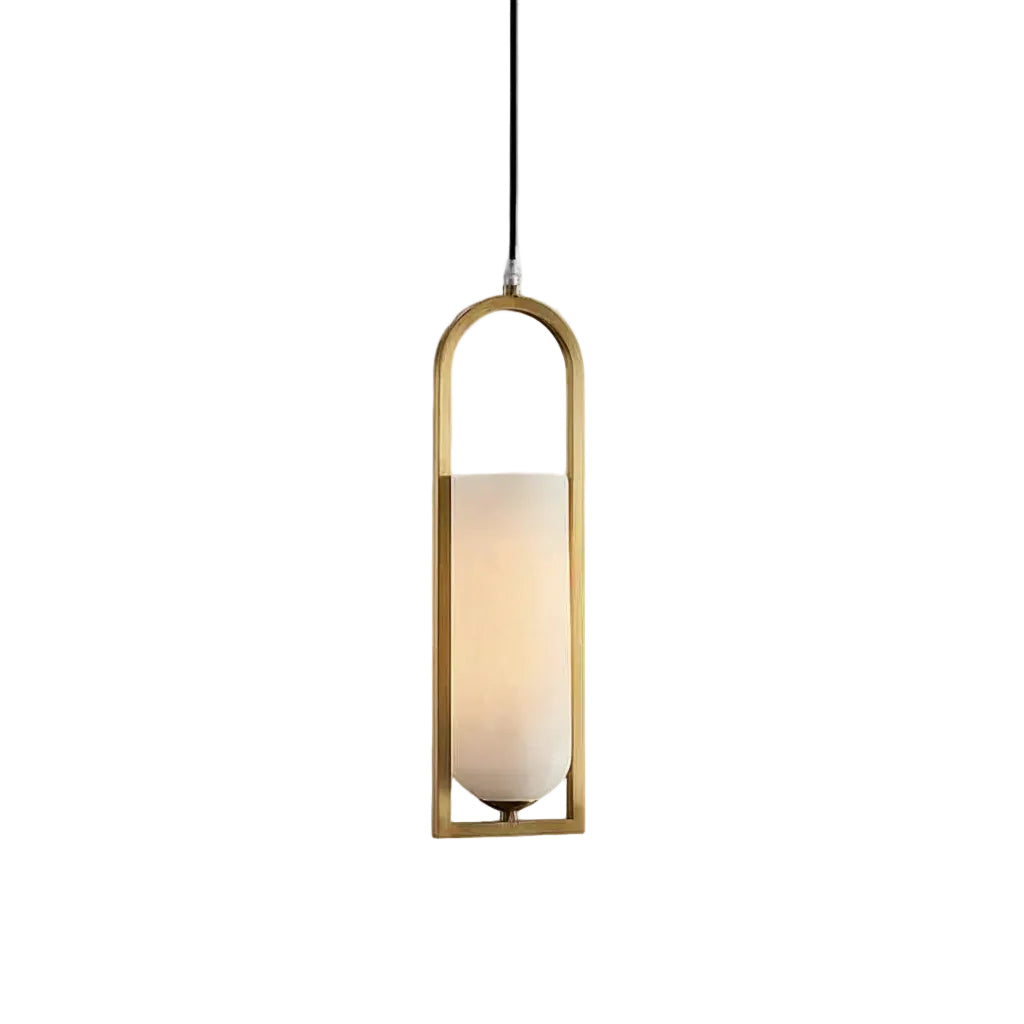
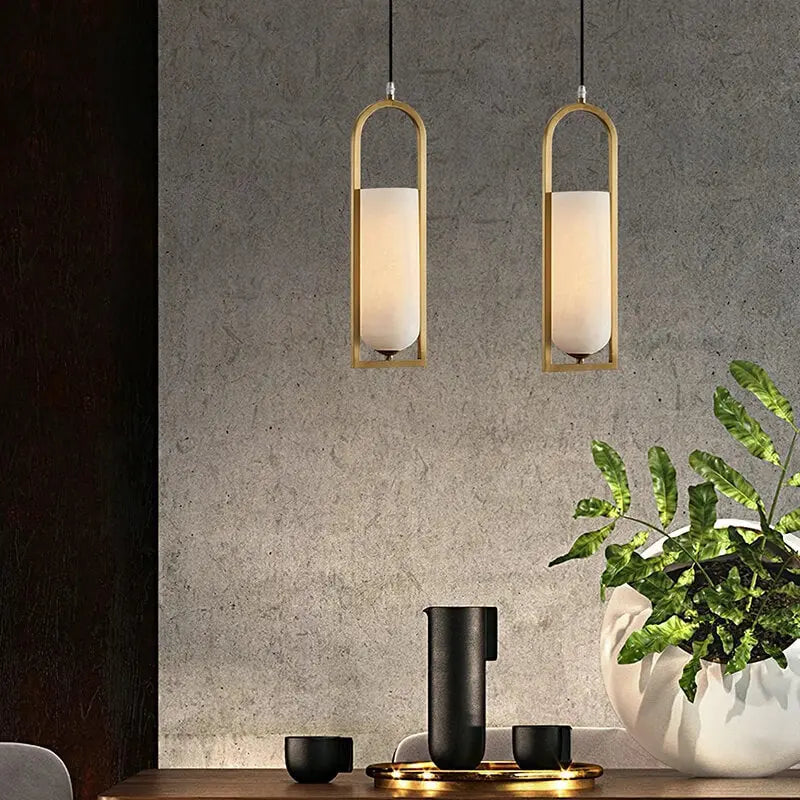
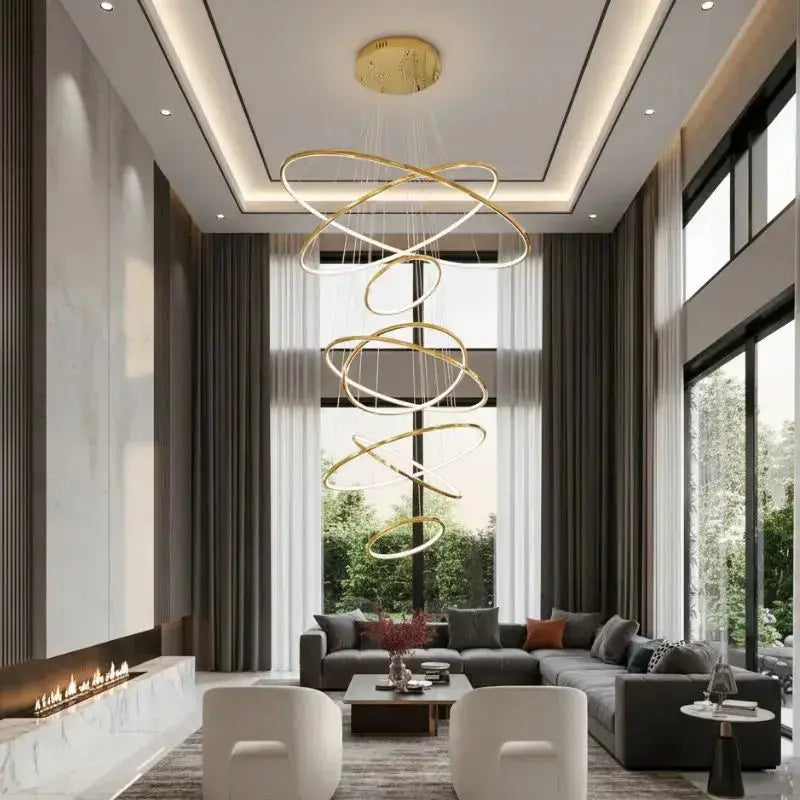
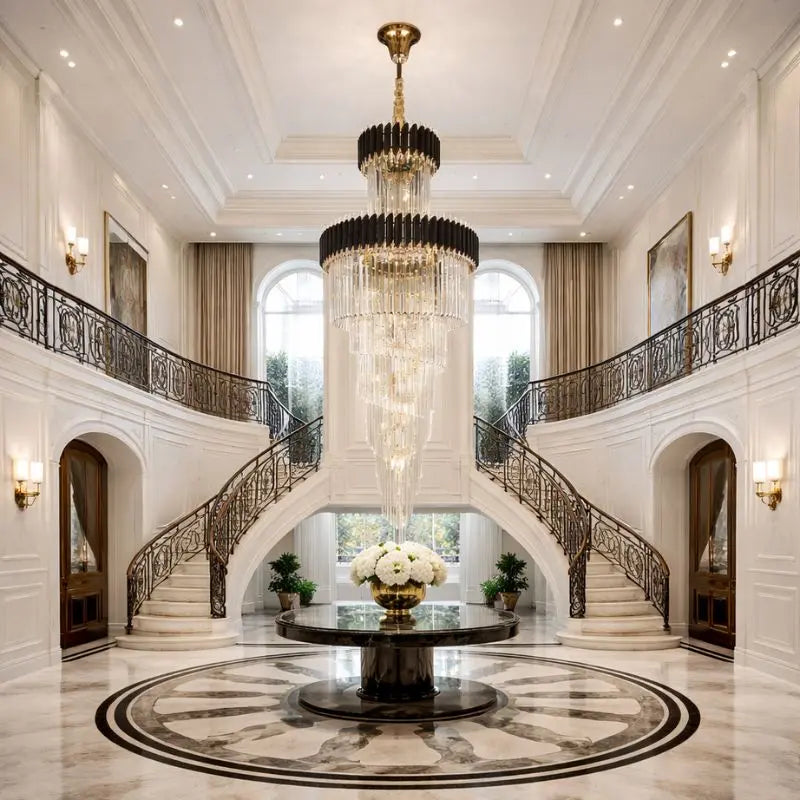
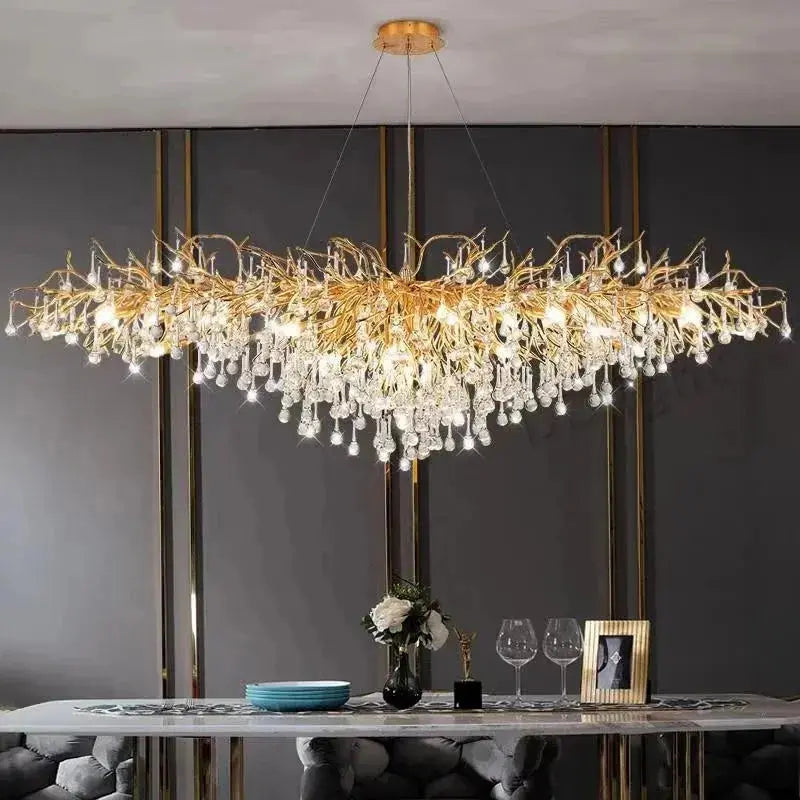
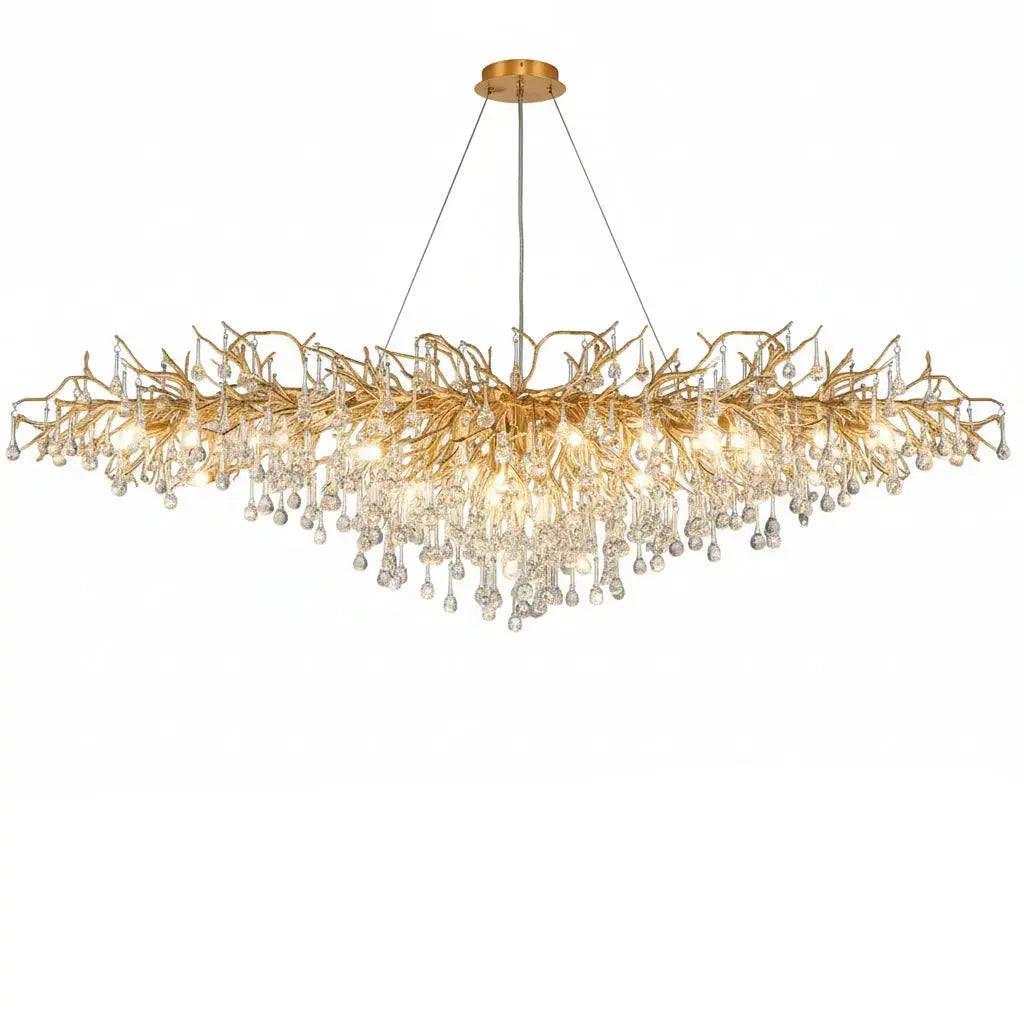
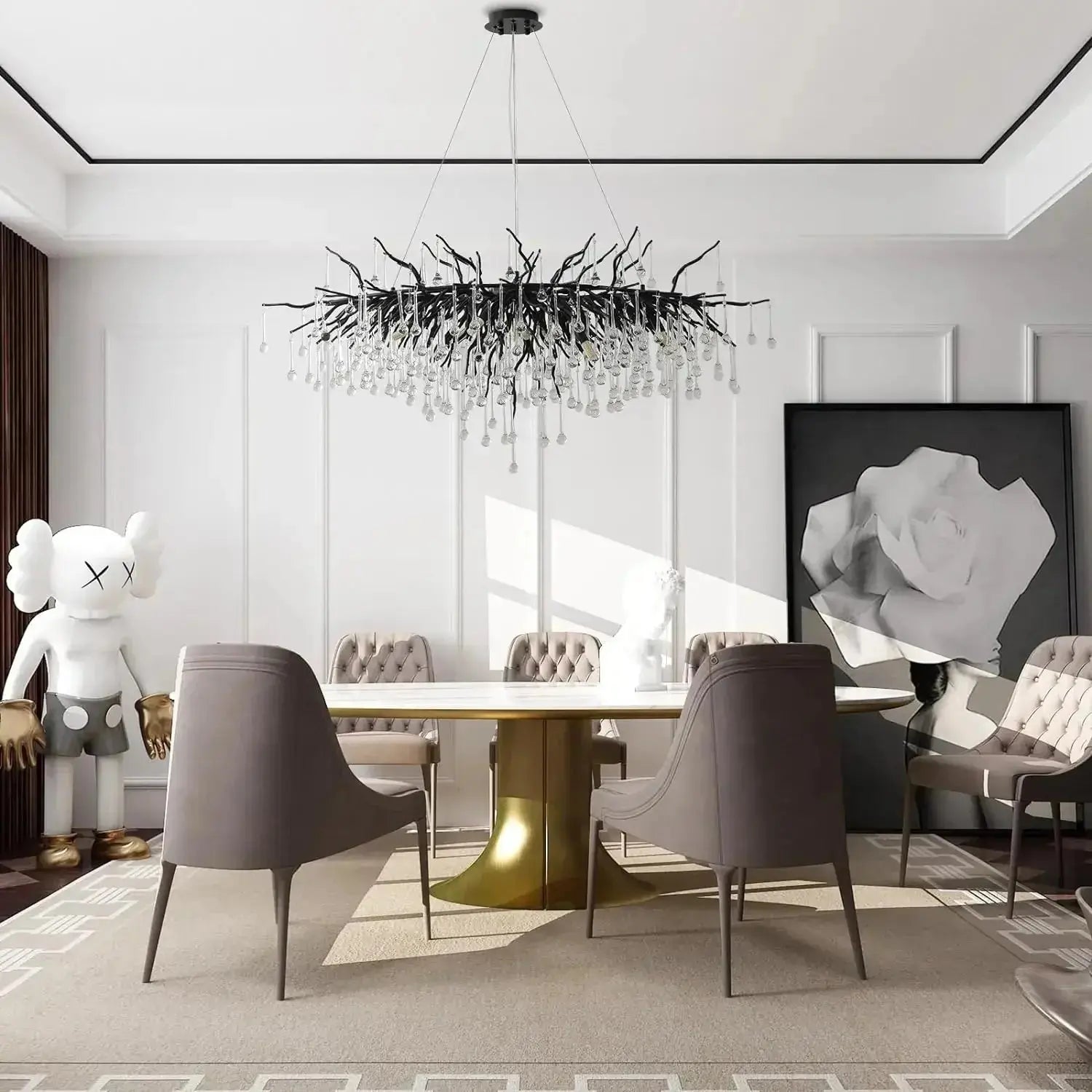
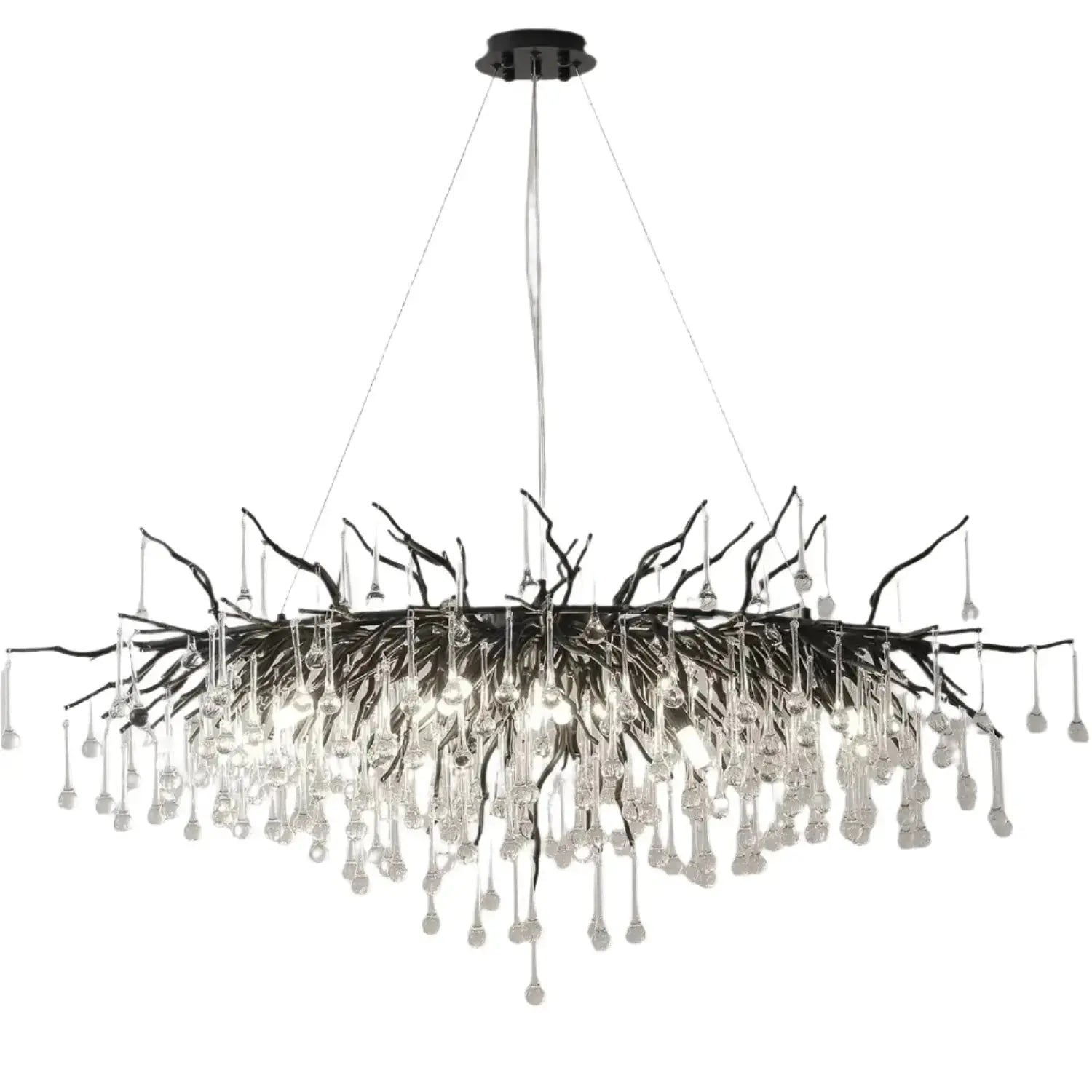
Covered patios offer the greatest opportunity for a statement ceiling fixture. An outdoor-rated pendant can define the dining area much as a chandelier defines an interior dining room. Keep the proportions generous enough to anchor the table, but ensure there is comfortable head clearance. On a low pergola, a broad but shallow silhouette is often more graceful than a deep hanging design.
Open patios require a more flexible approach. Wall lights provide reliable structure, while rechargeable table lamps and weather-resistant lanterns introduce a softer, moveable glow. This combination is ideal for homeowners who enjoy rearranging the terrace for different occasions, from quiet weekday dinners to larger garden gatherings.
Wall sconces for a polished perimeter
Wall sconces are often the hardest-working choice because they enhance both safety and style. Position them around 1.6 to 1.8 metres from the finished patio surface, adjusting for door frames, wall height and the fixture itself. At this level, they illuminate faces and pathways without shining directly into the eyes of seated guests.
For a large rear elevation, repeat the same fitting at measured intervals rather than mixing several unrelated styles. This creates a calm, architectural rhythm. If the wall is compact, one exquisite outdoor sconce beside the entrance can be more convincing than several smaller fittings competing for attention.
Pendants and ceiling lights for covered dining
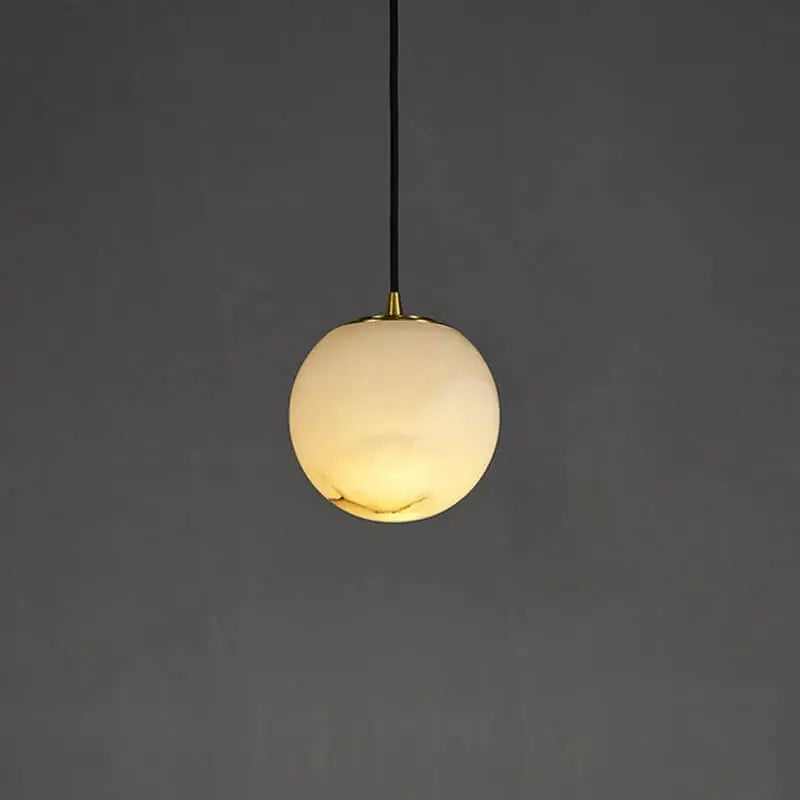
A pendant above an outdoor table should align with the table centre rather than the centre of the patio roof. That small decision makes the area feel deliberately arranged. For a round table, a single lantern or globe pendant is naturally balanced; a long rectangular table may suit two smaller pendants or one elongated ceiling fixture.
Select a fitting made specifically for outdoor use, even beneath a roof. Wind-driven rain and moisture can still reach areas that appear sheltered. A qualified electrician can advise on placement, wiring and the appropriate protection for your particular setting.
Portable lamps and lanterns for intimacy
Portable outdoor lamps bring the warmth of indoor living outside. Place one on a coffee table, a console or the centre of a dining table, where it can create an inviting pool of light without obstructing conversation. Look for a warm, diffused glow rather than an exposed, dazzling source.
Lanterns are especially effective along a low garden wall, beside a large planter or at the edge of a seating arrangement. They work best in groups of varied height, but keep finishes coordinated. Black metal lanterns, for example, complement contemporary outdoor wall lights with understated sophistication.
Get Brightness and Colour Temperature Right
The prettiest fixture will disappoint if the light is too cold or too intense. For patios designed for entertaining, warm white light around 2200K to 2700K is generally the most flattering choice. It gives timber, stone, terracotta and planting a gentle richness, while keeping skin tones comfortable and food appealing.
Reserve brighter illumination for cooking areas, external doors and steps. Dimmers are valuable where suitable, allowing a practical level of light while preparing dinner and a softer ambience once guests are seated. If dimming is not possible, divide the patio lighting into separate circuits so that task lights and decorative lights can be controlled independently.
Be thoughtful about exposed bulbs. Filament-style lamps can look exquisite in a lantern or clear-glass sconce, but their brightness needs to be modest. Where a bulb is directly within the eyeline, opal glass or a shaded fixture usually creates a more luxurious result.
Prioritise Outdoor Ratings and Lasting Materials
Patio lighting needs to withstand more than the occasional shower. Check the fixture’s IP rating before choosing a design. As a broad guide, IP44 is suitable for many sheltered exterior locations where there may be splashes of water. More exposed walls, open pergolas and areas close to rain-driven weather may require a higher rating. Local installation requirements and the exact location always matter, so seek professional advice before purchasing.
Material choice affects both longevity and appearance. Powder-coated aluminium is lightweight and versatile, while stainless steel can offer a contemporary finish, provided it is appropriate for local conditions. Brass and bronze develop a natural patina outdoors, which many homeowners value for its character. Near the coast, salt air demands particular care, and specialist marine-grade materials may be the wiser investment.
Avoid treating outdoor lighting as an afterthought to be chosen once furniture arrives. Power points, wiring routes and switch positions are far simpler to organise during a renovation or landscaping project. Planning early also makes it easier to preserve clean walls and avoid visible cabling across a finished terrace.
A Refined Patio Lighting Plan by Zone
For a typical patio adjoining the home, begin with wall lights framing the main doors. Add a pendant or ceiling fitting if there is a covered dining zone, then introduce a portable lamp near lounge seating for a more intimate layer. Finish with subtle low-level lighting that defines steps or the transition into the garden.
On a compact patio, restraint is particularly important. One pair of sculptural outdoor wall lights and a beautiful rechargeable table lamp can feel far more elevated than strings of bright bulbs criss-crossing overhead. In a generous garden room or terrace, repeat fixtures to connect the architecture, then use lanterns and planting illumination to create depth beyond the seating area.
ChandeliersLife approaches exterior lighting with the same design principle that shapes a memorable interior: choose a focal point, support it with considered layers and let the materials speak. A well-chosen outdoor fixture should feel like part of the home’s architecture, not an accessory added in haste.
As evening approaches, switch on only the layers you need and stand back from the patio for a moment. The right scheme does not announce every surface. It simply makes the table, the doorway and the people gathered there look as though they belong beautifully together.