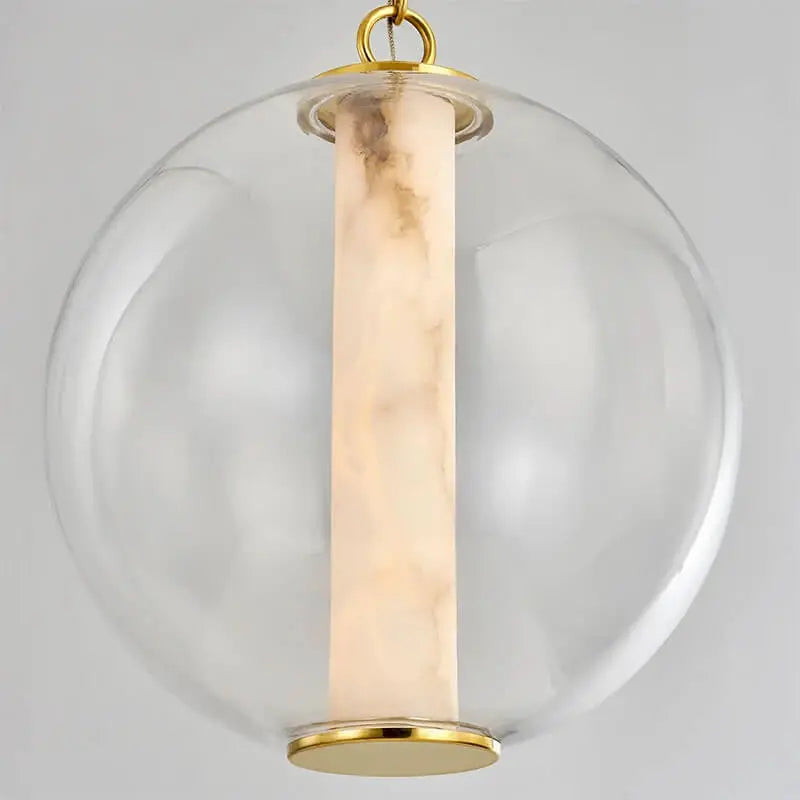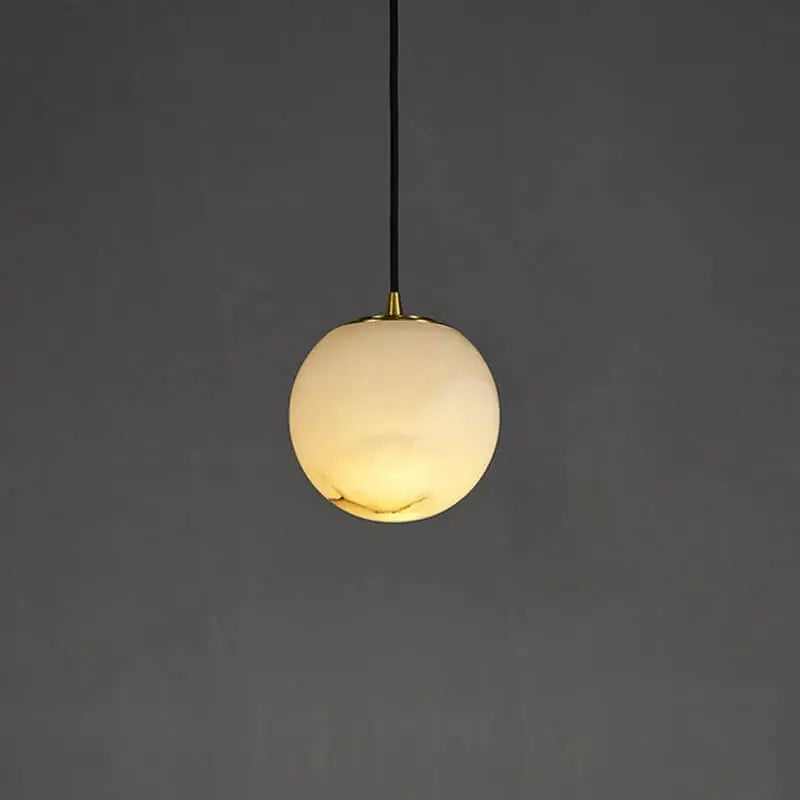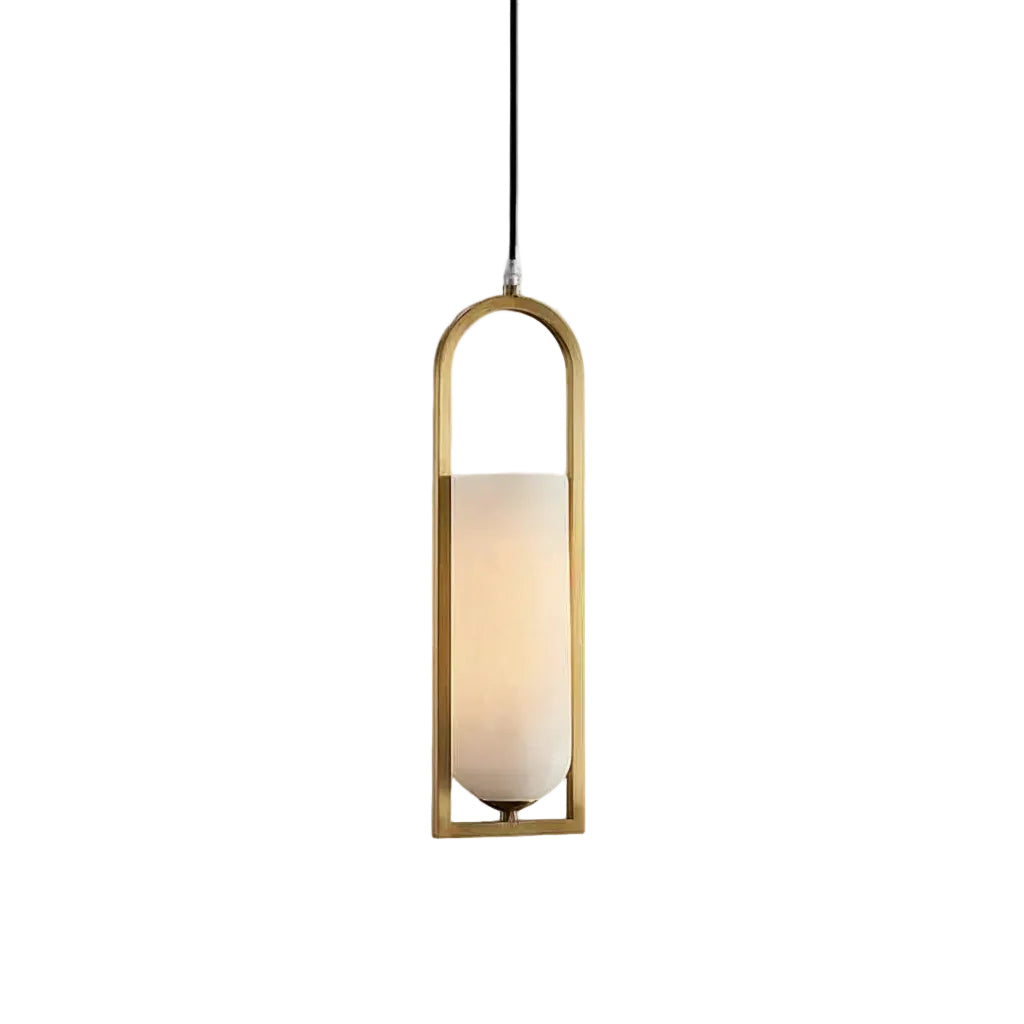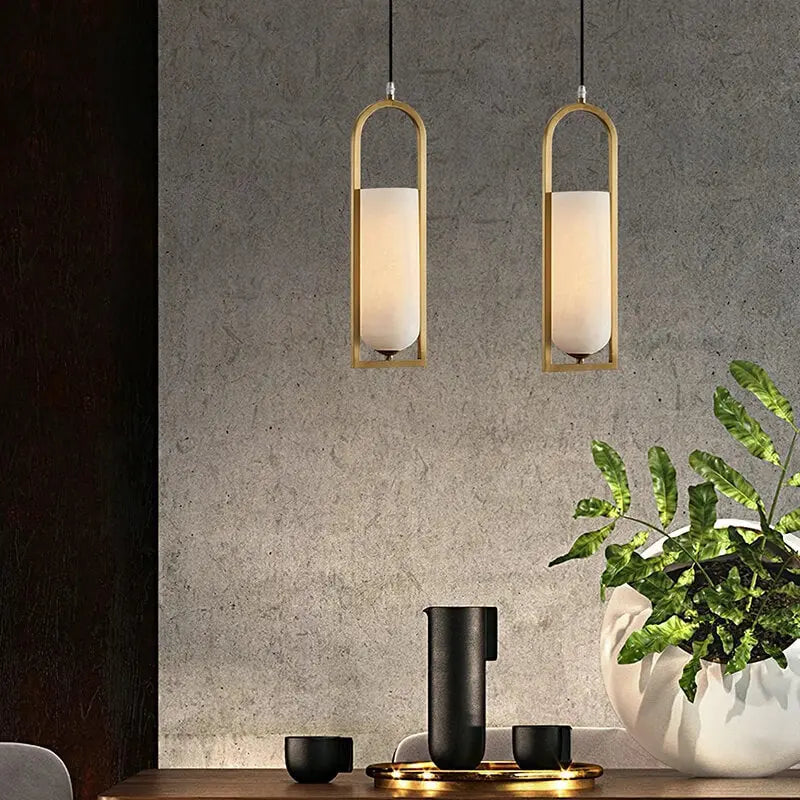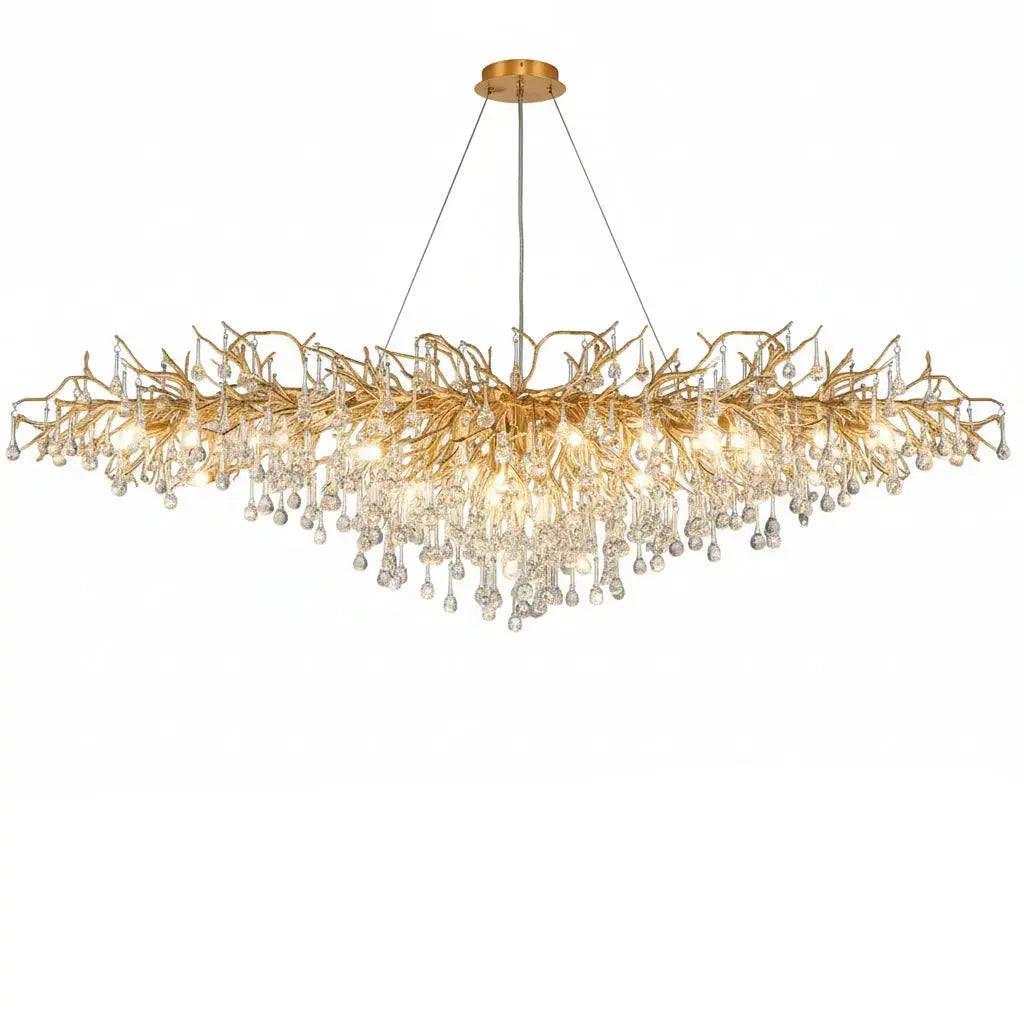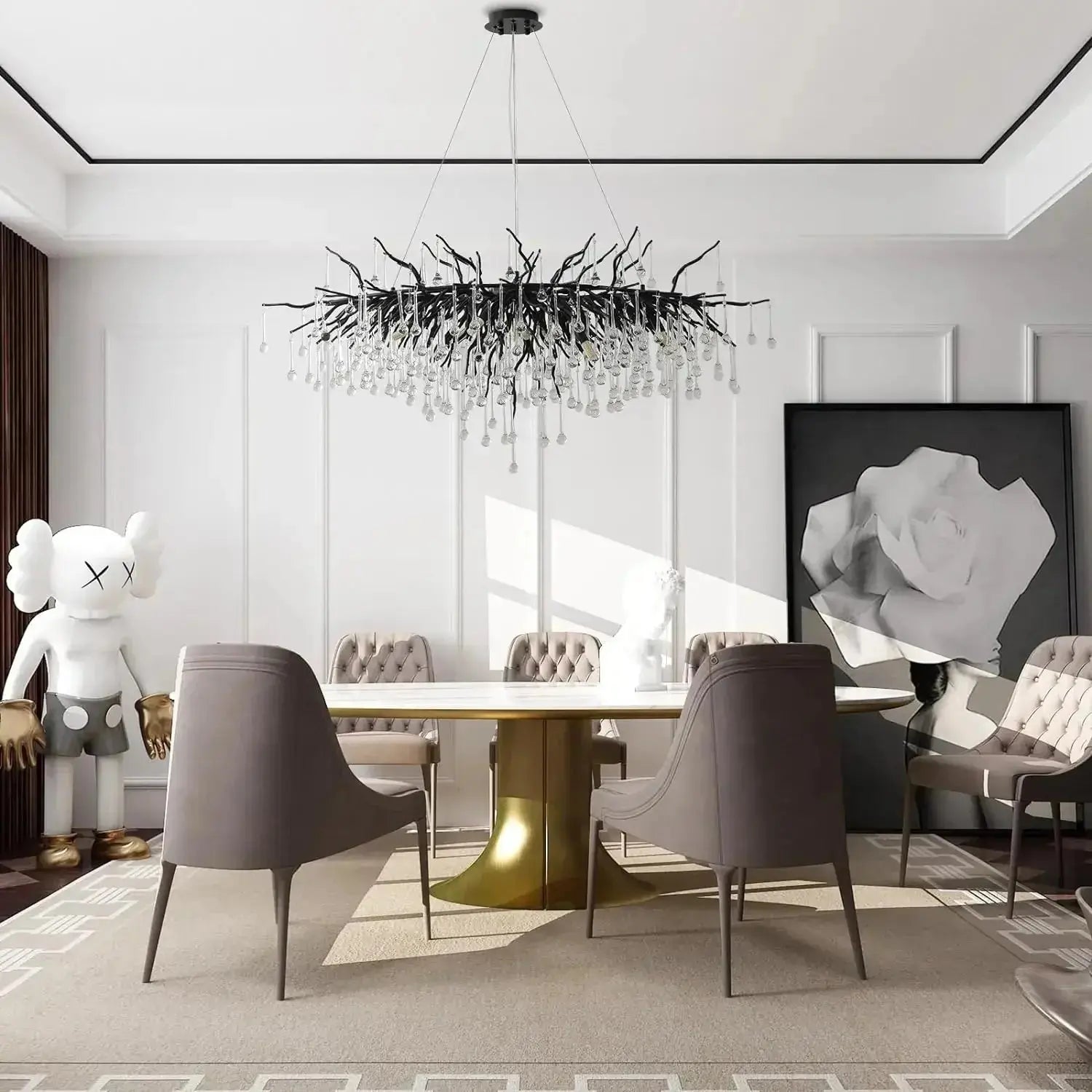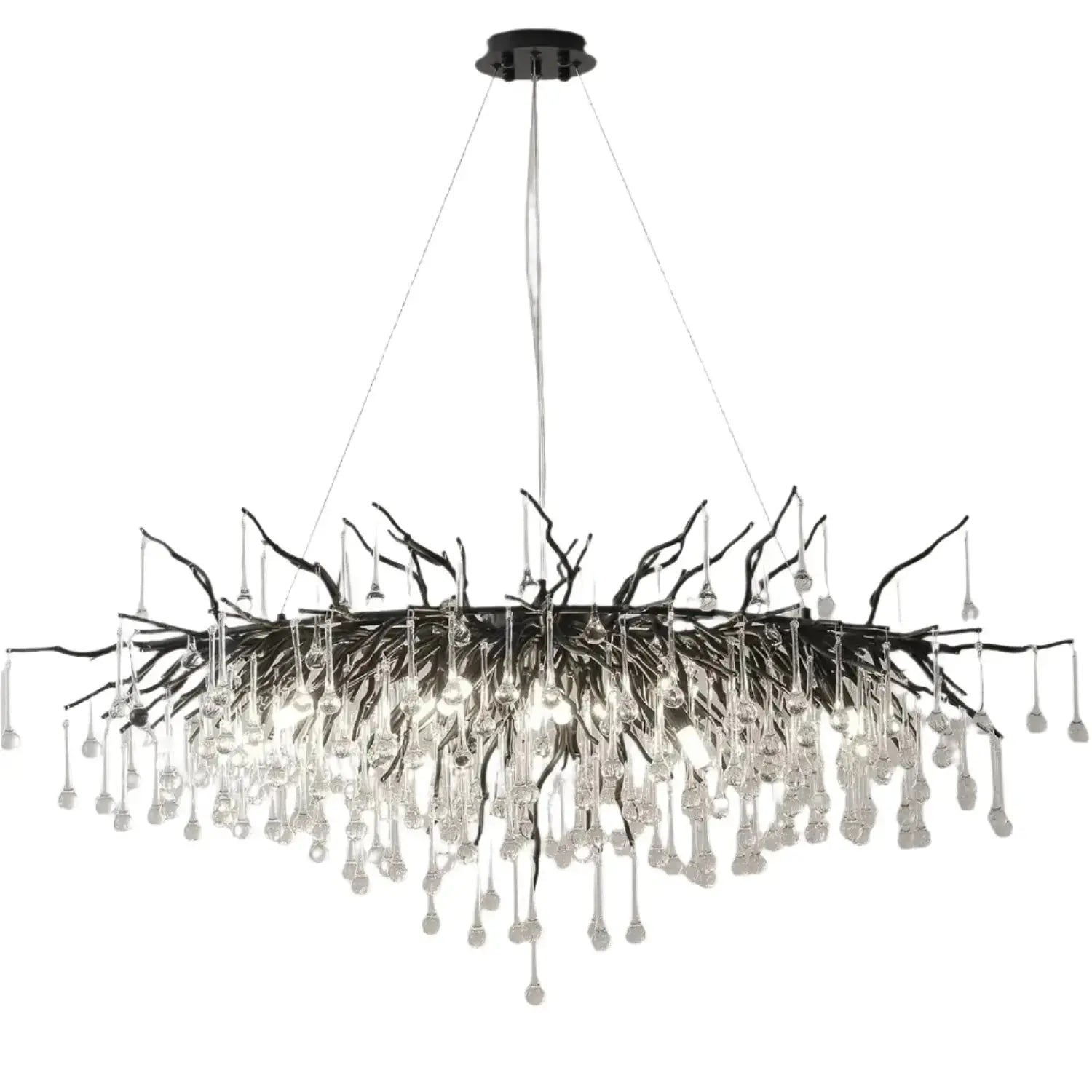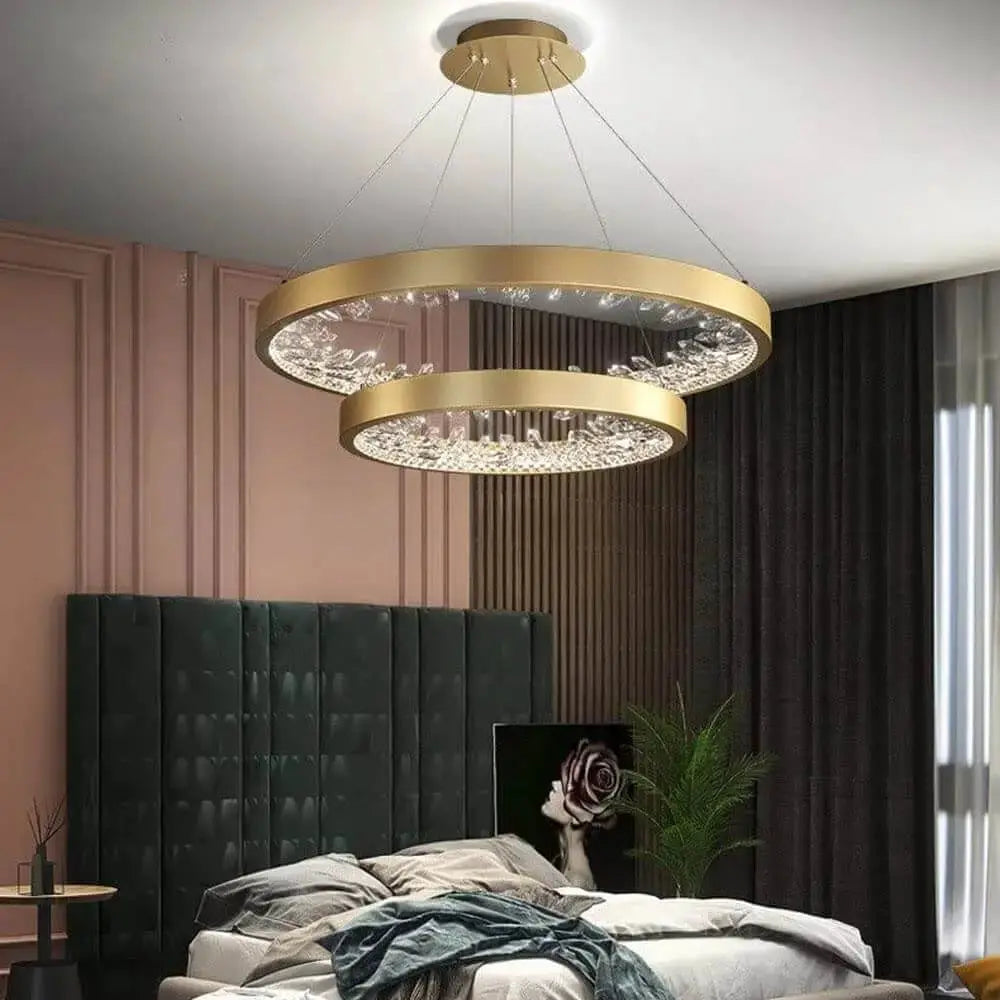
A floor lamp can change the character of a room long after the furniture is in place. The top floor lamps do more than fill a dark corner: they draw the eye upwards, soften the mood and give a living space the considered finish associated with a professionally designed interior. Whether your home calls for a dramatic arc beside a sofa or a slender reading light by an armchair, the right piece should feel intentional both switched on and off.
For design-conscious homes, floor lighting is an opportunity to introduce height, texture and a more personal layer of illumination. It is also one of the simplest ways to refresh a room without beginning a full renovation.
What Makes a Floor Lamp Worth Choosing?
A beautiful floor lamp has to earn its place. It should deliver useful light at the height and intensity your room requires, while its silhouette complements the furniture around it. A tall, sculptural base in marble-look stone, brushed metal or fluted glass can read as an objet d'art. By contrast, a quiet linen-shaded lamp may be exactly what a richly detailed room needs to feel balanced.
Scale is the first consideration. A lamp that is too small will disappear beside a generous sectional sofa or high-backed lounge chair. One that is too large can make a compact sitting room feel crowded, even if the design itself is exquisite. As a general visual guide, choose a floor lamp that feels proportionate to the furniture it serves, rather than to the empty floor around it.
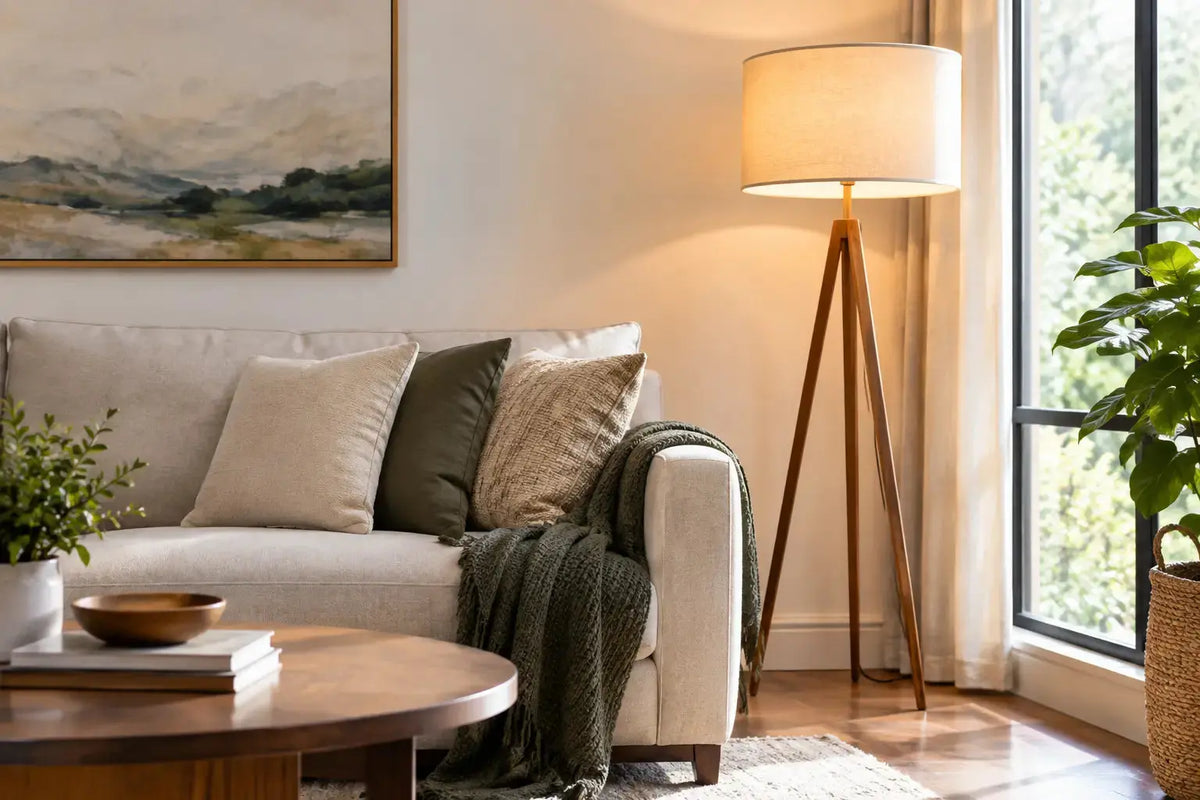
The shade matters just as much. Opaque shades direct light up and down, creating a more focused, intimate effect. Linen and fabric shades diffuse the light gently and lend a timeless elegance to bedrooms and traditional living rooms. Clear glass or exposed decorative bulbs provide more sparkle and presence, but they need thoughtful placement to avoid glare.
Top Floor Lamps by Room and Purpose
The most successful choice begins with the role the lamp will play. Ambient lighting, task lighting and decorative lighting can come from one elegant fixture, but only when its form is suited to the room.
Living rooms: create layers, not a single bright glare
A living room feels most inviting when light comes from several levels. Ceiling lighting provides general illumination, table lamps bring warmth to consoles and side tables, and a floor lamp completes the composition at seating height. Position one near the end of a sofa, behind a lounge chair or in a corner that feels visually unfinished.
Arc floor lamps are especially effective in expansive lounges. Their curved arm reaches light over a coffee table or seating area without the need for a ceiling fitting directly above. This makes them a refined solution for rented homes, open-plan spaces or rooms where the ceiling rose is not ideally positioned. Choose a weighted base and allow enough clearance for people to move comfortably beneath the shade.
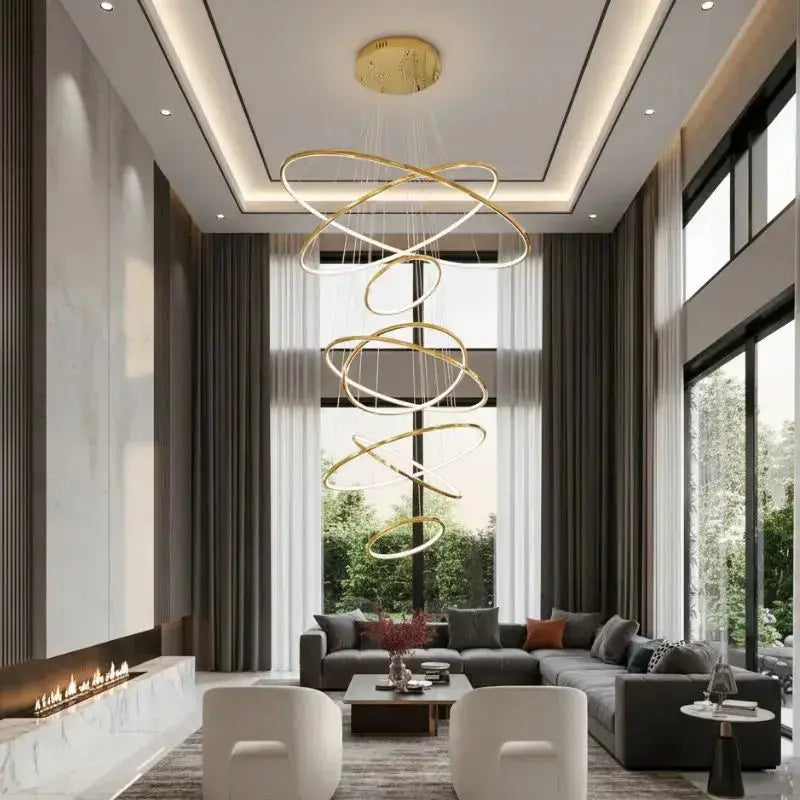
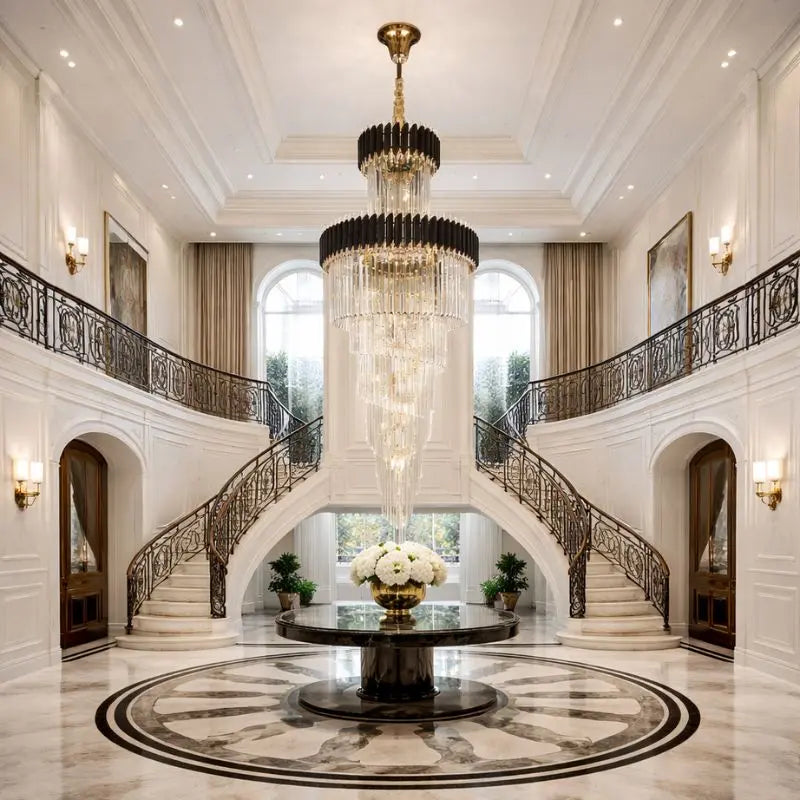
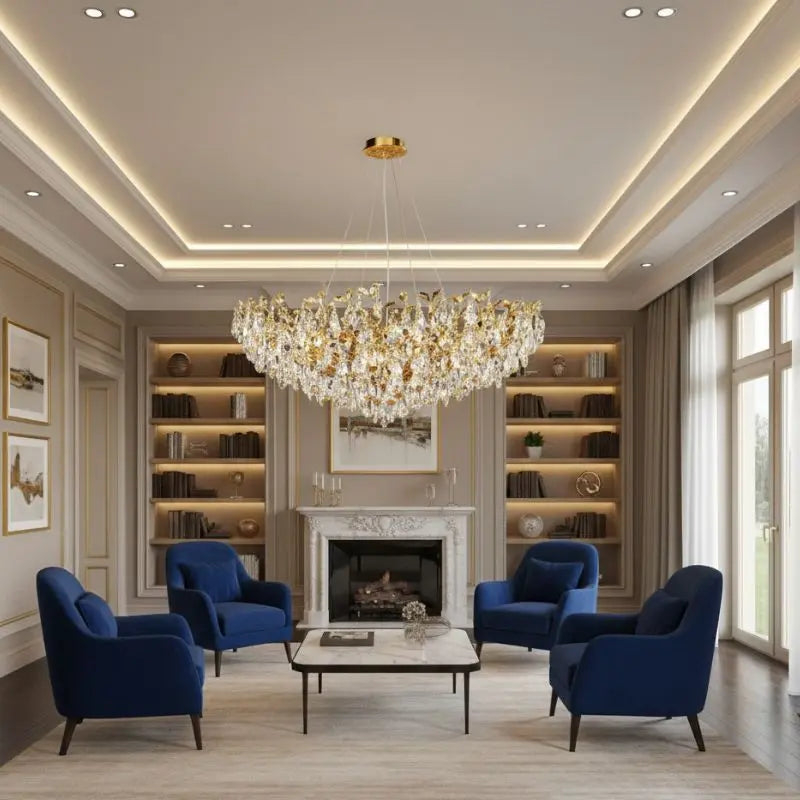
For a softer luxury look, consider a globe-shaped glass shade paired with warm metallic finishes. The glow feels atmospheric rather than functional, making it ideal for evening entertaining. If the room already features a statement chandelier, a restrained floor lamp with a slim silhouette prevents the scheme from becoming overly ornate.
Reading corners: put light where it is needed
Reading lamps should be practical without looking utilitarian. An adjustable stem or angled head lets you aim the light over a book, magazine or handcraft, while a slim base preserves valuable space beside an armchair. The lower edge of the shade should sit around shoulder level when seated, so the light falls onto the page rather than directly into your eyes.
A directional floor lamp is a strong choice beside a velvet accent chair, leather recliner or window seat. Look for an integrated dimmer if the corner serves different purposes throughout the day. Brighter light is helpful for reading, while a lower setting can turn the same area into a calm late-evening retreat.
Bedrooms: replace harsh overhead light with a gentle glow
In a bedroom, floor lamps bring softness and vertical interest, particularly where bedside table space is limited. A pair of narrow lamps can frame a bed in place of conventional table lamps, though they should be positioned carefully so switches remain easy to reach. A single statement lamp in a dressing area can also make a bedroom feel more like a private suite.
Fabric shades, alabaster-inspired details and warm brass finishes are natural fits here. Their light is flattering, calm and more restful than a bright overhead fixture. Avoid exposed bulbs at eye level in bedrooms unless they are dimmable and used mainly for decorative effect.
Dining areas and open-plan homes: define a zone
A floor lamp may not be the obvious first choice for a dining space, yet it can be remarkably effective at the room's perimeter. In open-plan homes, a tall lamp behind a sideboard or beside a console helps distinguish the dining area from the lounge without adding a physical divider.
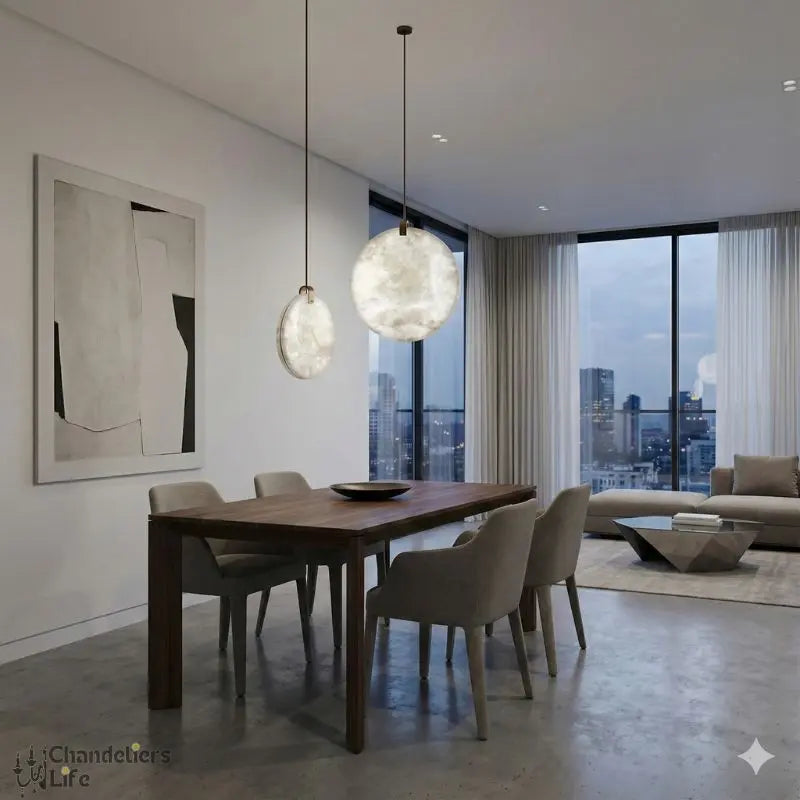
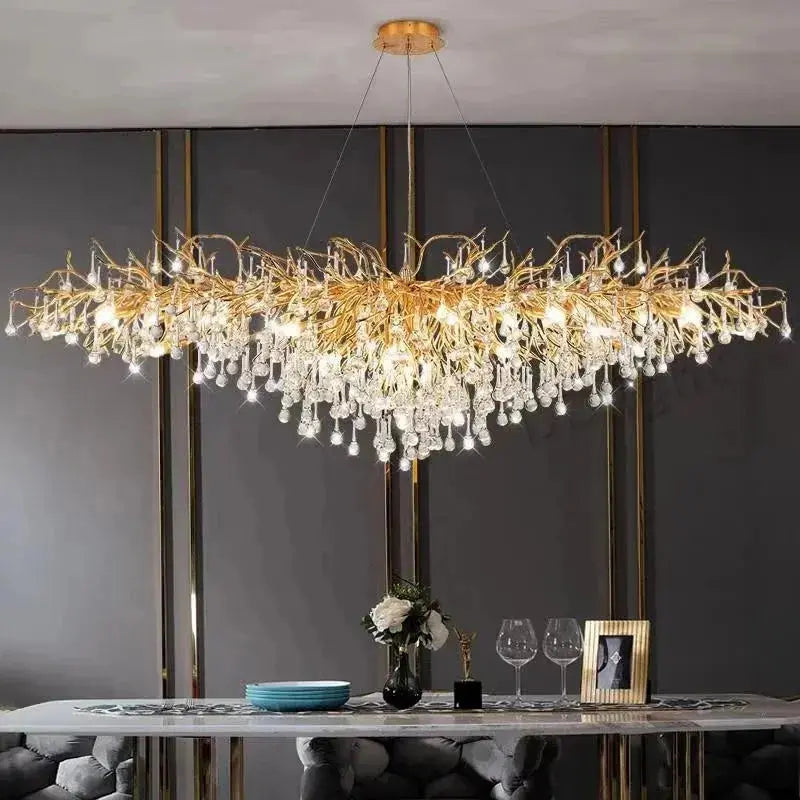
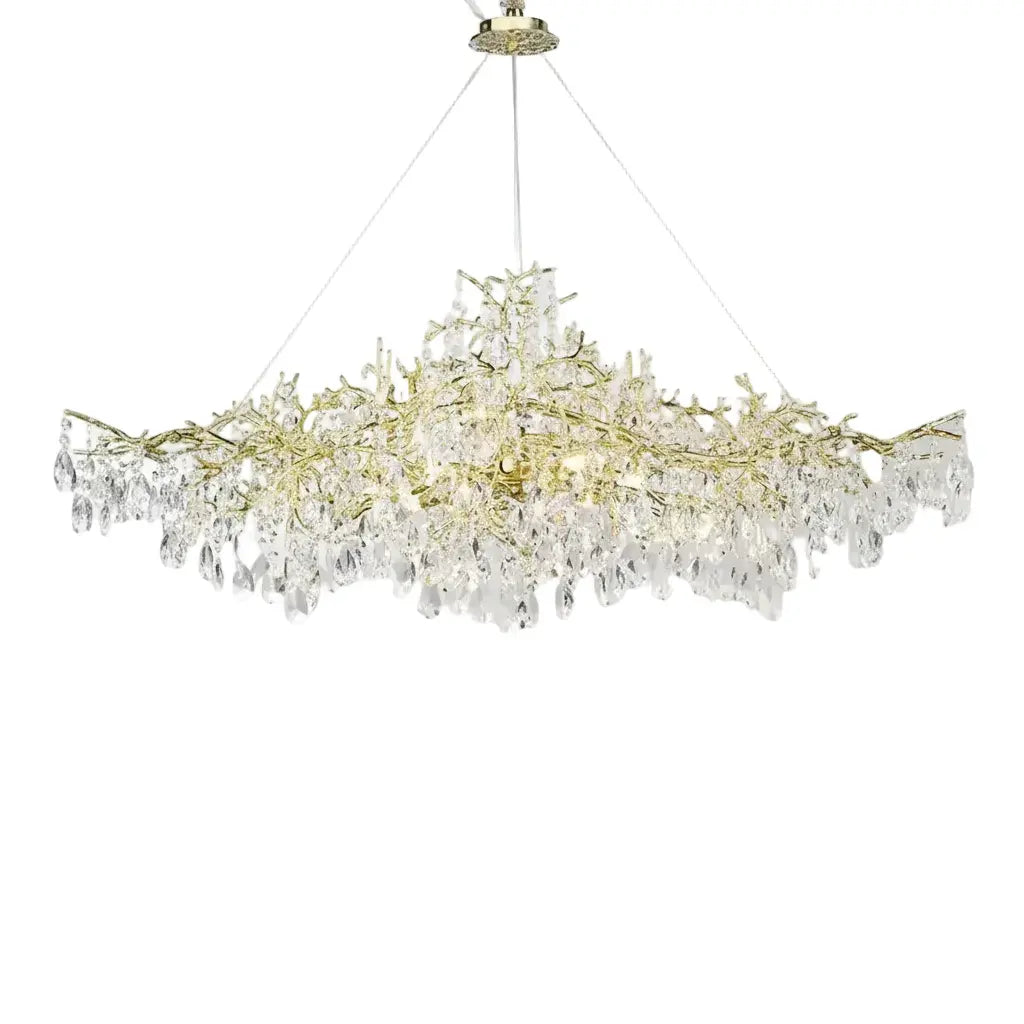
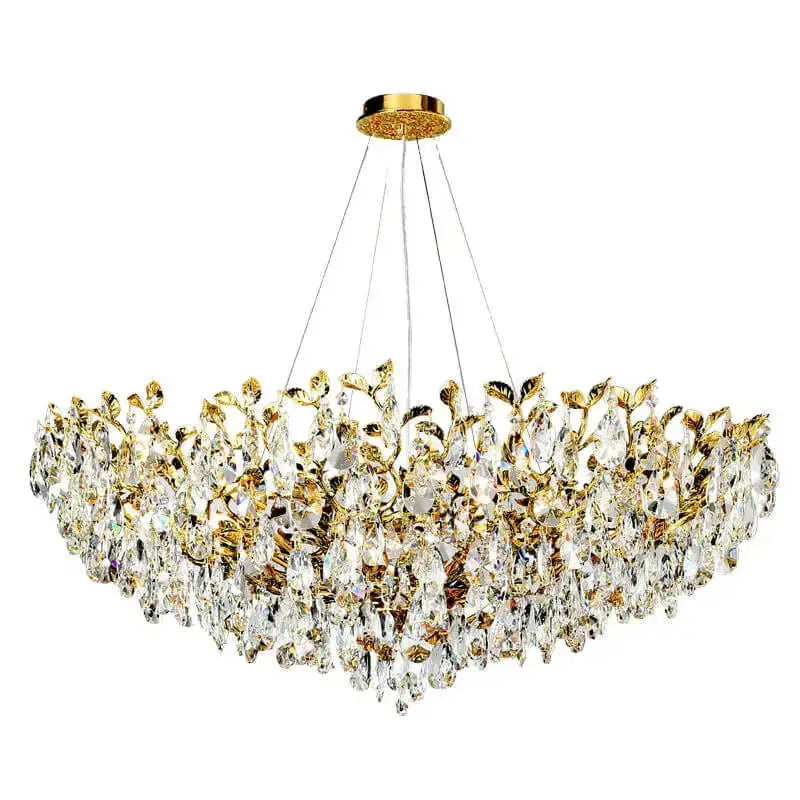
Choose a design that echoes the finish of your pendant or chandelier. A black metal lamp can tie in with a modern linear dining fitting, while crystal-inspired or gold-toned details can continue the sense of occasion created by a more decorative centrepiece. The aim is coordination, not a perfect match.
Choosing a Style That Belongs in Your Interior
Modern interiors often suit clean-lined designs with black, chrome, bronze or satin brass frames. A mushroom shade, globe detail or sculptural column base adds personality while preserving a polished, contemporary feel. These lamps work particularly well beside low-profile sofas and in rooms with strong architectural lines.
For homes with a more classic sensibility, choose pleated or drum shades, antique brass finishes and bases with ceramic, crystal or stone-inspired detailing. These pieces bring warmth to traditional joinery, layered curtains and upholstered furniture. They also sit beautifully alongside chandeliers, provided the finishes share a common undertone: warm gold with warm gold, or cooler nickel with cooler silver.
The most expressive designs are often the simplest in material but strongest in silhouette. Think of a sweeping arc, a tall ribbed column or a cluster of luminous glass spheres. A sculptural floor lamp can become the focal point in a quiet corner, especially in a neutral room where shape and shadow do much of the decorative work.
Light Temperature, Brightness and Dimming
The bulb choice changes a lamp's personality as much as the shade does. For lounges, bedrooms and dining spaces, warm white light creates the welcoming, relaxed atmosphere most homeowners want after dark. It enhances timber, brass, stone and soft furnishings, while cooler light can make these materials feel flatter and less inviting.
Brightness depends on function. A reading lamp needs a more purposeful output than a lamp intended to create ambience behind a sofa. If one fixture must do both, dimming is the most elegant answer. A compatible dimmable bulb and lamp control allow you to move from clear task lighting to a low, luxurious glow without changing the fixture.
Be mindful of exposed bulbs and transparent shades. Decorative filament bulbs are beautiful, but their light can be too bright when viewed directly. A dimmer, frosted globe bulb or a lamp placed slightly behind the seating line will make the effect more comfortable.
Placement Details That Make a Room Feel Finished
Leave enough space between a floor lamp and upholstered furniture for the design to breathe. In a seating arrangement, the shade should generally sit high enough to illuminate the area without becoming an obstacle in conversation. Run the cable neatly along the edge of the room or beneath furniture where possible, rather than across a walkway.
Corners deserve particular attention. A dark, empty corner can make even an otherwise beautifully furnished room feel incomplete. A tall lamp introduces a pool of light and gives the eye somewhere to travel, making ceilings appear higher and the room feel more composed. This is especially valuable in spaces without abundant natural light.
Before committing to a large arc or marble-base design, check the footprint and consider daily movement around it. Statement lighting should feel effortless to live with. A slightly smaller lamp that allows easy circulation is usually the more luxurious choice than an oversized piece that dominates the room.
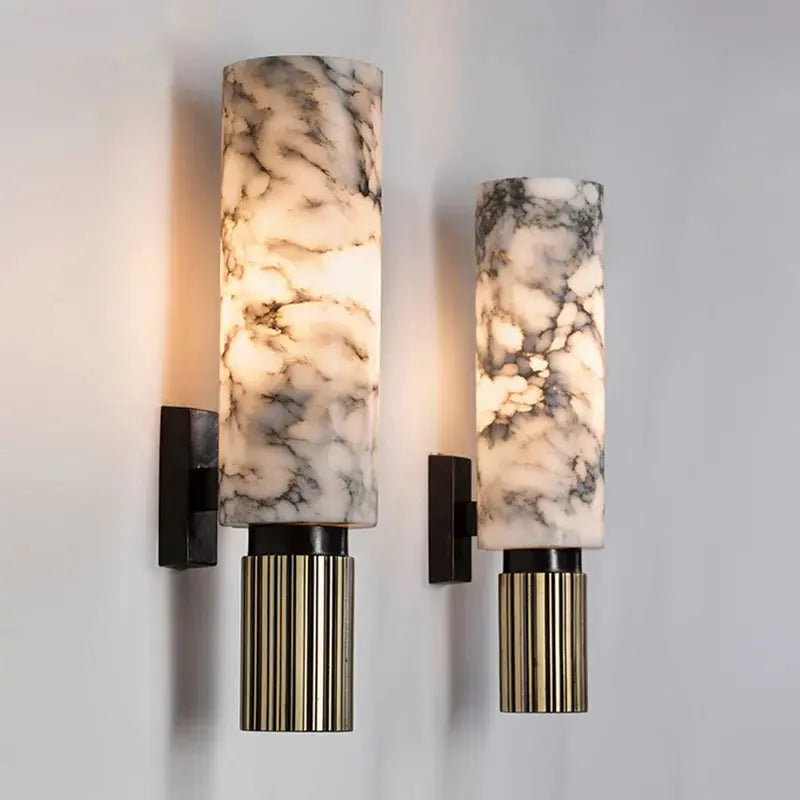
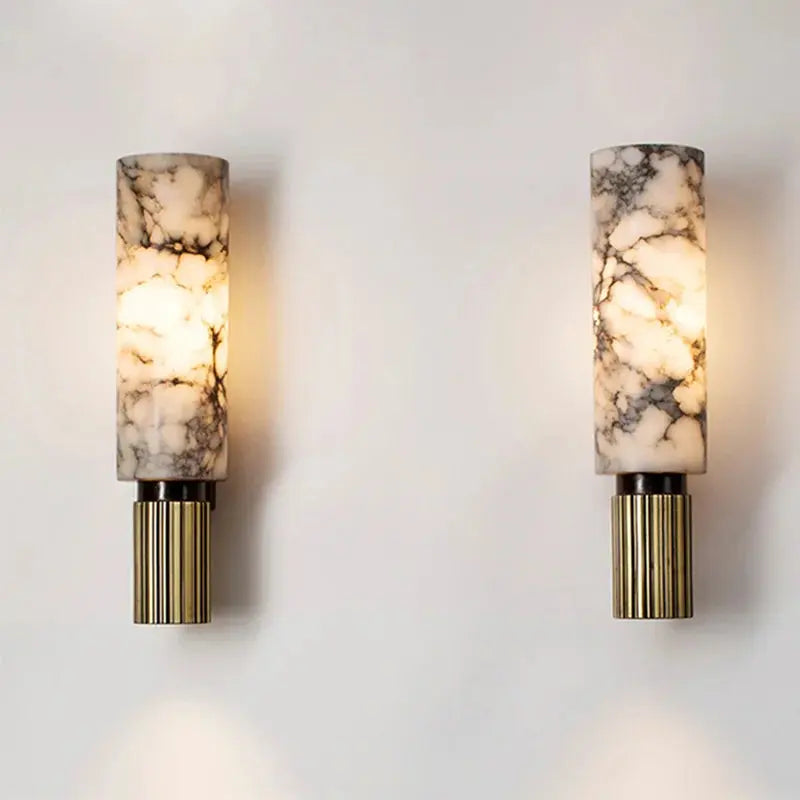
At ChandeliersLife, floor lamps are best viewed as part of a complete lighting story: the finishing layer that links a chandelier, wall lights and decorative accents into one considered interior. Choose the design that serves your everyday routine, then let its materials, shape and glow bring a little ceremony to the ordinary moments at home.