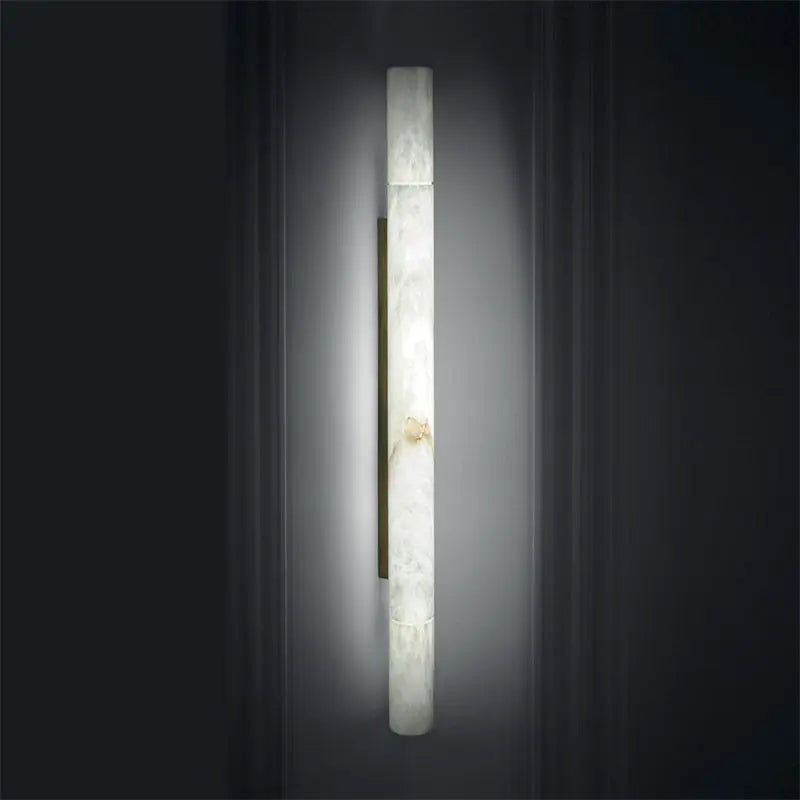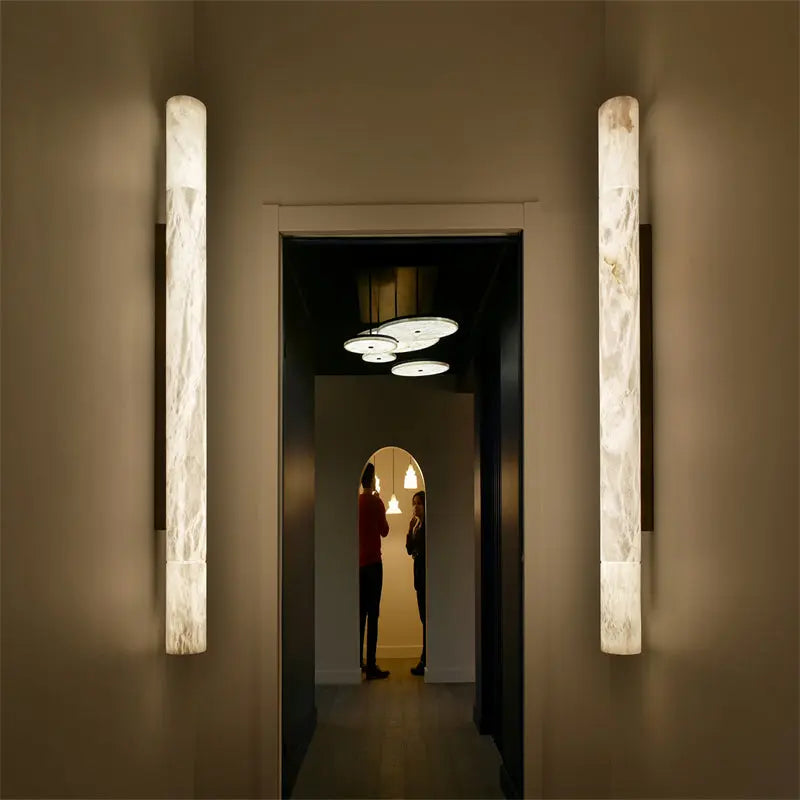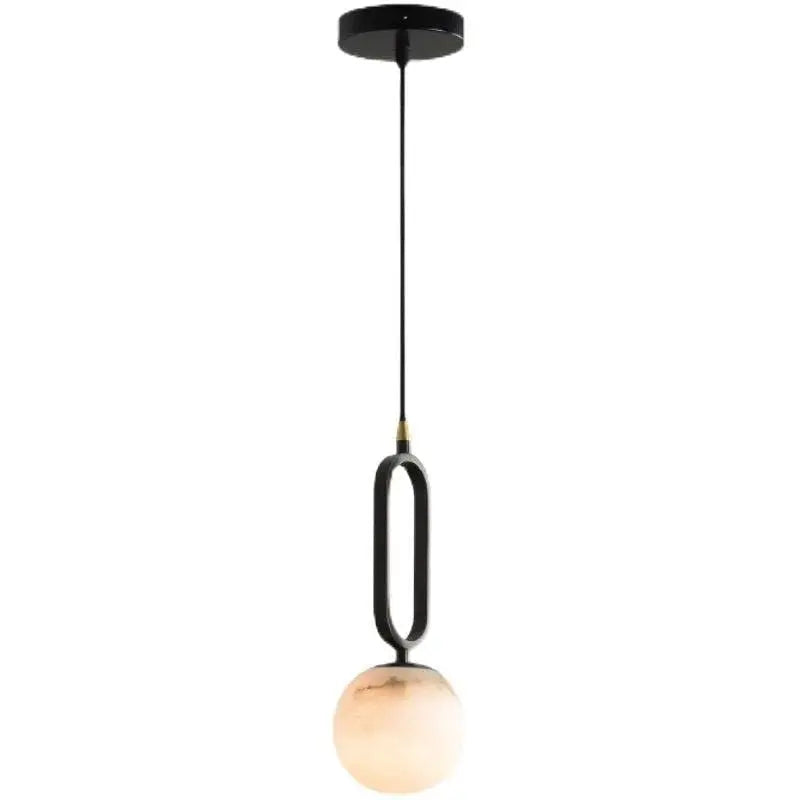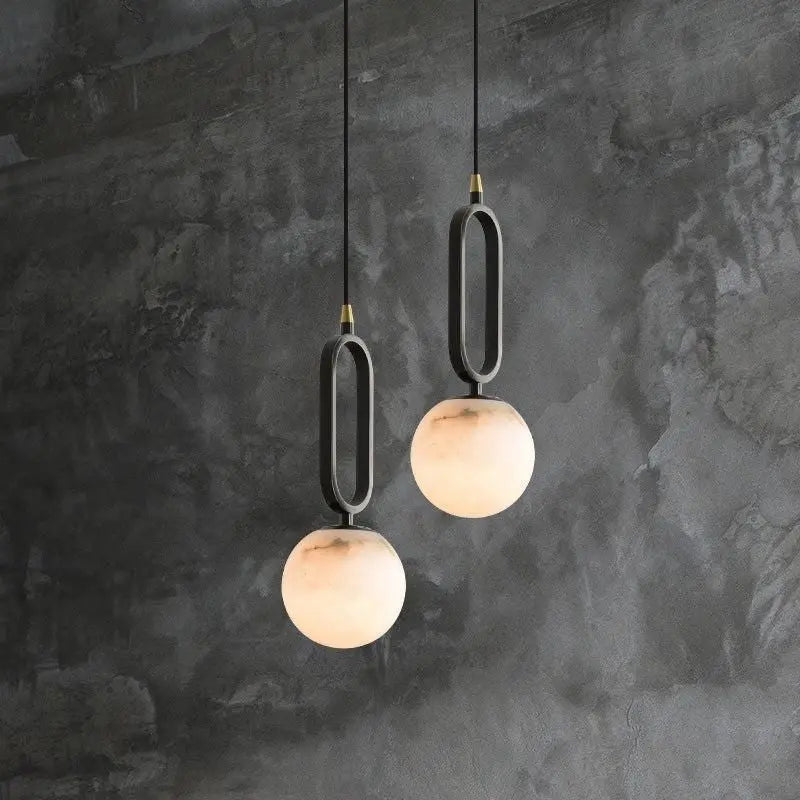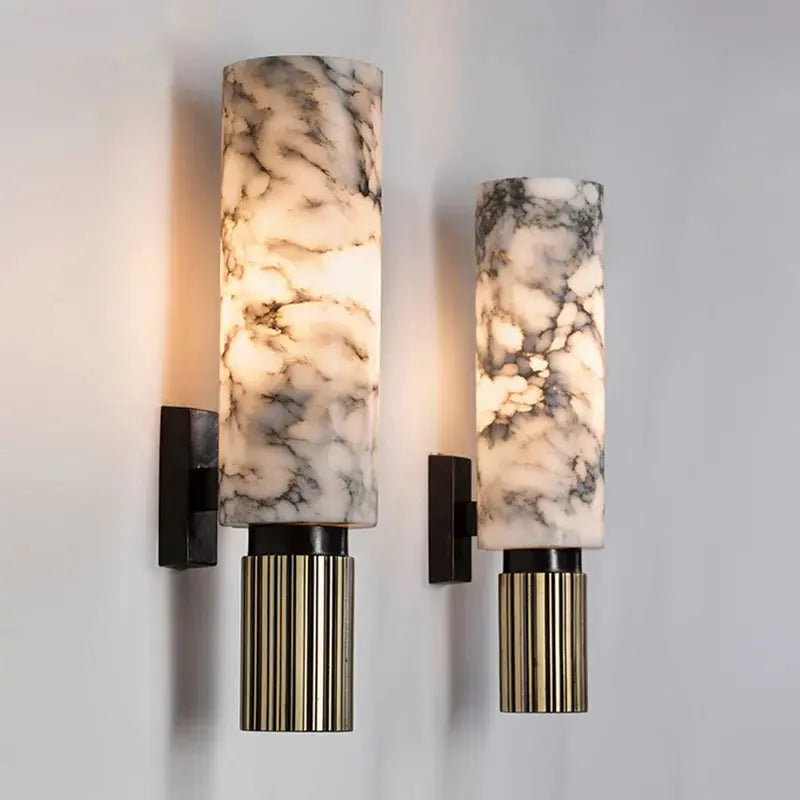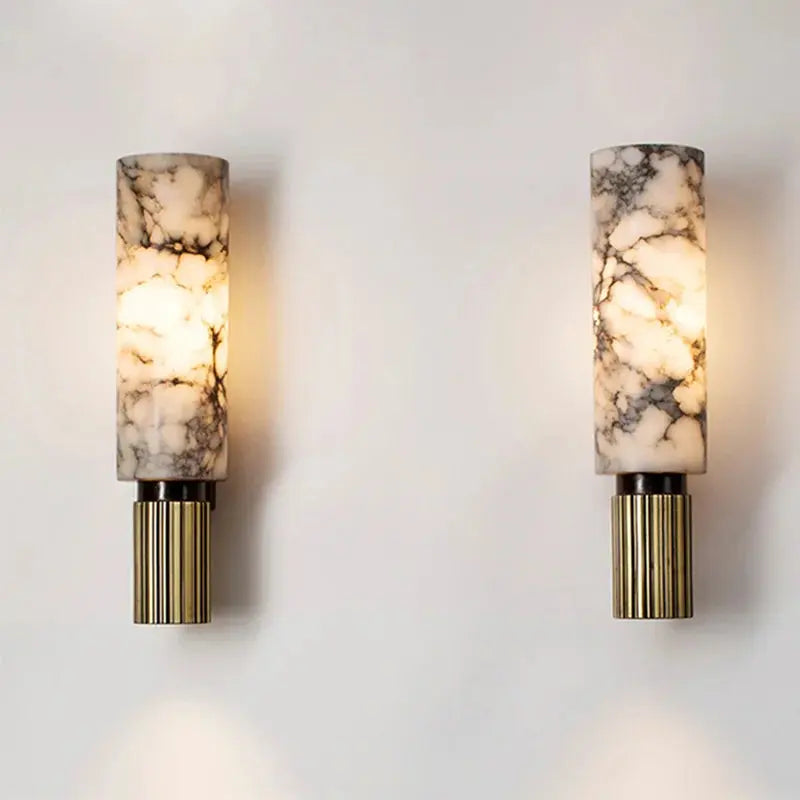
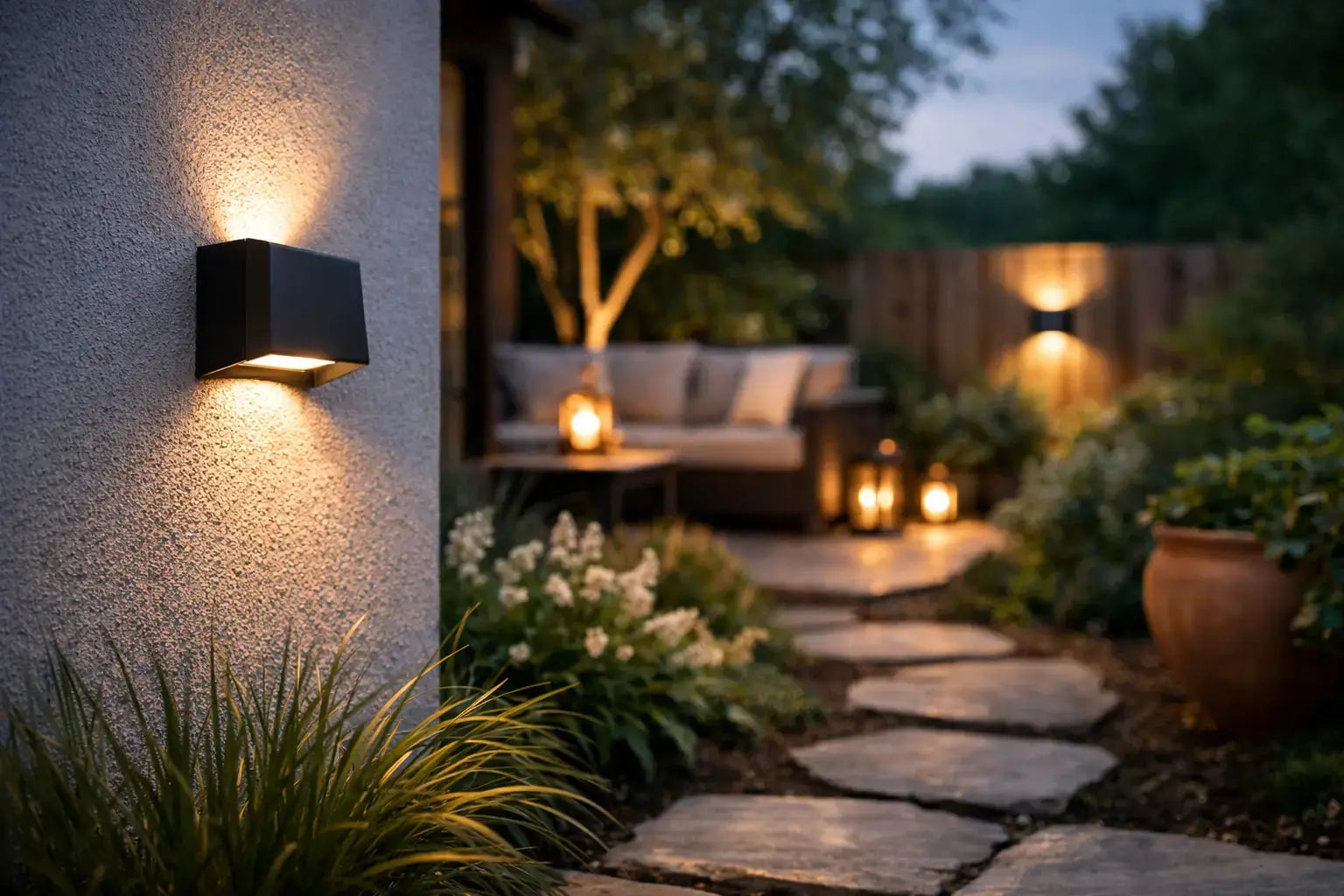
The right outdoor wall lights for garden areas do far more than brighten a path. They shape how the space feels after sunset - whether that means a softly lit terrace for late suppers, a welcoming glow beside the back door, or a more dramatic look that gives planting, stonework and architectural details real presence.
Garden lighting often gets treated as a finishing touch, yet it has a remarkable effect on the overall impression of a home. A well-chosen wall light can make an exterior feel more polished, more secure and considerably more luxurious. The key is choosing fittings that work with the architecture in daylight and create the right mood once evening arrives.
Why outdoor wall lights for garden design matter
Wall-mounted lighting has a particular advantage in gardens because it adds illumination without taking up ground space. That matters on compact patios and courtyards, but it is just as useful in larger outdoor settings where you want light exactly where people gather, sit or move between zones.
Unlike spike lights or bollards, wall lights feel integrated into the home itself. They can visually connect indoor and outdoor living areas, especially when the finish or silhouette echoes the decorative lighting used inside. If your home leans modern, a clean-lined cube or lantern shape can create continuity. If your property has a more classic character, traditional carriage-style fittings or refined metal lanterns can give the exterior timeless elegance.
There is also a practical side. Good garden wall lighting improves visibility on steps, around entrances and near side passages. That said, brighter is not always better. In many cases, a layered, warm and intentional glow feels more expensive than a single harsh fitting flooding the whole garden with light.
Choosing the right style for your exterior
The most successful outdoor lighting choices begin with the property itself. A sleek new-build usually suits pared-back forms, dark finishes and crisp geometric lines. Period homes, cottages and more decorative facades often benefit from lantern-inspired fixtures with a little more detail and softness.
Scale matters just as much as style. A small fitting on a broad exterior wall can look underwhelming, while oversized lanterns on a narrow side elevation may feel forced. As a guide, the fixture should look proportionate to the wall area, nearby doors or windows, and the role it plays. Lights framing a main garden entrance can be more substantial and statement-led. Lights beside a utility door or tucked along a side return may be better kept simpler.
Finish deserves careful thought because garden lighting is visible by day as well as night. Matte black remains a favourite for contemporary homes because it feels tailored and architectural. Bronze and aged metallic tones bring warmth and depth. Brushed finishes can soften the look, while clear glass introduces a classic decorative quality. The trade-off is that heavily glazed fittings may show water marks and dust more readily, so they can ask a little more of you in maintenance.
Where to place outdoor wall lights for garden impact
Placement is where a beautiful fixture becomes a genuinely effective one. Around seating areas, wall lights should create atmosphere without glaring directly into the eyes. Mounted slightly above seated head height, they can cast a flattering wash of light and make the space feel intimate rather than overlit.
Near doors, symmetry often works well. A pair of matching wall lights on either side of French doors, bifolds or a garden gate gives a composed, high-end look. This is especially effective when the rear elevation opens onto a terrace and acts as an outdoor entertaining backdrop.
For pathways and transitional zones, wall lights can be spaced along exterior walls to guide movement without creating a runway effect. It depends on the width of the space and the beam spread of the fitting. In narrow passages, fewer lights may be enough. In broad garden-facing walls, you may need multiple fittings to avoid dark gaps.
If you want a more design-led result, think beyond pure function. Wall lights can be used to frame climbing plants, highlight textured brick or timber cladding, and accent architectural features. Up-and-down fittings are particularly effective here because they create shape and shadow, which can make plain walls feel more considered.
Brightness, beam and mood
One of the easiest mistakes in garden lighting is choosing fittings based only on appearance and overlooking light output. A stylish fixture that is too dim for an entrance can disappoint. Equally, a fitting that is too bright for a seating area can flatten the atmosphere.
Warm white light tends to be the most flattering choice for residential outdoor spaces. It complements natural materials, softens stone and brick, and feels inviting. Cooler light can sometimes suit very contemporary architecture, but in many gardens it risks looking stark.
Beam direction matters too. Downlighting is practical near doors and for gentle task lighting. Up-and-down designs offer more visual drama and work beautifully on clean exterior walls. Lantern styles with visible bulbs can feel decorative and welcoming, though they may cast a more diffuse light pattern.
Dimmable options are worth considering if the setting allows for them, especially in gardens used for dining and entertaining. The ability to lower the light level in the evening can transform the mood. It is one of those details that quietly elevates the whole experience.
Materials, weather resistance and longevity
Outdoor fittings need to look refined, but they also need to cope with the realities of British weather. Rain, frost, wind and coastal air all affect performance over time. That is why material quality matters just as much as styling.
Powder-coated metals, treated aluminium and well-made stainless steel are popular for good reason. They offer a balance of durability and design appeal. Some finishes age gracefully, while others are intended to retain a crisp, cleaner look. If your garden is exposed or close to the coast, it is worth paying attention to how a finish will wear in those conditions.
Ingress protection should never be an afterthought. A suitable IP rating helps ensure the fitting is equipped for outdoor use. The right level depends on where the light will be installed and how exposed it is to the elements. A sheltered porch has different demands from an open garden wall facing wind and rain.
Longevity also comes down to quality of construction. Well-proportioned glass panels, secure seals and solid fixings all contribute to a better result. When you are investing in decorative exterior lighting, you want it to feel dependable as well as exquisite.
Matching garden wall lights to your home’s interior style
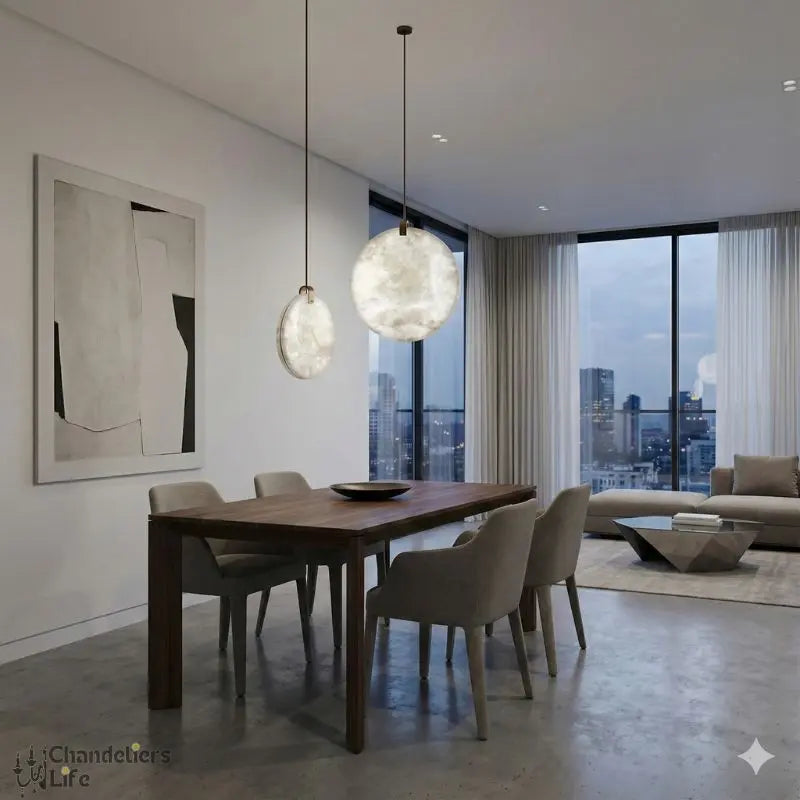
For design-conscious homeowners, outdoor lighting should not feel disconnected from the rooms inside. If your interiors feature sculptural forms, warm metallic accents or a modern luxury palette, the exterior should continue that language rather than interrupt it.
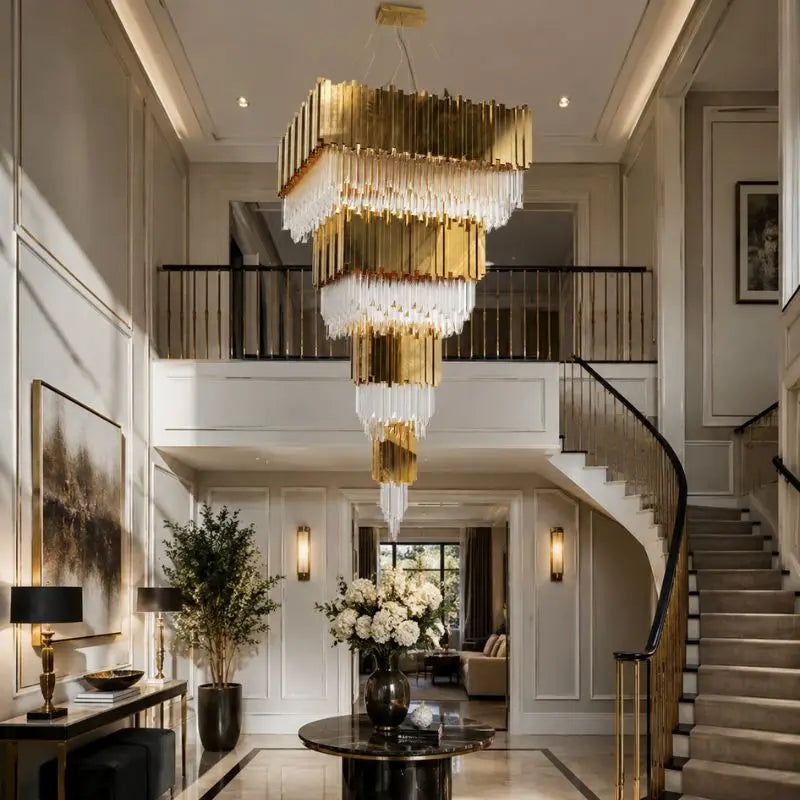
This does not mean everything has to match exactly. In fact, a direct one-to-one replica can feel too literal. What usually works best is visual harmony through finish, shape or overall mood. A home with dramatic statement chandeliers and polished detailing might suit elegant outdoor lanterns with a refined profile. A softer, contemporary interior with stone, plaster and natural woods may sit better with understated wall lights that cast an architectural glow.
This is where a curated approach becomes valuable. Shoppers looking for premium lighting often want that sense of continuity across the whole home, from foyer to garden terrace. ChandeliersLife speaks to that mindset by treating exterior lighting not as a utility purchase but as part of a complete decorative story.
Common mistakes to avoid
A few small missteps can lessen the effect of even a beautiful fitting. One is choosing a style that is far too small for the scale of the house. Another is mixing too many unrelated finishes across the exterior, which can make the space feel less resolved.
Overlighting is another frequent issue. Gardens rarely need every corner to be equally bright. Shadow adds depth, and darkness in the right places can make lit areas feel more atmospheric. It is usually better to light the areas you use and the features you want to draw attention to, rather than treating the whole garden as a security flood zone.
Installation height can also change the result dramatically. If fittings are mounted too high, they can lose intimacy and usefulness. Too low, and they may cause glare or feel awkwardly placed against doors and windows. Exact positioning depends on the fixture design and the architectural context, so it is worth getting that detail right before any wiring is finalised.
Making the final choice
When choosing outdoor wall lights for garden spaces, the best decision sits at the intersection of style, function and setting. Start with how the area is used. Then consider the character of the property, the atmosphere you want after dark, and the finish that will still look beautiful on a grey afternoon.
A refined exterior light should feel convincing from every angle - decorative in daylight, flattering in the evening and reliable through the seasons. When those elements come together, the garden becomes more than an outdoor area. It becomes an extension of the home’s personality, ready for quiet evenings, lively gatherings and everything in between.
If you are selecting with care, trust your eye as much as the specification sheet. The most memorable outdoor spaces are not always the brightest. They are the ones that feel considered, comfortable and unmistakably yours.