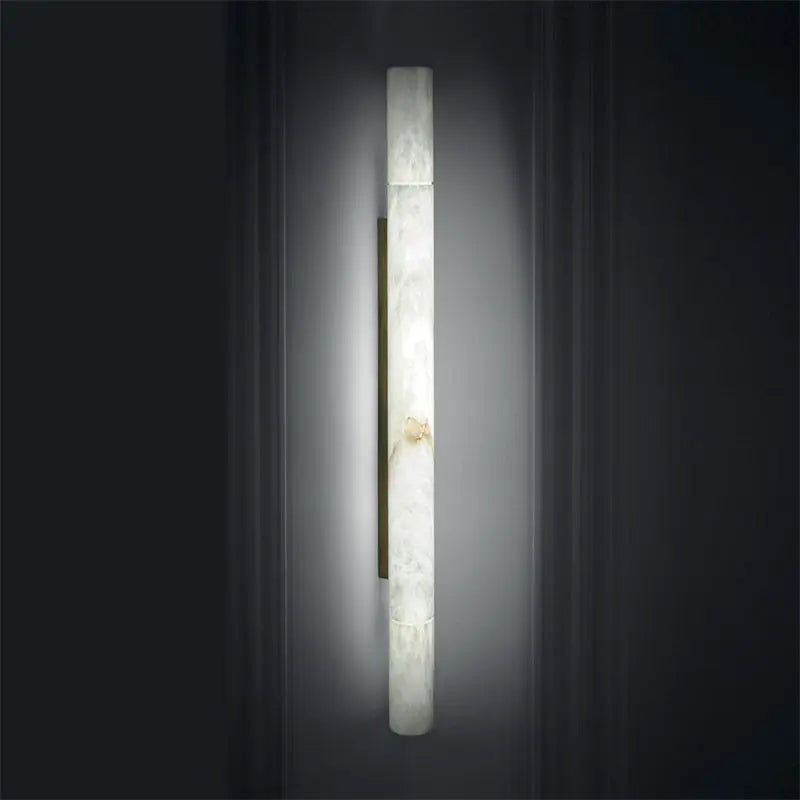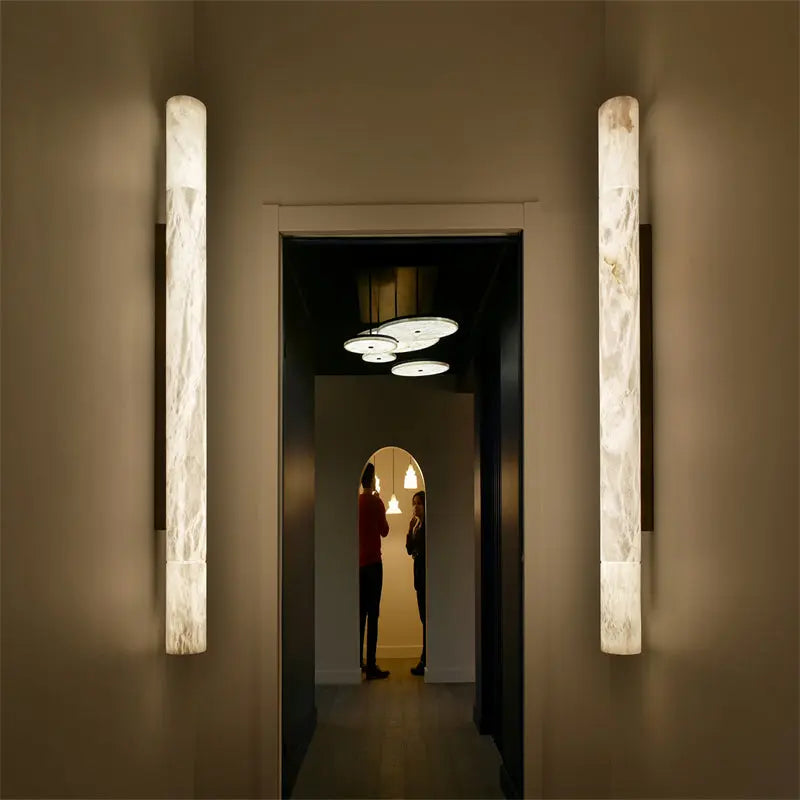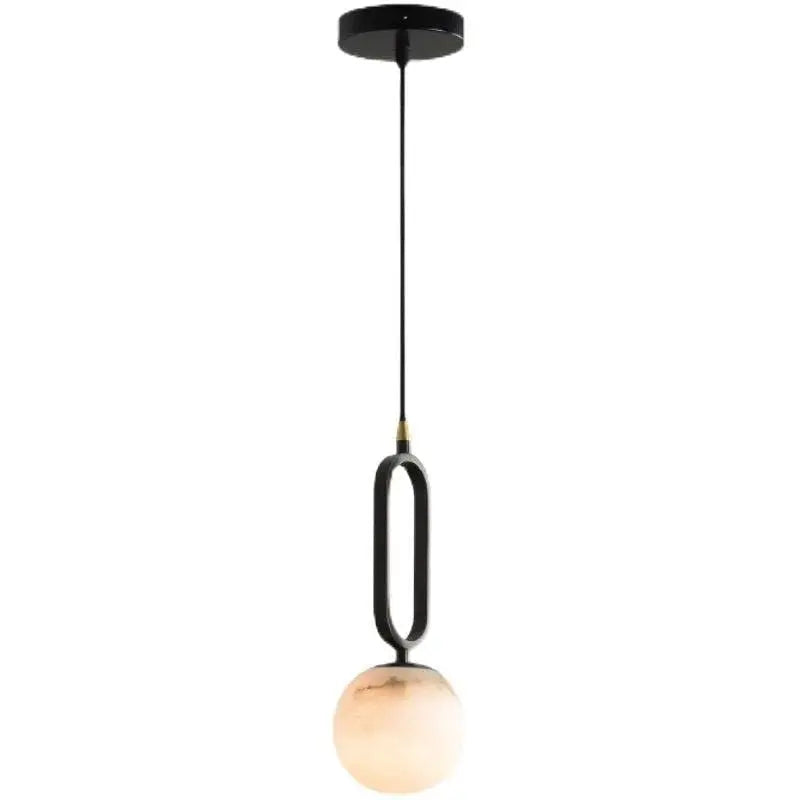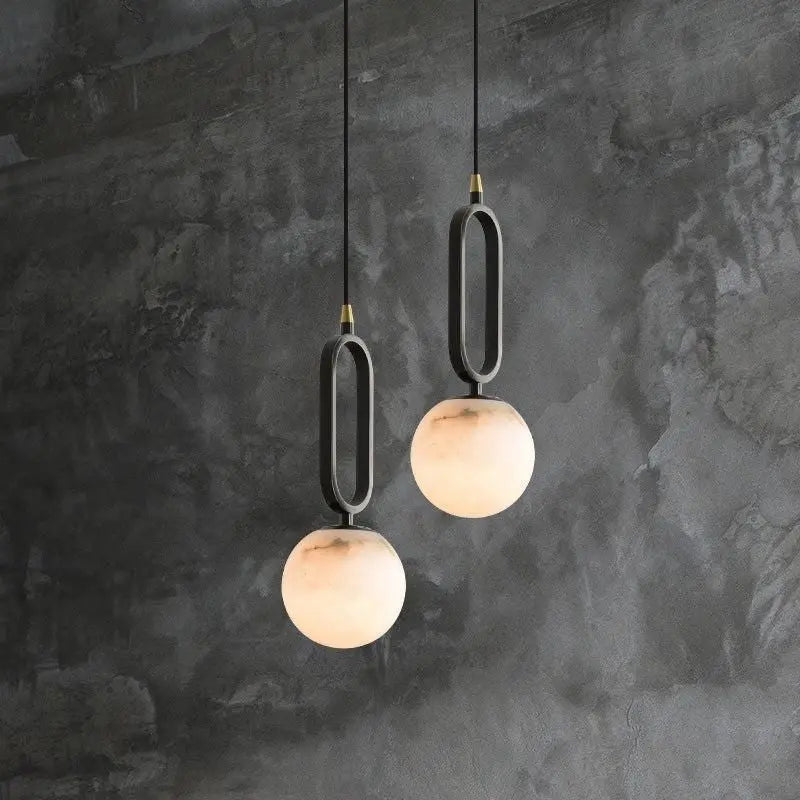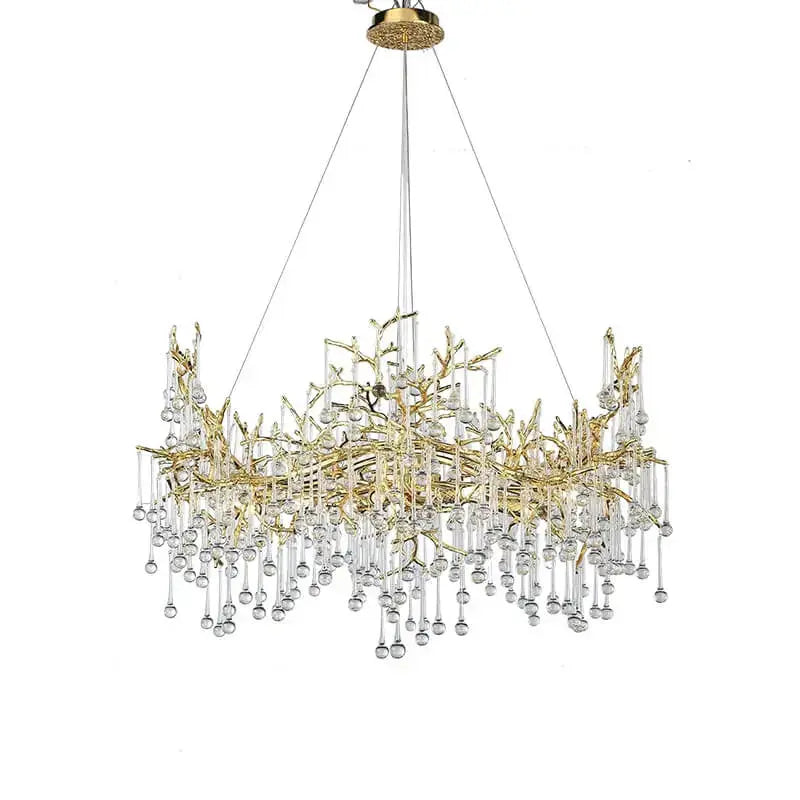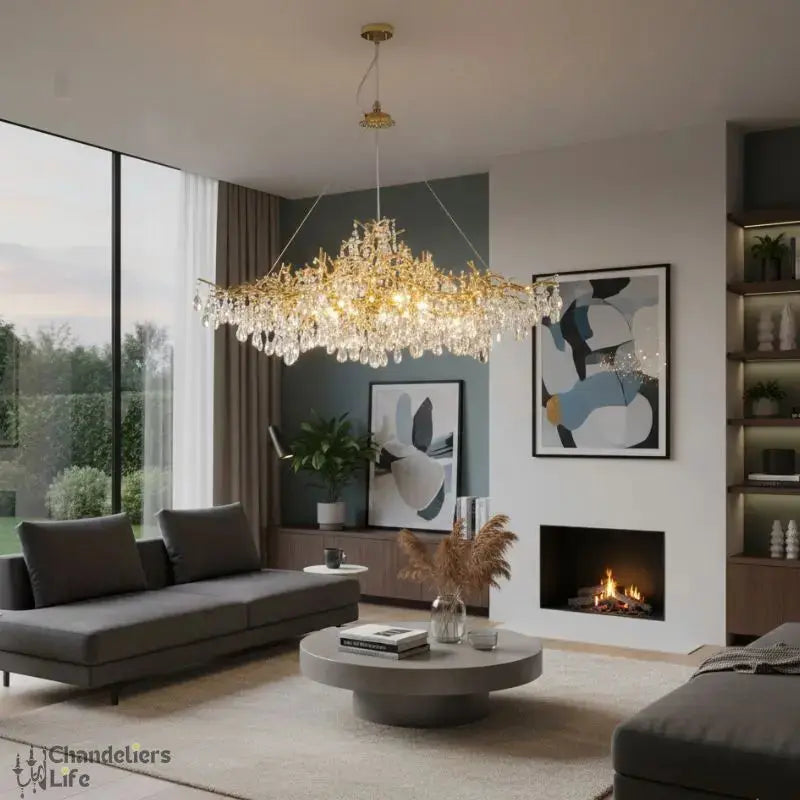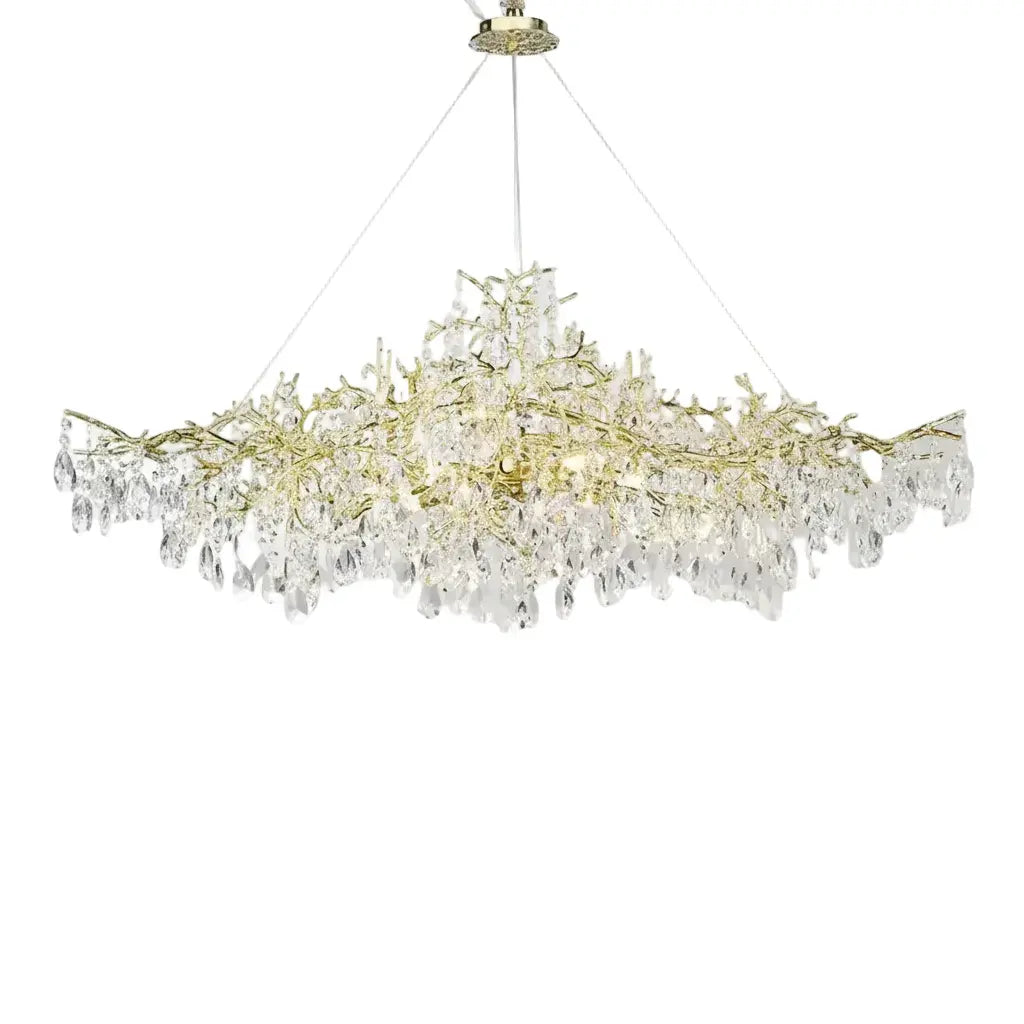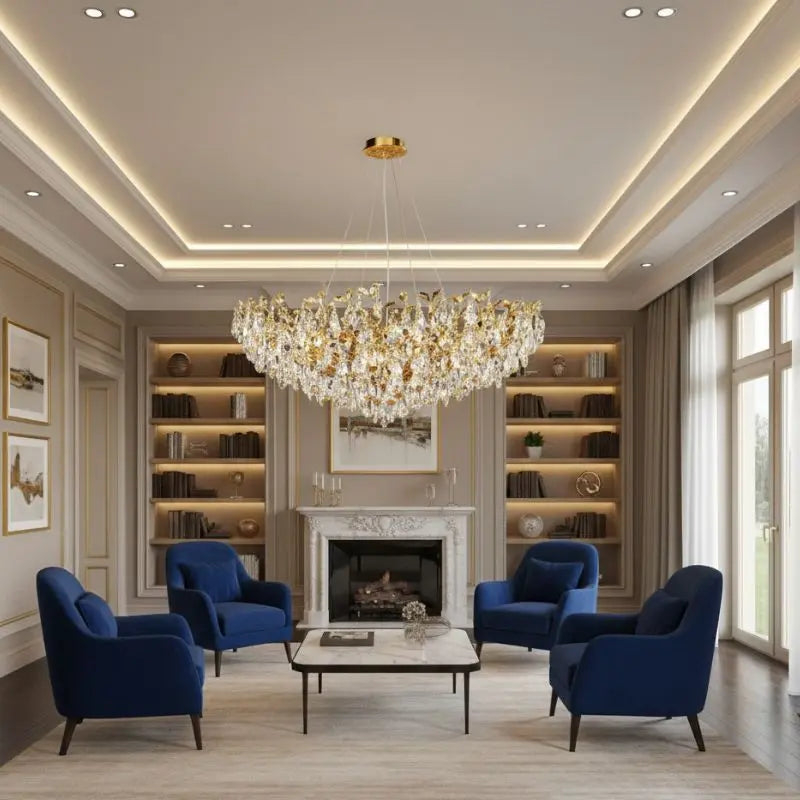
A staircase can be a transition between floors, or it can become the most memorable view in the house. Knowing how to illuminate a staircase is about more than preventing a missed step after dusk. The right scheme brings architectural height into focus, creates a gracious welcome and gives a hallway or landing the considered finish of a luxury interior.
The most successful stair lighting balances atmosphere with visibility. A dramatic chandelier may establish the mood, but it should be supported by practical light at floor level and thoughtful illumination on landings. Treat the staircase as its own design moment rather than an area to brighten with one overhead fitting.
Start with the staircase itself
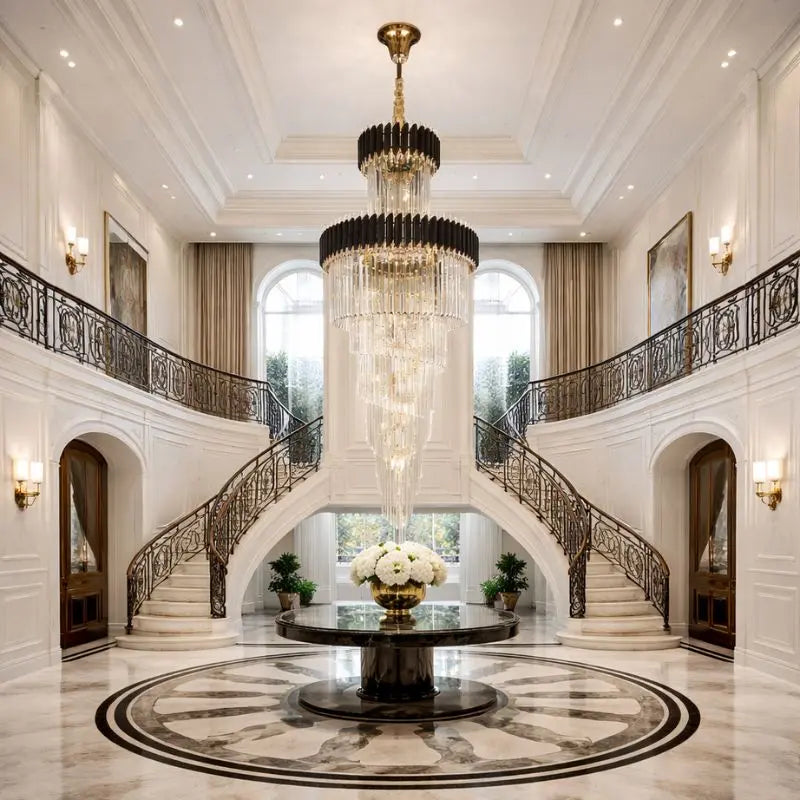
Before selecting a fixture, look carefully at the volume around the stairs. A high, open stairwell can carry a cascading pendant or a multi-tier chandelier with real presence. In a compact terrace house, a slimline ceiling light, wall lights or discreet step lighting may achieve a more polished result without crowding the space.
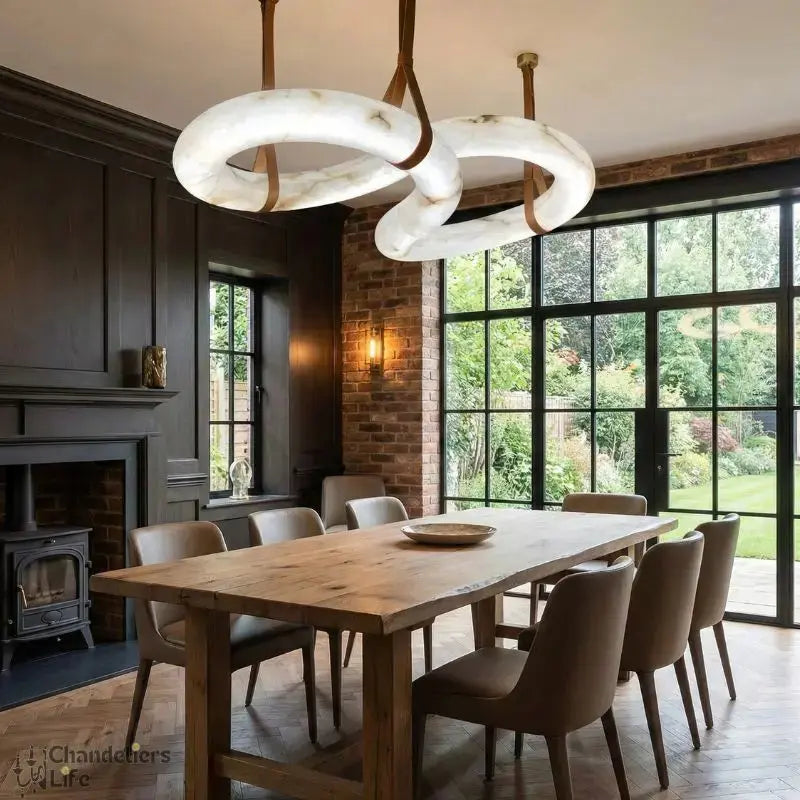
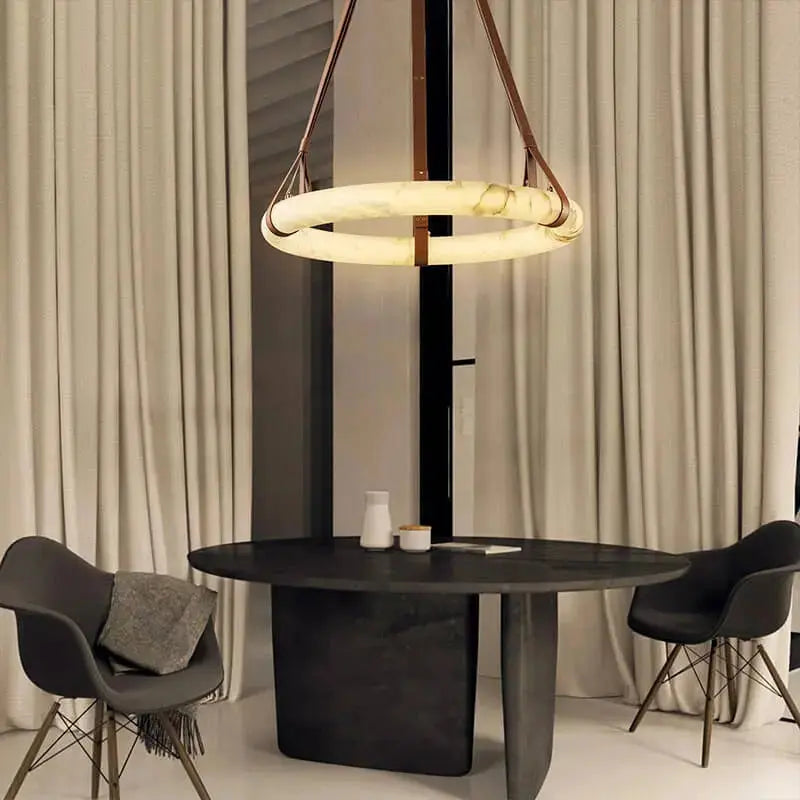
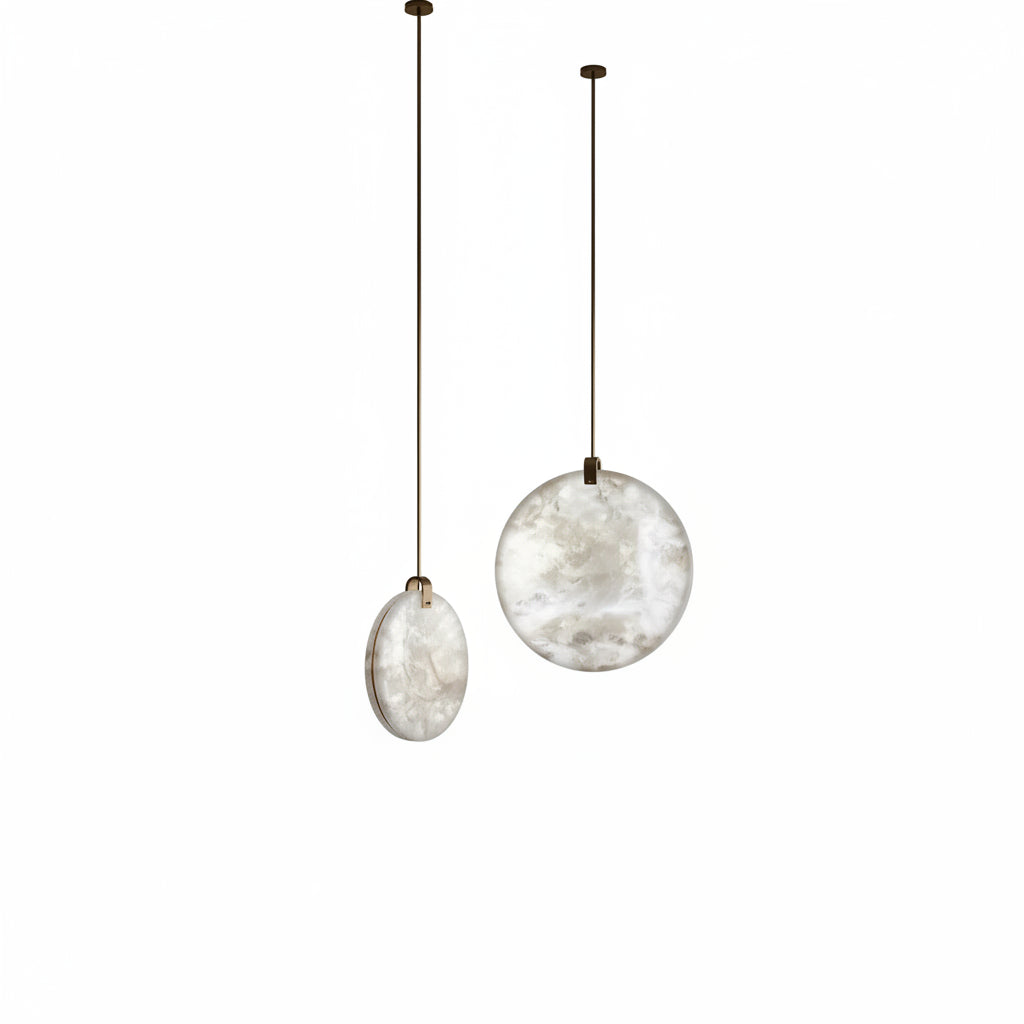
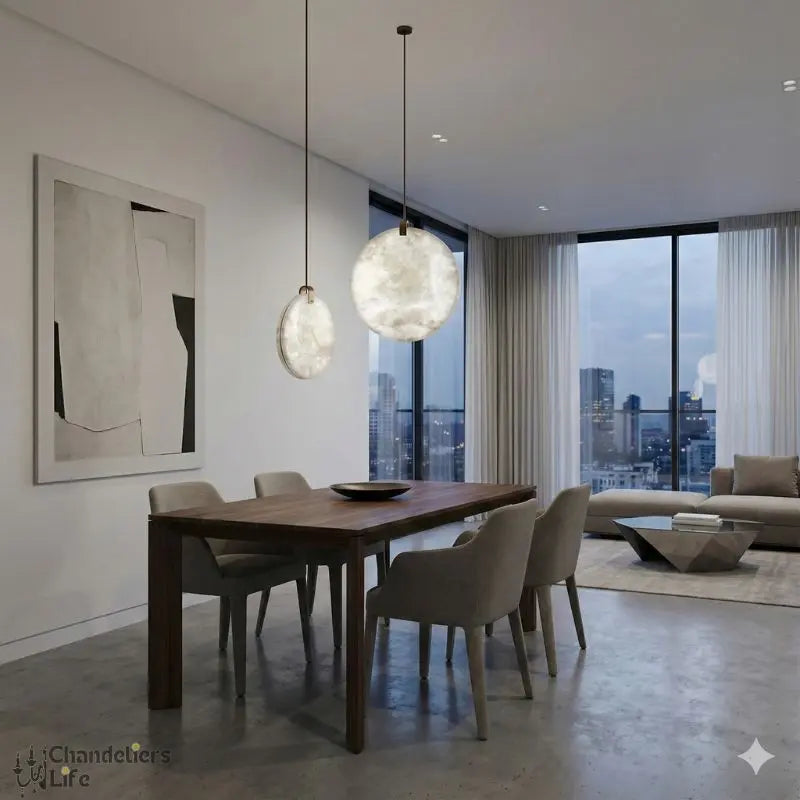
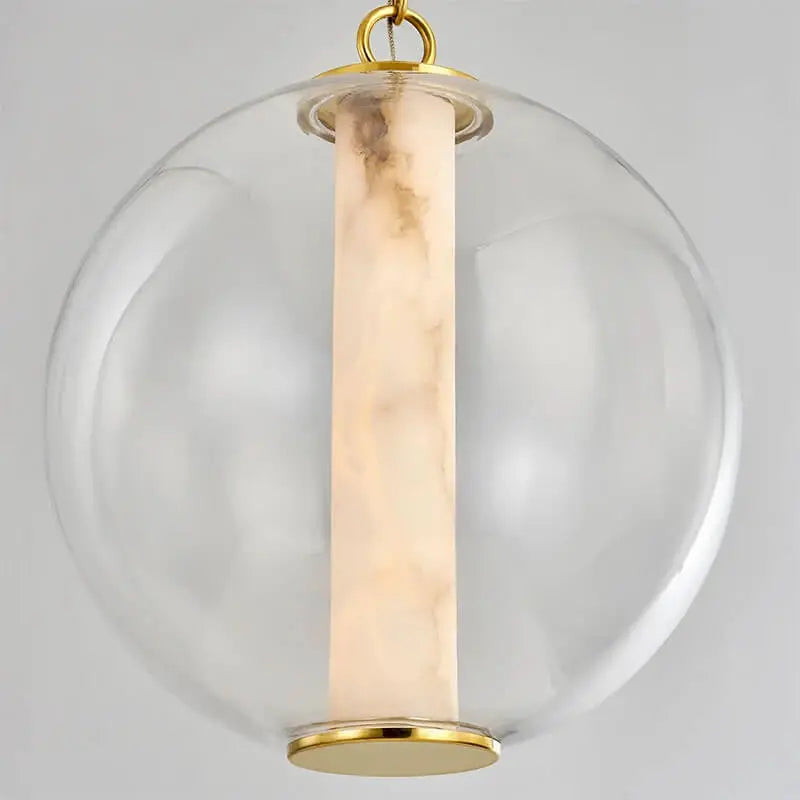
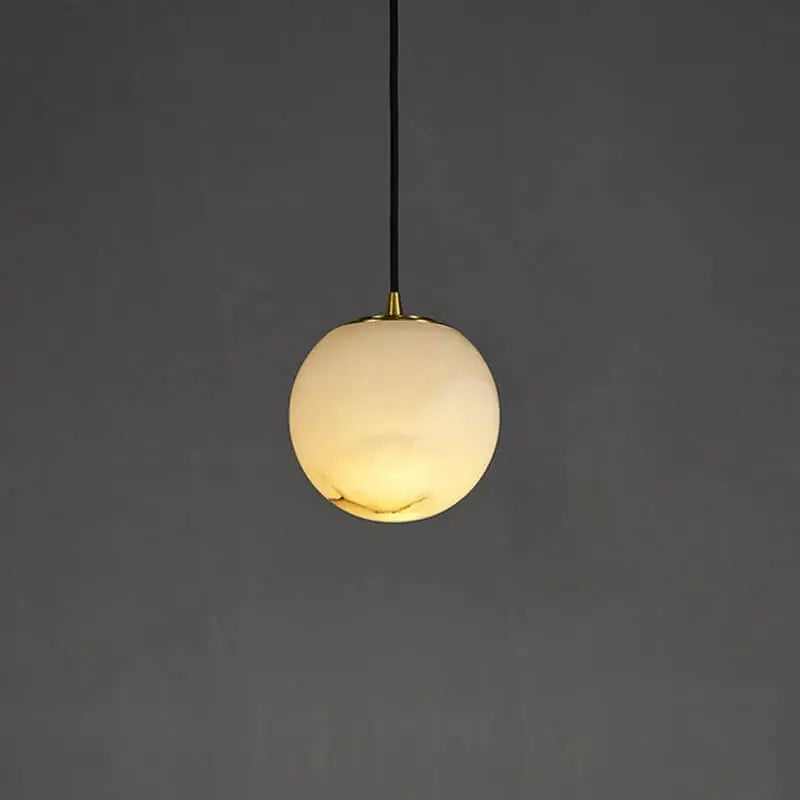
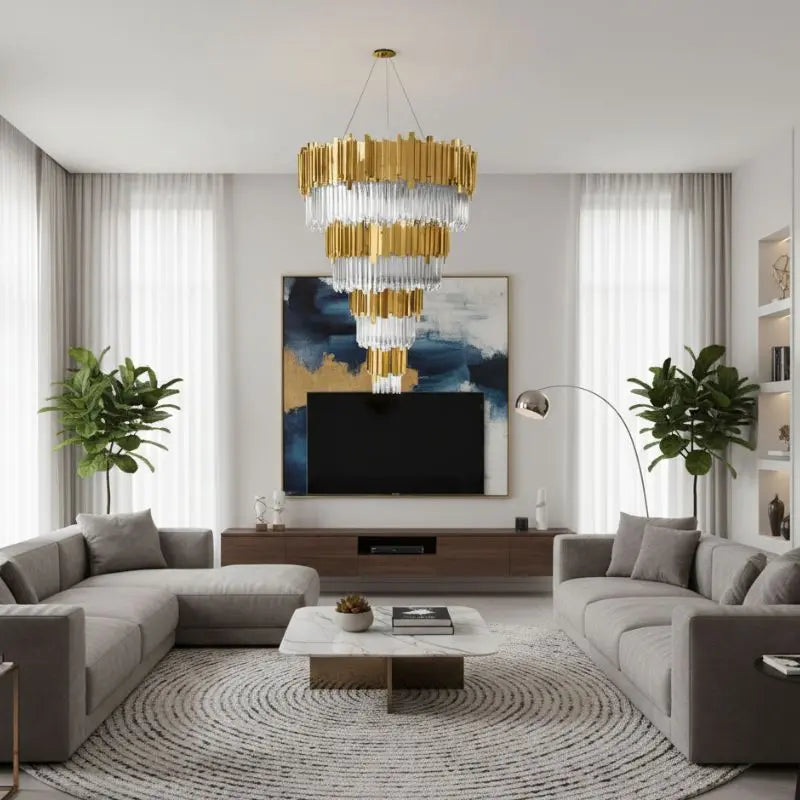
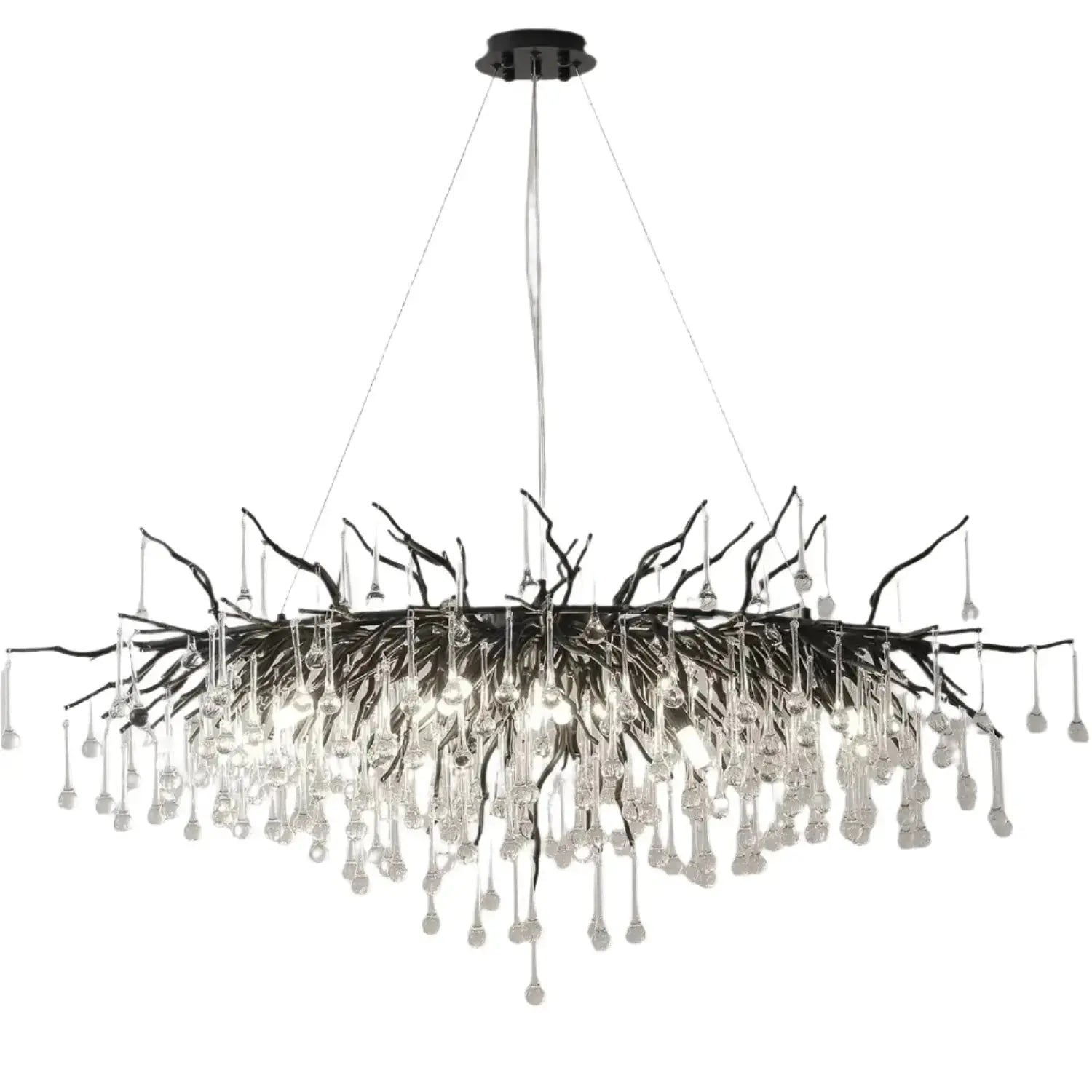
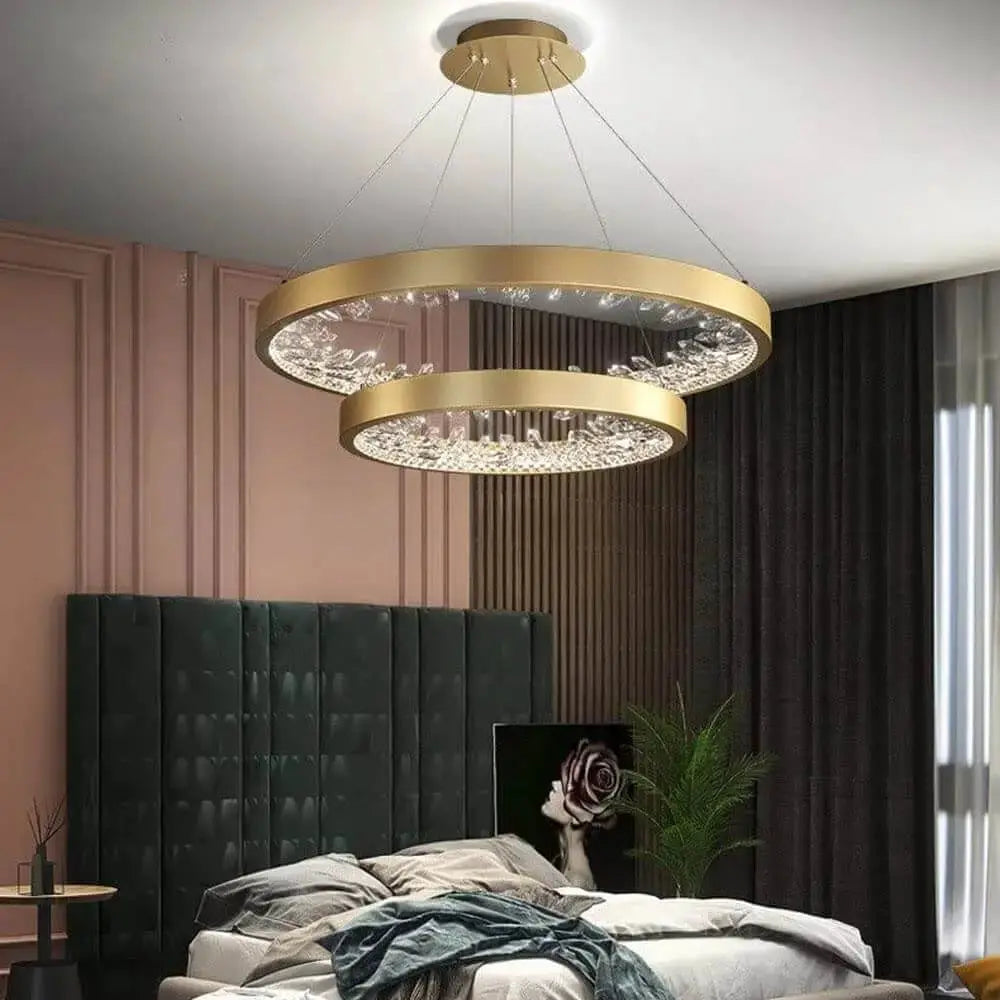
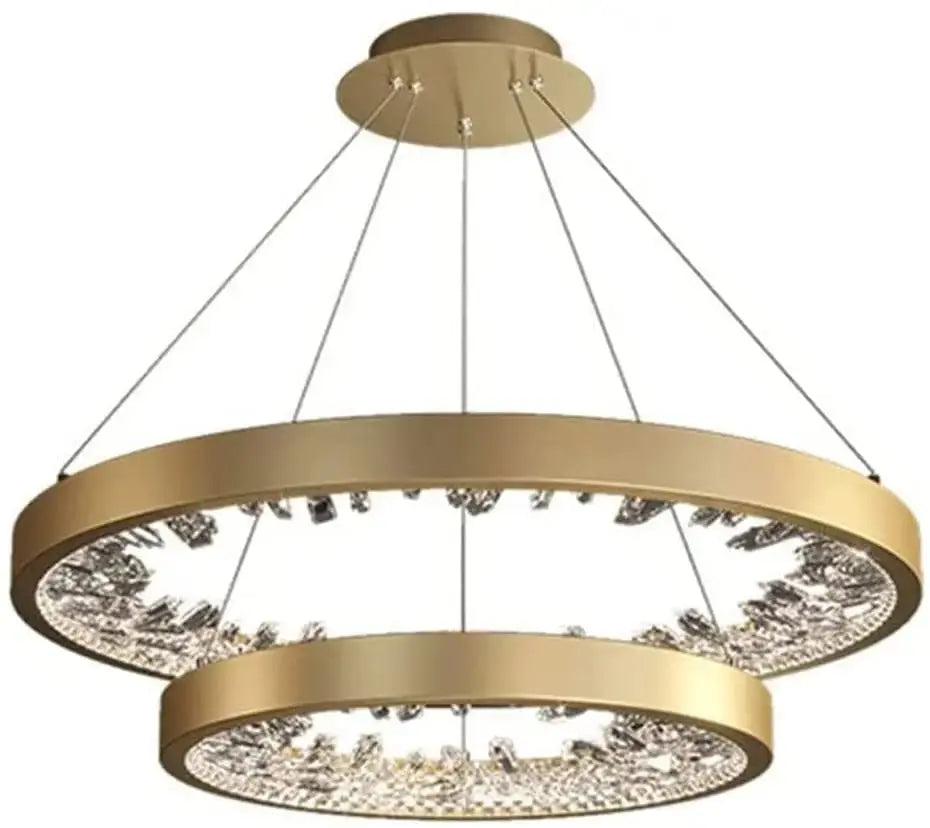
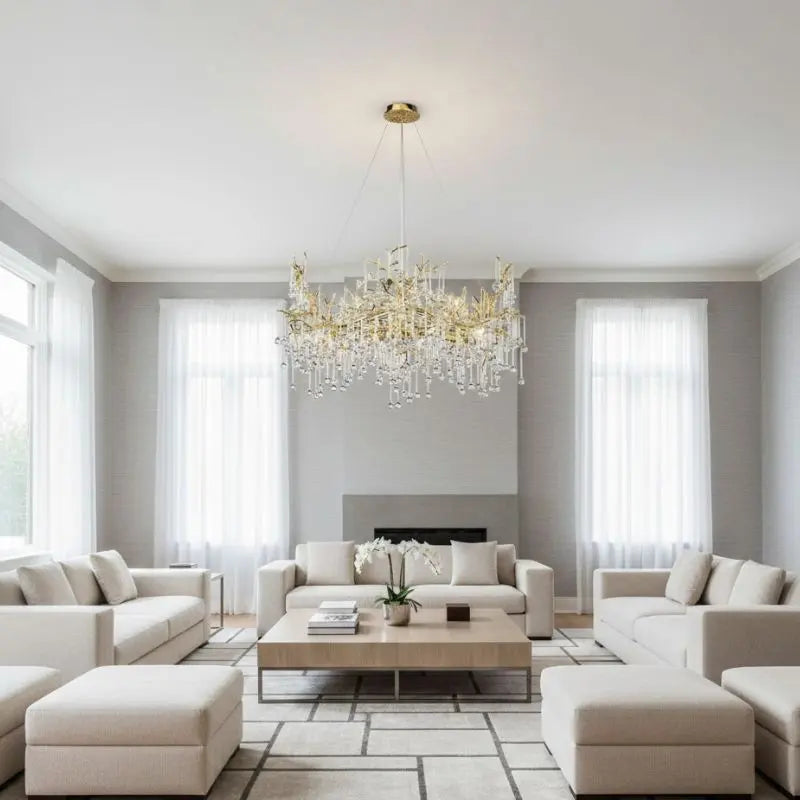
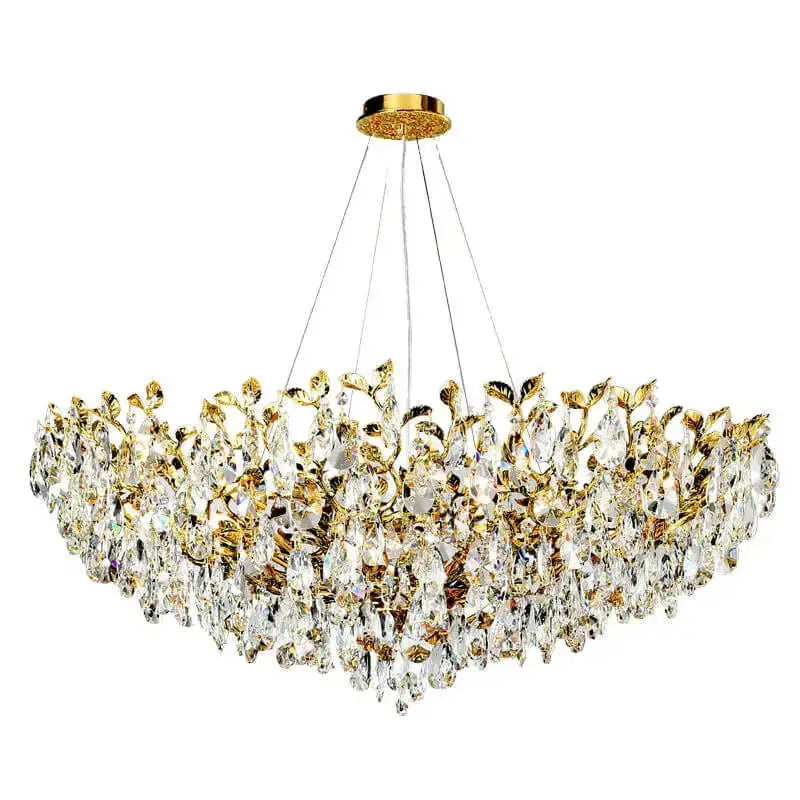
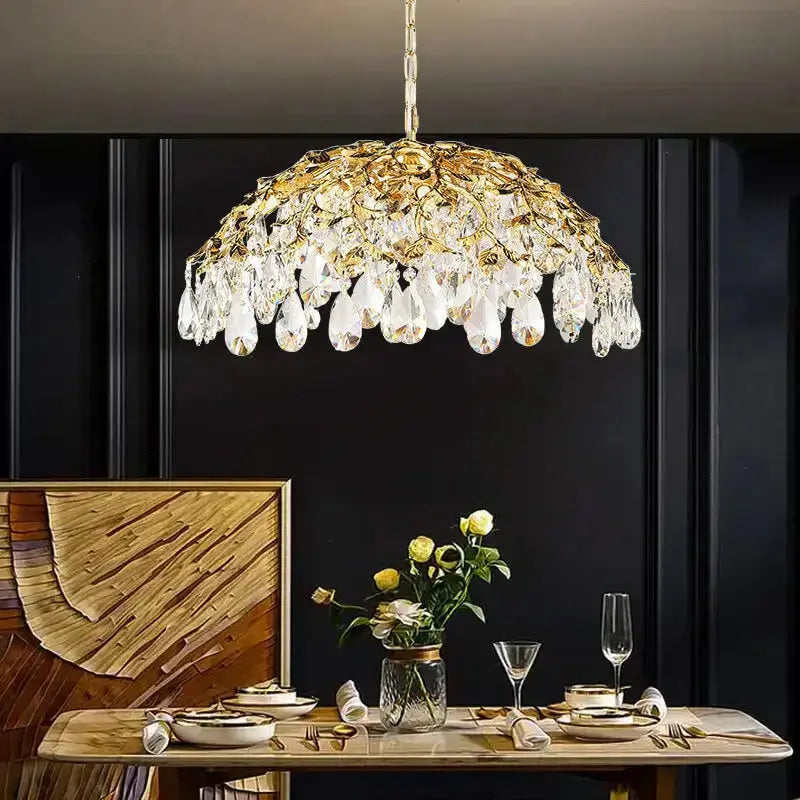
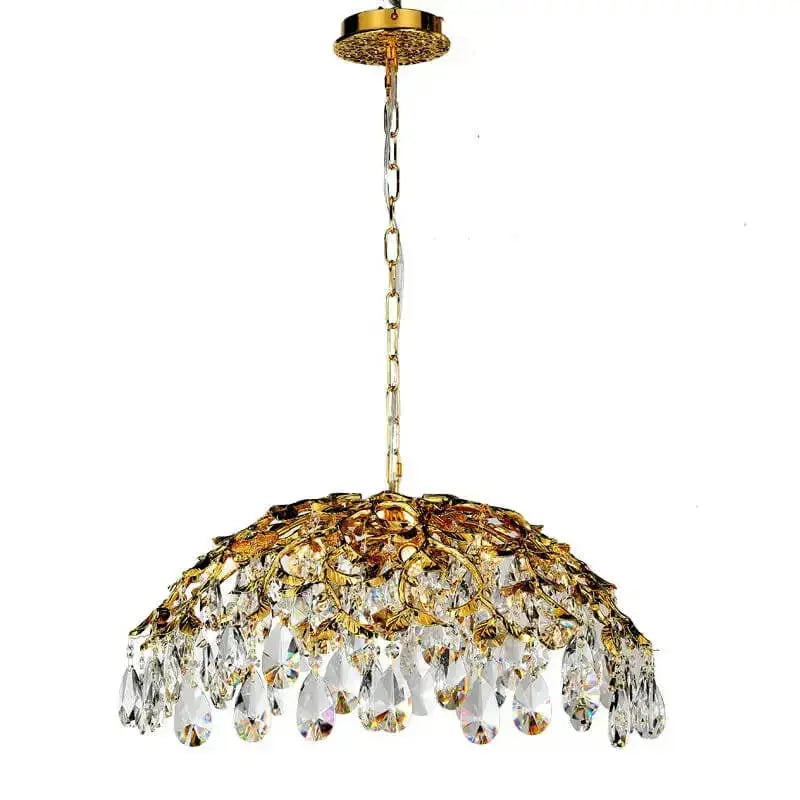
Consider what can be seen from below, above and through adjoining rooms. A chandelier in a double-height entrance is often visible from the front door, upper landing and living area, so it should feel beautiful from every angle. Crystal catches the changing light with timeless elegance, while alabaster brings a quieter, sculptural glow. Contemporary metal and glass designs are especially effective where the architecture is clean-lined and minimal.
Ceiling height matters as much as style. A feature fitting should sit high enough that people cannot walk into it, particularly where stairs turn beneath it. Measure the stairwell from the lowest tread as well as from the upper landing, then ask a qualified electrician or lighting professional to confirm suitable drop and fixing requirements. Stairwell installations can be more complex than standard ceiling fittings, especially in tall spaces.
How to illuminate a staircase in layers
Layered lighting gives a staircase depth, flexibility and a far more expensive-looking finish. Rather than relying on a single bright source, combine three roles: decorative light, ambient light and guidance light.
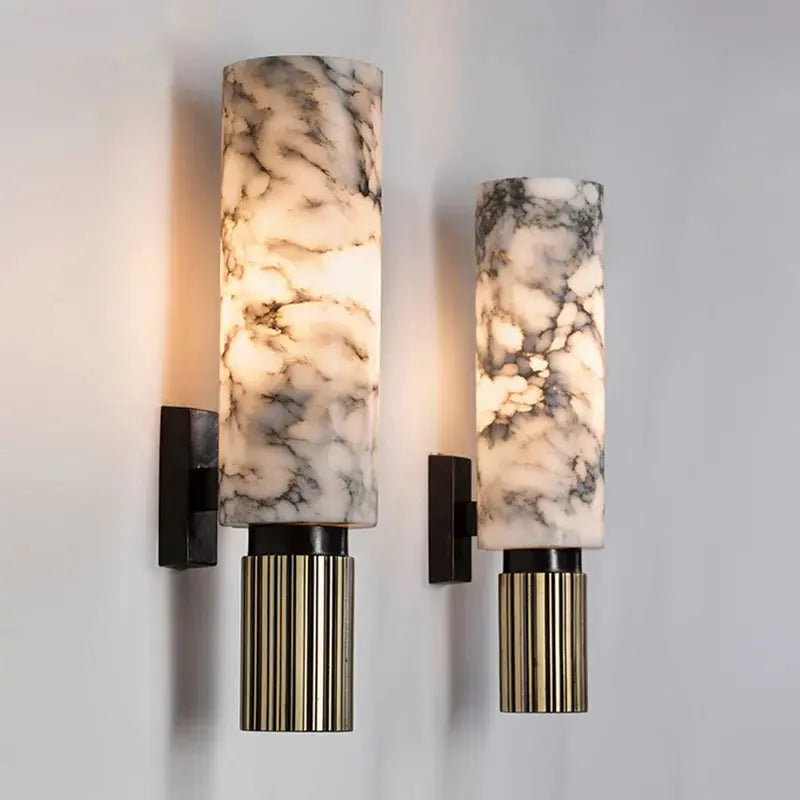
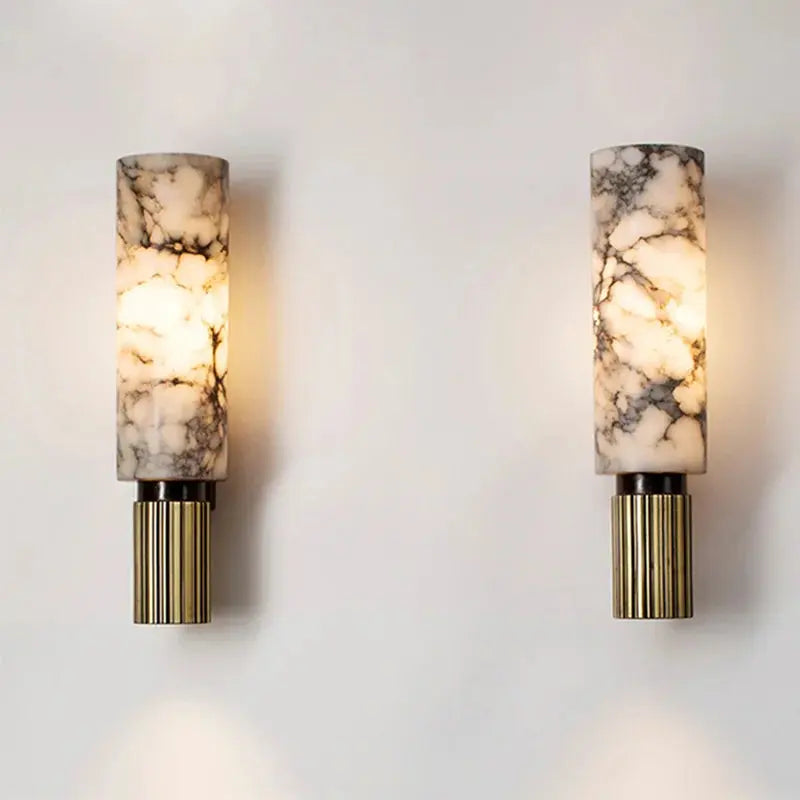
Decorative light is the visual centrepiece. This may be a chandelier suspended through an open stairwell, a sculptural pendant cluster or a pair of elegant wall lights framing a landing. It is the layer that sets the home's design direction.
Ambient light fills the area without creating stark contrasts. Recessed ceiling lights, a considered flush fitting or softly diffused wall lights can provide this even wash of illumination. Choose warm white light, generally around 2700K to 3000K, for a welcoming residential feel. Cooler light can make stone, painted walls and timber treads appear flat or clinical.
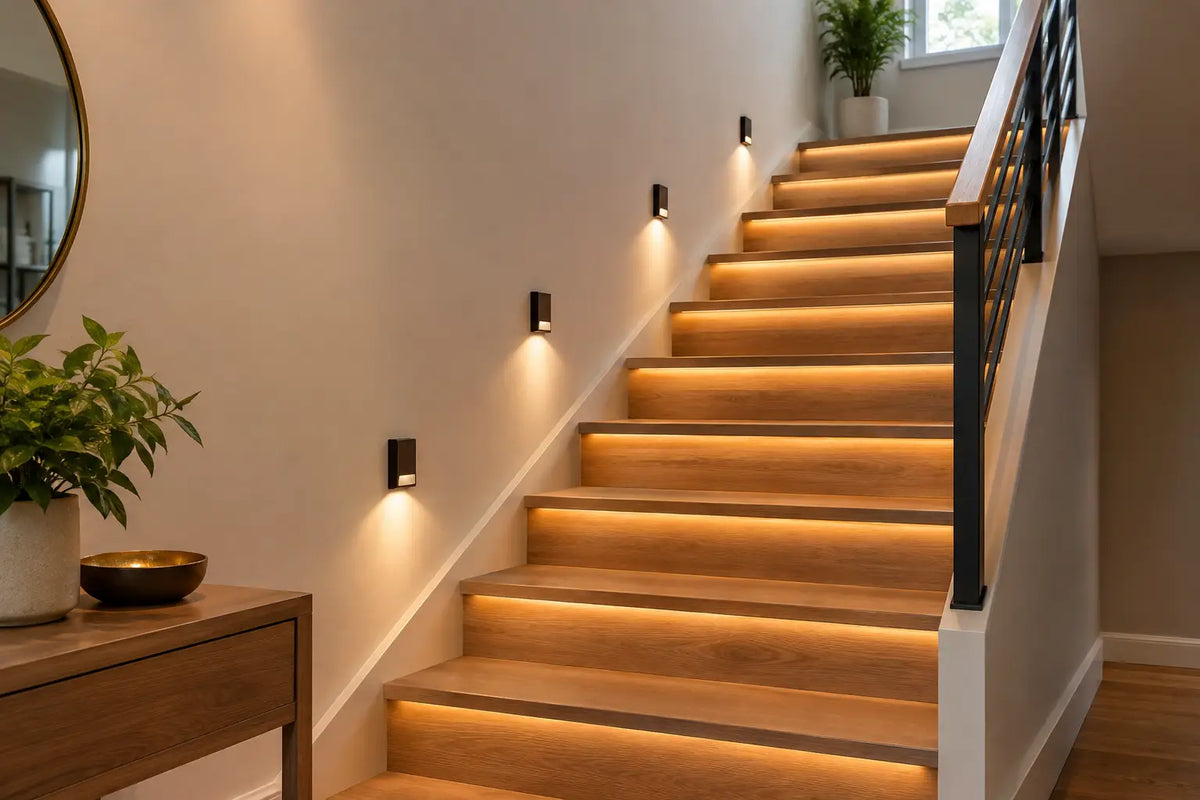
Guidance light makes the route easier to read. This could be low-level wall fittings, recessed tread lights or concealed LED strip lighting under a handrail. It should reveal the edge of each step without shining directly into the eyes. When installed well, this quiet layer is almost invisible by day and exceptionally useful at night.
A dimmer is the finishing detail that allows these layers to work together. Raise the light level for guests, luggage and busy family mornings; lower it when the house is winding down. Check that the fixture, lamps and dimmer are compatible before installation. This small technical decision has a significant effect on daily comfort.
Choose a statement fixture with proportion in mind
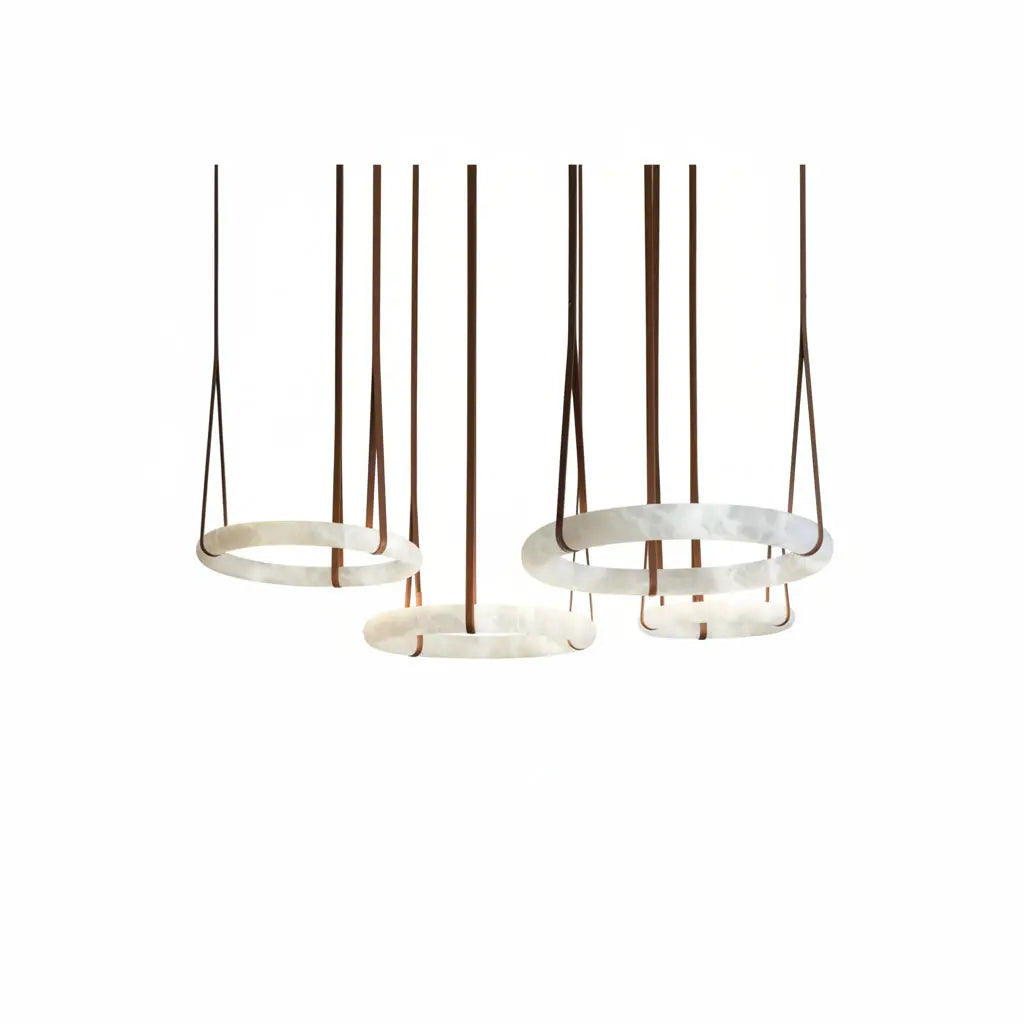
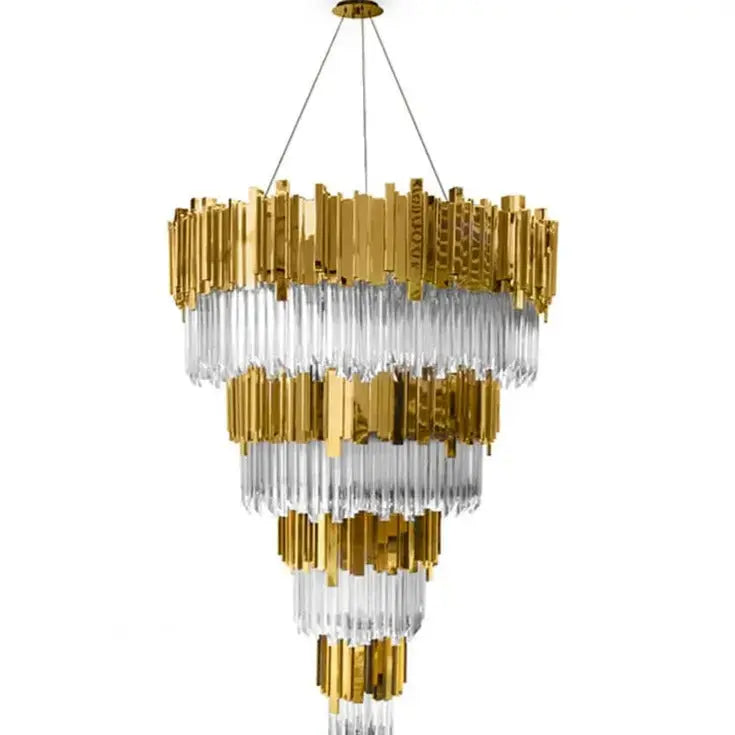
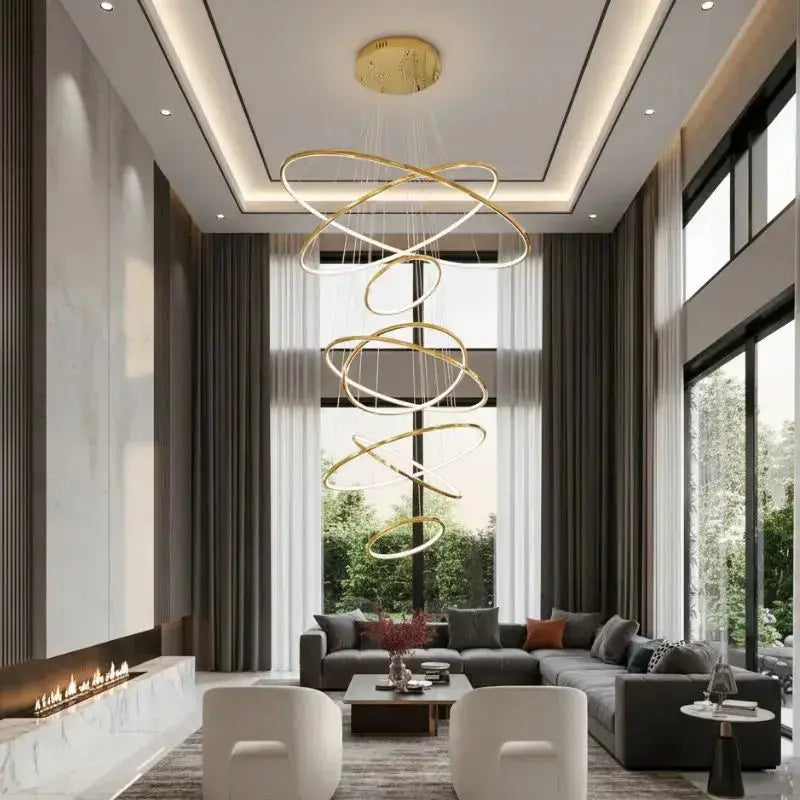
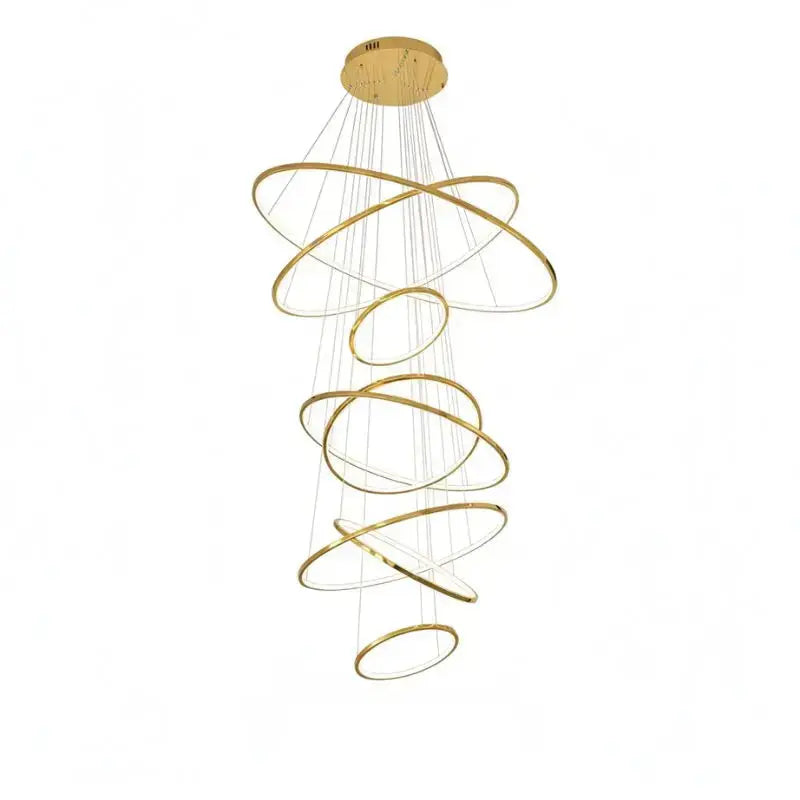
A staircase chandelier should feel intentional, not merely large. In a tall foyer, vertical designs are often more flattering than wide ones because they follow the natural line of the stairwell. A waterfall arrangement of glass or crystal, an elongated lantern, or a series of pendants at staggered heights can draw the eye upwards while preserving an airy feeling.
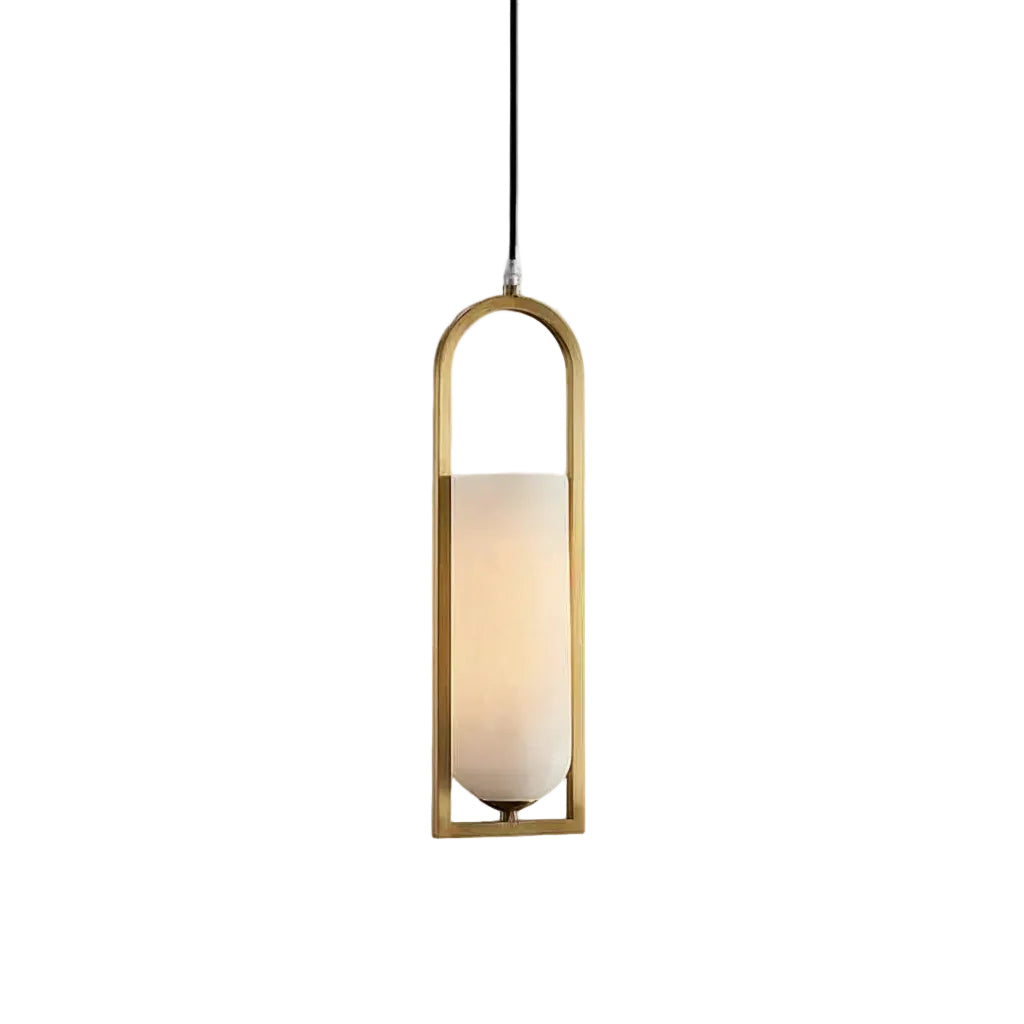
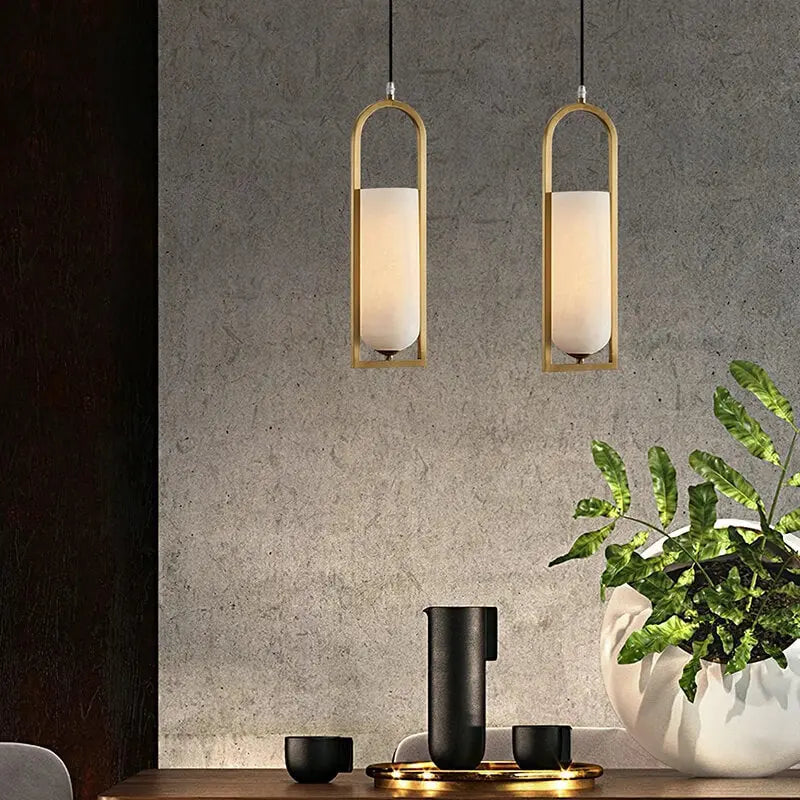
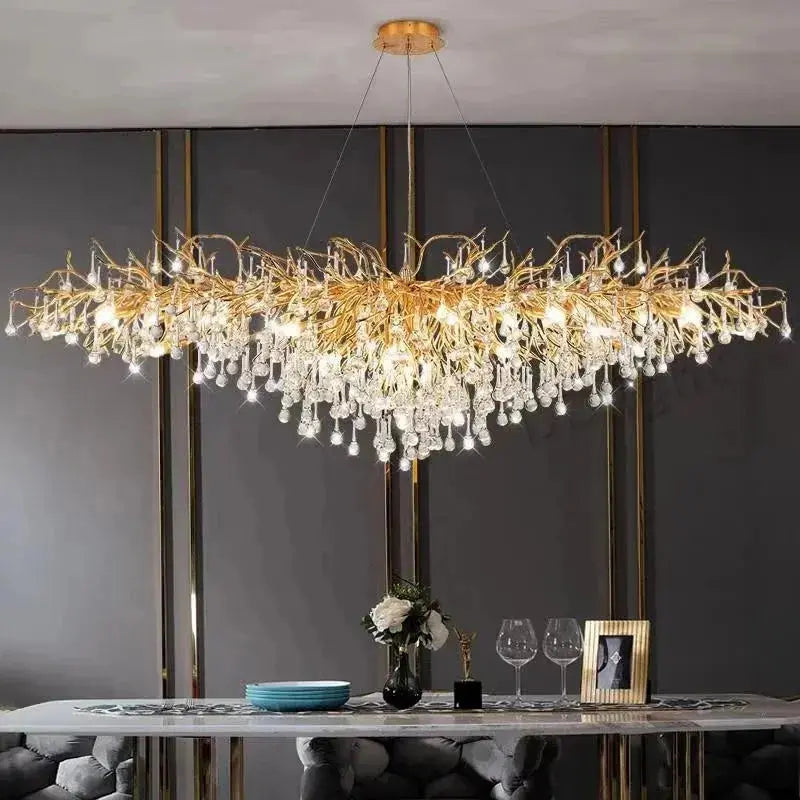
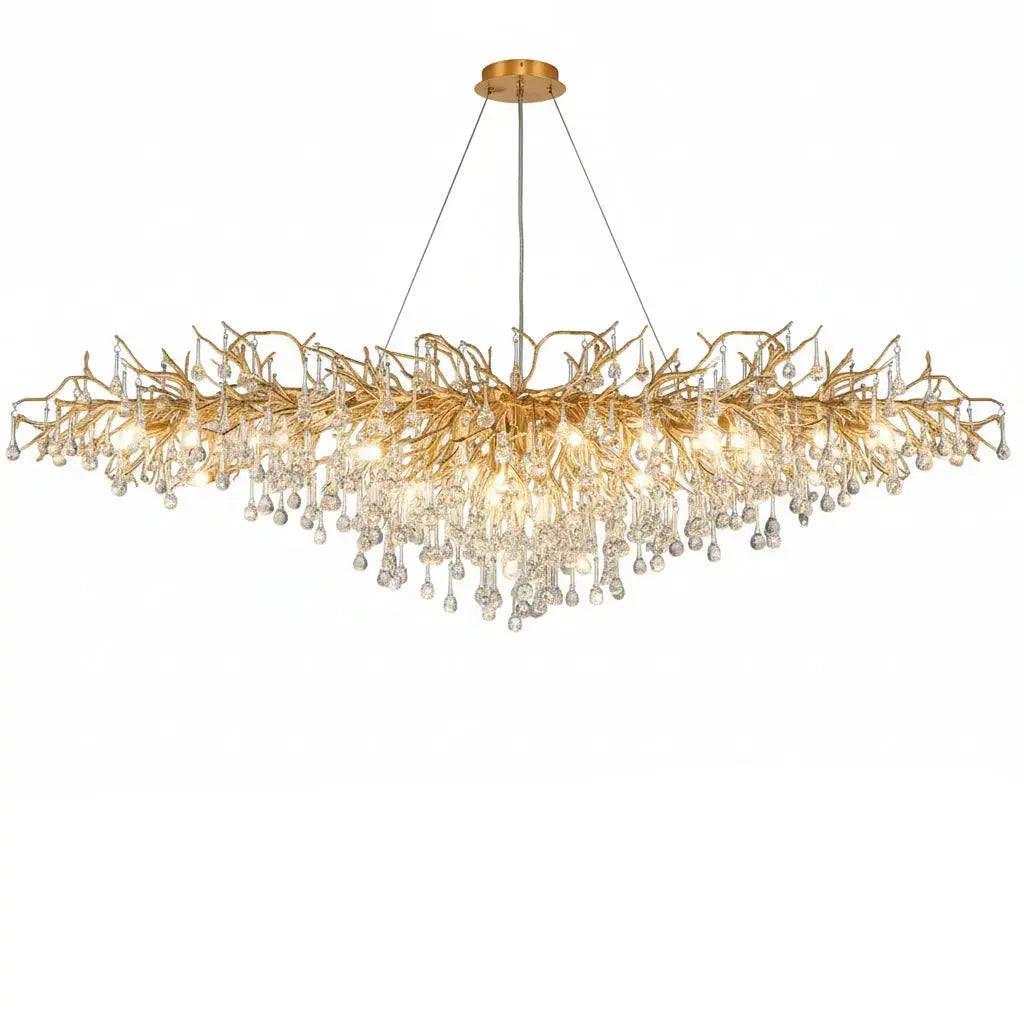
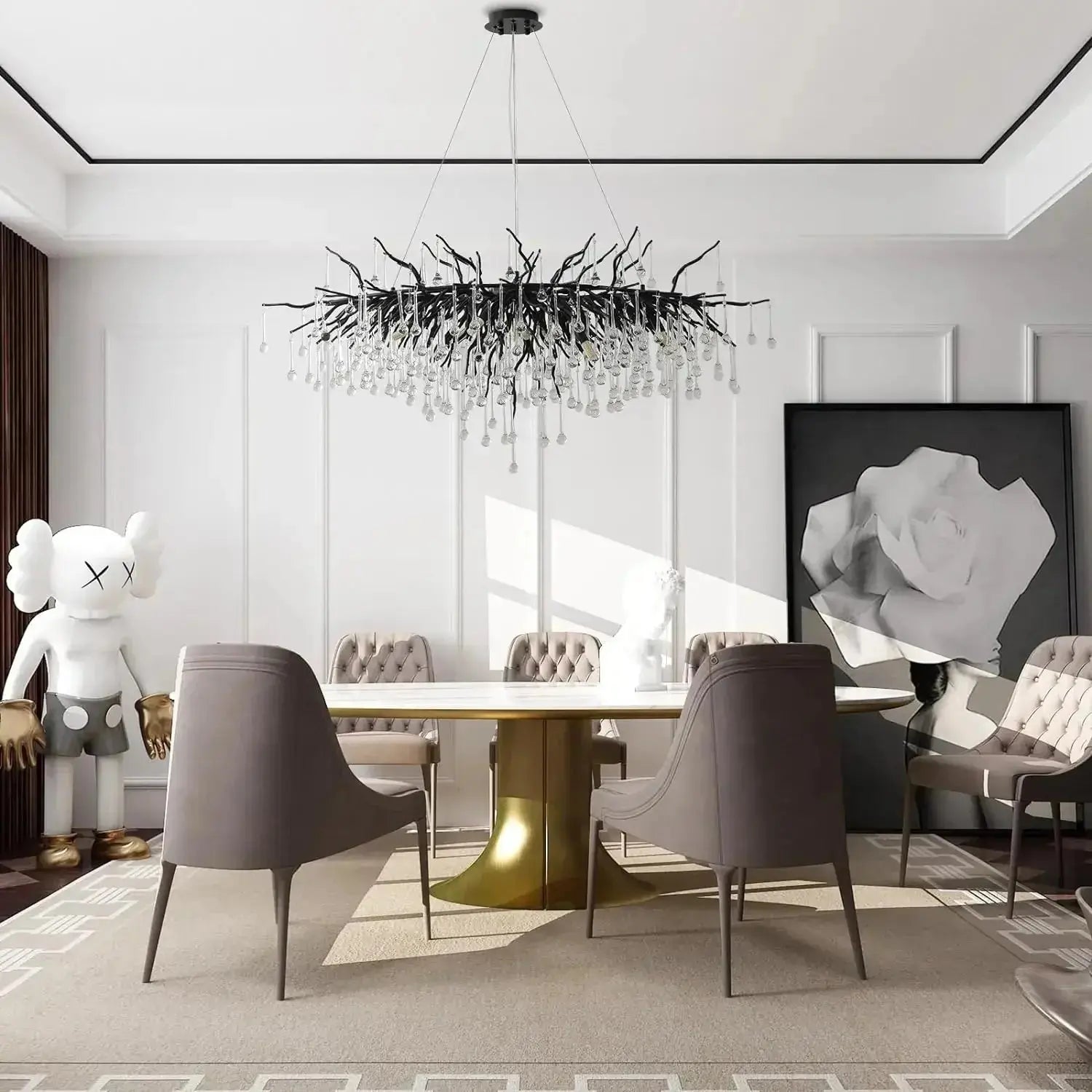
Traditional interiors suit chandeliers with layered crystal, aged brass details or graceful candelabra forms. For a contemporary home, consider smoked glass, black metal, soft gold or marble-inspired accents. The finish should relate to the banister, door furniture and nearby ceiling lights, but it does not need to match every detail exactly. A little contrast keeps the scheme from feeling overly coordinated.
Scale is best judged in the space rather than from a product image. A fitting can look modest online and become dominant once suspended over a narrow stairwell. Use painter's tape or a lightweight paper template to mark the fixture's approximate width and drop. Stand at the front door, the base of the stairs and the first-floor landing to test how it reads from each viewpoint.
If the staircase has no generous void, do not force a grand chandelier into it. A beautiful semi-flush fixture above the landing, paired with decorative wall lights, can deliver the same sense of refinement. Luxury often comes from proportion and material quality, not maximum size.
Make every step safer without sacrificing style
Safety lighting should support the decorative scheme, not compete with it. Low-level fittings placed along the wall can create a gentle rhythm beside the treads. Recessed lights are particularly elegant on plastered stair walls, while small directional wall lights offer a more visible decorative detail in traditional homes.
For a floating staircase or a design with open risers, concealed LED tape beneath the tread can create a striking line of light. It gives each step definition and lends a gallery-like quality to timber, stone or polished concrete. The trade-off is that concealed lighting needs careful planning before joinery or plasterwork is complete. Retrofitting is possible, but it may require more visible channels or additional work.
Handrail lighting is another sophisticated option. A concealed strip beneath the rail softly marks the entire route and avoids glare. It works especially well in narrow staircases, where wall fittings might take up precious visual space. Select high-quality LED components and accessible drivers, as these make future maintenance considerably simpler.
Avoid placing bright downlights directly over the top or bottom step. Strong shadows can make the change in level harder to judge. Instead, aim for consistent, diffused illumination across the run of stairs and both landings. A qualified electrician can ensure the installation meets the requirements that apply to your property.
Give landings the attention they deserve
Landings are natural pauses, and they deserve more than spill light from the staircase. A wall light beside artwork, a small ceiling fixture or a pendant above an open landing turns this practical zone into part of the home's decorative story. In longer hallways, a coordinated series of fittings can carry the eye elegantly from one floor to the next.
Mirrors are useful here, particularly where there is limited natural light. Position a wall light so it casts light across the mirror rather than producing a harsh reflected hotspot. The result is a brighter-feeling landing with an added sense of depth.
If there is a window on the stairwell, think about the balance between daylight and evening illumination. A feature chandelier can look spectacular against a darkening window, but it should not leave surrounding steps in shadow. Timed controls or motion sensors for low-level guidance lights are practical additions, while the main decorative fixture can remain on a dimmer for a more tailored ambience.
Plan controls for real life
The most beautiful lighting scheme can become frustrating if it is difficult to use. Install switching at both the top and bottom of the stairs, so no one has to cross a dark landing to find a switch. For larger homes, consider scene controls that bring on the chandelier, wall lights and step lighting at different levels with one setting.
Motion sensors are ideal for subtle night lighting, especially in family homes. Keep them reserved for the guidance layer rather than the main statement fixture. A full chandelier switching on at midnight is rarely the atmosphere anyone wants.
For a renovation, plan cable routes, switch locations and dimming requirements before final finishes are selected. For a simpler update, start with a proportionate ceiling or wall fixture and add plug-free, professionally installed low-level lighting where it will have the greatest impact. ChandeliersLife designs are chosen to make these statement spaces feel elevated, from classic crystal focal points to modern sculptural forms.
A staircase is one of the few places where practical light and visual drama naturally belong together. Choose a fixture you will enjoy looking at from every floor, then let softer layers guide the way with calm, considered confidence.