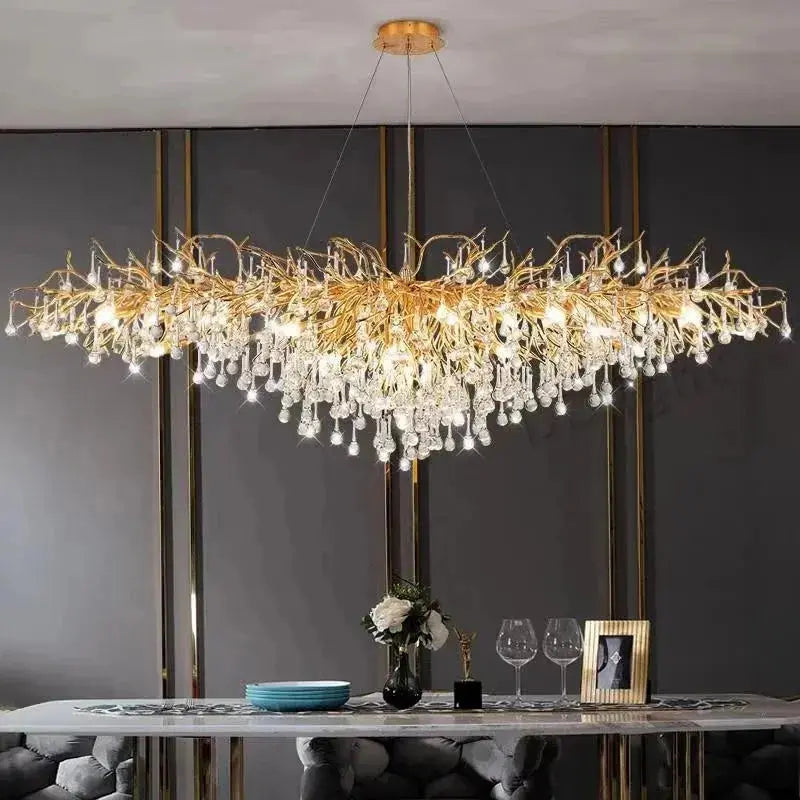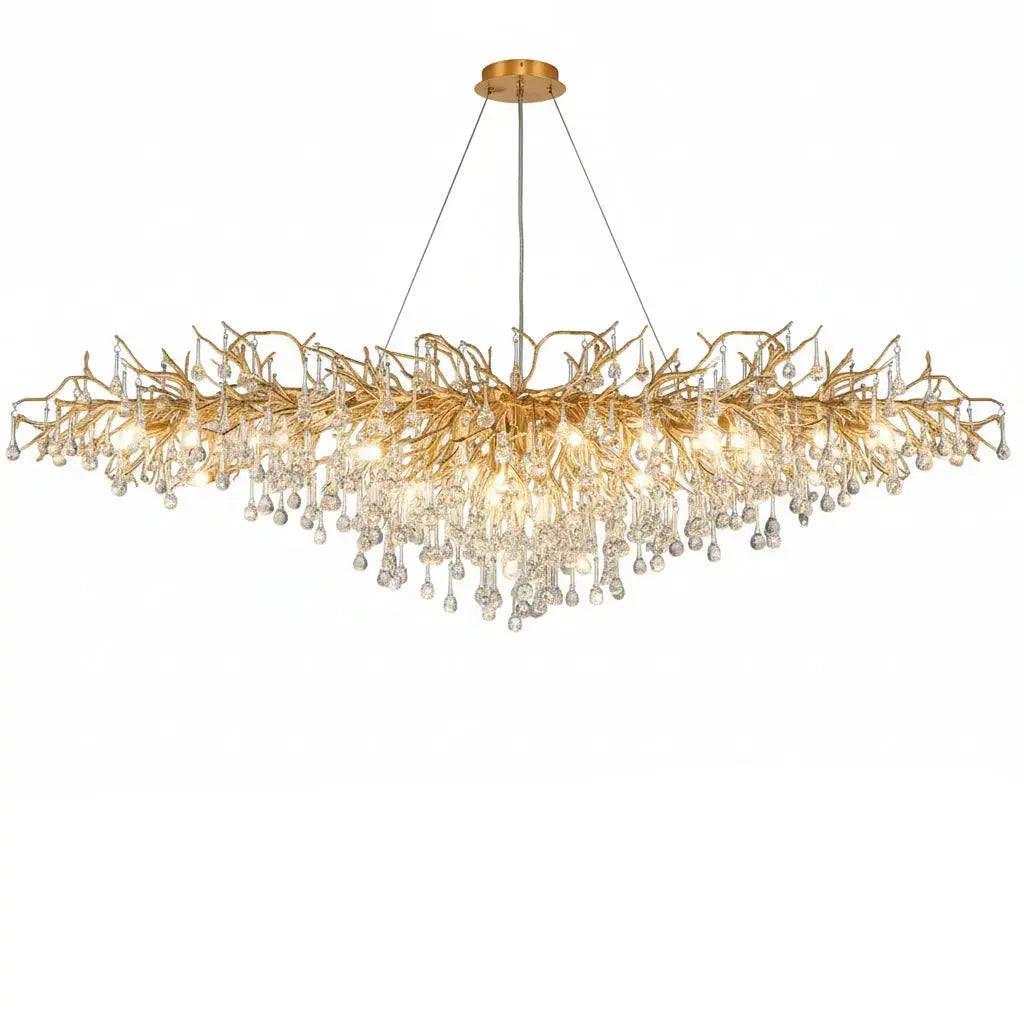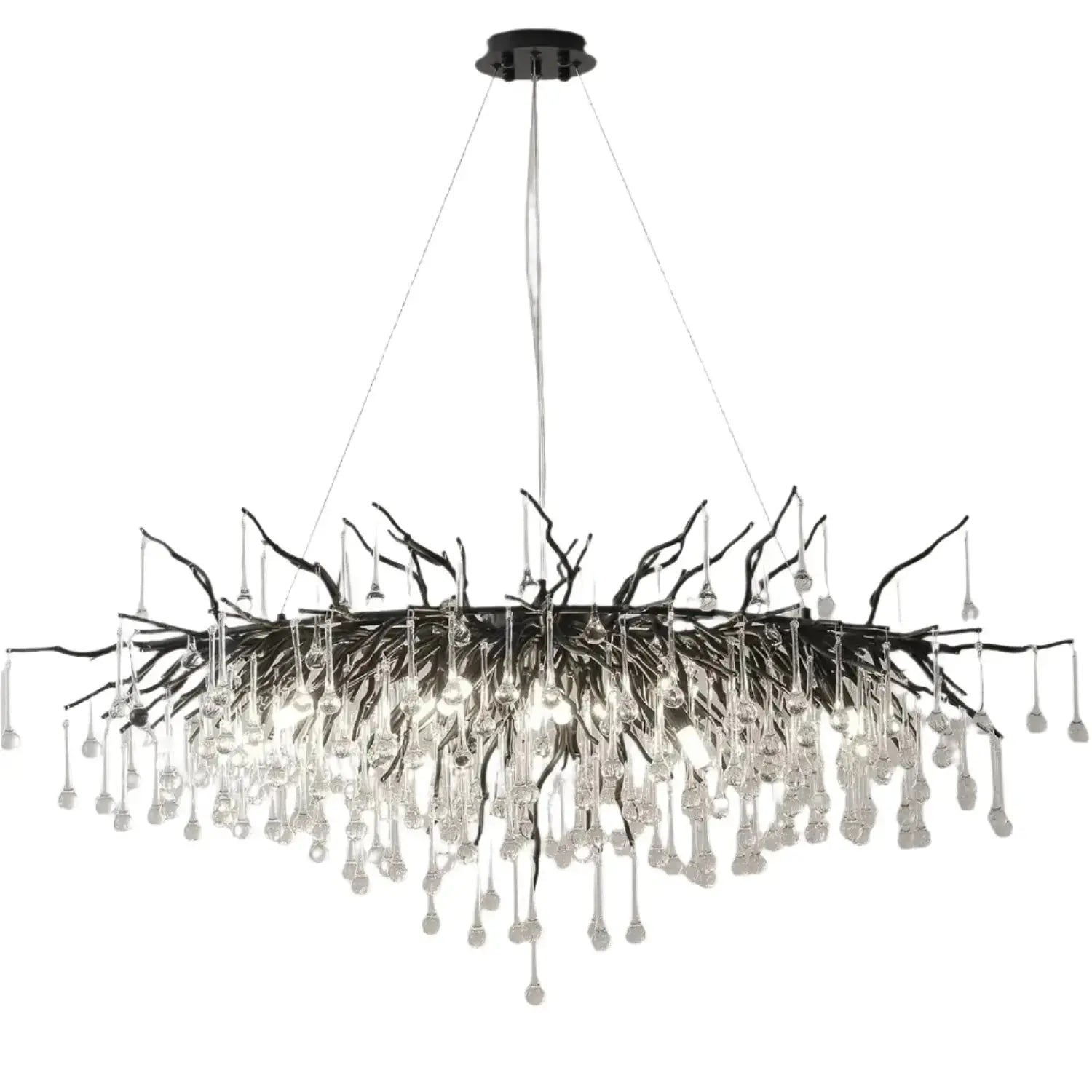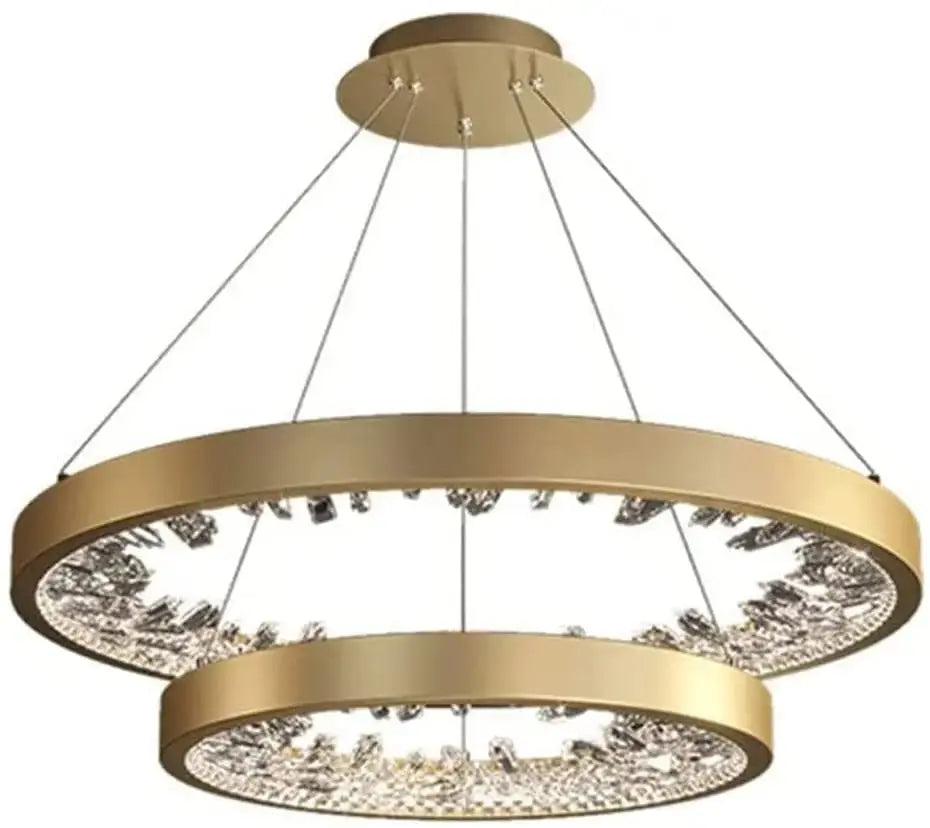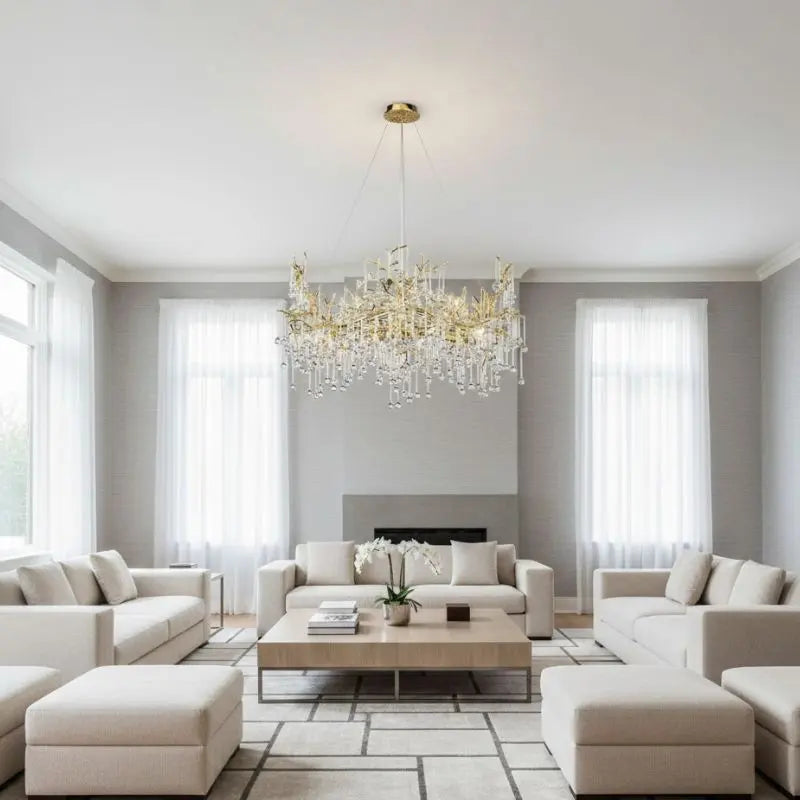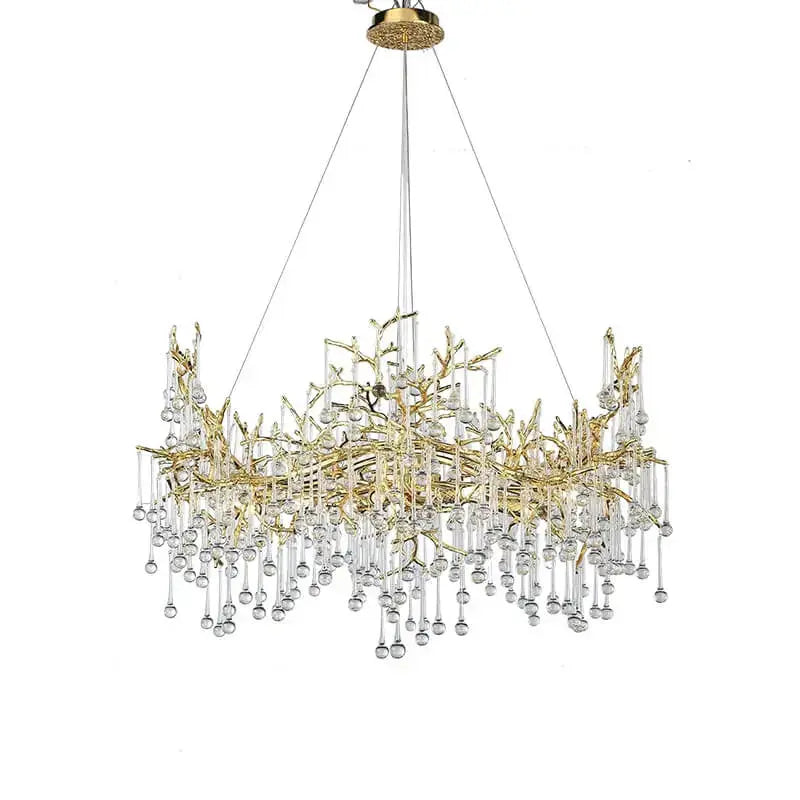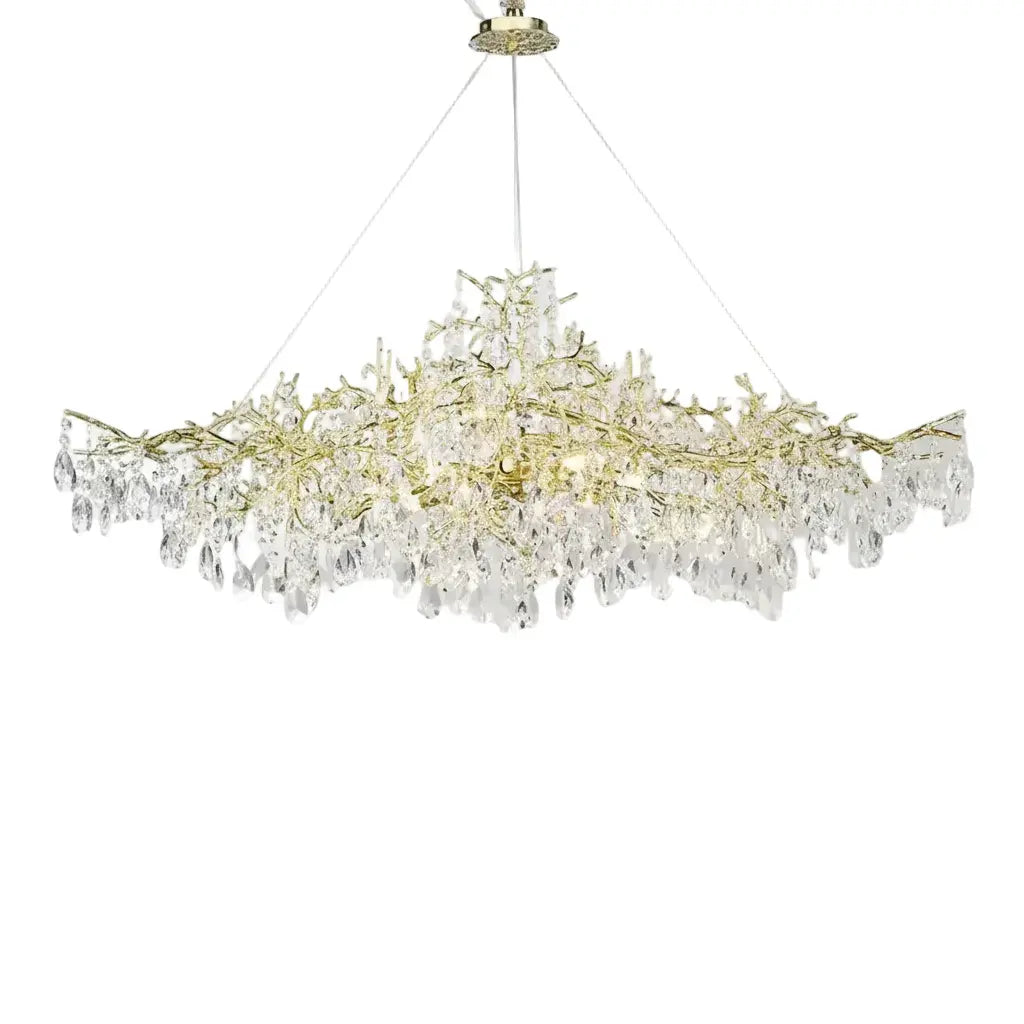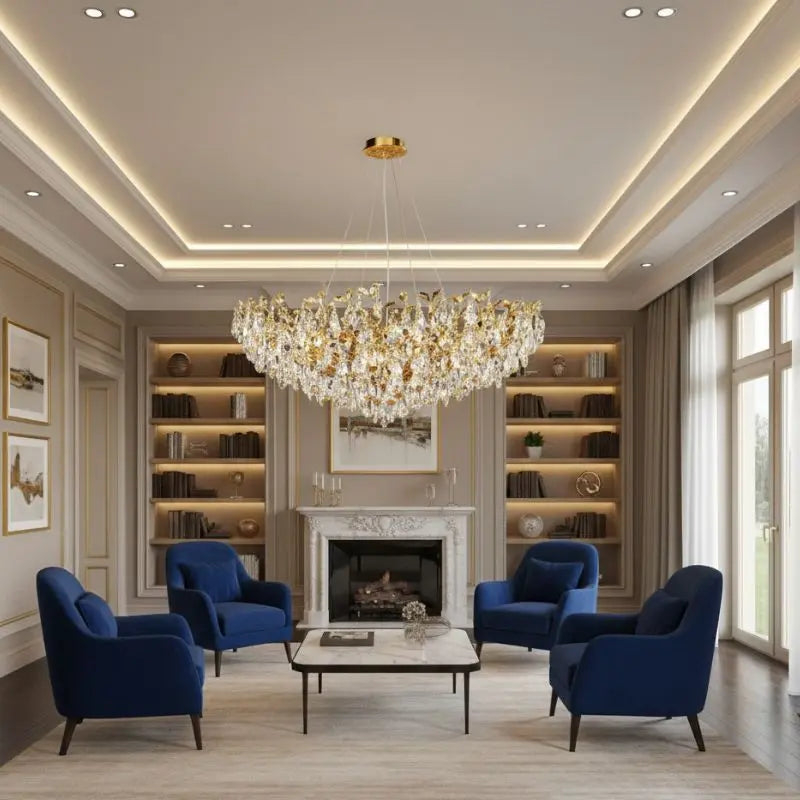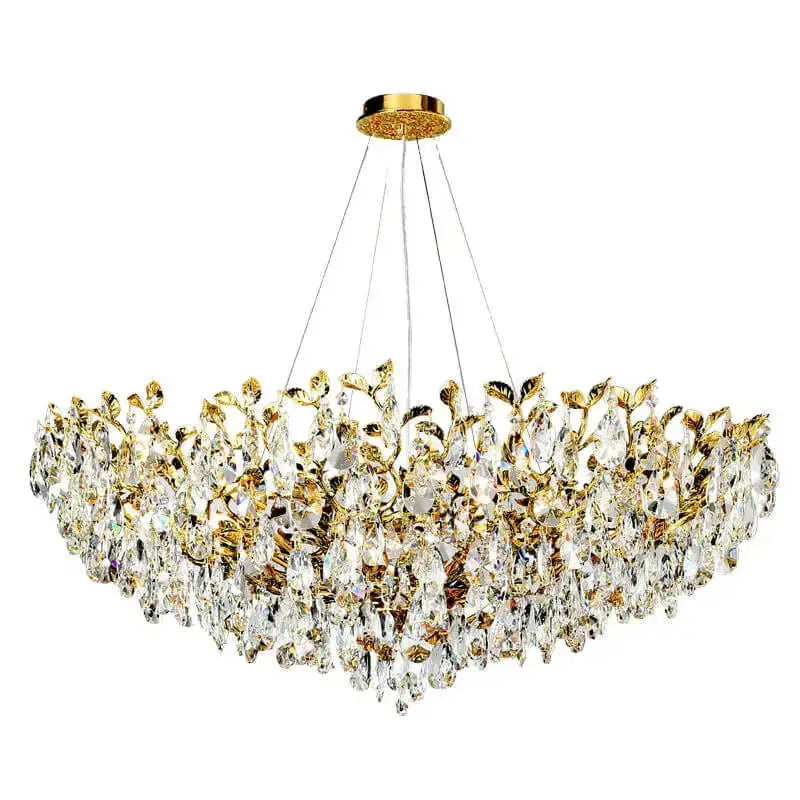

So, your chandelier is looking a bit sad, or maybe a part just decided to call it quits. Before you go out and buy a whole new fixture, think about this: you can probably fix it up! Finding the right chandelier replacement parts can make a big difference. It's not as hard as it sounds, and you might even save some cash. Let's look at what you might need to get your chandelier shining again.
Key Takeaways
- You can often fix or update your chandelier instead of replacing it by finding the right chandelier replacement parts.
- Small parts like socket covers, candle sleeves, and prisms can totally change how your fixture looks.
- Different kinds of crystals and prisms are available to add sparkle and elegance.
- Chains and extension rods help adjust the height and placement of your chandelier.
- Using quality chandelier replacement parts makes sure your fixture lasts and looks great.
Understanding Essential Chandelier Replacement Parts
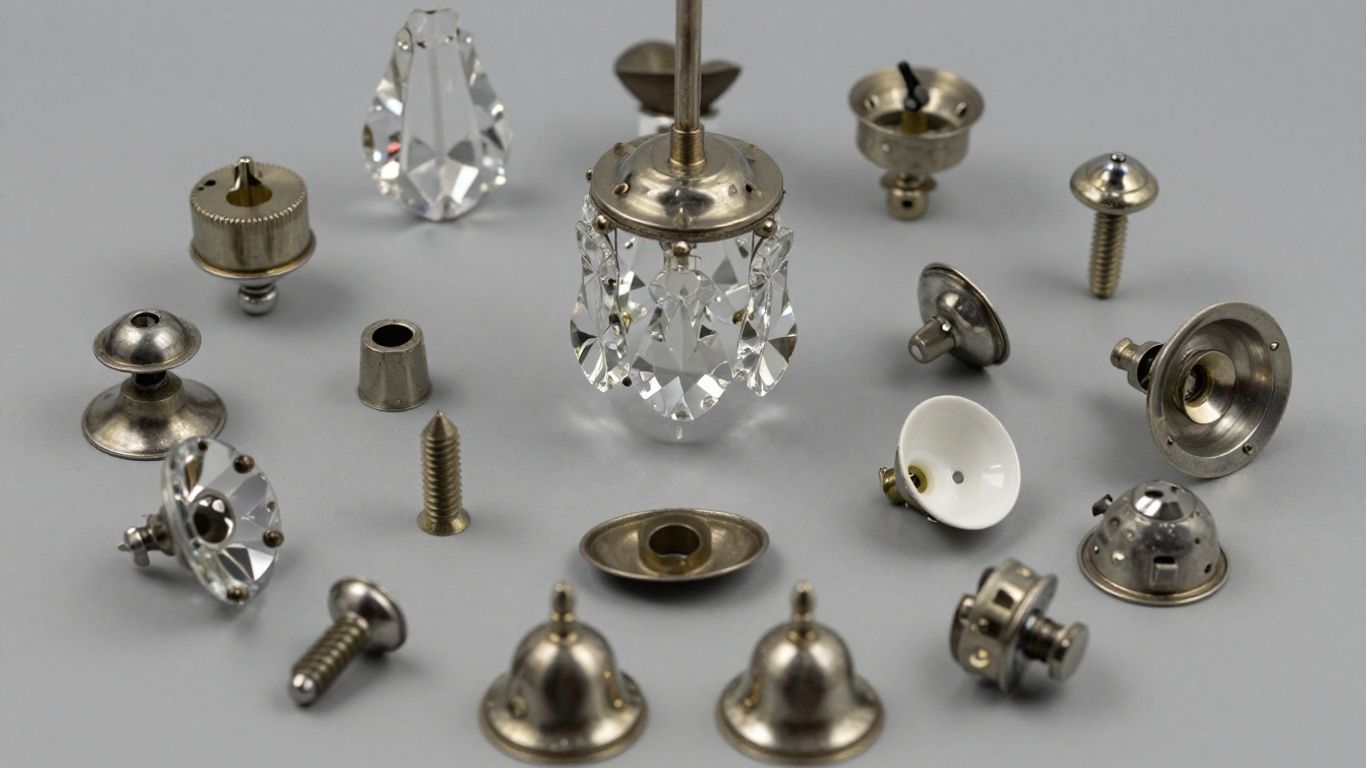
Sometimes, your chandelier might look a little tired, or maybe a part just broke. Before you start thinking about getting a whole new light fixture, consider this: you can probably fix it up! Finding the right chandelier replacement parts can make a huge difference. It’s not as hard as it sounds, and you can save some money too. Let's look at what you might need to get your chandelier shining again.
Revitalizing Your Fixture With Minor Fixes
Often, a chandelier doesn't need a complete overhaul. A few well-chosen replacement parts can bring an old fixture back to life, saving you money and keeping a beloved piece of your home's history. Think of it like giving your chandelier a tune-up. You might just need a new socket cover to hide some old wiring, or perhaps a missing crystal prism that throws off the whole sparkle. It's amazing how much difference a small part can make. Don't just toss that chandelier; see if a simple fix can make it shine again.
Enhancing Aesthetics Through Part Swaps
Beyond just repairs, replacement parts are a fantastic way to update your chandelier's look. Want to give your dining room fixture a more modern feel? Maybe swap out old, plain socket covers for ones that mimic dripping wax candles. Or perhaps you want to add more sparkle. Adding extra crystal strands or different shaped prisms can completely change the mood of the light it casts. It’s like giving your chandelier a new outfit.
The Impact of Small Components on Overall Look
It's easy to overlook the smaller bits, but they really do matter. Take socket covers and candle sleeves, for example. These are the bits that go around the light bulb socket. They often look like candle bases, sometimes with a "drip" effect to mimic old wax. If yours are cracked, discolored, or just not your style anymore, swapping them out is a pretty simple fix. They come in all sorts of colors and finishes, from classic white to faux-dripping wax looks. Make sure you check the size of your existing socket before you buy new ones, as they need to fit snugly. Similarly, harps and finials play a role. Harps are the U-shaped pieces that hold up a lampshade on many fixtures. They come in different sizes, so you'll want to measure the one you have or the space you need to fill to get the right fit. The finial is the decorative knob that screws onto the top of the harp to secure the shade. Swapping out a plain finial for something more ornate, or replacing a damaged one, can really change the look of your fixture. They come in materials like metal, glass, and even crystal.
Repairing and restoring your chandelier doesn't have to be complicated. Focusing on these smaller, replaceable parts can save you money and help you maintain the unique charm of your existing fixture. It's a great way to give an older piece a new lease on life without a huge overhaul.
Choosing Quality Materials for Longevity
When you're looking to replace parts for your chandelier, it's really worth paying attention to what they're made of. Picking good materials now means you won't be back here doing the same job again in a year or two. It's like buying a good pair of shoes versus a cheap pair – the good ones just last longer and feel better.
Prioritizing Durable Metals and Glass
For the main structure of your chandelier, like arms or decorative elements, look for solid metals. Brass, bronze, or even sturdy steel are great choices. These metals feel substantial and hold up well over time, resisting bending or breaking. Avoid anything that feels too light or flimsy, as it's probably made of thin, easily damaged material. Similarly, for glass components, clear, well-cut glass is a sign of quality. It refracts light beautifully and is less likely to chip or scratch compared to lower-grade glass.
Selecting Heat-Resistant Socket Covers
Socket covers, especially those that mimic candle sleeves, are right near the light bulbs. This means they can get pretty warm. You absolutely want to choose covers made from materials that can handle heat without warping, discoloring, or becoming brittle. Many good quality socket covers are made from heat-resistant plastics or even metal. This is a safety as much as a longevity issue. A cover that degrades can become a fire hazard.
The Value of High-Quality Crystal Refraction
If your chandelier has crystals, the material makes a huge difference in how it looks. While there are many types of glass and crystal available, higher-quality options, like those with a higher lead content or precision-cut facets (think Swarovski or good Bohemian crystal), will sparkle much more. They catch and reflect light in a way that cheaper glass just can't replicate. You'll notice a distinct difference in brilliance and color play. It's the difference between a soft glow and a dazzling display.
Identifying Key Chandelier Replacement Parts
So, your chandelier is looking a bit sad, or maybe a piece just snapped off. Before you start browsing for a whole new fixture, let's talk about the individual components. Often, a few specific parts are all you need to bring it back to its former glory. It’s like giving your favorite old jacket a new zipper – suddenly, it’s wearable again!
Socket Covers and Candle Sleeves
These are the bits that go around the light bulb socket. They can be plain plastic, or they can be designed to look like dripping wax candles, which is a nice touch for a more traditional look. If yours are cracked, discolored, or just plain ugly, swapping them out is usually a pretty simple fix. Replacing these can dramatically change the overall aesthetic of your chandelier. You'll want to make sure the new ones fit snugly and are made of heat-resistant material. They come in various diameters, so measuring your existing socket is a good idea.
Lamp Cords and Connectors
This is the electrical stuff that keeps the lights on. Over time, cords can fray, or connectors can become loose. If you're dealing with an older fixture, you might find the wiring a bit dated. Replacing the cord and ensuring all connectors are secure is a safety must. It's not the most glamorous part, but it's super important for the chandelier's function and your peace of mind. You can find cords in different lengths and colors, and sometimes even braided fabric ones for a more decorative feel.
Harp Sizes and Finials
Harps are the U-shaped metal pieces that support a lampshade, and finials are the decorative caps that screw onto the top of the harp. While more common on table lamps, some chandeliers, especially those with a more traditional or sconce-like design, might use similar components. If your harp is bent or missing, or the finial has vanished, finding a matching replacement will restore the fixture's intended look. Getting the right size harp is key here; it needs to fit the socket and hold the shade at the correct height.
Chains and Extension Rods for Height Adjustment
Chains are what hang most chandeliers from the ceiling. They not only support the weight but also contribute to the fixture's overall style. If your chain is damaged, too short, or you want to lower the chandelier, you'll need replacement links or an extension. Extension rods are a more rigid alternative to chains, offering a cleaner, more modern look. When choosing, consider the weight of your chandelier and the desired drop length. You can find these in various finishes like brass, nickel, or oil-rubbed bronze to match your fixture. For a truly custom look, you might even consider a black and gold pendant style chain if it suits your decor.
It's easy to overlook the smaller parts, but they really do hold everything together, literally and figuratively. Don't underestimate the impact of a fresh chain or a new socket cover. These components are the unsung heroes of chandelier restoration, making sure your fixture is safe, functional, and looks its best.
Finding Parts for Unique and Antique Fixtures
Specialists in Period-Accurate Replicas
So, you've got a chandelier that's seen better days, maybe it's an heirloom or a cool vintage find. Tracking down replacement parts for these unique pieces can feel like a treasure hunt, right? Original parts are often super rare, but don't despair! There are actually companies out there that focus on making replica parts that look just like the old ones. These folks usually know a ton about different lighting eras and styles. They can help you find things like specific chain links, socket covers that mimic old candle wax drips, or crystals that match the original sparkle. Seeking out these specialists is your best bet for a true restoration. They understand the little details that make antique fixtures special and can guide you to the right components to keep your chandelier's integrity intact.
Sourcing Specific Chain Styles and Crystals
When you're dealing with older fixtures, the details really matter. You might need a very particular type of chain, maybe one with a unique link shape or a specific finish that's hard to find. The same goes for crystals. If you're missing a few prisms, you'll want replacements that match the size, cut, and color of the ones already there. Some suppliers have extensive collections of these specific items. It's helpful to look for places that categorize their parts by era or style, making it easier to find what you need. For example, if you're restoring a farmhouse wood chandelier, you might need a chain with a more rustic feel. Finding the right lamp parts can be key to a successful restoration.
Maintaining the Integrity of Vintage Designs
Restoring a vintage chandelier isn't just about making it work again; it's about preserving its history and character. This means choosing parts that are as close to the original as possible. Think about the materials, the finishes, and the overall design. Using modern, generic parts can really throw off the look and feel of an antique piece. It's worth taking the time to find those period-accurate replicas or even hunting down original (if possible) components. The goal is to make the repairs look like they were always meant to be there, so the chandelier continues to be a beautiful focal point without looking obviously 'fixed'.
Here's a quick checklist when looking for vintage parts:
- Material Match: Try to match the original metal type and finish.
- Size and Scale: Ensure new parts are the correct dimensions to fit the fixture properly.
- Style Consistency: Look for parts that reflect the chandelier's original design era.
- Functionality: Make sure the replacement part will work correctly with the existing mechanism.
Ensuring Compatibility and Fit
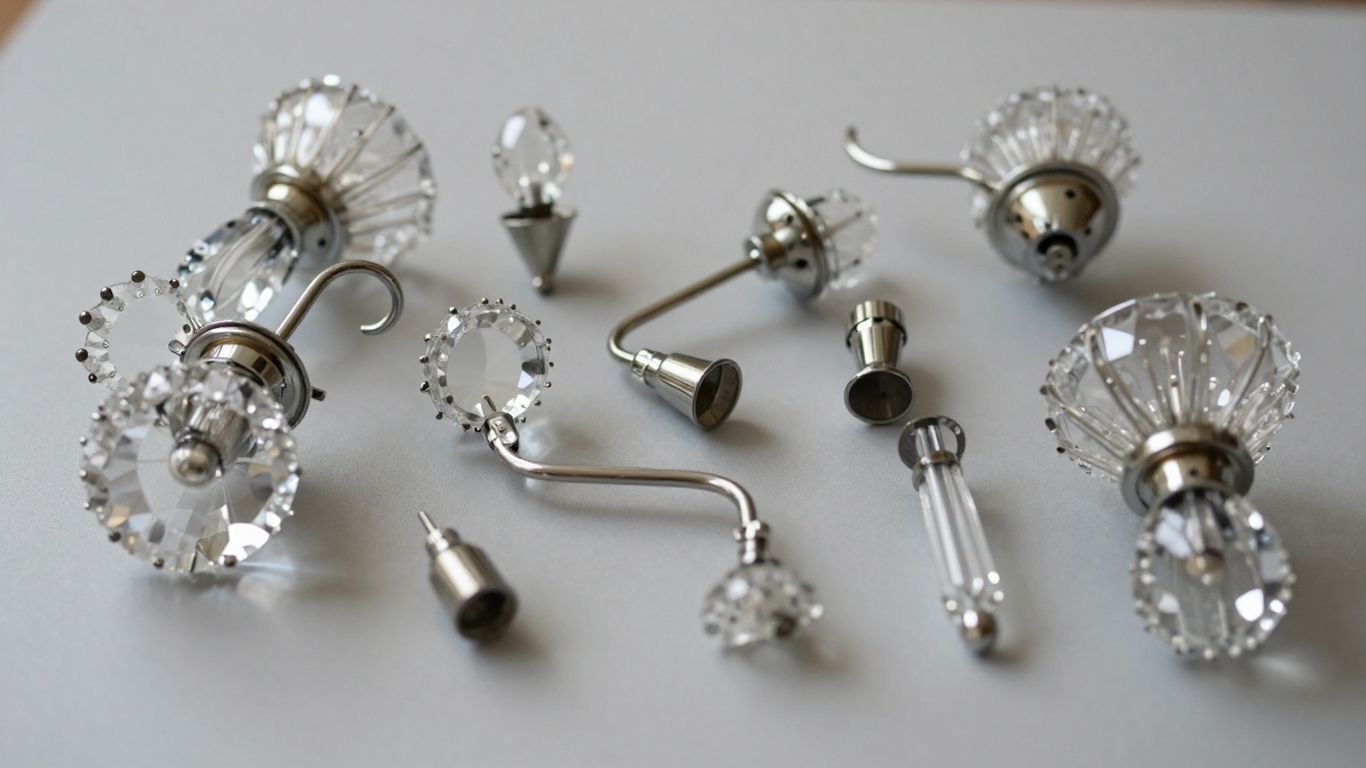
So, you've found the perfect replacement part – maybe it's a shiny new socket cover or a dazzling crystal prism. That's great! But before you get too excited, we need to talk about making sure it actually fits your chandelier. It sounds simple, but trust me, trying to force a part that's not quite right can lead to a whole lot of frustration, and potentially, damage. Getting the fit right is key to a successful repair or update.
Checking Dimensions for Socket Covers
Socket covers, also known as candle sleeves, come in a surprising variety of sizes. The part that slides over the socket itself, and the part that might extend down to mimic a candle, can vary. You'll want to measure the diameter of the existing socket and the length of the part you need to cover. Some are designed for standard bulb bases, while others might be for older or more specific types.
- Measure the socket diameter: This is usually the most critical measurement.
- Note the desired length: How far down the socket or bulb base does it need to go?
- Consider the base type: Is it a standard Edison screw (E26/E27) or something else?
Measuring Chains and Extension Rods
If you're adjusting the height of your chandelier, accurate measurements are a must. For chains, you'll want to know the length you need, but also the gauge and style of the links. Are they small and delicate, or chunky and industrial? For extension rods, you'll need to know the threading on both ends – the part that screws into the chandelier and the part that connects to the ceiling canopy. Mismatched threads are a common headache.
Understanding Thread Types and Fitting Styles
This is where things can get a little technical, but it's important. Many chandelier parts, especially those that screw into place like some socket covers or decorative finials, use standard threading. However, there are different thread sizes and pitches. If you're replacing a part that screws in, try to identify the thread size of the original. Sometimes, a quick search for "chandelier thread types" can give you a visual guide. If you're unsure, taking a photo of the threaded area or even the old part to a lighting supply store can be a big help.
Don't underestimate the power of a simple measurement. A tape measure and a little patience can save you a lot of hassle. Always double-check before you buy.
Finding the right fit isn't just about aesthetics; it's about safety and functionality. A part that's too loose could be a hazard, while one that's too tight might be impossible to install without causing damage. Take your time, measure carefully, and when in doubt, ask for help from the supplier or a lighting professional.
The Importance of Quality Components
When you're looking to fix up a chandelier, whether it's a family heirloom or just a fixture you've had for ages, the quality of the replacement parts you choose really matters. It's not just about making it look pretty again; it's about making sure it's safe and that it'll last. Think about it – a chandelier is often a focal point in a room, and you want it to look good, not like it's held together with tape and hope.
Safety and Longevity of Well-Made Parts
Using cheap, flimsy parts can be a real headache down the road. For instance, a socket cover that isn't heat-resistant could become a fire hazard. Similarly, a chain that feels light and weak might not hold the weight of the fixture securely, posing a risk of it falling. Investing in parts made from durable materials like solid brass, sturdy metals, and good quality glass or crystal means your chandelier will be safer and last much longer. You won't have to worry about replacing those same parts again in a year or two. It's about peace of mind and keeping your fixture shining for years to come.
Achieving a Smoother Restoration Process
Working with good quality components just makes the whole repair job easier. Things tend to fit together properly without a struggle. You know, sometimes you get those parts that just don't line up right, and you end up wrestling with them for ages? That's usually a sign of lower quality manufacturing. When you buy well-made parts, like precisely cut crystals or socket covers that have a clean finish, the installation process is much more straightforward. It means less frustration and a quicker path to enjoying your refreshed contemporary chandelier.
The Pride of a Professional-Looking Finish
There's a certain satisfaction that comes from a job well done, especially when it comes to home decor. Using high-quality replacement parts contributes significantly to that professional, polished look. Instead of a repair that looks obviously like a repair, you get a finish that looks intentional and well-executed. Whether you're swapping out a few crystal pendants or replacing all the socket covers, the right parts make a difference. It’s about taking pride in your home and the details within it. You can find a wide variety of parts, from basic hardware to decorative elements, to suit almost any need.
Here's a quick look at what to prioritize:
- Material: Opt for solid metals, good glass, and heat-resistant plastics.
- Fit: Check dimensions and thread types carefully.
- Finish: Look for clean edges and consistent coloring.
Sometimes, the smallest component can have the biggest impact on the overall appearance and function of your chandelier. Don't overlook the value of selecting parts that are built to last and designed to integrate well with your existing fixture. It's a small detail that pays off in the long run.
Finding the right parts might take a little searching, but when you find a reliable source, it makes all the difference for your chandelier project. Happy hunting for those perfect chandelier parts!
Exploring a Wide Array of Chandelier Crystals
Different Crystal Types and Cuts
When you start looking for replacement crystals for your chandelier, you'll find there's a whole world of options out there. It's not just about filling in the gaps; it's a chance to really change how your light fixture looks and feels. The type of crystal you choose can make a big difference in how it sparkles and the overall vibe it gives off.
- Glass: This is your most common option. It can range from basic pressed glass, which is more budget-friendly, to higher-quality leaded glass that has a bit more weight and brilliance. It's a solid choice for a classic look.
- K9 Crystal: This is a type of optical glass known for its clarity and sparkle. It's a popular choice because it offers a great balance between quality and price, giving you that dazzling effect without breaking the bank.
- Swarovski Crystal: If you're looking for the absolute best in sparkle and precision, Swarovski is the name to know. These crystals are crafted with incredible attention to detail and offer unmatched brilliance and color refraction. They're definitely a splurge, but they make a statement.
- Bohemian Crystal: Hailing from the Czech Republic, this crystal is famous for its high lead content and intricate cutting. It's known for its exceptional clarity and the way it catches and throws light, creating a beautiful rainbow effect.
Beyond the material, the cut of the crystal matters too. You'll see terms like facets, which are the flat surfaces cut into the crystal. More facets generally mean more sparkle. Shapes also play a big role, from classic teardrops and octagons to more unique geometric cuts.
Adding Sparkle With Pendants and Prisms
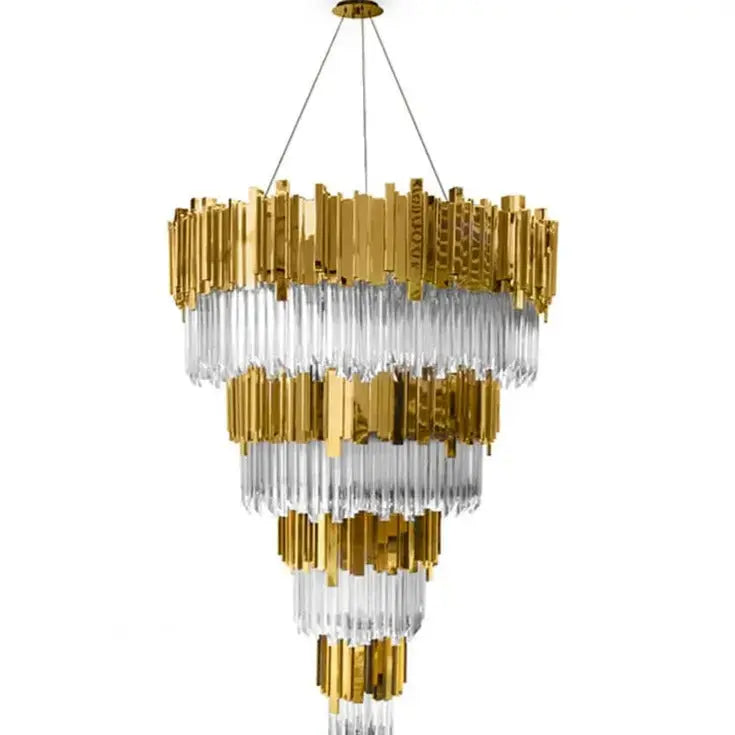
Chandeliers get a lot of their charm from the dangly bits – the prisms and pendants that catch the light. Replacing these can totally revive a tired fixture. Think about the shapes you want. Teardrop prisms are super classic and elegant, often hanging from the bottom of a fixture. Octagons are smaller, multi-faceted pieces that look great strung together, adding a lot of shimmer. You can also find round balls or spheres, which add a bit of visual weight, or even fun shaped figurines if you want something a little more whimsical.
When you're picking out new prisms, check how the old ones attached. Most hang from a small hole or loop, but some might have a different system. Getting the right attachment method will make swapping them out way easier. It’s amazing how just a few new, sparkly pieces can make your whole chandelier look brand new again.
Sourcing Genuine Swarovski or Pressed Glass
Deciding between high-end Swarovski and more affordable pressed glass really comes down to your budget and what you want the end result to be. Pressed glass is perfectly fine for many chandeliers, especially if you're going for a more traditional or understated look. It still refracts light and adds a nice sparkle. However, if you want that intense, rainbow-like sparkle and a truly luxurious feel, investing in Swarovski crystals is the way to go. They are made with such precision that the light play is just on another level. When you're shopping, look for reputable dealers who clearly label their products. Sometimes, you might find crystals described as 'crystal' that are actually just acrylic, which won't have the same weight or light-reflecting qualities. Always check the material description to make sure you're getting what you expect, whether it's the budget-friendly charm of pressed glass or the dazzling brilliance of genuine Swarovski.
Keep Your Chandelier Shining Bright
So, that's the scoop on finding replacement parts for your chandelier. It’s really not as complicated as it might seem at first. Whether you're just trying to fix a small broken bit or give your whole fixture a bit of a facelift, the right parts can make a world of difference. Don't just toss that old light; with a little searching and the correct components, you can easily bring it back to life and keep it looking great for years to come. Happy hunting for those perfect pieces!
Frequently Asked Questions
What parts of my chandelier can I actually replace?
You can replace quite a few things on your chandelier to make it look new or fix it up. This includes sparkly crystal pieces, covers that go around the light bulb sockets (sometimes they look like dripping wax!), the electric cord, chains, and even lampshades. If a part is worn out, broken, or you just want a different look, there's likely a replacement part available for it!
How do I make sure a new part will fit my chandelier?
It's super important to measure the part you need to replace on your current chandelier. For example, when you're buying socket covers, check if they fit standard light bulbs and measure your existing socket. If you need chains or rods to adjust the height, measure how long they should be. Always look at the measurements provided for the new part to be sure it's a good match.
Are chandelier crystals difficult to put on?
Usually, they're not! Many crystal pieces are made to be attached easily. They often have small loops or clips that you can hook onto the chandelier. Some people even use them for crafts like jewelry because they're so pretty and simple to use.
Can I change my chandelier's appearance with just a few new parts?
Definitely! Just swapping out old or plain lampshades for new ones can make a big difference. Adding shiny crystal pieces or decorative socket covers can also give your chandelier a whole new feel without having to buy a completely new light fixture. It's a smart way to update your home's style.
What if my chandelier hangs too high or too low?
That's not a problem! You can use chandelier chains or extension rods to adjust the height. Chains come in different styles and can be used to lower a chandelier, while extension rods can help you raise it to the perfect spot. This way, your chandelier will always be at the right level in your room.
Where can I find parts for older or unusual chandeliers?
Finding parts for older or special chandeliers can be easier than you might think. Many companies focus on offering a wide range of parts, including copies of antique pieces. They often have large collections of crystals, arms, sockets, and chains, so you can likely find exactly what you need to keep your unique fixture looking its best.