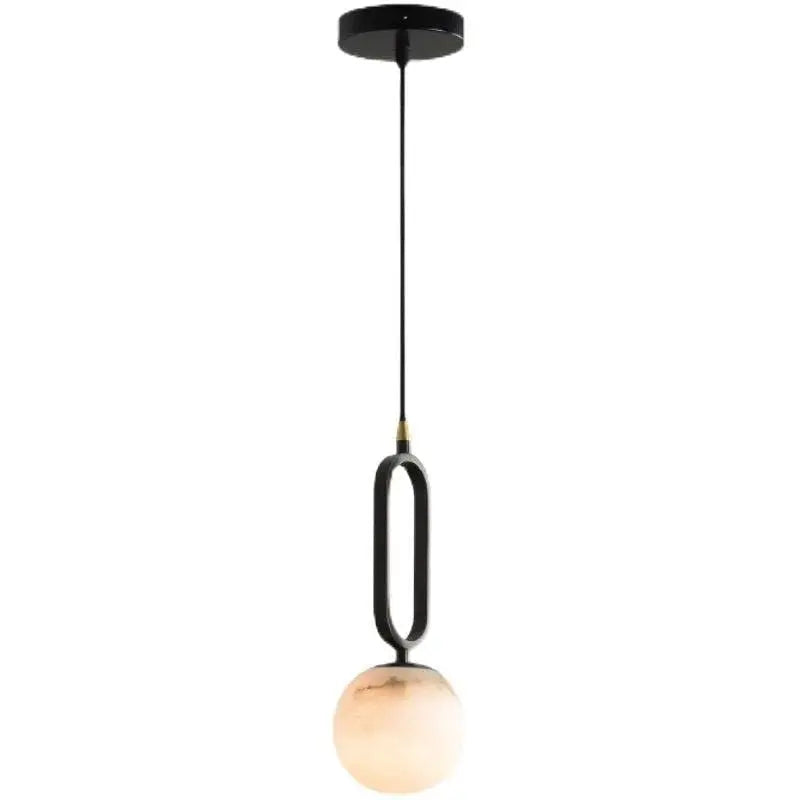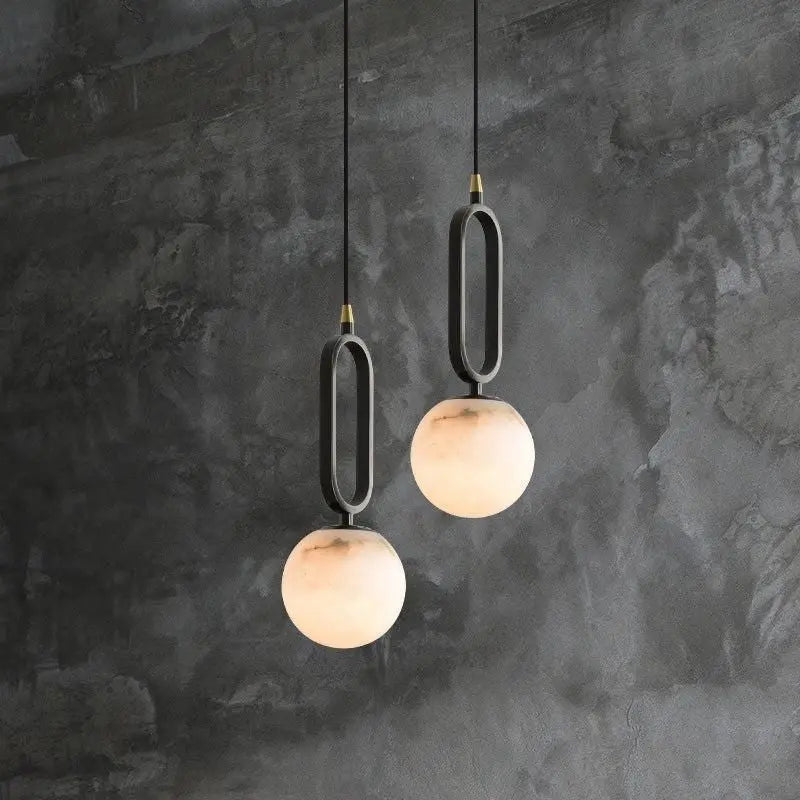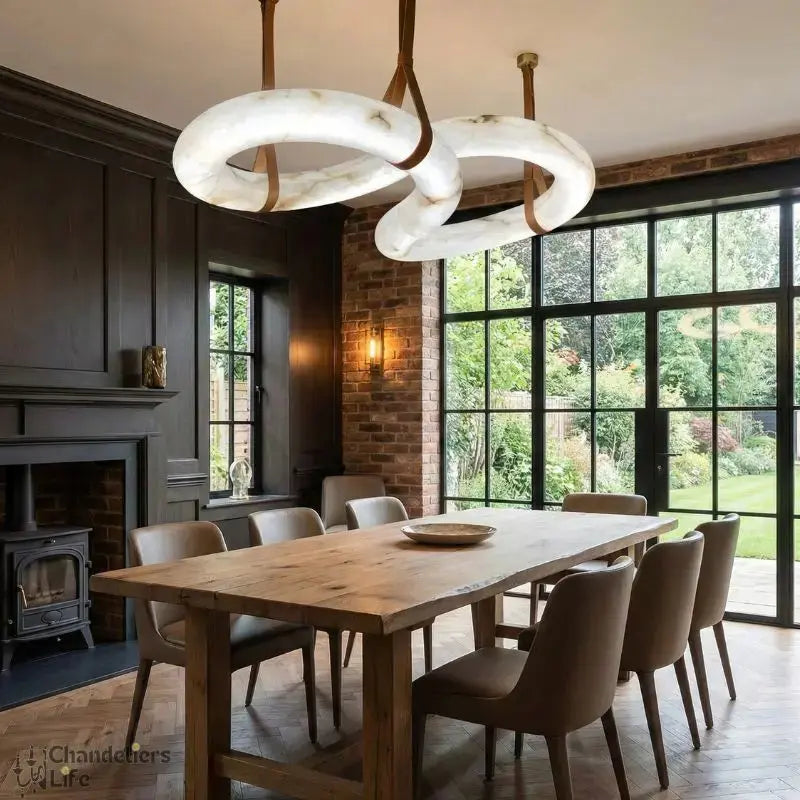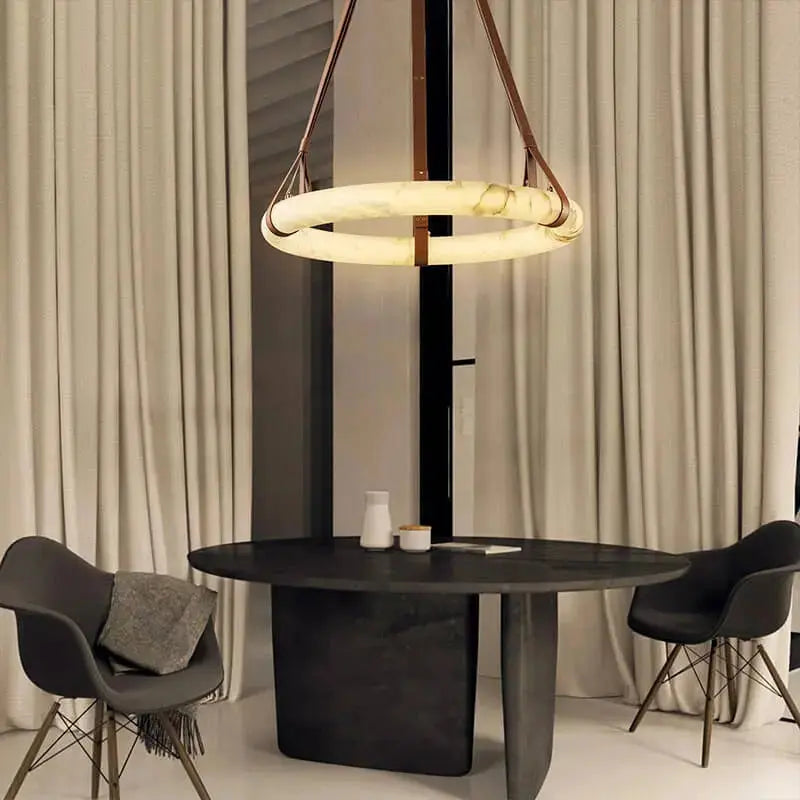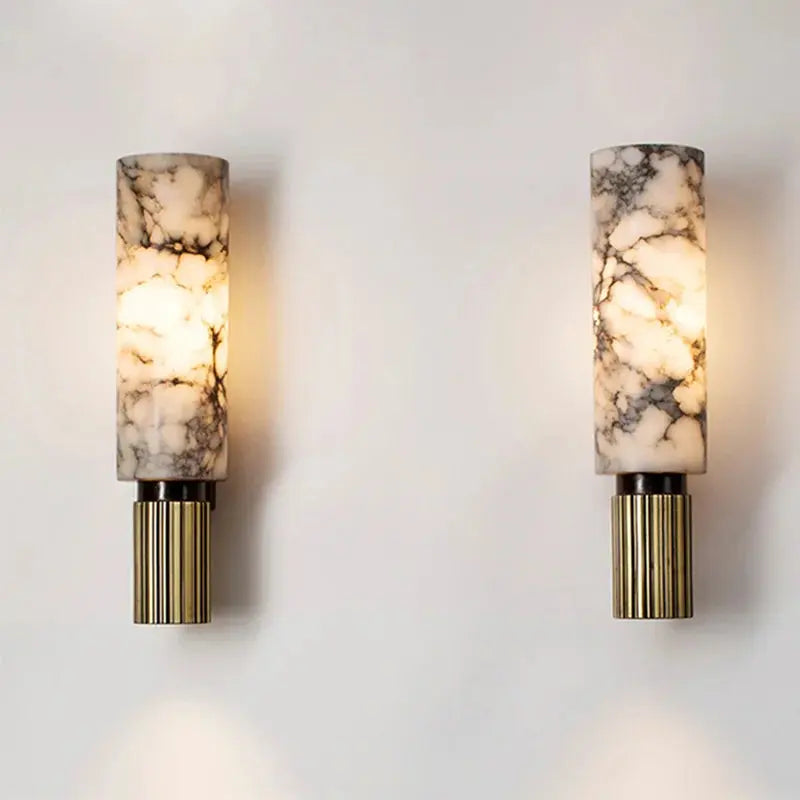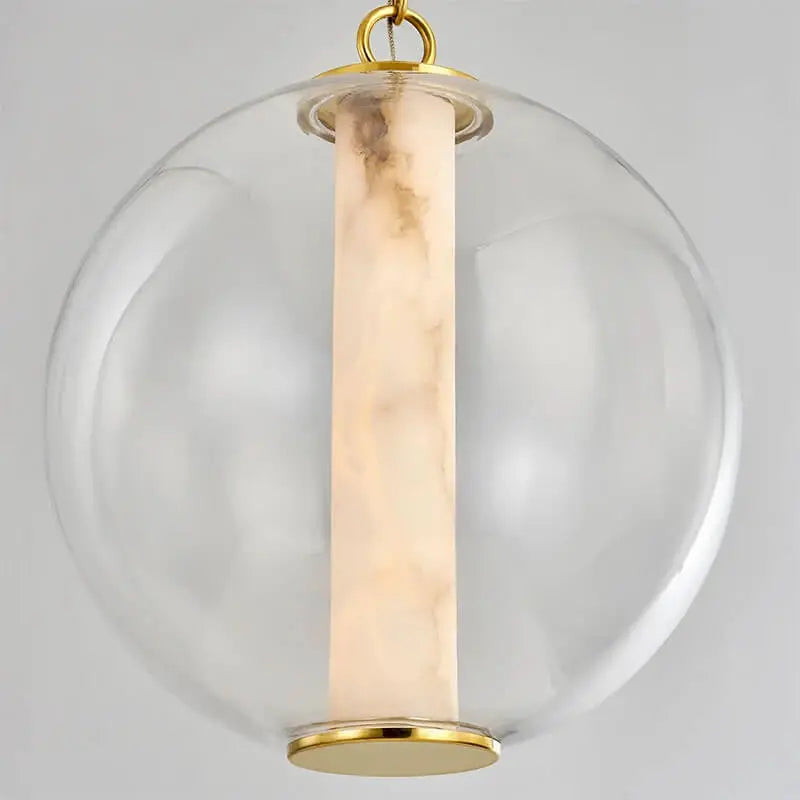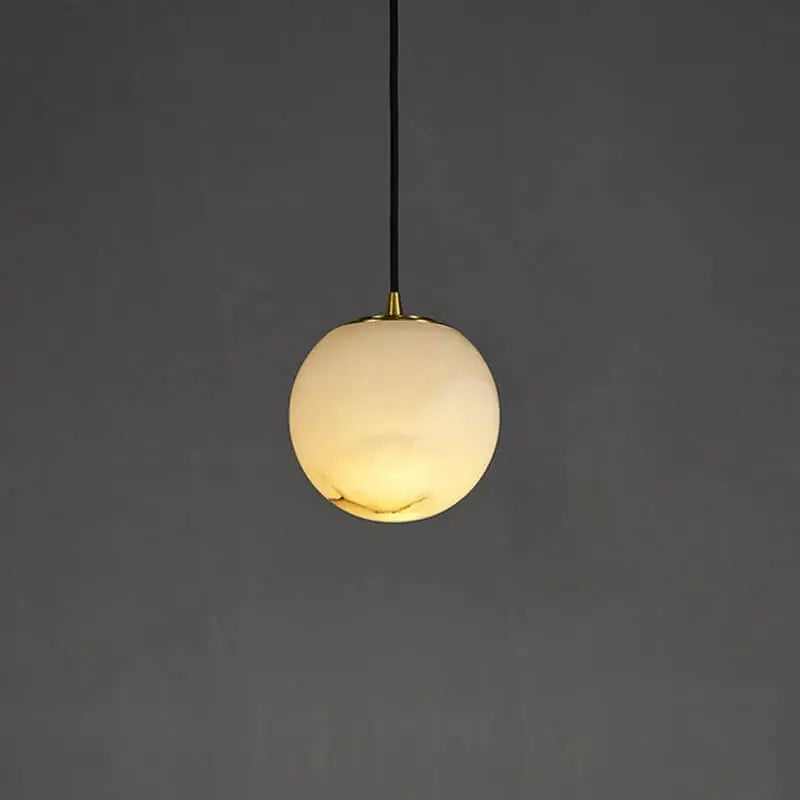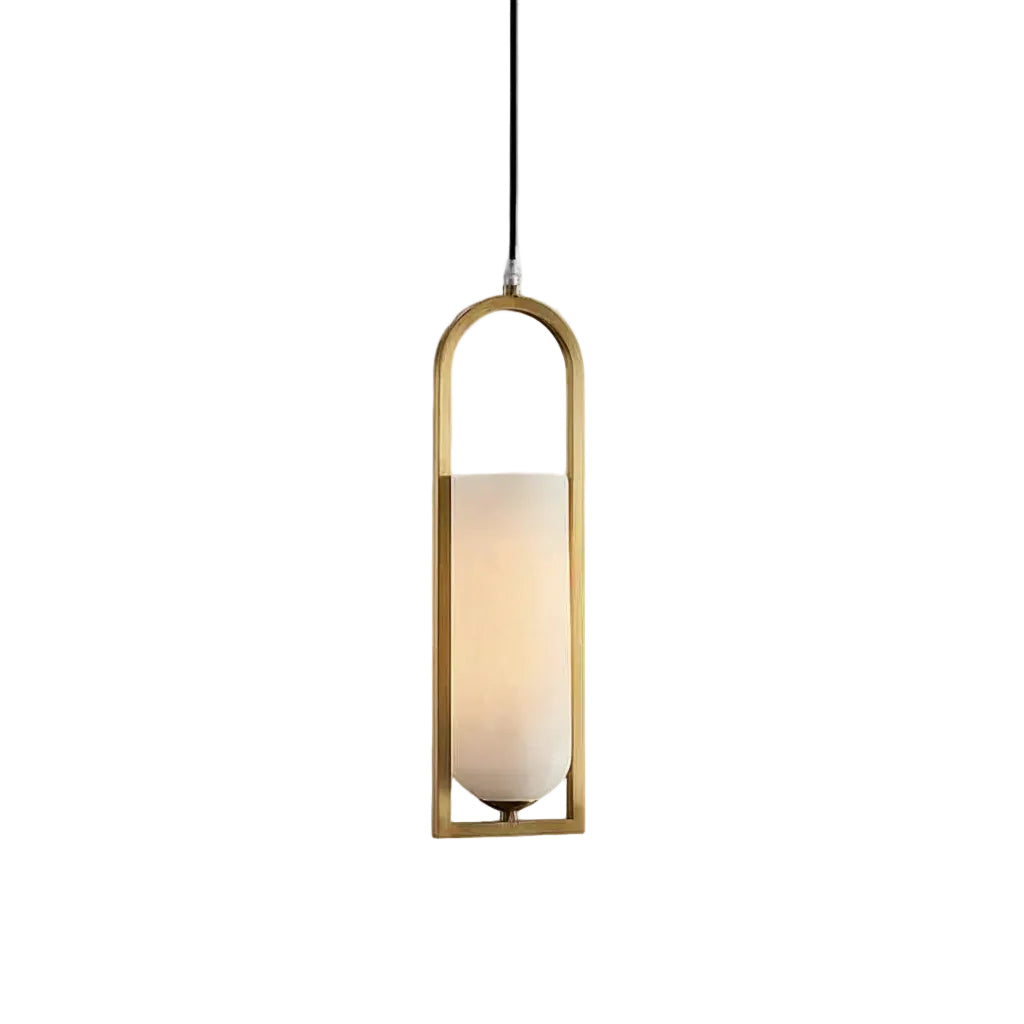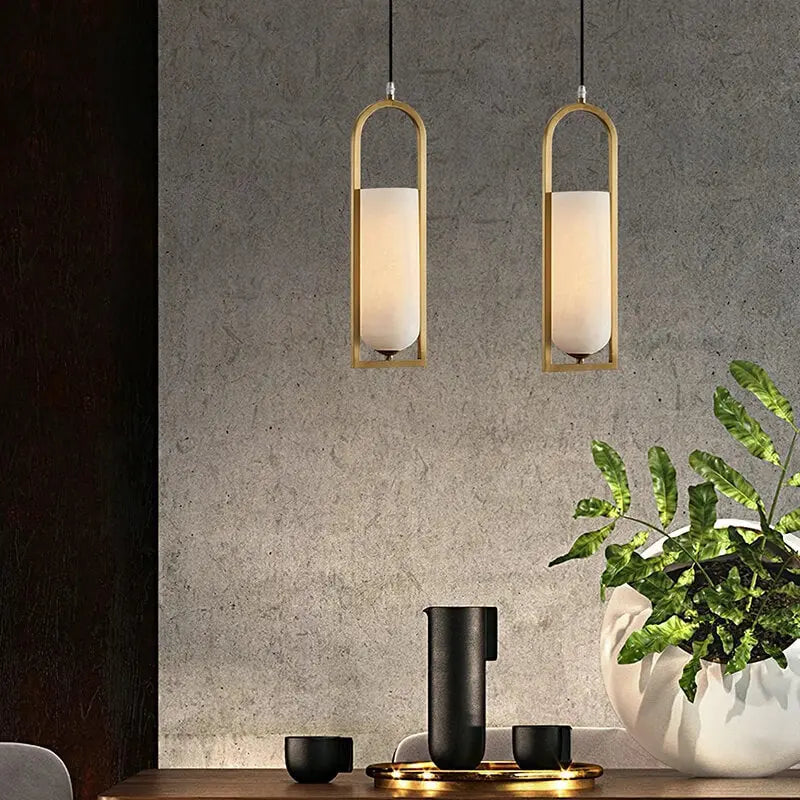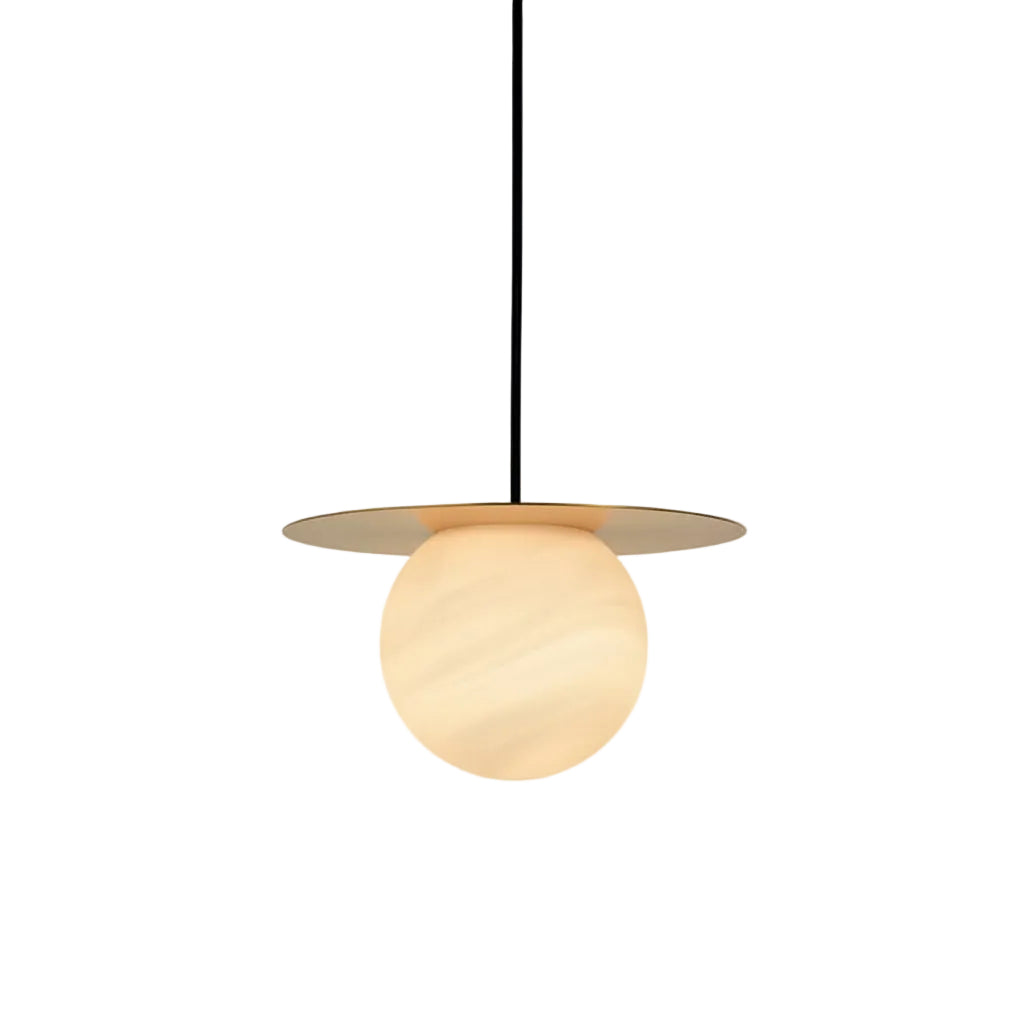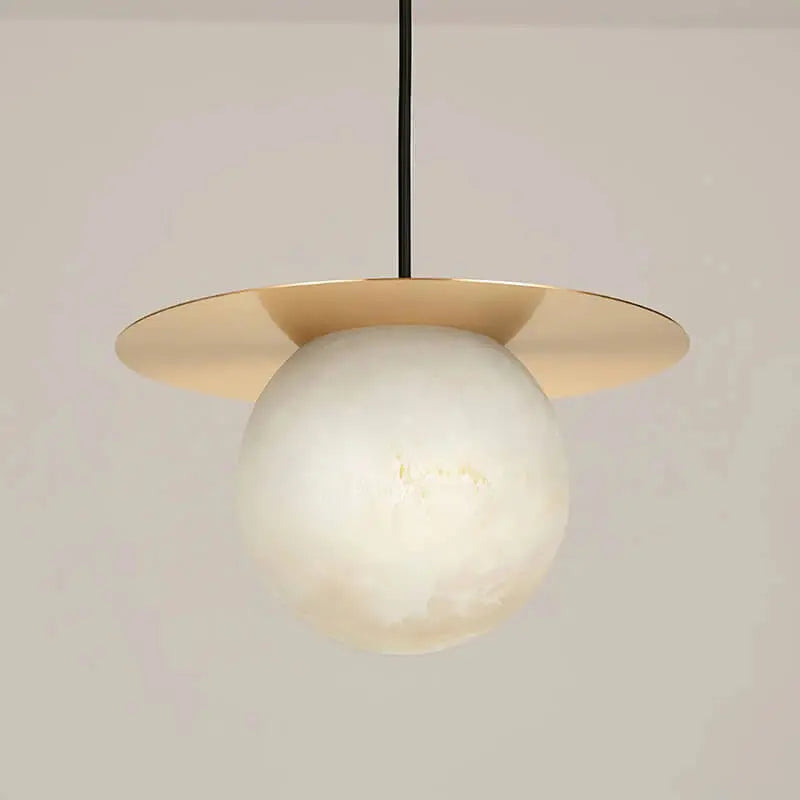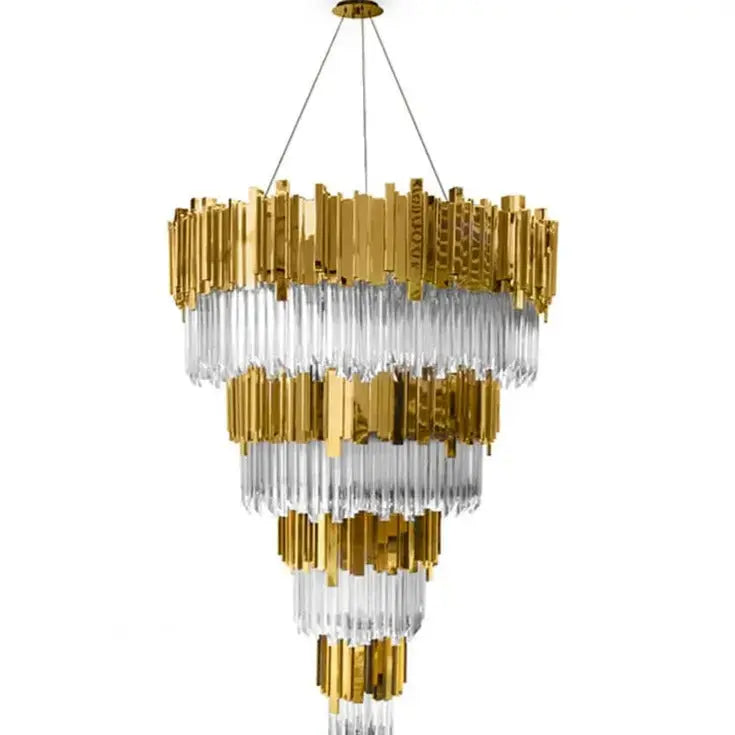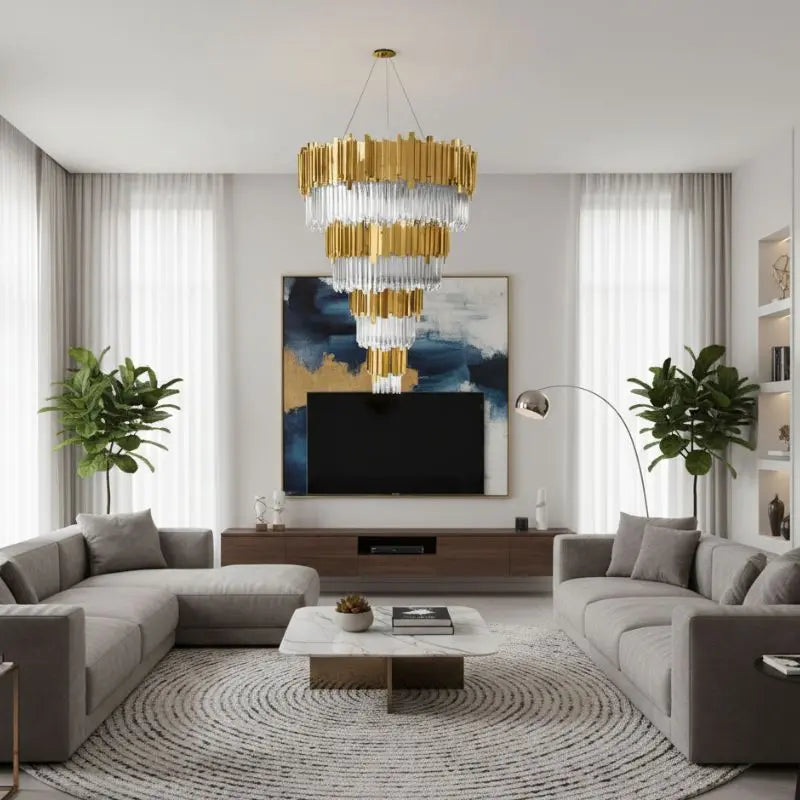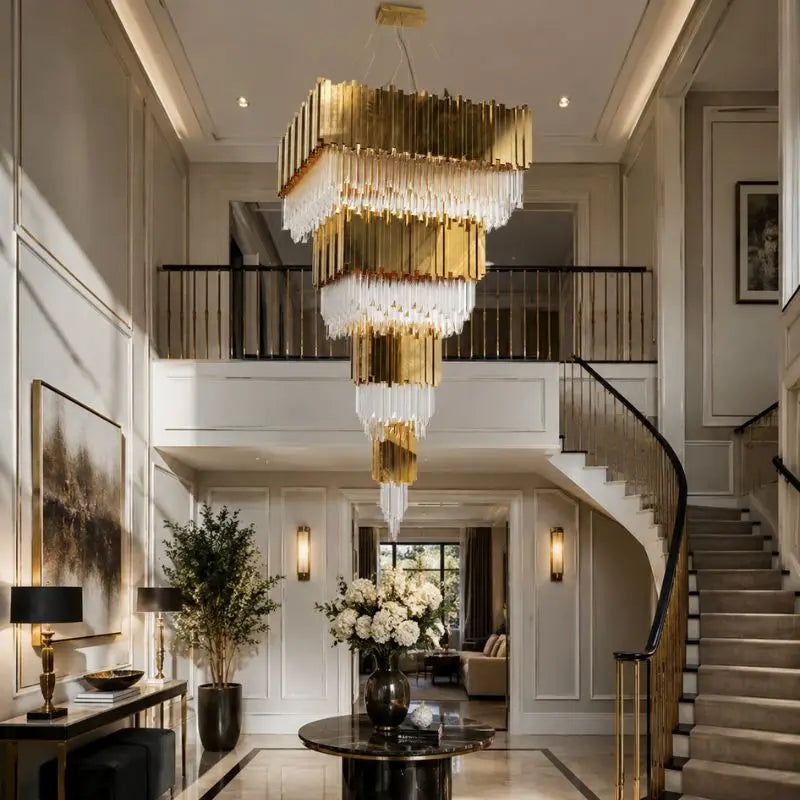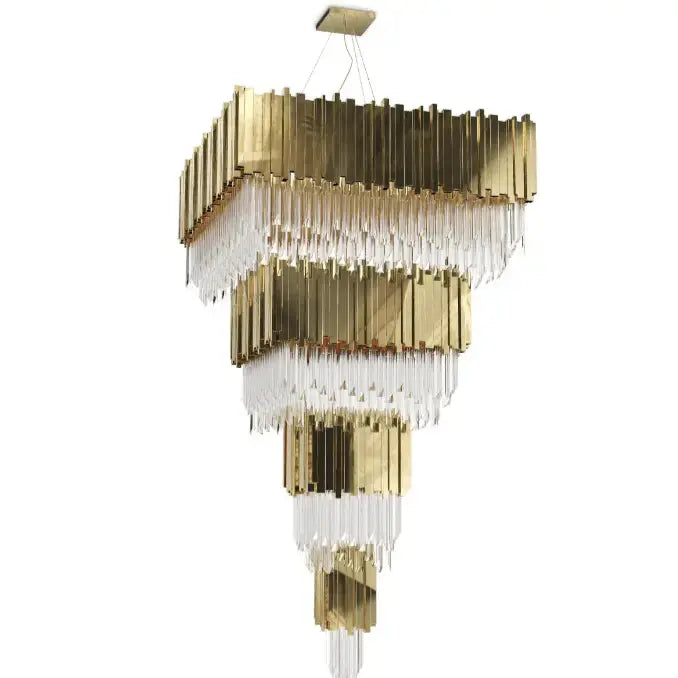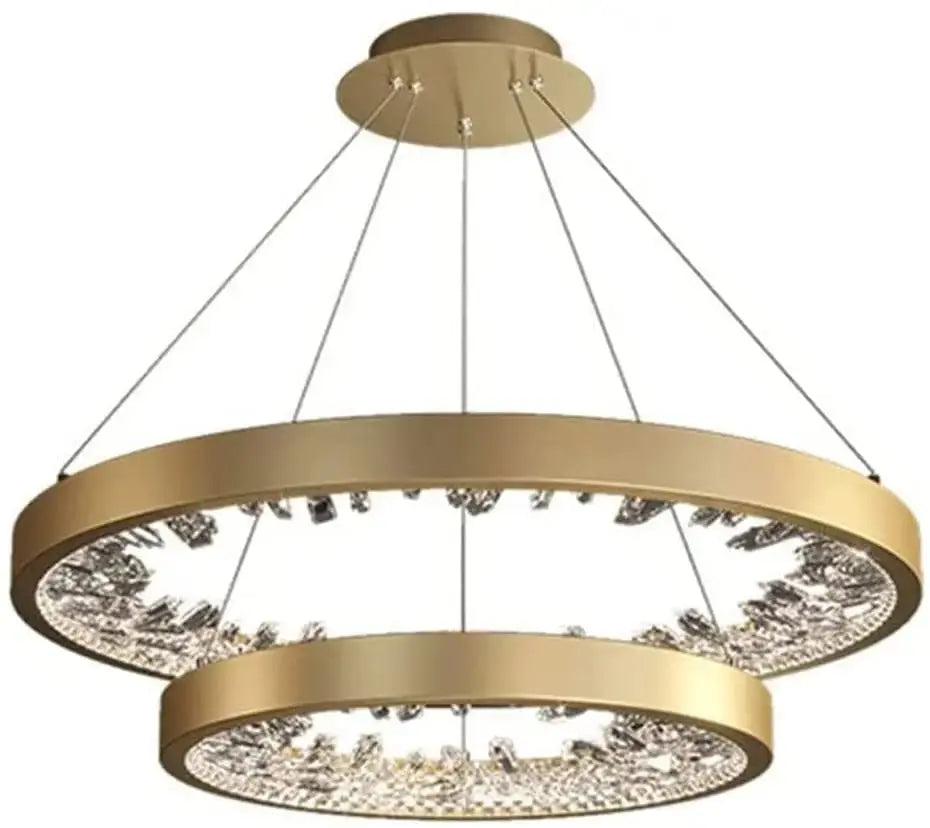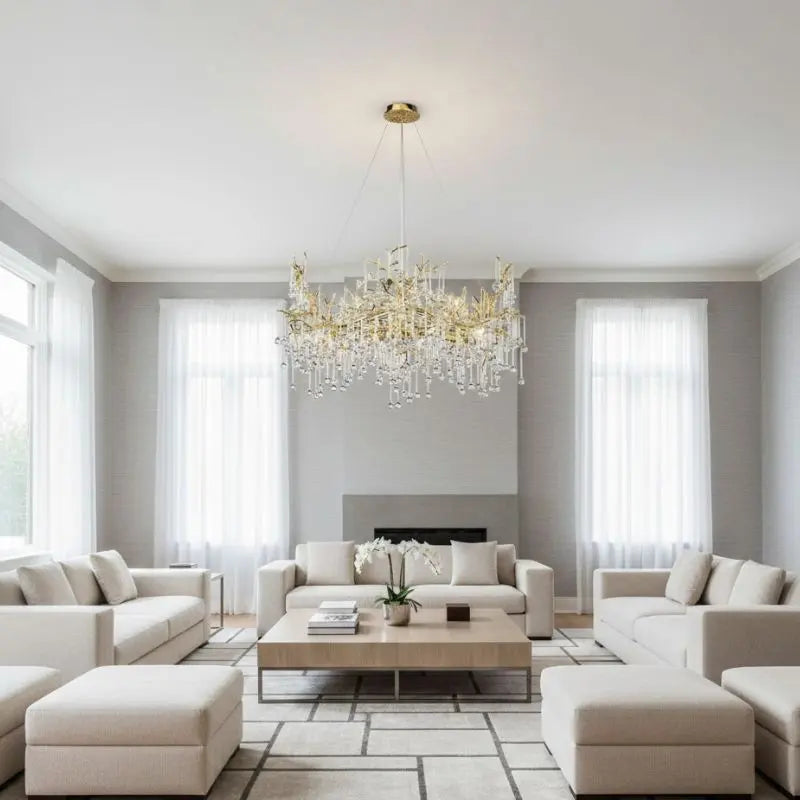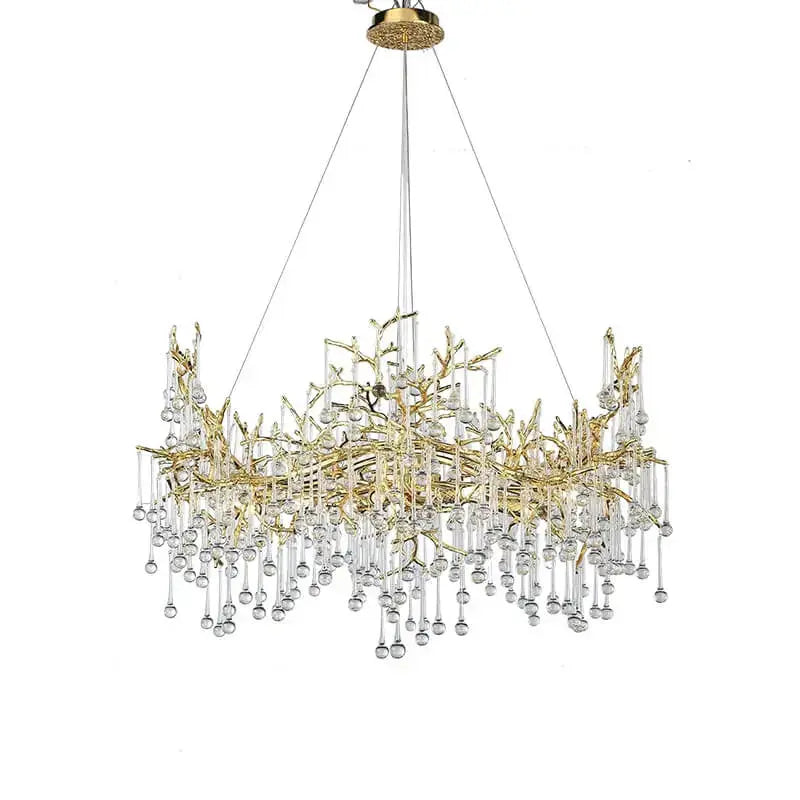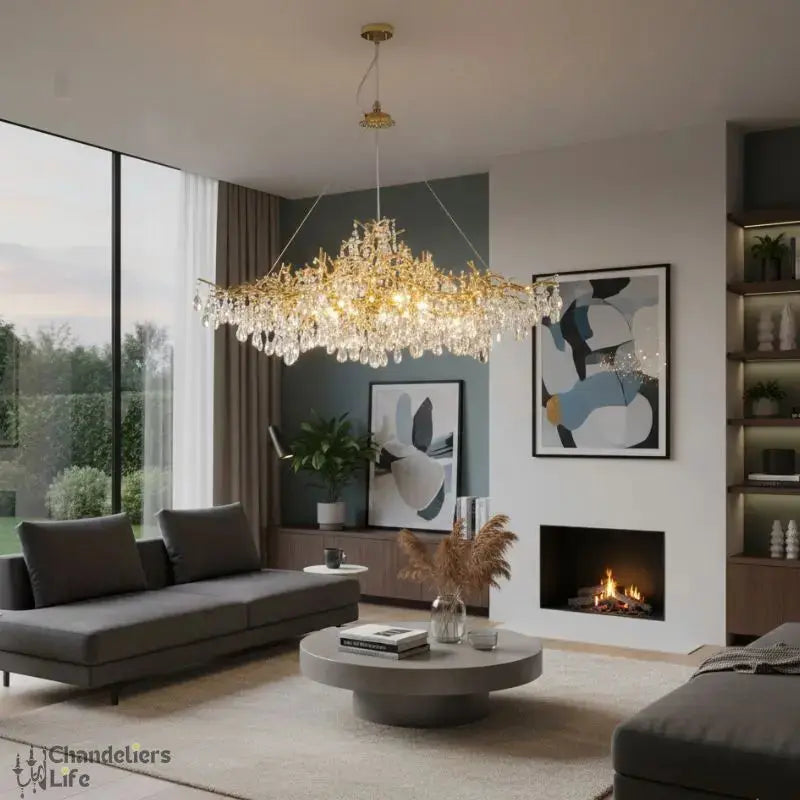

Picking out the right hanging pendant lights can really change how a room feels. It's not just about having light; it's about setting a mood, making sure things are practical, and adding a design element that makes your space look good. Whether you're trying to make your dining room cozier for dinner or just need better light over your kitchen counter, the right pendant light makes a difference. This guide will help you figure out what to look for when choosing hanging pendant lights for your home.
Key Takeaways
- Hanging pendant lights do more than just light up a room; they set the mood, make spaces more functional, and act as a central design piece.
- When picking a pendant, think about the room's size and what you'll use the space for. This helps decide on the right size and scale for the light fixture.
- Proper placement is key. Hang pendant lights at the right height above tables (usually 30-36 inches) and center them for a balanced look, adjusting for room layout.
- The materials and finishes of your pendant lights should match your room's style, and choosing the right bulb color and brightness affects the overall atmosphere.
- Consider different styles like single, multi-light, or cluster pendants to suit your needs, and invest in quality for longevity and easier maintenance.
Understanding The Role Of Hanging Pendant Lights
Hanging pendant lights are more than just a way to light up a room; they're like the jewelry for your home's ceiling. They can totally change how a space feels and works. Think of them as versatile tools that can set a mood, make a room more useful, and even draw the eye to a specific spot. They're not just about brightness; they're about shaping the whole atmosphere.
Setting The Mood And Ambiance
Pendant lights are fantastic for creating a vibe. The type of light they give off, how it spreads, and the fixture itself all play a part. A pendant with a frosted shade will cast a soft, diffused glow, making a dining room feel cozy and intimate – perfect for a relaxed dinner. On the other hand, a pendant with an open design might shine light more directly, which is great if you need to see your food clearly or read something at the table. The right pendant can transform a functional space into a place that feels just right for whatever you're doing.
You can think of pendant lighting like a dimmer switch for your room's personality. It's not just about having light; it's about having the right light for the moment. This flexibility is key to making your home feel comfortable and inviting.
Enhancing Functionality And Comfort
Beyond just looking good, pendants are super practical. They're often used to focus light exactly where it's needed. For instance, over a kitchen island, a pendant provides bright, clear light for food prep. Over a dining table, it illuminates your meal and conversation. If you choose a fixture with a dimmer, you get even more control. You can brighten it up for tasks or dim it down for a more relaxed feel. This adaptability means your pendant can work hard for you throughout the day and night.
Here's a quick look at how different types of light can affect comfort:
- Task Lighting: Bright, focused light for activities like cooking or reading. Usually has a more direct beam.
- Ambient Lighting: Softer, more spread-out light that creates a general glow. Good for relaxing.
- Accent Lighting: Used to highlight specific features, though less common for pendants in main living areas.
Creating A Focal Point For Your Space
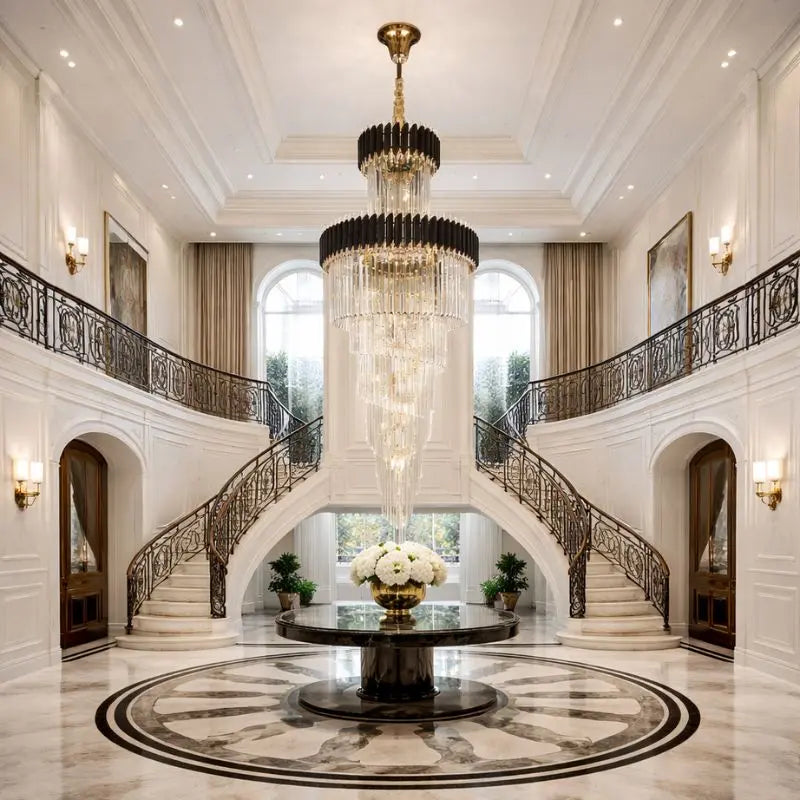
Pendant lights are natural attention-grabbers. Their placement and design can guide the eye and anchor a room. A single, striking pendant hung over a coffee table can make that seating area feel more defined. In an entryway, a dramatic pendant can make a grand first impression, setting the tone for the entire home. They help organize the visual elements of a room, making it feel more put-together and intentional. It’s like giving your room a signature piece that pulls everything together.
Assessing Your Space For The Perfect Pendant Light
Before you even start browsing those gorgeous pendant lights, let's get real about your actual room. Picking out a light isn't just about what looks good in a catalog; it's about making sure it fits your life and your home without causing any awkwardness. Thinking this through now means fewer headaches later.
Room and Purpose
First off, what room is this light going in, and what do you actually do in there? For a dining room, the light needs to be bright enough for meals but also able to dim down for a cozy evening. If it's over a kitchen island, you'll want good task lighting for prepping food. The purpose really dictates the kind of light you need and how it should function. A light that's great for setting a romantic mood might be a total flop if you need to read a recipe under it.
Size and Scale
This is where things get a bit technical, but it's super important. You need to know the size of your room, and more importantly, the size of your dining table or the area you want to light. A light that's way too big can make a small room feel even smaller, and a tiny pendant over a huge table can look a bit lost. It's all about balance.
Here’s a rough guide for dining tables:
| Table Size (Approx.) | Ideal Fixture Span |
|---|---|
| 48" x 36" | Around 36 inches |
| 72" x 40" | Around 60 inches |
| 96" x 48" | Around 84 inches |
Remember, this is for a single pendant or the total width of multiple fixtures. For other areas, like a living room, think about the furniture arrangement and the overall footprint you want the light to cover.
Visual Weight and Room Proportions
Beyond just the physical size, think about the 'visual weight' of the pendant. A chunky, dark fixture will feel heavier and take up more visual space than a delicate, airy one, even if they're the same dimensions. Consider your ceiling height, too. Low ceilings need more streamlined fixtures so people don't feel like they'll bump their heads. High ceilings give you more freedom to go bold with larger or more dramatic designs. You want the light to feel like a natural part of the room, not something that's just been plopped on top.
Always check the minimum and maximum hanging height recommendations for any fixture. You need enough clearance so people can walk around without ducking, especially if the light isn't perfectly centered over a table or seating area. A good rule of thumb for dining tables is about 30-36 inches between the tabletop and the bottom of the light.
Optimal Placement For Hanging Pendant Lights
Getting the placement of your hanging pendant lights just right is a big deal. It's not just about making things look pretty, though that's definitely part of it. It's also about how the light actually works in your room and how comfortable people feel. If you mess this up, your whole dining area can feel a bit off, either too cramped or too sparse. Let's break down how to get it right.
Optimal Hanging Height Above The Table
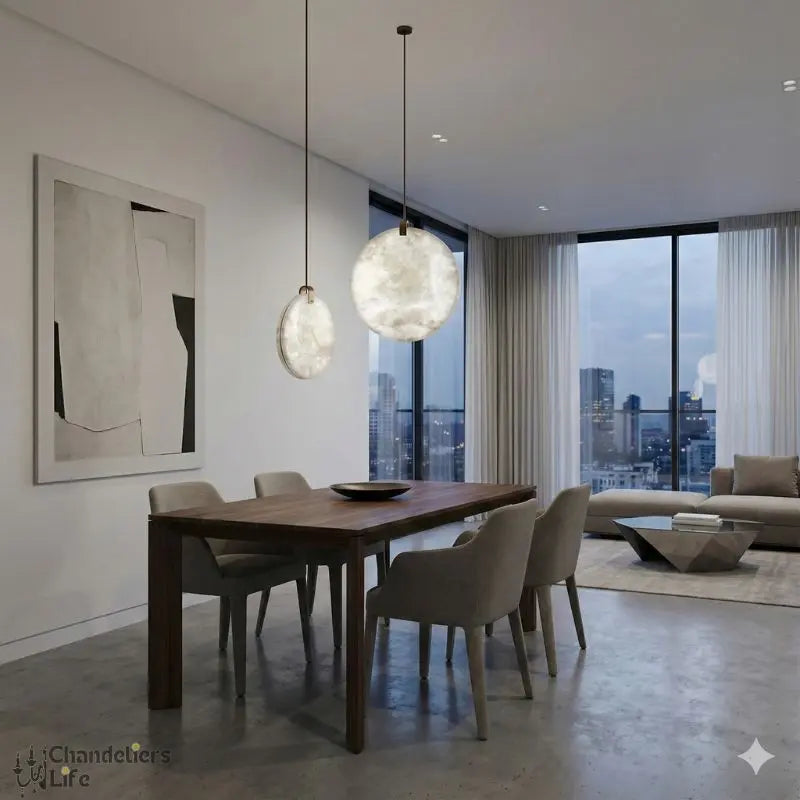
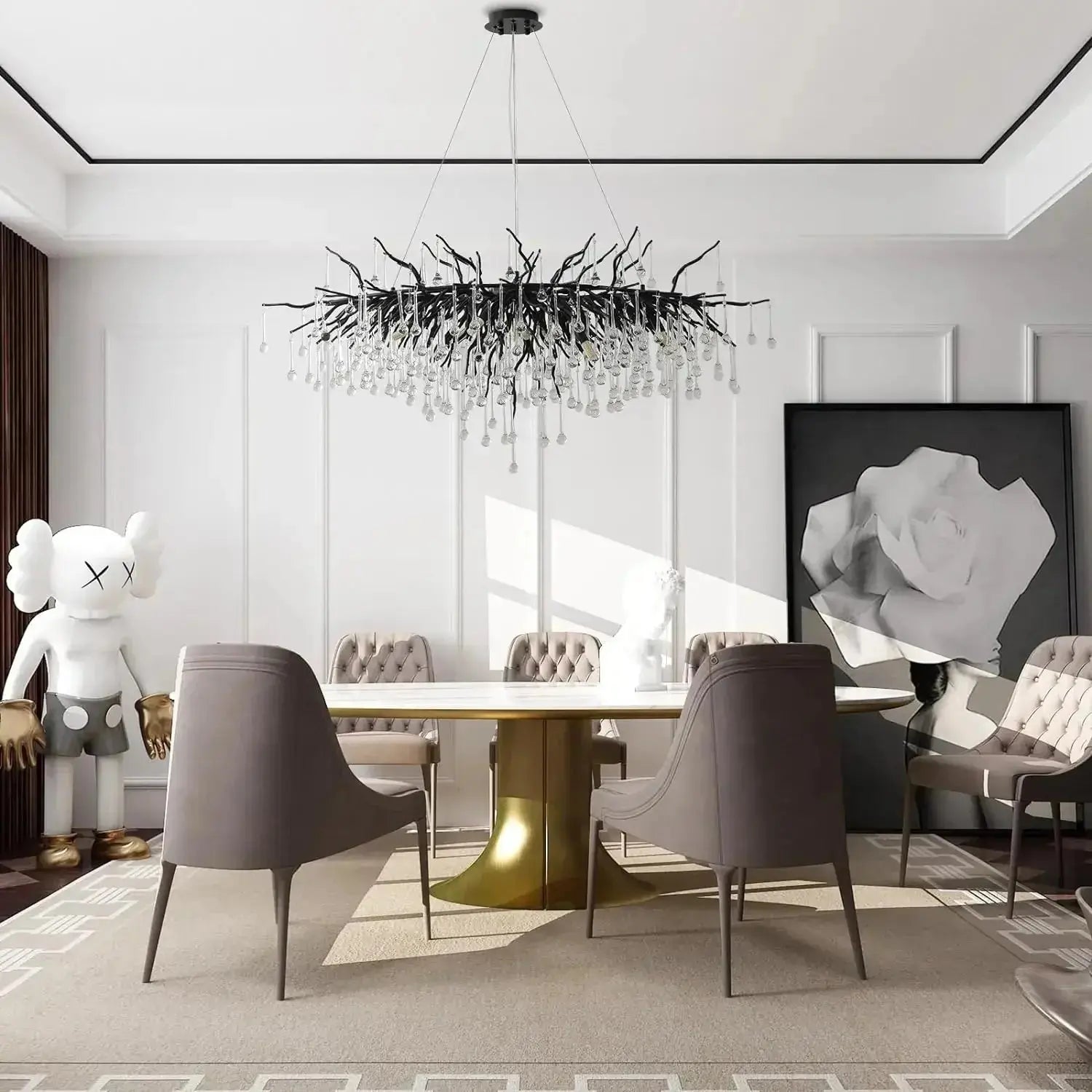
This is another area where getting it right makes a big difference. You want the light to shine down on your food and table, not into your guests' eyes. Generally, the bottom of the pendant should hang about 30 to 36 inches above the tabletop. This height usually gives enough clearance for people to stand up without bumping their heads, while still providing focused light. If you have really high ceilings, you might need a longer chain or rod to bring the light down to that optimal zone. Conversely, with lower ceilings, you might want to err on the higher side of that range to avoid making the room feel smaller. Remember, these are starting points. Always consider the visual weight of the fixture and the overall room proportions.
Centering The Fixture Over Your Table
Most of the time, centering the pendant directly over the dining table makes the most sense. It creates a natural focal point and anchors the dining area, especially in open-plan homes. However, if your table isn't perfectly centered in the room, or if you have an architectural feature you want to highlight elsewhere, you might adjust the placement. Sometimes, the junction box for the wiring isn't exactly where you want the light. Don't let that stop you! You can often use a ceiling canopy or a pendant swivel to reposition the fixture slightly without needing to rewire the whole thing. It's all about making the light work for your specific layout and dining room design.
Considering Room Layout And Junction Box Issues
When thinking about where to hang your pendant, consider the table's size and shape. A long, rectangular table might look great with a linear fixture or a series of pendants spaced out evenly. A round table, on the other hand, often suits a single, central pendant. You want the light to spread evenly and cover the entire surface of your table without leaving dark spots. It should feel like a natural extension of the table, not an afterthought.
Here's a quick guide for table and fixture relationships:
- Rectangular Tables: Consider linear pendants or a series of smaller, evenly spaced pendants.
- Round Tables: A single, round pendant often creates a harmonious look.
- Oval Tables: These can work with either round or linear fixtures, depending on the overall room style.
Don't let a junction box that's not perfectly placed ruin your plans. You can often use accessories like ceiling canopies or pendant swivels to shift the fixture a bit. This way, you can get the light exactly where you want it without major electrical work. It’s all about making the light work for your specific layout and making sure everyone feels comfortable walking beneath the fixture.
Material And Finish Considerations For Pendants
The stuff your pendant light is made of and how it's finished really matters. It's not just about looking good, though that's a big part of it. The materials and finishes you pick will affect how the light looks, how it holds up over time, and even how much work it is to keep clean. Think about the overall style of your room and what kind of vibe you're going for. Do you want something sleek and modern, or warm and cozy? The answers to these questions will guide you toward the right choices.
Selecting The Right Size For Visual Balance
When you're picking out a pendant, the size needs to make sense with the rest of your room. A huge fixture in a tiny space can feel overwhelming, and a small one in a big room can get lost. It's all about creating a sense of balance. You want the pendant to be noticeable but not take over everything. Consider the height of your ceilings and the general proportions of the furniture. A good rule of thumb is to think about how much visual 'weight' the pendant has. Clear glass and open designs tend to feel lighter, while solid metal or dark wood can feel heavier and more substantial. This helps ensure the fixture fits in without throwing off the room's harmony.
Finding The Perfect Hanging Height
Getting the height right is super important for both looks and function. If a pendant is too low, you might bump your head, especially over a table or island. If it's too high, it might not provide enough focused light where you need it, or it could just look a bit odd. For dining tables and kitchen islands, a common guideline is to hang the bottom of the fixture about 30 to 36 inches above the surface. This usually works well for providing light without getting in the way. Of course, this can change based on the size of the fixture and your ceiling height. It's always a good idea to measure and maybe even use a piece of tape to mark the spot before you commit to drilling holes.
Matching Pendant Lights With Your Dining Room Style
Your pendant light should feel like it belongs in your dining room. If you have a modern space with clean lines and minimalist furniture, a sleek metal pendant with a simple shade might be perfect. For a more traditional or rustic setting, you might lean towards something with wood accents, wrought iron, or a warmer metal finish like oil-rubbed bronze. Don't forget to look at the other metal elements in your room, like cabinet hardware or furniture legs. Trying to coordinate these finishes can help tie the whole look together. For example, if your kitchen cabinets have brushed nickel handles, a pendant with a similar brushed nickel finish can create a nice flow. It’s about making sure all the pieces work together to create a cohesive look.
Here's a quick look at some common material and finish pairings:
| Material | Common Finishes | Best For |
|---|---|---|
| Metal | Brushed Nickel, Chrome, Matte Black, Brass, Bronze | Modern, Industrial, Traditional, Transitional |
| Glass | Clear, Frosted, Seeded, Colored, Crystal | Contemporary, Elegant, Soft Diffusion |
| Wood | Natural, Stained, Painted | Rustic, Scandinavian, Bohemian, Warm & Cozy |
| Ceramic/Stone | Matte, Glazed, Textured | Organic, Earthy, Unique Statement Pieces |
When choosing materials and finishes, think about how they'll interact with the light itself. Some materials diffuse light softly, creating a warm glow, while others might reflect or direct light more intensely. This can significantly impact the mood and functionality of the space.
Choosing The Right Bulb And Functionality
So, you've picked out a pendant that looks amazing. That's half the battle, right? But now, let's talk about making sure it actually lights up your dining room the way you want it to. It's not just about having a light on; it's about creating the right atmosphere for everything from weeknight dinners to holiday feasts. Getting the light right can really make or break the feel of your space.
Color Temperature and Brightness
When you're looking at pendant lights, you'll notice they give off light differently. Some have shades that spread the light out softly, making the whole room feel cozy. Others have open bulbs that shine light more directly. Think about what you do at your dining table. If you need to read menus or see your food clearly, you'll want a fixture that provides good, direct light. If you're more about setting a mood, a softer, diffused light might be better. The goal is to balance visibility with ambiance.
Here's a quick guide to color temperature:
- Warm White (2700K-3000K): Creates a cozy, inviting glow, perfect for dining and living areas. It's flattering and relaxing.
- Neutral White (3500K-4100K): Offers a balanced light that's good for general illumination and areas where you need to see things clearly, like a kitchen or a home office space.
- Cool White/Daylight (5000K+): Provides a bright, crisp light that mimics natural daylight. Best for task lighting or areas where high visibility is key, but can feel a bit stark for a dining room.
Dimmable Bulbs For Flexibility
Honestly, if you can, get a dimmable pendant. It’s a game-changer. You can have bright light for doing homework or prepping food, and then dim it way down for a romantic dinner or a relaxed evening. It gives you so much control over the mood. Many modern fixtures, like some LED pendant chandeliers, come with dimming features, often controlled by a remote. This flexibility means your pendant can adapt to whatever you're doing at the table, making it a truly functional piece of decor.
Your dining room probably isn't used for just one thing. You might have a formal dinner party one night and a casual game night the next. That's where layering light comes in handy. While your pendant is the star, consider if you need other light sources. Maybe some wall sconces for softer background light, or even a dimmer switch for your pendant. This way, you can adjust the lighting to fit the occasion. It’s like having a lighting wardrobe for your dining room.
Energy-Efficient LED Options
LED bulbs are pretty much the standard these days, and for good reason. They use way less energy than old incandescent bulbs, which means you save money on your electricity bill over time. Plus, they last a really long time, so you won't be constantly changing them out. You can find LEDs in all sorts of color temperatures and brightness levels, so you don't have to sacrifice style for savings. Many even come with built-in dimming capabilities, adding another layer of convenience.
Popular Hanging Pendant Light Styles
When you're picking out a hanging pendant light, the style you choose can really change the whole feel of your dining room. It's not just about how much light it gives off, but how it looks and fits with everything else. Let's break down some common types you'll see.
Single Pendants for Task Lighting
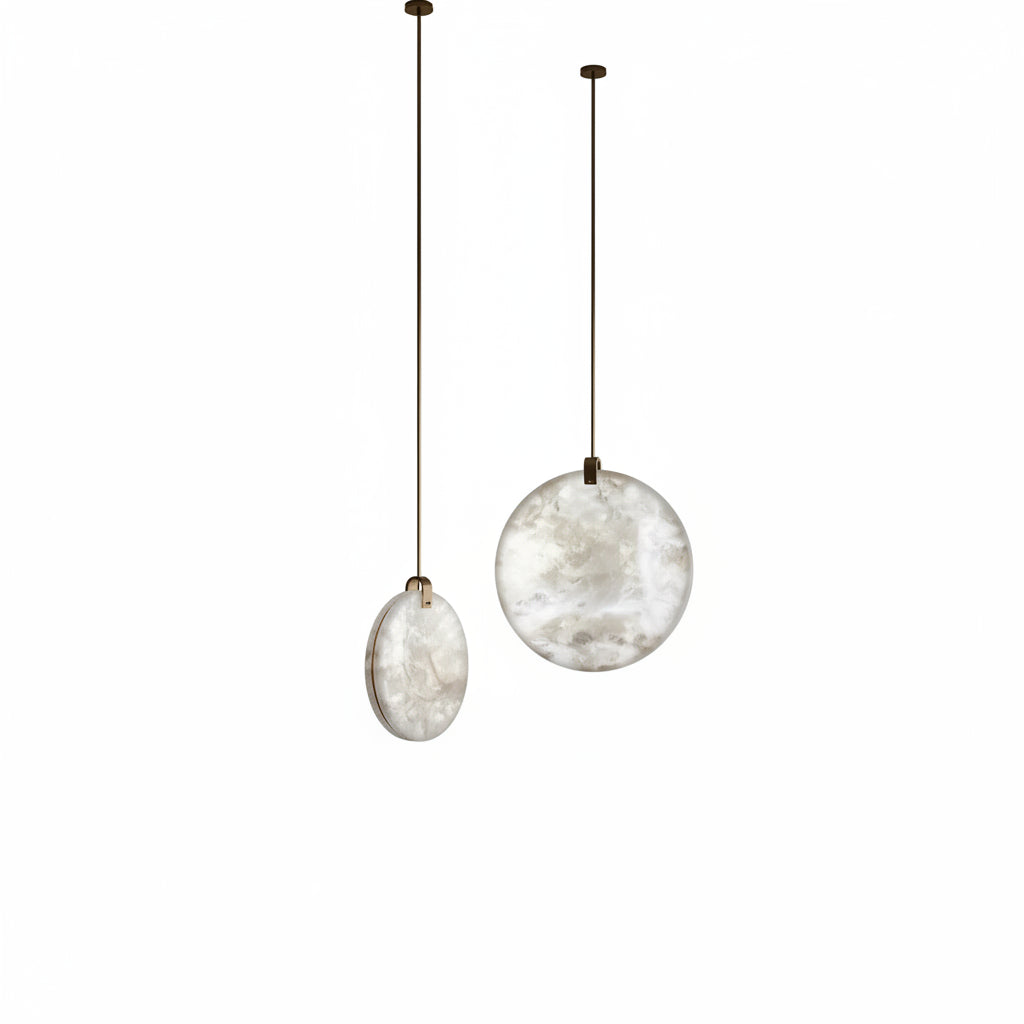
A single pendant is like the solo artist of your lighting setup. It's great for smaller dining tables or when you want a clean, uncluttered look. These can be super simple, like a basic dome, or they can be a real showstopper with a unique shape or material. Think of a single pendant as your chance to add a distinct personality to the space. For instance, a sleek, modern fixture with clean lines can really make a contemporary room pop, or a more decorative piece can add a touch of classic charm. They're also fantastic for focused lighting over a specific spot, like a reading nook or a kitchen sink.
Multi-Light and Linear Pendants
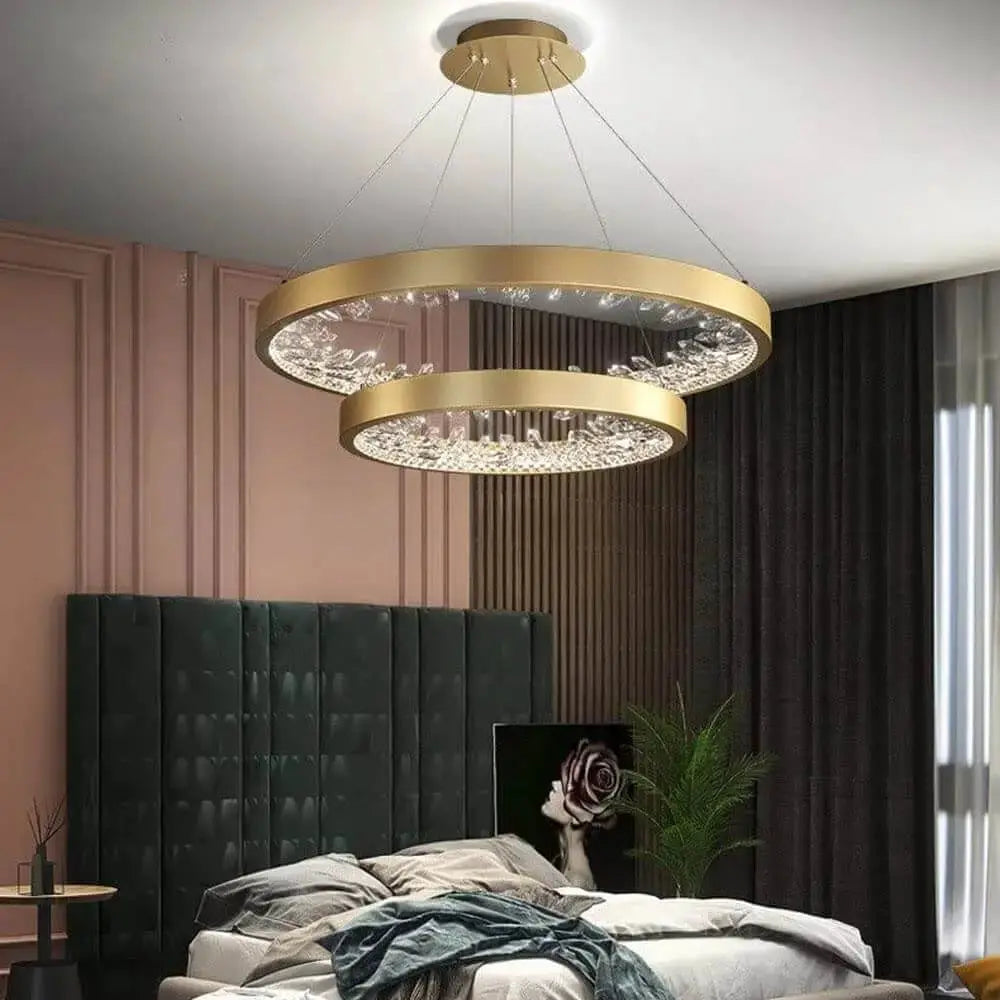
If you've got a longer dining table or a larger area to fill, multi-light and linear pendants are a solid choice. Linear pendants, which are long and rectangular, are made to stretch across tables, giving even light. Multi-light fixtures, on the other hand, have several lights grouped together in one unit. This setup is awesome for creating a bit of drama and making sure everyone at a big table gets enough light. It's a good way to get a lot of coverage without looking too busy.
- Linear Pendants: Ideal for rectangular tables, providing a balanced spread of light.
- Multi-Light Pendants: Offer a cluster of lights in one fixture, great for larger spaces or tables.
- Arrangement Options: You can line up identical fixtures for a formal look or stagger them for a more casual vibe.
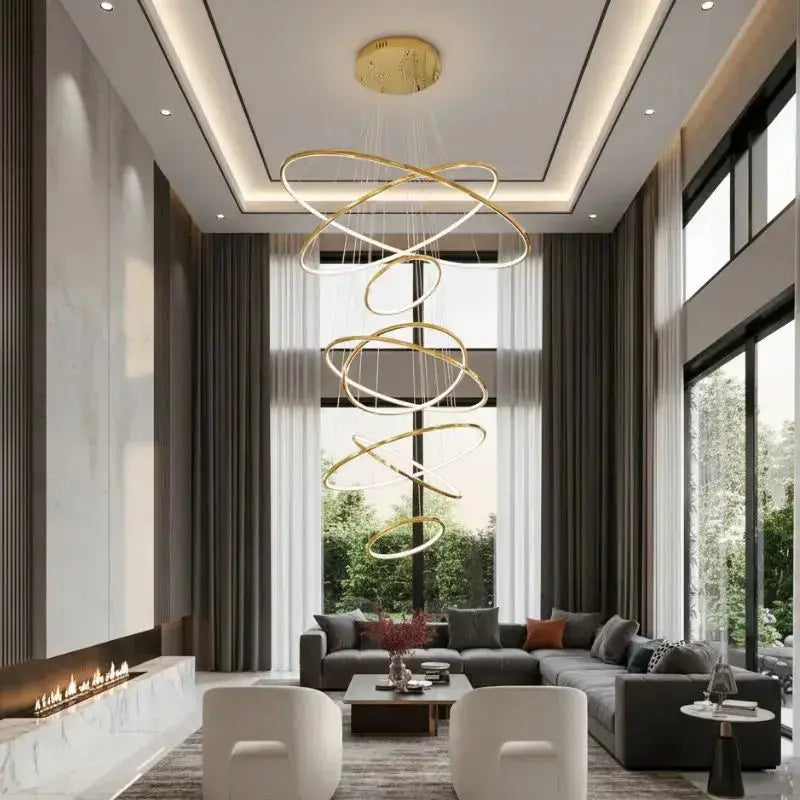
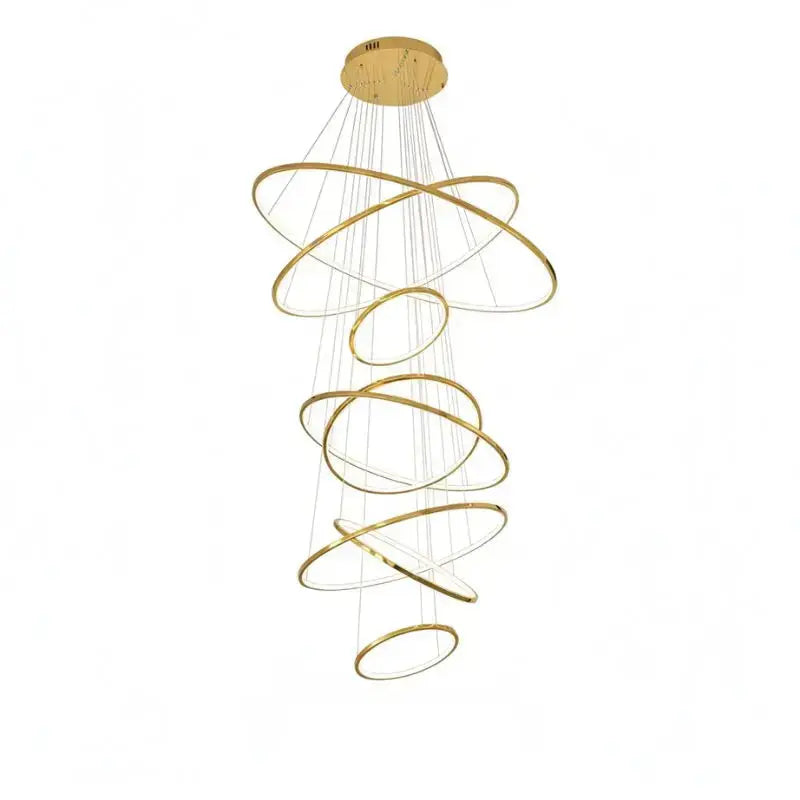
Cluster and Chandelier-Style Pendants
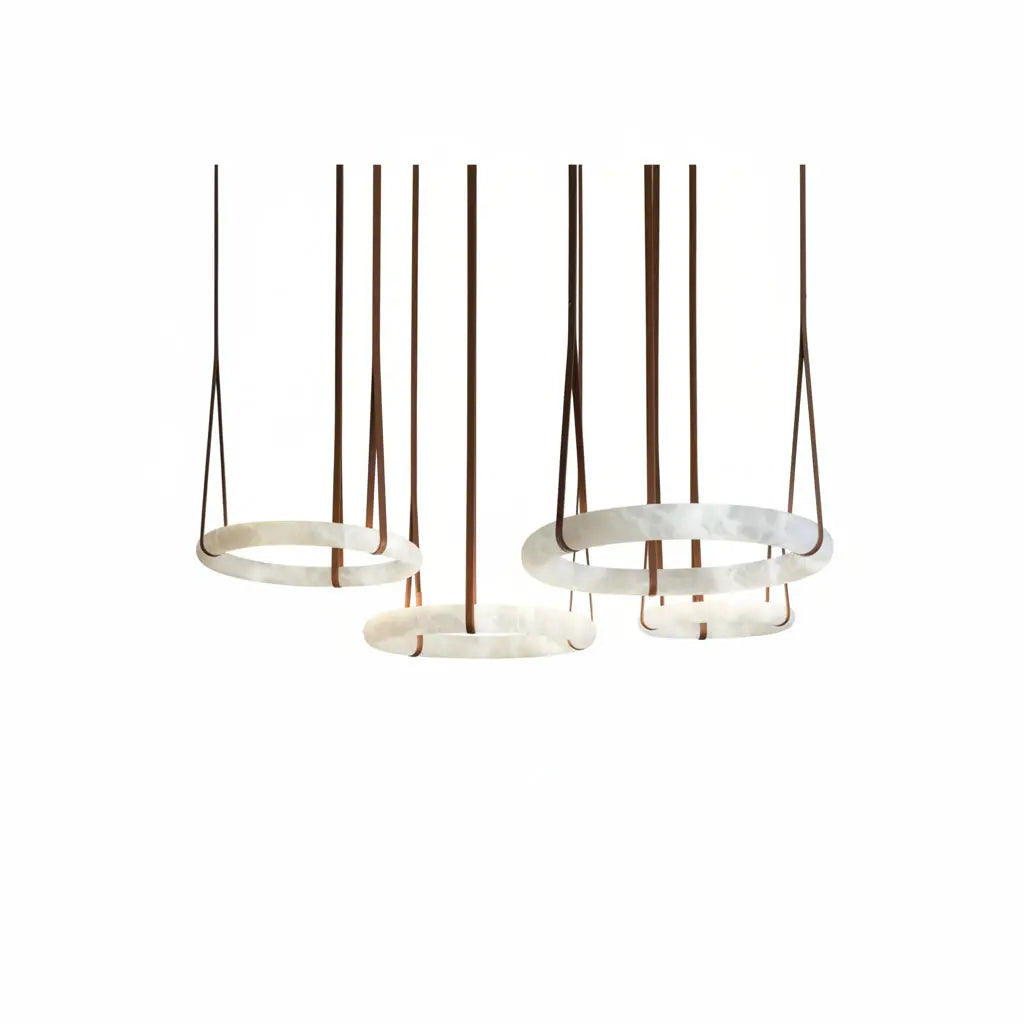
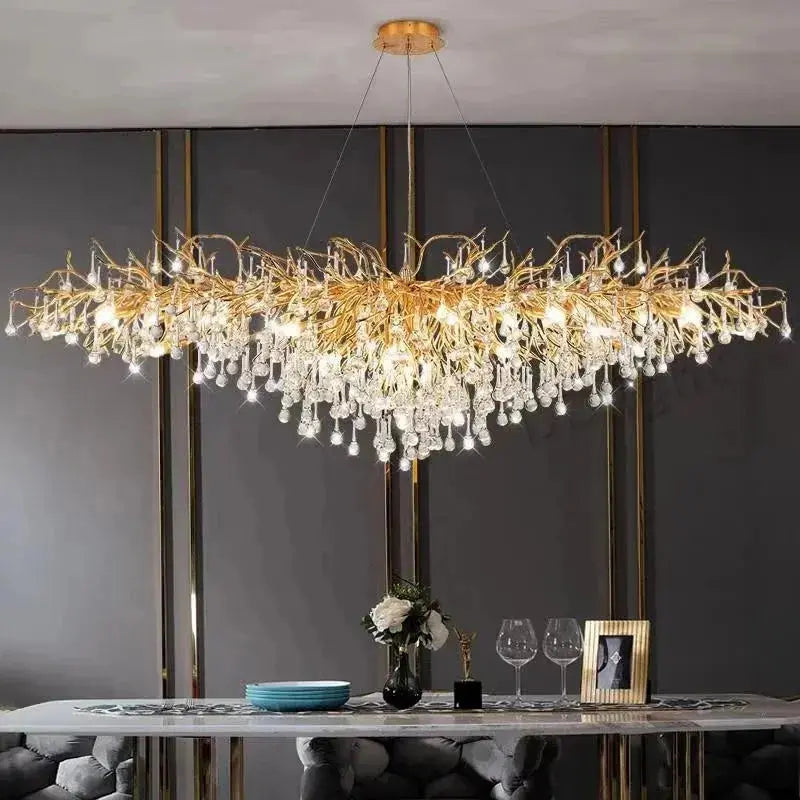
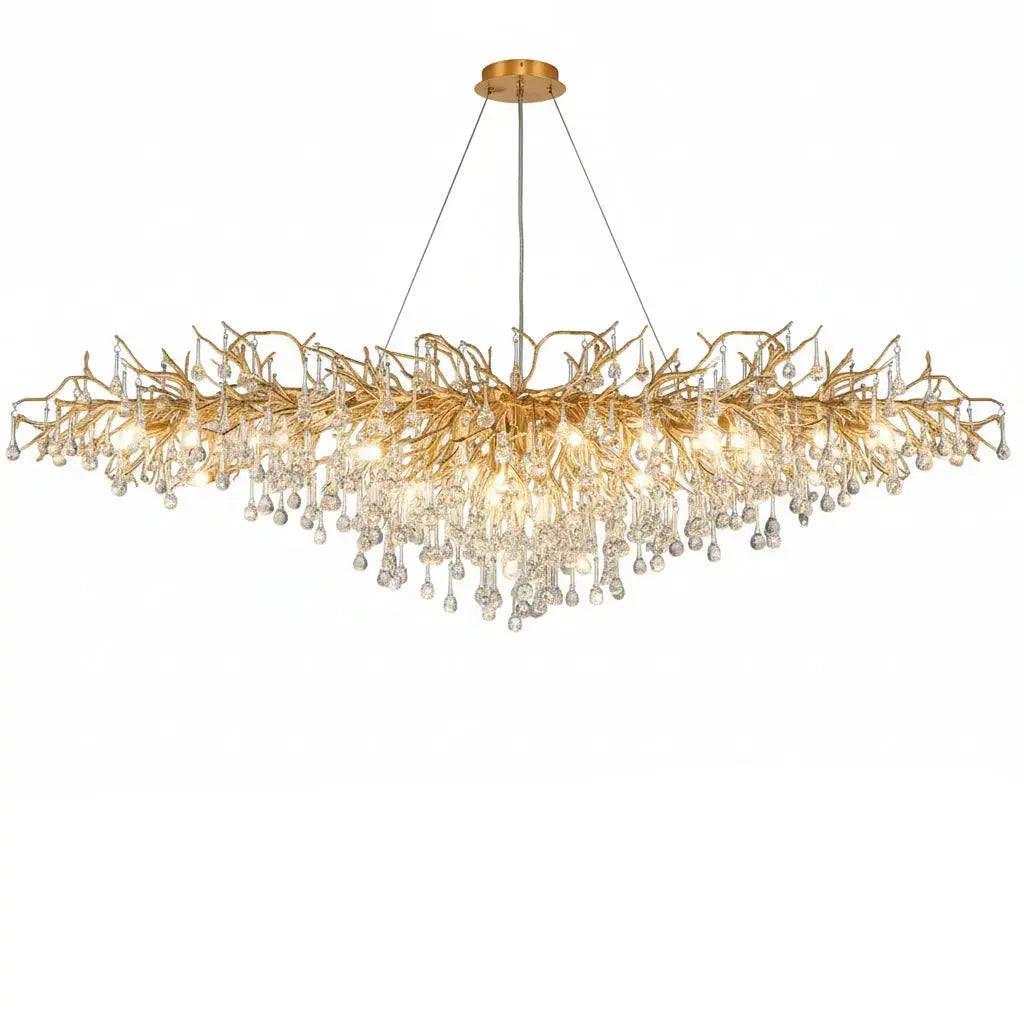
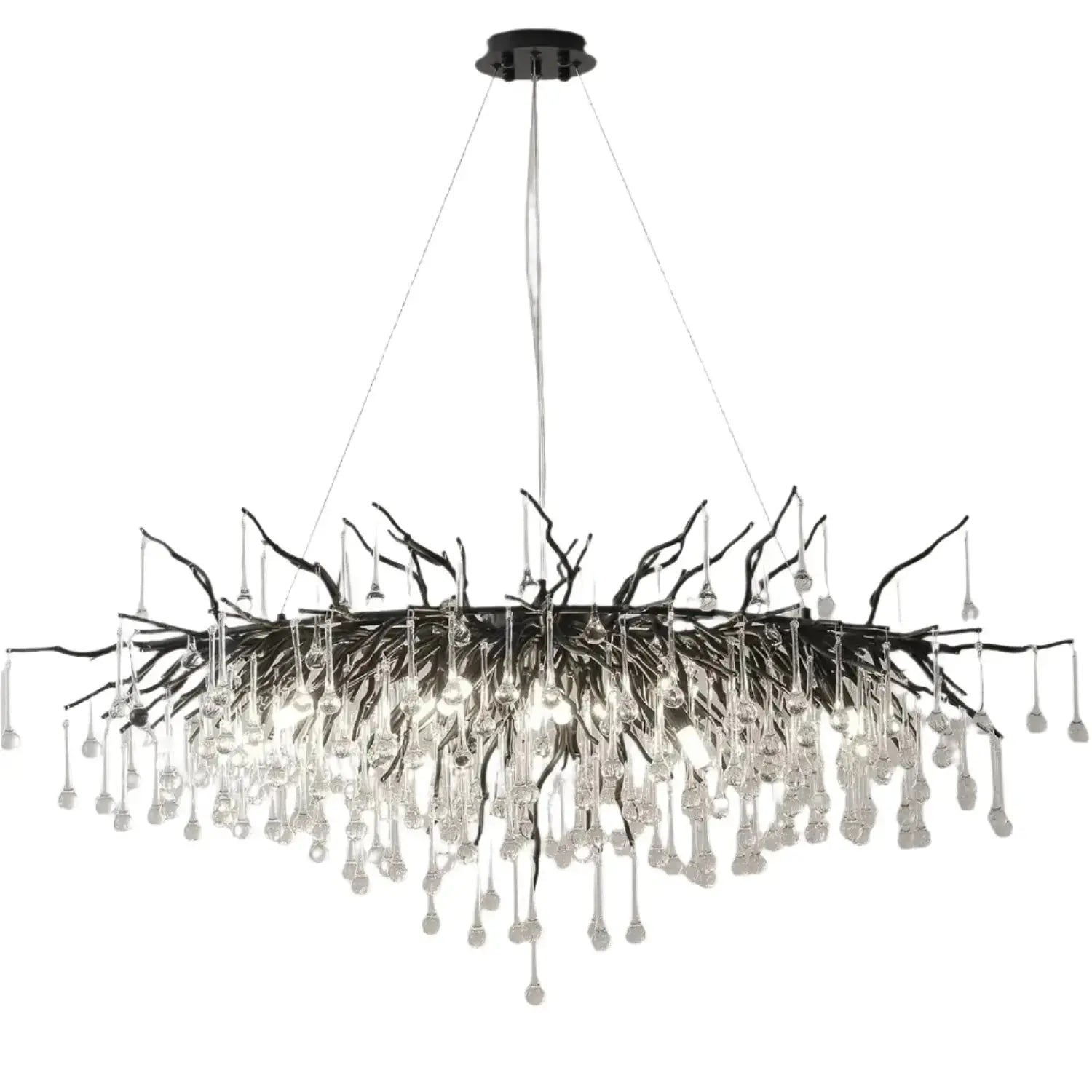
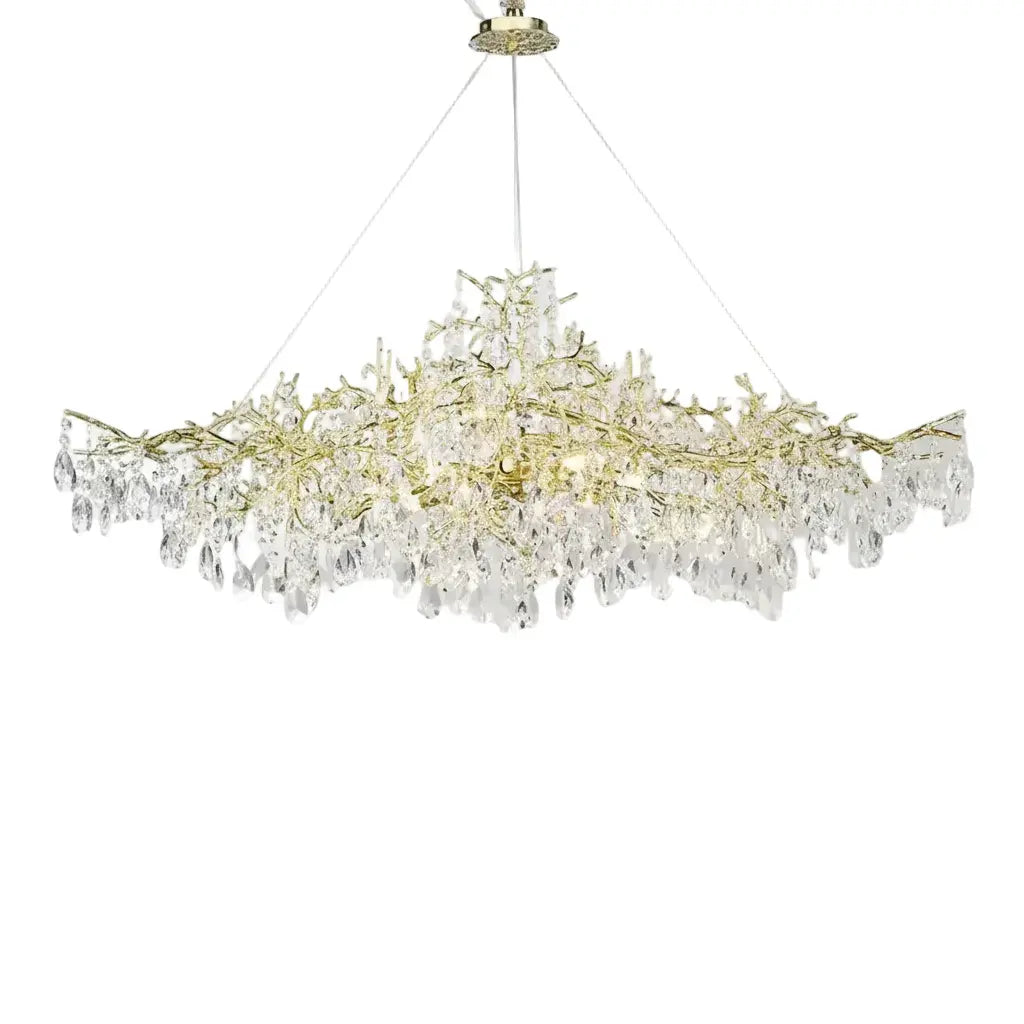
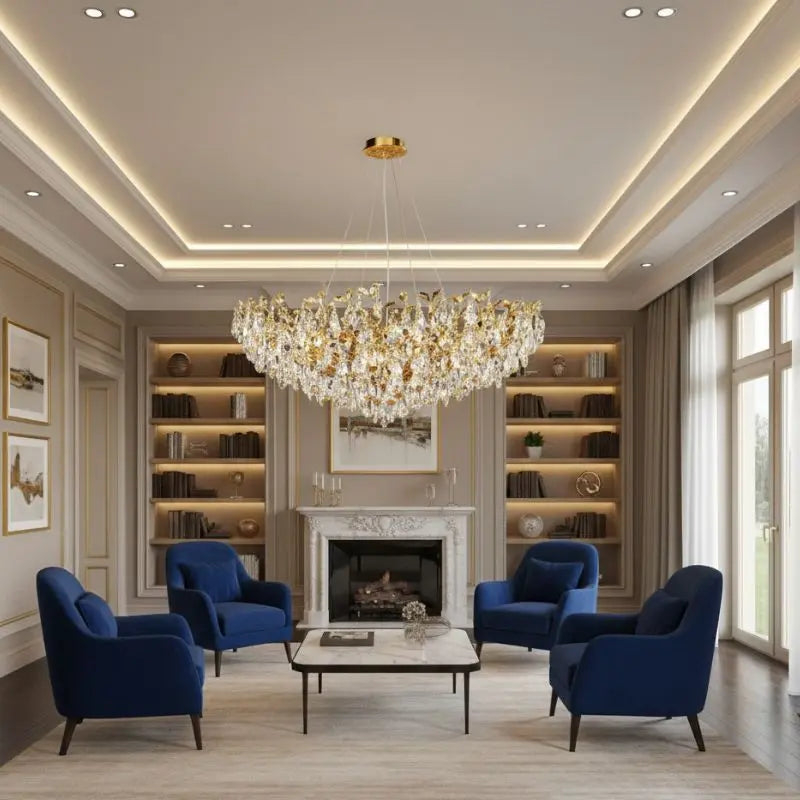
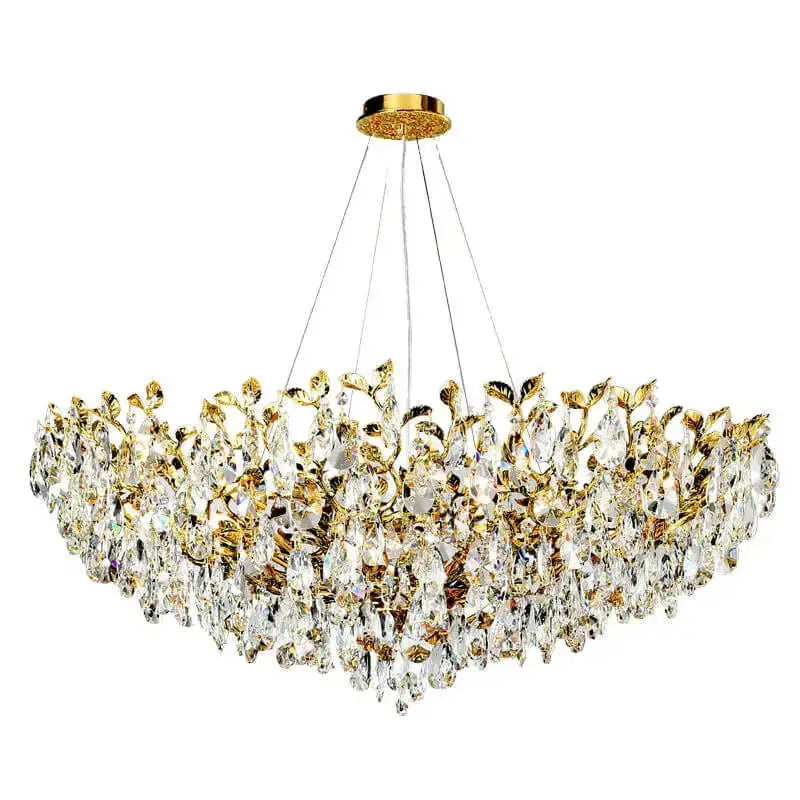
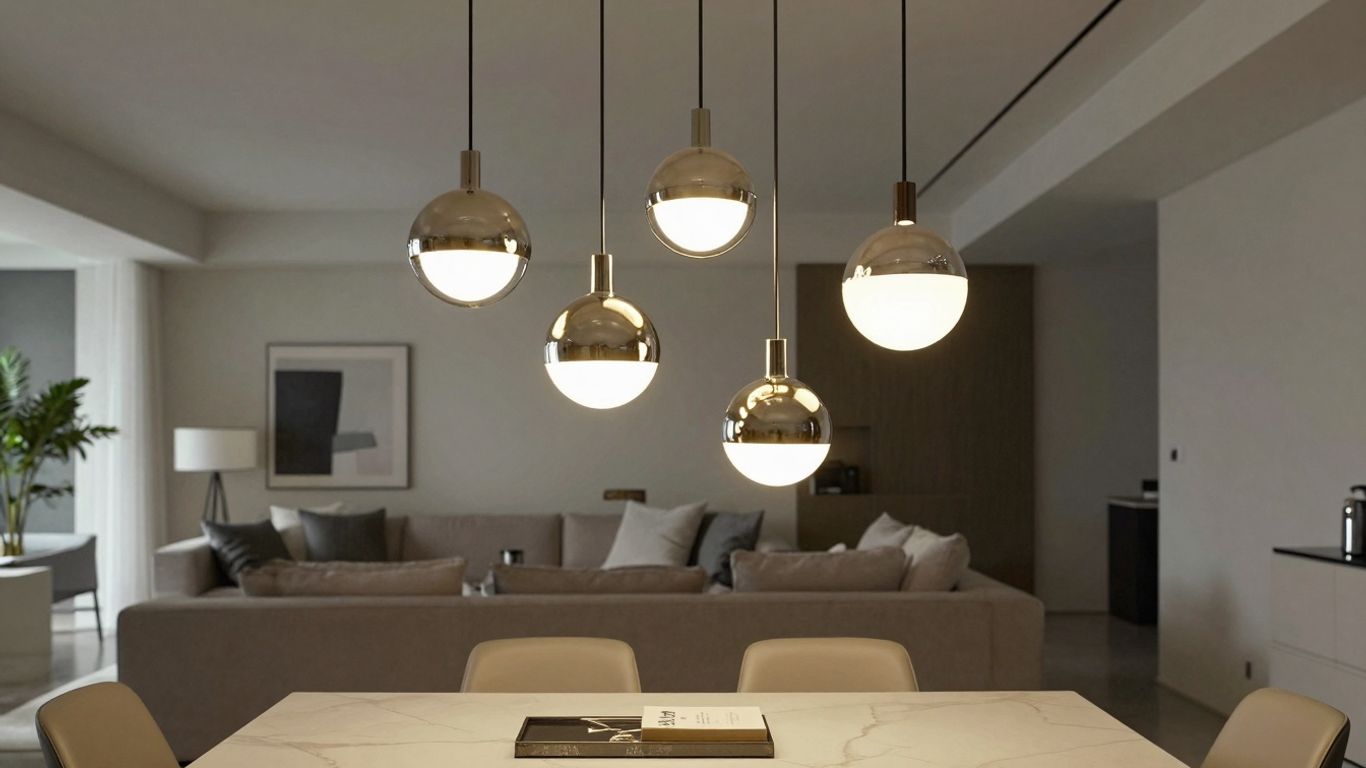
Cluster pendants are basically a bunch of smaller pendants hung together, often at different heights, to create a visually interesting arrangement. They can add a lot of texture and depth. Chandelier-style pendants take this idea and often make it more grand, sometimes incorporating multiple arms and decorative elements, similar to a traditional chandelier but with a more modern pendant form. These are perfect for making a big statement, especially in rooms with higher ceilings or in entryways. You can find some really unique, customizable options if you're looking for something special, like a modern restaurant bar pendant chandelier that can be tailored to your exact needs.
When choosing a pendant style, always consider the size and shape of your furniture, especially your dining table. The light should feel like a natural extension of the table, not something just stuck on top. Think about how the light will spread and if it will cover the whole surface evenly. It's all about creating a harmonious look and feel for your room. Remember to check the hanging height too, so no one bumps their head!
Here's a quick look at how different styles suit various table shapes:
| Table Shape | Recommended Pendant Style(s) | Notes |
|---|---|---|
| Round/Square | Single Pendant | Best when centered over the table. |
| Rectangular | Linear or Multiple Pendants | Space evenly for balanced illumination. |
| Oval | Linear or Single Large Pendant | Can work with either, depending on scale. |
Choosing the right style is about balancing aesthetics with function. Whether you go for a minimalist single light or a dramatic cluster, the goal is to create a space that feels inviting and looks great. For those seeking a truly bespoke fixture, exploring options for customizable chandeliers can lead to a one-of-a-kind centerpiece for your home.
Investment In Quality And Sustainability
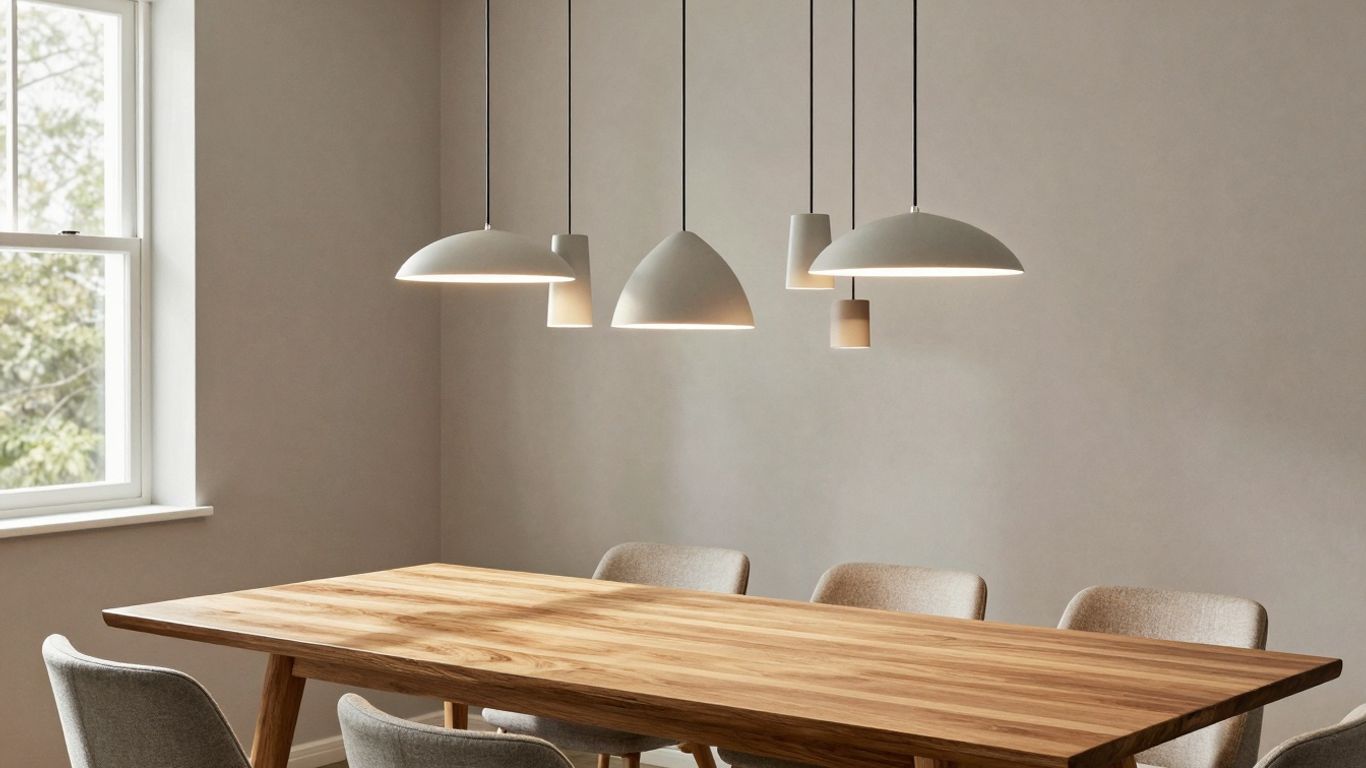
When you're picking out pendant lights, especially the ones that are going to be a big part of your room's look, thinking about quality and where they come from makes a lot of sense. It's not just about how it looks right now, but how it will hold up over time and what kind of impact it has.
Artisan Pendant Lights Versus Mass-Produced
Mass-produced lights are easy to find and usually cheaper upfront. They're made in big batches, so they're pretty standard. Artisan pendant lights, on the other hand, are often made by hand, sometimes with really unique materials and techniques. Think hand-blown glass or hand-formed metal. These pieces usually cost more because of the skill and time that goes into making them. They often have a story behind them, too, which can make them feel more special in your home. While a mass-produced light might be replaced in a few years, a well-made artisan piece can last for decades, becoming something of a family heirloom.
Sustainability and Maintenance
Choosing lights that are built to last is a big part of being sustainable. Look for fixtures where parts can be replaced, like the LED drivers or glass shades. This means you don't have to toss the whole thing if one small part breaks. Some makers even offer repair services or sell spare parts, which is great for keeping your light working for years. Materials that can be refinished, like certain metals, are also a good choice because they can be refreshed instead of replaced. It's worth asking the maker about their repair options and how to care for the specific materials used.
Repair Programs and Spare Parts Availability
This ties into sustainability, but it's worth its own mention. If a pendant light is made with repair in mind, it's a much better investment. Imagine a beautiful glass shade breaks – if the maker has replacements, you can fix it. If not, you might be out of luck. For trade professionals, knowing that spare parts are available or that the maker has a repair program can be a huge relief. It means fewer headaches down the line and a more reliable lighting plan for your clients. It's a sign of a company that stands behind its products and cares about reducing waste.
Thinking about the long-term life of your pendant light is key. It's about more than just the initial purchase price. Consider how easy it will be to maintain, if parts can be replaced, and if the maker offers support. This approach not only saves you money and hassle over time but also contributes to a more sustainable way of decorating our homes.
Wrapping It Up
So, picking out the right hanging pendant lights might seem like a lot at first, but really, it's about finding what works for your room and your style. Think about the size of your space, how you want the light to feel, and what look you're going for. Whether it's a single statement piece over your dining table or a few smaller ones over a kitchen island, these lights can totally change how a room feels. Don't be afraid to mix and match, consider the height, and remember that the right bulb makes a difference too. In the end, the best pendant light is the one that makes your home feel more like yours.
Frequently Asked Questions
What's the main job of hanging pendant lights?
Hanging pendant lights do more than just light up a room. They help set the mood, like making a dinner feel cozy or a workspace feel bright. They can also be a cool decoration that grabs attention and makes your room look put together.
How do I know what size pendant light to get?
Think about the size of your table and room. A good rule is to pick a light that's about half to two-thirds the width of your table. You don't want a light that's too small and gets lost, or too big and makes the room feel crowded.
How high should I hang my pendant light over a table?
You want the light to shine on your food, not in people's eyes. Usually, the bottom of the light should be about 30 to 36 inches above the table. This way, people can stand up without hitting their heads, and the light is in the right spot.
Can I put pendant lights anywhere in my house?
Pendant lights are great for many places! They work well over dining tables, kitchen islands, or even in bedrooms next to a bed. In entryways, they can make a big first impression. Just make sure the size and style fit the room's purpose.
What kind of light bulb is best for a pendant light?
It depends on the room! For a dining room, a warm light bulb (around 2700K-3000K) makes things feel cozy. If you need to see clearly for tasks, a slightly brighter, neutral light might be better. Dimmable bulbs are also a great choice so you can change the brightness whenever you want.
What's the difference between fancy pendant lights and regular ones?
Fancy, or 'artisanal,' pendant lights are often made by hand with special materials and a lot of care. They might cost more but can last longer and have a unique look. Regular ones are made in big batches and might be easier to find and cheaper, but they might not have the same special touch.