
Thinking about bringing some old-school cool into your place? The 70s were all about bold looks and comfy vibes, and honestly, it's making a comeback. We're talking about 70's style home decor, which isn't just about avocado green appliances (though those are an option!). It’s more about creating a space that feels unique and lived-in, with a mix of textures, colors, and fun pieces that tell a story. Let's explore how to get that groovy feel without making your home look like a time capsule.
Key Takeaways
- Embrace the 70's style home decor by mixing bold colors like orange and yellow with earthy tones such as brown and olive green.
- Incorporate textured elements like shag carpets, macramé hangings, and velvet upholstery for that authentic retro feel.
- Don't shy away from eclectic patterns; think floral curtains paired with geometric rugs or striped pillows.
- Add character with vintage finds, including lava lamps, retro wall art, and unique ceramic pieces.
- Consider architectural features like sunken living rooms or conversation sofas to really nail the 70s vibe.
1. Sunken Living Room
Ah, the sunken living room. This was the ultimate 'conversation pit' back in the day, and honestly, it still has a certain charm. It’s that cozy, den-like feel that really makes a space feel special. These sunken areas were designed to bring people together, literally lowering the floor to create an intimate gathering spot.
When you're thinking about updating one, the biggest thing is to keep that cozy vibe. If you're redoing the flooring, think plush. Shag carpets were huge, and while maybe not for everyone today, a thick, soft rug can totally capture that feeling. Hardwood might look sleek, but it can make a sunken room feel cold and uninviting, which is the opposite of what we're going for.
Here are a few things to consider if you have a sunken living room:
- Flooring: Stick with soft, textured materials like thick carpet or even large, plush area rugs. Avoid hard surfaces that can make the space feel chilly.
- Seating: Low-slung sofas and comfortable chairs are key. Arrange them facing inward to really embrace the conversation pit idea.
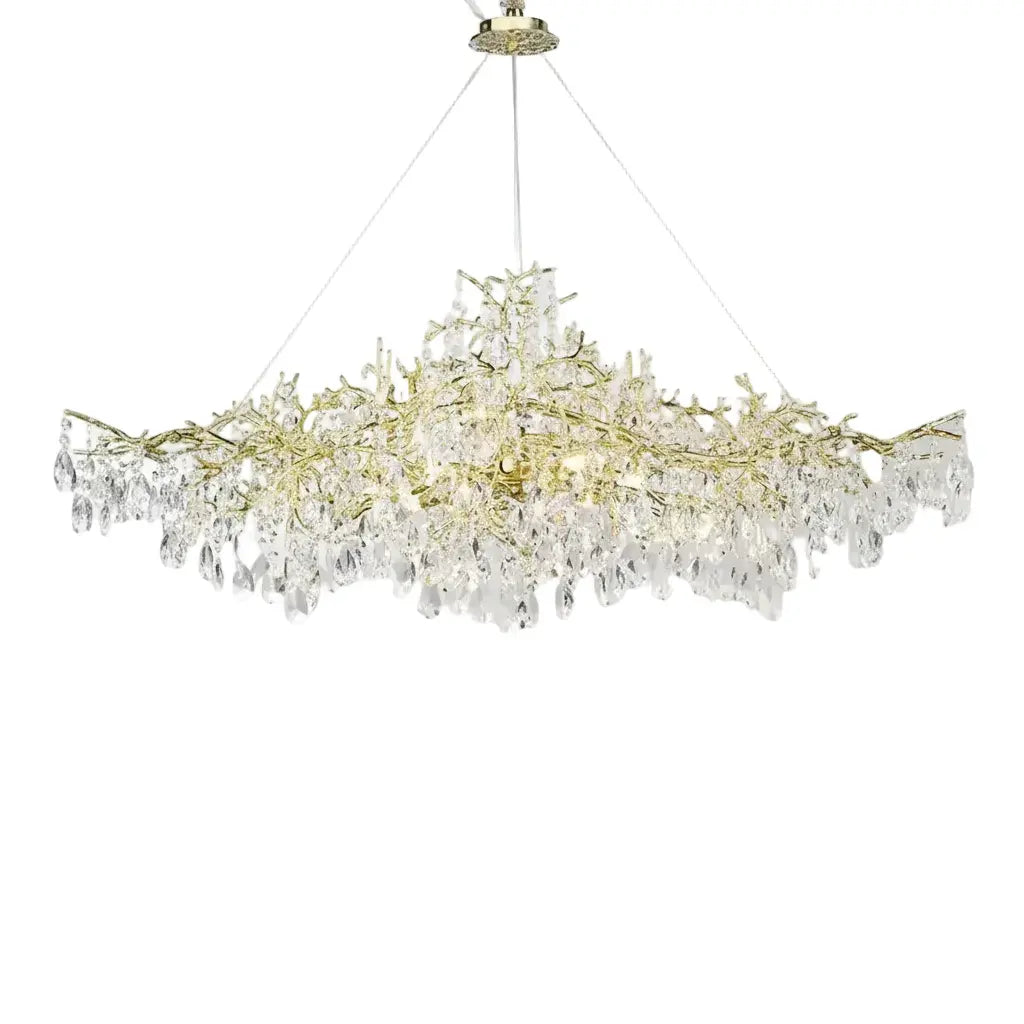
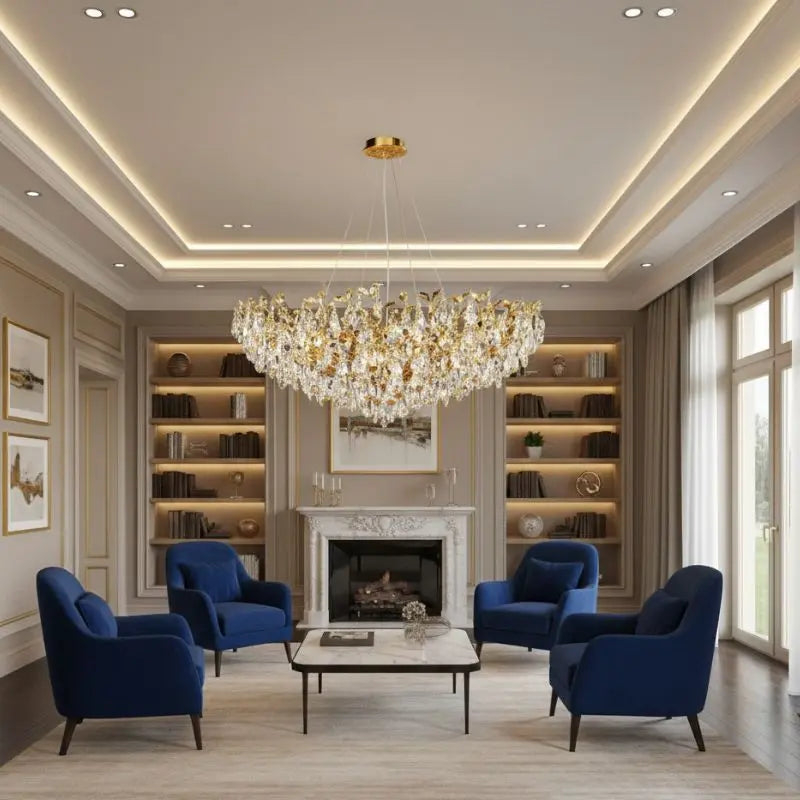
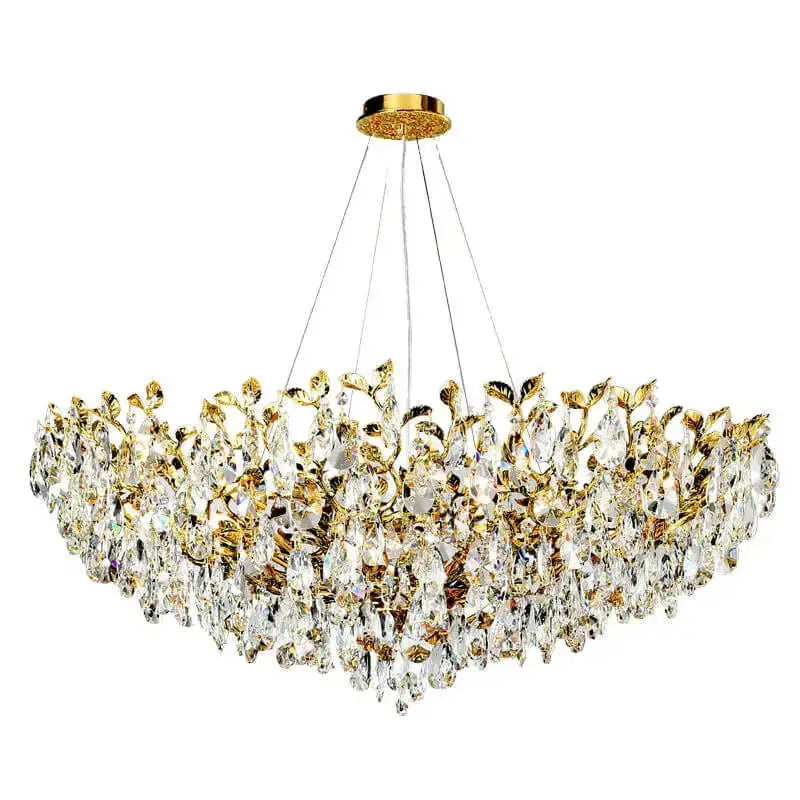
- Lighting: Warm, ambient lighting is a must. Think floor lamps and maybe some subtle accent lighting to keep it cozy, not stark. You might even consider something like a modern chandelier to add a touch of flair.
Updating a sunken living room can cost anywhere from $5,000 to $10,000, depending on how much structural work or new flooring you're doing. It's an investment, but it can really become the heart of your home.
Remember, the goal is to create a welcoming, intimate space. Don't be afraid to embrace the cozy factor that makes these rooms so unique.
2. Shag Carpet
Oh, shag carpet. It's practically synonymous with the 1970s, isn't it? This plush, deep-pile carpeting was everywhere, adding a serious dose of cozy to living rooms, bedrooms, and even bathrooms (yes, really!). It’s all about that tactile experience – sinking your toes into something soft and luxurious. It really defined the comfort-centric vibe of the era.
When you think about shag, you probably picture those long, luxurious fibers in bold colors like avocado green, burnt orange, or even a vibrant mustard yellow. It wasn't just about looks; it was about creating a space that felt warm, inviting, and a little bit decadent. It’s the kind of flooring that practically begs you to lie down and stay awhile.
Here’s a quick rundown of why shag was so popular:
- Comfort: Unbeatable softness and cushioning.
- Warmth: Added insulation and a cozy feel.
- Style: A bold statement that fit the era's aesthetic.
Of course, shag carpets have their quirks. Cleaning them can be a bit of a challenge, and they aren't always the best choice for high-traffic areas or homes with allergies. But if you're going for that authentic 70s revival, a well-placed shag rug or even wall-to-wall carpeting can really set the mood. It’s a commitment, for sure, but one that pays off in pure retro charm.
3. Wood Paneling
Wood paneling was a huge deal back in the 70s, and honestly, it’s making a comeback. It’s not just about covering walls; it’s about bringing this warm, natural vibe into your space. Think of it as adding a cozy hug to your room.
Back then, you’d see it everywhere – living rooms, dens, even bedrooms. It gave off this sophisticated yet relaxed feel, kind of like a private club but in your own home. It was a way to add texture and depth without going overboard with patterns or colors, though it often paired perfectly with those too.
The real beauty of wood paneling is its versatility. You can find it in different wood types and finishes, from light, airy birch to rich, dark walnut. This means you can tailor it to fit your specific style, whether you’re aiming for that authentic retro look or a more modern interpretation.
Here are a few ways wood paneling can work its magic:
- Full Wall Coverage: This is the classic 70s look. Imagine a whole living room wrapped in warm wood. It creates an immersive, cozy atmosphere that’s hard to beat.
- Accent Walls: Not ready to commit to a whole room? A single paneled accent wall can add a fantastic focal point without overwhelming the space.
- Ceiling Details: Believe it or not, wood paneling wasn't just for walls! Some homes featured it on ceilings, adding an unexpected architectural element.
- Built-in Features: Think paneled bookshelves, entertainment centers, or even bar areas. These integrated elements really scream 70s chic.
When you're looking for paneling, keep an eye out for real wood veneers or even high-quality laminate that mimics the look. It’s a great way to get that authentic feel without breaking the bank or compromising on sustainability if you choose wisely.
Wood paneling offers a grounded, organic feel that can really anchor a room. It’s a material that ages well and brings a sense of history and comfort, making your home feel more lived-in and inviting.
4. Macramé
Macramé, that intricate knotting technique, really had its moment in the 70s, didn't it? It was everywhere – hanging plants, wall hangings, even decorative belts. Bringing macramé into your home today is a fantastic way to add that authentic, handmade, bohemian vibe. It's not just about the look; it's about the texture and the story behind each piece. Think of it as adding a bit of handcrafted soul to your space.
When you're thinking about incorporating macramé, consider these ideas:
- Plant Hangers: This is probably the most common and easiest way to bring macramé into your home. Suspend your favorite houseplants in stylish macramé holders.
- Wall Hangings: Large, elaborate macramé pieces can become a real focal point on a blank wall. They add a soft, organic element that contrasts nicely with harder surfaces.
- Decorative Accents: Smaller pieces, like coasters, placemats, or even decorative knots tied onto curtain tie-backs, can add subtle nods to the trend.
It's amazing how a few well-placed macramé items can completely change the feel of a room, making it feel more relaxed and lived-in. It’s a craft that feels both nostalgic and surprisingly modern when styled right.
5. Lava Lamps
Okay, let's talk about lava lamps. These things are pure 70s magic, right? They're not just a light source; they're basically a kinetic sculpture for your living room. Watching that colorful wax blob slowly ooze and morph is totally mesmerizing. It's the ultimate chill-out accessory.
Originally invented in the 1960s, lava lamps really hit their stride in the 70s, becoming a staple in dorm rooms, rec rooms, and anywhere people wanted a bit of psychedelic flair. They come in all sorts of colors and base styles, from classic metal to wood grain, fitting right into that earthy, groovy aesthetic.
When you're picking one out, think about the vibe you want. Do you want a bright, energetic orange and yellow combo, or something more mellow like a blue and green? The size matters too – a smaller one can sit on a side table, while a larger floor model makes a real statement.
Lava lamps add a unique, ambient glow that's both nostalgic and surprisingly calming. They're a simple way to inject personality and a touch of retro fun into any space without a huge commitment.
Here's a quick rundown of what to consider:
- Color Combo: Pick wax and liquid colors that match your room's palette.
- Base Material: Metal, wood, or plastic – choose what fits your decor.
- Size: Small accent piece or a big focal point?
- Placement: Where will it get the most visual impact and be safe from bumps?
6. Earthy Tones
The 1970s really embraced the natural world, and that definitely showed up in home decor. Think about colors you'd find out in nature – warm browns, deep greens, and muted oranges. These weren't just background colors; they were the main event, creating spaces that felt grounded and cozy.
Using these tones is a fantastic way to bring a sense of calm and warmth into your home, making it feel like a comfortable retreat. It’s like wrapping your house in a warm hug. You can go all-in with these colors or just use them as accents to add a bit of that retro flair.
Here’s how you can weave these earthy vibes into your decor:
- Walls: Forget stark white. Try a deep terracotta, a mossy green, or even a warm, sandy beige for your walls. These colors create an immediate sense of warmth.
- Furniture: Look for sofas, chairs, or accent tables in shades of chocolate brown, olive, or rust. Natural wood finishes also fit perfectly here.
- Textiles: Throw pillows, blankets, and rugs in these earthy hues add layers of comfort. Think about materials like corduroy, wool, or even a subtle velvet in these rich tones.
- Accents: Small decorative items like ceramic vases, planters, or even picture frames in these colors can tie the whole look together.
These colors have a way of making a space feel more inviting and lived-in. They're not loud or flashy, but they have a quiet confidence that really defines the 70s aesthetic. It’s about creating a comfortable, natural-feeling environment that you just want to relax in.
When picking out your earthy tones, don't be afraid to mix different shades. A deep brown sofa can look amazing with mustard yellow pillows, or a forest green wall can be complemented by terracotta accents. It’s all about creating a harmonious, natural palette that feels just right.
7. Bold Colors
The 1970s weren't shy when it came to color, and neither should your decor be if you're aiming for that authentic retro vibe. Think of it as a reaction against the more muted tones that came before. This was a time for making a statement, for injecting personality and energy into living spaces.
Don't be afraid to embrace hues that pop. We're talking about colors like avocado green, harvest gold, burnt orange, and deep browns. These weren't just accent colors; they were often used on large surfaces like walls, furniture, and even appliances.
Here's how you can bring these bold colors into your home:
- Walls: Consider painting an accent wall in a rich, earthy tone like terracotta or a vibrant mustard yellow. If you're feeling really brave, go for a full room in a deep olive green.
- Furniture: Look for sofas, armchairs, or even smaller accent pieces in these signature 70s shades. A burnt orange velvet sofa, for example, can be a real showstopper.
- Accessories: If a full color commitment feels like too much, start with accessories. Think throw pillows in bright patterns, colorful ceramic vases, or even a bold, geometric rug.
The key is to balance these strong colors. While the 70s embraced boldness, it was often grounded by natural materials and textures, preventing spaces from feeling overwhelming. It’s about creating a warm, inviting atmosphere that feels alive and full of character.
8. Eclectic Patterns
If there’s one thing that shouts '70s home,' it’s the fearless use of eclectic patterns. People back then threw out the rulebook and just went for it, layering all kinds of prints—florals, paisleys, geometrics, and stripes—sometimes in one room, sometimes even on one piece of furniture. What really made these combinations work was a shared color palette tying it all together.
Want to capture true 70s vibes? Here’s how to bring in those wild, mixed patterns without just making a mess:
- Start small by mixing patterned throw pillows on a plain couch. Think zig-zags with florals, or a bold geometric with a subtle stripe.
- Pick a central color (like mustard yellow or avocado green) and make sure every print includes it somewhere. That’s how people kept that busy style feeling sort of intentional.
- Don't be afraid of big moves—a retro rug with a heavy print can totally set the tone, especially paired with patterned curtains or an accent wall.
Sometimes it feels risky tossing all those prints around, but honestly, the best rooms always have a bit of unpredictability and fun. Stick with what you love and let things clash just a little.
People today might lean toward minimalism, but adding a mix of vibrant prints (even just in a few accents) instantly makes a space more playful and welcoming. There’s really no one way to get it right. Just remember, if it makes you smile, it works.
9. Vintage Furniture
When you're aiming for that authentic 70s vibe, hunting down vintage furniture is a must. It's not just about picking up any old piece; it's about finding items that really speak to the era's style. Think about furniture with clean lines but also some interesting curves, maybe something made from darker woods like walnut or teak. These pieces often have a solid feel to them, built to last, unlike a lot of stuff you see today.
The real magic happens when you mix and match. Don't feel like everything has to be from the exact same set or year. A cool mid-century modern armchair can look fantastic next to a more angular, 70s-inspired coffee table. It's all about creating a look that feels collected over time, not just bought off a showroom floor.
Here are some types of furniture that really nail the 70s look:
- Seating: Look for sofas and chairs with lower profiles, often upholstered in textured fabrics like velvet, corduroy, or even faux leather. Rounded shapes and modular sectionals were big.
- Tables: Coffee tables and side tables often featured wood, sometimes with chrome accents, or even glass tops. Think geometric shapes or chunky, solid designs.
- Storage: Sideboards and credenzas in dark wood were popular for storing everything from records to dinnerware. They often had sliding doors or drawers with simple, integrated handles.
Finding these gems often means hitting up thrift stores, flea markets, or online marketplaces. It takes a bit of patience, but unearthing that perfect piece feels like striking gold. Plus, buying vintage is a great way to be more sustainable with your decorating choices.
Remember, vintage furniture isn't just about looks; it's about the story it tells and the character it brings into your home. It adds a layer of history and warmth that new pieces just can't replicate.
10. Conversation Sofas
Forget stiff, formal seating. The 1970s were all about kicking back and actually talking to people. That's where the conversation sofa, often a modular or U-shaped design, really shined. These weren't just pieces of furniture; they were invitations to gather. Think plush upholstery, low profiles, and enough space to really spread out and get comfy.
These sofas were designed to encourage interaction. Instead of facing a television, they were often arranged to face each other, creating a natural hub for chats and connection. It’s a concept that feels pretty relevant even today, right?
- Embrace the modular: Look for sectional pieces that can be rearranged to suit your space and your guests.
- Prioritize comfort: Deep seats and soft fabrics are key to that authentic '70s lounging feel.
- Consider the shape: U-shaped or circular arrangements work wonders for fostering that intimate, conversational vibe.
The beauty of a conversation sofa is its ability to transform a room into a genuine gathering space. It’s less about a focal point and more about creating an atmosphere where people feel relaxed and connected.
When hunting for these gems, keep an eye out for vintage finds or modern interpretations that capture that same spirit of relaxed togetherness. It’s about creating a space where stories can be shared and laughter can flow easily.
11. Textured Fabrics
The 70s were all about touchable, cozy materials. Think beyond just looking good; these fabrics made spaces feel inviting and warm. Velvet, corduroy, and even faux fur made appearances, adding a layer of plush comfort. It wasn't just about the main upholstery either; think textured throw pillows, chunky knit blankets, and macramé wall hangings. These elements worked together to create a sensory experience, making a room feel lived-in and welcoming.
Here are some ways to bring that textured feel into your home:
- Velvet: Look for velvet sofas, accent chairs, or even just velvet throw pillows. It adds instant luxury and depth.
- Corduroy: This ribbed fabric is perfect for upholstery on chairs or sofas, offering a casual yet tactile feel.
- Shag: While a full shag carpet might be a commitment, consider a shag rug in a smaller area like a reading nook or bedroom for that classic 70s vibe.
- Knitwear: Chunky knit blankets or pillows bring a handmade, cozy element that’s hard to beat.
Don't be afraid to mix different textures. A smooth velvet sofa can look amazing paired with a rougher, woven throw or some macramé accents. The contrast is what makes it interesting and authentically 70s.
When choosing fabrics, consider how they'll feel to the touch. The goal is to create a space that's not only visually appealing but also comfortable and inviting for everyone who enters.
12. Gallery Wall
Think of a gallery wall as your personal art show, right in your own home. For that authentic 70s vibe, it’s all about mixing and matching. Don't just stick to paintings; grab some old photos, maybe a cool poster you found at a flea market, or even some funky textile art. The goal is to create a collection that tells a story, your story.
Here’s a quick rundown on how to get that eclectic look:
- Mix your media: Combine framed prints, unframed photos, and even small objects like ceramic plates or macramé pieces.
- Vary your sizes: Don't be afraid to hang a big statement piece next to a few smaller ones. It adds visual interest.
- Play with spacing: Keep it somewhat consistent, but a little asymmetry can feel more authentic and less stuffy.
- Color palette is key: Even with a mix of items, try to tie it together with a general color scheme. Think warm earth tones, or maybe some pops of orange and brown.
A well-curated gallery wall can really bring a room to life. It’s a chance to show off your personality and create a focal point that’s totally unique. It’s not about perfection; it’s about personality.
When putting it all together, remember that the 70s were all about self-expression. So, gather up those treasures, get creative with the arrangement, and build a wall that feels uniquely yours. It’s a fantastic way to fill a blank space and add that retro charm without being too over the top.
13. Retro Wall Art
When you're going for that 70s vibe, the walls are a fantastic place to play. Think beyond just paint colors; wall art from this era had a real personality. We're talking about pieces that were often bold, sometimes a little quirky, and always added character to a room.
Don't be afraid to mix and match different styles and eras to create a look that's uniquely yours. You could have a large, abstract piece next to a collection of smaller, more whimsical prints. It's all about creating visual interest and telling a story.
Here are some ideas for bringing retro wall art into your home:
- Abstract Expressionism: Think bold, sweeping brushstrokes and vibrant color combinations. These pieces can really make a statement.
- Op Art: Geometric patterns and optical illusions were huge. These can add a dynamic feel to a space.
- Psychedelic Posters: If you're feeling brave, vintage-inspired psychedelic posters can bring a lot of energy and color.
- Nature-Inspired Prints: Think stylized flowers, mushrooms, or landscapes. These often came in earthy tones or bright, contrasting colors.
- Photography: Black and white photos in simple frames, or even color photos with a distinct 70s aesthetic, can work well.
Creating a gallery wall is a great way to showcase a variety of retro art. Mix framed prints, posters, and even some decorative plates or macramé hangings for a truly eclectic look. The key is to keep a somewhat cohesive color palette or theme running through the collection so it doesn't feel too chaotic.
When hunting for these treasures, flea markets, thrift stores, and online vintage marketplaces are your best friends. You might even find original pieces that have been tucked away for decades. If you can't find originals, many shops now offer reproductions of popular 70s art styles, which can be a more accessible option.
14. Funky Ceramics
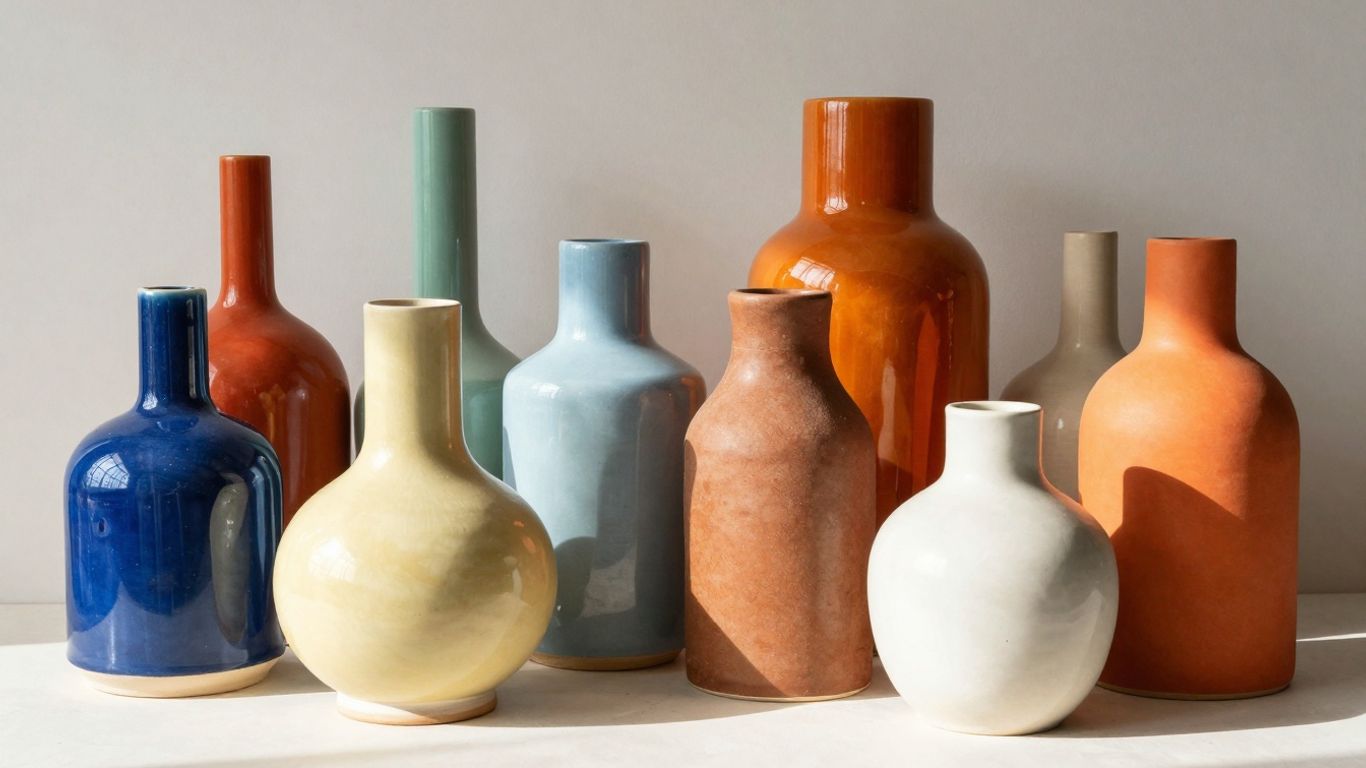
When you think 70s decor, what comes to mind? Probably not delicate porcelain. The 70s were all about bold, earthy, and sometimes downright quirky pieces, and ceramics were no exception. Think chunky, hand-thrown pottery with a rustic feel, or brightly colored, uniquely shaped vases and planters. These weren't just decorative items; they were statements.
These ceramic pieces often featured organic shapes and textures, mirroring the era's love for nature. You'd find them in earthy tones like terracotta, olive green, and mustard yellow, but also in vibrant pops of orange, brown, and even psychedelic patterns. They were perfect for adding a touch of personality to shelves, tables, or as standalone art pieces.
Here are some common types of funky ceramics you might find:
- Planters: Often large and textured, perfect for housing those iconic 70s houseplants like ferns and spider plants.
- Vases: Unconventional shapes were key. Think asymmetrical designs, wide mouths, or even animal-inspired forms.
- Tableware: While not strictly decor, chunky ceramic plates, mugs, and bowls in bold colors or patterns added to the overall vibe.
- Figurines and Sculptures: Whimsical pieces, often with a retro or folk art feel, were popular for display.
Don't be afraid to mix and match different ceramic pieces. The beauty of 70s decor is its eclecticism. A slightly imperfect, hand-crafted look is exactly what you're going for. It adds warmth and character that mass-produced items just can't replicate.
15. Sunken Bathtub
Talk about a throwback! The sunken bathtub was a real statement piece in the 70s, aiming for that luxurious, spa-like feel right in your own home. These tubs were built right into the floor, creating a seamless look that felt super modern back then. It was all about making the bathroom feel like a personal retreat.
While they definitely bring a unique vibe, these tubs can be a bit of a pain to deal with today. They're not exactly easy to clean around, and if you're thinking about a bathroom remodel, they can be a structural headache to remove. Plus, if you're not careful, they can actually make a smaller bathroom feel even more cramped.
If you're lucky enough to have one, embrace its retro charm! Think about pairing it with some cool mosaic tiles or a bold wallpaper to really lean into the 70s aesthetic. Just make sure it's in good working order before you start planning your groovy soak sessions.
Keeping a sunken tub can be a real conversation starter, but be prepared for the upkeep. It's a commitment to that specific era's design, and sometimes, that means a little extra work to keep it looking its best.
Here's a quick look at what you might consider:
- Maintenance: Regular cleaning is key, especially around the edges where dirt can build up.
- Updates: Consider modernizing the fixtures or surrounding tile to give it a fresh feel without losing the sunken aspect.
- Safety: Ensure there are no tripping hazards around the tub, especially if you're updating the flooring.
16. Carpeted Bathroom
Okay, let's talk about the carpeted bathroom. Yes, it was a thing in the 70s, and honestly, it's one of those trends that can be a bit polarizing today. While the idea of stepping onto a plush carpet right after a shower might sound cozy to some, it also brings up some practical concerns, especially in a high-moisture area like a bathroom.
The biggest hurdle is moisture management. Traditional carpeting just doesn't mix well with water. Think about spills, splashes from the tub or shower, and general humidity. This can lead to mildew, mold, and a general unpleasant smell if not handled very carefully.
If you're really set on that 70s vibe, there are ways to approach this without creating a hygiene nightmare. Modern synthetic carpets designed for bathrooms or high-traffic areas can offer a more water-resistant option. Look for materials that are quick-drying and perhaps have a tighter weave.
Here are a few things to consider if you're thinking about a carpeted bathroom:
- Material Choice: Opt for synthetic fibers like nylon or polyester, which are more resistant to moisture and stains than natural fibers.
- Installation: Ensure proper underlayment and a waterproof barrier are installed beneath the carpet to protect the subfloor.
- Ventilation: Excellent ventilation is non-negotiable. Make sure your bathroom has a good exhaust fan and consider leaving the door open after showers to let moisture escape.
- Cleaning: Regular, thorough cleaning is a must. Vacuum frequently and use specialized carpet cleaners designed for bathrooms.
While the original shag carpet in bathrooms was a bold statement, modern interpretations lean towards more practical, water-friendly materials. It's about capturing the retro feel without sacrificing functionality or cleanliness. Think of it as a stylish compromise for that authentic 70s touch.
17. Green Appliances
When you think of the 1970s, certain colors just pop into your head, right? Avocado green is definitely one of them. It wasn't just a trend; it was a whole vibe. Think refrigerators, stoves, dishwashers – all in these deep, earthy green shades. It was a way to bring the outdoors in, a nod to nature that felt both sophisticated and a little bit wild.
These weren't just splashes of color; they were statement pieces. Imagine a kitchen where the appliances were the focal point, setting the tone for the entire room. It was a bold choice, a departure from the whites and beiges that dominated before. This embrace of color in functional items really defined the era's willingness to experiment and have fun with design.
While you might not find brand-new avocado green stoves at your local appliance store today, the spirit of this trend is all about embracing color in unexpected places. It’s a reminder that even the most practical items in your home can have personality and style. If you're looking to add a touch of retro charm, consider incorporating green in other ways, like cabinetry, backsplashes, or even smaller countertop appliances. It’s about capturing that unique 70s feel without being too literal.
- Embrace the Earthy Palette: Think beyond just avocado. Consider moss green, olive, or even a deep forest green for a similar vibe.
- Color Blocking: Pair green appliances with contrasting colors like burnt orange or warm wood tones for that authentic 70s look.
- Material Matters: Look for finishes that mimic the era, like matte or slightly textured surfaces rather than high-gloss.
The idea behind green appliances was to make the kitchen feel more like a natural, organic space. It was a reaction against sterile, overly modern designs, bringing a sense of warmth and life into the heart of the home.
18. Mushroom Kitchen Accents
When you think of 70s kitchens, maybe avocado green appliances or orange cabinets come to mind first. But there was another, more whimsical trend bubbling up: mushroom motifs. It sounds a little out there, but it was a really popular way to bring a bit of nature indoors, with a playful twist.
Think about it – mushrooms popped up everywhere. You'd see them on wallpaper, printed on dish towels, adorning ceramic canisters, and even as little decorative figures on the counter. It wasn't usually the main focus, but more of a fun accent that added personality. These little fungi brought a touch of earthy charm and a hint of playful psychedelia to the heart of the home.
Here's how you can bring this quirky trend into your kitchen:
- Ceramics: Look for vintage mushroom-shaped cookie jars, salt and pepper shakers, or even small decorative plates. Thrift stores are goldmines for these.
- Textiles: Find dish towels, placemats, or even a small apron with mushroom prints. Keep it subtle so it doesn't overwhelm the space.
- Wall Art: A small framed print or a vintage advertisement featuring mushrooms can be a great addition to a backsplash area or a small wall space.
- Utensils & Holders: Sometimes you can find wooden spoon sets with mushroom handles or canisters with mushroom lids.
It's all about finding those small, delightful details that make your kitchen feel unique and a little bit groovy. Don't go overboard; a few well-placed pieces are all you need to capture that retro spirit without making it look like a cartoon.
19. Cast Iron Cookware
When you think of 70s kitchens, you might picture avocado green appliances or maybe some funky orange cabinets. But let's not forget the workhorses of the kitchen: the cookware. Cast iron was, and still is, a fantastic choice for cooking, and it totally fits that retro vibe. These heavy-duty pans and pots are built to last and get better with age.
Think about it – cast iron distributes heat really evenly, which means no more hot spots burning your food. Plus, it holds that heat, making it perfect for searing meats or keeping stews warm.
Here's why cast iron fits right into your 70s revival kitchen:
- Durability: These pieces can literally last for generations. Your grandkids might be cooking with the same skillet you buy today.
- Versatility: You can use cast iron on the stovetop, in the oven, and even over a campfire. Talk about adaptable!
- Natural Non-Stick: With proper seasoning, cast iron develops a natural non-stick surface that's hard to beat.
- Aesthetic: Many vintage cast iron pieces come in bold colors or have a classic, rustic look that complements 70s decor.
While modern non-stick pans are convenient, there's something special about the heft and performance of cast iron. It connects you to a simpler, more hands-on way of cooking that was popular back in the day. Plus, finding cool vintage pieces at flea markets or antique shops can be a fun treasure hunt.
If you're looking to add some authentic 70s flair to your kitchen, don't overlook the power of a good cast iron skillet or Dutch oven. It's practical, stylish, and totally groovy.
20. Orange Kitchen Cabinets
When you think of 1970s kitchens, a few things probably pop into your head: avocado green, maybe some wood paneling, and definitely some bold colors. Orange kitchen cabinets were a huge part of that. They brought a serious dose of energy and warmth into the heart of the home. It wasn't just a subtle hint of color; we're talking full-on, vibrant orange that made a statement.
These cabinets weren't shy. They were often paired with other equally loud elements, like patterned backsplashes or contrasting countertops, creating a look that was undeniably of its time. If you're looking to bring this vibe back, consider a high-gloss finish for that authentic shine, or perhaps a more muted, burnt orange for a slightly softer take.
Here's a quick look at what made these cabinets so popular:
- High Energy: Orange is known for being a cheerful and stimulating color, perfect for a space where you're cooking and gathering.
- Warmth and Comfort: Despite the boldness, orange also has a cozy, inviting feel.
- Statement Piece: In a kitchen that might have had simpler appliances or flooring, the cabinets were the undeniable focal point.
While bright orange might feel a bit much for some today, remember that the 70s were all about embracing color and personality. It was a reaction against the more subdued palettes of previous decades, and kitchens became a canvas for this joyful expression.
If you're not ready for a full cabinet overhaul, you could always incorporate orange through smaller accents like canisters, a retro-style toaster, or even a colorful rug. But for the full effect, those orange cabinets are hard to beat for a true retro revival.
21. Blue Bathroom Tiles
When you think of 70s bathrooms, maybe avocado green or pink comes to mind first. But blue was also a big player, offering a cooler, more serene vibe. We're talking about tiles, of course – lots and lots of tiles.
Think deep cobalt, a muted slate, or even a brighter, almost turquoise shade. These weren't just for the walls, either. Often, the tile extended right into the shower or tub surround, creating a cohesive, immersive look. Sometimes, you'd even find blue tile floors, though carpet was also popular (more on that later!).
The key was commitment to the color. It wasn't just an accent; it was the main event.
Here's a quick look at how blue tiles made a splash:
- Wall Coverage: From floor to ceiling, especially in shower areas.
- Accent Walls: Sometimes used to break up solid color tiles or create a focal point.
- Floor Tiles: Less common than wall tiles, but definitely present for a bold statement.
- Vanity Backsplashes: A more subtle way to incorporate the blue.
While a full tile takeover might feel a bit much today, you can borrow from this trend by using blue tiles for a shower niche, a backsplash, or even just a border. It’s a great way to add that retro pop without overwhelming the space.
22. Geometric Rugs
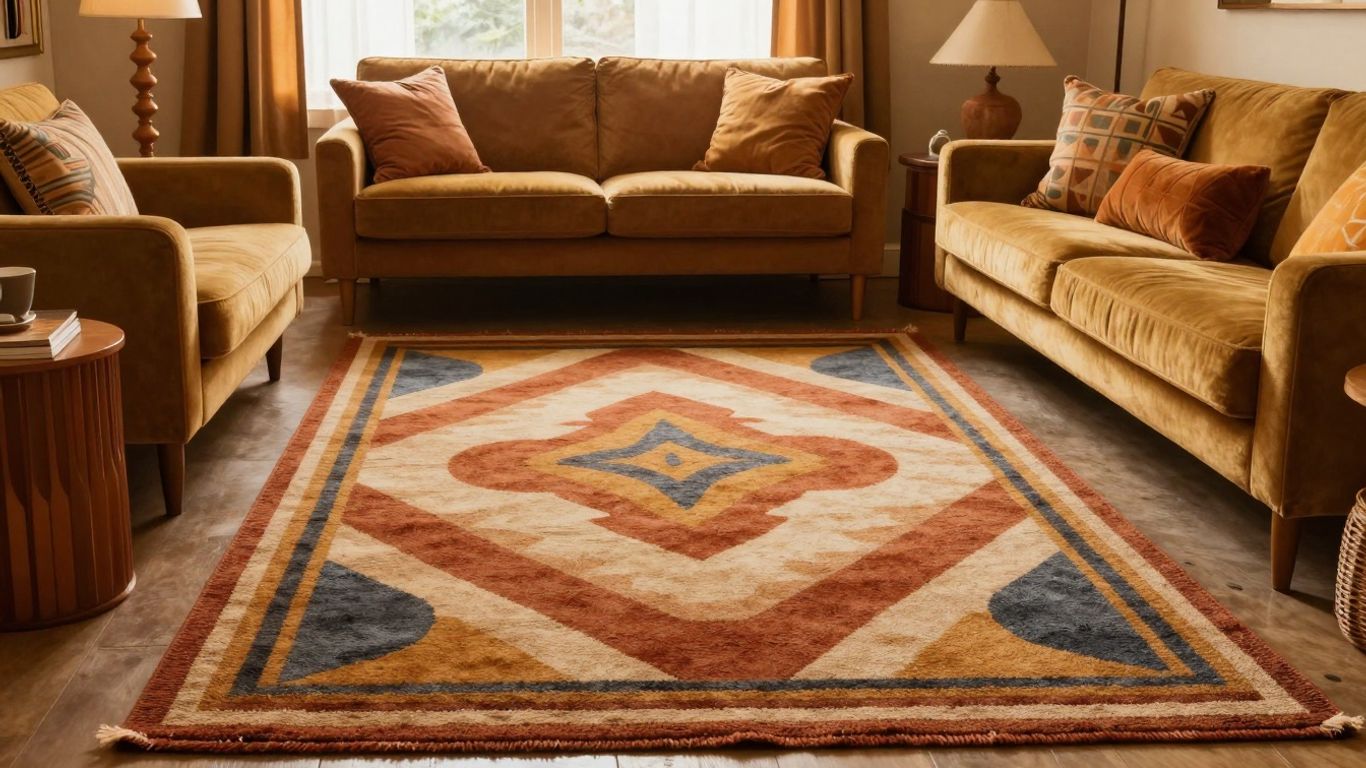
When you think 70s decor, you might picture shag carpets, but geometric rugs were also a huge deal back then. These weren't just plain old mats; they were statement pieces that could really anchor a room. Think bold shapes, sharp lines, and colors that popped.
Geometric rugs brought a sense of order and visual interest to spaces that often embraced a more maximalist approach. They could be found in living rooms, dining areas, and even bedrooms, adding a layer of texture and pattern.
Here are some popular geometric patterns from the era:
- Op Art Inspired: Think optical illusions and repeating shapes that played with your perception.
- Abstract Designs: Swirls, zigzags, and asymmetrical forms that felt modern and artistic.
- Bold Squares and Circles: Simple, graphic shapes used in dynamic arrangements.
- Ethnic Motifs: Patterns inspired by global textiles, often simplified into geometric forms.
These rugs weren't shy. They often featured a mix of earthy tones like browns, oranges, and greens, but you'd also see them in brighter, more unexpected color combinations. They were a fantastic way to introduce color and pattern without overwhelming the space, especially when paired with more neutral furniture.
The beauty of a geometric rug is its versatility. It can add a touch of retro flair to a modern space or complement an already vintage-heavy room. It's a simple yet effective way to bring that 70s vibe underfoot.
23. Floral Curtains
When you think of the 70s, bold patterns probably come to mind, and floral curtains were a big part of that. They weren't just for windows; they were a way to bring the outdoors in and add a splash of color and life to any room. Think big, blowsy blooms in shades of orange, brown, yellow, and even some vibrant pinks or greens. These weren't subtle, delicate prints; they were meant to make a statement.
The key was to embrace the pattern, not shy away from it.
These curtains often featured a repeating motif of large flowers, sometimes with leaves or abstract shapes mixed in. They could be found in various fabrics, from light cottons perfect for letting in the sun to heavier velvets for a more luxurious feel. Pairing them with other patterns was totally encouraged back then. Imagine floral curtains alongside striped throw pillows or a geometric rug – it was all about creating a lively, layered look.
- Fabric Choices: Cotton, polyester blends, and even velvet were common.
- Color Palettes: Earthy tones like rust, mustard, and olive green were popular, often mixed with brighter pops of color.
- Motifs: Large-scale flowers, often with a slightly psychedelic or abstract twist.
Don't be afraid to let your curtains be the star of the show. They can instantly transform a room from drab to fab, bringing that unmistakable 70s energy.
24. Striped Throw Pillows
Striped throw pillows are a fantastic way to inject some classic 70s flair into your living space. They offer a clean, graphic element that can ground more eclectic patterns or add a touch of playful symmetry. Think bold stripes in contrasting colors like orange and brown, or perhaps a more subtle navy and cream combination. These pillows are super versatile; they can liven up a plain sofa, add a pop of color to an armchair, or even be piled onto a bed for that extra cozy, lived-in feel.
Don't be afraid to mix and match stripes with other patterns. A common 70s trick was to pair stripes with florals or geometric designs. The key is to keep a unifying color palette across all your chosen textiles. This prevents the space from looking too chaotic and instead creates a curated, intentional look.
Here are a few ideas for incorporating striped pillows:
- Living Room Sofa: Toss a couple of large striped pillows on your main sofa to create an instant focal point.
- Accent Chairs: Use a single, smaller striped pillow on an accent chair to tie it into the room's color scheme.
- Bedroom: Layer striped pillows with other textured cushions on your bed for a plush, inviting look.
- Window Seat: Add a few striped pillows to a window seat for a comfortable and stylish reading nook.
When selecting your pillows, consider the fabric. Velvets, corduroys, and even some textured cottons can add that tactile dimension that was so popular in the 70s, making your space feel even more inviting and authentic.
25. Retro Planters and more
Bringing the groovy vibes of the 70s into your home isn't just about the big furniture pieces; it's also about the little things that add personality. Think about adding some plants to your space. Plants were huge back then, and they still are today for good reason – they make a place feel alive.
The right planter can really tie the whole retro look together. Forget those plain, modern pots. You want something with a bit of flair. Think ceramic planters with funky shapes, maybe even a mushroom motif if you're feeling bold. Earthy tones like terracotta, avocado green, or burnt orange were super popular and still look great.
Here are some ideas for planters and other small decor items:
- Ceramic Pots: Look for hand-painted designs, geometric patterns, or textured finishes. Anything a bit chunky or with a unique glaze works.
- Hanging Planters: Macramé plant hangers were everywhere, and they still add that bohemian, relaxed feel. You can find vintage ones or even try making your own.
- Terracotta: Simple, classic, and totally fits the earthy 70s vibe. They look great with a bit of age on them.
- Animal Figurines: Little ceramic owls, cats, or other creatures were popular decorative items. They add a touch of kitsch and personality.
- Ashtrays (Decorative): Even if you don't smoke, vintage ashtrays in cool shapes and colors can be used as little trinket dishes or candy bowls.
- Coasters: Look for sets with bold patterns, cork, or even those cool mosaic tile ones.
Don't be afraid to mix and match. The 70s were all about expressing yourself, so if you find a quirky ceramic piece or a cool patterned tray at a thrift store, grab it! It's these unique finds that really make a retro-inspired space feel authentic and lived-in, not like a museum exhibit.
When you're hunting for these items, flea markets and thrift stores are your best friends. You'll find all sorts of treasures that fit the bill without costing a fortune. It’s all about finding those pieces that speak to you and bring that warm, nostalgic feeling into your home.
Embrace the Groovy
So, there you have it. Bringing the 70s vibe into your home isn't about turning your place into a museum. It's more about picking and choosing those elements that speak to you, whether that's a killer shag rug, some earthy tones on the walls, or just a really cool lava lamp. It’s about having fun with your space and letting it show off your personality. Don't be afraid to mix things up, layer those patterns, and really lean into the cozy, eclectic feel of the era. Your home should feel like you, and the 70s offer a fantastic way to make it feel warm, inviting, and totally unique. Go on, get groovy!
Frequently Asked Questions
What are the most popular colors for 70s style decor?
Think warm and earthy! Colors like deep orange, mustard yellow, olive green, and rich brown were super popular. They made spaces feel cozy and inviting, like a big hug.
Is shag carpet really a must-have for a 70s vibe?
Shag carpet is totally iconic for the 70s, but you don't have to commit to it everywhere. You can bring in that fuzzy texture with a smaller rug or even a throw pillow for a nod to the style.
How can I mix patterns without it looking too messy?
It's all about balance! Try pairing a big floral pattern with a smaller geometric one, or use a few different patterns on pillows and rugs. Keep the colors in the same family so they all play nicely together.
What kind of furniture screams 1970s?
Look for pieces with low profiles and comfy, rounded shapes. Think big, plush sofas, often called conversation sofas, and chairs with natural wood or chrome details. Vintage finds are your best bet!
Are lava lamps and macramé still cool?
Totally! Lava lamps add that groovy, mesmerizing glow, and macramé plant hangers or wall hangings bring a cool, bohemian touch. They're fun ways to add personality and a retro feel.
Can I use 70s style in a modern home?
Absolutely! You can mix and match. Maybe add a bold patterned rug to a modern living room, or bring in some earthy toned accent pieces. It's about adding a touch of retro fun without going all out.