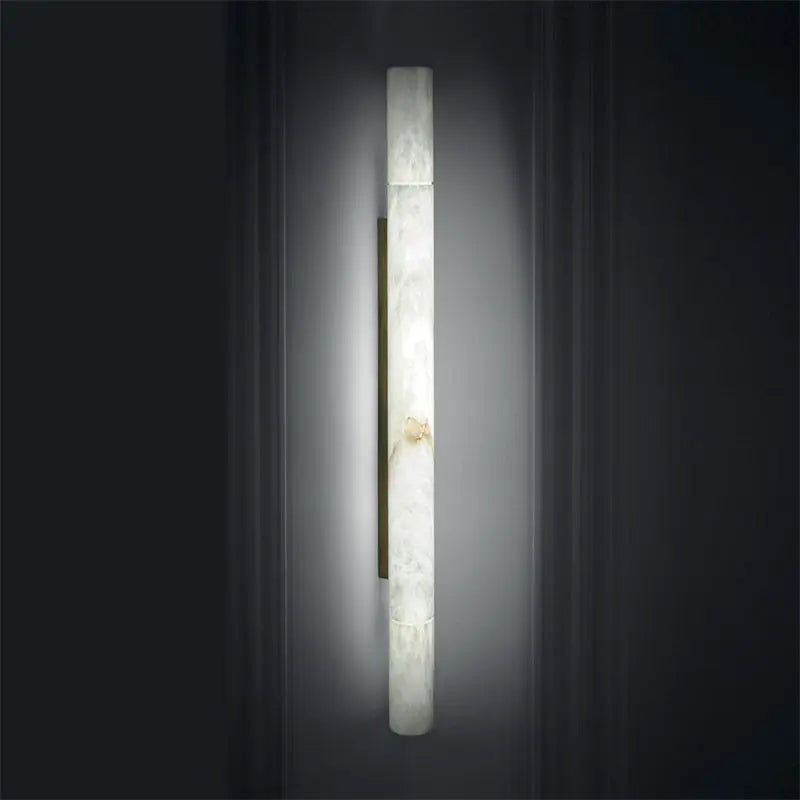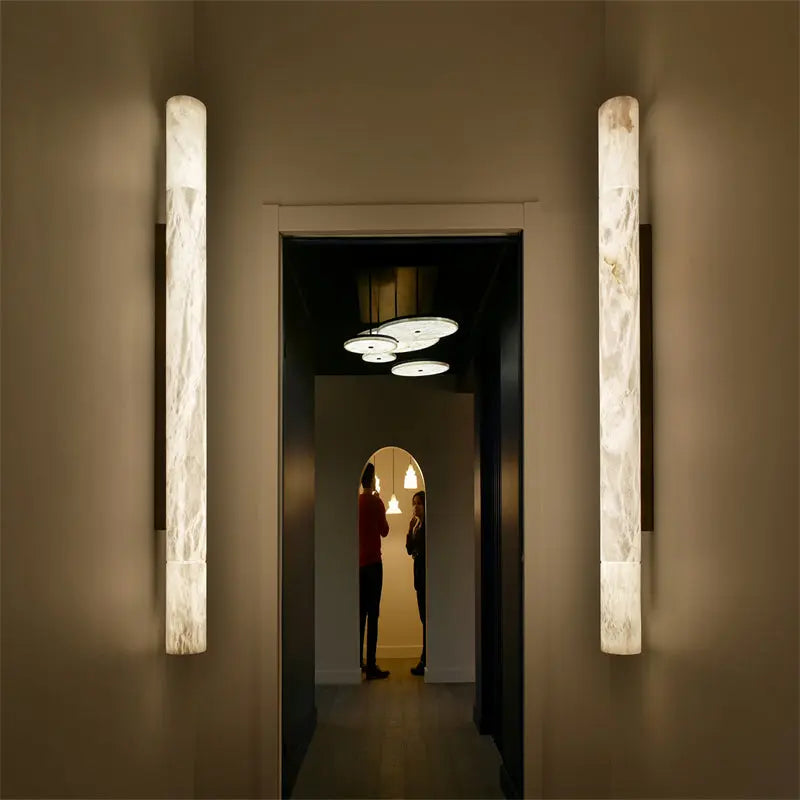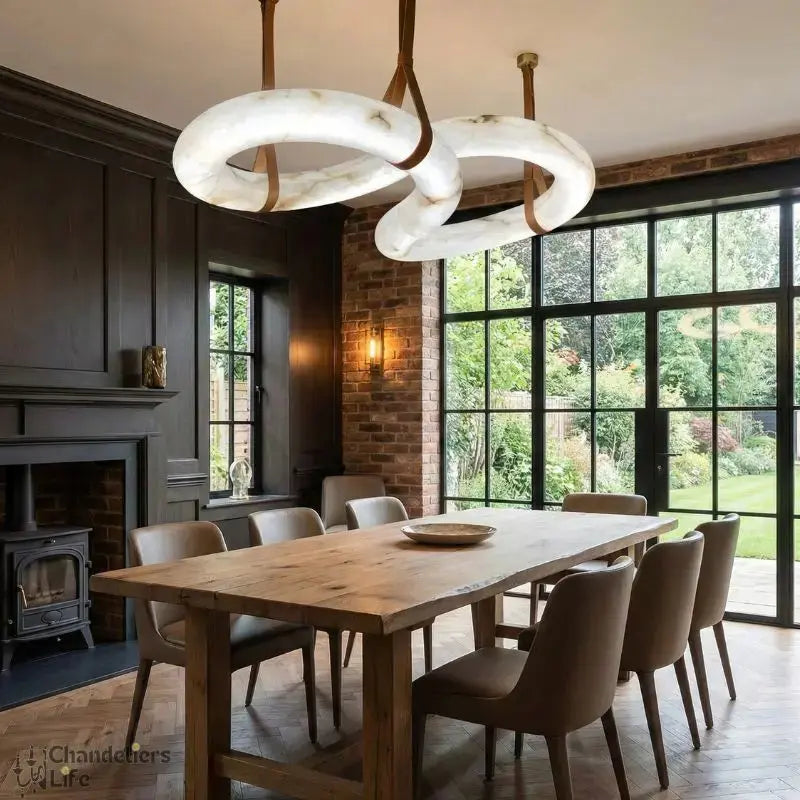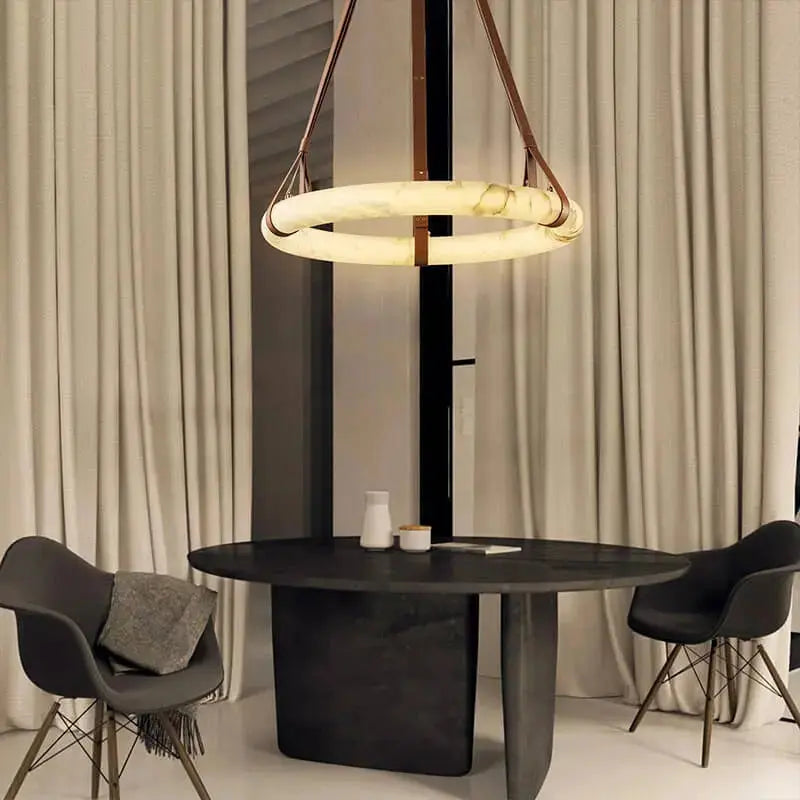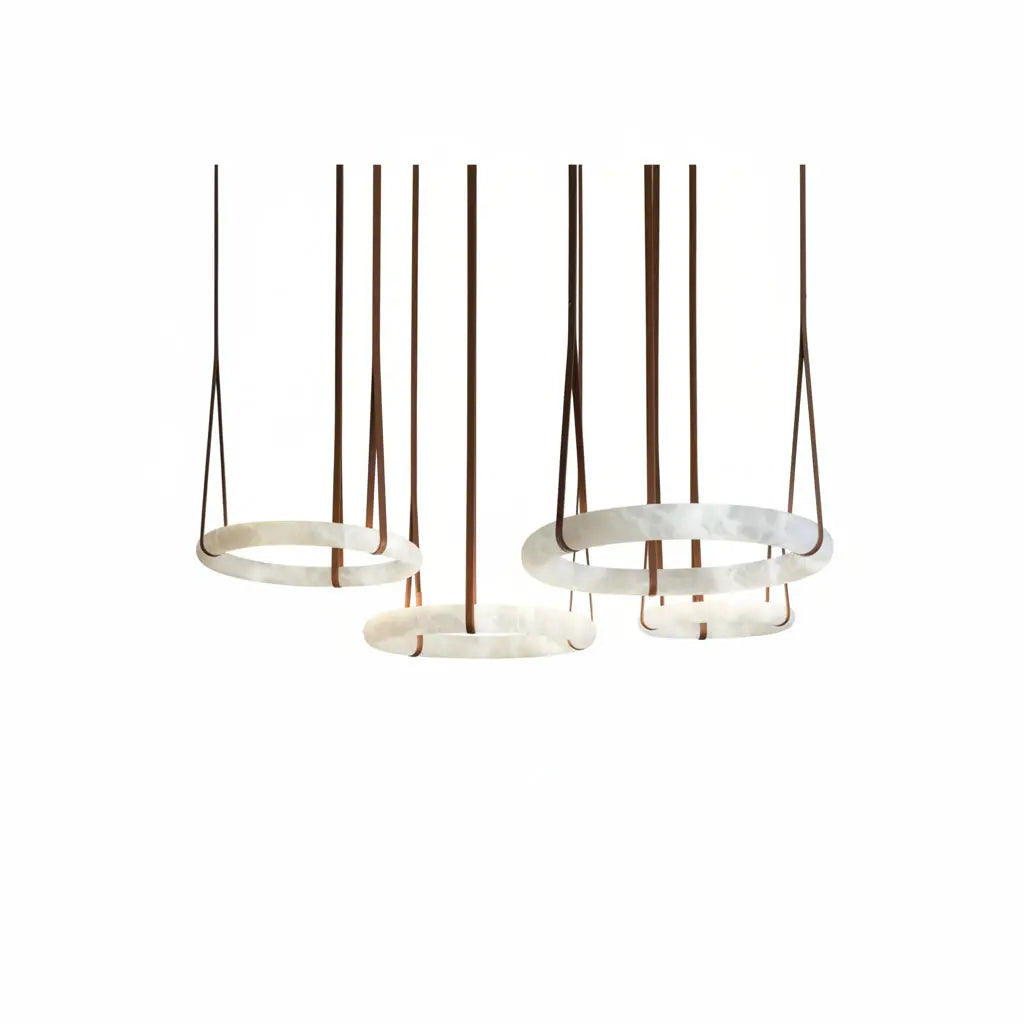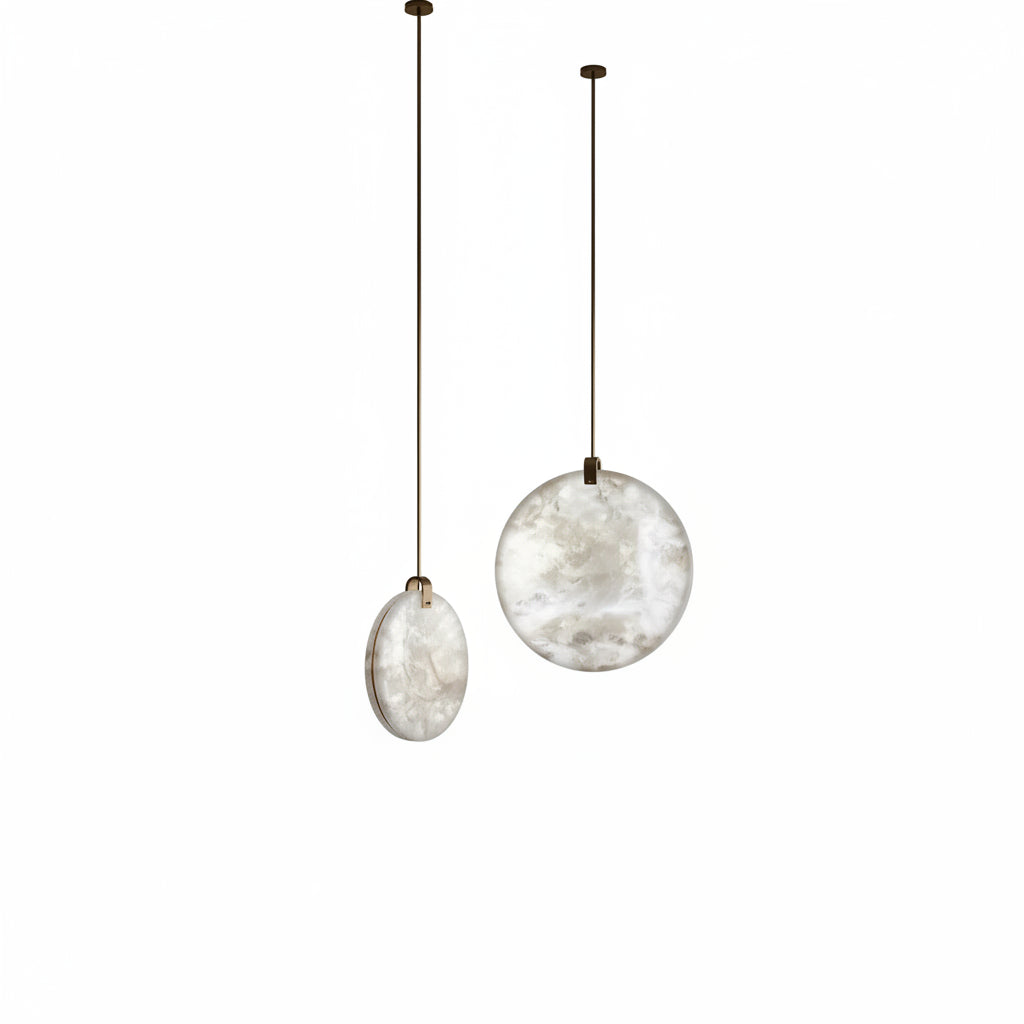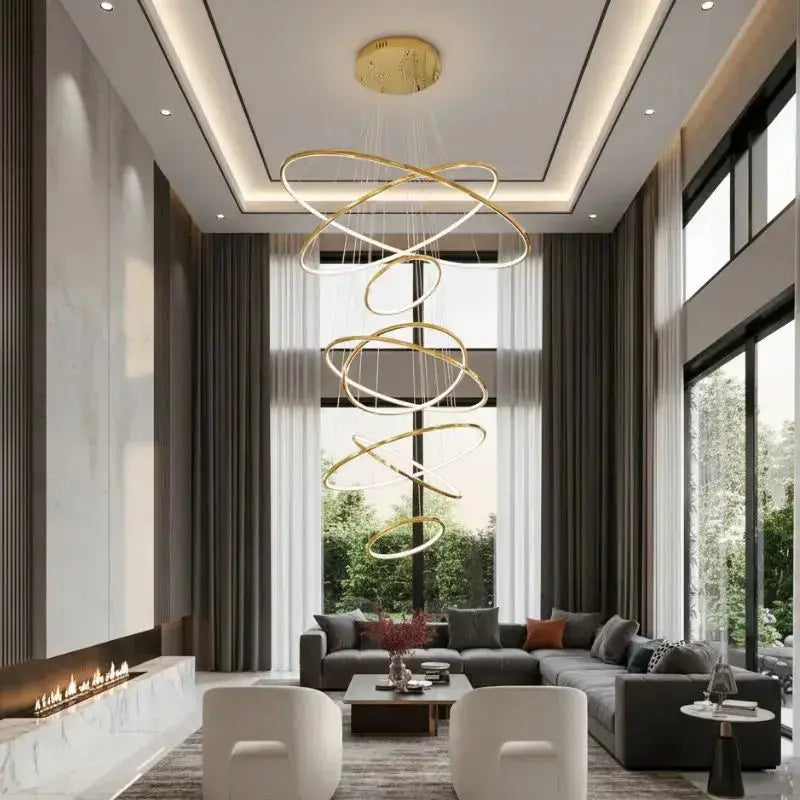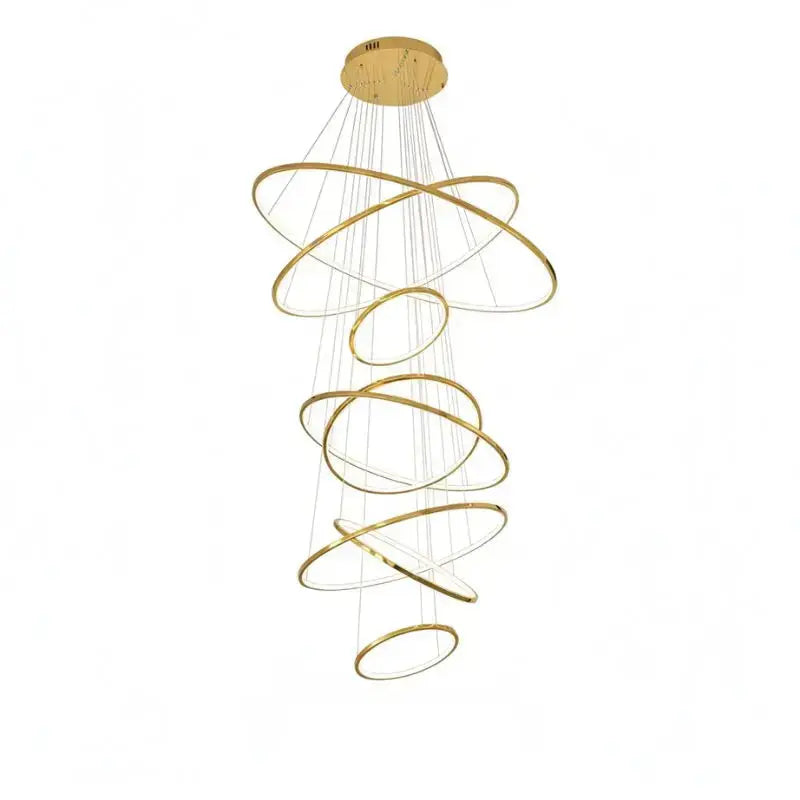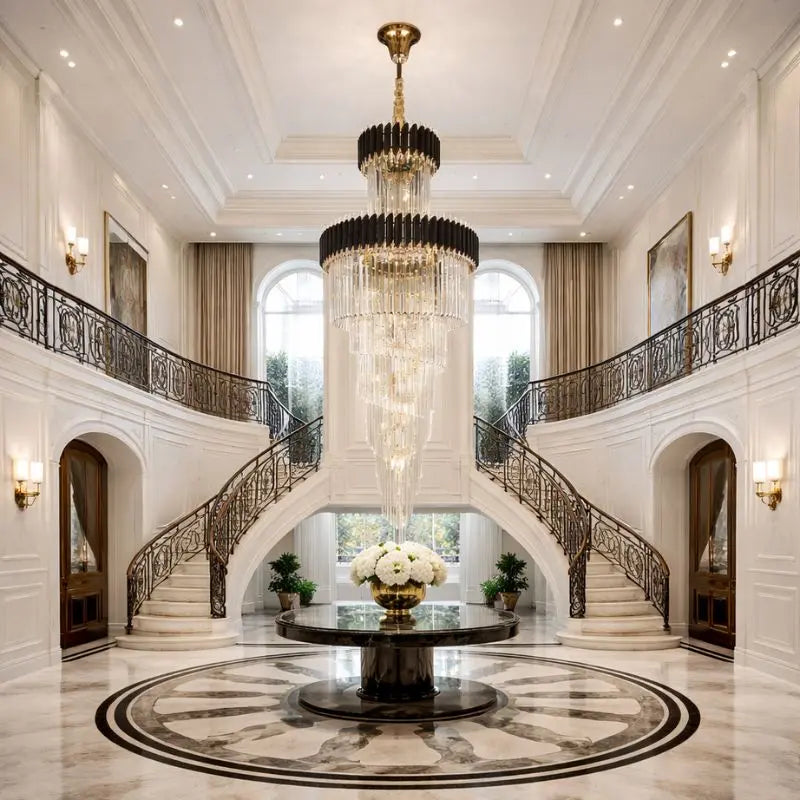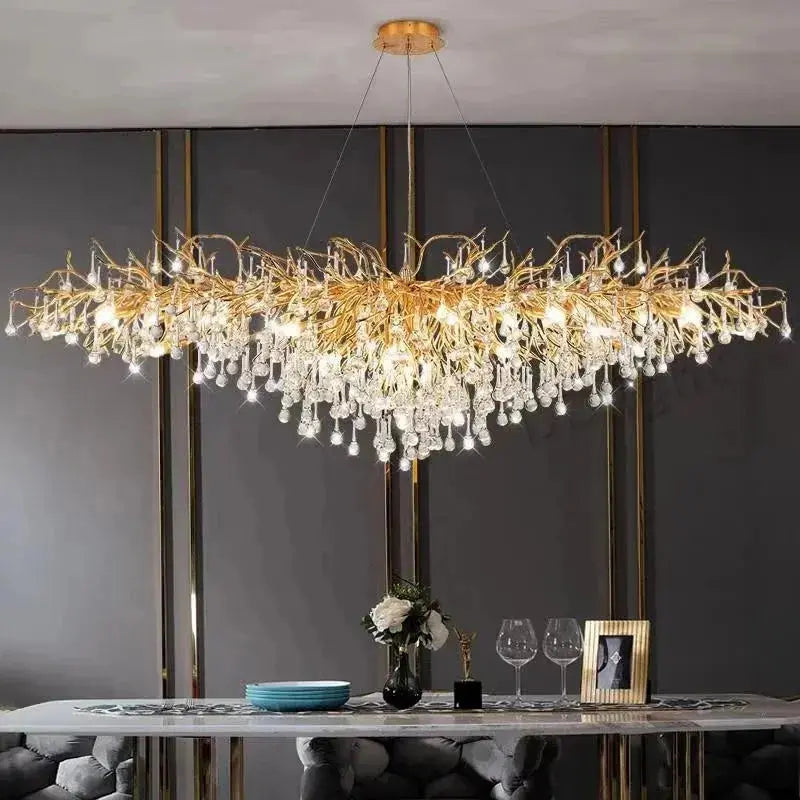

The kitchen is often called the heart of the home, right? It’s where we cook, eat, and hang out. So, having the right lighting is super important. Good lighting doesn't just make the place look better; it makes it easier to actually use the kitchen for all those things. This post is going to walk you through some ideas for kitchen lamp ceiling fixtures that can really change your space. We'll cover the basics of kitchen lighting and then look at different types of fixtures, what to think about when you're picking them out, and how to put them all together. Let's get your kitchen looking and feeling great!
Key Takeaways
- Think about the three main types of kitchen lighting: ambient for general brightness, task lighting for work areas, and accent lighting to highlight features. Mixing them creates a balanced space.
- Consider different kitchen lamp ceiling fixture types like sleek recessed lights, statement pendant lights, elegant chandeliers, or practical flush mount fixtures. Each has its own look and function.
- When choosing, check your kitchen's size and ceiling height. Also, think about what you do in the kitchen to make sure you have enough light where you need it, especially for tasks.
- Match your chosen fixtures to your kitchen's overall style, whether it's modern, farmhouse, or something else. The right fixture can really tie the room together.
- Don't forget about energy efficiency. Using LED bulbs and dimmers saves money and lets you adjust the mood. Smart home compatibility is also a nice bonus for modern kitchens.
Understanding Kitchen Lighting Essentials
When you're thinking about updating your kitchen, lighting is one of those things that can make a huge difference, but it's often overlooked. It's not just about having a light bulb overhead; it's about creating a space that feels good to be in, whether you're whipping up a quick breakfast or hosting a dinner party. Good lighting really impacts both how the kitchen looks and how well you can actually use it. It's like the unsung hero of kitchen design.
The Three Pillars Of Kitchen Illumination
Think of kitchen lighting like building a solid house – you need a good foundation, walls, and a roof. In lighting, these are your ambient, task, and accent lights. Getting these three right means your kitchen will be functional and look great.
- Ambient Lighting: This is your general, all-over light. It's the main brightness that fills the room, making it safe to walk around and see the general layout. Usually, this comes from ceiling fixtures like flush mounts or recessed lights. It sets the overall mood.
- Task Lighting: This is the focused light you need for specific jobs. Think about where you chop veggies, mix ingredients, or read a recipe. Under-cabinet lights are a classic example, but you might also need a brighter light over your stove or sink. Without good task lighting, you'll be working in shadows, which isn't ideal for cooking.
- Accent Lighting: This is the fun part, where you add a little flair. Accent lights draw attention to specific features you want to show off, like a cool backsplash, a piece of art, or a display cabinet. It adds depth and personality to the space.
Defining Ambient, Task, and Accent Lighting
Let's break down what each of these really means in a kitchen setting.
Ambient Lighting is your base layer. It's the light that makes your kitchen feel open and welcoming. It's not about being super bright, but about providing enough general illumination so you don't feel like you're in a cave. For many kitchens, this is achieved with ceiling-mounted fixtures that spread light evenly across the room. It's the light you turn on when you first walk in.
Task Lighting is all about practicality. It's the bright, direct light needed for activities that require good visibility. This includes chopping, measuring, and reading instructions. Good task lighting prevents eye strain and makes kitchen work safer and more enjoyable. You might need to consider specific descriptive phrase if your ceiling height is limited, but the goal is always to illuminate your work surfaces effectively.
Accent Lighting adds visual interest. It's like putting a spotlight on the best parts of your kitchen. This could be highlighting a collection of cookbooks on a shelf, a decorative vase, or the texture of your countertops. It's the lighting that makes your kitchen feel more polished and designed, rather than just functional. It helps create a mood and makes the space more dynamic.
Getting the balance right between these three types of lighting is key. Too much ambient light can make a space feel flat, while not enough task lighting makes it hard to work. Accent lighting, used sparingly, can really make your kitchen pop.
Exploring Popular Kitchen Lamp Ceiling Fixture Types
The kitchen is often the heart of the home, and good lighting is key to making it both functional and inviting. When you're thinking about ceiling fixtures, there are several popular types that can really change the feel of your space. It's not just about brightness; it's about style and how the light works with your kitchen's layout.
Sleek Recessed Lighting Solutions
Recessed lights, sometimes called can lights or downlights, are installed right into the ceiling. They give off a clean look because they don't hang down. This makes them a great choice for kitchens where you want a minimalist vibe or have lower ceilings. They provide really even, general light, which is perfect for making sure the whole kitchen is well-lit. You can put them all over the ceiling for consistent ambient light, or group them over work areas. Using LED versions is a smart move for saving energy.
Statement Pendant Lights
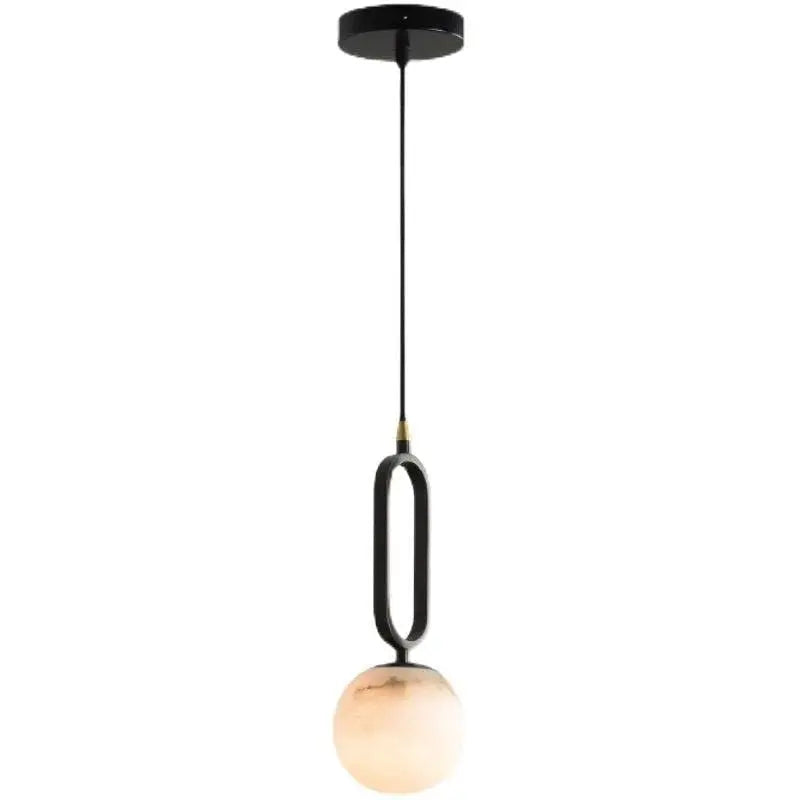
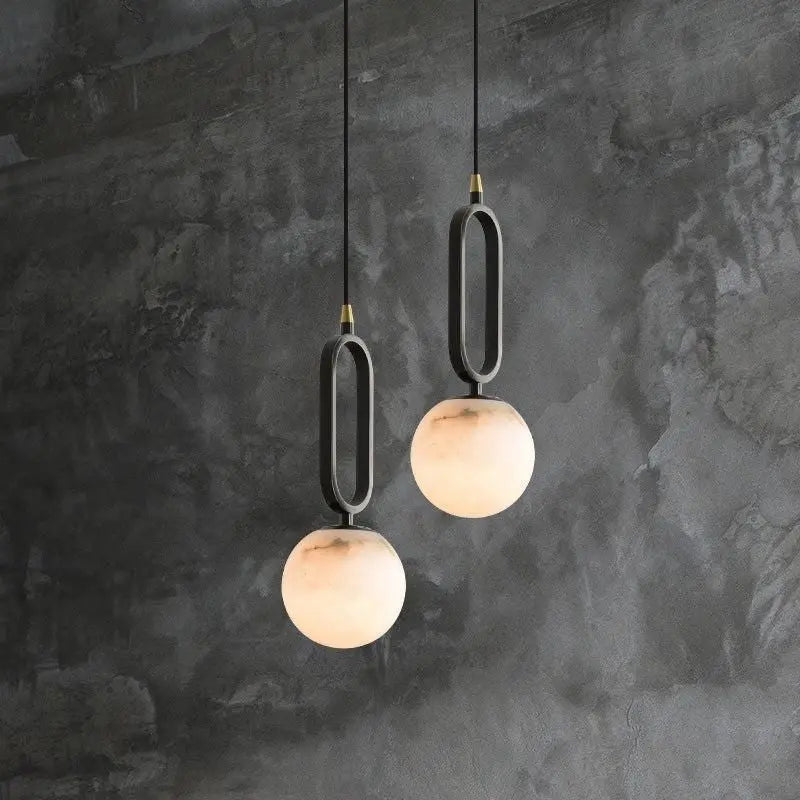
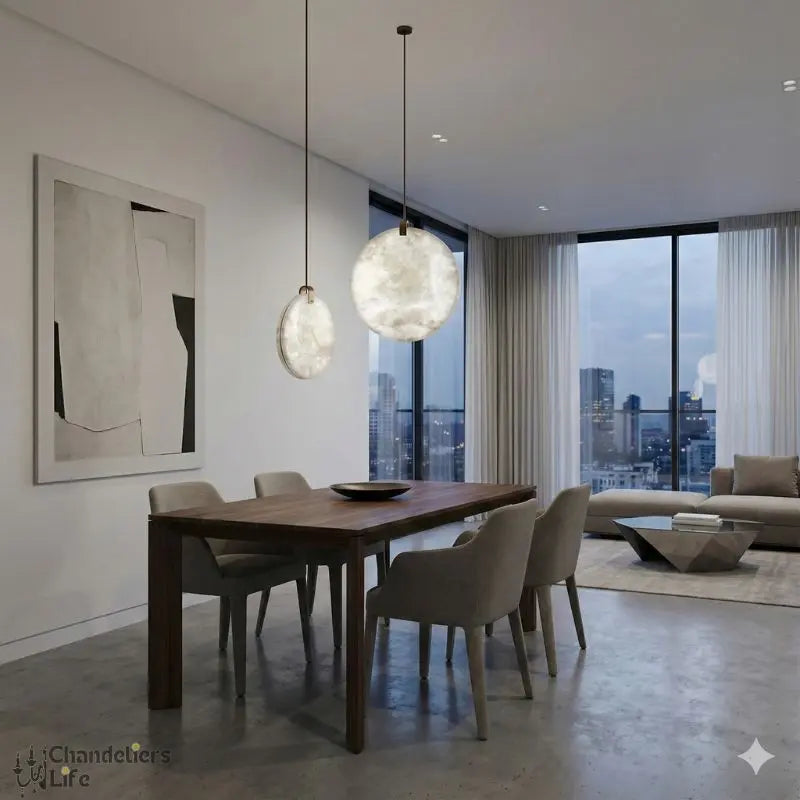
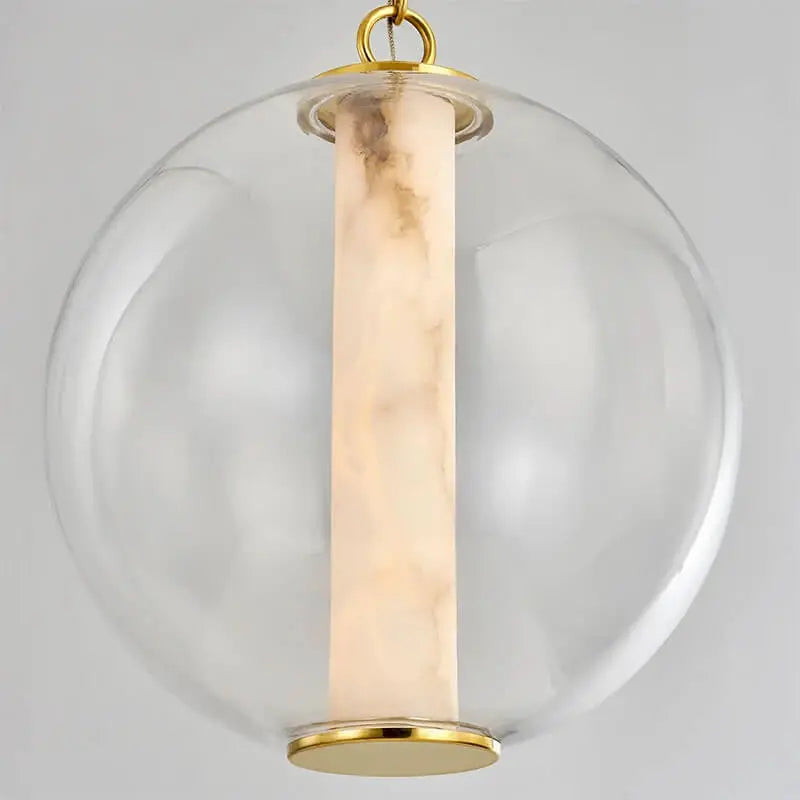
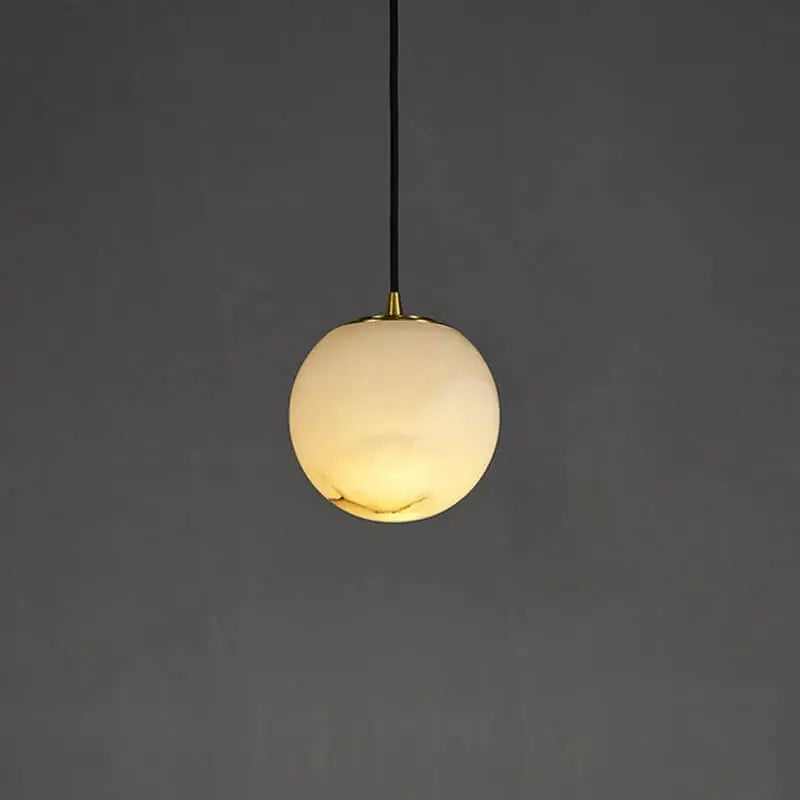
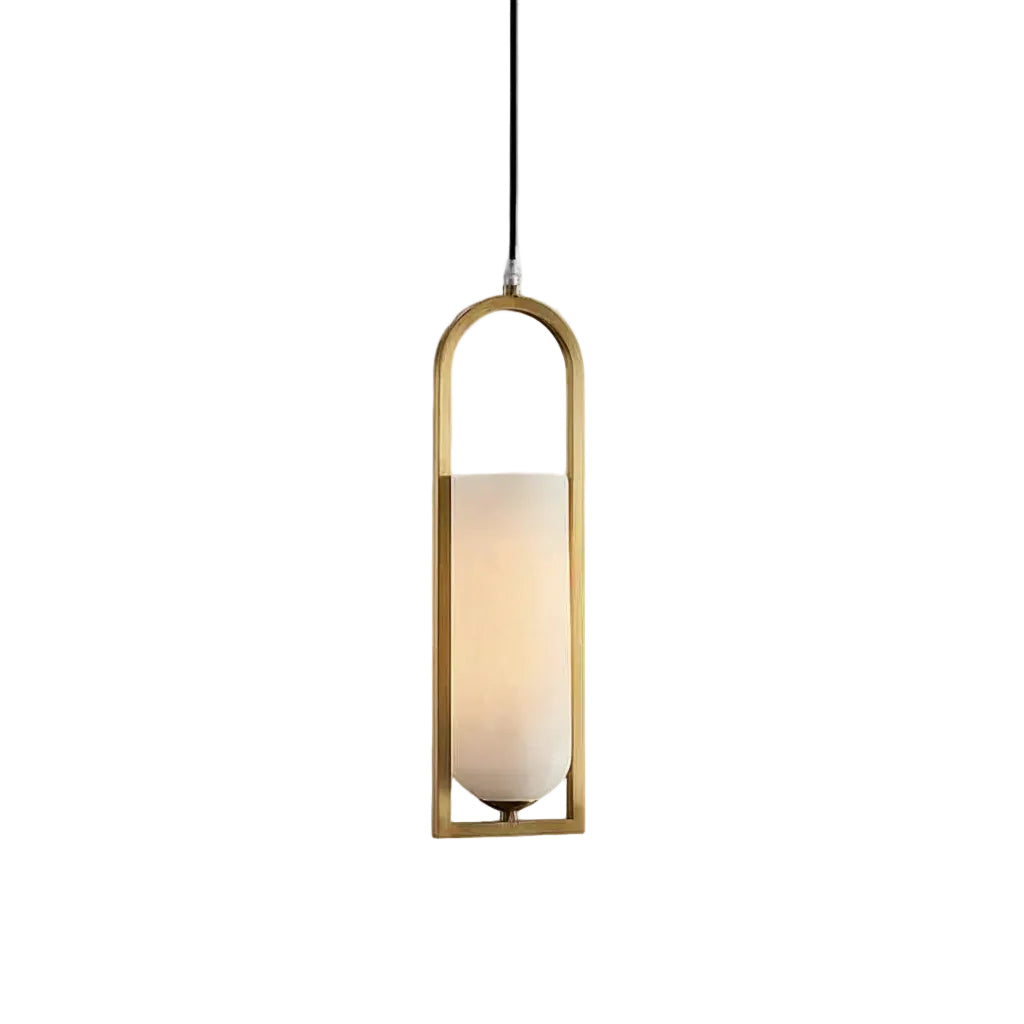
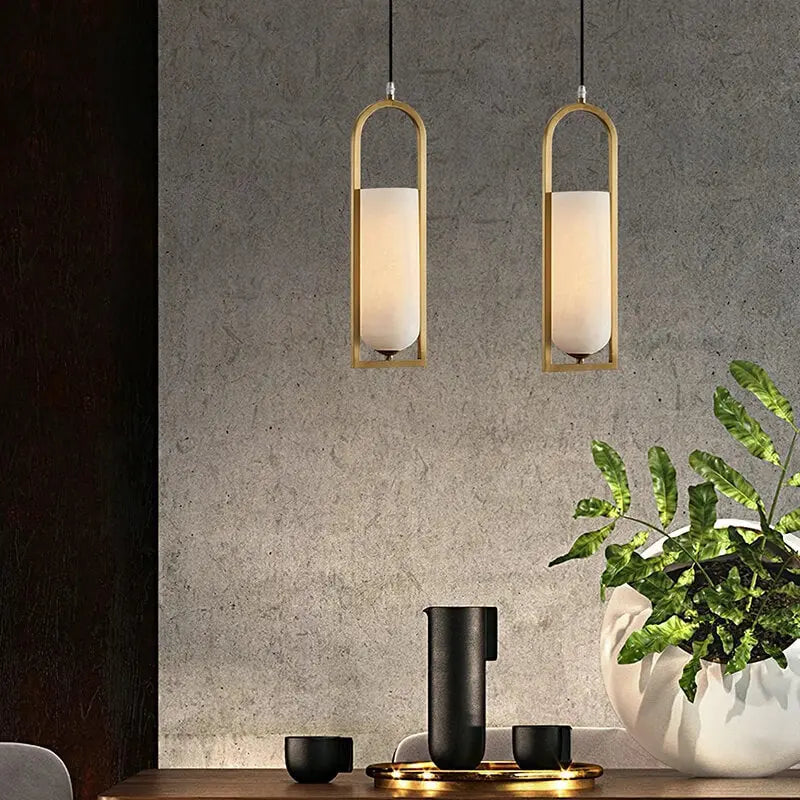
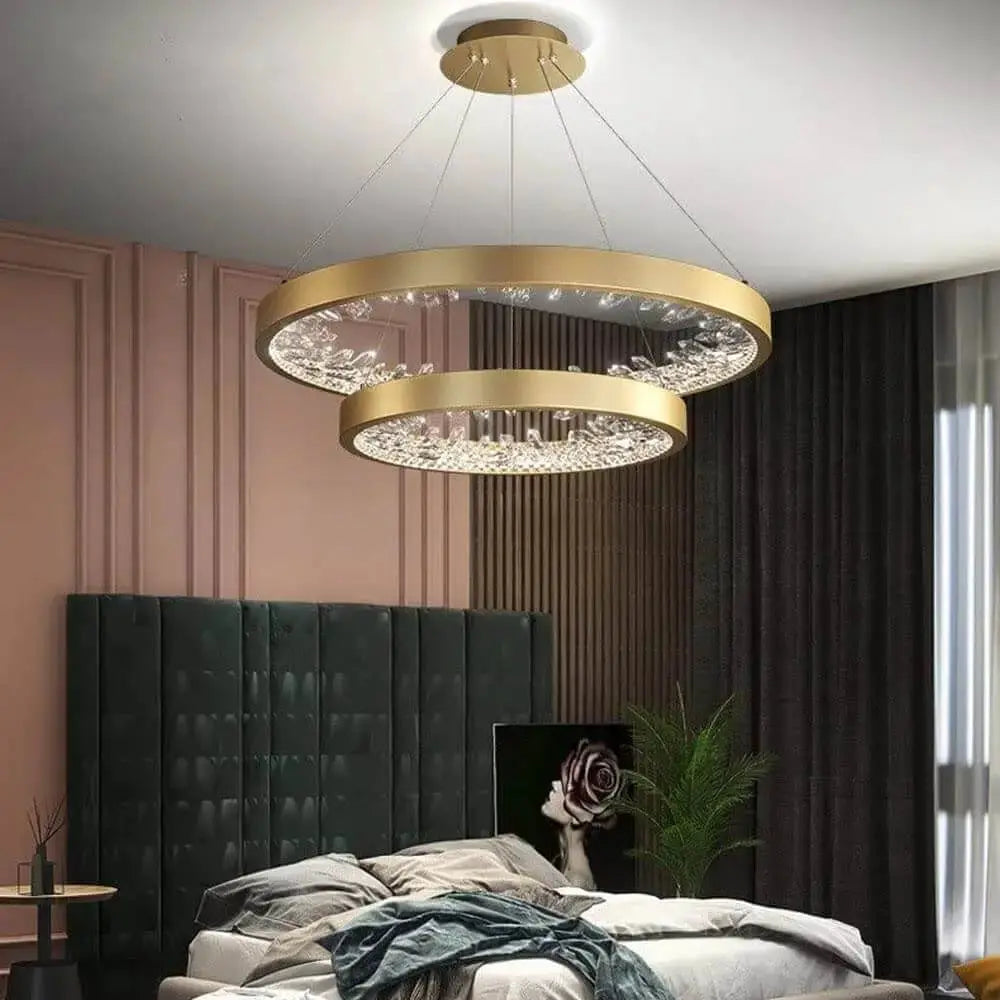
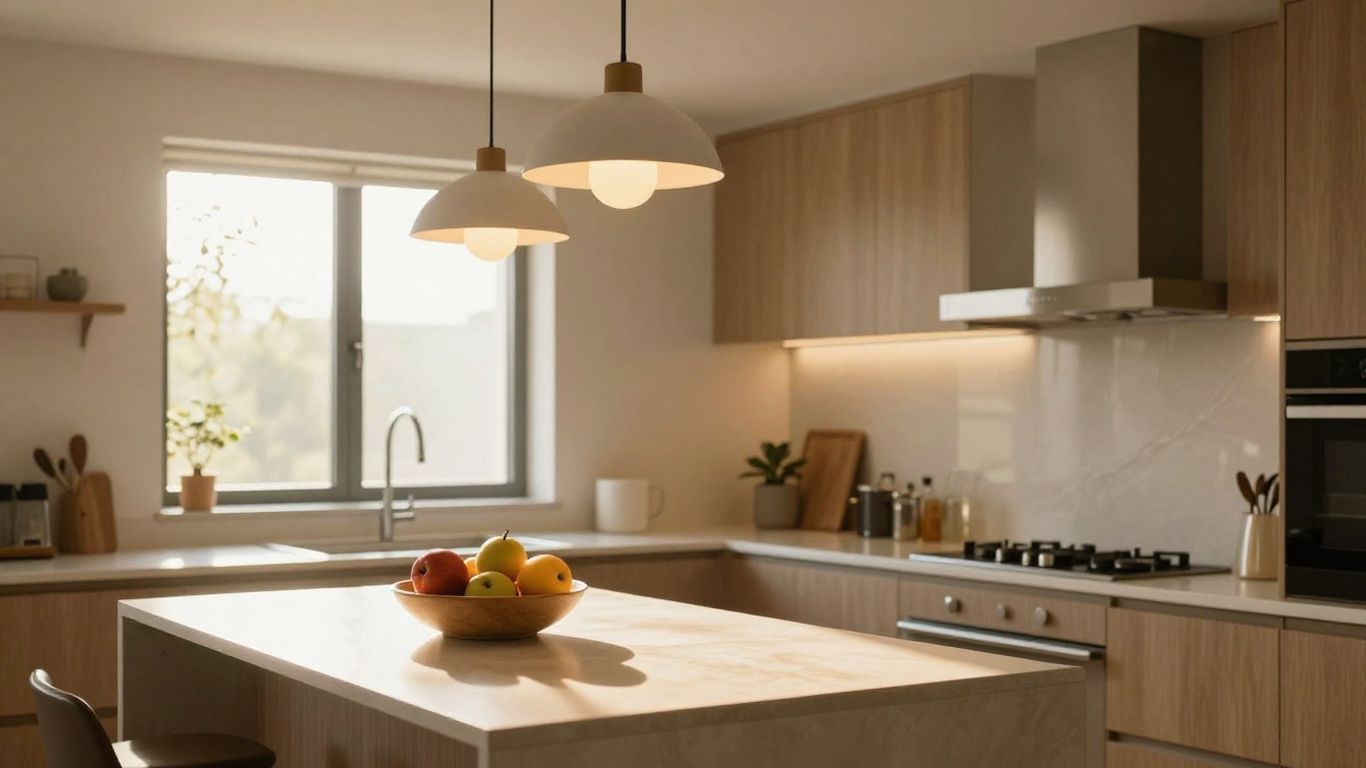
Pendant lights hang down from the ceiling, and they're fantastic for adding personality. You can hang a single one over a sink or a small table, or group several together over a kitchen island. Cluster pendants, where multiple lights hang at different heights, can create a really dramatic focal point. They come in so many styles, from modern metal designs to rustic glass ones, so you can really match them to your kitchen's look. They're not just for looks, though; they also provide good task lighting right where you need it.
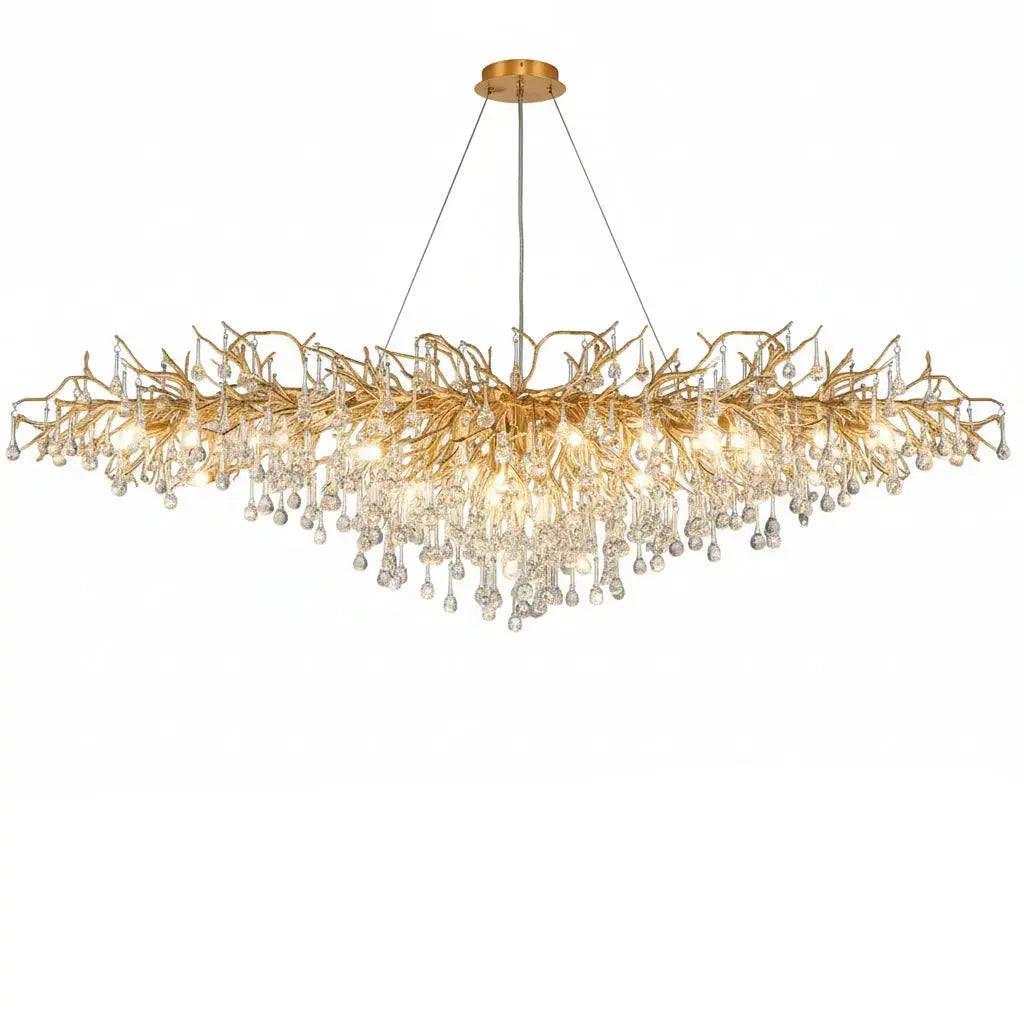
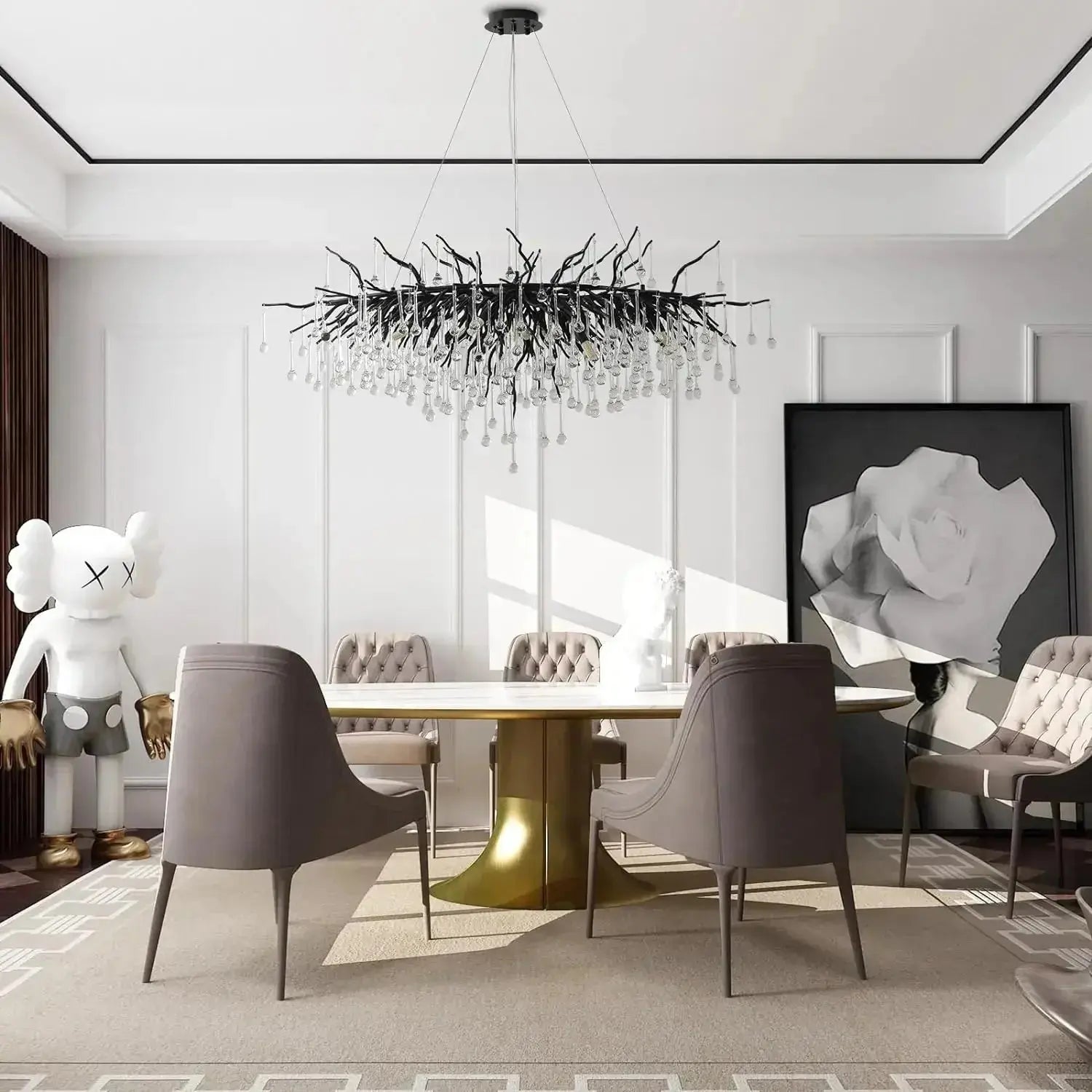
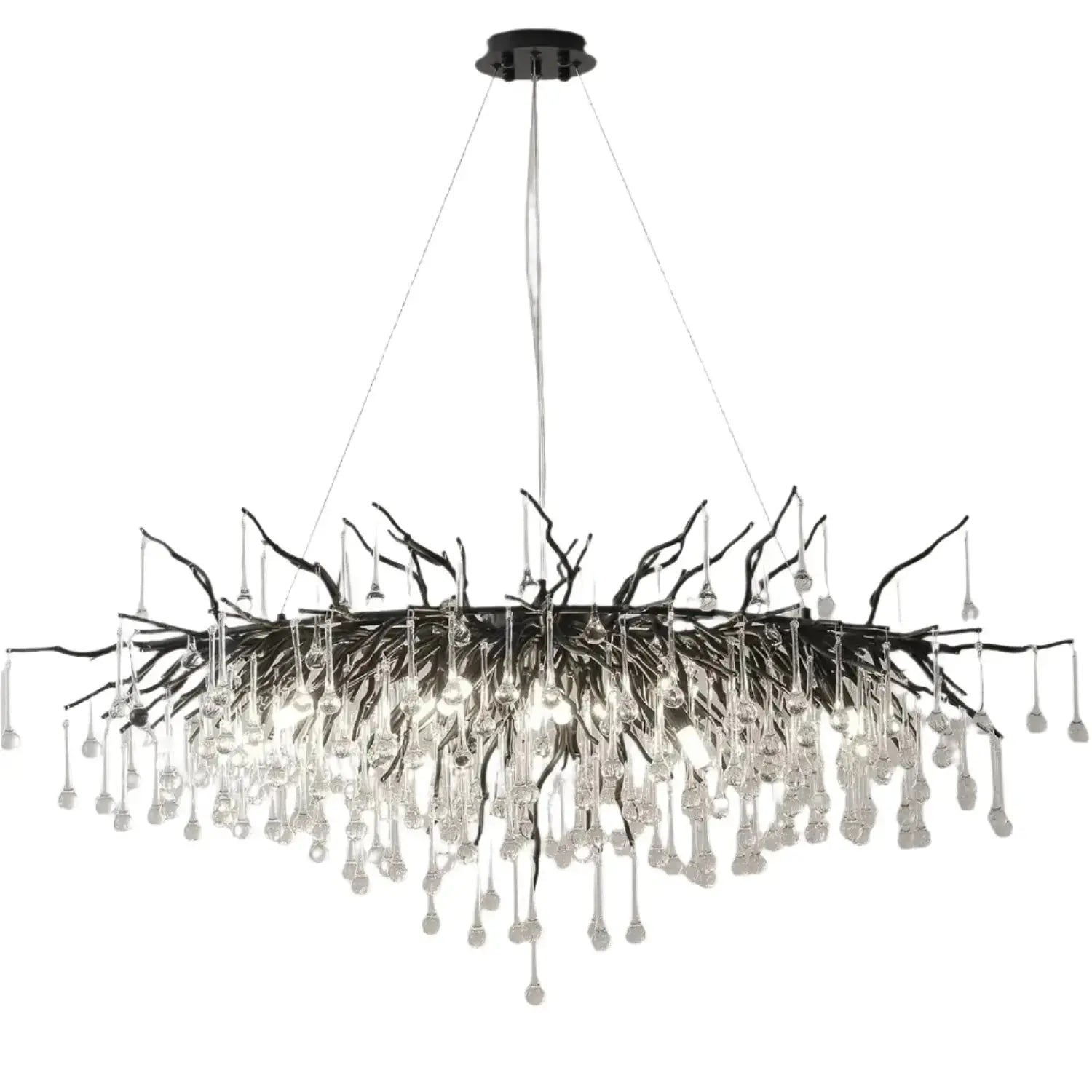
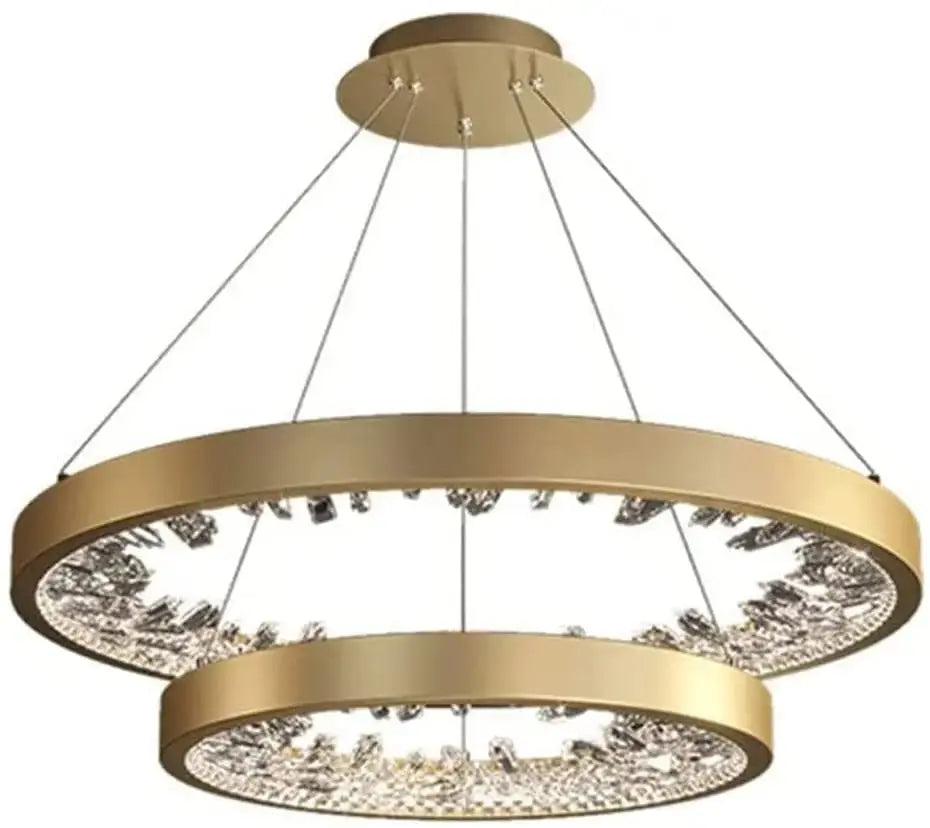
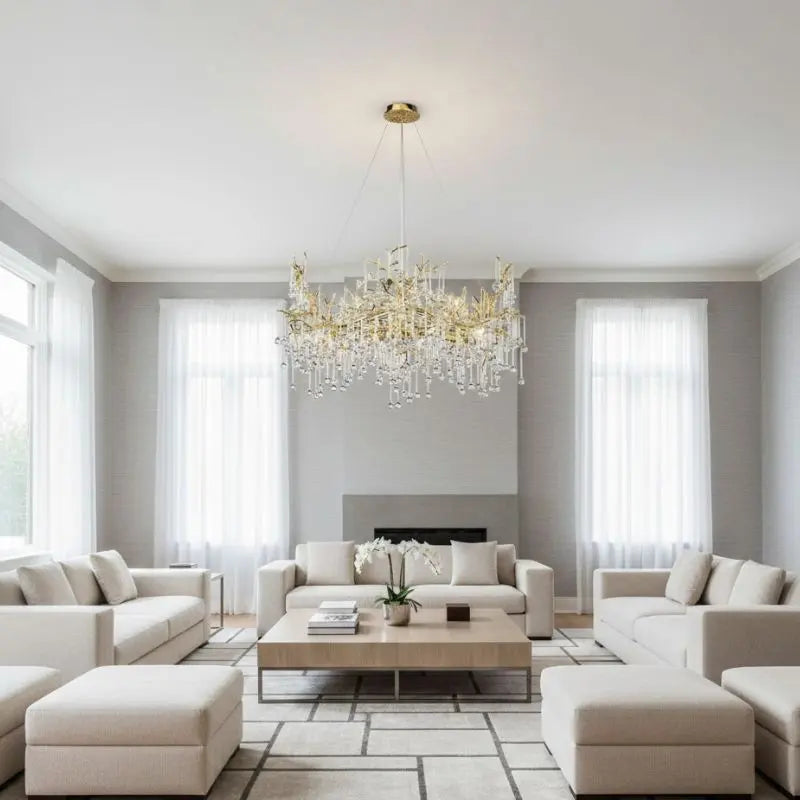
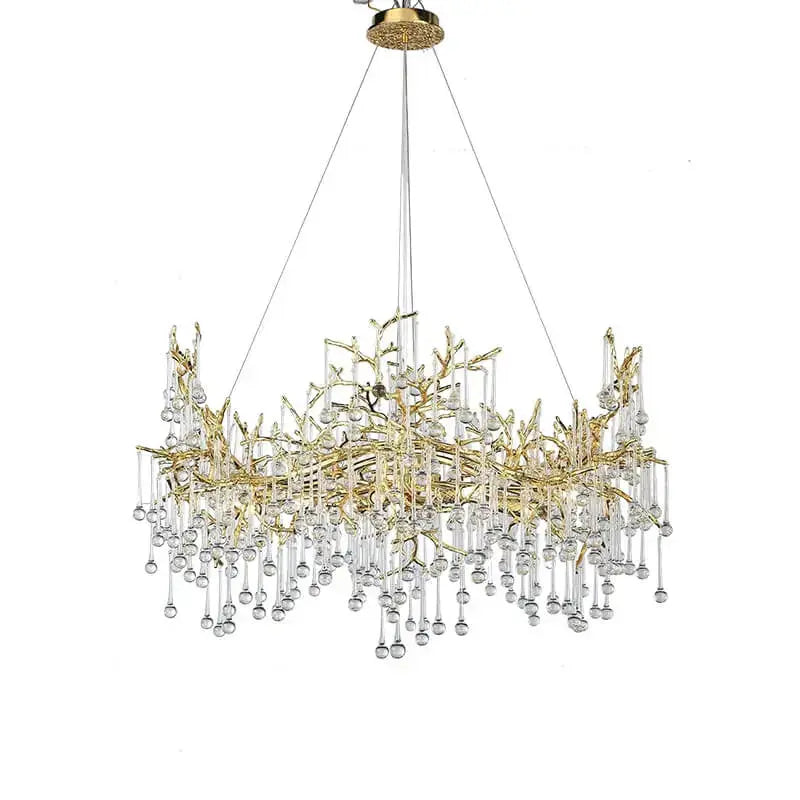
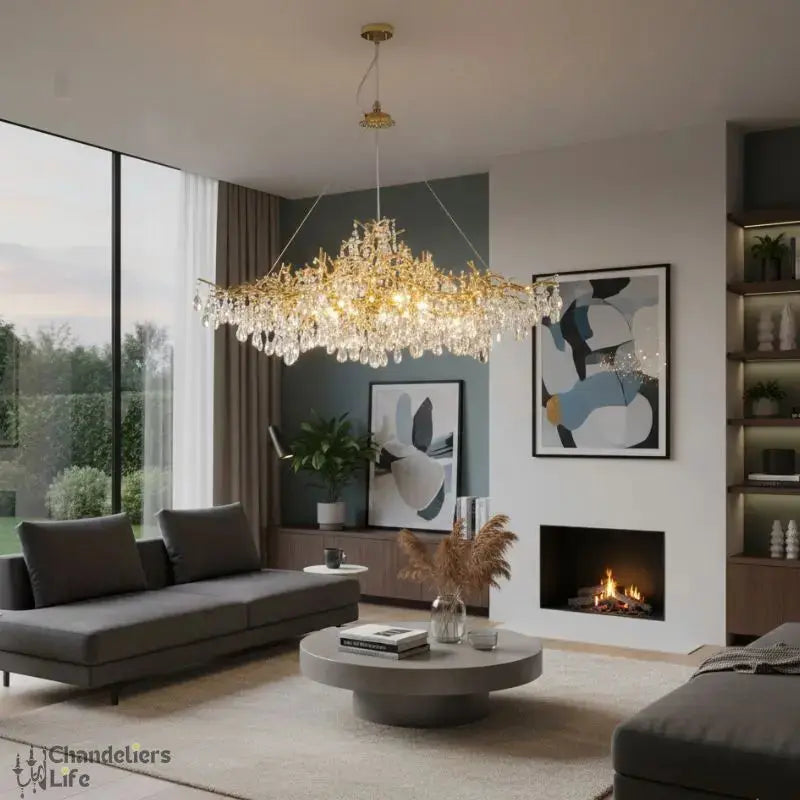
Elegant Chandeliers For Your Kitchen
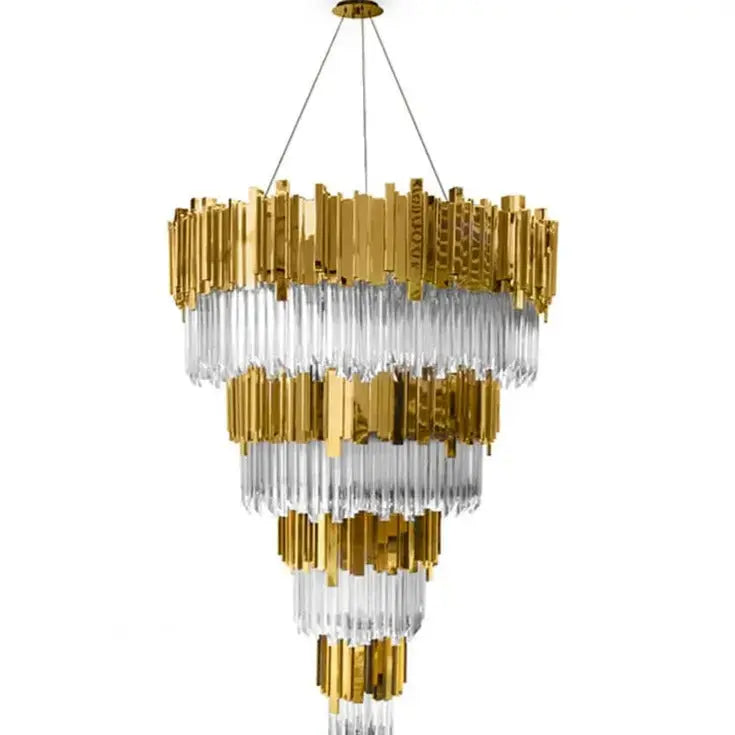
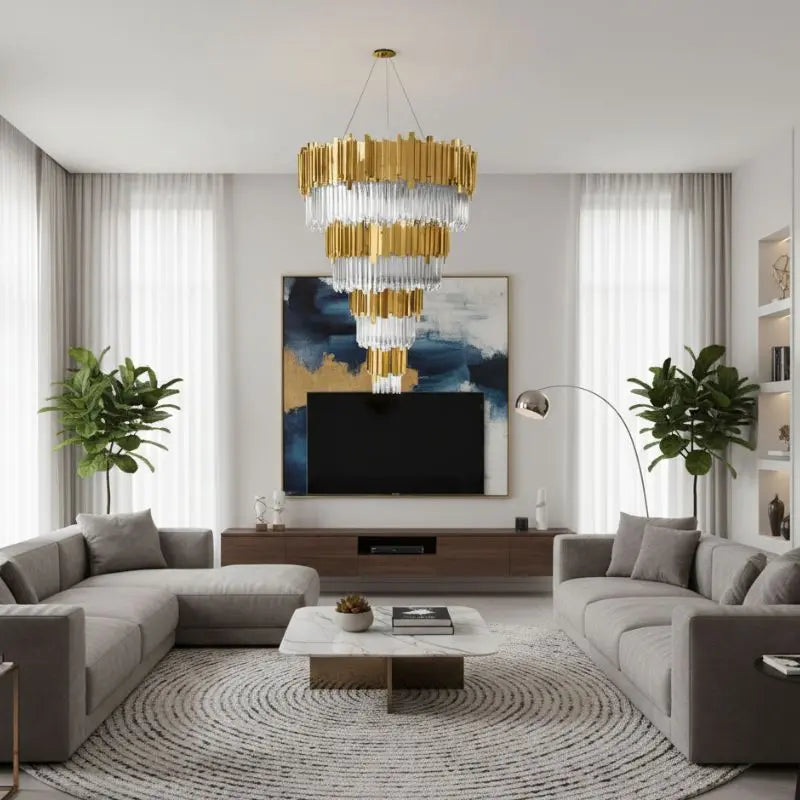
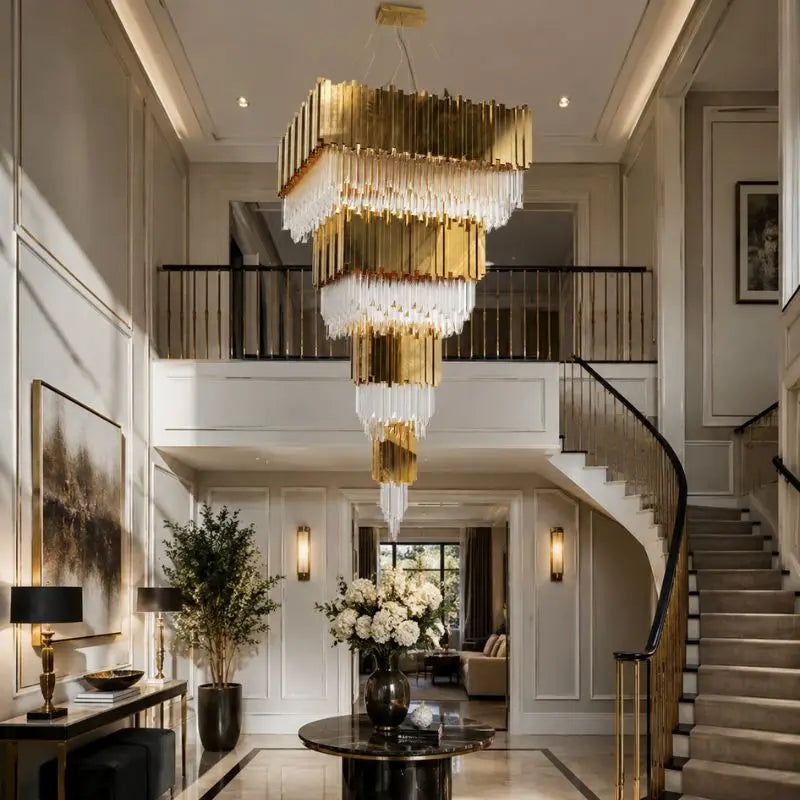
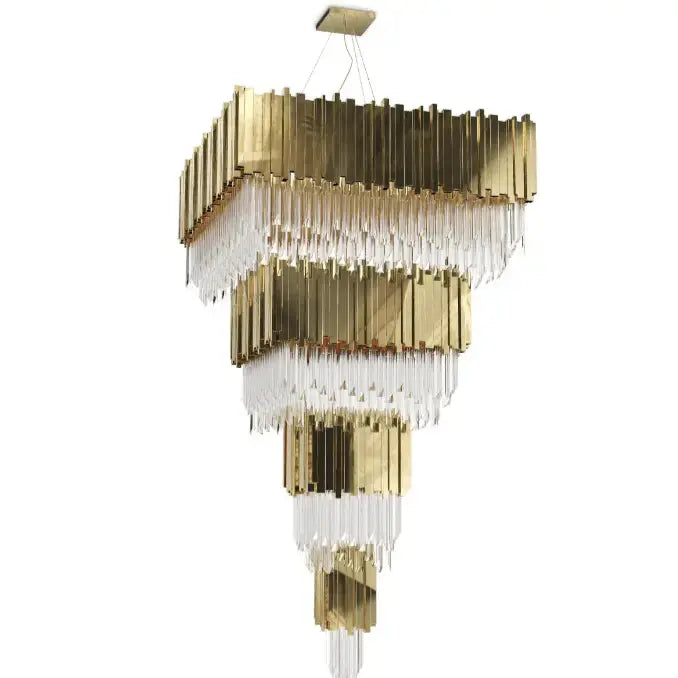
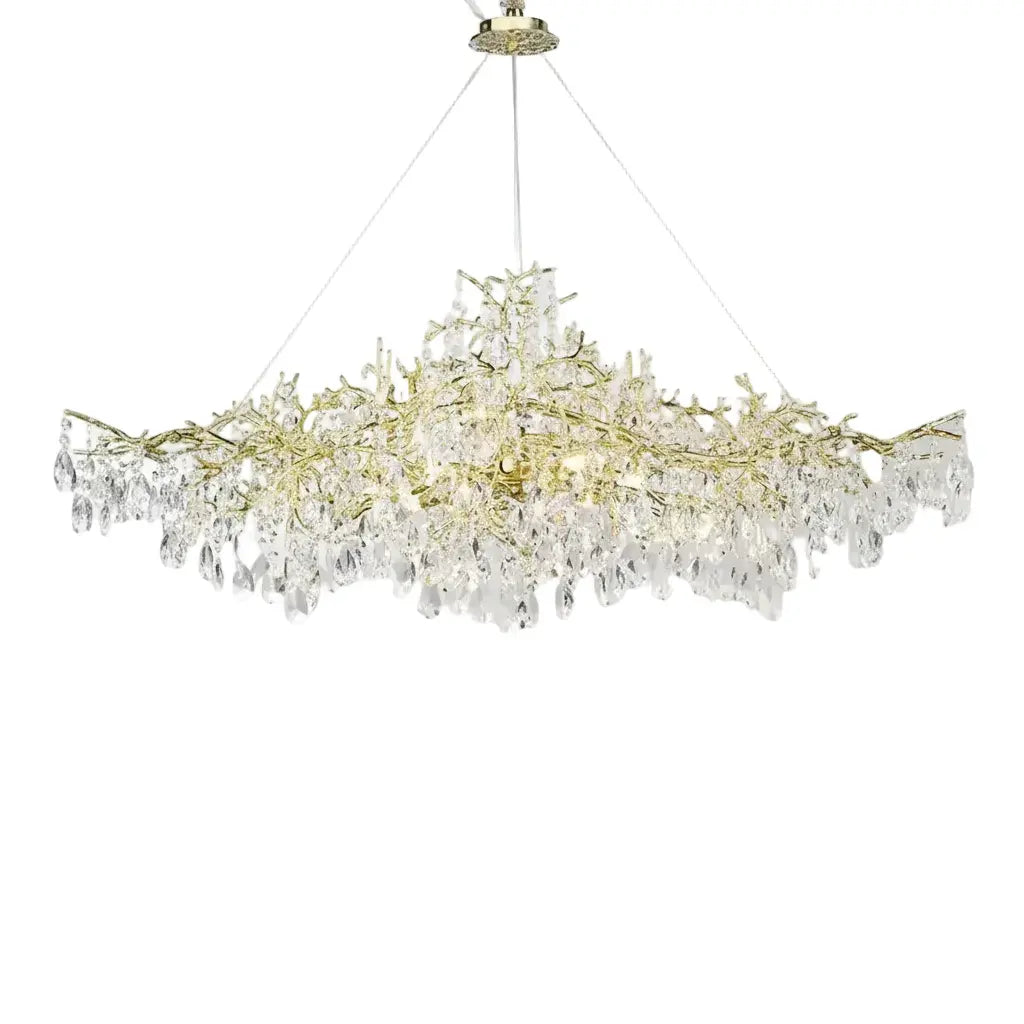
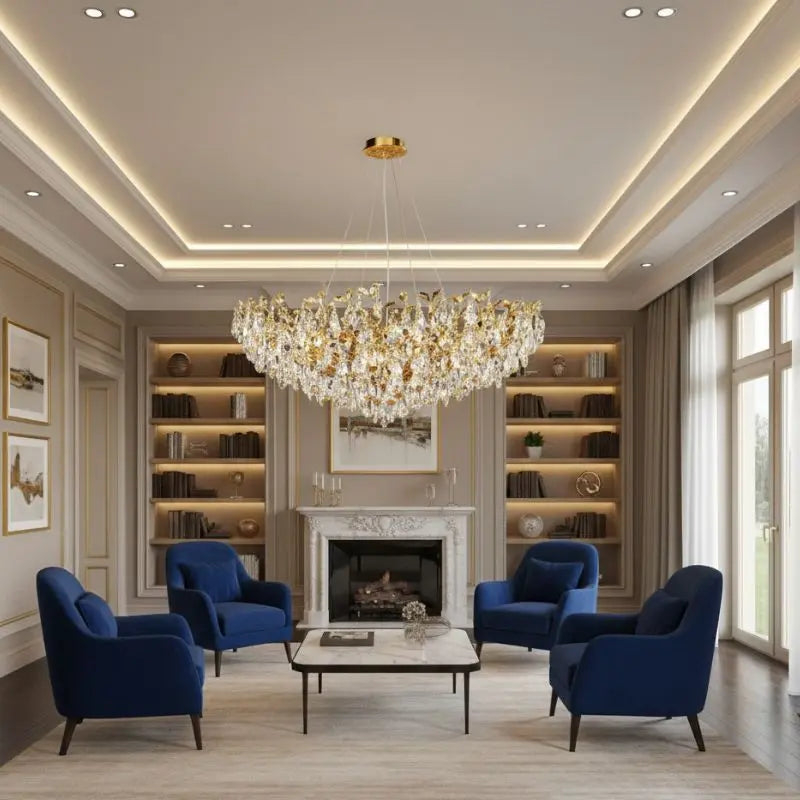
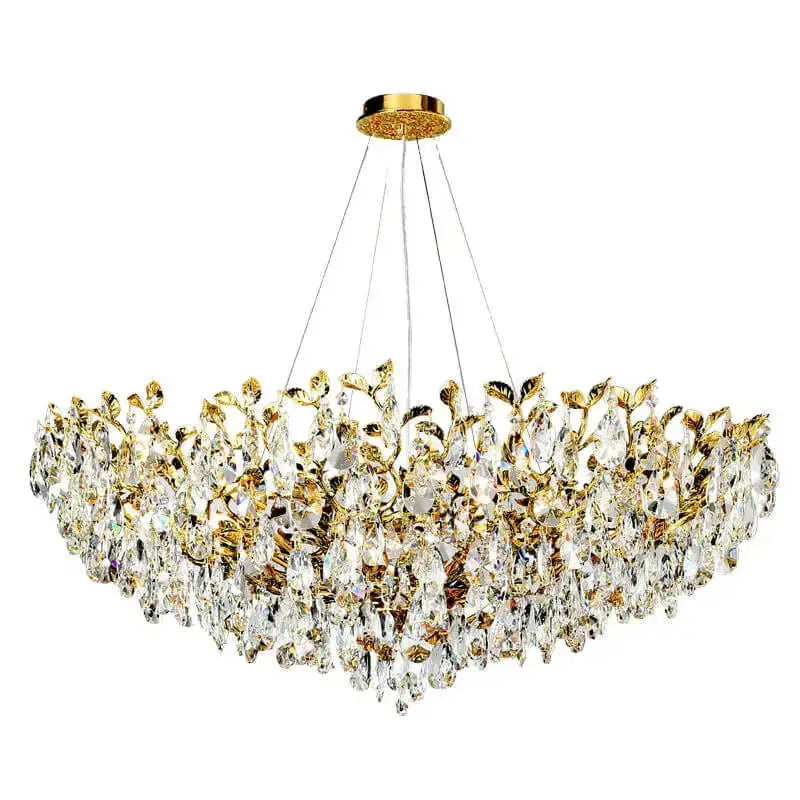
Who says chandeliers are just for dining rooms? A well-chosen chandelier can add a touch of glamour and sophistication to your kitchen. Think about a modern chandelier with clean lines for a contemporary space, or a more ornate one for a traditional kitchen. They work best in larger kitchens or over a central island, acting as a beautiful centerpiece that also lights up the entire area. Just make sure the size of the chandelier fits the scale of your kitchen so it doesn't feel overwhelming.
Versatile Flush Mount Fixtures
Flush mount fixtures are attached directly to the ceiling, with no gap. They're a really practical option, especially for kitchens with lower ceilings, because they don't take up visual space. They give off a good amount of general light and come in a wide range of styles, from simple and modern to more decorative designs. They're a solid choice when you need reliable, even illumination without a fixture that protrudes too much. You can find great flush mount ceiling lighting fixtures that offer both style and function.
Choosing the right ceiling fixture is about balancing how much light you need with the overall look you're going for. Think about how you use your kitchen and what kind of atmosphere you want to create.
Key Considerations For Selecting Your Kitchen Ceiling Fixture
Picking out the right ceiling light for your kitchen isn't just about making it look pretty, though that's a big part of it. You've got to think about how you actually use your kitchen and what kind of vibe you're going for. It's a bit of a balancing act, really.
Assessing Your Kitchen's Layout And Ceiling Height
First off, take a good look at your kitchen. Where are the counters? Where do you prep food? Where do people usually hang out? Thinking about the layout helps you figure out where you'll need light the most. You don't want to be chopping onions in the dark, right? Also, how high are your ceilings? This is a big one. For standard 8-foot ceilings, you'll want fixtures that hang down a reasonable amount, maybe 12-16 inches in diameter for things like pendants. For standard 8-foot ceilings, aim for fixtures 12-16 inches in diameter. If you have super high ceilings, you can get away with something more dramatic, like a big chandelier or a cluster of pendants. Just make sure nobody's going to bump their head when they're reaching for a mug.
Prioritizing Functionality And Task Illumination
Let's be real, the kitchen is a workspace. So, while style matters, making sure you have enough light for cooking and cleaning is super important. Think about where you do most of your work. Do you need focused light over the stove or the sink? Maybe you need to cut down on shadows when you're dicing vegetables. Dimmable lights are a lifesaver here. You can have bright light when you're busy cooking and then dim it down for a more relaxed feel when you're just hanging out.
Here's a quick rundown of what to think about for task lighting:
- Prep Areas: Make sure counters where you chop and mix are well-lit.
- Cooking Zones: Over the stove and oven, you need good visibility.
- Sink Area: Washing dishes or rinsing produce requires focused light.
- Reading Nooks: If you have a spot for recipes, ensure it's bright enough.
Sometimes, the simplest solutions are the best. Don't overcomplicate things; focus on where the light needs to go to make your kitchen tasks easier.
Matching Fixtures To Your Kitchen's Decor Style
Now for the fun part – making it look good! Your ceiling fixture should fit in with the rest of your kitchen. Is your style modern and minimalist? Maybe sleek recessed lights or a simple geometric pendant would work. If you're going for a more rustic or farmhouse look, a wrought-iron chandelier or a barn-style pendant might be the ticket. Even industrial kitchens can rock a cool metal fixture. The goal is for the light to complement your existing decor, not clash with it. It should feel like it belongs there, adding to the overall charm of the room.
Optimizing Your Kitchen Lamp Ceiling Fixture Installation
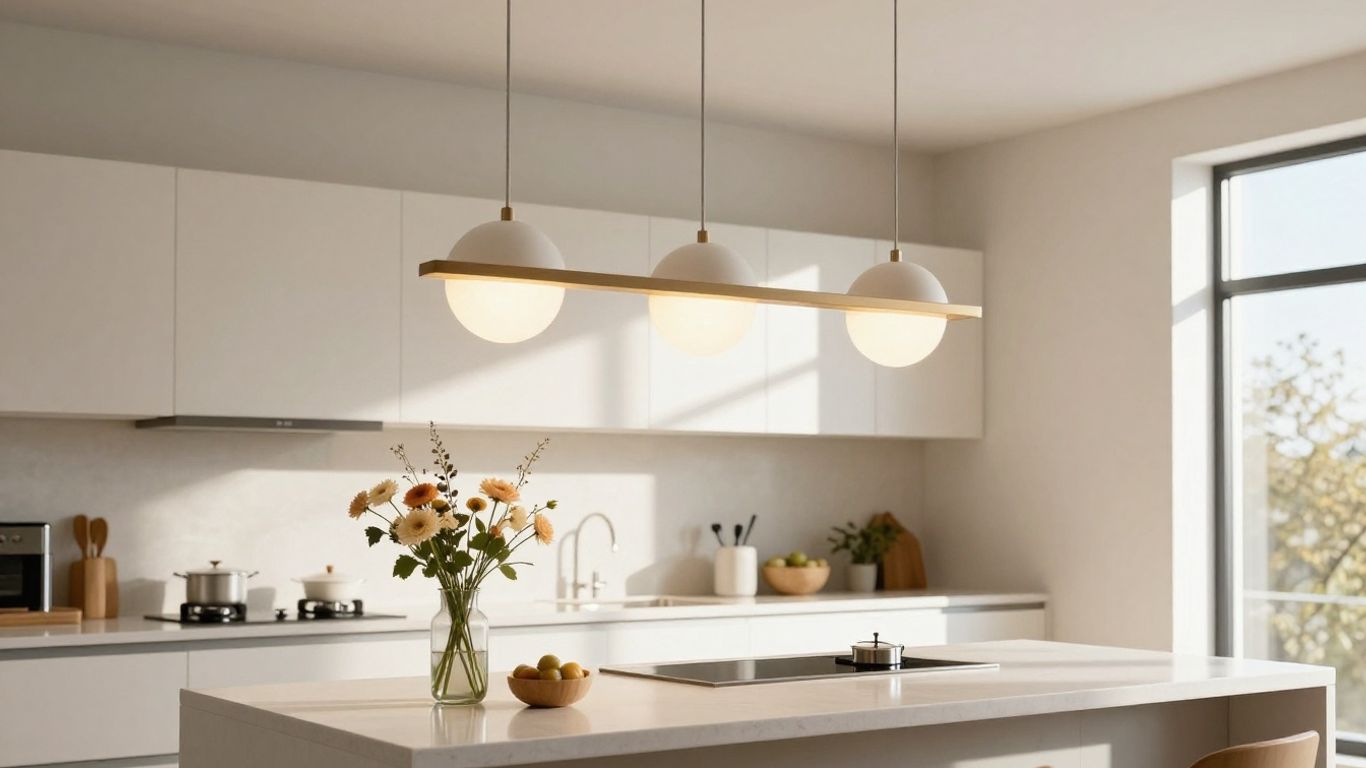
So, you've picked out the perfect ceiling fixture for your kitchen. Awesome! But before you start screwing things in, let's talk about making sure it actually works well. It's not just about looking pretty; it's about making your kitchen easier and nicer to use.
Strategic Placement For Optimal Illumination
Where you put your lights really matters. Think about how you use your kitchen. Are you always chopping veggies at a specific counter? That spot needs good light. Is your island the main hangout zone? Make sure it's well-lit there too. Good placement means fewer shadows where you don't want them and enough light for whatever you're doing.
Here's a quick way to think about it:
- General Lighting: Spread out fixtures like recessed lights or flush mounts to give the whole room an even glow. Aim for consistent spacing.
- Task Lighting: Focus lights directly over work areas – the sink, the stove, the countertops. Pendant lights over an island or under-cabinet lights are great for this.
- Accent Lighting: Use these to draw attention to cool features, like a nice backsplash or a piece of art. They add depth and interest.
Don't forget about your ceiling height. For lower ceilings, keeping fixtures closer to the ceiling, like flush mounts, is usually best. Higher ceilings give you more room to play with hanging fixtures like pendants or chandeliers, but make sure they don't hang so low that people bump their heads. It’s all about balancing the light and the space.
The Importance Of Dimmable Controls
Seriously, get dimmers. They are a game-changer. You might need bright light for prepping dinner, but you probably want something softer for a relaxed weekend breakfast or when you're just hanging out. Dimmers let you adjust the mood and the light level to fit the situation. It’s like having multiple lighting setups in one.
Think about it:
- Meal Prep: Crank up the brightness for clear visibility.
- Dining: Lower the lights for a cozier atmosphere.
- Entertaining: Set a welcoming, ambient glow.
This flexibility makes your kitchen more functional throughout the day and night. Plus, using dimmers can also save a bit on energy when you don't need full brightness.
Choosing The Right Light Bulbs For Ambiance
It's not just the fixture; the bulb inside makes a huge difference. LEDs are the way to go these days – they last ages and use way less power. But beyond that, pay attention to the color temperature. This is usually measured in Kelvin (K).
- Warm White (2700K-3000K): This gives off a cozy, yellowish light, similar to old incandescent bulbs. It's great for creating a relaxed vibe.
- Cool White/Daylight (3500K-5000K): These bulbs give off a bluer, brighter light. They make colors look more vibrant and can make a space feel more energetic, which is good for task areas.
Choosing the right bulb color temperature can totally change how your kitchen feels. A warm bulb can make a modern kitchen feel more inviting, while a cool bulb can make a traditional kitchen feel more crisp and clean. It’s a small detail that has a big impact on the overall look and feel.
When you're picking out bulbs, think about the overall style you're going for and what activities happen most in your kitchen. Getting the bulb right is key to making your new ceiling fixture truly shine. You can find a wide variety of light bulbs to suit your needs at lighting supply stores.
Enhancing Your Kitchen With Layered Lighting
Think of your kitchen lighting like a good outfit – it needs different pieces to look complete and work well. Just having one bright overhead light can feel a bit harsh, you know? Layering your lighting means using a mix of different fixtures to create a space that's not only functional but also feels really inviting. It’s all about combining ambient, task, and accent lighting.
Combining Different Fixture Types
This is where you get to play with different styles. Ambient lighting is your general, all-over light, often from recessed fixtures or a central ceiling light. Then you have task lighting, which is super important for areas where you're actually doing things – like chopping veggies or reading a recipe. Think under-cabinet lights or a focused pendant over your kitchen island. Finally, accent lighting is for highlighting things you love, like a cool backsplash or some decorative shelves. You can use small spotlights or even cabinet lighting for this.
- Ambient: Provides overall illumination for the room.
- Task: Focused light for specific activities like cooking or cleaning.
- Accent: Draws attention to architectural features or decor.
Using a combination of these types makes your kitchen adaptable for any activity or mood. For example, you might have recessed lights for general brightness, a couple of stylish pendant lights over the island for focused prep work, and then some subtle accent lights to show off your favorite dishes in a glass cabinet.
Creating Focal Points With Decorative Lighting
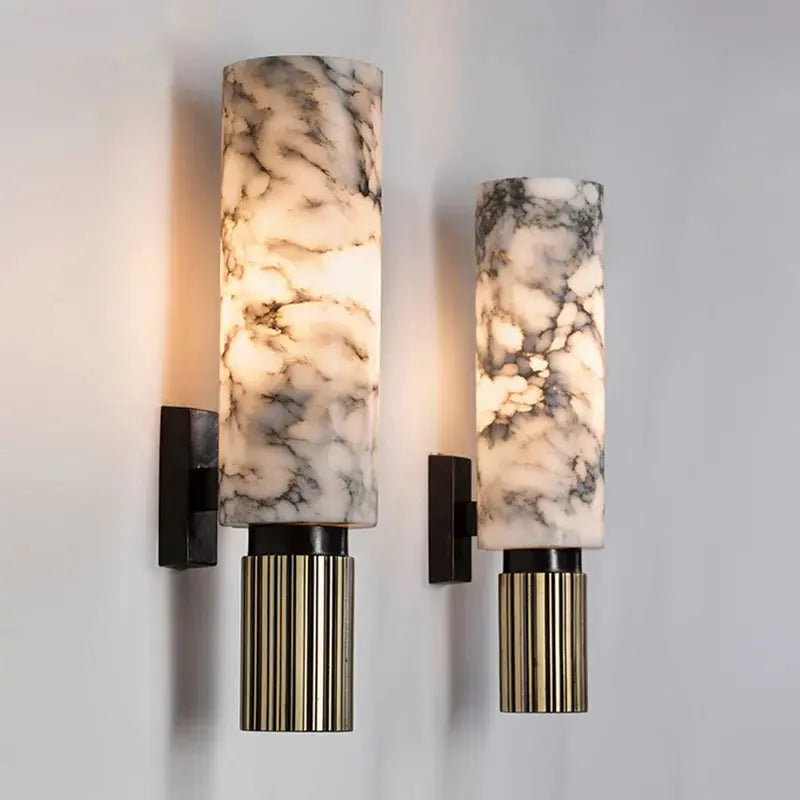
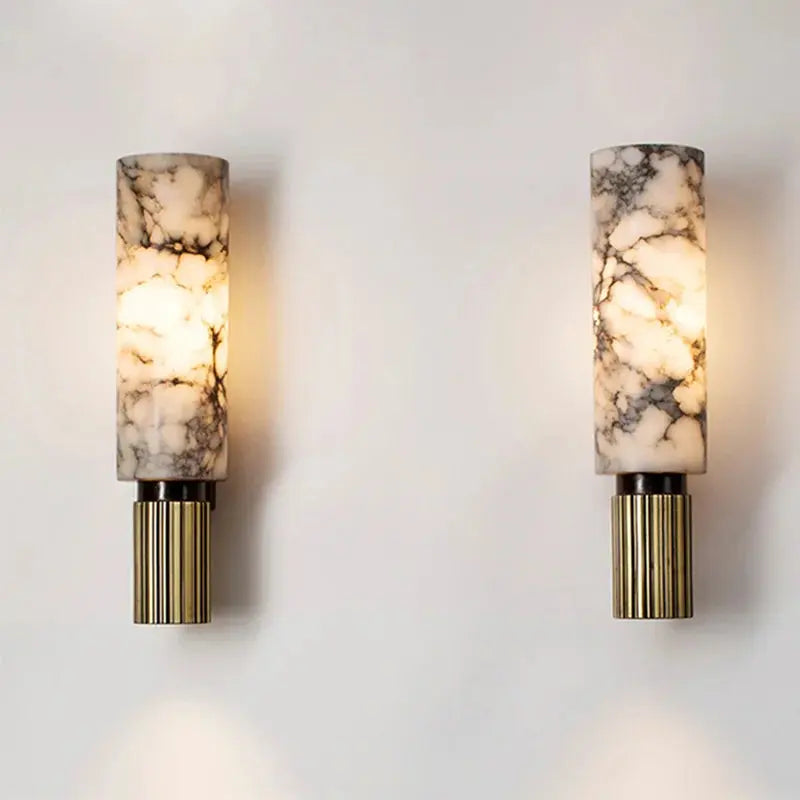
Decorative lighting is your chance to add personality. This could be a striking chandelier that acts as a centerpiece, or maybe a series of smaller, interesting pendants. It’s not just about brightness; it’s about adding visual interest and style. Don't be afraid to mix finishes or styles a little, as long as it feels cohesive with your kitchen's overall look. A well-placed decorative fixture can really make your kitchen feel more like a designed space and less like just a room with lights.
When planning your layers, consider the flow of your kitchen. Think about where you spend the most time and what activities you do there. This will help you decide where to put your task lights and how much ambient light you really need. It’s about making the space work for you, day in and day out.
Getting the balance right means your kitchen can go from a bright workspace for meal prep to a cozy spot for evening chats without feeling jarring. It’s a simple concept that makes a big difference in how your kitchen feels and functions.
Energy Efficiency And Smart Home Integration
When you're picking out lights for your kitchen, it's a good idea to think about how much energy they'll use. It might seem like a small thing, but over time, it really adds up on your electricity bill. Plus, being mindful of energy use is just better for the planet, right?
Long-Term Cost Savings With Efficient Bulbs
Choosing energy-efficient bulbs, especially LEDs, is a smart move. They use way less power than older types of bulbs, and they last a lot longer too. This means you're not just saving money on your monthly bills, but you're also buying replacement bulbs less often. It’s a win-win situation. Think about it like this:
- LEDs: Use about 75% less energy and last up to 25 times longer than incandescent bulbs.
- Halogen Incandescents: A bit better than old incandescents, but still not as good as LEDs.
- CFLs: Use less energy than incandescents, but some people don't like the light quality, and they contain mercury.
Here's a quick look at how different lighting options stack up over time:
| Lighting Option | Initial Investment ($) | Maintenance Costs ($) | Energy Consumption (W) | Long-term Savings Potential ($) | Return on Investment (%) |
|---|---|---|---|---|---|
| LED Recessed Lighting | 500 | 50 | 10 | 300 | 60% |
| Pendant Lighting | 300 | 40 | 20 | 200 | 66% |
| Under Cabinet Lighting | 200 | 30 | 8 | 150 | 75% |
Making the switch to more efficient lighting might cost a bit more upfront, but the savings on your energy bills and the reduced need for replacements make it a financially sound decision in the long run. It's an investment in both your home and your wallet.
Future-Proofing With Smart Technology
Beyond just saving energy, you can also make your kitchen lighting super convenient by integrating it with smart home systems. Imagine being able to control your lights with your voice or set them on a schedule so they turn on and off automatically. This is where pendant lighting and other fixtures can really shine. You can set lights to dim gradually in the evening or brighten up in the morning, all without lifting a finger. It adds a nice touch of modern living and can even help you save more energy by making sure lights aren't left on unnecessarily. Plus, many smart systems allow you to monitor your energy usage, giving you even more control over your consumption.
Wrapping It Up: Your Kitchen's New Glow
So, picking out the right ceiling lights for your kitchen really comes down to what you need and what looks good. Think about how you use your kitchen – do you need bright lights for chopping veggies, or more of a cozy vibe for dinners? By mixing different kinds of lights, like overheads for general brightness and maybe some pendants over the island for focused light, you can make your kitchen work better and look way nicer. Don't forget to match the style of the lights to your kitchen's overall look. Whether you're going for modern, rustic, or something else, the right fixture can make a big difference. With a little planning, your kitchen can go from just okay to a really bright and welcoming spot in your home.
Frequently Asked Questions
What are the three main types of kitchen lighting?
Think of kitchen lighting like a team with three players: ambient, task, and accent. Ambient light is the main light that brightens up the whole room, like a general glow. Task lighting is focused light for specific jobs, like chopping veggies or reading a recipe. Accent lighting is used to make cool things in your kitchen stand out, like a nice piece of art or cool cabinets.
What's the difference between pendant lights and recessed lights?
Pendant lights hang down from the ceiling, often over a kitchen island or table. They're like decorative lamps that add style and light up a specific spot. Recessed lights, on the other hand, are installed right into the ceiling, so they're flat and don't stick out. They give off a clean, even light for the whole room.
How do I choose the right size ceiling fixture for my kitchen?
It's all about balance! For bigger kitchens, you might want a larger fixture or several smaller ones. For smaller kitchens, a smaller fixture or flush mount lights work best. Also, think about your ceiling height. If it's high, you can go for something dramatic like a chandelier. If it's low, keep it closer to the ceiling to avoid bumping your head.
Should I use dimmer switches in my kitchen?
Definitely! Dimmers are like magic wands for your lights. They let you change how bright the lights are. This is super handy because you might want bright lights when you're cooking but softer, dimmer lights when you're relaxing or having dinner. It helps set the mood for any occasion.
Are LED bulbs a good choice for kitchen ceiling lights?
Yes, LED bulbs are a fantastic choice! They use way less electricity than old-fashioned bulbs, which saves you money on your energy bills. Plus, they last a really long time, so you won't have to change them as often. They also come in different colors of light, from warm and cozy to bright and clean.
How can I make my kitchen lighting more stylish?
To make your kitchen lighting stylish, mix and match different types of fixtures! For example, use recessed lights for general brightness, add a cool pendant light over your island for a focal point, and maybe some under-cabinet lights for extra flair. Choosing fixtures that match your kitchen's overall look, whether it's modern, farmhouse, or something else, will really tie everything together.